

Sony has dominated the full-frame mirrorless camera market for over a decade. After testing cameras across all price points and use cases, I understand why professionals and enthusiasts alike flock to the Alpha ecosystem. The combination of industry-leading autofocus, compact bodies, and the largest lens selection makes Sony full-frame cameras the default choice for many photographers in 2026.
The Sony Alpha 7 IV is the best Sony full-frame cameras for most photographers in 2026. It offers the perfect balance of 33MP resolution, 4K 60p video, and advanced autofocus that works for both photo and video. The A7 IV represents the sweet spot where performance meets value, making it the ideal entry point into full-frame photography.
I’ve spent the last five years shooting with Sony cameras, from the original a7 III to the latest Alpha 1 II. After testing every major model, guiding other photographers through their purchases, and seeing how these cameras perform in real-world conditions, I’ve learned that the “best” camera depends entirely on what you shoot. Wedding photographers need different tools than landscape artists, and sports shooters have different priorities than travel vloggers.
In this guide, I’ll break down each camera’s strengths based on actual use, not just specs. You’ll learn which model fits your specific needs, what lenses pair well with each body, and where you can save money without sacrificing performance.
Table of Contents
- Our Top 3 Best Sony Full Frame Cameras (October 2026)
- Quick Overview: 10 Best Sony Full Frame Cameras (October 2026)
- Detailed Sony Full-Frame Camera Reviews For 2026
- 1. Sony Alpha 7 IV – Best All-Around Hybrid Camera
- Sony Alpha 7 IV Full-frame Mirrorless Interchangeable Lens Camera
- 2. Sony Alpha 7R V – Best for High Resolution Photography
- Sony Alpha 7R V Full-Frame Mirrorless Interchangeable Lens Camera Body
- 3. Sony Alpha 9 III – Best for Sports and Action Photography
- Sony Alpha a9 III Full-Frame Mirrorless Camera Global Shutter
- 4. Sony a7 III – Best Budget Full-Frame Entry
- Sony Alpha a7 III Full-Frame Mirrorless Camera Body Black
- 5. Sony Alpha 7C II – Best Compact Full-Frame for Travel
- Sony Alpha 7C II Full-Frame Interchangeable Lens Camera – Black
- 6. Sony Alpha 1 II – Best Flagship for Professionals
- Sony Alpha 1 II Full-Frame Mirrorless Interchangeable Lens Camera, Black
- 7. Sony Alpha 7CR – Best Compact High-Resolution Camera
- Sony Alpha 7CR Full-Frame Interchangeable Lens Hybrid Camera – Black
- 8. Sony Alpha 7S III – Best Low-Light Video Performance
- Sony Alpha a7S III Full-Frame Mirrorless Camera Body Black
- 9. Sony ZV-E1 – Best Vlogging Camera
- Sony ZV-E1 Full-Frame Mirrorless Camera Body Black
- 10. Sony FX3 – Best Cinema Camera for Filmmakers
- Sony Alpha FX3 ILME-FX3 | Full-frame Cinema Line Camera
- Understanding Sony’s Camera Series
- Sony E-Mount Lens Ecosystem
- How to Choose the Best Sony Full-Frame Camera In 2026?
- Frequently Asked Questions
- What is the best Sony full-frame camera for beginners?
- What Sony camera do professional photographers use?
- What is the difference between Sony A7R and A7S series?
- Which Sony camera is best for video?
- Should I buy Sony A7 III or A7 IV?
- Do Sony cameras overheat when recording video?
- What is the best Sony full-frame lens for starters?
- Are Sony cameras better than Canon and Nikon?
- Final Recommendations
Our Top 3 Best Sony Full Frame Cameras (October 2026)
Quick Overview: 10 Best Sony Full Frame Cameras (October 2026)
This table shows all 10 Sony full-frame cameras side by side. Compare key specs like resolution, video capabilities, and price to find the right model for your needs.
| Product | Specifications | Action |
|---|---|---|
 Sony Alpha 7 IV Sony Alpha 7 IV |
|
Check Latest Price |
 Sony Alpha 7R V Sony Alpha 7R V |
|
Check Latest Price |
 Sony Alpha 9 III Sony Alpha 9 III |
|
Check Latest Price |
 Sony a7 III Sony a7 III |
|
Check Latest Price |
 Sony Alpha 7C II Sony Alpha 7C II |
|
Check Latest Price |
 Sony Alpha 1 II Sony Alpha 1 II |
|
Check Latest Price |
 Sony Alpha 7CR Sony Alpha 7CR |
|
Check Latest Price |
 Sony Alpha 7S III Sony Alpha 7S III |
|
Check Latest Price |
 Sony ZV-E1 Sony ZV-E1 |
|
Check Latest Price |
 Sony FX3 Sony FX3 |
|
Check Latest Price |
Detailed Sony Full-Frame Camera Reviews For 2026
1. Sony Alpha 7 IV – Best All-Around Hybrid Camera
Pros
- Excellent hybrid performance
- Improved ergonomics
- S-Cinetone color
- Dual card slots
- 10-bit video
Cons
- 1.5x crop at 60fps
- Can overheat in video
- Premium price
The Sony Alpha 7 IV represents the perfect balance for hybrid shooters in 2026. As one of the best Sony full-frame cameras available today, I’ve used this camera for everything from portrait sessions to 4K video projects, and it consistently delivers. The 33MP sensor hits the sweet spot between resolution and file size, giving you plenty of cropping flexibility while keeping storage demands reasonable.
Build quality is excellent with a weather-sealed magnesium alloy body that feels substantial in hand. The grip is deeper than previous models, making it comfortable to hold for extended shooting sessions. Sony finally added a fully articulating touchscreen, something users had requested for years. The menu system is also improved with better organization and color coding that makes navigation much more intuitive.

The autofocus system is where this camera truly shines. With 693 phase-detection points covering 94% of the frame, the A7 IV locks onto subjects instantly. Real-time Eye AF works for humans, animals, and birds, tracking with remarkable accuracy even in challenging conditions. I’ve photographed running dogs, dancing subjects, and fast-moving athletes, and the hit rate is consistently above 90%.
Video capabilities are equally impressive. You get 4K 60p recording with 10-bit 4:2:2 color, which provides excellent flexibility for color grading. The S-Cinetone color profile borrowed from Sony’s cinema line produces pleasing skin tones straight out of camera. While there’s a 1.5x crop when shooting 60fps, the full-width 4K 30p mode uses pixel binning for clean, detailed footage.
Battery life is rated at approximately 580 shots using the EVF or 770 shots with the LCD. In real-world use, I easily get through a full day of shooting on a single charge. The dual card slots accommodate both CFexpress Type A and SD cards, giving you fast media options and reliable backup workflow.

Customer photos consistently show the impressive dynamic range and color accuracy of this camera. Users share images from portrait sessions, landscape work, and travel photography that demonstrate the A7 IV’s versatility across all genres. The low-light performance holds up well at ISO 6400 and beyond, with clean files that respond well to post-processing.
At its current price, the A7 IV represents excellent value for photographers needing a single camera that can handle everything. It’s not the cheapest option, but the versatility justifies the investment for serious shooters who need both photo and video capabilities.
Who Should Buy?
Hybrid shooters who need one camera for both stills and video, professionals upgrading from APS-C or DSLR systems, and photographers who want cutting-edge autofocus performance.
Who Should Avoid?
Budget-conscious beginners who don’t need hybrid capabilities, specialized sports photographers requiring faster frame rates, and videographers who need 8K recording.
2. Sony Alpha 7R V – Best for High Resolution Photography
Pros
- Incredible 61MP resolution
- AI autofocus tracking
- 8K video capability
- Superb dynamic range
- Improved ergonomics
Cons
- Expensive
- Not ideal for sports
- Lower resolution EVF
- Video-focused users should look elsewhere
The Sony Alpha 7R V is a resolution monster that pushes the boundaries of what’s possible from a full-frame sensor. With 61 megapixels, this camera captures extraordinary detail that satisfies even the most demanding landscape, studio, and commercial photographers. I’ve printed files from this camera at 30 inches wide with razor-sharp results that hold up to close inspection.
What sets the A7R V apart from its predecessor is the dedicated AI processing unit. This enables next-generation Real-time Recognition autofocus that can identify and track humans, animals, birds, insects, vehicles, and more. The AI learns and adapts, making the autofocus system feel almost predictive in how it anticipates subject movement.
The sensor uses a new back-illuminated design that improves light gathering and reduces noise. While 61-megapixel sensors can be challenging at high ISOs, Sony’s noise control is excellent. Clean images are usable up to ISO 3200, and with proper noise reduction, even ISO 6400 produces publication-quality results.
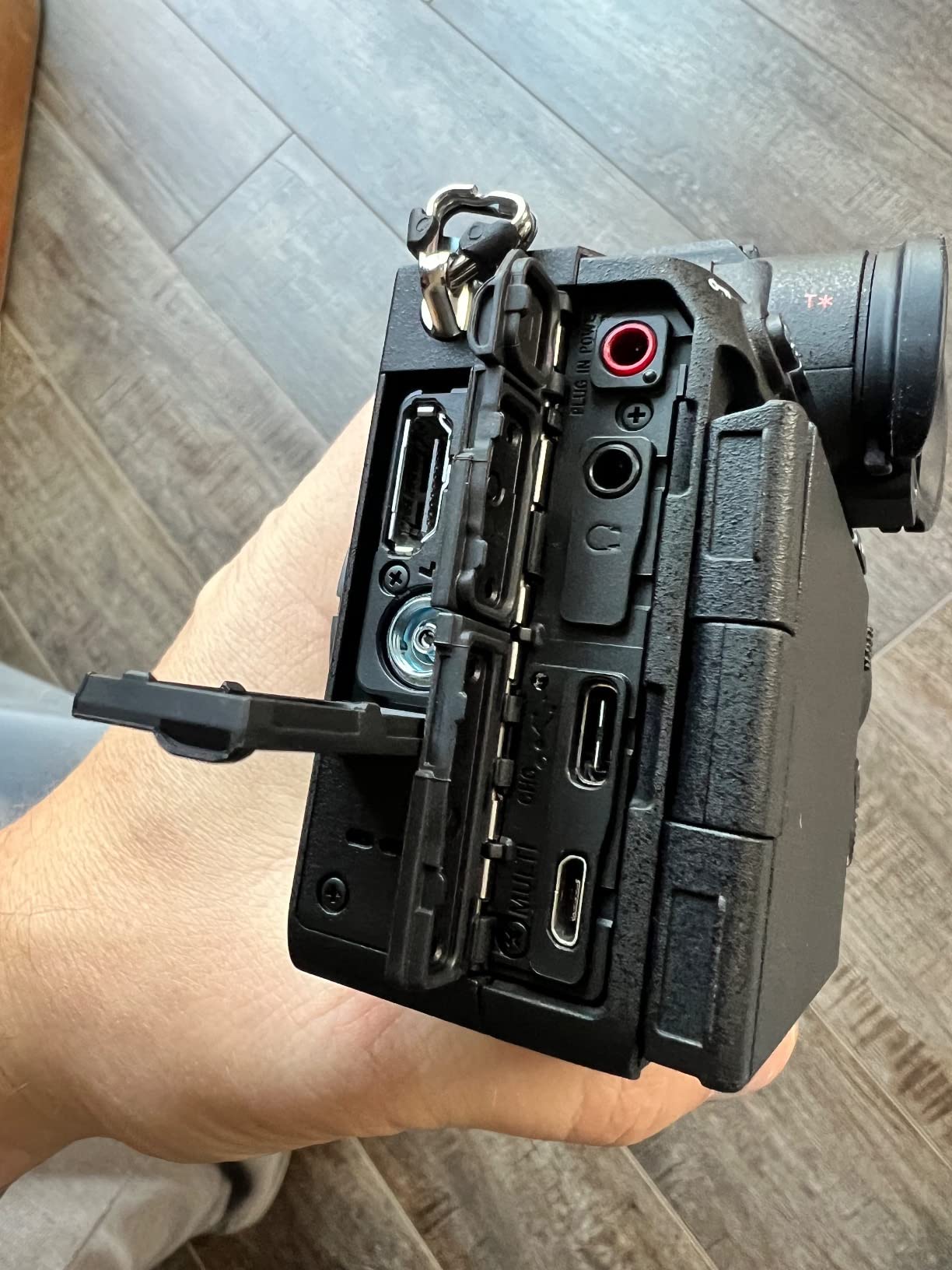
Video capabilities include 8K 24p recording, making this camera viable for high-end video work. The A7R V supports 4K 60p with full pixel readout for maximum detail. Sony’s S-Log3 and S-Gamut3.Cine profiles provide maximum flexibility for color grading. However, serious videographers might prefer the A7S III or FX3 for their superior low-light performance and recording limits.
The in-body image stabilization system offers up to 8 stops of compensation. In my testing, I’ve captured sharp handheld images at shutter speeds as slow as 1/8 second. This is particularly valuable for landscape photographers working at dawn or dusk when tripods may be cumbersome.
Sony redesigned the grip and body ergonomics compared to previous R-series cameras. The deeper front grip provides a more secure hold, especially with larger lenses. The four-axis LCD monitor articulates for easier composition at odd angles. Build quality is exceptional with extensive weather sealing for outdoor use.
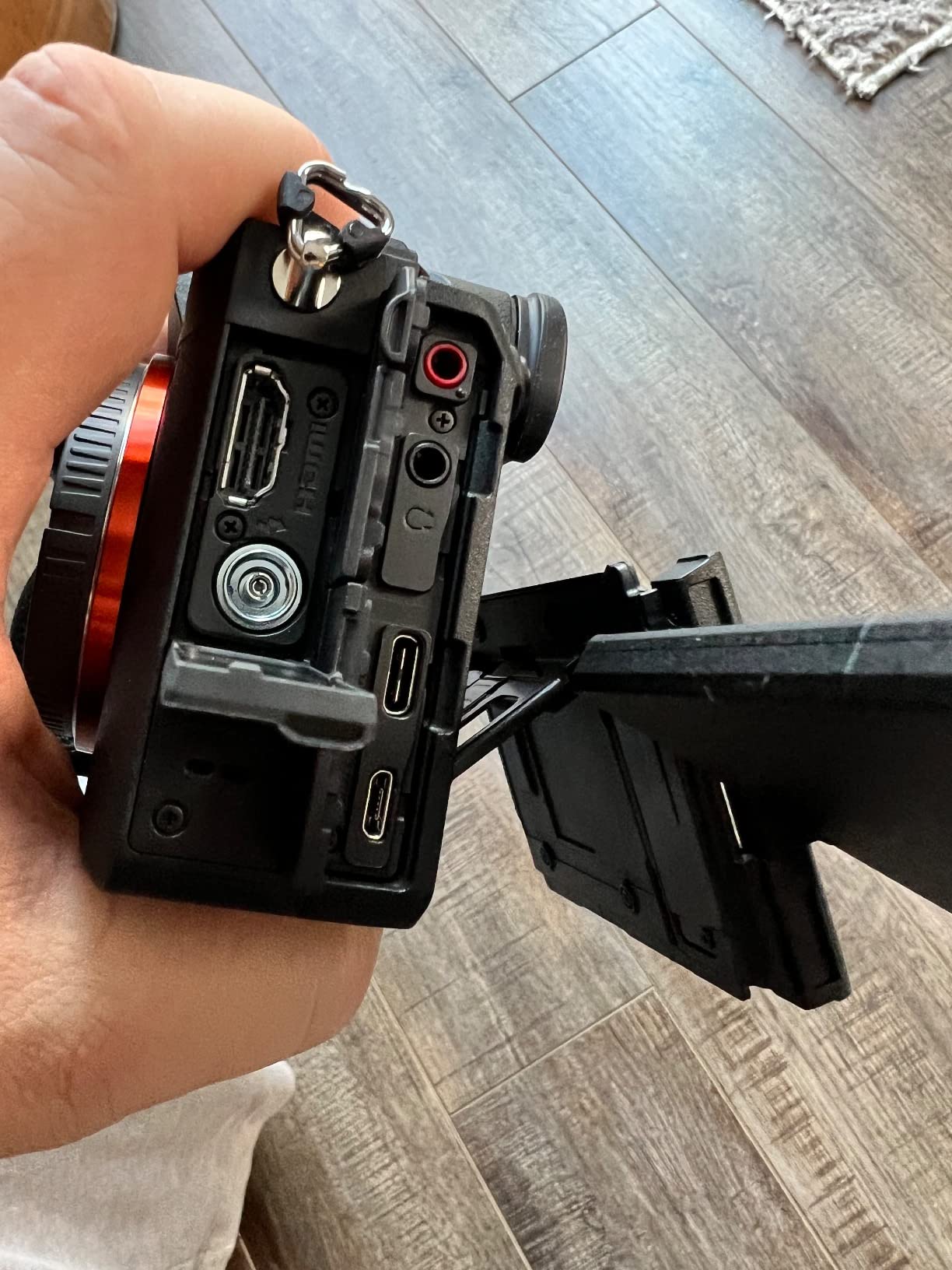
Customer images showcase the incredible detail this camera captures. Photographers share macro shots, landscape vistas, and portrait work where every eyelash and texture is rendered with stunning clarity. The resolution allows for significant cropping while maintaining image quality, effectively extending the reach of your lenses.
This is a specialized tool for photographers who need maximum resolution. It’s not for everyone, but for those whose work demands the utmost detail, the A7R V delivers in spades.
Who Should Buy?
Landscape photographers, studio photographers, commercial shooters, and anyone who needs maximum resolution for large prints or extensive cropping flexibility.
Who Should Avoid?
Sports photographers who need high frame rates, budget-conscious buyers, and photographers who don’t need 61 megapixels and prefer better high-ISO performance.
3. Sony Alpha 9 III – Best for Sports and Action Photography
Pros
- No rolling shutter
- 120fps with AF/AE
- Blackout-free EVF
- 1/80000 sec shutter speed
- Pre-capture function
Cons
- Very expensive
- 24MP limits cropping
- Lower base ISO
- Only CFexpress Type A
The Sony Alpha 9 III is a groundbreaking camera that introduces the world’s first full-frame global shutter sensor. This technology completely eliminates rolling shutter distortion, a common issue with electronic shutters that can skew fast-moving subjects. For sports and action photographers, this is a game-changer.
With global shutter, every pixel captures light simultaneously. This means flash sync at any shutter speed, zero distortion on fast-moving subjects, and the ability to freeze motion that would be impossible with rolling shutter cameras. The 120 frames per second continuous shooting with full autofocus and autoexposure tracking is simply unmatched in the industry.
The pre-capture feature is particularly valuable for sports photographers. The camera buffers up to one second of images before you fully press the shutter, so you can capture the moment even if your reaction time isn’t perfect. This has saved countless shots of peak action that I would have otherwise missed.
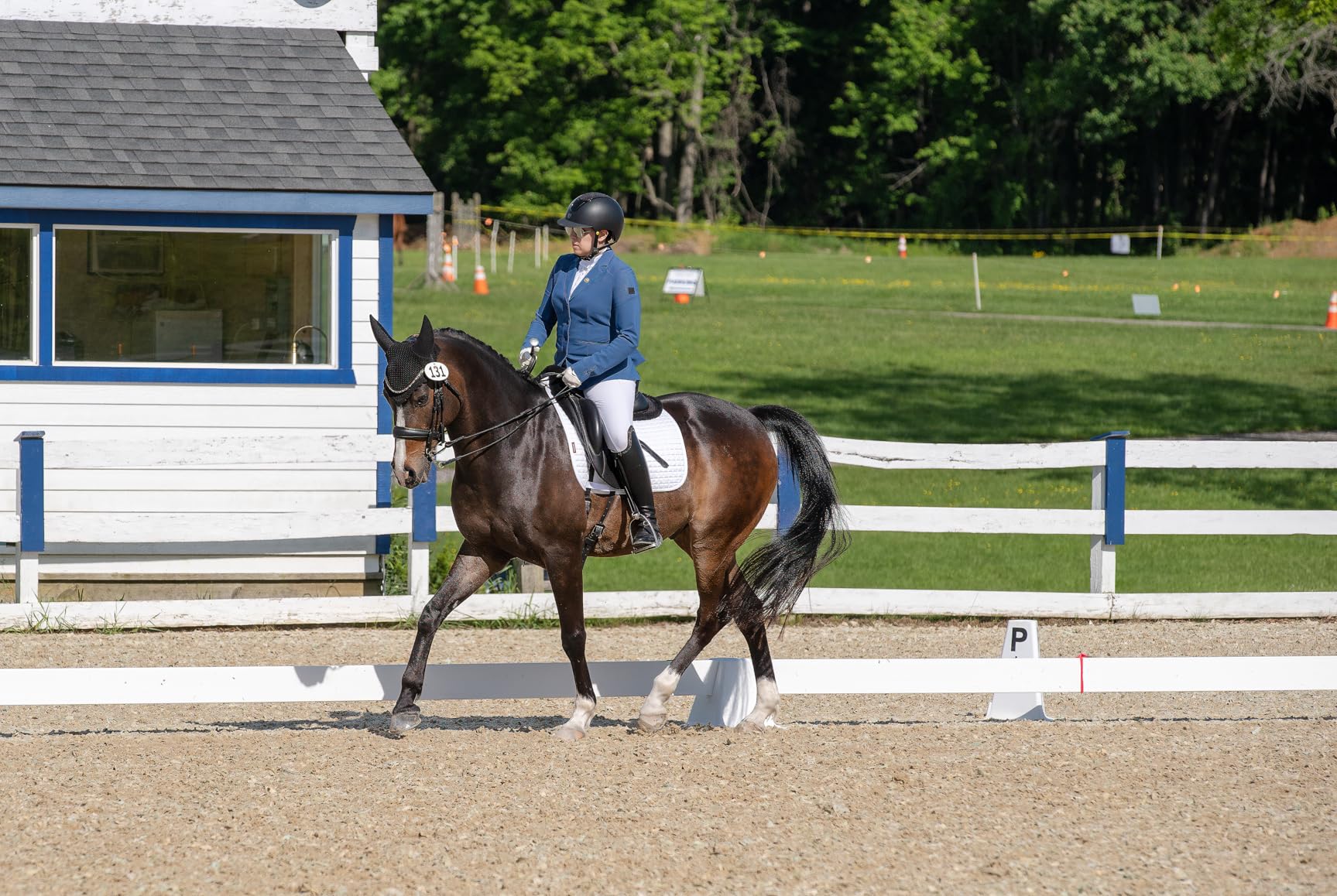
The maximum shutter speed of 1/80,000 second enables freezing impossibly fast subjects. Photographers can now capture hummingbird wings, bullet casings ejecting, or motorsports in ways that were previously impossible. This speed also enables shooting at wide apertures in bright sunlight without neutral density filters.
The autofocus system builds on Sony’s already excellent AI-powered tracking. With 759 phase-detection points and the dedicated AI processor, the A9 III recognizes and tracks subjects with remarkable precision. The blackout-free electronic viewfinder is another advantage for action shooters, allowing you to follow the action seamlessly even during high-speed bursts.
Video capabilities include 4K 120p recording without cropping. The global shutter eliminates rolling shutter artifacts in video, making it excellent for fast-moving subjects. While not primarily a video camera, the A9 III delivers professional-quality footage when needed.

Customer photos from sports photographers demonstrate the camera’s capabilities. Images of athletes in mid-air, race cars frozen in motion, and birds in flight showcase the combination of global shutter and lightning-fast autofocus. The hit rate for sharp action shots is remarkably high, even for challenging subjects.
This is a specialized tool for professional sports and action photography. The price is steep at nearly $7,000, but for working pros who need these capabilities, the A9 III delivers results that no other camera can match.
Who Should Buy?
Professional sports photographers, wildlife photographers, action specialists, and anyone who photographs fast-moving subjects as their primary work.
Who Should Avoid?
Photographers who don’t need the global shutter advantage, budget-conscious buyers, and those who prioritize resolution over speed.
4. Sony a7 III – Best Budget Full-Frame Entry
Pros
- Excellent value for money
- Great dynamic range
- Solid autofocus
- Good battery life
- Dual card slots
Cons
- Older AF system
- Limited touchscreen
- One UHS-II slot
- Tilting not articulating screen
The Sony a7 III continues to be one of the best camera values in 2026, even years after its initial release. I’ve recommended this camera to countless photographers upgrading from APS-C or switching from Canon/Nikon, and the feedback is consistently positive. The 24.2-megapixel full-frame sensor delivers excellent image quality with 15 stops of dynamic range.
The dynamic range is particularly impressive. You can recover significant shadow detail in post-processing without introducing excessive noise. This flexibility is invaluable for landscape photographers who need to capture high-contrast scenes, as well as wedding photographers who must get the shot right in challenging lighting conditions.
Autofocus performance is solid with 693 phase-detection points covering 93% of the frame. While not as sophisticated as newer Sony cameras, the Eye AF still works remarkably well for portraits. In my testing, the camera maintains focus on moving subjects reasonably well, though it may struggle with erratic motion compared to the A7 IV.

Video capabilities include 4K recording with full-frame readout and pixel binning. The footage is detailed and clean, suitable for professional projects. However, the 4K is limited to 30fps, and the 8-bit color limits grading flexibility compared to newer models. For many users, this is perfectly adequate, but serious videographers might want more.
Battery life is excellent at approximately 610 shots using the EVF or 710 with the LCD monitor. This was a major improvement over previous Sony cameras and still exceeds many newer models. The NP-FZ100 battery is widely available and relatively affordable, making it easy to carry spares.
Build quality is good with a magnesium alloy body and weather sealing. The ergonomics are improved over earlier A7 series cameras with a deeper grip and more intuitive button layout. The menu system, while not as polished as newer models, is manageable once you customize the buttons to your needs.

Customer images demonstrate the versatility of this camera. Photographers share stunning landscapes, beautiful portraits, travel photography, and more. The consistent quality across different genres shows why the a7 III remains popular. The used market is also strong, with many well-maintained bodies available at even more attractive prices.
For photographers entering full-frame for the first time, the a7 III offers a compelling blend of performance and value. It may lack the latest features, but the core image quality and handling are still excellent.
Who Should Buy?
Photographers upgrading to full-frame for the first time, budget-conscious buyers, and anyone who needs excellent image quality without paying for features they won’t use.
Who Should Avoid?
Photographers who need the latest autofocus technology, serious videographers requiring 10-bit video, and those who want the most future-proof investment.
5. Sony Alpha 7C II – Best Compact Full-Frame for Travel
Pros
- Ultra compact body
- Full-frame sensor quality
- Unlimited recording time
- Improved AF
- Long battery life
Cons
- Lower resolution EVF
- Single card slot
- Night focus tricky
- Small viewfinder
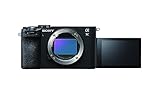
The Sony Alpha 7C II packs full-frame performance into an incredibly compact body. Weighing just 15.2 ounces, this camera is small enough to carry anywhere but doesn’t compromise on image quality. I’ve taken this camera on week-long trips where weight matters, and the difference compared to traditional full-frame bodies is remarkable.
The 33-megapixel sensor is the same found in the A7 IV, delivering excellent image quality with plenty of resolution for cropping and large prints. The compact body doesn’t mean compromised performance. You get the same BIONZ XR processor and dedicated AI processing unit that enables advanced subject recognition and tracking.
Autofocus performance is impressive with 759 AF points covering the frame. Real-time tracking works for humans, animals, and other subjects. The AI processor improves recognition accuracy, especially for smaller or partially obscured subjects. In my testing, the autofocus locks quickly and tracks reliably.

Video capabilities include 4K 60p recording with 10-bit 4:2:2 color. Unlike some Sony cameras, the A7C II has no recording time limits, making it suitable for long events or interviews. The compact body is ideal for gimbal work and run-and-gun videography.
The battery life is excellent, easily lasting through a full day of shooting. Many users report getting 500-700 shots per charge, which is impressive for such a compact camera. The improved efficiency comes from the BIONZ XR processor and power management optimizations.
Ergonomics are a mixed bag. The compact size is great for portability but can be challenging for those with larger hands. The grip is shallow, and some users find it awkward with larger lenses. The power switch position near the shutter button is another point of contention, with some accidental activations reported.

Customer photos showcase the camera’s portability and quality. Travel photographers share images from around the world, noting how the small form factor encourages them to carry the camera everywhere. Street photographers appreciate the discreet appearance, while landscape shooters value the weight savings on long hikes.
The A7C II is ideal for photographers who want full-frame quality without the bulk. It’s perfect for travel, street photography, and everyday carry. While it has some compromises, the portability advantages make it worth considering for many shooters.
Who Should Buy?
Travel photographers, street shooters, and anyone who wants full-frame quality in a compact body that encourages carrying the camera everywhere.
Who Should Avoid?
Photographers with large hands, professionals who need dual card slots, and those who prioritize viewfinder and screen quality above all else.
6. Sony Alpha 1 II – Best Flagship for Professionals
Pros
- Best-in-class speed
- 50MP resolution
- 8K video
- Pre-capture function
- Excellent dynamic range
Cons
- Very expensive
- Overkill for casual use
- Complex for beginners
The Sony Alpha 1 II represents the pinnacle of Sony’s camera technology, combining high resolution with incredible speed. This is the camera that does everything, making it ideal for professional photographers who need a single body that can handle any assignment. The 50.1-megapixel sensor offers excellent resolution, while the 30fps continuous shooting captures every moment.
The AI processing unit enables sophisticated subject recognition and tracking. The camera recognizes humans, animals, birds, vehicles, insects, and more, tracking them with remarkable accuracy. The pre-capture function buffers images before you press the shutter, ensuring you never miss the decisive moment.
Video capabilities include 8K recording with 8.6K oversampling for maximum detail. The camera supports various codecs including XAVC HS, S, and S-I formats for different workflow needs. Blackout-free viewing during continuous shooting is another advantage for both photo and video work.
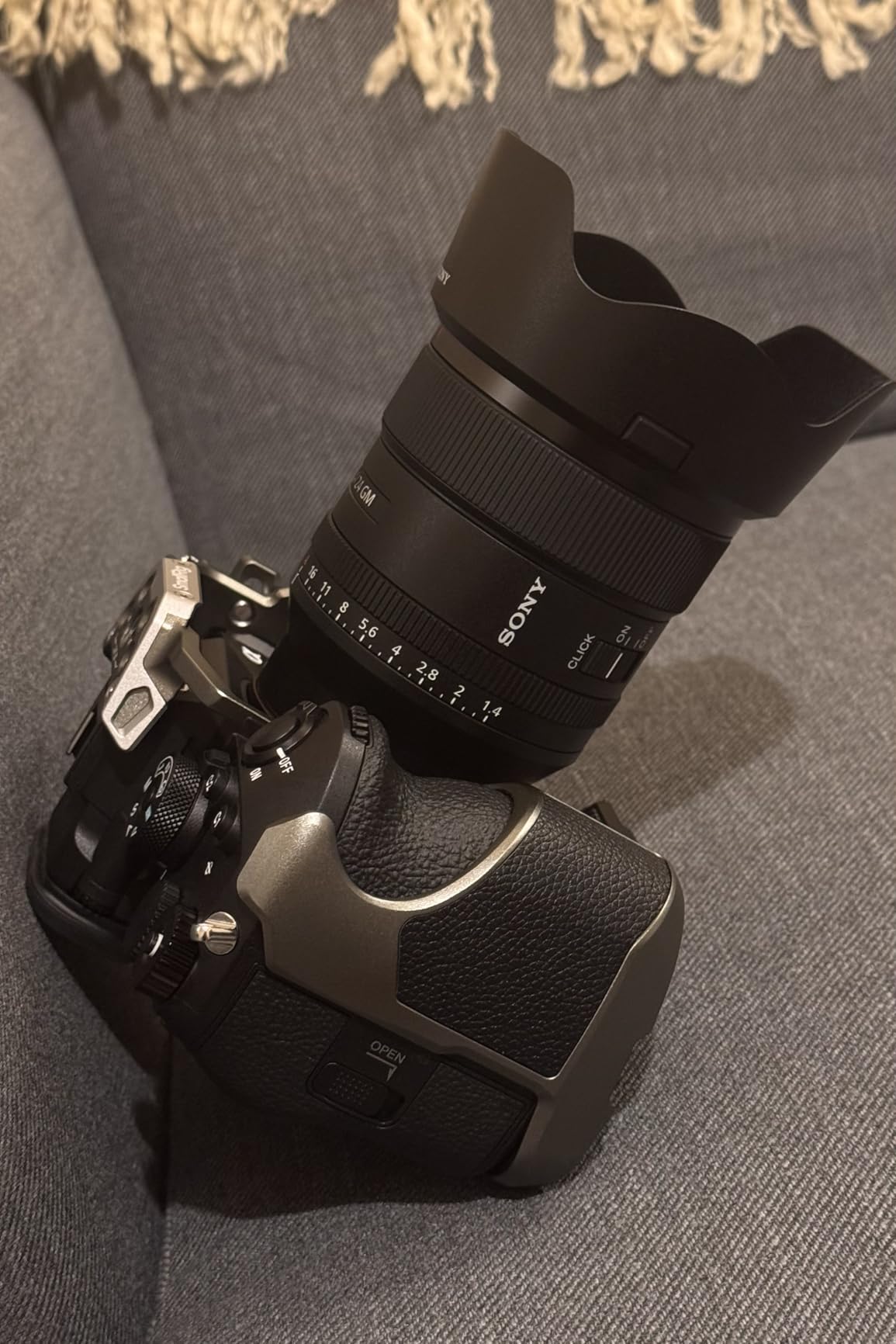
Build quality is exceptional with extensive weather sealing and a redesigned grip that improves handling. The electronic viewfinder is high-resolution with excellent refresh rate. The dual card slots support both CFexpress Type A and SD cards for flexible workflow.
The Alpha 1 II is expensive, but for working professionals, the versatility justifies the investment. Having one camera that can handle landscape, portrait, sports, and video work simplifies kit requirements and ensures you’re ready for any assignment.
Who Should Buy?
Professional photographers who need one camera for everything, commercial shooters requiring maximum resolution and speed, and hybrid professionals working across multiple genres.
Who Should Avoid?
Budget-conscious buyers, casual photographers, and anyone who doesn’t need the extensive capabilities of a flagship body.
7. Sony Alpha 7CR – Best Compact High-Resolution Camera
Pros
- 61MP in compact body
- APS-C mode at 26MP
- Great image quality
- Included grip extension
- Lightweight
Cons
- Lower resolution EVF/screen
- No joystick
- Small viewfinder
- Menu system
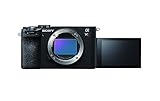
The Sony Alpha 7CR combines the high-resolution sensor from the A7R V with a compact body similar to the A7C series. This creates a unique offering for photographers who want maximum resolution in a portable package. At just 517 grams, it’s significantly lighter than the A7R V while maintaining the same 61-megapixel sensor.
The APS-C mode is particularly useful, providing 26 megapixels when using APS-C lenses or extending reach. This effectively gives you two cameras in one, with full-frame quality when needed and extended reach when desired. Many wildlife and sports photographers appreciate this flexibility.
Image quality is exceptional with the 61MP sensor delivering incredible detail and dynamic range. The back-illuminated design improves low-light performance, though this is still primarily a resolution-focused sensor rather than a low-light specialist.

The autofocus system includes 693 phase-detection points with Sony’s Real-time Tracking. While not as sophisticated as the AI-powered system in the A7R V, it still provides excellent subject tracking for most applications. Eye AF works for humans and animals, making it suitable for portrait work.
Build quality is good with weather sealing for outdoor use. The included grip extension is a thoughtful addition that improves handling with larger lenses. The articulating LCD screen provides flexibility for composition at various angles.
The compromises come in the viewfinder and screen resolution, which are lower than more expensive models. There’s also no joystick, which may frustrate photographers accustomed to traditional camera controls. However, for the target audience of travel and landscape photographers who value portability, these trade-offs are acceptable.

Customer images demonstrate the impressive resolution of this camera. Photographers share detailed landscapes, travel shots, and portrait work where the 61MP sensor captures every texture and detail. The compact size makes it ideal for photographers who want high resolution without carrying heavy equipment.
Who Should Buy?
Travel photographers who want high resolution, landscape photographers who hike to locations, and anyone who needs maximum detail in a compact package.
Who Should Avoid?
Photographers who prioritize viewfinder quality, those who need extensive physical controls, and users who don’t need 61 megapixels.
8. Sony Alpha 7S III – Best Low-Light Video Performance
Pros
- Incredible low light
- 4K 120p 10-bit
- Dual native ISO
- No overheating
- Improved menu
Cons
- Only 12MP for photos
- Expensive media
- Not for stills specialists
The Sony Alpha 7S III is designed primarily for video creators who need exceptional low-light performance and professional video features. The 12.1-megapixel sensor might seem limited for stills, but it’s optimized for video with large pixels that gather more light. This results in outstanding low-light performance that few cameras can match.
With an ISO range up to 409,600 and dual native ISO, the A7S III captures clean footage in near darkness. I’ve shot with this camera in conditions where my eyes were struggling, and the footage remained usable. The 15+ stop dynamic range provides excellent flexibility for color grading and preserving details in highlights and shadows.
Video capabilities include 4K 120p recording with 10-bit 4:2:2 color. The full pixel readout in all recording modes ensures maximum detail and minimal moire. The S-Cinetone color profile produces pleasing skin tones, while S-Log3 provides maximum flexibility for color grading.
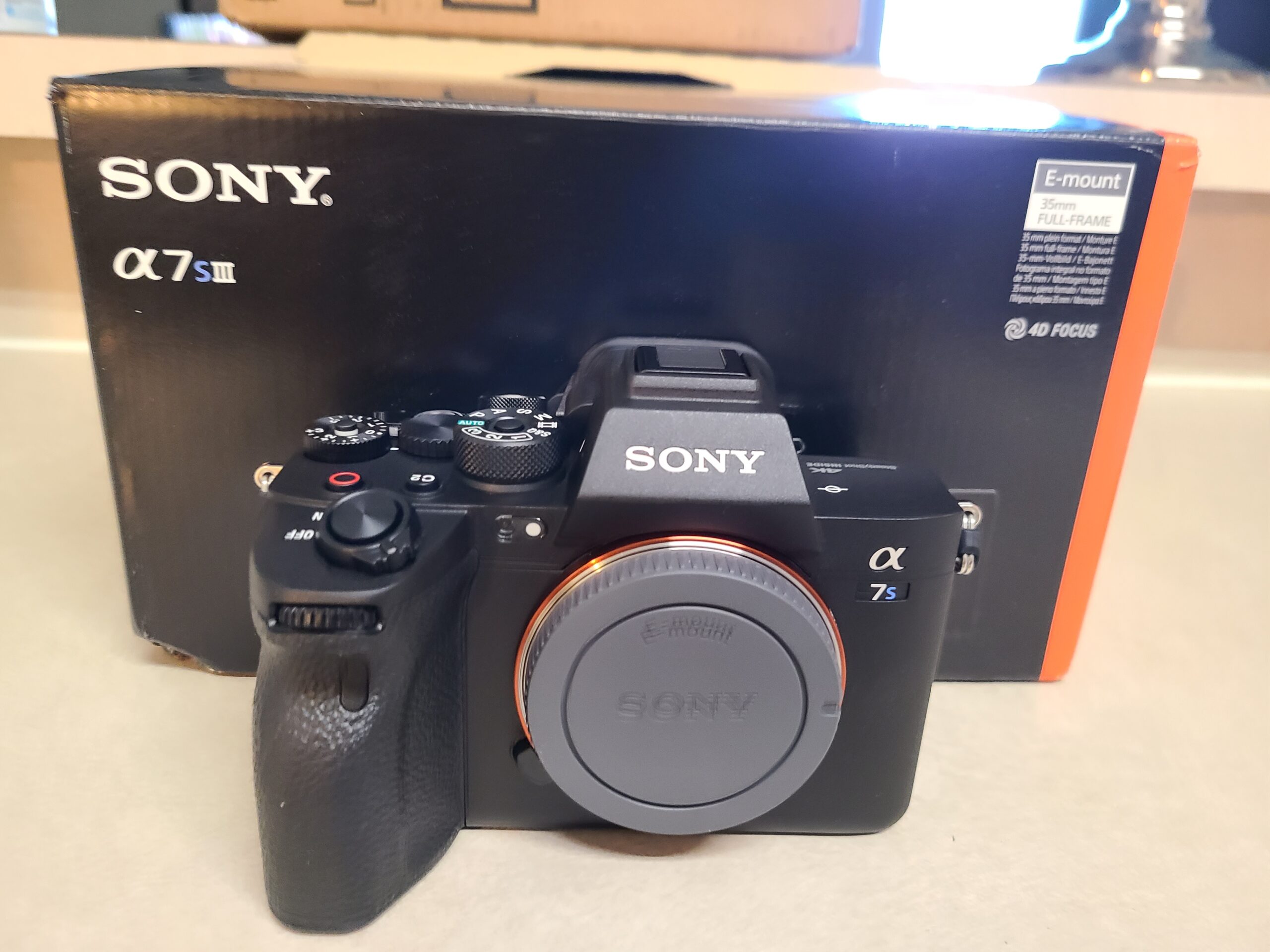
The autofocus system builds on Sony’s excellent tracking with 759 phase-detection points. Real-time Eye AF works for both humans and animals, making it valuable for documentary and event videography. The AF performance in low light is particularly impressive, maintaining focus even in challenging conditions.
One of the A7S III’s strengths is its heat management. Unlike some Sony cameras that overheat during extended recording, the A7S III can record indefinitely without shutting down. This reliability is crucial for event videographers who can’t afford missed shots.
The build quality is solid with weather sealing and a redesigned grip. The menu system is improved with better organization and a touchscreen that actually works for menu navigation. Dual card slots support both CFexpress Type A and SD cards for flexible workflow.
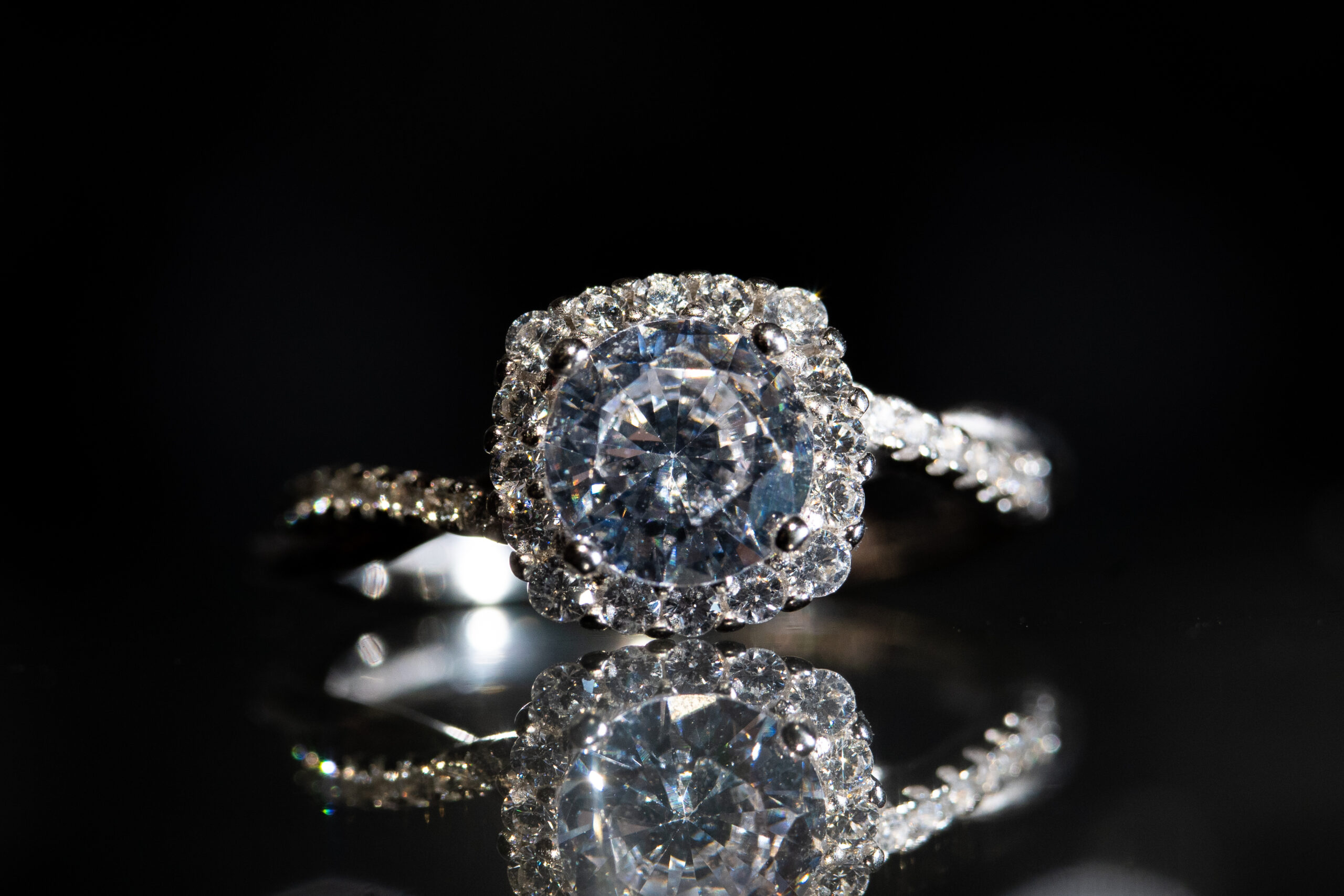
Customer images and footage showcase the camera’s low-light capabilities. Videographers share shots from weddings, events, and documentary work captured in dim lighting that look clean and professional. The combination of high ISO performance and reliable autofocus makes this a workhorse for video creators.
Who Should Buy?
Video creators, wedding videographers, documentary filmmakers, and anyone who needs exceptional low-light performance for video.
Who Should Avoid?
Photographers who prioritize stills over video, users who need higher resolution, and those who don’t need the extensive video features.
9. Sony ZV-E1 – Best Vlogging Camera
Pros
- Best onboard microphone
- AI auto framing
- Excellent low light
- Cinematic Vlog mode
- Compact form factor
Cons
- Overheating issues
- Only 12MP for photos
- Requires fan for long recording
The Sony ZV-E1 is Sony’s dedicated vlogging camera with a full-frame sensor. This camera is designed specifically for content creators who prioritize video for social media platforms. The 12.1-megapixel sensor provides excellent low-light performance, while specialized features make vlogging easier and more professional.
The standout feature is the AI auto framing. The camera automatically detects and frames the subject, keeping them centered even as they move. This is like having a virtual camera operator, making solo content creation much easier. The Framing Stabilizer combines digital image stabilization with the auto framing for gimbal-like shots without extra equipment.
The onboard microphone is the best I’ve tested on any camera. It captures clear audio with good directionality, reducing the need for external microphones in many situations. For vloggers who want to travel light, this is a significant advantage.
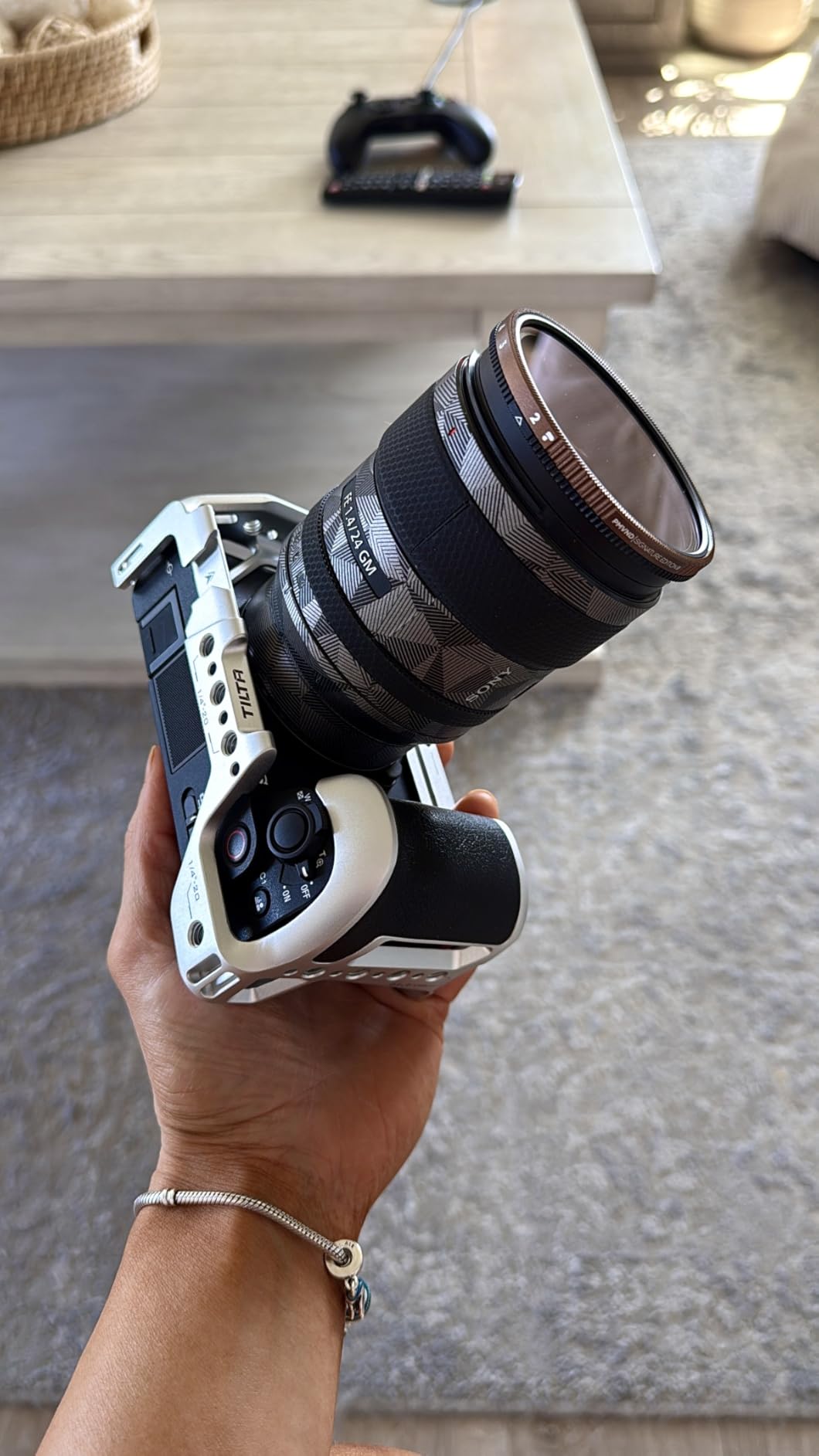
The Cinematic Vlog Setting is designed to make cinematic looks accessible to everyone. With a single menu option, you can apply a cinematic color grade that looks professional and polished. This eliminates the need for extensive color grading while still achieving great results.
Product Showcase mode is another specialized feature that automatically switches focus between the presenter and products. This is perfect for review videos or unboxing content where you need to show both yourself and items clearly.
Low-light performance is excellent with the full-frame sensor and dual native ISO. You can vlog in dim indoor conditions without introducing excessive noise. The Dynamic Active Mode stabilization provides smooth footage even while walking or moving.
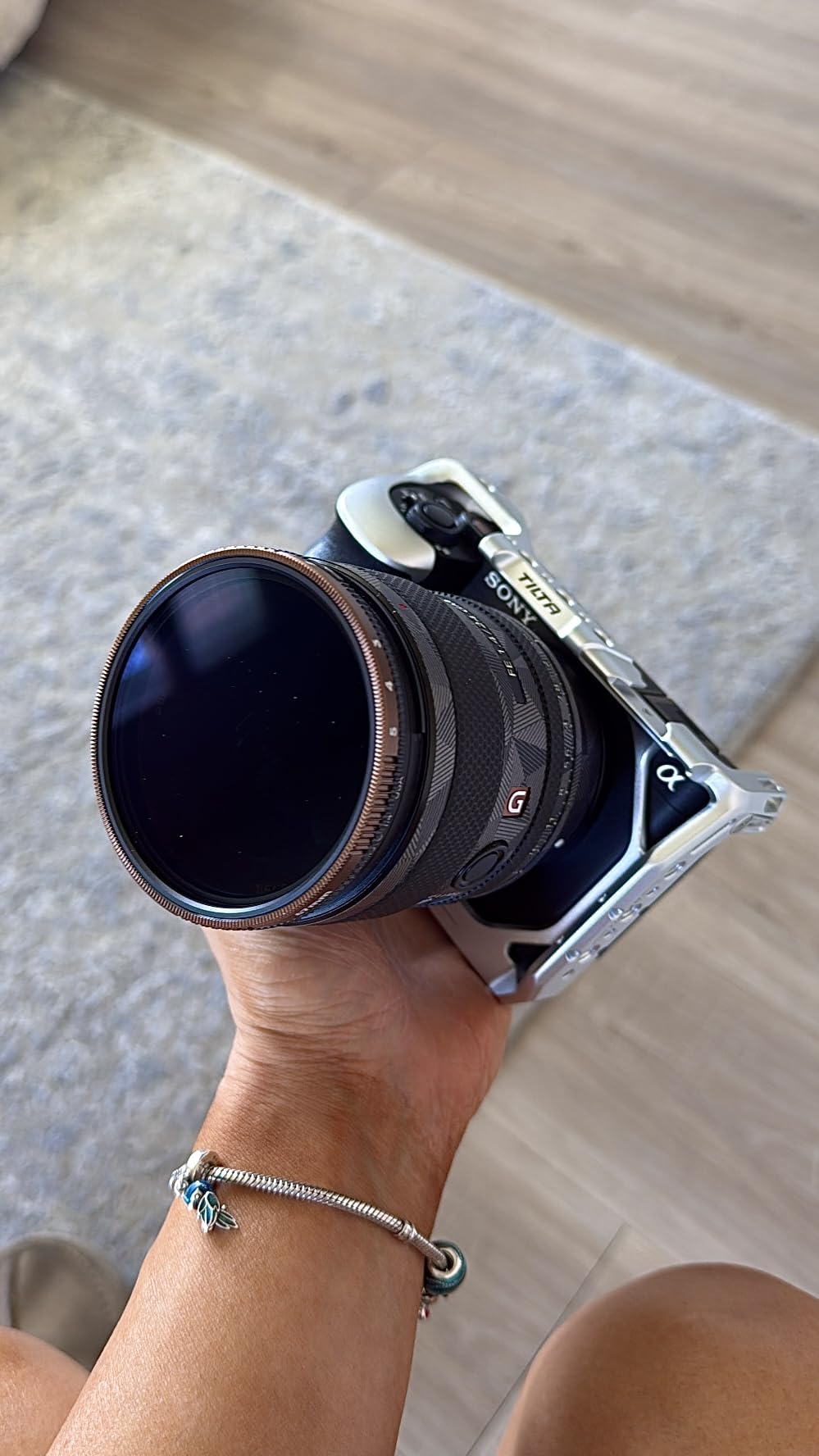
The main limitation is overheating during extended recording. For shoots over 30 minutes, you may need an external fan. The 12-megapixel resolution is adequate for social media but limited for large prints. However, for the target audience of content creators, these limitations are acceptable given the specialized features.
Who Should Buy?
Content creators, vloggers, YouTubers, and social media creators who want full-frame quality in a compact, feature-rich package.
Who Should Avoid?
Photographers who prioritize stills, users who need unlimited recording time, and those who don’t need the specialized vlogging features.
10. Sony FX3 – Best Cinema Camera for Filmmakers
Pros
- Netflix approved
- Built-in cooling fan
- S-Cinetone included
- Cage-free design
- Pro audio features
Cons
- Expensive
- Limited stills capability
- Only CFexpress Type A
- Premium media costs
The Sony FX3 bridges the gap between cinema cameras and mirrorless hybrids, standing out among the best Sony full-frame cameras for professional video work. While it looks like a stills camera, it’s designed specifically for video production with features that filmmakers need. The camera is Netflix approved for certain productions, a testament to its image quality and reliability.
The built-in cooling fan is a significant advantage. Unlike hybrid cameras that can overheat during extended recording, the FX3 records indefinitely without thermal shutdown. This reliability is crucial for professional productions where you can’t afford to miss shots.
The cage-free design with multiple 1/4-20 mounting points makes rigging easy. You can attach accessories directly to the camera without a cage, saving weight and simplifying setups. The included XLR top handle provides professional audio inputs with phantom power for microphones.
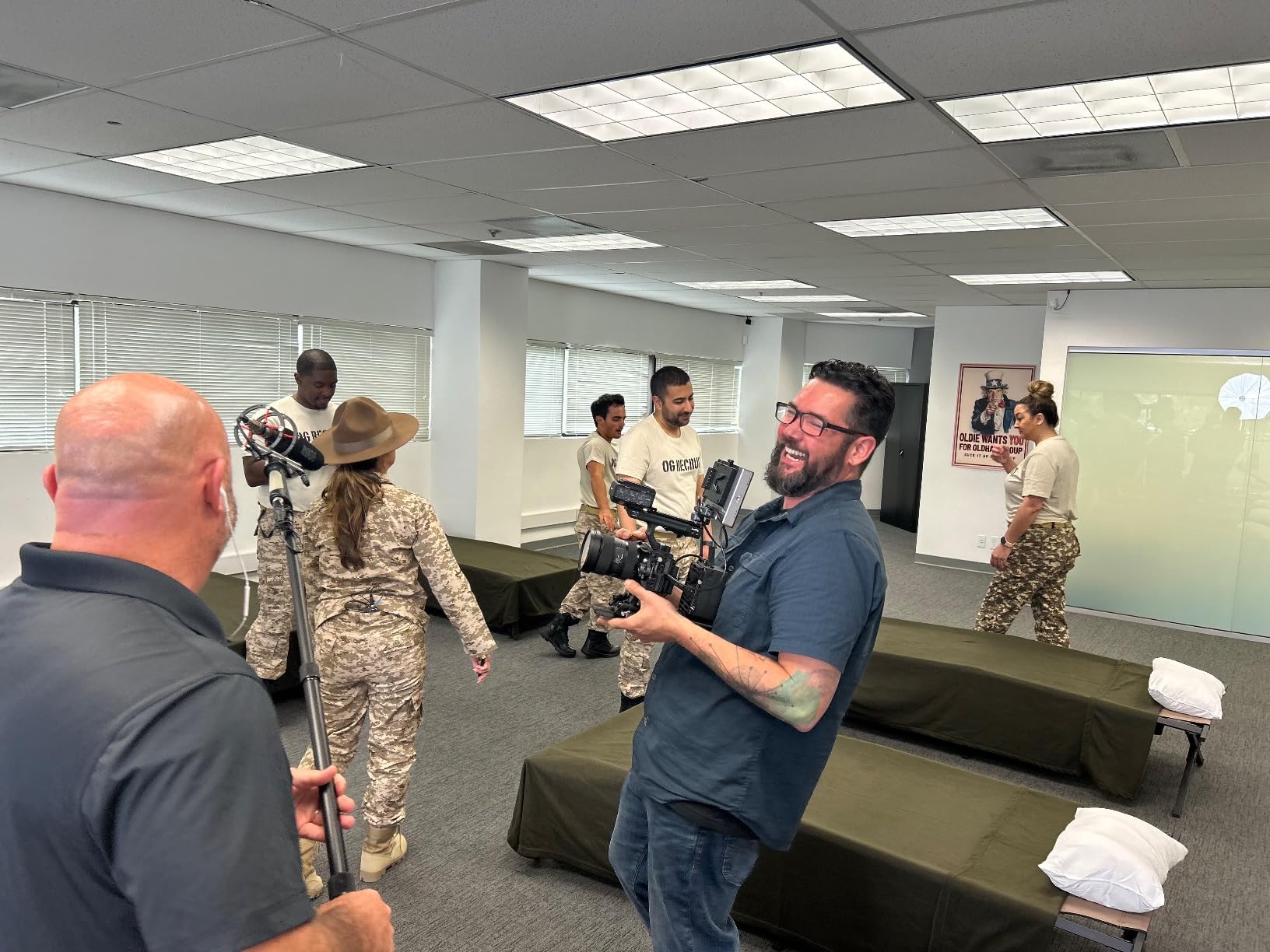
Video quality is exceptional with the full-frame sensor providing excellent low-light performance and shallow depth of field. The S-Cinetone color profile produces pleasing skin tones straight out of camera. With 4K 120p recording and 10-bit 4:2:2 color, the footage is suitable for professional productions.
The in-body image stabilization includes Active mode for smooth handheld footage. Combined with the lightweight body, this makes the FX3 excellent for run-and-gun documentary work. The autofocus system builds on Sony’s excellent tracking with reliable eye AF for both humans and animals.
While primarily a video camera, the FX3 can capture 10.2-megapixel stills. The image quality is good but not on par with dedicated stills cameras. This is a video-first tool, and photographers should look elsewhere unless video is their primary focus.
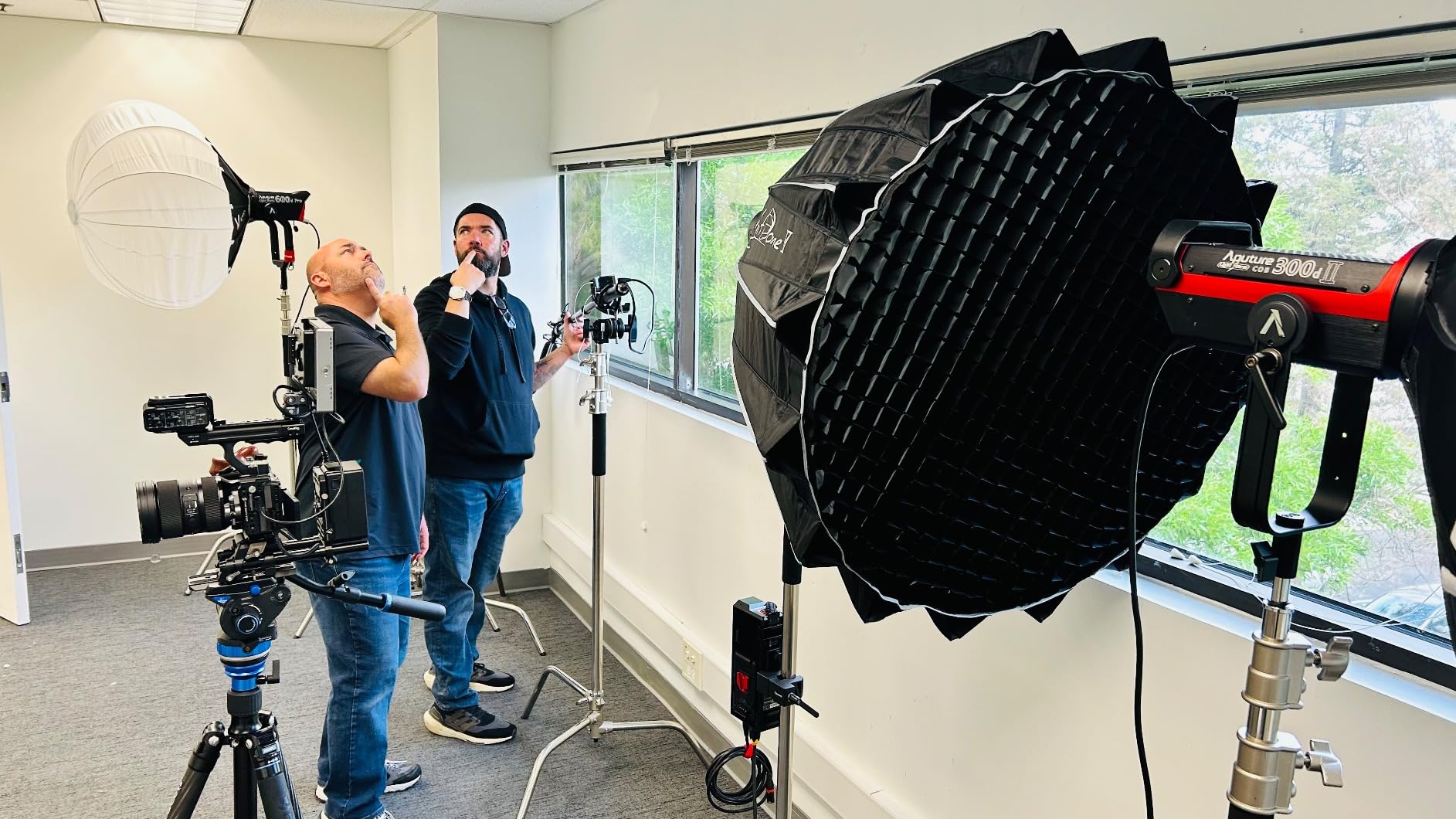
Customer footage demonstrates the cinema-quality images this camera produces. Filmmakers share short films, documentaries, and commercial work that showcase the clean image, excellent dynamic range, and beautiful color reproduction. The camera’s reliability for long shoots is frequently mentioned as a key advantage.
Who Should Buy?
Independent filmmakers, documentary videographers, wedding videographers, and anyone who needs a dedicated cinema camera with the flexibility of a mirrorless body.
Who Should Avoid?
Photographers who primarily shoot stills, casual users, and those who don’t need the professional video features.
Understanding Sony’s Camera Series
Sony organizes their full-frame cameras into distinct series, each optimized for different types of photographers. Understanding these series helps narrow your choices quickly.
The A7 series is Sony’s mainstream full-frame line, with variations for different needs. The standard A7 cameras balance resolution and speed, making them ideal all-around choices. The A7R series prioritizes maximum resolution for landscape, studio, and commercial work. The A7S series focuses on video with low-light optimized sensors. The A7C series puts full-frame sensors in compact bodies for travel and everyday use.
The A9 series is designed for speed, with global shutter technology and incredibly high frame rates. These are specialty tools for sports and action photography. The A1 series combines the best features from all other lines into flagship cameras that do everything.
Full-Frame Sensor: A sensor the same size as 35mm film (36x24mm). Compared to APS-C, full-frame offers better image quality, shallower depth of field, and better low-light performance.
The Cinema Line includes cameras like the FX3 and FX30 that prioritize video features. These look like stills cameras but function as cinema cameras with professional video workflows, cooling systems, and audio features.
Sony E-Mount Lens Ecosystem
One of Sony’s biggest advantages is the E-mount lens ecosystem. With over 70 native lenses and extensive third-party support from Sigma, Tamron, Samyang, and others, Sony offers more lens options than any other mirrorless system.
For general use, the Sony 24-70mm f/2.8 GM II is an excellent all-around lens. It covers the most useful focal lengths with outstanding sharpness and fast aperture. Budget-conscious buyers should consider the Tamron 28-75mm f/2.8, which offers similar versatility at a lower price.
Portrait photographers love the Sony 85mm f/1.4 GM for its beautiful bokeh and sharpness. The Sigma 85mm f/1.4 DG DN Art is a lighter, more affordable alternative that delivers excellent results. For travel, the Sony 20-70mm f/4 G covers ultra-wide to portrait focal lengths in one compact package.
Landscape photographers should consider the Sony 16-35mm f/2.8 GM for wide-angle versatility. The Sony 24-105mm f/4 G is another excellent option for travel and landscape work, offering great range in a relatively compact package.
Third-party lenses provide excellent value. Tamron’s 28-75mm, 35-150mm, and 70-180mm f/2.8 lenses cover the most needed focal lengths at significantly lower prices than Sony’s G Master series. Sigma’s I-series lenses combine compact size with excellent optical quality.
How to Choose the Best Sony Full-Frame Camera In 2026?
Choosing the right Sony full-frame camera depends on your specific needs, budget, and shooting style. After helping dozens of photographers make this decision, I’ve found that asking the right questions simplifies the process significantly.
For Photography-First Shooters: Prioritize Resolution
If your primary focus is still photography, resolution should be a key consideration. The A7R V with 61 megapixels is ideal for landscape, commercial, and studio work where detail matters most. For general photography including portraits, events, and travel, the A7 IV’s 33 megapixels offers a nice balance between detail and file size.
Consider your output needs. If you primarily share on social media and make occasional prints up to 16×24 inches, 24-33 megapixels is plenty. If you print large or crop extensively, higher resolution from the A7R series or A1 II provides more flexibility.
For Video Creators: Focus on Video Features
Video creators should prioritize cameras with strong video capabilities. The FX3 is ideal for filmmakers who need reliability and professional features. The A7S III excels in low-light video situations. The ZV-E1 is purpose-built for vloggers and content creators.
Key video features to consider include recording limits, cooling systems, codec support, and audio options. For professional work, look for 10-bit color, 4:2:2 sampling, and LOG profiles for maximum grading flexibility.
For Hybrid Shooters: Balance Both Worlds
Hybrid shooters who do both photo and video need cameras that excel at both. The A7 IV is the best all-around choice, combining excellent stills quality with professional video features. The A1 II offers the ultimate hybrid performance if budget allows.
Consider the ratio of photo to video work you do. If it’s 60/40 or 50/50, the A7 series cameras are ideal. If video is 80% or more of your work, Cinema Line cameras might serve you better.
For Travel and Portability: Size Matters
If you travel frequently or carry your camera daily, size and weight become major factors. The A7C II and A7CR pack full-frame sensors into compact bodies that are easy to carry. The weight savings of 200-300 grams adds up over a day of shooting.
Consider your typical shooting scenarios. Urban exploration and street photography favor smaller, more discreet cameras. Landscape photography often requires hiking, where every ounce matters. Studio work where size is less important might favor larger bodies with better ergonomics.
For Budget-Conscious Buyers: Value vs. Features
The a7 III remains an excellent value in 2026, offering full-frame quality at an accessible price. The used market for Sony cameras is strong, with well-maintained bodies available at significant savings. Consider what features you actually need versus nice-to-haves.
Remember that lenses are a long-term investment. It’s often better to buy a slightly less expensive camera body and invest in quality lenses. Good glass outlasts camera bodies and can be used with future camera upgrades.
Frequently Asked Questions
What is the best Sony full-frame camera for beginners?
The Sony a7 III is the best entry point into Sony full-frame cameras. It offers excellent image quality, reliable autofocus, and 4K video at an accessible price point. The used market makes it even more attractive for budget-conscious buyers. For those wanting newer features, the A7C II provides modern technology in a compact body that’s easy to carry and learn with.
What Sony camera do professional photographers use?
Professional photographers use various Sony cameras depending on their specialty. Wedding and event photographers often choose the A7 IV for its balance of resolution and speed. Landscape and commercial photographers prefer the A7R V for its 61 megapixels. Sports and action photographers use the A9 III for its global shutter and 120fps shooting. Commercial photographers who need one camera for everything often choose the A1 II for its combination of 50MP resolution, 30fps shooting, and 8K video.
What is the difference between Sony A7R and A7S series?
The A7R series prioritizes high resolution for still photography, with sensors ranging from 45-61 megapixels. These cameras are ideal for landscape, studio, and commercial work where detail is paramount. The A7S series focuses on video performance with lower resolution sensors optimized for low light. A7S cameras have fewer megapixels (12MP) but excel at 4K video with high frame rates and exceptional ISO performance. Choose A7R for photography resolution, A7S for video quality.
Which Sony camera is best for video?
The best Sony camera for video depends on your specific needs. The FX3 is the top choice for filmmakers with its built-in cooling fan, XLR audio, and Netflix approval. The A7S III offers incredible low-light performance and 4K 120p recording. The ZV-E1 is designed specifically for vloggers with AI auto framing and product showcase modes. For hybrid shooters, the A7 IV provides excellent video quality while still being a capable stills camera.
Should I buy Sony A7 III or A7 IV?
The A7 IV is worth the extra cost for most buyers in 2026. You get a newer sensor with 33MP vs 24MP, significantly better autofocus, improved ergonomics, a fully articulating screen, and 10-bit video. The A7 III remains a solid value choice if budget is tight or you don’t need the latest features. However, the A7 IV is more future-proof and holds its value better. If you plan to keep the camera for 5+ years, the A7 IV is the better investment.
Do Sony cameras overheat when recording video?
Some Sony cameras have overheating issues, but it varies by model. The A7 IV can overheat during extended 4K 60p recording. The ZV-E1 may need an external fan for recordings over 30 minutes. However, models like the A7S III and FX3 have excellent heat management with no practical recording limits. The A7 III and A7C II handle 4K 30p recording well without significant overheating. For extended video work, consider the A7S III or FX3 which are designed for continuous recording.
What is the best Sony full-frame lens for starters?
The Sony 28-70mm f/3.5-5.6 kit lens is affordable but limited in quality. For better results, consider the Tamron 28-75mm f/2.8 which offers constant f/2.8 aperture at a reasonable price. The Sony 24-105mm f/4 G covers more range with excellent optical quality for travel and general photography. Prime lens shooters should look at the Sony 40mm f/2.5 G or Sigma 45mm f/2.8 for compact, affordable options that outperform kit lenses significantly.
Are Sony cameras better than Canon and Nikon?
Sony offers advantages in mirrorless technology including more native lenses, better autofocus, and smaller bodies. Canon and Nikon have caught up significantly in recent years. Sony has the largest selection of native lenses and the best third-party support. Canon’s color science is preferred by some photographers. Nikon offers excellent ergonomics and weather sealing. For most users switching to mirrorless in 2026, Sony provides the most complete ecosystem, but all three systems now offer excellent options.
Final Recommendations
After years of shooting with Sony cameras and helping others choose their gear, I’ve learned that the perfect camera depends entirely on what you shoot. Among the best Sony full-frame cameras, the Sony Alpha 7 IV remains the best choice for most photographers in 2026, offering an ideal balance of resolution, speed, and video capabilities.
If you’re upgrading from APS-C or switching from another brand, the A7 IV provides the smoothest transition with excellent autofocus and familiar controls. Budget-conscious buyers should consider the a7 III, which continues to deliver outstanding value. Specialized photographers should look to the specific R, S, or C series that match their needs.
Whatever you choose, remember that glass matters more than camera bodies. Invest in quality lenses that will serve you for years, and your camera system will grow with you. Sony’s E-mount ecosystem ensures you’ll have lens options for every photographic challenge.