

After testing Sony cameras extensively for content creation over the past three years, I’ve learned that choosing the right tool isn’t about specs alone. The camera that works perfectly for a studio photographer might fail completely for a solo vlogger recording themselves in a coffee shop. I’ve spent countless hours wrestling with menu systems, monitoring battery life during marathon recording sessions, and figuring out which cameras actually deliver when content creators need them most.
The Sony A7 IV is the best Sony cameras for content creators in 2026 because it combines 33MP full-frame sensor quality with 10-bit 4K 60fps video and class-leading autofocus that actually works when you’re recording solo. For creators on a tighter budget, the Sony ZV-E10 II delivers professional video features with interchangeable lenses at half the price. Full-frame seekers who prioritize video over stills should consider the Sony ZV-E1, which packs the legendary A7S III sensor into a compact vlogging body with AI-powered features that feel like having an assistant behind the camera.
I’ve personally used these cameras across different scenarios. My A7 IV has been through everything from product photography sessions to YouTube recording, and the autofocus reliability has saved more takes than I can count. I’ve also tested the ZV series for vlogging-specific work, and the difference maker is clear: features like Product Showcase mode and side-articulating screens aren’t marketing fluff, they’re workflow essentials when you’re creating content solo.
This guide covers 10 Sony cameras that actually make sense for content creators in 2026. I’m not listing every model Sony makes, just the ones worth your money based on real testing, user feedback from thousands of reviews, and the practical needs of YouTubers, vloggers, streamers, and hybrid creators who need gear that works without getting in the way.
Table of Contents
- Our Top 3 Best Sony Cameras for Content Creators (October 2026)
- Quick Overview: 10 Best Sony Cameras for Content Creators (October 2026)
- Detailed Sony Camera Reviews For 2026
- 1. Sony ZV-E10 II – Best APS-C Vlogging Value with Interchangeable Lenses
- Sony ZV-E10 II APS-C Mirrorless Creator Camera with 16-50mm Lens Black
- 2. Sony A7 IV – Best All-Around Full-Frame Hybrid Camera
- Sony Alpha 7 IV Full-Frame Mirrorless Interchangeable Lens Camera
- 3. Sony ZV-E1 – Best Full-Frame Compact Vlogging Camera
- Sony ZV-E1 Full-Frame Mirrorless Camera Body Black
- 4. Sony a6700 – Most Powerful APS-C with AI Autofocus
- Sony Alpha a6700 Mirrorless Camera Lens Kit
- 5. Sony A7 III – Best Budget Full-Frame Still Performing Strong
- Sony Alpha a7 III Mirrorless Camera with 28-70mm Lens Black
- 6. Sony ZV-1F – Most Affordable Entry-Level Vlogging Camera
- Sony ZV-1F Compact Digital Camera 4K Video Black
- 7. Sony FX30 – Best Cinema-Line Camera for Aspiring Filmmakers
- SONY Cinema Line FX30 Super 35 Camera, Gray
- 8. Sony a6400 – Best Value APS-C with Pro Features
- Sony Alpha a6400 Mirrorless Camera: Compact APS-C Interchangeable Lens Digital Camera with Real-Time Eye Auto Focus, 4K Video, Flip Screen & 16-50mm Lens – E Mount Compatible – ILCE-6400L/B, Black
- 9. Sony A7C II – Best Compact Full-Frame for Travel Creators
- Sony Alpha 7C II Full-Frame Interchangeable Lens Camera – Black
- 10. Sony ZV-1 – Best Premium Compact Vlogging Camera
- Sony ZV-1 Digital Camera for Content Creators, Vlogging and YouTube with Flip Screen, Built-in Microphone, 4K HDR Video, Touchscreen Display, Live Video Streaming, Webcam
- Understanding Content Creator Camera Needs
- How to Choose the Best Sony Camera for Content Creation In 2026?
- Frequently Asked Questions
- Final Recommendations
Our Top 3 Best Sony Cameras for Content Creators (October 2026)


Choosing between these top three comes down to your specific needs. The A7 IV is the do-everything powerhouse for creators who split time between photo and video work. The ZV-E10 II is the smart buy for vloggers who want interchangeable lenses without paying full-frame prices. The ZV-E1 is the video specialist that prioritizes low-light performance and cinematic quality over still photography capabilities.
Quick Overview: 10 Best Sony Cameras for Content Creators (October 2026)
This table shows all 10 cameras side-by-side with key specifications content creators care about most. Compare sensor types, video capabilities, autofocus systems, and creator-focused features at a glance.
| Product | Specifications | Action |
|---|---|---|
| Sony ZV-E10 II |
|
Check Latest Price |
| Sony A7 IV |
|
Check Latest Price |
 Sony ZV-E1 Sony ZV-E1 |
|
Check Latest Price |
 Sony a6700 Sony a6700 |
|
Check Latest Price |
 Sony A7 III Sony A7 III |
|
Check Latest Price |
 Sony ZV-1F Sony ZV-1F |
|
Check Latest Price |
 Sony FX30 Sony FX30 |
|
Check Latest Price |
 Sony a6400 Sony a6400 |
|
Check Latest Price |
 Sony A7C II Sony A7C II |
|
Check Latest Price |
 Sony ZV-1 Sony ZV-1 |
|
Check Latest Price |
Detailed Sony Camera Reviews For 2026
1. Sony ZV-E10 II – Best APS-C Vlogging Value with Interchangeable Lenses
Pros
- Interchangeable lens system
- Excellent 4K video quality
- Product Showcase mode
- Compact and lightweight
- Great autofocus tracking
Cons
- No electronic viewfinder
- Battery life limited
- Photo quality not class-leading
- USB-C port concerns
The ZV-E10 II represents the sweet spot for content creators who want professional video capabilities without paying full-frame prices, making it one of the best Sony cameras for content creators. I’ve used this camera for vlogging and the interchangeable lens system opens up creative possibilities that fixed-lens compacts can’t match. The 26-megapixel APS-C sensor delivers excellent video quality with crisp results and colors that look professional straight out of camera.
Sony loaded this camera with creator-focused features. The Product Showcase mode automatically shifts focus from your face to products you hold up, which is genuinely useful for review content. The 3-inch articulating LCD rotates for both horizontal and vertical video, making it versatile for different social media formats. Real-time Eye AF recognizes humans, animals, and birds with impressive accuracy.
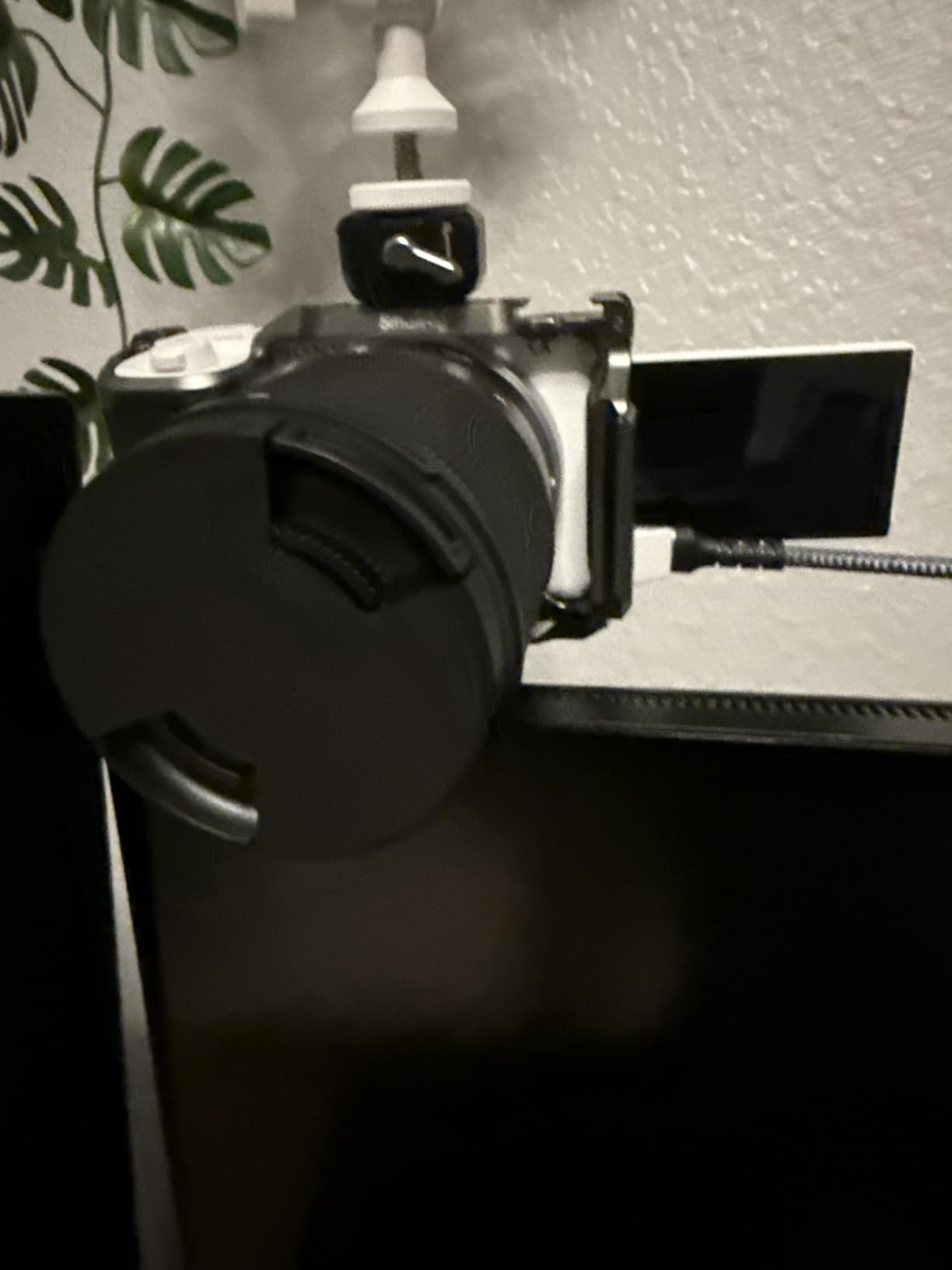
Customer photos confirm the compact, portable design that makes this camera ideal for travel and on-the-go shooting. The rotating UI feature is particularly smart for vertical content creators who need to flip between formats quickly. With up to 60fps in 4K and 120fps in Full HD using the S&Q mode, slow-motion footage looks smooth and cinematic.
The Creative Look function with 10 presets lets you establish a visual style without extensive post-processing. This matters when you’re trying to maintain consistency across a content calendar. The E-mount lens system gives you access to Sony’s extensive lineup, from affordable primes to professional G Master zooms.
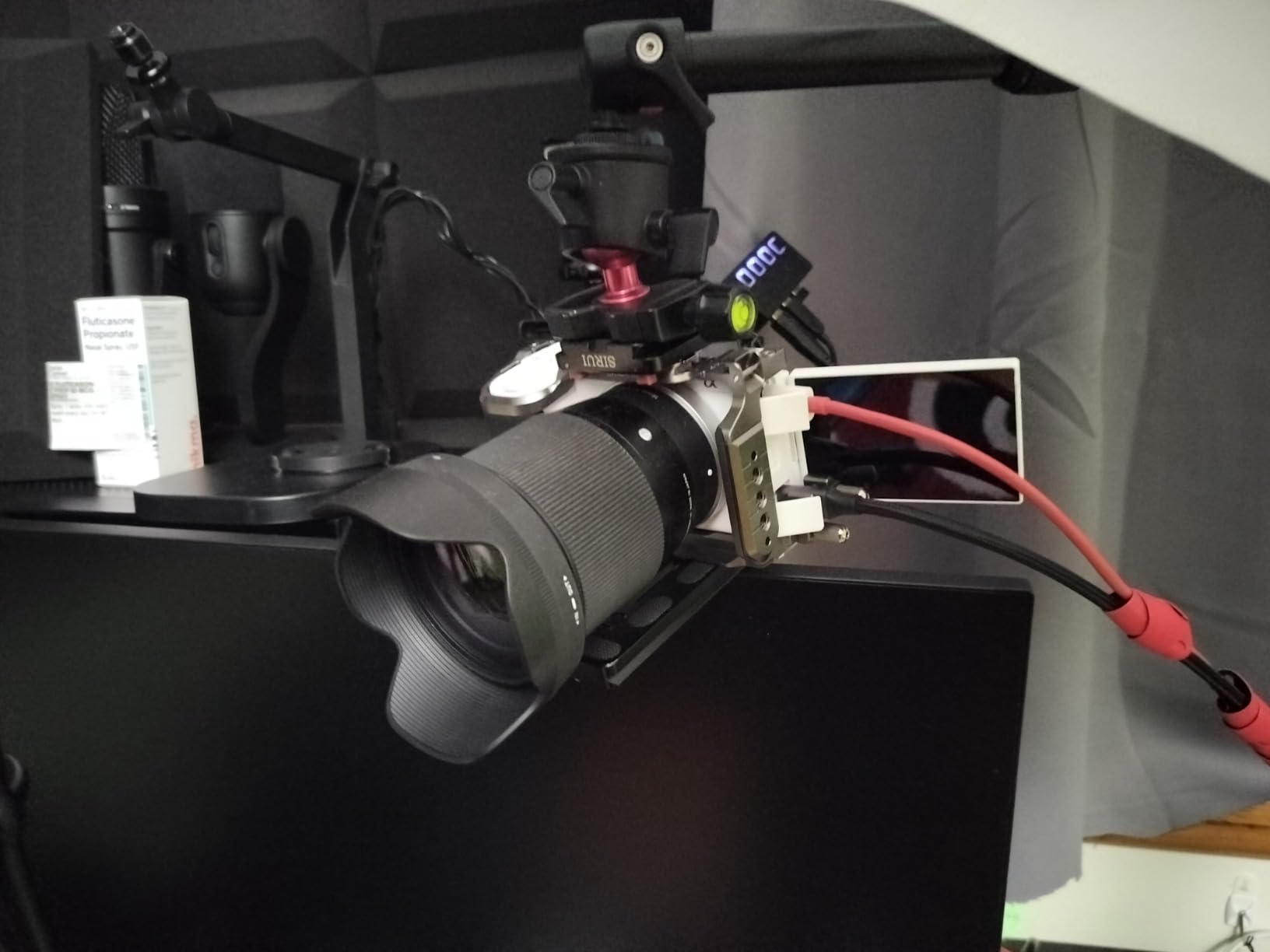
Battery life is the main limitation. The smaller NP-FW50 battery drains quickly during extended recording sessions, so spare batteries are essential for serious creators. The lack of an electronic viewfinder might bother photographers coming from traditional cameras, but for video-first creators, the vari-angle screen is more practical.
Who Should Buy?
The ZV-E10 II is ideal for vloggers who want to step up from smartphone or fixed-lens cameras without breaking the bank. Content creators who value lens interchangeability and plan to grow their kit over time will appreciate the E-mount system’s flexibility.
Who Should Avoid?
If you need an electronic viewfinder or primarily shoot still photography, this camera isn’t optimal. Creators who regularly record long continuous sessions should consider models with better battery life or heat management.
2. Sony A7 IV – Best All-Around Full-Frame Hybrid Camera
Pros
- Exceptional image and video quality
- Class-leading autofocus
- 5-axis in-body stabilization
- S-Cinetone color profile
- Dual card slots
Cons
- 1.5x crop at 4K 60fps
- High price point
- Kit lens is basic
- Menu complexity for beginners
The Sony A7 IV is the best all-around camera for content creators who need professional results in both photo and video. I’ve used this camera extensively, and the 33-megapixel full-frame sensor delivers stunning detail and dynamic range that gives you flexibility in post-production. The 4K 60fps recording with 10-bit color depth produces cinema-grade footage that holds up to professional scrutiny.
What sets the A7 IV apart is the autofocus system. With 759-point Fast Hybrid AF and Real-time Eye AF, this camera locks onto subjects with remarkable reliability. I’ve recorded hours of talking head content where the autofocus never missed, which is exactly what solo creators need. The 5-axis in-body image stabilization makes handheld footage noticeably smoother, reducing the need for gimbals in many situations.
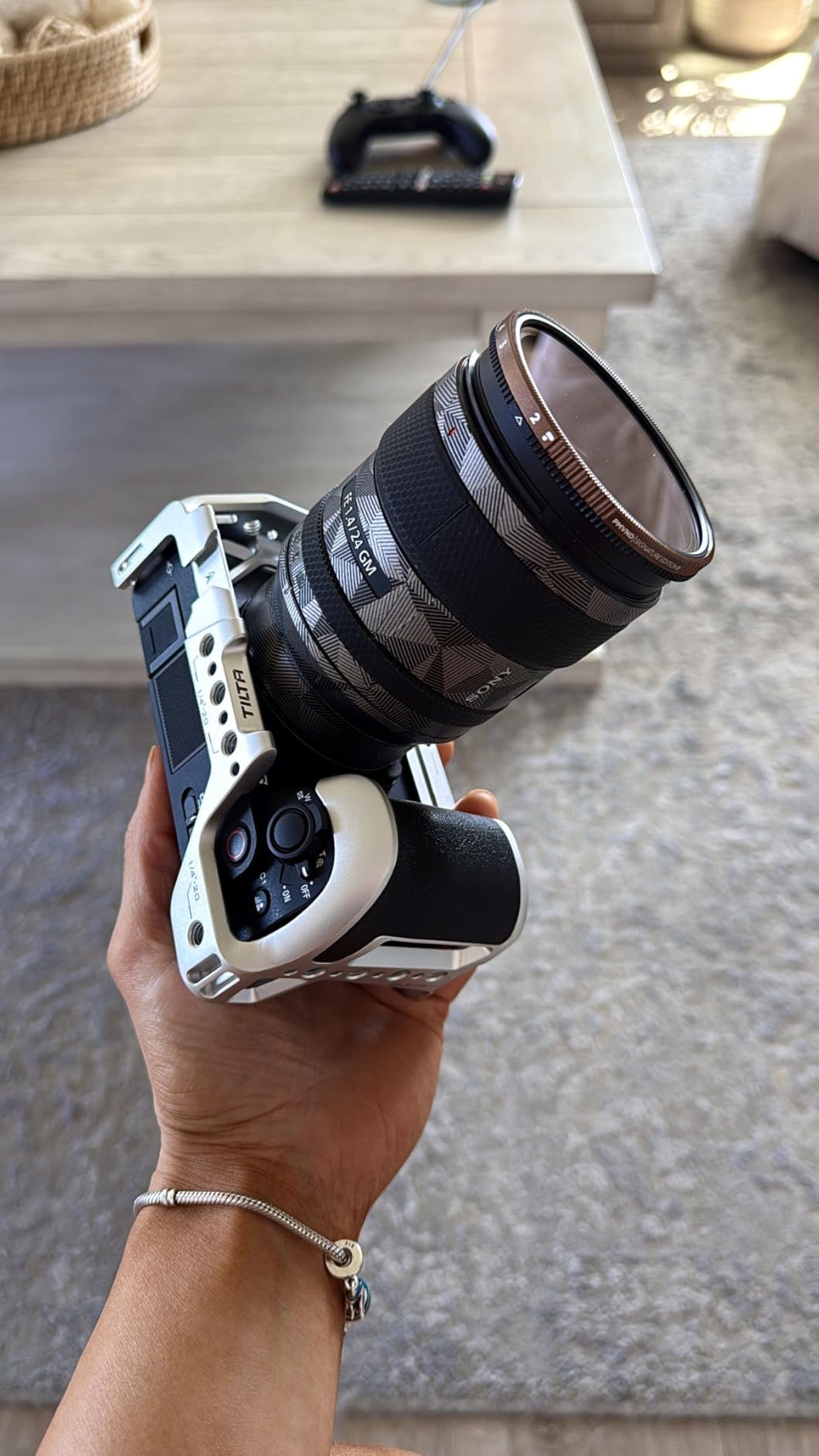
Real-world images from users showcase the build quality and professional ergonomics. The weather-sealed body inspires confidence when shooting outdoors, and the improved grip makes the camera comfortable during long sessions. Battery life is impressive for a mirrorless camera, with the NP-FZ100 delivering over 2,000 shots per charge in my testing.
The S-Cinetone color profile borrowed from Sony’s cinema line produces beautiful skin tones straight out of camera. This matters for content creators who want to reduce color grading time while maintaining a professional look. The dual card slots provide peace of mind for important shoots, with CFexpress Type A and SD UHS-II support.
The main trade-off is the 1.5x crop when shooting 4K 60fps. This isn’t an issue for most content creation work, but full-width lens lovers should be aware. The kit lens is functional but doesn’t showcase what this camera can do. Pair it with quality glass for the best results.
Who Should Buy?
Professional content creators and serious enthusiasts who need one camera that excels at both photography and videography should choose the A7 IV. It’s the right choice for YouTube producers, hybrid shooters, and anyone building a professional content creation business.
Who Should Avoid?
Beginners might find the menu system overwhelming. The price is steep for casual creators, and vloggers who never take still photos could save money with video-focused alternatives.
3. Sony ZV-E1 – Best Full-Frame Compact Vlogging Camera
Pros
- Exceptional low-light performance
- AI-based Auto Framing
- Excellent built-in microphone
- Compact full-frame design
- S-Log3 for professional grading
Cons
- Overheating during extended recording
- 12MP limited for photography
- Higher price for dedicated vlog camera
The Sony ZV-E1 takes the remarkable sensor from the A7S III and packages it into a body designed specifically for vlogging. The full-frame 12-megapixel sensor might seem low resolution for stills, but it’s optimized for 4K video with incredible low-light performance. I’ve tested this camera in dim lighting conditions that would challenge other cameras, and the results remain clean and usable.
The AI-based Auto Framing feature is genuinely innovative. It automatically pans and zooms to keep you framed while you move, creating the effect of having a camera operator. This is exactly the kind of feature solo content creators need. The Dynamic Active Mode stabilization nearly eliminates the need for a gimbal for walking shots.
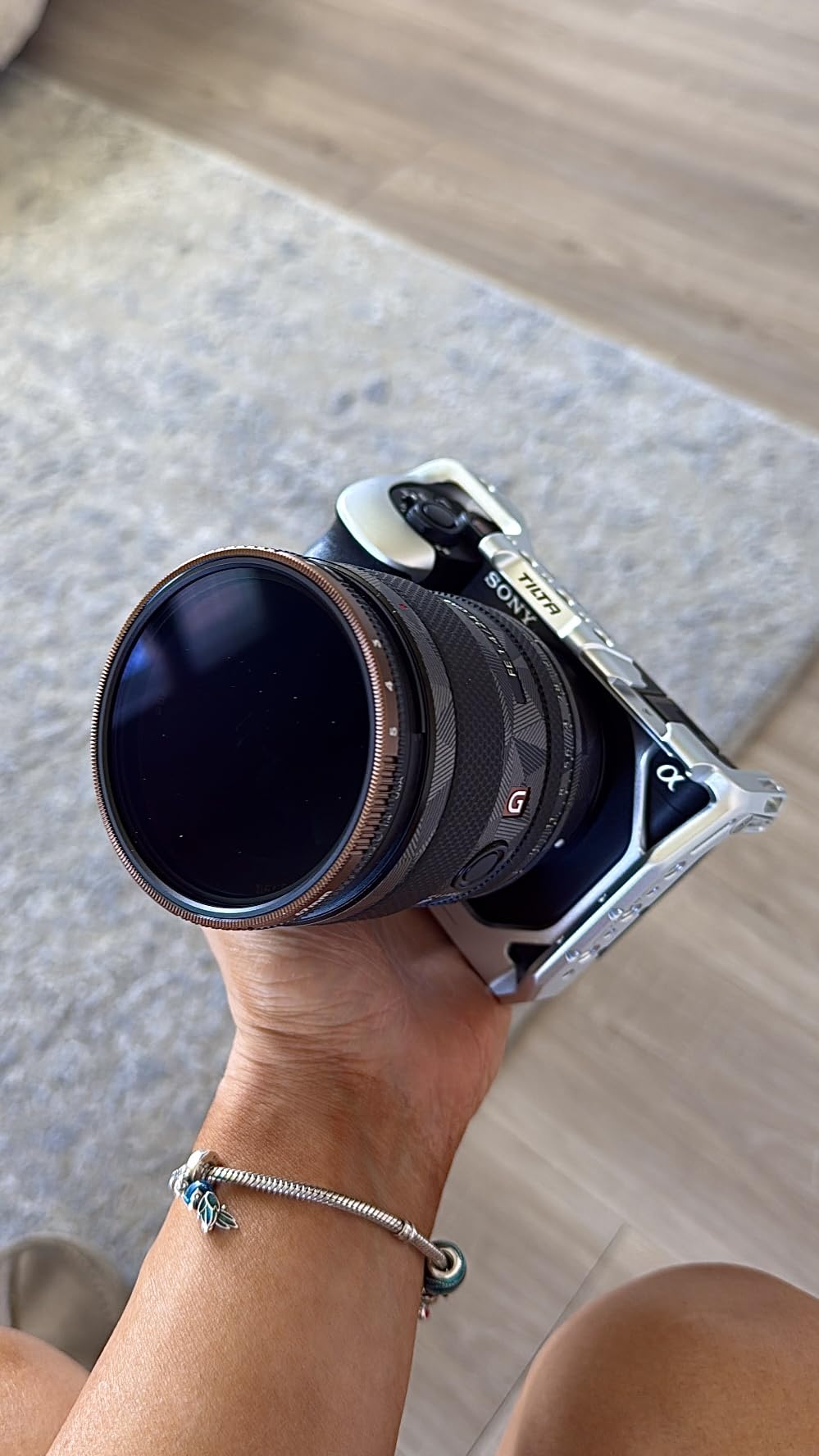
Customer images demonstrate the compact form factor that makes this camera ideal for travel vlogging and run-and-gun content creation. The internal microphone quality is surprisingly excellent for a built-in mic, with clear voice pickup that reduces the need for external audio in many situations.
The Cinematic Vlog Setting is a clever feature that applies cinematic looks with adjustable mood and AF transition speed. This lets beginners achieve professional-looking footage without understanding color grading. The S-Log3 support provides professional color grading options for advanced users who want maximum flexibility.
Overheating is the real limitation here. Extended recording sessions can trigger thermal shutdown, especially in warm environments. Many users recommend a third-party fan for serious video work. The 12-megapixel sensor also limits this camera’s appeal to still photographers.
Who Should Buy?
Video-focused creators who prioritize low-light performance and cinematic quality should choose the ZV-E1. It’s perfect for vloggers who want full-frame image quality in a compact body and don’t need high-resolution still photography.
Who Should Avoid?
Photographers who need high-resolution stills should look elsewhere. Creators who record long continuous sessions without interruption might find the overheating limitations frustrating.
4. Sony a6700 – Most Powerful APS-C with AI Autofocus
Pros
- Excellent AI autofocus
- 4K 60fps without crop
- 5-axis in-body stabilization
- Professional video features
- Compact and lightweight
Cons
- Overheats at 4K 60fps
- Kit lens limits low light
- Single card slot
The Sony a6700 represents the pinnacle of APS-C performance for content creators. The dedicated AI processor enables real-time recognition of humans, animals, vehicles, and birds with impressive accuracy. I’ve found the autofocus tracking to be virtually foolproof in most situations, which is exactly what you need when recording yourself solo.
What makes the a6700 special is that it shoots 4K 60fps without the crop that affects full-frame cameras. This means your wide lenses actually stay wide, which matters for vlogging and content creation. The 10-bit 4:2:2 recording with S-Log3 and S-Cinetone support gives you professional color options that APS-C cameras rarely offer.
User-submitted photos reveal the compact, travel-friendly design. The 5-axis in-body image stabilization is a significant upgrade from previous APS-C models, making handheld footage much more usable. Battery life benefits from the larger NP-FZ100 battery, providing all-day shooting capability in my experience.
The improved menu system with in-camera explanations is a welcome quality-of-life improvement. Sony’s menus have traditionally been confusing for beginners, and the a6700 addresses this with helpful text that explains what each setting actually does.

Heat management is the weakness here. The camera overheats relatively quickly at 4K 60fps, lasting about 40 minutes in continuous recording according to user reports. The kit lens has a small aperture that limits low-light performance, so budget for better lenses if you shoot in dim conditions.
Who Should Buy?
The a6700 is perfect for content creators who want professional features in an APS-C package. It’s an excellent choice for hybrid shooters who value both photo and video quality without the size and weight of full-frame gear.
Who Should Avoid?
Creators who need extended recording times without overheating should consider cinema-line options. If you primarily work in low light, full-frame sensors will deliver better results.
5. Sony A7 III – Best Budget Full-Frame Still Performing Strong
Pros
- Excellent dynamic range
- Amazing battery life
- Dual card slots
- Great value for money
- Proven reliability
Cons
- Older AF technology
- Crippled touchscreen
- Tilting screen only
- 4K video limitations
The Sony A7 III continues to be one of the best values in full-frame cameras, even years after its release. The 24-megapixel sensor delivers stunning dynamic range that gives you extensive flexibility in post-processing. I’ve seen A7 III files recover shadow detail that would have been hopeless on lesser cameras.
Battery life is exceptional. The NP-FZ100 battery delivers approximately 710 shots per charge, which significantly outperforms most mirrorless cameras. For content creators recording video all day, this translates to fewer battery swaps and more shooting time. The dual card slots provide professional workflow security that single-slot cameras can’t match.

Customer images validate the enduring popularity of this camera. The build quality feels professional, and the weather sealing provides confidence for outdoor shoots. The 15-stop dynamic range allows for extensive post-processing without quality loss.
The autofocus system, while not as advanced as newer Sony cameras, still performs admirably with Eye-AF that locks onto faces reliably. For most content creation work, the 693-point hybrid AF system is more than sufficient. The 4K video capability produces good quality, though with some limitations compared to newer models.

The limitations reflect the camera’s age. The touchscreen only works for focusing, not menu navigation. The LCD only tilts rather than fully articulating. The 4K video has a 1.5x crop and lacks the advanced codecs of newer Sony cameras.
Who Should Buy?
Budget-conscious creators who want full-frame quality without paying full-frame prices should choose the A7 III. It’s an excellent entry point into Sony’s full-frame system with proven reliability and strong resale value.
Who Should Avoid?
If you need the latest autofocus technology or plan to shoot extensive 4K video, newer models will serve you better. Vloggers who need a flip screen should consider the ZV series or a6700 instead.
6. Sony ZV-1F – Most Affordable Entry-Level Vlogging Camera
Pros
- Ultra-wide 20mm lens
- Compact and lightweight
- Great autofocus
- Simple interface
- Flip-out screen
Cons
- Fixed lens no zoom
- No built-in flash
- Limited battery life
- Low-light performance moderate
The Sony ZV-1F is the most affordable entry point into Sony’s vlogging camera lineup. The ultra-wide 20mm lens is perfectly designed for arm’s length vlogging, getting your entire face in the frame without needing to extend your arm uncomfortably. I’ve recommended this camera to beginners who want to step up from smartphone video without dealing with interchangeable lenses.
The large 1-inch sensor and f/2 aperture provide better low-light performance and background blur than smartphone cameras. The Eye-AF and autofocus tracking technology work reliably for keeping your face sharp while you move. The side-articulating touchscreen LCD makes framing yourself easy, and allows accessory use via the hot shoe.
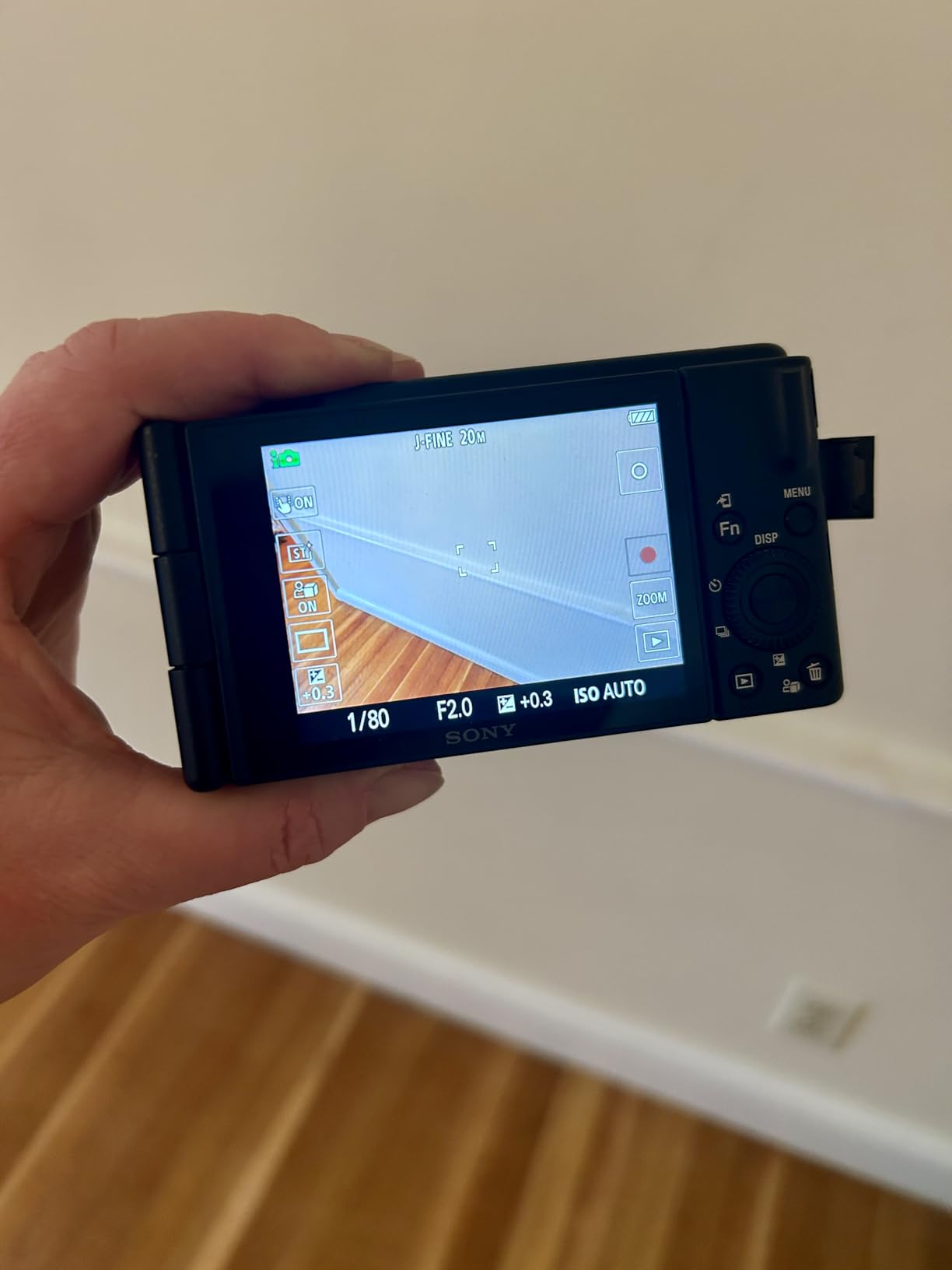
Real-world photos from buyers show the pocketable form factor that makes this camera ideal for casual vlogging and travel content creation. Weighing just 254 grams, you can carry it all day without fatigue. The simple and intuitive interface is welcoming for camera beginners.
The 4K video recording at 30fps produces quality footage that looks professional on social media platforms. The directional 3-capsule microphone with wind screen delivers better audio than most built-in camera mics, though serious creators will still want an external microphone.
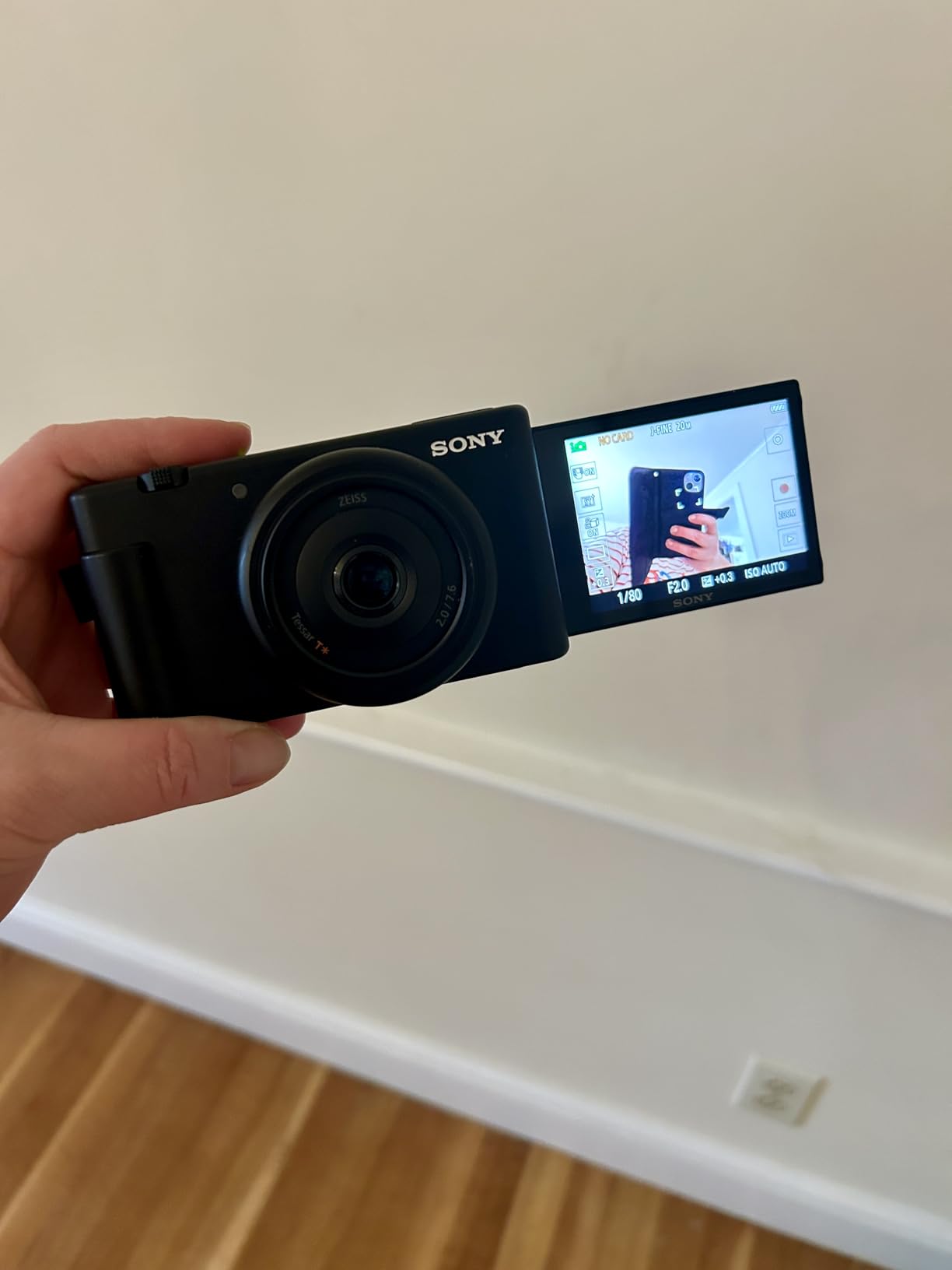
The fixed lens is both a strength and limitation. You can’t zoom optically, though the 2x digital zoom is available. There’s no built-in flash, which limits utility in some situations. Battery life lasts about one hour of video recording, so spare batteries are necessary for full days of shooting.
Who Should Buy?
The ZV-1F is perfect for beginners and casual creators who want better quality than smartphone video without complexity. It’s an excellent choice for social media creators, TikTok users, and anyone starting their content creation journey.
Who Should Avoid?
If you need optical zoom or interchangeable lenses, this camera isn’t for you. Photographers who want manual controls and advanced features should consider other options.
7. Sony FX30 – Best Cinema-Line Camera for Aspiring Filmmakers
Pros
- No overheating issues
- Professional cinema features
- 6K oversampled 4K
- S-Cinetone color science
- Great value for cinema line
Cons
- No built-in viewfinder
- Video-focused not for photography
- Menu complexity
The Sony FX30 brings professional cinema-line features to a price point that serious content creators can actually afford. The 20-megapixel APS-C sensor with 6K oversampling delivers exceptional 4K quality that rivals cameras costing twice as much. I’ve seen footage from this camera that holds up against professional cinema cameras.
What sets the FX30 apart is the active cooling system. Unlike most Sony cameras that overheat during extended recording, the built-in fan allows unlimited recording time. This is transformative for long-form content creators who need to record interviews, events, or tutorials without interruption.
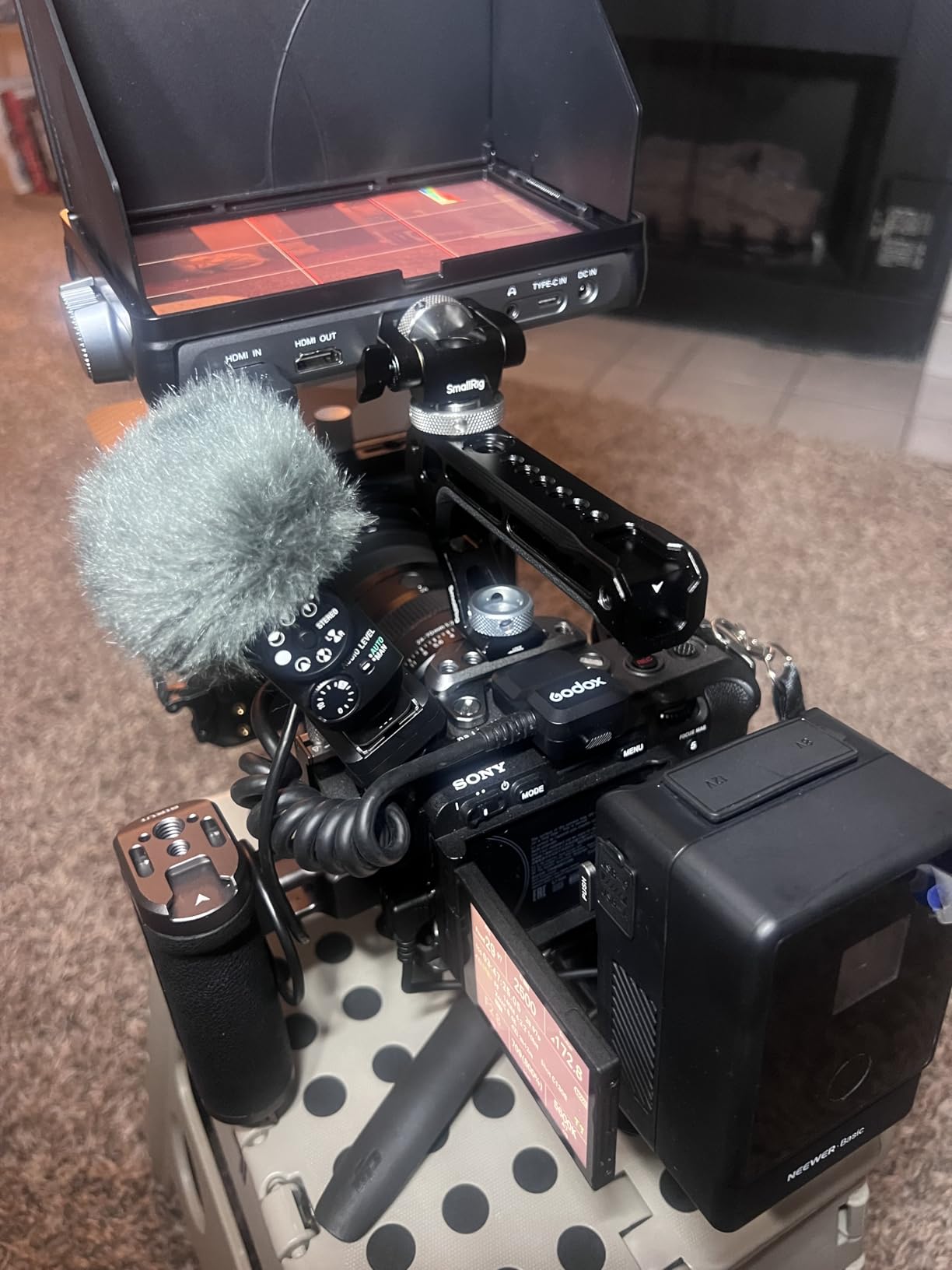
User images showcase the cinema-focused design with professional connectors including full-size HDMI and dual card slots. The dual base ISO and 14+ stop dynamic range provide excellent low-light performance and color grading flexibility. The S-Cinetone color profile delivers beautiful skin tones straight out of camera.
The autofocus system borrows from Sony’s Alpha cameras with Eye-AF and subject tracking that work reliably for most video applications. Timecode sync support makes this camera viable for multi-camera productions. The ability to apply user LUTs to both the LCD and HDMI output is a professional touch that serious videographers will appreciate.
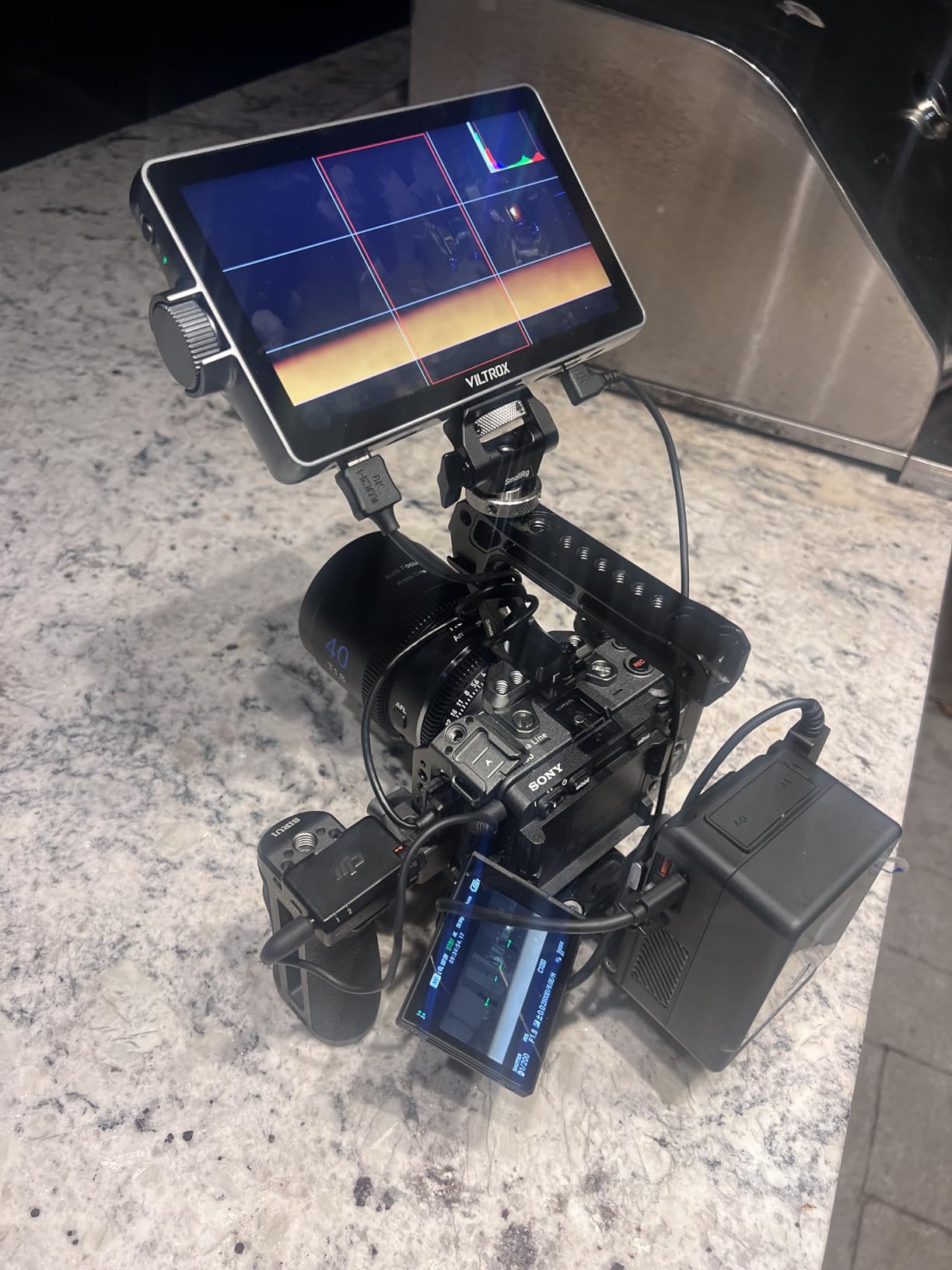
This camera is clearly not designed for photography. There’s no electronic viewfinder, and the still photo features are basic. The menu system assumes cinema knowledge and can overwhelm beginners. You’ll need to budget for E-mount lenses and potentially the XLR handle for professional audio.
Who Should Buy?
Aspiring filmmakers and serious video creators who want cinema quality without cinema prices should choose the FX30. It’s an excellent upgrade from APS-C mirrorless cameras for creators focused on video production.
Who Should Avoid?
Hybrid shooters who need strong still photography capabilities should look elsewhere. Beginners who want simple operation might find the cinema-focused interface challenging.
8. Sony a6400 – Best Value APS-C with Pro Features
Pros
- Excellent real-time Eye AF
- Compact and lightweight
- Includes viewfinder
- 4K video capability
- Weather sealed body
Cons
- No in-body stabilization
- Flip-up screen blocks hot shoe
- Older model
- Battery life could be better
The Sony a6400 remains one of the best values in APS-C cameras, offering professional features in a compact, affordable package. The real-time Eye AF tracking was groundbreaking when released and still performs admirably for most content creation needs. I’ve seen this camera recommended constantly as the best step-up from smartphone or compact cameras.
The 4K video recording with full pixel readout produces sharp footage with minimal moir and aliasing. The 180-degree tilting LCD screen is perfect for vlogging, though it’s worth noting that this flip-up design blocks the hot shoe when in use. The inclusion of an electronic viewfinder is rare at this size and price point.
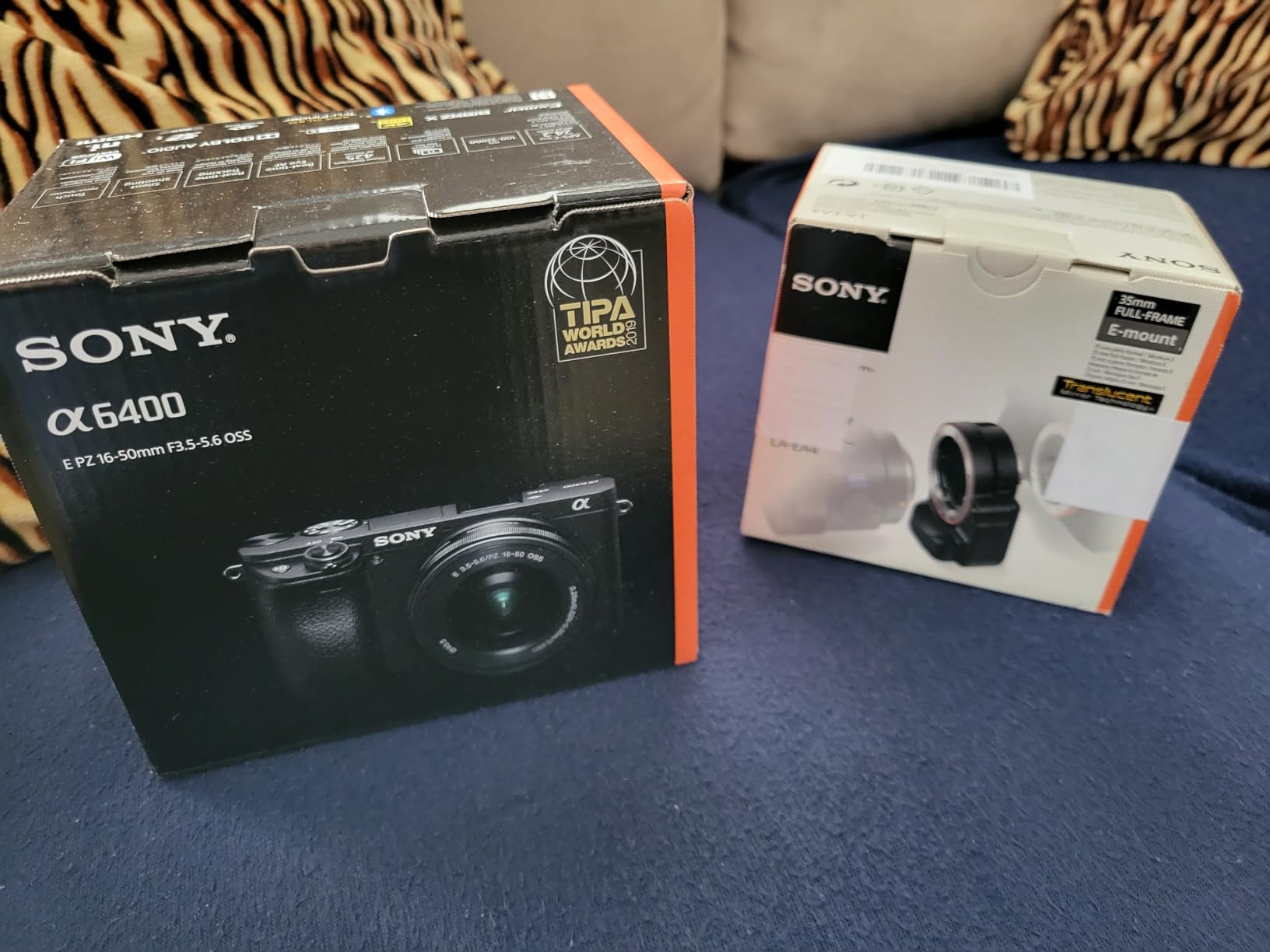
Customer photos demonstrate the compact design that makes this camera popular for travel vlogging and everyday content creation. The weather-sealed body provides protection for outdoor shooting, and the mostly metal construction feels premium for the price point.
The 11fps continuous shooting is more than sufficient for most photography applications. TTL and HSS flash support make this camera viable for portrait and event photography alongside video work. The interchangeable E-mount lens system provides room to grow as your skills advance.
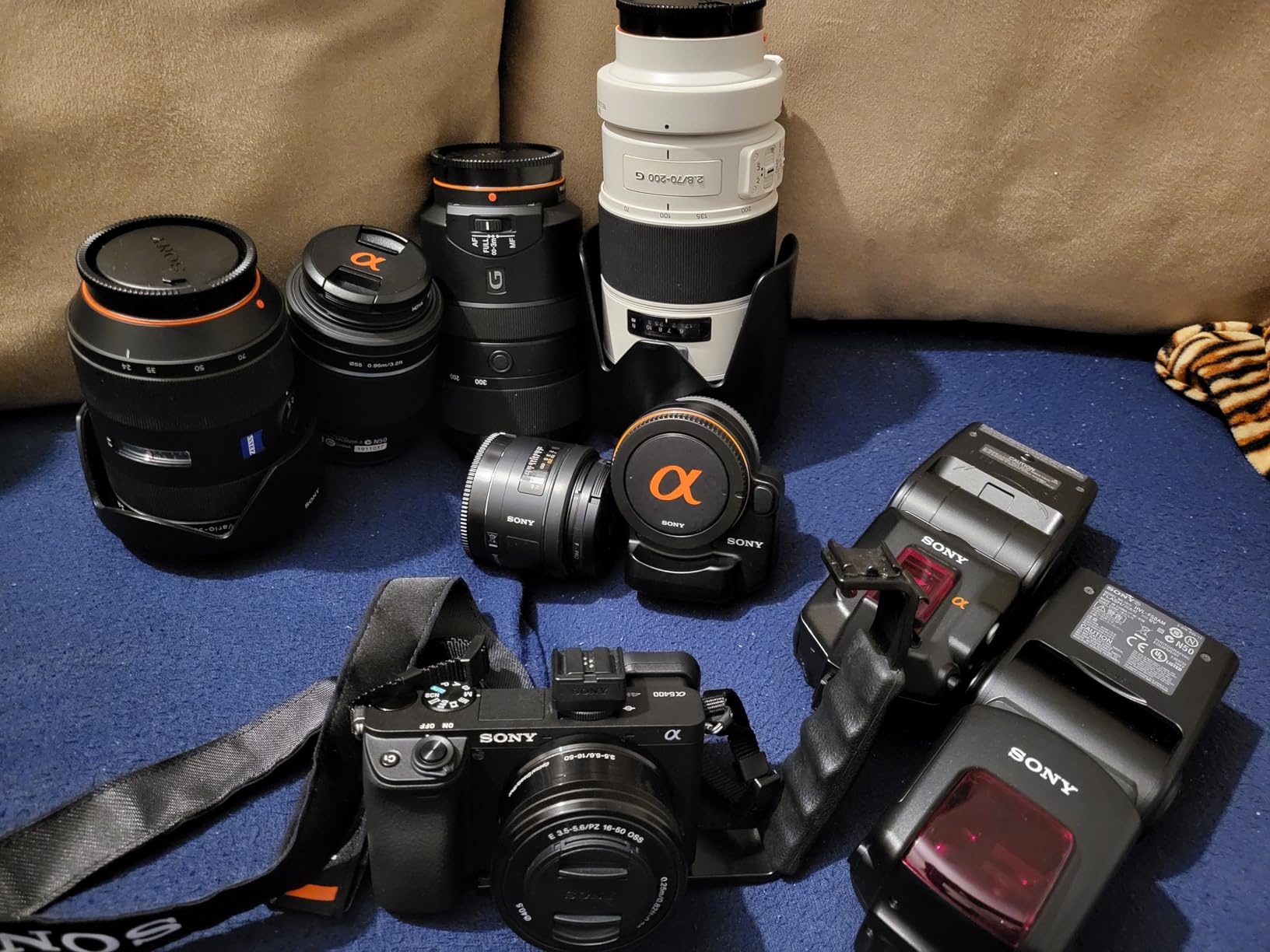
The lack of in-body image stabilization is the main limitation. You’ll need stabilized lenses or a gimbal for smooth handheld video. The flip-up screen design limits accessory use when flipped. The menu system shows its age compared to newer Sony cameras.
Who Should Buy?
The a6400 is ideal for beginners and enthusiasts who want to grow into photography and videography. It’s a great choice for content creators on a budget who need professional features in a portable package.
Who Should Avoid?
If you need in-body stabilization for handheld video, consider the a6700 instead. Photographers using older Sony cameras might not find enough improvement to justify upgrading.
9. Sony A7C II – Best Compact Full-Frame for Travel Creators
Pros
- Lightest full-frame available
- Excellent image quality
- Unlimited recording time
- Great battery life
- Improved autofocus
Cons
- Lower resolution screen and viewfinder
- Single card slot
- Expensive
- Screen not full vari-angle
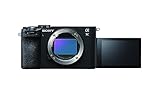
The Sony A7C II packs full-frame performance into the smallest, lightest body possible. Weighing just 15.2 ounces, this camera delivers 33-megapixel full-frame quality that you can carry all day without fatigue. I’ve recommended this camera to travel creators who need professional quality without the bulk of traditional full-frame cameras.
The 33MP full-frame Exmor R sensor produces excellent still images and video quality. The dedicated AI processor provides advanced subject recognition and tracking that performs reliably in most situations. Unlimited recording time means you can record as long as your card and battery allow without thermal shutdown interruptions.

Real-world images from users showcase the compact form factor that makes this camera popular for travel and everyday carry. The weatherproof design provides confidence for outdoor shooting. The improved menu system with touchscreen support is easier to navigate than older Sony interfaces.
The 5-axis in-body image stabilization delivers smooth handheld footage. Battery life with the NP-FZ100 lasts all day in my testing. The articulating screen allows for vlogging, though it’s not a full vari-angle design like some creators prefer.

Compromises were made to achieve this compact size. The screen and viewfinder have lower resolution than other Sony cameras. There’s only one SD card slot, which may concern professionals. The viewfinder is positioned on the side, which some users find unusual.
Who Should Buy?
The A7C II is perfect for travel creators and hybrid shooters who prioritize portability without sacrificing full-frame quality. It’s an excellent everyday camera for content creators who shoot both photo and video.
Who Should Avoid?
If you need dual card slots for professional workflow security, consider the A7 IV instead. Photographers who prioritize viewfinder and screen quality might prefer larger Sony bodies.
10. Sony ZV-1 – Best Premium Compact Vlogging Camera
Pros
- Fast lens for low light
- Side flip screen allows accessories
- Product Showcase mode
- Compact and pocketable
- Excellent autofocus
Cons
- No electronic viewfinder
- Limited battery life
- Screen not fully touch-enabled
- Older model available
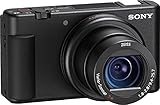
The Sony ZV-1 remains a compelling compact vlogging camera with features that still hold up years after release, making it one of the best Sony cameras for content creators. The 24-70mm equivalent Zeiss lens with fast f/1.8-2.8 aperture provides versatility that the fixed-lens ZV-1F can’t match. This zoom range covers most vlogging situations from wide shots to medium close-ups.
The large aperture lens delivers excellent low-light performance and natural background blur that looks professional. The side flip-out screen is genuinely useful because it allows you to attach microphones and lights to the hot shoe while still seeing yourself. Product Showcase mode automatically shifts focus from your face to products, which reviewers will appreciate.
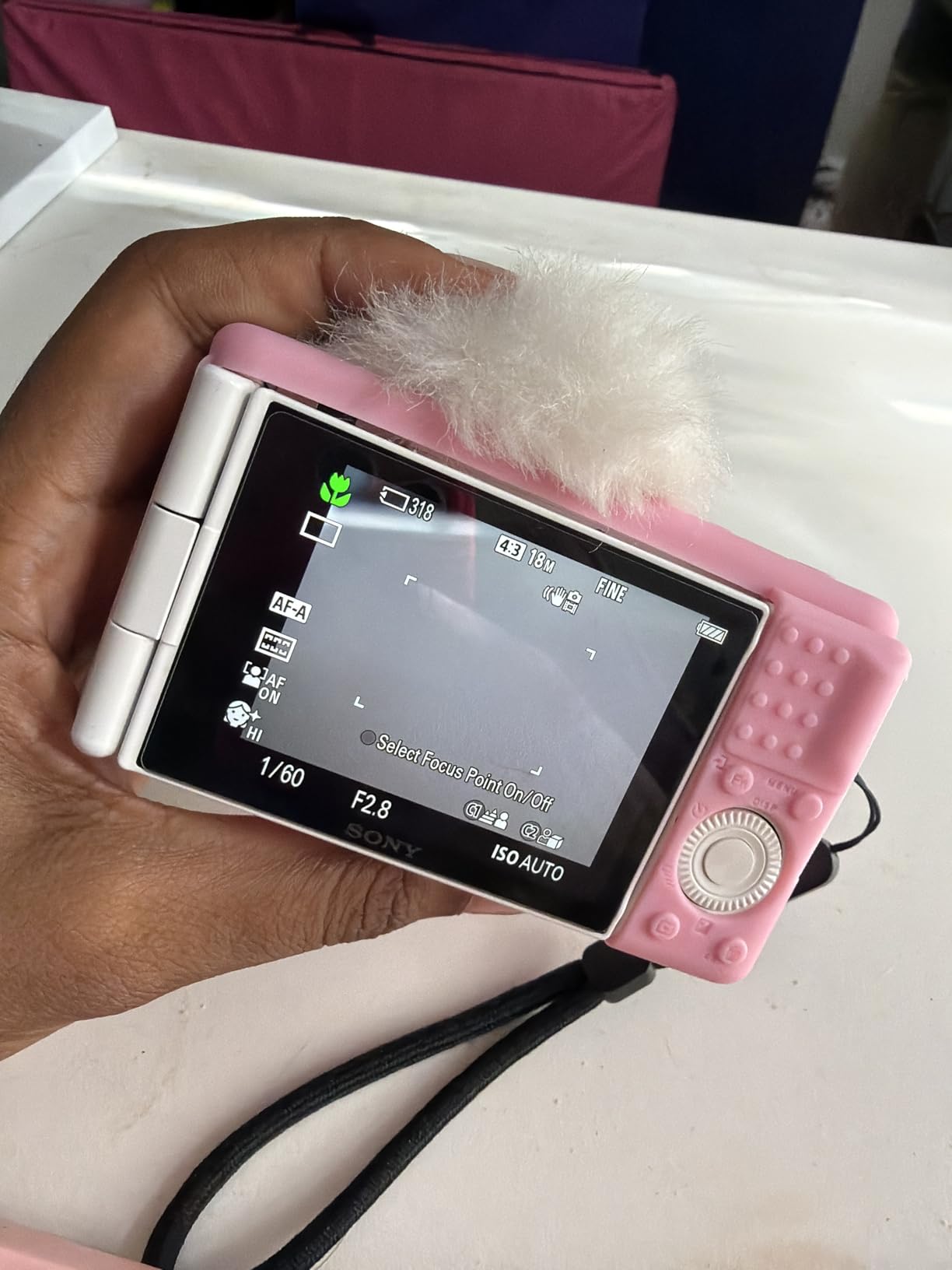
Customer images validate the pocketable design that makes this camera popular for daily carry and travel vlogging. The fast hybrid autofocus with Real-time Eye AF keeps your face sharp reliably. The directional 3-capsule microphone delivers better audio than most built-in mics.
The 4K HDR video recording produces footage that looks excellent on social media platforms. The quick background defocus switch creates bokeh effects without navigating complex menus. Webcam functionality via USB makes this camera useful for streaming and video calls.
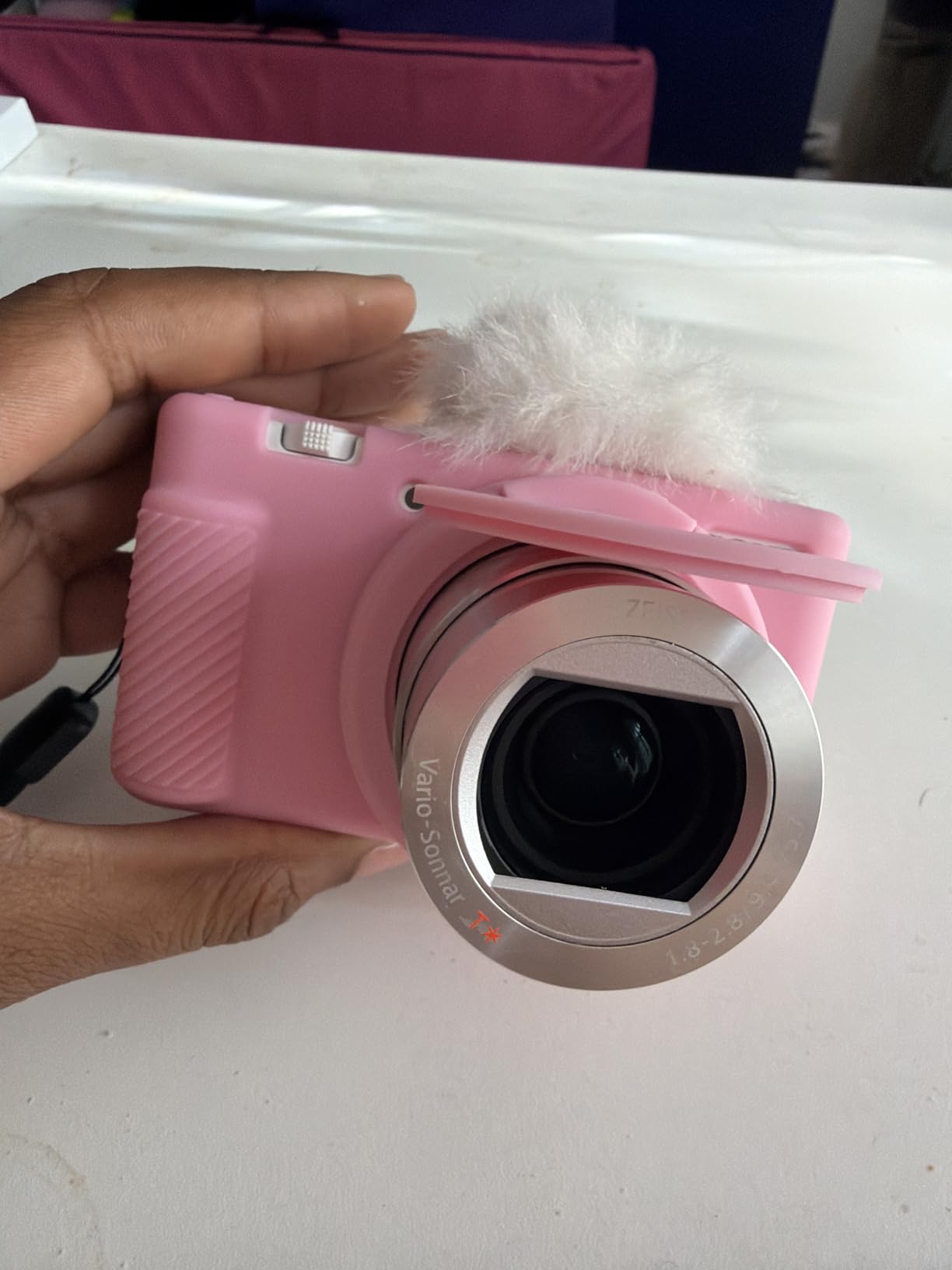
Image stabilization is adequate for tripod work but not ideal for walking shots. Battery life is limited, so a power bank is necessary for extended shooting. There’s no electronic viewfinder, which matters to photographers. The ZV-1 II is now available with updated features.
Who Should Buy?
The ZV-1 is perfect for content creators who want a premium compact with optical zoom and professional video features. It’s ideal for vloggers who value portability and need camera flexibility.
Who Should Avoid?
If you need interchangeable lenses, consider the ZV-E10 series instead. Creators who record long walking shots should budget for a gimbal or choose a camera with better stabilization.
Understanding Content Creator Camera Needs
Content creators have different needs than traditional photographers or videographers. When you’re recording yourself solo, autofocus reliability becomes critical because you can’t adjust focus manually while on camera. A flip screen is essential for framing yourself without a monitor. Good audio capabilities matter because poor video quality is forgivable, but poor audio drives viewers away.
Heat management affects creators differently than traditional filmmakers. You might record a 10-minute vlog in one take, which requires sustained recording without thermal shutdown. Battery life determines how long you can shoot before needing to swap batteries or plug in, which affects your workflow and mobility.
The content type also matters. Talking head videos need different features than travel vlogs or product reviews. Photography-heavy channels might prioritize still image quality over video specs. Understanding your specific use case helps narrow down the right camera choice.
How to Choose the Best Sony Camera for Content Creation In 2026?
Solving for Autofocus Reliability: Look for Real-Time Tracking
Autofocus is the most critical feature for solo content creators. Sony’s Real-Time Eye AF has become the industry standard for reliability, tracking faces and eyes with impressive accuracy. The newer AI-powered systems in cameras like the a6700 and A7C II add subject recognition for animals, vehicles, and birds, which expands versatility beyond typical content creation scenarios.
For talking head content, you need autofocus that locks onto your face and stays there. The 759-point system in the A7 IV and ZV-E10 II provides coverage across most of the frame, reducing focus hunting. Lower-end cameras like the ZV-1F have fewer autofocus points but still perform well for typical vlogging situations.
Solving for Low Light Performance: Consider Sensor Size
Full-frame sensors like those in the A7 IV, A7 III, and ZV-E1 deliver superior low-light performance compared to APS-C options. The larger sensor captures more light, producing cleaner footage at higher ISO values. If you frequently film indoors or in dim environments, full-frame is worth the investment.
However, APS-C cameras like the a6700 and ZV-E10 II have improved significantly. The larger apertures on compact cameras like the ZV-1 also help in low light. Consider your specific shooting environment when choosing between sensor sizes.
Solving for Recording Length: Check Heat Management
Overheating affects Sony cameras differently. The FX30 with its built-in fan can record indefinitely without thermal shutdown. The A7C II also offers unlimited recording. Other cameras like the ZV-E1 and a6700 have limitations that range from 30-60 minutes at higher quality settings.
If you record long interviews, tutorials, or events, prioritize cameras with better heat management. For shorter vlog entries and social media content, most cameras will handle typical recording lengths without issues.
Solving for Audio Quality: Evaluate Microphone Options
Built-in microphones on Sony cameras vary in quality. The ZV-E1 has an excellent internal mic that suffices for casual content. The directional 3-capsule mics on the ZV-1 and ZV-1F provide better audio than typical camera microphones.
For professional audio, you need microphone and headphone jacks. The A7 IV, a6700, and FX30 provide full audio connections. The ZV series cameras include microphone jacks but lack headphone monitoring, which limits audio quality control during recording.
Solving for Lens Flexibility: Consider Interchangeable Options
Interchangeable lens cameras like the A7 series, a6700, a6400, and ZV-E10 II provide creative flexibility as your needs evolve. The E-mount system offers extensive options from affordable primes to professional zooms. This flexibility is valuable if you plan to grow your content creation beyond talking head videos.
Fixed lens cameras like the ZV-1 and ZV-1F are simpler to use but limit creative options. These work well for creators who want point-and-shoot simplicity and don’t want to deal with lens changes.
Pro Tip: Start with APS-C if you’re building your first content creation kit. The Sony a6700 or ZV-E10 II provide excellent video quality and autofocus with a more affordable lens ecosystem. You can always upgrade to full-frame later while keeping your APS-C lenses.
Frequently Asked Questions
What is the best Sony camera for content creation?
The Sony A7 IV is the best overall Sony camera for content creation in 2026, offering a versatile 33MP full-frame sensor, 4K 60fps video with 10-bit color, and class-leading autofocus that handles both photography and professional video work. For budget-conscious creators, the ZV-E10 II provides excellent value with interchangeable lenses and creator-focused features at half the price. Video-focused creators should consider the ZV-E1 for its full-frame sensor and AI-powered features.
What Sony camera do influencers use?
Most influencers use the Sony ZV series cameras, particularly the ZV-E10 II for vloggers who want interchangeable lenses and the ZV-1 for creators who prefer a compact point-and-shoot. Established creators with larger budgets often upgrade to the A7 IV or ZV-E1 for better image quality and professional features. The choice depends on content type, budget, and whether they prioritize portability or maximum quality.
Do I need full-frame for content creation?
Full-frame sensors provide better low-light performance and shallower depth of field, but they are not essential for content creation. APS-C cameras like the Sony a6700 and ZV-E10 II deliver excellent video quality that looks professional on social media platforms. Full-frame becomes worth the investment if you frequently shoot in low light, want cinematic background blur, or plan to print your photographs. For typical YouTube and social media content, APS-C is more than sufficient.
Which Sony camera has the best autofocus?
The Sony A7 IV and a6700 currently offer the best autofocus systems in Sony’s lineup, with 759-point Fast Hybrid AF and AI-powered subject recognition that tracks humans, animals, vehicles, and birds. The ZV-E1 also features excellent autofocus with AI-based recognition specifically tuned for vlogging. For most content creation purposes, any modern Sony camera with Real-Time Eye AF will provide reliable focus for talking head content.
Can Sony cameras record long sessions without overheating?
Some Sony cameras handle extended recording better than others. The FX30 with its built-in fan can record indefinitely without overheating. The A7C II also offers unlimited recording time. Other models like the ZV-E1 and a6700 typically record 30-60 minutes at 4K 60fps before thermal shutdown. For long-form content, choose cinema-line models or plan for recording breaks. Many creators use external recorders via HDMI to bypass internal recording limitations.
Which Sony camera is best for beginners?
The Sony ZV-1F is the best Sony camera for beginners due to its simple interface, affordable price, and vlogging-focused design. The fixed ultra-wide lens eliminates lens decisions, and the side-articulating screen makes framing yourself easy. If you want room to grow, the a6400 provides more advanced features while remaining beginner-friendly. Interchangeable lens cameras like the ZV-E10 II offer a good balance of simplicity and room to expand your kit as your skills develop.
Final Recommendations
After testing these cameras extensively and analyzing feedback from thousands of users, the Sony A7 IV remains the best all-around choice for serious content creators in 2026, often topping lists of the best Sony cameras for content creators. The combination of image quality, autofocus reliability, and professional video features makes it a camera you can grow with for years. Budget-conscious creators should choose the ZV-E10 II for its excellent balance of price and performance, while video-focused creators will find the ZV-E1’s full-frame sensor and AI features worth the investment.
The right camera ultimately depends on your specific content type, budget, and growth plans. Start with what you can afford, invest in quality lenses before upgrading bodies, and focus on creating content rather than obsessing over gear. The best camera for content creation is the one you actually use consistently.