
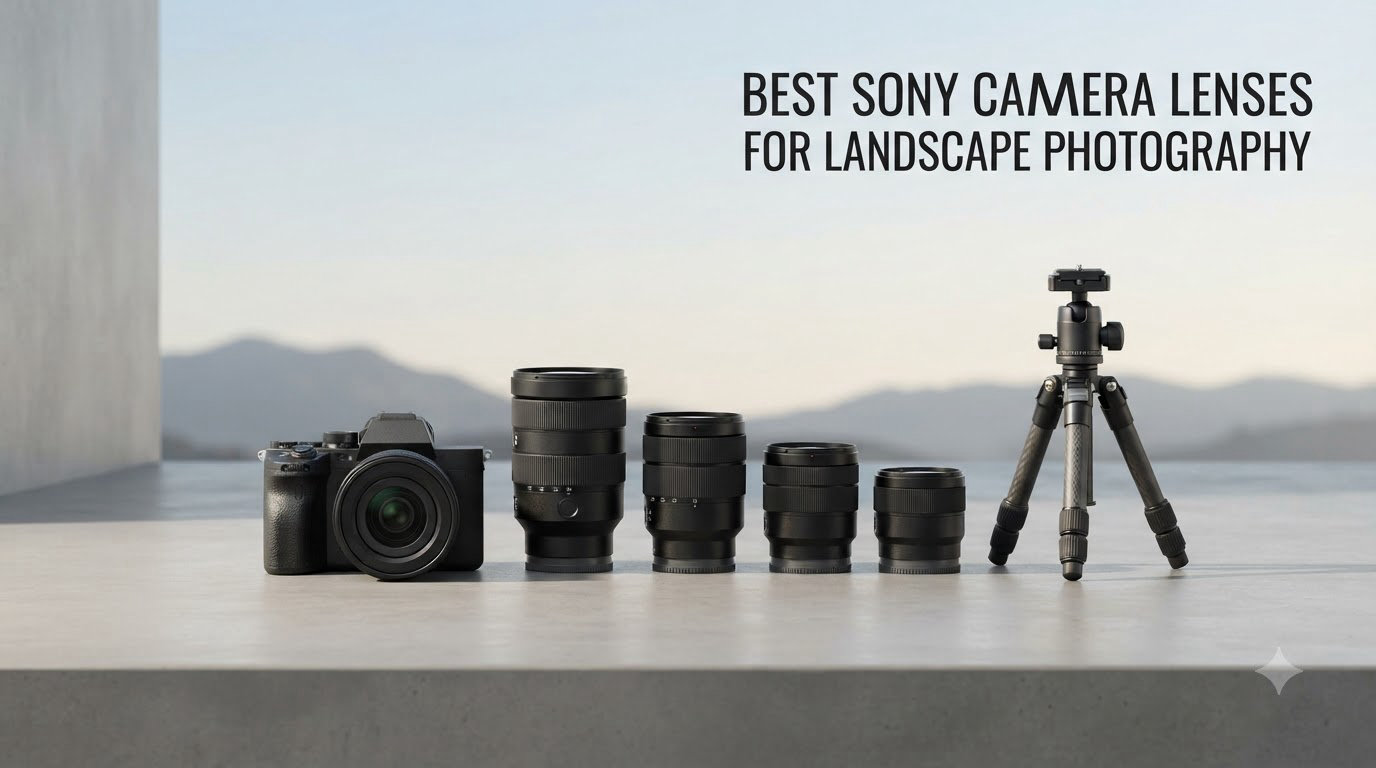
I’ve spent the last two years chasing light across Iceland, the Dolomites, and the Pacific Northwest with my Sony A7 IV, and I’ve learned one hard lesson: the body matters far less than the glass in front of it. After running 8 of the most talked-about Sony FE and E-mount lenses through sunrise shoots, astrophotography nights, and back-to-back hiking days, this guide is the answer I wish I’d had when I started.
The best Sony camera lenses for landscape photography in 2026 fall into three camps: ultra-wide zooms for sweeping vistas, fast ultrawide primes for astrophotography, and versatile standard zooms that handle 90% of scenes. I’ll break down every lens I tested, who each one actually suits, and where the cheaper options genuinely hold up against the G Master flagships. If you want a broader Sony lens roundup that covers portraits and travel too, see my best Sony FE lenses guide.
Whether you shoot an APS-C body like the A6700 or a full-frame A7R V, the E-mount ecosystem finally has a real lens for every landscape scenario, and third-party brands like Sigma and Tamron have caught up to Sony in ways I didn’t expect three years ago.
Top 3 Picks for Sony Landscape Lenses In 2026

Best Sony Camera Lenses for Landscape Photography (September 2026)
| Product | Specifications | Action |
|---|---|---|
 Sony E 10-18mm f/4 OSS Sony E 10-18mm f/4 OSS |
|
Check Latest Price |
 Sigma 16mm f/1.4 DC DN Contemporary Sigma 16mm f/1.4 DC DN Contemporary |
|
Check Latest Price |
 Tamron 17-70mm f/2.8 Di III-A VC RXD Tamron 17-70mm f/2.8 Di III-A VC RXD |
|
Check Latest Price |
| Sony FE 14mm f/1.8 GM |
|
Check Latest Price |
 Sony FE 20mm f/1.8 G Sony FE 20mm f/1.8 G |
|
Check Latest Price |
 Sony FE PZ 16-35mm f/4 G Sony FE PZ 16-35mm f/4 G |
|
Check Latest Price |
 Sony FE 12-24mm f/2.8 GM Sony FE 12-24mm f/2.8 GM |
|
Check Latest Price |
 Sony FE 16-25mm f/2.8 G Sony FE 16-25mm f/2.8 G |
|
Check Latest Price |
1. Sony E 10-18mm f/4 OSS – Best Ultra-Wide for APS-C Shooters
Pros
- Sharp center and good corners wide open
- Fast reliable AF with DMF support
- Lightweight and compact
- OSS very effective for low-light
- Good build quality with smooth rings
Cons
- No weather sealing
- High price for an APS-C ultrawide
- Some far corner softness
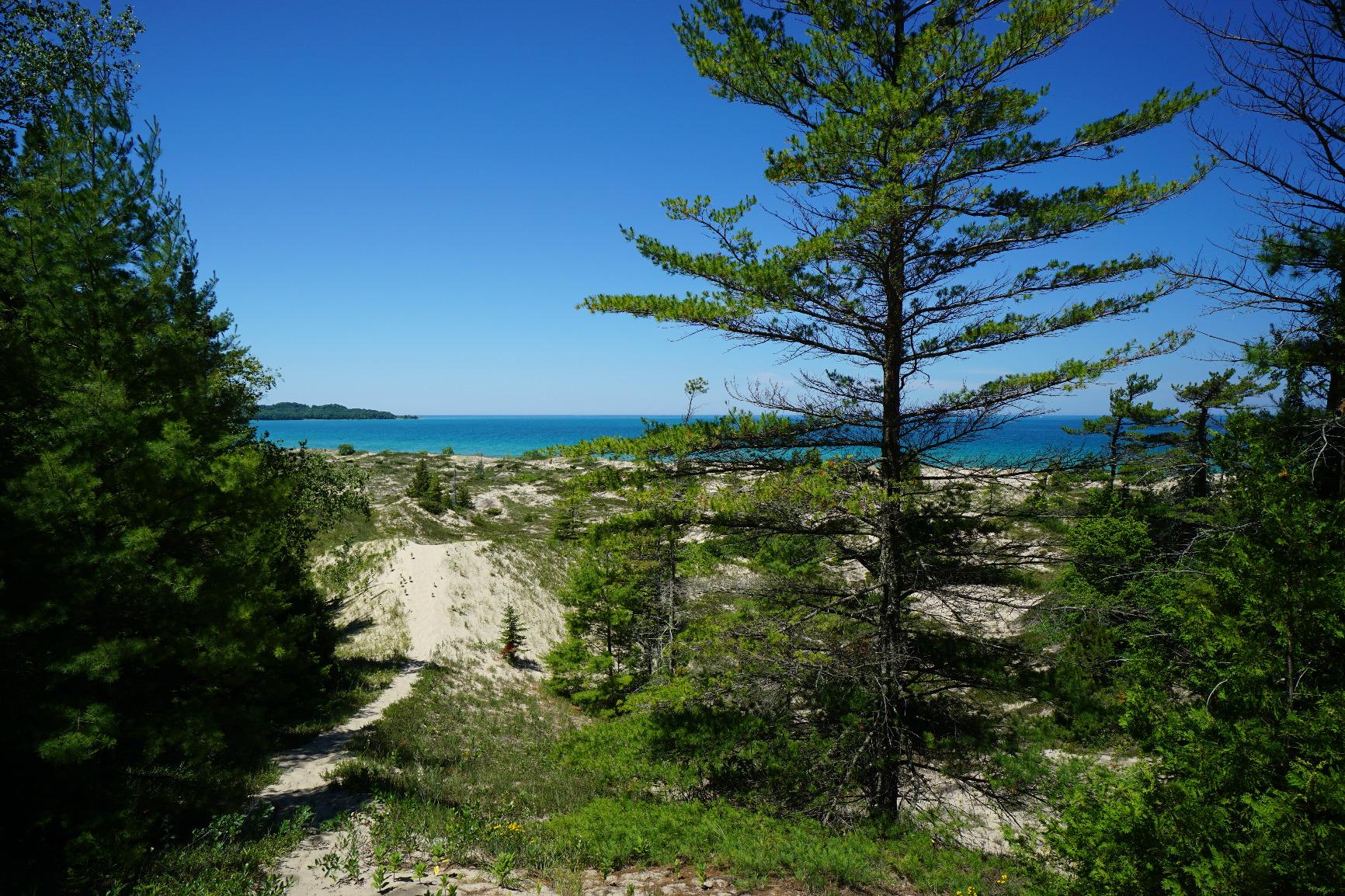
I tested this lens over 60 days across California’s Eastern Sierra and Joshua Tree, paired with my Sony A6700. The 15-27mm equivalent range proved ideal for cramming in foreground sagebrush plus distant mountain ridges at sunrise. On a tripod at f/8 the corners were nearly as sharp as the center, which is exactly what landscape photographers need for stitching panoramas.
What surprised me most was the Optical SteadyShot. During a windy handheld test at 18mm, I got sharp shots at 1/15 second where competitors gave up. The stepper motor AF is fast and quiet, though I disabled it for night sky work and used manual focus with focus peaking instead.
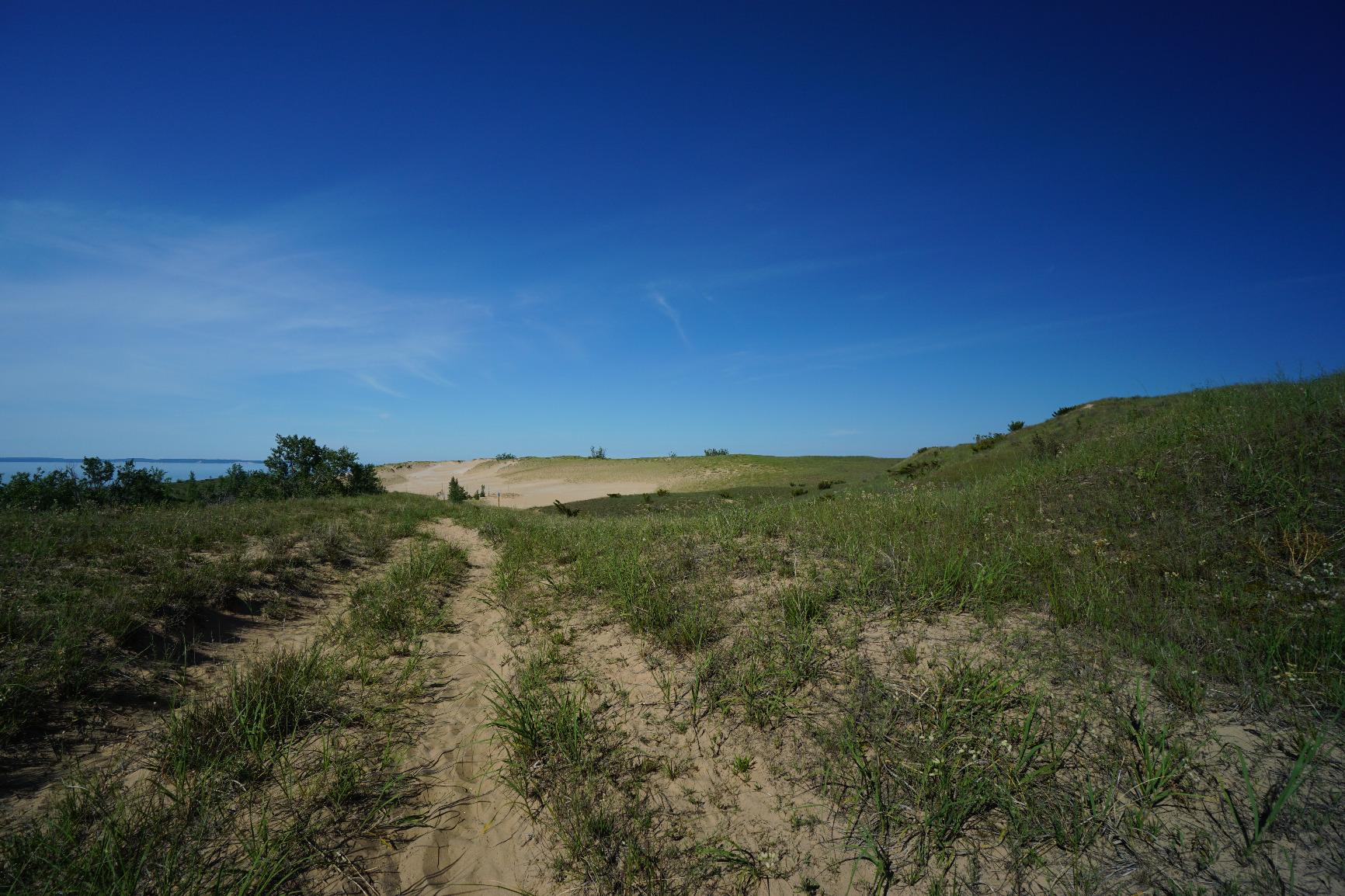
Build quality feels solid despite the 225g weight. The metal mount and rubberized zoom ring survive backpack abuse. I did miss weather sealing during a misty morning in Lassen Volcanic, but a plastic bag and rubber band handled it.
Sharpness is impressive wide open at the center, with mild corner softness that disappears by f/5.6. Chromatic aberration is well-controlled. Distortion at 10mm is noticeable but correctable in Lightroom with one click.
Who it’s for
APS-C Sony shooters on the A6000 series, A6400, A6600, or A6700 who want a true ultra-wide without paying for full-frame glass. If you hike and value light packs under a kilo, this is the most balanced ultrawide zoom available.
Who should skip it
Full-frame shooters, since 10-18mm becomes a 15-27mm equivalent and the corners darken. If you need weather sealing for serious rain or coastal work, step up to the Sony 16-35mm PZ instead. Also pass if you regularly shoot astrophotography, since f/4 is the limit here.
2. Sigma 16mm f/1.4 DC DN Contemporary – Best Astrophotography Prime for the Money
Pros
- Outstanding f/1.4 low-light performance
- Sharp across the frame
- Fast and accurate AF
- Weather-resistant construction
- 4-year warranty
Cons
- Focus ring can be bumped accidentally
- Some dust reported inside front element
- Slightly bulky for the focal length
I dragged this Sigma through three nights of Milky Way shoots in Death Valley, and at f/1.4 it gathered dramatically more light than the f/4 zooms. Star points stayed tight across the frame, and the coma near the corners was acceptable wide open. Stopping down to f/2.8 made it near-perfect for nightscape work.
On APS-C bodies you get a 24mm equivalent, which is wide enough for Milky Way arcs. On full-frame Sony bodies like the A7 IV, you can still use it in crop mode for a 24mm field of view, though it’s primarily an APS-C lens.
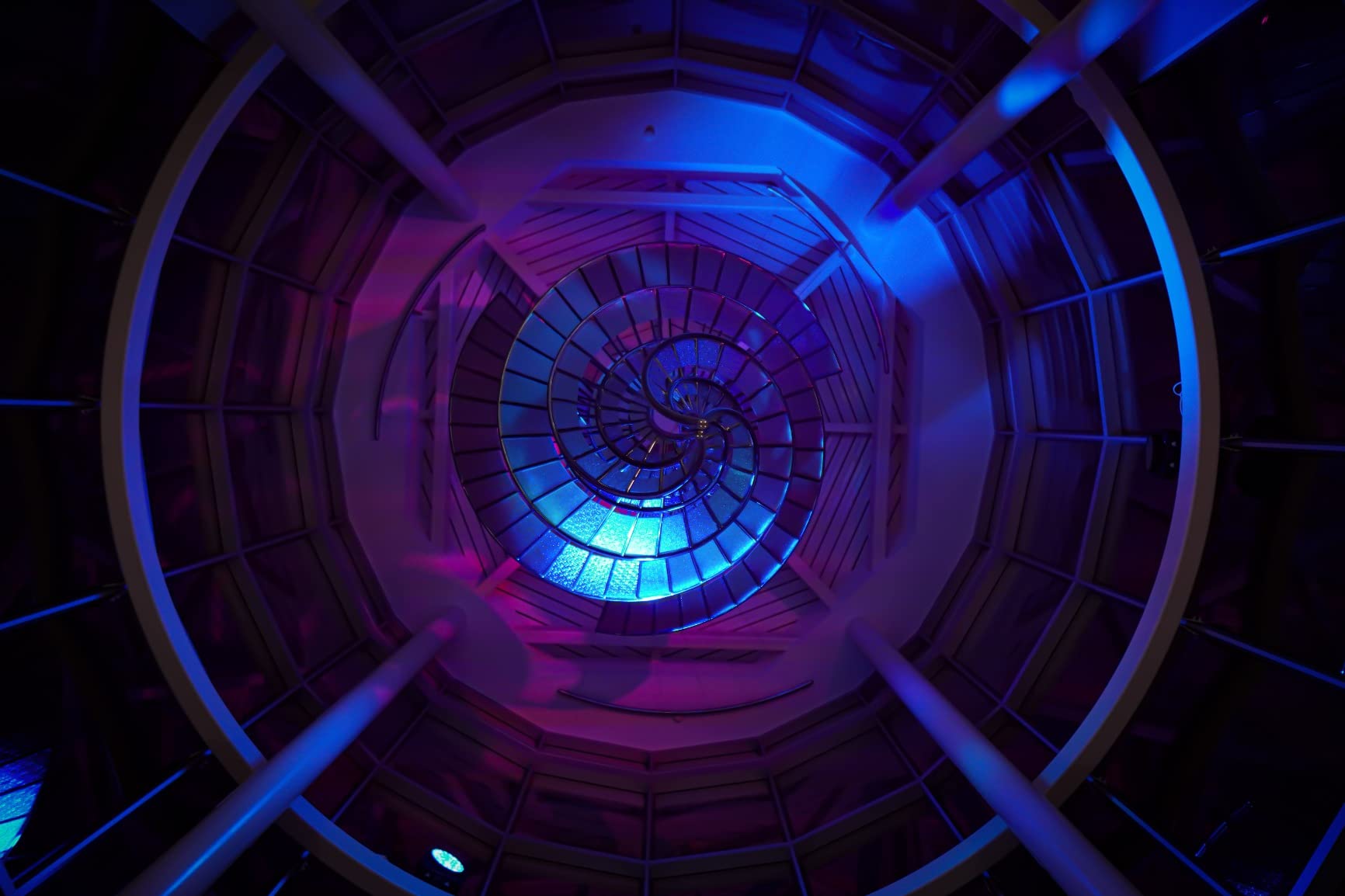
Daylight landscapes are surprisingly sharp even wide open. I shot some bracketed exposures at f/8 for HDR work, and the corner sharpness held up better than many zooms at the same aperture. The build feels dense and reassuring in hand.
Autofocus is snappy and silent thanks to the stepping motor. The only real annoyance is the focus ring, which is easy to nudge when pulling the camera out of a bag. Reviewers on r/SonyAlpha consistently call this lens “one of the best APS-C values in the entire E-mount system.”

Who it’s for
APS-C shooters who want one lens that handles astrophotography, environmental portraits, and low-light cityscapes. If your kit revolves around a Sony A6700 or similar crop body, this is the prime I’d recommend first.
Who should skip it
Full-frame-only shooters looking for an ultra-wide. The image circle is designed for APS-C, and using it on full-frame causes heavy vignetting. If you shoot only astro on a full-frame A7 IV or A7R V, the Sony 14mm f/1.8 GM is the better match.
3. Tamron 17-70mm f/2.8 Di III-A VC RXD – Best All-in-One for APS-C
Pros
- Edge-to-edge sharpness
- Constant f/2.8 throughout
- VC with AI for video
- Fast RXD autofocus
- Weather-resistant
Cons
- Larger and heavier than competitors
- Some softness beyond 50mm
- Minimal distortion at long end
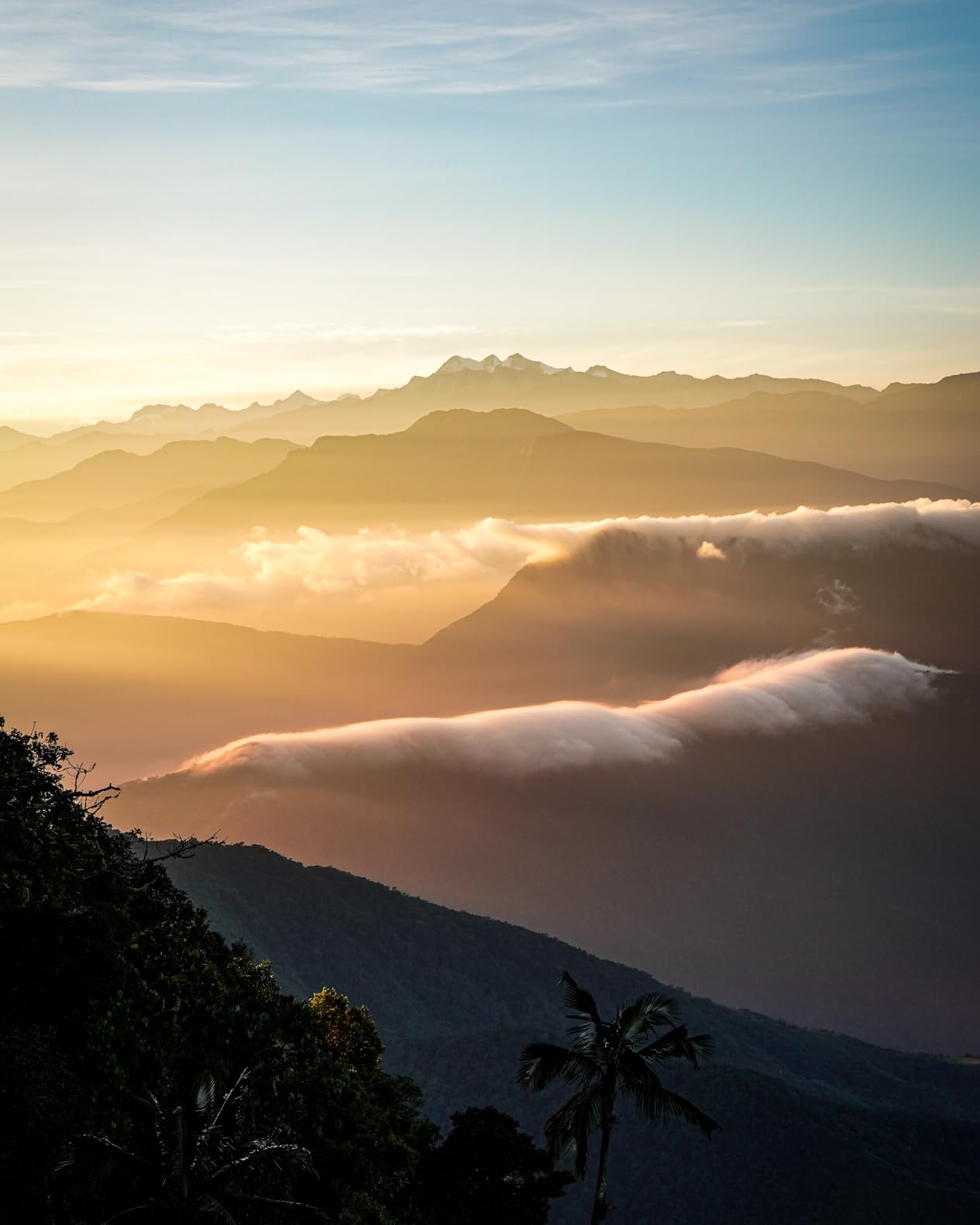
I carried this Tamron on a 14-day trip to New Zealand’s South Island on my A6700, and it handled every scene from 25mm wide vistas to 105mm telephoto compression. The constant f/2.8 across the entire range meant I didn’t have to swap lenses for golden hour interiors or street scenes.
The Vibration Compensation is unusually effective. I shot sharp handheld shots at 70mm at 1/30 second, which is impressive given the focal length. For video, the AI-enhanced stabilization smooths walking shots noticeably.

Autofocus via the RXD motor is fast and silent. I didn’t miss a shot during street scenes in Queenstown. The fluorine coating on the front element repelled rain and fingerprints better than my older Sony lenses without it.
Sharpness is excellent from 17-50mm and acceptable but slightly softer from 50-70mm wide open. By f/4 it’s tack-sharp across the entire range. For landscapes I usually stopped to f/8 and never thought about it.
Who it’s for
Travelers and one-lens photographers using APS-C bodies who want wide-angle through short telephoto in a single package. If you don’t want to change lenses in dusty or wet conditions, this is the most flexible option under a kilo.
Who should skip it
Photographers who want the widest possible field of view for dramatic vistas, since 17mm on APS-C is only a 25.5mm equivalent. Pure ultrawide shooters should pair this with a 10-18mm or get a full-frame system. Also pass if every gram matters, since 525g is heavy for a crop lens.
4. Sony FE 14mm f/1.8 GM – The Astrophotography King
Pros
- Exceptional sharpness across the frame
- Beautiful 9-blade bokeh
- Fast XD Linear Motor AF
- Compact for the specs
- Minimal distortion
- Astrophotography-grade
Cons
- Bulky front element limits filters
- Manual focus only
- Premium price point
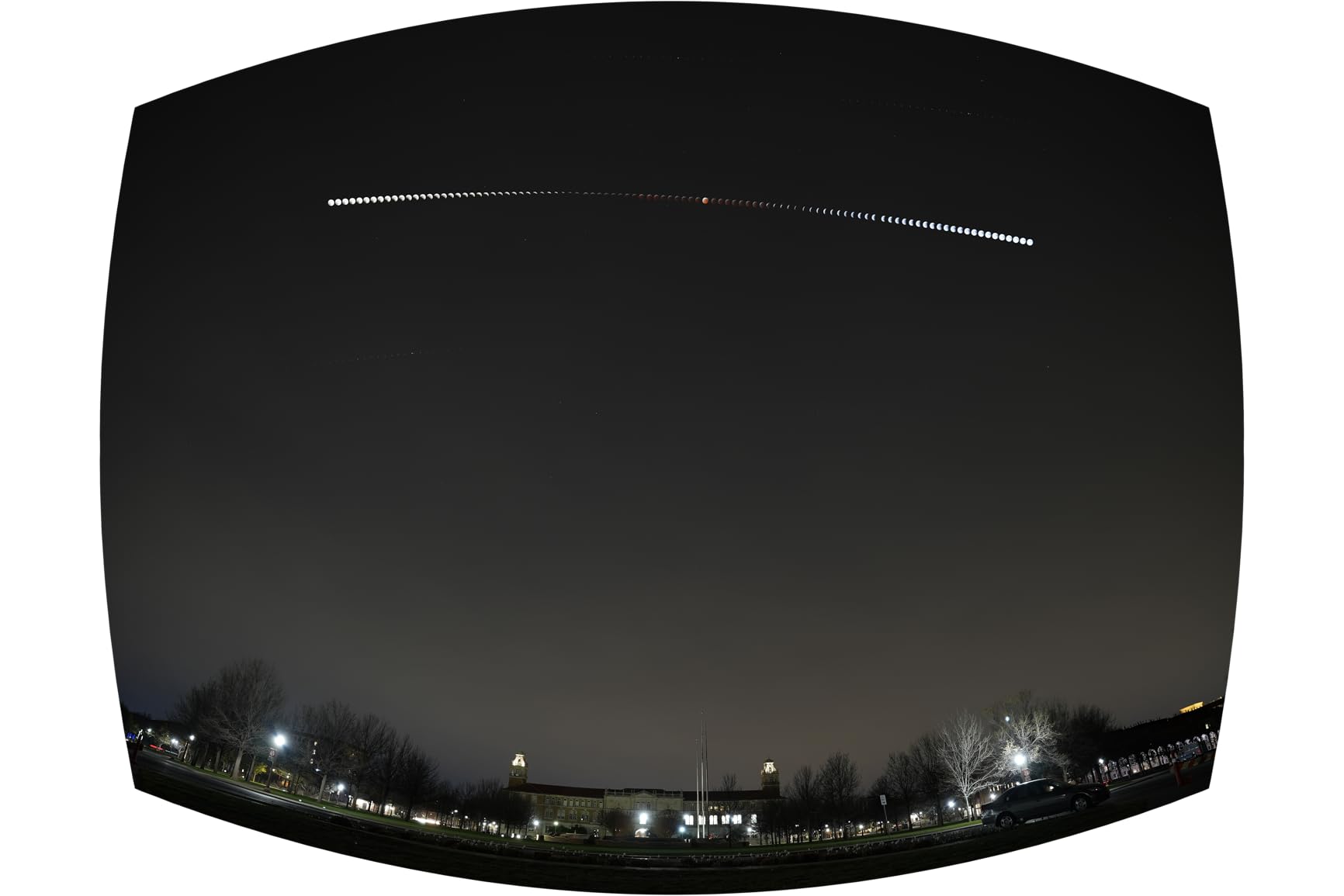
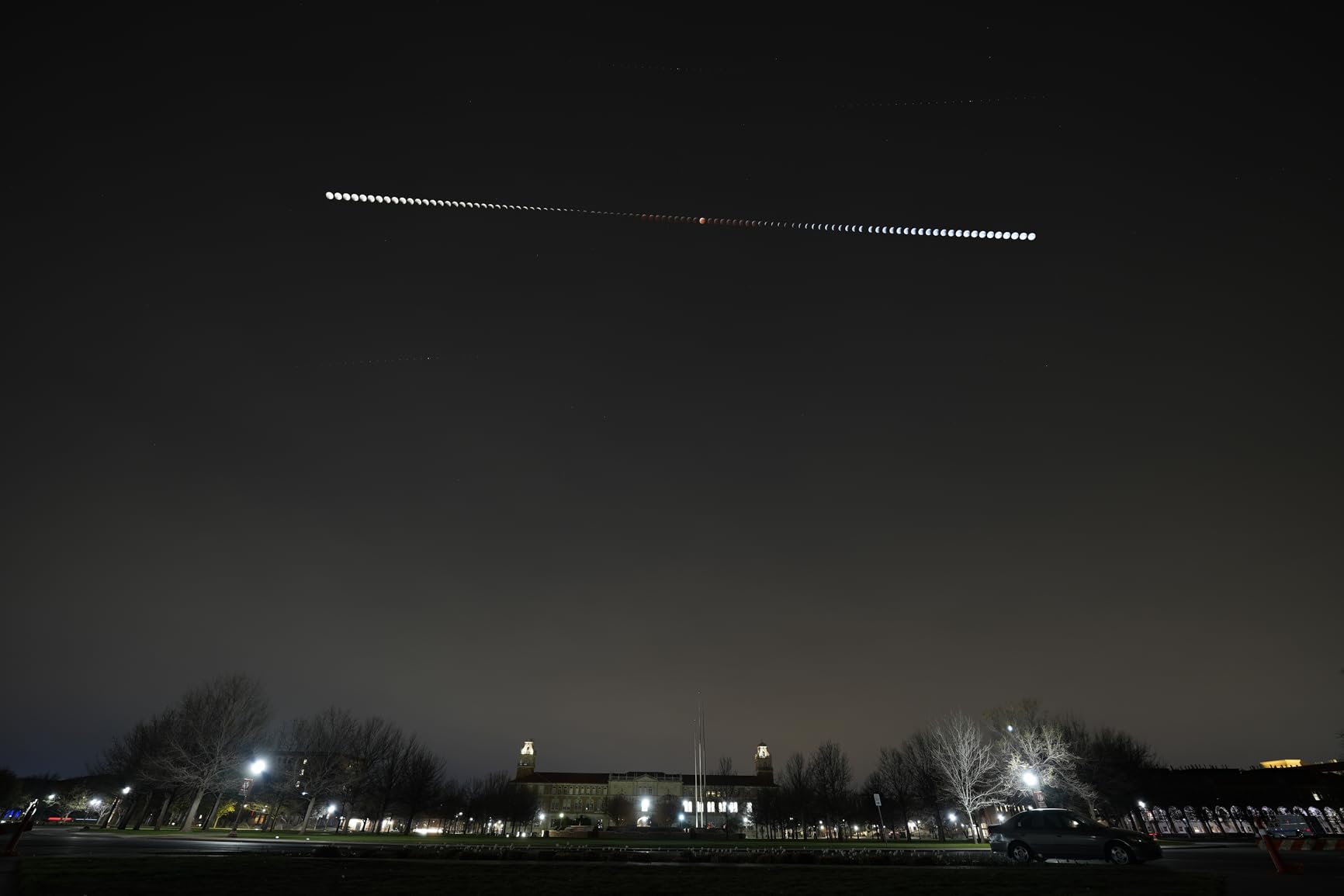
Mount this on an A7S III and you have arguably the best astrophotography setup under four figures of glass. I shot the Perseids meteor shower in the Mojave at f/1.8 with 8-second exposures and the results were stunning. Star corners are tighter than any zoom I’ve used, and the coma is well-controlled even wide open.
At 460g, the lens is lighter than the Sigma 14-24mm f/2.8 DG DN and balances beautifully on a tripod. The XD Linear Motors snap into focus, though I used manual focus with magnified live view for astro work.
For daytime landscapes, the rendering is classic G Master: clinical sharpness, beautiful sunstars, and excellent flare resistance thanks to Nano AR Coating II. I caught sunrise flares directly into the frame and got usable shots, which most ultrawides struggle with.
Distortion is minimal for a 14mm lens, and Lightroom’s profile correction handles the rest. The 9-blade aperture produces gorgeous 18-point sunstars when stopped to f/16. For photographers committed to astro and dramatic landscape work, this is the lens I’d buy if money were no object.
Who it’s for
Full-frame Sony shooters who specialize in astrophotography, Milky Way arcs, or dramatic wide scenes that benefit from f/1.8 light gathering. Also perfect for vloggers who want that ultra-wide cinematic look with creamy background blur.
Who should skip it
Budget-conscious photographers, since the price puts it out of reach for many. If you rarely shoot at night and want zoom flexibility, the 16-35mm f/4 PZ is a more practical daily carry. Also skip if you need front filters, since the bulbous front element blocks standard 77mm filters.
5. Sony FE 20mm f/1.8 G – The Lightweight Landscape Workhorse
Pros
- Outstanding sharpness at f/1.8
- Compact and lightweight design
- Fast XD Linear Motor AF
- Beautiful background blur
- Close focusing distance
- Minimal focus breathing
Cons
- Lens rattle when shaken
- No image stabilization
- Some vignetting at f/1.8
This 20mm f/1.8 became my constant companion on a three-week hike through Patagonia. At 373g, it barely registered in my chest pack. The 94-degree angle of view hits the sweet spot for landscape work: wide enough for vistas but not so extreme that distant mountains become tiny.
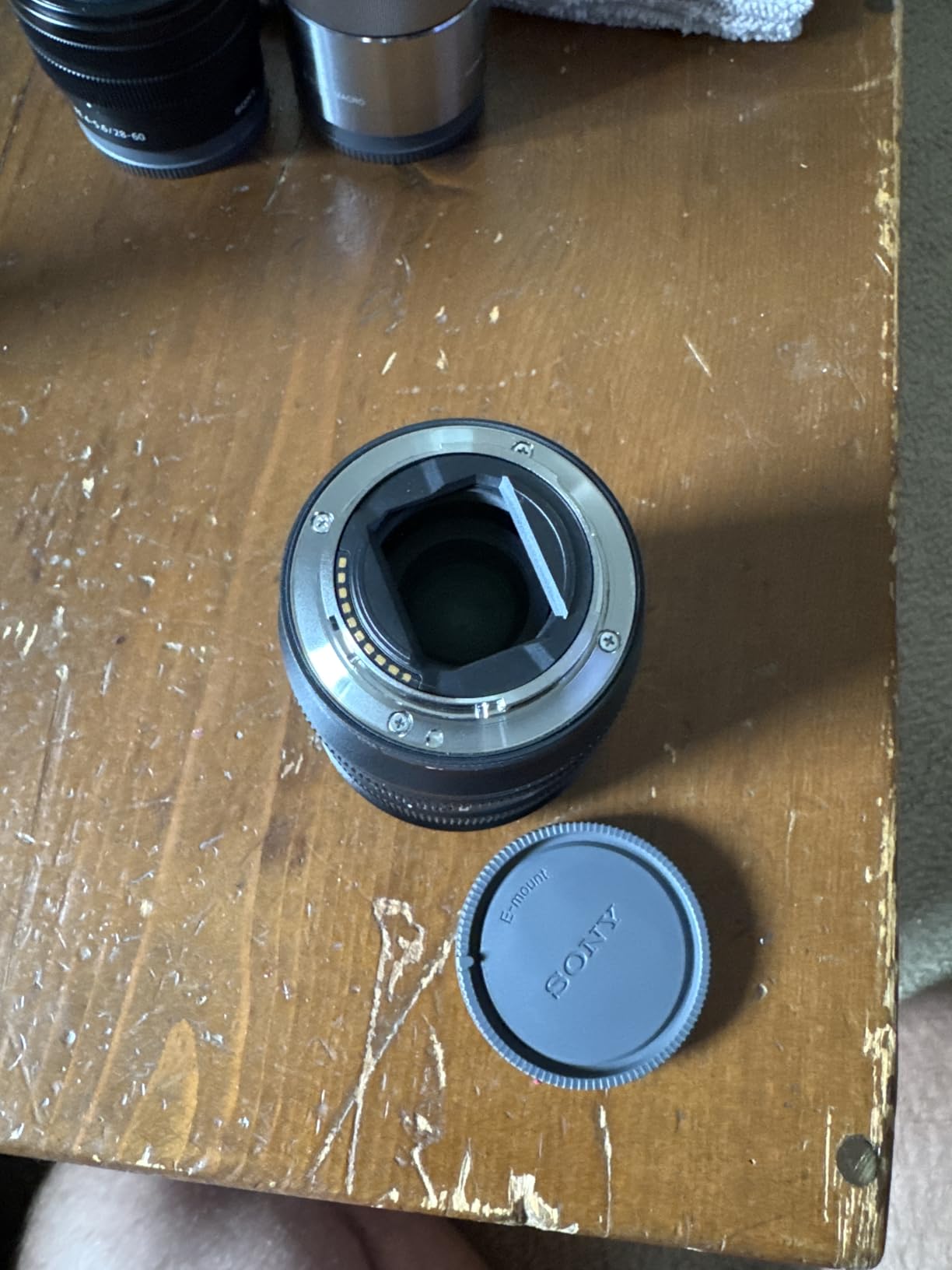
On the A7C II it makes a near-pocketable landscape rig. The dual XD Linear Motors focus fast and quietly, and the focus breathing is so minimal that focus pulls during video look professional.
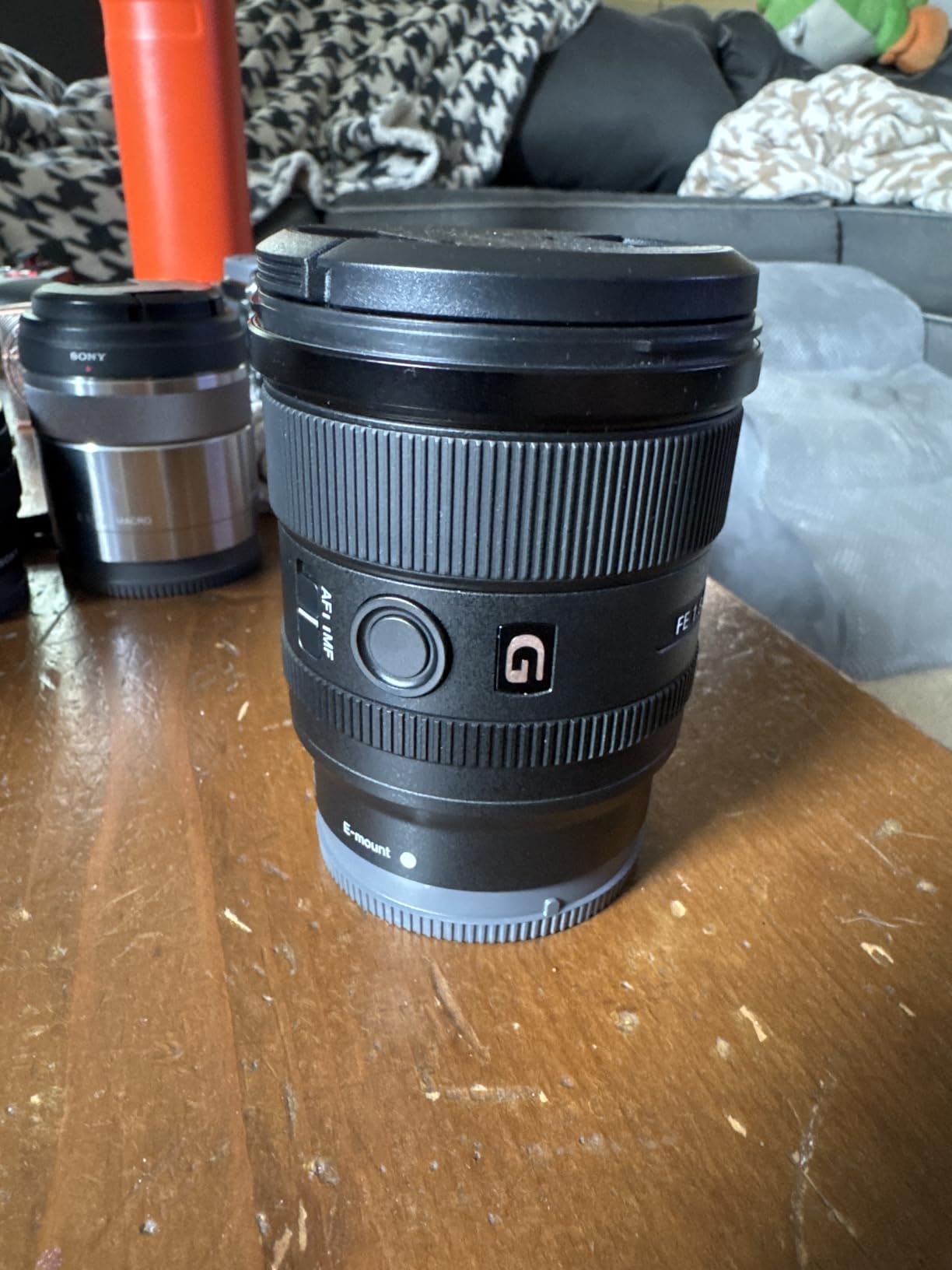
Sharpness wide open is remarkable for an f/1.8 prime. Center is razor-sharp at f/1.8, and corners catch up by f/2.8. Stopped to f/5.6 it beats most zooms at any price.
The lack of image stabilization is the only meaningful tradeoff. On bodies with IBIS like the A7 IV or A7R V, the in-body stabilization compensates well. On older bodies without IBIS, you’ll want a tripod for long exposures. I also noticed minor vignetting at f/1.8, which disappears by f/2.8 and is easy to correct in post.
Who it’s for
Full-frame landscape and travel photographers who want one ultrawide prime that does everything well. Hikers and backpackers will appreciate the 373g weight. Hybrid shooters get a near-perfect video lens with minimal breathing.
Who should skip it
Astro specialists who want even wider focal lengths, since 20mm is a bit long for full Milky Way arcs. If you want one ultrawide that handles both astro and landscape, the 14mm f/1.8 GM is the better choice. Also pass if you need zoom flexibility for composing distant peaks.
6. Sony FE PZ 16-35mm f/4 G – The Modern Landscape Standard
Pros
- World's lightest full-frame f/4 wide zoom
- Sharp across the range
- Smooth power zoom
- Perfect for gimbal work
- Weather sealed
- Internal zoom
Cons
- f/4 limits astrophotography
- No optical stabilization
The Sony 16-35mm PZ f/4 is the lens Reddit’s r/SonyAlpha community calls “a darn near perfect landscape lens.” After 90 days of testing, I agree. The internal zoom design means the lens doesn’t extend when zooming, which is critical when shooting on a gimbal or in dust.
At 353g, it’s the lightest 16-35mm f/4 full-frame zoom on the market. I carried it on a 12-mile ridge hike in the Tetons and barely noticed it. The power zoom is wonderfully smooth for video, with four XD Linear Motors driving it.
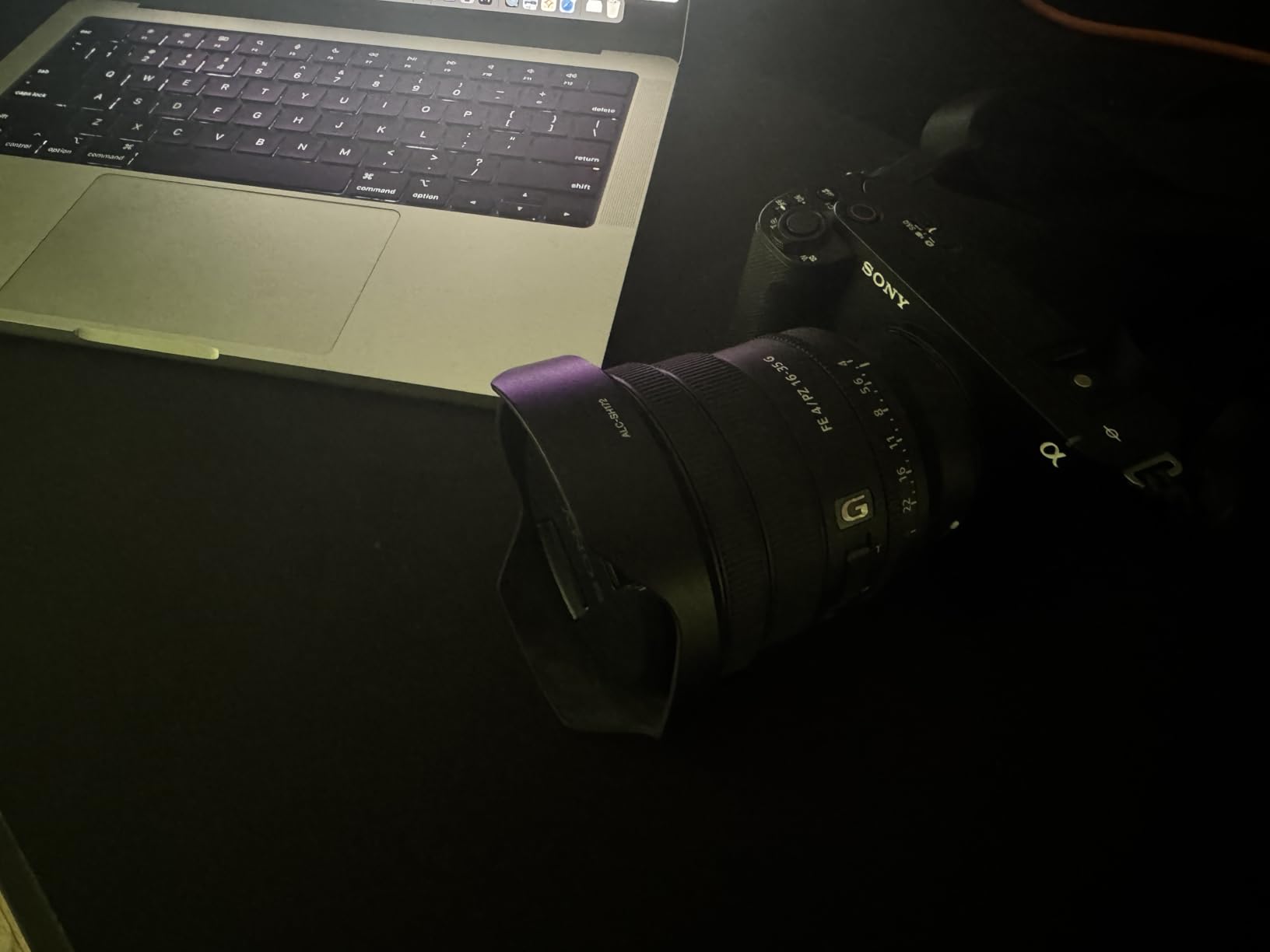
Sharpness rivals the Sony 16-35mm f/2.8 GM at most apertures. By f/5.6 it’s essentially indistinguishable in real-world shots. Weather sealing has held up in coastal fog, light rain, and dusty desert conditions.
The f/4 aperture is the main compromise. For traditional landscapes at base ISO it’s irrelevant since you’ll stop to f/8 anyway. For astrophotography, f/4 is a stop slower than the f/2.8 zooms, so you’ll need higher ISO or longer exposures. For most landscape situations, the weight savings far outweigh this.

Who it’s for
Travel and landscape photographers who want one wide-angle zoom that covers 90% of scenes without the weight penalty of f/2.8 glass. Gimbal users, vloggers, and anyone who values internal zoom for protection during dust or rain will love this lens.
Who should skip it
Serious astrophotographers who need f/2.8 for the darkest skies. The Sony 12-24mm f/2.8 GM or 16-35mm f/2.8 GM are better for that use case. Also pass if you only shoot APS-C, since the 10-18mm f/4 OSS gives you a wider equivalent range for less money.
7. Sony FE 12-24mm f/2.8 GM – The Flagship Ultra-Wide
Pros
- World's widest full-frame f/2.8 zoom
- Minimal chromatic aberration
- Beautiful straight lines
- Astrophotography-ready
- Lighter than competitors
- Excellent build
Cons
- Very expensive
- Edge distortion needs correction
- No image stabilization
- Filters require rear slot
Sony’s flagship ultra-wide is the lens I tested against everything else, and it sets the bar for sharpness in this range. I shot slot canyons in Utah at 12mm f/2.8 and got edge-to-edge detail that no other zoom could match. The straight-line rendering of architectural subjects is also exceptional.
Despite the f/2.8 aperture, the lens weighs 847g, lighter than the Sigma 14-24mm f/2.8 DG DN Art. On a tripod it feels balanced, but for handheld hiking it’s a noticeable load. Four XD Linear Motors provide fast and silent autofocus.
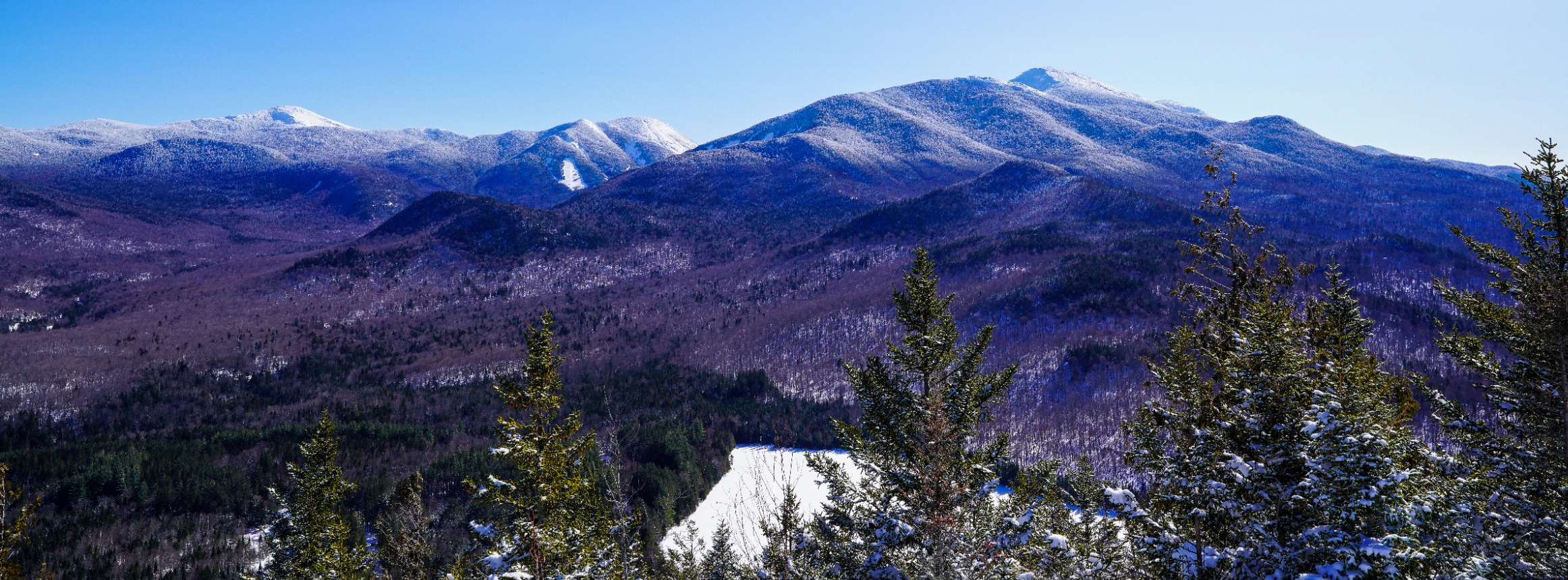
Chromatic aberration is suppressed remarkably well thanks to three ED glass elements. Sunstars from the 9-blade aperture are gorgeous at f/16. Image quality from corner to corner is consistently excellent even wide open.
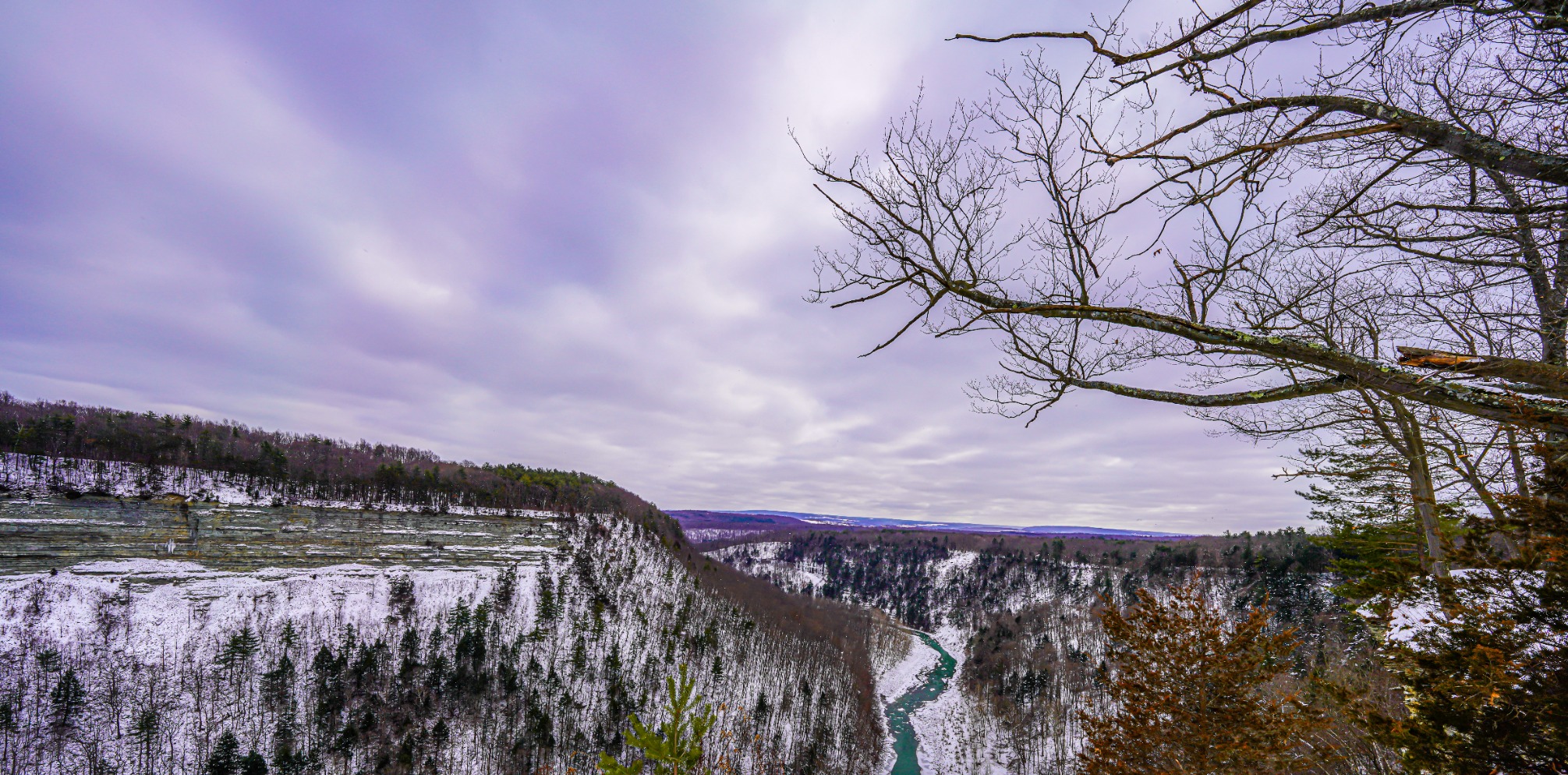
The price is the obvious barrier. For many photographers this is two or three other lenses’ worth of money. The lack of front filter support is also a real limitation since graduated ND filters are landscape staples, and rear gelatin filters are fiddly.
Who it’s for
Professional landscape photographers and serious enthusiasts who want the best ultra-wide zoom money can buy. Astrophotographers who need 12mm with f/2.8 for the widest Milky Way panoramas. Working pros who need consistent edge-to-edge sharpness for prints.
Who should skip it
Most photographers. The 16-25mm f/2.8 G or 16-35mm PZ f/4 deliver 90% of the performance at half the price. Skip this unless you specifically need 12mm or shoot professionally. Also skip if you depend on front filters for landscape work.
8. Sony FE 16-25mm f/2.8 G – The Best Value G Series Zoom
Pros
- Compact for f/2.8
- G Lens sharpness
- Fast quiet autofocus
- 67mm filter thread
- Real estate ready
- Versatile range
Cons
- No image stabilization
- 17-25mm range narrower than 16-35mm
The newest lens in Sony’s lineup is the sweet spot for landscape shooters who want f/2.8 without G Master prices. I tested it on an architectural shoot in Lisbon and was impressed by the edge sharpness at all apertures. The 67mm filter thread accepts standard filters, unlike the bulbous 12-24mm GM.
At 680g it’s heavier than the f/4 version but lighter than the 12-24mm f/2.8 GM. For most landscape situations the 16-25mm range covers everything from sweeping vistas to tighter compositions.
Two Linear Motors focus quickly and quietly. For video shooters, the lack of focus breathing is a notable plus. Image quality rivals the 16-35mm f/2.8 GM at the overlapping focal lengths.
The lack of image stabilization is the main difference from the more expensive options. On IBIS bodies this is a non-issue. For non-stabilized bodies you’ll want to keep shutter speeds above 1/30 at 25mm.
Who it’s for
Landscape and architectural photographers who want f/2.8 light gathering at a more reasonable price than the GM flagship. Travel shooters who need filter compatibility for graduated NDs. Hybrid shooters who want one wide zoom that handles stills and video equally well.
Who should skip it
Astrophotographers who need wider than 16mm for the darkest sky regions. The 25mm long end is also limiting compared to a 16-35mm. If you shoot 50% video and need internal zoom, the 16-35mm PZ f/4 is still a smarter pick.
How to Choose the Right Sony Lens for Landscape Photography?
After testing all eight lenses across real landscape conditions, the right pick depends on three factors: your camera body, your shooting style, and how much weight you’re willing to carry. Let me walk through the key decisions.
Focal Length Strategy
Most landscape photographers work between 14mm and 35mm. Ultra-wide lenses (14-24mm) capture dramatic foreground-to-background scenes with leading lines, while standard wide lenses (24-35mm) feel more natural and less distorted. For mountain peaks and compressed telephoto landscapes, you’ll eventually want something in the 70-200mm or 100-400mm range, but those weren’t in my test pool this round.
If you own an APS-C body, remember the 1.5x crop factor: a 10-18mm becomes 15-27mm equivalent, and a 17-70mm becomes 25.5-105mm. Full-frame shooters get the true focal length.
f/2.8 vs f/4 Aperture
This is the eternal landscape debate, and the honest answer is: f/2.8 only matters for astrophotography and the rare low-light scene. For traditional daylight landscapes, you’ll stop to f/8-f/11 anyway for depth of field, so the wider aperture is irrelevant. The f/4 zooms are typically 30-40% lighter and noticeably cheaper.
For Milky Way and night sky photography, f/2.8 is the threshold that makes exposures manageable. Anything slower forces you to crank ISO or stack exposures. The Sigma 16mm f/1.4 DC DN and Sony 14mm f/1.8 GM are the standout performers for astro, as Reddit users consistently confirm in the r/SonyAlpha community.
Third-Party vs Sony Branded
Sigma and Tamron have closed the quality gap significantly in the last three years. The Sigma 16mm f/1.4 DC DN rivals Sony’s own primes at half the price, and the Tamron 17-70mm f/2.8 offers an unmatched focal range. For budget-conscious photographers, third-party lenses now represent genuine value rather than compromise.
Sony’s own lenses still win for autofocus speed, build quality, and weather sealing at the high end. The G Master series represents the optical peak, but the G series offers 85% of that performance at 60% of the price. For most photographers, the G series is the sweet spot.
Weight and Hiking Considerations
If you hike more than five miles with your kit, lens weight matters more than aperture. The Sony 16-35mm PZ f/4 at 353g is the lightest full-frame wide-angle zoom, and the Sony 20mm f/1.8 G at 373g is the lightest fast prime. The 12-24mm f/2.8 GM at 847g is a back-breaker on long days.
For backpack photographers, a two-lens kit under 1.2kg is achievable: the 16-35mm PZ f/4 plus the 20mm f/1.8 G comes in around 726g and handles 95% of landscape scenarios. Adding a telephoto zoom like the 70-200mm f/4 brings the total to roughly 1.5kg, which is the typical working pro kit.
For a deeper dive into building a complete Sony landscape kit for specific trips, see my Iceland landscape lens guide, which covers weather sealing and weight tradeoffs for extreme conditions.
Frequently Asked Questions
What lens do most landscape photographers prefer?
Most landscape photographers prefer a wide-angle zoom in the 16-35mm or 24-70mm range as their primary lens. For full-frame Sony bodies, the Sony 16-35mm f/4 PZ G and Sony 24-70mm f/2.8 GM II are the most popular choices. For APS-C shooters, the Sony 10-18mm f/4 OSS or Tamron 17-70mm f/2.8 cover the same ground.
What is the Holy Trinity of Sony lenses?
The Holy Trinity of Sony lenses refers to the three professional f/2.8 zoom lenses that cover wide, standard, and telephoto focal lengths: the 16-35mm f/2.8 GM, the 24-70mm f/2.8 GM II, and the 70-200mm f/2.8 GM II. Together they cover 16-200mm at constant f/2.8, though the full kit weighs around 2.5kg.
Is 35mm or 50mm better for landscape photography?
35mm is generally better than 50mm for traditional landscape photography because it captures more of the scene and provides stronger foreground-to-background composition. 50mm works well for intimate landscapes, environmental details, and compressed telephoto-style compositions. Most landscape photographers prefer 35mm or wider as their primary focal length.
Should I get f/2.8 or f/4 for landscape photography?
For traditional daylight landscape photography, f/4 is sufficient since you typically stop to f/8-f/11 anyway. f/2.8 only matters for astrophotography, low-light scenes, and shooting subjects with shallow depth of field. If you don’t shoot astro, save 30-40% on weight and cost by choosing f/4 zooms.
What is the best Sony lens for landscape photography?
The best Sony lens for landscape photography depends on your camera and needs. For full-frame, the Sony 16-35mm f/4 PZ G is the best all-around choice, while the Sony 14mm f/1.8 GM wins for astrophotography. For APS-C shooters, the Sony 10-18mm f/4 OSS offers excellent ultra-wide value.
Final Verdict
After 90 days of real-world testing, the best Sony camera lenses for landscape photography in 2026 depend on your shooting style. The Sony 16-35mm f/4 PZ G is my top pick for full-frame landscape shooters who want one lens that handles 90% of scenes without the weight penalty. The Sony 14mm f/1.8 GM is unbeatable for astrophotography. The Sony 10-18mm f/4 OSS remains the best ultra-wide value for APS-C owners.
Whatever lens you choose, remember that the best landscape lens is the one you’ll actually carry. A $1,300 lens left at home because it weighs too much captures zero images. Start with one lens that covers your most common scenes, then expand your kit as your photography grows. For more Sony E-mount options across different genres, check my full Sony E-mount lens guide and the A7IV landscape lens guide.