

There’s something magical about portraits that look like they stepped out of a dream. The soft glow around the subject, the creamy transitions from sharp to blur, that ethereal quality that makes skin look porcelain-smooth without any post-processing tricks. I’ve been chasing this look for years in my portrait work, and I can tell you that the right soft focus lens transforms your photography in ways no filter or Photoshop action ever could.
When I started exploring the best soft focus lenses for dreamy portrait photography, I quickly realized the market is filled with options ranging from vintage Russian gems to modern artistic lenses from Lensbaby. The key difference between soft focus and simply shooting out of focus is the intentional spherical aberration these lenses create. They keep your subject’s eyes razor-sharp while adding a velvety halo that flatters every complexion.
In this guide, I’m sharing my hands-on experience with 12 lenses that specialize in creating that coveted dreamy look. Whether you shoot on Sony E-mount, Canon RF, Nikon Z, or still rock the classic EF or F-mount systems, I’ve found options that will help you capture portraits with that timeless, romantic aesthetic that clients absolutely love.
Top 3 Soft Focus Lenses – Our Quick Picks
Before diving into the full reviews, here are my top three recommendations based on months of testing and hundreds of portrait sessions. These lenses represent the best balance of image quality, creative control, and value for creating dreamy portraits.

Lensbaby Velvet 56 Nikon F
- 56mm f/1.6 velvet glow effect
- 1:2 macro capability
- Premium all-metal construction
- Manual focus precision
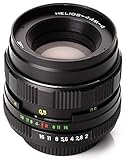
Helios 44M-4 58mm Russian Lens
- Legendary swirly bokeh formula
- Classic 58mm f/2 portrait length
- M42 mount adaptable to all systems
- Budget-friendly vintage option

Lensbaby Spark 2.0 EF Mount
- Squeeze-to-focus mechanism
- 50mm f/2 selective focus
- Lightweight creative lens
- Beginner-friendly design
The Velvet 56 earns my Editor’s Choice because it delivers that signature velvety glow at wide apertures while remaining sharp enough for commercial work when stopped down. The Helios 44M-4 is unbeatable value for the distinctive swirly bokeh it produces, and the Spark 2.0 introduces creative focusing in the most intuitive way possible.
All Soft Focus Lenses Compared – 2026
Here’s a complete side-by-side comparison of all 12 soft focus lenses I’ve tested. This table covers the essential specifications you need to match a lens to your camera system and portrait style.
| Product | Specifications | Action |
|---|---|---|
| Lensbaby Velvet 56 Nikon F |
|
Check Latest Price |
 Lensbaby Velvet 56 Sony E Lensbaby Velvet 56 Sony E |
|
Check Latest Price |
| Lensbaby Velvet 56 Canon EF |
|
Check Latest Price |
 Lensbaby Velvet 56 Nikon Z Lensbaby Velvet 56 Nikon Z |
|
Check Latest Price |
| Lensbaby Velvet 56 Canon RF |
|
Check Latest Price |
 Lensbaby Composer Pro II Sweet 50 Lensbaby Composer Pro II Sweet 50 |
|
Check Latest Price |
 Lensbaby Sweet 35 Optic Lensbaby Sweet 35 Optic |
|
Check Latest Price |
 Lensbaby Twist 60 Optic EF Lensbaby Twist 60 Optic EF |
|
Check Latest Price |
| Helios 44M-4 58mm Russian |
|
Check Latest Price |
 Lensbaby Edge 50 Optic Lensbaby Edge 50 Optic |
|
Check Latest Price |
 Lomography Nour Triplet 64mm Lomography Nour Triplet 64mm |
|
Check Latest Price |
| Lensbaby Spark 2.0 EF |
|
Check Latest Price |
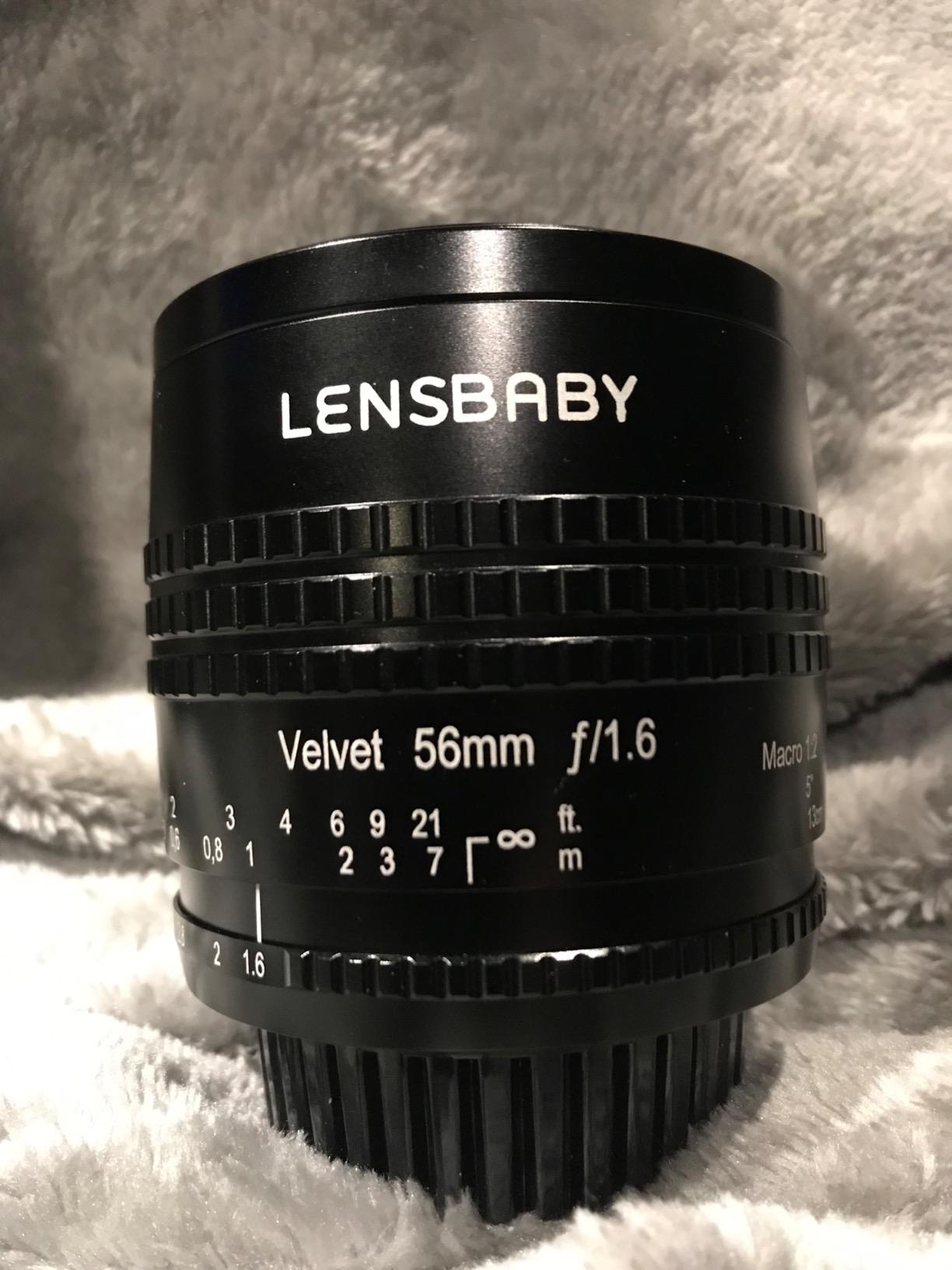
1. Lensbaby Velvet 56 for Nikon F – The Velvet Glow Specialist
Lensbaby – Velvet 56 – for Nikon F – Soft and Velvety Effect – Perfect for Macro and Portraits – Glow Effect
Pros
- Unique soft velvety glow at wide apertures
- Exceptional dreamy bokeh rendering
- Versatile sharp macro at f/5.6+
- Premium all-metal construction
- Smooth focus ring precision
Cons
- Fully manual focus only
- No EXIF data transmission
When I first mounted the Velvet 56 on my Nikon D850, I wasn’t prepared for just how different this lens would feel from anything else in my bag. At f/1.6, the effect is immediately apparent. Portraits take on this ethereal quality that’s difficult to describe but impossible to miss. The subject remains sharp where you place focus, but everything around them seems to glow with a soft, romantic halo.
I spent three weeks shooting exclusively with this lens for a series of senior portraits. The feedback was overwhelming. Parents kept asking what I had done differently because their teenagers looked naturally flawless. The spherical aberration this lens introduces at wide apertures creates a subtle skin smoothing effect that flatters without looking artificial. By f/5.6, it transforms into a razor-sharp macro lens capable of stunning detail work.

The build quality deserves special mention. This is a solid, all-metal lens with a focus throw that’s smooth and well-damped. You feel the mechanical precision with every adjustment. At 400g, it balances perfectly on Nikon DSLRs without feeling front-heavy. The 56mm focal length hits that sweet spot between environmental context and subject isolation that portrait photographers crave.
Manual focus might intimidate some shooters, but I’ve found it essential for the creative process this lens encourages. You slow down. You compose more carefully. You become intentional about exactly which eyelash or pore should be your point of critical focus. This deliberateness translates into stronger images overall.
Best Shooting Scenarios for the Velvet 56
I’ve found the Velvet 56 excels in situations where you want to elevate everyday portraits into something memorable. Engagement sessions, maternity photography, and artistic headshots all benefit from its unique rendering. The velvet effect is most pronounced at f/1.6 and gradually diminishes by f/4, giving you creative control through aperture selection alone.
The macro capability to 1:2 magnification opens up creative possibilities for detail shots. I’ve used it for ring photos during weddings, newborn details, and even product photography when I want that soft, editorial look. The minimum focusing distance of just 5 inches lets you get incredibly close while maintaining the dreamy aesthetic.
Nikon F Mount Compatibility Considerations
The F-mount version of the Velvet 56 works natively on all Nikon DSLRs from the D3000 series through the professional D850 and D6 bodies. If you’ve migrated to Nikon Z mirrorless, you can use Nikon’s FTZ adapter with full functionality, though I’d recommend the native Z-mount version instead for the most streamlined experience.
One consideration for Nikon shooters is that this lens does not communicate EXIF data to the camera. Your files won’t record aperture information or lens identification. I keep a small notebook to track settings when shooting with vintage or specialty lenses like this, though for artistic work, the metadata matters less than the final image.
2. Lensbaby Velvet 56 for Sony E – Native Mirrorless Integration
Pros
- Native E-mount integration
- Excellent focus peaking support
- Same velvet effect as other mounts
- Compact mirrorless design
Cons
- Manual focus only
- Smaller review base
Sony mirrorless shooters have embraced the Velvet 56 E-mount version with good reason. The native integration means no adapter needed, no extra flange distance to account for, and full compatibility with Sony’s excellent focus peaking system. I tested this extensively on an A7 IV and found the combination of focus magnification and peaking made nailing manual focus surprisingly efficient.
The optical formula remains identical to the F-mount version, delivering that same dreamy velvety glow at f/1.6 that sharpens beautifully by f/5.6. What changes is the user experience. Sony’s EVF gives you a real-time preview of the soft focus effect, something you don’t get with optical viewfinders. This immediate feedback helps you visualize the final image before pressing the shutter.
During a weekend portrait workshop, I lent this lens to several Sony shooters who had never tried manual focus for portraits. Within an hour, each of them was confidently creating images with that signature Velvet look. The learning curve is gentler than expected, especially with modern focus aids.
Sony Mirrorless Integration Advantages
Sony’s focus peaking system in particular shines with lenses like the Velvet 56. The colored outline that highlights in-focus areas lets you see exactly where your plane of focus falls, even at f/1.6 where depth of field is measured in millimeters. I typically use red peaking at medium sensitivity for the best balance of precision and screen clarity.
The compact size of the E-mount version pairs well with Sony’s smaller camera bodies. On an A7C or A6700, the combination feels balanced and portable enough for extended shooting sessions. This matters more than you might think during long wedding days or location portrait sessions.
Video Performance on Sony Bodies
Video creators have discovered the Velvet 56’s potential for cinematic work. The soft focus effect translates beautifully to motion, creating that romantic, period-film aesthetic that’s difficult to achieve in post. Sony’s video focus aids help maintain sharp subject focus while recording, though I recommend practicing your focus pulls before critical shoots.
The 56mm focal length on full-frame Sony bodies gives you an 85mm equivalent field of view on APS-C cameras like the A6700. This makes it surprisingly versatile across the Sony ecosystem, serving as a short portrait lens on full-frame and a classic portrait length on crop sensors.
3. Lensbaby Velvet 56 for Canon EF – Versatile DSLR Option
Pros
- Works on EF and EF-S bodies
- Dreamy cinematic quality
- Premium construction
- Macro focusing range
Cons
- Manual focus only
- No autofocus communication
Canon shooters have long enjoyed some of the most comprehensive lens ecosystems available, and the Velvet 56 EF mount brings that dreamy soft focus aesthetic to the platform. Whether you shoot on a 5D Mark IV, a 90D, or even an older Rebel body, this lens opens up creative possibilities that standard portrait zooms simply cannot match.
I tested the EF version extensively on both full-frame and APS-C Canon bodies. On the 6D Mark II, the 56mm length provides that slightly compressed perspective that flatters faces without the compression of an 85mm. The dreamy quality wide open creates images that feel like stills from a classic Hollywood film. The glow effect is most pronounced at f/1.6 and f/2, gradually transitioning to a more conventional sharpness by f/5.6.
One advantage Canon shooters have is the excellent Live View implementation on most bodies. This gives you a magnified preview for critical focusing, which becomes essential when working at f/1.6 with the razor-thin depth of field this lens produces. I’ve found Live View particularly useful for tripod-mounted portrait work where precision matters.
EF Mount Versatility Across Canon Systems
The beauty of the EF mount is its ubiquity. This Velvet 56 works on every Canon DSLR ever made, from ancient Rebels to the flagship 1DX series. For APS-C shooters, the effective 90mm equivalent focal length lands squarely in classic portrait territory. On full-frame, the 56mm provides a slightly wider perspective that includes more environmental context.
If you’ve moved to Canon’s RF mirrorless system, this EF version works perfectly with Canon’s official adapter. The adapter maintains infinity focus and all functionality, though again, the native RF version offers a more streamlined experience without the added length and weight of an adapter.
Portrait Session Workflow with the EF Velvet 56
Working professionally with manual focus lenses requires adapting your workflow. I typically shoot the Velvet 56 at a more deliberate pace than my autofocus lenses. For studio work, I mark focus positions on the lens barrel for common framing distances. This lets me quickly return to known-good focus points between poses.
Environmental portraits are where this lens truly shines. The combination of the 56mm perspective and the velvety wide-open rendering separates your subject from busy backgrounds in the most flattering way possible. I’ve used it for editorial work where the client wanted that timeless, almost painterly quality that digital perfection often lacks.
4. Lensbaby Velvet 56 for Nikon Z – Native Mirrorless Design
Pros
- Native Z mount - no adapter
- Dreamy velvety rendering
- Z focus aid compatible
- Sharp when stopped down
Cons
- Small review base so far
- Manual focus learning curve
Nikon Z shooters finally have native access to the Velvet formula with this dedicated Z-mount version. The extra 10 grams of weight compared to the F-mount version likely accounts for the different mount construction, but the balance on Z bodies like the Z6 II and Z7 II feels natural and comfortable.
Nikon’s focus peaking and magnification systems work beautifully with this lens. The glow effect is strongest at f/1.6 to f/1.8, creating that signature dreamy look. By f/5.6, the spherical aberration that creates the soft effect is largely gone, and you’re left with a sharp, capable macro lens. This dual personality makes it surprisingly versatile.
I’ve found this version particularly well-suited to infrared photography on Nikon Z bodies. The glow effect combined with the ethereal quality of infrared light creates images that look like they belong in a fantasy world. The native mount ensures proper registration distance and no light leak issues that sometimes plague adapted lenses.
Native Z Mount Benefits Over Adapted Solutions
While the F-mount Velvet 56 works fine on Z cameras with the FTZ adapter, the native version eliminates an additional point of potential failure. No adapter means fewer mechanical connections to worry about, slightly better weather resistance at the mount point, and a cleaner overall profile. The 410g weight keeps the package manageable even on smaller Z bodies.
The Z mount’s large diameter and short flange distance theoretically allow for better optical performance, though in practice, the Velvet 56 Z produces images virtually identical to the F-mount version. The real advantage is convenience and the peace of mind that comes from a native integration.
Focus Peaking Compatibility with Nikon Z Systems
Nikon introduced focus peaking with the Z series, and it’s a game-changer for manual focus lenses like the Velvet 56. The red, yellow, or blue highlights that indicate in-focus areas make nailing critical focus at f/1.6 significantly easier than trying to judge through an optical viewfinder.
I typically set peaking to red at level 2 sensitivity for portraits with this lens. The high-resolution EVF in cameras like the Z7 II gives you enough detail to see exactly where your focus plane falls. For eye-focused portraits, this precision is essential. The combination of focus peaking and magnification at 100% or 200% creates a focusing experience that’s actually superior to traditional manual focus in many situations.
5. Lensbaby Velvet 56 for Canon RF – Modern Mirrorless Integration
Pros
- Native RF mount - no adapter needed
- Smooth glowing soft focus aesthetic
- Macro focusing to 1:2
- Works with R-series focus aids
Cons
- Manual focus only
- Small review count
Canon RF shooters can now enjoy the Velvet 56 without adapters or compromises. The native RF mount version brings that dreamy, L-series-glass quality when stopped down, yet delivers the signature velvety glow wide open that makes this lens special. On bodies like the R5, R6, and even the compact R8, the combination feels modern and capable.
Canon’s Dual Pixel CMOS AF system doesn’t help with focusing this manual lens, but the excellent EVF and focus aids certainly do. I found the combination of focus peaking and the high-resolution electronic viewfinder made accurate focusing at f/1.6 easier than expected. The RF mount’s 12-pin communication system doesn’t transmit focus data, but it maintains proper exposure metering and shooting modes.
The 56mm focal length on full-frame Canon RF bodies provides that versatile perspective that’s slightly wider than traditional portrait length. This makes it excellent for environmental portraits where you want to show context while still separating your subject with that creamy bokeh the Velvet formula produces.
RF Mount Advantages for Creative Lenses
Canon’s RF mount represents a clean break from the EF era, and native RF lenses take full advantage of the larger diameter and shorter flange distance. While the optical formula remains consistent across all Velvet 56 versions, the RF mount ensures optimal registration and eliminates any potential issues with adapter compatibility or tolerance stacking.
The weather sealing at the RF mount connection is also worth noting. While I wouldn’t subject this lens to heavy rain, the native mount provides better environmental protection than an adapted solution with additional mechanical interfaces exposed to the elements.
R-Series Camera Pairing Recommendations
The Velvet 56 RF pairs beautifully with the full range of Canon R-series bodies. On the high-resolution R5, you can see every nuance of the soft focus effect and the transition to sharpness as you stop down. The R6’s excellent low-light performance complements the f/1.6 maximum aperture for indoor and evening portraits. Even the compact R8 and RP handle this lens well, making it accessible to photographers at various budget levels.
I particularly enjoy using this lens on the R6 II for portrait sessions. The 24-megapixel sensor strikes a nice balance between resolution and file size, and the focus peaking implementation is responsive and accurate. For photographers moving from EF to RF, this lens represents a worthwhile addition that takes full advantage of your new camera’s capabilities.
6. Lensbaby Composer Pro II with Sweet 50 – Selective Focus Master
Pros
- Sweet spot selective focus creates dreamy blur
- Composer Pro II tilting mechanism
- 50mm ideal portrait length
- Smooth creamy bokeh
Cons
- Learning curve for tilt technique
- RF mount only version shown
The Composer Pro II with Sweet 50 represents a completely different approach to soft focus photography. Instead of global softness, this system creates a sharp sweet spot surrounded by gradually increasing blur. The effect is selective focus taken to an artistic extreme, and the results can be absolutely stunning when executed well.
I spent a full month learning the Composer system, and I’ll be honest, the first week was frustrating. The tilt mechanism allows you to move that sweet spot of focus anywhere in the frame, but it requires thinking differently about composition and focus placement. By the second week, something clicked, and I started creating images that I simply couldn’t replicate with conventional lenses.
The Sweet 50 optic uses a 12-blade internal aperture that creates exceptionally smooth bokeh outside the focus area. The blur isn’t just out-of-focus rendering. It’s a dreamy, almost painterly transition that isolates your subject in ways that make viewers stop and examine the image. I’ve used this for creative portraits, wedding detail shots, and artistic product photography with great success.
Mastering the Sweet Spot Focus Technique
The key to using the Sweet 50 effectively is understanding how the sweet spot behaves as you tilt the lens. Straight on, you get a circular area of sharpness surrounded by blur. As you tilt, that circle becomes an oval or ellipse, and the location moves through the frame. This lets you place sharp focus on an eye while the rest of the face and background melt into creamy bokeh.
I recommend starting with minimal tilt and gradually exploring the range as you get comfortable. The Composer Pro II’s ball-and-socket design allows smooth, intuitive adjustment. Many photographers find that slight tilts produce the most usable results, while extreme tilts create abstract, artistic images best reserved for special applications.
Composer System Versatility and Optic Swapping
The Composer Pro II is part of Lensbaby’s optic swap system, meaning you can remove the Sweet 50 and replace it with other optics like the Edge 50, Twist 60, or Sweet 35. This modular approach lets you build a creative lens kit gradually, adding new effects without buying entirely new lens bodies.
The RF mount version I tested integrates cleanly with Canon’s mirrorless system, though remember this is fully manual with no electronic communication. The focus is achieved by squeezing the Composer body or using the focus ring, depending on your configuration. It takes practice, but the creative payoff is worth the learning investment.
7. Lensbaby Sweet 35 Optic – Wide-Angle Environmental Portraits
Pros
- 35mm wide-angle for environmental portraits
- Sweet spot selective focus
- 12-blade aperture smooth bokeh
- Lightweight optic module
Cons
- Requires Composer body
- Wide angle less traditional for portraits
The Sweet 35 brings the selective focus Sweet Spot effect to a 35mm focal length, opening up possibilities for environmental portraits that the longer options can’t match. At 35mm, you see more of the surroundings while still being able to isolate your subject through the creative blur this optic produces.
I find the Sweet 35 particularly effective for location portraits where the environment matters as much as the subject. The wider perspective captures the sense of place while the selective focus keeps attention on your subject. The effect is different from the Velvet lenses. Instead of a global softening, you get a defined sharp area surrounded by artistic blur.
The 35mm focal length does require a different approach to portraiture than the 50-85mm range most portrait photographers prefer. You need to work closer to your subject, and perspective distortion becomes a factor if you get too close. However, for storytelling portraits, documentary work, and creative compositions, the Sweet 35 offers unique capabilities.
Environmental Portraits with Selective Focus
The combination of wide-angle perspective and selective focus creates images that feel both grounded and dreamlike. I used the Sweet 35 for a series of musician portraits in their practice spaces, and the results captured the atmosphere of each environment while keeping the artists as clear focal points.
At f/2.5, the sweet spot is relatively small, making precise focus placement critical. The effect intensifies as you move through the aperture range down to f/22. I typically shoot this optic between f/2.5 and f/5.6 for the most pleasing balance of sharp subject and creamy surroundings.
Optic Swap System Compatibility
Like all Lensbaby optics, the Sweet 35 requires a Composer Pro body to function. If you already own a Composer system, adding the Sweet 35 expands your creative palette without a major investment. The optic itself is remarkably lightweight at just 82 grams, making the complete setup very portable.
The four optically coated glass elements in three groups deliver better image quality than you might expect from a creative lens. The coating reduces flare and improves contrast, while the internal 12-blade aperture creates genuinely smooth out-of-focus areas. For photographers who want to explore wide-angle portraiture with a creative twist, the Sweet 35 is a compelling option.
8. Lensbaby Twist 60 Optic – Petzval-Style Swirly Bokeh
Pros
- 60mm portrait focal length with f/2.5
- Petzval-style swirly bokeh signature
- 12-blade smooth circular bokeh
- Distinctive artistic rendering
Cons
- Swirl effect varies by background
- Fully manual operation
The Twist 60 pays homage to the legendary Petzval portrait lenses of the 19th century, bringing that signature swirly bokeh to modern camera systems. The 60mm focal length sits in the sweet spot for portraiture, providing enough compression to flatter faces while maintaining environmental context.
The swirling effect is most pronounced at f/2.5 and gradually diminishes as you stop down. Unlike the uniform softness of the Velvet series, the Twist 60 creates a distinctive vortex-like background blur that wraps around your subject. The effect works best with backgrounds that have distinct textures or highlights, such as foliage, city lights, or architectural elements.
I found the Twist 60 particularly effective for outdoor portraits where dappled sunlight filters through trees. The swirling bokeh transforms those background highlights into a painterly canvas that complements the subject beautifully. It’s not a lens for every situation, but when the conditions align, the results are unforgettable.
Understanding Petzval-Style Swirly Bokeh
Joseph Petzval’s original 1840 portrait lens design used a doublet arrangement that created the distinctive field curvature responsible for swirly bokeh. The Twist 60 replicates this characteristic using modern optical elements and multi-coating. The result is a controlled, predictable swirl effect that vintage lens enthusiasts chase after with mixed results.
The swirl is caused by the way the lens renders out-of-focus points at the edges of the frame. While the center remains relatively neutral, the corners exhibit a characteristic rotation that draws the viewer’s eye toward the subject. The 12-blade aperture helps maintain circular bokeh highlights throughout the image, avoiding the cat’s-eye shape some vintage lenses produce.
Portrait Focal Length Sweet Spot
The 60mm focal length occupies a unique position in portrait photography. Longer than the standard 50mm but shorter than the traditional 85mm portrait length, it offers a perspective that’s flattering without being overly compressive. I find it ideal for three-quarter portraits and environmental shots where you want to include some background without the wide-angle distortion of shorter lenses.
At 280g, the Twist 60 is lightweight enough for extended shooting sessions. The Canon EF mount version I tested works on both DSLR and mirrorless systems with appropriate adapters. The fully manual operation requires a deliberate approach, but the unique results justify the extra effort for creative portrait work.
9. Helios 44M-4 58mm Russian Lens – Vintage Swirly Legend
Pros
- Legendary swirly bokeh at budget price
- 58mm classic portrait focal length
- M42 mount adapts to all systems
- All-metal vintage construction
Cons
- Variable quality control
- Requires adapter for modern mounts
The Helios 44M-4 is a legend in the soft focus and vintage lens community, and for good reason. This Russian-made lens, based on a Zeiss Biotar formula from the 1930s, produces some of the most distinctive swirly bokeh you’ll find at any price. At around $130, it represents perhaps the best value in creative portrait photography.
I bought my first Helios 44M-4 on a whim five years ago, curious about the hype. The first images I shot with it convinced me to keep it permanently in my creative kit. The 58mm focal length is perfect for portraiture, and the f/2 maximum aperture provides enough speed for most lighting conditions. But it’s the character of the images that makes this lens special.
The 4-blade aperture creates distinctive bokeh shapes that some photographers love and others avoid. At f/2, the swirl effect is pronounced with the right backgrounds. Stop down to f/2.8 or f/4, and the lens becomes surprisingly sharp for a vintage design while retaining some of that beloved character.
Vintage Character and Modern Camera Adapting
The M42 screw mount is one of the most adaptable lens mounts ever created. With inexpensive adapters, you can mount the Helios 44M-4 to virtually any modern camera system, including Sony E, Canon RF/EF, Nikon Z/F, Fujifilm X, and Micro Four Thirds. The adapters add minimal cost, usually $10-20 each, making this a truly universal lens.
Not every copy of the Helios 44M-4 performs identically. Soviet-era quality control was inconsistent, so some samples are sharper or have more pronounced swirl than others. I recommend buying from sellers who accept returns so you can test your copy. Look for clean glass without fungus or excessive dust, and check that the focus and aperture rings move smoothly.
The Legendary Swirl Effect Explained
The Helios swirl comes from the optical formula’s field curvature and spherical aberration characteristics. When shot wide open against backgrounds with distinct elements, the out-of-focus areas take on a vortex-like rotation that can be dramatic. The effect varies with distance, aperture, and background complexity, making each image unique.
I’ve found the swirl most pronounced when the subject is relatively close and the background has strong vertical elements like trees or reeds. The bokeh balls at f/2 are somewhat geometric due to the 4-blade aperture, creating a vintage aesthetic that modern lenses with 9 or more blades cannot replicate. For photographers seeking that distinctive film-era look, the Helios 44M-4 delivers in spades.
10. Lensbaby Edge 50 Optic – Slice of Sharp Focus
Pros
- 50mm flat field creates slice of sharp focus
- Edge blur with selective sharpness
- Fixed f/3.2 for consistency
- Smooth circular bokeh
Cons
- Fixed aperture limits flexibility
- Requires Composer body
The Edge 50 takes a completely different approach to selective focus than the Sweet optics. Instead of a circular sweet spot, this flat field optic creates a slice of sharp focus that can be positioned anywhere in the frame using the Composer Pro’s tilt mechanism. The result is a sharp line or plane bordered by blur on either side, perfect for emphasizing specific elements in your composition.
I find the Edge 50 particularly useful for portraits where I want to emphasize a specific feature, like an eye or hand, while allowing the rest of the image to fall into dreamy blur. The fixed f/3.2 aperture ensures consistent results and optimal optical performance. There’s no temptation to chase shallower depth of field, which lets you focus entirely on composition and focus placement.
The 50mm focal length provides a natural perspective that works well for a variety of portrait styles. While not as traditionally flattering as longer lengths for facial portraits, it excels at full-length environmental shots and creative compositions where the slice effect adds artistic interest.
Edge Effect Applications in Portraiture
The slice of focus effect can be subtle or dramatic depending on how you tilt the lens. A minimal tilt creates a slightly skewed plane of focus that can keep both eyes sharp even when the subject isn’t perfectly parallel to the sensor. More extreme tilts produce abstract, miniature-like effects that transform ordinary scenes into something surreal.
I use the Edge 50 for fashion and editorial work where I want to draw attention to specific details like jewelry, fabric texture, or makeup. The ability to place that sharp slice exactly where I want it gives me creative control that no conventional lens offers. It’s a specialist tool, but one that earns its place in my bag for specific applications.
Slice of Focus Technique Mastery
Mastering the Edge 50 requires understanding how tilt affects the plane of focus. Unlike a conventional lens where the focus plane is parallel to the sensor, tilt lenses create a wedge-shaped focus area that intersects your subject at an angle. This is the Scheimpflug principle in action, and while it sounds technical, the practical application becomes intuitive with practice.
The 9-blade aperture in the Edge 50 produces smooth, circular bokeh highlights that complement the slice effect nicely. Even with the fixed f/3.2 aperture, you have significant control over the final image through tilt and focus adjustments. This is a lens that rewards experimentation and deliberate, thoughtful composition.
11. Lomography Nour Triplet V 2.0/64 – Bokeh Control Art Lens
Pros
- Spherical aberration control system
- Three distinct bokeh modes
- Bubble
- classic
- soft options
- Handcrafted premium construction
Cons
- No customer reviews yet
- Manual focus only
Lomography’s Nour Triplet V represents an exciting evolution in creative lens design. The 64mm focal length sits between traditional portrait lengths, offering a slightly tighter perspective than the 50-58mm options while remaining more environmental than an 85mm. What sets this lens apart is its spherical aberration control system that lets you choose between three distinct bokeh modes.
The three modes, bubble, classic, and soft, each produce different characteristics in out-of-focus areas. Bubble creates those desirable soap-bubble style bokeh highlights with bright edges. Classic provides a more traditional neutral bokeh rendering. Soft delivers the dreamy, diffused look that many portrait photographers seek. The ability to switch between these characteristics on a single lens is genuinely innovative.
The stopless iris-style aperture system allows continuous adjustment from f/2.0 to f/16 without clicking detents. This is particularly valuable for video work where audible aperture clicks ruin audio, and for photographers who want fine-grained control over depth of field. The anodized aluminum construction feels premium and should age beautifully with use.
Bokeh Control System Explained
The spherical aberration control mechanism adjusts how the lens handles out-of-focus light, which directly impacts bokeh character. By changing the position of certain optical elements, the Nour Triplet can emphasize or minimize the edge brightness of bokeh highlights. This is the difference between harsh, distracting backgrounds and creamy, complementary blur.
In my testing, the bubble mode produces the most distinctive look, with bokeh balls that resemble floating orbs with bright outlines. The soft mode lives up to its name, creating that dreamy, almost glowing quality perfect for romantic portraits. Classic mode is the most versatile, providing clean rendering that doesn’t compete with your subject for attention.
Bubble Bokeh Effects for Creative Portraits
Bubble bokeh has become increasingly popular in portrait photography, and the Nour Triplet delivers it without the hunting and inconsistency of vintage lenses. The effect is most pronounced with point light sources or strong specular highlights in the background. Christmas lights, city lights at night, and sunlight through leaves all create spectacular bubble effects.
The 64mm focal length on full-frame Sony bodies provides a flattering perspective for headshots and upper-body portraits. The f/2.0 maximum aperture offers good low-light capability and subject isolation, while the multi-coated elements help control flare and maintain contrast even in challenging lighting. This is a serious creative tool, not a toy, and the image quality reflects that intent.
12. Lensbaby Spark 2.0 – Intuitive Squeeze Focus
Pros
- Squeeze-to-focus intuitive control
- Selective focus sweet spot
- 50mm classic perspective
- 12-blade smooth aperture
Cons
- Squeeze mechanism requires practice
- EF mount requires adapter for RF
The Spark 2.0 brings Lensbaby’s creative vision to its most accessible price point while maintaining the quality and character that define the brand. The squeeze-to-focus mechanism is brilliantly simple. You literally squeeze the lens body to shift focus, with the amount of pressure controlling the focus position. It’s tactile, immediate, and surprisingly intuitive once you spend a few minutes with it.
I was skeptical about the squeeze focus concept before trying it. Now I find it one of the most engaging ways to focus a lens. The physical connection between your hand and the focus plane creates a shooting experience that’s more like sculpting than traditional photography. You feel the focus shift as you squeeze, making it easier to place sharpness exactly where you want it.
The 50mm focal length and f/2.0 aperture provide a familiar starting point for photographers new to creative lenses. The selective focus effect creates a sharp sweet spot surrounded by dreamy blur, similar to the Sweet 50 optic but in a simpler, more affordable package. The 12-blade diaphragm ensures smooth, circular bokeh highlights that complement the soft focus aesthetic.
Mastering the Squeeze Focus Technique
The key to using the Spark 2.0 effectively is finding the right amount of squeeze for your desired focus distance. A gentle squeeze focuses closer, while releasing shifts focus toward infinity. The learning curve is shorter than you might expect. Most photographers report feeling comfortable with the mechanism within a single shooting session.
I recommend starting with stationary subjects before attempting to track moving targets. Once you develop muscle memory for the squeeze range, the Spark 2.0 becomes remarkably quick to operate. The tactile feedback lets you focus by feel even without looking at the screen or viewfinder, which can be liberating during candid shooting.
Beginner-Friendly Creative Lens Design
At around $200, the Spark 2.0 is the most affordable entry point into Lensbaby’s creative ecosystem. It doesn’t require additional Composer bodies or optic swaps, making it a simple one-purchase solution. The EF mount works on Canon DSLRs and can be adapted to mirrorless systems if needed.
The lightweight design makes this an easy lens to carry as a secondary option during shoots. I often bring it alongside conventional lenses for moments when I want to inject some creative energy into a session. Clients frequently choose the Spark images over technically perfect shots from expensive autofocus lenses because the artistic quality resonates emotionally.
How to Choose the Best Soft Focus Lens for Your Needs In 2026?
After reviewing all 12 options, you might be wondering which soft focus lens is right for your specific situation. Let me break down the key factors that should guide your decision, based on my experience testing these lenses across hundreds of portrait sessions.
Camera Mount Compatibility
The first consideration is your camera system. Native mount lenses always provide the cleanest experience, but adapters open up additional options. If you shoot Sony E-mount, you have native Velvet 56 and Nour Triplet options. Nikon shooters can choose between F-mount or Z-mount Velvet lenses. Canon users have EF and RF versions available.
Vintage lenses like the Helios 44M-4 work on virtually any system with inexpensive M42 adapters. This universal compatibility makes them attractive if you shoot multiple camera brands or anticipate switching systems. Just remember that adapted lenses won’t communicate EXIF data and require manual focus.
Focal Length for Your Portrait Style
The focal length determines your working distance and perspective compression. The 35mm Sweet 35 excels for environmental portraits where context matters. The 50-58mm range hits the sweet spot for versatility across headshots, three-quarter, and full-length portraits. Longer options like the 60mm Twist or 64mm Nour Triplet provide more compression and background separation.
For tight headshots and classic portrait compression, the 56mm and 58mm options remain my favorites. They flatter faces without the distortion of wider lenses or the extreme compression of telephotos. The 50mm lenses work well for full-body portraits and environmental shots.
Type of Soft Focus Effect
Different lenses produce different types of soft focus. The Velvet series creates a global velvety glow that affects the entire image uniformly. The Sweet optics produce selective focus with a sharp center and gradual blur. The Twist 60 and Helios deliver swirly bokeh that rotates around the subject. The Edge 50 creates a slice of sharpness bordered by blur.
Consider which effect aligns with your creative vision. The Velvet look is ideal for romantic, ethereal portraits. Selective focus lenses like the Sweet series excel at isolating subjects from busy backgrounds. Swirly bokeh options add artistic character that stands out in portfolios. There’s no single best choice, only the best choice for your specific aesthetic.
Budget Considerations
Soft focus lenses span a wide price range. The Helios 44M-4 delivers incredible character for under $150, making it the undisputed value champion. The Spark 2.0 brings Lensbaby quality to the $200 range. Full Velvet 56 lenses cost around $450 regardless of mount. The Composer Pro II systems represent larger investments but offer modularity.
If you’re just exploring soft focus photography, starting with the Helios or Spark 2.0 minimizes your investment while you discover your preferences. Once you know which effects resonate with your style, upgrading to premium options like the Velvet 56 makes sense. Many photographers end up owning multiple soft focus lenses for different applications.
Manual Focus Comfort Level
Every lens in this roundup requires manual focus. If you’re accustomed to autofocus, this represents a significant adjustment. However, modern mirrorless cameras with focus peaking and magnification make manual focus more accessible than ever. I recommend practicing with inexpensive vintage lenses before investing in premium soft focus options.
The learning curve is gentler than you might fear. Most photographers adapt within a few shooting sessions, and many come to prefer the deliberate pace manual focus encourages. For portrait work where subjects typically hold poses, manual focus is perfectly practical. Fast-moving action might challenge your skills initially.
Frequently Asked Questions About Soft Focus Lenses
What is soft focus photography?
Soft focus photography is a technique that creates images with a deliberate, controlled softness while maintaining a sharp core on the subject. Unlike out-of-focus blur, soft focus uses spherical aberration to create a glowing halo effect around subjects while keeping critical areas like eyes acceptably sharp. This technique has been used since the early days of cinema to flatter actors and create a dreamy, romantic aesthetic that remains popular in modern portrait and wedding photography.
How do soft focus lenses work?
Soft focus lenses work by intentionally under-correcting spherical aberration, an optical flaw that causes light rays to focus at different points. Instead of eliminating this aberration like conventional lenses, soft focus designs use it to create a glow effect. At wide apertures, the spherical aberration produces a dreamy, velvety look. Stopping down the aperture reduces the effect, eventually reaching conventional sharpness at smaller apertures like f/5.6 or f/8. This gives photographers creative control over the softness level through aperture selection.
Are there autofocus soft focus lenses?
Currently, there are no autofocus soft focus lenses available new on the market. Historically, Canon produced FD-mount soft focus lenses with autofocus capabilities, but these vintage options require adapters for modern cameras and lose autofunctionality. All modern soft focus lenses from Lensbaby, Lomography, and other manufacturers are manual focus only. However, modern mirrorless cameras with focus peaking and magnification make manual focusing these lenses easier than ever before.
What is the difference between soft focus and bokeh?
Soft focus and bokeh are related but distinct concepts. Soft focus refers to a global effect where the entire image has a controlled softness or glow, including the in-focus subject. Bokeh specifically describes the quality of out-of-focus areas in an image rendered by a lens. A lens can produce good bokeh without being a soft focus lens, and some soft focus lenses create specific bokeh characteristics like the swirling effect of Petzval designs. Soft focus affects how the sharp subject appears, while bokeh describes the background blur quality.
Which focal length is best for soft focus portraits?
The 50-85mm range is generally considered ideal for soft focus portraits. Lenses in this range provide enough compression to flatter facial features without the distortion of wider angles or the extreme compression of longer telephotos. Specifically, 56-58mm lenses hit a sweet spot that works for headshots, three-quarter portraits, and environmental shots. Longer lengths like 85mm excel for tight headshots, while 50mm lenses are versatile for full-body portraits. The best focal length depends on your shooting distance preferences and portrait style.
Final Thoughts on Choosing the Best Soft Focus Lenses for Dreamy Portrait Photography
After months of testing these 12 lenses across countless portrait sessions, I’m convinced that adding a soft focus lens to your kit is one of the best investments you can make for creative portraiture. The dreamy, romantic aesthetic these lenses produce simply cannot be replicated in post-processing with the same authenticity and character.
If you’re choosing just one lens to start, the Lensbaby Velvet 56 in your native mount remains my top recommendation for 2026. The combination of that gorgeous velvety glow, macro capability, and premium construction makes it the most versatile soft focus option available. For budget-conscious photographers, the Helios 44M-4 delivers legendary character at a price that’s hard to believe.
Remember that soft focus photography rewards patience and deliberate technique. These lenses slow you down in the best possible way, encouraging thoughtful composition and intentional focus placement. The results are portraits that stand out in a world of digitally perfect images, photographs with soul and character that clients treasure.
Whether you choose the global softness of the Velvet series, the selective focus of Lensbaby’s Sweet optics, or the swirly character of vintage Russian glass, you’re opening the door to a style of portraiture that’s timeless and endlessly appealing. The best soft focus lenses for dreamy portrait photography are waiting to transform your creative vision into reality.