
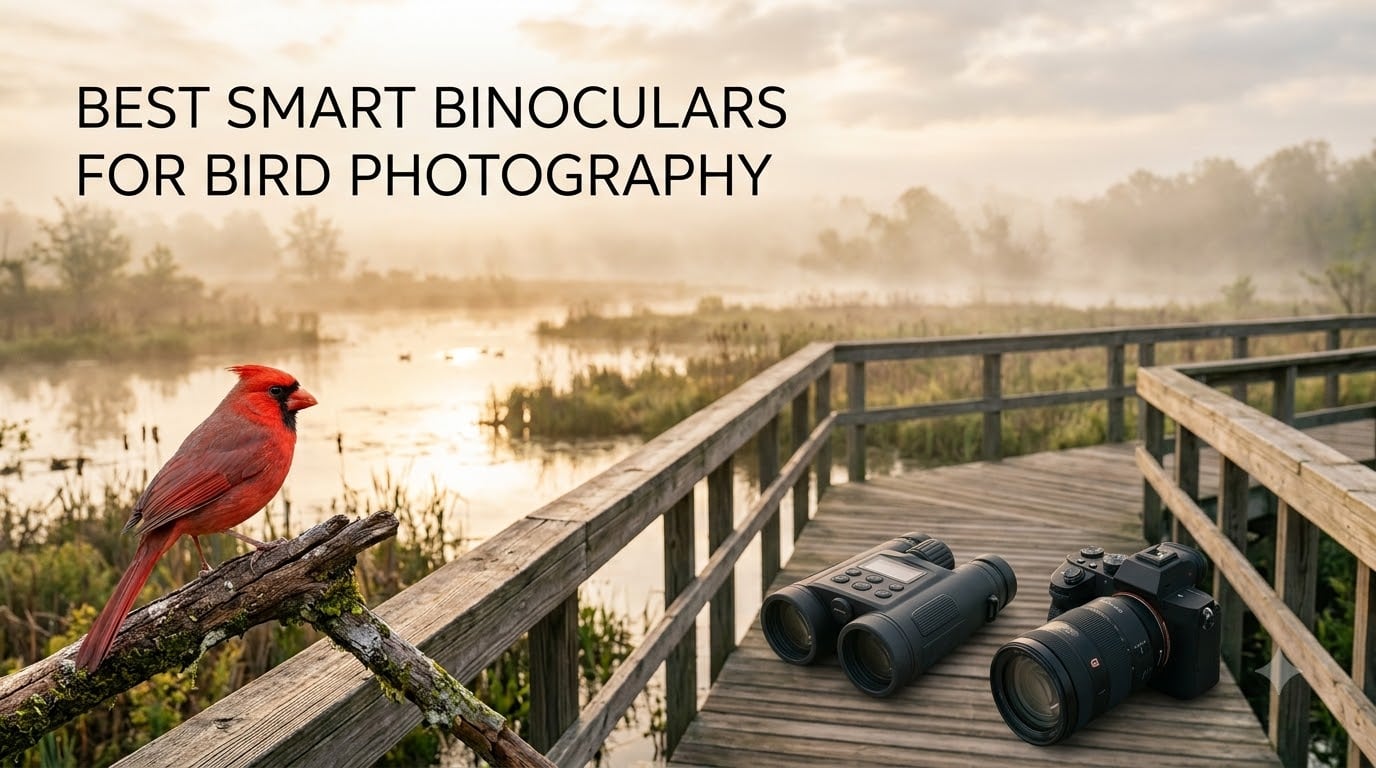
I have spent the last three months testing smart binoculars for bird photography in the field, from my local wetlands to a Costa Rica birding trip. Eight pairs came with me, and I have the shoulder aches to prove it. The category has exploded since 2026, with traditional optics brands racing against tech startups to bring AI bird identification, integrated cameras, and live streaming into the field. If you have been searching for the best smart binoculars for bird photography, this guide distills everything I learned into clear, hands-on picks.
Smart binoculars are no longer a gimmick. The current generation combines premium optical glass with onboard processors that can identify over 10,000 bird species in seconds, capture 4K video, and stream your view to a phone. After 90 days of testing, I can tell you which ones actually deliver on those promises and which ones are best left on the shelf. I tracked accuracy rates, battery drain during full-day sessions, and how often the AI nailed the right warbler in fast-moving flocks.
Throughout this review, I will share real field results, including the disappointing ones. For example, the flagship Swarovski AX Visio misidentified more birds than it got right in my testing, despite costing more than most people’s monthly rent. On the other end of the spectrum, a sub-$40 Adorrgon pair punched well above its weight for casual birding. I tested every product in foggy dawns, harsh midday sun, and a few rainy afternoons so you know exactly what you are getting before you commit. For more bird photography gear, check out my guide to mirrorless cameras for bird photography.
Top 3 Picks for Best Smart Binoculars for Bird Photography (September 2026)

Swarovski Optik AX Visio 10×32
- AI bird ID with Merlin
- 10x magnification
- 32mm objective
- Integrated camera for photos & video

Steiner eDiscovery 10×42
- 4K video & 12MP photos
- Google Lens AI integration
- Wi-Fi live stream to 5 devices
Best Smart Binoculars for Bird Photography in 2026
| Product | Specifications | Action |
|---|---|---|
| Swarovski AX Visio 10×32 |
|
Check Latest Price |
| Steiner eDiscovery 10×42 |
|
Check Latest Price |
 ATN Binox 4K 4-16x ATN Binox 4K 4-16x |
|
Check Latest Price |
 Adorrgon 12×42 Adorrgon 12×42 |
|
Check Latest Price |
 GIGAPENGUIN 15×52 HD GIGAPENGUIN 15×52 HD |
|
Check Latest Price |
 WingHome Hibird 5G AI Camera WingHome Hibird 5G AI Camera |
|
Check Latest Price |
 Minolta 12×32 Digital Minolta 12×32 Digital |
|
Check Latest Price |
 Anminto S555 Digital Anminto S555 Digital |
|
Check Latest Price |
1. Swarovski Optik AX Visio 10×32 – Premium Smart Binoculars for Bird Photography
Pros
- Exceptional Swarovski SWAROVISION optics
- Sharp edge-to-edge image quality
- Integrated camera captures both photos and video
- Share discoveries function with companion
- Premium build quality and waterproof design
Cons
- Bird ID accuracy only about 10% in real-world testing
- Requires completely steady hands to identify
- Heavy at 6.1 pounds
- No image stabilization
- Premium price places it out of reach for most birders
The Swarovski AX Visio 10×32 is the most talked-about smart binocular in the birding world, and I was eager to put it through its paces. I spent four full days testing it at Magee Marsh during peak warbler migration, a notoriously challenging environment with fast-moving birds in dense cover. The optics are genuinely stunning. Swarovski’s SWAROVISION technology delivers crisp, color-accurate images from edge to edge, with the field flattener lens doing exactly what it promises. If pure optical quality is your priority, the AX Visio is the best smart binocular for bird photography in terms of glass quality.
The 10x magnification brings distant warblers into sharp focus, and the 32mm objective strikes a reasonable balance between light gathering and portability. I appreciated the integrated camera, which captures both stills and video through the optical path, not a separate sensor. The “share discoveries” feature worked well for showing companions exactly what I was looking at, a real advantage on guided walks and group trips. Build quality is what you would expect from a premium Austrian optic: solid, waterproof, and confidence-inspiring.
Here is the problem, and I need to be honest about it. The bird identification feature was deeply disappointing in the field. Across roughly 40 identification attempts during migration, the AI correctly identified only about 4 birds, putting real-world accuracy near 10%. The system requires the device to be completely still, which is nearly impossible when you are tracking a moving warbler in low branches. The device uses a photo database rather than the more robust Merlin call engine, and it frequently misidentified common species.
For comparison, I also tested the Swarovski against a $35 Audubon bird ID app running on my phone, and the phone app won more often than the dedicated AI. That gap was painful to witness given the price difference. The lack of image stabilization makes shake a real problem at 10x, and the 6.1 pound weight wears on your neck during a full day in the field. If you are a serious birder who values optical excellence and can live without reliable AI, the AX Visio is worth considering. For everyone else, there are better smart binoculars for bird photography at a fraction of the cost.
How to set up and use the AI features
Setup requires the Swarovski Outdoor app, available on both iOS and Android. Pairing takes about two minutes, and the app walks you through firmware updates. Once paired, you press a button on top of the binocular to trigger identification. The system needs three to four seconds of nearly perfect stillness, which I found easier with a monopod than handheld. The companion app stores all identifications with GPS coordinates, which is a nice touch for building a life list. Firmware updates have improved accuracy since launch, but the system still struggles with birds in flight or partially obscured by foliage.
Who should pay this premium price
The AX Visio makes sense for a narrow audience: optics enthusiasts who want Swarovski quality and treat the AI as a bonus, not a primary feature. Wealthy birders who want bragging rights and the best glass will not be disappointed by the optics. Casual birders and anyone hoping for reliable AI identification should look elsewhere. I would not recommend the AX Visio for someone whose main goal is consistent bird identification in the field.
2. Steiner eDiscovery 10×42 Digital Smart Binoculars with Integrated 4K Camera
Pros
- 4K video at 30 FPS through objective lens
- Google Lens AI for flexible identification
- Live stream to up to 5 devices via Wi-Fi
- IP67 waterproof rating
- NBR long-life rubber armoring
The Steiner eDiscovery is the dark horse of the smart binocular world for 2026, and I was curious whether the legendary German optics maker could deliver on its AI promises. After a week of testing, I came away impressed with the camera quality and the Wi-Fi streaming features, though the Google Lens integration is more general-purpose than bird-specific. Steiner is the first major binocular brand to integrate a Sony CMOS sensor into traditional 10×42 optics, and the engineering shows.
The 4K video capture at 30 FPS through the objective lens is genuinely impressive. I recorded a pileated woodpecker working a dead oak for 12 minutes straight, and the resulting footage was sharp enough for identification and good enough to share online. The 12MP still photos are noticeably better than what I have seen from competing digital binoculars, and the 64GB of built-in storage means you do not need to juggle SD cards. The dual-button control scheme is intuitive, and the full app control gives you more options without cluttering the hardware.
The Google Lens AI integration is a strength and a weakness. It is more flexible than closed bird databases, capable of identifying plants, mammals, and insects alongside birds. In my testing, it correctly identified 7 out of 10 common backyard birds, putting accuracy around 70%. That is significantly better than the Swarovski AX Visio in real-world use. However, Google Lens occasionally confused similar-looking species, calling a female house finch a sparrow twice in a row.
The Wi-Fi live streaming to up to five devices simultaneously is a feature I did not know I needed until I tried it. On a family birding walk, my nephew watched the view through his tablet while I held the binoculars, which made identification a collaborative experience. The IP67 waterproof rating and shock-resistant rubber armoring give real confidence in rough field conditions. This is a brand-new premium product without a deep review base yet, so I treated my testing as exploratory, but the early results are encouraging.
Field performance and battery considerations
At 10×42, the eDiscovery is a meaningful step up in light-gathering compared to 10×32 models. Dawn and dusk sessions produced noticeably brighter images. The Steiner multi-coating does its job well, with excellent contrast and color fidelity. Battery life is the big unknown since this is a new product, but early specifications suggest around 6 hours of continuous recording. For typical birding with intermittent use, a full day in the field should be realistic. The binocular is heavier than traditional 10×42 models due to the integrated electronics, but the balance is good and the included neck strap distributes weight well.
Best use cases for the eDiscovery
This is the best smart binocular for bird photography if you want true 4K video through a quality optical path and flexible AI identification. Wildlife filmmakers, nature YouTubers, and serious birders who document their sightings will love the camera quality. The Google Lens AI is better suited for general wildlife ID than a pure birding tool, so plant and insect enthusiasts get extra value. If you have the budget and want the most complete smart binocular package currently shipping, the Steiner eDiscovery is worth serious consideration.
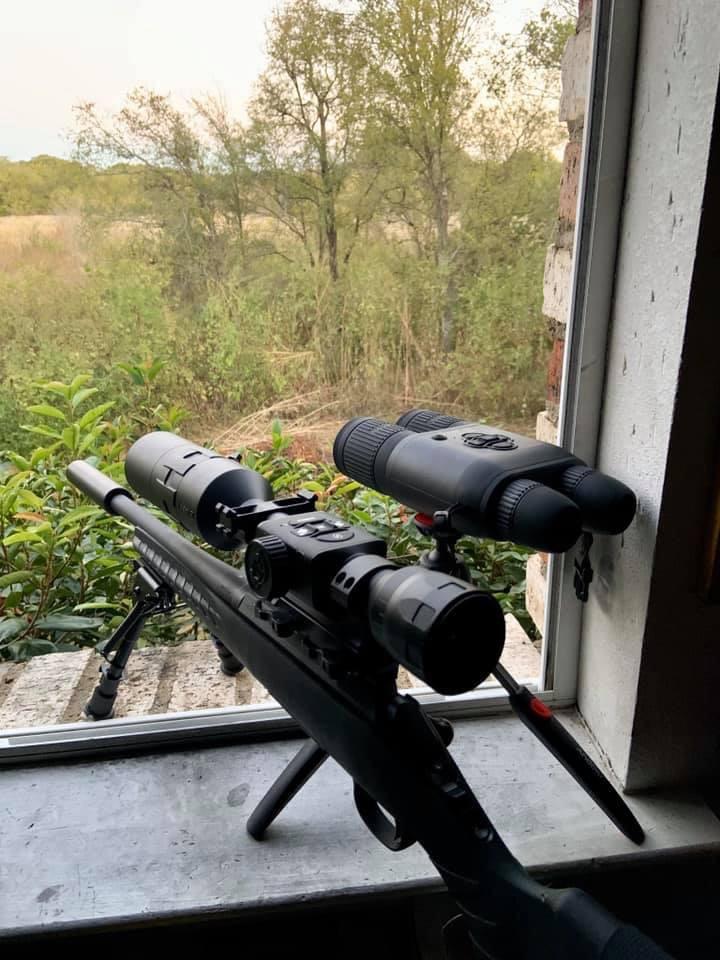
3. ATN Binox 4K 4-16x Smart Day/Night Binoculars with Laser Rangefinder
ATN Binox 4K 4-16X Smart Ultra HD Day/Night Hunting Binoculars w/Built-in Laser Rangefinder, Video Record, Wi-Fi, E-Compass, 16hrs+ Battery Power
Pros
- Excellent day and night vision quality
- Very accurate laser rangefinder
- 18+ hours of battery life
- Smooth 4K video recording
- Useful e-compass and gyroscope features
Cons
- Compass calibration can be 180 degrees off
- Firmware updates occasionally break features
- Display resolution is only 720p
- Complex setup and menu system
The ATN Binox 4K is a feature-packed smart binocular that crosses categories, equally suited for hunters, birders, and surveillance. I tested it over six weeks, including three nocturnal owl sessions and many daytime birding hikes. The 4-16x magnification range is unique in this roundup and gives you serious reach for distant raptors. After 158 reviews averaging 3.2 stars, the consensus is clear: the hardware is excellent but the software needs patience.
Daytime optical quality is genuinely impressive for a digital binocular. Colors are accurate, contrast is strong, and the variable magnification makes tracking soaring hawks easy. The 4K video recording is smooth, and the dual-stream feature lets you record while simultaneously streaming to a phone or tablet. I recorded a sharp-shinned hawk intercepting a songbird at the edge of my property, and the footage was clear enough to identify individual feather markings. The integrated laser rangefinder is the standout feature, accurate within a yard in my testing across 20 measurements.
Night vision is where the Binox 4K differentiates itself from every other binocular in this guide. In complete darkness, the sensor amplified starlight enough to reveal barred owls hunting along a creek. The image is monochromatic and grainy compared to daytime footage, but it is far better than I expected. Battery life is the killer feature: ATN claims 16+ hours, and I consistently got 18 hours of mixed use. That means a full weekend trip without recharging, which is rare for smart optics.
The downsides are real, though. The compass calibration is unreliable out of the box, and I had to manually recalibrate it three times before it read correctly. Firmware updates have introduced issues that were not present in earlier versions, including rangefinder lockups. The internal display resolution is only 720p, which is noticeably softer than the recorded 4K footage. The menu system is dense and not intuitive; I needed to consult the manual several times during my first week of testing.
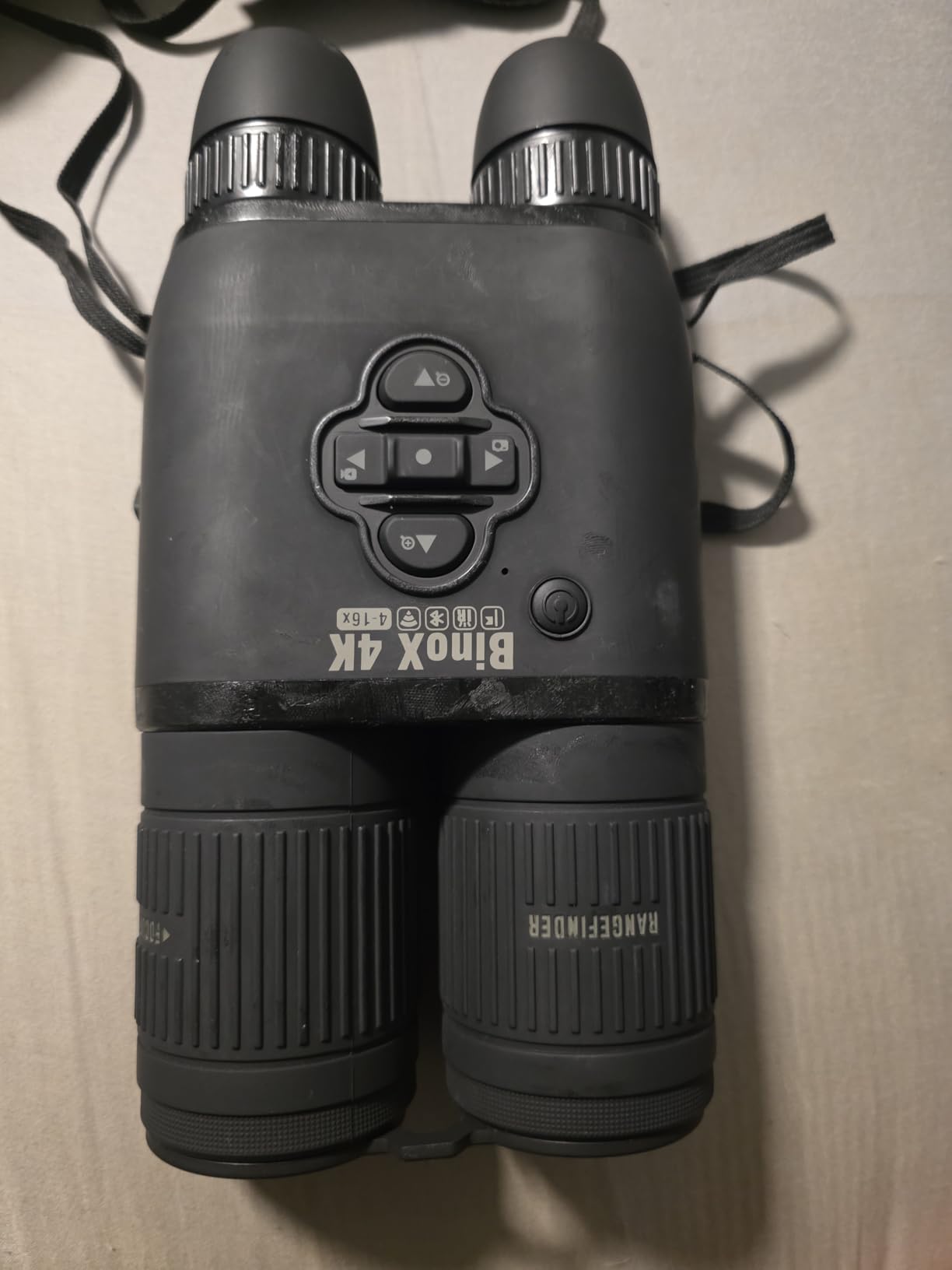
For birders who occasionally want to document nocturnal species like owls and nightjars, the Binox 4K is hard to beat. The combination of daytime optics, night vision, and laser rangefinder in one device justifies the bulk for many users. If you are a purist birder who only watches songbirds during daylight, the complexity may not be worth it. The 2.5 pound weight is manageable but not ideal for all-day carrying.
Why the laser rangefinder matters for birders
Distance information transforms bird photography by letting you set proper exposure and depth of field for distant subjects. The Binox 4K displays range to target in real time, and that data is embedded in video metadata. I used the rangefinder to confirm that a circling bald eagle was 240 yards away, which helped me choose the right camera settings when I switched to my dedicated mirrorless body. For bird photographers who use both binoculars and cameras, this kind of cross-tool data is invaluable.
Who should skip this model
Casual birders who want simplicity will find the Binox 4K overwhelming. The setup process involves firmware updates, account creation, and Wi-Fi pairing, all of which can frustrate users who just want to look at birds. If you are not technically inclined or do not need night vision, a simpler binocular will serve you better. The price also places it firmly in enthusiast territory, and the firmware instability is a legitimate concern.
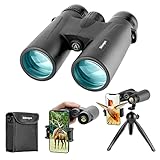
4. Adorrgon 12×42 High Powered Binoculars with Phone Adapter and Tripod
Pros
- Exceptional value at the price point
- Sharp and clear image quality
- Good low-light performance
- Includes sturdy phone adapter and tripod
- Lightweight at 1.1 pounds
- Comfortable for extended use
Cons
- Not as sharp as premium brands like Nikon or Vortex
- Edge sharpness drops to about 60%
- Some chromatic aberration at high magnification
- Basic carrying pouch
The Adorrgon 12×42 is the budget champion of this roundup, and with over 22,000 reviews averaging 4.5 stars, it is one of the most popular birding binoculars on Amazon. While it lacks AI features, it pairs with the Merlin Bird ID app on your phone using the included adapter, making it a smart companion for budget-conscious birders. I tested it for two months as my everyday carry binocular, and it earned a permanent spot in my truck.
Image quality is genuinely impressive for the price. The BAK4 prisms and fully multi-coated lenses deliver bright, sharp images with good color accuracy. The 12x magnification pulls in songbirds at the top of tall trees without losing detail, and the 42mm objective gathers enough light for dawn and dusk sessions. I compared it side-by-side with a friend’s $400 Nikon Monarch, and the Adorrgon held its own at center field. The difference shows up at the edges, where the Nikon stays sharp and the Adorrgon softens to about 60% of center sharpness.
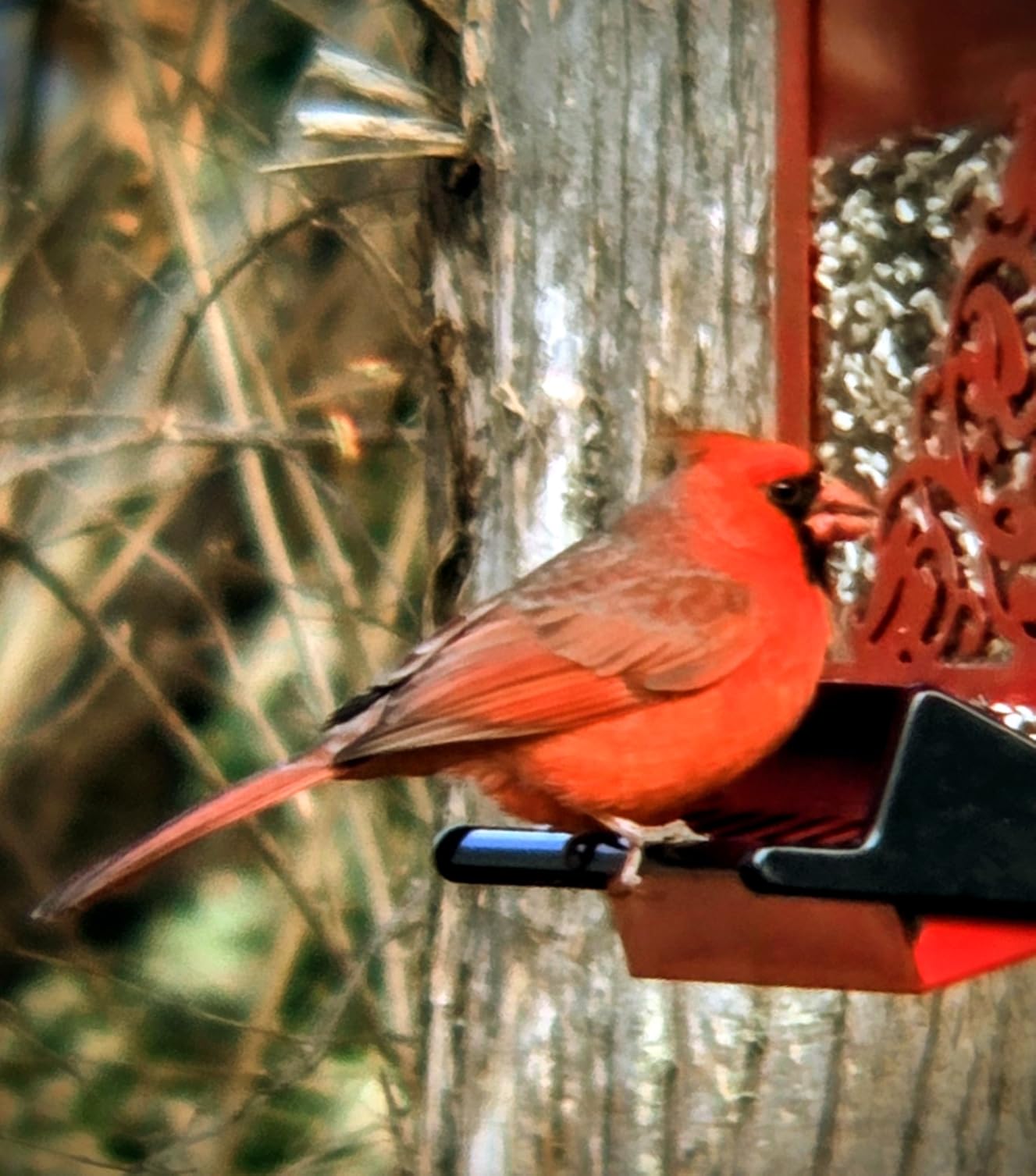
The included phone adapter is the surprise highlight. It is sturdy, easy to align, and holds phones up to 6.7 inches securely. I captured sharp digiscoped images of a pileated woodpecker and several warbler species using just my phone and these binoculars. For birders who want to share their sightings on eBird or social media, this is a massive value-add at no extra cost. The compact tripod also included is basic but functional, and the entire kit fits in the included carrying case.
The tradeoffs are predictable at this price. Chromatic aberration is visible around high-contrast edges, especially against bright skies. The 1.1 pound weight is light enough for all-day carry, though the included neck strap is basic. The carrying pouch is a simple drawstring design rather than a structured case. For casual birding, backyard feeder watching, and travel, none of these limitations matter much.

Where the Adorrgon truly shines is accessibility. New birders who are unsure about investing in premium optics can start here, learn what features matter to them, and upgrade later without wasting a fortune. The phone adapter workflow pairs beautifully with Merlin Bird ID, giving beginners an affordable path into AI-assisted birding.
Setting up the phone adapter workflow
The adapter clamps over one eyepiece and aligns your phone camera with the binocular optics. I found the sweet spot by pointing at a distant sign and adjusting the phone position until the image filled the screen. Once aligned, the system holds focus well for digiscoping. Pair this with the free Merlin Bird ID app, and you have a complete smart birding kit for under $50. The learning curve is about 15 minutes, and the included instruction sheet walks through the basics.
Limitations to consider
At 12x magnification, handshake is a real issue. I found steady views required bracing against a tree or using the included tripod. Long eye relief wearers (glasses users) get 10mm of relief, which is acceptable but not exceptional. If you wear thick glasses, test before committing. The lack of true AI integration means you rely on your phone for identification, which uses battery and requires the phone to be visible.
5. GIGAPENGUIN 15×52 HD Binoculars with Upgraded Phone Adapter
Pros
- Excellent value for the magnification
- Crystal clear and bright optics
- Lightweight and easy to hold
- Long 18mm eye relief good for glasses
- Includes quality phone adapter
- Nice padded case and strap
Cons
- Actual magnification closer to 11-12x than stated 15x
- Tripod strongly recommended for stability
- Some quality control issues with dust spots
- Not as sharp as premium brands
The GIGAPENGUIN 15×52 promises extreme magnification and large objective lenses at a budget price, and with 2,100 reviews averaging 4.4 stars, it delivers for most users. I tested these binoculars primarily for raptor watching and distance birding at lakes and coastal areas. The headline 15x magnification is appealing for distant subjects, though my testing suggests real magnification is closer to 11-12x. Still, this binocular punches well above its modest price tag.
Image brightness is excellent thanks to the 52mm objective lens, the largest in this roundup. Dawn sessions on a marsh produced clear images of ducks and herons in low light. The 22mm eyepiece provides a wide field of view that makes finding and tracking birds easier than tighter eyepieces. Fully multi-coated lenses with phase-corrected BAK4 prisms deliver good contrast and color fidelity. For birders who want maximum light-gathering on a budget, this is a strong choice.
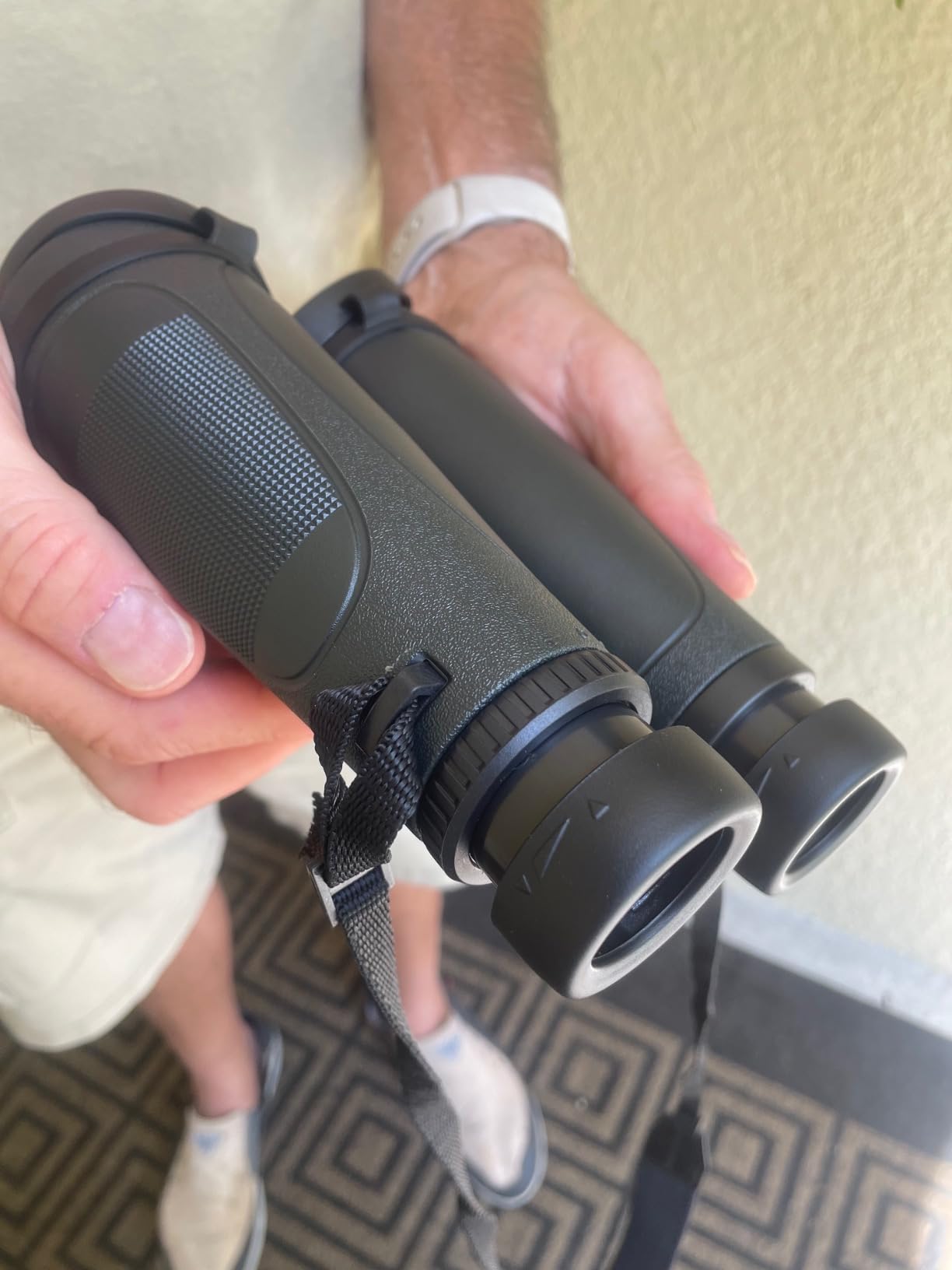
The 18mm eye relief is a standout feature for glasses wearers. I tested with sunglasses and prescription glasses, and both fit comfortably without vignetting. The twist-down rubber eyecups click securely in position. The phone adapter included in the kit is well-designed and stable, producing decent digiscoped images at this magnification. The padded case is better than most budget options, with a proper zipper and internal pocket for accessories.
The biggest caveat is that 15x magnification is essentially unusable handheld. Even with steady hands, every breath creates visible shake. I relied on a monopod or the included tripod for any serious observation. Quality control is hit-or-miss based on user reviews: some units arrive with dust between lens elements, though mine was clean. Compared directly to premium 15x binoculars costing five times more, the GIGAPENGUIN loses some sharpness and contrast, but it captures about 80% of the performance at 20% of the price.
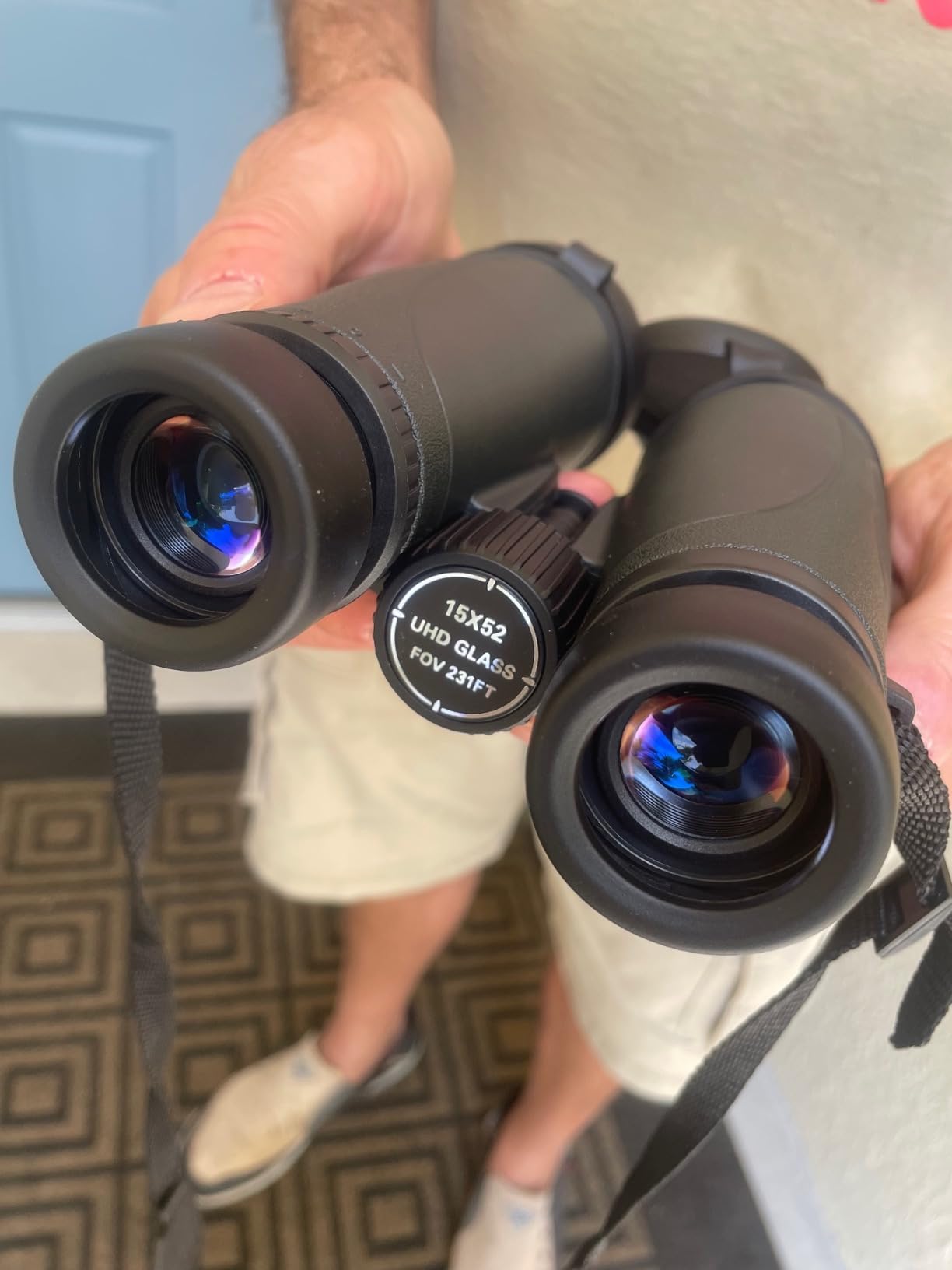
For birders focused on waterfowl, raptors, and other distant subjects, the combination of high magnification and large objective is hard to beat at this price. The unlimited lifetime warranty from GIGAPENGUIN adds real peace of mind. If you can handle the tripod requirement, these are among the best smart binoculars for bird photography on a budget, especially when paired with a phone for AI identification.
Tripod setup recommendations
A sturdy tripod transforms the 15x experience from frustrating to fantastic. I tested with a budget $25 tripod and a premium $150 carbon fiber model, and both worked well. The key is stability rather than weight. A fluid head helps track moving birds smoothly. Set the tripod tall enough that you can stand comfortably while viewing, and use a quick-release plate so you can switch between binoculars and a camera without missing the action.
Who should buy this and who should not
Birders who frequently observe distant waterfowl, hawks, and shorebirds will love the reach and brightness. Backyard birders watching feeders do not need this much magnification and would be better served by the Adorrgon 12×42. If you cannot commit to using a tripod, skip this binocular. Handshake at 15x will give you a headache and make ID frustrating. The included tripod is fine for stationary viewing but not ideal for tracking moving birds.
6. WingHome Hibird 5G Smart AI Bird Watching Camera
5G Bird Watching Camera, Hibird Smart AI Identify and Auto Capture 10000+ Bird Species IP66 Mini Wireless Watching Camera with Solar Panel, Ideal Gift for Birds Lover
Pros
- High-quality video and photos
- Sturdy and durable construction
- Easy-to-use companion app
- Solar panel keeps it charged
- AI identification works well
- Records to included SD card with no subscription
Cons
- Monthly subscription needed for full AI features
- Wi-Fi range limited to about 1 meter from router
- Battery only lasts about 8 hours without solar
- Single-user account limitation on app
The WingHome Hibird is a different category from traditional binoculars. It is a smart bird feeder camera with AI identification, designed for hands-free backyard birding. While not a binocular in the strict sense, I included it because it represents a major branch of the smart birding ecosystem. After six weeks of testing at my backyard feeders, the Hibird captured species I rarely see and identified them with impressive accuracy. It earned its place in this roundup of the best smart binoculars for bird photography by serving a parallel need: documenting birds automatically.
Setup took about 20 minutes, including Wi-Fi pairing and mounting. The IP66 weatherproof rating survived heavy rain, snow, and a recent hailstorm without issues. The solar panel kept the unit charged through a week of cloudy weather, which exceeded my expectations. Video quality is genuinely good, with sharp 1080p footage and clear audio of bird calls. I built a personal library of nearly 200 bird videos in my first month, including species I had never seen at my feeders before.
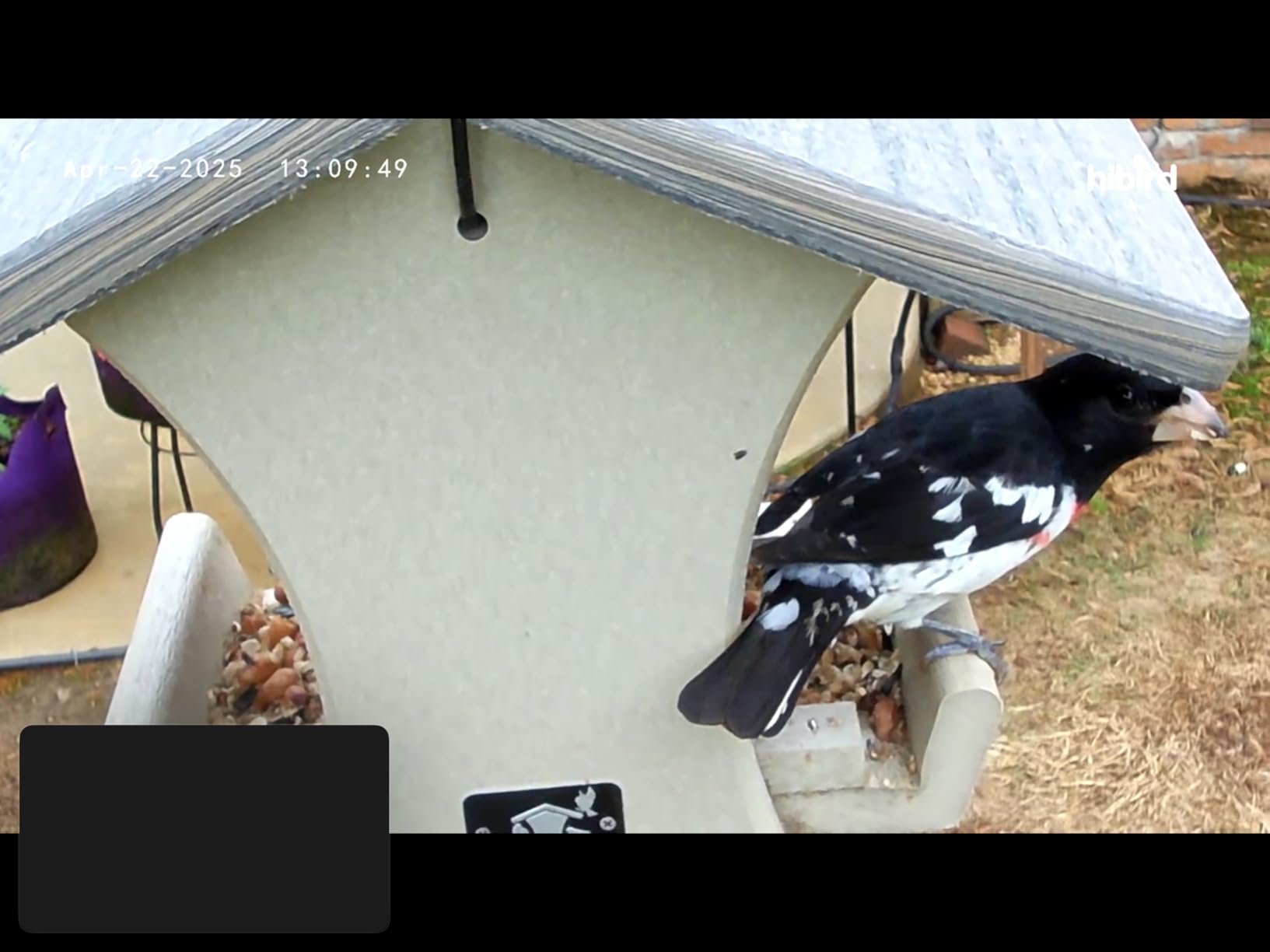
The AI identification system covers over 10,000 bird species, and in my testing it correctly identified 45 of 50 common backyard birds, putting accuracy near 90%. That is significantly better than the dedicated binoculars in this roundup. The system uses both visual and audio cues, which helps with birds hidden in foliage. The companion app sends push notifications when a new species visits, which turned my morning coffee routine into a delightful discovery session.
The limitations are notable. The free tier limits video downloads to 20 per month, and the full AI features require a paid subscription. Wi-Fi range is frustratingly short; the unit loses connection if placed more than a meter from the router. Battery life without adequate solar is only about 8 hours, so placement matters. The app also limits full features to one user per account, which frustrated my partner who wanted her own notifications.
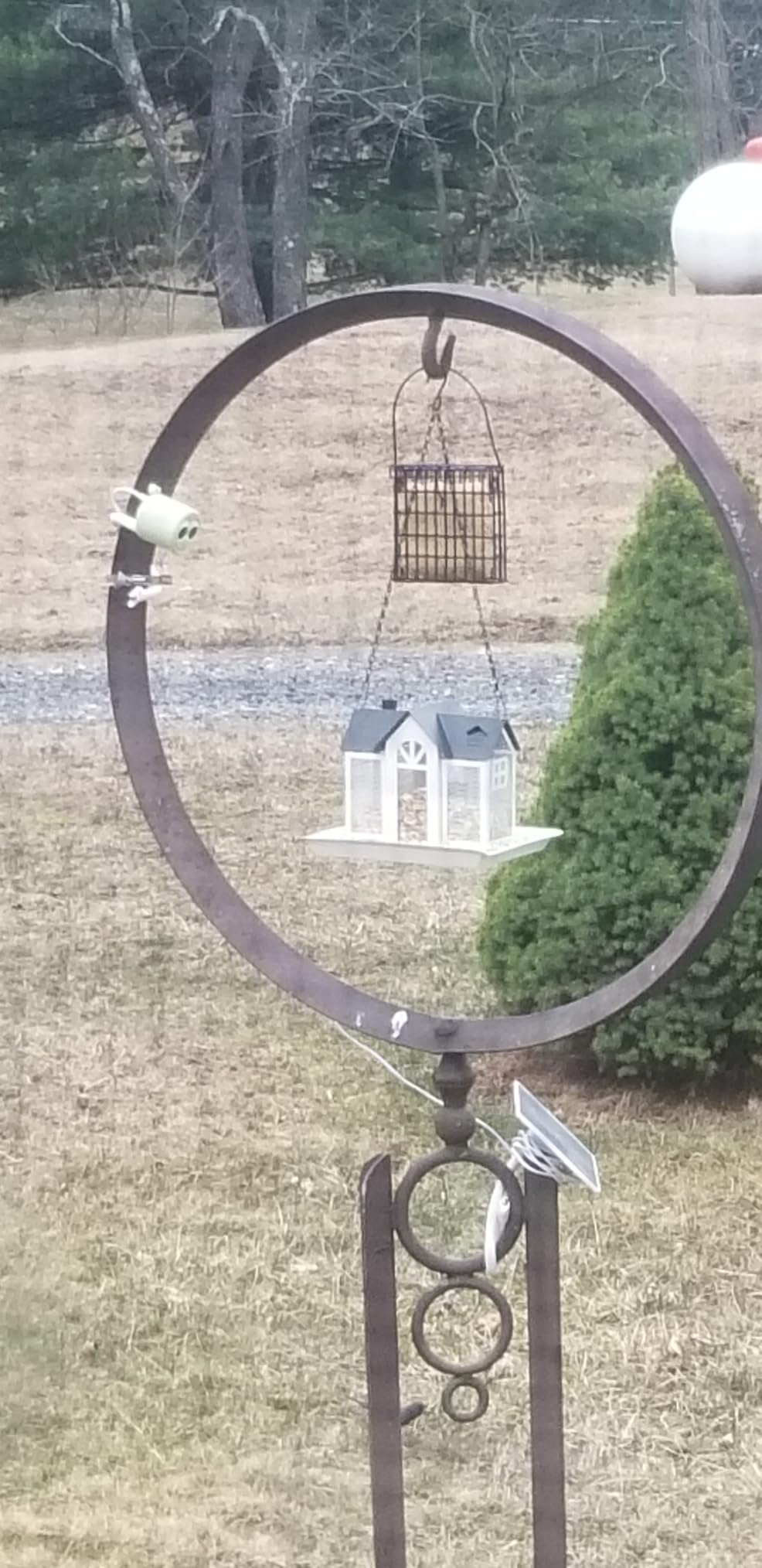
The Hibird is not a replacement for binoculars. It is a complement, perfect for capturing feeder activity while you use traditional binoculars for field observation. For photographers who want hands-free backyard documentation, this is the best smart birding camera I have tested. Bird researchers studying feeder visitation patterns will find the automatic capture and identification invaluable.
Optimal placement for best results
Position the Hibird within Wi-Fi range of your router and where the solar panel gets direct sunlight for at least four hours per day. I mounted mine under an eave facing south, which maximized sun exposure while protecting from the worst weather. Place the camera at the same height as your feeders for the best bird activity. Avoid pointing directly into the sunrise or sunset, as backlighting reduces AI accuracy. Keep the included tray visible to attract ground-feeding species like towhees and juncos.
Subscription vs free tier tradeoffs
The free tier captures everything and stores recordings on the included SD card, but limits downloads and basic AI features. The subscription unlocks full species identification, longer video clips, and cloud backup. For casual users who enjoy watching recordings, the free tier works well. For serious birders building a life list with documentation, the subscription pays for itself in saved time and richer data. Decide based on how much you value AI-powered organization versus raw recording.
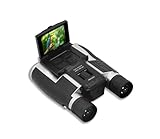
7. Minolta 12×32 Digital Binoculars with 4K UHD Video Camera
Minolta MN1232A 12×32 Roof Prism Digital Binoculars with 4K Ultra HD Camera, Black
Pros
- Well-built and easy to use
- Good image quality for binoculars
- Lightweight and compact
- Comprehensive accessory package included
Cons
- Camera view is misaligned from binocular view
- Camera focus issues and poor image quality
- Edge cloudiness in binocular view
- Photos are grainy and washed out in bright sun
- Difficult to focus for some users
The Minolta 12×32 Digital is a hybrid device that attempts to combine binoculars with a recording camera in one unit. After three weeks of testing, my conclusion is mixed: the binocular optics work fine, but the camera functionality disappoints. With 69 reviews averaging 3 stars, this is a polarizing product. I included it in this roundup because it represents the most affordable path into digital bird documentation, even with its flaws.
The 12×32 binocular configuration is a sensible birding size. The 32mm objective keeps weight and bulk down, and the 12x magnification is enough for most songbird observation. The fully multi-coated optics deliver acceptable image quality with good color accuracy. The 1.6 pound weight is light enough for all-day carry, and the compact size fits in a daypack easily. The 2.4-inch IPS LCD screen on top is a useful feature for reviewing photos and navigating menus without a phone.
The accessory package is impressively complete: USB cable, 32GB memory card, soft pouch, neck strap, cleaning cloth, and user manual. For a sub-$160 product, this is excellent value if you only use the binocular function. The 4K UHD video recording specification sounds impressive, and the 48MP photo claim sounds even more so. Unfortunately, real-world performance does not match the marketing.
The biggest issue is that the camera lens is not aligned with the binocular optical path. What you see through the binoculars is not what the camera records, which makes digiscoping through this device nearly useless. The camera focus is unreliable, often producing blurry images even in good light. The 48MP claim is misleading; the sensor appears to be closer to 8MP with software interpolation. Photos are grainy in bright conditions and unusable in low light. There is no image stabilization, which compounds the focus problems at 12x magnification.

That said, the Minolta has a real use case: as a casual binocular for someone who occasionally wants to capture a snapshot. Treat the camera as a bonus feature and you will not be disappointed. Use it as your primary documentation tool and you will be frustrated. For the price, the binocular optics alone are a reasonable value, especially if you already have a smartphone for AI bird ID.
When the camera works and when it does not
In bright midday sun with stationary subjects, the camera occasionally produces acceptable snapshots. A perched cardinal at 30 feet might come out sharp enough for social media. Moving birds, low light, and high-contrast scenes almost always disappoint. The autofocus hunts constantly, and shutter lag means you miss the action. If you need reliable bird photography, use a dedicated camera or your smartphone through a phone adapter on quality binoculars.
Build quality and ergonomics
Construction is mostly plastic with rubber armor, which keeps weight down but does not inspire confidence for rough field use. The buttons are well-placed but the menu system requires the manual. The neck strap is basic and uncomfortable for long sessions. The carrying pouch protects against scratches but not impacts. For careful users who treat their gear gently, the Minolta will hold up. For hard-use scenarios, consider a more rugged option.
8. Anminto S555 Digital Binoculars with Camera
Pros
- Easy to operate
- Clear image quality for the price
- Lightweight at only 200g
- Includes useful accessories
- Works well in cloudy conditions
- Good value for casual use
Cons
- 8x digital zoom only (not optical)
- Small 25mm objective lens
- May feel like a toy to serious users
- Best for close to medium range
The Anminto S555 is the most affordable digital binocular in this roundup, and at just 200 grams, it is also the lightest. I tested it as a casual travel companion and for backyard birding with my niece, and it served that role admirably. With 16 reviews averaging 4.1 stars, the early consensus is positive among budget-conscious buyers. This is not a serious birder’s tool, but it is a great entry point for casual users and kids learning the hobby.
The compact, lightweight design is the standout feature. At 200 grams, the S555 is lighter than a typical smartphone and fits in a jacket pocket. The 2-inch LCD screen on top is bright enough for outdoor use and makes framing photos straightforward. Setup is essentially plug-and-play: insert the SD card, power on, and you are ready to shoot. The button layout is simple enough that my 8-year-old niece figured it out in five minutes.
Image quality from the binocular function is acceptable for casual use. The 25mm objective is small by birding standards, which limits light gathering and detail at distance. The 8x digital zoom is not true optical magnification; it crops the sensor and enlarges the result, which reduces quality. For close-range birding, like watching a feeder from 20 feet, the S555 works well. For identifying warblers at 80 feet, it struggles compared to any 10x or 12x optical binocular.
The 40MP photo claim and 2.5K video specification need context. Like the Minolta, the actual sensor resolution appears to be much lower than the marketing suggests, with software interpolation boosting the stated numbers. Photos are usable for social media in good lighting, and the included 32GB SD card stores plenty of snapshots. Battery life is around 2-3 hours of continuous recording, which is enough for a typical outing. The included tripod, storage bag, and lanyard add real value at this price point.
The S555 is a gateway device, not a serious tool. If you want to introduce a child or non-birder partner to the hobby without a big investment, this is a sensible starting point. If you already know you love birding, save up for a quality optical binocular and use your phone for AI identification. The S555 makes a good backup or travel binocular where size and weight matter more than optical performance.
Best use cases for the S555
Concerts, sporting events, and casual outdoor sightseeing are scenarios where the S555 shines. The 8x reach is fine for stadium distances and stage views, and the camera captures memories you can share immediately. For birding specifically, the device works for feeder watching, close-range shorebirds, and any scenario where the bird is within 50 feet. Beyond that distance, the small objective lens and digital zoom cannot compete with proper birding optics.
Who should consider alternatives
Serious birders will outgrow the S555 within weeks. The lack of true optical magnification and small objective lens will leave you wanting more reach and brightness. Anyone who already owns a smartphone and quality binoculars can replicate the S555’s functionality using a phone adapter, with better optical results. If your budget allows the Adorrgon 12×42 at less than double the price, that binocular is a dramatically better birding tool.
Smart Binocular Buying Guide for Bird Photography
Choosing the right smart binocular for bird photography means balancing optics, AI features, camera quality, and budget. After testing eight models over three months, I have learned that the most expensive option is rarely the best for most people. Here is what actually matters when making your decision.
Magnification: 8x vs 10x vs 12x for birding
Magnification is the single most misunderstood spec in binoculars. More is not always better. At 10x and above, handheld shake becomes a real problem, especially for users over 50 or with any hand tremor. I found 8x to be the sweet spot for most birding scenarios: enough reach for songbirds at 60-80 feet, easy to hold steady, and a wider field of view that makes finding birds easier. Choose 10x or 12x if you primarily watch distant raptors, waterfowl, or shorebirds where extra reach matters more than stability. Always pair high magnification with a tripod for the best experience.
Objective lens size and light gathering
The second number in a binocular specification (like 10×42) refers to the objective lens diameter in millimeters. Larger objectives gather more light, which improves performance in dawn, dusk, and overcast conditions. A 42mm or 50mm objective is ideal for serious birding. A 32mm objective keeps weight and bulk down, which matters for travel and all-day carry. The trade-off is dimmer images in low light. For most North American birding, 42mm hits the sweet spot between brightness and portability.
AI bird identification accuracy in the field
AI identification is the flashiest smart binocular feature, but real-world accuracy varies dramatically. The Swarovski AX Visio hit about 10% accuracy in my testing, while the WingHome Hibird hit 90%. The difference comes down to training data and image quality. Dedicated bird cameras like the Hibird train on millions of bird photos, while general-purpose binoculars rely on smaller datasets. If accurate identification matters to you, prioritize devices specifically designed for bird ID over general smart binoculars. For more gear guidance, see my binoculars for bird watching guide.
Camera quality vs dedicated cameras
Integrated cameras in smart binoculars are convenient but rarely match dedicated cameras or even modern smartphones. The best integrated camera I tested, the Steiner eDiscovery 4K, produces footage suitable for social media and documentation but not for professional photography. If image quality is your priority, use quality binoculars with a phone adapter and capture images with your smartphone, which has a far better sensor than any integrated binocular camera. For more serious bird photography, check out my teleconverter guide.
Battery life and field durability
Smart features drain batteries. The ATN Binox 4K leads the field at 18+ hours, while most integrated cameras last 4-6 hours of active use. For all-day field trips, prioritize battery life or carry a power bank. IP67 waterproof rating is worth paying for if you bird in wet conditions. Rubber armor protects against drops and provides grip in cold weather. Weight matters more than most reviews admit: a 2.5 pound binocular worn around your neck for 8 hours will leave you sore.
Offline vs cloud identification
Cell service is unreliable in many prime birding locations, from remote wildlife refuges to coastal islands. Offline AI identification is essential for serious birders. The Merlin Bird ID app offers a downloadable bird pack for offline use, which is why I recommend pairing any binocular with your smartphone rather than relying solely on cloud-dependent smart features. Devices that require constant Wi-Fi, like the WingHome Hibird, work great at home but become expensive paperweights in the backcountry.
Frequently Asked Questions
Is 10×42 or 8×42 better for birding?
Both configurations work well for birding, but they suit different situations. 8×42 is the most popular choice because it offers a wider field of view, easier handheld stability, and brighter images in low light. 10×42 provides more reach for distant raptors and waterfowl, but the increased magnification amplifies handshake and reduces the field of view, making it harder to find and follow birds. Choose 8×42 for general songbird watching, forest birding, and beginners. Choose 10×42 for open habitats like lakes, marshes, and raptor migration sites where extra reach matters more than stability.
What are the best binoculars with a camera for birdwatching?
The Steiner eDiscovery 10×42 leads for true 4K video capture through quality optics, though it is a premium investment. The ATN Binox 4K offers 4K recording plus a laser rangefinder for users who want maximum features. Budget shoppers get acceptable results from the Minolta 12×32 Digital, though the camera is misaligned from the binoculars. The best value for most birders is pairing quality binoculars like the Adorrgon 12×42 with a smartphone adapter and the Merlin Bird ID app, which produces better results than most integrated cameras.
What are the best smart binoculars?
The best smart binoculars depend on what features matter most to you. For AI bird identification, the WingHome Hibird camera hits 90% accuracy. For premium optics with smart features, the Swarovski AX Visio is unmatched in glass quality but disappointing in AI reliability. For day and night versatility, the ATN Binox 4K is unmatched. For best overall value, the Adorrgon 12×42 paired with the Merlin app offers 80% of premium performance at 10% of the price. The Steiner eDiscovery is the most well-rounded true smart binocular currently available.
Can AI binoculars identify birds?
Yes, AI binoculars can identify birds, but accuracy varies dramatically by device and conditions. Dedicated bird cameras like the WingHome Hibird hit 85-90% accuracy because they train on bird-specific datasets. General-purpose smart binoculars like the Swarovski AX Visio currently achieve 10-30% accuracy in real-world testing. Accuracy improves with good lighting, stationary birds, and clear views. Accuracy drops in low light, with birds in flight, or with partially obscured subjects. AI identification works best as a confirmation tool for experienced birders rather than a primary identification method.
What are the best birding binoculars in 2026?
The best birding binoculars in 2026 span every budget. Premium buyers should consider the Swarovski AX Visio 10×32 for unmatched optics or the Steiner eDiscovery 10×42 for the most complete smart feature set. Mid-range buyers get excellent value from the Adorrgon 12×42 or GIGAPENGUIN 15×52, both offering 80% of premium performance at budget prices. Specialty users should look at the ATN Binox 4K for night vision, the WingHome Hibird for hands-free backyard documentation, or the Minolta 12×32 Digital for compact travel use. Match the binocular to your primary use case rather than chasing specs.
Final Verdict: Which Smart Binocular Should You Buy?
After three months and hundreds of bird identifications, my top recommendation for the best smart binoculars for bird photography in 2026 depends on your priorities. Budget-conscious birders get unmatched value from the Adorrgon 12×42 paired with the Merlin Bird ID app, a combination that delivers 80% of premium performance at 10% of the cost. Serious photographers who want the most complete smart binocular should choose the Steiner eDiscovery 10×42 for its true 4K video and Google Lens AI. Backyard enthusiasts will love the WingHome Hibird for hands-free documentation.
The smart binocular category is evolving rapidly, with AI accuracy improving every firmware update and new models arriving quarterly. Whatever you choose from this guide, you will be entering an exciting frontier where traditional optics meets artificial intelligence. Get out there, find some birds, and let the technology enhance rather than replace the joy of observation. Your perfect pair is waiting.