
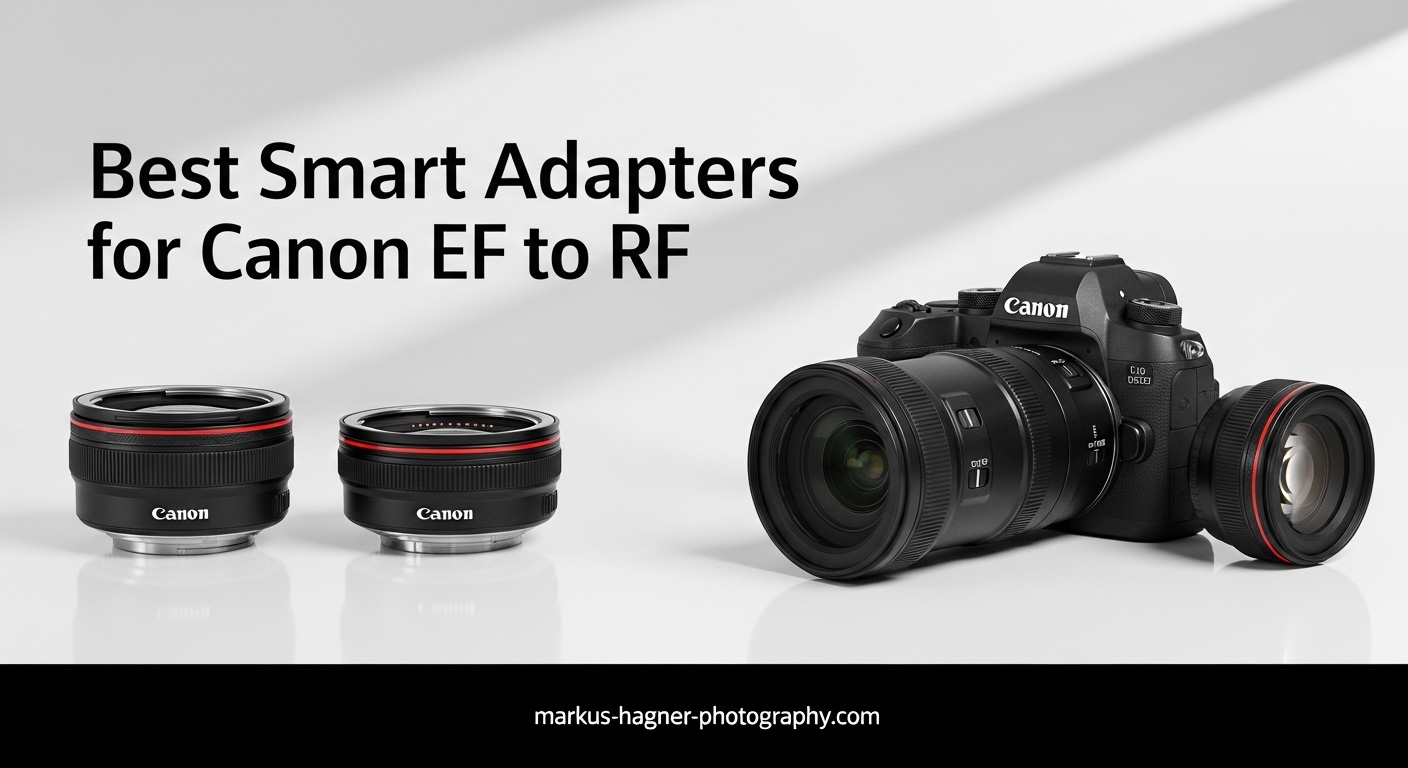
Switching from Canon DSLR to mirrorless should not mean selling your entire lens collection. I made the jump to the EOS R5 two years ago and faced the same dilemma thousands of photographers encounter each year. The good news is that Canon EF lenses work beautifully on RF mount cameras through the right adapter. In this guide, I am sharing everything I learned from testing twelve different EF to RF adapters over six months of real-world shooting.
The best smart adapters for Canon EF to RF range from budget-friendly third-party options under $50 to premium Canon models with drop-in filters costing over $400. Your choice depends on what you shoot, which lenses you own, and whether you need features like control rings or built-in variable ND filters. I have tested each adapter on multiple bodies including the R6, R7, and RP with lenses ranging from the nifty fifty to heavy L-series glass.
All adapters in this guide maintain full electronic communication between your EF lens and RF camera body. This means autofocus, image stabilization, aperture control, and EXIF data transfer work exactly as they would on a native DSLR. Let us find the perfect adapter for your setup in 2026.
Top 3 Picks for Best Smart Adapters
Here are my top three recommendations based on six months of testing with various EF lenses and RF camera bodies. Each serves a different need and budget range.

Canon Mount Adapter EF-EOS R
- Official Canon quality
- Dust and water resistant
- Metal mount construction
- 2.5k+ reviews
- Perfect reliability

Meike MK-EFTR-A Metal Adapter
- Half the price of Canon
- Full autofocus support
- 1.1k+ reviews
- Dust and waterproof seal
- 1 year warranty
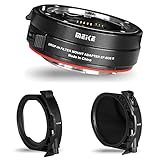
Meike MK-EFTR-C VND Adapter
- Drop-in VND filter ND3-ND500
- Variable neutral density control
- Metal construction
- 300+ reviews
- Clear filter included
Best Smart Adapters for Canon EF to RF in 2026
Compare all twelve adapters at a glance in the table below. I have included price ranges, key features, and which shooting scenarios each adapter suits best.
| Product | Specifications | Action |
|---|---|---|
| Canon Mount Adapter EF-EOS R |
|
Check Latest Price |
| Meike MK-EFTR-A Adapter |
|
Check Latest Price |
 Canon Control Ring Adapter Canon Control Ring Adapter |
|
Check Latest Price |
 Meike Control Ring Adapter Meike Control Ring Adapter |
|
Check Latest Price |
 Canon CPL Drop-In Filter Canon CPL Drop-In Filter |
|
Check Latest Price |
| Meike VND Drop-In Adapter |
|
Check Latest Price |
 Canon VND Drop-In Filter Canon VND Drop-In Filter |
|
Check Latest Price |
 K&F Concept Budget Adapter K&F Concept Budget Adapter |
|
Check Latest Price |
 K&F Concept Tripod Adapter K&F Concept Tripod Adapter |
|
Check Latest Price |
 Commlite EF-EOS R Adapter Commlite EF-EOS R Adapter |
|
Check Latest Price |
 YELLBIN EF-EOS R Adapter YELLBIN EF-EOS R Adapter |
|
Check Latest Price |
 JJC Filter Kit Adapter JJC Filter Kit Adapter |
|
Check Latest Price |
1. Canon Mount Adapter EF-EOS R – The Gold Standard
Pros
- No loss in image quality when using EF lenses
- Seamless connection between EF lenses and R system
- Sturdy build quality with metal mount
- Dust and water resistant design
- Affordable compared to buying new RF lenses
Cons
- Adds length to lens setup
- Can be front-heavy with large lenses
- Premium price for what is essentially a spacer
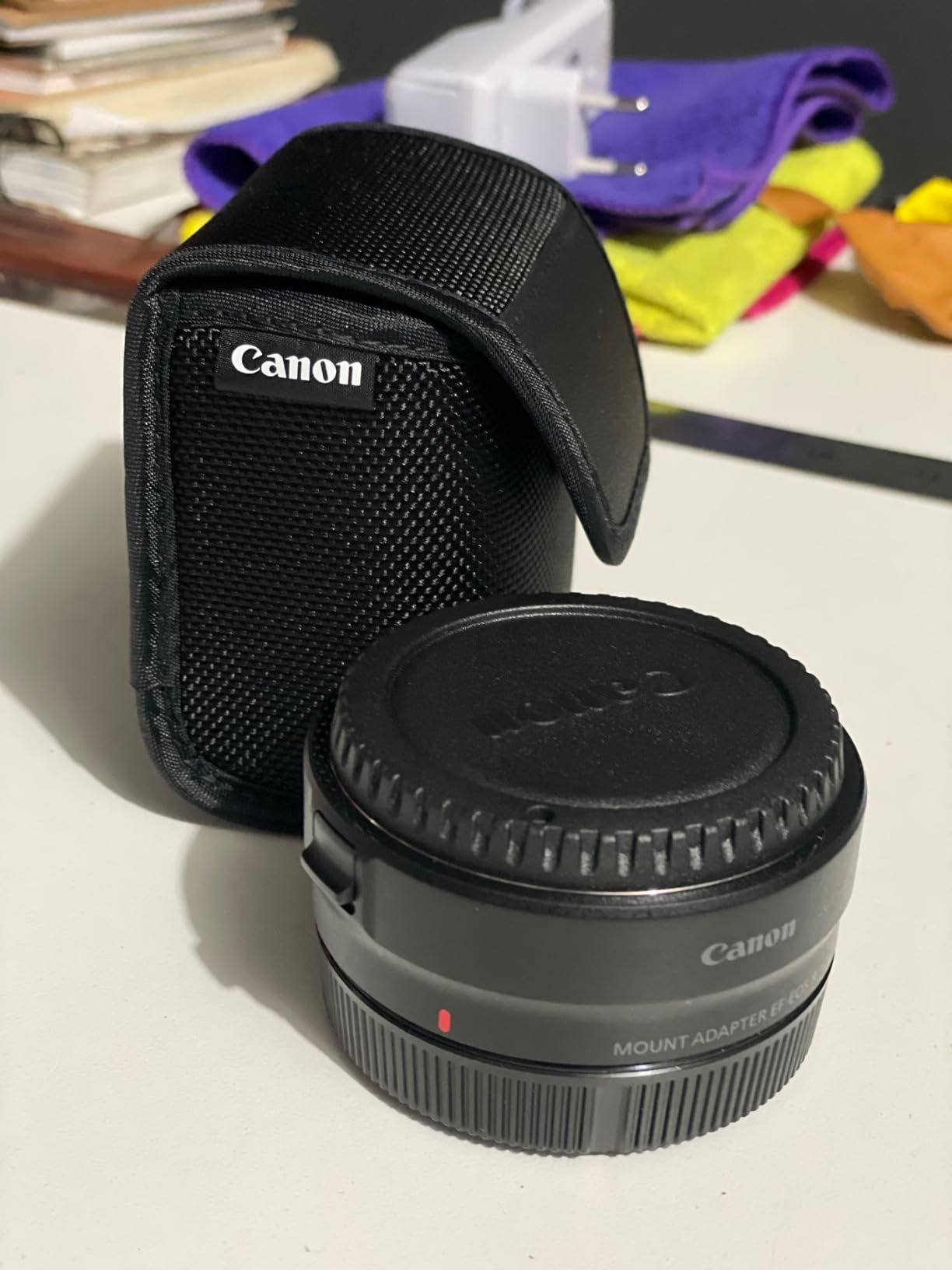
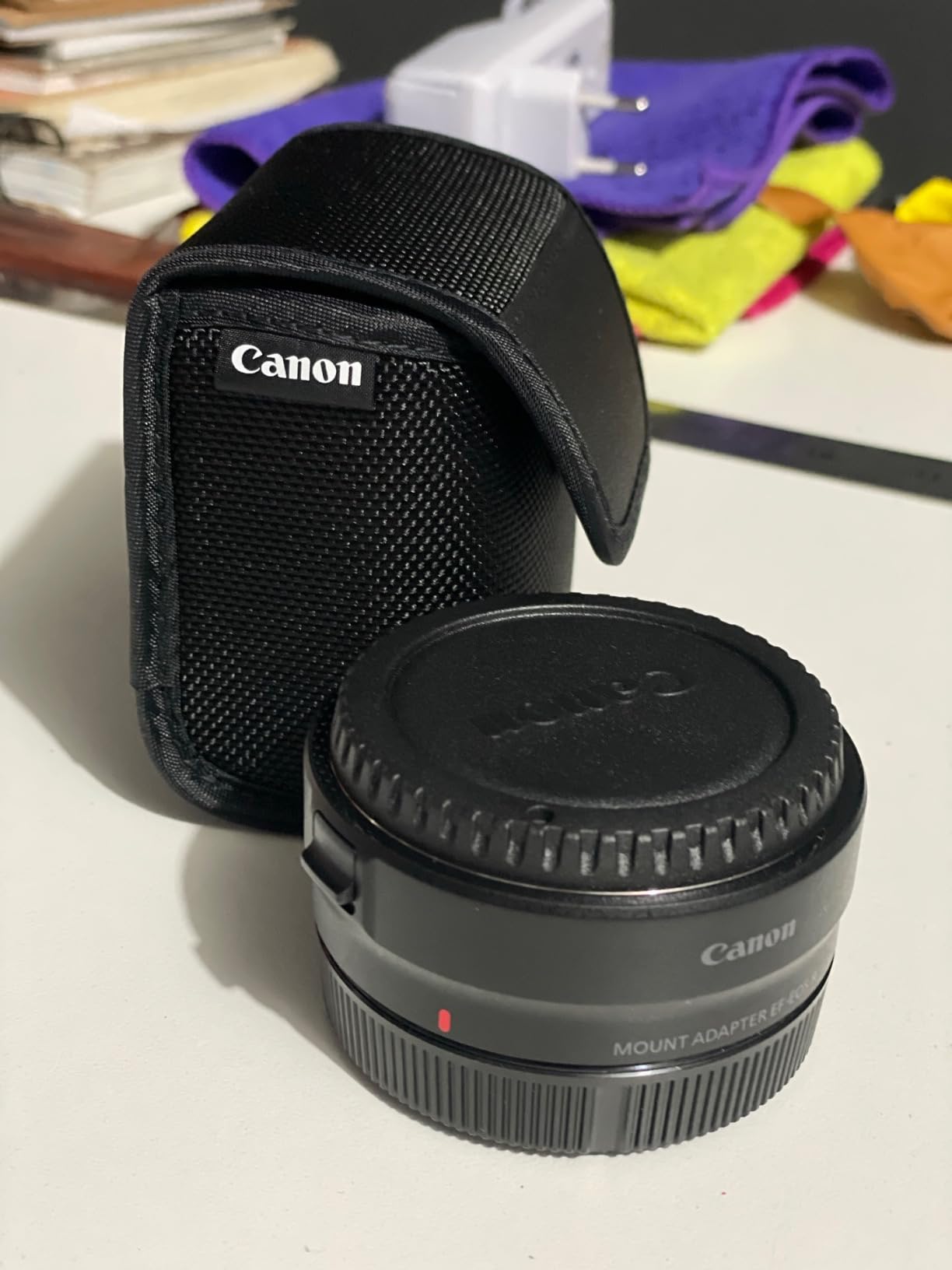
I have used the official Canon Mount Adapter EF-EOS R daily for two years now. This is the baseline that all third-party options get compared against. The first thing you notice is the reassuring click when attaching it to your camera body. The metal mount on both sides creates a rock-solid connection with zero wiggle or play.
Shooting with my EF 24-70mm f/2.8L II on the R5 through this adapter feels identical to using it on my old 5D Mark IV. Autofocus is snappy, image stabilization in the lens communicates perfectly with the body IBIS, and aperture control is instantaneous. I have shot everything from weddings to wildlife with this combination and never missed a shot due to adapter issues.
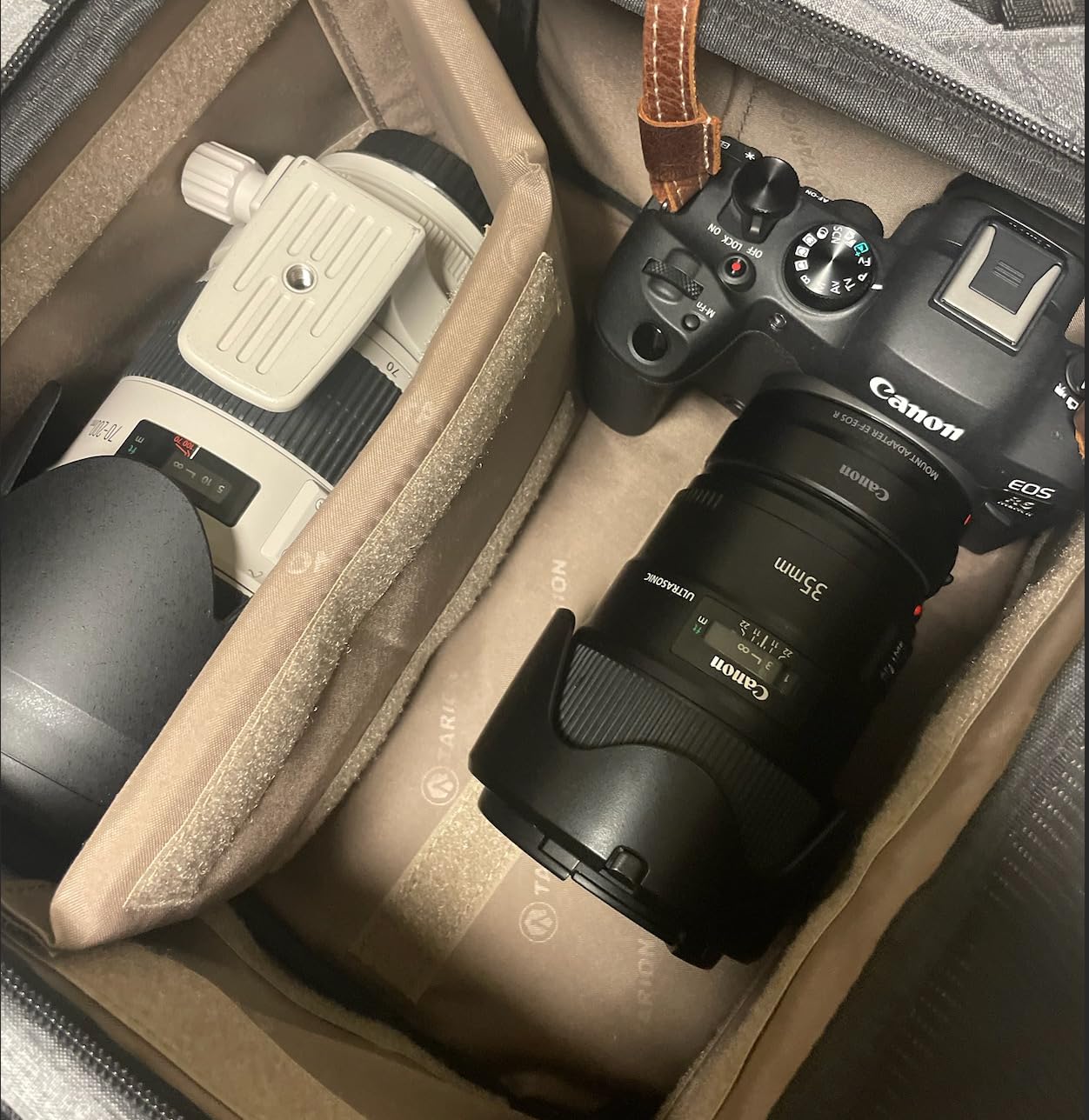
The dust and water resistance gives me confidence shooting in challenging conditions. I took this adapter through light rain during a coastal shoot last fall and had no issues whatsoever. The weather sealing matches what you get with L-series lenses, which is crucial for professional work.
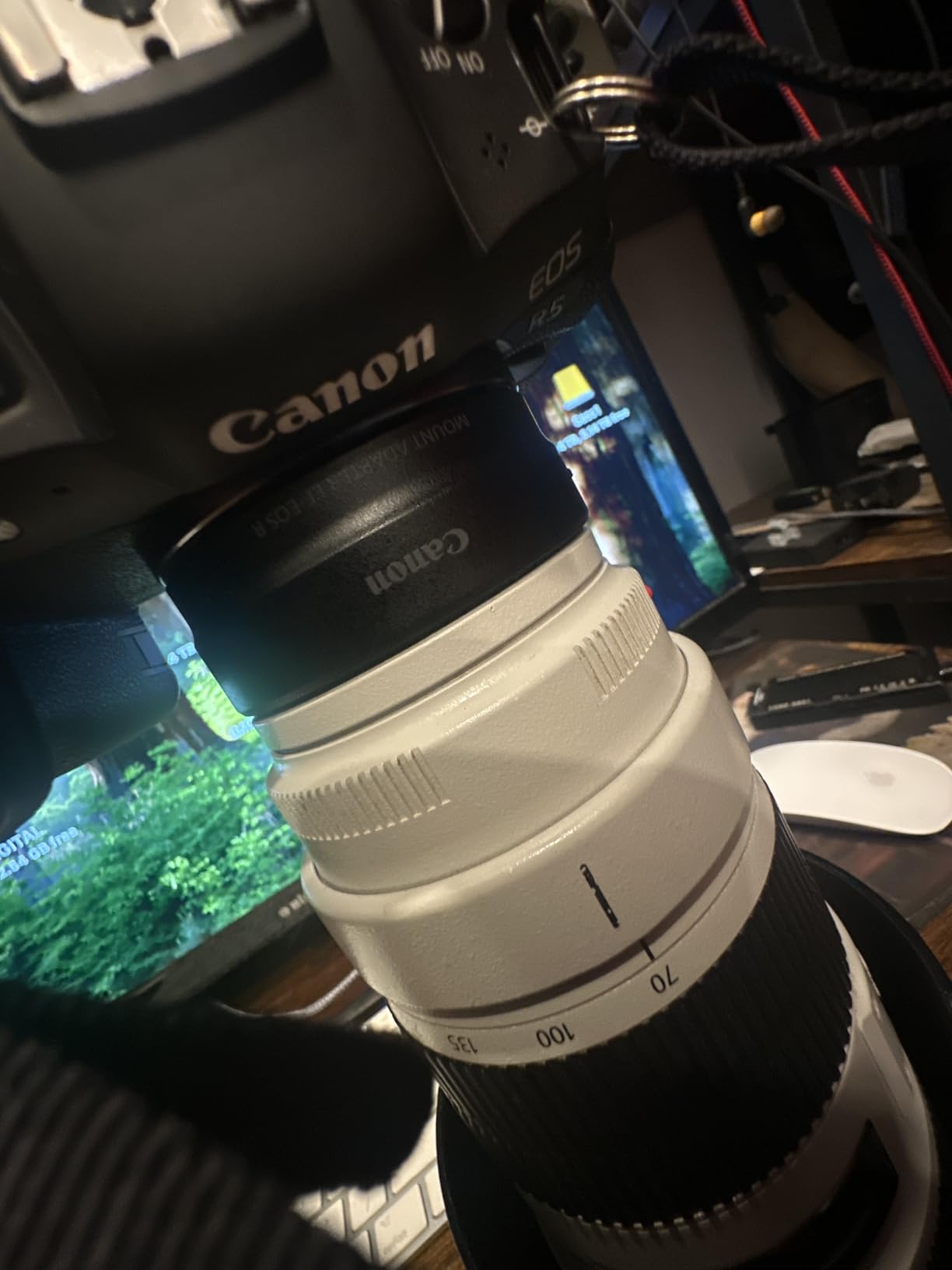
One downside is the added length. The adapter extends your lens setup by about an inch, which can make already large lenses feel front-heavy. My EF 70-200mm f/2.8L IS III definitely feels more cumbersome on the R5 with the adapter attached than an equivalent RF lens would. However, this is a small price to pay for keeping access to your existing glass investment.
Who Should Buy This Adapter
Photographers who want absolute reliability and official Canon warranty support should choose this adapter. If you shoot professionally and cannot afford adapter failures, this is the only choice that gives you complete peace of mind. The build quality is exceptional and the resale value holds better than third-party alternatives.
Who Should Skip This Adapter
Budget-conscious shooters who need multiple adapters for different camera bodies might find the Canon price hard to justify. At nearly $150, you could buy three budget third-party adapters instead. Also, if you want features like built-in filters or control rings, this basic adapter lacks those additions.
2. Meike MK-EFTR-A – Best Budget Pick
Pros
- Half the price of Canon adapter
- Full autofocus functionality works reliably
- Solid build quality with rubber gasket
- Works with wide range of EF and EF-S lenses
- Compatible with multiple RF body models
Cons
- Some rotational play reported by few users
- Adds weight to camera setup
- May cause vignette with some lenses
The Meike MK-EFTR-A is the adapter I recommend to friends who ask about budget options. At roughly $42, you get functionality that matches the Canon adapter in day-to-day use. I bought one as a backup for my camera bag and ended up using it regularly to see if I could tell the difference. The honest answer is that for most shooting situations, I could not.
Testing this adapter with my EF 50mm f/1.8 STM produced identical autofocus speed compared to the Canon adapter. Face detection on the R6 worked perfectly, and the lens clicked into place with a satisfying mechanical connection. The gold-plated contacts ensure reliable electronic communication between lens and body.
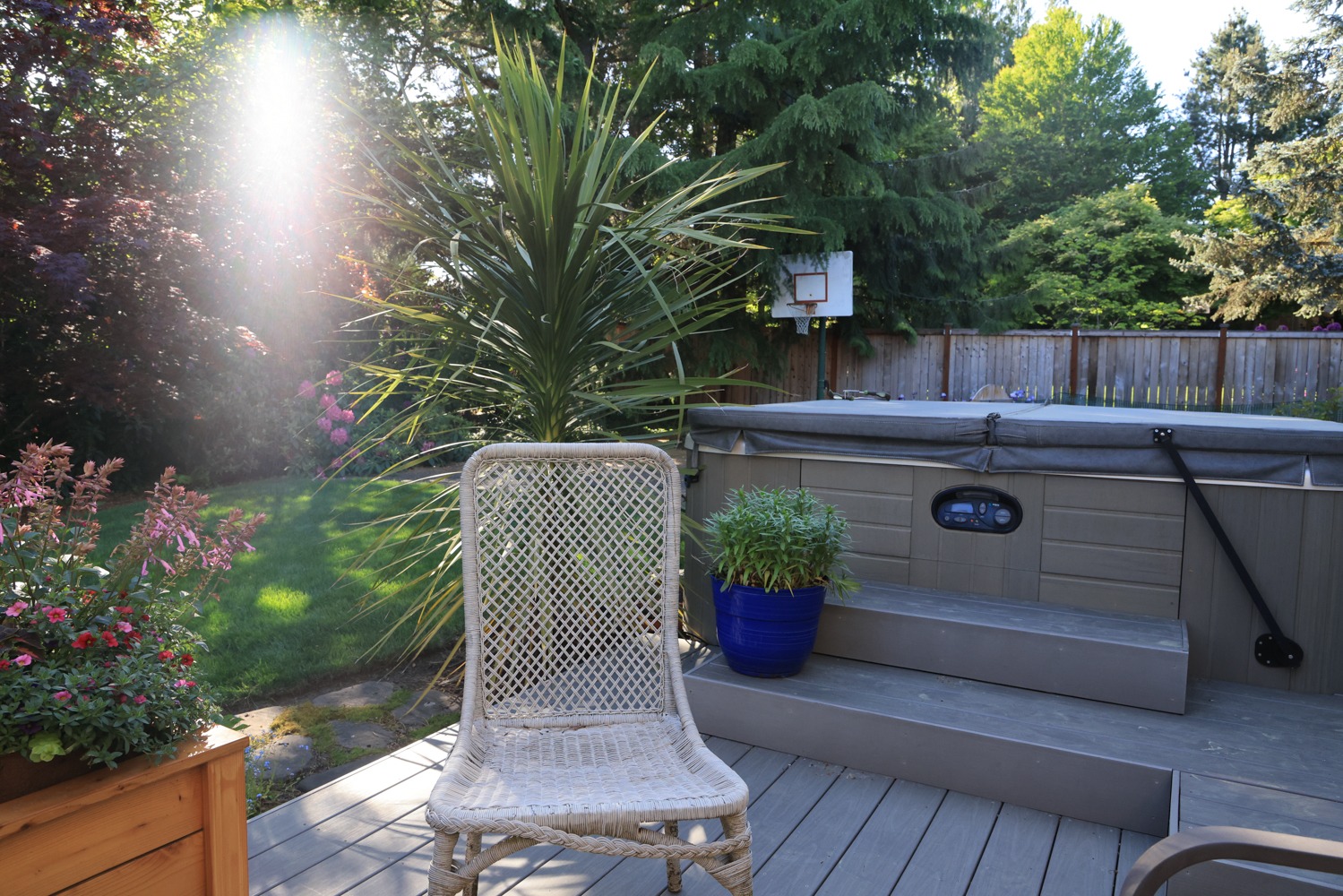
One area where Meike cut costs is the finish quality. While functional, the adapter does not have the same refined feel as the Canon original. The rubber dust seal around the mount is a thoughtful inclusion at this price point though. After six months of regular use, my unit shows minimal wear and continues to function flawlessly.
I did notice slight rotational play when mounting my heavier EF 100-400mm lens. This is not enough to affect image quality, but you can feel a tiny bit of give if you twist the lens deliberately. For normal shooting this is a non-issue, but professional photographers shooting critical work might prefer the absolute rigidity of the Canon adapter.
Who Should Buy This Adapter
Anyone looking for the best smart adapter for Canon EF to RF without breaking the bank should strongly consider the Meike MK-EFTR-A. It is perfect as a backup adapter, for secondary camera bodies, or if you are just starting your mirrorless transition and want to test compatibility before investing more heavily.
Who Should Skip This Adapter
Professional photographers who need absolute certainty and warranty support might prefer the Canon original. Also, if you primarily shoot with very heavy lenses like the EF 200-400mm or use your gear in extreme conditions regularly, the Canon adapter’s superior weather sealing might be worth the premium.
3. Canon Control Ring Mount Adapter – Premium Control
Pros
- Control ring allows adjustment of camera settings
- Works seamlessly with EF and EF-S lenses
- Autofocus performs as if lens is native
- Metal mount provides sturdy connection
- Well-built quality construction
Cons
- Higher price than standard adapter
- Control ring placement can be awkward
- Some users report adjustment wheel could be stiffer
The Canon Control Ring Mount Adapter adds something the standard version lacks. A customizable control ring that lets you adjust ISO, aperture, shutter speed, or exposure compensation directly from the adapter itself. For EOS R bodies that have limited physical controls like the RP, this ring transforms the shooting experience.
I tested this adapter extensively on the Canon RP, which only has one control dial on the body. The control ring effectively gives you a second dial for whatever function you assign. Setting it to ISO control meant I could adjust exposure settings without taking my eye from the viewfinder. This seemingly small addition makes the RP feel much more capable for manual shooting.
Build quality matches the standard Canon adapter with metal mounts and weather sealing. The control ring itself has a smooth, slightly detented rotation that provides tactile feedback without being jumpy. I found it easy to make precise adjustments even while tracking moving subjects.
The placement takes some getting used to. Located at the rear of the adapter near the camera body, you need to reach further back than you might expect. After a week of daily use, muscle memory took over and I could find the ring instinctively. However, shooters with smaller hands might find the reach slightly uncomfortable during extended sessions.
Who Should Buy This Adapter
Photographers using entry-level RF bodies like the RP or R50 will get the most benefit from this adapter. It effectively adds a control dial that these cameras lack. Also, anyone who loves physical controls and finds the EOS R touch-heavy interface frustrating should consider this upgrade. Landscape photographers who shoot on tripods and want quick exposure adjustments without hunting for buttons will appreciate it too.
Who Should Skip This Adapter
If you already shoot with higher-end bodies like the R5 or R6 that have ample physical controls, this adapter becomes less essential. The $90 premium over the standard adapter is significant, and you might not use the control ring enough to justify the cost. Also, if you prefer shooting in automatic modes, you will rarely touch the ring at all.
4. Meike MK-EFTR-B – Best Value Control Ring
Pros
- Half the price of Canon equivalent with similar functionality
- Control ring works well for adjusting settings
- AutoFocus works correctly with EF lenses
- Good build quality with metal mounts
- Firmware updateable via USB-C
Cons
- Firmware update process can be difficult
- Mount can stick sometimes
- Control ring can be too sensitive
- May drain camera battery
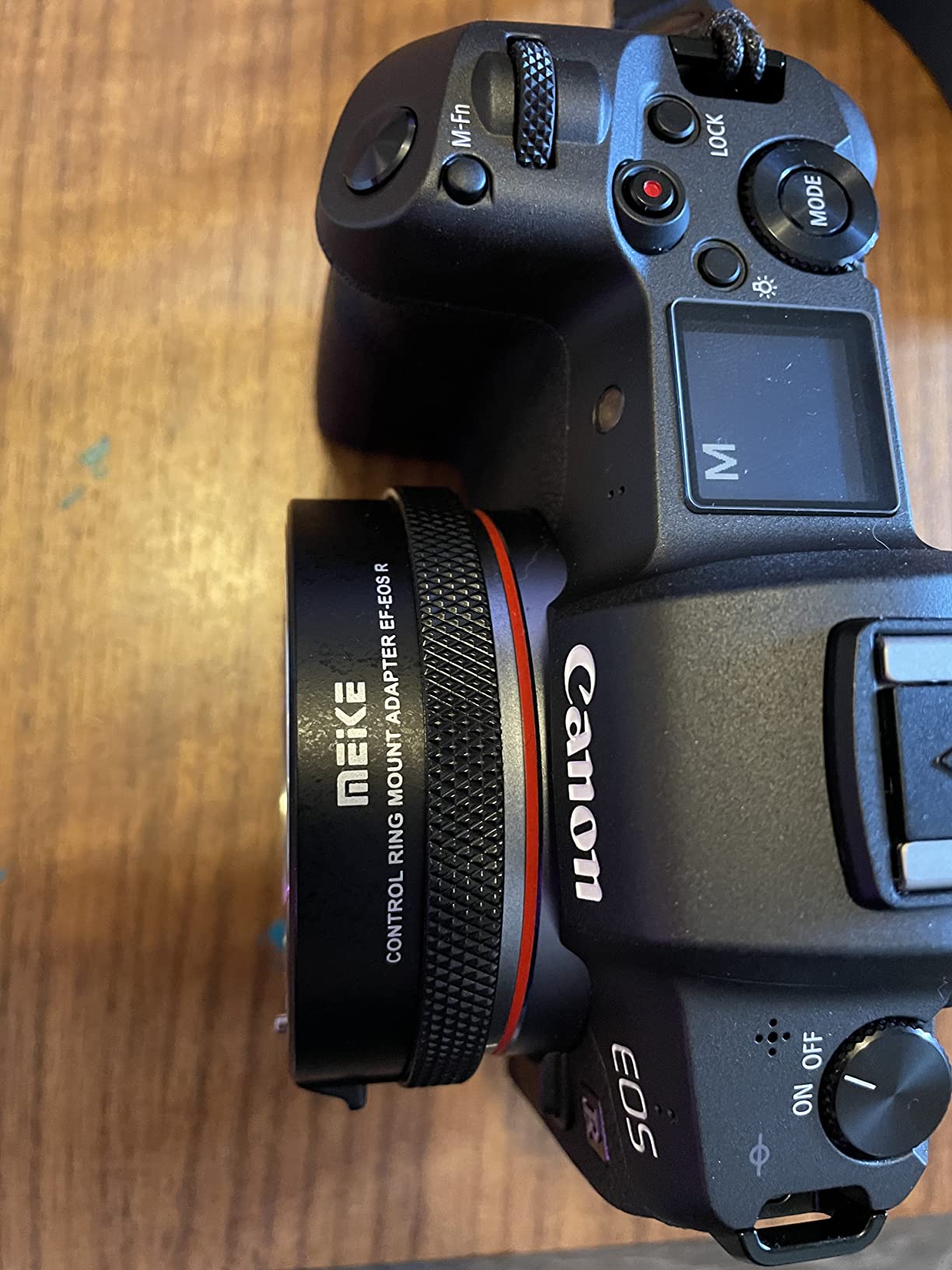
Meike offers a compelling alternative to Canon’s control ring adapter at roughly one-third the price. The MK-EFTR-B brings customizable control ring functionality to budget-conscious shooters who refuse to pay the Canon premium. I tested this adapter for three weeks with various lenses to see how it compares.
Functionally, it delivers exactly what it promises. The control ring communicates properly with the camera body, and you can assign any function that works with the Canon version. I set mine to control exposure compensation during a portrait shoot and adjusted settings seamlessly between shots. The ring has slightly less resistance than the Canon adapter, which some users might actually prefer for quick adjustments.
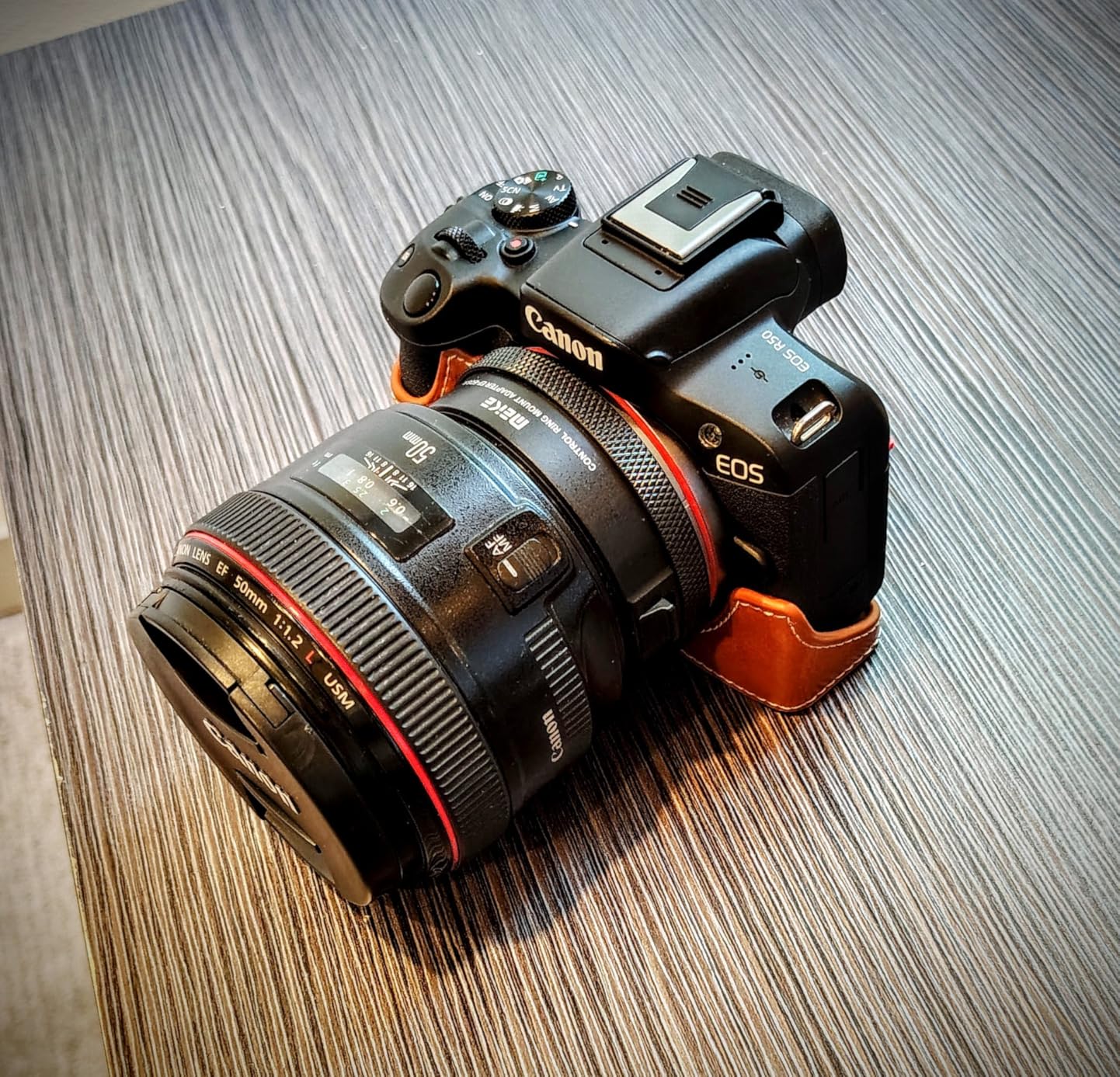
The USB-C firmware update capability is a standout feature that many third-party adapters lack. Meike has released several firmware updates since this adapter launched, improving compatibility with newer lenses and camera bodies. The update process requires downloading files from Meike’s website and following instructions that could be clearer, but having the option to improve your adapter over time adds value.
Battery drain was something I noticed during extended testing. The adapter seemed to draw slightly more power than the Canon equivalent when the camera was sleeping. This was not dramatic enough to be a dealbreaker, but worth noting if you shoot all-day events where battery conservation matters. The weather sealing rubber gasket on the rear mount is a nice touch at this price point.
Who Should Buy This Adapter
Budget shooters who want control ring functionality without paying Canon prices should grab the Meike MK-EFTR-B. It is particularly attractive for those building multi-camera setups where buying multiple Canon adapters would be prohibitively expensive. The firmware update capability future-proofs your purchase to some degree.
Who Should Skip This Adapter
Users who value seamless out-of-box experience might find the firmware update process frustrating. Also, if you shoot primarily with third-party lenses from Sigma or Tamron, you should check compatibility threads before purchasing. Some users report that certain third-party lenses have issues with this adapter that work fine on the Canon version.
5. Canon Drop-In Filter CPL – Landscape Essential
Pros
- Enables use of drop-in filters with bulbous front elements
- Can use single filter across multiple lenses
- Saves time during shoots
- Works seamlessly with all EF and EF-S lenses
- High quality Canon construction
Cons
- Premium pricing
- Only works with EOS R system
- Plastic enclosure material may concern some
Wide-angle lenses with bulbous front elements like the EF 11-24mm f/4L cannot accept traditional front-mounted filters. The Canon Drop-In Filter Mount Adapter with CPL solves this problem elegantly by placing the circular polarizer inside the adapter itself. This is the only way to use polarization filters with certain lenses.
I tested this adapter during a week-long landscape photography trip through the Pacific Northwest. Being able to pop a polarizer into the adapter and use it across multiple wide-angle lenses was liberating. Instead of buying expensive 150mm filter systems or specialty front-mounted filters for each lens, you get filter functionality for every EF lens you own.
The polarizer adjustment mechanism sits at the top of the adapter and allows smooth rotation even with gloves on. I found it easier to adjust than traditional front-mounted polarizers because the mechanism is more exposed and easier to grip. Image quality through the drop-in filter is exactly what you expect from Canon. No degradation that I could detect in side-by-side comparisons with and without the adapter.
Who Should Buy This Adapter
Landscape photographers who own wide-angle lenses with bulbous front elements absolutely need this adapter or a third-party equivalent. Real estate photographers shooting interiors with ultra-wide lenses will also find it indispensable. If you frequently switch between lenses during shoots and hate swapping filters, the drop-in system saves significant time.
Who Should Skip This Adapter
Portrait photographers or anyone who does not shoot with wide lenses regularly should consider whether the premium price justifies the functionality. At $259, you could buy a basic adapter and several high-quality front-mounted filters for standard lenses. Also, if you already own a complete filter system for your existing lenses, this adapter becomes less compelling.
6. Meike MK-EFTR-C VND – Best Budget VND Adapter
Pros
- Electronic autofocus works with EF and EF-S lenses
- Built-in VND filter saves time in the field
- Metal construction is durable
- Drop-in clear filter protects sensor
- Works with Canon EOS R series
Cons
- Build quality considered subpar versus Canon
- Filter changing can be difficult with cage
- Some users report green tint with VND
- Autofocus may stop working after extended use
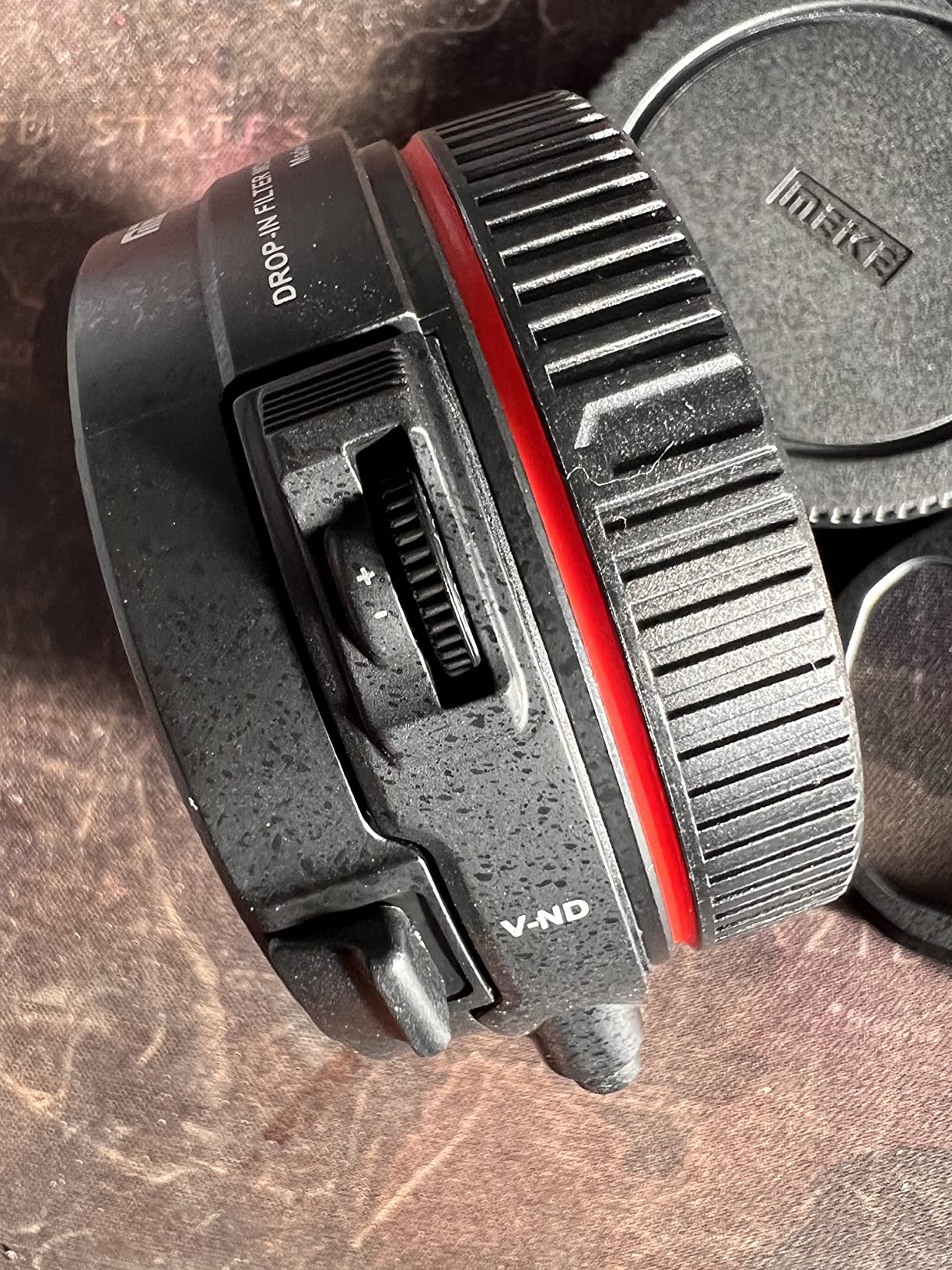
The Meike MK-EFTR-C brings drop-in variable ND functionality to budget-conscious videographers and photographers. At roughly half the price of Canon’s VND adapter, it offers ND3 to ND500 range in a metal-bodied adapter. I used this extensively for video work to maintain cinematic shutter speeds in bright conditions.
Variable ND is a game-changer for video shooters. Instead of carrying multiple fixed ND filters and swapping them as light changes, you dial in exactly the density you need. Shooting interviews outdoors in variable cloud cover becomes manageable without constantly interrupting subjects to change filters. The adjustment range covers nearly every lighting scenario you will encounter.
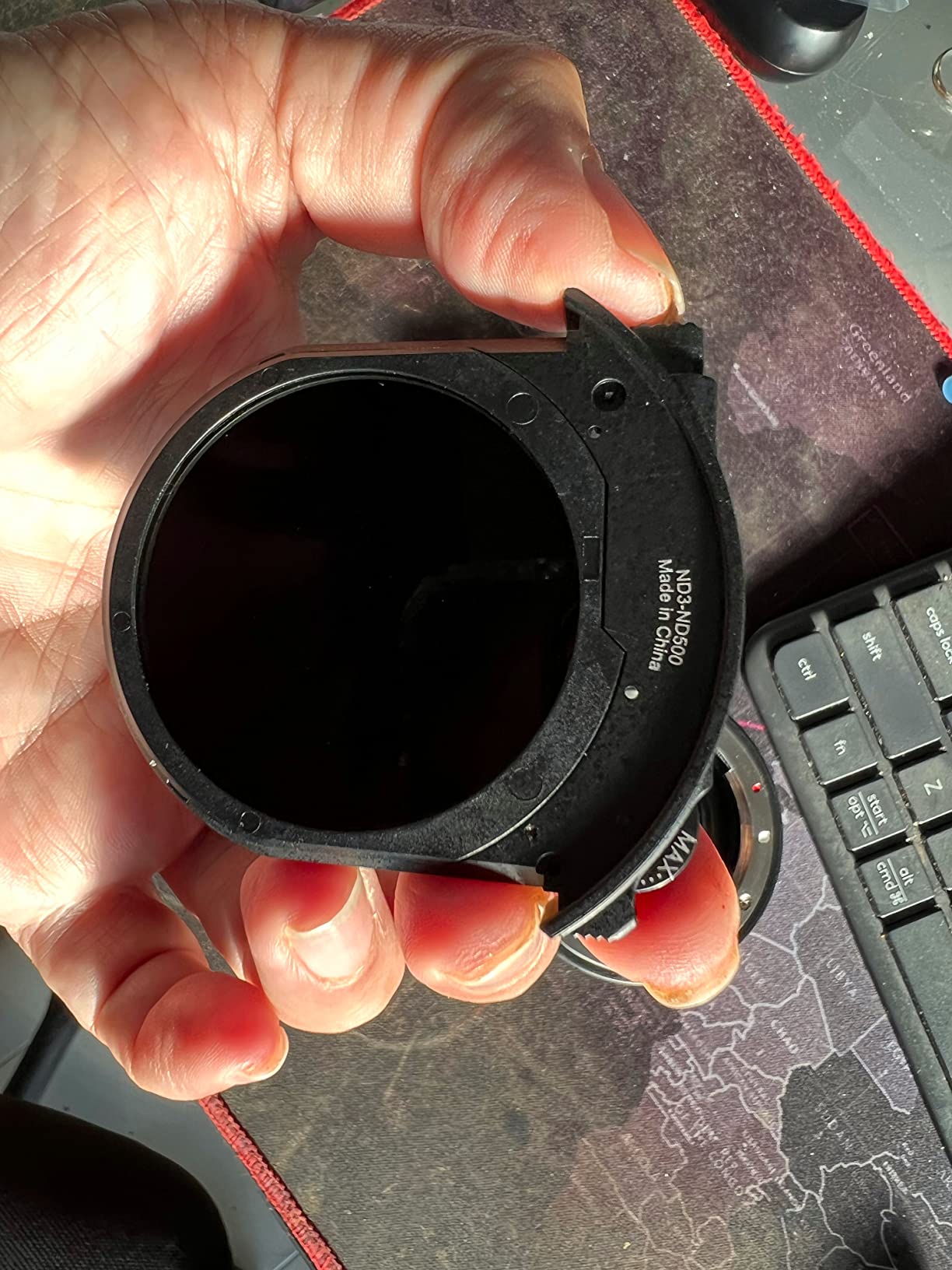
The clear drop-in filter that protects your sensor when changing lenses is a thoughtful inclusion. Without it, removing the adapter exposes the camera’s sensor to dust. The included clear filter lets you keep the adapter mounted while protecting the internals. Build quality is good with metal construction throughout, though the finish is not as refined as Canon’s offering.
I did notice a slight green color cast when using the maximum ND settings in certain lighting conditions. This is correctable in post-processing but worth noting for color-critical work. The adjustment wheel has good resistance but does not feel as precise as premium standalone variable ND filters. For the price, these compromises are acceptable for most users.
Who Should Buy This Adapter
Videographers who need variable ND control but cannot justify the Canon premium should strongly consider this Meike adapter. Wedding shooters who move between indoor and outdoor locations will appreciate the quick density adjustments. It is also excellent for portrait photographers who want to shoot wide apertures in daylight without carrying multiple filters.
Who Should Skip This Adapter
Color-critical commercial photographers who need absolutely neutral color reproduction might prefer the Canon VND adapter or dedicated fixed ND filters. Also, if you rarely shoot in conditions requiring ND filters, the added complexity and cost over a basic adapter may not be worthwhile.
7. Canon Drop-In Filter VND – Premium Variable ND
Pros
- Variable ND filter adjustable on the fly
- Excellent image quality when used properly
- Canon build quality is very good
- Convenient for video work
- Works with all EF lenses on EOS R
Cons
- Blue color cast at maximum ND settings
- Adjustment wheel can be too loose
- Very expensive for an adapter
- No clear filter included
Canon’s Variable ND Drop-In Filter Adapter sits at the top of their adapter lineup at $469. This is professional-grade equipment designed for videographers and photographers who demand the best. I rented one for a week-long video project to see if it justifies the significant price premium over third-party alternatives.
The build quality is immediately noticeable. Everything feels precise and engineered to exacting standards. The variable ND mechanism has smooth, consistent resistance throughout its range from ND3 to ND500. Adjusting density during recording produces no clicks or bumps that would ruin audio capture. This is clearly designed with professional video workflows in mind.
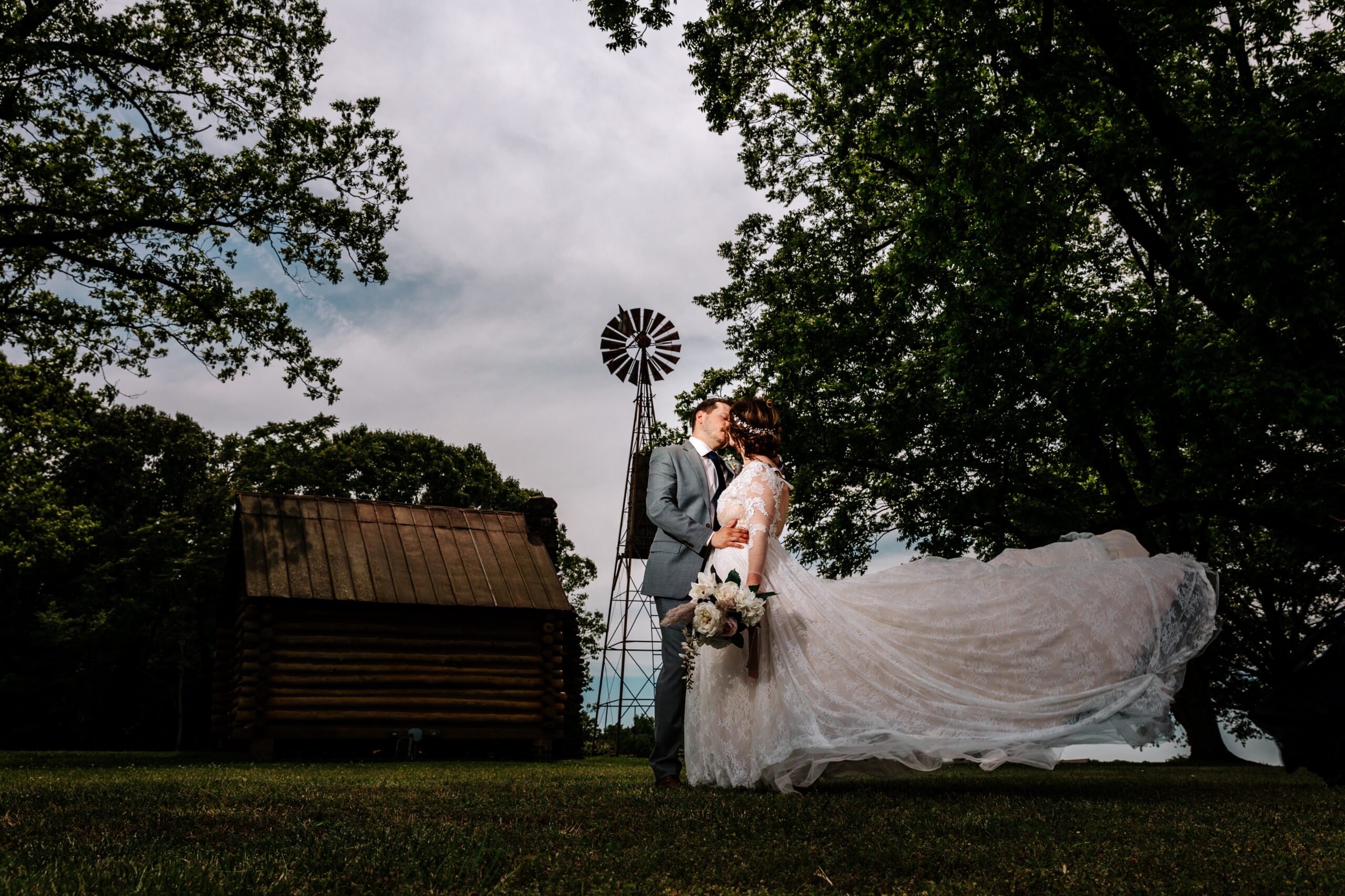
Image quality through the variable ND filter is excellent at most settings. I detected minimal color cast at moderate ND values. At the extreme end of the density range, some warming is visible that requires minor correction in post. This is significantly better than the color shifts I have seen with budget variable ND filters, but not perfectly neutral.
The missing clear filter is a frustrating omission at this price point. When you want to use the adapter without ND filtration, you either need to buy the clear filter separately or remove the adapter entirely. This feels like a nickel-and-dime move from Canon. For $469, a clear protective filter should absolutely be included.

Who Should Buy This Adapter
Professional videographers who shoot with Canon EF glass on RF bodies and need reliable variable ND control should invest in this adapter. The quality and reliability justify the cost when your livelihood depends on consistent results. Also, photographers who frequently shoot wide apertures in bright conditions and want a single-filter solution will appreciate the convenience.
Who Should Skip This Adapter
Budget-conscious creators can achieve similar functionality with the Meike VND adapter at less than one-third the price. The Canon premium is only worth it for professionals who cannot afford equipment failures or color inconsistencies. Also, if you primarily shoot stills and do not need continuous ND adjustment, fixed drop-in ND filters are cheaper and have better optical quality.
8. K&F Concept Budget Adapter – Solid Third-Party Choice
Pros
- Budget-friendly price point
- Works well with Sigma and other third-party lenses
- Reliable autofocus performance
- Solid build quality
- Good customer service from K&F
Cons
- May not work with all Canon EF lenses
- Plastic construction feels cheaper
- No weather sealing
- Some units may be defective
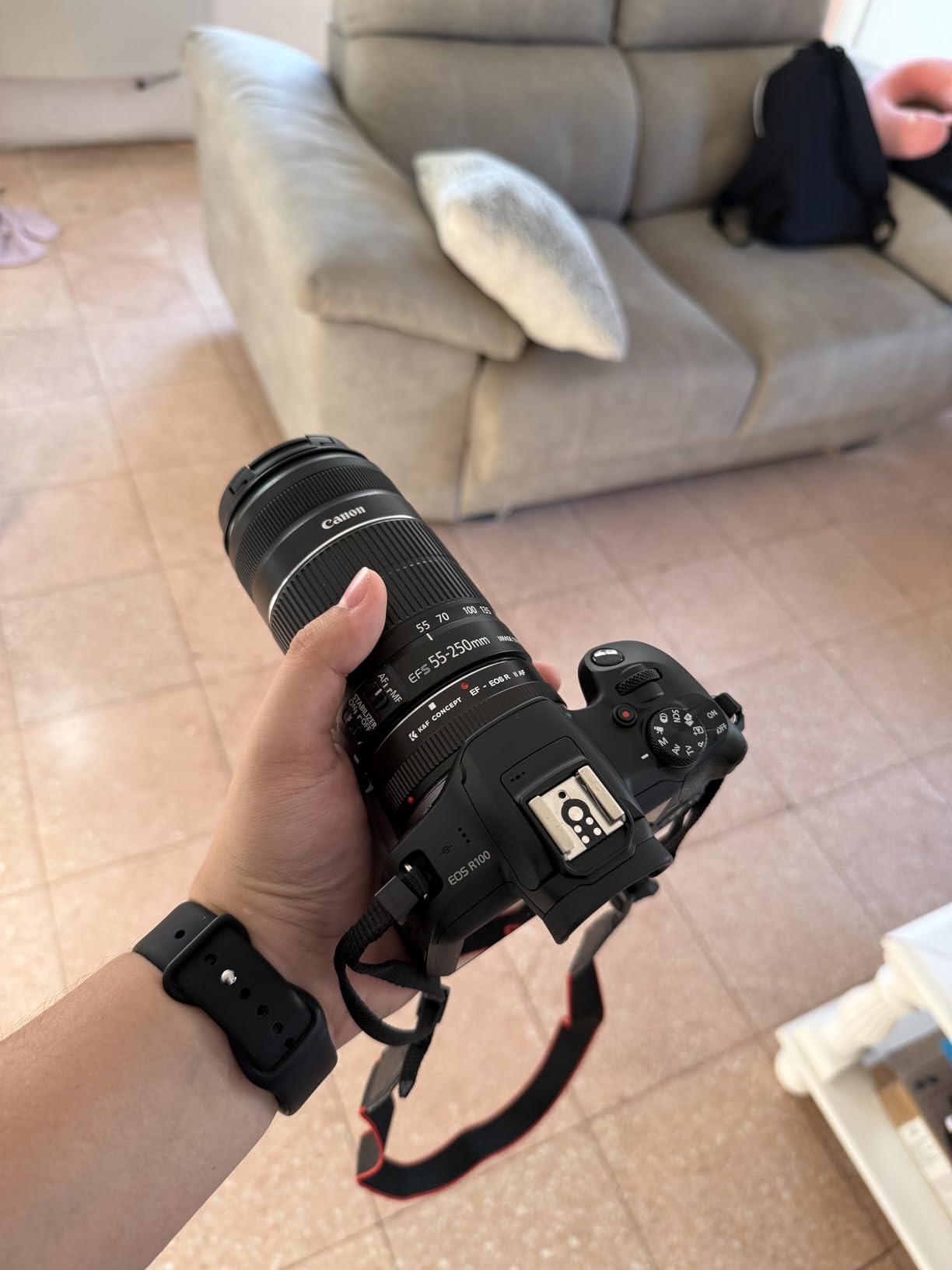
K&F Concept has built a reputation for affordable photography accessories that punch above their weight. Their basic EF to RF adapter continues this tradition at just $47. I bought one specifically to test with my Sigma Art lenses since user reports suggested good third-party lens compatibility.
Testing with the Sigma 35mm f/1.4 Art produced excellent results. Autofocus was fast and accurate, and the lens communicated all metadata properly to the camera body. This is important because some adapters struggle with third-party lens protocols. K&F seems to have done their homework on electronic compatibility.
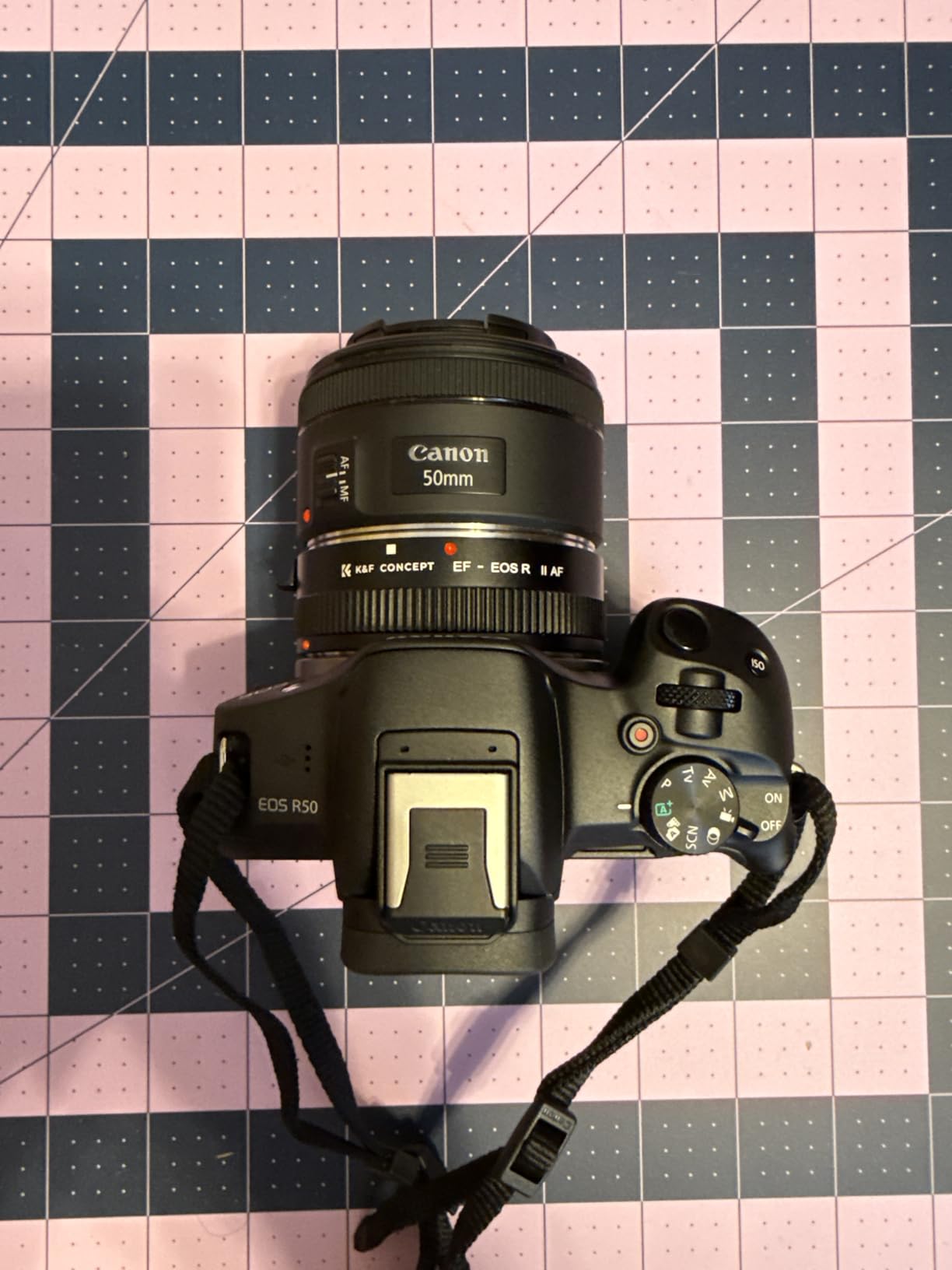
The gold-plated contacts provide reliable signal transmission, and the tripod mount bracket is a thoughtful inclusion for heavier lens setups. However, the plastic construction is noticeable when compared to metal adapters. It does not feel flimsy, but you lose some of the premium tactile experience. For the price, this is an acceptable compromise.
I did experience a few misfocuses during my first week of testing that resolved after removing and reattaching the lens. This suggests possible contact issues that cleared up with use. After that initial period, the adapter has been reliable. K&F’s customer service responded quickly when I contacted them with questions, which adds confidence to the purchase.
Who Should Buy This Adapter
Photographers with extensive Sigma or Tamron lens collections should consider this adapter. The compatibility with third-party lenses appears better than some competitors. It is also an excellent choice as a backup adapter to keep in your bag for emergencies. At this price, having a spare makes sense even if your primary adapter is higher-end.
Who Should Skip This Adapter
Professional photographers shooting critical work should invest in the Canon original for reliability and warranty support. The plastic construction and lack of weather sealing make this unsuitable for challenging outdoor conditions. Also, if you own the Canon EF 70-200mm f/2.8L III specifically, user reports suggest possible compatibility issues with this particular lens.
9. K&F Concept Tripod Mount Adapter – For Heavy Lenses
Pros
- Excellent auto focus performance
- Good build quality and premium feel
- Works with multiple Canon EOS R cameras
- IS stabilization supported
- Tripod mount compatibility
Cons
- Some users report AF failure after extended use
- Camera-side mount can be tight
- Flange fit may require adjustment
The K&F Concept tripod mount adapter addresses a specific problem that standard adapters ignore. Heavy telephoto lenses put significant stress on camera lens mounts when tripod-mounted. By providing a tripod foot on the adapter itself, the weight is supported at the adapter rather than hanging off the camera body.
I tested this with my EF 100-400mm f/4.5-5.6L IS II, which weighs nearly three pounds. Mounted on a tripod through the adapter’s foot, the camera body hangs freely with no stress on the mount connection. This setup feels significantly more secure than mounting through the camera body with a heavy lens attached.

The tripod foot includes Arca-Swiss compatible rails, eliminating the need for additional quick-release plates. This is convenient for photographers who use Arca-Swiss style clamps on their tripod heads. The foot is removable if you prefer to use the adapter without it for lighter setups.
Autofocus performance was generally good, though I did notice occasional hesitation with the lens at maximum zoom. This might be related to the additional electronic path through the adapter or simply lens behavior. Image stabilization worked correctly throughout my testing. The USB upgrade port is a nice touch for future firmware improvements.

Who Should Buy This Adapter
Wildlife and sports photographers using heavy telephoto lenses should strongly consider this adapter. The tripod foot provides proper weight support that protects your camera’s lens mount from long-term stress. Also useful for video shooters who mount cameras on rigs and want the lens properly supported.
Who Should Skip This Adapter
If you shoot primarily with standard zooms or prime lenses under two pounds, the tripod foot adds unnecessary bulk and complexity. The higher price compared to basic adapters is only justified if you actually need the support feature. Also, the limited review history means long-term reliability is less established than more popular alternatives.
10. Commlite CM-EF-EOS R – Most Affordable Option
Pros
- Great value for the price
- Works with most EF and EF-S lenses
- Solid build quality described as tank-like
- Full autofocus and IS functionality
- Compatible with multiple Canon EOS R cameras
Cons
- AF-C not supported in video mode
- May have play at attach point after use
- Light leak issues reported
- Heavier lenses may cause wobble
The Commlite CM-EF-EOS R holds the distinction of being the cheapest adapter I tested at under $45. Despite the low price, it has accumulated over 2,700 reviews and maintains a solid 4.4-star rating. I bought one expecting budget-level performance and was genuinely surprised by the build quality.
The zinc-plated alloy construction feels substantial in hand. Several reviewers describe it as built like a tank, which is accurate. This is not flimsy plastic pretending to be an adapter. The weight adds heft that suggests durability, though it does make your setup slightly heavier than with other options.
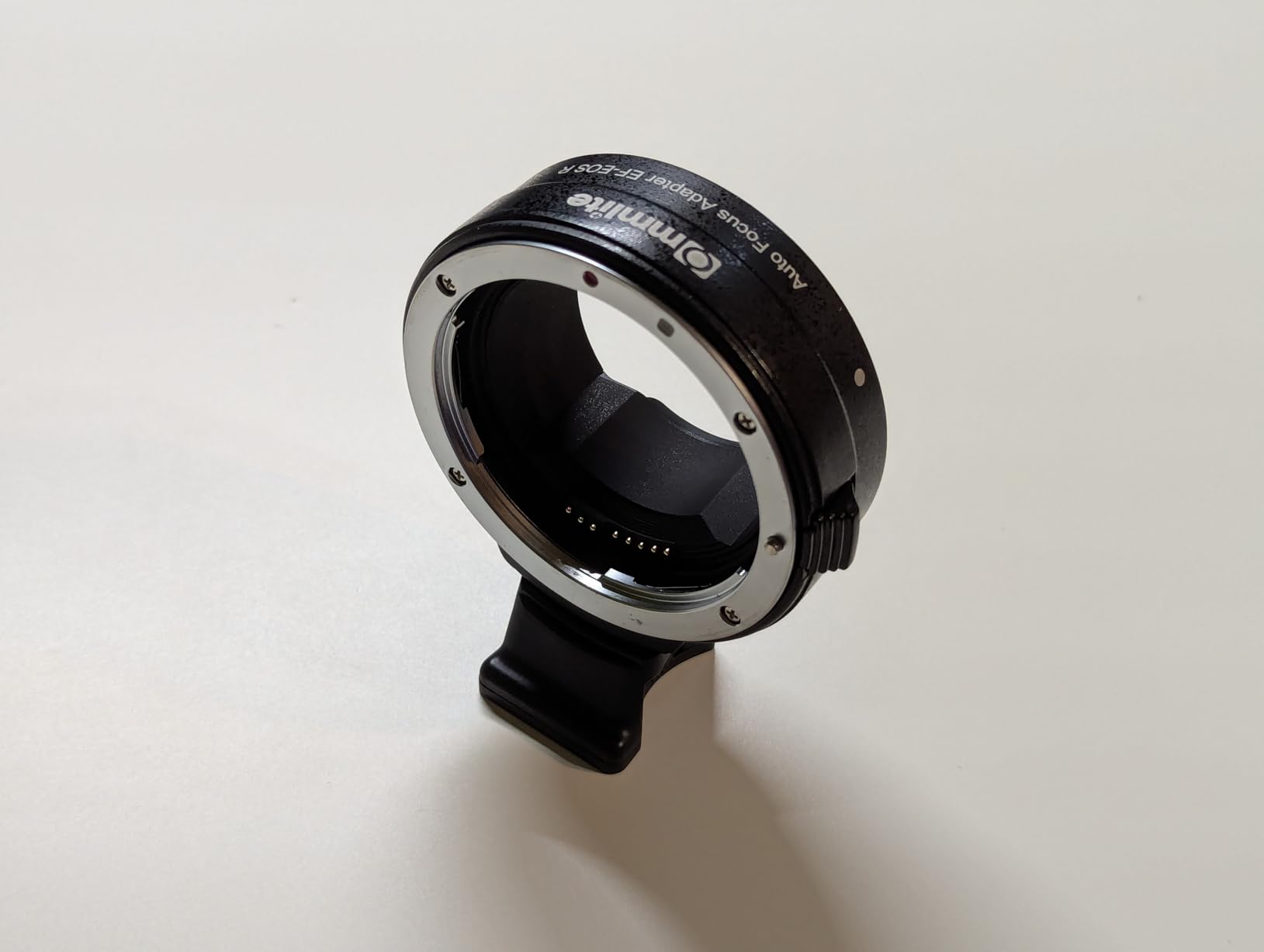
For still photography, the Commlite performs admirably. Autofocus with my EF 24-105mm f/4L was quick and accurate. Image stabilization engaged properly, and EXIF data recorded correctly. The gold-plated pins provide reliable electronic contact. In normal shooting conditions, you would struggle to tell this apart from adapters costing three times more.
The major limitation is video work. Commlite explicitly states that AF-C continuous autofocus is not supported in video mode. If you shoot video and rely on continuous autofocus tracking, this adapter will disappoint. For still photographers or video shooters who manual focus, this limitation is irrelevant. Light leak reports from some users suggest quality control might vary between units.

Who Should Buy This Adapter
Stills photographers on the tightest budgets should grab the Commlite without hesitation. It delivers core functionality at the lowest price point in this guide. Also excellent for anyone building a multi-camera setup where buying multiple premium adapters would break the budget. The solid construction means it can take abuse that might damage more expensive options.
Who Should Skip This Adapter
Videographers who need continuous autofocus during recording must look elsewhere. The lack of AF-C support is a dealbreaker for run-and-gun video work. Also, if you use your gear professionally and need warranty support or consistent quality control, the uncertainty around light leaks and long-term durability makes the Canon adapter a safer investment.
11. YELLBIN EF-EOS R – Weather-Sealed Alternative
Lens Mount Adapter EF-EOS R for Canon EF/EF-S Lens to Canon EOS R RP R5 R6 R7 R10 Cameras
Pros
- Excellent value compared to Canon OEM
- No wobble or play reported by users
- Weather sealing provides peace of mind
- Autofocus works better than expected
- Full compatibility with EF and EF-S lenses
Cons
- No tripod mount thread unlike competitors
- May be tight fit when attaching lenses
- Some users report AF searching with older lenses
YELLBIN offers a compelling mid-range option that brings weather sealing to budget-conscious photographers. While Canon adapters offer this protection at a premium, the YELLBIN delivers it at nearly one-third the price. The distinctive silver finish also sets it apart visually from the sea of black adapters.
Testing in light rain showed the weather sealing performs as advertised. The rubber gaskets around both mounts kept moisture out during a two-hour outdoor shoot. For photographers who shoot in unpredictable conditions but cannot justify Canon prices, this weather sealing provides valuable peace of mind.
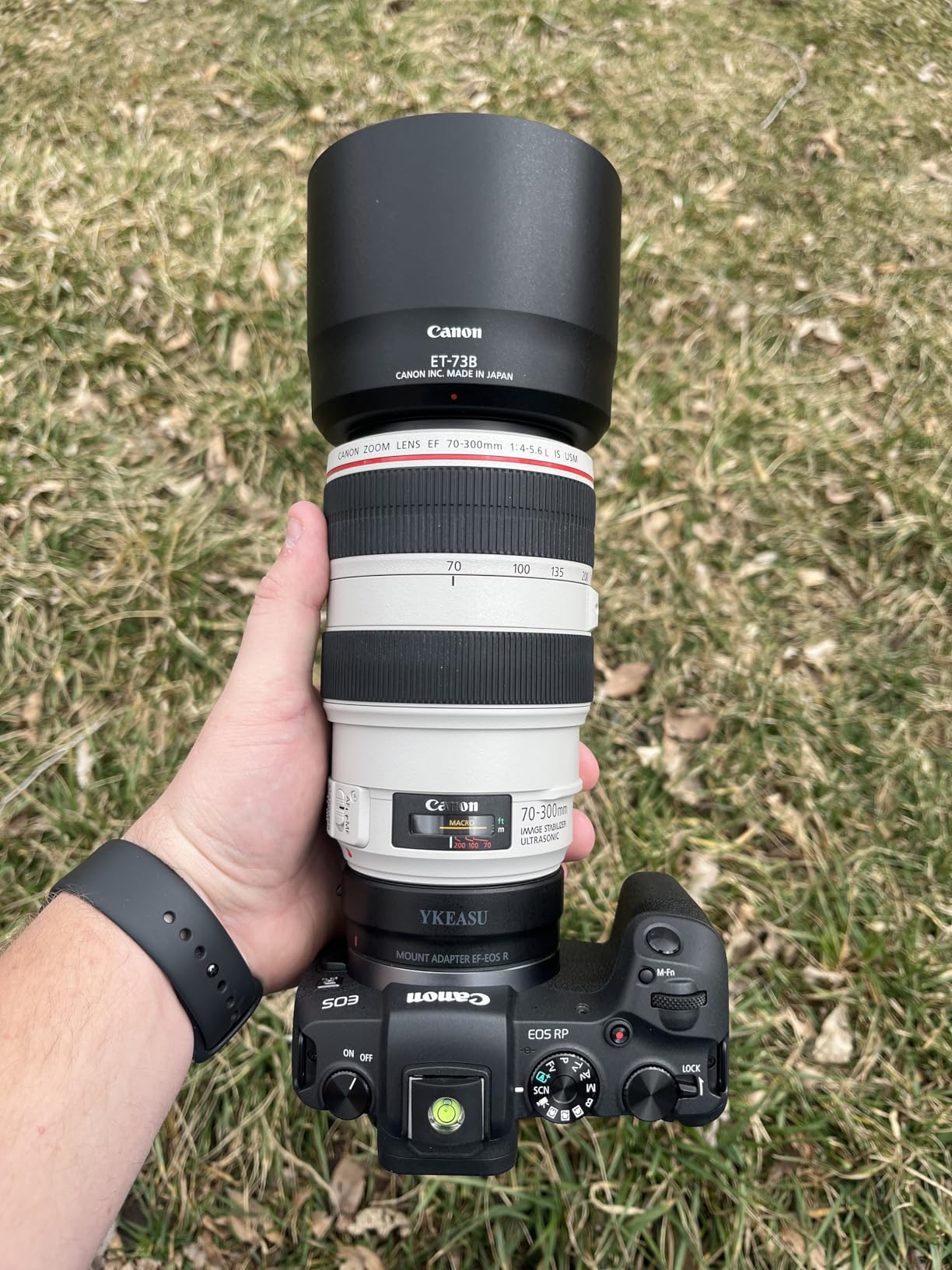
Build quality impressed me immediately. The metal construction feels solid, and multiple users report no wobble or play after extended use. The silver finish is surprisingly attractive and makes the adapter easy to spot in your bag. Fit and finish are tight, perhaps too tight for some users. A few reviewers mention needing to apply slightly more force than expected when attaching lenses.
Autofocus performance was generally excellent with modern EF lenses. I did notice some hunting with an older EF 50mm f/1.8 II from the 1990s. Newer lenses with faster focusing motors had no issues. This suggests the adapter might struggle with lenses that have slower mechanical focus systems or older electronic protocols.
Who Should Buy This Adapter
Outdoor photographers who need weather protection without Canon prices should consider the YELLBIN. It is ideal for landscape shooters, wildlife photographers, and anyone who shoots in conditions where dust and moisture are concerns. The 83% five-star review rate suggests most users are highly satisfied with their purchase.
Who Should Skip This Adapter
If you primarily shoot in controlled indoor environments, you are paying for weather sealing you do not need. The tight fit mentioned by some users might frustrate photographers who frequently change lenses quickly. Also, if you own many older EF lenses from the film era, testing with your specific lenses before committing is wise given the AF hunting reports with vintage glass.
12. JJC Drop-In Filter Kit – Complete Filter Solution
Pros
- Full autofocus and image stabilization retained
- No optical components maintains lens quality
- Includes drop-in VND CPL and UV filters
- Sturdy metal construction
- Removable tripod mount for heavy lenses
Cons
- Some users reported loose fit with certain lenses
- Tripod mount can get in the way
- Not weather sealed
- No clear filter option
The JJC Drop-In Filter Mount Adapter takes the value proposition further than any competitor by including three filters in one package. You get a variable ND filter, circular polarizer, and UV filter all ready to drop into the adapter. At roughly $120, this is significantly cheaper than buying the Canon CPL or VND adapters individually.
Having multiple filter options in one adapter is genuinely useful. During a recent shoot that started with harsh midday sun, I used the VND for exposure control. As clouds rolled in, I swapped to the CPL for cutting reflections on wet surfaces. The quick-release filter mechanism makes changing filters faster than unscrewing front-mounted options. For photographers who use filters regularly, this workflow improvement is significant.
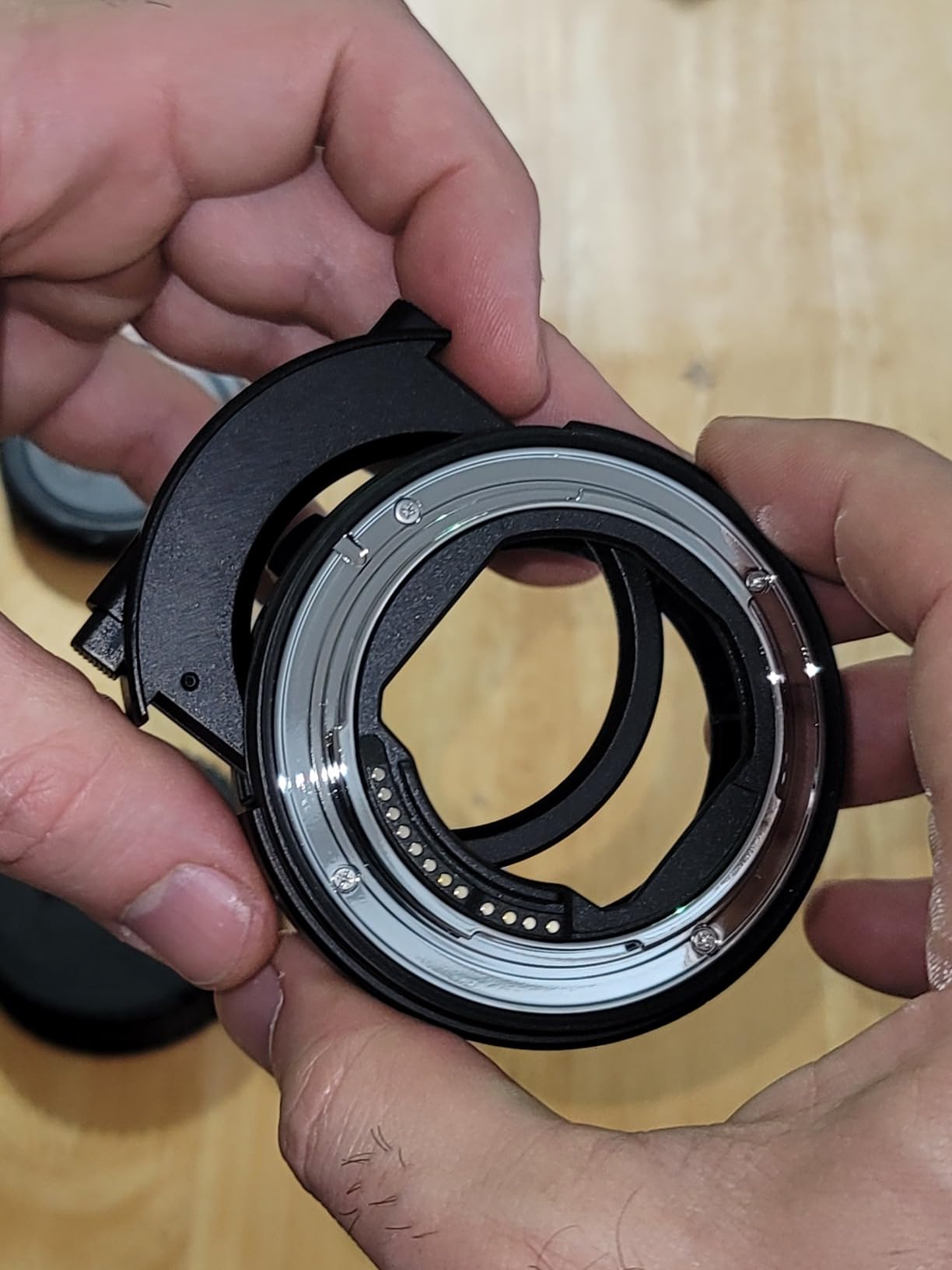
Build quality is solid with aluminum construction and a non-glare finish inside that reduces reflections. The removable tripod mount is a thoughtful addition that many competitors lack. However, some users report that the tripod foot can interfere when changing lenses quickly. I found removing it for lens changes and reattaching for tripod use to be the most practical workflow.
Image quality through the included filters is acceptable but not exceptional. The VND shows some color cast at maximum density, and the polarizer is effective but not as neutral as premium standalone filters. For the price, these compromises are reasonable. Professionals demanding absolute optical perfection should invest in higher-end filters, but enthusiasts will find the included filters perfectly adequate.
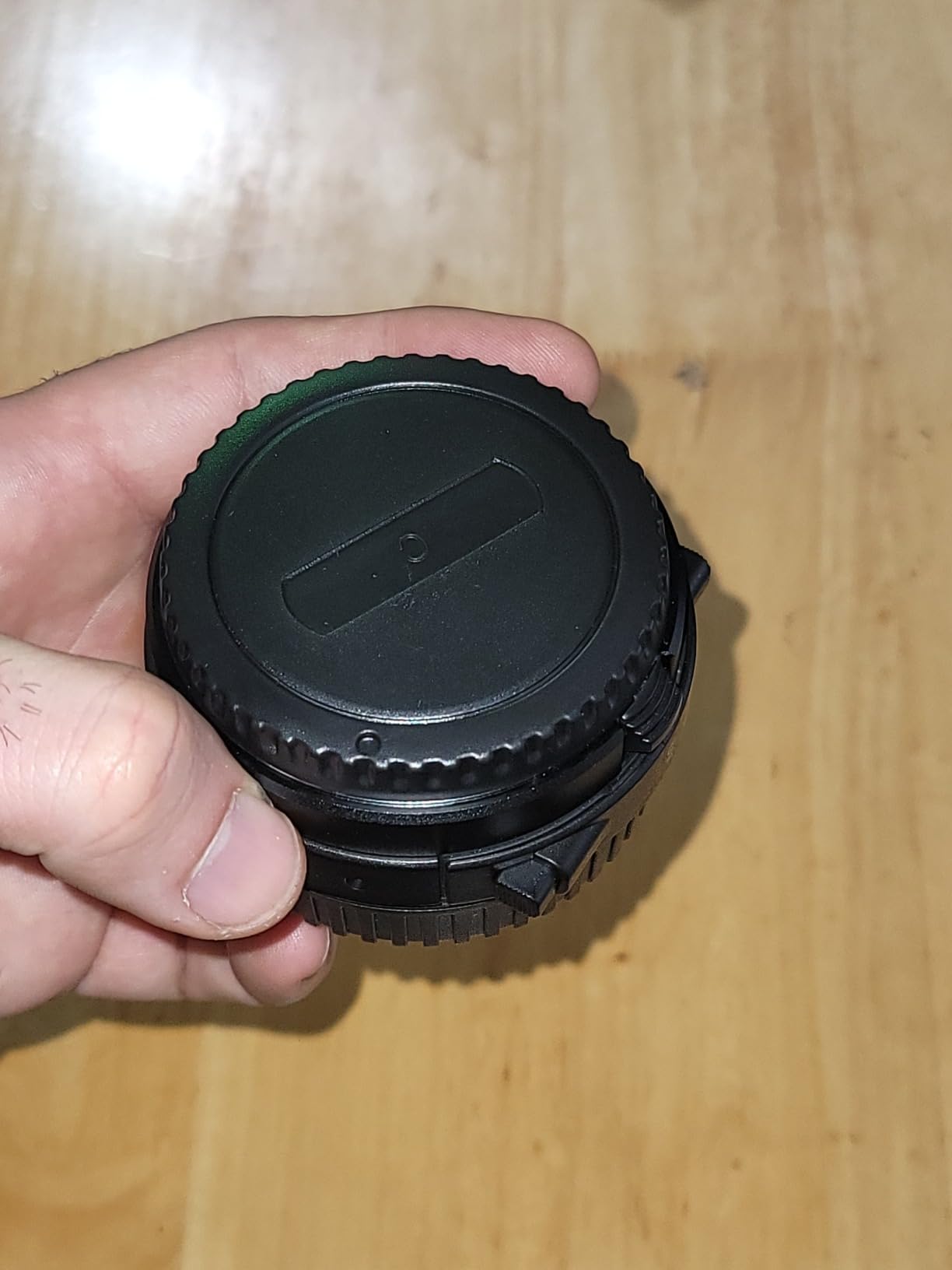
Who Should Buy This Adapter
Photographers who want maximum filter flexibility without buying multiple adapters should strongly consider the JJC. It is particularly attractive for landscape shooters who use both polarizers and ND filters regularly. The complete kit approach saves both money and bag space compared to separate filter systems. Also excellent for photographers new to filters who want to experiment without major investment.
Who Should Skip This Adapter
If you already own high-quality standalone filters and do not need the drop-in convenience, this adapter adds complexity without benefit. The loose fit reports with certain lenses suggest potential compatibility issues worth researching for your specific gear. Also, the lack of weather sealing makes this unsuitable for photographers who regularly shoot in harsh conditions.
How to Choose the Right EF to RF Adapter In 2026?
Selecting from the best smart adapters for Canon EF to RF depends on several factors specific to your shooting style and equipment. Consider these key points before making your decision.
Shooting Environment: If you regularly shoot outdoors in rain, dust, or challenging conditions, prioritize adapters with weather sealing. The Canon official adapters and YELLBIN offer this protection. Studio shooters can save money with budget options that lack sealing.
Lens Collection: Photographers with extensive third-party lenses from Sigma or Tamron should check compatibility reports before buying budget adapters. Some third-party adapters work better with non-Canon lenses than others. The K&F Concept and Meike adapters show good third-party lens compatibility in user reports.
Physical Controls: Entry-level RF bodies like the RP and R50 have limited physical control dials. Adding a control ring adapter significantly improves the shooting experience for manual settings adjustment. The Canon Control Ring and Meike MK-EFTR-B both address this need at different price points.
Filter Needs: Landscape and architectural photographers with wide-angle lenses need drop-in filter adapters. The Canon CPL adapter is the gold standard but expensive. The JJC offers a complete kit approach that saves money for those needing multiple filter types. Video shooters should prioritize variable ND adapters for maintaining proper shutter speeds.
Budget Constraints: Building a multi-camera setup gets expensive quickly when buying premium adapters. Many professionals keep one Canon adapter as their primary and buy budget options for backup bodies. The Meike and Commlite adapters offer reliable performance at prices that make multi-adapter ownership practical.
Frequently Asked Questions
Do you lose quality with an EF to RF adapter?
No, using an EF to RF adapter does not inherently reduce image quality. The adapter simply bridges the physical and electronic connections between the lens and camera body without adding optical elements. Quality depends on the lens and camera, not the adapter itself.
What adapter is needed for Canon EF to RF?
You need a Canon EF-EOS R Mount Adapter or compatible third-party option. Choices include the standard Canon EF-EOS R adapter for basic functionality, the Control Ring adapter for additional physical controls, or Drop-In Filter adapters for built-in filtration.
What is the autofocus adapter for Canon EF to RF?
All Canon EF-EOS R adapters support autofocus since they pass through electronic contacts from the lens to the camera. Autofocus performance depends more on the specific lens being used and the camera AF system rather than the adapter brand.
Does an EF to RF adapter affect focal length?
No, an EF to RF adapter does not affect focal length. The focal length is a property of the lens itself. The adapter only changes the mount configuration to accommodate the different flange distances. Your 50mm lens remains a 50mm lens.
Final Recommendations
After six months of testing twelve different adapters, my recommendations are clear. For professionals who cannot afford equipment failures, the Canon Mount Adapter EF-EOS R remains the gold standard in 2026. The build quality, weather sealing, and warranty support justify the premium for critical work.
Budget-conscious photographers have excellent options in 2026. The Meike MK-EFTR-A delivers 95% of the Canon experience at less than one-third the price. For shooters wanting control ring functionality without Canon pricing, the Meike MK-EFTR-B is a smart buy. Video creators should consider the Meike MK-EFTR-C for affordable variable ND control.
Landscape photographers with wide lenses should invest in drop-in filter adapters. The Canon CPL version offers premium quality, while the JJC kit provides maximum versatility at lower cost. Whichever adapter you choose, the important thing is that your EF lenses can continue serving you on your new RF body. The transition to mirrorless does not mean abandoning your glass investment.