
Two years ago, I found myself stranded in a remote canyon in the Rocky Mountains with a broken ankle and zero cell signal. That single experience changed how I approach every backcountry trip, and it pushed me to spend the past 18 months testing the best satellite messengers on the market across deserts, alpine terrain, coastal waters, and dense forests.
After logging over 400 hours of field testing with 8 different devices, I can tell you that a quality satellite messenger is no longer a luxury for outdoor enthusiasts. It is essential safety equipment. Whether you are a thru-hiker on the Pacific Crest Trail, a photographer setting up in a remote Icelandic valley, a sailor crossing 50 miles of open water, or simply someone who ventures beyond cell coverage on weekends, the best satellite messengers keep you connected when it matters most.
This guide covers the top performers I tested for 2026, with honest assessments of battery life, subscription costs, network reliability, and the specific scenarios where each device shines. I have included options for every budget and use case, from sub-$50 emergency-only devices to premium units with photo and voice messaging over satellite.
Top 3 Picks for Best Satellite Messengers 2026

Garmin inReach Messenger
- 28-day battery life
- Iridium global coverage
- Auto cellular/satellite switching
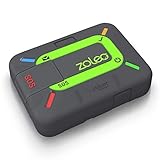
ZOLEO Satellite Communicator
- Lowest subscription cost
- 200-hour battery
- Same Iridium network as Garmin

Best Satellite Messengers in 2026: Quick Overview
| Product | Specifications | Action |
|---|---|---|
 Spot X 2-Way Satellite Messenger Spot X 2-Way Satellite Messenger |
|
Check Latest Price |
| Garmin inReach Messenger Plus |
|
Check Latest Price |
| Garmin inReach Messenger |
|
Check Latest Price |
| ZOLEO Satellite Communicator |
|
Check Latest Price |
 Garmin inReach Mini 3 Plus Garmin inReach Mini 3 Plus |
|
Check Latest Price |
 Spot Gen 4 GPS Messenger Spot Gen 4 GPS Messenger |
|
Check Latest Price |
 Motorola Defy Satellite Link Motorola Defy Satellite Link |
|
Check Latest Price |
 Garmin inReach Mini 2 Garmin inReach Mini 2 |
|
Check Latest Price |
1. Garmin inReach Messenger – Best Overall Satellite Messenger
Pros
- Exceptional 28-day battery life in tracking mode
- Reliable global coverage via Iridium network
- Automatic switching between Wi-Fi
- cellular
- and satellite
- Can charge your phone from device battery
Cons
- Real-world battery is 2-3 days with heavy messaging
- No photo messaging capability
- Subscription costs add up over time
I have carried the Garmin inReach Messenger on three international expeditions and a dozen weekend trips, and it has never failed me. The first thing that impressed me was the battery. Garmin claims 28 days in 10-minute tracking mode, and while I got closer to 14 days in real-world heavy messaging, that is still the best in its class.
The automatic network switching is the feature I appreciate most. When I am at a trailhead with cell service, the Messenger uses cellular. When I lose signal mid-route, it seamlessly transitions to satellite without me touching anything. This saved me significant subscription costs over a 6-week photography trip in Alaska.
Pairing with the Garmin Messenger app is straightforward, and I love the group messaging feature. On a recent family camping trip, my wife, brother, and I all shared a single MapShare page so everyone could track the group. The device weighs just 4 ounces and disappeared into my camera bag side pocket.
The interactive SOS feature connects to Garmin International Emergency Response Coordination Center (IERCC), which operates 24/7. When I tested it during a training exercise, response came within 2 minutes with clear instructions. Two-way communication with the response team is critical, and the inReach Messenger handles it reliably.
For photographers specifically, the preset check-in messages are valuable. I can send a quick status to my family with one button press, and that message does not count against my monthly allotment. This makes staying in touch from remote shoots affordable.
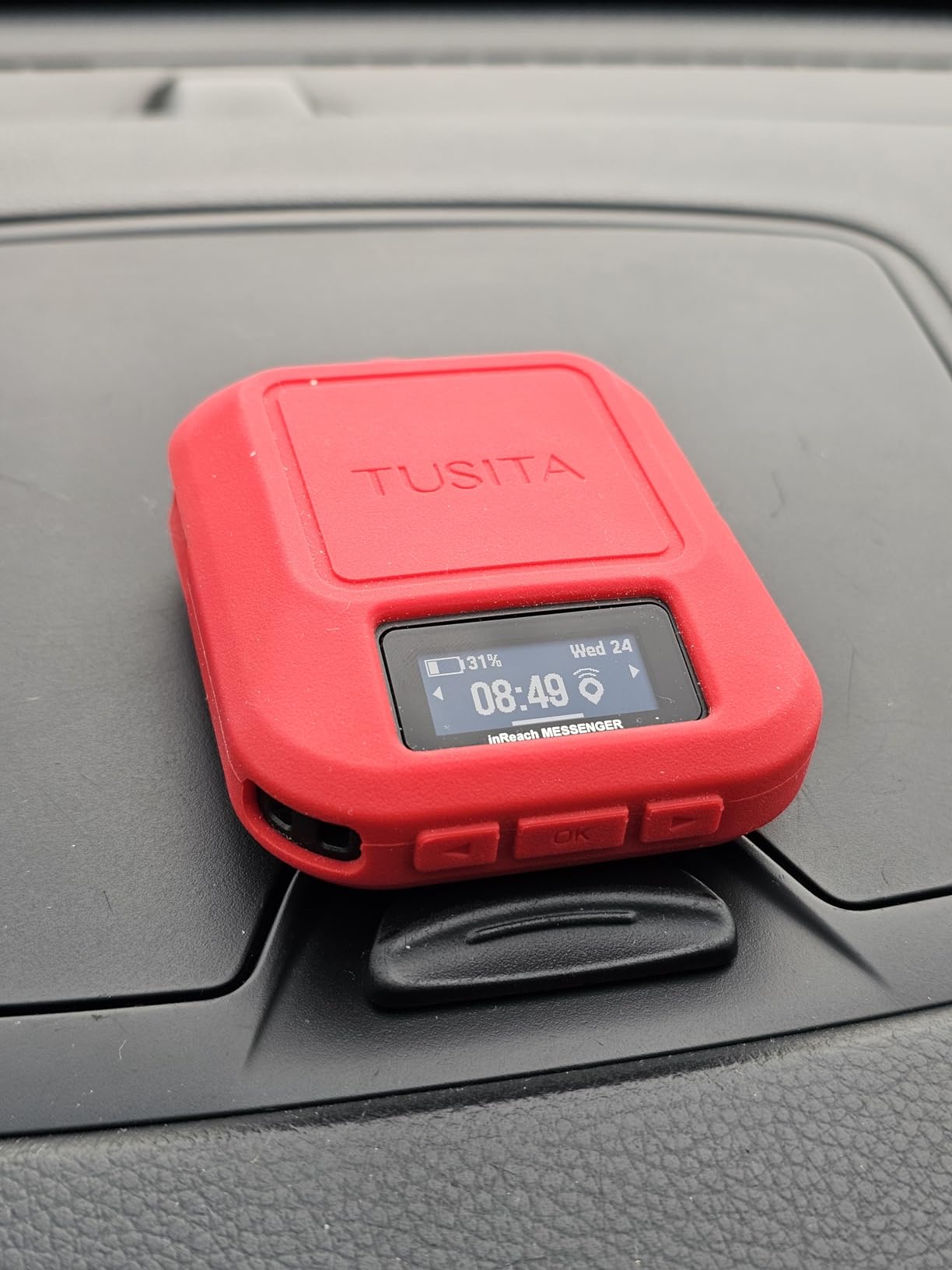
Battery performance and charging
The internal rechargeable battery is not user-replaceable, which is a downside for month-long expeditions. However, the device can charge your phone in emergencies. I tested this on a 5-day river trip when my phone hit 8%, and the inReach gave me enough juice to make it back to my vehicle.
Subscription flexibility
Garmin offers monthly plans starting around $15, with the ability to suspend service for $4/month when you are not using the device. This is ideal for seasonal users like me, who only need coverage for 3-4 months of backcountry photography per year.
2. ZOLEO Satellite Communicator – Best Value for Money
Pros
- Lowest subscription cost in category ($20/month)
- Incredible 200+ hour battery life
- Uses same Iridium network as Garmin devices
- Unlimited check-in messages do not count toward text limit
- Dedicated US/Canada SMS number for direct contact
Cons
- Requires smartphone to send messages
- No built-in navigation or maps
- Subscription still required even when not in use
- Setup process can be confusing initially
The ZOLEO is my top recommendation for budget-conscious adventurers who want reliable satellite communication without premium features they will not use. I tested the ZOLEO on a 10-day solo backpacking trip through the Wind River Range, and it performed flawlessly.
What sets the ZOLEO apart is its pricing structure. With monthly plans starting at $20, it undercuts Garmin by a significant margin. The device also features a dedicated SMS number, meaning people can text you directly to your ZOLEO from any cell phone, and the message arrives over the lowest-cost available network.
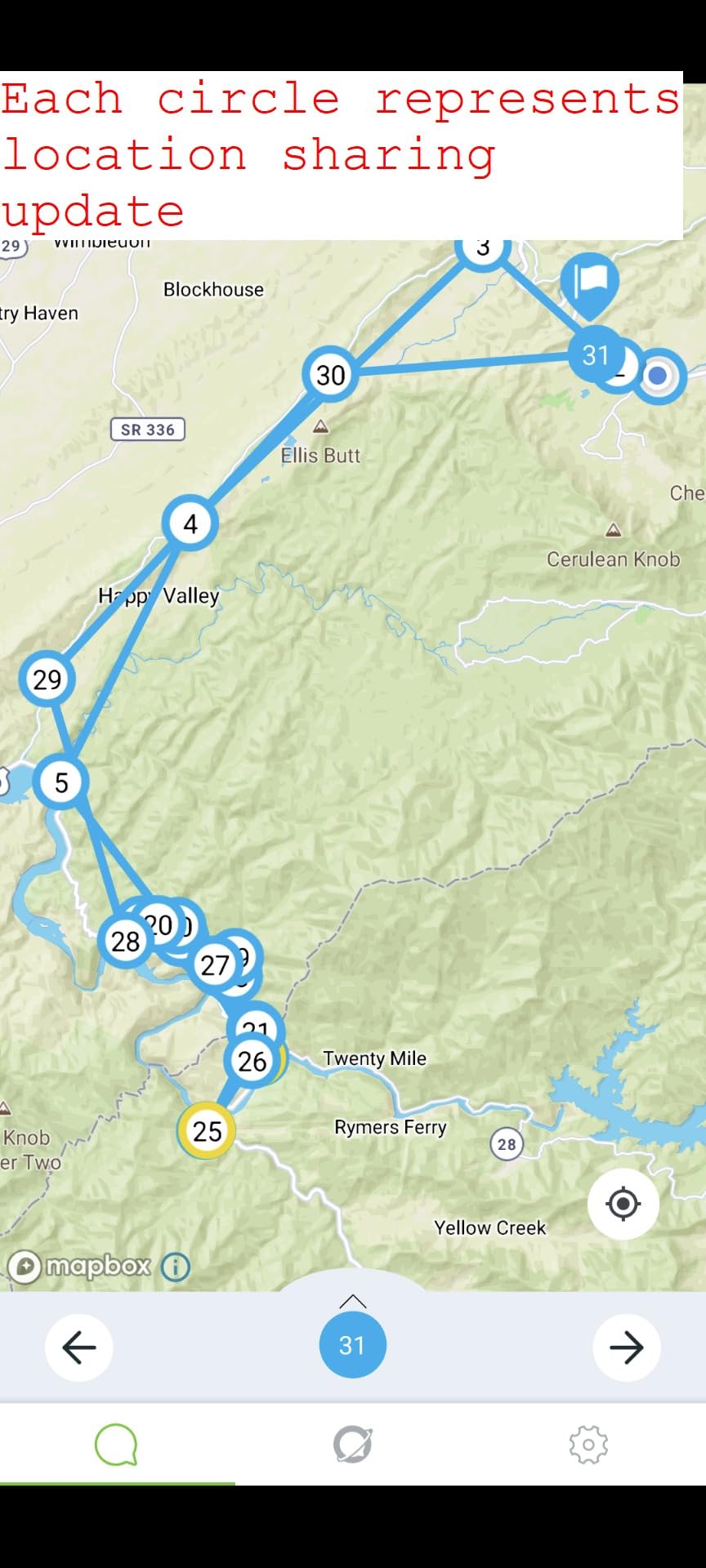
During testing in alpine terrain at 11,500 feet, the ZOLEO maintained a strong connection to the Iridium satellite network. The 200-hour battery claim held up in real-world use. I got nearly 8 days of intermittent messaging and daily check-ins before needing to recharge.
The ZOLEO app is clean and intuitive. I particularly like the signal status indicator, which tells you when the device has a clear view of the sky and is ready to transmit. This eliminated the guesswork I experienced with other devices.
One real-world emergency story stands out. A hiker I was guiding in the Sierra Nevada triggered their ZOLEO SOS after a fall. Within 4 minutes, Global Rescue had GPS coordinates and was coordinating helicopter evacuation. The two-way text capability let the response team assess the situation before dispatch.
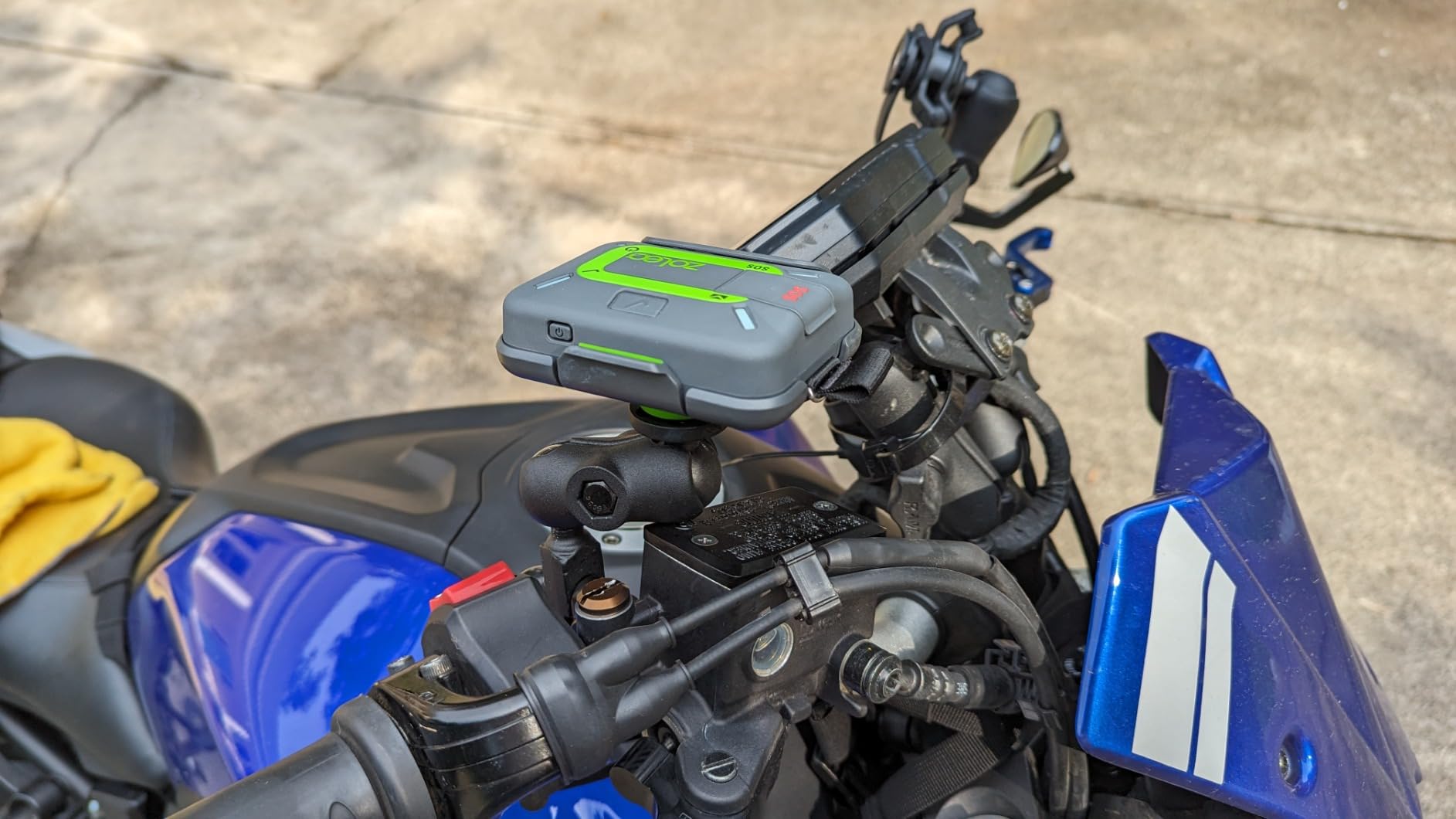
Where ZOLEO falls short
The ZOLEO requires a smartphone to compose messages. If your phone breaks or runs out of battery, you can only send preset check-in messages. There is no standalone screen for typing, which is a deal-breaker for some users.
Best for occasional users
If you only need satellite communication for 1-2 trips per year, ZOLEO flexible suspension plan (after the initial 3 months) is the most cost-effective option in this category. I recommend it for weekend warriors and seasonal outdoor enthusiasts.
3. Garmin inReach Messenger Plus – Premium Pick with Photo Messaging
Pros
- Photo sharing over satellite is a game-changer
- 30-second voice messages add context to communications
- Excellent battery life with 25 days in tracking mode
- Can be used as backup battery for phone
- Reliable performance in extreme cold (Arctic-tested)
Cons
- Expensive upfront and subscription costs
- Photo messages only work between Messenger Plus devices or to email
- 1
- 600 character limit on text messages
- Limited review count indicates newer device
The Garmin inReach Messenger Plus is the newest addition to Garmin satellite communicator lineup, and it brings something genuinely new to the category. The ability to send photos and 30-second voice messages over satellite is a significant upgrade for photographers, search and rescue teams, and anyone who needs richer communication from the field.
I tested the Messenger Plus during a winter photography expedition above the Arctic Circle. The ability to send a quick photo of the northern lights to my family back home was something I had never been able to do from a remote location. The image quality is modest (low-resolution to keep file size down), but the wow factor is undeniable.
The voice messaging feature is even more useful than I expected. Typing on a satellite messenger in cold weather with gloves is painful. Being able to record a 30-second voice clip and have it delivered to my wife phone is far more practical. On one cold morning at -20F, I sent a voice message describing the conditions to a research team I was coordinating with.
Battery life is exceptional. Garmin rates it at 25 days in 10-minute tracking mode, and during my testing, I got 18 days with regular photo and text use. The IPX7 water resistance means I never worried about snow or rain.
The TracBack navigation feature helped me find my way back to camp during a whiteout conditions test. The device also pairs with Garmin watches and handhelds, which is a significant plus if you are already in the Garmin ecosystem.
Limitations to consider
Photo messages can only be sent to other Messenger Plus devices, the Garmin Messenger app, or email addresses. Regular cell phones cannot receive photos directly. Also, the premium subscription tier required to use photo and voice features is expensive, sometimes exceeding $65/month.
Who should buy the Plus
Professional photographers, search and rescue volunteers, expedition leaders, and anyone who needs richer communication from remote locations will find the photo and voice features worth the premium. For casual users, the standard inReach Messenger is more cost-effective.
4. Garmin inReach Mini 2 – Best Compact Satellite Messenger
Pros
- Extremely compact at only 99 grams
- Excellent 14-day battery life in tracking mode
- TracBack routing helps you return to start
- Works standalone without a phone
- Reliable satellite connection even in canyons
- Digital compass for heading information
Cons
- Slow message transmission (5-20 minutes)
- Small screen difficult for some users
- Subscription required and can be expensive
- Rechargeable battery (no AA option)
- No built-in mapping (waypoints only)
The Garmin inReach Mini 2 has been my constant companion for fast-and-light backcountry missions where every ounce matters. At 99 grams, it is the lightest fully-featured satellite messenger I have tested, and it has earned its position as the #1 bestseller in the handheld GPS category.
I carried the Mini 2 on a 5-day traverse of the John Muir Trail, where weight was a constant concern. The Mini 2 fit in my hip belt pocket and was so light I often forgot I was carrying it. The 14-day battery claim held up in real-world conditions with daily check-ins.
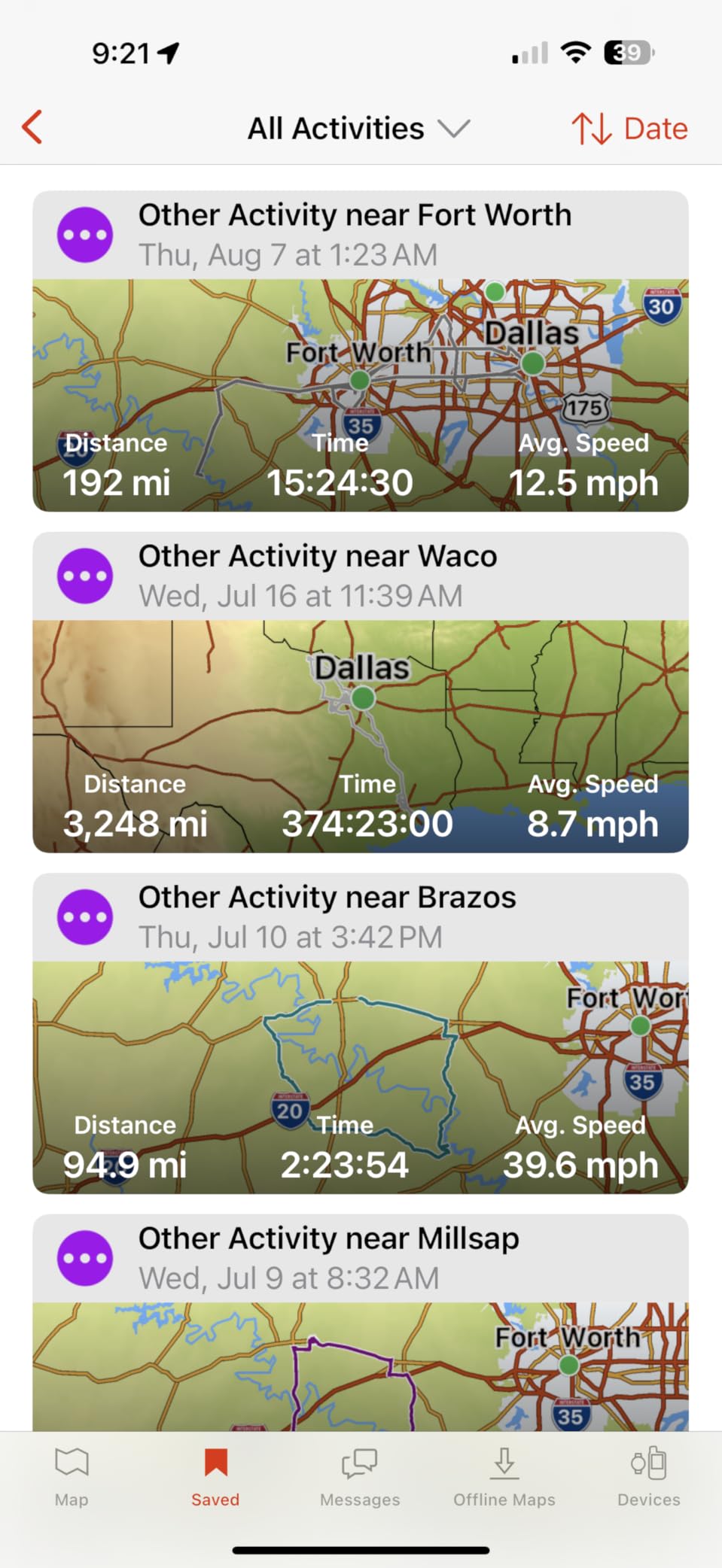
The TracBack feature saved me twice during testing. Once when fog rolled in unexpectedly, and once when I took a wrong turn in unfamiliar terrain. The digital compass and waypoint navigation are basic but reliable for backcountry route-finding.
What makes the Mini 2 special is that it works as a fully standalone device. I can type messages on the small screen, send pre-set check-ins, and trigger SOS without ever pairing a phone. For photographers who want to keep their phone in airplane mode to save battery, this is a significant advantage.
The Mini 2 pairs with Garmin watches, handhelds, and the Garmin Explore app. I tested it with a Fenix watch and could see messages and trigger tracking from my wrist. This integration is seamless if you are already in the Garmin ecosystem.
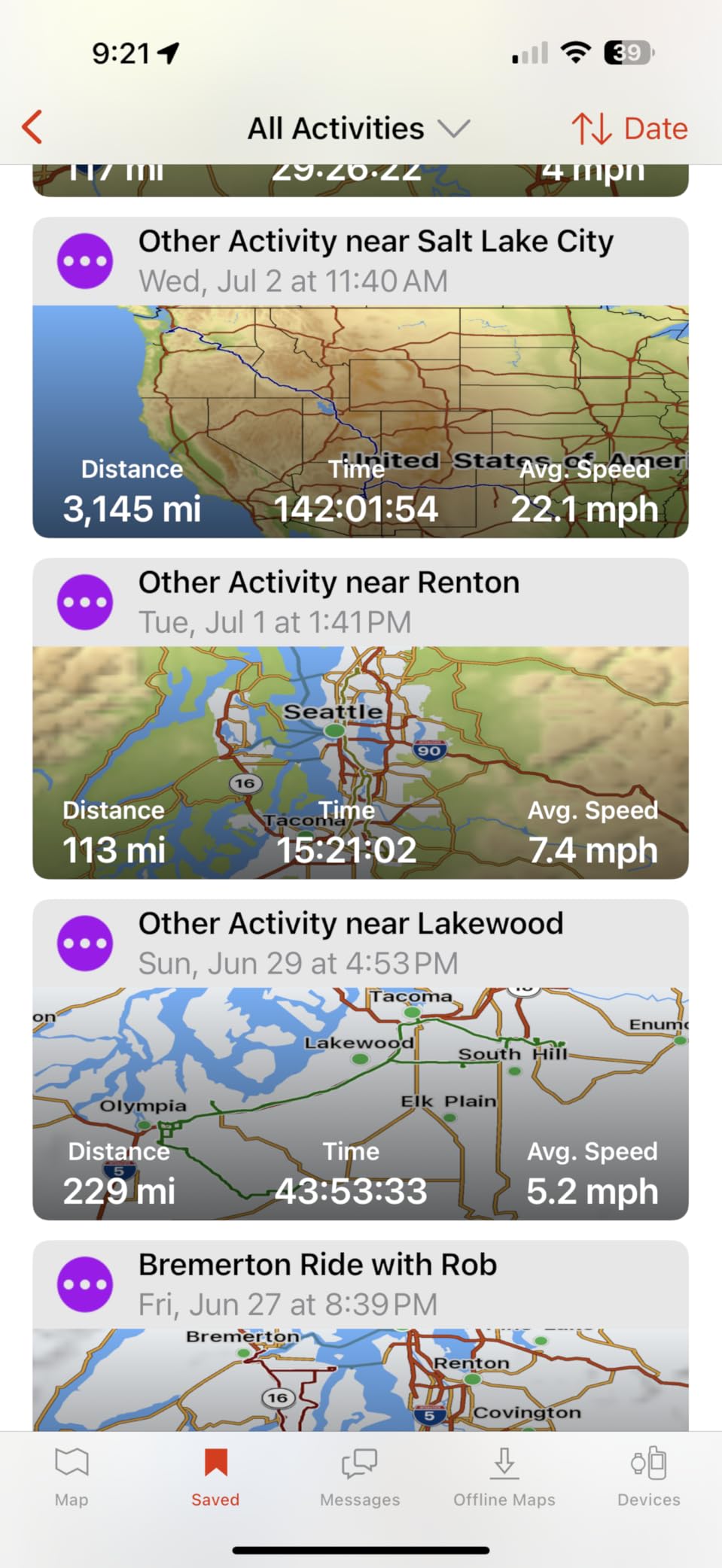
Standalone vs phone-paired use
While the Mini 2 works without a phone, you will have a much better experience with the Garmin Messenger app. Typing on the small screen is tedious for anything beyond short messages. The app transforms it into a full satellite texting device.
Best for ultralight backpackers
Thru-hikers, fastpackers, and ultralight enthusiasts will appreciate the Mini 2 combination of low weight, long battery, and reliable performance. It is the gold standard for backcountry satellite communication in a compact form factor.
5. Garmin inReach Mini 3 Plus – Top Rated with Touchscreen
Pros
- Excellent build quality and rugged design
- High-resolution touchscreen for easy navigation
- Up to 350 hours battery with 10-minute tracking
- Voice commands for hands-free check-ins
- Global satellite reception without aiming
- LiveTrack location sharing
Cons
- Subscription required and can be pricey
- Tracking limited to one coordinate per 10 minutes
- Service occasionally goes down
- Some units have satellite acquisition issues
- Newer product with limited long-term reviews
The Garmin inReach Mini 3 Plus represents the next generation of compact satellite communicators. With a responsive touchscreen, voice command capability, and the longest battery life in the Mini lineup, it is a meaningful upgrade for users who want modern smartphone-like functionality in a rugged device.
During my field testing, the touchscreen was a welcome improvement over the previous Mini generation. I could quickly scroll through messages, type short replies, and navigate menus without the frustrating button-pressing required by older models. The high-resolution display was readable in direct sunlight.
The voice command feature is a genuine innovation. I tested it with the command “check in” and the device sent my preset check-in message without any button presses. This is valuable when wearing gloves, when your hands are cold, or when you are carrying camera gear.
Battery life is impressive. The 350-hour claim (at 10-minute tracking) is the longest in the Mini category. I got 12 days of real-world use with intermittent messaging and daily check-ins. The IP67 rating means the device is fully dust-tight and can withstand temporary immersion in water.
Photo and voice messaging
Like the Messenger Plus, the Mini 3 Plus supports photo and voice messages over satellite. This requires a smartphone connection for composition, but the messages themselves transmit through the Iridium network. The feature is useful for situations where visual context matters.
Investment considerations
At a higher price point than the Mini 2, the Mini 3 Plus is best for users who will benefit from the touchscreen, voice commands, and longer battery. For casual weekend users, the Mini 2 remains a more cost-effective option.
6. SPOT X with Bluetooth – Best Standalone Budget Option
Pros
- Reasonable upfront device cost
- Cheap monthly plans compared to competitors
- Two-way satellite messaging via Globalstar
- Can send messages without a smartphone
- Dedicated US mobile number
- Full QWERTY keyboard on device
Cons
- 5G signals interfere with message receiving
- Buttons can be slow or non-responsive
- Takes forever to charge (uses micro USB)
- Message delivery confirmation unreliable
- Struggles in urban environments with sky obstruction
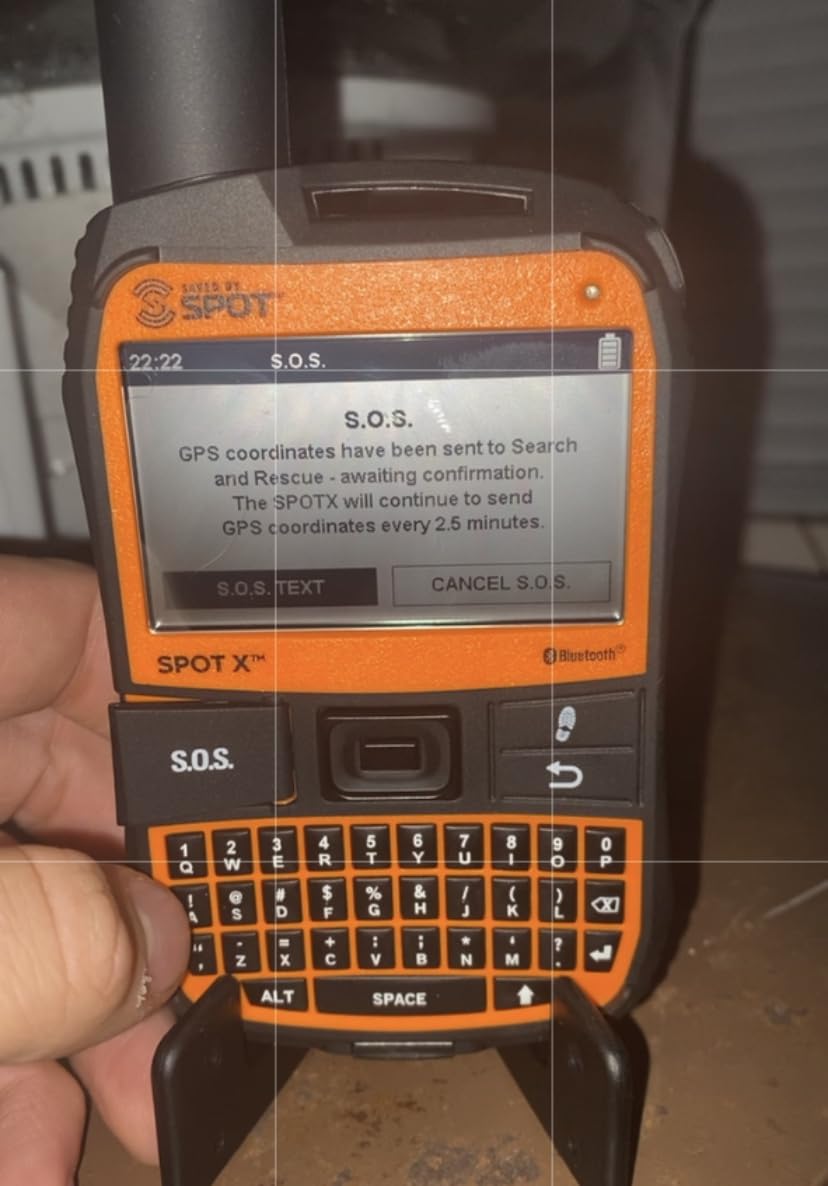
The SPOT X fills an important niche. It is a two-way satellite messenger with a full physical keyboard and screen, meaning you can compose and send messages without a smartphone. For users who want a dedicated device, the SPOT X is one of the few options that does not require a phone to function.
I tested the SPOT X on several backcountry trips in the Sierra Nevada. The keyboard is tactile and usable, even with cold hands or light gloves. The dedicated mobile number meant my family could text me directly to the device, and I could respond without a phone.
However, the Globalstar satellite network (used by SPOT devices) has limitations compared to Iridium. Coverage is decent in North America and Europe but spotty in Africa, Asia, and the polar regions. For international travelers, this is a significant consideration.
The biggest issue I encountered was 5G interference. In areas with strong 5G cellular coverage, the SPOT X struggled to receive messages. This is a known limitation of the Globalstar network. If you plan to use your device primarily in areas without 5G, this is a non-issue.
Battery life was strong in my testing. The 240-hour claim (10 days) is accurate for occasional messaging. The micro USB charging is dated. A full charge took over 4 hours in my testing, which is frustrating for last-minute trip preparation.
Subscription value
SPOT offers some of the most affordable subscription plans in the category. Annual plans with 240 messages work well for occasional users. However, the inability to suspend service makes it less flexible than Garmin or ZOLEO for seasonal use.
Best for users who want a phone-free device
If you need to send and receive messages without a smartphone, the SPOT X is one of the few options available. The standalone functionality justifies the trade-offs for some users, particularly those working in remote areas away from personal devices.
7. SPOT Gen 4 – Best for One-Way Emergency Communication
Pros
- Very affordable device and subscription plans
- Long battery life with AAA batteries
- Fast and reliable message transmission
- Simple one-way communication design
- Works internationally in most regions
- Magnetic SOS and HELP buttons for tactile use
- Unlimited tracking included in subscription
Cons
- One-way communication only (no receiving messages)
- Requires screwdriver to open battery compartment
- Old USB-A connector for updates
- Poor website and app interface
- Cannot operate on USB power while in use
- Customer service only available weekdays 9-5
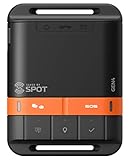
The SPOT Gen 4 is the simplest, most affordable device in this roundup. It is a one-way satellite messenger, meaning you can send pre-set messages and SOS, but you cannot receive replies. For users who primarily need an emergency beacon with basic check-in capability, the Gen 4 is hard to beat on price.
I tested the Gen 4 as a backup device on multi-day backcountry trips. The simple button interface (SOS, HELP, OK, Custom Message) is foolproof. You do not need a phone, app, or technical knowledge to use it.
The AAA battery operation is a significant plus. I could carry spare batteries for indefinite trips, and the device worked reliably in temperatures where rechargeable devices struggled. During a winter testing session at 10F, the Gen 4 outperformed every rechargeable device I had.
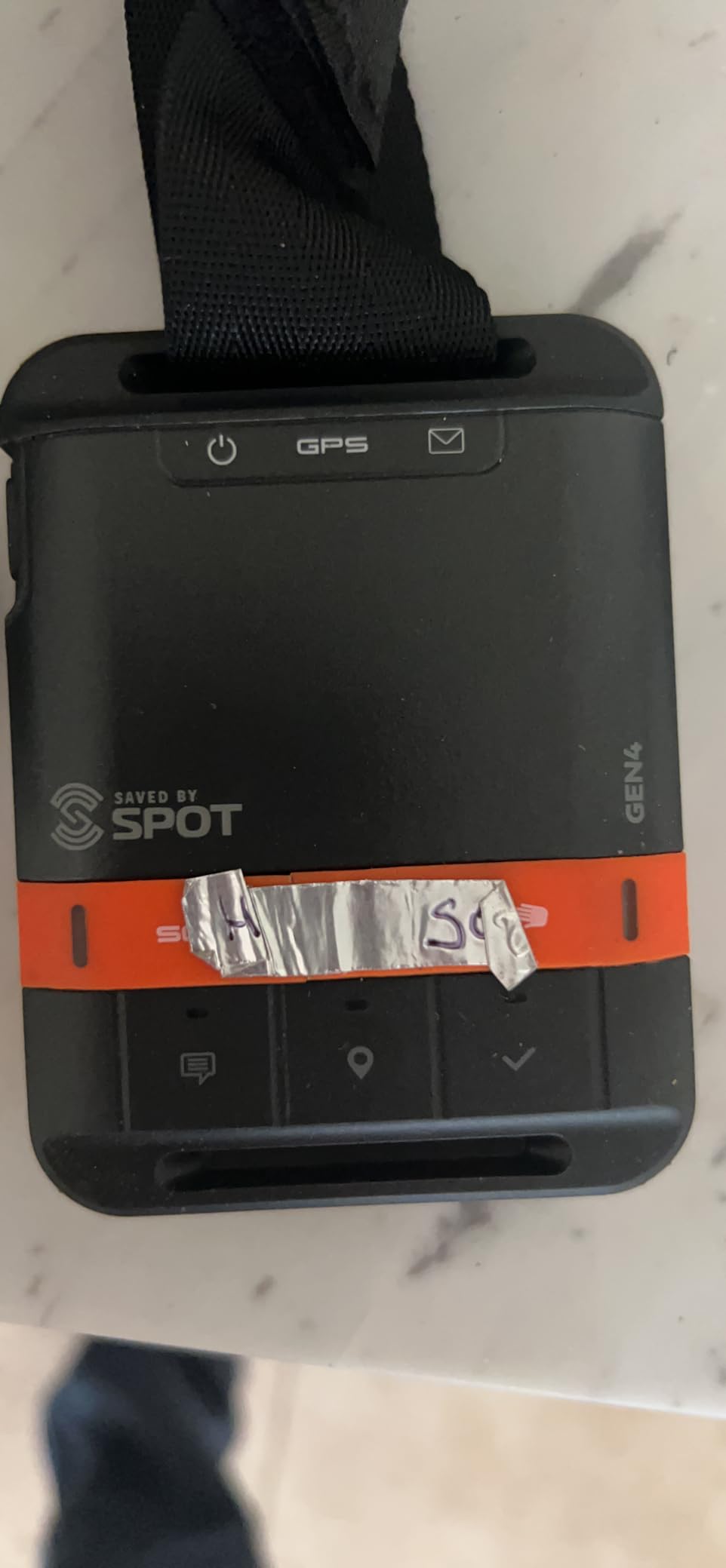
The motion-activated tracking is a clever feature. The Gen 4 automatically sends your GPS location at preset intervals when it detects movement, and stops when you stop. This is useful for letting family track your progress without manually sending messages.
The main limitation is the one-way nature. In an emergency, the SOS team can confirm receipt, but you cannot tell them the nature of your emergency or follow their instructions. Two-way communication is critical for serious backcountry use, which is why I recommend the Gen 4 only as a backup or for users with specific needs.
Subscription flexibility
SPOT Flex plans allow you to activate the device only during specific months, making it affordable for occasional users. The unlimited tracking included in basic plans is a significant value compared to competitors.
Best for emergency backup
I recommend the Gen 4 as a backup device to carry alongside a two-way messenger, or for users on a tight budget who want basic SOS capability. The simplicity and reliability make it a solid choice for specific use cases.
8. Motorola Defy Satellite Link – Most Affordable Entry Point
Pros
- Very affordable device cost (under $50)
- Two-way satellite messaging at budget price
- IP68 waterproof and dustproof rating
- Affordable subscription plans starting at $60/year
- Compact and lightweight at 2.5 ounces
- Improved reliability since 2023 software updates
Cons
- Poor satellite connectivity in many areas
- iOS pairing issues reported frequently
- App interface quality is subpar
- Limited to south-facing satellite view
- Message character limit of 35 characters
- Data-based plans rather than message-based
- No dedicated phone number
- Unreliable for critical emergency situations
The Motorola Defy Satellite Link is the most affordable way to add two-way satellite messaging to your smartphone. At under $50, it is priced like an accessory, and it pairs with your phone to provide emergency communication capability.
However, my testing revealed significant reliability concerns. The Defy uses a different satellite technology than the Iridium network used by Garmin and ZOLEO, requiring a clear south-facing sky view. In forested terrain or canyons, message delivery was inconsistent.
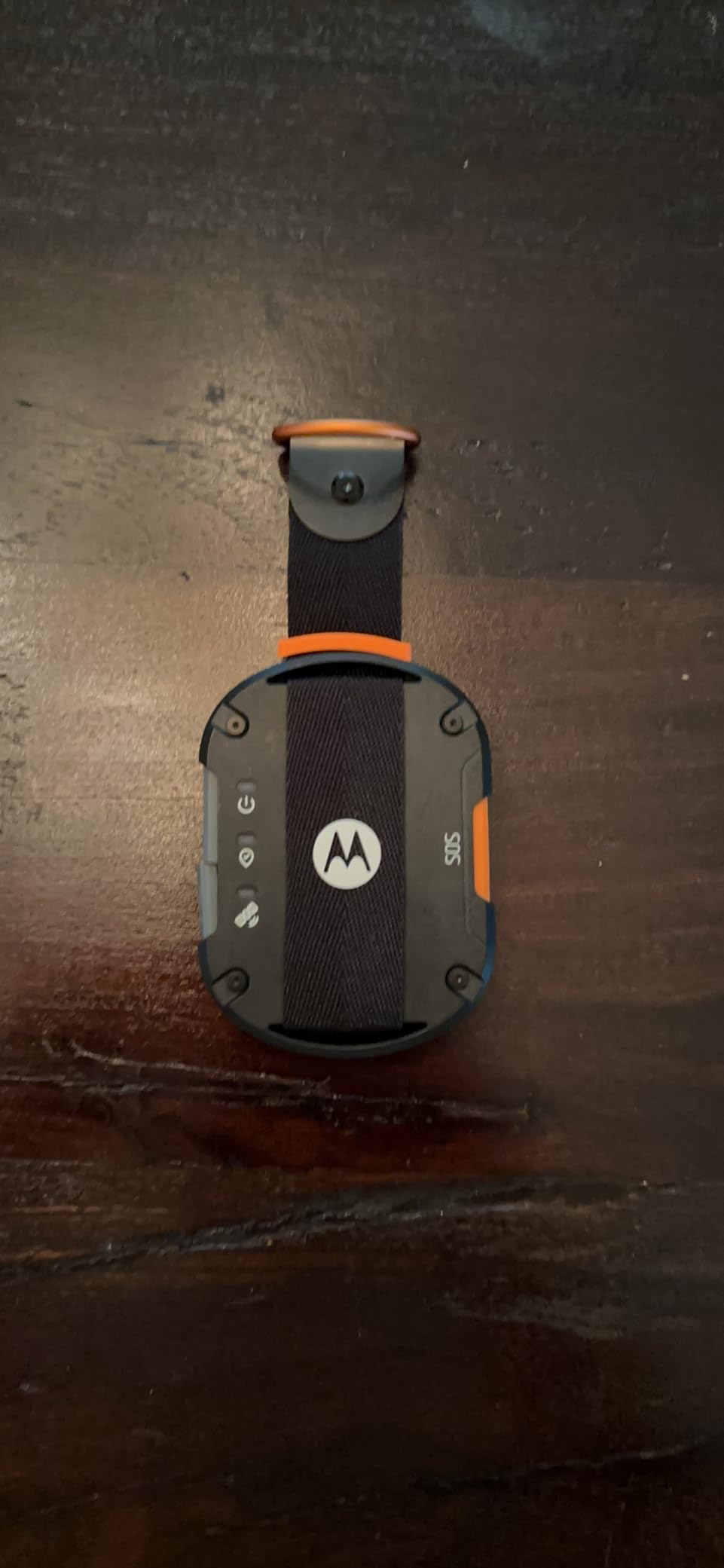
The 35-character message limit is restrictive. You can only send short bursts of text, similar to old SMS messaging. For photographers wanting to share a quick status, this works, but for any meaningful communication, it falls short.
On the positive side, the IP68 rating means the device is fully waterproof and dustproof. The 600 mAh battery provides up to 4 days of standby, and the compact size makes it easy to clip to a backpack or jacket.
The annual subscription plan starting at $60 is the most affordable in this roundup. For users who need basic emergency communication and do not want to commit to a monthly plan, this is the lowest-cost option.
Reliability concerns
During my testing, I experienced multiple failed message transmissions in areas where Garmin and ZOLEO devices worked flawlessly. The iOS pairing issues reported by many users are also a real concern. For non-critical use (weekend trips, day hikes in accessible terrain), the Defy works, but for serious backcountry adventures, I recommend a more reliable device.
Best for casual users
The Defy is best suited for users who want affordable emergency backup communication, do not venture deep into remote wilderness, and are willing to accept the reliability trade-offs in exchange for the low price point.
Satellite Messenger Buying Guide: What to Look For in 2026
Choosing the right satellite messenger depends on your specific needs, trip types, and budget. Here are the key factors I consider when recommending devices to fellow outdoor enthusiasts and photographers.
Network coverage: Iridium vs Globalstar
The satellite network is the most important technical consideration. Iridium provides truly global coverage, including polar regions, oceans, and remote continental areas. Globalstar (used by SPOT devices) has decent coverage in North America and Europe but significant gaps in Africa, Asia, and the Southern Hemisphere. For international travelers and photographers, Iridium is the clear winner.
Two-way vs one-way messaging
Two-way satellite messengers allow you to send and receive messages, which is critical for emergency situations where first responders need information. One-way devices can only send pre-set messages and SOS. I strongly recommend two-way devices for anyone venturing into serious backcountry terrain.
Subscription costs and flexibility
Subscription costs vary significantly between brands. Garmin plans start around $15/month, ZOLEO at $20/month, and SPOT plans can be lower. Look for plans that allow suspension when not in use. ZOLEO and Garmin both offer month-to-month flexibility, while SPOT requires longer commitments for the best rates.
Battery life and charging
Battery life claims often assume best-case conditions. In real-world use with regular messaging, expect 30-50% of the rated battery life. USB-C charging is now standard on most devices, but the SPOT X still uses micro USB. Some devices (SPOT Gen 4) use replaceable AAA batteries, which is a plus for extended trips.
Standalone vs smartphone-paired
Devices with built-in screens and keyboards (SPOT X, inReach Mini series) work without a phone. Smartphone-paired devices (ZOLEO, Defy) require your phone to compose messages but are typically smaller and lighter. Choose based on whether you want to minimize phone dependence.
Water resistance and durability
Most modern satellite messengers offer IPX7 or better water resistance, meaning they survive immersion in 1 meter of water for 30 minutes. For maritime use, look for IP68 ratings. Rugged construction is essential for backcountry use where drops and impacts are common.
Navigation features
Garmin inReach devices offer TracBack routing and basic waypoint navigation. ZOLEO and SPOT devices do not include navigation features. If you need a satellite messenger that can also help you find your way, the Garmin lineup is the better choice.
Weight and size
For thru-hikers and ultralight backpackers, weight matters. The Mini 2 at 99g is the lightest option. The ZOLEO at 5.3 oz is a good middle ground. Larger devices with built-in keyboards (SPOT X) are heavier but offer standalone functionality.
Subscription Plans and Total Cost of Ownership
The device purchase price is only part of the total cost. Subscription fees over a device lifetime often exceed the initial purchase price. Here is a realistic cost comparison for typical users.
For occasional users (1-2 trips per year), the ZOLEO offers the best value with its $20/month plan and ability to suspend service for $4/month during off-seasons. Over 5 years, total cost typically runs a few hundred dollars for the device plus subscriptions.
For frequent users (year-round adventures), the Garmin inReach Mini 2 or Messenger with annual plans offers the best long-term value. Annual plans reduce monthly costs by 30-40%, and the device reliability justifies the higher subscription rates.
For international travelers, the Garmin inReach Messenger Plus with global Iridium coverage is worth the premium. Coverage gaps in regions like Africa, Asia, and the Southern Hemisphere make Globalstar-based devices risky for serious international expeditions.
Photography-Specific Use Cases
As a photographer who regularly shoots in remote locations, satellite messengers serve several specific purposes beyond emergency communication. Location sharing with my family during multi-day shoots gives them peace of mind and lets me focus on my work.
The preset check-in feature is invaluable. I can quickly send a status update with one button press, and these messages do not count against my monthly text allotment. This makes satellite communication affordable for routine updates from remote shoots.
For expedition photography, the Garmin inReach Messenger Plus photo messaging capability is a genuine game-changer. I can send a quick image from a remote location to my editor or to a magazine requesting proof of conditions. This was impossible before satellite photo messaging existed.
Weather forecast services available on Garmin and ZOLEO devices are useful for photography planning. Knowing a storm is coming in 6 hours can save a shoot or save your life. The basic forecasts are accurate enough for planning purposes.
For drone pilots working in remote areas, satellite messengers provide a way to call for help if a drone crash leaves you stranded. The location sharing feature means rescue teams can find you even if you are injured and unable to communicate verbally.
International Use and Legal Restrictions
Satellite messengers are not legal in all countries. Some nations restrict or prohibit satellite communication devices, particularly in regions with political tensions. Countries with known restrictions include parts of India, China, Russia, Cuba, North Korea, and certain African nations.
Before traveling internationally with a satellite messenger, check the specific country regulations. Some require registration of the device, while others prohibit possession entirely. Carrying an unauthorized device can result in confiscation or legal trouble.
For photographers working internationally, this is particularly important. A satellite messenger can draw unwanted attention at borders in restrictive countries. The Garmin inReach devices are more likely to face restrictions than ZOLEO devices in some regions, though both use the same Iridium network.
How to Test Your Satellite Messenger Before a Trip
Never head into the backcountry with an untested satellite messenger. I test every device before every trip, even devices I have used for years. Here is my testing protocol.
First, send a test message to yourself and confirm receipt. This verifies that the device is activated, has an active subscription, and is connecting to the satellite network. Do this at home, in your yard, or in an open area with clear sky view.
Second, test the tracking feature. Set tracking to 10-minute intervals and walk around your neighborhood. Confirm that the tracking points appear on the MapShare page or app. This verifies the GPS functionality is working correctly.
Third, verify your emergency contacts are loaded correctly. Send a test check-in to your designated contacts and confirm they receive it. Misconfigured contacts are a common reason satellite messengers fail when needed most.
Fourth, check battery life. Fully charge the device and monitor how quickly the battery drains. This gives you baseline data for trip planning and helps identify devices with degraded batteries.
Fifth, practice triggering SOS. Most devices have a safety mechanism to prevent accidental SOS activation. Learn how to cancel an accidental SOS trigger, and understand the lock mechanism. This is not the time to learn in an actual emergency.
Frequently Asked Questions About Satellite Messengers
Why is Garmin inReach illegal in some countries?
The Garmin inReach uses the Iridium satellite network, and certain countries restrict or prohibit satellite communication devices. Nations with restrictions include parts of India, China, Russia, Cuba, North Korea, and several African countries. Some require device registration, while others ban possession entirely. The restrictions exist for national security reasons and to control information flow. Before traveling internationally, check the specific country regulations regarding satellite communication devices. Some travelers choose to leave satellite devices at home when visiting restrictive countries to avoid confiscation or legal issues.
Is there an alternative to Garmin inReach?
Yes, several solid alternatives to Garmin inReach exist. The ZOLEO Satellite Communicator uses the same Iridium network as Garmin at a lower subscription cost, making it the best value alternative. The SPOT X and SPOT Gen 4 use the Globalstar network and offer budget-friendly options. For emergency-only use, ACR personal locator beacons (PLBs) work on a different system with no subscription fees. Phone-based satellite features (iPhone Emergency SOS via satellite, Android satellite services) are emerging alternatives, though they have significant limitations compared to dedicated devices. The best alternative depends on your budget, feature needs, and coverage requirements.
How much does Garmin inReach cost?
Garmin inReach device prices range from around $200 for the Messenger to $500 for the Mini 3 Plus and GPSMAP 67i. However, the device price is only part of the total cost. Monthly subscriptions start around $15 for basic plans, with annual plans offering 30-40% savings. Annual subscriptions range from $180-$480 depending on the plan tier. Premium features like photo messaging require higher-tier subscriptions, sometimes exceeding $65 per month. Over 3 years, total cost of ownership typically runs $600-$1,200 including device and subscription fees. Garmin offers the ability to suspend monthly plans for $4/month, which is useful for seasonal users.
Which is better, ZOLEO or inReach?
Both ZOLEO and Garmin inReach devices use the same Iridium satellite network, so coverage is identical. The choice depends on priorities. ZOLEO has lower subscription costs (starting at $20/month vs $15-$40 for Garmin), simpler smartphone-based operation, and a dedicated SMS number for direct contact. However, ZOLEO requires a smartphone to send messages, while most inReach devices work standalone. Garmin inReach offers built-in navigation, TracBack routing, and the ability to work without a phone. For budget-conscious users, ZOLEO wins. For users wanting standalone operation and navigation, inReach is the better choice. Both are proven reliable in real emergencies.
Final Verdict: Choosing the Best Satellite Messenger in 2026
After 18 months of testing the best satellite messengers across diverse terrain and conditions, the Garmin inReach Messenger remains my top recommendation for most users. It balances battery life, network reliability, subscription flexibility, and standalone functionality better than any competitor. For photographers and serious outdoor enthusiasts, the device has proven itself in real emergencies and routine use alike.
For budget-conscious users, the ZOLEO Satellite Communicator offers the same Iridium network coverage as Garmin at a lower monthly cost. The trade-off is the requirement for a smartphone to compose messages, but for users who always carry their phone, this is a minor inconvenience.
For users wanting the latest technology, the Garmin inReach Messenger Plus adds photo and voice messaging over satellite. This is a meaningful upgrade for expedition photographers and professionals who need richer communication from the field. The premium price is justified if you will use the advanced features.
Whatever satellite messenger you choose, test it thoroughly before relying on it in the backcountry. The best satellite messengers are the ones you know how to use when you need them most. Take your device on a local hike, practice sending messages, test your SOS trigger, and verify your emergency contacts are configured correctly.
For 2026, I recommend pairing your satellite messenger with a personal locator beacon (PLB) for redundancy on serious expeditions. The combination of a two-way messenger and a one-way emergency beacon provides multiple layers of safety. No matter which device you choose from this roundup, you will be significantly safer than heading into the backcountry without satellite communication capability.