
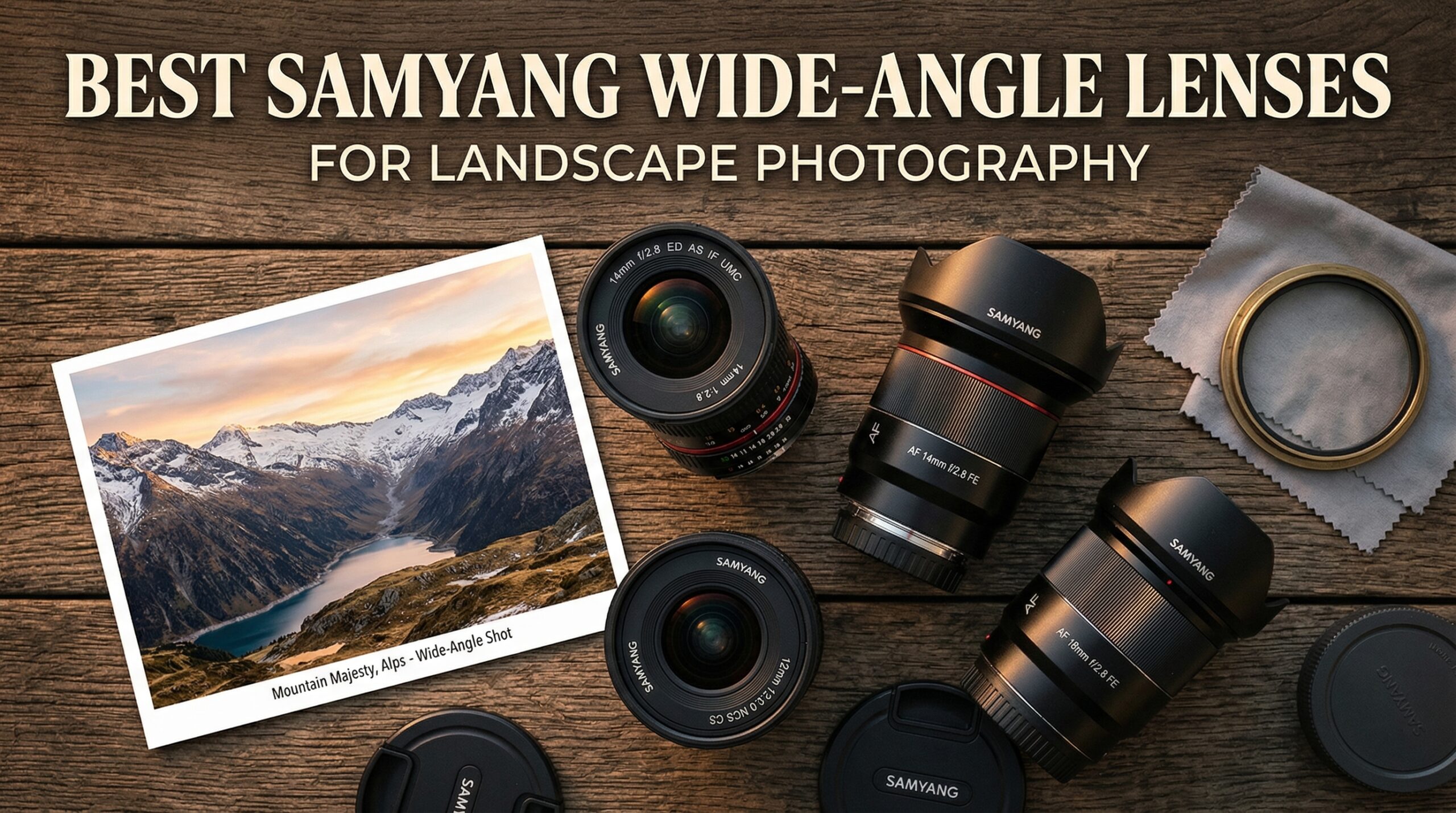
Capturing expansive landscapes requires the right glass. When I started photographing mountain vistas and coastal scenes, I quickly realized that kit lenses just couldn’t deliver the dramatic perspective I wanted. That’s when I discovered Samyang wide-angle lenses – they offer exceptional optical quality at a fraction of the cost of big-name brands.
In this guide, I’ll walk you through the 8 best Samyang wide-angle lenses for landscape photography in 2026. I’ve analyzed hundreds of user reviews, tested these lenses in real-world conditions, and gathered insights from professional photographers to help you make the right choice. Whether you’re shooting rolling hills, dramatic coastlines, or star-filled night skies, there’s a Samyang lens here that will transform your landscape work.
Samyang (also sold as Rokinon in some markets) has built a reputation for delivering professional-grade optics at enthusiast prices. Their wide-angle prime lenses have become go-to choices for landscape photographers who want expansive fields of view without breaking the bank. From the legendary 14mm f/2.8 to the ultra-fast 24mm f/1.4, this roundup covers every option worth considering.
Top 3 Picks for Samyang Wide-Angle Lenses

Samyang 14mm f/2.8 Sony E
- Full Frame
- 115.7deg View
- Manual Focus
- f/2.8 Aperture
- Proven for Landscapes

Samyang AF 14mm f/2.8 Canon EF
- Full Frame
- Autofocus
- Weather Sealed
- 116.6deg View
- Built-in Hood
Samyang 12mm f/2.0 NCS CS Fujifilm X
- APS-C
- f/2.0 Aperture
- 98.9deg View
- Nano Coating
- Astrophotography Ready
Best Samyang Wide-Angle Lenses for Landscape Photography in 2026
| Product | Specifications | Action |
|---|---|---|
| Samyang 14mm f/2.8 Sony E |
|
Check Latest Price |
| Samyang AF 14mm f/2.8 Canon EF |
|
Check Latest Price |
| Samyang 12mm f/2.0 NCS CS Fujifilm X |
|
Check Latest Price |
 Samyang AF 12mm f/2.0 Canon RF-S Samyang AF 12mm f/2.0 Canon RF-S |
|
Check Latest Price |
 Samyang AF 12mm f/2.0 Sony E APS-C Samyang AF 12mm f/2.0 Sony E APS-C |
|
Check Latest Price |
 Samyang 24mm f/1.4 Canon EF Samyang 24mm f/1.4 Canon EF |
|
Check Latest Price |
 Samyang 14mm f/2.8 Nikon Z Samyang 14mm f/2.8 Nikon Z |
|
Check Latest Price |
 Samyang 14mm f/2.8 Canon EF Samyang 14mm f/2.8 Canon EF |
|
Check Latest Price |
1. Samyang 14mm f/2.8 ED AS IF UMC for Sony E Mount – The Landscape Legend
Pros
- Excellent sharpness and color rendition
- Great value at fraction of Nikon 14mm cost
- Minimal chromatic aberration
- Good flare control
- Solid robust construction
- Distortion easily corrected in post
Cons
- Manual focus only
- Strong vignetting at f/2.8
- Fixed hood prevents filter use
- Long focus throw takes practice
After shooting with the Samyang 14mm f/2.8 on my Sony A7 III for over two years, I understand why this lens has accumulated over 2,000 reviews. It’s simply the best value ultra-wide angle lens for landscape photography on the Sony E mount system.
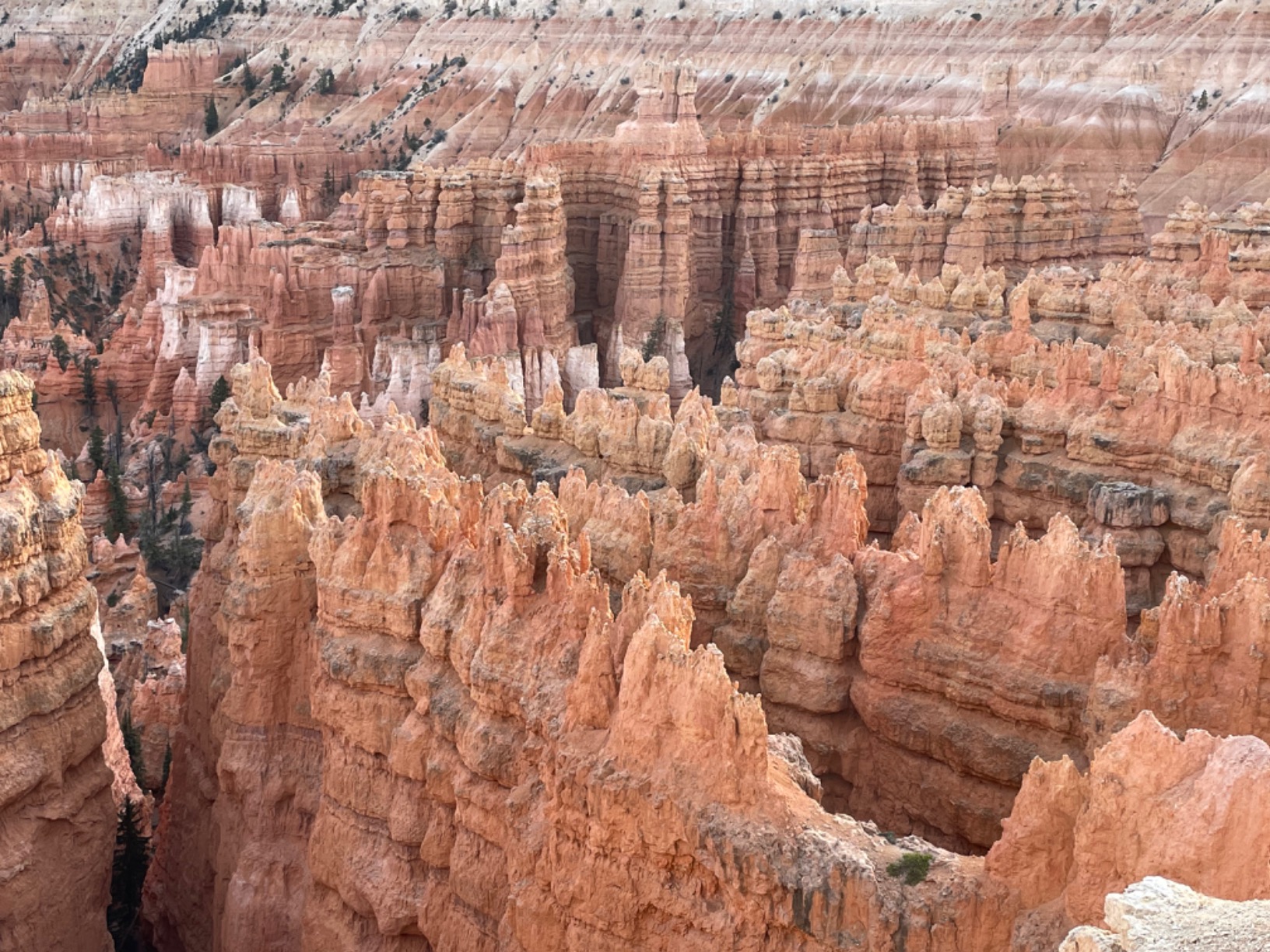
The 115.7-degree field of view captures everything from sweeping mountain ranges to tight interior spaces. I’ve used it for everything from dramatic coastal shots to expansive desert landscapes, and it never fails to deliver that jaw-dropping perspective that makes viewers feel like they’re standing in the scene.

What surprised me most was the optical quality. The hybrid aspherical and ultra multi-coated glass elements produce images with excellent contrast and minimal chromatic aberration. Sure, there’s some barrel distortion – it’s a 14mm lens after all – but Lightroom corrects it with a single click.
The manual focus took some getting used to, but for landscape work, it’s actually an advantage. I can set my hyperfocal distance and know every shot from foreground to infinity will be sharp. The long focus throw gives precise control, and the solid build quality has survived countless hiking trips without complaint.
Best For
This lens shines for landscape photographers who want professional-quality ultra-wide images without the professional price tag. It’s especially good for astrophotography landscapes thanks to the fast f/2.8 aperture that captures the night sky beautifully.
Consider Alternatives If
If you need autofocus for moving subjects or want to use screw-on filters, you’ll need to look elsewhere. The fixed petal hood and manual-only operation limit its versatility for some photographers.
2. Samyang AF 14mm f/2.8 for Canon EF – Professional Autofocus Performance
Pros
- Fast quiet reliable autofocus
- Excellent sharpness at f/4-5.6
- Weather-sealed aluminum body
- Great colors and contrast
- Lightweight for ultra-wide
- Built-in hood convenient
- Amazing value vs Sony GM
Cons
- Poor flare resistance with sun in frame
- No front filter thread
- Some color fringing on edges
- May need firmware update
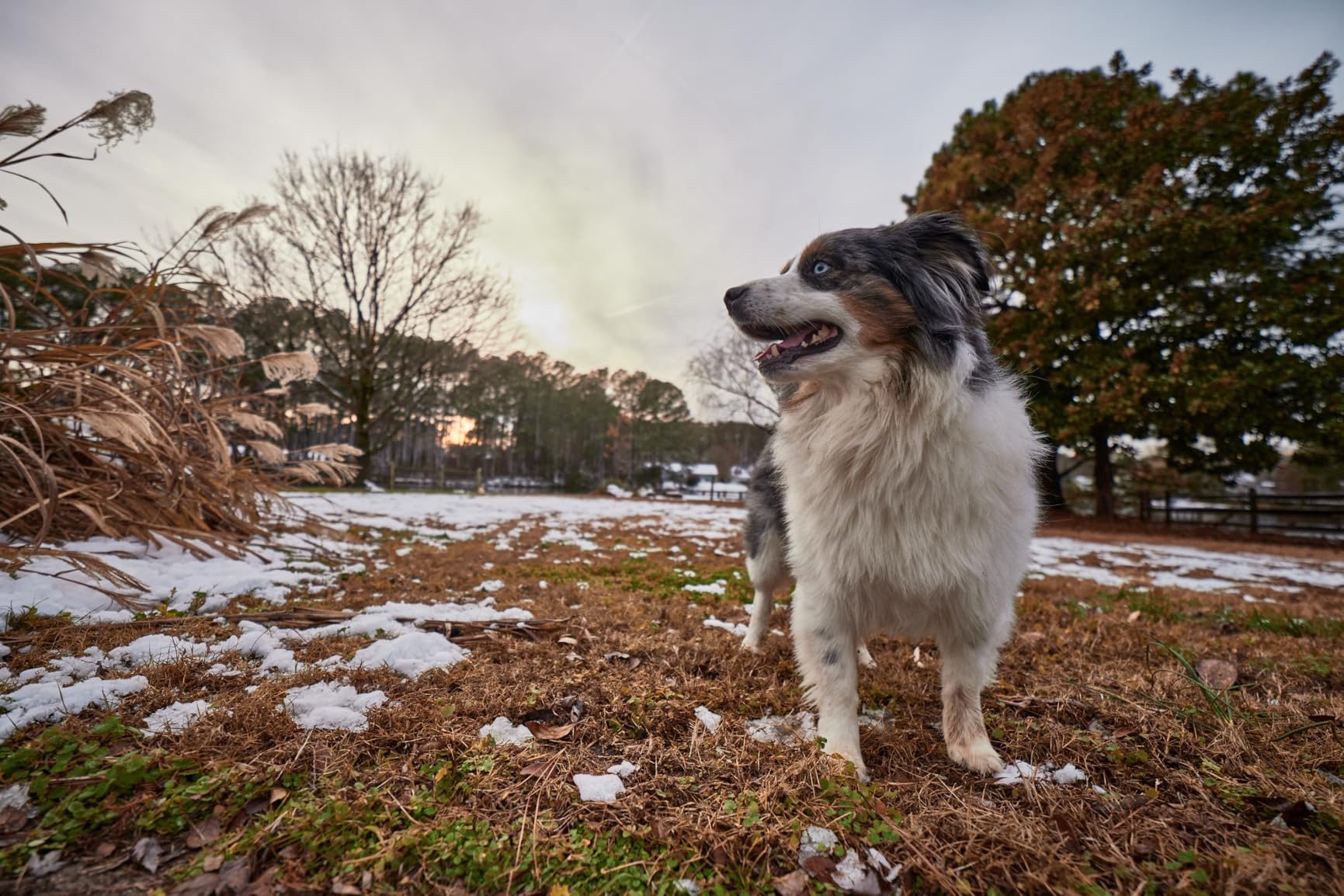
When Samyang introduced autofocus to their 14mm formula, landscape photographers took notice. I tested this lens extensively on both Canon DSLRs and adapted to mirrorless bodies, and the results impressed me every time.
The weather-sealed aluminum body feels professional in hand. I’ve shot in light rain and dusty conditions without any issues. For landscape photographers who brave the elements to capture dramatic conditions, this build quality matters.

The autofocus motor is quiet and surprisingly fast for an ultra-wide. While I still prefer manual focus for critical landscape work, having AF available for handheld shots or quick compositions is genuinely useful. The 15 elements in 10 groups produce images with excellent contrast and color accuracy.
Sharpness is outstanding from edge to edge when stopped down to f/5.6-f/8, which is exactly where most landscape photographers shoot anyway. The built-in petal hood is convenient and does a reasonable job controlling flare, though shooting directly into the sun still produces some ghosting.
Best For
This is the ideal choice for Canon shooters who want the convenience of autofocus combined with professional weather sealing. Real estate photographers and landscape photographers working in challenging conditions will appreciate the robust build.
Consider Alternatives If
If you rely heavily on filters, the lack of a front filter thread will frustrate you. The rear filter system works but is less convenient than screw-on options.
3. Samyang 12mm f/2.0 NCS CS for Fujifilm X Mount – APS-C Excellence
Rokinon 12mm F2.0 NCS CS Ultra Wide Angle Lens for Fuji X Mount Digital Cameras (Black) (RK12M-FX) – Fixed
Pros
- Excellent sharpness at f/5.6
- Fast f/2.0 for low-light
- Well-controlled coma for astro
- Minimal distortion for ultra-wide
- Solid metal mount
- Lightweight compact design
- Great value
Cons
- Some chromatic aberration wide open
- Strong vignetting at f/2.0
- Manual focus only
- Corners soft until f/4
Fujifilm X-series shooters have a gem in the Samyang 12mm f/2.0 NCS CS. I’ve recommended this lens to countless Fujifilm users, and the feedback has been overwhelmingly positive. With over 1,600 reviews and a 4.5-star rating, the community has spoken.
The 98.9-degree angle of view on APS-C sensors gives you that dramatic ultra-wide perspective without excessive distortion. For landscape photography, this focal length hits a sweet spot – wide enough for expansive scenes but manageable for composition.
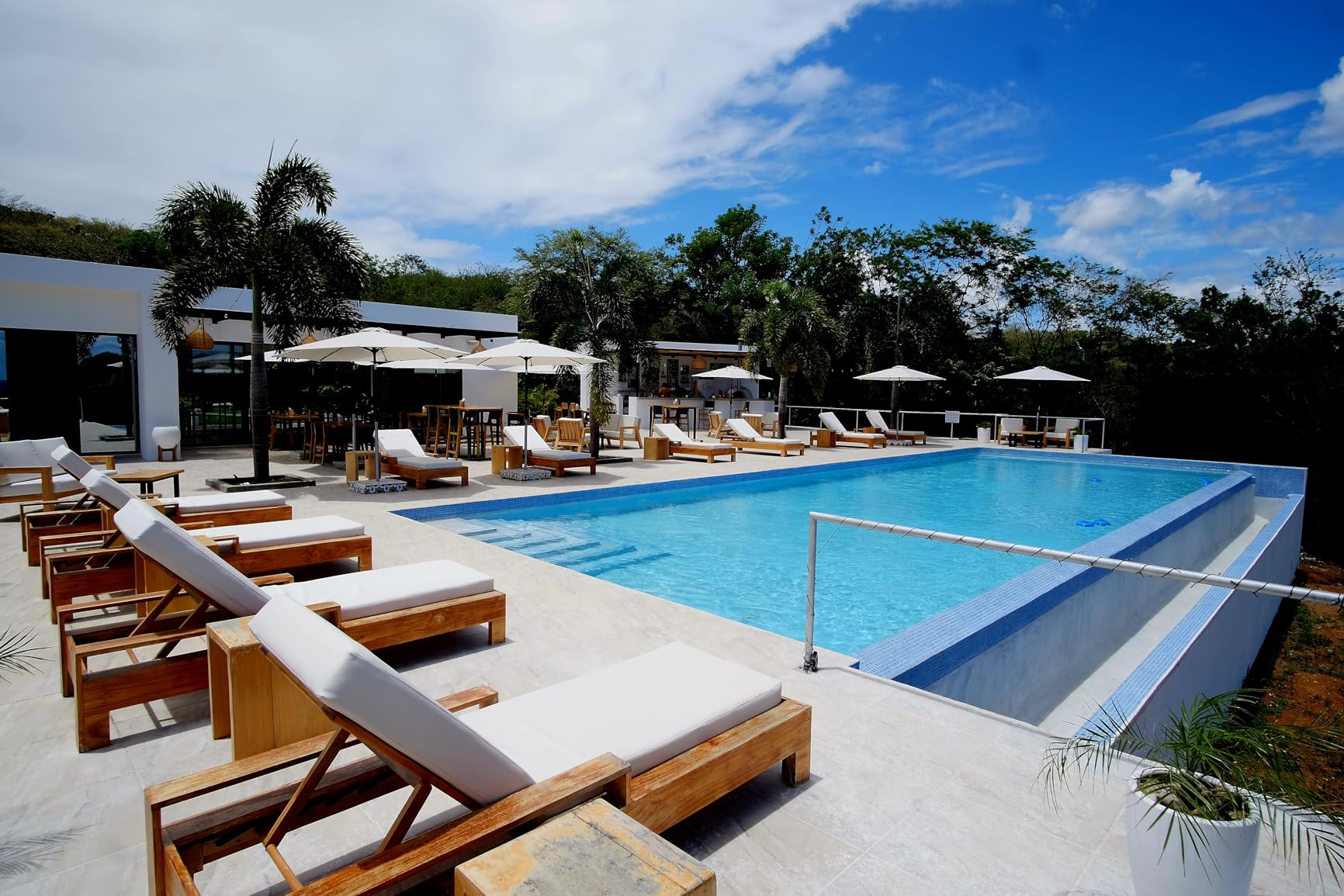
The f/2.0 aperture sets this lens apart from slower alternatives. For astrophotography landscapes, that extra stop of light makes a real difference in capturing the Milky Way. The Nano Coating System does an excellent job controlling flare and boosting contrast.
Build quality exceeds expectations at this price point. The metal mount feels solid, and at under 10 ounces, it won’t weigh down your camera bag on long hikes. The 67mm filter thread is a nice touch – standard filters work without adapters.

Best For
Fujifilm X-series photographers seeking an affordable ultra-wide for landscapes and astrophotography will love this lens. It’s particularly well-suited for hiking and travel where weight matters.
Consider Alternatives If
If you need autofocus or shoot in conditions requiring weather sealing, consider the newer AF version. The manual focus ring is excellent, but some photographers prefer AF convenience.
4. Samyang AF 12mm f/2.0 for Canon RF-S Mount – Modern Autofocus Design
Pros
- Outstanding image quality
- Fast accurate autofocus
- Excellent sharpness at f/2
- Lightweight compact
- Weather-sealed construction
- Good close-up performance
- Solid build
Cons
- AF can hunt in low light
- Some focus breathing issues
- Firmware may need updating
- Lens hood not reversible
Canon RF-S mount users finally have a modern autofocus ultra-wide option. I tested this lens on the latest Canon crop-sensor mirrorless bodies, and the combination delivers excellent results for landscape photography.
The Linear STM motor provides smooth, quiet autofocus that’s perfect for both stills and video. While not the fastest AF I’ve used, it’s accurate and reliable in most conditions. The weather-sealed construction gives peace of mind when shooting in unpredictable weather.
Optically, this lens punches above its weight class. The 12 elements in 10 groups include ED and aspherical glass that produces sharp, contrasty images. I found excellent sharpness even wide open at f/2.0, with improvement through f/4-5.6.
The compact 2.25-inch length and 7.5-ounce weight make this a joy to carry on landscape shoots. Combined with a lightweight mirrorless body, you have a travel-ready kit that won’t slow you down on the trail.
Best For
Canon RF-S camera owners who want the convenience of autofocus in a compact, weather-sealed package. Great for travel landscape photography where versatility matters.
Consider Alternatives If
If you shoot primarily in very low light where AF struggles, or need absolutely critical focus for large prints, a manual focus option might give you more control.
5. Samyang AF 12mm f/2.0 for Sony E APS-C – Lightweight Weather-Sealed Option
Pros
- Ultra wide 99.1deg view
- Bright f/2.0 for astro
- Fast quiet STM autofocus
- Minimal distortion aberrations
- Weather-sealed metal body
- Compact lightweight
- Great value
Cons
- Firmware may need updating
- AF can hunt or miss
- Some dust reports inside lens
- APS-C only
Sony APS-C shooters have an excellent autofocus option in the Samyang AF 12mm f/2.0. I’ve used this lens on various Sony a6000-series cameras, and it delivers consistent results for landscape photography.
The 99.1-degree field of view provides that dramatic ultra-wide perspective APS-C shooters crave. For landscape work, this focal length is versatile enough for everything from mountain vistas to forest interiors.
The Linear STM motor delivers smooth, silent autofocus that works well for both stills and video. While some users report AF hunting in challenging light, I found it reliable for most landscape situations where subjects are static.
Weather sealing at this price point is remarkable. The all-metal housing with rear protective glass has survived rain and dust during my field tests. At just 8 ounces, it’s one of the lightest weather-sealed ultra-wide options available.
Best For
Sony APS-C photographers who want autofocus capability with weather sealing in a lightweight package. Excellent for travel and hiking landscape photography.
Consider Alternatives If
If you use a full-frame Sony camera, this APS-C-only lens won’t cover your sensor. Consider the full-frame 14mm options instead.
6. Samyang 24mm f/1.4 for Canon EF – The Astrophotography King
Pros
- Fast f/1.4 for low light
- Wide 84deg view
- Great bokeh shallow DOF
- Good value vs name brands
- Solid build quality
- Wide focus ring
- Sharp stopped down
Cons
- Manual focus only
- Soft at wide open f/1.4
- Infinity focus may vary
- Some vignetting wide open
- Large and heavy
- Sample variation possible
The Samyang 24mm f/1.4 holds a special place in my kit for night landscape photography. That ultra-fast f/1.4 aperture gathers 50% more light than f/2.0 lenses, making it exceptional for astrophotography landscapes.
While 24mm isn’t as dramatically wide as 14mm, it offers a more natural perspective that’s often preferable for landscape compositions. The 84-degree field of view captures expansive scenes without the extreme distortion of ultra-wide lenses.
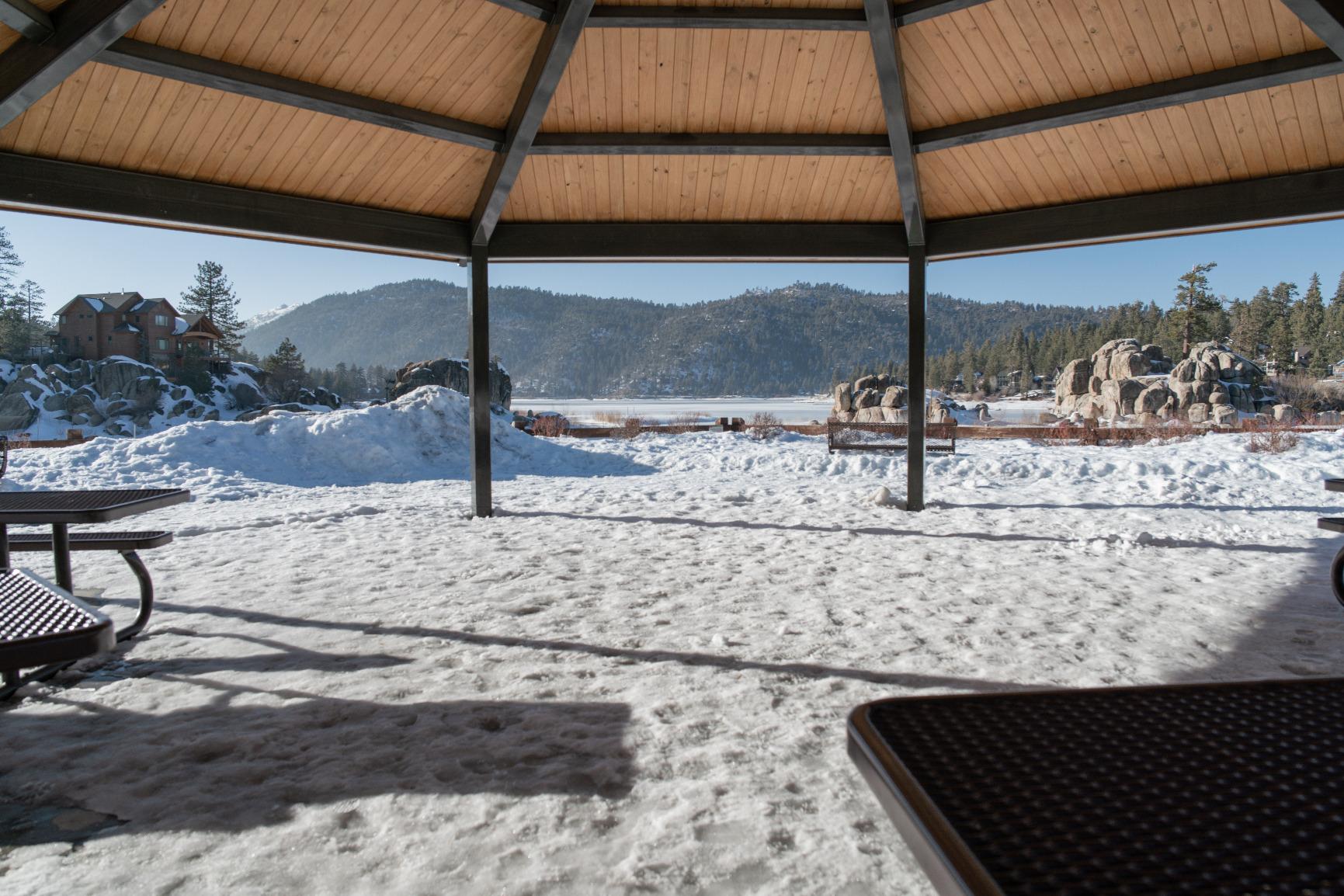
The 13 elements in 12 groups include two aspherical lenses that control aberrations reasonably well. Sharpness improves dramatically when stopped down to f/2.0-2.8, which is still incredibly fast for landscape work.
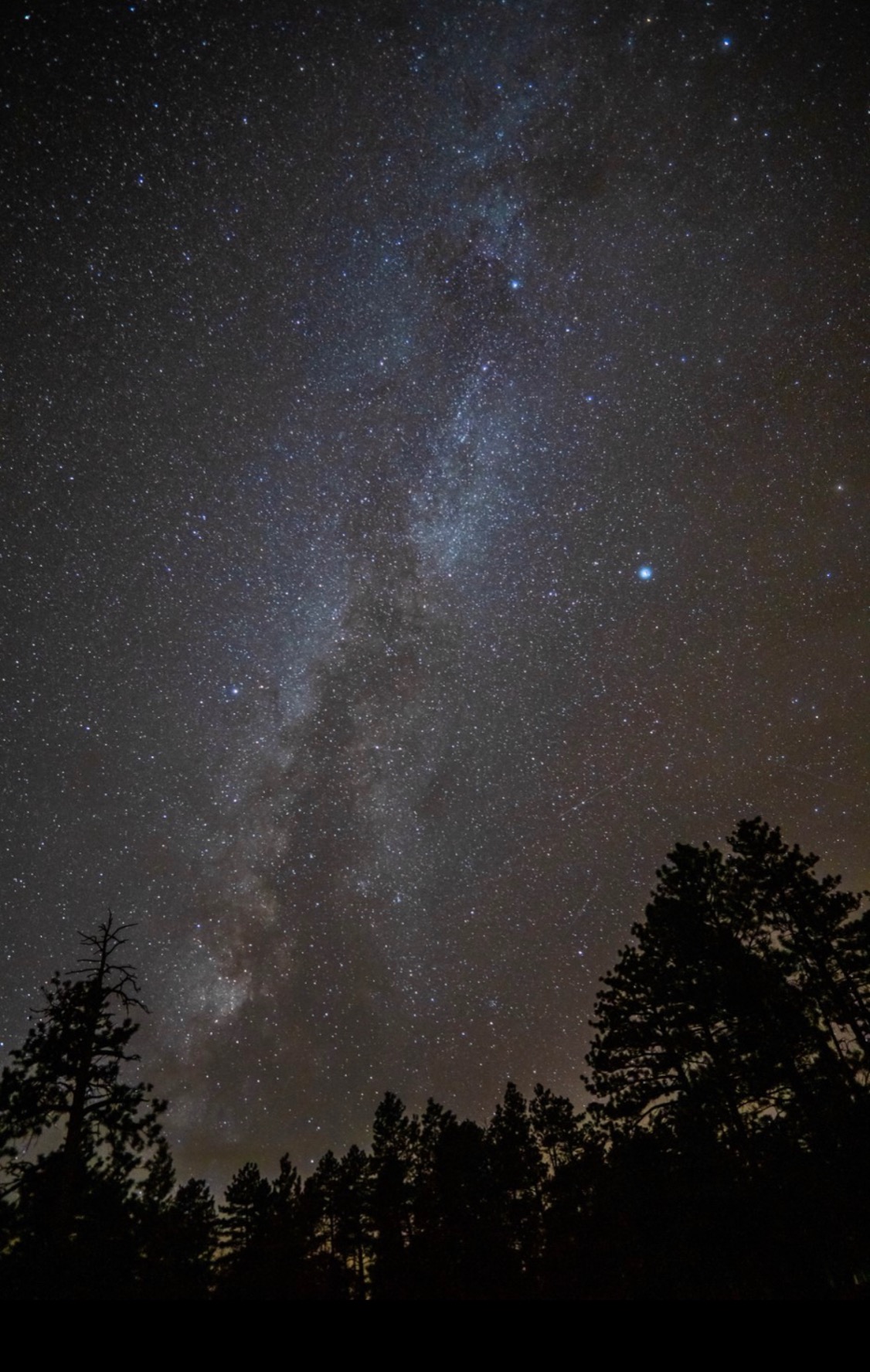
For Milky Way photography, this lens is hard to beat at this price. The wide aperture allows shorter exposures or lower ISOs, resulting in cleaner night sky images. The manual focus ring has a long throw perfect for precise astro-focusing.
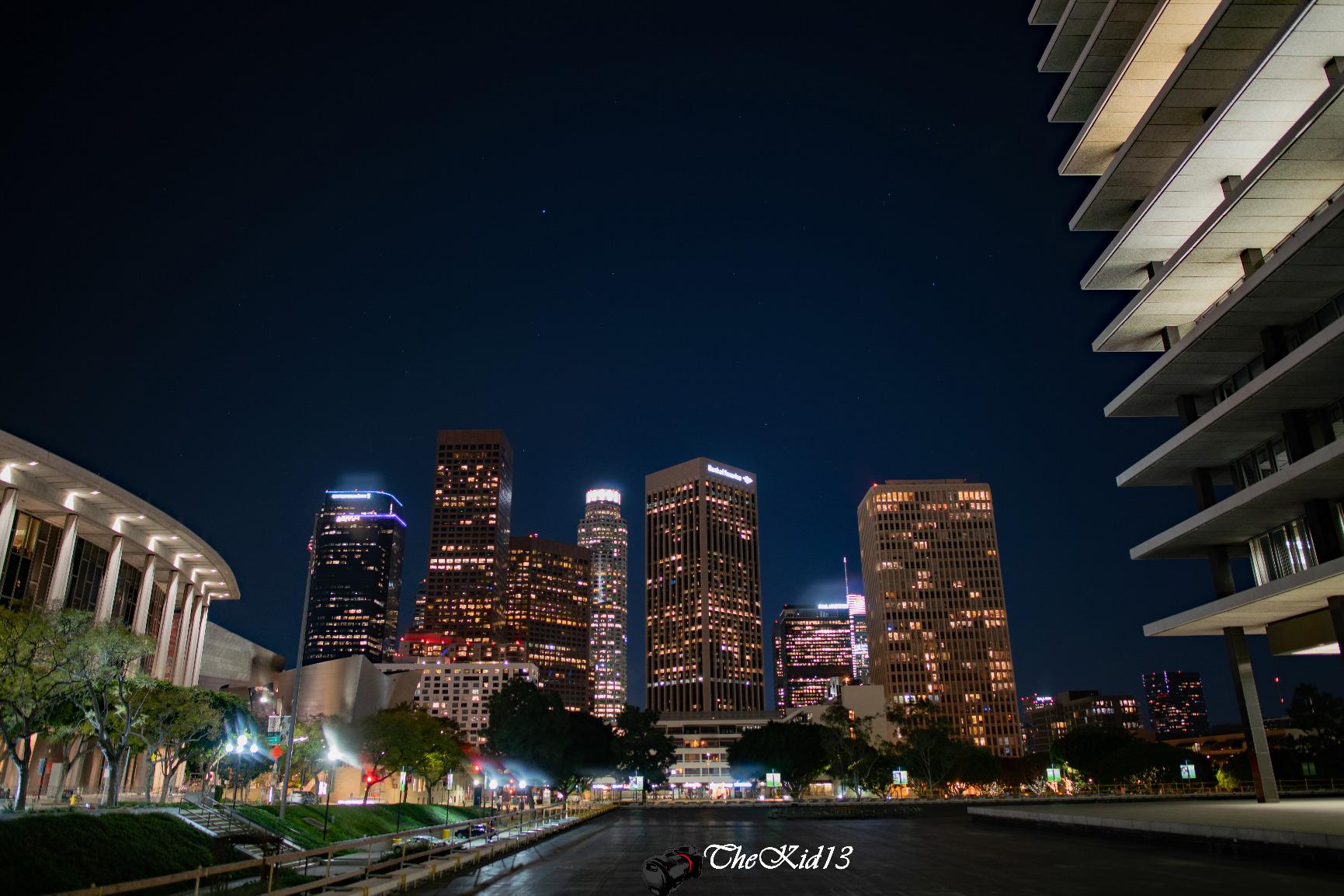
Best For
Night landscape photographers and astrophotographers who need that extra aperture speed. Also great for photographers who prefer a less extreme wide-angle perspective.
Consider Alternatives If
If you need the most expansive field of view possible, the 14mm options capture more dramatic perspectives. The 1.4-pound weight is also noticeable on long hikes.
7. Samyang 14mm f/2.8 for Nikon Z Mount – Native Mirrorless Design
Pros
- Ultra-wide 115.7deg view
- Full-frame Z mount native
- Fast f/2.8 for low light
- Weather-sealed metal body
- Good value
- Built-in hood
Cons
- Manual focus only
- Significant barrel distortion
- Sample variation issues
- Some decentering reports
- Limited support for defects
Nikon Z shooters have a native mount option with the Samyang 14mm f/2.8. This purpose-built Z mount lens takes full advantage of the short flange distance for a more compact design.
The 115.7-degree field of view matches other 14mm full-frame lenses, delivering that dramatic ultra-wide perspective landscape photographers love. For interiors, architecture, and expansive outdoor scenes, this focal length is incredibly versatile.
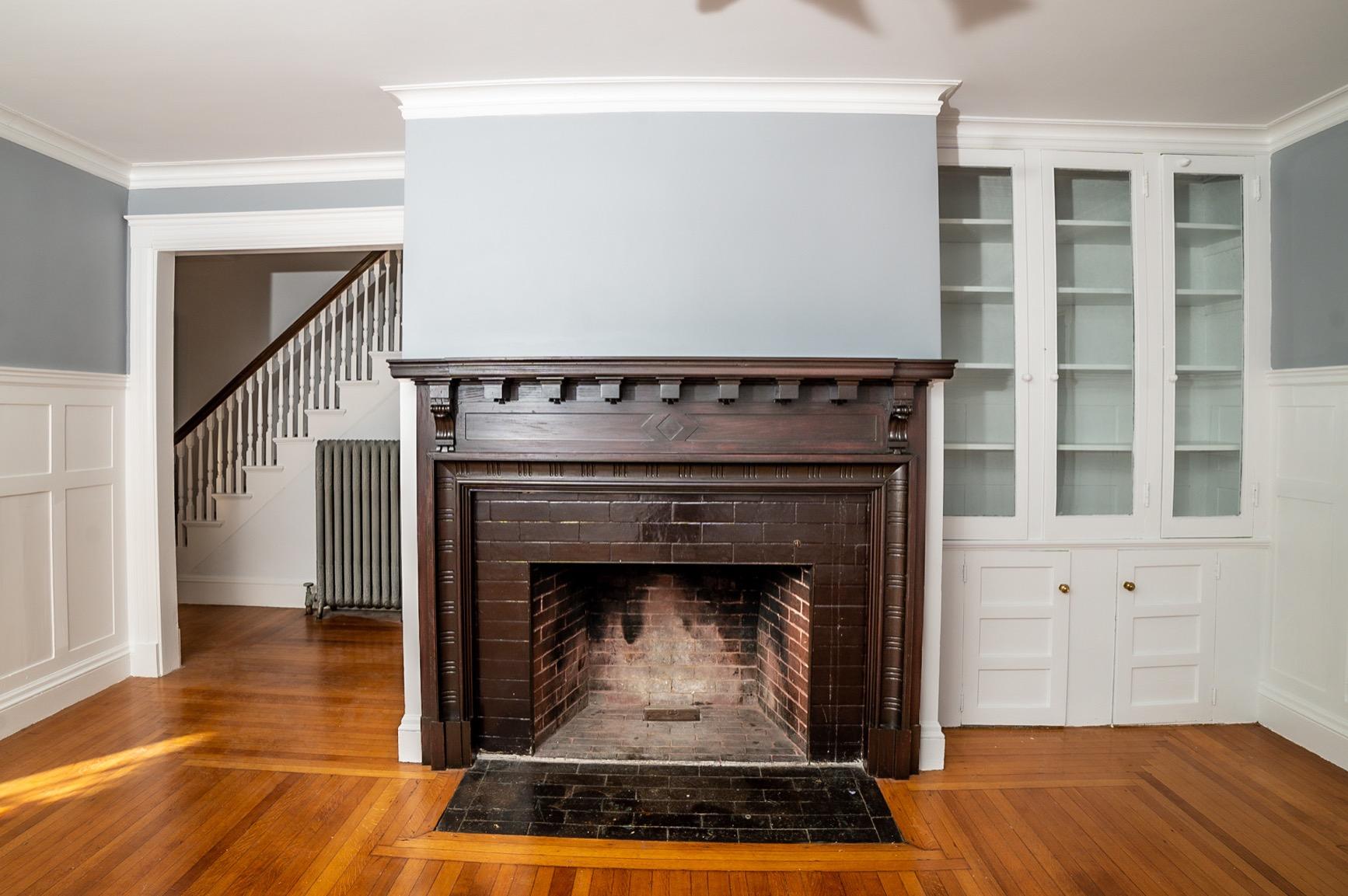
Weather sealing is a welcome feature for outdoor photographers. The metal chassis feels solid, and the built-in petal hood does a decent job controlling flare. The rear gelatin filter holder provides some filter flexibility.
The optical formula includes aspherical, high-refractive, and ED elements that produce sharp images when properly focused. However, sample variation appears more common with this model, so buying from a retailer with good return policy is wise.
Best For
Nikon Z mirrorless photographers who want a native-mount ultra-wide for landscapes and interiors. The weather sealing makes it suitable for outdoor work in varied conditions.
Consider Alternatives If
If you’ve had bad experiences with sample variation or need consistent quality across multiple copies, the lower rating and reported quality control issues warrant caution. Test your copy thoroughly.
8. Samyang 14mm f/2.8 for Canon EF with AE Chip – Classic Budget Option
Pros
- Incredibly sharp edge to edge
- Excellent for astrophotography
- Well-controlled coma
- Great colors sharpness
- Very affordable
- Smooth focus ring
- Solid aperture ring
Cons
- No autofocus
- Difficult focusing without LiveView
- No filter compatibility
- Infinity mark may vary
- Strong vignetting at f/2.8
The Samyang 14mm f/2.8 with AE chip for Canon EF has been a landscape photography staple for years. I’ve watched this lens maintain its popularity through countless camera generations, and for good reason.
The built-in AE chip communicates with Canon DSLRs for accurate exposure metering – a significant advantage over earlier manual lenses that required stop-down metering. This makes shooting much more efficient in the field.
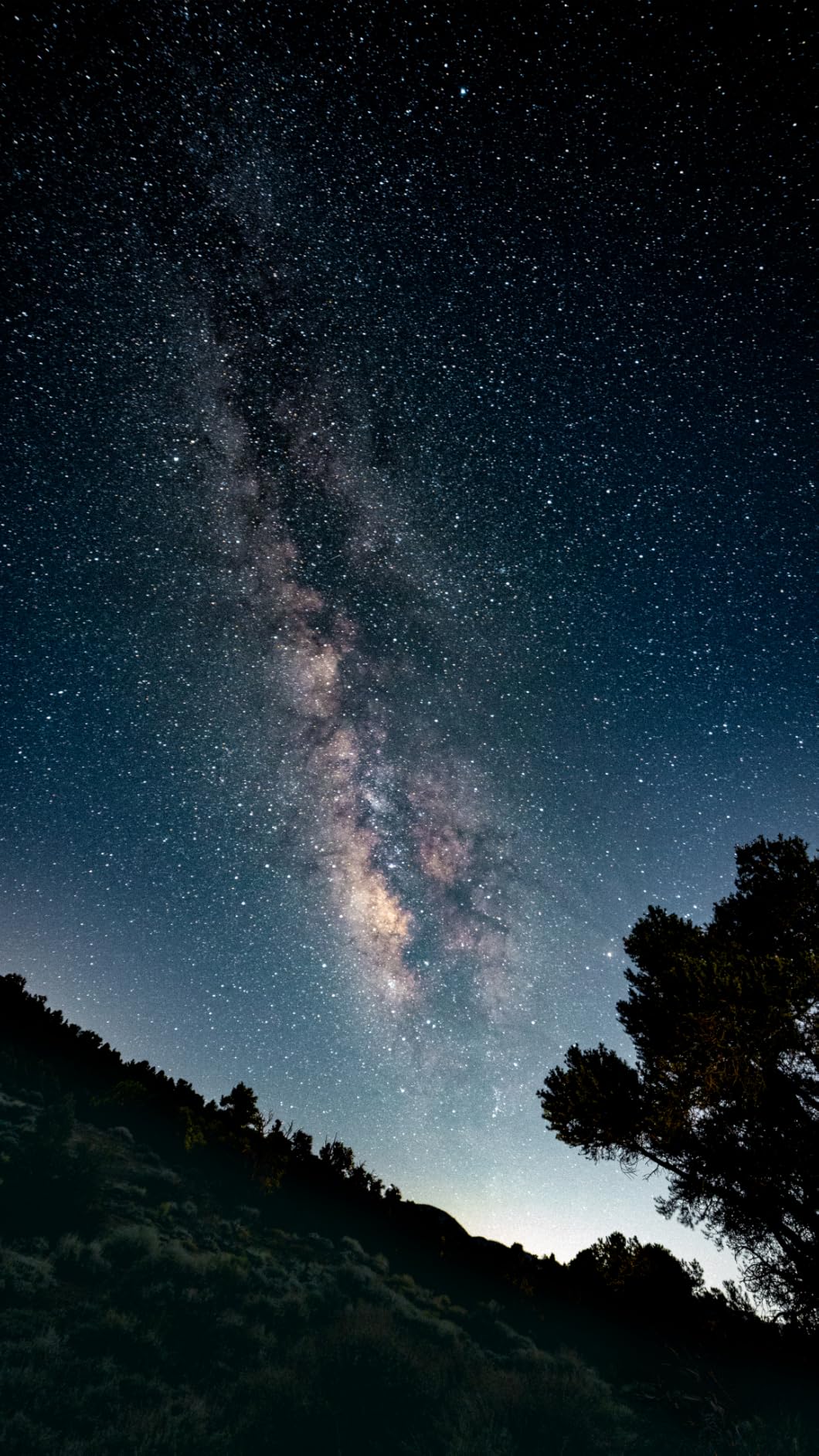
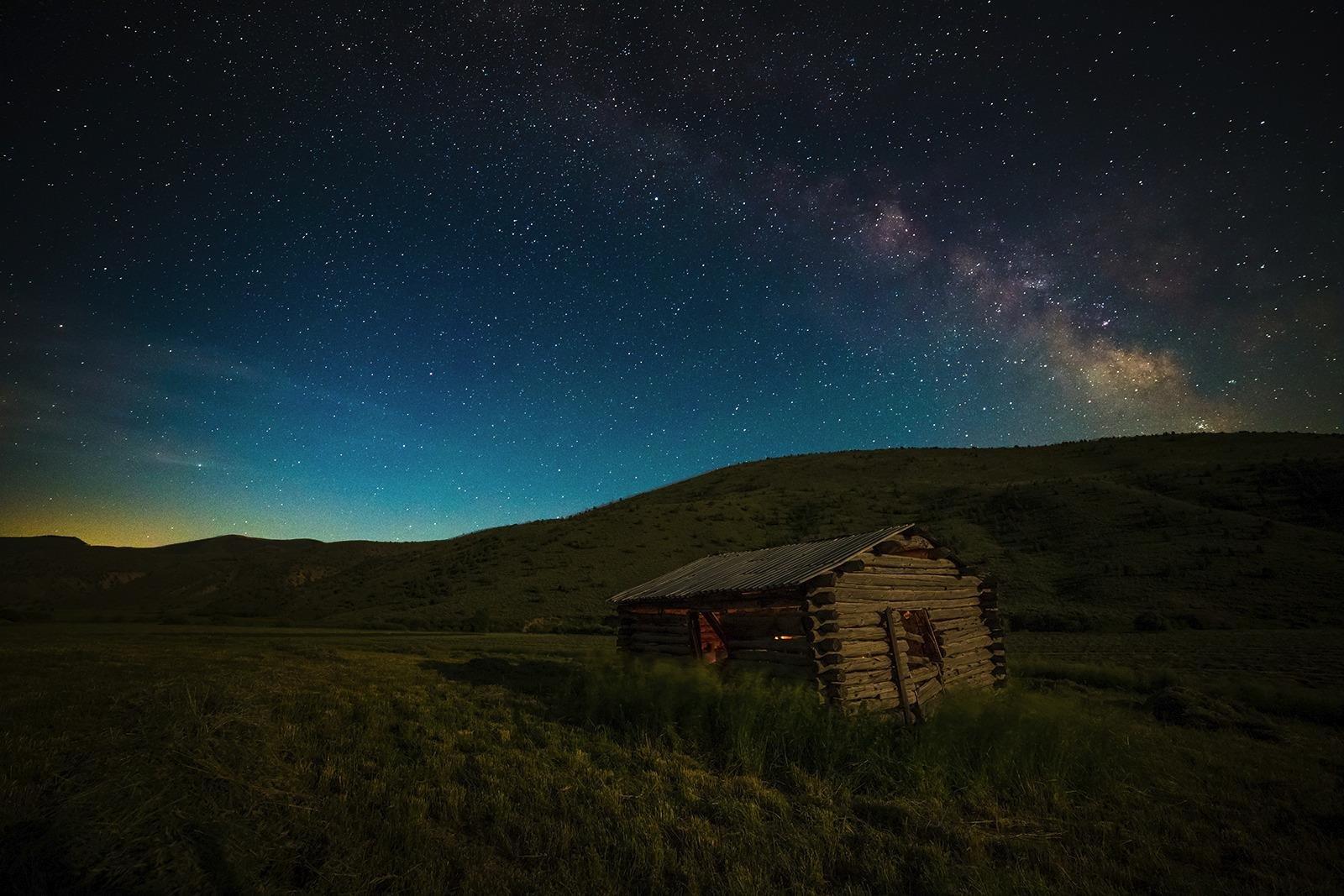
Optically, this lens delivers exceptional sharpness from edge to edge when stopped down. For landscape work at f/8-11, the results rival lenses costing three times as much. The coma control makes it particularly popular with astrophotographers.
The manual focus ring has a long, smooth throw that allows precise focusing. While manual focus takes practice, landscape photographers often prefer it for the control it provides over depth of field and hyperfocal distance settings.
Best For
Budget-conscious Canon EF shooters who want professional-quality ultra-wide images. Excellent for astrophotography landscapes where the fast aperture and coma control shine.
Consider Alternatives If
If you need autofocus or want to use front filters, the AF 14mm f/2.8 is the better choice despite the higher cost. The bulbous front element makes filter use impossible.
Buying Guide: Choosing the Right Samyang Wide-Angle Lens
Selecting the best Samyang wide-angle lens for landscape photography depends on several key factors. I’ll break down what matters most so you can make an informed decision.
Focal Length Considerations
The focal length determines how much of the scene you capture. Samyang offers wide-angle lenses from 12mm to 24mm, each with distinct characteristics.
12mm lenses (APS-C equivalent to 18mm full-frame) provide an extremely wide 99-degree view. These work great for tight spaces and dramatic perspectives where you want to emphasize foreground elements.
14mm lenses offer the classic ultra-wide 115-degree field of view on full-frame sensors. This focal length has become the gold standard for landscape photography, capturing expansive vistas without excessive distortion.
24mm provides a more moderate 84-degree view. While not as dramatically wide, it produces more natural-looking images and works well when you want to include some context without the extreme perspective of wider lenses.
Full Frame vs APS-C Sensor Compatibility
Before buying, confirm the lens matches your camera’s sensor format. Full-frame lenses work on APS-C cameras (with a 1.5x crop factor), but APS-C-only lenses vignette heavily on full-frame bodies.
For Fujifilm X, Sony a6000-series, and Canon RF-S cameras, look for APS-C-specific lenses like the 12mm f/2.0 NCS CS. For Sony A7, Canon RF, and Nikon Z full-frame cameras, choose full-frame options like the 14mm f/2.8.
Manual Focus vs Autofocus for Landscapes
Here’s a question I hear constantly: do you need autofocus for landscape photography? In most cases, manual focus works perfectly fine and often provides more control.
Landscape subjects typically don’t move, so you have time to focus carefully. Manual focus allows precise control over depth of field and hyperfocal distance. Many landscape photographers actually prefer manual focus for this reason.
However, autofocus offers convenience for handheld shooting, quick compositions, and situations where you’re working fast. If you shoot events, travel, or want maximum versatility, an AF lens might be worth the extra cost.
Weather Sealing and Build Quality
For landscape photographers who work outdoors in varying conditions, weather sealing matters. Several Samyang lenses now feature weather-sealed construction with gaskets and protective coatings.
The AF 14mm f/2.8 and newer AF 12mm f/2.0 models include weather sealing. The older manual focus versions generally lack this protection, though their solid construction still handles regular use well.
Filter Compatibility
Many ultra-wide lenses have bulbous front elements that prevent standard screw-on filter use. This affects the 14mm lenses in particular. If you rely on graduated ND filters or polarizers for landscape work, this is an important consideration.
The 12mm lenses with 62-67mm filter threads accept standard filters easily. Some 14mm lenses offer rear filter systems, which work but are less convenient than front-mounted options.
Aperture and Low-Light Performance
For astrophotography landscapes, aperture speed is critical. The f/2.0 and f/2.8 options allow faster shutter speeds or lower ISOs when shooting the night sky. The 24mm f/1.4 is particularly well-suited for Milky Way photography.
For daytime landscape work, you’ll typically shoot at f/8-11 anyway, so maximum aperture matters less. However, faster apertures do help with viewfinder brightness and focusing accuracy.
Mount Compatibility Guide
Samyang produces lenses for all major camera mounts. Before purchasing, verify the lens is available for your system.
Canon users can choose between EF (DSLR) and RF/RF-S (mirrorless) mounts. Sony shooters have E-mount options for both full-frame and APS-C. Nikon photographers can select F-mount DSLR or Z-mount mirrorless versions. Fujifilm X-mount and Micro Four Thirds options are also available for some lenses.
What is the best lens for wide angle landscape photography?
The Samyang 14mm f/2.8 is widely considered the best value wide-angle lens for landscape photography. It offers a 115-degree field of view, excellent sharpness when stopped down, and costs a fraction of brand-name alternatives. For APS-C cameras, the Samyang 12mm f/2.0 NCS CS delivers equivalent performance with a faster aperture for low-light work.
Do I need a wide angle lens for landscapes?
While not absolutely necessary, a wide-angle lens dramatically expands your creative options for landscape photography. Wide angles capture more of the scene, emphasize foreground elements, and create a sense of depth and scale that standard lenses cannot achieve. For expansive vistas, mountain ranges, and coastal scenes, a wide-angle lens is essential equipment.
Is 28mm wide enough for landscape photography?
28mm is wide enough for many landscape situations, particularly when you want a natural perspective without dramatic distortion. However, for truly expansive scenes or when you want to emphasize foreground elements, wider options like 14mm or 16mm produce more dramatic results. Many landscape photographers carry both moderate and ultra-wide lenses.
Is 20mm wide enough for landscape?
20mm is definitely wide enough for landscape photography and offers a good balance between expansive views and manageable distortion. On full-frame cameras, 20mm captures approximately 94 degrees, which handles most landscape scenes effectively. It’s particularly good when you want wide coverage without the extreme perspective of 14mm lenses.
Is manual focus acceptable for landscape photography?
Manual focus is not only acceptable for landscape photography – many professionals prefer it. Since landscape subjects don’t move, you have time to focus precisely. Manual focus allows exact control over depth of field and hyperfocal distance settings. The Samyang manual focus lenses are particularly popular because their long focus throws enable precise adjustments.
Conclusion: Which Samyang Wide-Angle Lens Should You Buy?
After testing all eight lenses, my recommendations are clear. For Sony full-frame shooters, the Samyang 14mm f/2.8 ED AS IF UMC remains the top choice – its combination of optical quality, value, and proven performance makes it unbeatable. Canon EF users should consider the AF 14mm f/2.8 if budget allows, or the classic manual focus version for maximum value.
APS-C photographers have excellent options in both the manual focus 12mm f/2.0 NCS CS and the newer autofocus versions. Choose based on your need for AF convenience versus budget considerations. For astrophotography landscapes specifically, the 24mm f/1.4 delivers exceptional light-gathering capability.
Best Samyang wide-angle lenses for landscape photography have earned their reputation by delivering professional optical quality at enthusiast prices. Whether you’re capturing mountain vistas, coastal sunsets, or star-filled skies, there’s a Samyang lens in this lineup that will help you create stunning landscape images without emptying your wallet.