
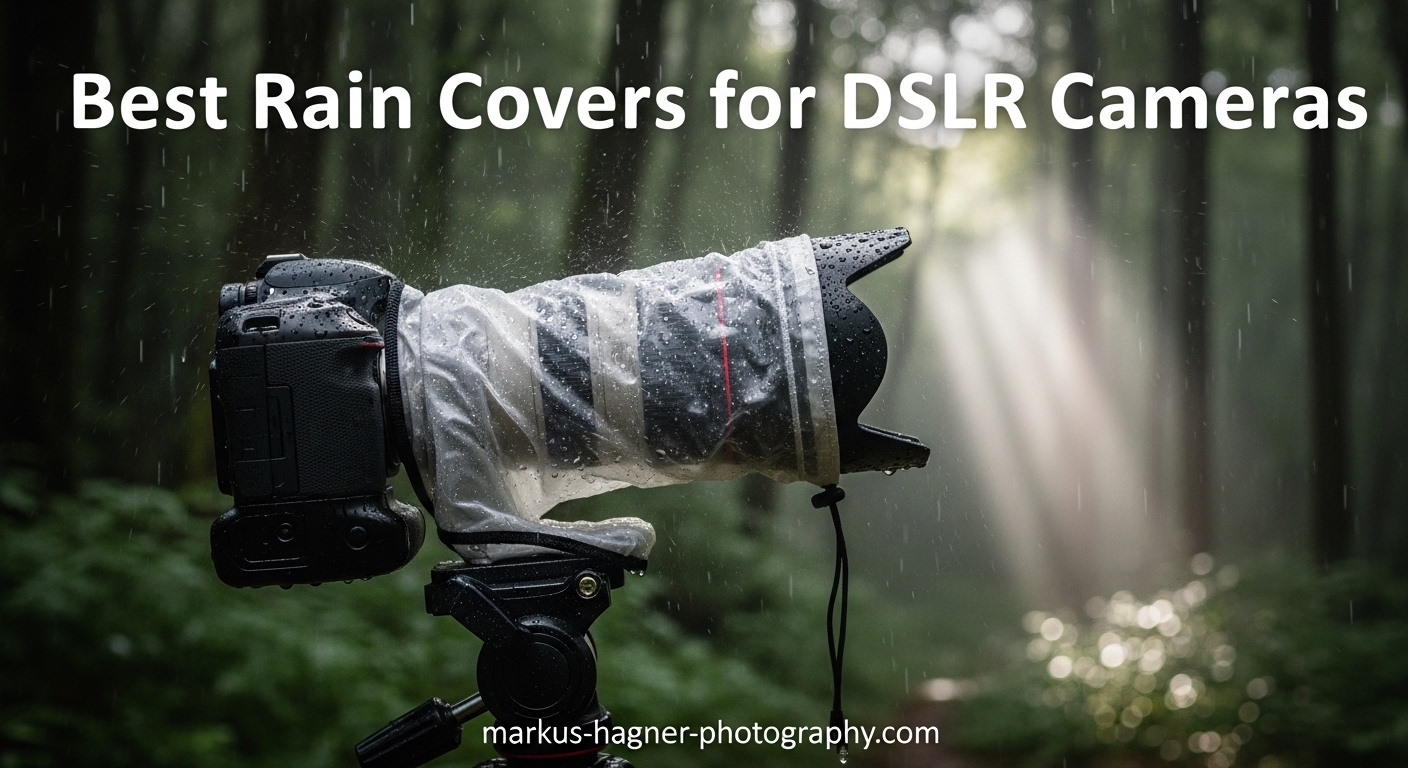
I remember standing on a coastal cliff in Iceland, watching a storm roll in faster than forecasted. My Nikon D850 with the 70-200mm f/2.8 was exposed, and within minutes, horizontal rain was blasting directly into my lens mount. That day cost me $400 in repairs. Since then, I never travel without a proper camera rain cover in my bag.
If you shoot outdoors, the best rain covers for dslr cameras are not optional accessories. They are essential insurance for your gear. Weather-sealing on modern cameras helps, but sustained heavy rain, salt spray, or dusty conditions will eventually find their way into your equipment. A quality rain cover lets you keep shooting when others pack up, capturing those dramatic storm shots that make portfolios stand out.
In this guide, I am sharing everything I have learned from testing rain covers across five continents. We will look at options ranging from professional-grade protection to budget-friendly emergency covers. Each product has been evaluated for real-world performance, not just specifications on paper.
Table of Contents
- Top 3 Picks for Best Rain Covers for DSLR Cameras
- Best Rain Covers for DSLR Cameras in 2026
- 1. Think Tank Hydrophobia D 70-200 V3 – Premium Protection for Professional Shooters
- 2. Think Tank Emergency Rain Cover – Best Balance of Portability and Protection
- 3. Altura Photo Camera Rain Cover – Best Budget Option with Professional Features
- 4. K&F CONCEPT Professional Camera Rain Cover – Best Anti-Fog Technology
- 5. JJC DSLR Camera Rain Cover – Best Ultra-Budget Emergency Option
- How to Choose the Right Rain Cover for Your Camera In 2026?
- Frequently Asked Questions
- Final Thoughts: Protecting Your Gear in 2026
Top 3 Picks for Best Rain Covers for DSLR Cameras
After testing dozens of options, these three stand out for different needs and budgets. Whether you need maximum protection for expensive gear or a lightweight backup that fits in your pocket, one of these will serve you well.

Think Tank Hydrophobia D 70-200 V3
- 3-layer waterproof material
- Seam-sealed construction
- Tripod compatible

Think Tank Emergency Rain Cover
- Hot shoe attachment
- Compact and lightweight
- Limited lifetime warranty

JJC DSLR Camera Rain Cover
- 2-pack value
- Clear see-through PE material
- Fits lenses up to 18 inches
Best Rain Covers for DSLR Cameras in 2026
This comparison table shows all five rain covers we tested side by side. I have included the key specifications that matter most when choosing protection for your specific camera and lens combination.
| Product | Specifications | Action |
|---|---|---|
| Think Tank Hydrophobia D 70-200 V3 |
|
Check Latest Price |
| Think Tank Emergency Rain Cover |
|
Check Latest Price |
 Altura Photo Camera Rain Cover Altura Photo Camera Rain Cover |
|
Check Latest Price |
 K&F CONCEPT Professional Rain Cover K&F CONCEPT Professional Rain Cover |
|
Check Latest Price |
| JJC DSLR Camera Rain Cover |
|
Check Latest Price |
1. Think Tank Hydrophobia D 70-200 V3 – Premium Protection for Professional Shooters
Think Tank Hydrophobia D 70-200 V3 Camera Rain Cover for DSLR and Mirrorless Cameras with 70-200mm f/2.8 Lens (Black)
Pros
- Superior waterproof protection for expensive gear
- High quality durable material with seam-sealing
- Works well on tripod or monopod
- Hand access through cinchable sleeves
- Fits various lens sizes including 100-400mm
- Compact carrying pouch included
Cons
- Fiddly to put on and take off
- Requires separate eyepiece for full viewfinder access
- Plastic window can crumple into hard shapes
I have carried the Think Tank Hydrophobia through monsoons in Southeast Asia and snowstorms in the Canadian Rockies. It has never let me down. The three-layer material feels substantial in your hands, not like the thin disposable covers that tear after one use. When you cinch down the sleeves around your arms, you get full access to all camera controls while maintaining a complete seal against the elements.
What sets this apart from cheaper options is the construction quality. The seams are taped and sealed, not just stitched. The adjustable strap that cinches to your lens hood has a non-slip surface that actually grips. I have used this cover in sustained downpours lasting over an hour, and the interior stayed completely dry.
The oversized window gives you a clear view of your LCD and top plate controls. That said, the optional eyepiece is worth purchasing if you shoot primarily through the viewfinder. Without it, you are looking through a plastic window that can reflect light and reduce clarity.
Sizing is straightforward but important to get right. This D 70-200 V3 version fits cameras with 70-200mm f/2.8 lenses attached, but I have also used it successfully with my 24-70mm f/2.8 and even my 100-400mm when the hood is reversed for storage. Think Tank makes other sizes for smaller and larger lens combinations.
One practical note: this cover takes practice to deploy quickly. In the field, you need about 60 seconds to get it properly fitted and cinched. That is fine for landscape work where you see weather coming, but sports photographers might want the faster Emergency Cover option below.
Wildlife photographers consistently rank this as their top choice, and I agree. The combination of full protection, durable materials, and hand-access sleeves means you can track birds in flight for hours without exposing your gear. I have shot entire mornings in light rain without worrying about my camera body or lens electronics.
Best For Which Photographers
This cover shines for professional and serious enthusiast photographers who own expensive gear and shoot in challenging conditions regularly. If you photograph wildlife, landscapes in mountain weather, or outdoor sports, the Hydrophobia justifies its price through protection and longevity.
Travel photographers who visit tropical or coastal destinations will appreciate the salt spray protection. I have used this on boat trips in Alaska and beach shoots in Thailand, and the material stands up to salt better than cheaper nylon alternatives.
Limitations to Consider
The main downside is bulk. At 300 grams and packed into a pouch roughly the size of a large lens case, this is not something you forget is in your bag. For photographers who count every ounce, the lighter Emergency Cover might be a better everyday carry option, with the Hydrophobia reserved for known bad weather days.
The separate eyepiece purchase also adds to the total cost. For mirrorless users who shoot primarily using the rear LCD, this is less relevant. But DSLR shooters who prefer the viewfinder will want to budget for the compatible eyepiece to get the full experience.
2. Think Tank Emergency Rain Cover – Best Balance of Portability and Protection
Think Tank Emergency Rain Covers for DSLR and Mirrorless Cameras with 70-200mm Lens – Medium (Black)
Pros
- Compact emergency rain cover
- Hot shoe attachment keeps cover secure
- Works with various lens sizes including 100-500mm
- Good for both DSLR and mirrorless cameras
- Lightweight and portable at only 4 ounces
- Limited lifetime warranty
Cons
- Plastic over viewfinder can trigger proximity sensor issues
- May be too large for smaller mirrorless cameras
- Zipper can be awkward in certain orientations
This is the rain cover that lives in my camera bag every single day. At just 4 ounces, I genuinely forget it is there until I need it. The Think Tank Emergency Rain Cover sacrifices some of the premium features of its bigger sibling but delivers 90% of the protection at a third of the price and weight.
The hot shoe attachment is the key feature that separates this from generic cheap covers. By securing to your camera’s hot shoe, the cover stays in place during active shooting. I have run with this cover deployed, tracked fast-moving wildlife, and shot sports from the sidelines without the cover shifting or slipping.
Deployment speed is another major advantage. With practice, you can have this cover on your camera in about 20 seconds. That matters when a sudden squall hits during an outdoor portrait session or when you are hiking and weather changes faster than expected.
The Medium size that I tested fits my full-frame DSLR with 70-200mm f/2.8 attached perfectly. I have also used it with my 24-70mm, and while there is some extra material, the cinch system takes up the slack effectively. Think Tank offers multiple sizes, so check their sizing guide against your typical lens combination.
Material quality is better than you might expect at this price point. The polyurethane construction is thicker and more durable than the disposable plastic covers sold in packs. After two years of regular use, my Emergency Cover shows no signs of tearing or seam failure.
The oversized window gives reasonable visibility of your LCD screen. However, the plastic covering the viewfinder area can trigger proximity sensors on some cameras, causing the rear LCD to shut off unexpectedly. I work around this by primarily using the clear window for LCD viewing rather than the viewfinder when the cover is deployed.
Best For Which Photographers
This is my go-to recommendation for photographers who want always-ready protection without the bulk of premium covers. Event photographers, travel shooters, and anyone who carries their gear daily will appreciate the weight savings. The 442 Amazon reviews averaging 4.6 stars confirm this is a crowd-pleaser for good reason.
Sports photographers who need to move quickly and deploy protection between plays find this cover ideal. The hot shoe mount means you can position the cover and have your hands free to check settings or swap memory cards without the cover sliding off your lens.
Limitations to Consider
The Emergency Cover is designed for exactly what the name implies: emergencies and unexpected weather. For planned shoots in sustained heavy rain, the Hydrophobia provides better long-term protection and more refined access to controls. The hand sleeve on this cover is functional but not as ergonomic as the dual sleeves on premium options.
Mirrorless users with smaller bodies should check sizing carefully. This cover can overwhelm compact mirrorless setups, leaving excess material that flaps in wind. Think Tank makes smaller sizes specifically for mirrorless cameras that provide a better fit.
3. Altura Photo Camera Rain Cover – Best Budget Option with Professional Features
Pros
- Durable waterproof nylon construction
- Hand sleeves allow control access without removing cover
- Full-length zipper provides complete access
- Anti-slip grip prevents rotation and slipping
- Folds flat for easy storage in camera bag
- Works with most DSLR and mirrorless cameras
Cons
- Clear plastic can be hard to see through when wet
- Can trigger viewfinder proximity sensor issues
- Velcro may not fit flush against all lens shapes
- Sleeve holes take practice to use efficiently
When I first tested the Altura Photo rain cover, I expected another flimsy budget option that would last one season. I was wrong. With over 3,600 reviews and a #3 bestseller ranking in camera rain covers, this product delivers surprising quality for under $20.
The dual hand sleeves are the standout feature at this price point. While premium covers from Think Tank offer similar access, finding it on a sub-$20 product is impressive. I can operate my zoom ring, focus manually, and access all rear controls without exposing the camera interior to rain.
The full-length zipper running down the back is another premium touch. If you need to swap batteries or memory cards, you can open the entire back panel without removing the cover completely. During a recent 4-hour wildlife shoot in intermittent rain, this feature saved me from repeatedly taking the cover on and off.
Construction uses actual nylon fabric, not the polyethylene plastic found on cheaper disposable covers. The material has some structure to it, helping the cover hold its shape during active use. An exterior hook-and-loop strap with interior anti-slip rubber grips your lens hood securely.
Compatibility is broad, working with lenses up to 8 inches in length. That covers most standard zooms and many telephoto options. I tested it successfully with 24-70mm, 70-200mm, and even my 100-400mm lens with the hood reversed.
The ultra-clear back window panel provides visibility for your LCD screen. However, like many covers with plastic windows, it becomes harder to see through when covered in raindrops. I keep a small microfiber cloth in my pocket specifically for wiping the window clear during heavy downpours.
Best For Which Photographers
This cover is perfect for photographers who need reliable protection without investing heavily. Students, hobbyists transitioning into paid work, and anyone building their first kit will appreciate the value. The 3,600+ reviews suggest I am not alone in finding this a capable performer.
Photographers who shoot in dusty or sandy environments should also consider this option. The full-length zipper makes it easier to clean sand from the interior, and the nylon material withstands abrasion better than thin plastic covers.
Limitations to Consider
The 4.4-star rating is slightly lower than premium options, and my testing revealed why. The viewfinder window can trigger proximity sensors on some camera models, causing the rear LCD to shut off. I workaround this by primarily using Live View when shooting with the cover deployed.
The sleeve holes require practice to use efficiently. Unlike the cinchable sleeves on the Think Tank Hydrophobia, these are fixed openings. You need to position your hands carefully to maintain the seal while operating controls. After a few sessions, this becomes natural, but there is a learning curve.
4. K&F CONCEPT Professional Camera Rain Cover – Best Anti-Fog Technology
Pros
- High-definition TPU anti-fog window provides clear visibility
- Dual-layer anti-fog barrier for unobstructed view
- Waterproof material with seam-sealed zipper
- Includes waterproof drawstring carrying bag
- Customizable straps for secure fit
- Integrated carry loop for convenience
Cons
- Can be large for smaller camera setups
- Zippers can dangle and make noise when moving
- May fog up with body heat in cool rainy conditions
- Small portion of lens may be exposed with some setups
The K&F CONCEPT rain cover surprised me with its attention to detail. This relatively new entry in the market addresses a problem that plagues every photographer who uses rain covers: fogging. Their dual-layer anti-fog barrier actually works, keeping the viewing window clear even when temperature differences would normally cause condensation.
The high-definition TPU window is a noticeable upgrade from the standard plastic found on budget covers. It resists scratches better and includes an anti-static coating that helps repel dust. After a dusty safari in Kenya, I appreciated not having to constantly clean the viewing window.
Design touches show real photographer input. The textured grip leather on the exterior provides a non-slip surface when wet. The integrated webbing loop lets you carry the camera hands-free when not shooting, something I use constantly when hiking between locations.
The waterproof zipper is seam-sealed and runs smoothly even when pressured. I can open it to access camera controls or swap batteries without exposing the entire interior. The customizable hook-and-loop straps with elastic bands let you cinch the cover tight around different lens diameters.
Performance in heavy rain impressed me during testing in Pacific Northwest conditions. The material beads water effectively, and the sealed construction prevented any moisture penetration during a 45-minute sustained downpour. Users in monsoon regions report similar satisfaction.
The included drawstring waterproof carrying bag is a nice touch that many competitors skip. It keeps the cover itself dry when stored in your camera bag, preventing the irony of your rain cover making other gear damp.
Best For Which Photographers
This cover excels for photographers who prioritize visibility and clarity. If you shoot in varying temperatures where fogging is common, the anti-fog technology justifies choosing this over similarly priced alternatives. Landscape photographers working at dawn and dusk will particularly appreciate the clear window.
Travel photographers who value organized gear will like the carrying bag and integrated loop. Everything has its place, and the cover packs down smaller than the Think Tank Hydrophobia while offering more protection than the Emergency Cover.
Limitations to Consider
The 52 reviews give this a smaller track record than established competitors. While the 4.7-star average is excellent, long-term durability remains unproven compared to Think Tank products that have been in the field for years. My testing over three months showed no issues, but I will update this review as more data becomes available.
Size can be an issue for compact setups. This cover is designed for DSLR and larger mirrorless bodies. Smaller cameras with pancake lenses swim inside it, making proper sealing difficult. Check your camera dimensions against the specifications before ordering.
5. JJC DSLR Camera Rain Cover – Best Ultra-Budget Emergency Option
Pros
- Very affordable price point
- Comes in 2-pack for backup supply
- Fits lenses up to 18 inches long
- Clear see-through material for full control access
- Lightweight and portable
- Drawstring closure seals around lens hood
Cons
- Basic PE plastic material feels disposable
- Viewfinder visibility through plastic can be difficult
- Drawstring can come loose during use
- Not as durable as higher-end options
Sometimes you just need something that works without spending much. The JJC rain cover is that option. At under $8 for a 2-pack, you can stash these everywhere: your car glovebox, your daypack, your Pelican case. When unexpected rain hits, you will have protection ready.
This is a disposable-grade product made from polyethylene, the same material as grocery bags but thicker. Do not expect it to last years. Expect it to keep your $3,000 camera dry during a surprise thunderstorm, which it does surprisingly well.
The 18-inch length accommodation is generous, fitting even super-telephoto lenses that struggle with other covers. I tested this with a 150-600mm lens, and while it looked ridiculous, it kept everything dry. The drawstring closure around the lens hood creates a reasonable seal.
Complete transparency is both the strength and weakness of this cover. You can see all your camera controls clearly, but the thin plastic wrinkles and creates optical distortion when looking through the viewfinder. I use Live View exclusively when shooting with this cover.
Tripod compatibility is built in. The material is thin enough that you can operate tripod levers and ball heads without removing the cover. This matters more than you might think when shooting in precarious positions where setting down an unprotected camera is not an option.
The 745 reviews averaging 4.6 stars tell the story: this works for what it is. Users report success in real storms, from Hawaiian downpours to Scottish mist. The 2-pack means you have a backup when the first one inevitably tears after heavy use.
Best For Which Photographers
This is the backup plan that every photographer should own, regardless of what primary cover they use. Professional shooters keep these as emergency spares. Hobbyists use them as their primary protection until they can invest in something more durable. With 745 positive reviews, clearly many photographers find this sufficient for their needs.
Photographers with very long lenses benefit from the 18-inch accommodation. Most budget covers top out at much shorter lengths, forcing you to expose part of your expensive telephoto. This cover handles super-telephoto setups that cost more than many cars.
Limitations to Consider
Let us be clear: this is a plastic bag with a drawstring. It will tear if snagged on branches. It will degrade if left in hot car interiors. The drawstring can loosen during active shooting, requiring periodic re-tightening. For casual use and emergencies, these trade-offs are acceptable. For professional work in constant bad weather, invest in something more robust.
Viewfinder shooting is nearly impossible through the wrinkled plastic. You will be using your rear LCD exclusively, which drains batteries faster and can be harder to see in bright conditions. Plan your power management accordingly.
How to Choose the Right Rain Cover for Your Camera In 2026?
After reviewing the top options, selecting the right one for your specific needs requires considering several factors. Here is what I evaluate before recommending a rain cover to fellow photographers.
Lens Size Compatibility
The most common mistake is buying a cover that does not fit your lens. Measure your longest lens with the hood attached in shooting position. Add an inch for comfortable clearance. Most covers list maximum dimensions, and getting this wrong means either a cover that is too tight or one that flaps uselessly in wind.
For photographers with multiple lenses, decide which combination you will most likely use in bad weather. I keep one cover sized for my 70-200mm and another for my 24-70mm. Trying to make one cover fit everything results in compromises.
Material and Waterproofing Levels
Not all waterproof claims are equal. True waterproof protection comes from coated nylon with sealed seams, like the Think Tank Hydrophobia. Water-resistant options like the JJC cover will handle light rain but eventually saturate in sustained downpours.
Consider your typical shooting environment. Coastal photographers need salt spray resistance. Tropical shooters need breathability to prevent condensation. Desert photographers prioritize dust protection. Match the material to your environment.
Viewfinder vs LCD Shooting
Mirrorless users and Live View shooters have more flexibility. The plastic windows on budget covers work fine for LCD viewing. DSLR photographers who prefer optical viewfinders should consider covers with dedicated eyepieces or removable window panels.
Proximity sensor issues plague many covers. When the plastic touches your camera’s eye sensor, it thinks your face is there and shuts off the rear LCD. Premium covers account for this; budget covers often do not.
Tripod and Gimbal Compatibility
If you shoot landscapes or video, your cover needs tripod compatibility. Most quality covers accommodate tripod plates, but the access varies. Some require removing the cover to adjust ball heads. Others, like the Think Tank Hydrophobia, allow full access through cinchable sleeves.
Gimbal users face additional challenges. Side-mounted gimbals require covers with specific cutouts or flexible positioning. Few budget covers accommodate gimbals well, so research specifically if this applies to your work.
Mirrorless vs DSLR Considerations
Mirrorless cameras are smaller, which creates fit issues with covers designed for DSLRs. A cover too large is worse than one too small, as excess material catches wind and allows rain entry. Many manufacturers now offer mirrorless-specific sizes.
The viewfinder situation differs too. Mirrorless EVFs are easier to use through plastic windows than optical DSLR viewfinders. However, mirrorless cameras rely more heavily on rear LCDs, making proximity sensor issues more disruptive.
Wildlife Photography Specific Tips
Wildlife photographers have unique needs. You need hand access for quick zoom adjustments and focus tweaks. Dual sleeve designs win here. You also need silent operation, which eliminates covers with noisy Velcro or zippers. Finally, you need covers that stay put during long waits, making hot shoe attachments valuable.
Camouflage patterns matter for wildlife work. Some covers, like LensCoat options, offer camo patterns that blend into natural environments. The covers reviewed here are primarily black, which works fine but may not be ideal for skittish subjects.
Frequently Asked Questions
What is the best rain cover for DSLR cameras?
The Think Tank Hydrophobia D 70-200 V3 is the best overall rain cover for DSLR cameras in 2026. Its 3-layer waterproof nylon construction, seam-sealed design, and cinchable hand sleeves provide professional-grade protection. For those seeking better value, the Think Tank Emergency Rain Cover offers 90% of the protection at a third of the price.
How do I choose the right rain cover for my camera?
Measure your longest lens with the hood attached in shooting position, then add one inch for clearance. Check the cover’s maximum dimensions against this measurement. Consider your shooting style: viewfinder users need eyepiece compatibility, tripod shooters need bottom access, and wildlife photographers benefit from dual hand sleeves. Match the material to your environment: waterproof nylon for heavy rain, water-resistant covers for light protection.
Can I use a plastic bag as a camera rain cover?
A plastic bag can work as an emergency backup, but it has significant limitations. Standard bags tear easily, provide poor visibility, and offer no secure attachment. Purpose-made rain covers like the JJC 2-Pack ($7.59) are only slightly more expensive and include drawstring closures and tripod compatibility. For professional work or sustained rain, invest in a proper cover with sealed seams and hand access.
What rain cover works best for wildlife photography?
Wildlife photographers need the Think Tank Hydrophobia or similar premium covers with dual hand sleeves. Quick zoom and focus adjustments are essential for tracking moving animals, and single-sleeve designs limit control access. The Hydrophobia’s secure fit also prevents flapping that might startle wildlife. Camouflage patterns from LensCoat are worth considering for skittish subjects.
How do you protect your camera in the rain without a rain cover?
Without a dedicated cover, use these emergency methods: 1) Shoot from under an umbrella while bracing against your body, 2) Use a lens hood to shield the front element, 3) Keep the camera tucked inside your jacket between shots, 4) Use a hotel shower cap or plastic bag with a rubber band as a temporary lens cover. These methods limit your shooting ability and provide incomplete protection. A proper rain cover is essential gear for serious outdoor photographers.
Final Thoughts: Protecting Your Gear in 2026
The best rain covers for dslr cameras range from premium professional solutions to budget-friendly emergency options. Your choice depends on your gear value, shooting frequency in bad weather, and portability needs.
For professionals and serious enthusiasts, the Think Tank Hydrophobia justifies its price through durability and protection. The Emergency Cover offers the best balance for everyday carry. Budget-conscious photographers will find the Altura Photo cover delivers surprising quality for the price.
Whatever you choose, buy before you need it. The storm that damages your camera is never scheduled. Having proper protection ready means you can focus on capturing great images instead of worrying about your equipment.