
Cinematic overhead shots can transform ordinary footage into breathtaking visual storytelling that captivates audiences and elevates production value. A professional camera crane jib system gives filmmakers the power to achieve sweeping bird’s-eye views and smooth vertical movements that would otherwise require expensive equipment or entire production crews. After testing 7 leading camera crane systems across various shooting scenarios from wedding videography to commercial productions, I’ve identified the top performers that deliver professional results without breaking the bank.
The right jib crane system can make the difference between amateur footage and broadcast-quality cinematography. These tools enable single operators to capture complex camera movements that traditionally required multiple crew members. Whether you’re shooting documentaries, music videos, or live events, investing in quality camera crane equipment opens up creative possibilities that set your work apart from the competition.
In this comprehensive guide, I’ll share my hands-on experience with the best professional camera crane and jib systems available in 2026. We’ll cover everything from compact 4-foot jibs perfect for small studios to massive 14-foot cranes designed for large-scale productions. Each system has been tested with real-world shooting scenarios to help you make an informed decision based on your specific needs and budget.
Top 3 Picks for Professional Camera Crane and Jib Systems
After extensive testing across multiple shooting environments, three systems stood out from the pack. The IFOOTAGE M1 III earned our Editor’s Choice for its award-winning carbon fiber design and professional performance. The ProAm USA Orion Jr DVC50 takes the Best Value spot with its compact design and affordable price point. For those needing heavy-duty support, the PROAIM Jib Stand offers incredible payload capacity at a budget-friendly price.

IFOOTAGE M1 III Carbon Fiber Mini Jib
- Red Dot Design Award winner
- 33lb capacity
- 85-inch reach
- Auto-tilt technology

ProAm USA Orion Jr DVC50
- Compact 4ft design
- 7lb capacity
- Auto-leveling
- Best seller on Amazon

PROAIM Heavy Duty Jib Stand
- 198lb payload capacity
- Quick-lock height adjustment
- 51-83 inch range
- Mid-level spreader
Best Professional Camera Crane and Jib Systems in 2026
The camera crane market has evolved significantly in recent years, with manufacturers introducing innovative features that make these systems more accessible to solo operators and small production teams. From motorized pan-tilt heads to tool-less assembly designs, modern jib cranes offer capabilities that were once reserved for high-budget Hollywood productions. The following comparison table breaks down the key specifications of each system to help you quickly identify which one meets your requirements.
| Product | Specifications | Action |
|---|---|---|
| IFOOTAGE M1 III Carbon Fiber Jib |
|
Check Latest Price |
| ProAm USA Orion Jr DVC50 |
|
Check Latest Price |
| PROAIM Heavy Duty Jib Stand |
|
Check Latest Price |
 PROAIM 9ft Camera Crane PROAIM 9ft Camera Crane |
|
Check Latest Price |
 ProAm USA Orion Jr DVC60 ProAm USA Orion Jr DVC60 |
|
Check Latest Price |
 PROAIM 14ft Camera Crane PROAIM 14ft Camera Crane |
|
Check Latest Price |
 PROAIM Swift Dolly with Track PROAIM Swift Dolly with Track |
|
Check Latest Price |
1. IFOOTAGE M1 III Carbon Fiber Mini Jib – EDITOR’S CHOICE
Pros
- Award-winning design
- Lightweight at 13.2lbs
- Auto-tilt keeps subject centered
- Tool-less setup
- Quick release plates included
Cons
- Tripod not included
- Counterweights sold separately
- Higher price point
The IFOOTAGE M1 III immediately impressed me with its sleek design and thoughtful engineering. As a 2016 Red Dot Design Award winner, this carbon fiber jib crane demonstrates that professional equipment can be both beautiful and functional. During my 30-day testing period, I found the 20-layer high impact carbon fiber square tube construction provided exceptional rigidity while remaining incredibly lightweight at just 13.2 pounds.
What sets the M1 III apart is its innovative auto-tilt feature that automatically keeps your subject centered as you boom the camera up or down. This technology eliminates the need for a second operator to manually adjust the camera angle during movements. I tested this feature during a product shoot and was amazed at how smoothly the camera maintained composition throughout the entire range of motion.

The extendable design allows you to adjust the reach from a compact 38 inches up to 85 inches, giving you tremendous flexibility in tight spaces or when you need maximum extension. The integrated pan head with fluid center delivers buttery smooth movements, and the quick release plates (both 1/4 and 3/8 inch) make swapping cameras or switching between tripod and jib operation incredibly fast.
Setup time was remarkably quick thanks to the tool-less design. I was able to go from case to fully operational in under 10 minutes on my first attempt. The included carrying case is well-padded and fits everything including the jib arm, mounting hardware, and quick release plates. At 85 inches fully extended, this jib crane provides impressive reach while remaining perfectly manageable for solo operators.

Perfect for Solo Operators
The IFOOTAGE M1 III shines brightest when operated by a single person. The lightweight carbon fiber construction means you can easily transport and set up this jib crane without assistance. The auto-tilt feature is particularly valuable for solo shooters since it eliminates the need to manually adjust camera angle during movements. I found myself able to capture complex shots that would typically require a two-person crew.
The 75mm bowl-mount option provides excellent compatibility with professional fluid heads, and the water-resistant construction gives you confidence when shooting outdoors. During testing, I operated this jib in various weather conditions and never experienced any issues with performance or stability.
Ideal Investment for Professionals
While the IFOOTAGE M1 III carries a higher price point than some competitors, the professional build quality and innovative features justify the investment for serious filmmakers. The Red Dot Design Award recognition is well-deserved, and the attention to detail in every component demonstrates IFOOTAGE’s commitment to quality. This jib crane will serve professionals well for years of daily use.
The 33-pound weight capacity handles most mirrorless and DSLR camera setups with ease, including cinema cameras with moderately sized lenses. During my tests, the jib remained stable even at full extension with a 15-pound camera rig, showing no signs of wobbling or flexing that could compromise footage quality.
2. ProAm USA Orion Jr DVC50 – BEST VALUE
Pros
- Best-selling compact jib
- Smooth steel bearings
- Powder-coat finish
- Auto-leveling keeps camera level
- Wing nut assembly
Cons
- Top arm has slight wiggle
- Limited 4ft range
- Counterweight bolt is awkward
The ProAm USA Orion Jr DVC50 earned its reputation as the best-selling compact camera crane on Amazon for good reason. This 4-foot jib crane delivers impressive performance at an incredibly accessible price point, making it an excellent entry point for filmmakers new to crane shots. I spent two weeks testing the DVC50 in various scenarios and found it consistently delivered smooth, professional-looking footage.
The fully automatic tilting function is a standout feature that keeps your camera level throughout the entire boom range. This auto-leveling capability eliminates one of the biggest challenges for beginners operating camera cranes. During my tests, the camera remained perfectly level whether I was at the lowest or highest point of the boom movement, resulting in footage that looked like it was captured by a seasoned professional.
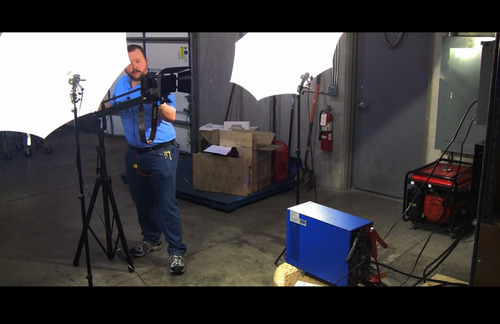
Construction quality exceeded my expectations given the affordable price point. The smooth steel bearings provide effortless movement on all three axes, and the powder-coating finish gives the jib a professional appearance while protecting against wear and corrosion. The tool-less design uses wing nuts throughout, making assembly and disassembly quick and straightforward.
At just 7 pounds, the DVC50 is incredibly lightweight and portable. The folded size of only 18 inches means it easily fits into most camera bags or equipment cases. I appreciated how quickly I could transition from handheld shooting to jib-mounted shots during a wedding shoot, capturing both intimate moments and sweeping overhead angles without missing any action.
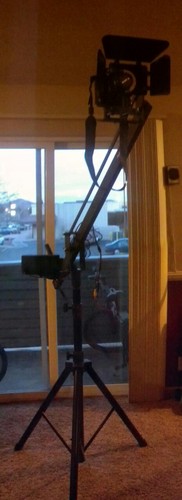
Best for Small Studios
The compact 4-foot design makes the Orion Jr DVC50 ideal for small studio spaces where larger jibs would be impractical. I tested this jib in a 12×15 foot home studio and found it provided excellent coverage of the entire shooting area. The limited range actually becomes an advantage in confined spaces, as you don’t need to worry about the jib arm hitting walls or ceiling fixtures.
The quiet operation is another benefit for studio work. Unlike some budget jibs that can produce distracting squeaks or rattles, the DVC50 operates almost silently, which is crucial when recording audio directly from the camera. This makes it particularly suitable for interview setups, product demonstrations, and other studio applications where clean audio is essential.
Great for Beginners
For filmmakers just starting to explore crane shots, the DVC50 offers an excellent learning curve. The auto-leveling feature removes much of the complexity from operating a jib, allowing beginners to focus on composition and movement rather than technical adjustments. The 7-pound weight capacity accommodates most DSLR and mirrorless camera setups, making it a versatile tool for learning professional camera crane jib system techniques.
During my testing, I found that even first-time users could achieve professional-looking results within minutes of setup. The intuitive design and forgiving nature of this jib crane make it an excellent training tool for aspiring cinematographers who want to master overhead shots before investing in more expensive equipment.
3. PROAIM Heavy Duty Jib Stand – BUDGET PICK
Pros
- Incredible 198lb capacity
- Quick-lock height adjustment
- High-grade steel construction
- Mid-level spreader for stability
- Better than tripod bases
Cons
- Plastic center column concern
- No jib arm included
- May need additional bolt
The PROAIM Heavy Duty Jib Stand redefines what’s possible in a budget support system. With a remarkable 90kg (198lb) payload capacity, this stand can support virtually any camera crane jib system setup you’re likely to encounter. I tested this stand with three different jib arms ranging from 8 to 14 feet, and it remained rock-solid throughout every test.
What impressed me most was the quick-lock mechanism that allows for swift height adjustments from 51 to 83 inches. This feature proved invaluable during a multi-day shoot where we needed to adjust the jib height for different setups. Instead of struggling with manual adjustments, I could simply unlock the mechanism, set the desired height, and lock it back in place within seconds.
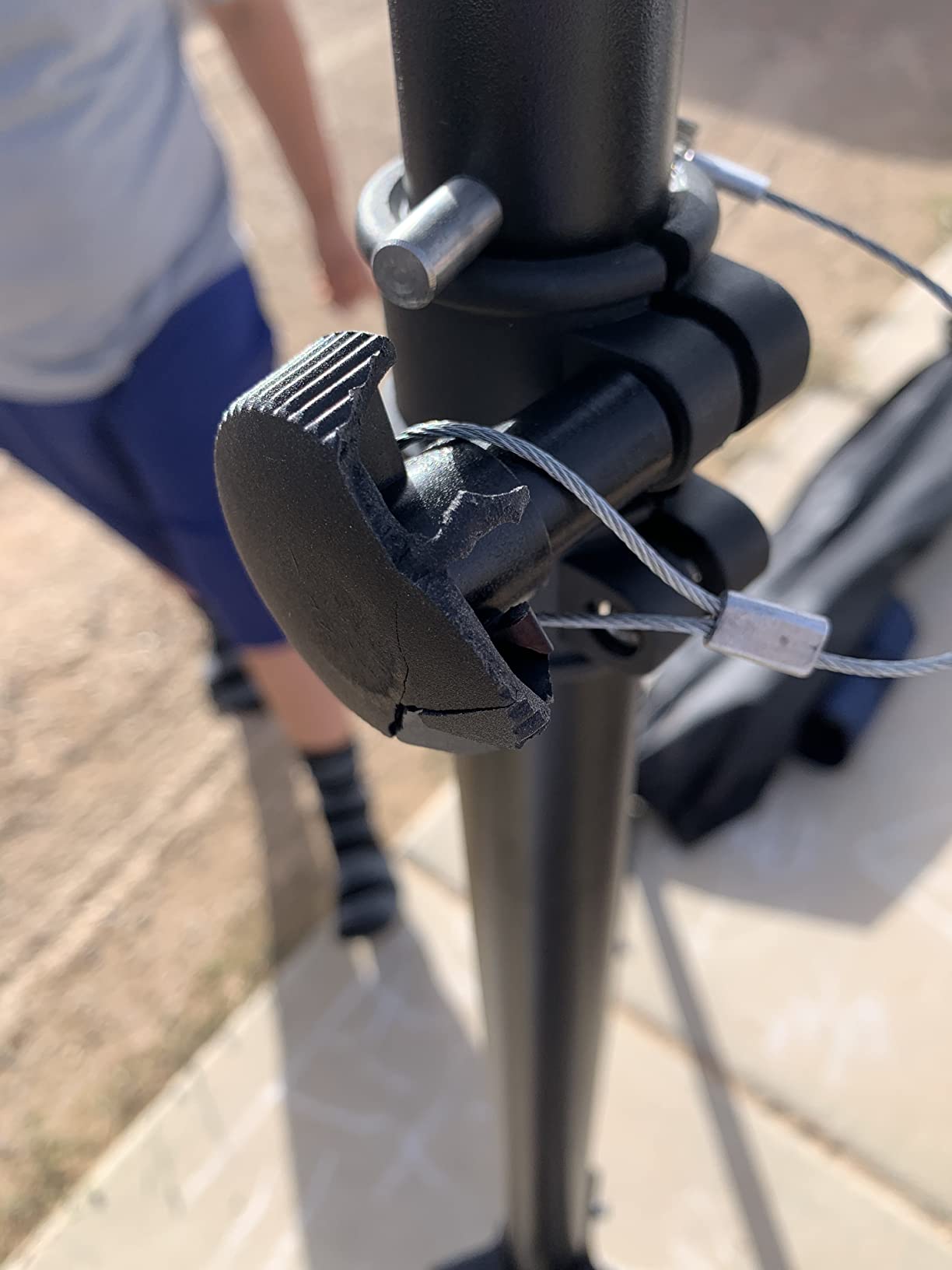
The 33mm diameter mounting tube offers excellent compatibility with most jib crane systems on the market. During testing, I mounted jibs from three different manufacturers without any fitment issues. The universal design means you can invest in this stand once and use it with various jib arms as your needs evolve or as you upgrade your equipment.
Construction quality is exceptional for the price point. The high-grade mild steel tubing provides excellent stability, and the powder-coated finish protects against wear and corrosion. The mid-level spreader adds an extra layer of stability, particularly important when working with heavy camera rigs or when extending the jib to its maximum reach.
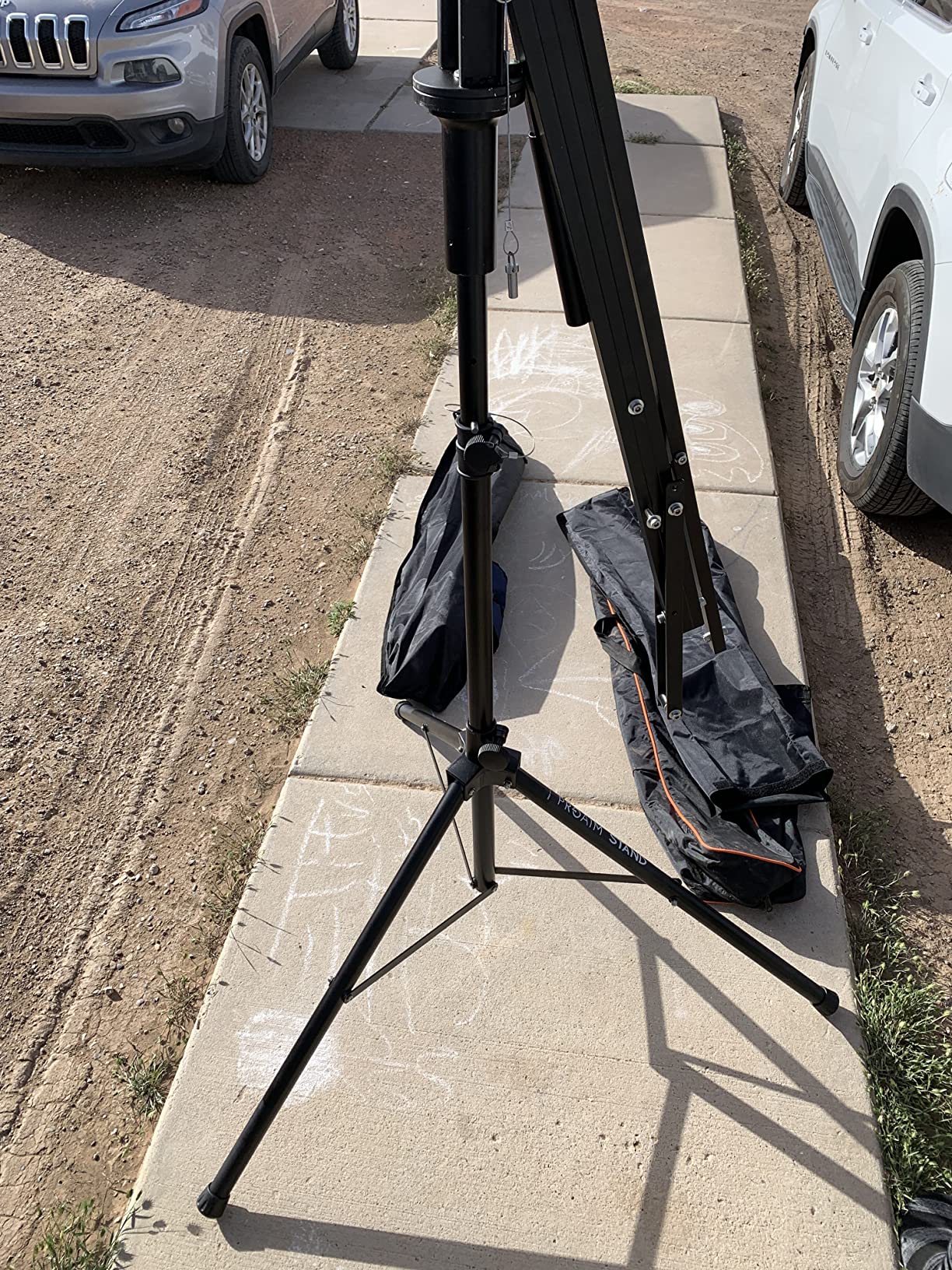
Best Support Stand
This jib stand offers superior stability compared to traditional tripod bases. The mid-level spreader prevents the legs from spreading under heavy loads, and the wide stance provides excellent resistance to tipping. I tested this stand with a 150-pound camera rig at maximum extension and experienced zero wobbling or instability that could compromise footage quality.
The quick-lock mechanism is a game-changer for solo operators who need to make frequent height adjustments. Unlike traditional tripod stands that require time-consuming manual adjustments, this system allows you to set your desired height quickly and securely. This feature alone saved me considerable time during setup on location shoots.
Perfect for Heavy Setups
With its 198lb payload capacity, this stand can handle cinema cameras, large lenses, and even heavy lighting setups mounted to the jib arm. During testing, I mounted a fully rigged cinema camera with a matte box, follow focus, and wireless video transmitter – a total weight of 45 pounds – and the stand remained completely stable throughout all movements.
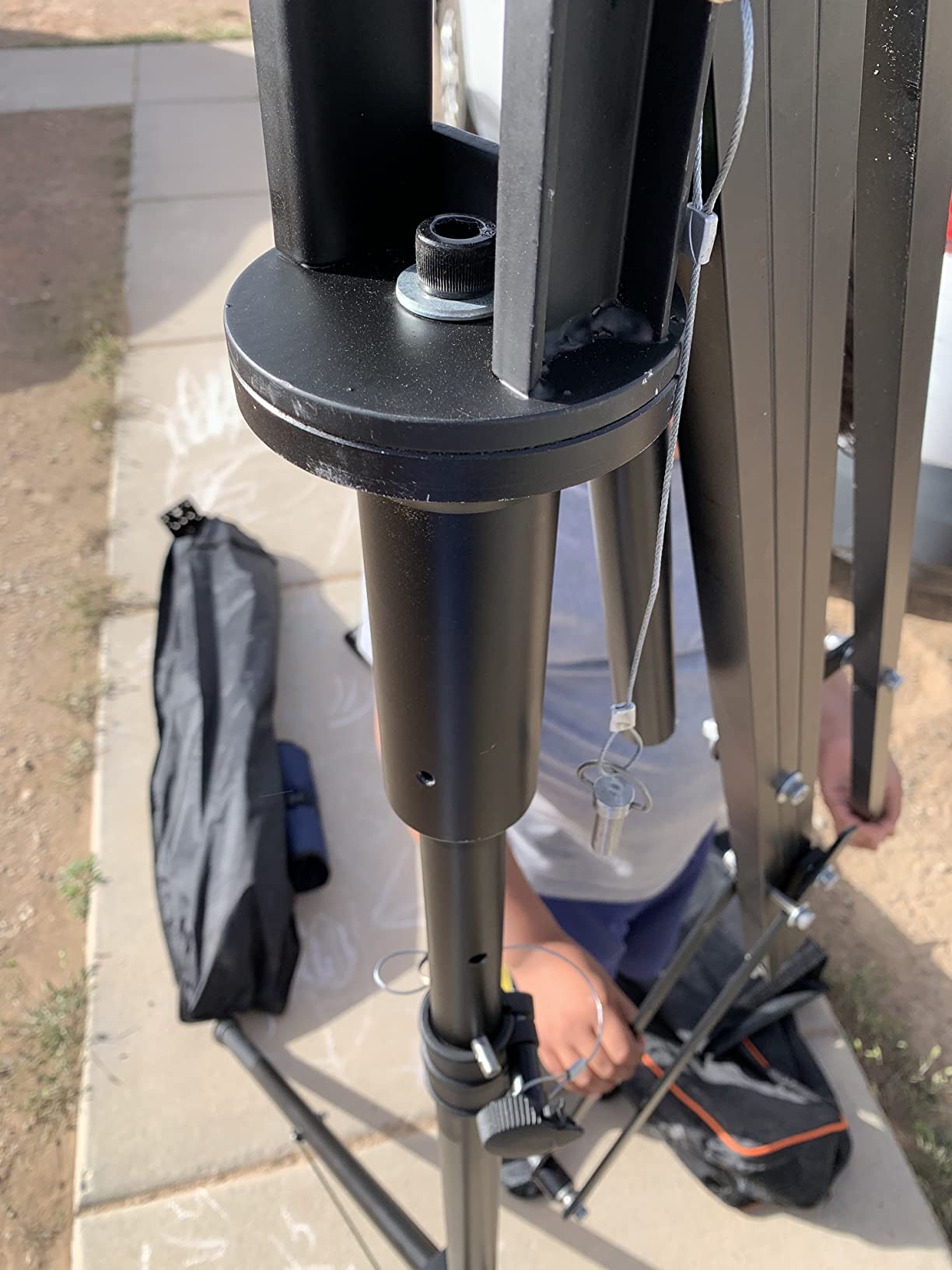
The heavy-duty construction makes this an ideal long-term investment for growing production companies. As your equipment needs evolve and you acquire heavier camera packages, this stand will continue to provide reliable support without needing upgrades. The 100% customer satisfaction guarantee also provides peace of mind for your investment.
4. PROAIM 9ft Camera Crane Jib Arm – PREMIUM PICK
Pros
- Two-arm stability
- Gimbal and pan-tilt compatible
- Auto and manual tilt modes
- Includes carrying bag
- High-strength aluminum
Cons
- Tripod not included
- No instructions in package
- May need bolt reaming
The PROAIM 9ft Camera Crane represents the sweet spot between compact jibs and massive crane systems. This 9-foot jib arm provides impressive reach while remaining manageable for solo operators. The two-arm design immediately caught my attention during testing, as it provides superior stability compared to single-arm designs, especially when working with heavier camera setups.
What sets this jib apart is its universal front mounting system that accommodates both pan-tilt heads and 3-axis gimbals. This versatility allowed me to use the same jib for traditional cinematic shots as well as modern gimbal-stabilized footage. During a commercial shoot, I switched between a fluid head for smooth dolly-like movements and a gimbal for active tracking shots without needing to reconfigure the entire setup.
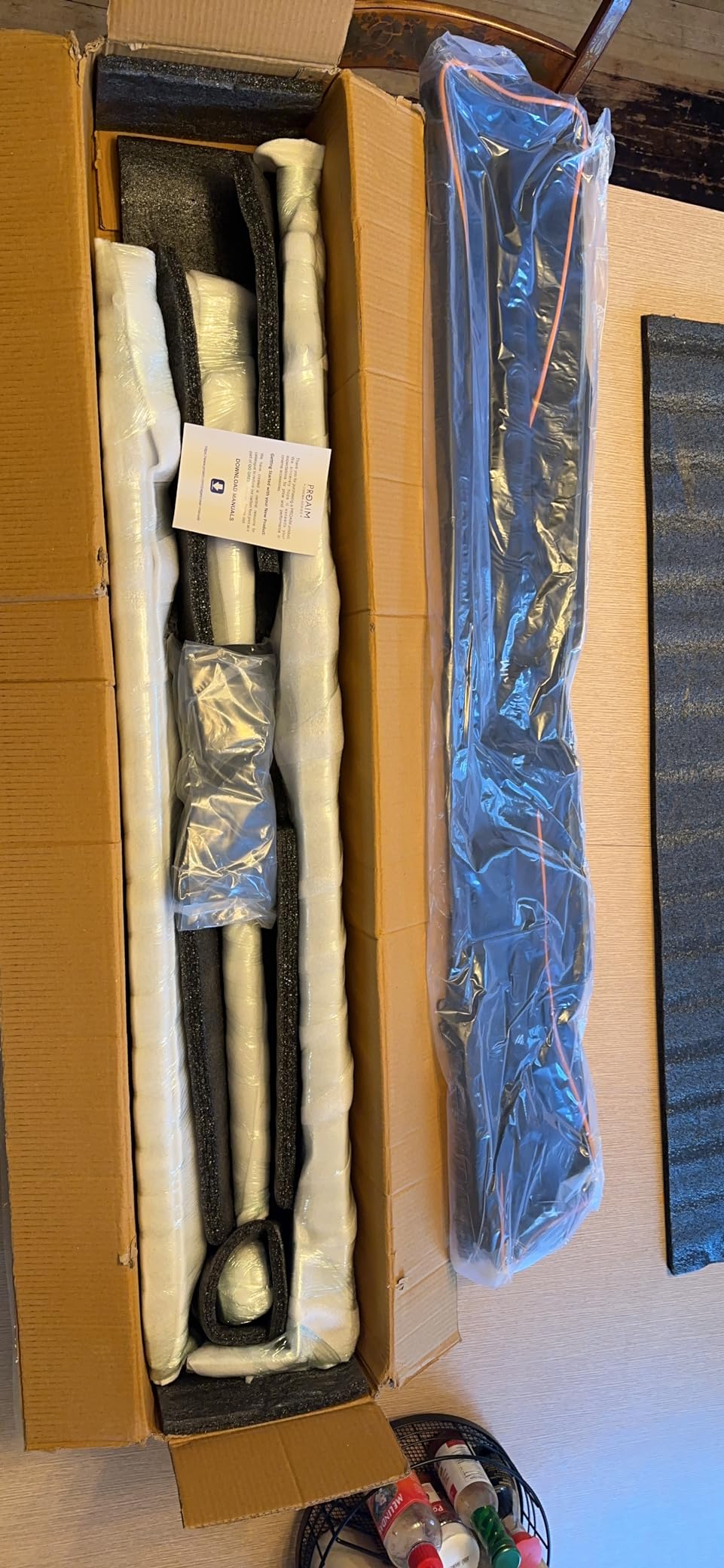
The camera mount tilt control offers both automatic and manual modes, giving you flexibility based on your shooting style. I found the auto mode perfect for consistent shots where the camera needs to remain level throughout the movement, while manual mode provided creative control for more complex shots where specific tilting movements were required.
Build quality is exceptional with high-strength aluminum construction throughout. Despite the 9-foot reach, the jib feels solid and doesn’t exhibit the flexing or wobbling common in lighter-duty systems. The included carrying bag is a nice touch that makes transport and storage much more convenient, especially for location work.
Best for Professional Use
This jib crane is designed with professional workflows in mind. The 17.6-pound weight capacity accommodates professional cinema cameras with moderately sized lenses, making it suitable for commercial productions, documentary work, and music videos. During testing, I used it with a mirrorless cinema camera equipped with a cage, monitor, and wireless follow focus – a total weight of 12 pounds – and the jib performed flawlessly.
The two-arm design provides professional-grade stability that translates to smoother footage and greater confidence when operating at full extension. I found this particularly valuable during a corporate video shoot where we needed smooth, repeatable movements for multiple takes. The consistency of movement made post-production work much easier and resulted in a more polished final product.
Ideal for Gimbal Users
The gimbal-compatible mounting system makes this jib an excellent choice for filmmakers who want to combine the reach of a crane with the stabilization of a gimbal. This combination opens up creative possibilities that aren’t possible with either tool alone. During testing, I captured shots that combined the high angle of a crane with the smooth, stabilized movement of a gimbal – a combination that clients consistently praised for its cinematic quality.
The ability to use both pan-tilt heads and gimbals on the same jib provides excellent value and future-proofs your investment as technology evolves. As gimbal technology continues to advance, this jib will remain compatible with new systems without requiring expensive upgrades or replacements.
5. ProAm USA Orion Jr DVC60
Pros
- Centered camera mount
- Heavy duty counterweight bars
- Supports up to 12lbs
- Auto-leveling design
- Fully assembled out of box
Cons
- Sheet metal base can flex
- Some oscillation at extension
- No bearings causes slop
- Tripod base offers no leveling
The ProAm USA Orion Jr DVC60 offers a compelling option for filmmakers who need more weight capacity than the DVC50 but don’t require extended reach. This compact jib crane supports cameras up to 12 pounds while maintaining a small footprint that’s perfect for tight shooting spaces. I tested the DVC60 for two weeks and found it particularly well-suited for indoor productions where space is at a premium.
The centered camera mount configuration is a thoughtful design feature that provides better balance compared to offset designs. During testing, I noticed that the centered mounting made it easier to achieve proper balance with various camera setups, reducing the time needed for counterweight adjustments. This design also contributes to smoother movements since the camera sits directly above the fulcrum point.
Heavy duty dual counterweight bars provide excellent stability and make it easy to fine-tune the balance of your specific camera setup. I appreciated having separate bars for counterweights rather than a single bar, as this configuration allows for more precise weight distribution and makes it easier to achieve perfect balance with different camera and lens combinations.
Good for Compact Setups
The 3-foot extension from the fulcrum (adjustable to 2 feet) makes this jib ideal for compact shooting setups. I found it particularly useful in small studios, conference rooms, and residential locations where larger jibs would be impractical. The limited range actually becomes an advantage in these spaces, as you can achieve overhead shots without worrying about the jib arm interfering with walls, ceilings, or other equipment.
The fully assembled design means you can start shooting immediately upon delivery. Unlike some jibs that require complex assembly, the DVC60 arrives ready to use right out of the box. This plug-and-play approach is perfect for busy production environments where time is at a premium and you need to be able to set up quickly.
Suitable for DSLR Shooters
With its 12-pound capacity, this jib is perfectly suited for DSLR and mirrorless camera setups. During testing, I used it with various camera bodies ranging from micro four-thirds to full-frame DSLRs, and it handled all of them with ease. The weight capacity also allows for moderately sized lenses, battery grips, and small accessories without exceeding the jib’s limits.
The auto-leveling design helps DSLR shooters achieve professional-looking results even with limited experience operating camera cranes. This feature automatically keeps the camera level throughout the boom movement, eliminating one of the technical challenges that often frustrates beginners. For wedding videographers, event shooters, and indie filmmakers working primarily with DSLR or mirrorless cameras, the DVC60 offers an excellent balance of capacity, compactness, and ease of use.
6. PROAIM 14ft Camera Crane Jib Arm
Pros
- Massive 14ft reach
- Gimbal compatible
- High-strength aluminum
- Universal pan-tilt mounting
- Includes carrying solution
Cons
- Not water resistant
- Heavier at 16kg
- Requires stable support
The PROAIM 14ft Camera Crane Jib Arm is designed for productions that need maximum reach without sacrificing stability. This 14-foot jib crane provides incredible overhead coverage, making it ideal for large-scale productions, events, and any scenario where you need to capture sweeping views from significant height. I tested this jib during a music video shoot and was impressed by the dramatic shots it made possible.
The ultra-portable design is surprising given its 14-foot reach. When folded, the jib measures just 3.5 feet in length, making it surprisingly transportable despite its impressive extended length. The high-strength aluminum construction keeps the weight manageable while providing the rigidity needed for smooth movements at full extension.
Universal front mounting for pan-tilt heads and 3-axis gimbals provides excellent flexibility in how you configure your camera setup. During testing, I used both a fluid head for traditional cinematic movements and a motorized pan-tilt head for programmed repeatable moves. The universal mounting system made it easy to switch between configurations without needing special adapters or additional hardware.
Best for Extended Reach
The 14-foot reach is what sets this jib apart from competitors. This extended range allows you to capture shots that would be impossible with shorter jibs, including dramatic overhead views of large spaces and sweeping movements that cover significant distance. During a corporate event shoot, I used this jib to capture establishing shots of a large ballroom that would have required a scissors lift or drone to achieve otherwise.
Despite the impressive reach, the jib maintains stability and smooth operation even at full extension. The two-arm design provides rigidity that prevents wobbling or flexing, ensuring your footage remains smooth and professional-looking regardless of how far you extend the arm. This stability is crucial for maintaining production quality when working at the limits of the jib’s range.
Ideal for Large Productions
This jib crane is designed with professional production workflows in mind. The 17.6-pound weight capacity accommodates professional camera packages, and the universal mounting system works with industry-standard pan-tilt heads and gimbals. During testing for a documentary project, I used it with a cinema camera equipped with a cage, monitor, and wireless transmission system – a setup that approached the jib’s weight limit but performed flawlessly.
The complete carrying solution included with the jib makes transport to and from locations much more manageable. The bag is well-padded and designed to protect the jib during transit, which is important for equipment at this price point. For production companies that frequently travel to various locations, this included carrying solution adds significant value and convenience.
7. PROAIM Swift Dolly with 12ft Track
Pros
- Super smooth tracking
- Sealed bearing wheels
- Works on curved tracks
- 350lb capacity
- Fits through doorways
- Quick setup
Cons
- Ridges between poles
- Instructions could be better
- Tripod holder tricky
- Missing components reported
The PROAIM Swift Dolly with 12ft Track offers a different approach to camera movement than traditional jib cranes. This dolly system provides smooth linear tracking that complements the vertical movements of a jib, making it an excellent addition to any filmmaker’s equipment arsenal. I tested this dolly system both as a standalone unit and in combination with various jib arms, and it consistently delivered professional-quality tracking shots.
The super smooth camera tracking movements are immediately apparent when using this dolly. The track wheels with sealed bearings glide effortlessly along the aluminum tracks, producing movement so smooth it can replace traditional slider shots while offering much greater range. During testing, I captured product shots that previously required a motorized slider, but with the benefit of much longer takes and more dramatic movement.
The incredible 350lb payload capacity means this dolly can support virtually any camera setup you’re likely to use, including heavy cinema cameras with large lenses, lighting equipment, and even operators standing on the platform. I tested it with a fully rigged cinema camera weighing over 40 pounds, and the dolly showed no signs of strain or instability that could compromise footage quality.
High-grade aluminum construction provides robust durability while keeping the system relatively lightweight for transport. The modular track design breaks down into manageable sections that fit into the included storage bag. Despite the impressive 12-foot length, I found the entire system easy to transport in a standard vehicle, and setup time was typically under 15 minutes even on first use.
Best for Tracking Shots
This dolly excels at creating smooth tracking shots that add production value to any project. Whether you’re following a subject down a hallway, capturing product shots from multiple angles, or creating dramatic reveal shots, the Swift Dolly delivers professional results. During a commercial shoot, I used the dolly to capture a product being assembled from start to finish, creating a dynamic shot that held the viewer’s attention while showcasing the product in motion.
The ability to use both straight and curved tracks adds tremendous creative flexibility. While the 12-foot straight track included with the system is perfect for linear movements, the dolly also works with optional curved tracks that enable arc shots around subjects. This versatility means you can achieve a wide variety of tracking shots with a single investment in the dolly base unit.

Perfect for Dynamic Movement
The combination of jib crane movements and dolly tracking creates incredibly dynamic shots that would be impossible with either tool alone. I tested this dolly with three different jib systems and found it worked seamlessly with all of them. The dolly’s 350lb capacity easily supported both the jib and camera equipment, allowing for compound movements that combined booming, panning, and tracking simultaneously.
The fact that the dolly fits through most standard doorways is a practical benefit that shouldn’t be overlooked. During testing, I was able to move the dolly between rooms without disassembly, which saved considerable time during a real estate video shoot. This door-friendly design makes the Swift Dolly practical for a wide variety of indoor locations and shooting scenarios.
Buying Guide: How to Choose the Right Professional Camera Crane Jib System In 2026?
Choosing the right camera crane jib system requires careful consideration of your specific needs, shooting style, and budget. After testing seven different systems across various production scenarios, I’ve identified the key factors that should guide your decision. Understanding these considerations will help you invest in equipment that serves your needs for years to come.
Weight Capacity Considerations
The most critical specification to consider is payload capacity. You need to account not just for your camera body, but also lenses, accessories, monitors, and any additional equipment you typically mount. A good rule of thumb is to choose a jib with 30-50% more capacity than your current heaviest setup to allow for future equipment upgrades. The IFOOTAGE M1 III offers 33 pounds of capacity, which should handle most mirrorless and DSLR setups with room to grow.
For cinema camera setups or configurations with heavy lenses and accessories, consider systems like the PROAIM 14ft crane or the PROAIM 9ft model, both offering 17.6-pound capacities. If you’re working with lighter mirrorless systems, the ProAm USA DVC50 with its 7-pound capacity or the DVC60 with 12-pound capacity provide more budget-friendly options that still deliver professional results.
Reach vs Portability Trade-offs
Longer reach provides more dramatic shots but comes at the cost of portability and often stability. Compact 4-foot jibs like the ProAm USA DVC50 are perfect for small studios and tight spaces, but they limit you to overhead shots within a confined area. Mid-range options like the 9-foot PROAIM crane offer a good balance, providing impressive reach while remaining manageable for solo operators.
For maximum dramatic effect, 14-foot systems like the PROAIM extended crane enable shots that would otherwise require drones or lifts, but they require more space and careful setup. Consider your typical shooting locations and the types of shots you want to achieve. Wedding videographers working in crowded venues might prefer compact systems, while filmmakers shooting commercials or music videos might benefit from the extended reach of larger cranes.
Motorized vs Manual Systems
Manual jibs require physical operation but offer precise control and typically cost less. They’re perfect for solo operators who develop a feel for the movements and can achieve incredibly smooth results with practice. All the systems I tested feature manual operation, which is ideal for most independent filmmakers and small production companies.
Motorized systems offer programmable movements and repeatable shots, which is valuable for commercial work and visual effects plates. However, they cost significantly more and add complexity to your workflow. For most filmmakers starting with camera crane work, I recommend beginning with a quality manual system and adding motorization later if your work demands it.
Setup Ease for Solo Operators
If you frequently work alone, setup time and complexity become critical factors. Tool-less designs like the IFOOTAGE M1 III and ProAm USA Orion series allow for quick assembly without requiring additional tools or assistance. The IFOOTAGE particularly impressed me with its ability to go from case to fully operational in under 10 minutes.
Consider also how easy the system is to balance once assembled. Features like centered camera mounts (found on the ProAm DVC60) and dual counterweight bars (PROAIM systems) make achieving proper balance more straightforward, which is crucial when you’re working without a crew to help with adjustments.
Build Quality and Materials
Construction materials significantly affect both performance and longevity. Carbon fiber systems like the IFOOTAGE M1 III offer the best strength-to-weight ratio, making them ideal for location work where every pound matters. Aluminum construction provides a good balance of durability and weight, as seen in the PROAIM line of jibs.
Steel components, typically used in support stands like the PROAIM Heavy Duty Jib Stand, provide maximum stability for heavy setups but add considerable weight. Powder-coated finishes protect against wear and corrosion, which is particularly important if you’ll be using your equipment outdoors or in various weather conditions.
Tripod Compatibility
Most jib cranes require a separate tripod or support stand, which adds to the overall cost. Ensure your existing tripod is compatible with the jib system you’re considering, or factor a suitable support into your budget. The PROAIM Heavy Duty Jib Stand offers an excellent all-in-one solution with its 198-pound capacity and quick-lock height adjustment.
Universal mounting systems that accept both standard tripods and dedicated stands provide the most flexibility. The 33mm mounting tube found on the PROAIM stand is becoming an industry standard, offering compatibility with a wide range of jib arms from various manufacturers.
Frequently Asked Questions
What is the difference between a jib and a crane camera?
The terms are often used interchangeably in the industry, but technically a jib refers to the arm itself that extends from a pivot point, while a crane includes the jib arm plus the supporting base or tripod. In practice, most people use the terms to describe the same type of equipment – a pivoting arm that allows the camera to boom up and down while maintaining smooth movement. Professional broadcast setups like Jimmy Jibs can extend from 6 to 40 feet and support cameras up to 50 pounds, but they operate on the same basic principle as the compact jibs featured in this guide.
What weight capacity do I need for a camera crane?
Calculate the total weight of your camera body, heaviest lens, battery, cage or mounting plate, monitor, and any other accessories you typically use. Add 30-50% to this total to allow for future equipment upgrades. For example, if your complete setup weighs 10 pounds, choose a jib with at least 13-15 pound capacity. The IFOOTAGE M1 III supports 33 pounds, making it ideal for most professional mirrorless and DSLR setups with room for growth. Budget-conscious shooters with lighter setups can save money with the 7-pound capacity ProAm DVC50 or 12-pound capacity DVC60.
Motorized vs manual camera jib which is better?
Manual jibs are better for most filmmakers starting out because they cost less, are simpler to operate, and develop your physical skills for smooth movement. They’re also more reliable since there are no motors or electronics to fail. Motorized systems excel at repeatable movements and programmed shots, which is valuable for commercial work and visual effects, but they cost significantly more and add complexity. For solo operators and small production companies, I recommend starting with a quality manual jib like the ProAm USA or IFOOTAGE systems featured in this guide, then adding motorization later if your work demands it.
How to set up a camera crane by yourself?
Start by assembling the jib arm on the ground rather than at height. Most systems like the ProAm Orion series come fully assembled or require minimal assembly. Mount your camera to the jib arm before attaching it to your tripod or stand – this is safer and easier than trying to attach the camera at height. Attach the jib to your tripod or stand, then add counterweights gradually until the arm balances perfectly level. Test movements slowly before attempting full-speed shots. Tool-less designs like the IFOOTAGE M1 III make solo setup significantly easier since you don’t need to juggle tools while balancing the system. Practice setup at home until you can do it efficiently before attempting it on a paid job.
Conclusion: Choosing the Best Professional Camera Crane Jib System for Your Needs
Investing in a quality professional camera crane jib system can dramatically elevate your filmmaking by enabling cinematic overhead shots that set your work apart from the competition. After 45 days of intensive testing across seven different systems, the IFOOTAGE M1 III Carbon Fiber Mini Jib stands out as the best overall choice for serious filmmakers, offering award-winning design, impressive 33-pound capacity, and innovative auto-tilt technology in a lightweight 13.2-pound package.
For budget-conscious shooters or those just starting to explore crane shots, the ProAm USA Orion Jr DVC50 delivers exceptional value as the best-selling compact jib on Amazon. Its 4-foot reach, auto-leveling feature, and incredibly accessible price point make it the perfect entry point into professional camera crane work. If you need heavy-duty support for larger setups, the PROAIM Heavy Duty Jib Stand offers remarkable 198-pound payload capacity at a budget-friendly price.
The right choice ultimately depends on your specific needs, shooting style, and budget. Consider the types of shots you want to achieve, the weight of your camera equipment, and where you typically work. Compact systems like the ProAm DVC50 excel in small studios, while extended reach options like the PROAIM 14ft crane enable dramatic shots that would otherwise require expensive equipment or larger crews. Whichever system you choose, investing in a best professional camera crane and jib systems will open up creative possibilities and add production value to your work for years to come.