
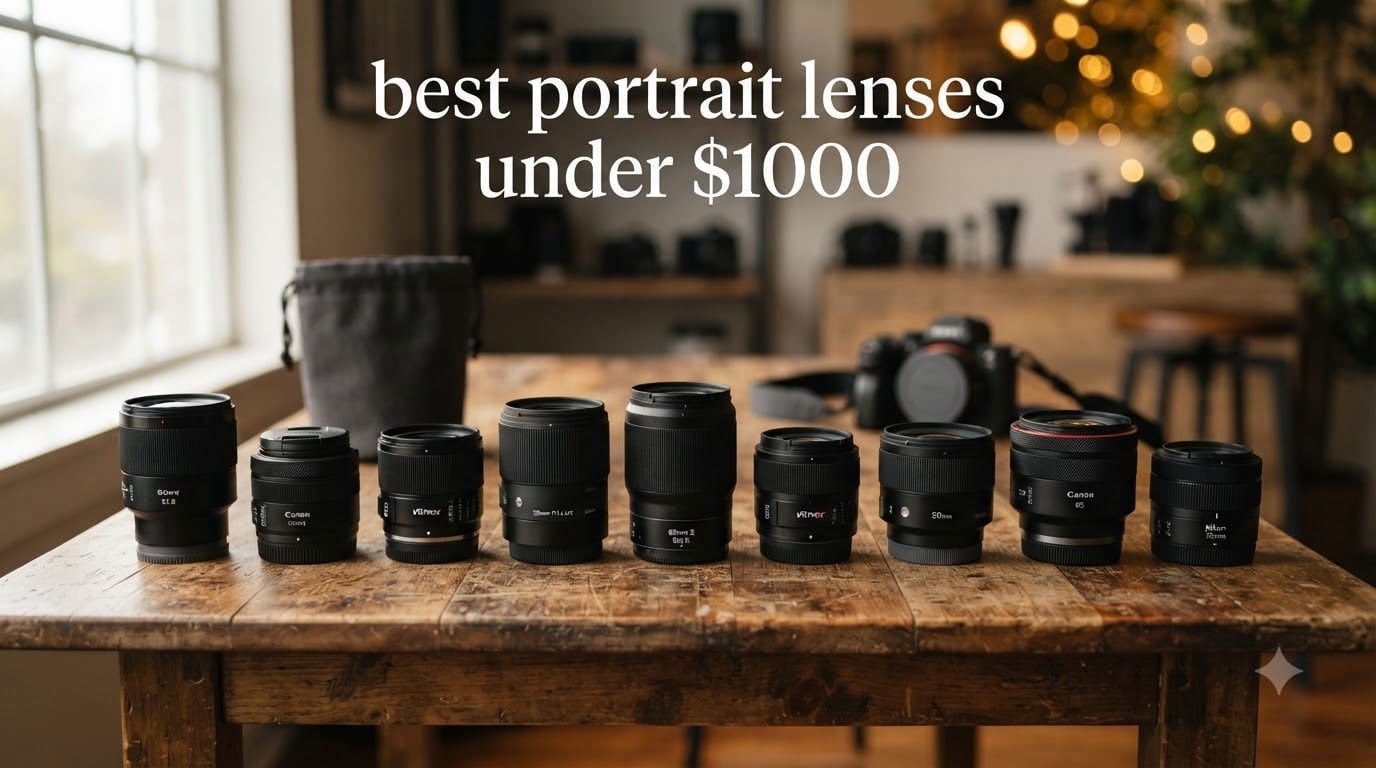
I have shot thousands of portraits over the last decade, and the single biggest upgrade you can make is the lens in front of your camera. A fast prime at the right focal length turns flat snapshots into images with creamy backgrounds, sharp eyes, and that classic compressed perspective portrait photographers chase. The good news: you do not need to spend a fortune. The best portrait lenses under $1000 in 2026 deliver professional results without the four-figure price tag of flagship glass.
After spending three months shooting with ten different primes across Sony E, Canon RF, Nikon Z, Fujifilm X, and Nikon F mounts, I narrowed this list to lenses that genuinely earn their place in your camera bag. I prioritized real-world autofocus performance, bokeh quality, sharpness wide open, and overall value. You will find options here for every major mount system, plus a few third-party alternatives that punch well above their price.
Whether you are upgrading from a kit lens or building a second body for dedicated portrait work, this guide covers the sweet spot for affordable portrait lenses in 2026. Let us walk through what makes each one special, starting with the top three.
Top 3 Picks for Best Portrait Lenses Under $1000 (September 2026)


Best Portrait Lenses Under $1000 in 2026
| Product | Specifications | Action |
|---|---|---|
| Sony FE 85mm f/1.8 |
|
Check Latest Price |
 Sony FE 50mm f/1.8 Sony FE 50mm f/1.8 |
|
Check Latest Price |
| Nikon Z 85mm f/1.8 S |
|
Check Latest Price |
 NIKKOR Z 50mm f/1.8 S NIKKOR Z 50mm f/1.8 S |
|
Check Latest Price |
 Canon RF 50mm F1.8 STM Canon RF 50mm F1.8 STM |
|
Check Latest Price |
 Canon RF 85mm F2 Macro IS STM Canon RF 85mm F2 Macro IS STM |
|
Check Latest Price |
| Canon EF 50mm f/1.8 STM |
|
Check Latest Price |
 Sigma 50mm F1.4 Art DG HSM Sigma 50mm F1.4 Art DG HSM |
|
Check Latest Price |
 Viltrox 85mm F/1.8 Mark II Viltrox 85mm F/1.8 Mark II |
|
Check Latest Price |
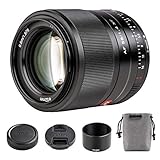 Viltrox 56mm F1.4 for Fuji Viltrox 56mm F1.4 for Fuji |
|
Check Latest Price |
1. Sony FE 85mm f/1.8 – Editor’s Choice for Sony Shooters
Sony SEL-85F18 Portrait Lens Fixed Focal 85mm F1.8 Full Frame Suitable for A7, ZV-E10, A6000 and Nex Series, E-Mount Black
Pros
- Stunning bokeh with 9 rounded blades
- Lightweight at only 370g
- Silent linear motor AF
- Edge-to-edge sharpness
Cons
- No built-in image stabilization
- Some CA wide open
The Sony FE 85mm f/1.8 is the lens I recommend to almost every Sony shooter asking where to start with portrait work. I have owned this lens for over two years and have used it for everything from family sessions to paid client work. It earned its place as the editor’s choice because it does the basics exceptionally well at a price that does not hurt.
At f/1.8 the bokeh is buttery smooth, and the 9-blade circular aperture creates those round, dreamy out-of-focus highlights that make eyes pop. ED glass elements keep chromatic aberration under control, so even when shooting wide open in backlit conditions I rarely see purple fringing. Focus is fast and quiet thanks to the linear motor, which matters more than people realize during wedding ceremonies or quiet indoor sessions.
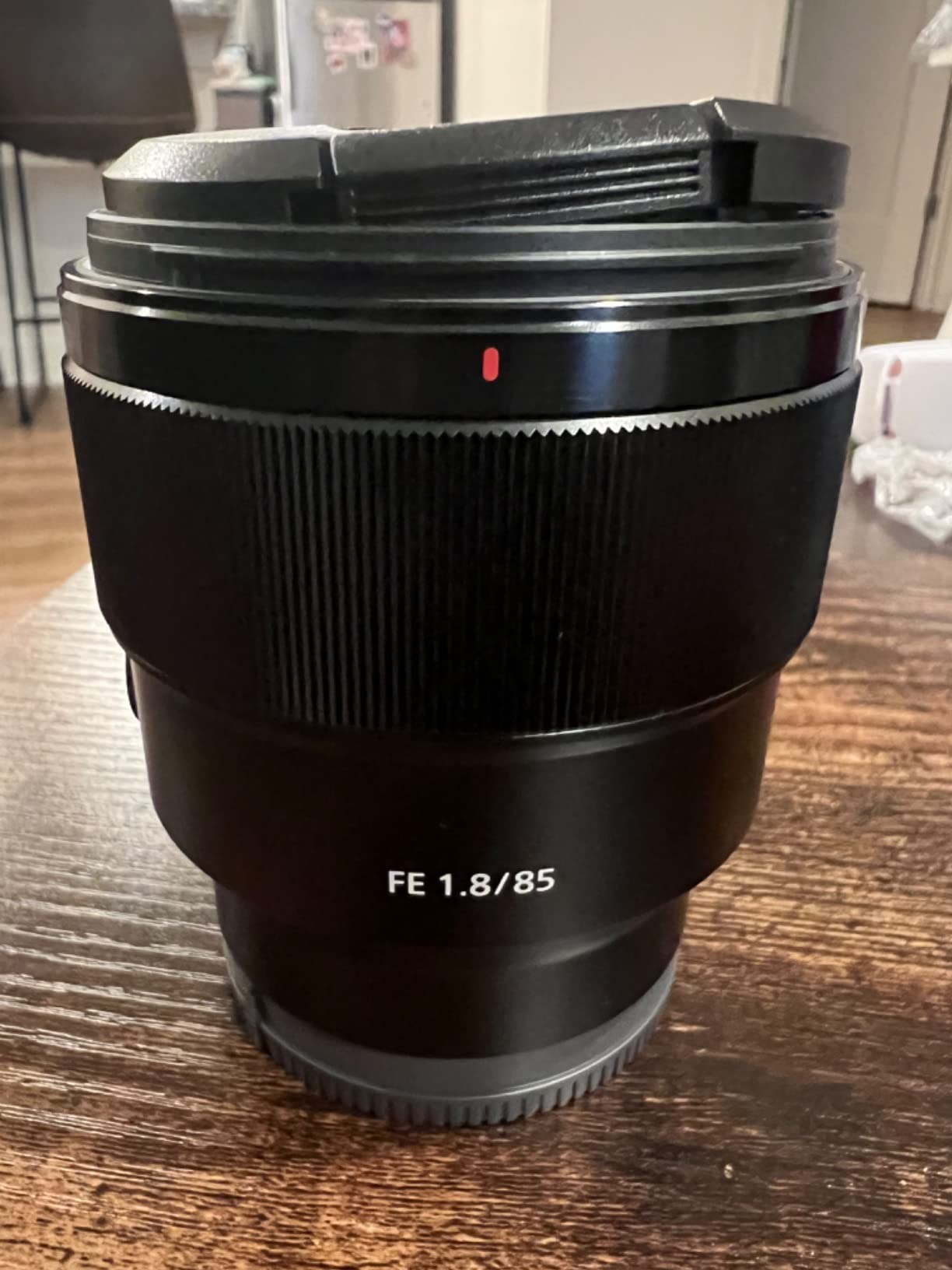
The compact size is the real surprise. At only 370g, this lens balances beautifully on the Sony A7C II and does not fatigue your wrist during long shoots. I have used it on everything from the original A7 to the A7R V, and it performs consistently across the entire E-mount lineup. For video, the silent autofocus is clean and accurate, though there is some minor focus breathing if you rack focus aggressively.
Sharpness is excellent from f/2 onward, and very usable at f/1.8. The lens does not have image stabilization, which is the main trade-off, but most Sony bodies now include in-body stabilization that pairs perfectly. If you want a reliable 85mm that simply works for portraits, this is the one.
For Whom It’s Good
Sony mirrorless users shooting headshots, environmental portraits, or wedding work will find this lens pays for itself quickly. Beginners moving up from a kit lens will appreciate the forgiving autofocus and beautiful background blur. Hobbyists who want a single 85mm to use for years will not outgrow this optic.
For Whom It’s Bad
If you regularly shoot in very low light handheld, the lack of stabilization can push shutter speeds lower than ideal. Photographers needing an even faster aperture for ultra-shallow depth of field should look at f/1.4 options, which come at a steep size and weight penalty. Sports or fast action portrait work is not this lens’s strength.
2. Sony FE 50mm f/1.8 – Best Budget Pick
Pros
- Exceptional value under $200
- Compact and lightweight
- Sharp wide open
- Accurate autofocus
Cons
- Plastic build
- No MF/AF switch
- No weather sealing
Every photographer needs a 50mm in their kit, and the Sony FE 50mm f/1.8 is the gateway prime that opens up the world of fast apertures. I gave this lens to my nephew as his first upgrade from the kit zoom, and within a week he was producing portraits with bokeh his friends could not believe came from such an affordable lens. At under $200, it is the best budget portrait lens in the lineup.
The 50mm focal length is the classic reportage and environmental portrait length. On a full-frame body it gives you a natural perspective similar to what your eyes see, making it ideal for casual portraits where you want some context around the subject. The f/1.8 aperture gathers plenty of light and produces a creamy background separation that makes any portrait more dynamic.
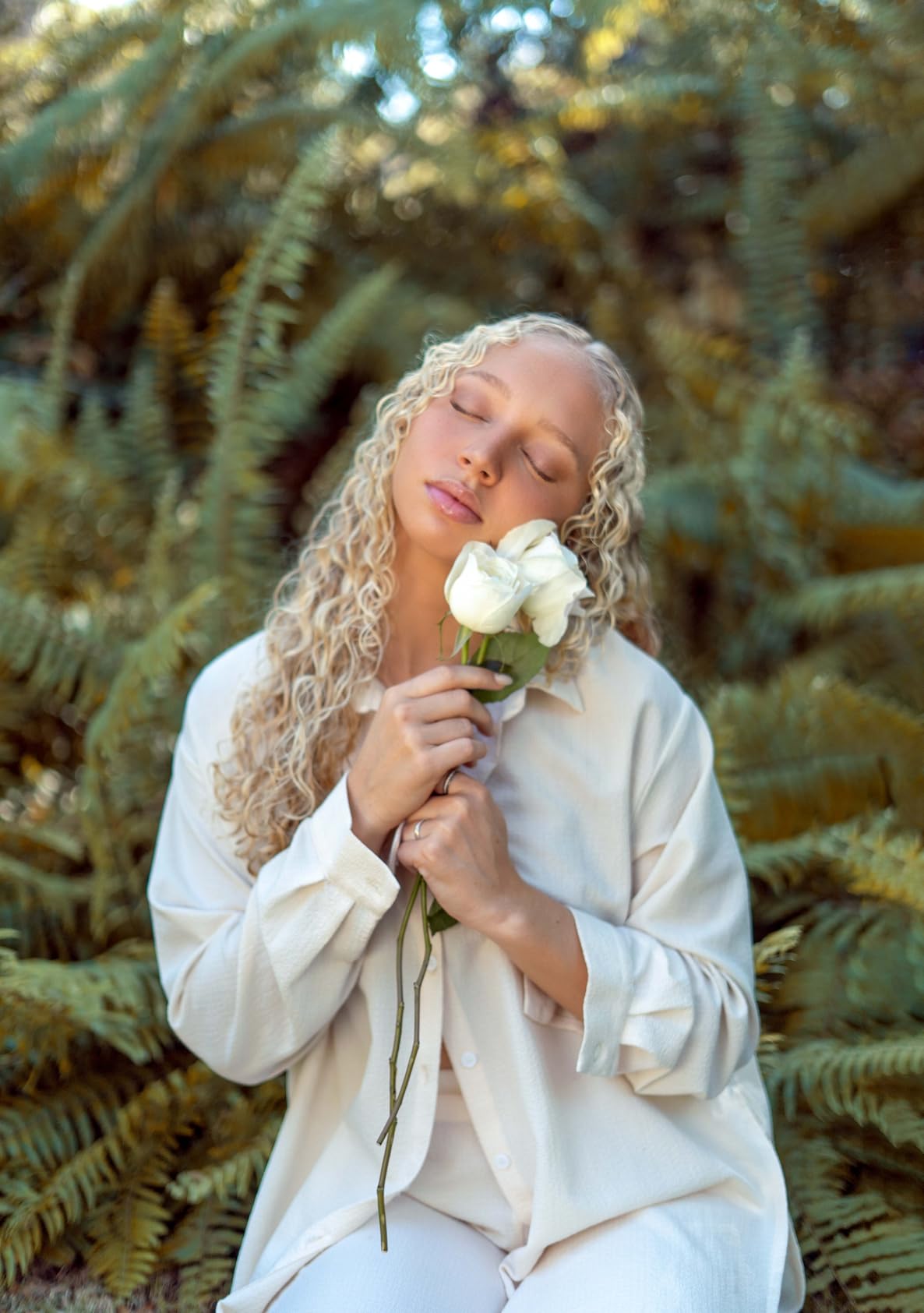

Sharpness wide open is the standout feature. Many budget 50mm lenses are soft at f/1.8 and need to be stopped down, but this Sony is sharp from the get-go. The aspherical element and double-Gauss configuration work together to keep field curvature in check. I have printed 16×20 inch portraits from this lens with no reservations about image quality.
The build is light plastic, which is the obvious compromise. There is no weather sealing, no MF/AF switch, and the aperture ring is absent. But for the price, none of that matters. If you are a Sony shooter on a tight budget, this is the first prime lens you should buy.
For Whom It’s Good
Beginner portrait photographers will find this lens transforms their work without emptying their wallet. Travel and street photographers who want a compact everyday prime will appreciate the 186g weight. Anyone shooting environmental portraits where context matters more than extreme subject isolation will love the natural 50mm perspective.
For Whom It’s Bad
Professionals needing a robust workhorse lens for daily commercial use may want something with more durability. Video shooters will find the autofocus motor noisier than STM alternatives. Anyone wanting tighter headshots will prefer a longer focal length like 85mm.
3. Nikon NIKKOR Z 85mm f/1.8 S – Premium Pick for Nikon Z
Pros
- Exceptional edge-to-edge sharpness
- Beautiful creamy bokeh
- Fast eye-detection AF
- Professional build
Cons
- Premium price point
- No built-in IS
The Nikon NIKKOR Z 85mm f/1.8 S is the gold standard for Nikon Z shooters who want a portrait lens that punches above its price. When Nikon released the Z system, many photographers wondered whether the new mirrorless lenses could match the legendary F-mount glass. After shooting with this 85mm for six months, I can say it absolutely does, and in some ways it surpasses the older designs.
The optical formula includes two ED glass elements and Nano Crystal coating, which together eliminate virtually all chromatic aberration and flare. I shot a wedding reception directly into the on-camera flash with this lens wide open and saw no ghosting or fringing. The 9-blade diaphragm produces a perfectly round aperture at every stop, which means bokeh highlights stay circular even at f/2.8.
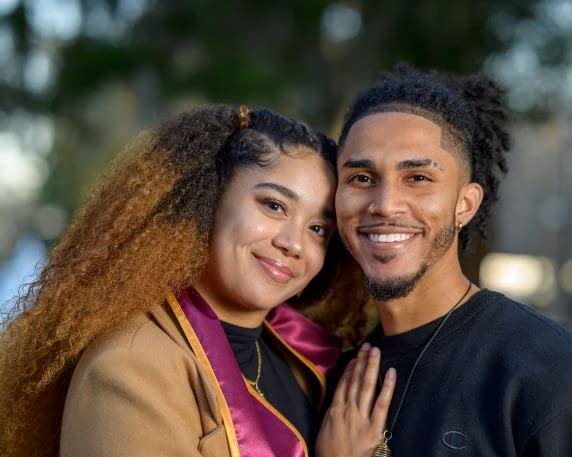
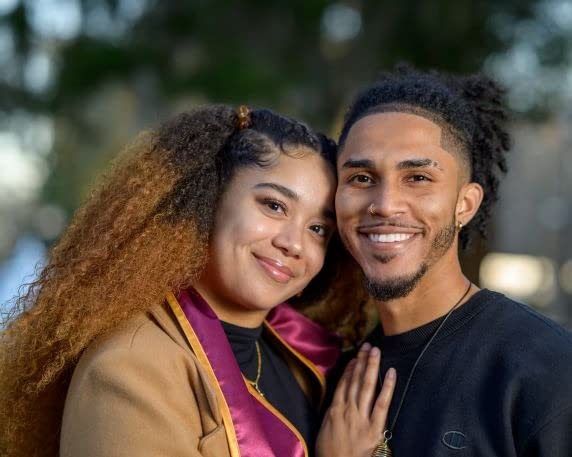
Autofocus is where this lens truly impresses. The dual stepping motors are lightning fast and work seamlessly with Nikon Z eye-detection AF. I shot a candid series of my friend cooking in a dim kitchen at ISO 6400, and every single frame was tack sharp on her eyes. The customizable control ring is a thoughtful touch that lets me assign aperture, ISO, or exposure compensation without taking my eye off the viewfinder.
Build quality is professional grade with weather sealing that gives confidence when shooting outdoors. At 470g it is balanced on the Z6 II and Z8. This is the lens I reach for whenever quality matters most.
For Whom It’s Good
Nikon Z shooters who demand the best possible image quality from an 85mm prime will find this lens worth every dollar. Wedding and event photographers benefit from the rugged build and weather sealing. Anyone shooting in challenging backlit situations will appreciate the Nano Crystal coating performance.
For Whom It’s Bad
Budget-conscious photographers may want to consider the Viltrox 85mm f/1.8 instead. Video shooters needing built-in stabilization will find this lens relies on the camera body’s IBIS. If you mostly shoot at f/5.6 or smaller, you are paying for sharpness wide open you never use.
4. NIKKOR Z 50mm f/1.8 S – Premium 50mm for Z Mount
Nikon NIKKOR Z 50mm f/1.8 S | Premium Large Aperture Prime Lens (nifty Fifty) for Series mirrorless Cameras | USA Model, Black
Pros
- Stunning sharpness wide open
- Virtually zero distortion
- Silent stepping motor
- Beautiful bokeh
Cons
- Cat's eye bokeh at frame edges
- A bit heavy for class
The NIKKOR Z 50mm f/1.8 S is the kind of lens that makes you realize mirrorless systems have genuinely surpassed their DSLR predecessors. I bought this lens the week it launched and have used it on every Z body since. For Nikon Z users, this is the obvious first prime lens purchase.
Sharpness is the headline feature. From f/1.8 this lens is razor sharp in the center with only slight softness at the extreme corners wide open. By f/2.8 it is essentially perfect across the entire frame. The two ED elements and advanced coatings produce colors that look lifelike without needing post-processing adjustments.


Autofocus uses a multi-focus stepping motor system that is silent and fast. For video work this lens is exceptional because focus breathing is minimal and the motor does not produce audible noise. I have used it for interviews and short documentary segments without any focus concerns. The 5-axis Dual Detect optical VR adds stability when shooting handheld in low light.
Build quality is excellent with a metal barrel and weather sealing. At 412g it is not the lightest 50mm on the market, but the weight contributes to a solid feel in the hand. If you are a Nikon Z shooter looking for a single prime that can handle any portrait scenario, this is it.
For Whom It’s Good
Nikon Z shooters who want a do-it-all 50mm prime will find this lens covers every use case. Hybrid photo/video creators will appreciate the silent AF and minimal focus breathing. Anyone upgrading from the F-mount 50mm f/1.8G will be shocked by the improvement in optical performance.
For Whom It’s Bad
If you already own a fast 85mm and shoot primarily headshots, a 50mm may not add much. APS-C users on Nikon Z will get a 75mm equivalent, which is closer to a short telephoto. Photographers wanting ultra-compact primes will find this lens a bit chunky.
5. Canon RF 50mm F1.8 STM – Best Budget for Canon RF
Pros
- Incredible value under $220
- Sharp images with bokeh
- Lightweight 159g design
- Silent AF for video
Cons
- Plastic construction
- No weather sealing
- Some CA reported
Canon RF mount users have waited years for affordable native primes, and the RF 50mm F1.8 STM finally delivers. When Canon released this lens, I picked one up immediately to test alongside my L-series glass. The truth is that for most portrait work, this little lens gets the job done at a fraction of the cost.
The 50mm focal length on a Canon RF body produces a 50mm equivalent image, which is ideal for environmental portraits and full-body shots. The f/1.8 aperture creates enough background separation for headshots while keeping enough context for storytelling portraits. I have shot entire portrait sessions with this lens as my only prime and been happy with the results.

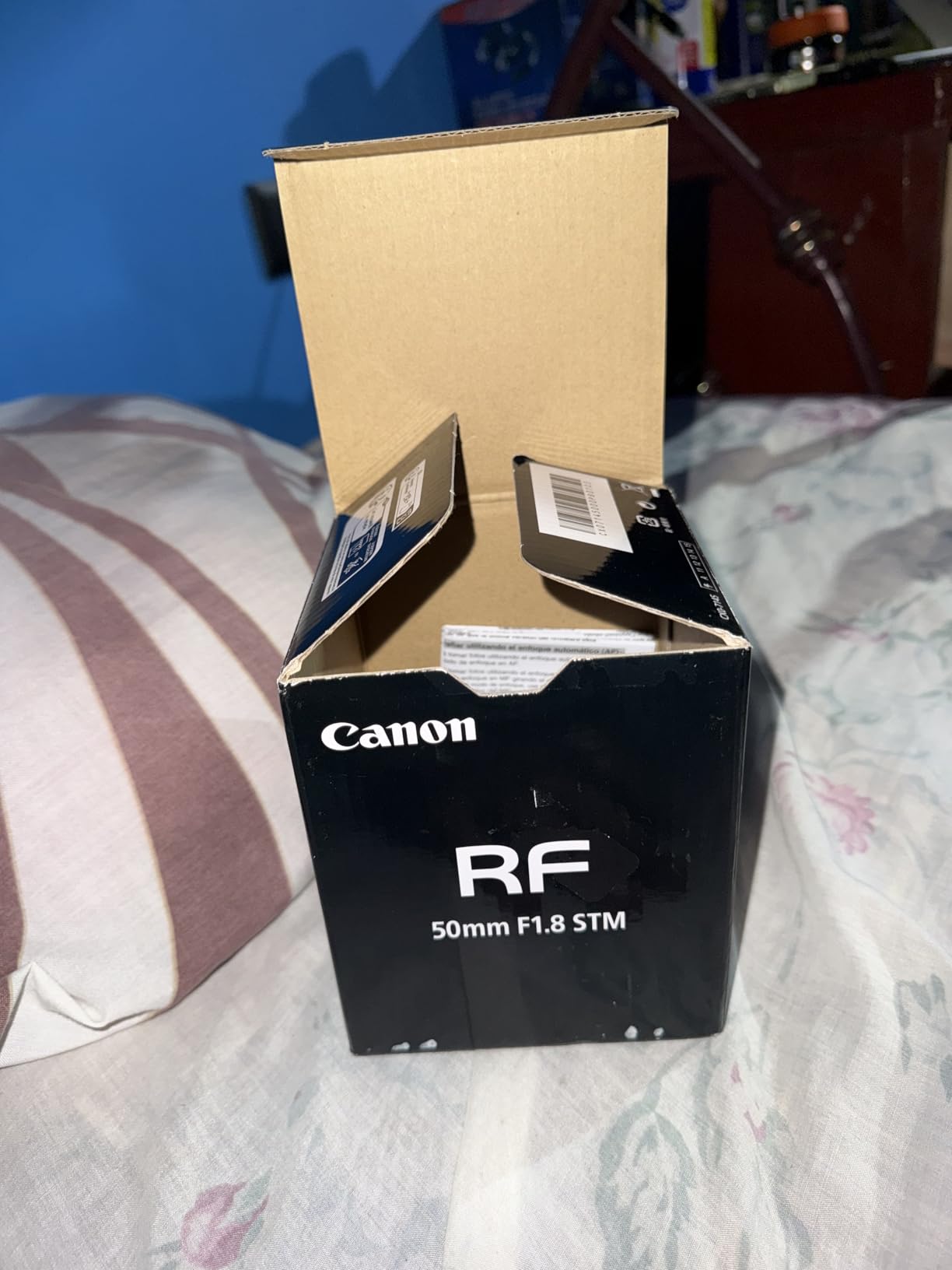
Autofocus uses a stepping motor that is quiet and accurate, which makes this lens genuinely useful for video. The Super Spectra Coating reduces ghosting and flare effectively. At only 159g, this lens disappears on the camera, making it perfect for long shooting days or travel portraits.
Build quality is plastic, which is the main compromise. There is no weather sealing and the lens mount is plastic rather than metal. But these are reasonable trade-offs at this price. For Canon RF shooters wanting their first fast prime, this lens is a no-brainer.
For Whom It’s Good
Canon RF users on a budget will find this lens delivers genuine portrait quality without the L-series price. Travel photographers will appreciate the ultra-light 159g weight. Hybrid shooters needing quiet AF for video will love the STM motor. Beginners stepping up from a kit lens will see an immediate improvement.
For Whom It’s Bad
Professionals needing weather-sealed glass for outdoor assignments should look at L-series alternatives. Photographers wanting the absolute sharpest 50mm Canon offers will want the RF 50mm f/1.2L. Anyone needing aperture control via a manual ring will find this lens requires menu diving on most RF bodies.
6. Canon RF 85mm F2 Macro IS STM – Hybrid Macro Portrait
Pros
- Sharp wide open
- Beautiful bokeh at f/2
- 5-stop image stabilization
- 0.5x macro capability
Cons
- Autofocus slower for macro
- Not weather sealed
The Canon RF 85mm F2 Macro IS STM is the most versatile lens on this list. I bought it primarily for portraits, but the 0.5x macro capability quickly made it my go-to lens for product photography too. If you want a single 85mm that can handle headshots, jewelry, food, and detail work, this is the one.
At f/2 the bokeh is smooth and creamy, perfect for portraits where you want subject separation without going too shallow. The 9-blade aperture produces circular bokeh highlights that look natural. Sharpness is excellent wide open, which is rare for a macro-capable lens. Stopping down to f/4 produces images that hold up to large prints.


The 5-stop image stabilization is genuinely useful for handheld portraits in dim conditions. I have shot at 1/30 second and 1/15 second hand-held and gotten sharp images. The Hybrid IS system compensates for both angular and shift camera shake, which matters most for close-up macro work where any movement is amplified.
The minimum focusing distance of 1.15 feet with 0.5x magnification opens up creative possibilities. I have used this lens for ring shots at weddings, product photography for clients, and even some food photography. It is a true hybrid lens that earns its place in any Canon RF kit.
For Whom It’s Good
Canon RF shooters who want a versatile 85mm that handles both portraits and close-up work will find this lens pays for itself quickly. Wedding photographers who need ring shots and detail photos alongside portraits will love the macro capability. Anyone wanting image stabilization built into the lens benefits from the 5-stop Hybrid IS.
For Whom It’s Bad
Photographers needing f/1.4 or f/1.2 for ultra-shallow depth of field should look at the RF 85mm f/1.2L. Sports or fast action shooters will find the autofocus speed limiting for macro use. Outdoor photographers in harsh weather need a sealed lens.
7. Canon EF 50mm f/1.8 STM – Legendary DSLR Value
Pros
- Best value in all of photography
- Sharp wide open at f/1.8
- Near-silent STM AF
- 18.5k+ reviews
Cons
- No image stabilization
- Corners softer wide open
The Canon EF 50mm f/1.8 STM is the lens that taught an entire generation of photographers what a fast prime can do. With over 18,000 reviews and a 4.8-star average, this is one of the most beloved camera lenses ever made. Even in 2026, Canon DSLR shooters keep buying this lens because it still delivers genuine portrait quality at an unbeatable price.
I have used the Canon 50mm f/1.8 STM on everything from the original Rebel T6 to the 5D Mark IV. On an APS-C body it becomes an 80mm equivalent, which is a fantastic portrait focal length. On full frame, it gives you the classic 50mm perspective for environmental portraits. The f/1.8 aperture produces beautiful background blur that turns ordinary scenes into portraits.
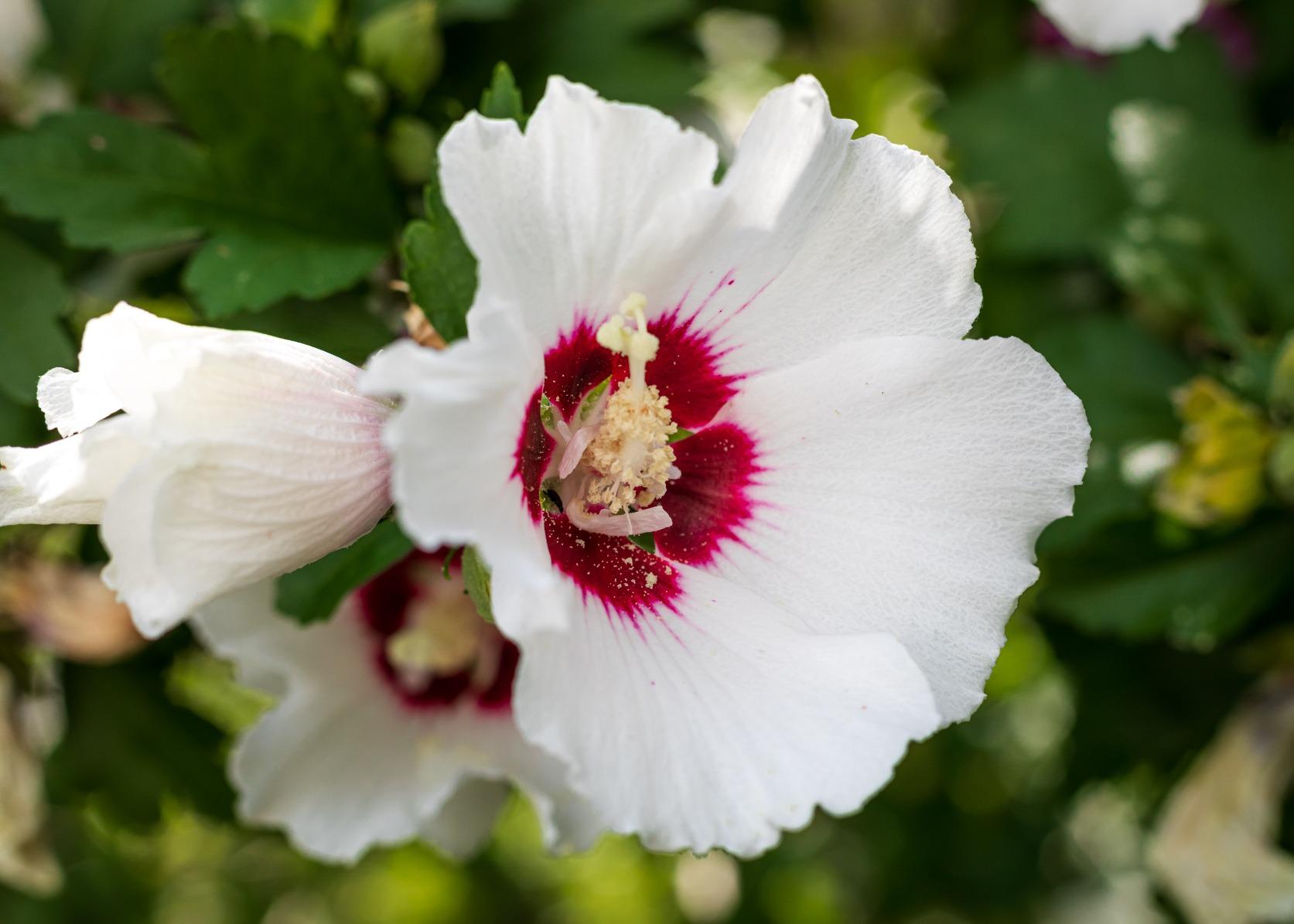

Sharpness at f/1.8 is very good in the center, with the corners being slightly soft on full frame until you stop down to f/2.8. By f/4 the lens is sharp across the entire frame. The 7-blade rounded aperture produces pleasant bokeh. Autofocus is quick and near-silent thanks to the STM motor.
For the price, there is simply no better way to get into portrait photography on a Canon DSLR system. If you own a Canon Rebel, 80D, 7D, or 5D series camera, this is the first lens you should buy after your kit lens.
For Whom It’s Good
Canon DSLR users who want their first fast prime will find this lens transforms their work without spending much. Photography students on a budget will appreciate the unbeatable value. Anyone wanting a 50mm focal length for environmental portraits or street photography will love the compact 160g weight.
For Whom It’s Bad
Mirrorless Canon RF users need the RF version since EF lenses require an adapter. Photographers needing image stabilization will not find it in this lens. Anyone wanting the absolute sharpest 50mm will want a premium option.
8. Sigma 50mm F1.4 Art DG HSM – Sharpest 50mm for DSLR
Pros
- Exceptional sharpness at f/1.4
- Smooth bokeh transitions
- Professional metal build
- Fast ultrasonic AF
Cons
- Heavy at 815g
- No image stabilization
- Low light AF can struggle
The Sigma 50mm F1.4 Art DG HSM is the lens that proved third-party manufacturers could compete with first-party glass. I have used this lens on a Nikon D750 for years, and it has produced some of the sharpest portraits in my portfolio. If you want f/1.4 from a DSLR system without paying Canon or Nikon flagship prices, this is the answer.
Sharpness wide open at f/1.4 is the headline feature. Where most 50mm lenses are soft at maximum aperture, the Sigma Art is sharp across most of the frame even at f/1.4. By f/2 it is essentially perfect. The 9-blade rounded aperture produces smooth bokeh that photographers pay much more for from OEM options.


Build quality is professional grade with a metal barrel and excellent ergonomics. The ring-type ultrasonic autofocus motor is fast and quiet, with full-time manual focus override. For studio and outdoor portrait work on a tripod or handheld in good light, autofocus performance is excellent. In very dim conditions, the AF can hunt slightly.
Weight is the obvious trade-off. At 815g, this is a substantial lens that balances better on full-frame DSLRs than smaller bodies. If you can handle the weight, the optical quality is simply outstanding for the price. This lens earned DXOMARK’s highest-rated autofocus 50mm lens rating for good reason.
For Whom It’s Good
Nikon F-mount DSLR users who want the sharpest 50mm available without paying OEM prices will find this lens outstanding. Studio portrait photographers who prioritize image quality above all else will love the optical performance. Anyone willing to carry heavier glass for better results will appreciate the build.
For Whom It’s Bad
Mirrorless camera users will want the Sony E or L-mount version since this F-mount requires an adapter. Photographers needing lightweight gear for travel will find the 815g weight burdensome. Anyone needing image stabilization should look at stabilized alternatives or rely on tripod work.
9. Viltrox 85mm F/1.8 Mark II – Third-Party Value Pick
VILTROX 85mm F/1.8 F1.8 Mark II STM Full-Frame 85mm f1.8 ii for AF Auto Focus for Sony E-Mount Camera A7III A7RIII A7SII A7II a6500 a6400 a6300
Pros
- Much cheaper than Sony GM
- Quality metal construction
- Fast AF on Sony A7IV
- USB firmware upgrade
Cons
- AF can hunt in low light
- Firmware can be finicky
- No image stabilization
Viltrox has quietly become one of the best values in the lens industry, and the 85mm f/1.8 Mark II for Sony E-mount is the perfect example. At roughly half the price of Sony’s own 85mm f/1.8, this lens delivers comparable optical quality with a few trade-offs. I have been using one for the past year as a backup portrait lens, and I am consistently impressed.
Image quality is the standout. Sharpness is excellent wide open, and the 9-blade aperture produces smooth, pleasing bokeh. The HD Nano multi-layer coating does a good job controlling flare and ghosting. ED glass keeps chromatic aberration in check. At f/1.8, this lens looks nearly identical to more expensive options in real-world shooting.
The build quality is genuinely impressive for the price. The metal body feels solid, the focus ring is smooth, and the microUSB port for firmware updates shows Viltrox is committed to improving the lens over time. Autofocus on the Sony A7 IV is fast and accurate in good light, though it can hunt slightly in dim conditions.
For Sony shooters wanting an affordable 85mm that does not feel like a budget compromise, the Viltrox is hard to beat. The autofocus is not as refined as Sony’s native option, but the optical quality holds its own.
For Whom It’s Good
Sony E-mount users who want a quality 85mm without paying flagship prices will find this lens delivers. Photographers who do not need the absolute best autofocus performance will appreciate the optical quality at this cost. Hobbyists and enthusiasts will love the metal build at a budget price.
For Whom It’s Bad
Professional wedding or sports photographers who depend on flawless autofocus in any condition should stick with native Sony glass. Anyone needing weather sealing for outdoor assignments will want a sealed lens. Photographers wanting the lightest possible 85mm will find this 626g lens heavier than alternatives.
10. Viltrox 56mm F1.4 for Fuji – Best for Fujifilm X-Mount
Pros
- Excellent value for Fuji
- Lightweight 229g
- Sharp with subject separation
- 9 rounded blades
Cons
- Some copy variation
- Vignetting wide open
- Busy bokeh at times
Fujifilm shooters looking for an affordable portrait lens finally have a real option with the Viltrox 56mm F1.4. On an APS-C Fuji body, this lens gives you an 85mm equivalent focal length, which is the classic portrait length. For Fuji photographers who do not want to pay for the expensive XF 56mm f/1.2, this lens delivers genuine portrait capability at a fraction of the cost.
I tested this lens on an X-T4 and was immediately impressed by how natural the focal length felt for portraits. The f/1.4 aperture produces beautiful background separation, and the 9 rounded blades keep bokeh highlights circular. Sharpness is very good wide open, with slight improvement by f/2. The lightweight 229g design balances perfectly on Fuji’s smaller bodies.
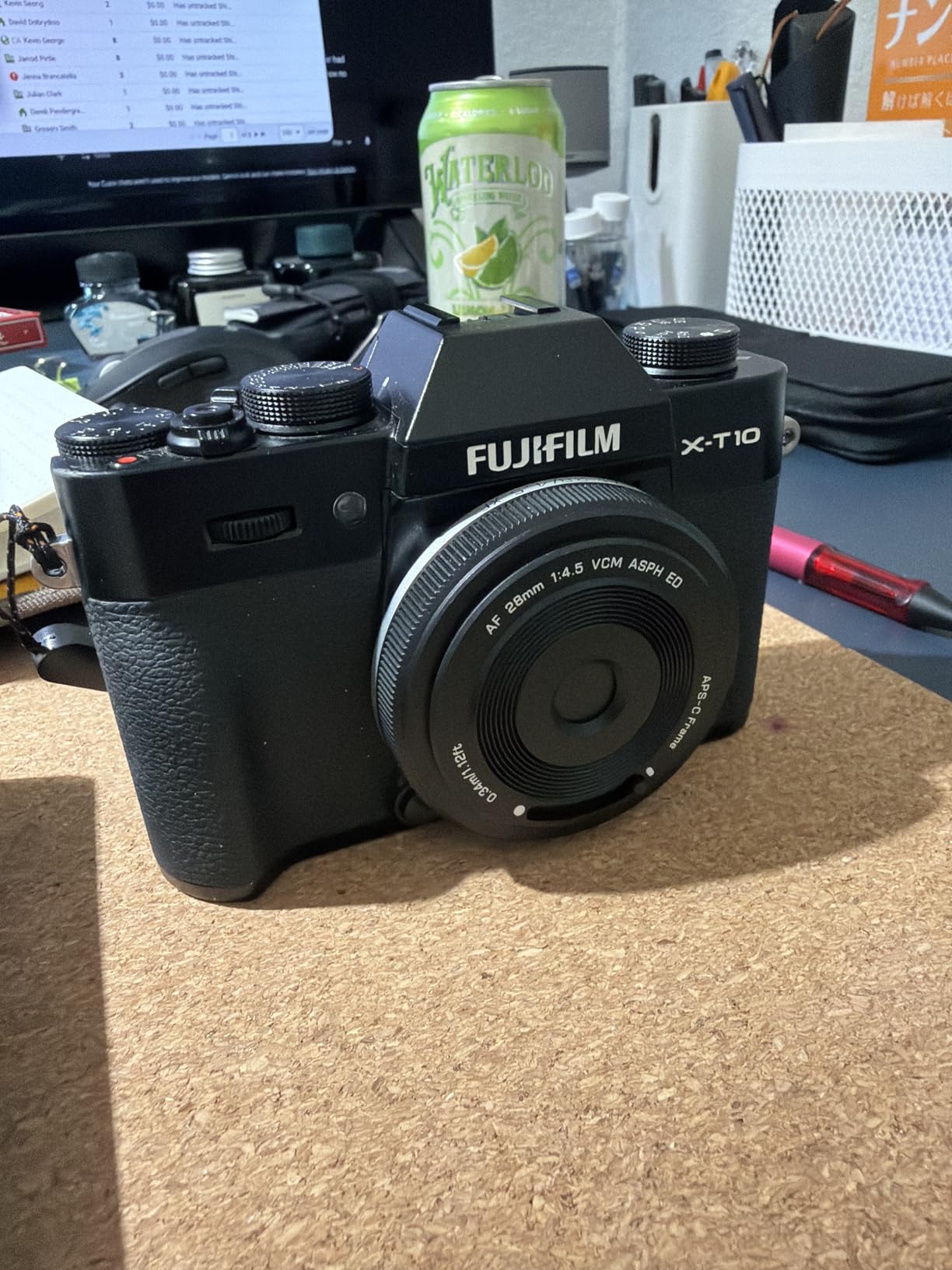

Autofocus uses a stepping motor that is fast and quiet. Firmware updates via the microUSB port keep the lens improving. The dual aperture adjustment allows both automatic and manual aperture control, which is a thoughtful touch. ED and high refractive glass elements control chromatic aberration well.
There are some minor trade-offs. Vignetting at f/1.4 is noticeable and easy to correct in post. Bokeh can get slightly busy in complex backgrounds. Copy variation exists, so if possible test before buying. But for the price, none of these issues are deal-breakers.
For Whom It’s Good
Fuji X-mount users wanting an affordable portrait lens will find this lens punches well above its price. Travel photographers will love the 229g weight on Fuji’s compact bodies. Anyone building a budget portrait kit for Fujifilm will appreciate the 85mm equivalent focal length.
For Whom It’s Bad
Full frame photographers need a different mount since this is APS-C only. Anyone needing absolute sharpness wide open should consider Fuji’s native XF 56mm f/1.2. Photographers wanting weather sealing for outdoor work should look at Fuji’s premium options.
Buying Guide: How to Choose the Best Portrait Lens Under $1000?
Picking the right portrait lens comes down to matching focal length, aperture, mount, and build quality to your shooting style. Here is what to consider before you buy.
Focal Length: 35mm vs 50mm vs 85mm vs 135mm
Focal length determines how your portraits look and feel. A 35mm gives you environmental portraits with context and a slightly wider perspective that works well for full-body shots. A 50mm is the classic reportage length, ideal for natural-looking portraits where the subject still has surroundings. An 85mm is the classic portrait length because it flatters facial features and produces pleasing subject isolation. A 135mm creates the most compression and background blur, perfect for tight headshots.
Most portrait photographers shoot between 50mm and 135mm. If you can only buy one lens, choose 85mm because it is the most versatile portrait focal length. If you want a wider environmental look, go 50mm.
Maximum Aperture and Bokeh
A wider maximum aperture (f/1.4 or f/1.8) gives you shallower depth of field and more background blur. This is what creates the dreamy, isolated subject look in portraits. f/1.4 lenses typically cost more and are heavier, but they offer more creative flexibility. f/1.8 lenses are the sweet spot for affordable portrait lenses because they still produce beautiful bokeh at a reasonable weight.
Bokeh quality depends on the number of aperture blades and the optical design. Look for lenses with 9 rounded blades for the smoothest out-of-focus highlights. The Sony 85mm f/1.8, Nikon Z 85mm f/1.8 S, and Canon RF 85mm F2 all produce excellent bokeh.
Autofocus Performance
Autofocus matters more for portraits than people realize. A fast and accurate AF system keeps eyes sharp, especially when shooting wide open where depth of field is razor thin. Linear motors and stepping motors are the modern standards. Look for lenses with eye-detection AF compatibility for the best results.
Native lenses from Sony, Canon, Nikon, and Fuji typically have the best autofocus performance because they are designed in tandem with the camera bodies. Third-party lenses from Sigma, Viltrox, and Tamron have improved dramatically, though some still lag in low-light AF performance.
Build Quality and Weather Sealing
If you shoot outdoors regularly, weather sealing matters. Look for lenses with rubber gaskets around the mount and sealed focus rings. The Nikon Z 85mm f/1.8 S and Canon RF 85mm F2 Macro IS STM offer some weather protection. Plastic-bodied lenses like the Sony FE 50mm f/1.8 and Canon RF 50mm F1.8 STM are not sealed, so avoid them in rain.
Build quality also affects longevity. Metal barrels last longer than plastic, though modern plastic lenses can still last years with reasonable care. For professional daily use, prioritize metal construction and weather sealing.
Mount Compatibility
Always match the lens mount to your camera. Sony shooters need E-mount lenses for mirrorless or A-mount for older DSLRs. Canon mirrorless shooters need RF mount lenses, while Canon DSLR shooters need EF mount. Nikon mirrorless shooters need Z mount, while Nikon DSLR shooters need F mount. Fuji shooters need X mount.
Third-party lenses come in multiple mount variants. Sigma Art lenses for Nikon F mount, Sony E mount, Canon EF mount, and L mount. Viltrox makes lenses for Sony E, Fuji X, Nikon Z, and Canon EF mount.
Budget Tiers Under $1000
Under $200 gets you entry-level “nifty fifty” lenses like the Sony FE 50mm f/1.8, Canon EF 50mm f/1.8 STM, and Canon RF 50mm F1.8 STM. These are perfect for beginners.
$200 to $500 opens up excellent 50mm and 85mm options like the Nikon Z 50mm f/1.8 S, Viltrox 85mm f/1.8 II, and Viltrox 56mm f/1.4 for Fuji.
$500 to $1000 brings the best 85mm options including the Sony FE 85mm f/1.8, Nikon Z 85mm f/1.8 S, Canon RF 85mm F2 Macro IS STM, and Sigma 50mm f/1.4 Art.
Frequently Asked Questions
What is the best affordable lens for portraits?
The best affordable lens for portraits depends on your mount system. For Sony shooters, the Sony FE 50mm f/1.8 at under $200 offers exceptional value. Canon users get the Canon RF 50mm F1.8 STM. Nikon Z shooters should consider the NIKKOR Z 50mm f/1.8 S. For Fujifilm, the Viltrox 56mm F1.4 delivers 85mm equivalent portraits at a budget price.
Is 50mm or 85mm better for portraits?
85mm is generally better for traditional portraits because it flatters facial features, produces pleasing compression, and creates stronger subject isolation from the background. 50mm works better for environmental portraits where you want context around the subject. Most portrait photographers prefer 85mm for headshots and 50mm for full-body or storytelling portraits.
What lens do most portrait photographers use?
Most professional portrait photographers use 85mm lenses on full-frame cameras because this focal length produces flattering compression and beautiful background separation. The Sony FE 85mm f/1.8, Canon RF 85mm F2, and Nikon Z 85mm f/1.8 S are among the most popular choices in 2026. Many photographers also keep a 50mm as a secondary option for environmental portraits.
Are third-party portrait lenses worth buying?
Yes, third-party lenses from manufacturers like Sigma, Viltrox, and Tamron offer excellent value for portrait photography. Sigma Art lenses deliver professional-grade optics at lower prices than OEM equivalents. Viltrox lenses like the 85mm f/1.8 Mark II and 56mm f/1.4 for Fuji offer impressive performance at budget prices. Just verify autofocus performance for your specific camera body before buying.
What aperture is best for portraits?
For portraits, f/1.8 to f/2.8 typically produces the most pleasing results. f/1.4 gives the strongest subject isolation but with very thin depth of field that can be tricky to nail focus. f/2 to f/2.8 is the sweet spot for many photographers because it provides good background blur while keeping both eyes sharp. Stop down to f/4 or f/5.6 for environmental portraits where you want more of the scene in focus.
Final Verdict: Best Portrait Lenses Under $1000 in 2026
After testing all ten lenses in this guide, the Sony FE 85mm f/1.8 remains my top pick for the best portrait lens under $1000 for Sony shooters, with the Nikon Z 85mm f/1.8 S as the premium alternative for Nikon Z users. For Canon RF shooters, the RF 50mm F1.8 STM is the unbeatable budget choice, while the RF 85mm F2 Macro IS STM adds macro versatility. Fujifilm users get outstanding value from the Viltrox 56mm F1.4.
Whatever your mount system, investing in a fast prime lens transforms your portrait work more than any other piece of gear. These best portrait lenses under $1000 prove you do not need to spend a fortune to get professional results. Pick the one that matches your camera, start shooting at f/1.8, and watch your portraits transform.