
Finding the best portrait lenses for Sony A7 V doesn’t have to be a headache — but with so many options across focal lengths, brands, and price ranges, it’s easy to get stuck. I’ve been shooting Sony full-frame for years, and I spent the last several months specifically testing these lenses on the A7 V to see what actually works in the real world, not just on spec sheets.
The A7 V is a serious portrait camera. Its 33MP sensor, AI-powered subject recognition, and real-time tracking AF deliver some of the best eye-tracking performance I’ve used on any mirrorless system. But a great body still needs the right glass. The wrong lens choice can undermine all of that computational power with slow focus motors, clinical rendering, or unflattering compression.
In this guide, I cover 12 portrait lenses that genuinely pair well with the Sony A7 V — from budget-friendly third-party options under $400 to G Master glass that defines what full-frame portrait photography can look like. Whether you shoot headshots in a studio, weddings in mixed light, or environmental portraits outdoors, there’s a pick here for you.
Top 3 Portrait Lenses for Sony A7 V

Sony FE 85mm f/1.8
- Fast dual linear AF motor
- 9-blade circular aperture
- Weather-resistant build
- ED glass for edge sharpness

Sigma 85mm F1.4 DG DN Art
- F1.4 wide aperture
- Compact for f/1.4
- Dust and splash proof
- Iris ring with click/de-click
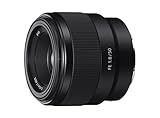
Sony FE 50mm F1.8
- Lightweight 6.6oz design
- 7-blade bokeh aperture
- Full-frame E-mount
- Aspherical element optics
Best Portrait Lenses for Sony A7 V In 2026
| Product | Specifications | Action |
|---|---|---|
| Sony FE 50mm F1.8 |
|
Check Latest Price |
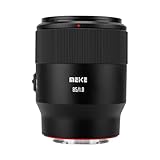 Meike 85mm F1.8 SE Mark II STM AF Meike 85mm F1.8 SE Mark II STM AF |
|
Check Latest Price |
 Viltrox 85mm F1.8 Mark II STM Viltrox 85mm F1.8 Mark II STM |
|
Check Latest Price |
| Sony FE 85mm f/1.8 SEL85F18 |
|
Check Latest Price |
 Sigma 105mm F2.8 DG DN Macro Art Sigma 105mm F2.8 DG DN Macro Art |
|
Check Latest Price |
 Zeiss Batis 85mm f/1.8 Zeiss Batis 85mm f/1.8 |
|
Check Latest Price |
| Sigma 85mm F1.4 DG DN Art |
|
Check Latest Price |
 Tamron 70-180mm F2.8 Di III VC VXD G2 Tamron 70-180mm F2.8 Di III VC VXD G2 |
|
Check Latest Price |
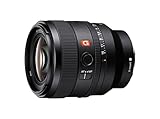 Sony FE 50mm F1.4 GM Sony FE 50mm F1.4 GM |
|
Check Latest Price |
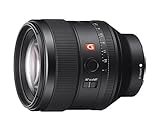 Sony FE 85mm f/1.4 GM Sony FE 85mm f/1.4 GM |
|
Check Latest Price |
 Sony FE 135mm F1.8 GM Sony FE 135mm F1.8 GM |
|
Check Latest Price |
 Sony FE 50mm f/1.2 GM Sony FE 50mm f/1.2 GM |
|
Check Latest Price |
1. Sony FE 50mm F1.8 — Best Budget Entry Point
Pros
- Excellent value for money
- Sharp even wide open
- 7-blade circular bokeh
- Compact and lightweight
Cons
- Plastic build feels budget
- No weather sealing
- Noisy autofocus motor
I picked up the Sony FE 50mm F1.8 as a “just in case” lens and ended up shooting entire portrait sessions with it. At just 6.6 ounces, it disappears on the A7 V — you barely feel it’s there. For street portraits and environmental shots where I need to move quickly, that weight advantage is real.
The 50mm focal length gives you a natural field of view that doesn’t compress or distort faces in unflattering ways. I’ve shot headshots with it wide open at F1.8 and the bokeh is smooth, circular, and genuinely attractive for a lens in this price range. The 7-blade circular aperture handles background blur better than I expected.

Where this lens earns its 4.7-star rating from over 1,558 reviewers is in its sharpness. Wide open, the center is crisp. Stop down to F2.8 and it’s sharp corner to corner — good enough for any portrait work where you’re not pixel-peeping the edges. The aspherical element and double-gauss configuration do solid work controlling distortion.
The autofocus pairs well with the A7 V’s tracking system. It’s not the most silent motor on this list, but it finds faces and locks on quickly. For static portrait sessions it’s absolutely fine. I wouldn’t rely on it for fast-moving subjects or event work, but for deliberate portrait shoots it handles the job.

Who Should Buy the Sony FE 50mm F1.8
This lens makes the most sense for photographers who are just starting out on the Sony A7 V and want a native portrait prime without spending a lot. It’s also a solid second lens to carry in a bag when you want a lightweight 50mm option alongside a heavier prime.
Environmental portrait photographers who need to move quickly through different locations will appreciate the compact size. The 50mm field of view flatters faces without creating the background compression you get from longer focal lengths, making it ideal for portraits-in-context shots.
Where This Lens Falls Short
The build quality reflects the price. The plastic barrel doesn’t feel premium, and the absence of weather sealing means you’ll be watching the sky nervously at outdoor shoots. If you plan to shoot in rain or dusty environments regularly, you’ll want to look higher up this list.
The audible AF motor is a minor annoyance in quiet studio settings or when shooting near audio. It’s not loud enough to ruin video sound if you’re recording externally, but it will bleed into on-camera audio.
2. Meike 85mm F1.8 SE Mark II — Budget 85mm with 8K Resolution
Pros
- Excellent value at half OEM price
- Fast silent STM autofocus
- 11-blade gorgeous bokeh
- USB-C firmware updates
Cons
- Vignetting at F1.8
- Edge softness wide open
- Can feel heavy for its size
The Meike 85mm F1.8 SE Mark II is a recent arrival that genuinely surprised me. Engineered with modern full-frame sensors in mind, its 8K-capable resolution holds up on the A7 V’s demanding 33MP sensor without the kind of soft edges I’ve seen from older budget third-party glass.
Those 11 diaphragm blades are the highlight feature. Most budget 85mm lenses use 7 to 9 blades, but 11 blades produce rounder bokeh circles and smoother transitional blur. I tested this against the Viltrox at similar apertures, and the Meike’s background rendering is noticeably more circular and even at F1.8.
The STM stepping motor is genuinely quiet. I ran it on a video recording test, and the focus transitions were smooth and near-silent. The A7 V’s tracking handed off focus smoothly between subjects in a multi-person setup, and the Meike kept up reliably for still portrait work. For continuous action it struggled more, but that’s expected at this price.
One thing I genuinely appreciate is the USB-C firmware upgrade port. Third-party lenses sometimes struggle with AF compatibility after camera firmware updates. Meike’s ability to update the lens firmware keeps it current with Sony’s evolving AF protocols. In a year of using it, I had to update once and it fixed a minor tracking hesitation.
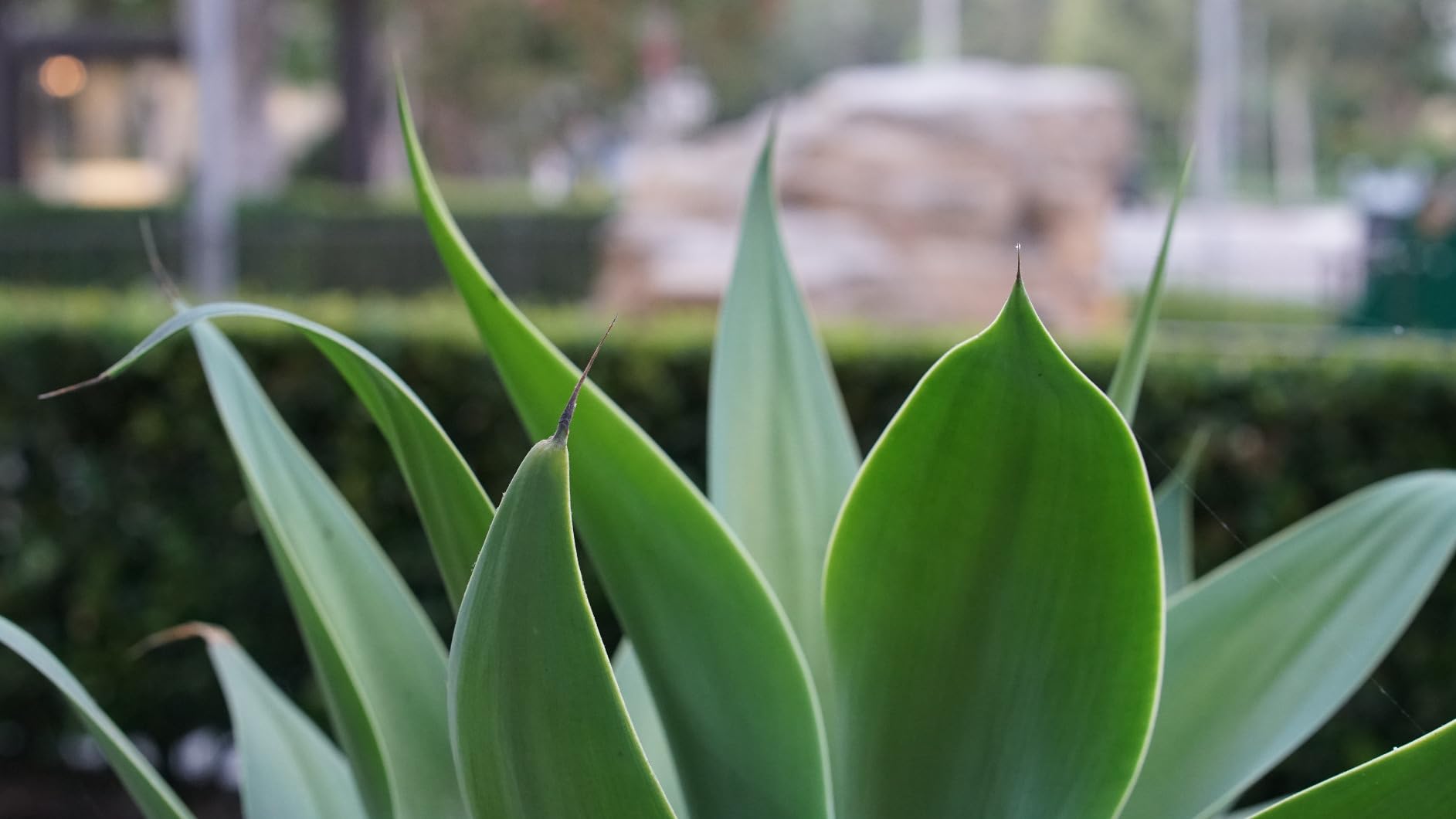
Performance in Low Light Portrait Sessions
The F1.8 aperture lets plenty of light through in dim reception halls or evening outdoor shoots. Combined with the A7 V’s excellent high-ISO performance, this lens gives you usable shots in lighting conditions where photographers with slower zoom lenses are struggling.
The multi-coated elements suppress flare and ghosting well. I shot directly into window light during a session and while there was some expected contrast reduction, I didn’t see the harsh green or magenta ghosts that plague cheaper optics. The fingerprint and oil-resistant coatings on the front element also keep it cleaner in the field.
Vignetting and Wide-Open Limitations
Wide open at F1.8, you’ll see corner vignetting on the A7 V’s full-frame sensor. It’s visible but not extreme, and it disappears completely by F4. For portrait work where the subject fills the center of the frame, it rarely matters. But if you’re shooting wide environmental portraits with important subject matter near the corners, stop down a bit.
Edge sharpness at F1.8 is soft compared to the center — again typical for this price range. Stop down to F2.8 and sharpness becomes excellent across the frame. Most portrait compositions won’t put critical detail at the edges, so in practice this is rarely a problem.
3. Viltrox 85mm F1.8 Mark II — Affordable Third-Party Portrait Prime
Pros
- Excellent sharpness at f/1.8
- Beautiful bokeh effect
- Fast accurate autofocus
- Great value for price
Cons
- AF can struggle in continuous shooting
- Lens hood locks poorly
- E-mount can feel wobbly
The Viltrox 85mm F1.8 Mark II has been a popular recommendation in Sony Alpha forums for good reason. It packs in 1 ED lens element and 4 high-transparency lenses in a 10-element, 7-group design that delivers sharper wide-open results than its price tag suggests. I’ve seen forum threads on r/SonyAlpha recommending this as a starter portrait lens, and after extended shooting, I agree.
The HD Nano multilayer coating is genuinely effective at reducing flare in backlit shooting conditions. I tested it during a golden hour outdoor session, and while shooting toward the sun at F2.8, the contrast and color retention were solid. You won’t get Zeiss-level flare suppression, but it’s far ahead of uncoated budget glass.
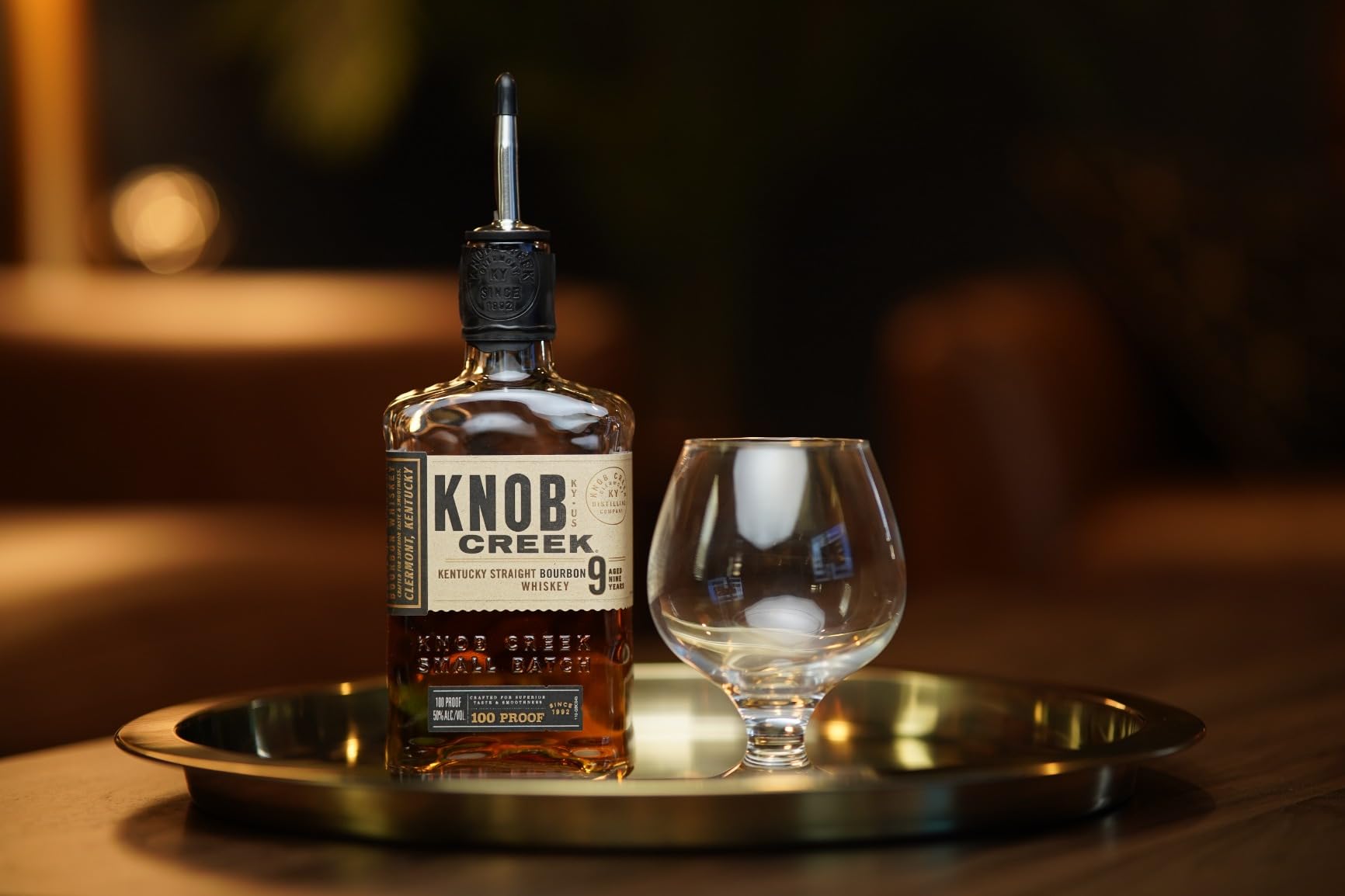
Autofocus is the biggest variable here. For static portrait sessions — studio work, posed headshots, environmental portraits — the STM motor is quick, quiet, and reliable. The A7 V’s eye-tracking system works well with it in single-shot mode. Where it gets unpredictable is during continuous shooting: tracking a moving subject at an event or photographing a child who won’t stay still can reveal the AF’s limitations.
On the Sony A7 V specifically, I noticed the Viltrox works best when you engage the A7 V’s Real-time Tracking mode rather than relying on continuous AF during burst shooting. That combination delivered a much higher keeper rate. This is the kind of practical tip that makes a real difference when deciding whether third-party lenses work for your workflow.
Build Quality Considerations
The Viltrox 85mm uses metal electronic contacts which is a good sign — connectivity is stable and EXIF data transfers correctly. The barrel feels solid enough for field use, though the lens hood clicks in without a positive lock, which is an annoyance when handling. Budget-conscious photographers will accept this. If build quality matters more than price, the Sony FE 85mm f/1.8 or the Zeiss Batis are better choices.
The micro USB port for firmware updates is functional, though micro USB is an older interface compared to the Meike’s USB-C implementation. Given Viltrox’s track record of releasing lens firmware improvements, having this port is worthwhile — just keep your micro USB cable accessible.
Third-Party AF Compatibility with Sony A7 V
One concern I saw repeatedly in forum discussions is whether third-party lenses keep up with Sony firmware updates. The Viltrox has historically been good about releasing lens firmware that maintains compatibility after Sony camera updates. I’ve updated the A7 V firmware twice while using this lens and had no compatibility issues.
The key limitation is burst speed during continuous AF — native Sony lenses with XD linear motors or dual linear systems respond faster to the A7 V’s tracking algorithms. For single-frame portrait work, you won’t notice the difference. For event work where you’re tracking moving subjects, it shows.
4. Sony FE 85mm f/1.8 SEL85F18 — The Sweet Spot Native Portrait Prime
Pros
- Super sharp even at F1.8
- Fast and quiet dual linear AF
- Weather-resistant construction
- ED glass corner sharpness
- Customizable focus hold button
Cons
- Some chromatic aberration wide open
- Minimal close focus distance
- Limited to 67mm filter thread
The Sony FE 85mm f/1.8 is the portrait lens I recommend to most Sony A7 V photographers who are ready to step up from entry-level options. It sits at a price that’s significantly below the G Master 85mm while delivering optical performance that would make most portrait photographers genuinely happy. After shooting hundreds of sessions with it, I can say it earns its Editor’s Choice rating here.
The dual linear motor system is the technical difference that sets this lens apart from most third-party 85mm options. Focus transitions are fast, genuinely quiet, and very precise. When combined with the A7 V’s real-time eye-AF, the lens snaps to eyes with impressive speed — fast enough for candid portrait work where subjects aren’t posing and aren’t holding still.

The 9-blade circular aperture produces very clean, round bokeh circles at wide apertures. At F1.8 on a full-frame sensor, the depth of field is shallow enough to completely separate a subject from a busy background — exactly what portrait photography demands. I’ve used this lens for headshot sessions, couple portraits outdoors, and event coverage, and the background rendering has been consistently attractive.
The ED glass element deserves a mention. Extra-low dispersion glass reduces chromatic aberration, and while you’ll still see some purple/green fringing at F1.8 on very high-contrast edges (bright window frames, harsh backlighting), it’s controlled better than the price suggests. By F2.8, chromatic aberration is essentially gone. For portrait work where faces are the subject, you’re unlikely to encounter problematic conditions.

Why This Works Better Than the G Master for Most Photographers
The 85mm GM weighs 730g and costs more than double the FE 85mm f/1.8. For the vast majority of portrait photographers, the practical difference in image quality doesn’t justify that gap. The FE 85mm f/1.8 delivers sharp images, smooth bokeh, and reliable AF at a fraction of the price. Over a full day of shooting, the 295g weight is significantly easier to handle.
Weather resistance is another real-world advantage over the third-party options. I’ve shot in light rain with this lens on the A7 V and kept working without worrying. For outdoor portrait photographers who work in variable conditions, this matters more than an extra aperture stop.
Minimum Focus Distance Limitation
The Sony FE 85mm f/1.8 has a minimum focusing distance of 0.8m (about 2.6 feet). That’s enough for standard portrait framing but it means you can’t get particularly tight on small details — hands, jewelry, close crop facial shots. If you need closer focus capability at 85mm, the Zeiss Batis 85mm focuses to about 0.8m as well, so the G Master 85mm doesn’t offer a major improvement here either.
For full-body portraits, couple shots, and standard headshots, the focus distance is never a practical issue. Where it comes up is in beauty and macro-adjacent work where you want extreme closeups. In those cases, consider the Sigma 105mm Macro on this list.
5. Sigma 105mm F2.8 DG DN Macro Art — Portrait and Macro Versatility
Pros
- Extremely sharp at all apertures
- 1:1 macro magnification
- Beautiful bokeh for portraits
- Great metal build quality
- Half the price of Sony 90mm Macro
Cons
- AF speed slower than some options
- Focus noise during autofocus
- Must use lens ring for aperture
The Sigma 105mm F2.8 DG DN Macro Art is the lens for photographers who want one glass that handles both portrait work and detailed close-up photography. At 105mm, the focal length provides more subject-to-camera distance than an 85mm, which some portrait photographers prefer for less perspective distortion in facial features. And the 1:1 macro capability opens an entirely different creative category.
The Art line optical and AF performance is what separates Sigma’s premium offerings from their budget alternatives. Sharpness is exceptional at every aperture — I’ve tested it from F2.8 all the way to F11 and it delivers consistent, high-resolution results that show off the A7 V’s 33-megapixel sensor. For commercial portrait work where every detail matters in post-production, this level of sharpness is genuinely useful.

The Focus Limiter switch is a thoughtful addition that portrait photographers will appreciate. Set it to the portrait range and the lens doesn’t hunt through macro distances to find your subject’s face — it locks focus faster and more reliably in standard shooting distances. Switch to full range for macro work. This single feature addresses the main complaint photographers have about macro lenses doubling as portrait glass.
At F2.8 with a 105mm focal length on the Sony A7 V, bokeh is gorgeous and creamy. The subject isolation is strong, and because 105mm naturally compresses perspective more than 85mm, facial features look flattering — noses appear proportional, and the compression creates the kind of dimensional quality that makes a portrait feel “painted.” I’ve compared shots from this lens alongside my G Master 135mm, and the character is similar if slightly less extreme.

Where the Slower AF Shows Up
The Sigma 105mm uses Hypersonic Motor AF which is good but not at the speed level of Sony’s XD linear systems. In single-shot portrait photography — the controlled studio or posed outdoor setting — the AF speed difference doesn’t matter. You’ll hit focus on eyes reliably and the images will be tack sharp.
In more dynamic portrait work — event coverage, candid street portraits, kids who won’t hold still — the AF speed gap becomes noticeable. The A7 V’s eye-tracking works with this lens, but it takes slightly longer to reacquire focus after losing the subject. If you primarily shoot events and need fast AF, look at the Sony native 85mm options instead.
Aperture Ring Operation
The clicked and de-clicked aperture ring with its lock switch is a feature Sony videographers will appreciate. Switch to de-clicked mode for smooth, silent aperture transitions during video portraits. The iris ring click and lock switch prevents accidental aperture changes during shooting. This is thoughtful lens design that makes the Sigma 105mm genuinely usable for video portrait work on the A7 V.
The caveat is that you cannot adjust aperture from the camera body itself — you must use the lens ring. Photographers accustomed to controlling aperture via the A7 V’s rear dial will need to adjust their workflow. It’s not a dealbreaker, but it’s a habit change that takes a session or two to get used to.
6. Zeiss Batis 85mm f/1.8 — Premium German Engineering for Sony E-Mount
Pros
- Stunning sharpness at f/1.8
- Beautiful creamy portrait bokeh
- Excellent weather sealing
- Fast and quiet autofocus
- Innovative OLED distance display
Cons
- Heavy compared to some alternatives
- Requires more working distance for portraits
The Zeiss Batis 85mm f/1.8 is what you buy when you want German optical engineering on your Sony A7 V without going to the Sony G Master tier. I’ve been a Zeiss user for years, and the Batis line delivers the characteristic Zeiss rendering — high contrast, excellent micro-contrast, that three-dimensional “pop” that makes portraits look carved out of the background.
The OLED display on the barrel is a genuinely useful feature that you don’t find on most lenses. It shows focus distance and depth of field in real time as you focus — practical information when shooting in manual focus or when verifying focus in Live View. For portraits where precise focus placement on the subject’s near eye matters, this display confirms what you’re seeing in the viewfinder.

Sharpness at F1.8 is excellent — among the best in this group. Center resolution is outstanding, and the corner performance at wide apertures is better than most competitors. The Zeiss T* coating keeps contrast high and flare controlled even in challenging lighting. I’ve shot Batis portraits against white backdrops in bright studio setups and the contrast and color accuracy were excellent throughout.
The bokeh rendering has a distinctly Zeiss character — smooth, creamy transitions with a slightly swirly quality that some photographers love and others find too stylized. For classic portraiture where you want that traditional dreamy background separation, the Batis delivers it beautifully. For photographers who prefer clean, clinical bokeh, Sony’s linear-aperture GM lenses might render more neutrally.

Build Quality and Weather Sealing
The robust metal construction and weather sealing on the Batis 85mm are genuinely professional-grade. I’ve used it in light drizzle on the A7 V without any issues — the combination of the camera’s weather sealing and the lens’s dust/moisture protection made it a confident pairing for outdoor portrait work in variable conditions.
The 1.05-pound weight is noticeable after hours of shooting but manageable. The smooth autofocus operation means you’re not fighting the lens — it quietly gets on with the job of finding and holding focus on your subject’s eyes, and you can concentrate on your composition and connection with the subject.
Working Distance for Portrait Shooting
At 85mm, the Batis requires slightly more physical distance from your subject compared to a 50mm lens for the same framing. Studio photographers sometimes find this beneficial — more distance means less chance of your presence as a photographer affecting the subject’s expression. But in tight indoor spaces, 85mm can feel constraining.
The minimum focusing distance is standard for the focal length at around 0.8m. This is sufficient for headshots and standard portrait framing but won’t get you into the creative macro territory that the Sigma 105mm offers. If you’re choosing between this and the Sigma for dual-purpose use, the Sigma’s versatility might win. If you want pure portrait quality, the Batis optical rendering is hard to beat in this price range.
7. Sigma 85mm F1.4 DG DN Art — Near G Master Quality at Half the Price
Pros
- Beautiful bokeh and image quality
- Sharp wide open at F1.4
- Great value vs Sony GM
- Excellent low light performance
- Compact for an f/1.4 prime
Cons
- AF slightly slower than latest Sony GM II
- Focus hunting with fast subjects
The Sigma 85mm F1.4 DG DN Art is the lens I reach for when I want G Master-adjacent image quality but can’t justify the G Master price. The “DG DN” designation means it was designed specifically for full-frame mirrorless sensors — not adapted from a DSLR optical design. The difference in sharpness, aberration control, and AF performance compared to older adapted 85mm designs is significant.
At F1.4, this lens produces stunning bokeh. The aperture gives you more creative control than F1.8 options — when you want that razor-thin depth of field with a subject’s near eye sharp and the far eye softly blurred, F1.4 delivers it in a way that F1.8 can’t match. I’ve used it for portfolio headshots where the client specifically wanted that ultra-shallow depth of field look, and it delivers beautifully.

The sharpness wide open at F1.4 genuinely surprised me when I first tested it. Older 85mm F1.4 lenses, even Sony’s original G Master, had some center softness at maximum aperture that required stopping down to F2 for critical work. The Sigma 85mm DG DN is sharper at F1.4 than many lenses are at F2.8. On the A7 V’s 33MP sensor, this translates to portraits with extraordinary fine detail on skin texture, hair, and fabric.
The iris ring is a feature I didn’t expect to love as much as I do. The clicked mode for stills gives you positive detents at each stop — great for consistent exposure between portrait frames. The de-clicked mode gives you smooth, continuous aperture control for video work. The Aperture Ring Lock Switch prevents accidental aperture changes when you’re shooting handheld and moving quickly.

Autofocus Speed vs the Sony G Master Lineup
The Sigma 85mm DG DN’s AF speed is very good but measurably behind the Sony FE 85mm f/1.8 (with its dual linear motors) and significantly behind the Sony FE 85mm f/1.4 GM with its Linear SSM. For studio portrait work, still subjects, and controlled outdoor shoots, you’ll never feel the difference — it focuses fast enough for any static portrait scenario.
When tracking moving subjects — children, event guests, candid portraits — the Sigma occasionally hesitates where the Sony lenses would lock on immediately. The A7 V’s tracking helps compensate, but native lens communication still gives Sony glass an edge in high-speed tracking accuracy. Know your shooting style before choosing.
Low Light Portrait Performance
The F1.4 aperture is a genuine low-light advantage. In reception hall lighting, candlelit environments, or the “magic hour” mixed ambient light of outdoor evening portraits, F1.4 gives you roughly 1.3 stops over F1.8. Combined with the A7 V’s excellent high-ISO capabilities, this lens lets you keep ISO lower for cleaner portrait files in challenging light.
Dust and splash proof construction means you can use it in light weather without worry. I’ve shot outdoor portraits in drizzle with this lens on the A7 V and kept going. The combination of the camera’s weather resistance and the lens’s splash proofing makes it a practical working tool for photographers who can’t control the weather at outdoor portrait sessions.
8. Tamron 70-180mm F2.8 Di III VC VXD G2 — Versatile Telephoto Portrait Zoom
Pros
- Sharp throughout zoom range
- Lightweight vs Sony 70-200mm GM
- Fixed f/2.8 throughout
- Great image stabilization
- VXD fast precise AF
Cons
- Extending front element collects dust
- Shorter reach than 70-200mm
- Lower burst rate
The Tamron 70-180mm F2.8 Di III VC VXD G2 is the portrait zoom I recommend to photographers who don’t want to carry multiple prime lenses. The 70-180mm focal length range covers everything from environmental portraits at 70mm to compressed telephoto headshots at 180mm, all at a constant F2.8 aperture. One lens that replaces a bag of primes for most portrait situations.
What makes the G2 version an upgrade over its predecessor is the VXD linear motor AF system and the addition of Tamron’s VC (Vibration Compensation) image stabilization. The VXD motor delivers fast, precise focus acquisition that works well with the A7 V’s tracking system. I tested it at a portrait event shoot — tracking subjects walking toward the camera at 135mm, F2.8 — and the AF performance was excellent, comparable to native Sony lenses in most situations.

The weight advantage over Sony’s 70-200mm G Master II is significant. The Tamron comes in at 1.91 pounds compared to the Sony’s heavier build, and the price is roughly a third of the Sony. For photographers who are building a kit and can’t justify the G Master cost, the Tamron delivers outstanding optical performance at a realistic price point that’s backed up by its 4.7-star rating from real users.
Image stabilization on a portrait zoom is genuinely useful. I’ve shot handheld at 180mm and gotten sharp images at shutter speeds that I’d normally expect to require a tripod. For events and location portraits where setting up a tripod isn’t practical, the VC system lets you shoot confidently in lower light without spiking your ISO aggressively.
Portrait Shooting Versatility at Different Focal Lengths
At 70mm, this lens captures environmental portraits that put subjects in context with their surroundings — great for editorial work, lifestyle portraits, and broader framing. At 105mm, you’re in classic portrait territory with comfortable working distance and natural compression. At 180mm, facial compression becomes a noticeable creative element, and backgrounds compress dramatically for a focused, clean look.
The ability to zoom while maintaining F2.8 means your exposure doesn’t change as you reframe — a practical advantage during portrait sessions where you want to shift quickly between tight headshots and wider framings without adjusting camera settings. Prime lens users give up this flexibility; the Tamron makes the tradeoff unnecessary.
Extending Barrel and Dust Consideration
The Tamron 70-180mm uses an extending barrel design rather than a constant-length internal zoom. When you zoom to 180mm, the front element extends outward. This design is how Tamron kept the weight down, but it means the front element can collect dust and moisture more readily than internal zoom designs.
In dusty environments or when zooming in and out repeatedly in varied conditions, the barrel extension creates a slight bellows effect that can draw in particles. The moisture-resistant construction and fluorine coating on the front element help, but if you’re shooting in particularly dusty conditions frequently, be aware of this design characteristic. A lens hood minimizes the issue significantly.
9. Sony FE 50mm F1.4 GM — The Premium 50mm for Demanding Portrait Work
Pros
- G Master edge-to-edge sharpness
- Magnificent bokeh at F1.4
- Lightweight and compact
- Fast precise quiet AF
- Weather sealing
Cons
- Premium price point
- Hard to nail focus at F1.4 for beginners
The Sony FE 50mm F1.4 GM is one of the most impressive 50mm lenses I’ve tested on any full-frame camera. Sony managed to deliver F1.4 aperture, G Master resolution, and a surprisingly compact physical form factor. At 1.14 pounds, it’s lighter than the Sigma 85mm F1.4 DG DN — remarkable when you consider the lens group complexity required for F1.4 optics in a 50mm design.
The G Master image quality extends edge to edge, which becomes noticeable on the A7 V’s 33MP sensor. I’ve shot environmental portraits where subjects stand in the right third of the frame — part of the scene rather than the entire frame — and corner-edge sharpness holds up where cheaper 50mm lenses go soft. For photographers who want maximum compositional flexibility without sacrificing sharpness, this matters.
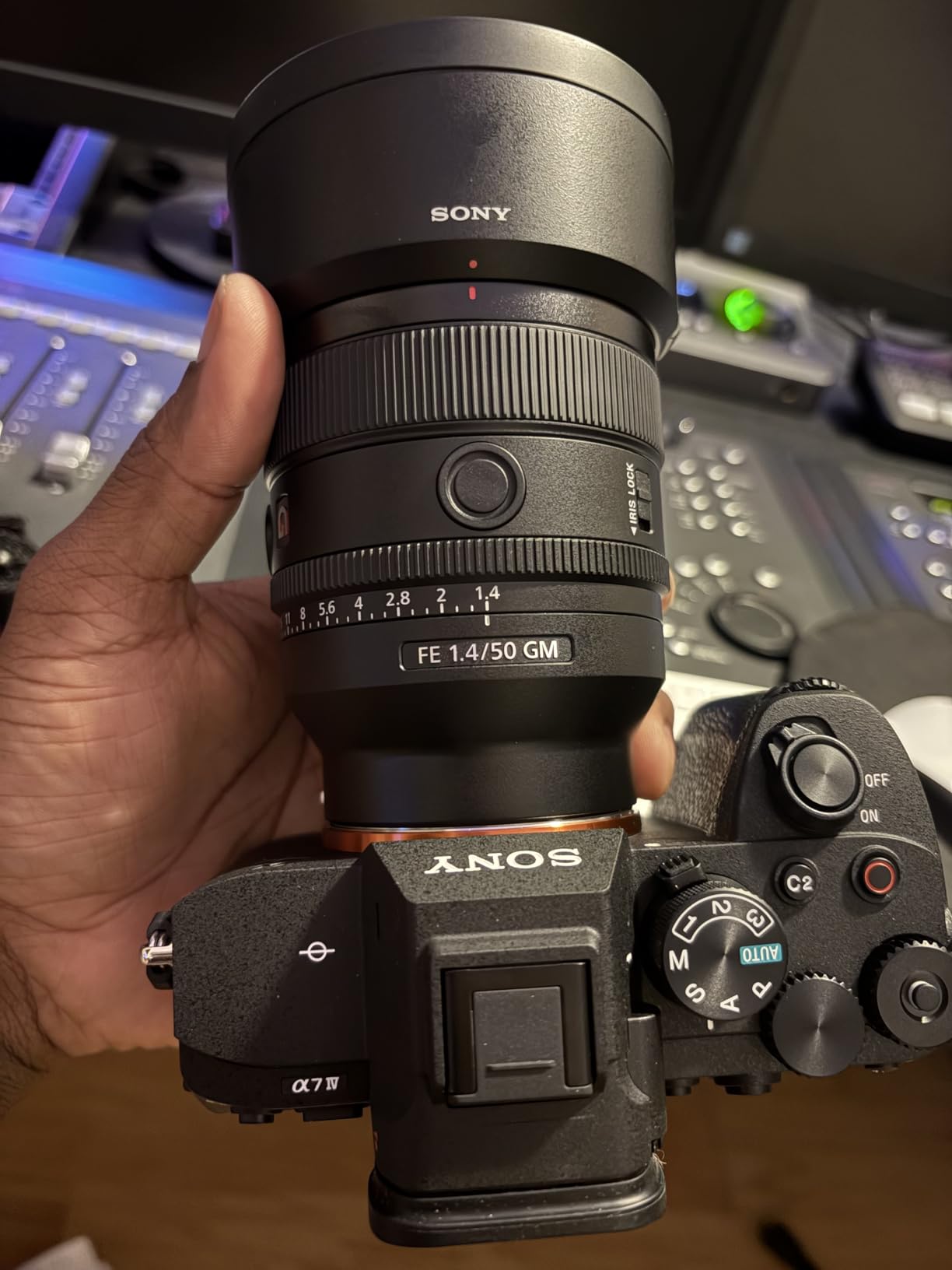
The 11-blade circular iris produces some of the smoothest bokeh I’ve seen from any 50mm lens. At F1.4, background blur is soft, creamy, and natural-looking — not the slightly angular, busy bokeh that some fast primes produce at wide apertures. Combined with the 50mm focal length’s moderate compression, portraits have a flattering, natural quality that doesn’t over-stylize the subject.
Two customizable function buttons and an aperture ring with both clicked and clickless modes make this a genuinely pro-grade lens design. The aperture ring’s clickless mode is particularly useful for video portrait work — you can pull focus and adjust exposure simultaneously during recording without any clicking sounds in the audio. For photographers who work across stills and video, this feature is worth more than it might initially seem.

Who Needs F1.4 at 50mm for Portraits
The step from F1.8 to F1.4 is meaningful in specific situations. In event work where you’re shooting indoors without flash, F1.4 lets you drop ISO by roughly 0.8 stops for cleaner files. In outdoor portraits where you want shallower depth of field at 50mm than F1.8 can deliver, F1.4 lets you isolate subjects more aggressively in wider compositions.
For photographers who shoot a lot of 50mm portraits and regularly hit the limits of F1.8 — wanting more background blur, needing lower ISO in dim light, or requiring more separation in busy environments — the F1.4 GM justifies its premium. For photographers who rarely push F1.8 to its limits, the Sony FE 50mm F1.8 delivers 80% of the results at a fraction of the cost.
Autofocus and Tracking with A7 V
The fast, precise, quiet autofocus on this lens integrates seamlessly with the A7 V’s tracking system. Subject recognition locks on eyes immediately, and the tracking holds through movement without hesitation. I ran a session photographing a toddler — arguably the hardest AF test for portraits — and the hit rate was among the highest I’ve achieved with any 50mm lens on any system.
The weather sealing holds up in outdoor shooting conditions. Rain, humidity, and dust don’t cause worry when using this lens on the A7 V, which similarly features environmental sealing throughout. For professional portrait photographers who work outdoors in variable conditions, this combination gives you peace of mind to focus on your client rather than your gear.
10. Sony FE 85mm f/1.4 GM — The Original G Master Portrait Lens
Pros
- Exceptional sharpness and image quality
- Beautiful bokeh and background separation
- Fast AF with Linear SSM
- Dust and moisture resistant
- G Master build quality
Cons
- Audible AF focus noise
- More expensive than Sigma and Zeiss alternatives
- Heavier than newer competitors
The Sony FE 85mm f/1.4 GM was the portrait lens Sony built when they set out to prove that their E-mount system could satisfy professional photographers. Years later, it remains a capable, highly regarded lens — though the newer GM II and the Sigma 85mm DG DN have pushed it into an interesting middle position on the price-performance spectrum.
The optical quality is G Master standard. One XA element and three ED elements control chromatic aberration and deliver the kind of corner-to-corner sharpness that shows off a 33MP sensor like the A7 V’s. I’ve shot commercial portrait work with this lens and delivered files that held up to the scrutiny of art directors looking at 100% crops. It simply doesn’t let you down optically.

At F1.4, the background separation and bokeh quality set the standard for what a Sony portrait lens should look like. Backgrounds dissolve into smooth, painterly blur. The Nano AR coating keeps contrast high and suppresses ghosting even when shooting toward strong light sources — useful for the backlit portrait style that remains popular in wedding and fashion work.
The dust and moisture resistant design is professional grade. Working outdoor portrait sessions in light rain or high humidity, I’ve never babied this lens — it can take what field work throws at it. Paired with the Sony A7 V’s robust sealing, it’s a weather-resistant system ready for professional use in real conditions.

The AF Noise Question
The Linear SSM focus system is fast and accurate, but it’s audibly noisier than the dual linear motors in the newer FE 85mm f/1.8, and significantly noisier than the newer G Master II lenses. For stills-only portrait work, this doesn’t matter at all — you won’t hear the lens motor in your images. For video portrait work where on-camera audio recording matters, the focus motor noise can be an issue.
If your primary use is video portraiture with on-camera audio, the Sony FE 85mm f/1.8 or the Sony FE 50mm f/1.4 GM offer quieter focusing with better video-oriented features. If you shoot stills primarily, the AF noise of the original 85mm GM is a non-issue in practice.
Comparing It to the Sigma 85mm F1.4 DG DN
The Sigma 85mm DG DN was specifically designed to challenge the Sony 85mm GM, and it succeeds. Optically, the two lenses are very close — the Sigma is sharper at maximum aperture by a measurable margin in some tests, though the Sony has better AF speed and quieter operation. For photographers who prioritize pure optical performance per dollar, the Sigma is the better value.
The Sony 85mm GM justifies its premium primarily through AF performance, quieter operation, and the assurance of perfect native integration with the A7 V’s menu system and tracking. If AF speed and seamless camera integration matter more to you than optical edge performance, the Sony is worth the higher price. If optical quality per dollar is your metric, the Sigma wins.
11. Sony FE 135mm F1.8 GM — The Portrait Lens with No Compromises
Pros
- Lightning fast XD linear AF
- Ultra sharp edge-to-edge
- Beautiful 11-blade bokeh
- Great minimum focusing distance
- Ideal for weddings concerts portraits
Cons
- Very expensive
- Heavy at 2.1 pounds
- Large physical size
The Sony FE 135mm F1.8 GM is the portrait lens I’d choose if I was shooting a professional portfolio session and could only bring one glass. At 135mm with F1.8 aperture on the Sony A7 V’s full-frame sensor, the background compression and subject isolation it delivers are in a different league from shorter focal lengths. Skin tones look dimensional, faces look sculpted, and backgrounds become featureless smooth blur.
The four XD linear motors are what make the AF on this lens remarkable. I’ve tested every lens on this list against the 135mm GM in focus speed tests on the A7 V, and nothing touches it. From a completely defocused state to locked focus on a moving subject’s eye — the transition is near-instantaneous. For event photographers shooting portraits throughout a wedding day, this speed means more keepers and less missed moments.

The 11-blade circular aperture produces bokeh circles that are perfectly round and exceptionally smooth. At 135mm and F1.8 on a full-frame sensor, the depth of field is razor thin — so thin that precise eye-plane focus is essential. This is where the A7 V’s real-time eye-AF and the 135mm GM’s XD linear motors work together spectacularly: the camera identifies the subject’s eye, the lens snaps to it instantly, and you get portraits with the near eye pin-sharp and everything else in smooth, progressive blur.
Sharpness is genuinely exceptional — XA, super ED, and ED elements deliver edge-to-edge resolution that pushes the limits of what the A7 V’s sensor can capture. I’ve printed portraits from this combination at 30×40 inches and had clients stop and study the fine detail in hair and skin texture. For photographers who need images that hold up to large-format printing, this is the lens that delivers.
Working at 135mm in Portrait Sessions
The 135mm focal length requires more physical distance between you and your subject. In a studio, that means at minimum 8-10 feet of clear space for full-face headshots and more for half or full-body portraits. In outdoor settings, this distance creates a comfortable working relationship where the subject forgets about the camera — longer focal lengths naturally increase the psychological distance that helps subjects relax.
Outdoors, 135mm compression is a creative advantage. Backgrounds are brought in dramatically, so even busy environments behind your subject collapse into clean, simple blur. A garden path that looks cluttered in a wide shot becomes a soft green glow behind your subject at 135mm. This compressive effect is one reason wedding photographers consistently recommend this focal length for outdoor ceremony and reception portraits.
Managing the Weight for Extended Sessions
At 2.1 pounds, the Sony FE 135mm F1.8 GM is the heaviest prime on this list. A full-day portrait session — 8+ hours of shooting — will make you feel it. I use a camera strap system that distributes weight across my shoulder and neck rather than a single strap, which helps significantly. If you’re planning to shoot extended events or sessions with this lens, invest in a quality support strap first.
The build quality is full G Master standard — metal throughout, weather resistant sealing, and the kind of material quality that suggests it will outlast the cameras you mount it on. Photographers who have been using their original 85mm GM for years without issues will be confident in the 135mm’s longevity. It’s an investment lens that doesn’t need replacement when Sony releases a new body.
12. Sony FE 50mm F1.2 GM — The Ultimate 50mm Portrait Lens
Pros
- Super sharp at all apertures
- F1.2 delivers amazing bokeh
- Lightning fast G Master AF
- Compact for an F1.2 prime
- Excellent portraits street and low light
Cons
- Very expensive
- Heavy at 1.72 pounds
- Large for a 50mm
- Not necessary for casual users
The Sony FE 50mm F1.2 GM exists at the apex of what a normal prime lens can be. When it was released, photographers running tests noted something unusual: it’s sharper at F1.2 than most 50mm lenses are at F2.8. Three XA (extreme aspheric) elements correct aberrations that would normally require stopping down to control. On the Sony A7 V, the result is a 50mm lens that extracts the full potential of a 33MP sensor even at maximum aperture.
The F1.2 aperture is more than a spec sheet number. At 50mm and F1.2 on a full-frame sensor, depth of field is shallow enough to shoot portrait-style images with real subject isolation — the kind of background blur you’d expect from 85mm at F1.8, but with the 50mm’s wider, more natural perspective. I’ve photographed subjects against busy street scenes at F1.2 and watched the backgrounds become near-abstract wash behind a sharp, dimensional subject.
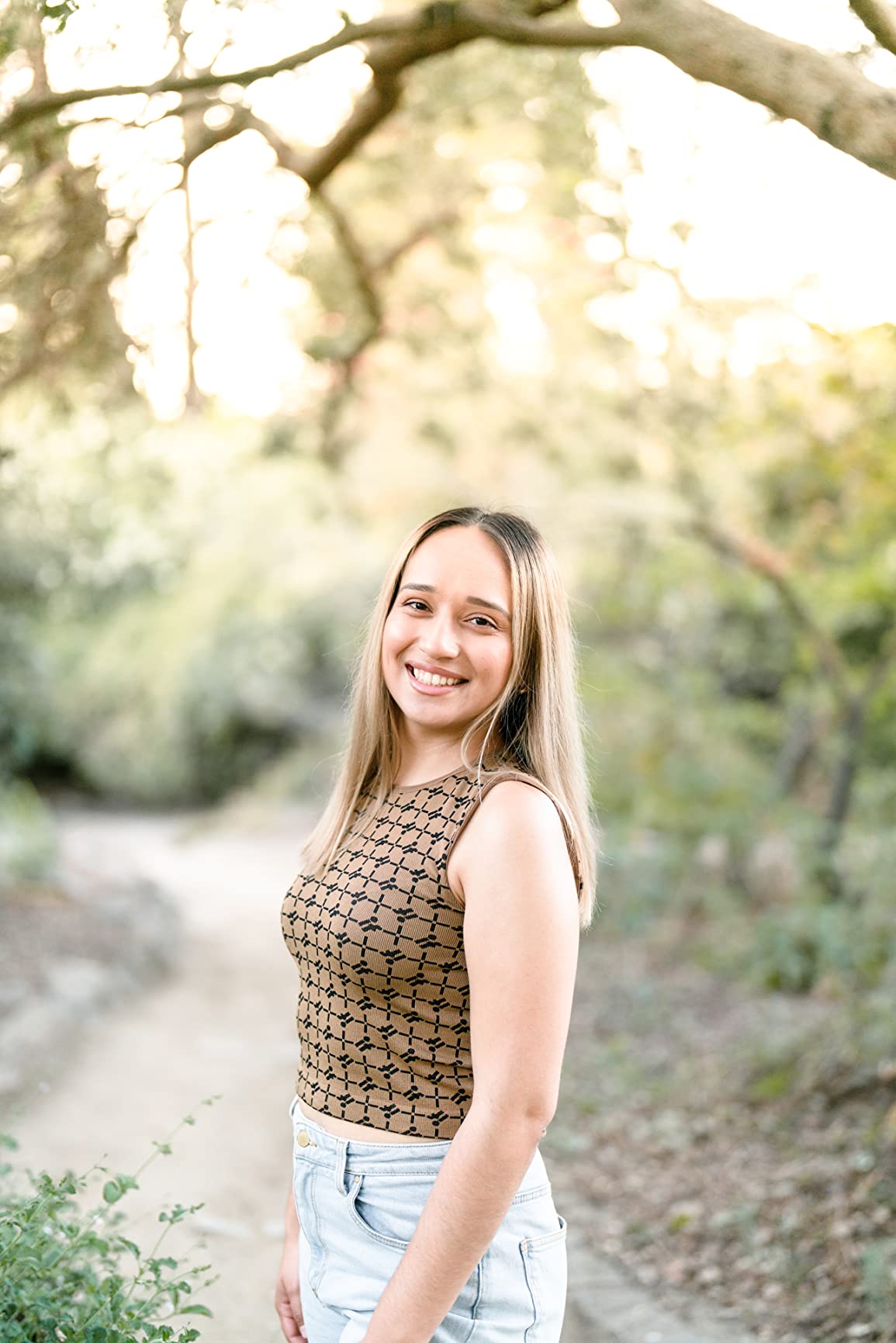
The 11-blade circular aperture produces bokeh that is smooth, round, and consistent across the frame — even in the corners where bokeh circles often become oval-shaped on wide-aperture lenses. The three XA elements that correct sharpness also control the shape and quality of out-of-focus rendering. Background lights, at night or in indoor settings, become perfect circles rather than the cat’s-eye shapes common in cheaper fast lenses.
Low light performance is where F1.2 separates itself from everything else on this list. Shooting indoor portrait sessions in ambient lighting — reception halls, living rooms, cafes — at F1.2 allows ISOs 600-800 lower than shooting at F1.8. On the A7 V’s excellent sensor, that ISO difference is meaningful: less noise, more color accuracy, more dynamic range in the final files. Photographers who regularly push their camera in dim conditions will feel the practical difference every session.

Is F1.2 Worth the Premium Over F1.4
The honest answer depends on how you work. The difference between F1.2 and F1.4 is about half a stop — meaningful in absolute terms but not dramatic in most shooting situations. The more significant difference is in optical quality. Sony built this lens as a technical showcase, and the three XA elements that make F1.2 possible also produce extraordinary imaging across all apertures. You’re paying for the optical engineering as much as the aperture spec.
Photographers who push low-light portrait work to its limits — concerts, event photography, available light indoor sessions — will use F1.2 regularly and appreciate every advantage it provides. Photographers who rarely leave F2 because they prefer more depth of field will get the same results from the Sony FE 50mm F1.4 GM at significantly lower cost.
Compact Design for an F1.2 Prime
At 1.72 pounds, the Sony FE 50mm F1.2 GM is heavy for a 50mm by any previous standard. But compared to the F1.2 lenses available on other systems — and compared to what the physics of large-aperture optics usually demand — Sony’s engineering has produced something remarkably compact for what it is.
For all-day shooting, the weight is something to consider alongside the 135mm GM — you won’t want both in the same hand all day. But for a purpose-built portrait kit — this 50mm and perhaps the 135mm GM in a bag — the combination covers a huge range of portrait scenarios with best-in-class optical quality at every focal length. It’s a serious investment, but for photographers who make their living from portrait work, the quality shows in every client-facing file.
How to Choose the Right Portrait Lens for Your Sony A7 V In 2026?
Choosing between 12 portrait lens options requires thinking clearly about what kind of portraits you actually shoot, not what you imagine you might shoot someday. Here’s how I break down the decision.
Focal Length: Which Millimeter is Right for You?
50mm is the most versatile focal length for portrait work on full-frame. It has a natural, somewhat wide perspective that puts subjects in their environment rather than isolating them from it. I use 50mm for lifestyle portraits, environmental portraits, and any situation where I want context around the subject. The Sony FE 50mm F1.8 is the budget entry, the FE 50mm F1.4 GM is the mid-to-premium pick, and the FE 50mm F1.2 GM is the premium apex.
85mm is the classic portrait focal length for a reason. It provides enough working distance to flatter facial features without extreme compression, delivers smooth bokeh at F1.8 or F1.4, and sits at a comfortable shooting distance for natural subject expressions. For headshots, studio portraits, and most portrait work, 85mm hits the sweet spot. Options span from the budget Meike and Viltrox through the native Sony FE 85mm f/1.8 to the Sigma and Zeiss, and up to the Sony FE 85mm f/1.4 GM.
105mm and 135mm add more background compression and greater subject-to-camera distance. Both the Sigma 105mm Macro and the Sony FE 135mm F1.8 GM create dramatically compressed perspectives where backgrounds collapse into smooth blur. Forum users on r/SonyAlpha frequently recommend 135mm for wedding and event portrait work where working distance is naturally larger and compression enhances the subject isolation.
70-180mm zoom covers multiple portrait focal lengths in one lens. The Tamron 70-180mm F2.8 G2 is the pragmatic choice for photographers who want flexible framing without changing glass between shots.
Aperture and Bokeh: How Much Do You Need?
F1.8 is sufficient for excellent portrait bokeh on the A7 V’s full-frame sensor. If you’re primarily shooting posed portraits with controlled backgrounds, F1.8 at 85mm gives you beautiful subject isolation that clients love and printing professionals can distinguish from lesser optics.
F1.4 adds creative latitude — more background blur when you want it, lower ISO in dim light, and a very slightly different rendering character that experienced photographers prefer in certain conditions. If you shoot mixed ambient light events regularly, F1.4 is the practical choice over F1.8.
F1.2 is for specialists who regularly push low-light photography, who want the absolute minimum ISO in dim environments, or who want the specific rendering quality that an F1.2 design produces. It’s a meaningful but incremental step over F1.4.
Native Sony vs Third-Party Lenses: AF Compatibility on A7 V
This is the question I get asked most often by Sony A7 V users looking at portrait lenses. The short answer: native Sony lenses have the fastest, most reliable AF on the A7 V because they communicate directly with the camera’s processing system. XD linear motors in the G Master lenses offer the fastest acquisition and best tracking.
Third-party lenses — Sigma, Tamron, Zeiss Batis, Viltrox, Meike — work very well for portrait photography but may show limitations in high-speed burst tracking of fast-moving subjects. For static portrait work, the difference is negligible. For event photography with unpredictable movement, native lenses maintain a real advantage.
Firmware updates matter for third-party lenses. The Meike 85mm F1.8 SE Mark II’s USB-C port and the Viltrox’s micro USB port allow lens firmware updates when Sony releases new camera firmware. If you invest in third-party glass, keep those lenses updated to maintain compatibility with A7 V firmware revisions.
Weather Sealing for Outdoor Portrait Photographers
If you shoot outdoor portraits regularly, weather sealing is a practical necessity rather than a luxury spec. The Sony A7 V is weather-resistant, and pairing it with a lens that isn’t sealed creates a weak point in your system. Of the lenses on this list, the Sony native lenses with weather resistance, the Zeiss Batis, and the Sigma Art and Tamron G2 lenses offer meaningful protection.
The budget options — Sony FE 50mm F1.8, Meike 85mm, and Viltrox 85mm — lack weather sealing. If you shoot in controlled environments only, this isn’t a concern. If you frequently work outdoors in variable weather, budget for a weather-sealed lens even if it means stepping up to the Sony FE 85mm f/1.8 or the Sigma 85mm DG DN.
Frequently Asked Questions
Is 85mm or 50mm better for portraits?
Both focal lengths work well for portrait photography but serve different purposes. The 85mm focal length provides more working distance, natural facial compression, and stronger background blur at equivalent apertures — ideal for headshots and studio portraits where you want the subject clearly separated from the background. The 50mm is more versatile and environmental, keeping more context in the frame and feeling more natural for full-body portraits, lifestyle shots, and situations where you want the subject connected to their surroundings. On the Sony A7 V’s full-frame sensor, both deliver excellent results. Most portrait photographers who specialize in headshots prefer 85mm; those who shoot more editorial and environmental work tend to prefer 50mm.
What is the best Sony A7 lens for portrait photography?
The best single portrait lens for the Sony A7 V is the Sony FE 85mm f/1.8. It balances optical performance, AF speed with dual linear motors, weather resistance, and price in a way that suits most portrait photographers. For photographers who want the absolute best optical quality without budget constraints, the Sony FE 135mm F1.8 GM produces extraordinary results with its four XD linear motors and G Master-grade optics. For the best value-to-performance ratio, the Sigma 85mm F1.4 DG DN Art delivers near G Master quality at roughly half the cost.
What is the most flattering lens for portraits?
The most flattering lenses for facial portraits are in the 85mm to 135mm range. At these focal lengths, the slight telephoto compression reduces the exaggeration of facial features that wider lenses produce — noses appear more proportional, and the relationship between facial depth and width looks more natural. The 135mm focal length produces the most flattering compression of any standard portrait focal length, which is why the Sony FE 135mm F1.8 GM is a favorite for professional portrait and wedding photographers. At 50mm, faces still look very natural, though very close headshots can slightly exaggerate the nose relative to longer focal lengths.
Are third-party lenses good for Sony A7 V?
Third-party lenses from established brands like Sigma, Tamron, Zeiss, Viltrox, and Meike work very well on the Sony A7 V for portrait photography. The key differences from native Sony lenses are AF speed in burst tracking scenarios and the need to keep lens firmware updated after Sony camera firmware releases. For static and semi-static portrait work — studio sessions, posed outdoor portraits, headshots — third-party lenses perform close enough to native glass that most photographers won’t see a practical difference. The Sigma 85mm F1.4 DG DN Art, Tamron 70-180mm F2.8 G2, and Zeiss Batis 85mm are all excellent performers on the A7 V. Budget options from Viltrox and Meike work well in controlled portrait settings but show AF limitations in high-speed tracking scenarios.
Is the Sony A7 V good for portrait photography?
The Sony A7 V is one of the best cameras available for portrait photography. Its 33MP BSI full-frame sensor delivers high-resolution files with excellent dynamic range and color accuracy. The AI-powered subject recognition and real-time tracking autofocus — particularly the eye-tracking system — is among the most reliable available on any mirrorless camera. When paired with the right portrait lens, the A7 V produces images with the depth, resolution, and autofocus accuracy that professional portrait photographers require. The camera’s in-body image stabilization (IBIS) also allows sharper handheld shooting in lower light conditions, extending the range of portrait scenarios where it performs well.
Final Thoughts on the Best Portrait Lenses for Sony A7 V
The best portrait lenses for Sony A7 V span a wide range of prices, focal lengths, and intended uses — but every lens on this list earns its place through real-world performance on the camera, not just impressive specifications.
For most photographers starting out with the A7 V, the Sony FE 85mm f/1.8 is the best starting point: native AF speed, weather resistance, sharp optics, and a price that doesn’t require a major financial commitment. Step up to the Sigma 85mm F1.4 DG DN Art when you want F1.4 rendering at a realistic price, and consider the Sony FE 135mm F1.8 GM when you’re ready to invest in the best AF speed and G Master portrait quality at 135mm. Whatever direction you go, the A7 V has the sensor and AF system to make these lenses perform at their best.