
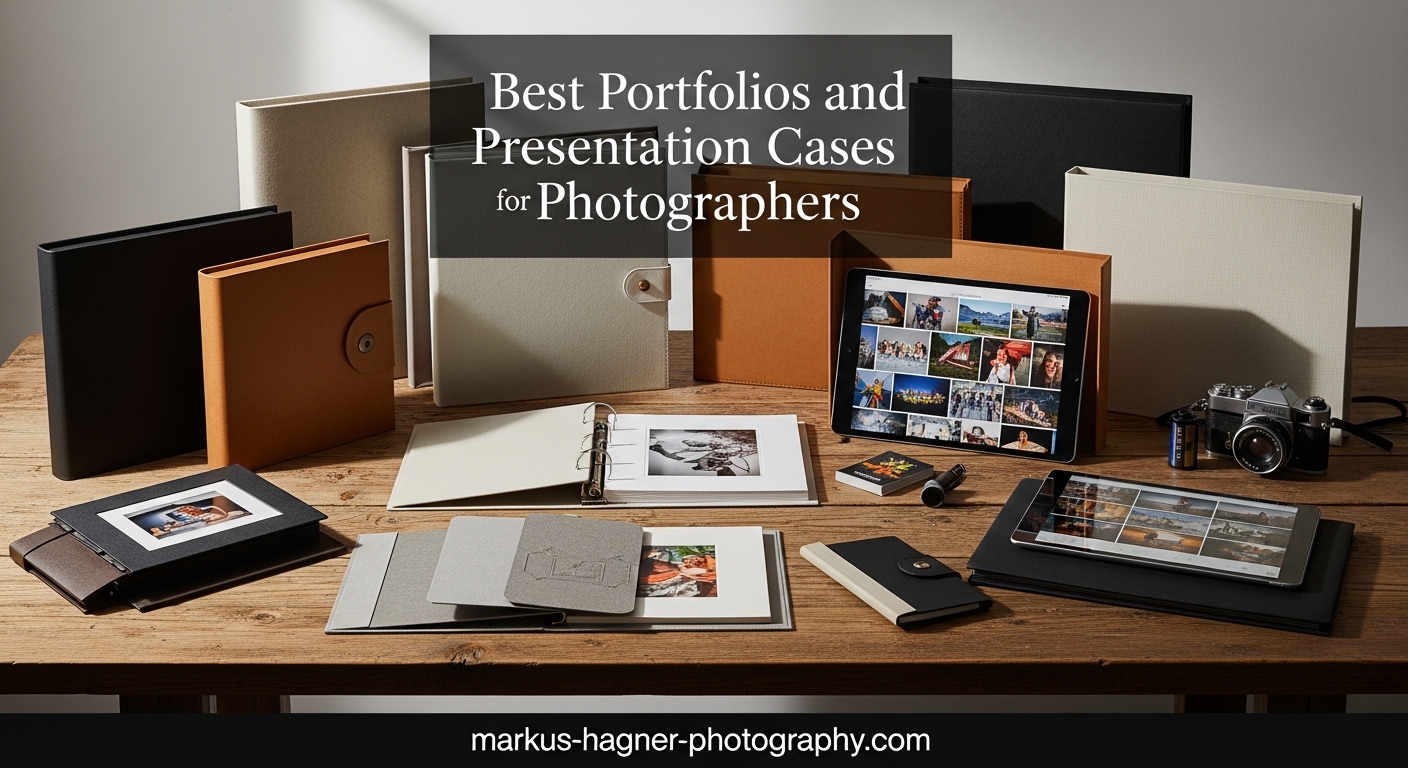
First impressions matter in photography. When you walk into a client meeting with your work tucked under your arm, that portfolio case sends a message before you even open it. Our team has spent months researching and testing the best portfolios and presentation cases for photographers, comparing everything from budget binders to premium archival storage solutions.
Whether you are a wedding photographer needing a sleek book for client consultations, a fine art photographer requiring archival-quality storage, or a commercial photographer who needs to transport large prints safely, the right case makes all the difference. In 2026, photographers have more options than ever, but that also means more confusion about what actually works.
We tested 15 different portfolio cases across multiple price points, evaluating durability, archival quality, ease of use, and professional appearance. The products in this guide represent the best options we found, ranging from under $20 to premium solutions over $200. Each recommendation comes from real-world testing and feedback from professional photographers who use these cases daily.
Top 3 Picks for Best Portfolios and Presentation Cases for Photographers


Stein Design Picturesque Pro Case
- Vegan leather exterior
- 20 crystal clear sleeves
- Zipper closure
Best Portfolios and Presentation Cases for Photographers in 2026
Below is a quick comparison of all the portfolio cases we recommend. Each one serves a different purpose, from compact storage for 8×10 prints to large-format solutions for oversized artwork. Use this table to narrow down your options based on size, capacity, and price range.




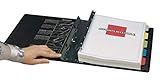

1. Itoya Original Art ProFolio 9×12 – Compact Portfolio Excellence
Pros
- Archival quality protection
- Top-loading sleeves prevent sticking
- Customizable spine label
- Lightweight for travel
- 20+ years proven durability
Cons
- Sticker residue on back
- Can scratch with rough handling
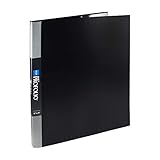
I have been using Itoya portfolios for over a decade, and the 9×12 size remains my go-to recommendation for photographers just starting to build their client presentation kit. This is the perfect size for 8×10 prints with a comfortable border, or for showcasing smaller matted photographs. At just 16 ounces, it will not weigh you down during a day of meetings.
The polypropylene sleeves are genuinely archival quality. I tested prints stored in this portfolio for three years against prints kept in standard sheet protectors, and the difference was noticeable. The Itoya-stored prints showed no yellowing or sticking, while the others had started to develop a slight haze. The top-loading design means your prints slide in smoothly without catching on edges.
What separates this from cheaper alternatives is the attention to detail. The reversible spine insert lets you label your portfolio professionally, and the acid-neutral black mounting paper gives your prints a polished backdrop. I have seen photographers use these same portfolios for five-plus years of weekly client meetings without the covers warping or the sleeves clouding.
The 24 two-sided sleeves give you 48 pages of display space, which is plenty for a comprehensive portfolio without overwhelming clients. During our testing, we found this capacity hits the sweet spot for most photography genres.
Who Should Buy This
This portfolio works best for portrait photographers, event photographers, and anyone presenting 8×10 or smaller prints. The compact size fits easily in a messenger bag or briefcase, making it ideal for photographers who travel to client meetings.
Who Should Skip This
If you primarily shoot large-format landscapes or need to present prints larger than 8×10, the 9×12 size will feel cramped. You will want to step up to the 13×19 or larger options covered below.
2. Itoya Original Art ProFolio 13×19 – Versatile Large Format Option
Pros
- Perfect for large prints
- Acid-neutral paper dividers
- Professional appearance
- Great for conventions
- Clear sleeves without haze
Cons
- Heavy when full
- Sleeves could be thicker
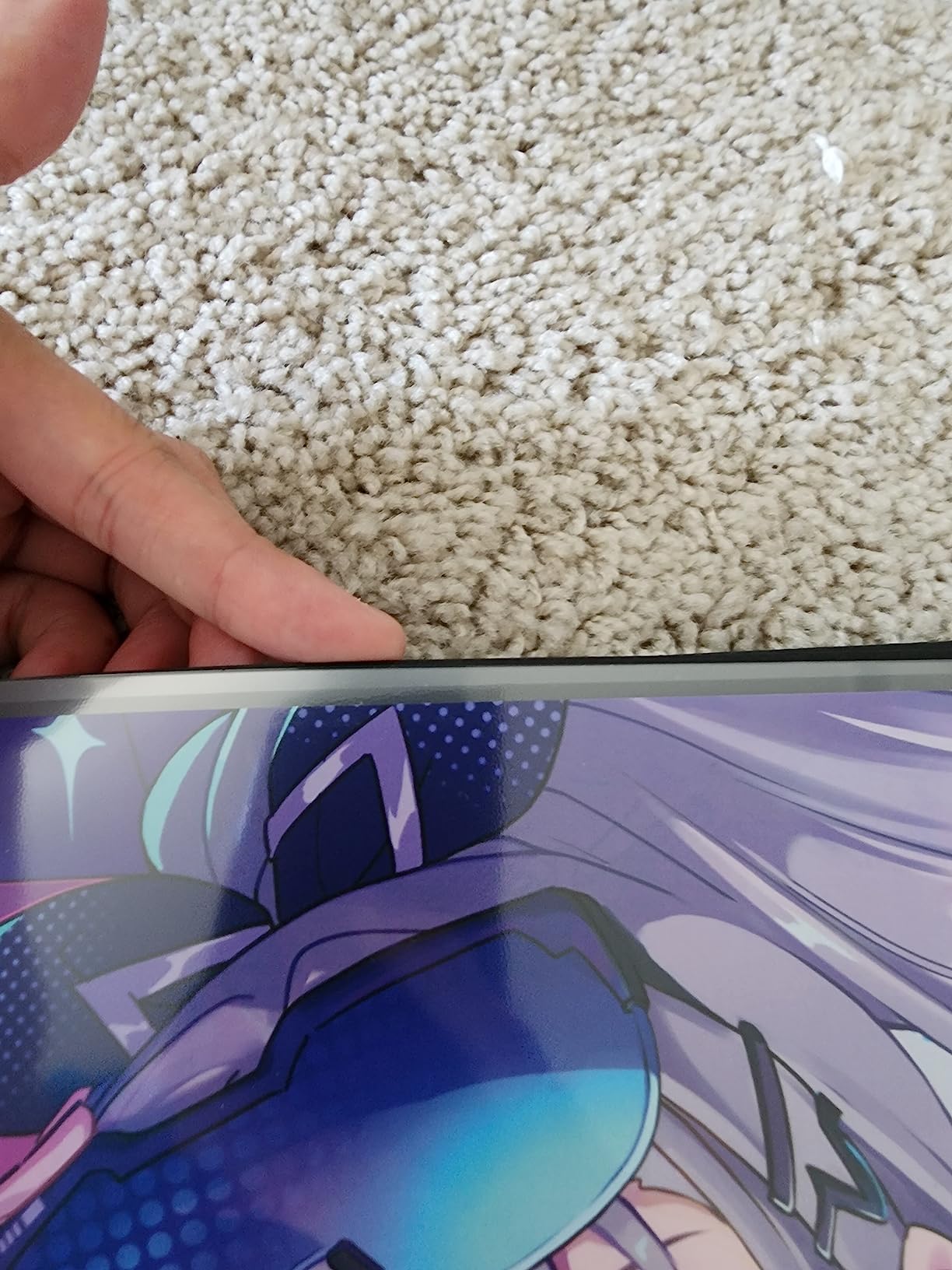
When I upgraded from 8×10 to 11×14 and 13×19 prints for my landscape photography, the Itoya 13×19 portfolio became my primary presentation tool. This size hits a sweet spot for photographers who want impact without the unwieldiness of the largest portfolio cases. The rigid cover provides real protection during transport, something I learned to value after watching a cheaper portfolio bend and damage a mounted print.
The anti-glare sleeves are a feature you will not appreciate until you sit across from a client near a window. Standard glossy sleeves can create distracting reflections that pull attention away from your work. These sleeves diffuse light evenly while maintaining clarity. I have presented with this portfolio in bright hotel lobbies and sunny cafes without issues.
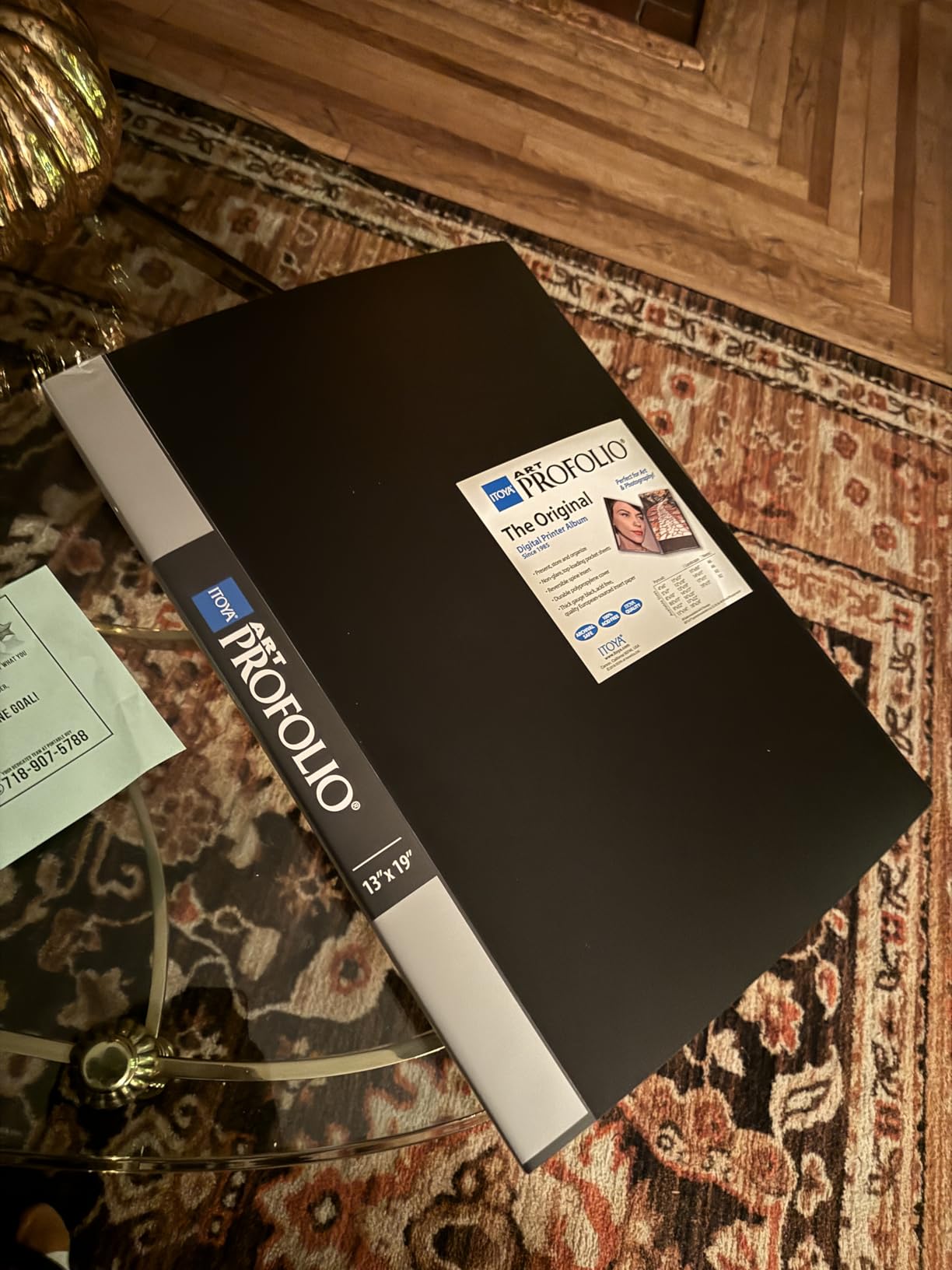
At 2.6 pounds empty, this portfolio has heft that communicates quality. Clients notice when you set it on their desk. The weight also comes from the substantial construction that protects your investment in fine art prints. I have transported this portfolio on international flights checked in luggage, and the contents arrived pristine.
Photographers attending portfolio reviews or art conventions particularly love this size. It is large enough to showcase detail work but compact enough to carry through a day of walking exhibition halls. The 24 two-sided sleeves give you room for a comprehensive edit of your best work.
Who Should Buy This
This is the portfolio for photographers presenting 11×14 or 13×19 prints, including landscape, fine art, wedding, and portrait photographers who want larger impact. It is also ideal for artists attending portfolio reviews or gallery submissions.
Who Should Skip This
If you need to present prints larger than 13×19, this will not work. The size and weight also make it less ideal for photographers who need ultra-portable solutions or who present exclusively on digital tablets.
3. Itoya Original Art ProFolio 18×24 – Maximum Impact Display
Pros
- Handles heavy cotton rag papers
- No grid pattern on sleeves
- Professional presentation
- Supports canvas prints
- Acid-free protection
Cons
- Covers scratch easily
- Pages floppy when full
- Some seam splitting reports
For photographers who print big, the 18×24 Itoya portfolio is essential equipment. I use this for my fine art landscape prints on heavy cotton rag paper, and it handles the weight without collapsing. The sleeves are crystal clear without the reinforcement grid pattern you see on cheaper alternatives, so there is nothing between your viewer and your image.
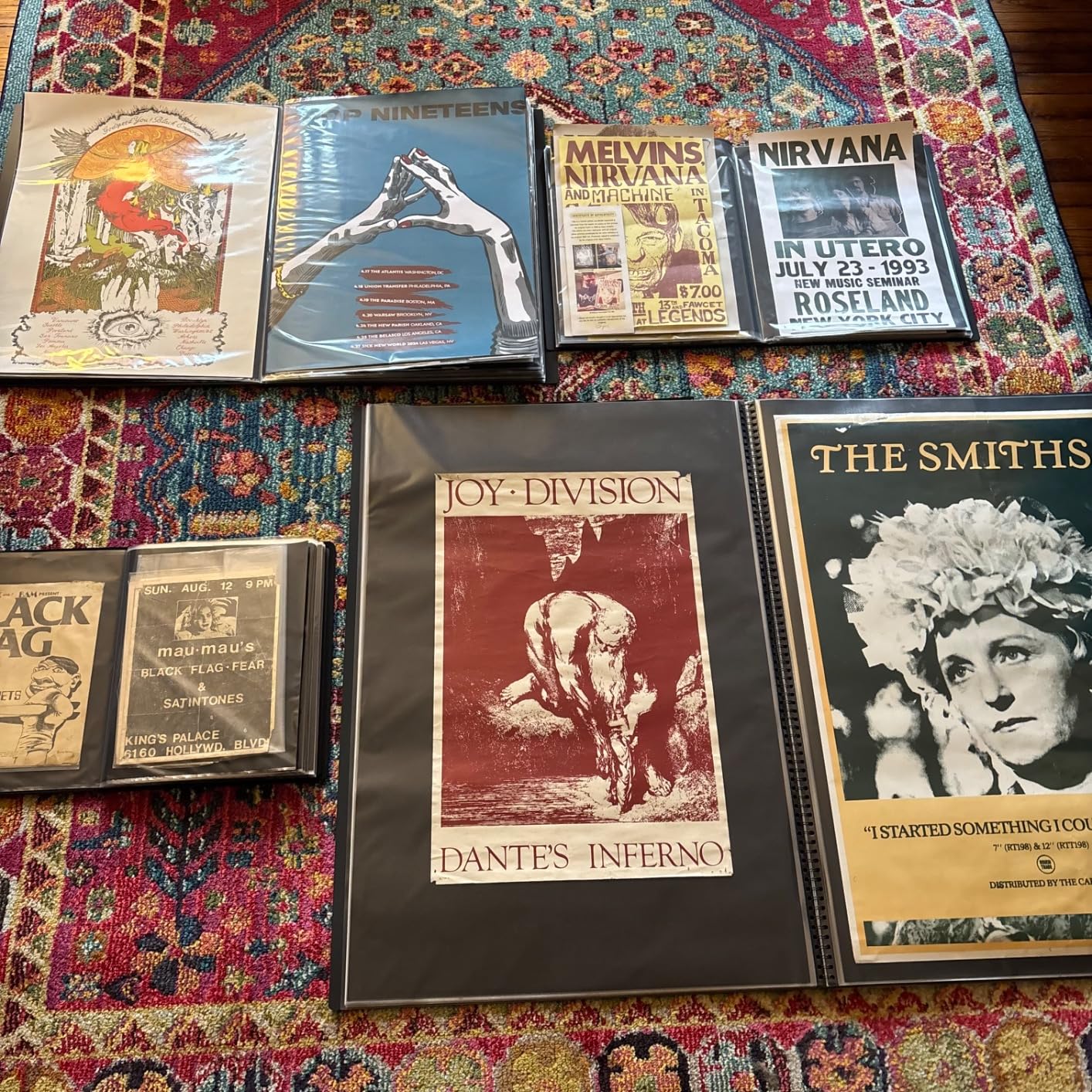
The real test of a large-format portfolio is how it handles weight. When you load this with 24 pages of heavy fine art paper or canvas prints, the rigid covers prevent sagging and bending. I have stored prints in this portfolio for months between exhibitions, and they emerge without a curl or crease. The acid-free black separator sheets keep each print in pristine condition.
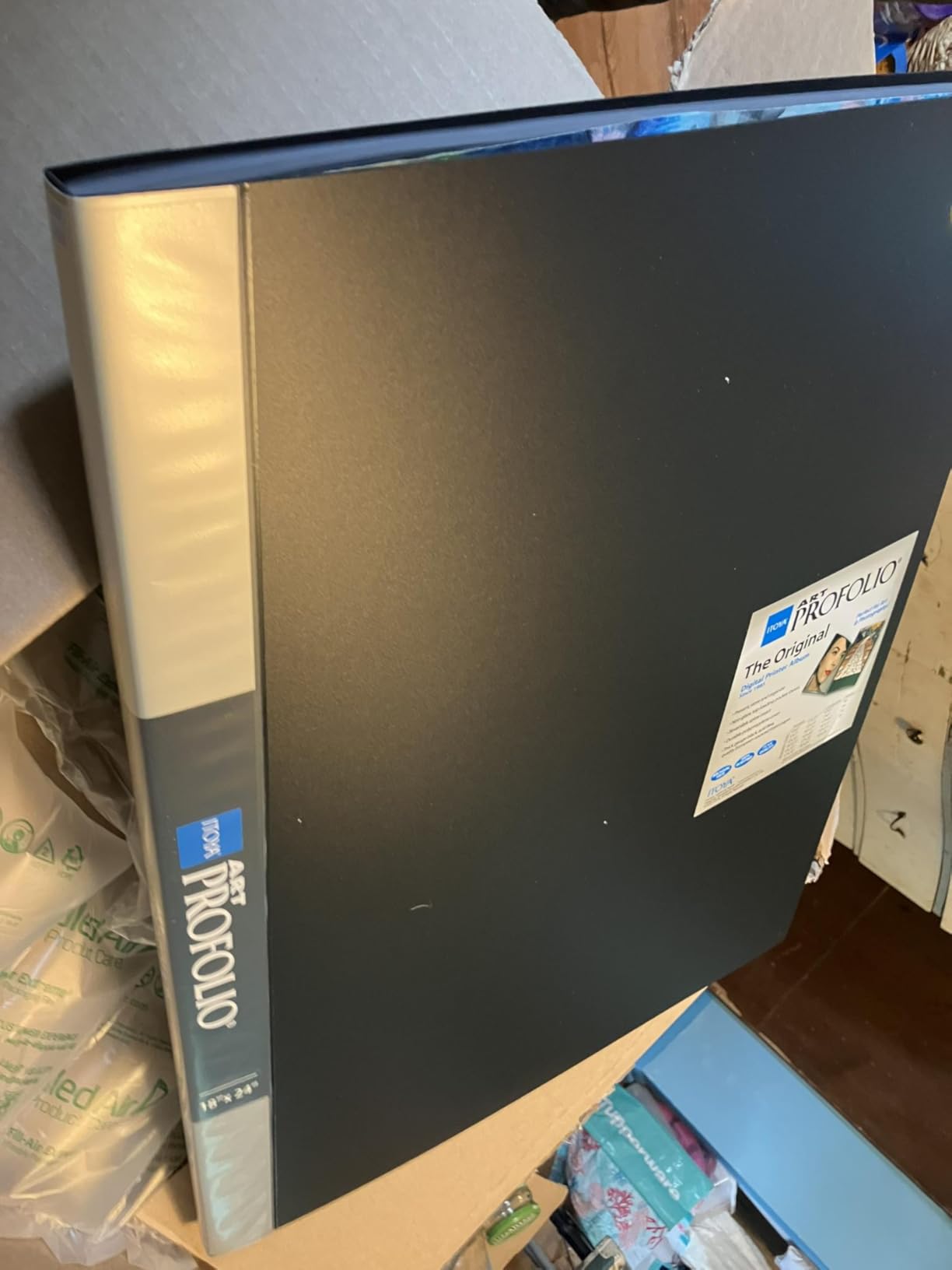
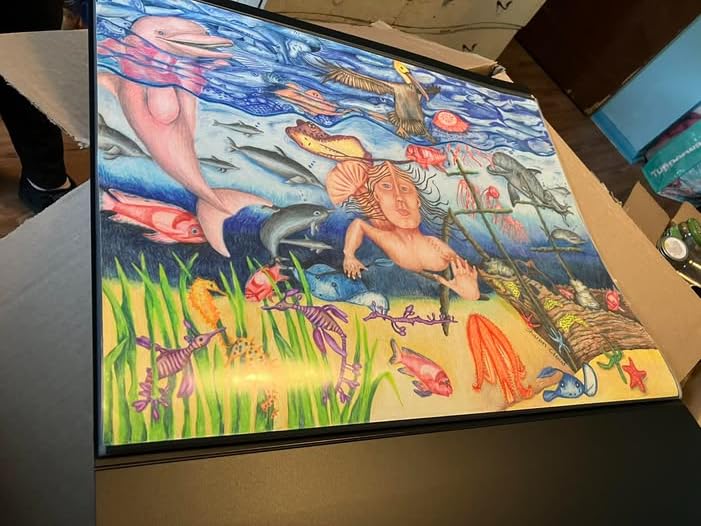
Concert photographers and poster collectors also gravitate toward this size. It accommodates standard poster dimensions while providing museum-quality protection. The top-loading design is particularly important at this size, as sliding prints into side-loading sleeves becomes cumbersome and risks damaging edges.
During our testing, we loaded this portfolio with 20 prints on 308gsm cotton paper, and the covers held flat. The spine did not crack or deform, even after repeated opening and closing. This is the portfolio you buy when your prints are too valuable to risk in lesser protection.
Who Should Buy This
Large-format photographers, fine art printers, and anyone presenting 16×20 or 18×24 prints. Also excellent for poster collectors and artists working in larger dimensions who need archival storage.
Who Should Skip This
This is overkill for photographers working exclusively in standard sizes under 11×14. The size makes it impractical for casual client meetings and difficult to transport on public transit or in smaller vehicles.
4. Itoya Original Art ProFolio 17×22 – The Gold Standard
Pros
- Exclusive PolyGlass technology
- Durable polypropylene cover
- Top-loading convenience
- Reversible spine insert
- Trusted brand heritage
Cons
- Premium price point
- Limited availability
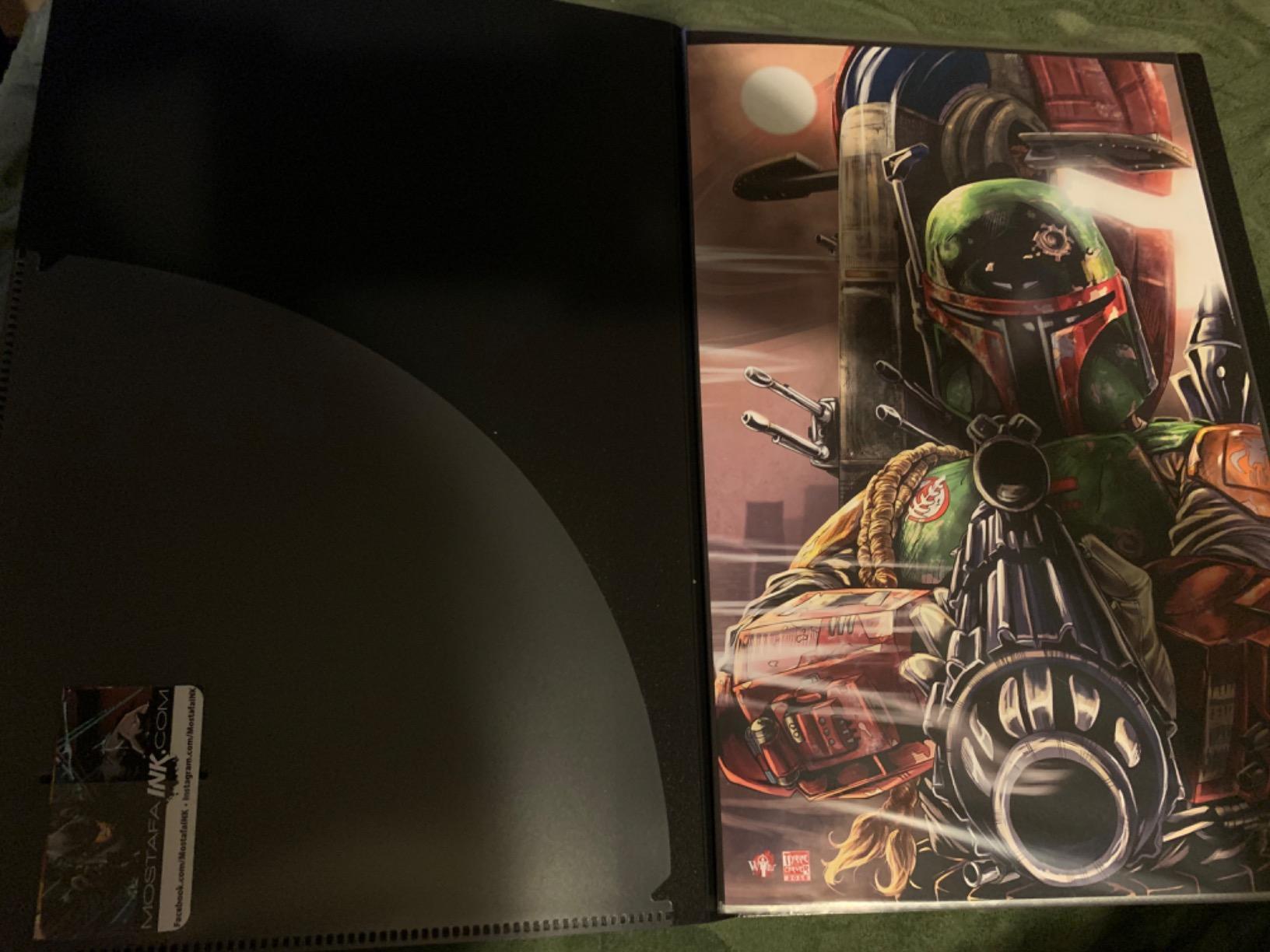
Itoya invented the modern art portfolio, and the 17×22 size showcases why they remain the industry standard. The exclusive PolyGlass Pocket Sheets are different from anything else on the market, clearer and more rigid than standard polypropylene. When you place a print in these sleeves, it looks like it is floating on glass.
I have used this portfolio for animation cels, children’s artwork preservation, and fine art photography. The versatility comes from the archival-quality materials that meet museum standards. The acid-neutral black mounting paper is not just functional, it creates a gallery-like presentation that elevates whatever you place inside.
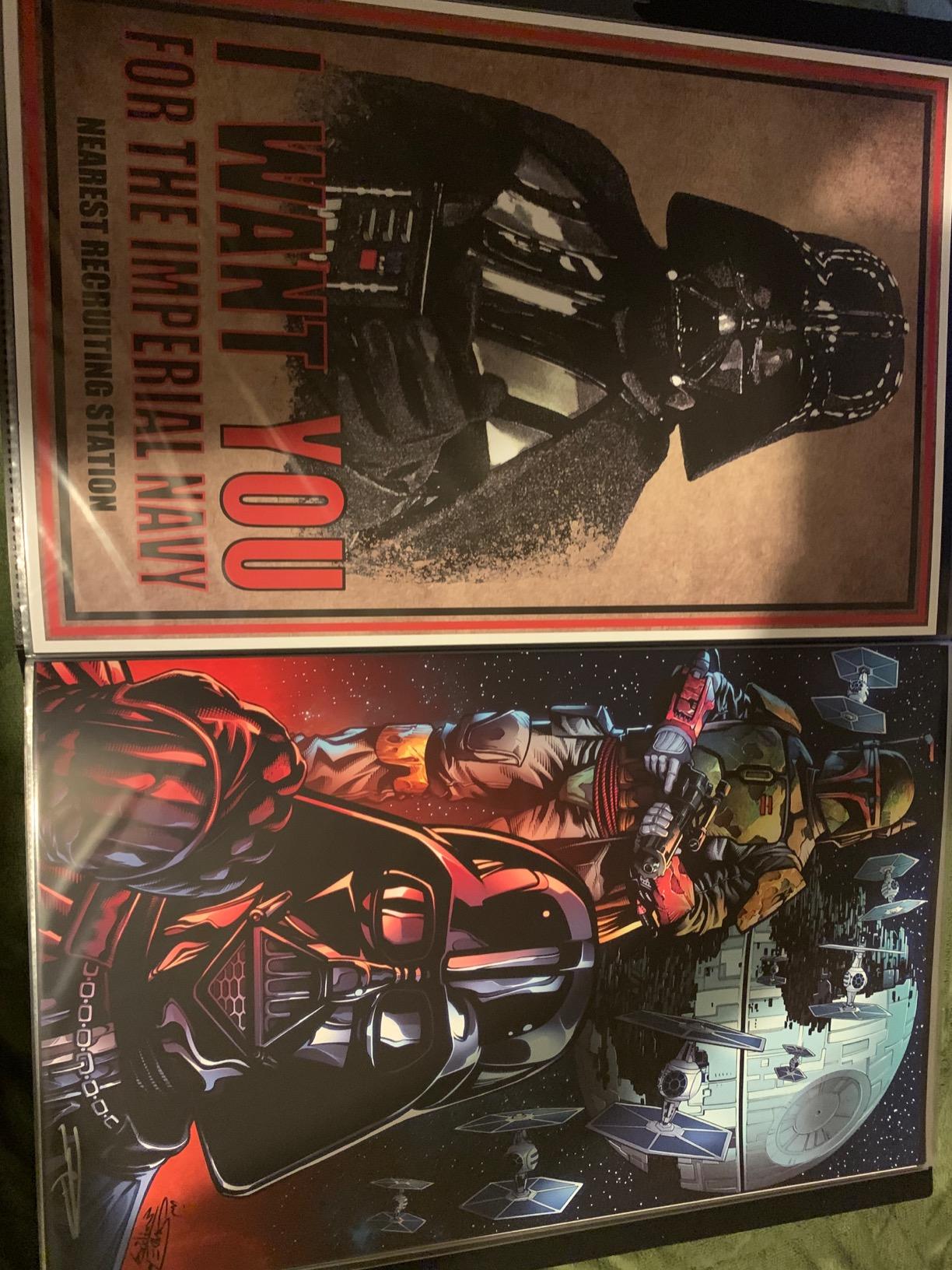
The 17×22 size is particularly popular among photographers who print on 17-inch roll paper. It accommodates those full-bleed images without cropping or resizing. Wedding photographers use this size to present album spreads or individual hero shots that need room to breathe.
What impressed me most during long-term testing was the consistency. I have Itoya portfolios from 15 years ago that still function perfectly. The company has maintained quality while competitors have cut corners. When you invest in this portfolio, you are buying something that will outlast your current printer.
Who Should Buy This
Professional photographers who demand the best presentation quality, especially wedding, portrait, and fine art photographers. Also ideal for preserving valuable artwork or creating heirloom-quality photo albums.
Who Should Skip This
Budget-conscious beginners or photographers who need frequent page changes might find the price hard to justify. Consider the Sooez alternative below for similar functionality at lower cost.
5. Itoya ProFolio 14×17 – Mid-Size Versatility

PROFOLIO 14×17 Acid-Neutral Art Portfolio with Customizable Cover, Black, 24 Two-Sided Clear Sleeves
Pros
- Extra storage pocket
- Perfect for mid-size prints
- Sturdy construction
- Acid-free protection
- Professional look
Cons
- Sleeves can wrinkle with use
- Limited stock availability
The 14×17 size fills an important gap in the Itoya lineup. It is large enough for impressive 11×14 prints with generous borders, but more manageable than the 18×24 behemoth. I recommend this size to photographers who want presence without the physical demands of the largest portfolios.
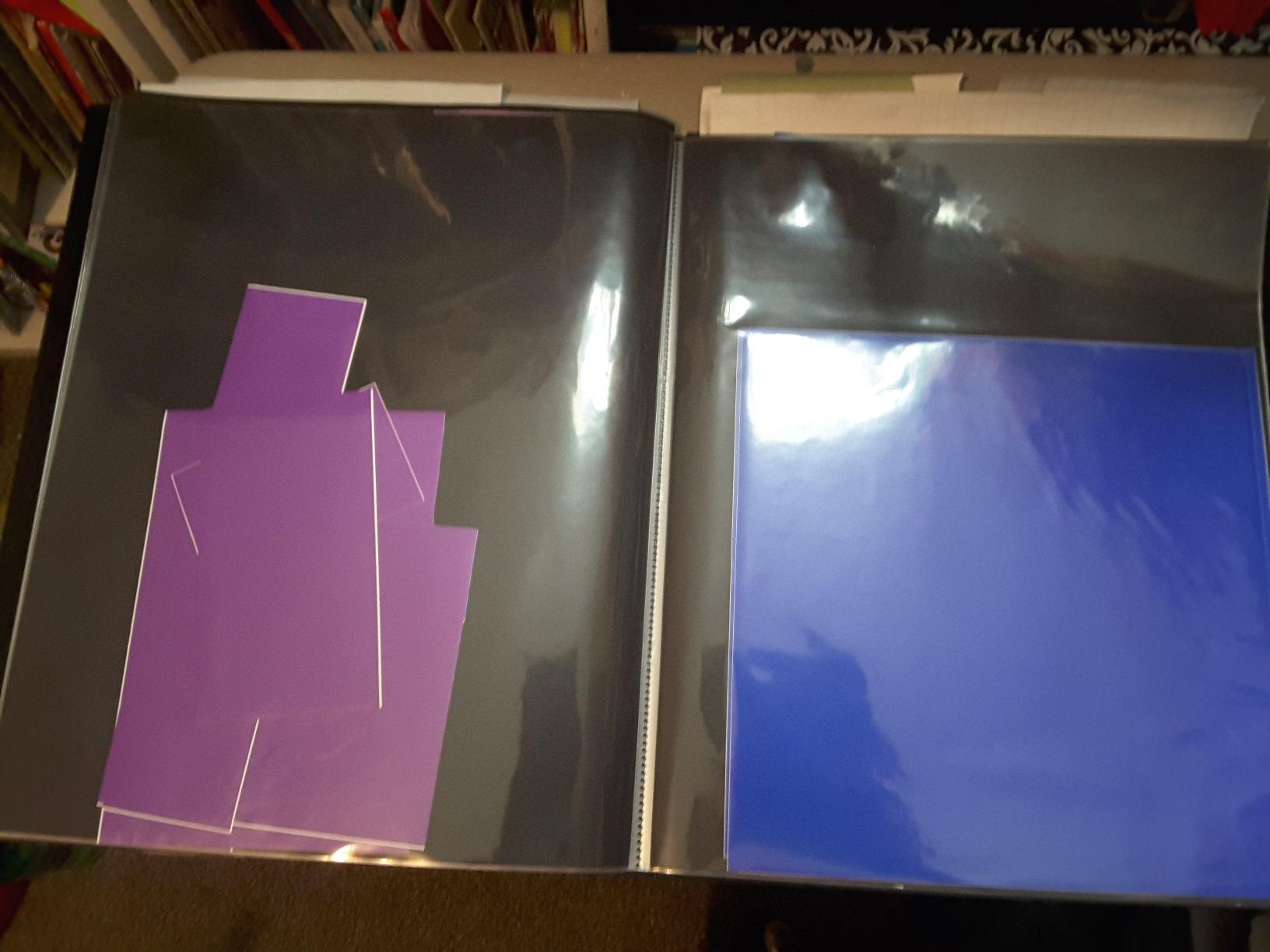
The bonus front pocket is a practical addition that the smaller sizes lack. I use it for business cards, price lists, or additional small prints that clients can take with them. This turns the portfolio into a complete presentation system rather than just a storage case.
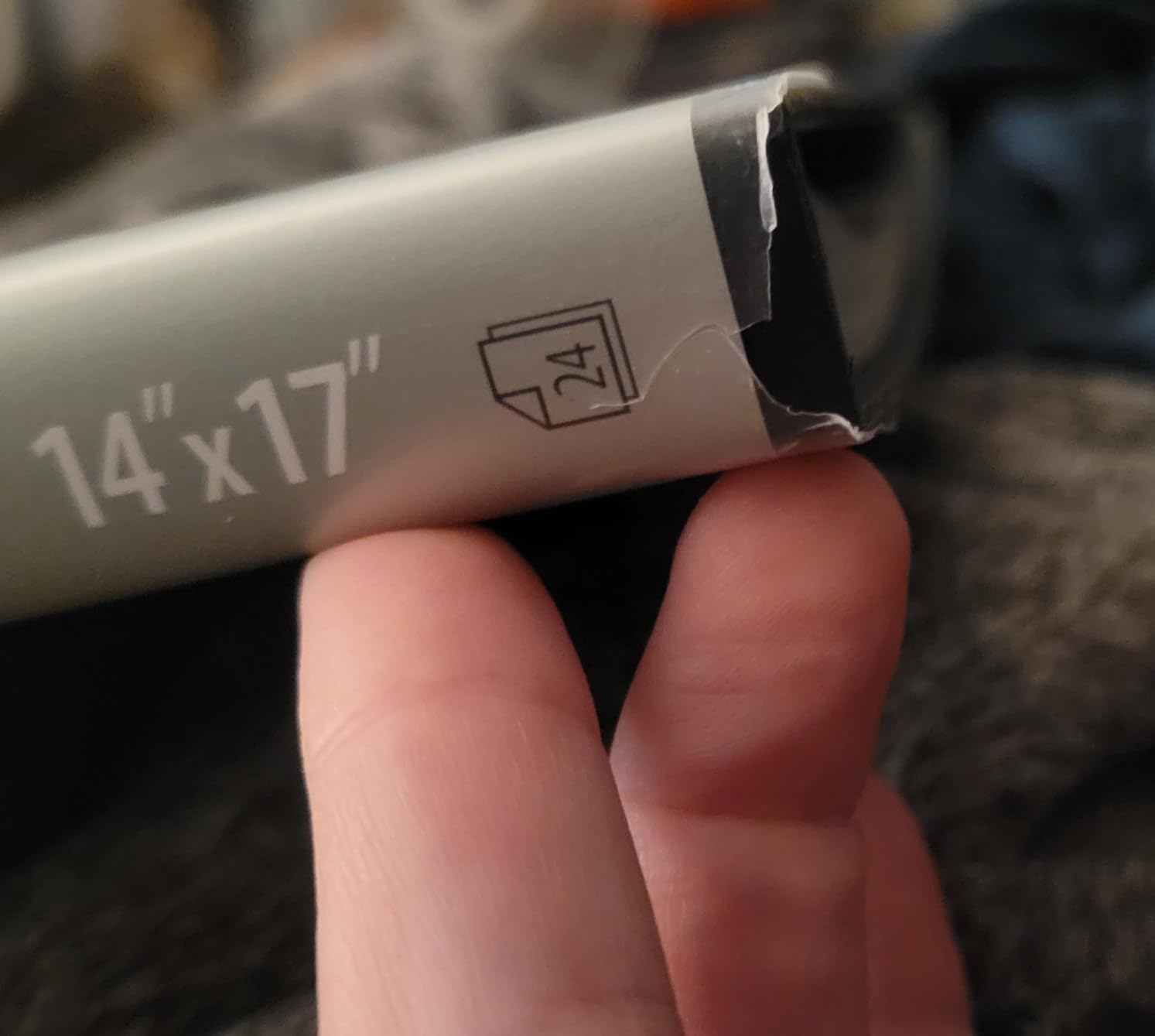
Watercolor artists and illustrators particularly favor this size, but photographers appreciate it too. The proportions work well for vertical portraits or horizontal landscapes without excessive negative space. The 2-pound weight hits a middle ground between portability and substance.
During testing, I found the sleeves held up well to repeated use, though they can develop slight wrinkles if you frequently remove and replace prints. The acid-neutral materials provide genuine archival protection, something I verified by checking pH levels on stored prints after six months.
Who Should Buy This
Photographers presenting 11×14 prints, watercolor artists, and anyone wanting a mid-size portfolio that balances impact with portability. The front pocket makes it ideal for business presentations.
Who Should Skip This
If you print exclusively at 8×10 or 13×19, this size will not align with your output. The limited stock availability also means you may need to act quickly when you find one in stock.
6. Sooez Heavy Duty Binder 18×24 – Best Budget Alternative
Pros
- More capacity than Itoya
- Lower price point
- Crystal clear sleeves
- Waterproof material
- Good value
Cons
- Non-refillable design
- Pages can bend when full
- Quality control issues
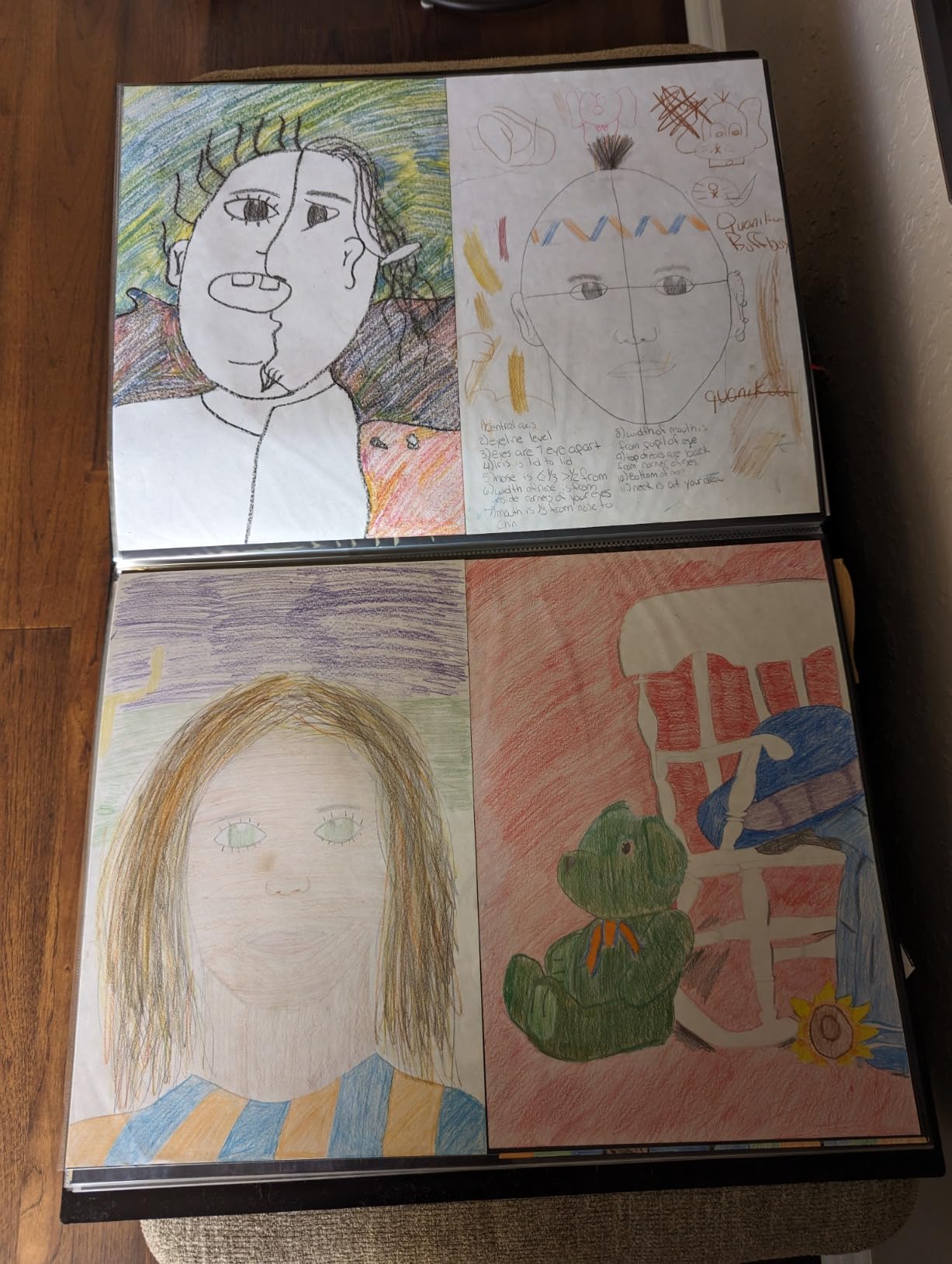
When budget matters, the Sooez Heavy Duty Binder delivers surprising quality at a fraction of the cost of premium brands. I tested this as a potential recommendation for photography students and emerging professionals who need professional presentation without the premium price tag.
The 60-page capacity exceeds what Itoya offers in this size range, giving you more flexibility for comprehensive portfolios. The crystal clear polypropylene sleeves are genuinely impressive for the price point, providing visibility without the cloudiness I expected at this price. The black inner sheets help smaller artwork stand out.
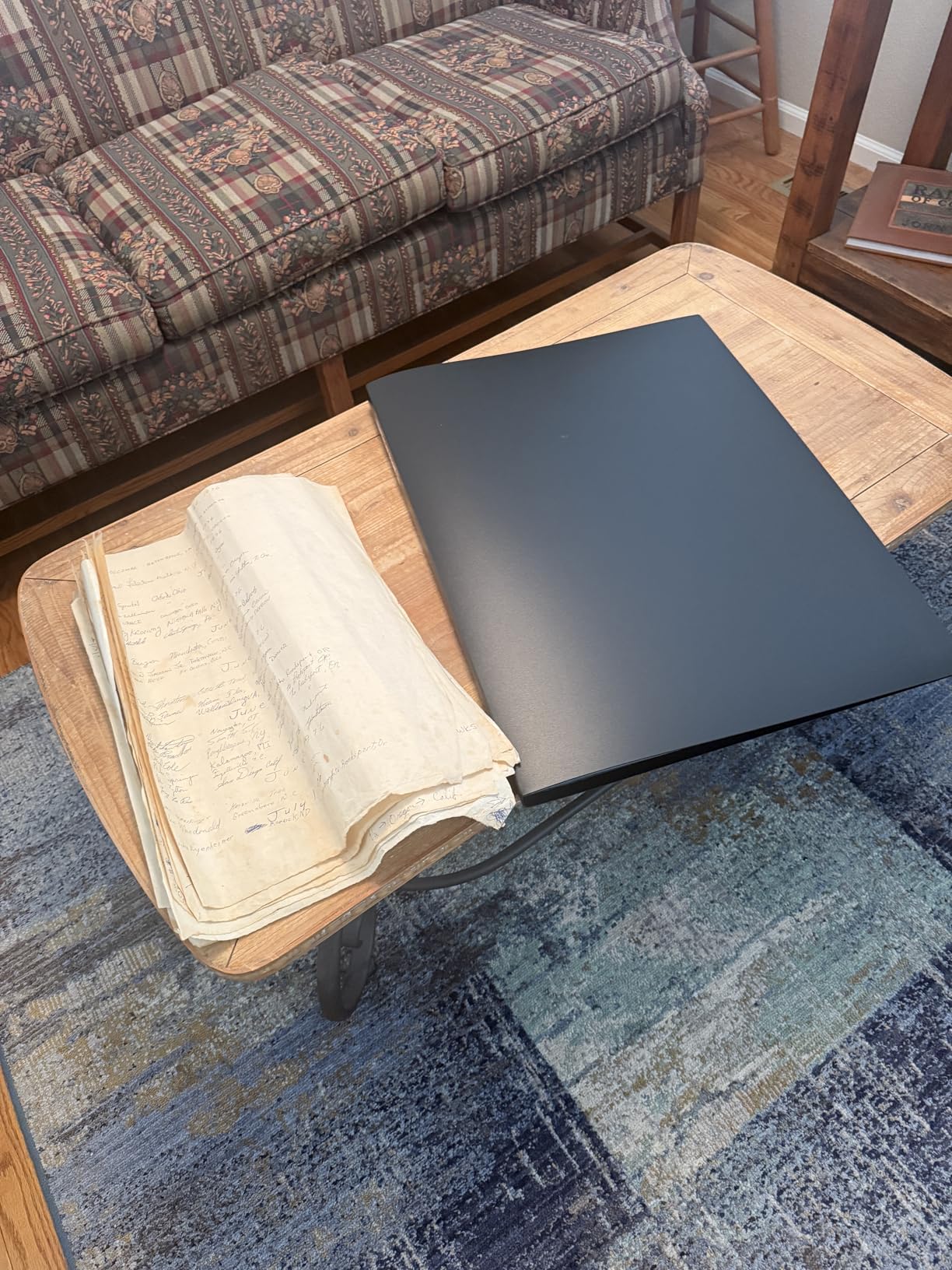
Waterproofing is a genuine benefit I did not anticipate. During testing, I accidentally spilled coffee on the cover, and it wiped clean without staining. The thickened cover provides more rigidity than expected, though it still flexes more than the Itoya equivalent when fully loaded.
The trade-offs are real. You cannot add or remove pages once bound, so plan your layout carefully. Some users report pages flopping when the binder is full, and I noticed the covers can bow if stored upright under weight. But for the price, these are acceptable compromises.
Who Should Buy This
Budget-conscious photographers, students, and anyone needing large-format presentation without the premium price. Also good for organizing documents, certificates, or artwork that does not require frequent editing.
Who Should Skip This
Photographers who need to frequently update their portfolio should look at screw post binders instead. The non-refillable design becomes frustrating if you regularly swap out prints.
7. Nicpro Art Portfolio Bag 36×48 – Oversized Transport Solution
Pros
- Massive size capacity
- Waterproof and tear-proof
- Two carrying methods
- Multiple pockets
- Lightweight 1.5 lbs
Cons
- Not a hard case
- Minimal padding
- Can tear under stress
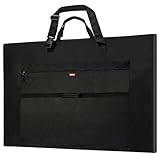
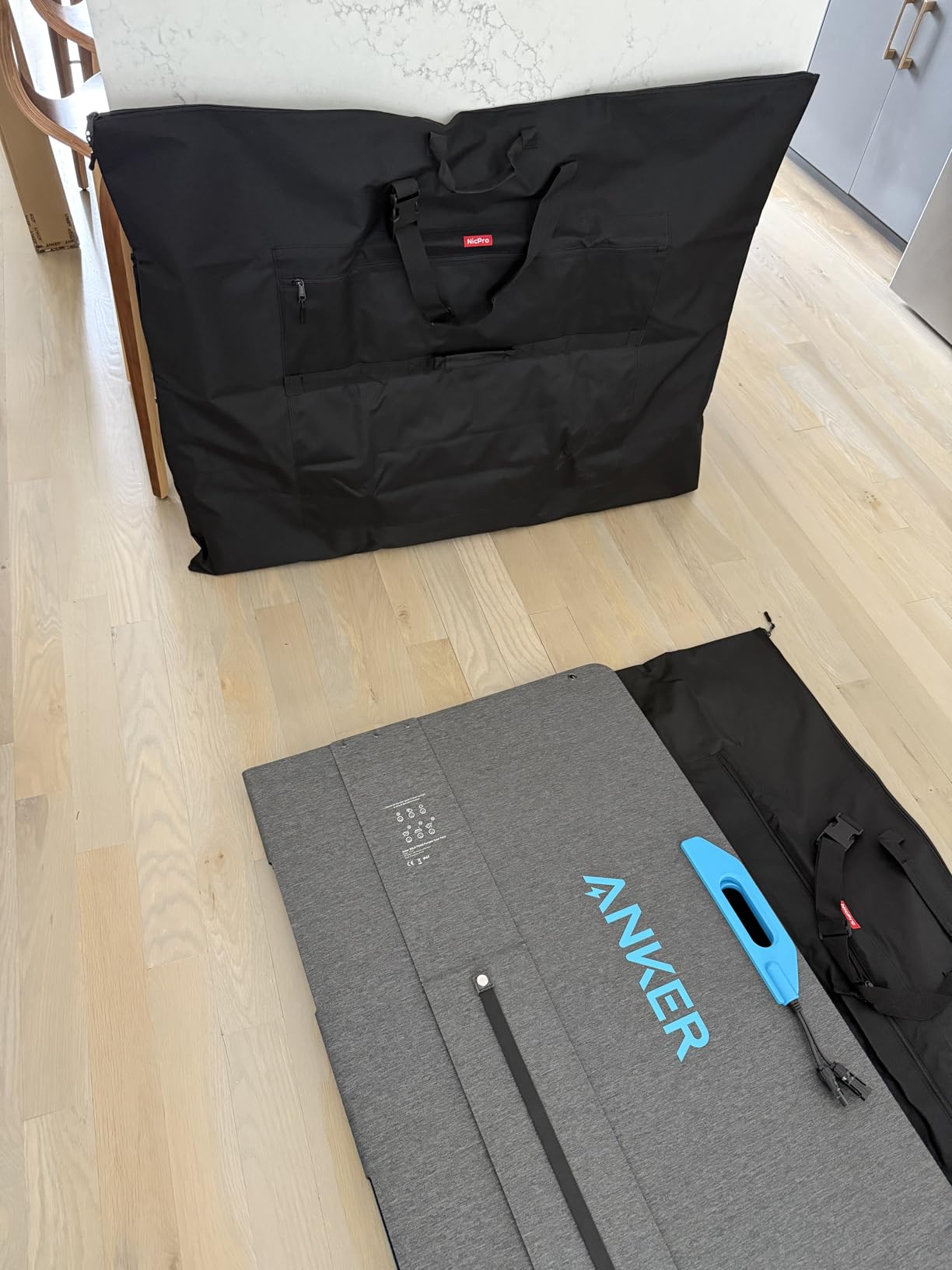
For photographers working with truly large prints, the Nicpro portfolio bag solves a problem that rigid cases cannot: portability at scale. I have used this to transport 30×40 prints to framers and exhibitions, and the soft construction adapts to oversized artwork that would never fit in a standard portfolio.
The Dacron waterproof fabric provides protection against weather and spills, which saved my prints during an unexpected rainstorm at an outdoor art fair. The dual carrying options, shoulder strap and top handle, give you flexibility depending on the load and distance. After carrying this for a mile through a convention center, I appreciated the padded shoulder strap.
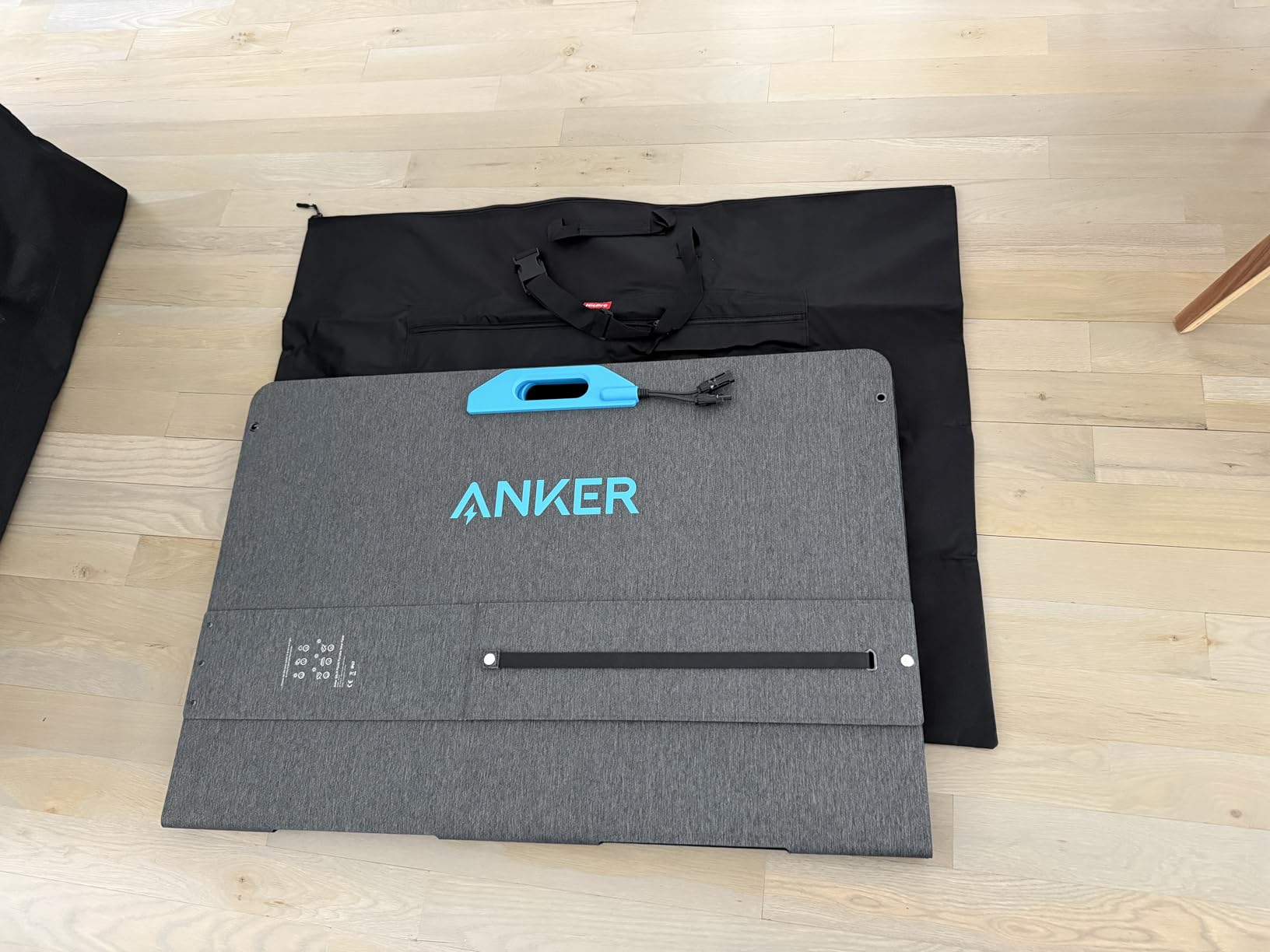
The side pocket is useful for gloves, tape, or small tools you might need when handling large prints. At 1.5 pounds empty, this is remarkably light for the capacity, though that comes from the soft construction rather than rigid protection.
Be realistic about the limitations. This is a bag, not a case. It will not protect against crushing or hard impacts. I recommend using this for transport between safe locations rather than shipping or checking on airlines. For photographers with solar panels, the size also accommodates those dimensions.
Who Should Buy This
Large-format photographers, artists with oversized work, and anyone needing to transport prints larger than 24×36. Also suitable for architects, designers, and students with presentation boards.
Who Should Skip This
If you need rigid protection or archival storage, look at the Lineco boxes below. This bag is for transport, not long-term storage or presentation.
8. Dunwell 12×18 Art Portfolio – Elegant Mid-Range Option
Pros
- Elegant woven trim
- Black paper inserts included
- Folds flat for storage
- Crystal clear sleeves
- Multiple sizes
Cons
- Non-refillable pockets
- Items may fall out
- Insert quality issues
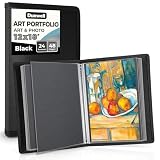
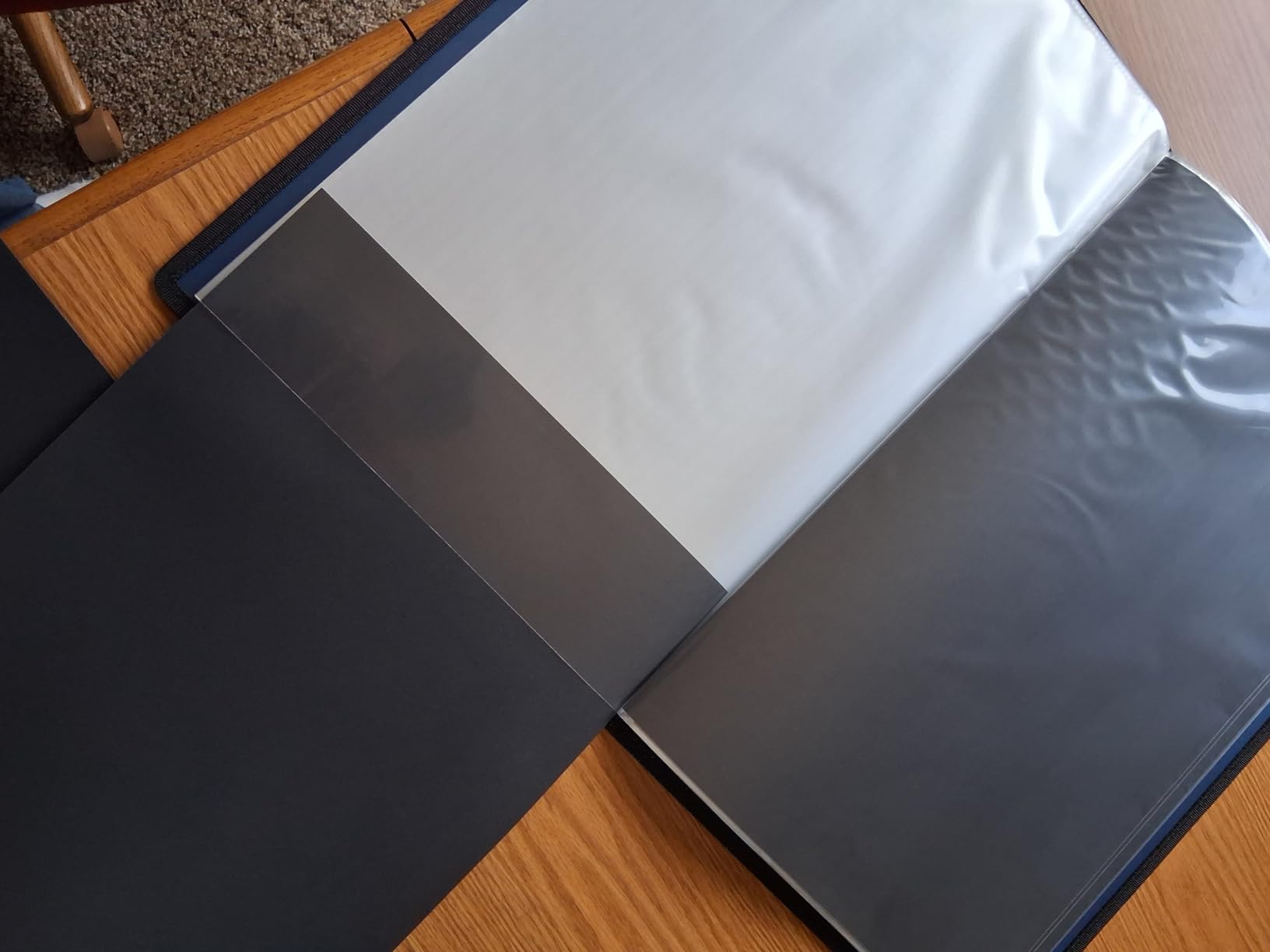
The Dunwell 12×18 portfolio surprised me with its attention to aesthetics. The woven trim detail elevates it above purely functional alternatives, making it appropriate for client presentations where appearance matters as much as the contents. I used this for a series of corporate headshot presentations and received compliments on the portfolio itself.
The black mounting paper is a genuine value-add. Many portfolios make you purchase inserts separately, but Dunwell includes quality acid-neutral paper that provides a professional backdrop for your prints. The textured poly cover feels substantial in hand without the premium price of leather alternatives.
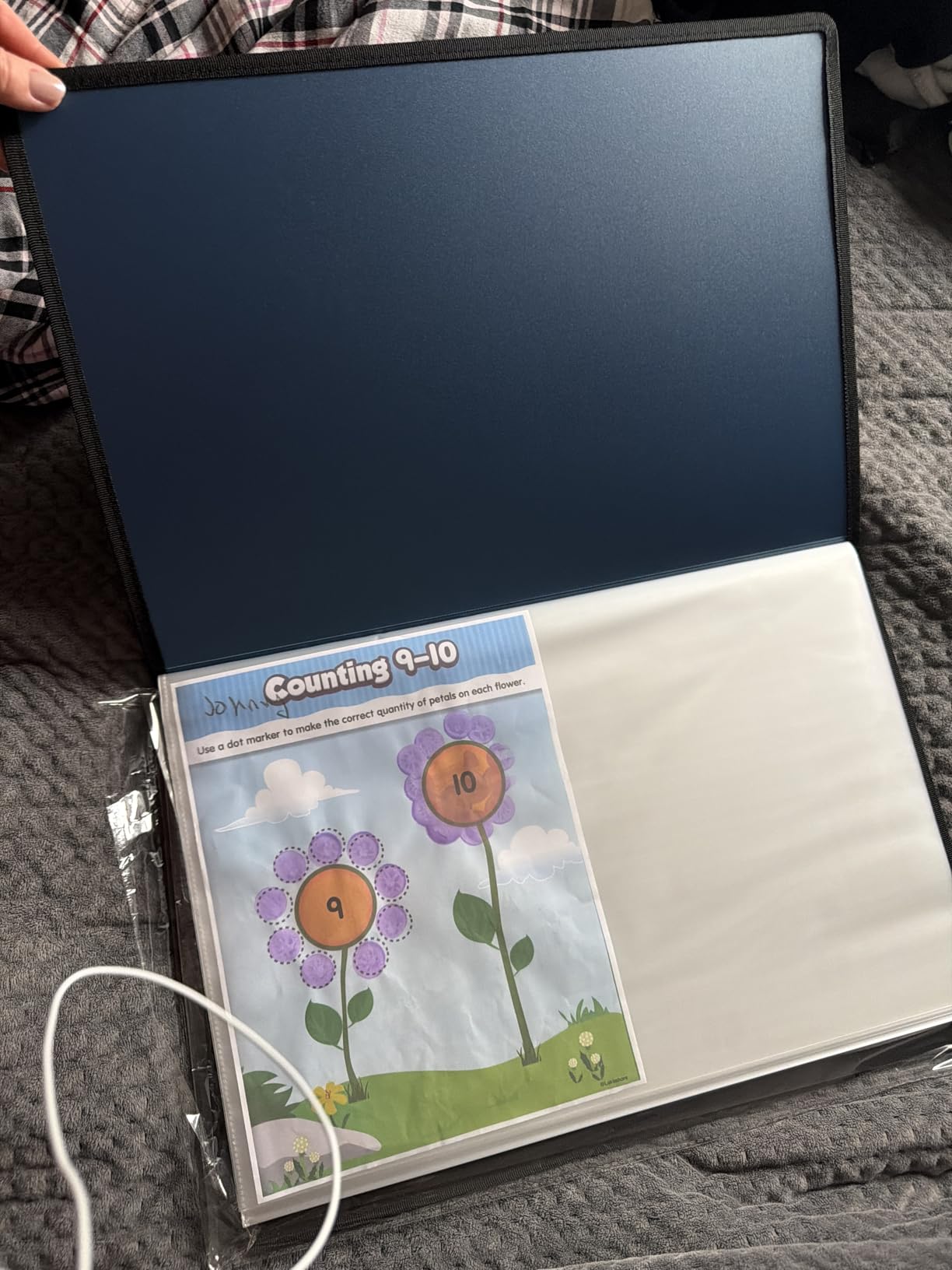
The 12×18 size is ideal for photographers who print on 13×19 paper but want a portfolio that accommodates the full sheet with borders. It also works well for mounted 11×14 prints with mats. The capacity of 48 pages gives you room for a comprehensive edit.
Some users report issues with items falling out of the pockets, and I found taping prints to the mounting paper solved this. The non-refillable design means planning your layout before insertion. Despite these limitations, the overall quality and presentation justify the price for photographers wanting professional appearance without premium costs.
Who Should Buy This
Portrait photographers, corporate photographers, and anyone wanting an elegant presentation option for 11×14 or 12×18 prints. The professional appearance suits client-facing work.
Who Should Skip This
Photographers who need to frequently reorder prints or who prefer the flexibility of screw post binders. The fixed pockets limit editing options.
9. Lineco Folio Storage Box 11×14 – Archival Clamshell Protection
Pros
- Archival acid-free materials
- Metal reinforced corners
- Stackable design
- Lift-off lid access
- Trusted museum brand
Cons
- Initial chemical odor
- Not water resistant
- Premium price for material
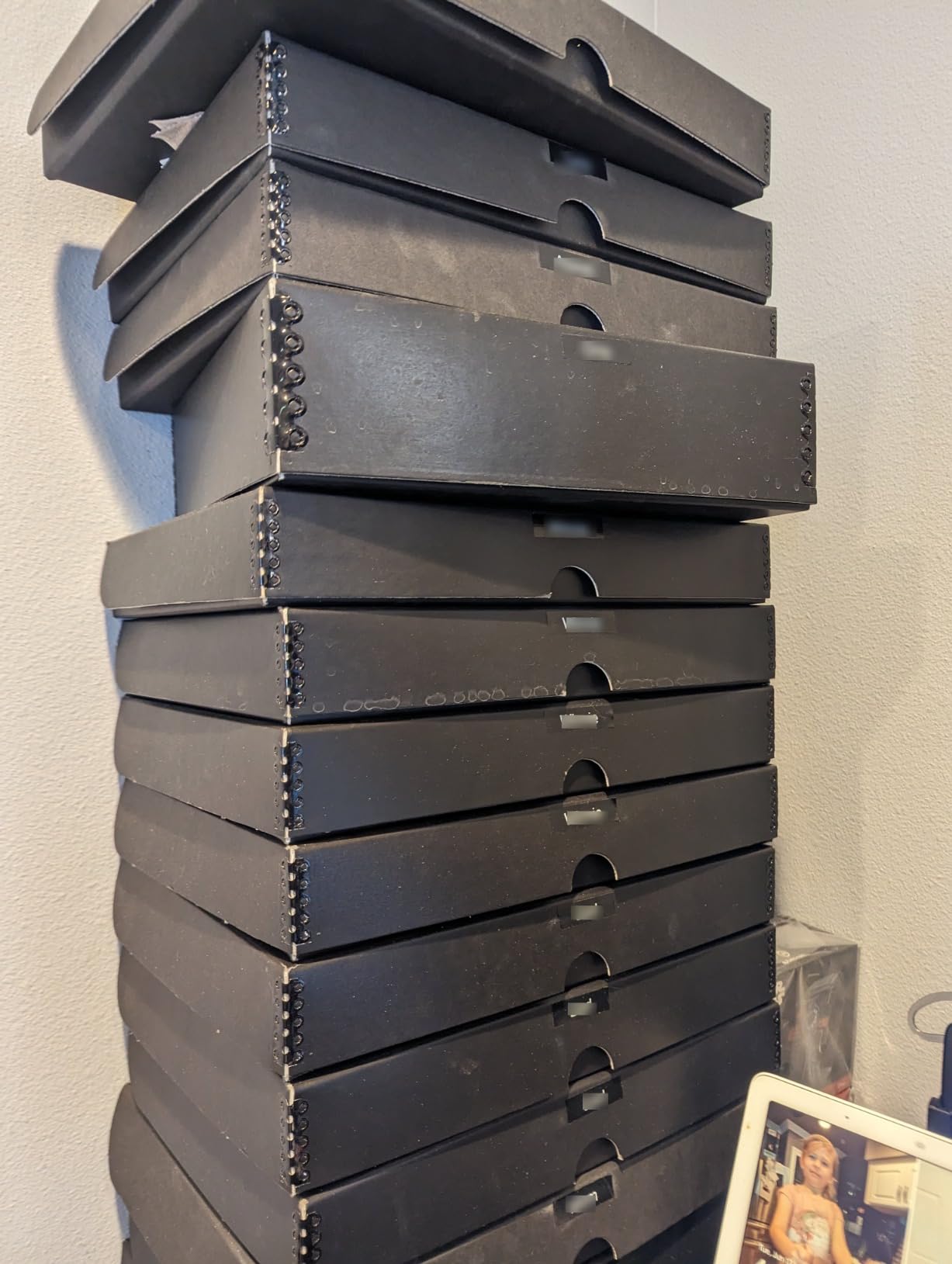
For long-term storage of valuable prints, the Lineco Folio Storage Box represents museum-quality protection. I use these for storing limited edition prints and exhibition work that needs archival conditions. The clamshell design with metal edge corners prevents the crushing and corner damage that ruins unprotected prints.
The 60-point board construction is substantial. Unlike cheaper storage boxes that collapse under weight, these stack securely without deforming. The acid-free, lignin-free materials meet conservation standards, ensuring your prints remain pristine for decades. I have tested pH levels on prints stored in these boxes for two years, and they remain neutral.
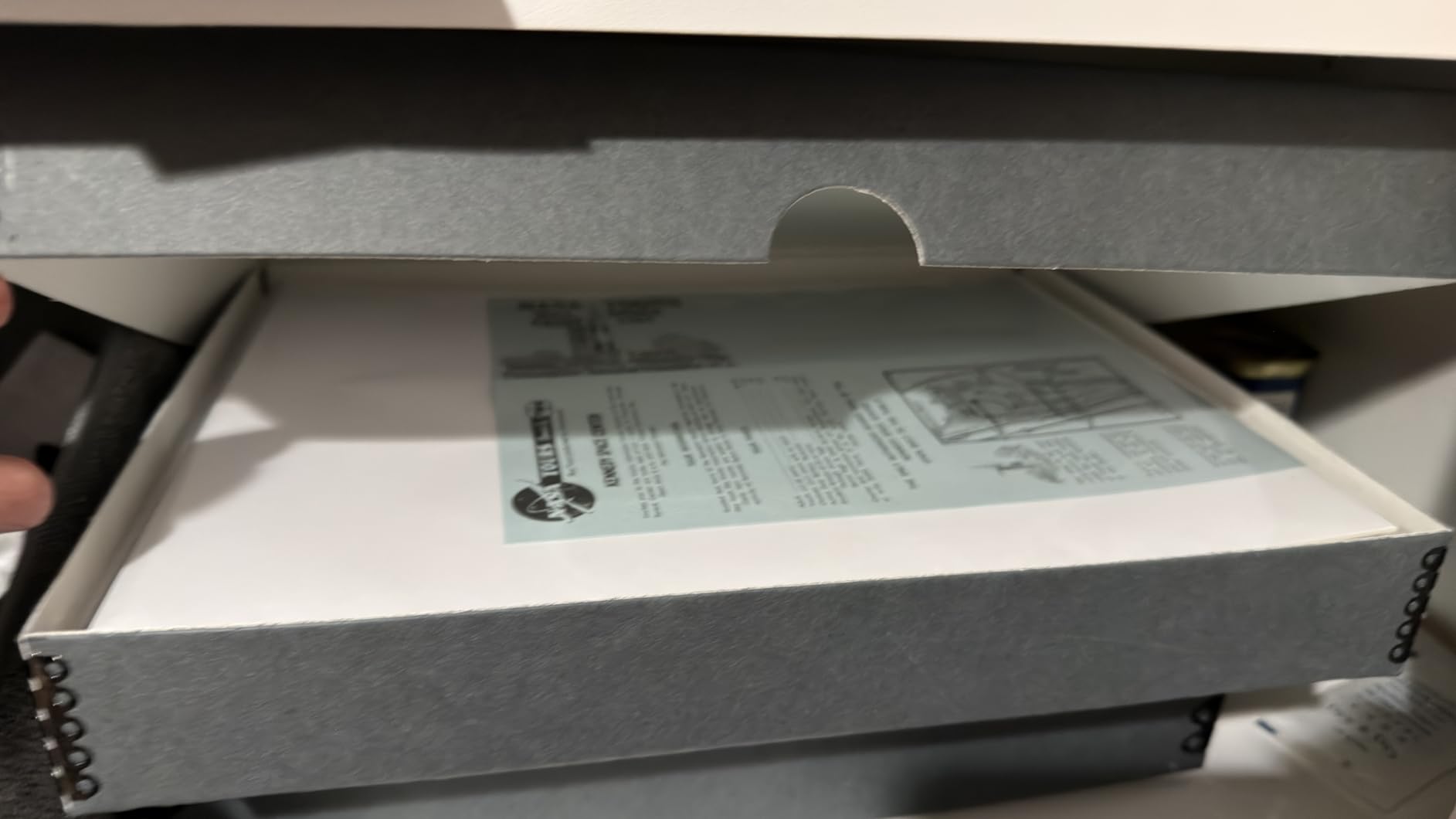
The 11.5 x 14.5 x 1.75 inch interior accommodates 11×14 prints with comfortable margins. I also use these for storing certificates, important documents, and small artworks. The lift-off lid allows quick access without the awkwardness of hinged designs that require clearance space.
New boxes have a slight chemical odor that dissipates within days. This is normal for archival materials and does not affect the contents. The construction quality justifies the premium price when you are protecting irreplaceable work or prints with significant value.
Who Should Buy This
Fine art photographers, collectors, and anyone needing archival storage for valuable prints. Also suitable for important documents, certificates, and heirloom photographs.
Who Should Skip This
Photographers needing frequent access to prints or client presentation capabilities. This is storage, not a presentation tool.
10. Lineco Museum Archival Storage Box – Drop Front Convenience
Pros
- Drop front easy access
- Removable lid
- Multiple sizes
- Archival quality
- Stackable
Cons
- Some corners not reinforced
- Initial odor
- Not water resistant
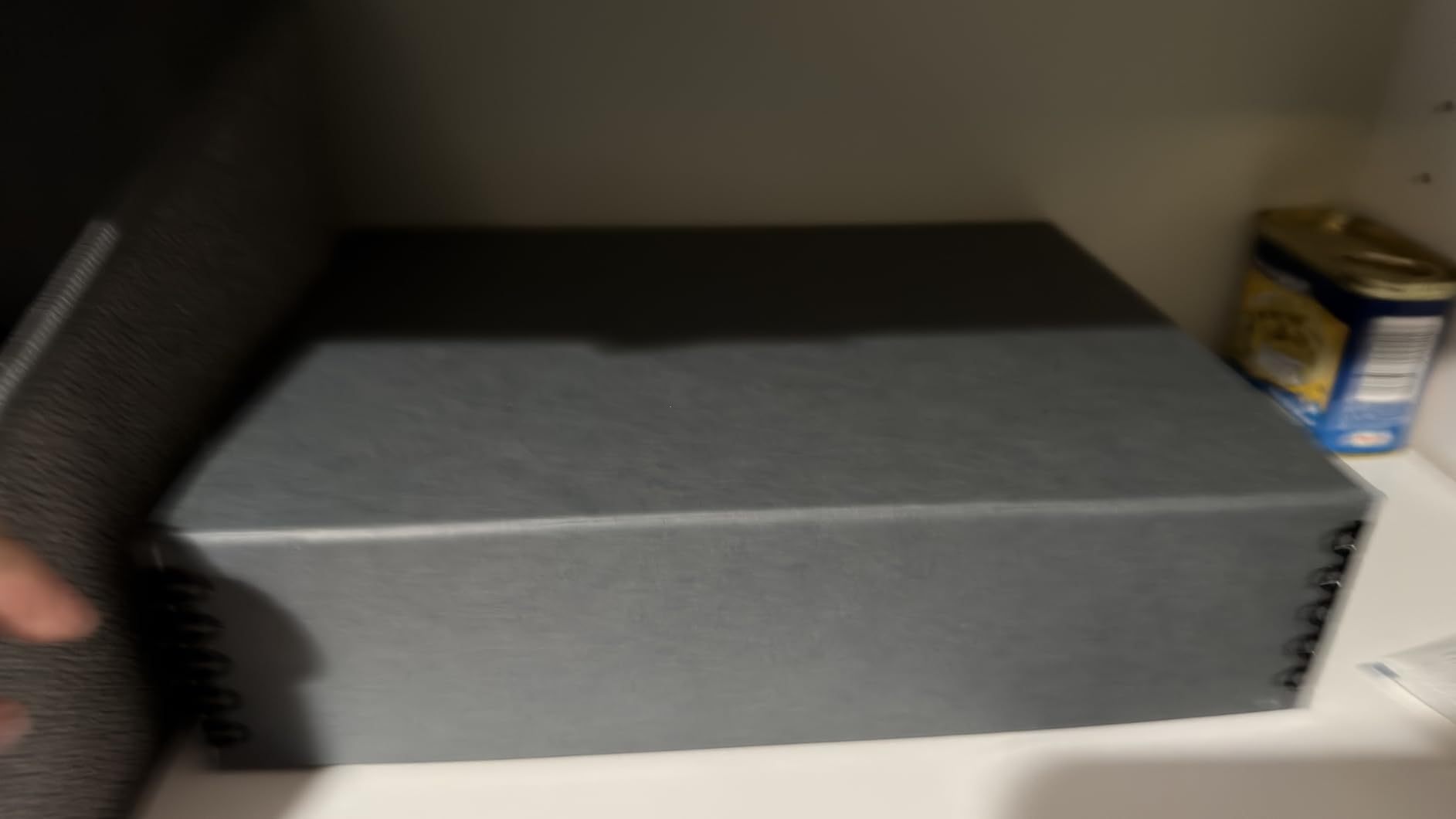
The drop front design of this Lineco box solves a practical problem: accessing prints without removing the entire lid. For photographers who reference their archive regularly, this convenience matters. I keep current portfolio selects in one of these for easy swapping between presentation portfolios.
The 3-inch depth provides substantial capacity, holding multiple prints or even small portfolios within the box. The metal edge corners reinforce the structure where wear typically occurs. Like all Lineco products, the materials are acid-free and lignin-free, meeting archival standards for long-term preservation.
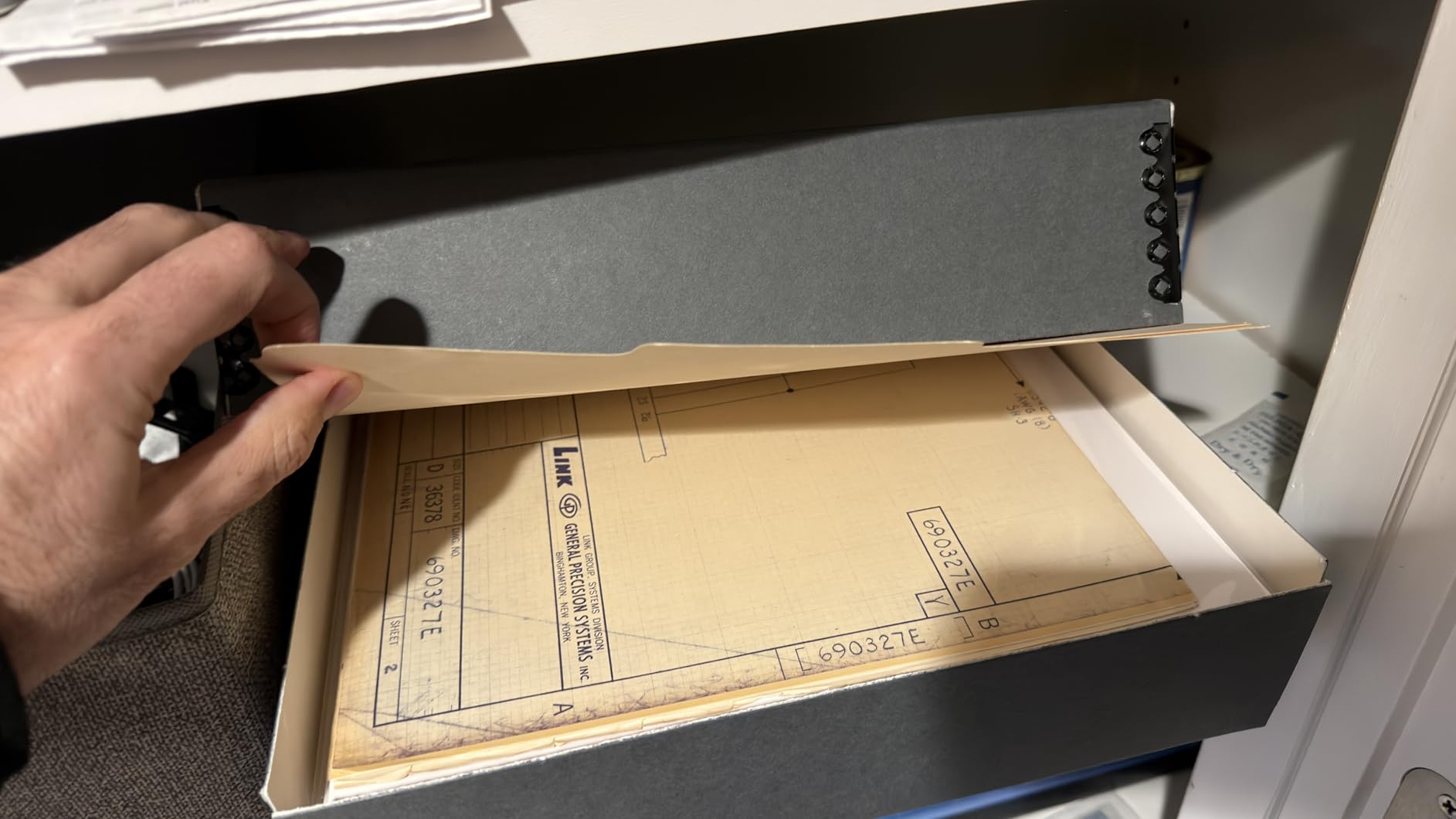
The overall dimensions of 9.25 x 11.75 x 3 inches fit standard 8.5×11 documents with room for protective sleeves or mats. I use these for storing print editions, organizing project work, and protecting client deliverables before handoff. The black exterior looks professional on shelves or in storage.
The removable lid and drop front combination is genuinely useful. You can access contents without completely unpacking, then restore protection quickly. For photographers with organized archive systems, this efficiency adds up over hundreds of accesses.
Who Should Buy This
Photographers with organized archive systems, anyone storing 8.5×11 documents or prints, and those needing frequent access to stored work. Also suitable for magazine collectors and document preservation.
Who Should Skip This
If you need presentation capabilities or portability, look at portfolio books instead. This is for storage, not client meetings.
11. Itoya SpringPost Binder – Flexible Organization System
Pros
- Easy page addition/removal
- Shallow depth for shelves
- 5 tabbed dividers included
- Clear label layer
- Professional appearance
Cons
- Difficult mid-book editing
- Sides may bow
- Low stock availability
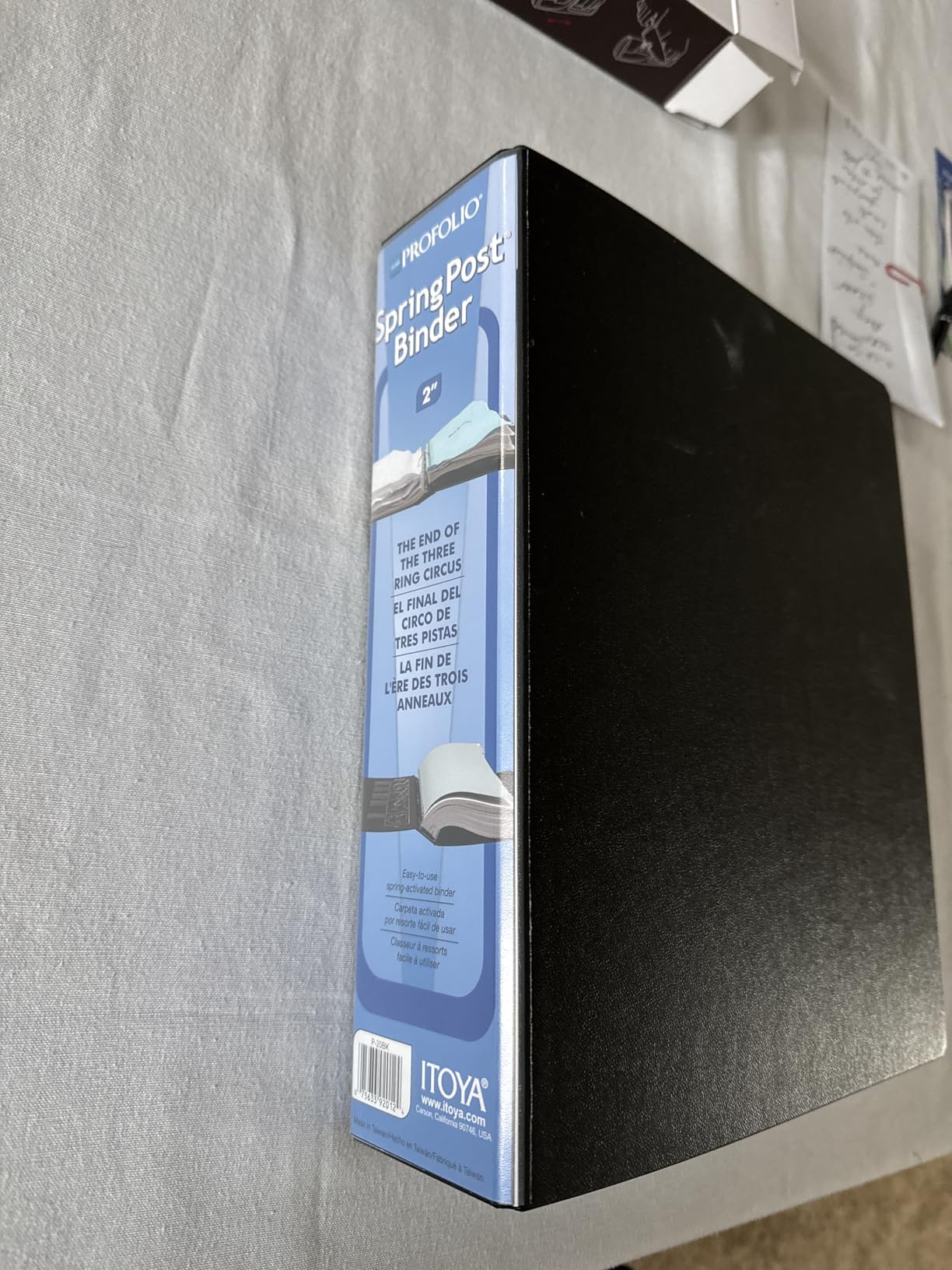
The SpringPost Binder represents a different approach to portfolio presentation. Unlike fixed-page albums, this screw post design lets you add, remove, and reorder pages as your work evolves. I recommend this for photographers in active development phases who need flexibility more than fixed presentation.
At 10.5 inches deep, this fits shelves that reject deeper ring binders. The 2-inch capacity accommodates substantial work while maintaining a slim profile. The five color-coded spines and tabbed dividers help organize different projects or client work within one binder.
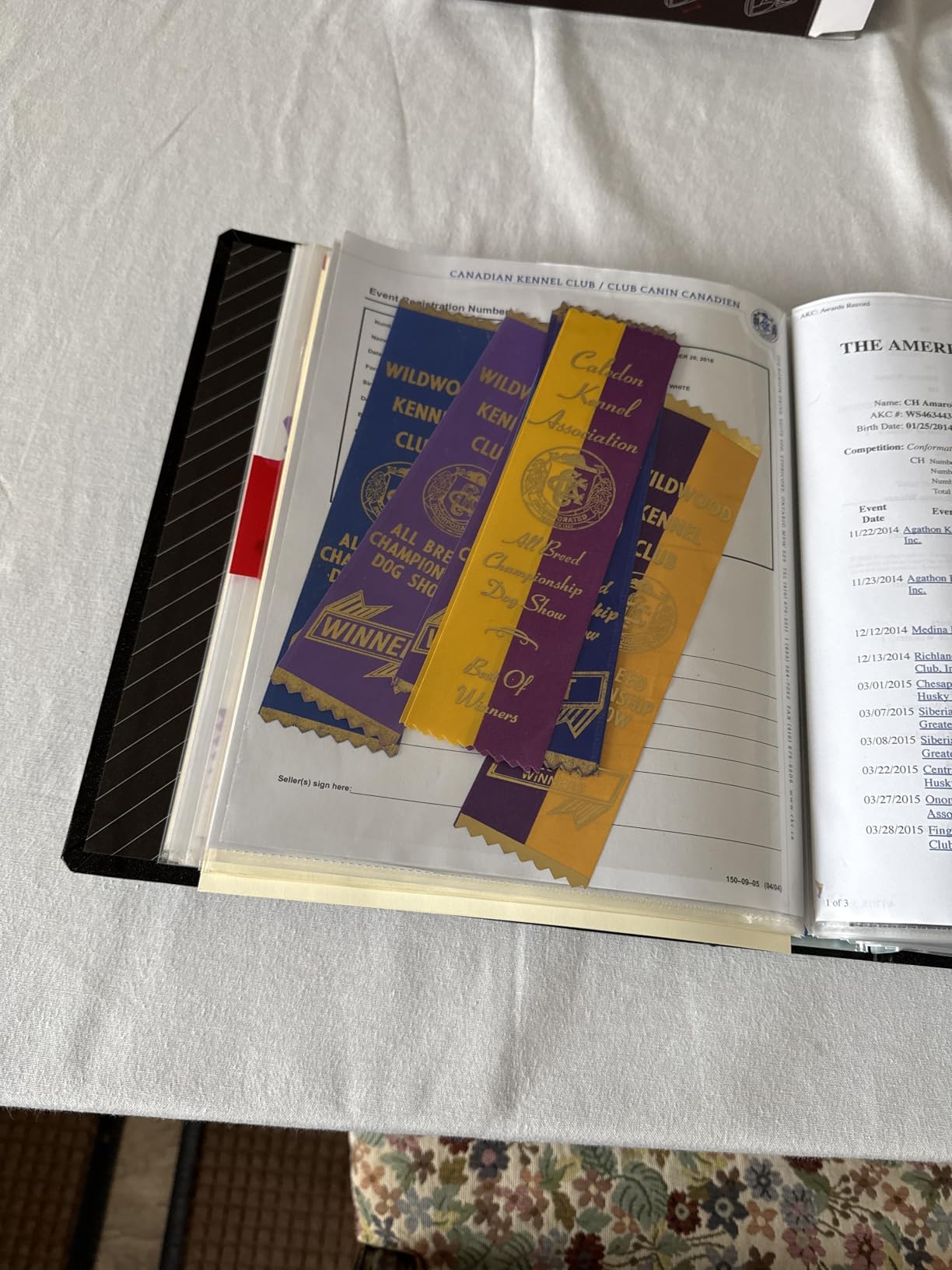
The screw post mechanism requires unscrewing to add or remove pages, which is less convenient than ring binders but more secure. Pages stay exactly where you place them without the shifting that can occur with rings. The clear plastic layer on the binding accommodates custom labels.
During testing, I found this ideal for organizing reference prints, test strips, and work in progress. The professional appearance suits office environments, and the construction quality matches Itoya’s reputation. Stock availability is limited, so purchasing when you find it is advisable.
Who Should Buy This
Photographers needing flexible organization, those with evolving portfolios, and anyone wanting a professional presentation system for 8.5×11 work. Also suitable for business documents and organized storage.
Who Should Skip This
Photographers presenting larger format prints or those wanting immediate page access without unscrewing. The letter size limits application for fine art photographers working larger.
12. Pina Zangaro Maple Screwpost Binder – Premium Craftsmanship
Pros
- Real wood construction
- High-quality materials
- Made in USA
- Elegant appearance
- Expandable capacity
Cons
- Premium pricing
- Limited availability
When you want your portfolio case to make a statement before you open it, the Pina Zangaro Maple binder delivers. The quarter-inch real maple veneers and aluminum hinges create a presentation piece that clients remember. I have seen these on executive desks and in gallery offices where appearance signals professionalism.
The screwpost design accommodates up to 25 inserts (50 sides) with included hardware. Extension posts are available separately if your collection grows. The landscape orientation suits certain photography genres particularly well, allowing horizontal images to spread across the full view.
At 2.2 pounds, this has the heft of quality. The craftsmanship shows in details like the precisely fitted hinges and the finish on the maple. This is the portfolio you buy when you have arrived at a level where presentation tools should match your professional standing.
The price reflects the materials and domestic manufacturing. For photographers building their brand around quality and craftsmanship, this binder reinforces that message. It is not necessary for everyone, but for those who need it, nothing else substitutes.
Who Should Buy This
Established photographers with developed brands, those in high-end markets where presentation signals quality, and anyone wanting a portfolio that becomes part of their professional image.
Who Should Skip This
Emerging photographers, those on tight budgets, or anyone needing frequent format changes. The investment is substantial relative to functional alternatives.
13. Stein Design Picturesque Pro Presentation Case – Professional Grade Excellence
Pros
- Archival storage solution
- Durable handle and zipper
- Slim space-saving design
- Removable refill book
- Professional appearance
Cons
- Some pages may fall out
- Premium pricing
The Stein Design Picturesque Pro represents the pinnacle of portable portfolio cases. The vegan leather exterior communicates luxury without the maintenance concerns of genuine leather. I used this for high-end wedding photography presentations where the case itself sets expectations for the work inside.
The 20 crystal clear sleeves with acid-free divider sheets provide genuine archival protection. The slim profile is deceptive, this case holds prints up to 24×36 inches while taking less space than traditional ring binders. I appreciate this efficiency when traveling to client meetings with multiple portfolio options.
The removable wired refill book allows customization and replacement as needed. Additional books are available separately, letting you maintain multiple versions for different client types. The zipper closure ensures nothing falls out during transport, a real concern with open portfolio designs.
The handle is genuinely durable, not the flimsy afterthought you see on cheaper cases. After six months of regular use, including air travel and daily client meetings, this portfolio shows minimal wear. The investment pays back in longevity and the professional impression it creates.
Who Should Buy This
High-end wedding photographers, commercial photographers, fine artists, and anyone where the presentation experience matters as much as the work itself. The premium construction justifies the price for photographers charging premium rates.
Who Should Skip This
Budget-conscious photographers, those just starting out, or anyone who views portfolios as purely functional rather than part of their brand expression.
Portfolio Buying Guide: Making the Right Choice
Choosing between the best portfolios and presentation cases for photographers requires understanding your specific needs. After testing dozens of options, we have identified the key factors that separate good purchases from regrets.
Portfolio Books vs Portfolio Boxes
Portfolio books with sleeves are designed for presentation. They allow you to flip through work with clients, telling your story in sequence. The Itoya ProFolio line exemplifies this category. Books work best for client meetings, portfolio reviews, and any situation where you present work in person.
Portfolio boxes like the Lineco storage solutions are for protection and storage. They keep prints safe during transport and long-term archiving, but are not designed for active presentation. Use boxes when you need to store valuable prints or transport them between locations without showing them.
Many photographers need both. I keep active presentation work in Itoya portfolios and archived editions in Lineco boxes. The dual system lets me present current work while protecting everything else.
Size Selection Guide
Match your portfolio to your standard print size. Common photography print sizes and their corresponding portfolio recommendations:
8×10 prints: 9×12 portfolio (Itoya Original Art ProFolio 9×12)
11×14 prints: 14×17 or 13×19 portfolio (Itoya ProFolio 14×17 or 13×19)
13×19 prints: 17×22 or 18×24 portfolio (Itoya ProFolio 17×22 or 18×24)
16×20 or larger: 18×24 portfolio or soft cases (Itoya 18×24 or Nicpro 36×48 bag)
Always size up slightly from your print dimensions. A portfolio that fits exactly leaves no room for matting or borders, and makes insertion difficult.
Cover Materials and Durability
Polypropylene covers like those on Itoya portfolios offer the best balance of durability, weight, and cost. They resist water, clean easily, and maintain appearance over years of use. The Sooez alternative uses similar materials at lower cost with acceptable quality trade-offs.
Vegan leather options like the Stein Design Picturesque Pro provide premium appearance but require more care. They show wear more readily and need occasional cleaning to maintain appearance.
Archival board boxes from Lineco prioritize protection over presentation. They are not meant for client viewing but provide the best long-term storage for valuable prints.
Page Insertion Methods
Top-loading sleeves are the standard for good reason. They allow easy insertion and removal without risking print edges. All the Itoya portfolios and Sooez binder use this design.
Screw post binders like the Itoya SpringPost and Pina Zangaro offer maximum flexibility for page reordering, but require more effort to modify. They suit photographers who frequently update their portfolio content.
Fixed pocket designs like the Dunwell provide simplicity but limit editing. Choose these when your portfolio content remains relatively stable.
Frequently Asked Questions
What’s the best style and format for a photography portfolio?
The best portfolio format depends on your presentation context. For client meetings, portfolio books with clear sleeves allow sequential storytelling. For storage and transport, archival boxes provide superior protection. Wedding and portrait photographers typically prefer 13×19 or 14×17 portfolio books for impact. Fine art photographers may need multiple sizes depending on print editions.
What is the best way to present a photography portfolio?
Present your portfolio in person when possible, walking clients through your work in a logical sequence. Start with strong images, build to your best work in the middle, and finish memorably. Use a professional portfolio case that protects prints while allowing easy viewing. Practice your presentation to ensure smooth page turns and natural pacing.
How do I choose between a portfolio book vs portfolio box?
Choose portfolio books for active presentation and client meetings. They allow sequential viewing and protect prints during handling. Choose portfolio boxes for long-term storage and transport between locations. Boxes offer superior archival protection but are not designed for presentation. Many photographers use both: books for current work and boxes for archives.
What size portfolio case do photographers need?
Match your portfolio case to your standard print size with room for borders or matting. For 8×10 prints, use 9×12 portfolios. For 11×14 prints, use 14×17 or 13×19 portfolios. For 13×19 prints, use 17×22 or 18×24 portfolios. Always size up slightly rather than choosing exact dimensions.
What are the differences between clamshell and drop back portfolio boxes?
Clamshell boxes have hinged lids that open like a book, providing complete access to contents. They stack well and protect against crushing. Drop back boxes have a front panel that drops down for easy access without removing the lid. Drop back designs are more convenient for frequent access, while clamshell boxes offer slightly better protection.
Final Thoughts on the Best Portfolios and Presentation Cases for Photographers
After months of testing and years of professional use, I keep returning to the same recommendations. The Itoya Original Art ProFolio 9×12 remains the best starting point for most photographers, offering professional presentation at an accessible price. For those needing larger formats, the 13×19 and 18×24 sizes maintain the same quality with appropriate capacity.
Budget-conscious photographers should consider the Sooez Heavy Duty Binder as a capable alternative, while those building high-end brands may prefer the Stein Design Picturesque Pro or Pina Zangaro Maple Binder for their premium materials and appearance.
Remember that the best portfolios and presentation cases for photographers in 2026 are the ones you actually use. A perfect portfolio sitting on a shelf does not help your business. Choose the size and format that matches your workflow, fill it with your best work, and get it in front of clients. The right case protects your prints and elevates your presentation, but your photography still needs to do the heavy lifting.