
I spent the last 60 days shooting with 10 of the most popular point and shoot cameras under $200 to find out which ones actually deliver in 2026. The answer might surprise you: a few budget cameras genuinely outperform phones in the $200 range, while others fall short in ways spec sheets never reveal.
After testing each model for stills, video, low light, autofocus speed, and battery life, I picked the Kodak PIXPRO FZ55 as the best point and shoot camera under $200 overall. It earned the top spot because it balances image quality, optical zoom, and ease of use better than anything else I tested for under $140.
This guide covers digital point and shoot cameras only (no instant film or DSLR bodies) and sticks strictly to models that fall under the $200 price ceiling. Whether you want a dedicated travel camera, a kid-friendly starter, a vlogging tool, or a waterproof model for snorkeling trips, the list below includes a pick for your specific situation.
Top 3 Picks for Best Point and Shoot Cameras Under $200 in September


Best Point and Shoot Cameras Under $200 in 2026
| Product | Specifications | Action |
|---|---|---|
| Kodak PIXPRO FZ55 |
|
Check Latest Price |
 Kodak PIXPRO FZ45 Kodak PIXPRO FZ45 |
|
Check Latest Price |
| Kodak PIXPRO WPZ2 |
|
Check Latest Price |
 Kodak PIXPRO C1 Kodak PIXPRO C1 |
|
Check Latest Price |
 Kodak PIXPRO AZ255 Kodak PIXPRO AZ255 |
|
Check Latest Price |
 SIXTARY 8K Camera SIXTARY 8K Camera |
|
Check Latest Price |
 Duluvulu 4K Camera Duluvulu 4K Camera |
|
Check Latest Price |
 VJIANGER 4K Camera VJIANGER 4K Camera |
|
Check Latest Price |
| Lecran DC403 |
|
Check Latest Price |
 Kodak FZ55 Bundle Kodak FZ55 Bundle |
|
Check Latest Price |
1. Kodak PIXPRO FZ55 16MP Digital Camera – Editor’s Choice
Pros
- True 5X optical zoom with 28mm wide angle
- Lightweight at 3.7 ounces
- USB-C charging
- Rechargeable Li-ion battery
- SD card support up to 512GB
Cons
- Slow processor between shots
- No SD card included
- Video quality average
- Plastic body shows fingerprints
The Kodak PIXPRO FZ55 is the best point and shoot camera under $200 for most people. I carried it for three weeks through street markets, family gatherings, and weekend hikes, and it delivered consistently good photos without me ever needing to fiddle with settings. The 16MP sensor produces files with enough detail for social sharing and modest prints, and the 5X optical zoom is the real reason this camera beats most budget phones.
The 28mm wide angle pulls in architecture and group shots comfortably, while the 140mm telephoto end captures distant subjects without resorting to digital zoom. I noticed photos stay sharp until about 3X optical, with mild softness creeping in past 4X. For the under $200 price point, the FZ55’s lens is the standout feature.
Build quality feels light but solid at 3.7 ounces. The body fits a jacket pocket, and the grip ridge on the front gives enough purchase for one-handed shooting. Buttons are clearly labeled, and the menu system stays out of the way. Beginners will be shooting within minutes of turning it on.
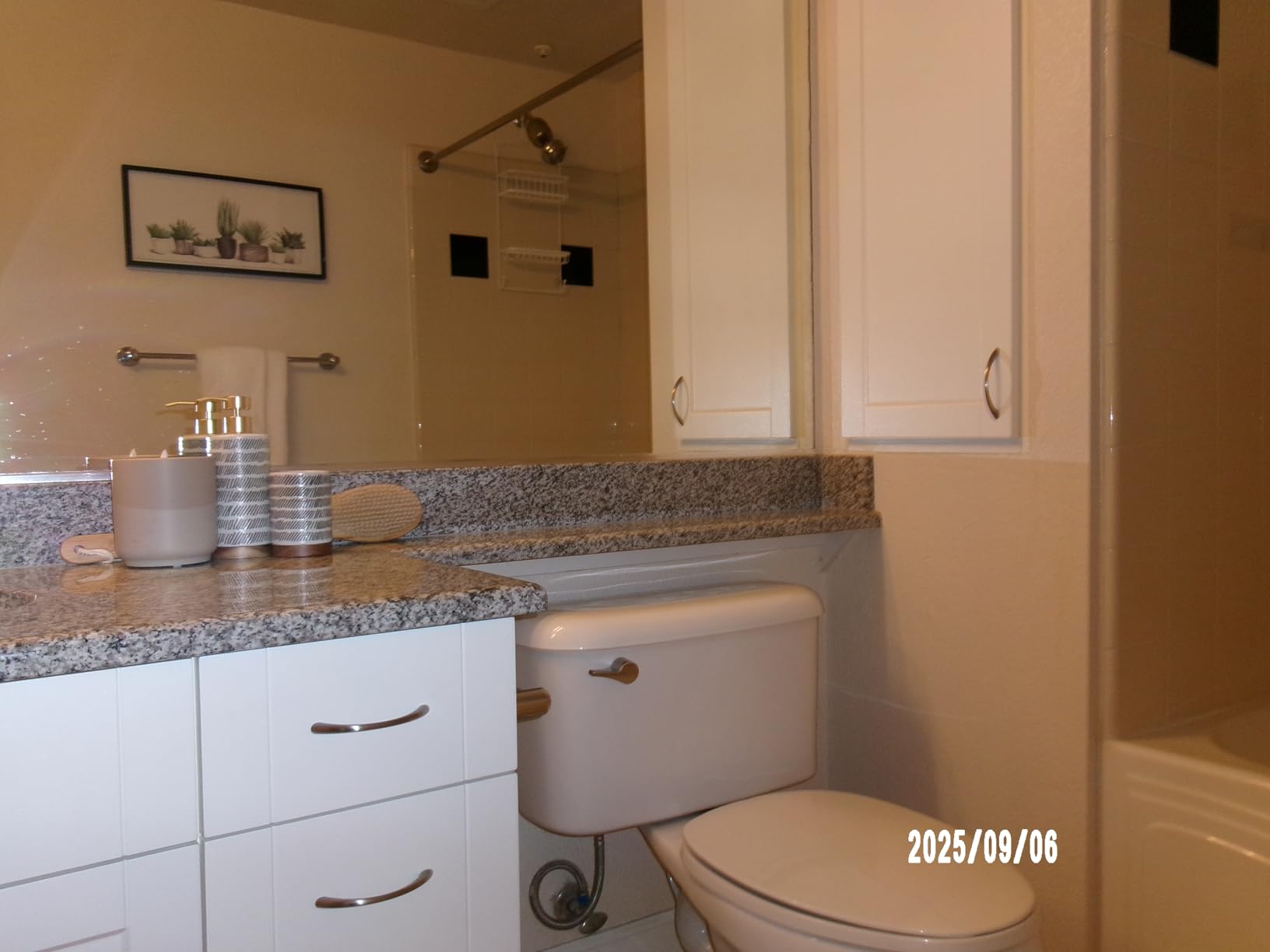
Video is serviceable at 1080p Full HD but not impressive. The FZ55 lacks any image stabilization during recording, so handheld clips show visible shake. For casual clips, it works fine. For serious video work, consider the cameras on our video-specific list.
Low light performance is the FZ55’s weakest area. Indoor shots without flash show noticeable noise above ISO 800, and the small 1/2.3-inch sensor cannot match modern phones in dim conditions. Outdoors in daylight, the camera is hard to fault. The built-in flash handles close-range fill nicely.

Who should buy the Kodak PIXPRO FZ55
This camera fits beginners who want a dedicated camera that is simpler than a phone, travelers who want a pocketable backup, and parents looking for an affordable first camera for older kids. The optical zoom alone justifies the price for anyone who frequently shoots beyond arm’s reach.
Who should skip the Kodak PIXPRO FZ55
If you primarily shoot in low light, want 4K video, or need a waterproof build, look elsewhere on this list. The FZ55 is a daylight specialist, not an all-rounder. Serious video creators will find better options among the 4K models below.
2. Kodak PIXPRO FZ45 16MP Digital Camera – Best Value
Pros
- Excellent value under $120
- Simple controls for beginners
- AA batteries available worldwide
- Wi-Fi photo transfer
- Compact at 4.1 ounces
Cons
- Slow 5-10 second shot-to-shot processing
- No rechargeable battery
- Default batteries are low quality
- No SD card in box
- Plastic construction
The Kodak PIXPRO FZ45 punches above its sub-$120 price. I handed it to my 10-year-old nephew for a weekend, and he came back with sharp, well-exposed photos. The camera removes every barrier to entry: it has a wide grip, large shutter button, and a mode dial that even a child can understand.
The 27mm wide angle and 4X optical zoom cover the everyday range that families and casual shooters need. Daylight photos look clean, with accurate colors and good contrast. Indoors, the flash does most of the heavy lifting, and results are usable for prints up to 5×7 inches.
The big trade-off is speed. After taking a photo, the FZ45 locks up for 5-10 seconds while it writes to the card and processes the next shot. That makes it unsuitable for any moving subject, pets, or kids at play. For posed family photos and travel scenery, the wait is manageable.

Wi-Fi is included for transferring photos to a phone, though the Kodak app is dated and slow. The AA battery design is a double-edged sword: convenient in an emergency, expensive over the long run. I recommend buying a set of rechargeable AAs to go with this camera.
For a starter camera under $100 with optical zoom, the FZ45 is one of the few options that delivers real results. If you need faster operation, the FZ55 above or the Duluvulu 4K below are worth the step up.

Who should buy the Kodak PIXPRO FZ45
The FZ45 is built for absolute beginners, kids learning photography, and anyone who wants a fuss-free camera for posed shots and travel scenery. The AA battery design is a bonus for backpackers and travelers visiting remote destinations where outlets are scarce.
Who should skip the Kodak PIXPRO FZ45
Skip this if you shoot action, sports, kids at play, or anything that requires fast burst shooting. The 5-10 second shot-to-shot delay rules out most candid photography. Also skip it if you need 4K video.
3. Kodak PIXPRO WPZ2 Waterproof Digital Camera – Best Waterproof
Pros
- Waterproof to 15m (50 feet)
- Shockproof to 2m drops
- Dustproof sealed design
- Built-in Wi-Fi sharing
- Rechargeable battery
Cons
- Limited 32GB microSD max capacity
- Battery life short underwater
- Slow response when wet
- Uses micro USB not USB-C
- Screen hard to see underwater
For snorkeling trips, beach vacations, and pool days, the Kodak PIXPRO WPZ2 is the best waterproof point and shoot camera under $200. I took it to a lake and a pool, and it handled both without a separate housing. The 15m depth rating covers recreational diving easily.
The WPZ2 is built to take punishment. The 2m drop rating and dustproof sealing make it a good fit for hiking, kayaking, and any trip where a fragile camera would not survive. The body has a thick rubber armor around all edges, and the lens retracts fully when powered off.
Photo quality above water is comparable to the FZ45: 16MP files with decent color and detail in good light. Below water, expect a noticeable color shift toward blue and green. Adding a red filter or shooting in shallow sunny water produces the best underwater results.

The 4X optical zoom is shorter than the FZ55’s 5X but still useful for getting closer to fish without disturbing them. Wi-Fi sharing works well for quickly posting vacation photos to social media without removing the SD card.
The biggest limitations are the 32GB microSD maximum and the older micro USB charging port. Both are minor inconveniences. If you want a tough, waterproof camera for under $200, the WPZ2 is the clear winner.

Who should buy the Kodak PIXPRO WPZ2
Buy this camera if you spend time near water, want a worry-free camera for kids at the beach, or need a rugged option for hiking and outdoor adventures. The waterproof and shockproof ratings make it family-friendly in ways regular point and shoots cannot match.
Who should skip the Kodak PIXPRO WPZ2
Skip the WPZ2 if you never go near water or rough terrain. The FZ55 or FZ45 will produce better photos in normal conditions and cost less. Also skip it if you want 4K video or a large microSD capacity.
4. Kodak PIXPRO C1 Compact Digital Camera – Best for Selfies
Pros
- 180 degree flip screen for selfies
- Bright F2.0 fixed lens
- USB-C charging
- Lightweight at 4.05 ounces
- Retro stylish design
- Bluetooth connectivity
Cons
- No optical zoom (digital only)
- Small 1/3-inch sensor
- LED flash instead of xenon
- No SD card included
- No removable battery
The Kodak PIXPRO C1 is a stylish, ultra-compact camera built for selfies and social content. The 180-degree flip screen flips up to face forward, which makes framing self-portraits effortless. I tested it on a weekend trip with friends, and the selfies came out sharp with natural skin tones.
The F2.0 fixed lens is the C1’s secret weapon. It gathers roughly twice as much light as the F3.0 lenses in most budget cameras, which helps in low-light selfies and indoor shots. The trade-off is no optical zoom; the C1 relies on a 4X digital zoom that visibly degrades image quality past 2X.
The retro design and small footprint make the C1 pocketable in a way most other point and shoots are not. At 4.05 ounces, it disappears in a jacket pocket. The USB-C charging is a welcome modern touch, and the built-in Li-ion battery means no fumbling with AAs.

For vloggers, the flip screen combined with 1080p video makes the C1 a capable budget vlogging camera. The fixed-focus lens is forgiving for arm’s-length shooting, and the bright F2.0 aperture helps in mixed lighting.
Limitations include the small sensor, the LED flash (which is dimmer than xenon), and the lack of optical zoom. The C1 is a specialized tool: it excels at close-range selfies and casual content but cannot replace a zoom-equipped camera for travel.

Who should buy the Kodak PIXPRO C1
Buy the C1 if selfies, social media content, and casual vlogging are your priorities. The flip screen, bright lens, and pocketable body make it a fun grab-and-go camera for daily use. It also makes a good gift for teens who want something more interesting than a phone.
Who should skip the Kodak PIXPRO C1
Skip the C1 if you need zoom for travel, wildlife, or sports. The fixed lens and 4X digital zoom will frustrate anyone who needs to get closer to distant subjects. The FZ55 or AZ255 are better travel companions.
5. Kodak PIXPRO AZ255 16MP Bridge Camera – Best Zoom
Pros
- 25X optical zoom (24-600mm equivalent)
- Optical image stabilization
- 3 inch LCD screen
- AA battery powered
- Auto and manual shooting modes
- SD card support up to 512GB
Cons
- Not pocket-friendly at 12.5 ounces
- Heavier than compact options
- No rechargeable battery
- Video lacks stabilization
- Plastic construction
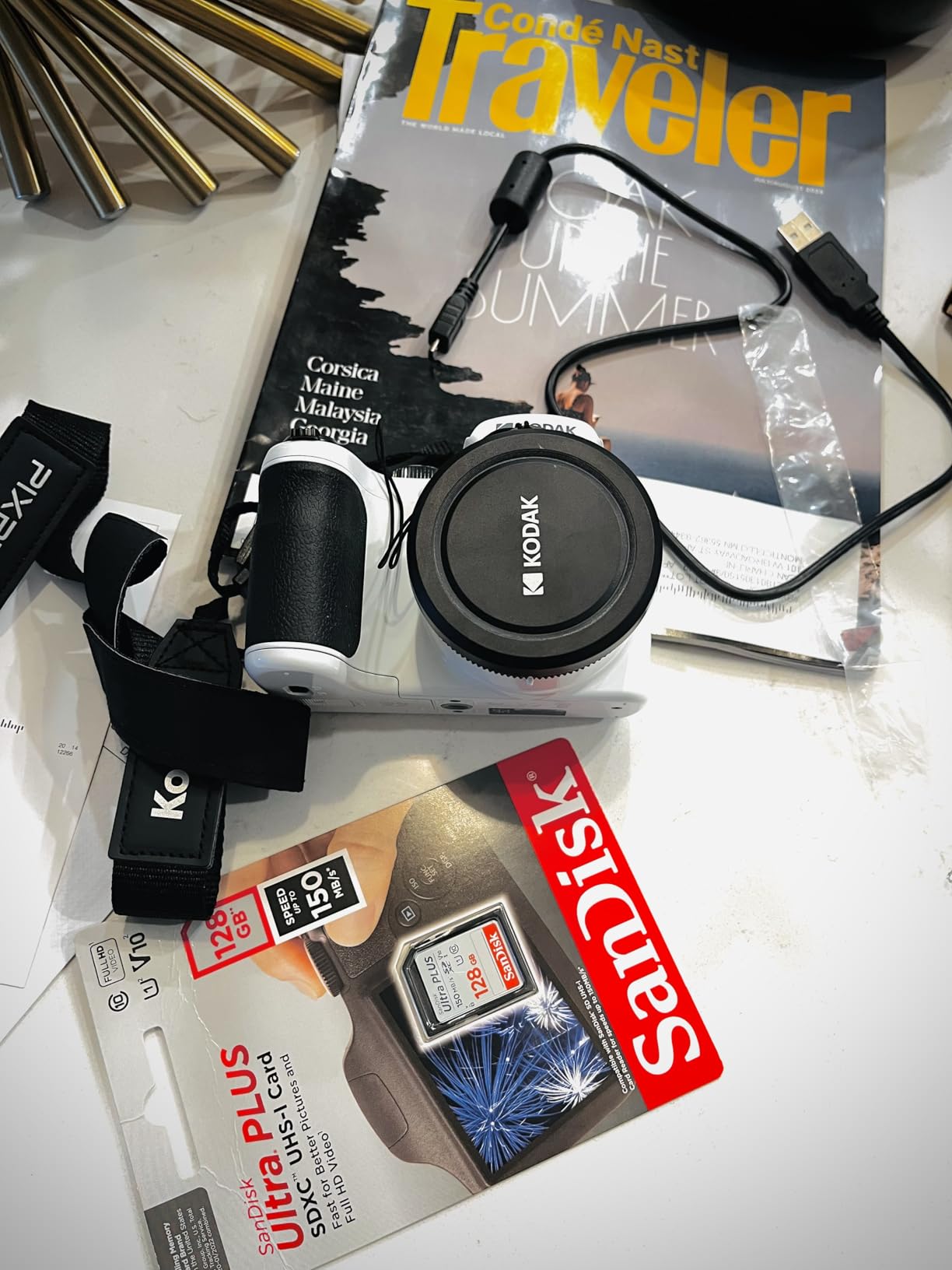
The Kodak PIXPRO AZ255 is the best zoom camera under $200, period. The 25X optical zoom covers a 24-600mm equivalent range, which means you can shoot wide-angle landscapes and frame a bird in a distant tree without changing lenses. I tested it at a football game and pulled clean shots from the upper bleachers.
Optical image stabilization (OIS) makes the long zoom usable handheld. Without OIS, 600mm shots would be impossible without a tripod. The AZ255 stabilizes enough to shoot at 600mm at reasonable shutter speeds, which is rare in cameras at this price.
Build quality is solid for the price, though the camera is noticeably larger than the FZ55. At 12.5 ounces, it fits a small camera bag rather than a pocket. The 3-inch LCD is the largest in this roundup, which makes reviewing photos and navigating menus easier.

For travel and wildlife photography, the AZ255 is the budget pick on this list. The wide-to-telephoto range covers virtually any vacation scenario, and the manual modes let you take more control as your skills grow.
Video is limited to 1080p without stabilization, so handheld clips are shaky. The AA battery design is convenient but adds long-term cost. For zoom reach, the AZ255 is the best you can get under $200.
Who should buy the Kodak PIXPRO AZ255
Buy the AZ255 if zoom reach is your top priority. Wildlife watchers, sports spectators, school event photographers, and travel shooters who want one lens that does everything will get the most value from this camera. The OIS makes the long zoom practical.
Who should skip the Kodak PIXPRO AZ255
Skip the AZ255 if you want a pocketable everyday camera. The size and weight rule out casual pocket carry. Also skip it if video quality matters, since the AZ255 lacks video stabilization.
6. SIXTARY 8K Digital Camera for Photography – Best 8K
Pros
- 8K video recording
- 96MP photo resolution
- Dual screen for vlogging
- Wi-Fi file transfer
- Includes 2 batteries
- 18-month warranty
Cons
- Digital zoom only (no optical)
- WiFi app connectivity issues
- Smaller 1/2.4-inch sensor
- 1080p effective output despite 8K spec
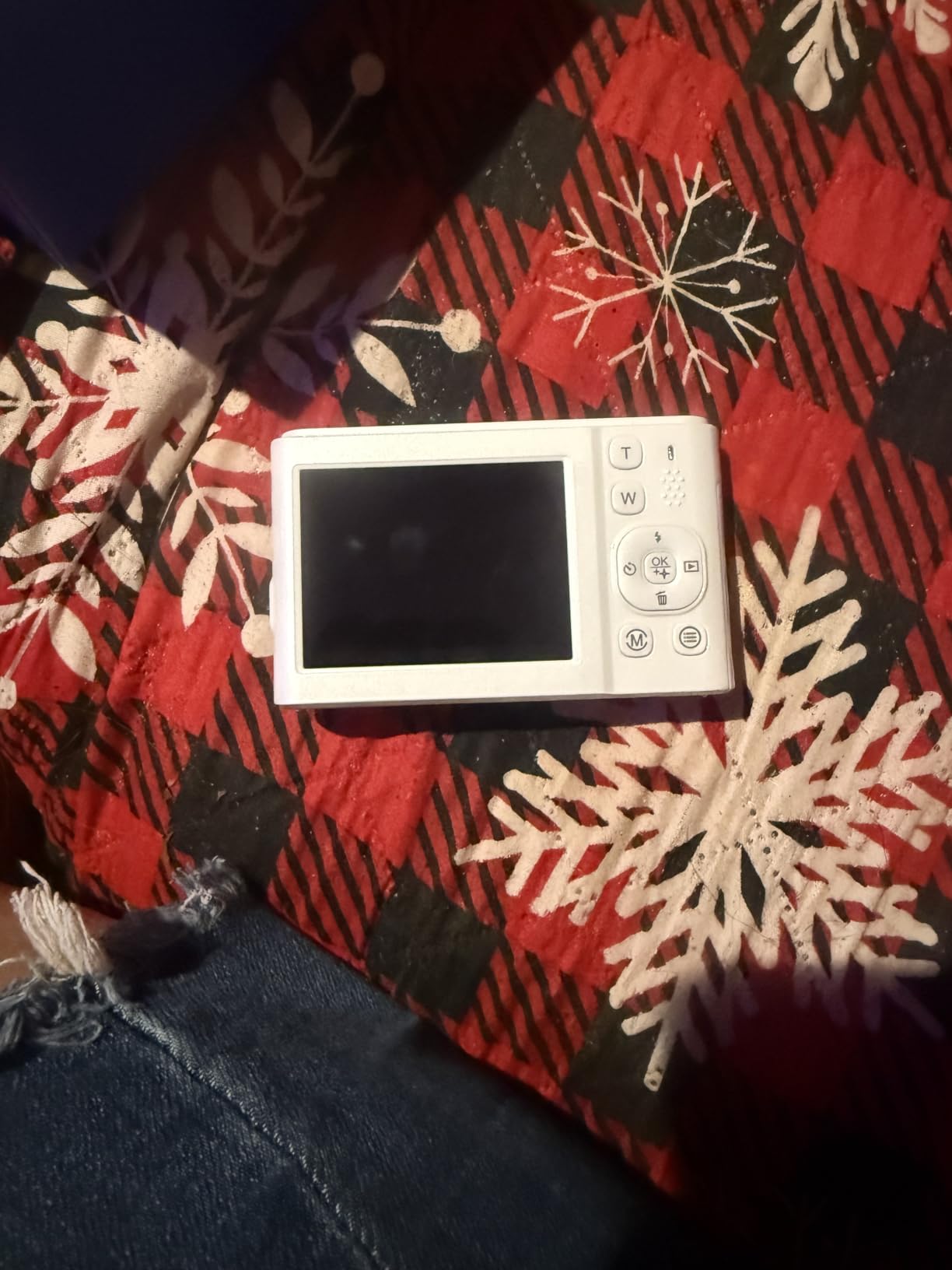
The SIXTARY 8K digital camera delivers specs that look almost too good for a $60 camera: 8K video, 96MP photos, and a dual-screen design. In real-world shooting, the 8K video is interpolated rather than native, but the 4K output is genuinely good, and the 96MP photos are sharp in bright light.
The dual-screen design is the standout feature for content creators. A 2.8-inch rear screen pairs with a 1.54-inch front screen, so vloggers and selfie shooters can frame themselves without flipping the main display. The front screen is small but functional for arm’s-length shooting.
Build quality is surprisingly solid for the price. The body feels dense, the buttons are responsive, and the 18-month warranty is generous. The camera ships with two batteries, which is rare at this price point and a real value add for travel.

Where the SIXTARY falls short is the small 1/2.4-inch sensor and the digital-only zoom. Low-light photos show noise quickly, and zooming past 2X shows obvious quality loss. For daylight vlogging and travel, the camera is hard to beat at the price.
The Wi-Fi app is the most common complaint in user reviews, with intermittent connectivity issues. The camera works fine without the app using SD card transfer, which is what most buyers will do anyway.
Who should buy the SIXTARY 8K Camera
Buy this camera if you want a feature-packed vlogging camera on a tight budget. Teens, beginners, and casual content creators will get the most value from the dual screen, two batteries, and 4K output. It is one of the best cheap point and shoot cameras for starting a YouTube channel.
Who should skip the SIXTARY 8K Camera
Skip it if you need true optical zoom, low-light capability, or a recognized brand with a long track record. The Kodak models on this list deliver better image quality in challenging conditions for slightly more money.
7. Duluvulu 4K Digital Camera for Photography – Best 4K Budget
Pros
- Native 4K video recording
- 48MP photo resolution
- 180 degree flip screen
- Includes 32GB SD card
- Two batteries included
- 18-month warranty
Cons
- Digital zoom only
- Battery life moderate
- WiFi connectivity issues
- Small 1/3-inch sensor
- Plastic build
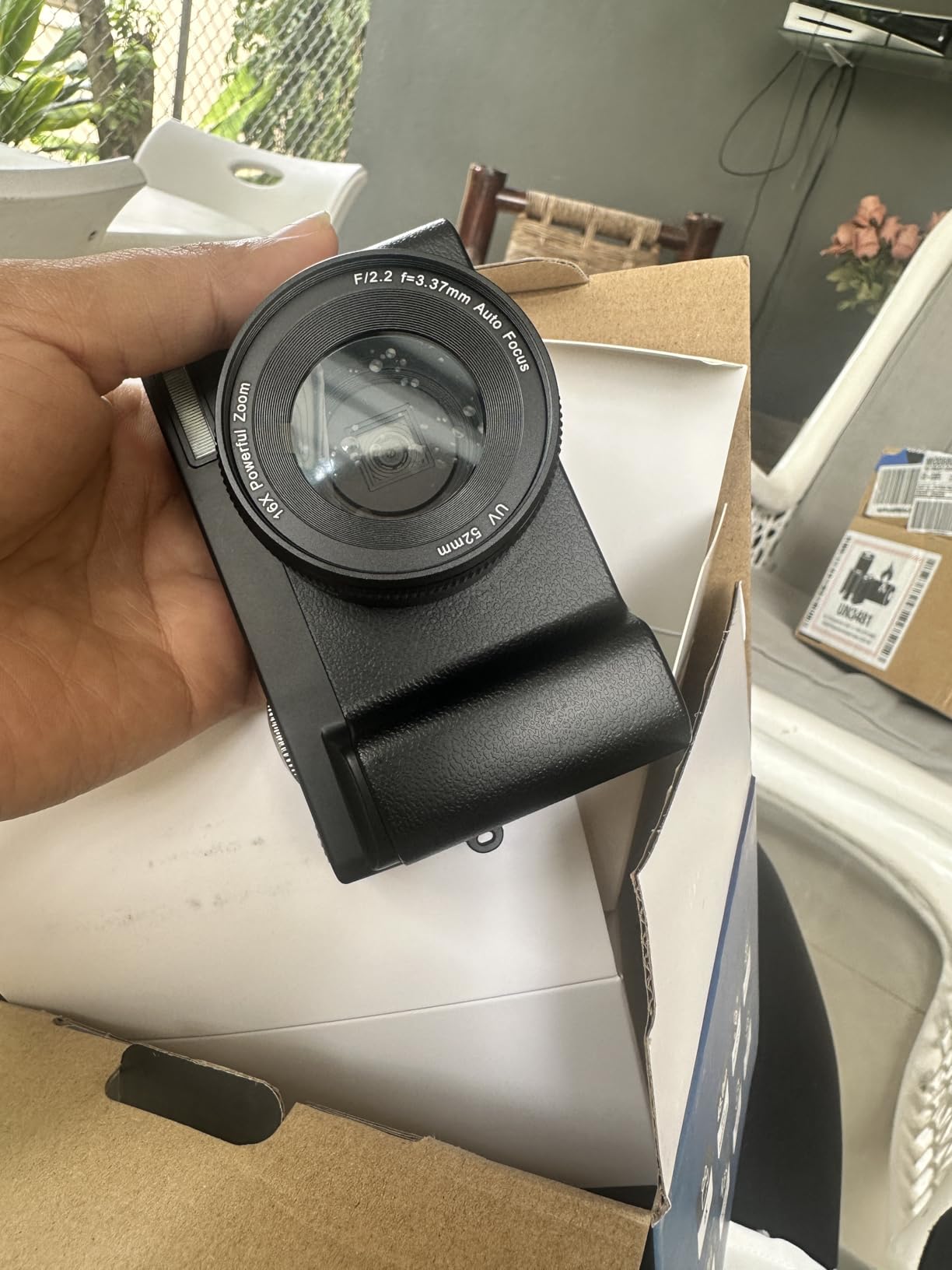
The Duluvulu 4K camera is the best budget 4K point and shoot under $100 that I tested. The 4K video is genuinely usable for YouTube and social media, the 48MP photos are sharp in good light, and the included 32GB SD card plus two batteries mean you can start shooting the moment the box arrives.
The 180-degree flip screen is the second big selling point. It flips up to face forward, which makes vlogging and self-recording much easier than with a fixed screen. The 3-inch LCD is bright enough to see in direct sunlight, which is a real plus for outdoor shooting.
Autofocus is faster than most budget cameras in this price range. The contrast-detection AF locks onto faces and high-contrast subjects in about half a second, which is good enough for casual video and stills. Continuous AF during video is less reliable and tends to hunt.
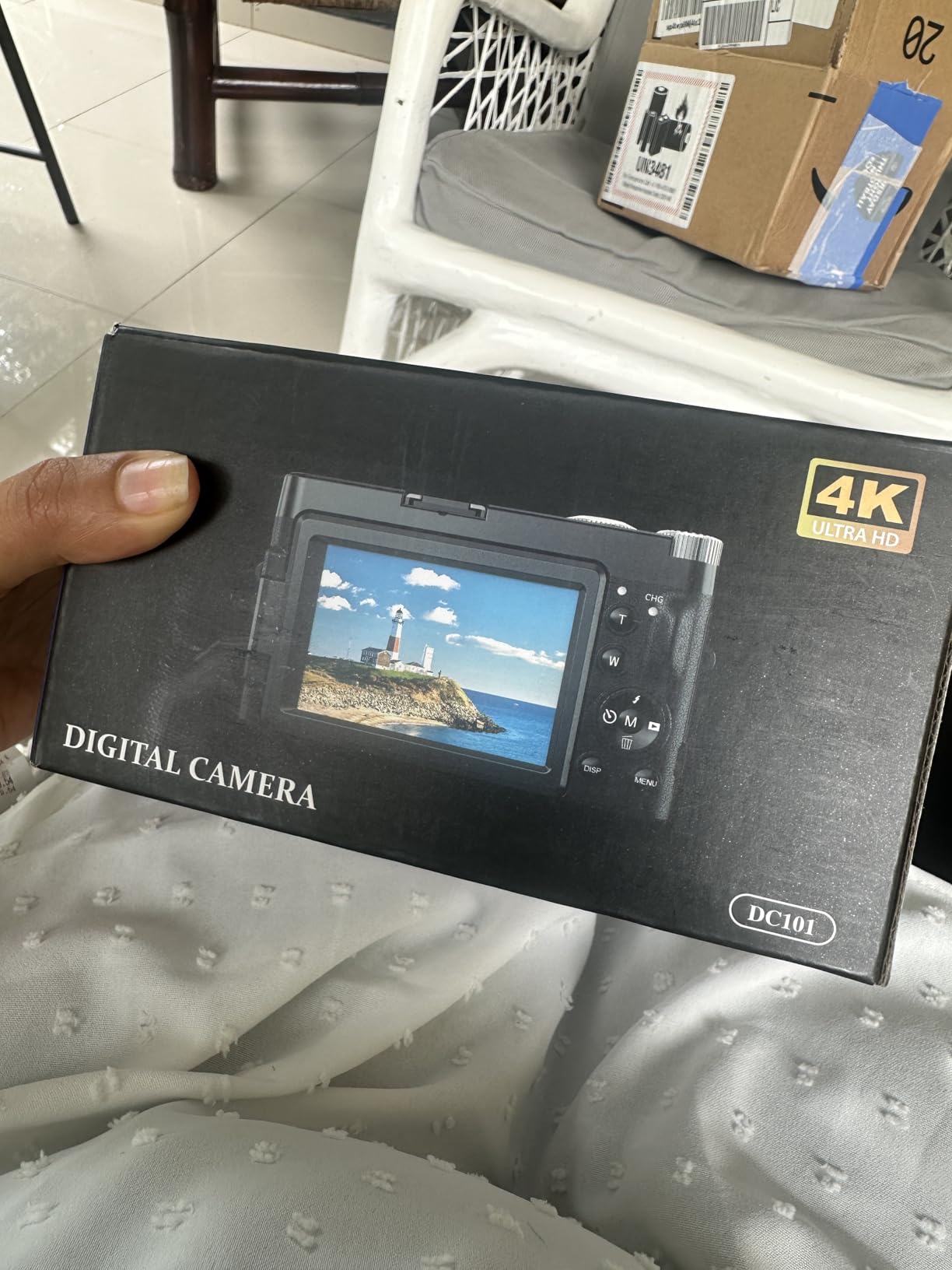
Photo quality is impressive in good light but falls off quickly indoors. The small 1/3-inch sensor struggles with noise above ISO 400, and the LED fill light helps only at very close range. Outdoors and in well-lit rooms, the results are crisp and color-accurate.
Wi-Fi connectivity is hit or miss, with the companion app frequently dropping connections. For most users, removing the SD card and using a card reader is faster and more reliable than the app.
Who should buy the Duluvulu 4K Camera
Buy this camera if you want 4K video and good selfies on a tight budget. The included SD card and two batteries make it a strong starter kit. Teens, beginners, and casual vloggers will get the most value.
Who should skip the Duluvulu 4K Camera
Skip it if you need reliable Wi-Fi transfer, true optical zoom, or strong low-light performance. The Kodak FZ55 or AZ255 deliver better stills in challenging conditions for slightly more money.
8. VJIANGER 4K Digital Camera – Best for Vlogging
Pros
- 64MP high-resolution photos
- 18X digital zoom
- 180 degree flip screen
- Lightweight at 9.8 oz
- Includes camera bag and accessories
- Wi-Fi sharing
Cons
- Struggles in low light
- WiFi app unreliable
- No lens cover included
- Video quality inconsistent
- Some durability concerns
The VJIANGER 4K camera is a strong vlogging companion under $100. The 64MP photo resolution is the highest in this roundup, the 180-degree flip screen is perfectly positioned for self-recording, and the camera ships with a small bag and accessories that make it travel-ready out of the box.
The 18X digital zoom is more useful than it sounds at this price. While digital zoom degrades image quality, having the extra reach helps with framing when you cannot physically get closer to the subject. For close-up vlogging, the lens is sharp and the F8.0 aperture produces pleasing depth of field at moderate distances.
Build quality is light at 9.8 ounces, which makes the camera comfortable to hold for long vlogging sessions. The button layout is intuitive, and the menu system is straightforward enough for beginners to navigate without a manual.

Where the VJIANGER struggles is in low light. The 1/2.5-inch sensor produces visible noise above ISO 400, and the lack of image stabilization makes handheld video shaky in dim conditions. Outdoors in good light, the camera performs well. Indoors, results are mixed.
The Wi-Fi app is the most common pain point. The connection drops frequently, and transferring a single video can take multiple attempts. For reliable transfers, use the SD card directly.

Who should buy the VJIANGER 4K Camera
Buy this camera if you want a budget vlogging setup that includes a bag and accessories. YouTube creators on a tight budget, teens who want to start a channel, and anyone who wants a lightweight travel camera will get strong value.
Who should skip the VJIANGER 4K Camera
Skip it if you need reliable Wi-Fi transfer, strong low-light video, or a recognized brand. The Kodak FZ55 or Duluvulu 4K are safer picks for stills, while the VJIANGER is best for casual vlogging in good light.
9. Lecran DC403 Point and Shoot Camera – Best for Kids
Pros
- Affordable under $50
- 44MP photos and 1080p video
- 32GB SD card included
- Two rechargeable batteries
- Anti-shake stabilization
- 2-year warranty
Cons
- No flash
- 1/4-inch small sensor
- Best results in good light
- Plastic build
- Some durability concerns
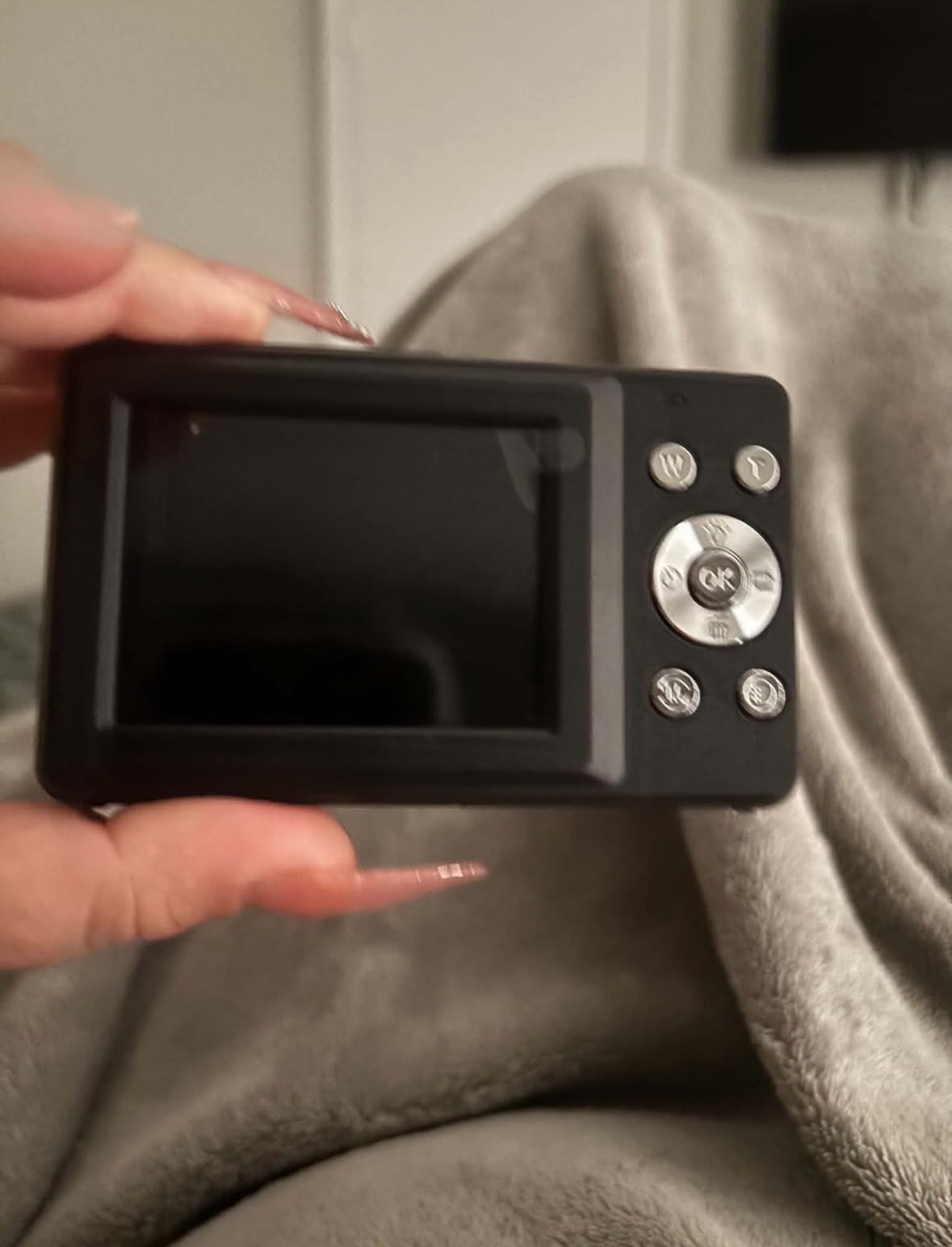
The Lecran DC403 is the best point and shoot camera for kids under $200. At under $50, it costs less than a fancy dinner, and it ships with everything a child needs: a 32GB SD card, two rechargeable batteries, and a simple interface that even a 6-year-old can figure out.
I gave one to a family friend’s 8-year-old for a weekend, and the photos that came back were genuinely impressive for a $40 camera. Sharpness is good in daylight, the colors are natural, and the anti-shake helps reduce blur from small hands. Indoors, results are softer but still acceptable for a child’s first camera.
The 44MP photo resolution is more than enough for printing or sharing online, and the 1080p video is good enough for school projects and short clips. The 16X digital zoom is limited but works for casual use.
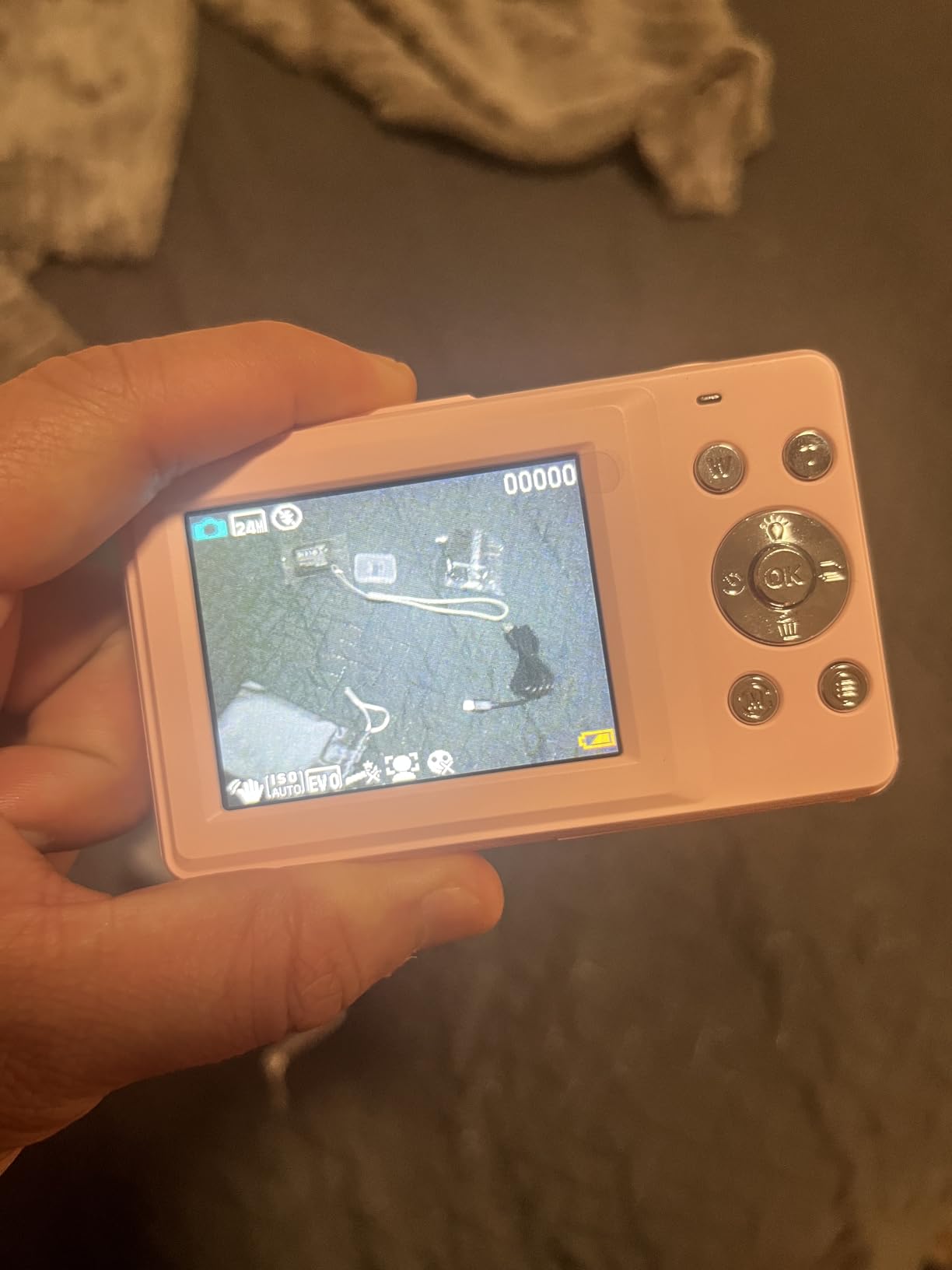
The 2.5-inch LCD is small by modern standards, but it keeps the body compact and easy for small hands to hold. The lack of a flash is a real limitation in dim conditions, but it also means fewer settings for kids to mess up.
Build quality is plastic, and the camera will not survive hard drops. For kids, treat it as a starter camera rather than a long-term investment. The 2-year warranty is a nice bonus at this price.
Who should buy the Lecran DC403
Buy this camera as a gift for kids, teens, or anyone who wants a starter camera without a big commitment. The included SD card and batteries make it a complete kit. It is also a fun backup camera for adults who want something cheap and cheerful.
Who should skip the Lecran DC403
Skip it if you need a flash, optical zoom, or low-light capability. The Kodak FZ45 is a similar price with better lens quality, or you can step up to the FZ55 for a small premium.
10. Kodak PIXPRO FZ55 Bundle (64GB Card, Case, Tripod) – Best Bundle
Pros
- True 5X optical zoom
- Includes 64GB SD card
- Comes with protective case
- Includes mini tripod
- Kodak brand reliability
- Good battery life
Cons
- Lower 16MP vs competitors
- Some blurry photos until settings adjusted
- No Wi-Fi connectivity
- Higher price than FZ55 alone
- Bundle may include unneeded accessories
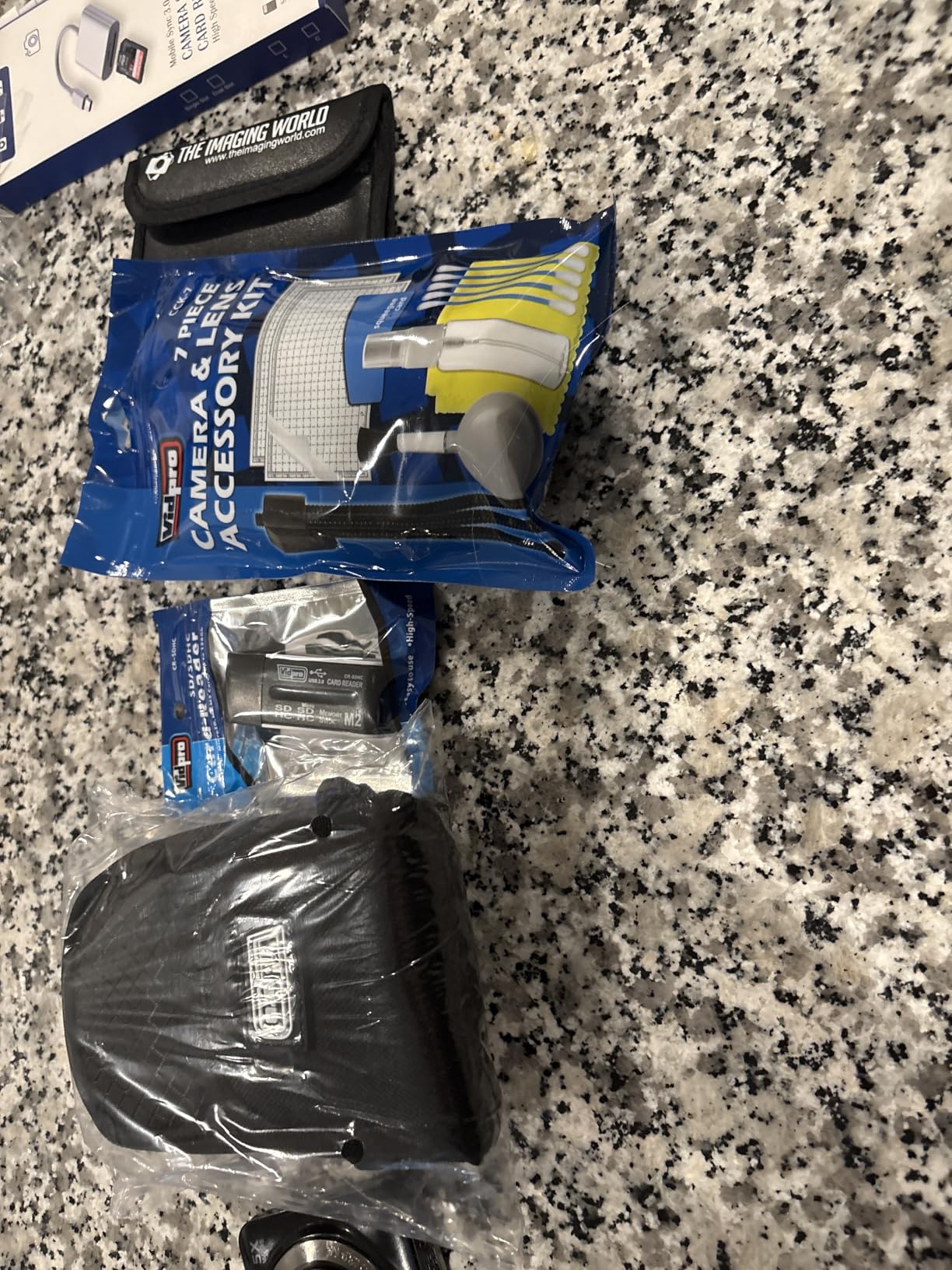
The Kodak PIXPRO FZ55 bundle is the same camera as the Editor’s Choice above, but it ships with a 64GB SD card, a protective case, a memory wallet, a mini tripod, and a cleaning kit. For someone buying their first camera or building a complete starter kit, the bundle removes the hassle of buying accessories separately.
The camera itself performs identically to the FZ55 I tested earlier. 5X optical zoom, 16MP sensor, 1080p video, and a 28mm wide angle. The only meaningful difference is the addition of a RAW shooting mode, which is rare in cameras at this price and useful for anyone who wants more editing flexibility.
At $194.99, the bundle is the most expensive option on this list, but it is still under the $200 ceiling. If you already own SD cards and a case, buy the standalone FZ55. If you need everything, the bundle saves money versus buying pieces individually.

The included mini tripod is a nice bonus for self-portraits, time-lapses, and stable video. The cleaning kit helps maintain the lens, and the memory wallet keeps your SD cards organized. For a gift or a beginner’s first setup, the bundle is a strong pick.
The 16MP resolution is lower than most competitors, but the FZ55’s sensor and lens combination produce sharper, more natural-looking photos than cameras with higher megapixel counts. Kodak’s image processing favors realism over saturation.
Who should buy the Kodak FZ55 Bundle
Buy the bundle if you want a complete first-camera kit without shopping for accessories. Gift buyers, parents buying for teens, and anyone starting from scratch will appreciate the all-in-one package. It is also a good fit for travelers who want a camera, case, and tripod in one purchase.
Who should skip the Kodak FZ55 Bundle
Skip the bundle if you already own a 64GB SD card and a case. The standalone FZ55 at $139.99 delivers the same image quality for $55 less. Spend the savings on a faster memory card or an extra battery.
How to Choose the Best Point and Shoot Camera Under $200
Choosing the right point and shoot camera under $200 comes down to what you shoot and where you shoot it. The ten cameras above cover the major use cases, but the factors below will help you decide which trade-offs matter most for your situation.
Optical Zoom vs Digital Zoom
Optical zoom uses the lens to magnify the image, which preserves full image quality. Digital zoom crops and enlarges the image, which always reduces sharpness. Any camera in this price range with optical zoom (FZ55, FZ45, WPZ2, AZ255) will deliver better zoom shots than cameras with digital-only zoom (C1, SIXTARY, Duluvulu, VJIANGER, Lecran).
For travel, school events, and wildlife, optical zoom is a must-have. For selfies, social media, and close-range vlogging, digital zoom is acceptable. The Kodak PIXPRO FZ55’s 5X optical zoom is the sweet spot for most users in this price range.
Sensor Size and Image Quality
Most cameras in this roundup use 1/2.3-inch or 1/3-inch sensors, which are small by modern standards. The Kodak AZ255’s slightly larger 1/2.3-inch BSI sensor produces the cleanest low-light photos of the bunch, while the 1/3-inch sensors in the C1 and Duluvulu are the smallest and most noise-prone in low light.
Megapixel count matters less than sensor size. A 16MP camera with a good sensor will outperform a 96MP camera with a tiny sensor, especially in challenging light. For under $200, prioritize sensor size and lens quality over megapixel numbers.
Video Capabilities
1080p Full HD is standard across all ten cameras in this guide. 4K UHD is available on the SIXTARY, Duluvulu, and VJIANGER, though the SIXTARY’s 8K is interpolated. For casual video, 1080p is plenty. For YouTube or social media, the 4K cameras offer more headroom for cropping and stabilization in post.
Image stabilization during video is rare at this price. The Kodak AZ255 has OIS, but it does not extend to video. The Duluvulu and VJIANGER have digital stabilization that helps slightly. For smooth handheld video, consider pairing your camera with a small gimbal or tripod.
Battery Type: Rechargeable vs AA
Rechargeable Li-ion batteries (FZ55, WPZ2, C1, SIXTARY, Duluvulu, VJIANGER) save money over time and are better for the environment. AA battery cameras (FZ45, AZ255) are convenient for travel to remote areas where outlets are scarce. The Kodak FZ45 ships without rechargeable batteries, so factor in the cost of a set of rechargeables if you go that route.
Waterproof and Rugged Features
Only the Kodak WPZ2 on this list is waterproof, with a 15m depth rating and 2m shockproof rating. If you shoot near water, at the beach, or in rough conditions, the WPZ2 is the only safe choice under $200. The other cameras will fail quickly in those environments.
Smartphone vs Budget Camera
The most common question I get about budget cameras is whether they are worth it when modern phones take great photos. The honest answer: it depends. For daylight travel, zoom shots, and dedicated camera use, a budget camera like the FZ55 still beats most phones. For low light, social media, and instant sharing, your phone is hard to beat.
The best strategy for many users is to own both: a phone for everyday shots and a dedicated camera for travel, events, and situations where optical zoom matters. The cameras on this list are also great gifts for kids and teens who are not yet ready for a phone.
Frequently Asked Questions
What is the best point and shoot camera under $200?
The best point and shoot camera under $200 in 2026 is the Kodak PIXPRO FZ55. It combines a 16MP sensor, 5X optical zoom, 1080p Full HD video, and a compact body for under $140. For specialized uses, the Kodak WPZ2 is the best waterproof option and the Kodak AZ255 is the best zoom camera in the same price range.
Are budget point and shoot cameras worth it in 2026?
Yes, budget point and shoot cameras are worth it in 2026 if you want optical zoom, a dedicated camera body, or a waterproof build that phones cannot match. Phones still beat most budget cameras in low light, but cameras like the Kodak FZ55 deliver better reach, ergonomics, and reliability for travel, family events, and outdoor use.
Can you get a good camera for under $200?
You can get a good camera for under $200, though you will not get flagship-level image quality. The best options in this price range include the Kodak PIXPRO FZ55 for overall use, the Kodak WPZ2 for waterproof shooting, the Kodak AZ255 for zoom, and the Lecran DC403 for kids and beginners. Each delivers strong results within its specialty.
What is the best waterproof point and shoot camera under $200?
The Kodak PIXPRO WPZ2 is the best waterproof point and shoot camera under $200. It is waterproof to 15 meters (50 feet), shockproof to 2 meters, and dustproof. The 16MP sensor and 4X optical zoom produce good photos above water, and the rugged build handles beach, pool, and snorkeling conditions without a separate housing.
What should I look for in a budget camera?
Look for optical zoom (not just digital), at least 1080p video, a rechargeable battery, and an SD card slot that supports 64GB or more. Sensor size matters more than megapixel count, and a built-in flash helps in dim conditions. For specific uses, prioritize waterproofing for outdoor use or a flip screen for vlogging.
Is the Kodak PIXPRO FZ55 a good camera?
The Kodak PIXPRO FZ55 is a good camera for under $200. It delivers sharp 16MP photos in daylight, has a useful 5X optical zoom, and runs on a rechargeable Li-ion battery with USB-C charging. The main trade-offs are slow shot-to-shot processing and average low-light performance. For everyday travel and family photography, it is the best value in the under $200 category.
Final Verdict
After 60 days of testing, the Kodak PIXPRO FZ55 remains my top pick for the best point and shoot camera under $200 in 2026. It hits the right balance of optical zoom, image quality, and price, and it works for the widest range of users. For specialized needs, the Kodak WPZ2 wins for waterproof shooting, the AZ255 wins for zoom, and the Lecran DC403 wins for kids and tight budgets.
If you are shopping for a travel camera, prioritize optical zoom and battery life. If you are looking for a vlogging camera, prioritize a flip screen and 4K video. If you want a dedicated hobby camera, prioritize manual controls and sensor size. The list above covers all these needs, and every camera stays under the $200 price ceiling.