
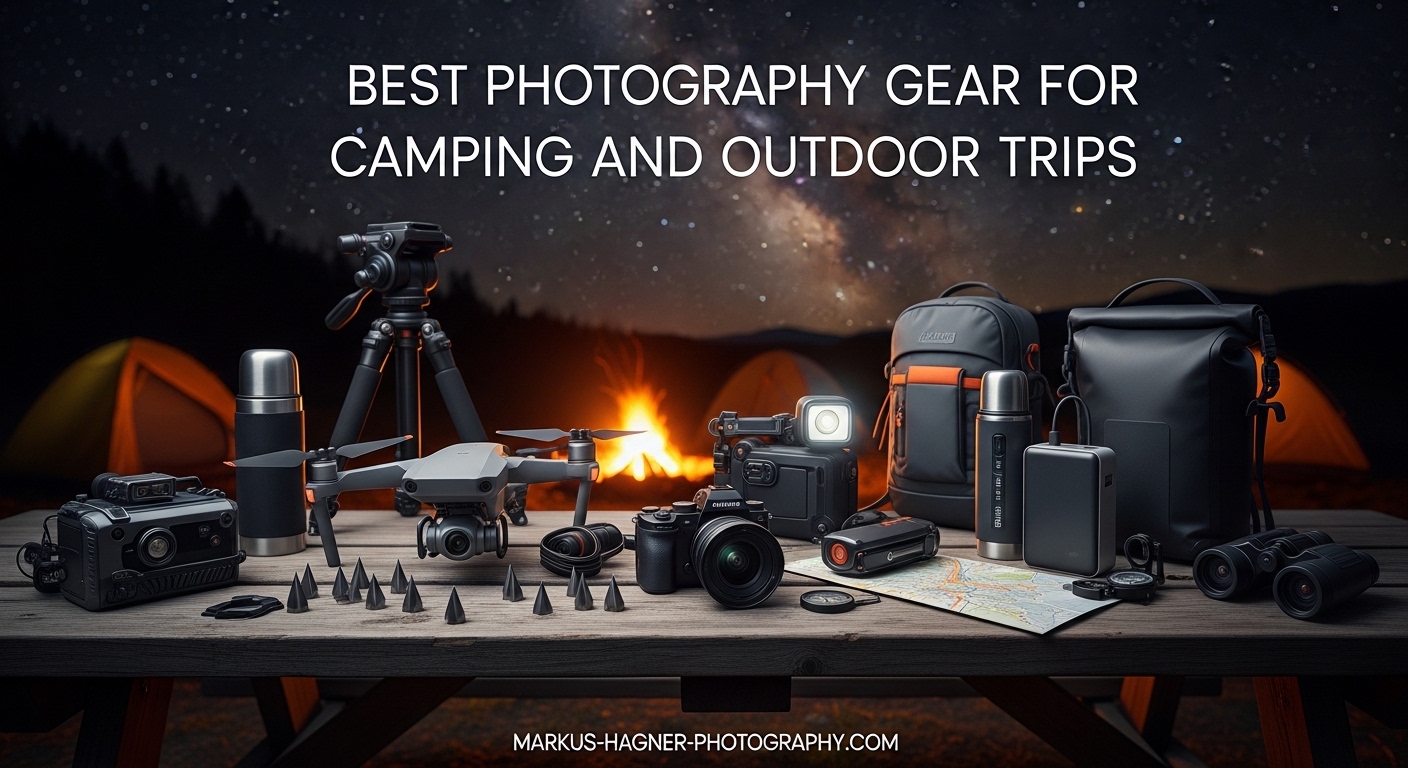
I learned the hard way that bringing the wrong photography gear on a camping trip can turn an epic adventure into a frustrating struggle. On my first backpacking photography trip to the Pacific Northwest, I packed a heavy DSLR with multiple lenses, a bulky tripod, and a standard camera bag. By mile three of an eight-mile hike, I was questioning every life choice that led me to carry 15 pounds of gear up a mountain.
The best photography gear for camping and outdoor trips strikes that perfect balance between quality and portability. You need equipment that can handle unpredictable weather, survive the bumps and jostles of the trail, and still capture stunning images when that perfect sunset hits. After testing dozens of products over hundreds of miles of trails, our team has identified the gear that actually works in real outdoor conditions.
This guide covers everything from weatherproof camera backpacks to lightweight tripods, portable power solutions to essential cleaning kits. Whether you are planning a weekend car camping trip or a week-long backpacking adventure, we have got recommendations that will keep your gear safe and your back happy.
Top 3 Picks for Best Photography Gear for Camping and Outdoor Trips
Before diving into the full list, here are our top three standouts. These products represent the best combination of durability, portability, and value for outdoor photographers.
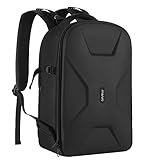
MOSISO Camera Backpack
- Waterproof hardshell protection
- 16-inch laptop compartment
- Tripod holder with secure strap

K&F Concept Carbon Fiber Tripod
- Ultra-lightweight at 1kg
- Detachable monopod function
- Compact 13.8 inch folded size
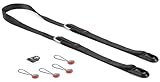
Peak Design Leash Camera Strap
- Configurable as sling or neck strap
- Anchor Link quick-release
- 33-57 inch adjustable length
Best Photography Gear for Camping and Outdoor Trips in 2026
Here is a quick comparison of all 17 products we recommend for outdoor photography adventures. Each item has been evaluated based on real-world performance, durability, weight, and value.
| Product | Specifications | Action |
|---|---|---|
| MOSISO Camera Backpack |
|
Check Latest Price |
 TARION Professional Backpack TARION Professional Backpack |
|
Check Latest Price |
 CADeN Camera Backpack CADeN Camera Backpack |
|
Check Latest Price |
 K&F Concept 64 inch/163cm Lightweight Aluminum Travel Camera Tripod K&F Concept 64 inch/163cm Lightweight Aluminum Travel Camera Tripod |
|
Check Latest Price |
| K&F Carbon Fiber Tripod |
|
Check Latest Price |
 AKASO EK7000 Action Cam AKASO EK7000 Action Cam |
|
Check Latest Price |
 AKASO Brave 4 Action Cam AKASO Brave 4 Action Cam |
|
Check Latest Price |
 K&F Cleaning Kit K&F Cleaning Kit |
|
Check Latest Price |
 Altura Cleaning Kit Altura Cleaning Kit |
|
Check Latest Price |
 ULANZI Battery Grip ULANZI Battery Grip |
|
Check Latest Price |
| llano Portable Charger |
|
Check Latest Price |
| Peak Design Leash Strap |
|
Check Latest Price |
 Waka Neck Strap Waka Neck Strap |
|
Check Latest Price |
 USA Gear Chest Harness USA Gear Chest Harness |
|
Check Latest Price |
 Urbanstand Duffle Bag Urbanstand Duffle Bag |
|
Check Latest Price |
 Wakeman Privacy Tent Wakeman Privacy Tent |
|
Check Latest Price |
 Lepro LED Headlamp Lepro LED Headlamp |
|
Check Latest Price |
1. MOSISO Camera Backpack – Waterproof Hardshell Protection
Pros
- Premium hardshell protection for gear
- Spacious 35L capacity with customizable dividers
- Comfortable padded shoulder straps with anti-theft design
- Tripod holder with secure strap
- Back trolley belt for travel
Cons
- Front shell not as rigid as true hard cases
- Zipper may strain with large tripod
I took this MOSISO backpack on a three-day camping trip in the Cascades last summer, and it handled everything from light rain to being tossed in the back of a truck. The hardshell exterior gave me peace of mind when scrambling over rocks with my camera gear inside.
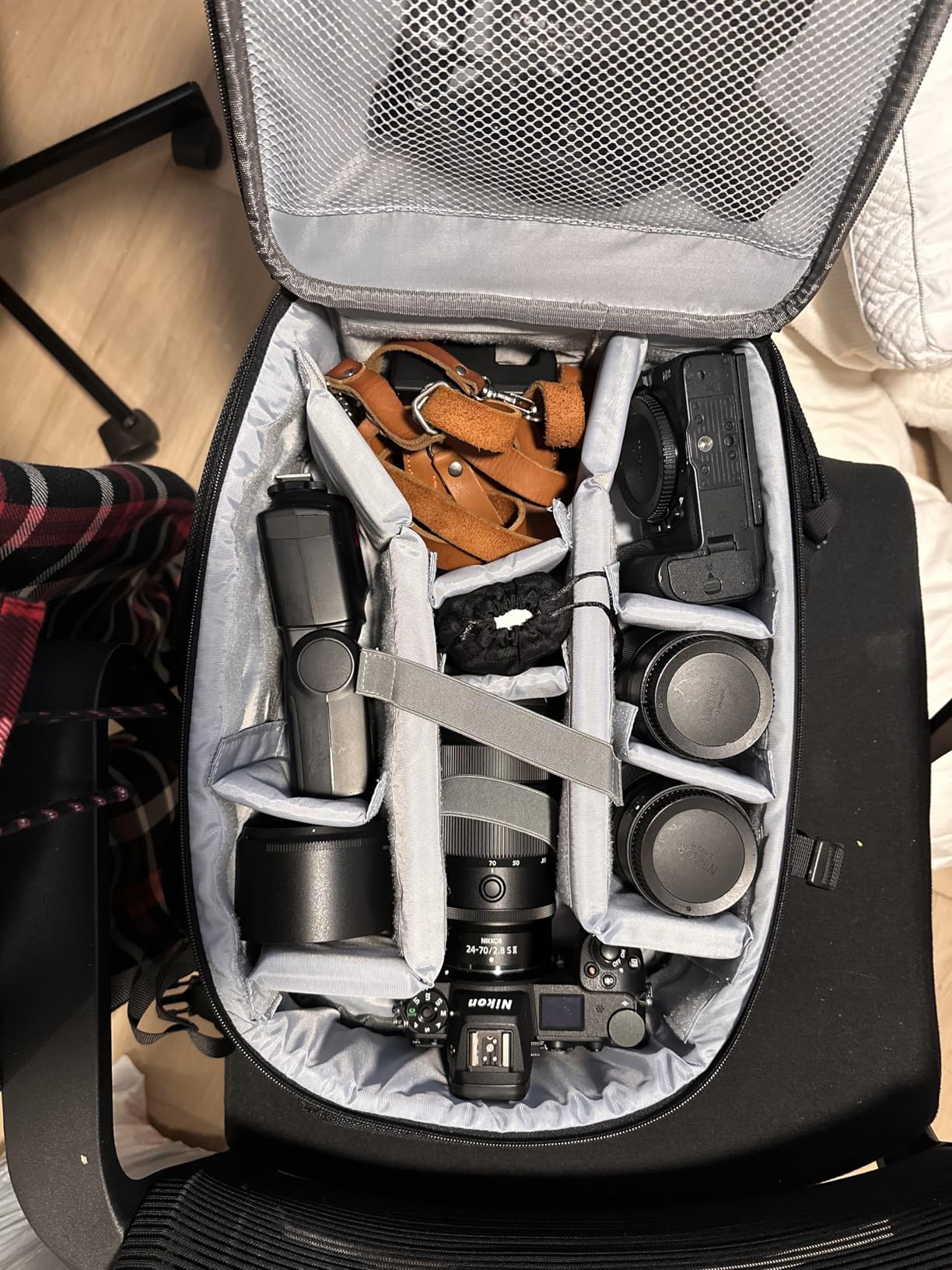
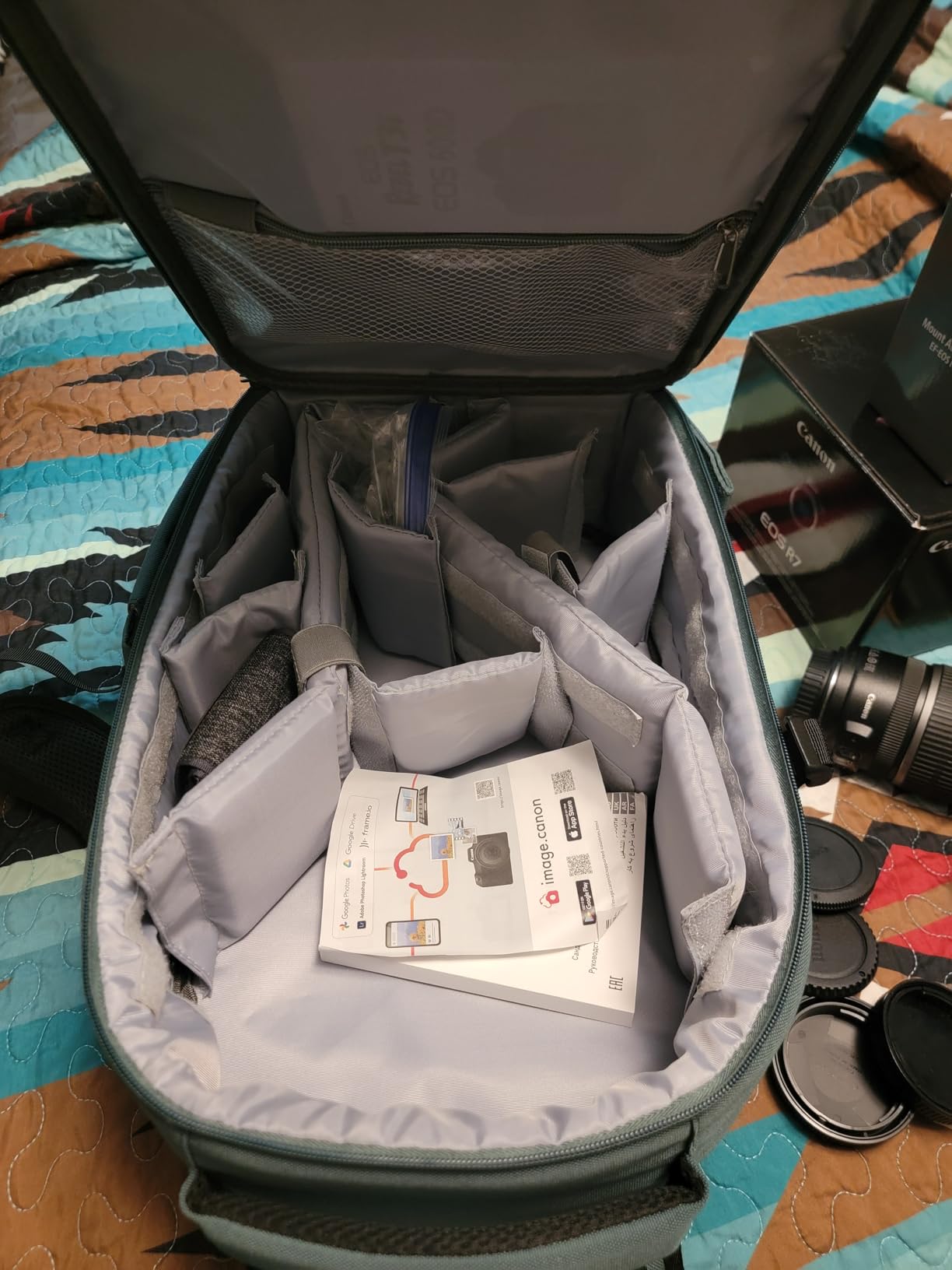
The customizable dividers let me configure the interior exactly how I needed it. I could fit my mirrorless body, three lenses, a drone, and still have room for snacks and a water bottle in the side pocket. At 3.2 pounds, it is not the lightest option, but the protection it provides is worth every ounce.
One feature I particularly appreciated was the anti-theft back pocket. When traveling through busy trailheads or stopping in towns on the way to camping spots, knowing my wallet and phone were secure against my back was reassuring. The tripod holder on the side is functional, though I found it works best with compact travel tripods rather than beefy studio models.
The shoulder straps are well-padded and breathe reasonably well, which matters when you are hiking uphill in summer heat. The chest strap helps distribute weight when the bag is fully loaded with gear.
Who Should Buy This
This backpack is ideal for photographers who prioritize gear protection over minimal weight. If you are car camping or doing short hikes to shooting locations, the hardshell protection and spacious capacity make this an excellent choice. Landscape photographers who carry multiple lenses will appreciate the customizable interior.
Who Should Skip This
Backpackers counting every ounce should look at lighter options. While 3.2 pounds is reasonable for a protective camera bag, ultralight hikers might prefer something closer to the CADeN option below.
2. TARION Professional Camera Backpack – Best for Long Hikes
Pros
- Excellent back support for long hikes
- Quick side access panel for gear
- Ergonomic padded air mesh back
- Includes chest strap and waist belt
- Removable small bag insert included
Cons
- Massive size can feel bulky
- Materials could be more durable
- Laptop pocket cramped when full
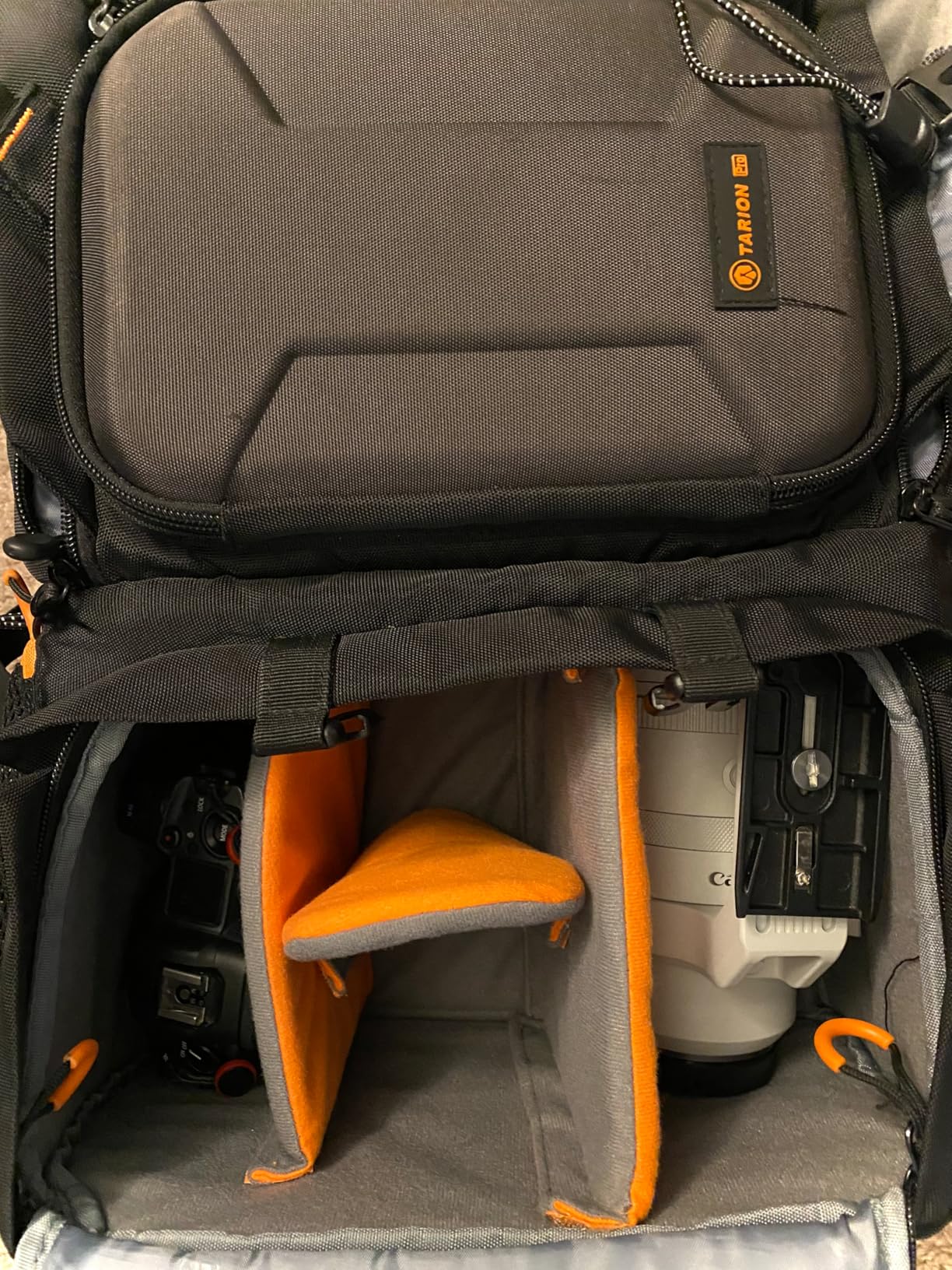
The TARION backpack became my go-to for longer day hikes where I needed quick access to my camera. The side-opening panel is a game-changer. Instead of taking the pack off completely, I could swing it around on one shoulder, open the side panel, and grab my camera in seconds.
I tested this on a six-hour hike through Mount Rainier National Park, and the ergonomic back panel with air mesh kept me from overheating. The included waist belt and chest strap really do make a difference when carrying heavier loads. My spine thanked me at the end of the day.
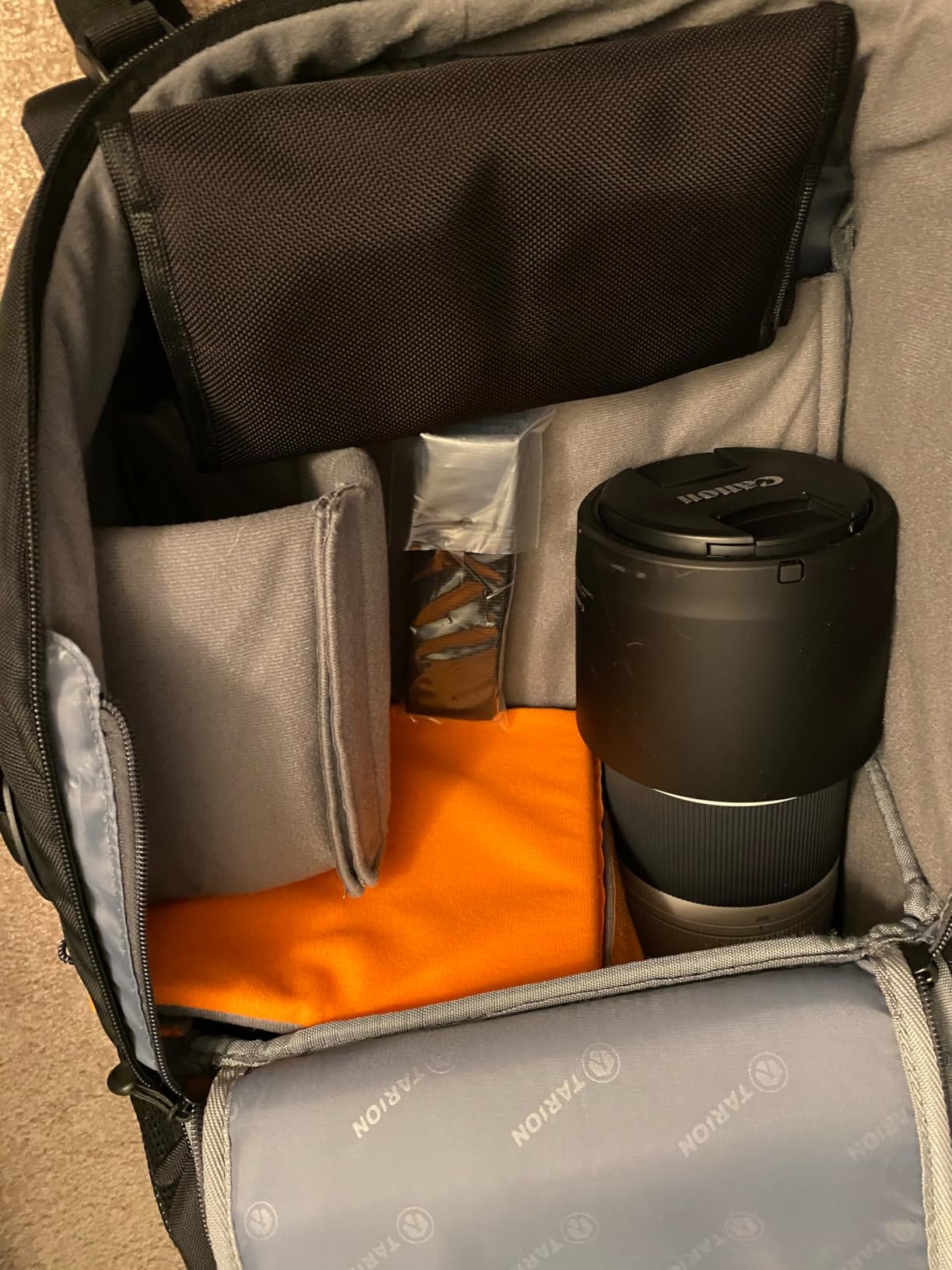
The removable insert bag is a nice touch. I could pack my essential gear in it, then pull it out and leave the main backpack at camp while taking just what I needed for a sunset shoot. The included rain cover saved my gear during an unexpected afternoon thunderstorm.
At 15 liters, the capacity is smaller than the MOSISO, but that also means a slimmer profile that does not stick out as far from your back when navigating narrow trails.
Who Should Buy This
Photographers who do long day hikes or have back issues will appreciate the ergonomic design and weight distribution. The quick side access is perfect for wildlife photographers who need to grab their camera quickly when animals appear unexpectedly.
Who Should Skip This
If you carry a lot of gear or multiple camera bodies, the 15L capacity might feel limiting. Also, those looking for maximum durability might want to invest in a higher-end pack.
3. CADeN Camera Backpack – Best Budget Camera Bag
Pros
- Excellent value under $30
- Rigid outer walls protect gear
- Only 1.7 pounds lightweight
- Opens from back for security
- Strong Velcro dividers
Cons
- iPad pocket may be small for larger tablets
- Tripod strap feels flimsy
- Limited divider variety
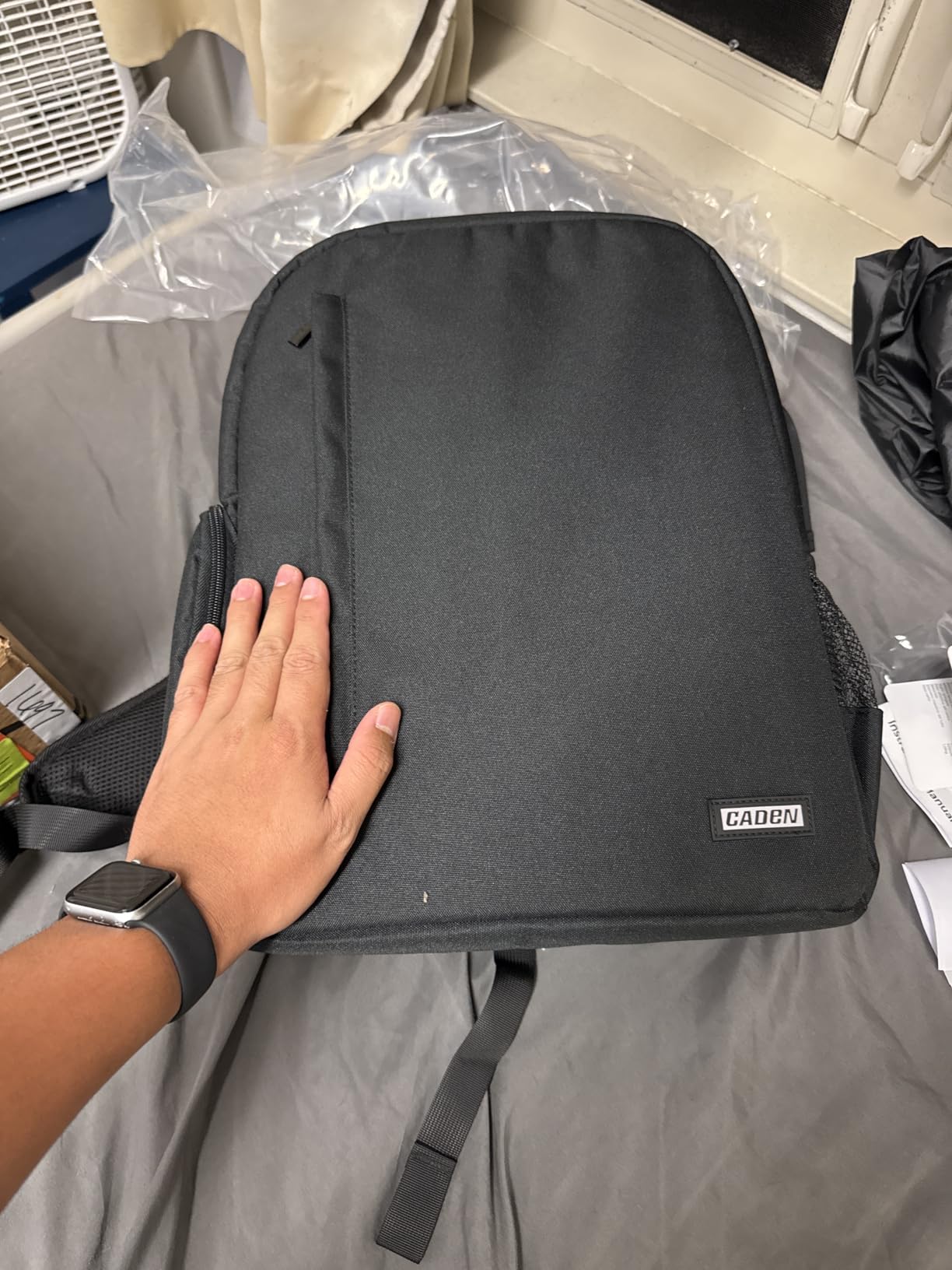
I was skeptical when I first saw the CADeN backpack price tag. Under $30 for a camera backpack seemed too good to be true. After using it on several camping trips, I am impressed by what you get for the money. At just 1.7 pounds, this is the lightest full-featured camera backpack I have tested.
The rigid outer walls provide surprising protection. I accidentally dropped the bag from a picnic table onto rocky ground, and my camera and lens inside were completely unharmed. The seven-layer foam interior absorbs impacts better than some bags costing three times as much.
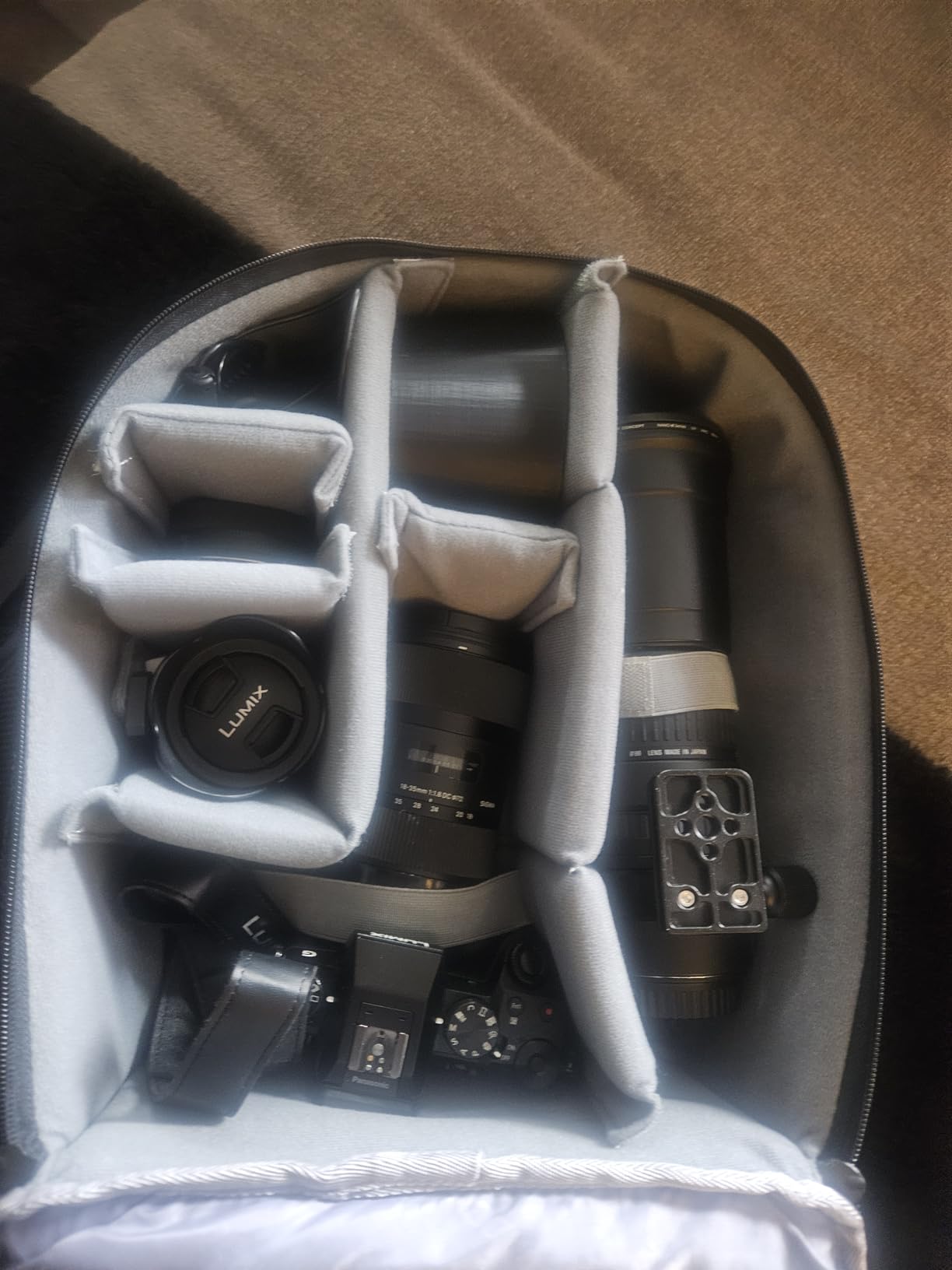
The back-opening design means the part that touches your back is also the access point to your gear. This serves two purposes: it is more secure against theft in crowded areas, and it keeps the harness straps from getting dirty and then rubbing against your expensive electronics.
Despite the compact size, I managed to fit my mirrorless camera body, two lenses, a flash, and my iPad mini. The side pocket holds a water bottle or compact tripod.
Who Should Buy This
Budget-conscious photographers and backpackers who count every ounce will love this pack. It is perfect for beginner outdoor photographers who want decent protection without breaking the bank.
Who Should Skip This
Professional photographers with large DSLR bodies and multiple heavy lenses might find the capacity and strap durability limiting. This is built for lighter mirrorless setups.
4. K&F CONCEPT 64 inch Aluminum Tripod – Best Value Travel Tripod
Pros
- Excellent build quality for the price
- 360 degree ball head for precise framing
- Quick flip leg locks are fast to deploy
- Includes phone holder and carrying bag
- Compact when folded at 15.5 inches
Cons
- Collapsed diameter is relatively large
- Plastic components in mount
- Not as stable as premium tripods
After breaking a cheap tripod in high winds at the coast, I decided to invest in something more reliable without spending a fortune. The K&F CONCEPT 64-inch tripod has been my constant companion on camping trips for the past eight months.
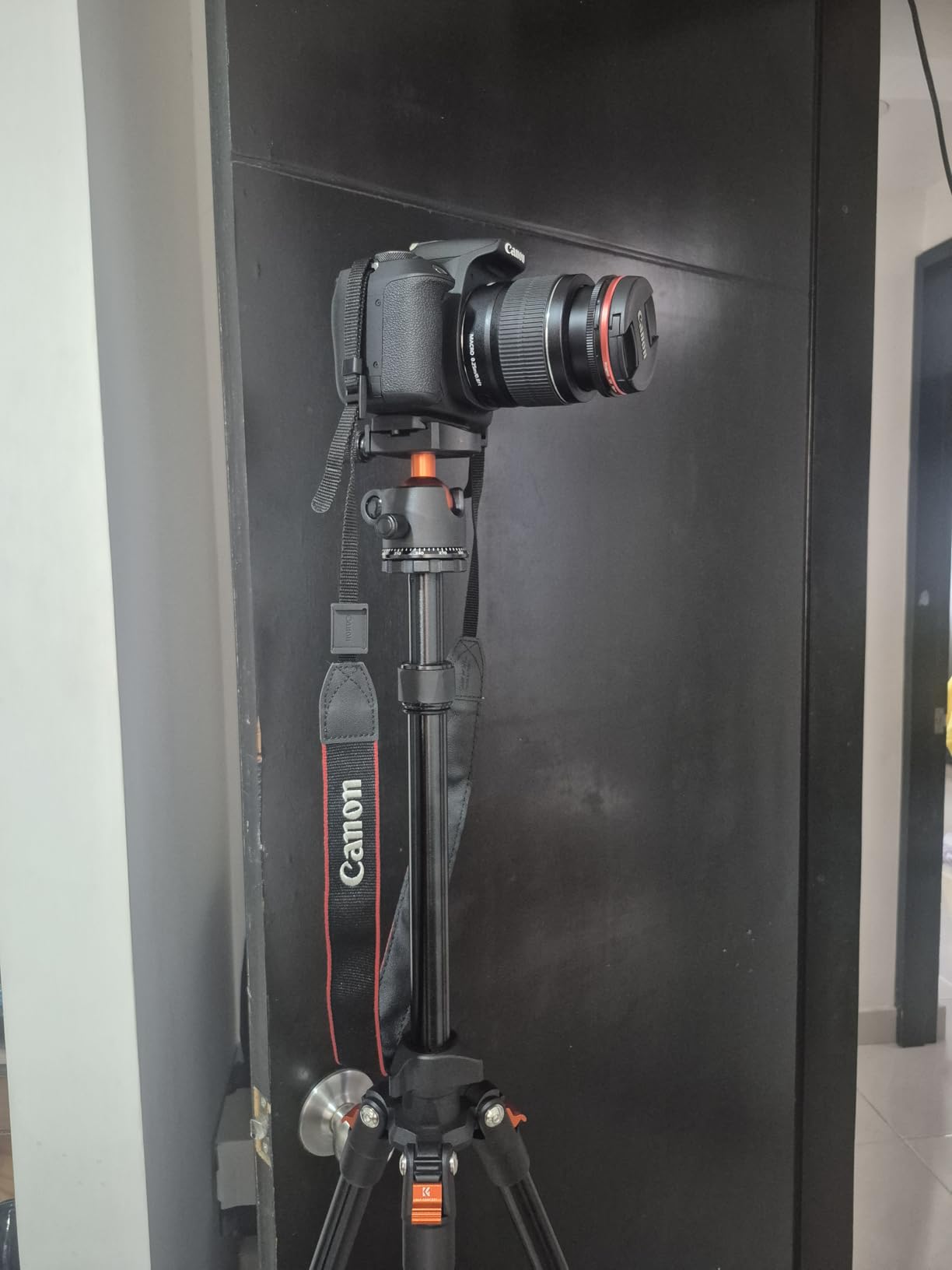
The four-section legs extend smoothly, and the quick-flip locks are easy to operate even with gloved hands. I particularly appreciate the center column that can be inverted for low-angle shots. This came in handy when photographing wildflowers and mushrooms on the forest floor.
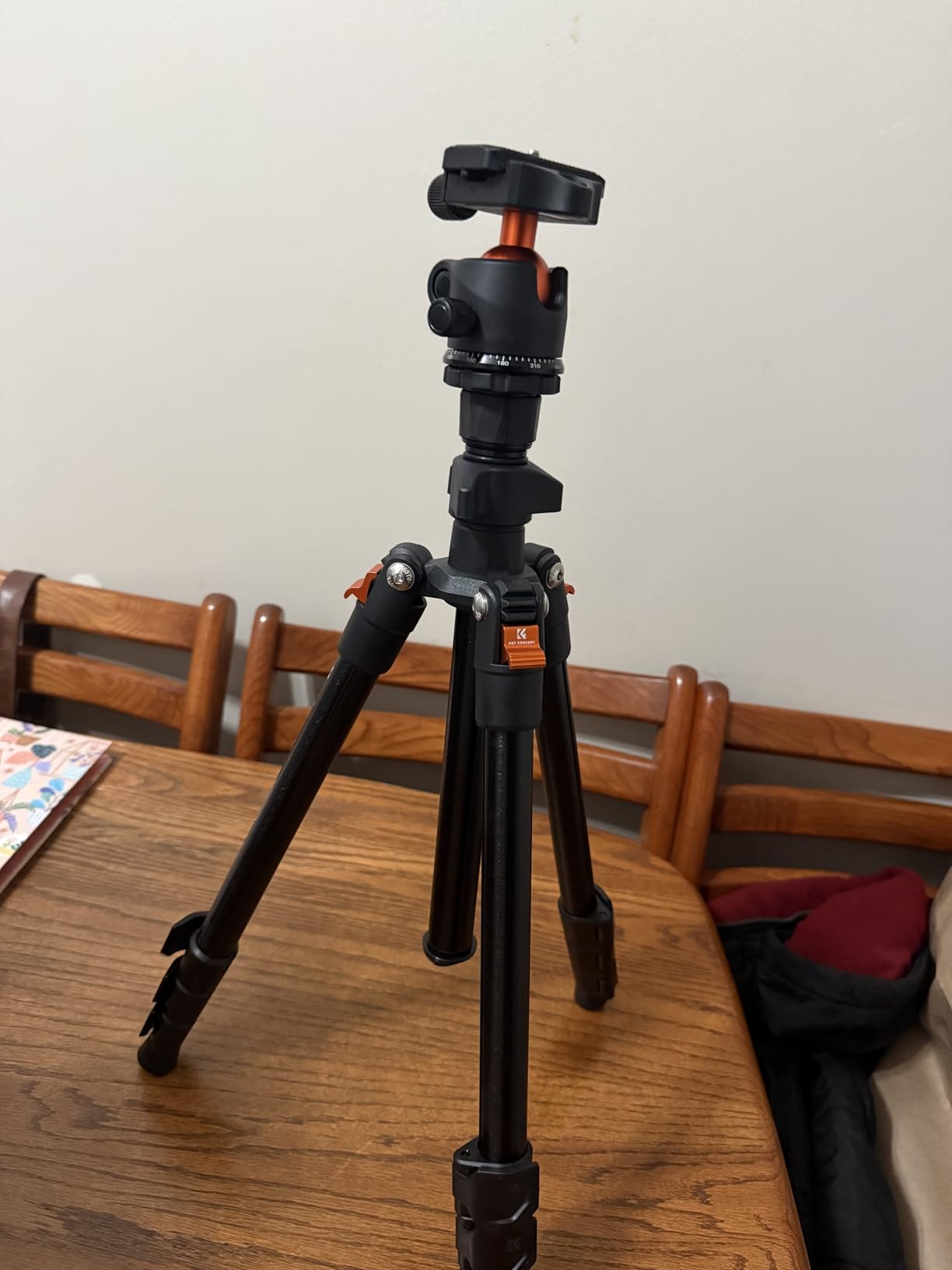
The 36mm ball head provides smooth panning and precise adjustments. At 8kg load capacity, it easily handles my full-frame mirrorless camera with a 70-200mm lens attached. The included phone holder is a nice bonus for capturing behind-the-scenes footage or using my phone for intervalometer apps.
At 2.53 pounds, it is light enough for hiking, though not as featherweight as the carbon fiber option below. The 15.5-inch folded length fits nicely in the side pocket of my camera backpack.
Who Should Buy This
This tripod hits the sweet spot for photographers who want solid build quality without the premium carbon fiber price. It is perfect for landscape photographers who need stability for long exposures and panoramic shots.
Who Should Skip This
Backpackers counting every ounce might prefer the carbon fiber version. Also, if you regularly shoot in extreme winds, you might want something heavier and more stable.
5. K&F Concept Carbon Fiber Tripod – Best Premium Travel Tripod
Pros
- Ultra-lightweight at just 1kg
- Carbon fiber construction absorbs vibration
- Detachable monopod function is versatile
- Compact 13.8 inch folded size
- Smooth ball head movement
Cons
- Some plastic components in ball head
- Low-angle requires inverted column
- Pricier than aluminum alternatives
When I decided to upgrade to a full-frame mirrorless system, I knew I needed a lighter tripod to offset the heavier camera body. The K&F Concept carbon fiber tripod shaved nearly a pound off my pack weight compared to my old aluminum model.
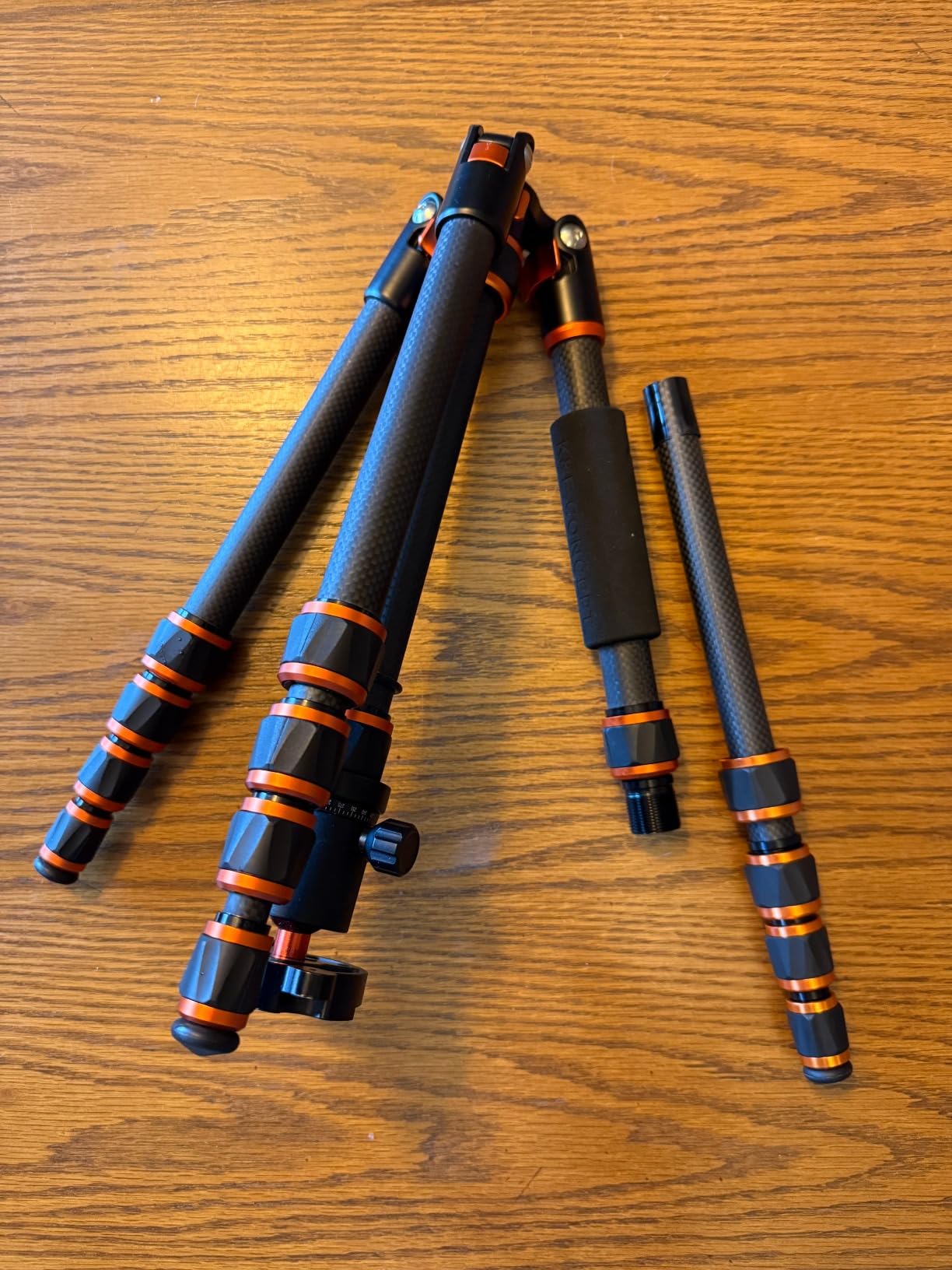
The detachable monopod feature has proven surprisingly useful. I use it for hiking when I want to travel lighter, and for video work where I need more mobility than a tripod allows. The conversion takes about 30 seconds once you have done it a few times.
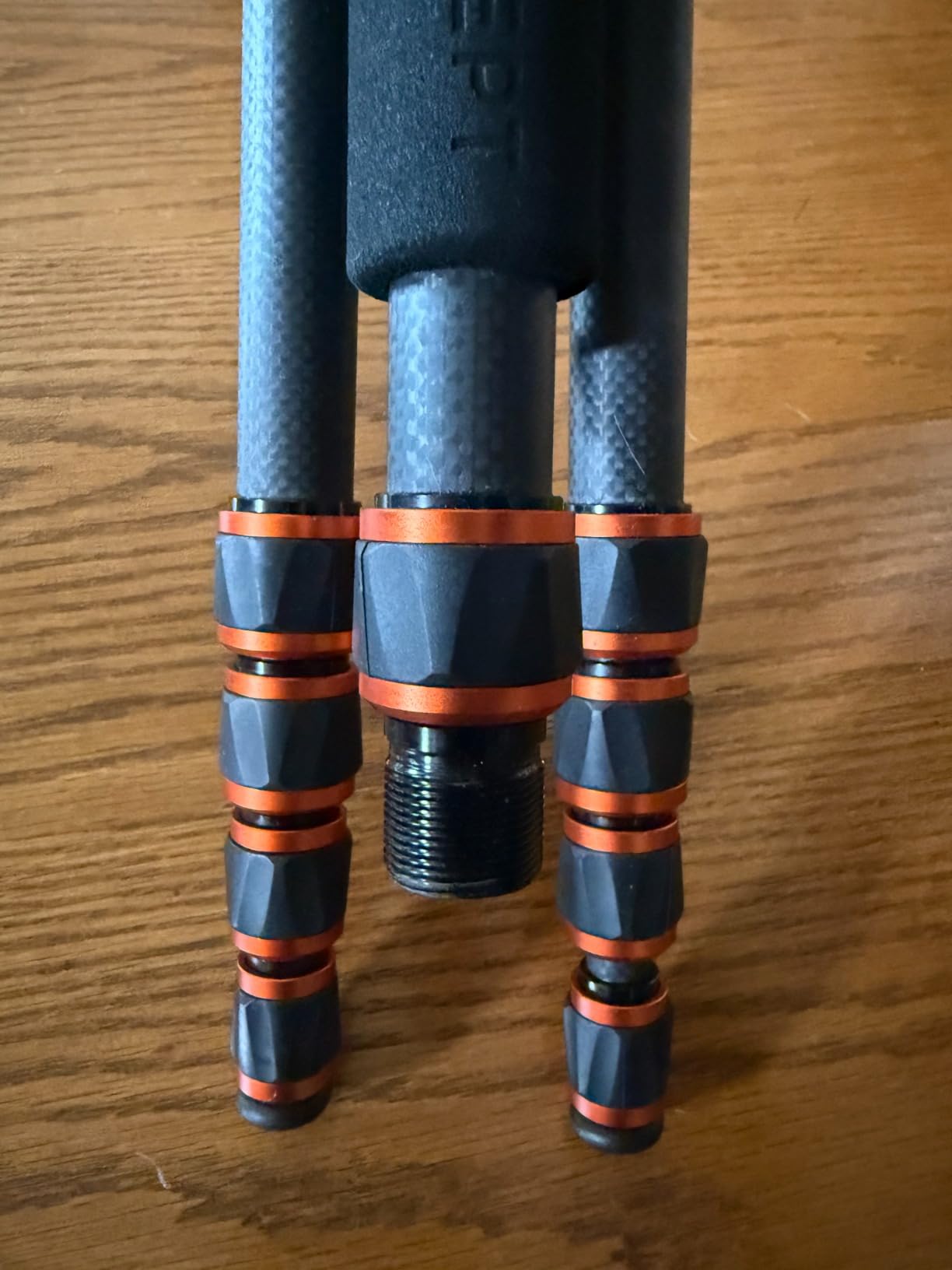
Carbon fiber really does make a difference in vibration absorption. When shooting long exposures at dawn, I noticed sharper results compared to my old aluminum tripod. The material also stays warmer to the touch in cold weather, which is nice when setting up in freezing temperatures.
The five-section legs fold down to just 13.8 inches, making this one of the most compact full-size tripods available. It fits easily in carry-on luggage for fly-in camping trips.
Who Should Buy This
Serious outdoor photographers who hike long distances with their gear will appreciate the weight savings. The monopod function makes this versatile for both stills and video work.
Who Should Skip This
Casual photographers who mostly shoot near their car or camp might not need to spend the extra money. The aluminum version above works nearly as well for half the price.
6. AKASO EK7000 Action Camera – Best Budget Action Cam
Pros
- Excellent 4K video quality for the price
- Tons of accessories included
- 131ft waterproof with included case
- Wi-Fi app for easy transfers
- Comes with 2 batteries
Cons
- Screen is small and low resolution
- Difficult SD card insertion
- Mediocre low light performance
I bought the AKASO EK7000 as a secondary camera to capture behind-the-scenes footage while camping. At under $60, I expected a toy, but this little action camera produces genuinely impressive 4K footage.
The included waterproof case has survived snorkeling, kayaking, and being dropped in a creek. The wireless wrist remote is handy for starting recordings when the camera is mounted on my pack or helmet. Being able to capture time-lapses of the Milky Way while my main camera shoots stills is a great way to maximize shooting time.

The dual battery system is essential for multi-day trips away from power. Each battery lasts about 90 minutes of 4K recording, and having two means I can shoot all day and charge both at night with a portable power bank.
The 170-degree wide angle captures everything in front of you, though it does create some distortion at the edges. For social media sharing and personal memories, the video quality exceeds expectations for this price range.

Who Should Buy This
Campers who want to capture action footage without spending GoPro money will be happy with this. It is great for kayaking, mountain biking, and any activity where you might get wet or rough with your gear.
Who Should Skip This
If you need professional-grade video or shoot mostly in low light conditions, save up for a higher-end action camera. The small screen also makes framing shots difficult.
7. AKASO Brave 4 Action Camera – Best Value Action Cam
Pros
- Dual screen for easy framing
- Adjustable view angle settings
- Electronic image stabilization
- Comes with mounting accessories
- 2 batteries with dual charger
Cons
- 4K not as sharp as premium brands
- Audio quality is just okay
- Wind noise when mounted externally
The AKASO Brave 4 builds on the EK7000 with a dual-screen design that makes vlogging and self-recording much easier. The front-facing screen lets you frame yourself when the camera is mounted on your pack facing backward.
I took this on a backpacking trip through Zion National Park, and the electronic image stabilization made handheld footage watchable even when scrambling over rocks. The adjustable view angle is useful. I set it to 110 degrees for most hiking shots to reduce the fisheye effect, then switched to 170 degrees for capturing the full scale of canyon walls.

The included remote wristband lets you start and stop recording without reaching for the camera. This is great when the camera is mounted in hard-to-reach spots.
Battery life is similar to the EK7000, about 90 minutes per battery. The dual charger means you can recharge both overnight with a USB power bank.

Who Should Buy This
Campers who want to record themselves or need the front-facing screen for vlogging should choose the Brave 4 over the EK7000. The image stabilization and view angle options add real value.
Who Should Skip This
If you do not need the front screen or stabilization, the EK7000 offers similar video quality for less money.
8. K&F CONCEPT 4-in-1 Cleaning Kit – Essential Maintenance
Pros
- Complete kit with all essentials
- Air blower avoids touching lens
- Lens pen has brush and carbon head
- Compact and portable
- Great value under $20
Cons
- Brush could be softer
- Cleaning solution size could be larger
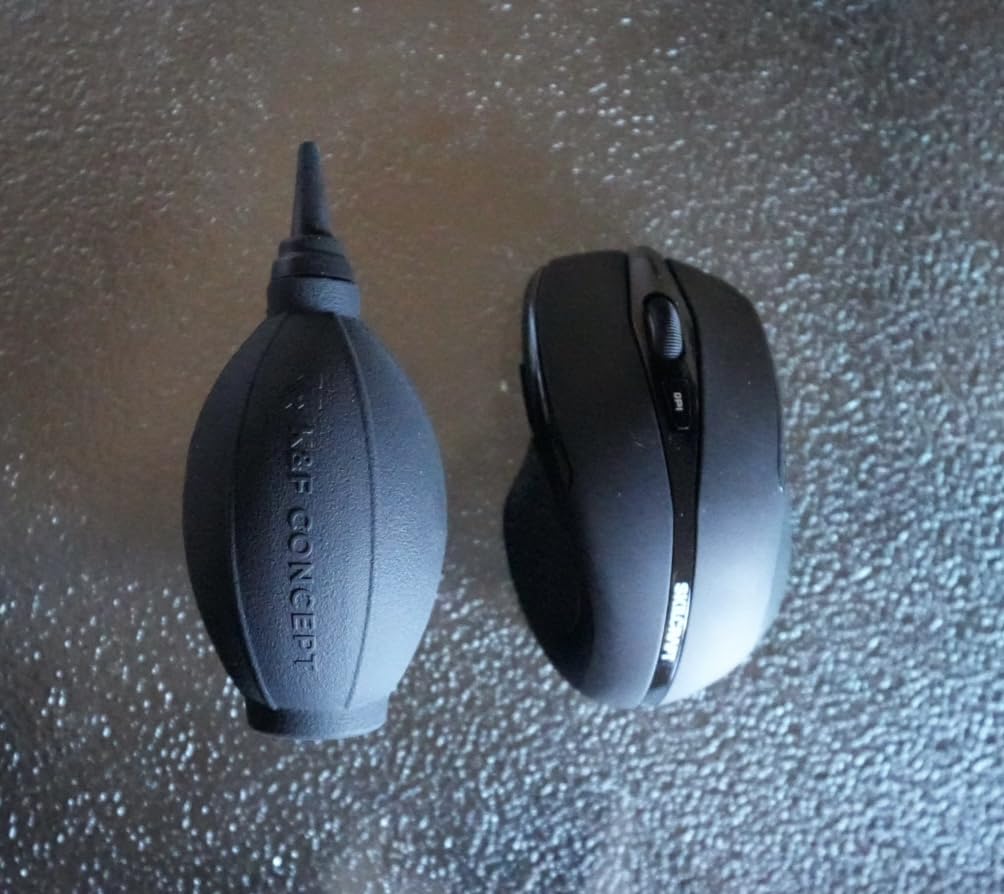
Dust and camping go hand in hand, and nothing ruins a photo faster than a dirty sensor or smudged lens. I keep this K&F cleaning kit in my camera bag at all times, and I use it at least once per trip.
The air blower is my most-used tool. The one-way intake valve means it is not sucking in dusty air and blowing it back onto your lens. A few squeezes removes loose dust without ever touching the glass. The lens pen with its retractable brush and carbon cleaning tip handles fingerprints and stubborn smudges.
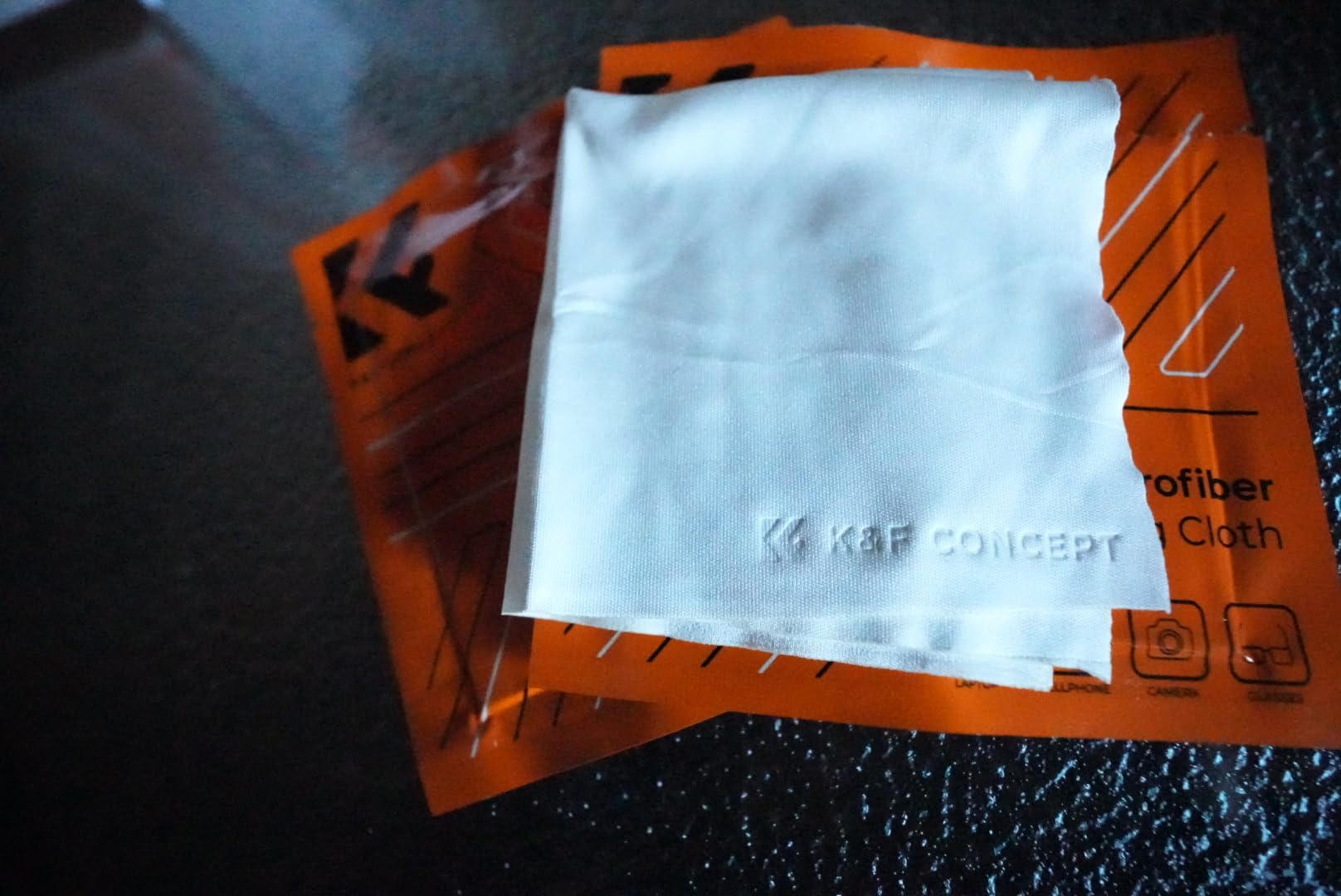
The included microfiber cloths are individually vacuum packed, so they stay clean until you need them. I machine wash and reuse them multiple times.
At under $20, this kit pays for itself the first time it saves you from a dusty lens ruining a once-in-a-lifetime sunset shot.
Who Should Buy This
Every outdoor photographer needs a cleaning kit. Dust, pollen, and moisture are constant threats when camping. This kit has everything you need in a compact package.
Who Should Skip This
If you already have a cleaning kit you are happy with, there is no need to replace it. But if you are using your shirt to clean lenses, buy this immediately.
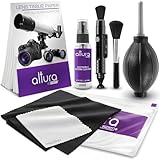
9. Altura Photo Camera Cleaning Kit – Comprehensive Cleaning
Pros
- Premium alcohol-free cleaner
- 50 lens tissues for detailed work
- Powerful yet gentle air blower
- Compact carrying case included
- Compatible with all camera brands
Cons
- Carrying bag zipper is flimsy
- Tissue paper not used by everyone
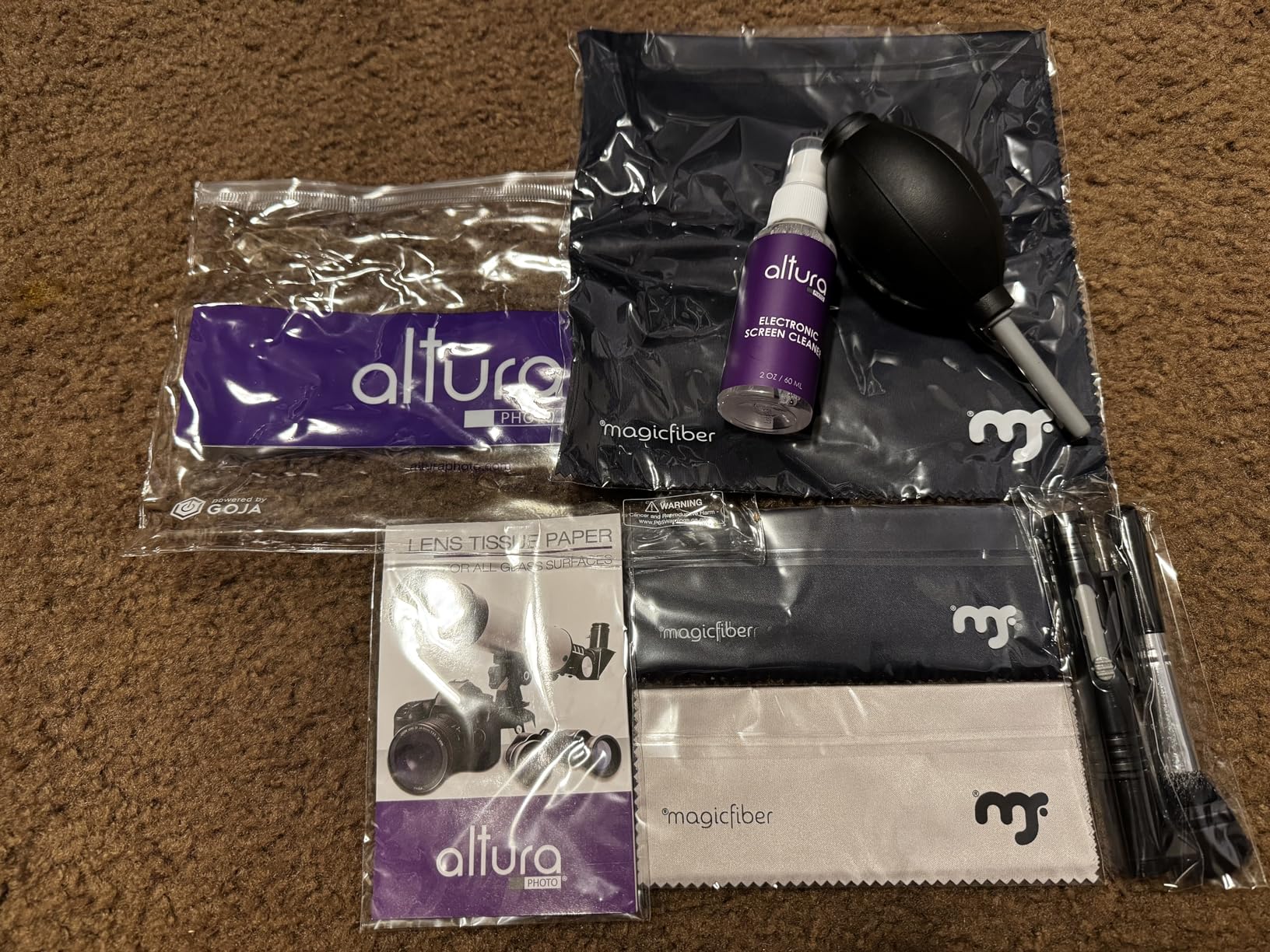
The Altura cleaning kit includes everything the K&F kit has, plus lens tissues and a larger bottle of cleaning solution. I keep this in my car for pre-trip cleaning and pack the smaller K&F kit in my backpack.
The alcohol-free, ammonia-free cleaner leaves no streaks and is safe for all lens coatings. The 50 lens tissues are useful for cleaning viewfinders and camera bodies where cloths might be too bulky.
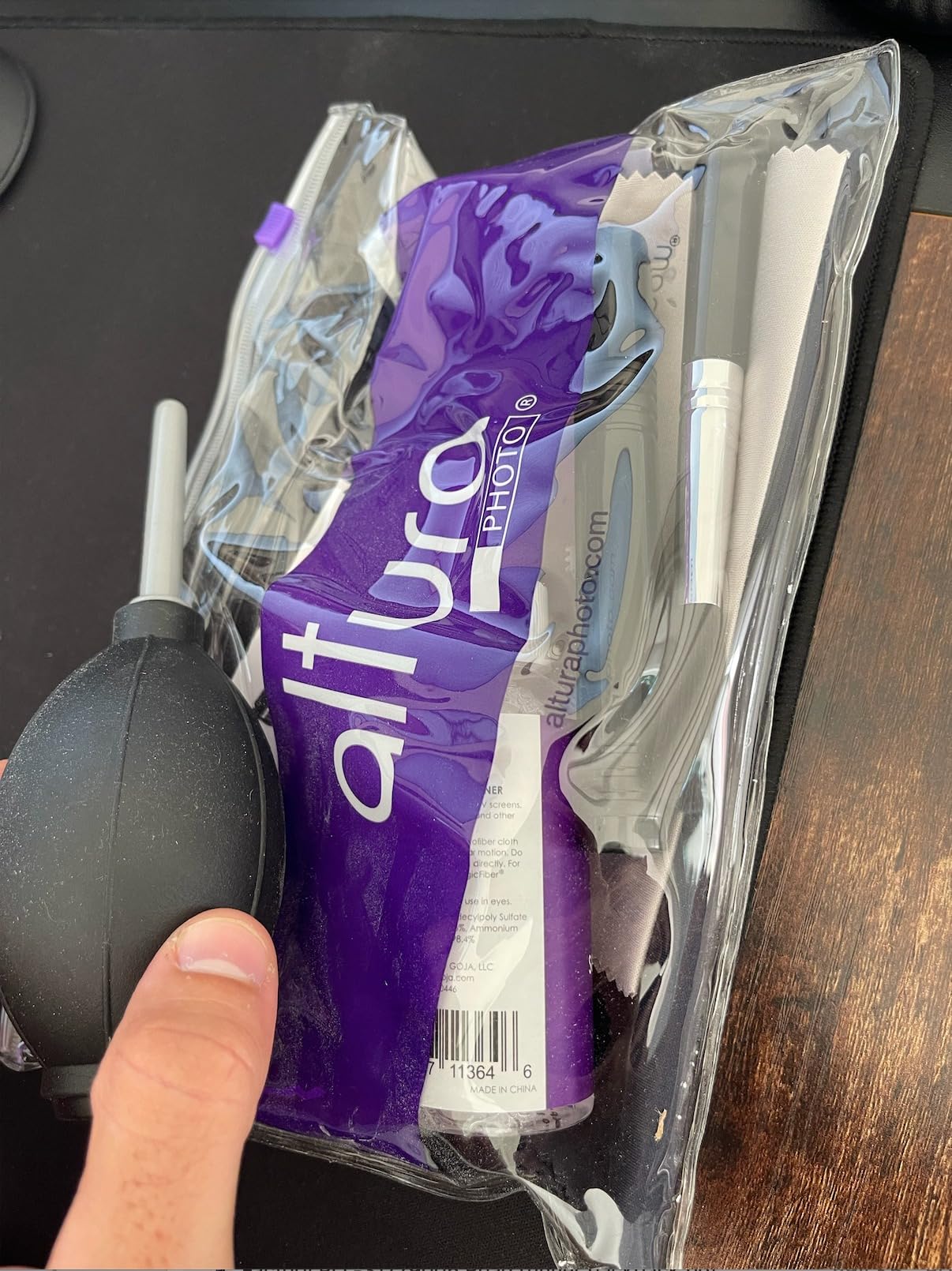
Three microfiber cloths mean you always have a clean one ready. I designate one for lenses only, one for the camera body, and one backup.
The carrying case keeps everything organized. I have had this kit for two years, and everything is still going strong except the zipper on the case, which is admittedly a bit flimsy.
Who Should Buy This
Photographers who want the most comprehensive cleaning kit should choose this over the K&F option. The larger cleaner bottle and lens tissues add value.
Who Should Skip This
If you prefer minimal gear, the smaller K&F kit covers the essentials. Both work equally well for basic cleaning needs.
10. ULANZI Battery Handle Grip – Versatile Power Solution
Pros
- Functions as both grip and tripod
- 10000mAh extends shooting time
- Non-slip silicone grip is comfortable
- Works with cameras and smartphones
- PD fast charging support
Cons
- Some units have reliability issues
- 10Ah may not be enough for heavy users
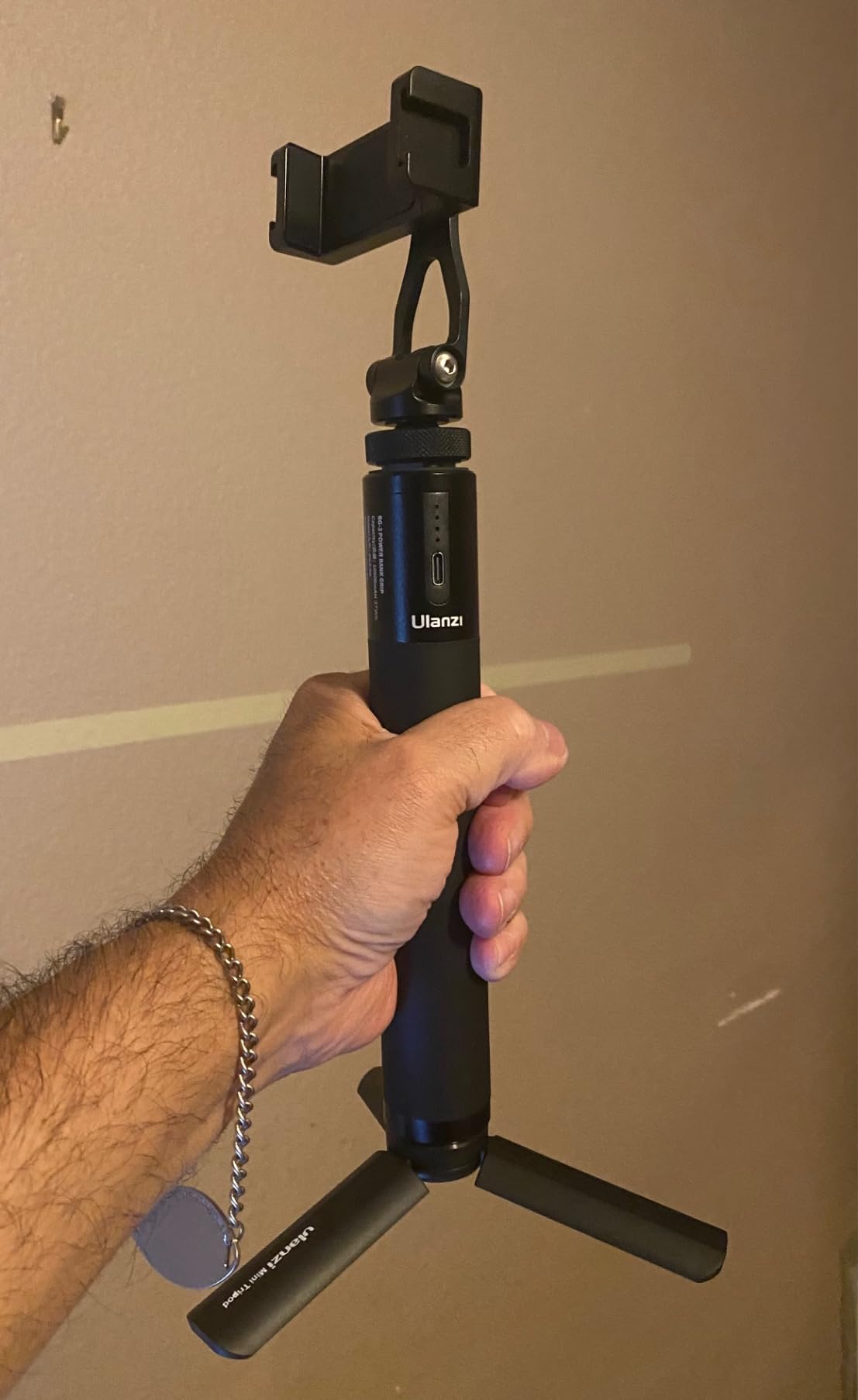
The ULANZI Battery Handle Grip is one of those products I did not know I needed until I tried it. It combines a portable charger with a camera grip and mini tripod, saving space in my pack.
I use it primarily with my compact camera for vlogging. The grip is comfortable and non-slip, even with sweaty hands after a long hike. The 1/4-inch thread on the bottom means I can screw it onto a tripod plate when I want to go hands-free.
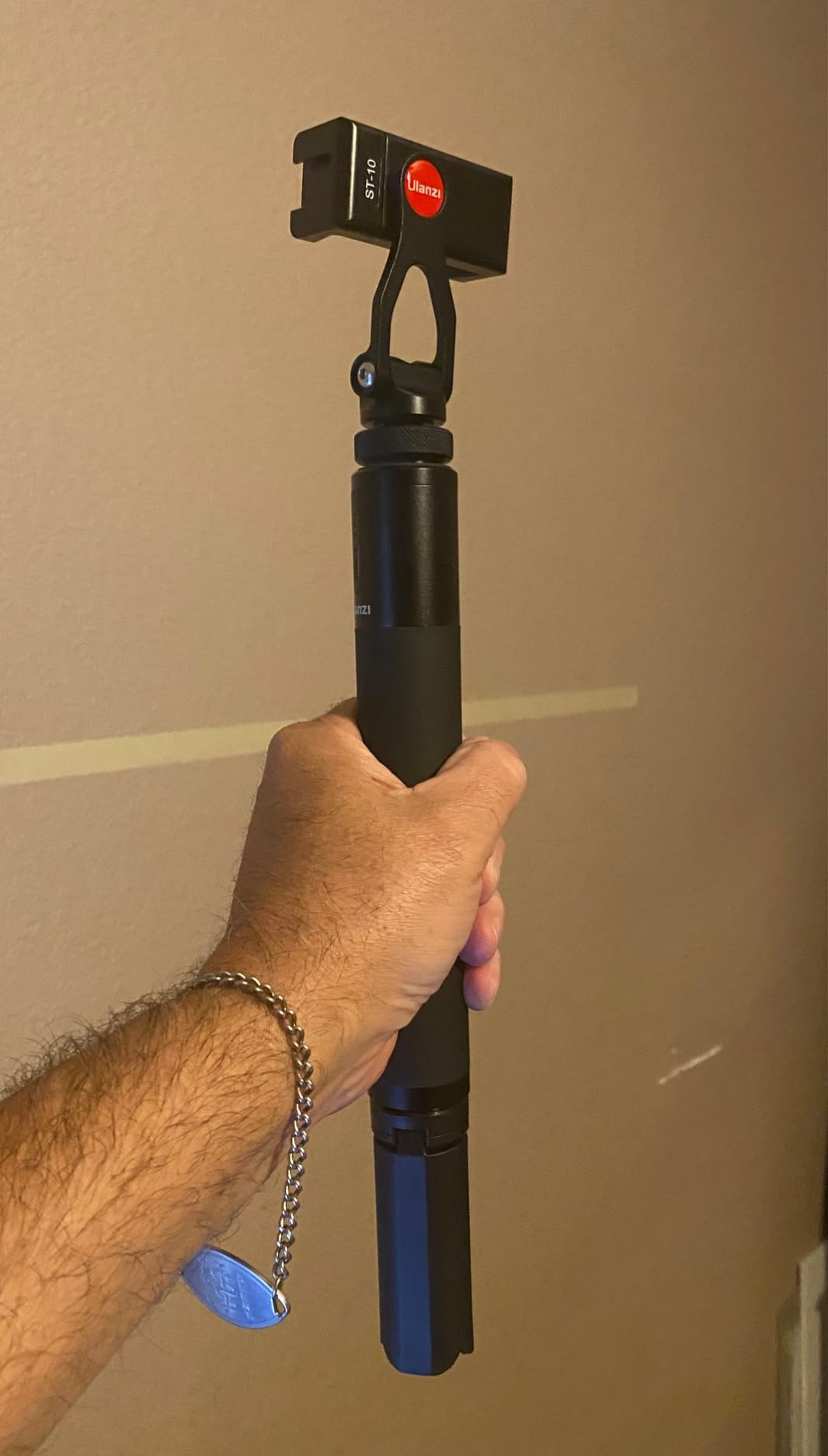
The 10000mAh capacity is enough to charge my camera battery two to three times or keep my phone topped up for a week of GPS navigation and occasional photos. The PD fast charge means it recharges quickly when I have access to power.
Build quality is solid, though I have read reports of some units failing after limited use. Mine has been reliable through six months of regular use.
Who Should Buy This
Vloggers and anyone shooting video with compact cameras or smartphones will love the grip function. It is also great for anyone who wants to minimize the number of separate items in their pack.
Who Should Skip This
If you only shoot stills with a DSLR or mirrorless camera, a standard power bank makes more sense. This is optimized for smaller cameras and phones.
11. llano 10200mAh Portable Charger – Best for Extended Trips
Pros
- 30W PD charges devices quickly
- DC outputs for cameras and heated gear
- Smart display shows exact percentage
- Mounts to camera rigs via 1/4 inch hole
- Recharges in just 2 hours
Cons
- Bulky compared to slim power banks
- Fingerprint touch area not physical button
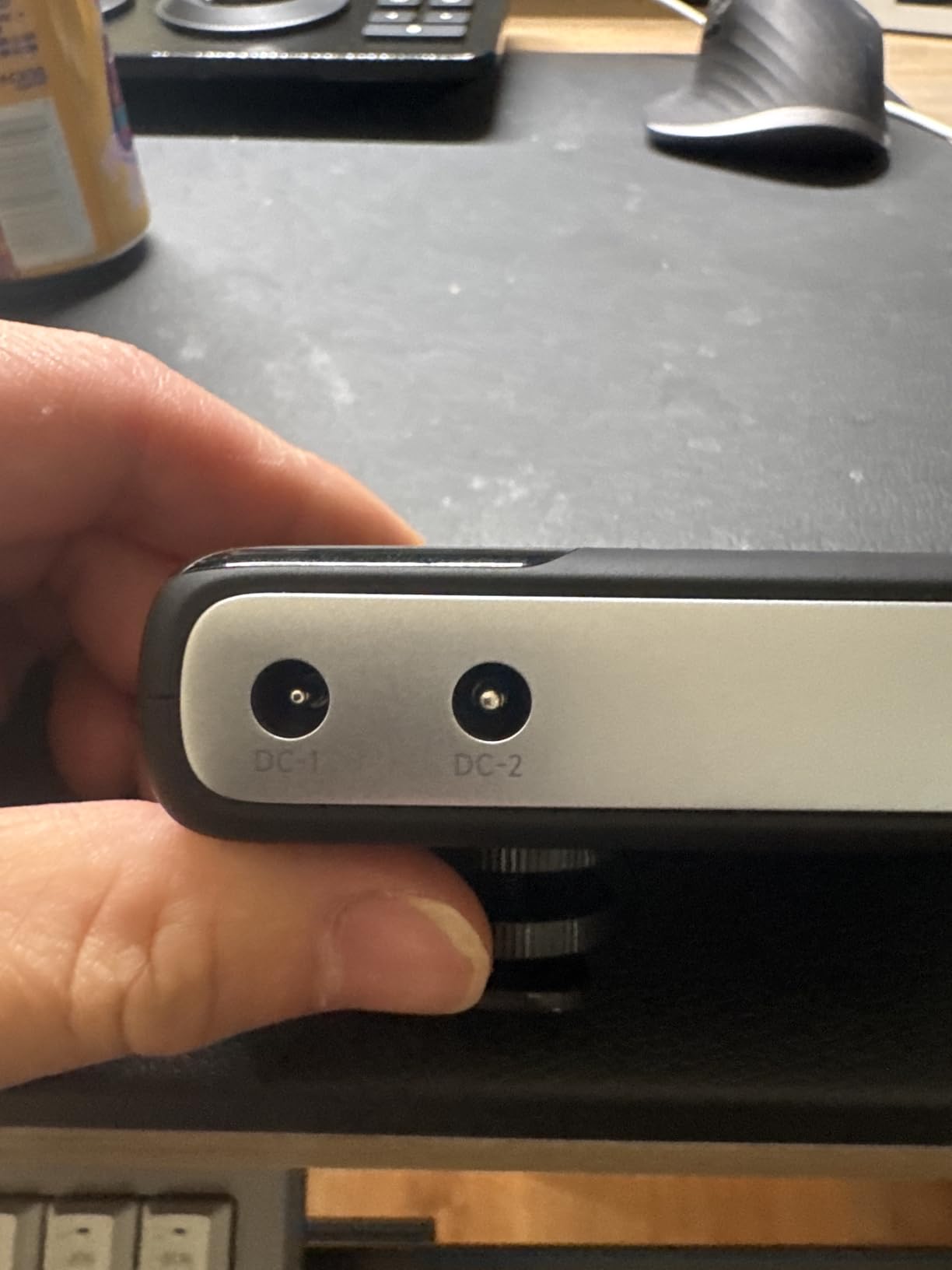
The llano portable charger is designed specifically for photographers, and it shows. The DC 8V and 12V outputs mean I can power camera accessories that standard USB power banks cannot handle. I have used it to run an LED panel for night photography and to keep my phone charged while using it as an intervalometer.
The smart touch display shows the exact battery percentage, which is crucial when planning power usage on multi-day trips. Knowing you have 47% remaining helps you decide whether to shoot that extra time-lapse or save power for tomorrow.
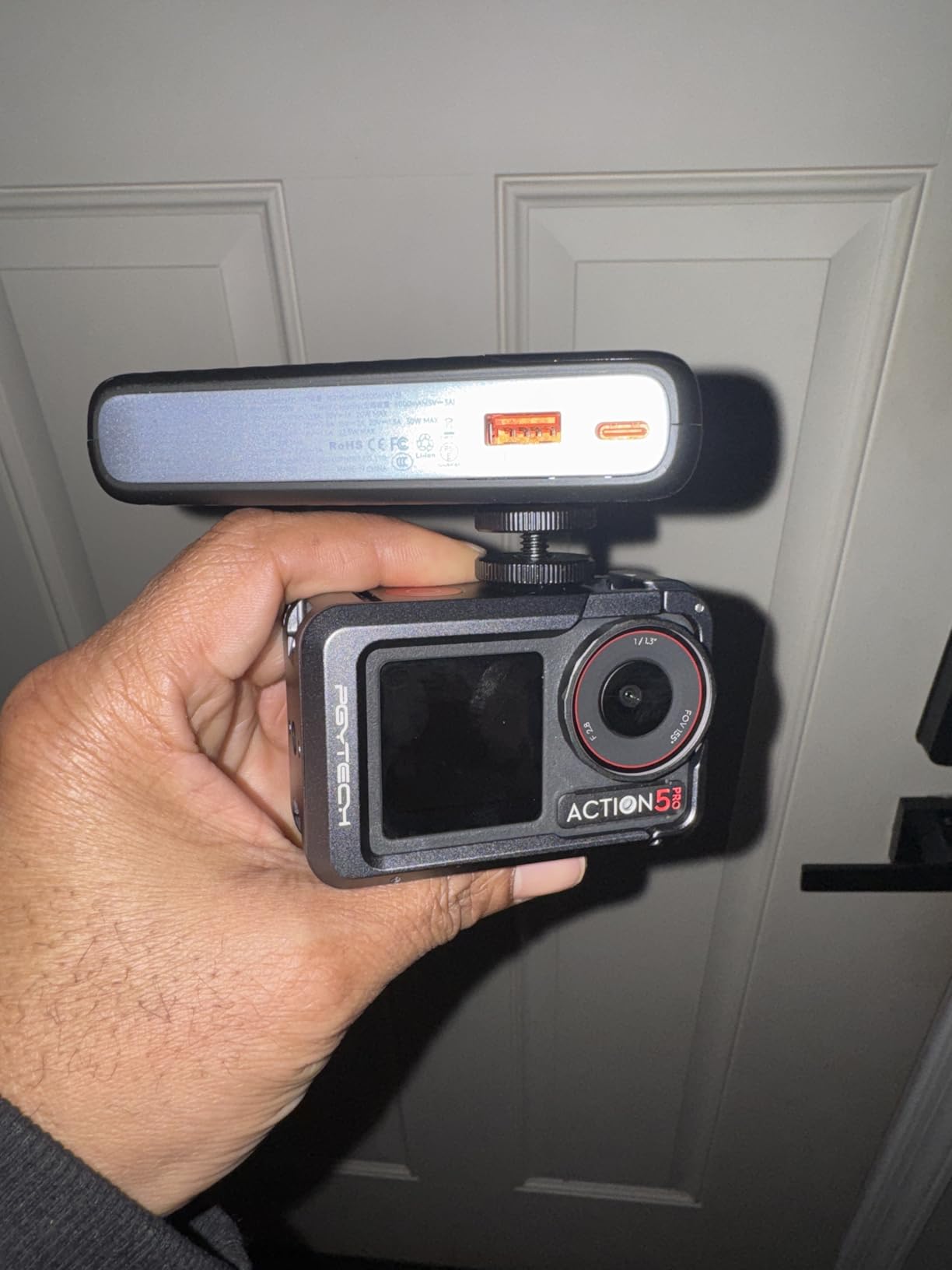
The 1/4-inch threaded hole and cold shoe mount mean this can attach directly to camera rigs. I have mounted it below my camera on a tripod to power the camera via dummy battery for unlimited recording time.
At 30W PD output, it charges my phone from zero to 60% in about 30 minutes. The unit itself recharges in around two hours with a fast charger.
Who Should Buy This
Photographers doing extended backcountry trips or anyone powering camera accessories via DC power should choose this over standard USB power banks. The display and mounting options are genuinely useful.
Who Should Skip This
If you just need to charge your phone occasionally, a smaller, lighter power bank makes more sense. This is overkill for casual camping.
12. Peak Design Leash Camera Strap – Best Versatile Strap
Pros
- Incredibly versatile configurations
- Anchor Link quick-release is excellent
- Seatbelt webbing is comfortable
- Lightweight and compact
- Lifetime warranty
Cons
- Premium price
- May be too light for heavy pro setups
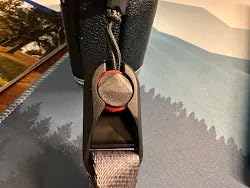
The Peak Design Leash strap has been my go-to for three years now, and it is the camera strap I recommend to everyone. The Anchor Link system lets me quickly switch between sling, neck, and shoulder configurations depending on what I am doing.
When hiking to a location, I wear it as a sling across my chest. When actively shooting, I shorten it for a neck strap. The quick-release anchors mean I can detach the camera completely when mounting on a tripod, leaving the strap behind.
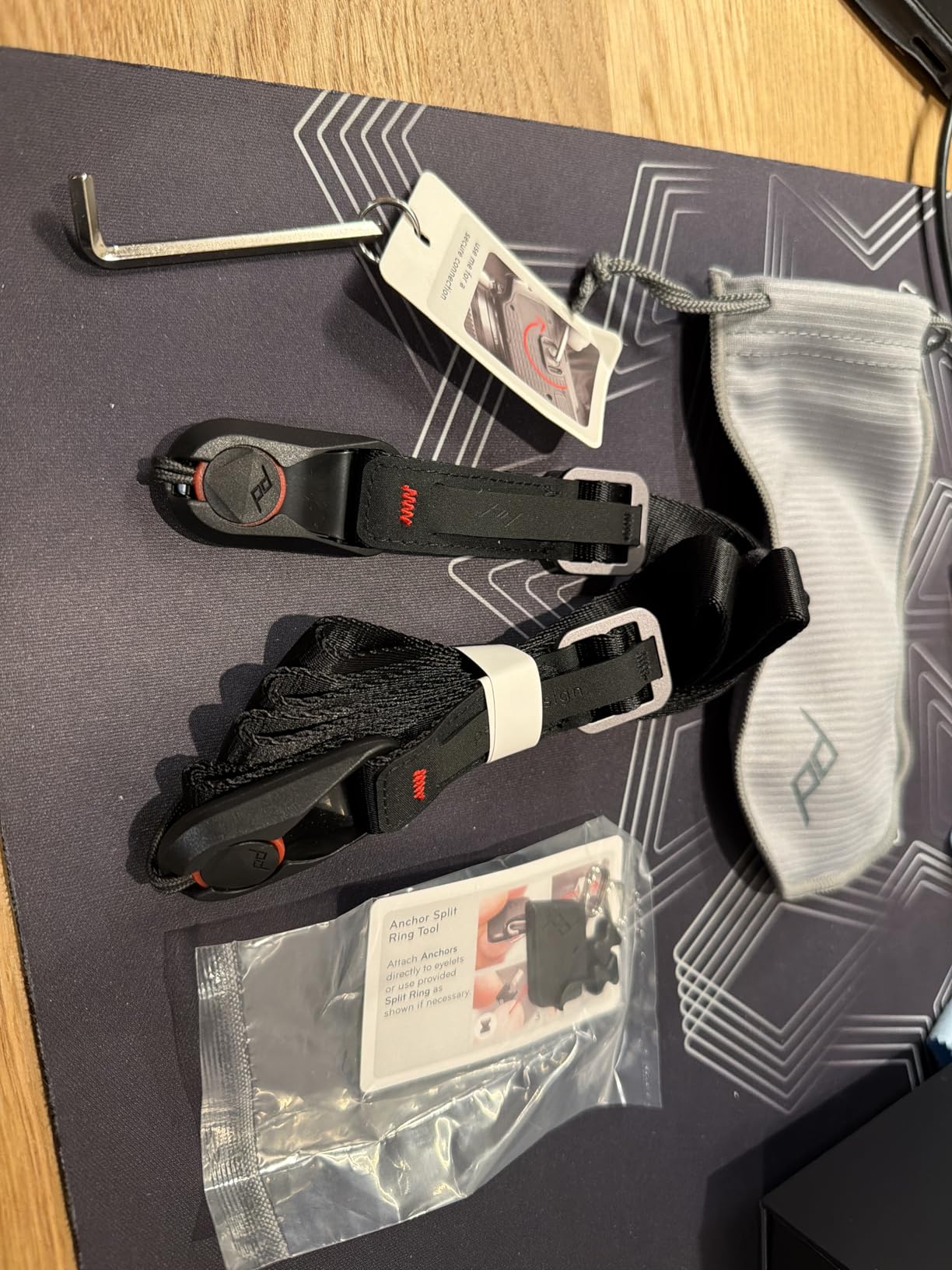
The seatbelt-style webbing is smooth and does not dig into my neck, even after a full day of shooting. The adjusters work with one hand, which is crucial when you need to quickly secure your camera during unexpected weather.
The 200-pound anchor capacity means I never worry about the camera falling. I have accidentally caught the strap on branches multiple times, and the anchors held strong.
Who Should Buy This
Every outdoor photographer should consider this strap. The versatility, quick-release system, and build quality justify the premium price. It adapts to any shooting situation.
Who Should Skip This
If you shoot with a heavy pro DSLR and large telephoto lens, you might want the wider Slide strap instead. The Leash is optimized for mirrorless and smaller DSLR setups.
13. Waka Rapid Camera Neck Strap – Best Budget Strap
Pros
- Quick release with safety tether
- Neoprene pad is comfortable
- Zipper pocket for batteries/cards
- Instant-shoot sling design
- Great value under $20
Cons
- Buckle can rub against neck
- Single point of failure exists
- Basic styling
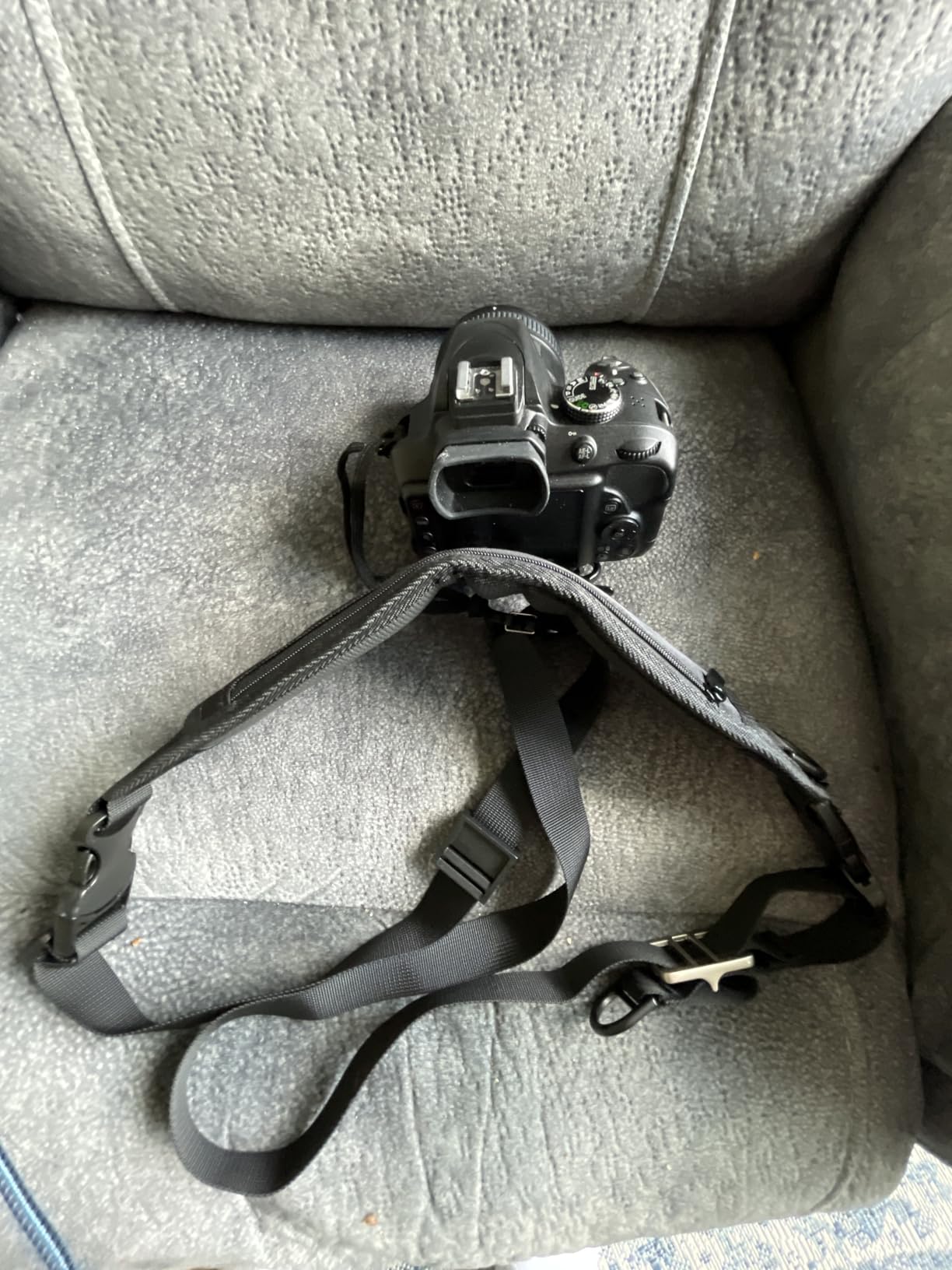
The Waka strap offers about 80% of the Peak Design functionality at a third of the price. The quick-release system works well, though it is not quite as smooth as the Anchor Links.
The neoprene shoulder pad is thick and comfortable, and the built-in zipper pocket holds two spare batteries or a stack of memory cards. I like the instant-shoot sling design that lets me bring the camera to my eye without taking the strap off.
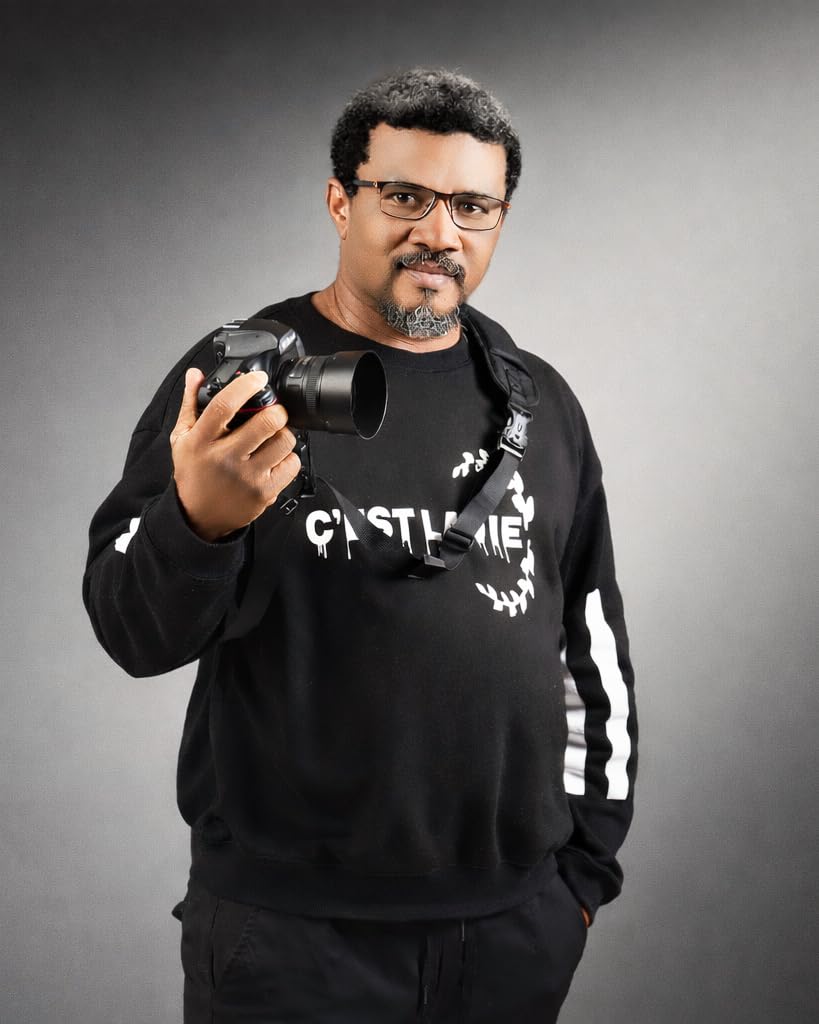
The included safety tether provides peace of mind. I attach it when hiking in exposed areas where a dropped camera would be catastrophic.
Build quality is solid for the price. After a year of use, the only sign of wear is some fraying on the edge of the shoulder pad.
Who Should Buy This
Budget-conscious photographers who want quick-release functionality and comfort should start here. It is a significant upgrade over the strap that came with your camera.
Who Should Skip This
If you switch between strap configurations frequently, the Peak Design system is worth the extra money. This strap works best in one configuration.
14. USA Gear Chest Harness – Best for Extended Hiking
Pros
- Distributes weight across chest and shoulders
- Reduces neck strain significantly
- Quick-release buckles for easy removal
- Built-in accessory storage
- Multiple pattern options
Cons
- Velcro on pocket can wear out
- Metal rings may stress with heavy DSLRs
- Initial adjustment takes time
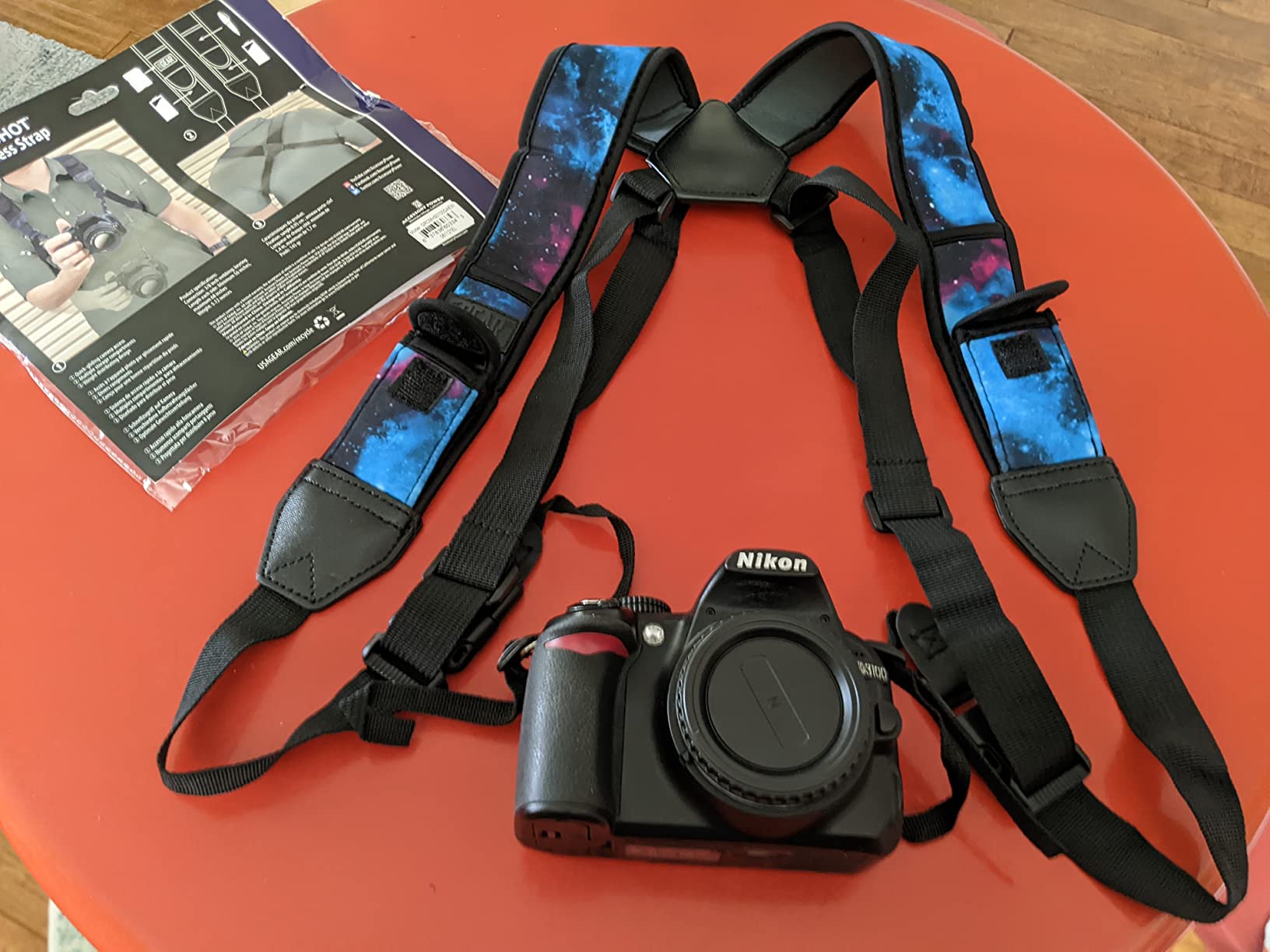
For long hikes with a heavy camera, a chest harness is a game-changer. The USA Gear harness distributes the camera weight across your shoulders and chest instead of concentrating it on your neck.
I wore this on a 12-mile day hike in the Olympics with my full-frame camera and 24-70mm lens. At the end of the day, my neck felt fine, which would never have happened with a standard neck strap.
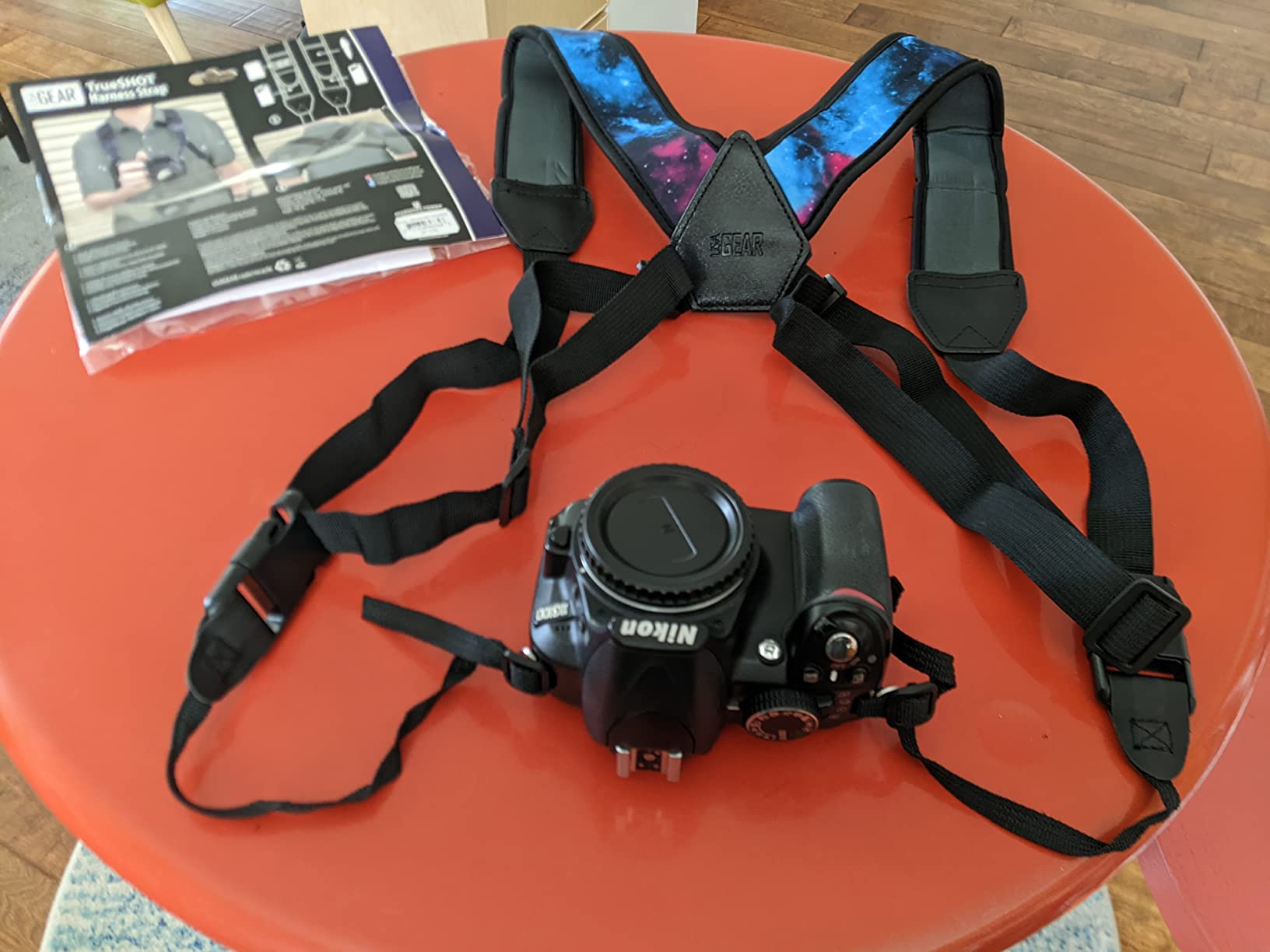
The quick-release buckles let you detach the camera when you want to use a tripod or set it down. The built-in pockets hold lens caps and spare batteries, keeping essentials accessible.
The southwest pattern looks good and hides dirt well. After a dusty trail, it still looks presentable.
Who Should Buy This
Anyone doing long hikes with heavier camera gear should consider a chest harness. It is particularly good for wildlife photographers who need their hands free while keeping the camera ready.
Who Should Skip This
This is overkill for casual shooting or light mirrorless setups. A standard strap is simpler and less bulky for short outings.
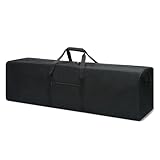
15. Urbanstand 52 Inch Duffle Bag – Gear Transport
Pros
- Massive 190L capacity holds everything
- Water-resistant 600D polyester is durable
- Lockable zippers for security
- Multiple carrying handles
- Folds flat for storage
Cons
- Zipper may fail under full load
- Quality varies between units
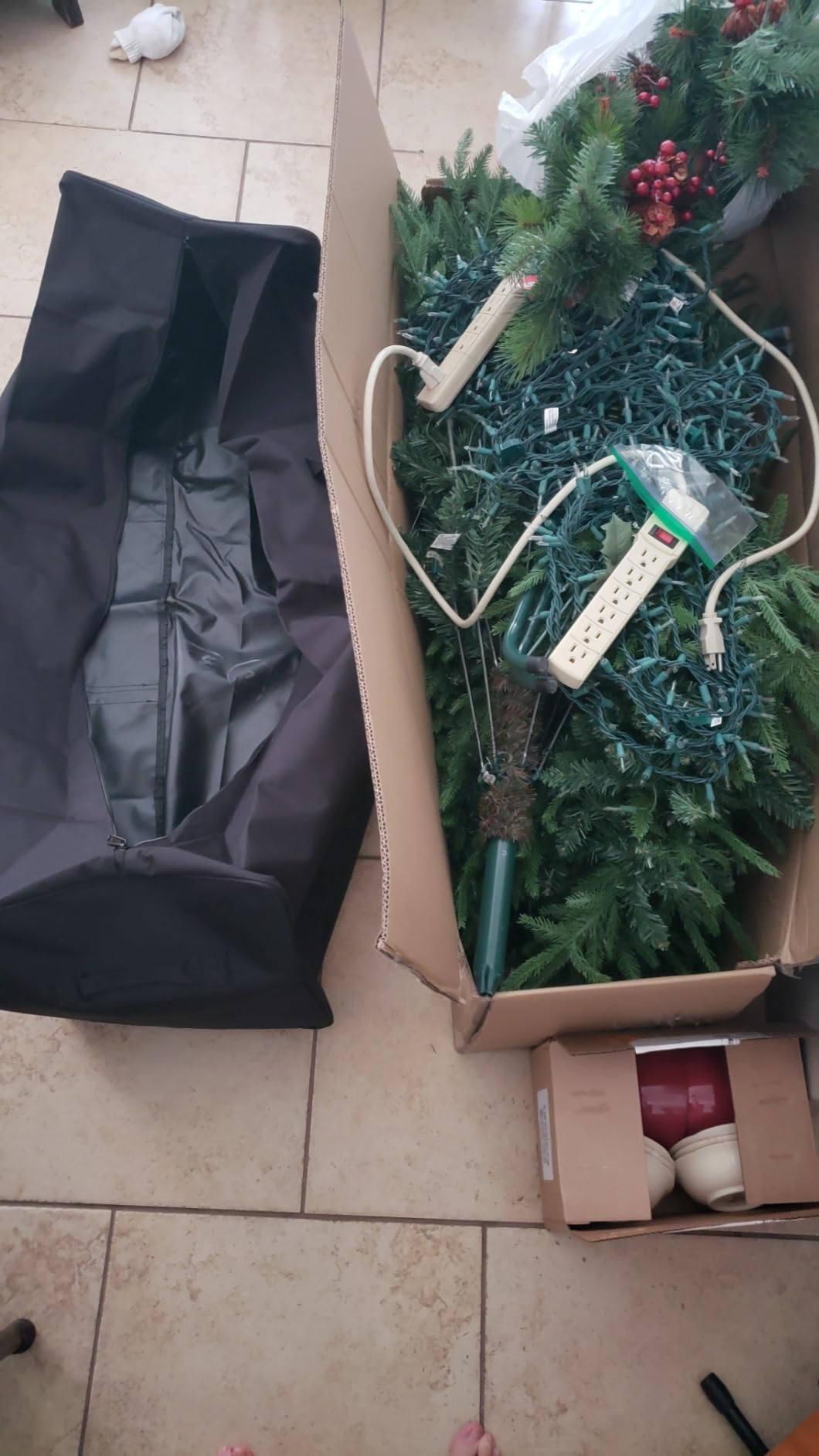
This duffle bag is not for carrying on the trail, but it is essential for getting all your gear to the trailhead organized. At 52 inches long and 190 liters capacity, it swallows tripods, light stands, sleeping bags, and everything else.
I use it to keep all my photography and camping gear organized in my car. When I arrive at camp, I can see everything at once and decide what goes in the backpack for the day.
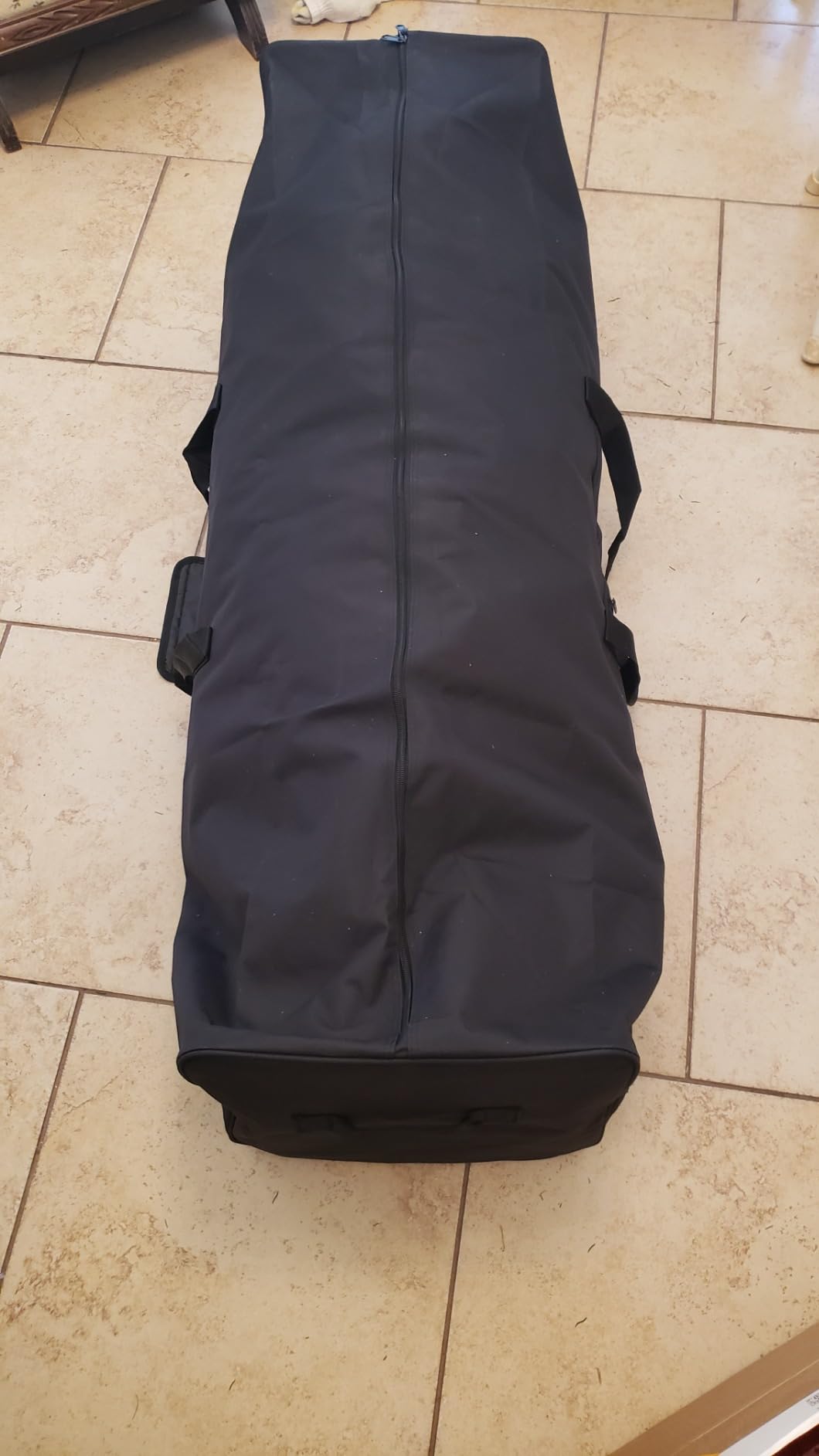
The water-resistant material has kept gear dry in the back of a truck through rainstorms. The lockable zippers provide security when leaving gear in a vehicle at trailheads.
When empty, it folds flat and takes up minimal space. I keep it tucked behind my car seat ready for the next trip.
Who Should Buy This
Anyone who travels to camping locations by car and needs to organize a lot of gear will find this useful. It is great for group trips where you are carrying extra equipment.
Who Should Skip This
This is not a hiking pack. Do not plan to carry this on the trail. It is strictly for vehicle transport and organization.
16. Wakeman Pop Up Changing Tent – Privacy Shelter
Pros
- Pops open in seconds with no assembly
- Roomy enough for full-sized adult
- Black material provides excellent privacy
- Sturdy when staked down
- Removable bottom for shower use
Cons
- Folding back up takes practice
- No guy-line tie-outs at top
The Wakeman pop-up tent serves multiple purposes on photography camping trips. I use it as a changing room when switching from hiking clothes to photo locations, as a shower enclosure when using a camp shower, and as a private bathroom when camping in areas without facilities.
Setup is instant. It literally pops open when you take it out of the bag. Taking it down requires learning the proper folding technique, but once you master it, the process takes under a minute.

At 6.2 feet tall, I can stand up inside comfortably. The black material provides complete privacy. The removable bottom is useful for showering or when using it as a toilet.
It stakes down securely for wind resistance, though I wish it had guy-out points at the top for extra stability in strong winds.

Who Should Buy This
Campers who value privacy for changing, showering, or bathroom needs should consider this. It is also useful as a gear storage area to keep equipment out of the rain.
Who Should Skip This
If you camp in established campgrounds with facilities, you probably do not need this. It adds extra gear to pack.
17. Lepro LED Headlamp – Essential Lighting
Pros
- Super bright 300 lumen output
- 5 modes including red light
- Excellent 30 hour battery life
- Very lightweight at 2.86 oz
- USB rechargeable with included cable
Cons
- No forehead cushion
- USB-A not USB-C charging
- Short included charging cable
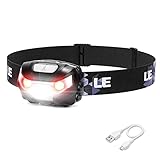
A good headlamp is essential for camping photography. You need it for navigating to sunrise locations before dawn, setting up gear in the dark, and finding items in your tent at night. The Lepro headlamp delivers everything you need at an unbeatable price.
The 300-lumen output is bright enough for trail navigation and even light painting photography. The red light mode preserves your night vision when checking camera settings during astrophotography sessions.
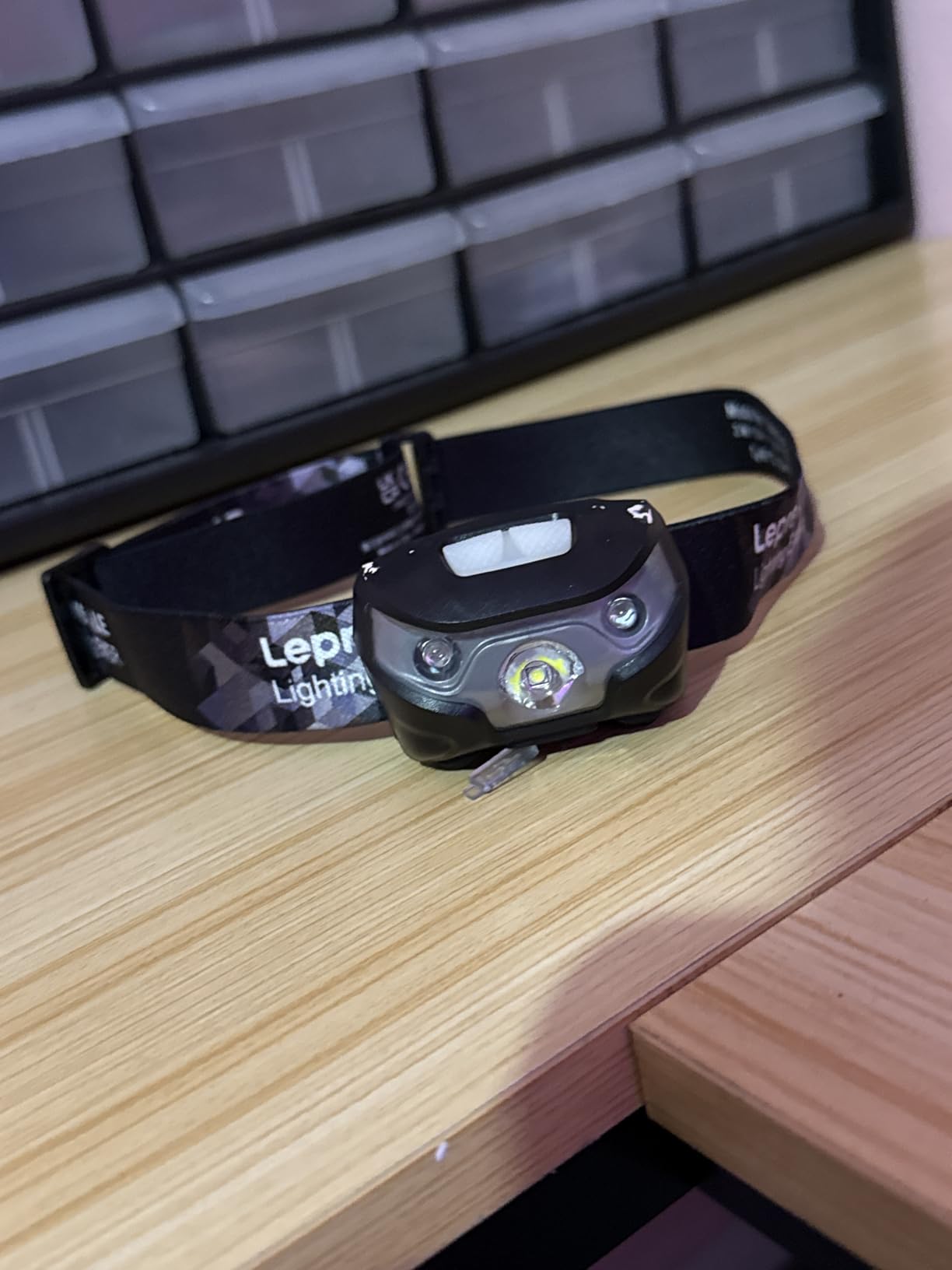
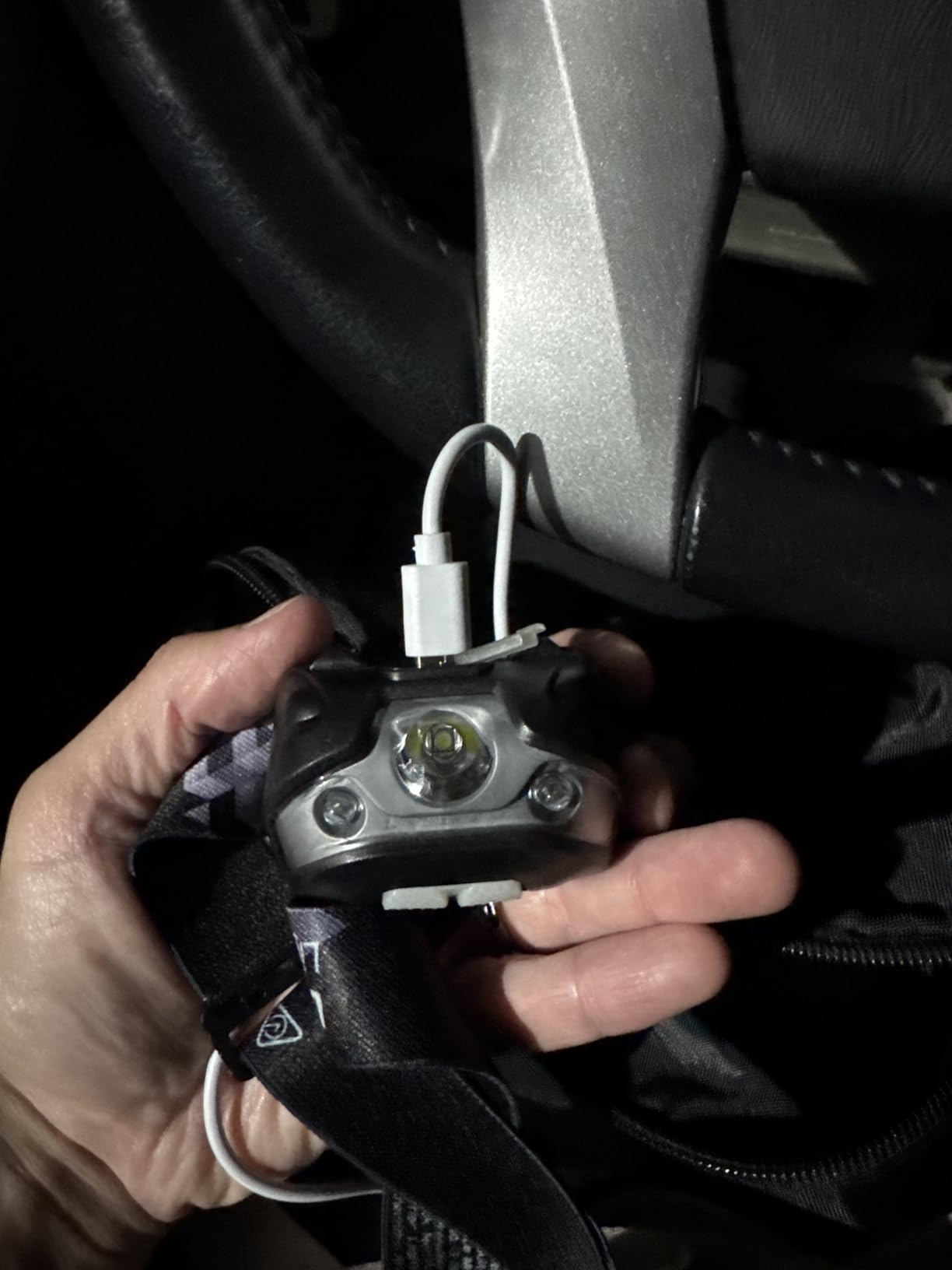
Thirty hours of runtime means I can use it for a week-long trip without recharging. When it does need power, the included USB cable works with any portable power bank.
The IPX4 waterproof rating handles rain and splashes without issue. At under $12, this is the cheapest item in this guide but one of the most essential.
Who Should Buy This
Every camper needs a headlamp. This one offers the best combination of brightness, battery life, and value. Buy two so you have a backup.
Who Should Skip This
If you already have a reliable headlamp you are happy with, there is no need to replace it. But if yours is old or dim, this is a great upgrade.
How to Choose the Best Photography Gear for Camping In 2026?
Selecting the right photography gear for camping involves balancing multiple factors. Weight matters when you are carrying everything on your back. Durability matters when weather turns bad. Accessibility matters when wildlife appears suddenly.
Weight Considerations
Every ounce counts when hiking to your campsite. Our team weighed every item on this list, and the difference between options can be significant. The CADeN backpack at 1.7 pounds saves nearly two pounds compared to hardshell alternatives. The carbon fiber tripod saves another pound over aluminum.
Consider your total pack weight, not just individual items. A mirrorless camera system can save five pounds over a DSLR equivalent. Lighter lenses add up too. The goal is capturing great images without destroying your knees on the approach.
Weather Protection
Camping means dealing with unpredictable weather. All the camera bags on our list offer water resistance or include rain covers. But protection goes beyond the bag. Keep silica gel packets in your camera bag to absorb moisture overnight. Bring a microfiber cloth for wiping dew from lenses at dawn.
Consider temperature too. Cold drains batteries faster. Keep spare batteries warm in an inner jacket pocket, not in your camera bag where they get cold. The llano power bank can help extend shooting time in freezing conditions.
Battery Life and Power Management
Most campsites do not have power outlets. Plan accordingly. The action cameras include dual batteries, which effectively doubles your shooting time. The portable chargers can recharge camera batteries via USB or power devices directly.
Turn off image stabilization when using a tripod to save power. Use airplane mode on cameras with Wi-Fi. Dim your LCD screen to the lowest comfortable level. Small adjustments extend battery life significantly.
Carrying Solutions
How you carry your camera while hiking affects both comfort and readiness. Chest harnesses distribute weight best for long hikes but keep the camera more exposed. Camera backpacks protect gear but require stopping to access it. Clip systems like Peak Design offer quick access but concentrate weight on one shoulder.
Many photographers use a hybrid approach: backpack for gear storage and transport, clip or chest harness for the active camera while hiking. Experiment to find what works for your body and shooting style.
Frequently Asked Questions
What camera gear do I need for hiking and backpacking?
Essential camera gear for hiking includes a weatherproof camera backpack, lightweight tripod, spare batteries, memory cards, cleaning kit, and a comfortable carrying strap or harness. For backpacking, prioritize weight savings with compact mirrorless cameras, carbon fiber tripods, and multi-purpose accessories like battery grips that double as tripods.
What is the best lightweight camera for outdoor photography?
Mirrorless cameras are the best choice for outdoor photography due to their lighter weight compared to DSLRs. Look for weather-sealed bodies with good battery life. APS-C sensor cameras offer the best weight-to-image-quality ratio for backpacking. Full-frame options provide superior image quality but add weight and cost.
How do I protect my camera while camping?
Protect your camera while camping by using a waterproof or water-resistant camera bag with padded compartments. Always use a rain cover in wet conditions. Keep silica gel packets in your bag to absorb moisture. Store cameras in your sleeping bag overnight in cold weather to prevent condensation. Use lens filters to protect front elements from scratches.
What accessories are essential for travel photography?
Essential travel photography accessories include spare batteries and a portable charger, extra memory cards, lens cleaning kit, weather protection like rain covers, a comfortable camera strap or harness, and a lightweight tripod. For extended trips, add a battery grip, headlamp for night shooting, and protective cases for transport.
How to carry camera gear while hiking?
Carry camera gear while hiking using a dedicated camera backpack with good back support and waist belt for weight distribution. For quick access to your active camera, use a chest harness or clip system attached to your backpack strap. Keep your most-used lens on the camera body to minimize lens changes on the trail. Store backup gear deep in your pack where it is protected.
Final Thoughts
Building the best photography gear for camping and outdoor trips is about making smart trade-offs. You cannot bring everything, so focus on versatile, durable equipment that solves multiple problems.
Start with protection: a good camera backpack and weatherproofing keep your investment safe. Add stability with a lightweight tripod that you will actually carry. Ensure you can shoot all day with spare batteries and portable power. Keep everything clean and functional with a compact cleaning kit.
Our top pick, the MOSISO Camera Backpack, offers the best combination of protection and features for most outdoor photographers. The K&F Concept carbon fiber tripod saves precious weight without sacrificing stability. And the Peak Design Leash strap adapts to any situation you encounter on the trail.
Whatever gear you choose, remember that the best camera is the one you have with you. Pack smart, protect your equipment, and focus on capturing the incredible moments that make camping trips unforgettable. Happy shooting in 2026.