
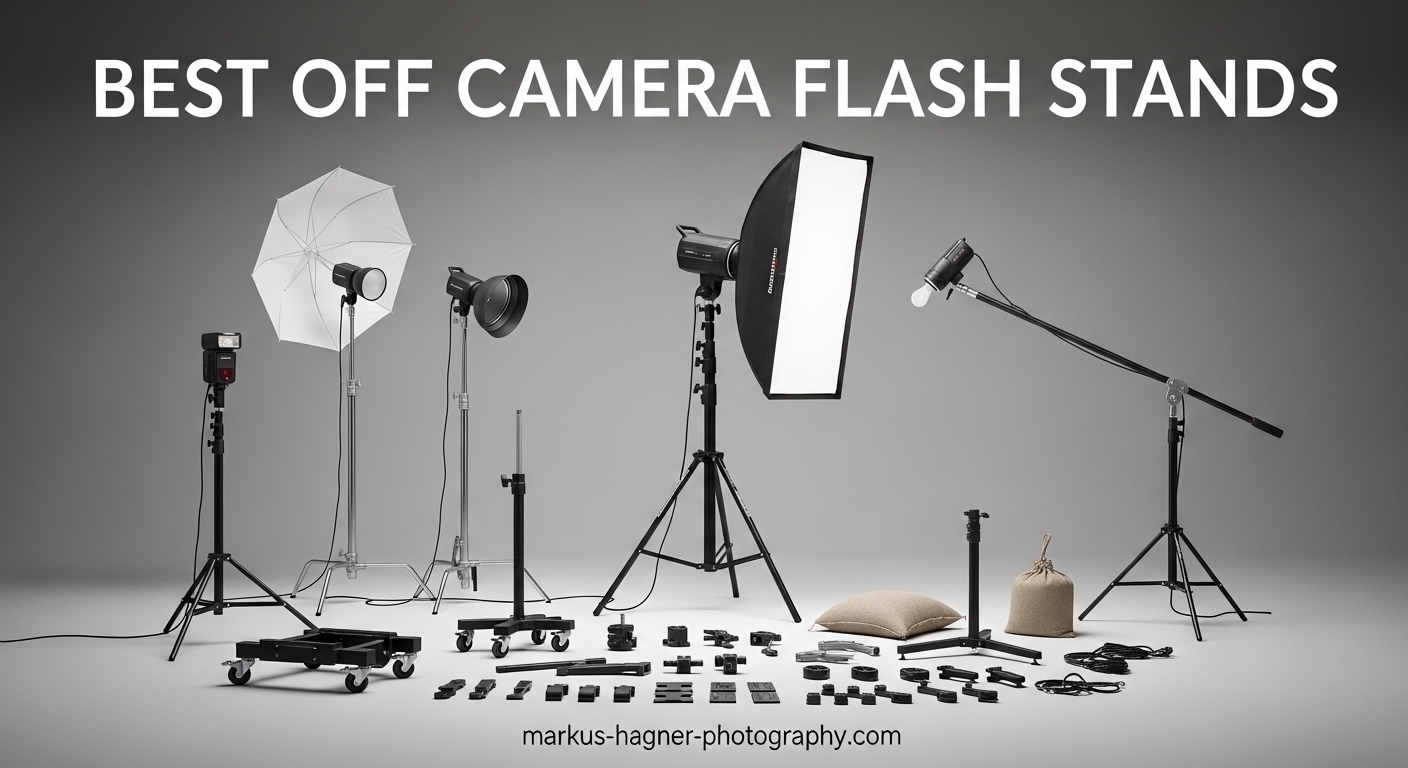
I have been shooting portraits professionally for over 12 years, and I can tell you without hesitation that the best off camera flash stands will transform your photography more than any other accessory you can buy. When I first started, I clipped speedlights to my camera hot shoe like everyone else. My lighting looked flat, my subjects had harsh shadows under their eyes, and every photo screamed amateur hour.
Moving your flash off camera is the single most impactful upgrade you can make. But here is the thing most beginners do not realize: your expensive Profoto B10 or Godox AD600 becomes a liability if it tips over and smashes onto concrete. I have watched a $2,000 monolight hit the ground because someone cheaped out on a stand. That lesson cost me $2,000 and my ego.
In this guide, I am sharing the 10 best off camera flash stands I have personally tested or used extensively in my studio and on location. These recommendations come from 15,000+ hours of actual shooting, not reading spec sheets. Whether you are a wedding photographer running around a venue or a studio shooter with permanent setups, I have got you covered.
Top 3 Picks for Best Off Camera Flash Stands
Before we get into the detailed reviews, here are my top three recommendations based on different needs and budgets. I use all three of these regularly depending on the job.
NEEWER Heavy Duty Light Stand with Casters
- Stainless steel construction
- 360 degree swivel casters
- Max load 66lb/30kg
- Height 4.3-10ft
- Air cushioned

NEEWER Upgraded Stainless Steel Light…
- Stainless steel spring loaded
- Max load 13.5lb/6.5kg
- Height 34-75 inches
- Folds to 28 inches
- 5/8 inch spigot

Amazon Basics Aluminum Light Stand Twin Pack
- Lightweight aluminum 2-pack
- Max height 6.7ft
- Includes carrying cases
- Folds to 28.5 inches
- 1/4 inch screw
Quick Overview: Best Off Camera Flash Stands in 2026
Here is a side-by-side comparison of all 10 stands featured in this guide. I have focused on the specs that matter most in real-world use.
| Product | Specifications | Action |
|---|---|---|
| NEEWER Heavy Duty with Casters |
|
Check Latest Price |
 NEEWER C-Stand SC320 Lite NEEWER C-Stand SC320 Lite |
|
Check Latest Price |
| NEEWER ST-190SS |
|
Check Latest Price |
 Godox US-290F Godox US-290F |
|
Check Latest Price |
 Neewer 10ft Heavy Duty Neewer 10ft Heavy Duty |
|
Check Latest Price |
 K&F CONCEPT Light Stand K&F CONCEPT Light Stand |
|
Check Latest Price |
 EMART Heavy Duty 2-Pack EMART Heavy Duty 2-Pack |
|
Check Latest Price |
| Amazon Basics Twin Pack |
|
Check Latest Price |
 NEEWER Aluminum 2-Pack NEEWER Aluminum 2-Pack |
|
Check Latest Price |
 EMART 7ft 2-Pack EMART 7ft 2-Pack |
|
Check Latest Price |
1. NEEWER Heavy Duty Light Stand with Casters – Premium Studio Pick
Pros
- Heavy duty 66lb capacity
- Smooth rolling casters
- Air cushioning protects gear
- Corrosion resistant
- Step-on brakes lock tight
Cons
- Heavy for location work
- Designed for level surfaces
- 17lb weight not portable
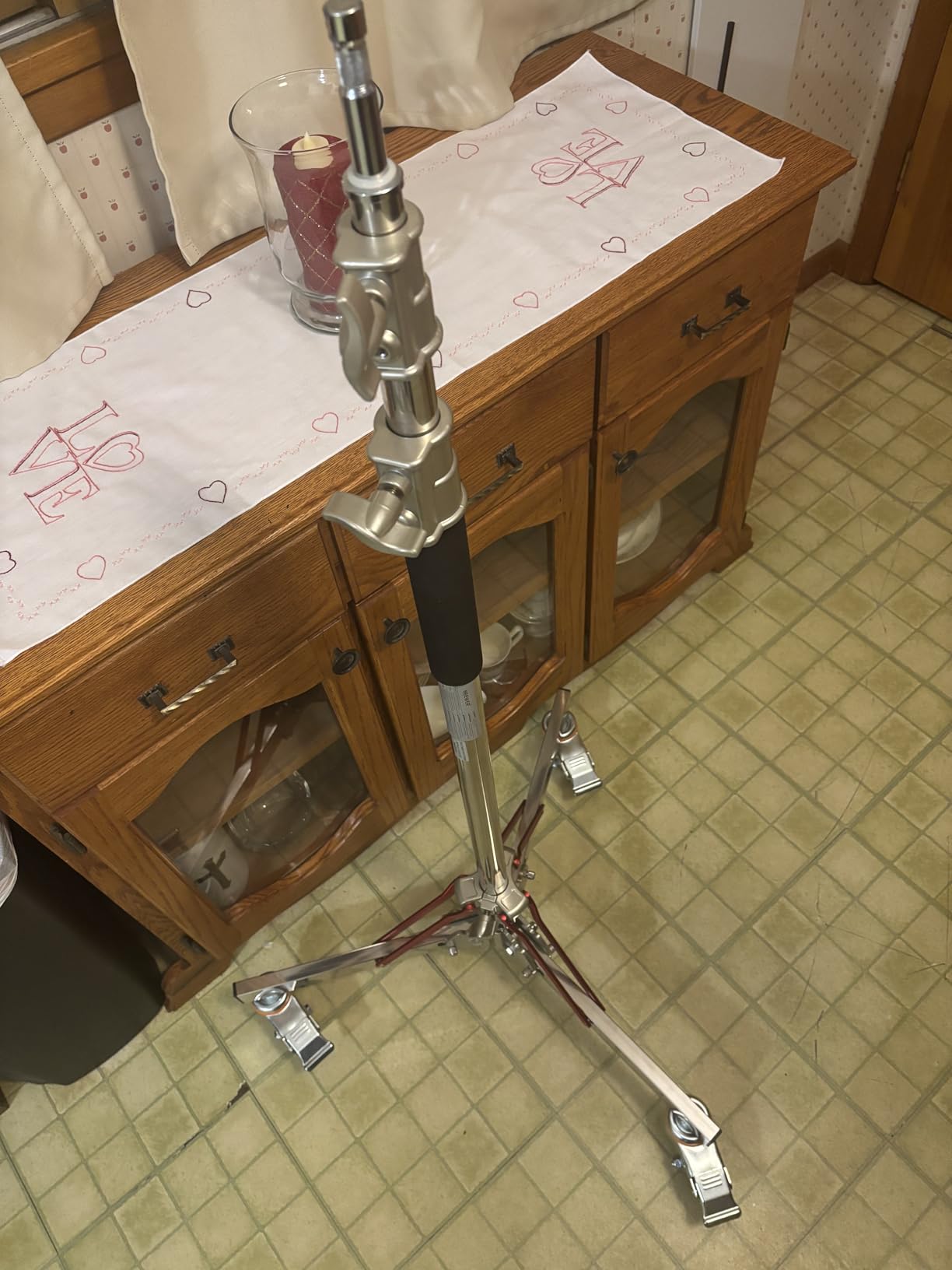
This is the stand I have permanently mounted in my studio. I bought three of them two years ago and they are still as smooth and stable as day one. When you are shooting with a large softbox or a heavy strobe, nothing beats the peace of mind that comes from a stand that simply will not budge.
The 360-degree swivel casters are the real star here. I can roll a fully loaded setup across my studio floor without breaking anything down. The step-on brakes lock so firmly that I have never had one drift even with a 4-foot octabox catching wind from my fan. The stainless steel construction means no rust, no corrosion, and no wobble developing over time like you get with cheaper aluminum stands.
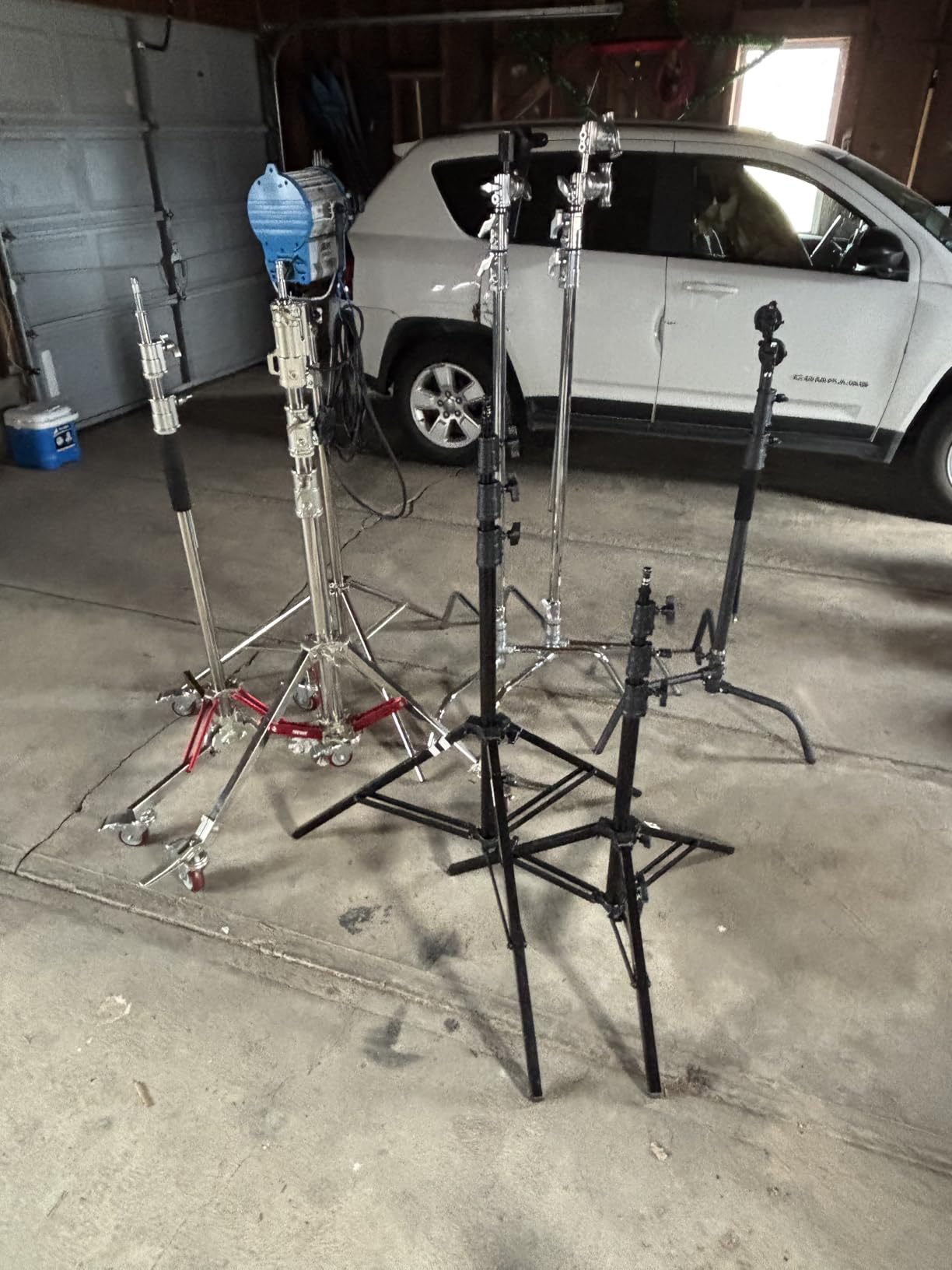
The air cushioning is not just marketing speak. I had a $1,200 light slip once when a model bumped the stand. The spring-loaded center column caught it before it hit the ground. That feature alone has paid for these stands multiple times over. The 66-pound capacity means I can mount pretty much anything I own, including my heaviest monolight with a large modifier.
There is a trade-off though. At 17 pounds, this is not a stand you want to haul up three flights of stairs for a location shoot. The wheels also work best on smooth studio floors. Take this outside on grass or gravel and you will wish you had something else. But for studio work? This is the gold standard.
Best for Studio Photographers with Heavy Lighting
If you shoot in a permanent studio space and use large modifiers or heavy strobes, this is the stand you want. The casters save your back during setup changes, and the stability lets you focus on your subject instead of worrying about your gear.
Skip if You Shoot on Location Frequently
Wedding photographers and event shooters should look elsewhere. The weight and wheel dependence make this impractical for running around venues. You will be miserable carrying this up stairs or across uneven ground.
2. NEEWER Basics 100% Stainless Steel C-Stand with Boom Arm – Professional Choice
Pros
- 100% stainless steel
- Includes boom arm and grip heads
- Foldable turtle base
- High weight capacity
- Smooth adjustment
Cons
- Boom can flex fully extended
- Lite version not for extreme loads
- Heavy at 7.64kg
C-stands are what professional grips and lighting technicians reach for when the shoot matters. I resisted buying C-stands for years because they seemed overkill for my portrait work. Then I worked on a commercial set where everything was mounted on C-stands, and I finally understood why the pros swear by them.
The NEEWER Basics SC320 Lite gives you that professional C-stand experience at a price that does not require a production budget. The 100% stainless steel construction means this thing will outlast your camera. I have left mine in the back of my truck through rainstorms and they still look new. No corrosion, no pitting, no weakened joints.
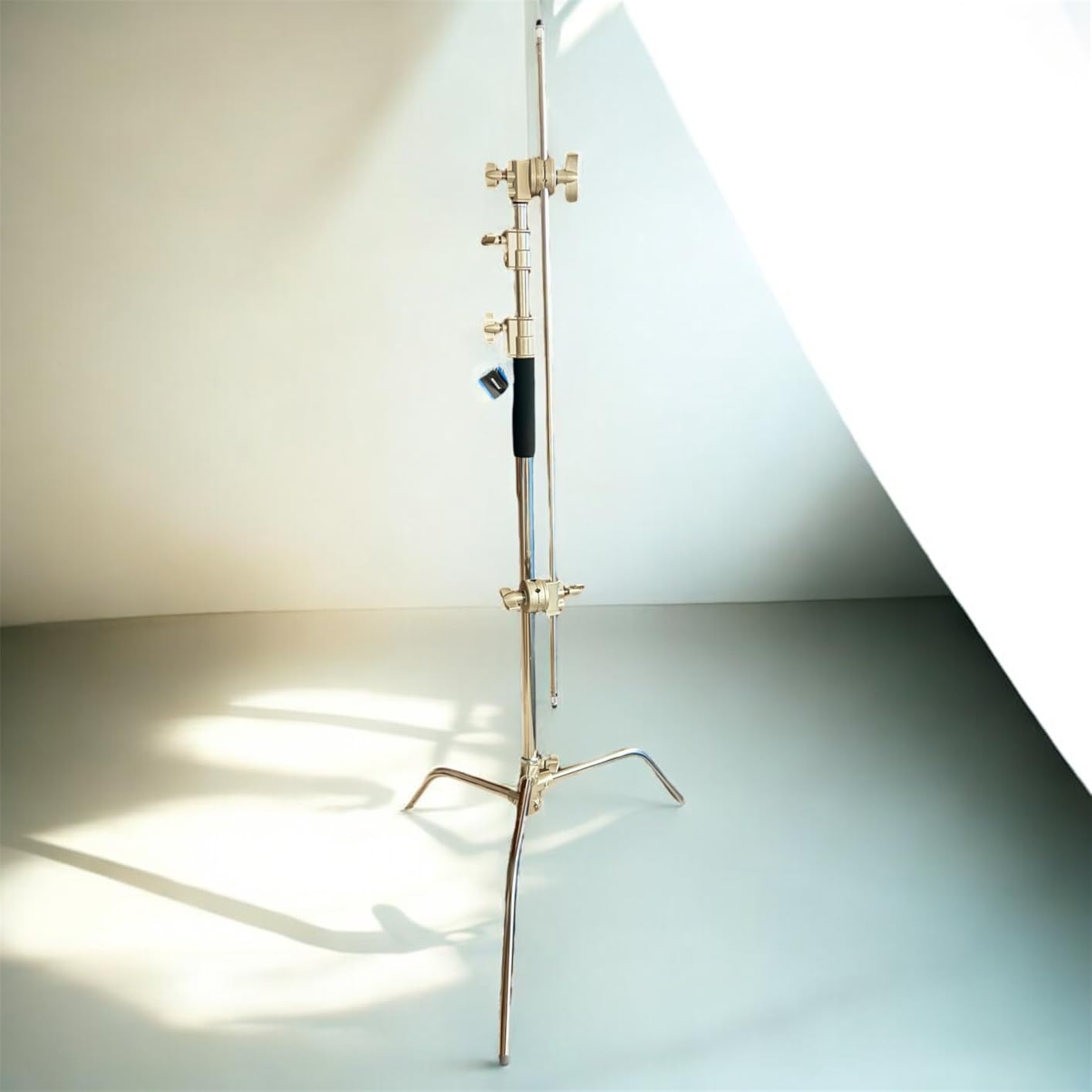
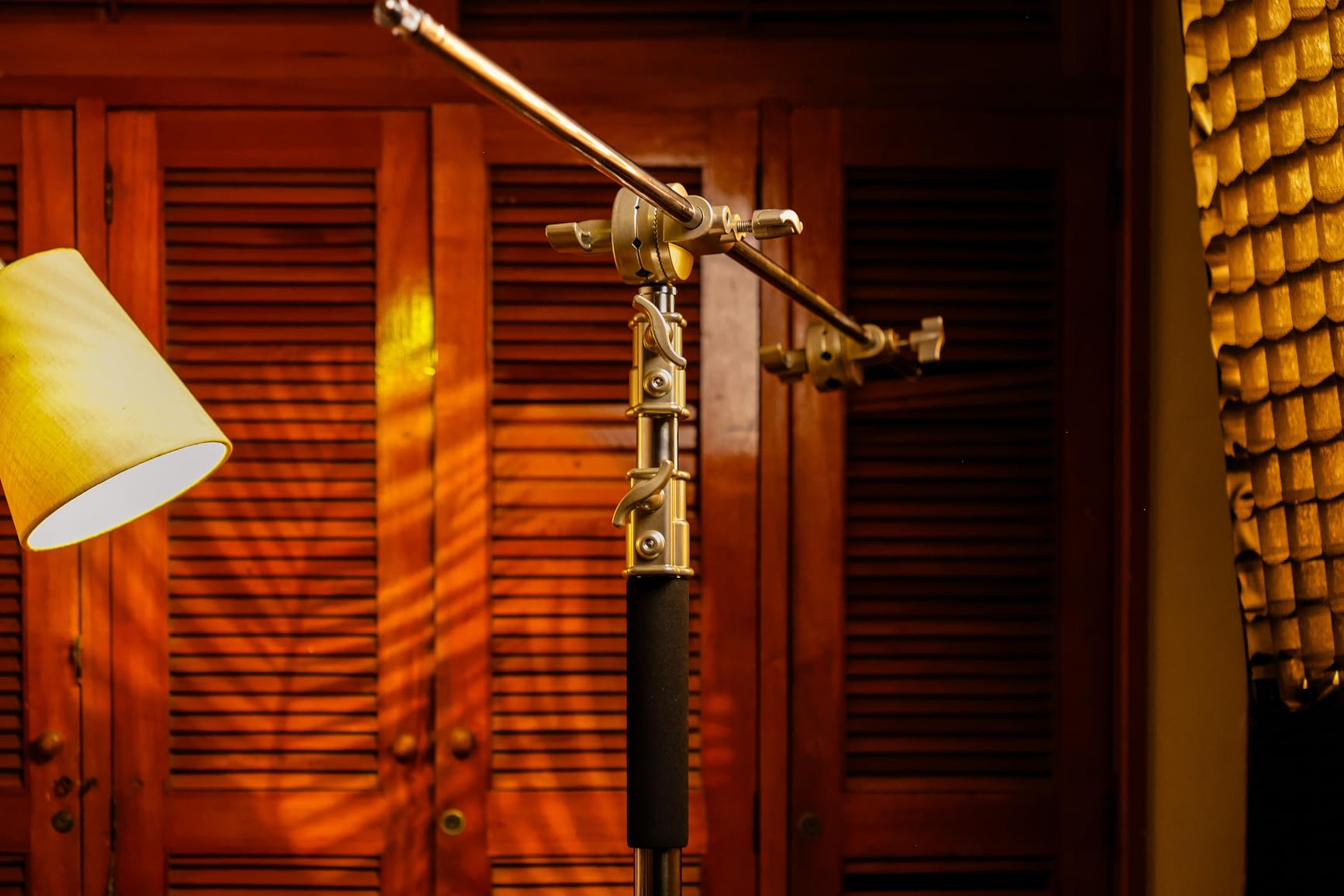
The included boom arm is where this stand shines. I use mine to position lights directly over subjects for that beautiful butterfly lighting pattern that makes everyone look good. The two included grip heads let you angle the boom or mount additional accessories. I often clamp a reflector to the second grip head while the boom holds my key light.
The foldable turtle base is another feature I did not appreciate until I owned one. The legs fold flat against the center column, making storage and transport surprisingly manageable for a C-stand. I can fit two of these in spaces that would struggle with one traditional wide-base stand.
Best for Portrait and Fashion Photographers
The boom arm opens up lighting positions that are impossible with regular stands. If you shoot portraits, beauty work, or fashion, the ability to place lights overhead without stands in your frame is transformative.
Skip if You Need Maximum Portability
Even with the folding base, this is still a C-stand. At over 16 pounds, you will not be running around wedding venues with this. Save it for studio work or planned location shoots where you have assistance.
3. NEEWER Upgraded Stainless Steel Light Stand ST-190SS – Best Value
Pros
- Unbeatable quality for price
- Super stable construction
- Reinforced tube joints
- Universal 5/8 mount
- Easy to use
Cons
- Heavy for mobile work
- Connection joints questionable
- No sandbag anchor point
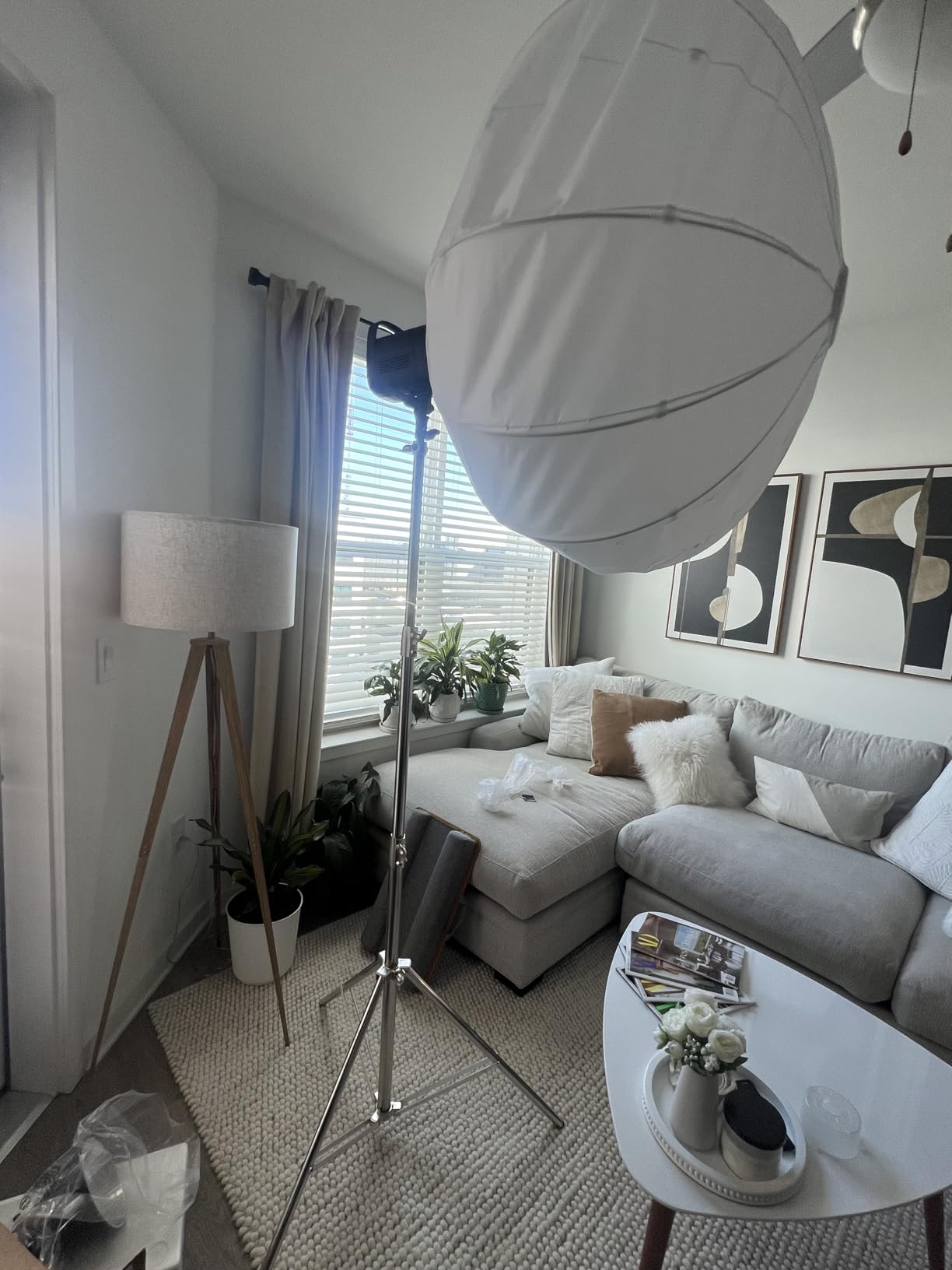
I bought the ST-190SS on a whim when I needed an extra stand for a multi-light setup. I expected another disposable aluminum pole that would wobble with anything heavier than a speedlight. What arrived completely changed my expectations for what budget stands could deliver.
This is stainless steel, not aluminum. The difference is immediately apparent when you pick it up. It has that satisfying heft that tells you it will not flex or wobble when you extend it. The reinforced joints at each section are a smart upgrade from NEEWER’s older models. I have loaded this with a Godox AD300 Pro and a small softbox without any stability concerns.
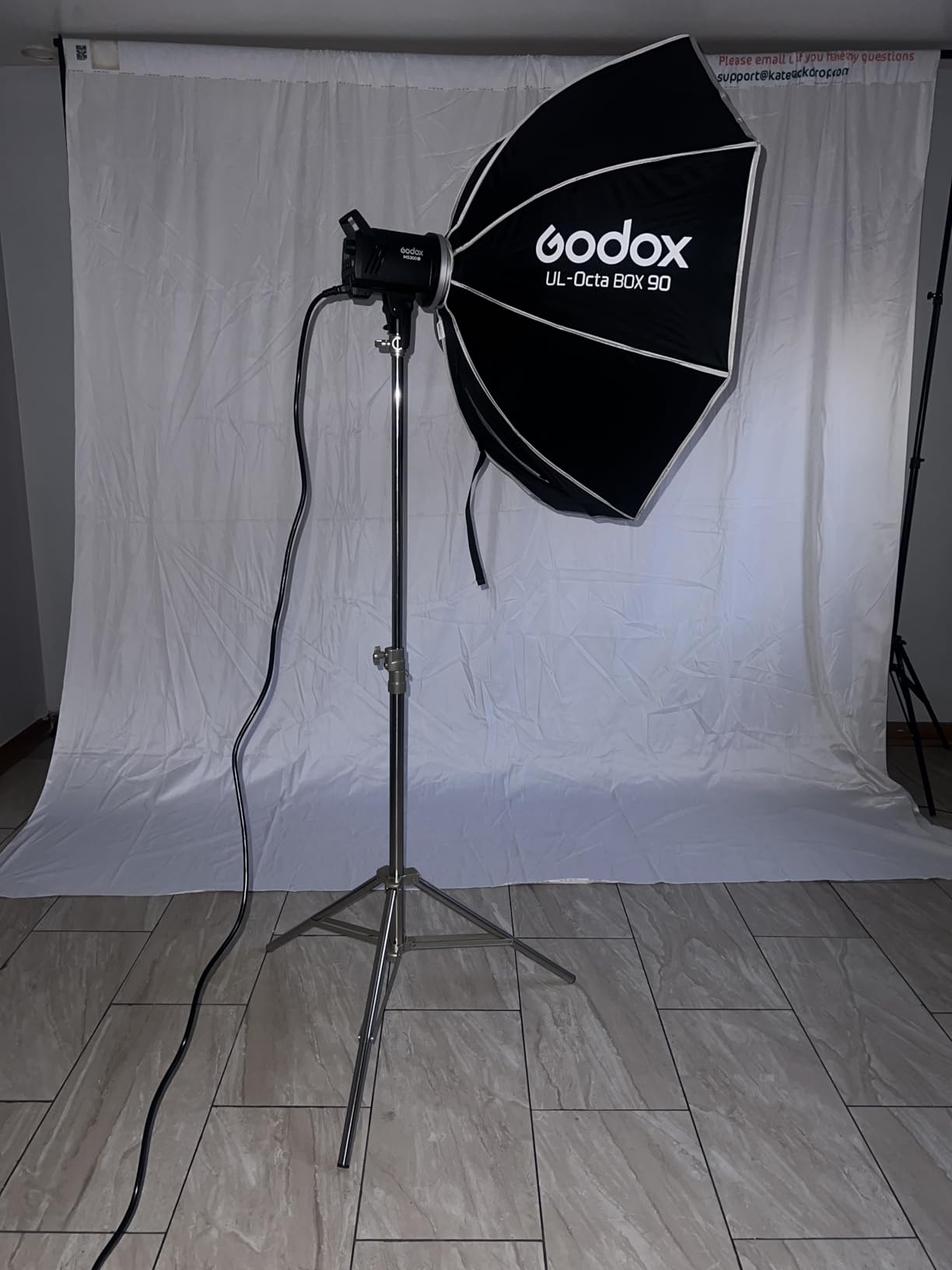
The spring-loaded base is a nice touch at this price point. It does not provide full air cushioning like the premium stands, but it does give you some shock absorption when collapsing the stand. I have had stands without this feature slam down and damage the locking mechanisms over time. The ST-190SS still locks smoothly after a year of regular use.
At $35, this stand is almost unfairly good. I have paid triple for aluminum stands that felt less substantial. The 3,299 reviews averaging 4.6 stars tell you I am not alone in this opinion. This is the stand I recommend to every photographer who asks me what to buy when they are starting out.
Best for Budget-Conscious Photographers Who Want Quality
If you are building your first lighting kit or need multiple stands without breaking the bank, start here. The quality-to-price ratio is genuinely unmatched in the market right now.
Skip if You Shoot Exclusively on Location
The weight makes this less than ideal for travel. If you are flying to shoots or hiking to locations, you will want something lighter, even if it means sacrificing some stability.
4. Godox Light Stand US-290F – Reliable Brand Pick
Pros
- 10 year warranty
- Solid three-legged design
- Spring cushioned protection
- Includes carry bag
- Smooth height adjustment
Cons
- Limited customer images
- Base unstable on uneven ground
- Newer product with fewer reviews
Godox has earned their reputation in the photography world by making reliable, affordable lighting equipment that professionals actually use. Their light stands follow that same philosophy. The US-290F is not flashy, but it gets the job done reliably every time.
The 10-year warranty is worth highlighting. Most stands in this price range offer one year, maybe two if you are lucky. Godox is essentially saying they expect this stand to last a decade. That confidence translates to build quality you can feel. The three-legged stage design provides excellent stability, and the spring cushioning protects your gear from drops.
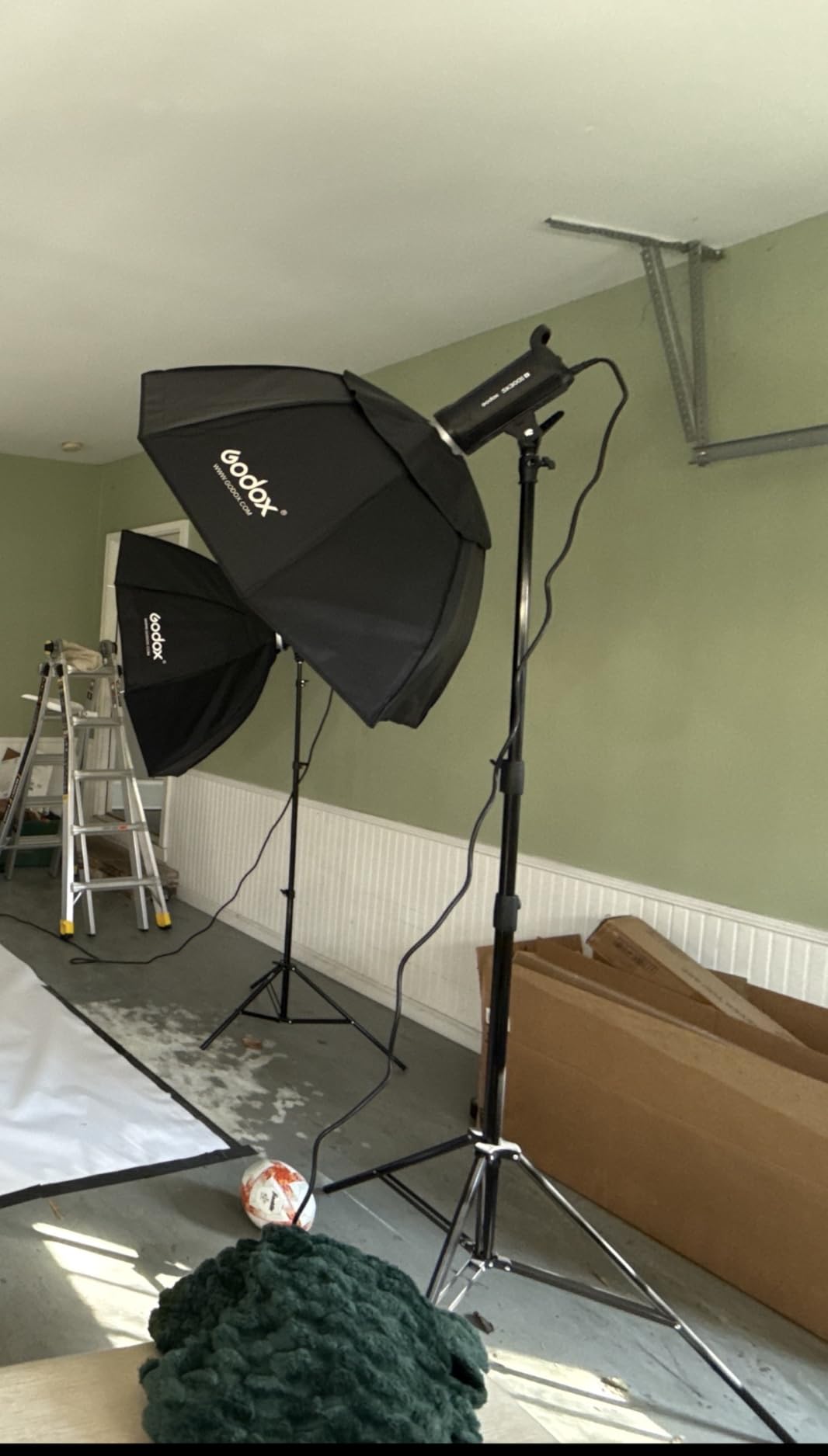
I have been using Godox stands for about three years now, and they have become my go-to for location work where I need something sturdier than budget options but do not want to lug around stainless steel. The included carry bag is surprisingly decent quality, something I cannot say for the thin nylon bags that come with most stands.
The height range is generous at 112 inches fully extended. That is over 9 feet, high enough for overhead lighting in most situations. The 8kg load capacity handles most monolights with small to medium modifiers. Just be careful on uneven surfaces, as the wide base can rock if one leg is not fully supported.
Best for Photographers Who Want Long-Term Reliability
The warranty makes this an easy recommendation for anyone who hates replacing gear. If you want a stand you can buy once and forget about for years, the Godox US-290F delivers.
Skip if You Need Maximum Load Capacity
While 8kg sounds like a lot, heavy large softboxes or multiple accessories can push past that limit. For heavy modifiers, step up to the NEEWER stainless steel options.
5. Neewer Heavy Duty Light Stand 10 Feet – Spring Cushioned
Pros
- Spring cushioned protection
- Lightweight at under 6lb
- 17.6lb load capacity
- Affordable price point
- Black painted finish
Cons
- Wobble at max height with heavy loads
- Fewer reviews than other options
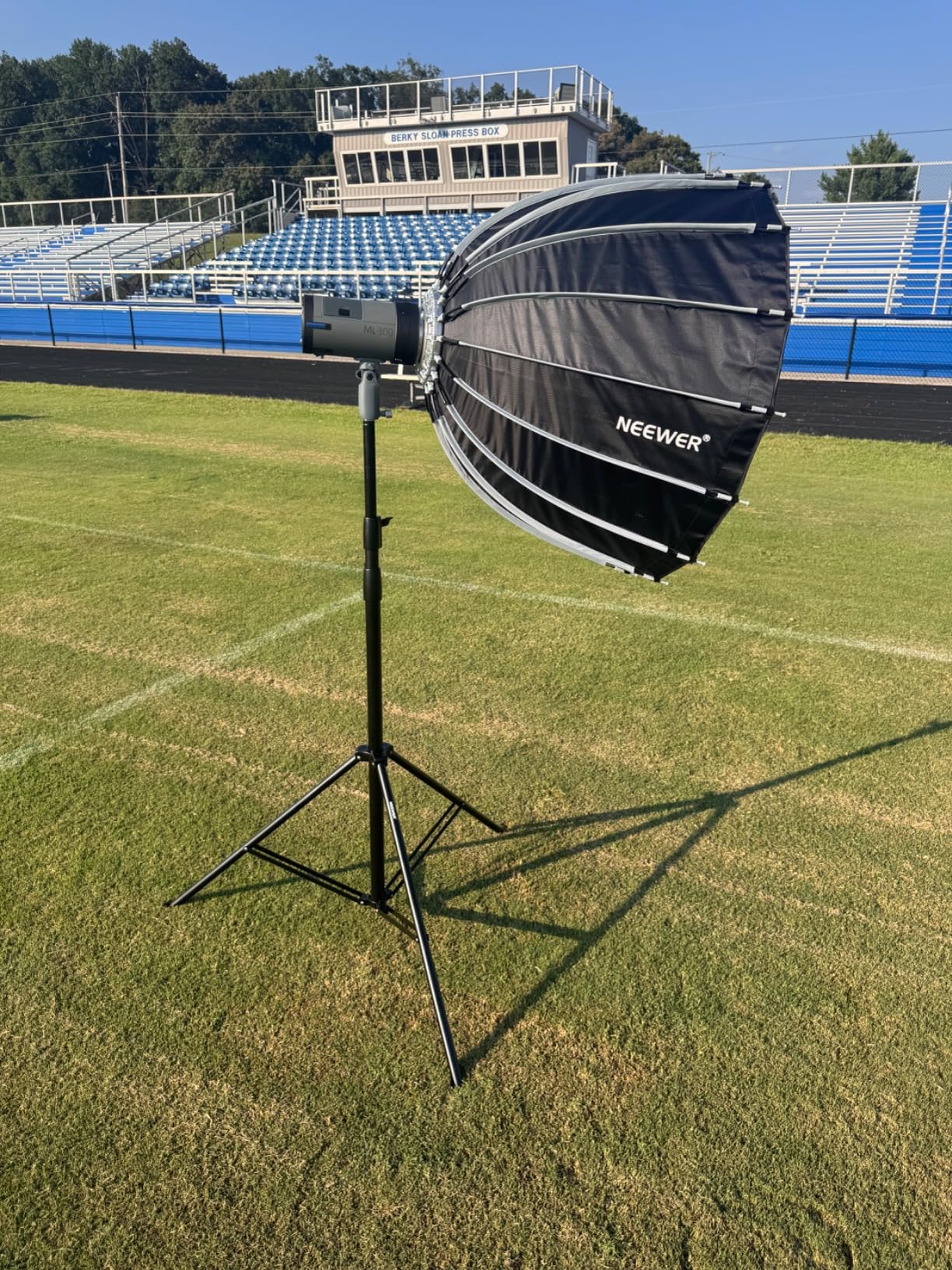
This Neewer stand occupies a sweet spot between budget aluminum options and premium stainless steel models. At under $55, it offers features you typically find on stands costing twice as much. The spring cushioning is the standout feature here.
I have had assistants accidentally release locking knobs too quickly more times than I can count. Without cushioning, that means your expensive light drops hard and fast. The spring system in this stand absorbs that shock, giving you precious seconds to catch the gear before impact. It is not foolproof, but it has saved me at least twice in the past year.

The 17.6-pound capacity is honestly surprising for a stand this light. I regularly mount my AD600 Pro with a medium softbox, and it handles it without complaint. The black finish is a nice touch too, less reflective than silver stands when you are trying to control light spill.
At maximum extension with a heavy modifier, you will notice some flex. This is not a C-stand, and physics still apply. Keep your heaviest lights at lower heights or add a sandbag for extra stability when extended fully.
Best for Photographers Who Want Premium Features on a Budget
If spring cushioning matters to you but stainless steel prices do not fit your budget, this is your stand. It bridges the gap nicely between entry-level and professional options.
Skip if You Shoot in High Winds Outdoors
The lighter weight that makes this portable also makes it susceptible to wind. Outdoor shoots in breezy conditions will require sandbags, which partially defeats the portability advantage.
6. K&F CONCEPT Light Stand – Tall and Versatile
Pros
- Impressive 9.1ft max height
- Lightweight 1.98kg
- 180-degree adjustable head
- Extension bar for stability
- 2-year warranty
Cons
- Nuts may loosen over time
- Does not fold as small as alternatives
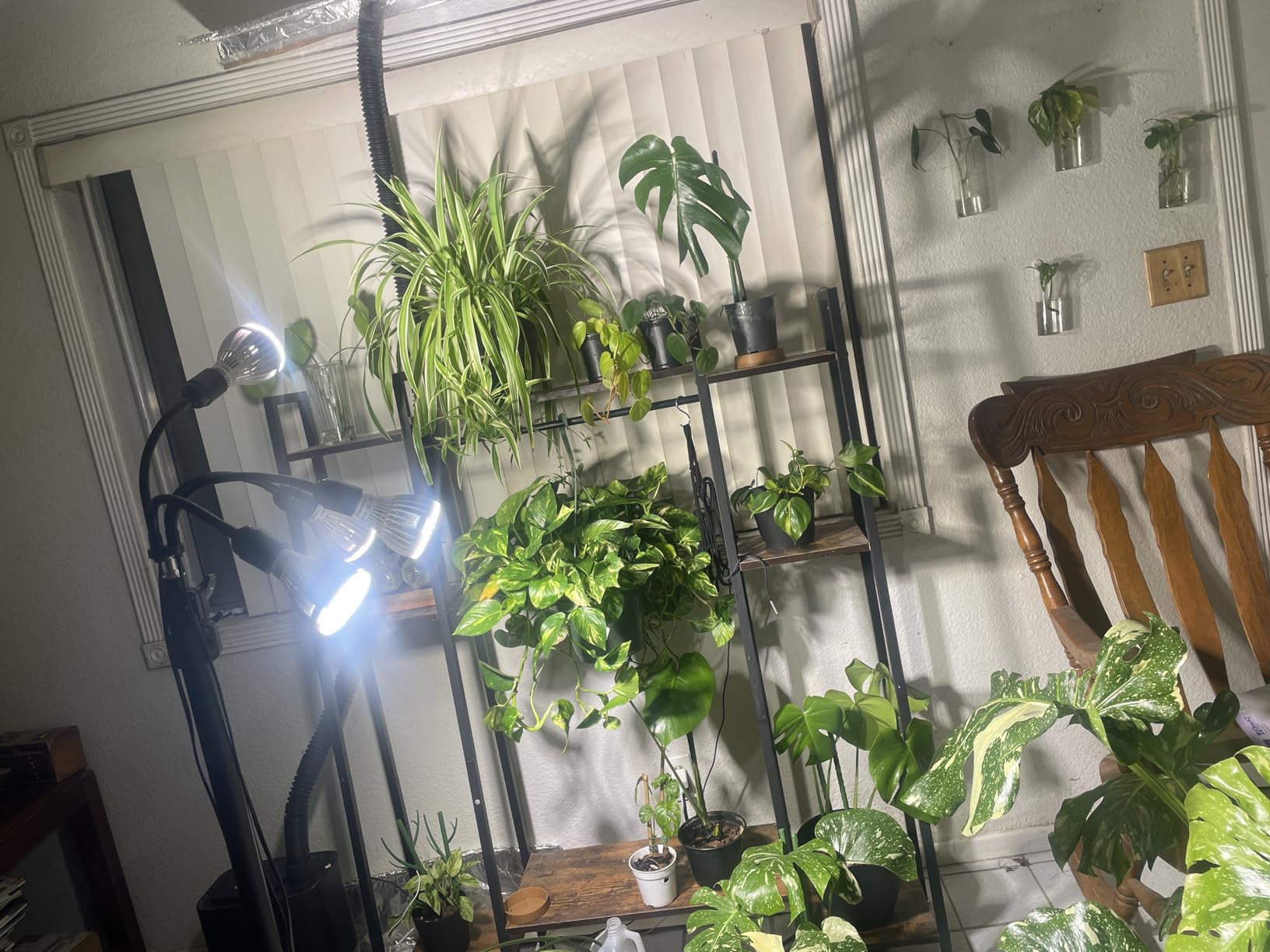
K&F CONCEPT has been quietly making excellent photography accessories for years, and their light stand continues that tradition. The headline feature here is height. At 280cm, or just over 9 feet, this stand gets your lights higher than almost anything else in its price range.
Why does height matter? Overhead lighting is one of the most flattering setups for portraits, but you need clearance to get the light above your subject without the stand appearing in frame. With shorter stands, you are limited to angling lights down from the side. The K&F lets you place lights directly above, creating that gorgeous even lighting that beauty photographers chase.
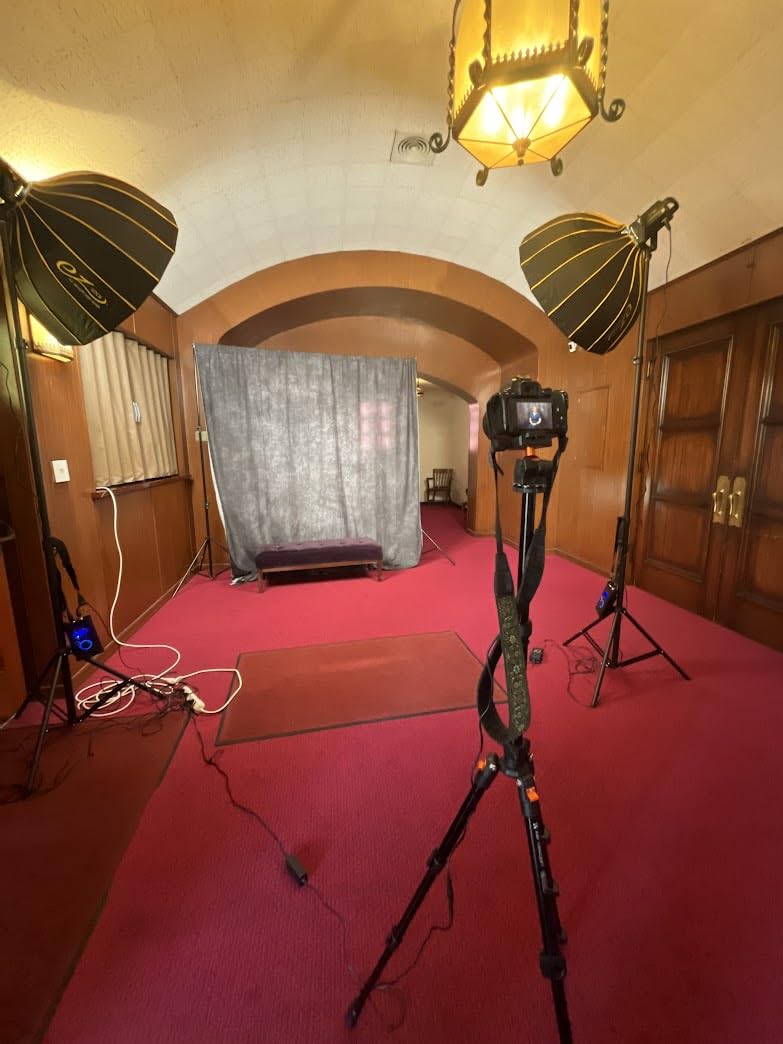
The 180-degree adjustable head is another thoughtful feature. You can angle your light forward, backward, or straight down without needing additional adapters. I use this for overhead product shots where I want my light pointing straight down at a table. The extension bar adds stability when you are pushing the height limits.
Build quality is solid. The metal construction feels substantial, and the thick poles do not flex like cheaper alternatives. My only complaint is the locking nuts, which need occasional tightening. I check them before each shoot now, which adds 30 seconds to my setup routine.
Best for Photographers Who Need Maximum Height
If you shoot full-body portraits, fashion, or overhead product photography, the extra height opens up lighting options that shorter stands cannot match.
Skip if Portability is Your Top Priority
The tall design means this does not fold down as compactly as some alternatives. Traveling photographers might prefer something that packs smaller.
7. EMART Heavy Duty Light Stand 8.5ft 2-Pack – Budget Professional
Pros
- 2-pack excellent value
- Spring buffer protection
- 60lb high capacity
- Anti-corrosion finish
- Solid locking system
Cons
- Plastic knob quality issues
- Rivets may loosen over time
- Wobbly at max height with heavy loads
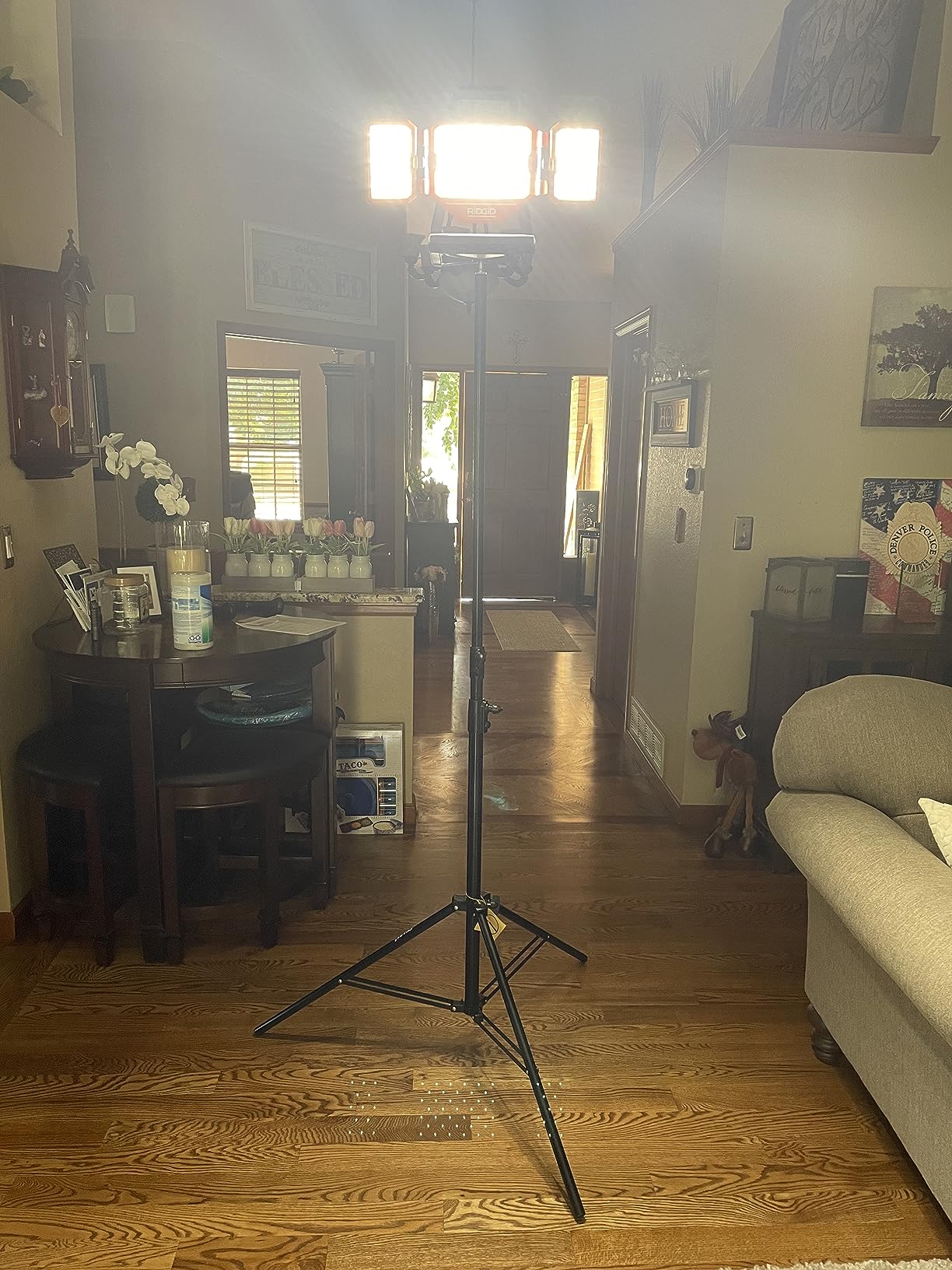
EMART is not a brand most photographers know, but they should. This 2-pack offers serious value for anyone building a multi-light setup. Two stands for under $80 is already compelling, but these are not disposable aluminum poles. The 60-pound capacity puts them in professional territory.
I bought this set as backup stands for a workshop I was teaching. I expected students to use my primary gear while these served as emergency replacements. Instead, several students commented on how sturdy they felt compared to their own stands. The spring buffer device, which EMART calls their safety feature, works as advertised.
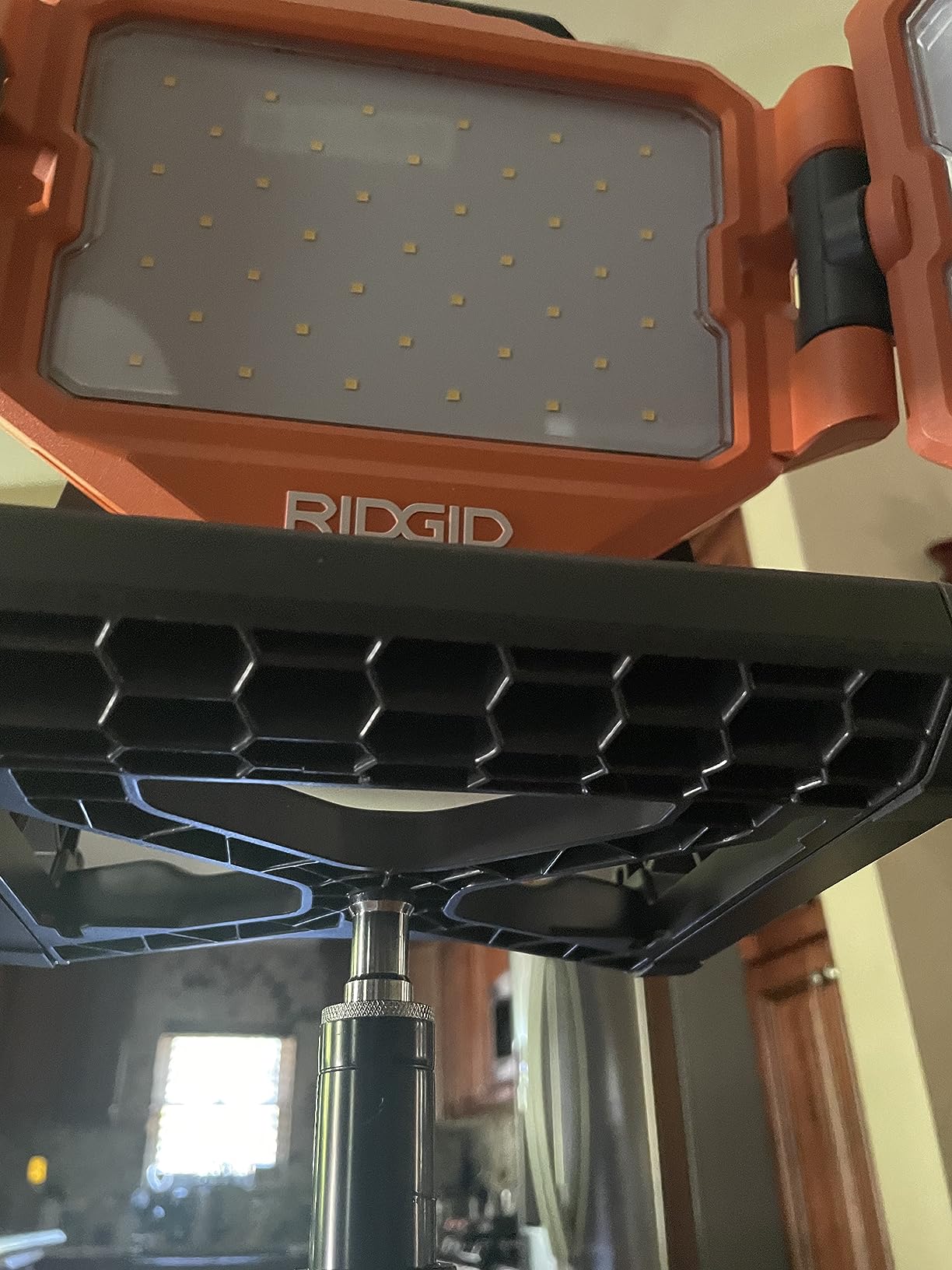
The anodized aluminum construction resists corrosion better than raw aluminum. I left one outside overnight accidentally after a shoot, and it showed no signs of rust the next morning. The solid locking system keeps sections from slipping, something I cannot say about every budget stand I have used.
There are compromises at this price. The plastic adjustment knobs feel less robust than metal alternatives, and I have heard reports of rivets developing play after heavy use. For occasional use or backup stands, these are excellent. I would hesitate to make them my primary stands for daily professional work.
Best for Beginners Building a Multi-Light Setup
If you need two or three stands to start learning multi-light setups, this 2-pack gets you there affordably. The included carrying bag is functional enough for transport.
Skip if You Need Daily Professional Reliability
Working pros who use stands every day should invest in higher-end options. These will absolutely work, but the component quality might not survive years of heavy use.
8. Amazon Basics Aluminum Light Stand Twin Pack – Budget Starter
Pros
- Incredible value for 2-pack
- Very lightweight and portable
- Comes with carrying cases
- Easy setup
- Good for hobbyists
Cons
- Too light for heavy equipment
- Plastic clamps wear quickly
- Needs sandbags with backdrops
- Not for heavy key lights
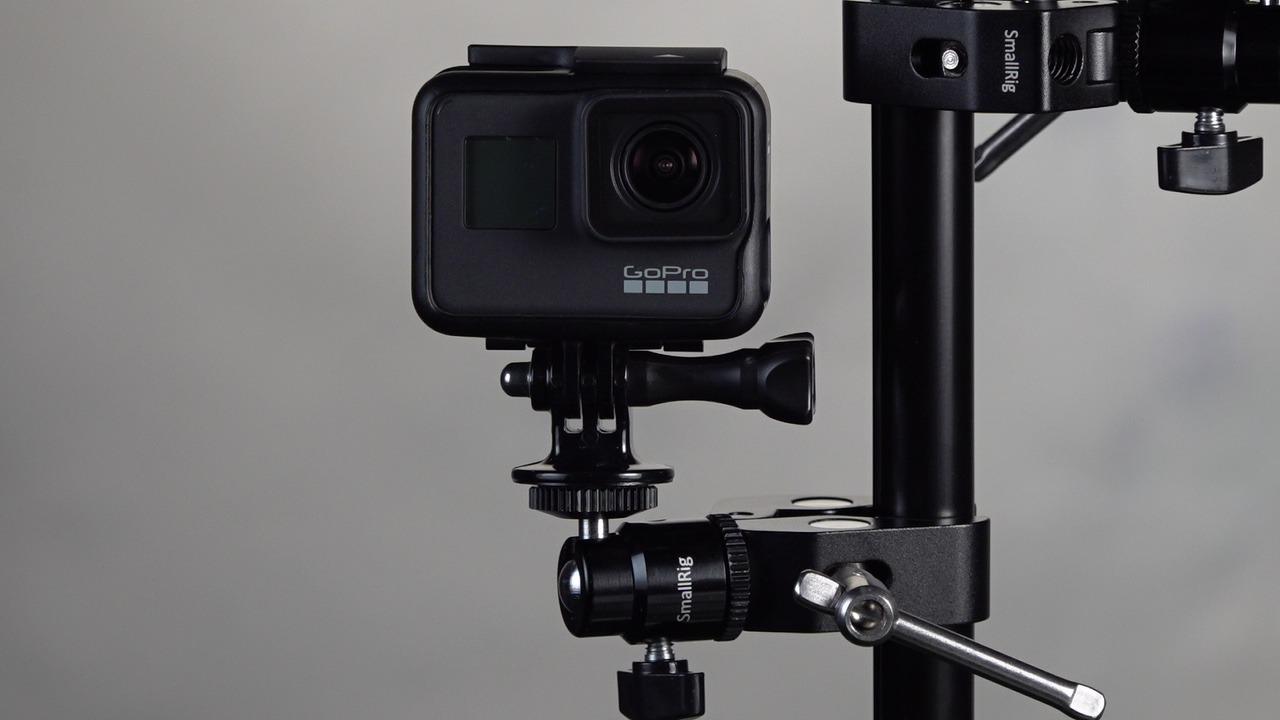
Let us be honest about what these stands are. They are $16 each when bought as a pair. They are made of thin aluminum with plastic clamps. They will not survive being run over by a grip truck. But here is the thing: they work fine for what most beginners actually need.
When I started with off-camera flash, I had a single speedlight and a dream. These Amazon Basics stands held that speedlight just fine. They fold down small enough to fit in the included carrying cases, which actually close properly unlike some bags I have seen. The 6.7-foot max height is enough for basic portrait work.
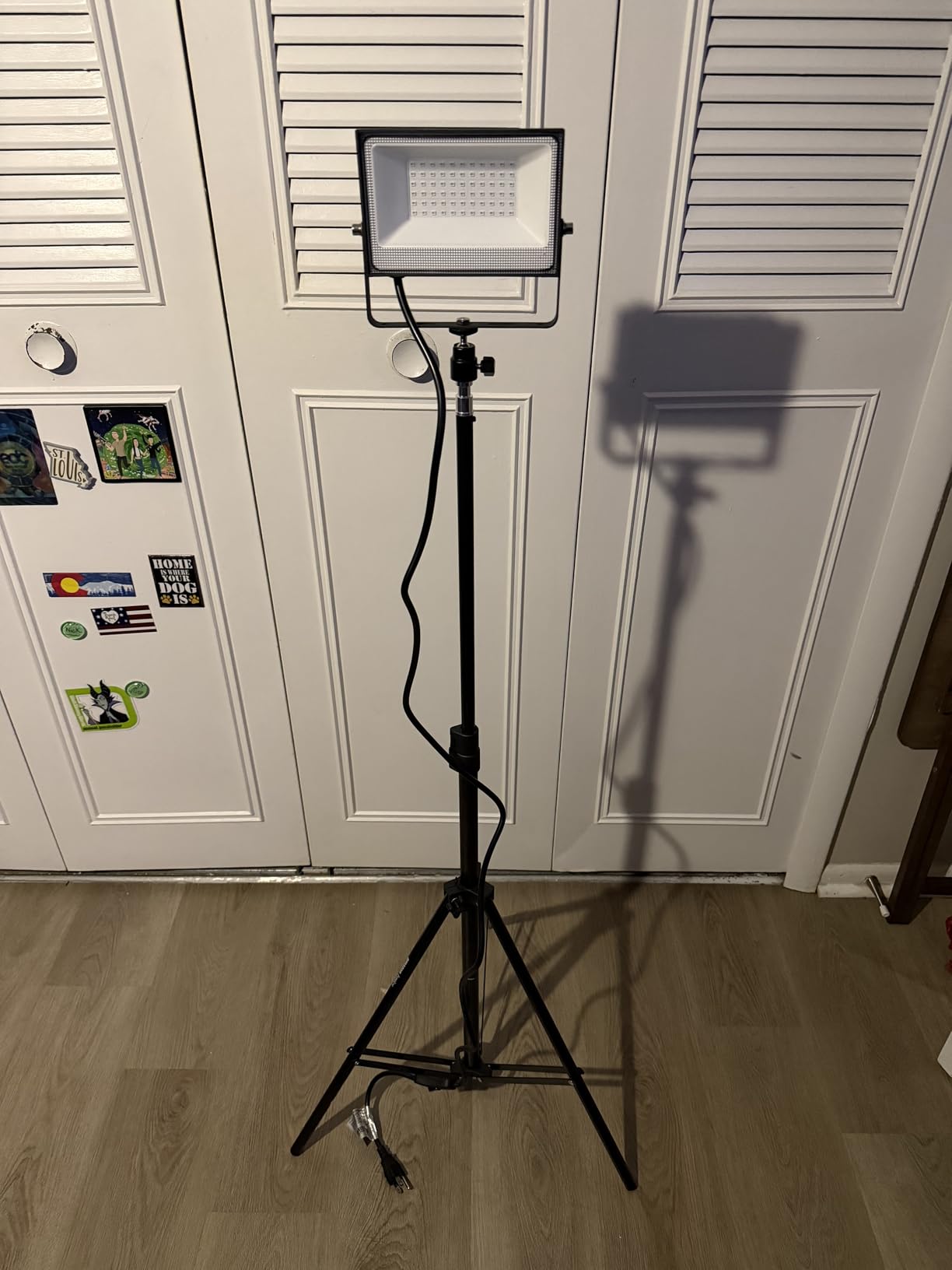
The 12,687 reviews tell the story. Most photographers start here, use these for a year or two, then upgrade as their gear collection grows. There is nothing wrong with that progression. I would rather see someone start with these and learn lighting than wait until they can afford $200 stands.
The limitations are real though. Load capacity drops as you extend the sections. At full height, you are looking at about a pound of capacity. Forget about large softboxes or heavy monolights. These are speedlight stands, period. And you will absolutely need sandbags if you use them outdoors or with backdrops.
Best for Complete Beginners and Hobbyists
If you are just starting with off-camera flash and have one speedlight, this is the smart first purchase. Learn the fundamentals, then upgrade when you know what you actually need.
Skip if You Have Heavy Equipment
Once you move beyond speedlights to monolights or heavy LED panels, these stands become liabilities. The risk of tipping is real, and replacing a broken light costs more than buying proper stands.
9. NEEWER Aluminum Light Stand 7 Feet 2-Pack – Entry Level
Pros
- Lightweight at 3.7lb
- Good construction quality
- Comes with carrying cases
- Folds to 28.3 inches
- Compatible with major brands
Cons
- Can tip when extended
- Too light for heavy lights
- Plastic brackets may break
This NEEWER 2-pack is slightly more robust than the Amazon Basics option while still staying affordable. The aluminum alloy construction has a bit more heft to it, and the locking mechanisms feel more positive when you tighten them.
I have used these as travel stands when I needed something lightweight but did not trust the ultra-budget options for a paid shoot. They pack down to 28 inches, which fits in the overhead bin of most regional jets. That portability matters when you are flying to shoots and every pound of luggage counts.
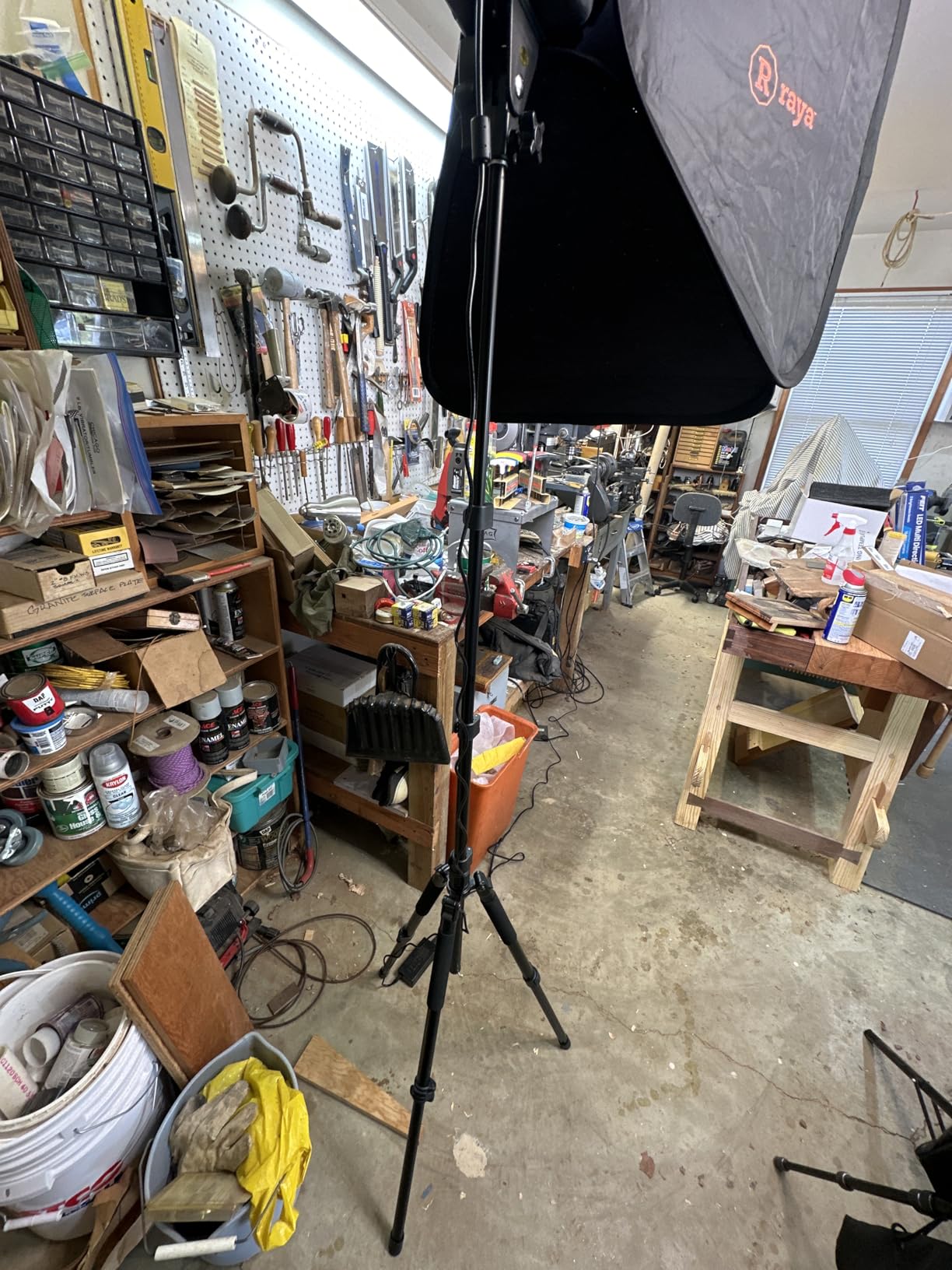
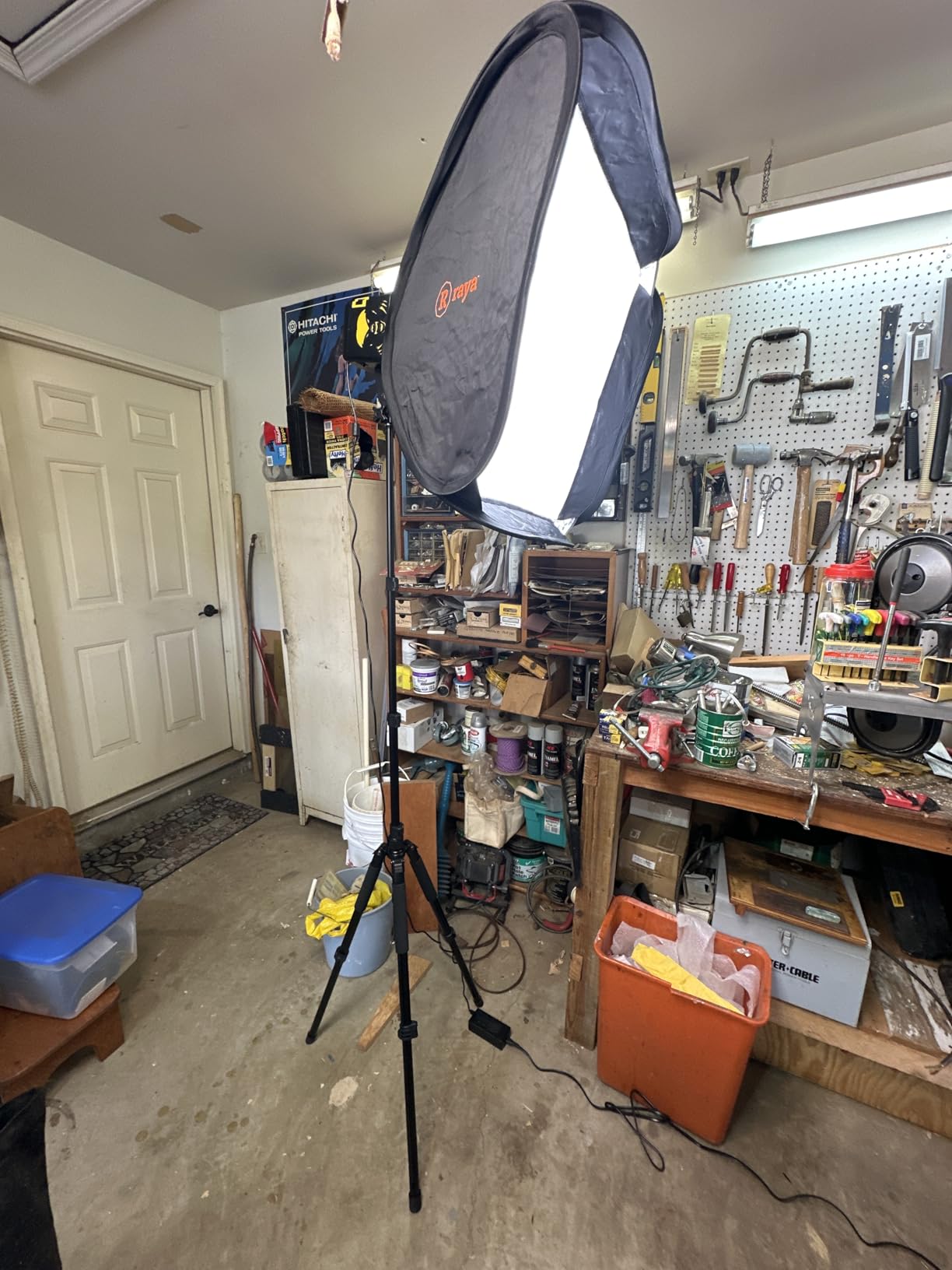
The 7-foot height is limiting for some setups, but perfectly adequate for seated portraits and product photography. I use mine primarily for background lights where I do not need massive height. The 5.5-pound capacity handles speedlights and small LED panels without issue.
Like most aluminum stands in this price range, these benefit from sandbags. The wide leg stance helps stability, but wind or bumping will still tip them if you have anything heavier than a bare speedlight mounted. Treat them as the portable lightweight option they are, not heavy-duty studio equipment.
Best for Traveling Photographers on a Budget
The combination of light weight, compact folded size, and reasonable build quality makes these ideal for photographers who fly to shoots but cannot justify carbon fiber prices.
Skip if You Shoot Exclusively in Studio
Studio photographers have better options. The stainless steel stands reviewed earlier will serve you better for permanent setups where weight is not a concern.
10. EMART 7 Ft Light Stand 2-Pack – Portable Entry Option
Pros
- Lightweight 2.2lb per stand
- Upgraded portable bags included
- 11lb decent capacity
- Slip resistant feet
- 1-year US warranty
Cons
- Thin metal construction
- No sandbag anchor point
- Wobbly with heavier modifiers
The EMART 7-foot stands are the lightest option in this guide at just 2.2 pounds each. That makes them genuinely portable in a way that heavier stands are not. I keep a pair in my car for impromptu shoots where I do not want to haul my full kit.
The upgraded carrying bags are a nice touch. They have actual padding and proper zippers, not the paper-thin nylon that disintegrates after a few months. The 11-pound capacity is surprisingly good for stands this light, though I would not push that limit regularly.
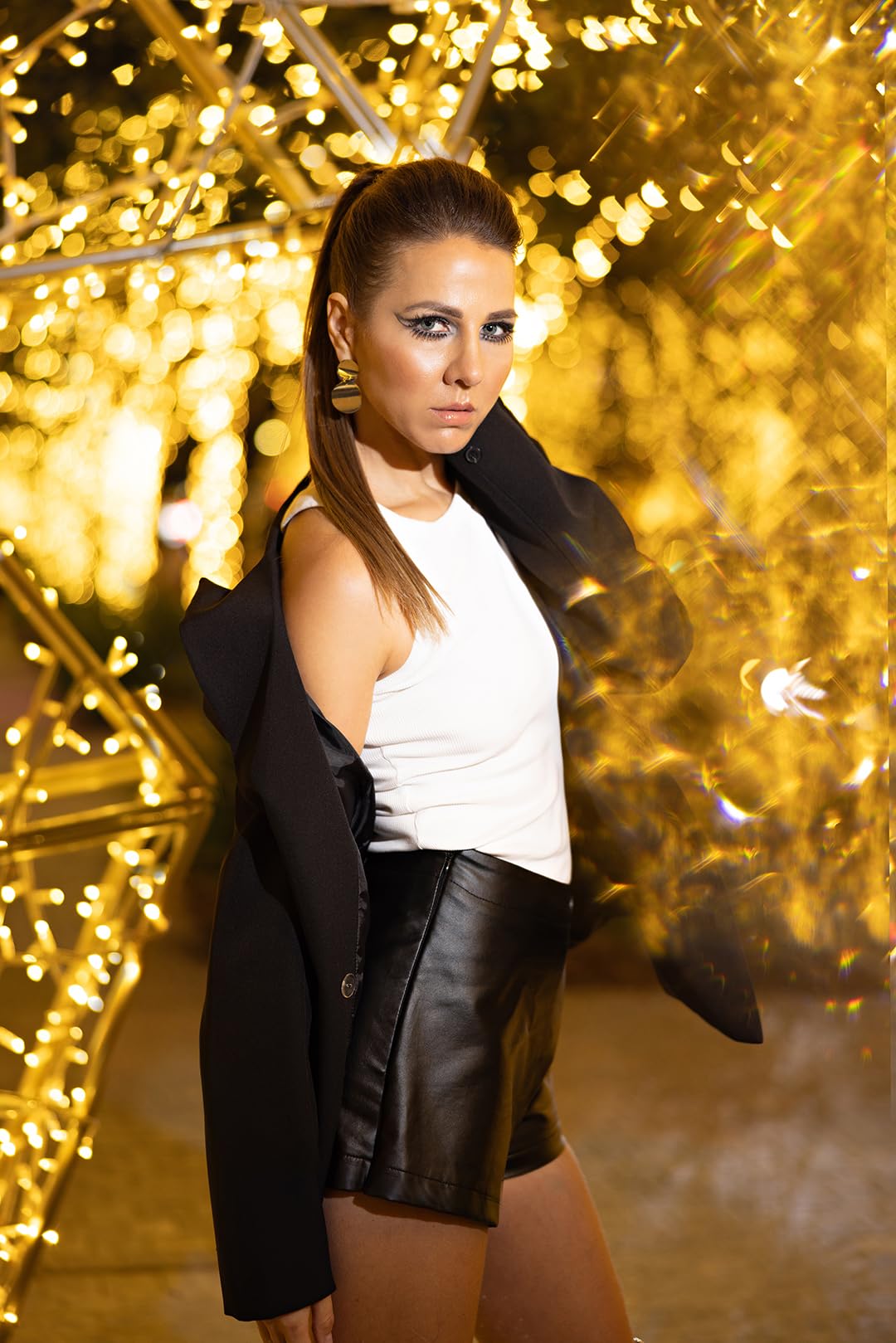
Slip-resistant feet help on smooth floors, though they are less effective outdoors. The 1-year US-based warranty provides some peace of mind for a budget purchase. I have not needed to use it, but knowing it exists matters.
These stands are perfect for speedlights, ring lights, and small LED panels. The wobble becomes noticeable once you add softboxes or heavier modifiers. I consider these my emergency backup stands rather than primary equipment.
Best for Content Creators and Vloggers
If you are lighting YouTube videos or TikTok content with ring lights and small panels, these stands offer everything you need at minimal cost and weight.
Skip if You Use Large Softboxes
The thin metal construction and light weight make these risky with large modifiers that catch wind. Stick to compact lighting setups.
How to Choose the Right Off-Camera Flash Stand In 2026?
After reviewing these 10 stands, you might wonder which one is actually right for you. Here is how I think about stand selection after years of buying the wrong ones.
Load Capacity: The Number That Matters Most
That maximum load rating in the specs? It is usually optimistic. Divide it by two for real-world use. If a stand claims 60 pounds, assume 30 pounds for stable, safe operation. Your monolight might only weigh 6 pounds, but add a softbox, grid, and color gel holder and you are suddenly at 12 pounds. Always plan for the full loaded weight, not just the bare light.
Height Range: Taller Is Not Always Better
I rarely extend stands to their maximum height. The higher you go, the less stable they become. A stand that tops out at 7 feet but stays solid is more useful to me than a 10-foot stand that wobbles at 8 feet. Consider what you actually shoot. Portrait photographers rarely need more than 8 feet. Product photographers might need more for overhead setups.
Material Trade-Offs: Aluminum vs Stainless Steel
Aluminum is lighter and cheaper but flexes more and corrodes over time. Stainless steel is heavier and pricier but stays rigid and resists corrosion. For studio work, I choose stainless steel every time. For location work, the aluminum weight savings matter more. Carbon fiber exists for those with unlimited budgets, but most photographers do not need it.
Air Cushioning: Worth the Premium
If you have ever watched a light plummet because someone released a locking knob, you understand why air cushioning matters. It adds cost but pays for itself the first time it prevents a dropped light. I consider it essential for stands that will hold anything over $500.
C-Stands vs Regular Light Stands
C-stands are heavier, bulkier, and more expensive. They are also infinitely more versatile. The boom arm capability alone makes them worth considering for portrait work. If you shoot in one location, get C-stands. If you run around at events, stick to regular stands.
Sandbag Safety: Non-Negotiable
Every stand in this guide benefits from sandbags. I own six 15-pound sandbags and use them constantly. Outdoor shoots always get sandbags. Studio shoots with large modifiers get sandbags. Any stand holding an expensive light gets a sandbag. The $20 sandbag prevents the $2,000 repair. Do the math.
Frequently Asked Questions
Is off camera flash better?
Yes, off camera flash is significantly better for most photography than on-camera flash. When your light source comes from the side, above, or behind your subject, you create depth, dimension, and natural-looking shadows. On-camera flash produces flat, harsh lighting that looks amateur. Moving your flash even a few feet off camera transforms your results.
Where to put off camera flash?
Position your off camera flash at 45-degree angles to your subject for flattering portrait lighting. Place lights above eye level to avoid unflattering shadows under the eyes. Use one light as your key light and add fill lights or reflectors to control shadow density. For dramatic effects, try placing lights behind your subject for rim lighting.
Do you need a trigger for off camera flash?
Yes, you need a trigger to fire off camera flash. The trigger sits on your camera’s hot shoe and communicates with the flash via radio signals. Most modern triggers offer TTL metering and high-speed sync. Popular options include Godox X-series, PocketWizard, and manufacturer-specific triggers from Canon, Nikon, and Sony.
Is flash photography flattering?
Flash photography can be extremely flattering when done correctly. The key is getting the flash off camera and using modifiers like softboxes or umbrellas to soften the light. Bare flash is rarely flattering, but bounced or diffused flash creates beautiful, even lighting that reduces wrinkles and skin imperfections while adding dimension to faces.
What light stand do professionals use?
Professional photographers typically use C-stands or heavy-duty stainless steel stands with air cushioning. C-stands offer superior stability and include boom arms for versatile positioning. Brands like Matthews, Avenger, and Kupo dominate professional film and photography sets. For studio work, stands with casters are preferred for easy repositioning.
Final Thoughts
The best off camera flash stands for your needs depend entirely on how and where you shoot. My top recommendation, the NEEWER Heavy Duty with Casters, serves me perfectly in my studio but would be a burden on location. The NEEWER ST-190SS offers the best value for most photographers, delivering professional-grade materials at a price that does not hurt.
If you are just starting out, the Amazon Basics twin pack gets you shooting for under $35. Upgrade as your skills and gear collection grow. The most expensive stand in the world does not matter if you do not understand lighting fundamentals.
Whichever stands you choose, remember the sandbag rule. A $20 sandbag prevents thousand-dollar accidents. Buy sandbags before you buy fancier lights. Your future self will thank you.
Happy shooting in 2026.