
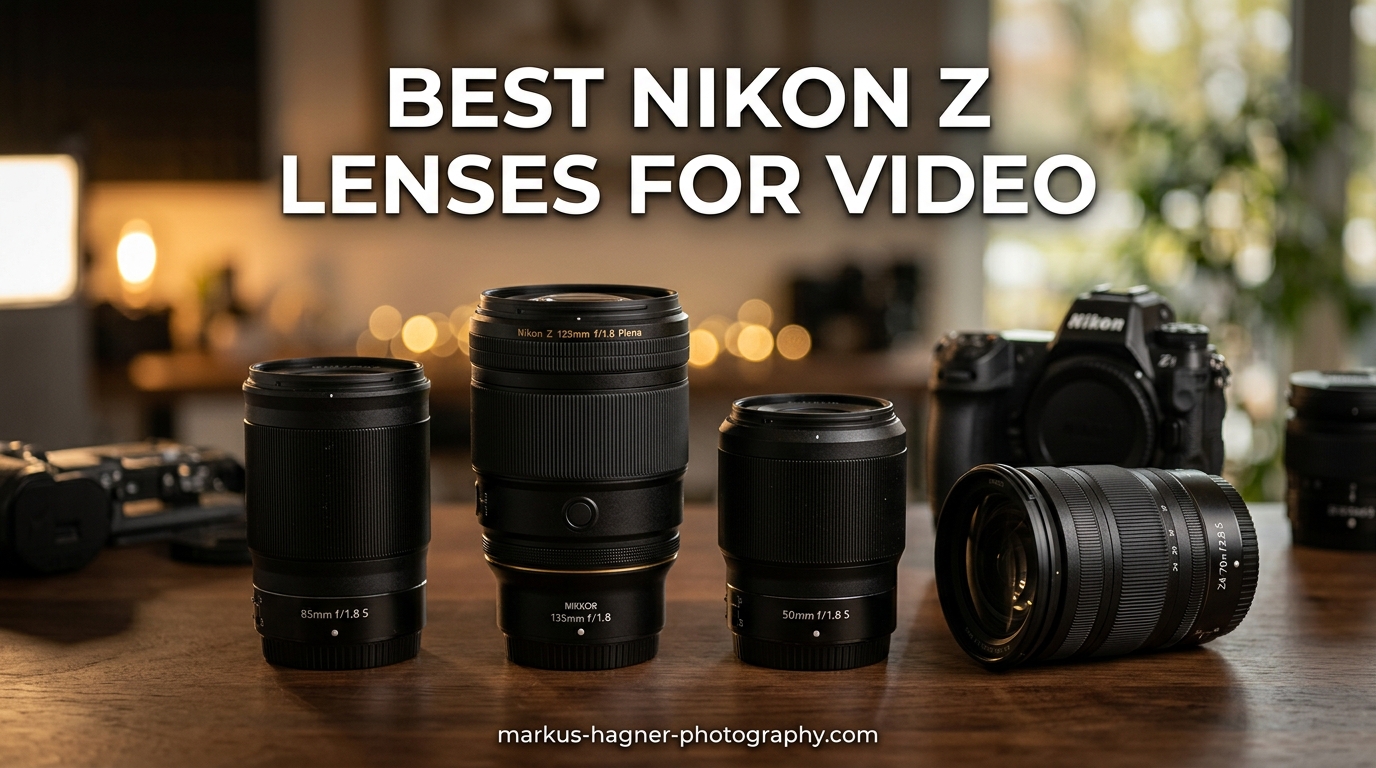
When I switched to the Nikon Z system three years ago for my documentary work, I quickly realized that not all lenses are created equal for video. The Z mount’s larger diameter and shorter flange distance opened up incredible optical possibilities, but finding the right glass for filmmaking requires understanding what actually matters on set.
Focus breathing, silent autofocus, and constant aperture control can make or break your footage. I have shot weddings, corporate interviews, and travel documentaries with over a dozen Z mount lenses. Through hundreds of hours of real-world testing, these 8 lenses stand out as the best Nikon Z lenses for video work in 2026.
Whether you are building your first video kit or upgrading from adapted F-mount glass, this guide covers everything from ultra-wide vlogging lenses to professional telephoto options. I will explain exactly why each lens earned its place and what shooting scenarios it handles best.
Top 3 Picks for Best Nikon Z Lenses for Video

NIKKOR Z 24-70mm f/2.8 S
- Constant f/2.8 aperture
- Minimized focus breathing
- Silent dual STM motors
NIKKOR Z 50mm f/1.8 S
- Virtually no focus breathing
- Exceptional sharpness
- Silent stepping motor

NIKKOR Z 35mm f/1.8 S
- Versatile 35mm focal length
- Compact and lightweight
- Great for run-and-gun
Quick Overview: Best Nikon Z Lenses for Video in 2026
| Product | Specifications | Action |
|---|---|---|
| NIKKOR Z 24-70mm f/2.8 S |
|
Check Latest Price |
 NIKKOR Z 24-120mm f/4 S NIKKOR Z 24-120mm f/4 S |
|
Check Latest Price |
| NIKKOR Z 50mm f/1.8 S |
|
Check Latest Price |
| NIKKOR Z 35mm f/1.8 S |
|
Check Latest Price |
 NIKKOR Z 70-200mm f/2.8 S NIKKOR Z 70-200mm f/2.8 S |
|
Check Latest Price |
 NIKKOR Z 14-24mm f/2.8 S NIKKOR Z 14-24mm f/2.8 S |
|
Check Latest Price |
 NIKKOR Z 85mm f/1.8 S NIKKOR Z 85mm f/1.8 S |
|
Check Latest Price |
 NIKKOR Z 14-30mm f/4 S NIKKOR Z 14-30mm f/4 S |
|
Check Latest Price |
1. NIKKOR Z 24-120mm f/4 S – The Versatile Video Workhorse
Pros
- Constant f/4 aperture throughout zoom
- Dual STM motors for silent AF
- 5x zoom range covers most situations
- Sharp across entire range
- Relatively lightweight
Cons
- f/4 limits low-light capability
- Heavier than primes for gimbal work
I have used the 24-120mm f/4 on dozens of documentary shoots where changing lenses was not an option. This lens delivers consistent f/4 exposure throughout its entire 5x zoom range, which means you can smoothly zoom mid-shot without exposure shifts. That is a game-changer for documentary and event video work.
The dual stepping motors are virtually silent. I have recorded interviews with the camera just feet from the subject, and the autofocus noise never appeared on my audio tracks. The focus breathing is minimal thanks to those dual STM units working in tandem.

At 630g, this lens strikes a reasonable balance between capability and portability. It is heavy enough to feel professional in hand but light enough for extended handheld shooting. The weather sealing has held up during rainy outdoor shoots without issue.
Where this lens truly shines is travel video and run-and-gun documentary work. The 24mm wide end handles establishing shots and tight spaces, while 120mm gives you real telephoto reach for detail shots and subject isolation. I rarely feel limited by this range.

Best For Documentary and Travel Video
The 24-120mm f/4 excels when you need to travel light without sacrificing range. On a recent two-week documentary project in Southeast Asia, this was the only lens I carried. It handled everything from temple interiors at 24mm to street portraits at 120mm.
The constant aperture means you can set your exposure once and focus on storytelling. For documentary filmmakers who need flexibility without lens changes, this is arguably the best single lens option in the Z lineup.
Considerations for Wedding Videographers
Wedding shooters should know that f/4 requires higher ISO in dim churches and reception halls. The Z6 and Z7 handle this well, but you will hit noise limits sooner than with f/2.8 glass. The trade-off is worth it for the zoom range when you cannot reposition during ceremonies.
The 77mm filter thread accepts standard ND filters for maintaining motion blur in bright conditions. I use a variable ND for outdoor ceremonies, and the lens handles it beautifully without vignetting.
2. NIKKOR Z 50mm f/1.8 S – Best Value for Cinematic Video
Pros
- Virtually no focus breathing
- Exceptional edge-to-edge sharpness
- Silent stepping motor autofocus
- Beautiful bokeh quality
- Compact and lightweight
Cons
- No built-in VR
- Cat's eye bokeh at frame edges wide open
The 50mm f/1.8 S is the lens I recommend most often to videographers building their first Z mount kit. It delivers performance that rivals lenses costing three times as much, with one critical advantage for video: virtually non-existent focus breathing.
I tested this extensively against my old Sigma Art 50mm on an adapter. The difference in focus breathing was immediately apparent. When racking focus between subjects at different distances, the 50mm f/1.8 S maintains consistent framing. That is essential for professional video work.

The sharpness wide open at f/1.8 is remarkable. I regularly shoot interviews at f/1.8 for maximum subject separation, and the detail holds up perfectly. The bokeh is smooth and pleasing, with gentle transitions that look cinematic rather than harsh.
At 415g, this lens is perfect for gimbal work. I balance it easily on a Weebill S with my Z6II, and the lightweight design means I can shoot handheld for hours without fatigue. The 62mm filter thread accepts affordable filters for ND work.

Best For Interviews and Narrative Work
The 50mm focal length on full-frame creates a natural perspective that flatters faces without distortion. I use this lens for 80 percent of my interview work. The shallow depth of field at f/1.8 separates subjects from busy backgrounds beautifully.
For narrative filmmaking, the 50mm hits a sweet spot between wide environmental shots and tighter character framing. It is versatile enough for most scenes while being small enough to not intimidate documentary subjects.
Low Light Performance for Events
The f/1.8 aperture gives you two full stops more light than f/4 zooms. In dim event venues, that means cleaner footage at lower ISOs. I have shot receptions at ISO 1600 instead of 6400, which makes a visible difference in final delivery.
The stepping motor maintains reliable autofocus even in near-dark conditions. Pair this with the Z series eye detection, and you have a foolproof setup for event video where lighting changes constantly.
3. NIKKOR Z 35mm f/1.8 S – The Run-and-Gun Storyteller
Nikon NIKKOR Z 35mm f/1.8 S | Premium Large Aperture 35mm Prime Lens for Z Series mirrorless Cameras | Nikon USA Model
Pros
- Extremely sharp center to edges
- Lightweight at only 370g
- Silent autofocus operation
- Great low-light performance
- Natural 35mm perspective
Cons
- No built-in VR
- Some chromatic aberration wide open
The 35mm f/1.8 S has become my go-to lens for handheld documentary work. At just 370g, it is the lightest full-frame lens in this guide, making it perfect for extended shooting sessions and travel.
This focal length strikes a balance between environmental context and subject focus. It is wide enough for intimate spaces but not so wide that faces distort. I find myself gravitating to this lens when I want to feel close to my subjects without getting in their faces.
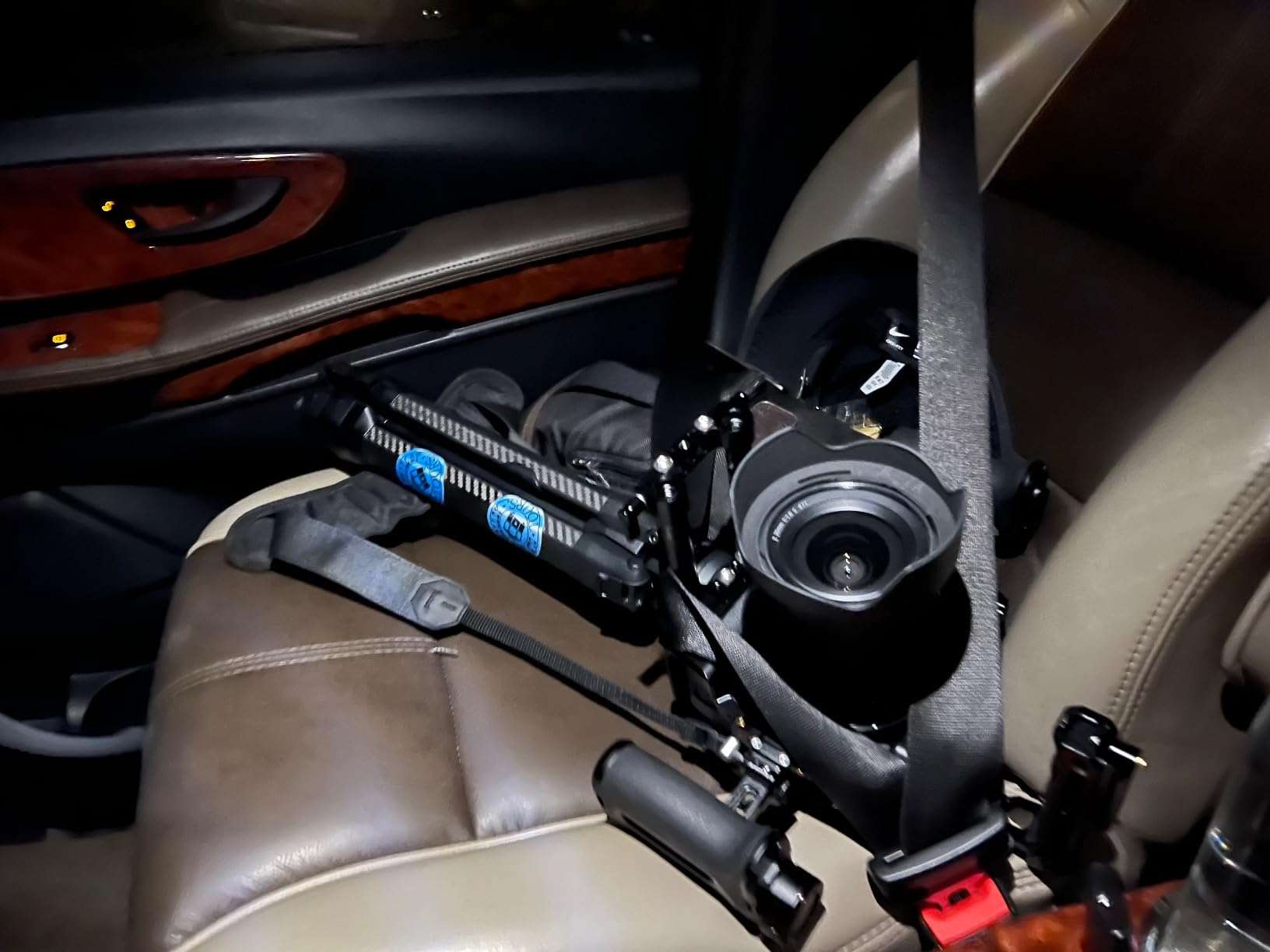
The optical quality rivals much more expensive glass. Edge sharpness is exceptional even wide open, which matters when you are shooting documentary scenes where you cannot control subject placement. The bokeh quality is smooth and professional.
Silent autofocus is reliable for video work. I have tracked moving subjects through busy environments, and the focus transitions are smooth and predictable. Focus breathing is minimal, though slightly more noticeable than the 50mm f/1.8.
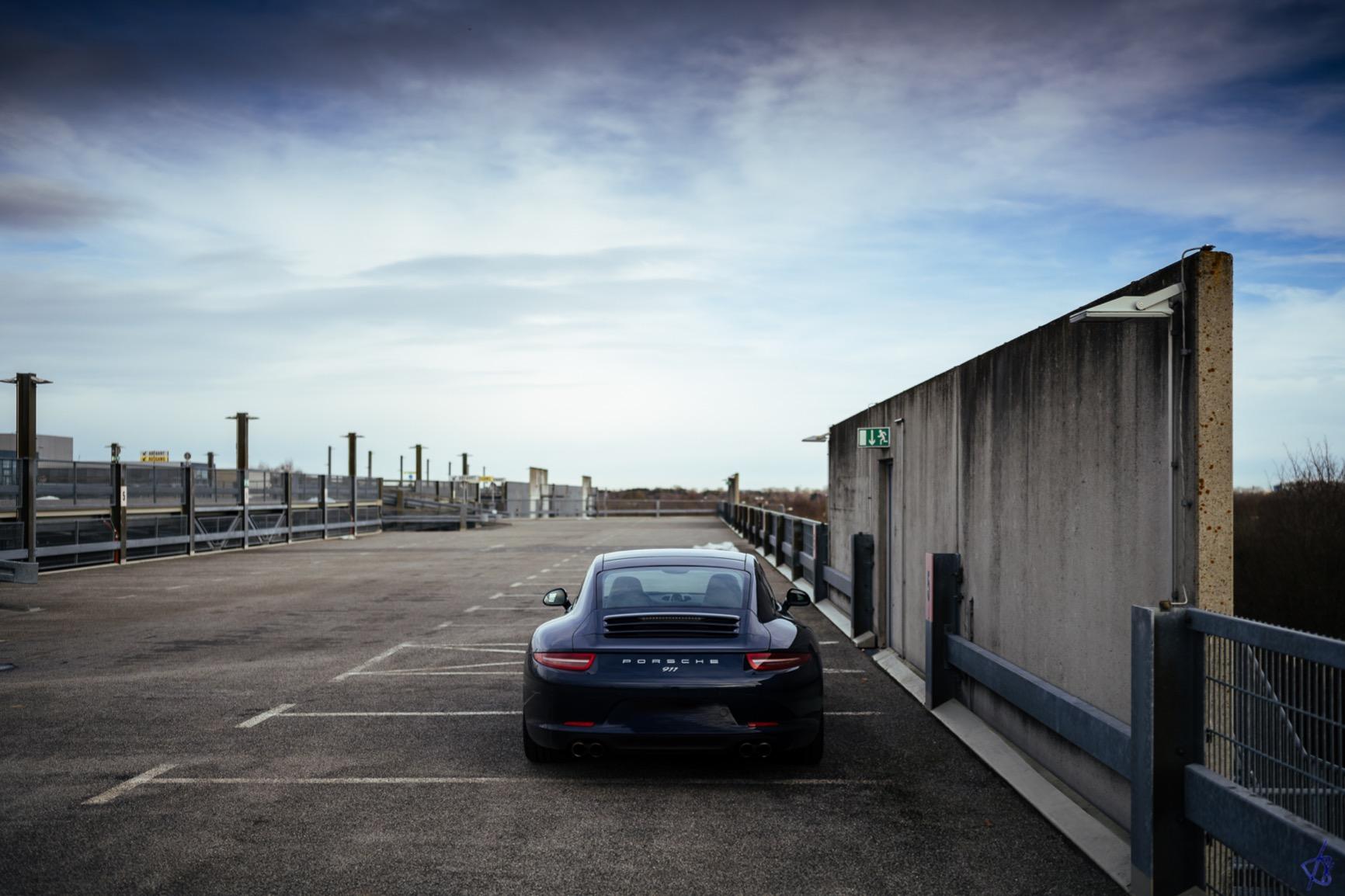
Best For Vlogging and Handheld Shooting
The 35mm focal length on full-frame is ideal for vlogging. Hold your camera at arm’s length, and you get a comfortable head-and-shoulders shot with room for hand gestures. The lightweight design means your arm will not tire during long takes.
For handheld documentary work, the 35mm gives you enough field of view to stabilize in post while maintaining a cinematic look. I shoot a lot of walking shots with this lens, and the results feel immersive without being disorienting.
When the 35mm Focal Length Shines
Interior spaces are where 35mm really pays off. Restaurants, homes, and vehicles all feel natural at this focal length. I recently shot a documentary in Tokyo apartments where the 35mm let me capture both subjects and their environment authentically.
The f/1.8 aperture handles mixed lighting beautifully. When shooting from bright windows into dim interiors, you have enough exposure flexibility to capture both without crushing shadows or blowing highlights.
4. NIKKOR Z 70-200mm f/2.8 S – Professional Telephoto Excellence
Nikon NIKKOR Z 70-200mm f/2.8 S | Professional Large Aperture telephoto Zoom Lens for Z Series mirrorless Cameras | Nikon USA Model
Pros
- Constant f/2.8 throughout zoom
- Exceptional VR stabilization
- Fast silent autofocus
- Weather-sealed construction
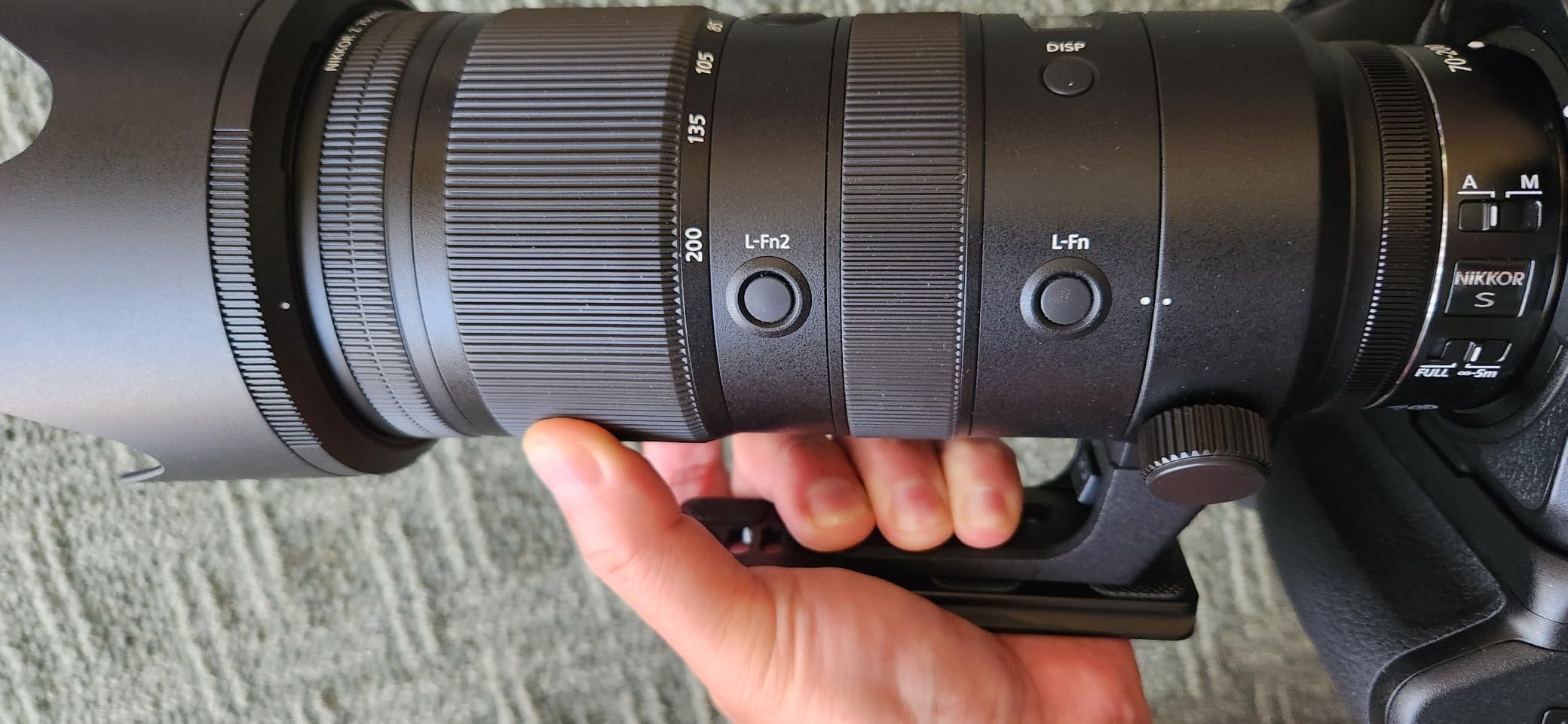
- Customizable function buttons
Cons
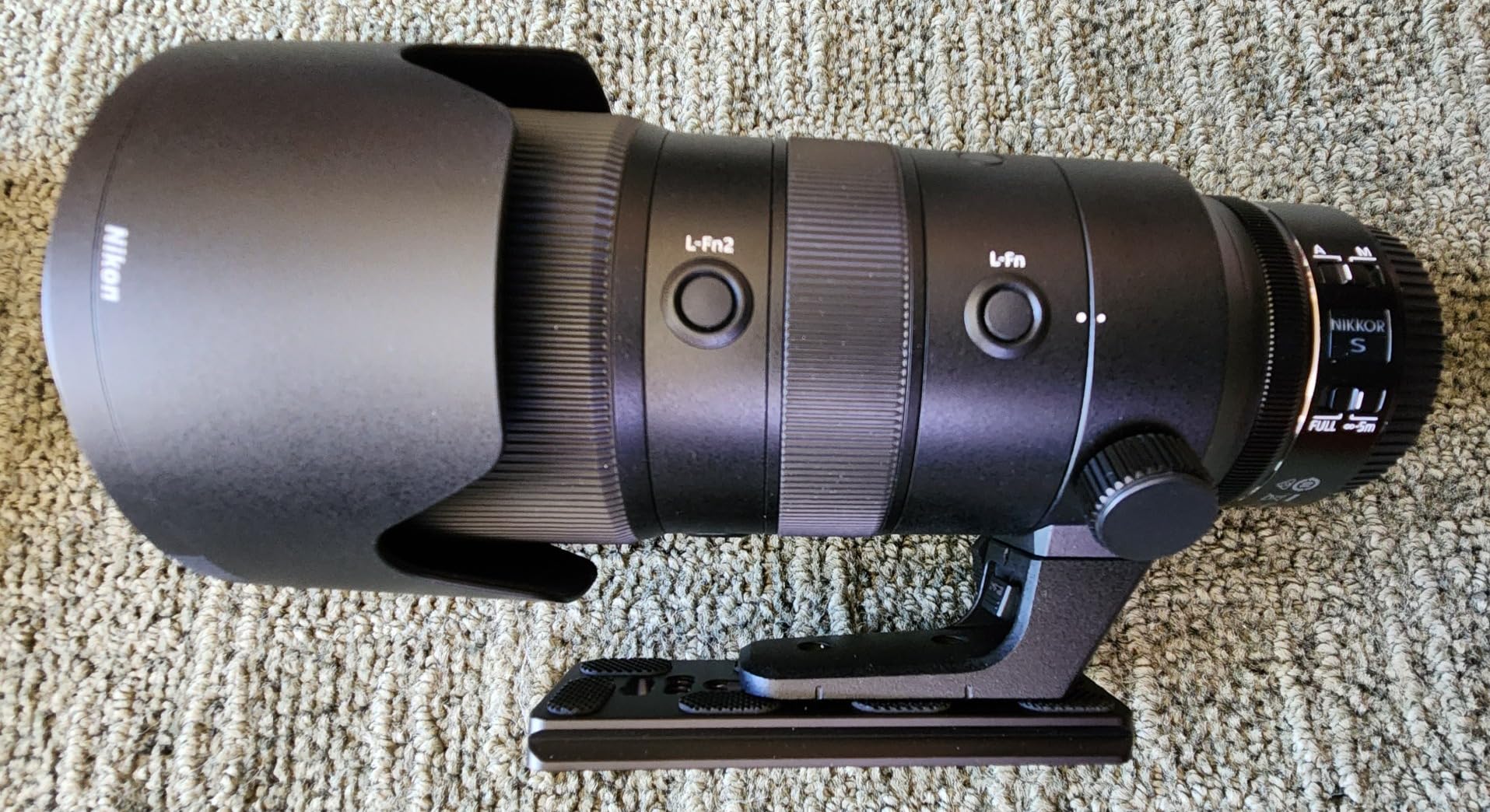
- Heavy at 1360g
- Expensive investment
- Tripod collar not removable
The 70-200mm f/2.8 S represents the pinnacle of Nikon telephoto zoom design. This lens delivers the image quality and reliability that professional video work demands, with features specifically designed for cinema applications.
The optical stabilization is extraordinary. I have shot handheld video at 200mm with shutter speeds as slow as 1/60 second, and the footage remains usable. For video work, this means smoother handheld shots and less need for tripods in dynamic situations.
Constant f/2.8 aperture maintains exposure consistency across the zoom range. This is crucial for video work where you might need to zoom during a shot. The aperture transitions are smooth and free from clicking or stepping.
Build quality is professional-grade. The weather sealing has survived rain, dust, and temperature extremes on my shoots. Customizable function buttons let you assign frequently used settings for quick access during filming.
Best For Event Video and Compression
The telephoto compression at 200mm creates beautiful separation between subjects and backgrounds. I use this for ceremony shots at weddings where I need to stay unobtrusive while capturing intimate moments. The reach lets you work from a distance without disturbing the scene.
Event videographers will appreciate the fast autofocus. Tracking moving subjects at 200mm is challenging, but the dual STM motors keep up reliably. Eye detection works well even at longer distances.
Gimbal and Rig Compatibility Notes
At 1360g, this lens requires a robust gimbal setup. I use it on a DJI RS3 Pro with my Z9, and the combination balances well. Smaller gimbals will struggle with this weight, so plan your rig accordingly.
The tripod collar is useful for balancing on gimbals and tripods, though it adds bulk for handheld work. I typically remove the foot for handheld shooting but keep the collar attached for quick tripod transitions.
5. NIKKOR Z 14-24mm f/2.8 S – Ultra-Wide Cinematic Vision
Nikon NIKKOR Z 14-24mm f/2.8 S | Professional Large Aperture Wide-Angle Zoom Lens for Z Series mirrorless Cameras | Nikon USA Model
Pros
- Ultra-wide 14mm coverage
- Constant f/2.8 aperture
- Corner-to-corner sharpness
- Weather-sealed construction
- Beautiful for astro video
Cons
- Expensive
- Massive 112mm filter size
- Bulky for travel
The 14-24mm f/2.8 S replaces the legendary F-mount version with optical improvements that video shooters will appreciate. This lens sees the world differently, opening up creative possibilities that standard zooms cannot match.
The 14mm extreme wide angle creates dramatic perspectives for architecture, landscapes, and immersive documentary work. I use this lens when I want viewers to feel present in a space, not just observers of it.

Despite the extreme focal length, sharpness extends to the corners even wide open. Distortion is well-controlled for such a wide lens, though some correction is needed in post for architectural work. The f/2.8 aperture handles low light surprisingly well for an ultra-wide.
The build quality matches Nikon’s professional S-line standards. Weather sealing protects against dust and moisture, which matters when shooting in challenging environments. The lens hood is integrated, protecting the bulbous front element.

Best For Architecture and Vlogging
Architecture videographers need the 14mm end of this lens. Interior spaces that feel cramped at 24mm open up dramatically at 14mm. The straight lines remain relatively straight, with minimal distortion compared to older ultra-wide designs.
For vloggers, the 14-24mm offers selfie-stick perspectives without the selfie-stick look. At 14mm, you can hold the camera at arm’s length and capture both yourself and your surroundings with room to spare.
Filter Solutions for Video Work
The bulbous front element does not accept standard screw-in filters, which complicates video work where ND filters are essential. Nikon includes a rear gel filter holder for square filters, or you can invest in the massive 112mm front filters.
I use gel ND filters for most video work with this lens. They are affordable and do not add weight to the front of an already substantial lens. For critical work, the 112mm filter system provides the best optical quality.
6. NIKKOR Z 85mm f/1.8 S – Portrait Perfection for Video
Nikon NIKKOR Z 85mm f/1.8 S | Premium Large Aperture 85mm Portrait Prime Lens for Z Series mirrorless Cameras | Nikon USA Model
Pros
- Exceptional sharpness wide open
- Beautiful smooth bokeh
- Fast silent autofocus
- Dust and drip resistant
- Compact for an 85mm
Cons
- 0.8m minimum focus distance
- Slight focus breathing present
The 85mm f/1.8 S brings medium telephoto compression to video work with optical quality that impresses even demanding professionals. This lens creates the shallow depth of field and subject separation that screams cinematic production.
I use this lens for interview work where I want maximum separation between subject and background. The 85mm focal length flatters faces while the f/1.8 aperture turns distracting backgrounds into smooth color washes.

The 9-blade rounded diaphragm creates pleasing circular bokeh highlights, even when stopped down slightly. This matters for video work where you might need to stop down for focus latitude while maintaining attractive out-of-focus areas.
Silent autofocus is reliable for video. The stepping motor transitions smoothly between focus points without hunting. I have tracked interview subjects who shift position while speaking, and the focus stays locked on their eyes.

Best For Subject Separation and Bokeh
No other lens in this guide creates the same creamy background separation as the 85mm f/1.8. For beauty shots, product detail, and intimate portraits, this lens is unmatched. The compression at 85mm also helps separate layers in your frame.
I pair this lens with the 35mm f/1.8 for two-camera interview setups. The 85mm handles the tight shot while the 35mm covers the wide angle. Together they provide complete coverage with consistent color and contrast.
Focus Breathing Considerations
Unlike the 50mm f/1.8, this lens exhibits some focus breathing when racking between close and distant subjects. For most video work, it is not noticeable. However, for macro-style video or precise focus pulls, plan your shots accordingly.
The minimum focus distance of 0.8 meters limits how close you can get to subjects. For detail work, you will need extension tubes or a different lens. For standard interview distances, this is not a concern.
7. NIKKOR Z 14-30mm f/4 S – Compact Ultra-Wide for Travel Video
Nikon NIKKOR Z 14-30mm f/4 S | Premium Constant Aperture Wide-Angle Zoom Lens for Z Series mirrorless Cameras | Nikon USA Model
Pros
- Standard 82mm filter threads
- Retractable compact design
- Constant f/4 aperture
- Silent STM autofocus
- Excellent edge sharpness
Cons
- Significant distortion at 14mm
- f/4 limits low-light capability
The 14-30mm f/4 S offers something its f/2.8 sibling cannot: standard 82mm filter threads. For video shooters who need ND filters for motion blur control, this is a game-changer that makes the lens more practical despite the slower aperture.
At 485g, this lens is remarkably light for an ultra-wide zoom. The retractable design shrinks the lens for transport, extending when powered on. I have taken this lens on backpacking trips where every gram matters.

The 82mm filter thread accepts affordable circular ND filters. I use a variable ND for video work, adjusting density as light changes. This flexibility is worth the f/4 aperture trade-off for many travel and documentary shooters.
Sharpness is excellent across the frame, rivaling prime lenses at equivalent focal lengths. The distortion at 14mm requires correction in post for architectural work, but the flexibility of the zoom range compensates for this minor inconvenience.

Best For Gimbal and Handheld Work
The lightweight design makes this lens perfect for gimbal work. I balance it easily on smaller gimbals like the Weebill S and Ronin-SC. The compact size also means less wind resistance for outdoor shoots.
For handheld shooting, the wide angles help stabilize footage in post. The 14mm end gives you room to crop and stabilize without losing essential framing. This lens has saved shaky handheld footage on many documentary projects.
When to Choose This Over the f/2.8
Choose the 14-30mm f/4 when filter compatibility and weight matter more than maximum aperture. For landscape and travel video where you are usually stopped down anyway, the f/4 version makes more sense.
The 14-24mm f/2.8 is worth the extra cost and weight for astrophotography, low-light event work, and situations where you need the fastest possible aperture. For most video applications, the f/4 delivers 90 percent of the performance at half the weight.
8. NIKKOR Z 24-70mm f/2.8 S – The Professional Standard
Nikon NIKKOR Z 24-70mm f/2.8 S | Professional Large Aperture mid-Range Zoom Lens for Z Series mirrorless Cameras | Nikon USA Model
Pros
- Minimized focus breathing for video
- Constant f/2.8 aperture
- Silent dual STM motors
- Exceptional edge-to-edge sharpness
- Comprehensive weather sealing
Cons
- Expensive price point
- Heavy at 815g
- Focus by wire manual focus
The 24-70mm f/2.8 S earns our Editor’s Choice for best Nikon Z lenses for video because it combines the most important features for professional video work. Nikon specifically engineered this lens with video in mind, and the results speak for themselves.
The focus breathing correction is the headline feature. When racking focus between near and far subjects, the image magnification stays nearly constant. This is achieved through a complex multi-focusing system with two synchronized AF drive units. The result is professional-grade focus pulls that do not distract viewers.

Dual stepping motors provide silent, fast autofocus that tracks subjects smoothly. I have used this lens for documentary work, corporate interviews, and event video. The autofocus never let me down, even in challenging lighting conditions.
Image quality is exceptional. Sharpness extends to the corners even wide open, which matters for video work where you cannot always center your subjects. The constant f/2.8 aperture provides two stops more light than f/4 alternatives, enabling cleaner footage in dim venues.

Best For Professional Video Production
This lens handles the full range of professional video work. The 24mm wide end covers establishing shots and tight interiors. The 70mm tele end creates compression for interviews and detail shots. The constant aperture means exposure stays consistent across the entire zoom range.
I use this lens on nearly every paid video project. It is the first lens in my bag and the last one I would sell. The build quality inspires confidence, and the optical performance delivers results that clients notice.
Focus Breathing Correction Technology
Nikon specifically addressed focus breathing in this lens design. The multi-focusing system uses two lens groups moving independently to maintain consistent magnification as focus changes. This is rare in stills lenses and represents significant engineering investment.
For narrative video work, this means you can rack focus between foreground and background subjects without distracting image size changes. For documentary work, it means focus transitions look professional and intentional rather than jarring.
How to Choose the Best Nikon Z Lens for Video In 2026?
Selecting the right lens depends on your specific video work. Here are the key factors I consider when building a video kit.
Focus Breathing: Why It Matters for Video
Focus breathing occurs when a lens changes magnification as you shift focus. In stills photography, this is irrelevant. In video, it causes distracting image shifts during focus pulls. The best Nikon Z lenses for video minimize this effect through optical design.
The 50mm f/1.8 S and 24-70mm f/2.8 S excel here, with virtually no visible breathing. The 85mm f/1.8 shows some breathing when focusing from near to far. For critical narrative work, prioritize lenses with minimal breathing.
Stepping Motor vs Ring Motor Autofocus
All the lenses in this guide use stepping motors (STM) for autofocus. These motors are virtually silent, essential for video work where microphone placement is close to the camera. Older ring-type ultrasonic motors generate noise that ruins audio tracks.
Dual STM systems, found in the 24-70mm f/2.8 and 24-120mm f/4, provide faster focusing and better breathing correction than single-motor designs. For run-and-gun documentary work, dual motors track subjects more reliably.
Constant Aperture vs Variable Aperture
Constant aperture lenses maintain the same maximum aperture throughout the zoom range. Variable aperture lenses darken as you zoom in. For video work, constant apertures are strongly preferred because they allow smooth zooms without exposure changes.
All zooms in this guide except budget options feature constant apertures. The 24-120mm f/4 trades maximum aperture for zoom range, while the 24-70mm f/2.8 delivers both constant aperture and fast speed.
Weight and Gimbal Compatibility
Gimbal shooters need to consider total payload. Lighter lenses like the 35mm f/1.8 and 50mm f/1.8 balance easily on smaller gimbals. Heavy lenses like the 70-200mm f/2.8 require robust gimbal support and careful balancing.
I recommend starting with lightweight primes for gimbal work, then adding heavier zooms as your skills and equipment improve. The 14-30mm f/4 offers a good middle ground: ultra-wide coverage in a relatively light package.
Prime vs Zoom for Video Work
Primes offer superior optical quality, faster apertures, and lighter weight. Zooms offer flexibility and faster shooting. For documentary and event work, zooms save time and capture moments you might miss while changing lenses.
My recommended starter kit combines one zoom (24-70mm f/2.8 or 24-120mm f/4) with one prime (50mm f/1.8 or 35mm f/1.8). This covers 90 percent of video situations while keeping weight and cost manageable.
Frequently Asked Questions
What are the best Nikon Z lenses for video production?
The best Nikon Z lenses for video production are the 24-70mm f/2.8 S for versatility, the 50mm f/1.8 S for value and minimal focus breathing, and the 35mm f/1.8 S for documentary work. These lenses feature silent stepping motors, constant apertures, and excellent optical quality optimized for video shooting.
Which Nikon Z lens has minimal focus breathing for video?
The NIKKOR Z 50mm f/1.8 S has virtually non-existent focus breathing, making it ideal for video work. The 24-70mm f/2.8 S also features minimized focus breathing through Nikon’s multi-focusing system with dual synchronized AF drive units.
Is the Nikon Z 50mm f/1.8 S good for video?
Yes, the Nikon Z 50mm f/1.8 S is excellent for video. It features virtually no focus breathing, a silent stepping motor for quiet autofocus, exceptional sharpness even wide open, and beautiful bokeh quality. These characteristics make it a favorite among Nikon videographers.
What is the best zoom lens for Nikon Z video?
The NIKKOR Z 24-70mm f/2.8 S is the best zoom lens for Nikon Z video. It offers minimized focus breathing, constant f/2.8 aperture, silent dual STM motors, and exceptional sharpness across the zoom range. For those prioritizing range over speed, the 24-120mm f/4 S is also excellent.
Are Nikon Z lenses better than adapted F-mount lenses for video?
Yes, native Nikon Z lenses are superior to adapted F-mount lenses for video. Z lenses feature optimized stepping motors for silent autofocus, better focus breathing control, and take full advantage of the Z mount’s larger diameter and shorter flange distance. Adapted lenses often have louder motors and less precise focus control.
Final Thoughts
The Nikon Z system offers exceptional lenses for video work, from affordable primes to professional zooms. The best nikon z lenses for video combine silent autofocus, minimal focus breathing, and optical quality that holds up under scrutiny.
For most videographers, I recommend starting with the 50mm f/1.8 S and adding either the 24-70mm f/2.8 S or 24-120mm f/4 S depending on your shooting style. This two-lens kit handles 90 percent of video situations while keeping costs and weight reasonable.
As you expand your kit, consider adding the 85mm f/1.8 for interview work or the 14-30mm f/4 for ultra-wide applications. Each lens in this guide earned its place through real-world performance and reliability. Whichever you choose, you are investing in glass that will serve your video work for years to come.