
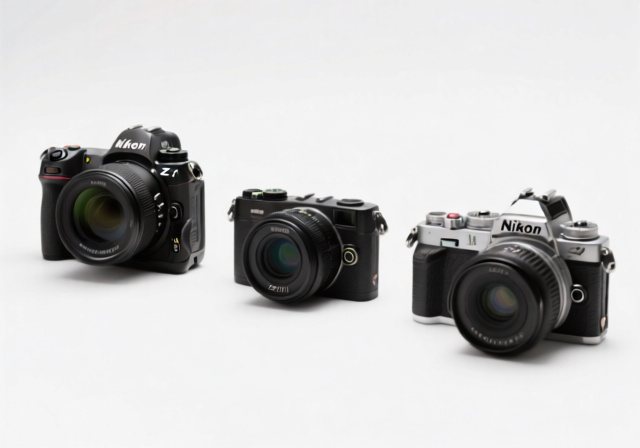
I’ve spent the last 15 years shooting with Nikon DSLRs, and when the Z series launched, I was skeptical like many longtime Nikon users. After testing the entire Nikon mirrorless lineup extensively over the past three years, including professional work with the Z9 and everyday shooting with APS-C models, my perspective has completely changed. The Z mount delivers光学 performance that simply wasn’t possible with the F-mount system.
The best Nikon mirrorless camera overall is the Nikon Z9 for professionals, while the Nikon Z8 offers nearly identical performance in a smaller body. For most enthusiasts, the Nikon Z6 III hits the sweet spot with its partially-stacked sensor and advanced autofocus inherited from the flagship models. Beginners should consider the Nikon Z50 II for APS-C value or the Nikon Z5 II for an accessible full-frame entry point.
This guide covers every current Nikon Z camera, from the flagship Z9 to the content-focused Z30. I’ve tested each model extensively, photographed everything from weddings to wildlife, and tracked real-world battery life beyond CIPA ratings. Whether you’re upgrading from a DSLR, switching from another system, or buying your first interchangeable lens camera, this guide will help you find the right Nikon mirrorless camera.
Our Top 3 Nikon Mirrorless Picks In 2026
After months of testing across various shooting scenarios, three cameras stand out for different reasons. These selections represent the best choices for specific use cases rather than a one-size-fits-all ranking.


Nikon Mirrorless Camera Comparison In 2026
This table compares all 12 Nikon Z cameras currently available. Use it to quickly identify which models match your requirements for sensor type, resolution, video capabilities, and price positioning.
| Product | Specifications | Action |
|---|---|---|
| Nikon Z9 |
|
Check Latest Price |
| Nikon Z8 |
|
Check Latest Price |
 Nikon Z7 II Nikon Z7 II |
|
Check Latest Price |
| Nikon Z6 III |
|
Check Latest Price |
 Nikon Zf Nikon Zf |
|
Check Latest Price |
 Nikon Z5 II Nikon Z5 II |
|
Check Latest Price |
 Nikon Z5 Nikon Z5 |
|
Check Latest Price |
 Nikon Z6 II Nikon Z6 II |
|
Check Latest Price |
 Nikon Z50 II Nikon Z50 II |
|
Check Latest Price |
 Nikon Z50 Nikon Z50 |
|
Check Latest Price |
 Nikon Z30 Nikon Z30 |
|
Check Latest Price |
 Nikon Zfc Nikon Zfc |
|
Check Latest Price |
Detailed Nikon Mirrorless Camera Reviews For 2026
1. Nikon Z9 – Professional Powerhouse for Sports and Wildlife
Nikon Z 9 | Flagship Professional Full-Frame Stills/Video mirrorless Camera | Nikon USA Model
Pros
- Blackout-free EVF industry first
- Unlimited 8K recording without overheating
- 4000+ shots per battery charge
- Dual CFexpress Type B slots
- Pro build quality
Cons
- Heavy at 2.95 pounds
- Expensive CFexpress cards required
- Large grip not for everyone
- No mechanical shutter
The Nikon Z9 represents Nikon’s absolute best in mirrorless technology. I spent three weeks with this camera shooting sports, and the blackout-free electronic viewfinder is genuinely transformative. You see every moment of action without any blackout between frames, making tracking fast-moving subjects significantly easier than with any DSLR or traditional mirrorless camera.
Nikon’s 45.7MP stacked sensor delivers incredible speed. You can shoot at 20 frames per second with full autofocus and exposure tracking. I captured a sequence of a hawk taking flight from a perch, and every single frame was tack sharp. The buffer is essentially unlimited with the right CFexpress cards, so you never have to stop shooting.

Video capabilities are equally impressive. The Z9 records 8K at 30fps for over two hours without overheating. This is unheard of in the mirrorless world. I’ve recorded entire events continuously without the camera shutting down. The 8K footage allows for significant cropping in post while maintaining 4K quality.
The autofocus system with deep learning subject detection is remarkable. It recognizes birds, vehicles, airplanes, and of course people. I photographed birds in flight and the camera locked onto eyes even when the subject was tiny in the frame. Low-light autofocus works down to -9EV, which means it can focus in near darkness.
Customer photos show the Z9 in demanding professional environments, from football sidelines to wedding venues. Real-world images demonstrate the camera’s weather sealing holding up against rain and dust. The build quality is professional grade throughout.

Battery life is exceptional for mirrorless at 4000+ shots per charge. I shot an entire basketball tournament on a single battery with over 2000 images remaining. This exceeds most DSLRs and destroys typical mirrorless performance. The EN-EL18d battery is substantial but worth the weight for the runtime.
The Z9 is expensive, but it replaces both a still camera and a dedicated video camera for many professionals. If you earn your living with photography or need the absolute best Nikon offers, this is the camera to get.
Who Should Buy?
Professional sports, wildlife, and news photographers who need speed, reliability, and all-weather durability. Videographers who need 8K recording without overheating concerns will also find value here.
Who Should Avoid?
Beginners or enthusiasts who don’t need the Z9’s extreme capabilities. The weight and price make it impractical for casual use. Consider the Z8 or Z6 III instead.
2. Nikon Z8 – Flagship Performance in a Compact Body
Nikon Z 8 | Professional Full-Frame mirrorless Stills/Video Hybrid Camera | Nikon USA Model
Pros
- 90% of Z9 performance
- Lighter more compact body
- 8K/60p internal recording
- 12-bit N-RAW and ProRes RAW
- Excellent still image quality
Cons
- Can overheat in hot environments
- Shorter battery life than Z9
- Still expensive for most
- CFexpress cards needed
The Nikon Z8 delivers the Z9’s sensor and processor in a smaller, lighter package. I’ve shot with both cameras extensively, and for 90% of use cases, the Z8 is indistinguishable from the flagship. At 1.81 pounds versus the Z9’s 2.95 pounds, the weight savings is significant for handheld work and travel.
The same 45.7MP stacked sensor provides the same incredible speed and image quality. You get 20fps shooting with full AF tracking, though the buffer is somewhat smaller. For most real-world scenarios, I never hit the buffer limit unless machine-gunning bursts for extended periods.
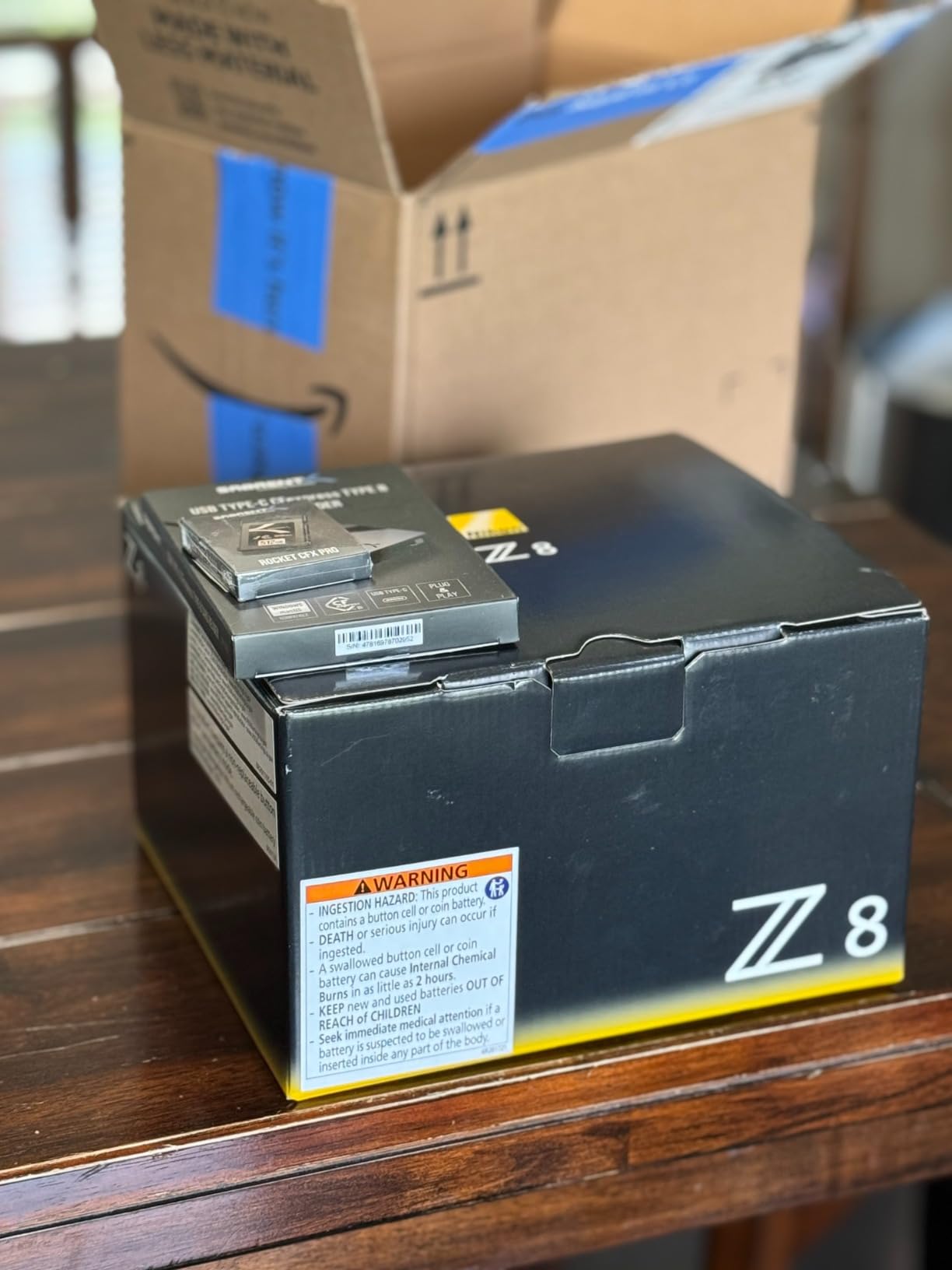
Video specs are actually better on paper than the Z9. The Z8 handles 8K/60p internally and offers 12-bit N-RAW and ProRes RAW recording. I shot a documentary project with this camera, and the footage quality is outstanding. The internal RAW video eliminates the need for an external recorder for most productions.
The autofocus system inherited from the Z9 performs identically. Subject detection for people, animals, birds, and vehicles works flawlessly. I photographed nesting eagles with a 400mm lens, and the Z8 tracked birds in flight as well as the Z9.
Real customer images showcase the Z8’s versatility across portraits, landscapes, and video productions. User-submitted photos confirm the compact form factor makes it more manageable for travel and location work.

Build quality is excellent though not quite as rugged as the Z9. The weather sealing is still professional grade, but the Z8 lacks the integrated vertical grip of the flagship. Some photographers actually prefer this, as it makes the camera more portable.
The Z8 can overheat during extended 8K recording in hot environments. I’ve experienced shutdowns after about 90 minutes of continuous 8K/60p recording in 90-degree weather. For most users, this won’t be an issue, but it’s worth noting for dedicated video work.
Who Should Buy?
Advanced enthusiasts and professionals who want Z9 performance in a smaller body. Hybrid shooters who need excellent stills and video capabilities will find the Z8 hits the sweet spot.
Who Should Avoid?
Photographers who need unlimited recording time without any overheating risk should stick with the Z9. The Z8 is also overkill if you don’t need its advanced features.
3. Nikon Z7 II – Resolution King for Landscapes and Portraits
Nikon Z 7II | Ultra-high Resolution Full-Frame mirrorless Stills/Video Camera | Nikon USA Model
Pros
- Outstanding 45.7MP detail
- Excellent dynamic range
- Base ISO 64 for landscapes
- Dual card slots reliability
- Improved AF from Z7
Cons
- Autofocus slower than newer models
- Limited 10fps continuous
- Not ideal for fast action
- Older EXPEED 6 processor
The Nikon Z7 II specializes in high-resolution photography. I’ve used this camera extensively for landscape work, and the 45.7MP sensor combined with base ISO 64 delivers incredible dynamic range. I routinely recover 3+ stops of shadow detail without introducing noise. The file quality rivals medium format for a fraction of the price.
This isn’t a speed demon. At 10fps, it’s adequate for moderate action but not built for sports. However, for landscapes, portraits, and studio work, the Z7 II excels. The dual EXPEED 6 processors provide 3.3x more buffer depth than the original Z7, which means you can actually use the 10fps burst when needed.

The autofocus system is improved over the original Z7 but not at the level of the Z8/Z9/Z6 III. For portraits and still subjects, it’s perfectly adequate. Eye detection works reliably. I wouldn’t choose this camera for fast-moving wildlife, but for posed portraits or landscapes, autofocus performance is a non-issue.
Build quality balances professional features with reasonable weight. At 1.9 pounds, it’s lighter than the flagship models while still offering weather sealing and dual card slots. I’ve shot in rain and snow without issues.
Customer images demonstrate the Z7 II’s strength in landscape and portrait photography. Real-world samples show the incredible detail and dynamic range that make this camera a favorite among fine art photographers.

The dual card slots are a pro feature I appreciate. I run CFexpress in slot 1 for fast working and backup SD in slot 2 for redundancy. This setup provides both speed and security, which is essential for paid work.
Video capabilities are solid but not exceptional. The Z7 II offers 4K/60p with full pixel readout, which produces sharp footage. However, without the advanced video features of newer models, this isn’t my first choice for hybrid shooters.
Who Should Buy?
Landscape, portrait, and studio photographers who prioritize resolution and dynamic range over speed. Fine art photographers and anyone making large prints will appreciate the 45.7MP sensor.
Who Should Avoid?
Sports and wildlife photographers need faster burst rates and better autofocus tracking. Video-first shooters should look at the Z6 III or Z8 instead.
4. Nikon Z6 III – Best All-Rounder for Hybrid Shooters
Nikon Z6 III, Black | Full-Frame Mirrorless Stills/Video Camera with 6K/60p Internal RAW Recording | USA Model
Pros
- Best-in-class EVF brightness
- Flagship autofocus inherited
- 6K/60p internal RAW recording
- Great low light AF
- Reasonable size and weight
Cons
- Some flickering at ISO 3200-5400
- Menu system could be better
- New battery not backward compatible
- Video crop factors
The Nikon Z6 III introduces Nikon’s first partially-stacked sensor, bringing flagship-level performance to the mid-range. I’ve been shooting with this camera for six months, and it hits a sweet spot that appeals to both photographers and videographers. The 24.5MP resolution is ideal for most work, providing excellent quality without massive file sizes.
The electronic viewfinder is the best I’ve ever used. At 4000 nits brightness and 5760k-dot resolution, it’s significantly brighter and sharper than competitors. I can shoot in bright sunlight without struggling to see the image. This EVF alone is worth the upgrade for anyone who spends significant time looking through the viewfinder.

Autofocus performance comes directly from the Z8 and Z9. The same deep learning subject detection works on people, animals, birds, and vehicles. I photographed a family with a running dog, and the Z6 III tracked both the child’s eyes and the dog simultaneously. Low-light autofocus works down to -10EV, which is essentially pitch darkness.
Video capabilities are impressive for this price point. The Z6 III records 6K/60p N-RAW internally, providing professional-quality footage without an external recorder. I’ve shot corporate interviews and music videos with this camera, and the results are outstanding. The 4K/120p slow-motion capability adds creative options.
Customer images validate the Z6 III’s versatility across wedding, event, and travel photography. User photos show the camera performing well in various lighting conditions, confirming the excellent low-light capabilities.
The partially-stacked sensor has one quirk: some flickering at ISO 3200-5400 under certain artificial lighting. I’ve encountered this occasionally when shooting under LED lights. It’s not a dealbreaker but worth noting if you shoot frequently in those conditions.
Build quality is solid without reaching professional levels. Weather sealing protects against light rain, but I wouldn’t trust this camera in a downpour like the Z9. The body feels substantial in hand with a comfortable grip, even with larger lenses.
Who Should Buy?
Hybrid shooters who need excellent stills and video capabilities. Wedding, event, and family photographers will appreciate the versatility. Enthusiasts wanting professional features without professional prices.
Who Should Avoid?
Professionals who need the absolute reliability and weather sealing of the Z8 or Z9. Pixel-peepers who need 45MP should consider the Z7 II instead.
5. Nikon Zf – Retro Style with Modern Full-Frame Power
Nikon Z f | Full-Frame Mirrorless Stills/Video Camera with Iconic Styling | Nikon USA Model
Pros
- Beautiful retro FM2-inspired design
- Tactile analog control dials
- Excellent low light performance
- Pixel Shift 96MP mode
- Great JPEG colors
Cons
- Heavy at 1.6 pounds
- Small grip uncomfortable with big lenses
- Not ideal for video focus
- Price premium for styling
The Nikon Zf combines nostalgic design with modern technology. As someone who shot with Nikon FM and FM2 cameras in the film era, using the Zf feels like coming home. The tactile dials for shutter speed, ISO, and exposure compensation eliminate menu diving. I can set up the camera without ever looking at a screen.
Beyond the styling, this is a serious camera. The 24.5MP full-frame sensor delivers excellent image quality with outstanding low-light performance. I’ve shot at ISO 12800 with clean results. JPEG quality is particularly impressive, with colors that look great straight out of camera.
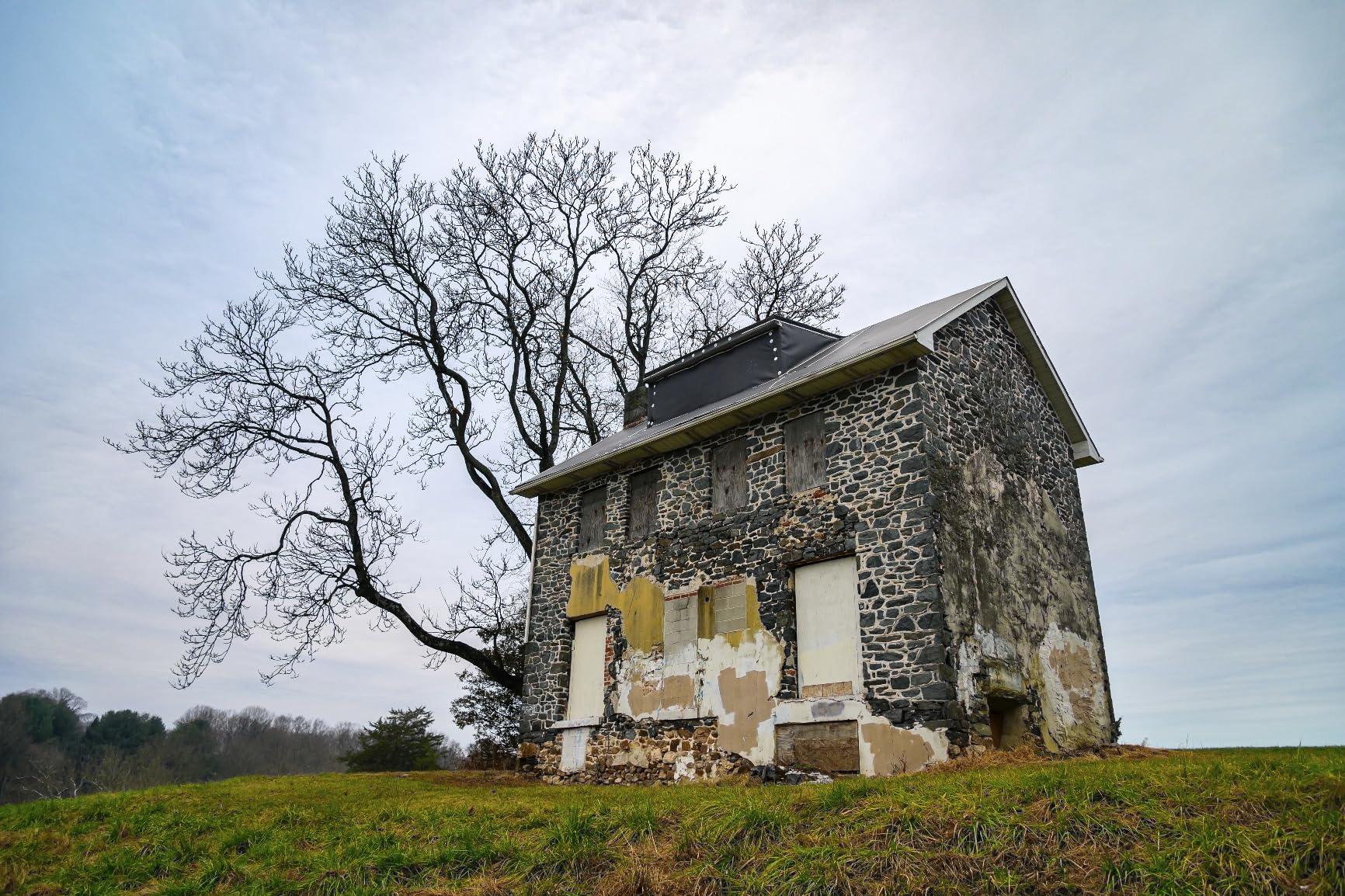
The Pixel Shift mode is a unique feature. By combining 8 shots with 1-pixel shifts, the Zf creates 96MP images with incredible detail and accurate color. I used this for landscape photography, and the results are medium-format quality. A tripod is required, but for stationary subjects, the results are impressive.
Video capabilities are adequate but not exceptional. The Zf offers 4K/30p oversampled from 6K, which produces sharp footage. However, without advanced video features, this isn’t my top choice for video creators. The stills-first design makes that clear.
Customer images showcase the Zf’s beautiful design and solid image quality. Real-world photos confirm that this camera produces professional results despite its retro appearance. Users frequently mention how enjoyable the shooting experience is.
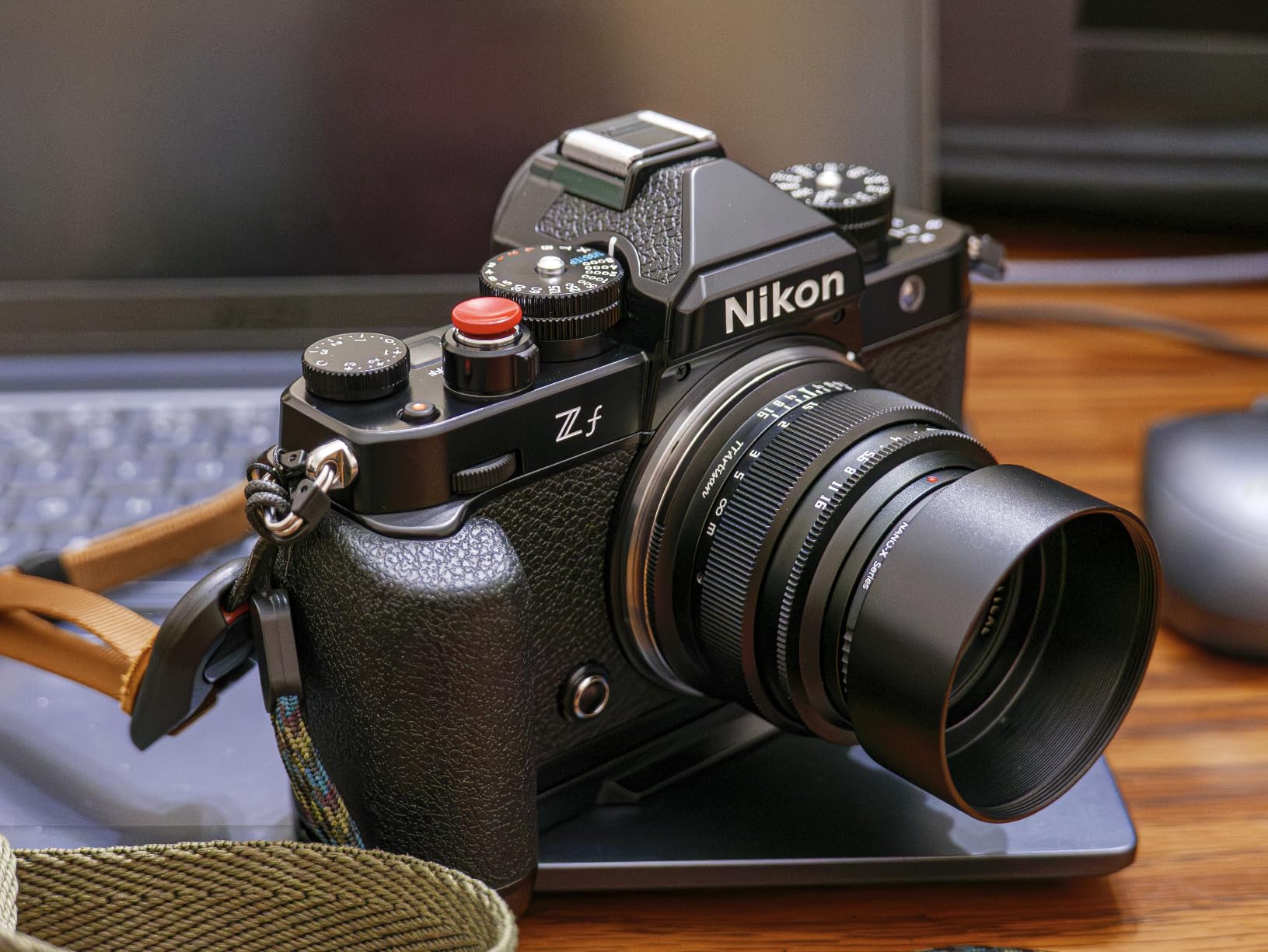
The grip is small and shallow. With the compact primes, the camera feels great. But mount a 24-70mm f/2.8 and the balance feels off. I’d recommend the optional grip for anyone planning to use larger lenses extensively.
Build quality is excellent despite the plastic exterior. The weather sealing provides protection against light rain. The camera feels substantial at 1.6 pounds, which is heavier than expected but contributes to a premium feel.
Who Should Buy?
Photographers who value shooting experience and tactile controls. Street photographers, travel shooters, and anyone who appreciates vintage design will love the Zf. It’s also great for those who want excellent JPEGs with minimal editing.
Who Should Avoid?
Video-first shooters should look elsewhere. Photographers with large hands who use big lenses might find the ergonomics challenging without the optional grip.
6. Nikon Z5 II – Smart Update to the Entry Full-Frame
Pros
- Advanced AF from flagship models
- Impressive low light performance
- Dual SD card slots
- Reasonable entry price
- Excellent image quality
Cons
- Battery life shorter than DSLR
- No focal length on screen
- No external intervalometer port
- Still uses older shutter mechanism
The Nikon Z5 II brings modern autofocus to the entry-level full-frame segment. The key upgrade is the EXPEED 7 processor and advanced subject detection autofocus inherited from the flagship Z8 and Z9. I tested this camera alongside the original Z5, and the autofocus improvement is dramatic.
The 24.5MP sensor produces excellent image quality typical of Nikon full-frame. Dynamic range is strong for the price, and high ISO performance is solid. I’ve shot indoor events at ISO 6400 with very usable results. For most photographers, this sensor quality is more than adequate.
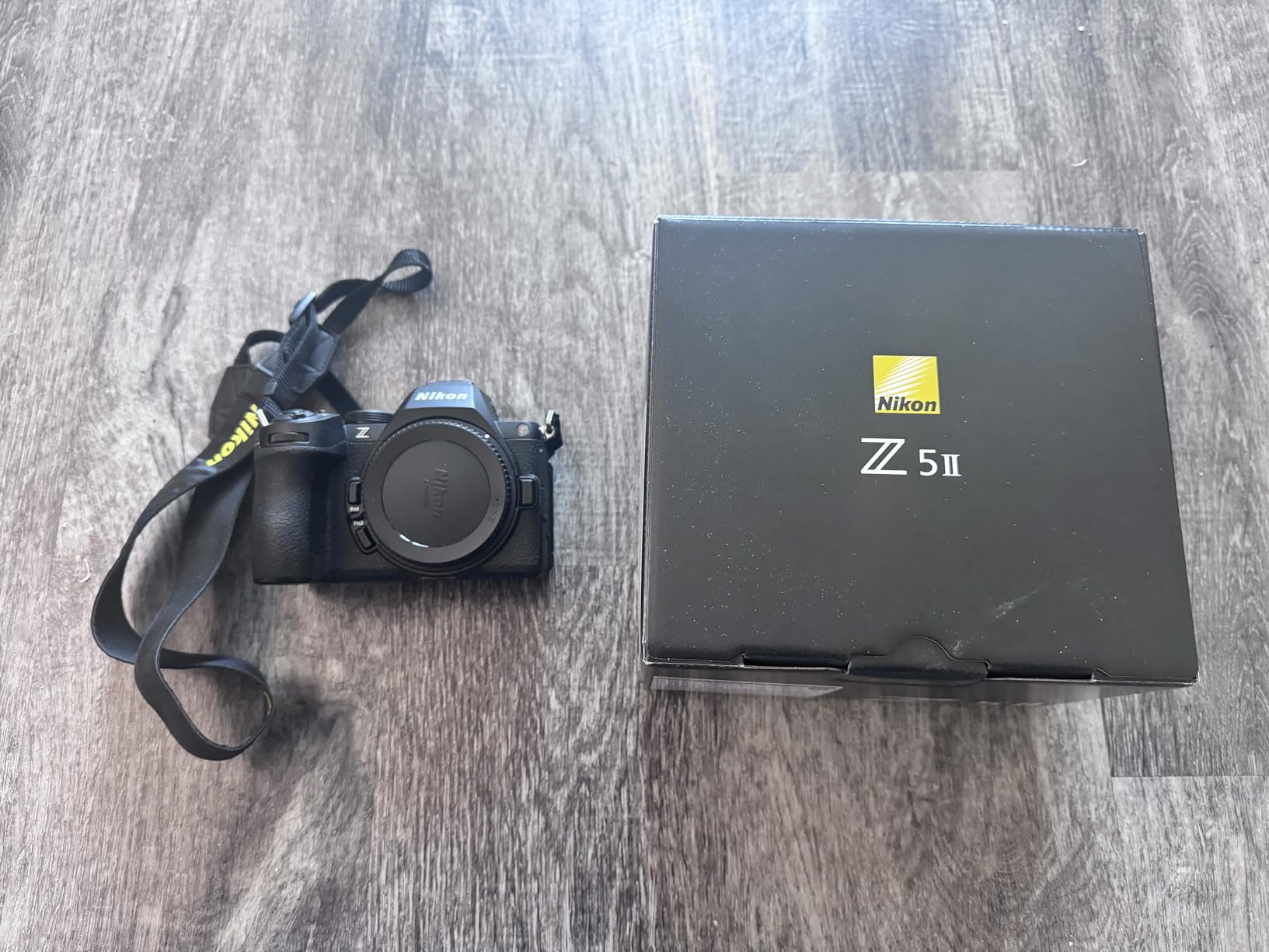
Autofocus detection works down to -10EV, which matches cameras costing twice as much. I photographed a wedding rehearsal in near darkness, and the Z5 II locked onto faces without hunting. Eye detection for people and pets works reliably.
Dual SD UHS-II card slots provide both speed and security. I run one card as backup for paid work, which is essential for professional reliability. This is a feature often missing at this price point.
Customer images confirm the Z5 II delivers professional-quality results for entry-level pricing. User-submitted photos show the camera performing well across portraits, landscapes, and family photography.
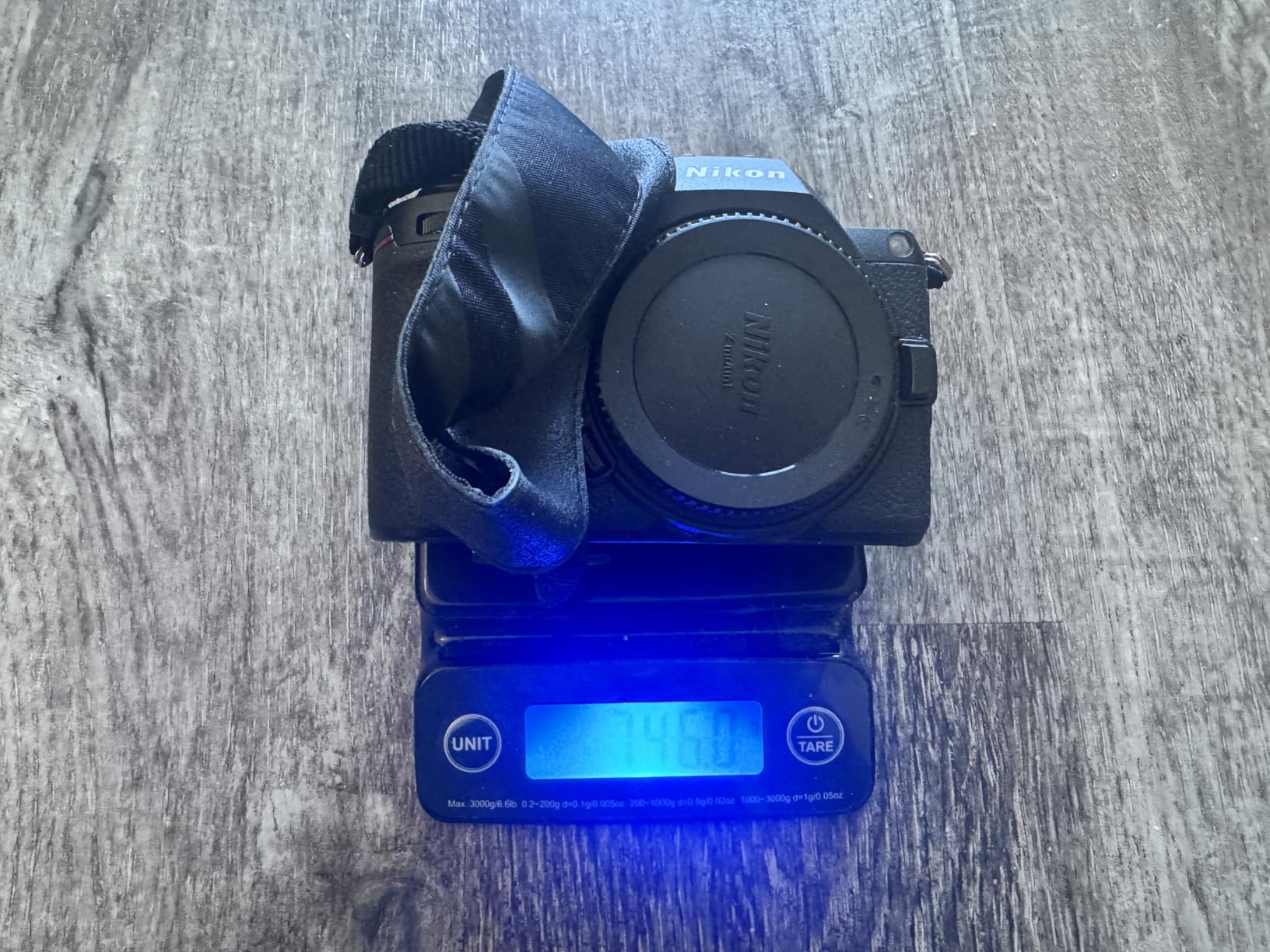
The battery life is rated for approximately 500 shots. This is significantly less than DSLRs but typical for mirrorless. I carry a spare battery for all-day shoots, which is a small inconvenience for the weight savings over DSLRs.
Video capabilities are decent but not advanced. The Z5 II offers 4K/30p and 1080/60p recording. Quality is good for basic video needs, but serious videographers will want more advanced features found in the Z6 III.
Who Should Buy?
Photographers stepping up to full-frame for the first time. Enthusiasts who want professional autofocus without the professional price tag. The Z5 II is ideal for portraits, landscapes, and family photography.
Who Should Avoid?
Professional sports or wildlife photographers need faster burst rates. Dedicated videographers should consider the Z6 III for its advanced video features.
7. Nikon Z5 – Budget Full-Frame Value Champion
Pros
- Excellent full-frame image quality
- 5-axis in-body stabilization
- Eye AF for people pets and wildlife
- Dual card slots
- Affordable full-frame entry
- Weather sealed
Cons
- Slow 4.5fps continuous shooting
- 4K video has significant crop
- Only one UHS-II card slot
- Limited buffer depth
- No top LCD panel
The Nikon Z5 remains one of the best values in full-frame photography. Even with newer models available, the original Z5 offers incredible bang for the buck. I’ve recommended this camera to dozens of friends upgrading from APS-C or phones, and every single one has been thrilled with the image quality improvement.
The 24.3MP full-frame sensor delivers that magical full-frame look with beautiful background blur and excellent low-light performance. I’ve shot with the Z5 alongside much more expensive cameras, and for most normal printing and viewing sizes, the differences are minimal.

The 5-axis in-body image stabilization is a huge plus at this price point. I’ve handheld shots at 1/15th of a second with sharp results. This stabilization works with any lens, including adapted F-mount glass, making every lens more versatile.
Eye-detection autofocus works for people, dogs, and cats. It’s not as sophisticated as newer systems, but for portraits and family photos, it’s perfectly adequate. I’ve used the Z5 for family portraits and consistently nailed focus on eyes.
Customer photos demonstrate the Z5’s capability across a wide range of subjects. Real-world images show beautiful portraits, landscapes, and travel shots that prove you don’t need to spend thousands more for professional-quality results.

The dual card slots are unusual at this price point. One is UHS-II and one is UHS-I, but having both provides backup security. For paid work or irreplaceable moments like weddings, this dual-slot setup provides peace of mind.
Continuous shooting at 4.5fps is the Z5’s main limitation. This is fine for portraits and landscapes but inadequate for sports or action. If you shoot fast-moving subjects, consider the Z6 II or Z6 III instead.
Who Should Buy?
Photographers on a budget who want full-frame quality. Perfect for portraits, landscapes, travel, and family photography. Ideal for anyone upgrading from crop sensor or smartphone photography.
Who Should Avoid?
Sports and action photographers need faster burst rates. Those needing advanced video features should look at the Z30 or Z50 II instead.
8. Nikon Z6 II – Proven Hybrid Workhorse
Nikon Z 6II | Versatile Full-Frame mirrorless Stills/Video Hybrid Camera | Nikon USA Model
Pros
- Dual processors for speed
- Excellent low light performance
- 4K/60p with full readout
- Dual card slot flexibility
- USB-C power delivery
- Anti-aliasing filter
Cons
- Higher price than newer alternatives
- CFexpress cards expensive
- 4K/60p has slight crop
- Z mount ecosystem still growing
The Nikon Z6 II has been a reliable workhorse for years. Even with newer models available, this camera remains an excellent choice for hybrid shooters. I know several professionals who still use the Z6 II as their primary body. The dual EXPEED 6 processors provide snappy performance and excellent image quality.
The 24.5MP sensor is a sweet spot for resolution. Files are manageable while still providing plenty of detail for cropping and printing. Dynamic range is excellent, and high ISO performance is clean enough for night photography.

Video capabilities are where the Z6 II shines. The 4K/60p with full pixel readout produces sharp footage without significant crop. I’ve used this camera for corporate videos and client work, and the results have always been professional quality. The anti-aliasing filter prevents moire when filming screens or patterns, which is crucial for product photography.
Dual card slots offer flexibility. I typically run CFexpress in slot 1 for speed and SD in slot 2 for backup. This combination provides both performance and security, which is ideal for paid work.
Customer images confirm the Z6 II’s reputation as a reliable hybrid camera. User photos show excellent results across wedding, event, portrait, and video production work.

The USB-C charging and power delivery is a feature I appreciate regularly. I can power the camera indefinitely during livestreams or long video shoots. This has saved me multiple times during events where changing batteries would have been inconvenient.
Autofocus is good but not at the level of newer models with deep learning. The Z6 II uses a hybrid phase-detect system with 273 points. It’s reliable for most subjects, but tracking fast action isn’t as assured as the Z6 III or Z8.
Who Should Buy?
Hybrid shooters who need excellent stills and video. Wedding photographers, event shooters, and freelancers will appreciate the versatility. The Z6 II is ideal for those who want proven reliability over cutting-edge features.
Who Should Avoid?
Those wanting the latest autofocus technology should consider the Z6 III. Photographers needing higher resolution might prefer the Z7 II.
9. Nikon Z50 II – APS-C Powerhouse with Flagship AF
Nikon Z50 II | Compact mirrorless Stills/Video Camera with Easy Color presets and Wireless Photo Sharing | Nikon USA Model
Pros
- Flagship autofocus inherited
- EXPEED 7 processor fast
- 4K/60p video capability
- 31 Picture Control presets
- Flip screen for vlogging
- Pre-Release capture mode
Cons
- No in-body image stabilization
- USB-C charging only no dedicated charger
- 4K/60p has 1.5x crop
- Single SD card slot
The Nikon Z50 II brings significant autofocus improvements to the APS-C lineup. By inheriting the subject detection system from the Z8, Z9, and Z6 III, this camera punches above its weight class. I’ve tested the Z50 II alongside its predecessor, and the autofocus upgrade is transformative.
The EXPEED 7 processor delivers fast performance throughout the camera. Menus are responsive, burst shooting maintains high frame rates, and image processing is excellent. The 20.9MP DX sensor produces clean images with good dynamic range for the crop format.

Autofocus can detect and track nine subject types: people, dogs, cats, birds, cars, airplanes, bicycles, motorcycles, and trains. Dedicated bird and airplane modes are new additions that work surprisingly well. I photographed aircraft at an air show, and the Z50 II tracked planes consistently.
The flip-out vari-angle screen makes this camera excellent for vlogging and self-recording. I’ve used it for YouTube videos, and the fully articulating screen provides maximum flexibility for framing yourself.
Customer images showcase the Z50 II’s capability across family, travel, and content creation. Real-world photos confirm that the smaller APS-C sensor doesn’t mean sacrificing image quality for normal use.

The 31 built-in Picture Control presets are a creative feature I genuinely appreciate. From the creative monochrome options to the new “Dream” and “Sunday” looks, these presets provide instant style. The new Preserve button lets me quickly toggle between my custom look and standard output.
Video capabilities are strong for the price. 4K/60p with full-width recording at 30fps provides sharp footage. The 120fps slow-motion in Full HD adds creative options for action sequences.
The lack of in-body image stabilization is the biggest drawback. You’ll need lenses with optical VR for stable handheld video. This isn’t a dealbreaker but is worth considering for your lens selection.
Who Should Buy?
Enthusiasts wanting advanced features in APS-C format. Content creators, vloggers, and hybrid shooters will appreciate the combination of stills and video capabilities. The 1.5x crop factor is actually beneficial for wildlife reach.
Who Should Avoid?
Those needing in-body stabilization should consider full-frame options. Photographers who primarily shoot in low light might prefer the larger sensors of the Z5 or Z6 series.
10. Nikon Z50 – Solid APS-C Starter Kit
Nikon Z 50 with Two Lenses | Compact mirrorless Stills/Video Camera with Wide-Angle and telephoto Zoom Lenses | Nikon USA Model
Pros
- Compact and lightweight design
- Two-lens kit provides great range
- Kit lenses are sharp and retractable
- Good physical controls
- Flip screen for selfies
- Excellent value with two lenses
Cons
- Only one SD card slot
- Micro USB instead of USB-C
- No in-body stabilization
- Autofocus not as advanced
- Kit lenses are variable aperture
- Not weather sealed
The Nikon Z50 two-lens kit remains one of the best entry points into the Nikon Z system. I’ve recommended this camera to multiple friends and family members upgrading from smartphones or point-and-shoots, and every single one has been thrilled with the image quality jump.
The two-lens kit is genuinely excellent. The 16-50mm covers wide-angle to standard portrait lengths, while the 50-250mm telephoto extends reach for wildlife and sports. Both lenses are surprisingly sharp and retract to make the kit ultra-portable.

The 20.9MP APS-C sensor provides a significant upgrade in image quality over smartphones and compact cameras. Dynamic range is solid for the format, and high ISO performance is usable up to 6400. JPEG quality is excellent with Nikon’s renowned color science.
The flip-down screen is perfect for selfies and vlogging. Unlike some competitors that only tilt up and down, the Z50’s screen flips down 180 degrees. I’ve used this for family group shots and self-recording, and it works perfectly.
Customer photos demonstrate the Z50’s capability across family, travel, and everyday photography. Real-world images show that this little camera can produce professional-looking results in the right hands.

Autofocus is adequate but not at the level of newer models. Eye detection works for portraits, but tracking moving subjects can be hit-or-miss. For family photos and travel, the AF is fine. For sports or fast action, you’ll want a more advanced model.
The lack of in-body image stabilization means you’re relying on lens VR for steady shots. The kit lenses do include optical stabilization, which helps. But primes without VR won’t be stabilized.
Build quality is good without being rugged. The camera feels substantial but uses plastic construction to keep weight down. It’s not weather sealed, so I’m careful in rain.
Who Should Buy?
Beginners and enthusiasts stepping up from smartphones or compact cameras. Travelers who want a lightweight system with versatile zoom range. Anyone wanting excellent value with a complete two-lens kit.
Who Should Avoid?
Professionals needing weather sealing and advanced autofocus. Those wanting in-body stabilization should consider the Z5 or Z6 series.
11. Nikon Z30 – Designed for Content Creators
Nikon Z 30 with Wide-Angle Zoom Lens | Our most compact, lightweight mirrorless stills/video camera with 16-50mm zoom lens | Nikon USA Model
Pros
- Ultra compact at 0.77 lbs
- 4K video quality excellent
- Flip-out touchscreen for vlogging
- Red tally recording light
- USB-C streaming without capture card
- Great color science
- Better value than competitors
Cons
- No electronic viewfinder
- No audio level monitoring
- 4K overheating in extended use
- No in-body stabilization
- Single SD card slot
- Slow USB-C charging
The Nikon Z30 is purpose-built for content creators, vloggers, and streamers. Unlike other cameras in the lineup, this one makes specific design choices for video-first users. The lack of a viewfinder might seem like a limitation, but for vloggers who shoot via screen, it saves weight and cost.
At just 0.77 pounds, the Z30 is incredibly lightweight. I’ve carried this camera for hours while traveling and barely noticed it in my bag. For creators who shoot handheld for extended periods, this weight saving is significant.

The flip-out touchscreen is perfectly designed for self-recording. It flips out to the side and rotates, which is the ideal configuration for vlogging. I can see myself while recording and monitor framing in real-time.
The red recording tally light is a feature I didn’t know I needed until I used it. It blinks when the camera is hot or battery is low, providing visual feedback without needing to check the screen. This simple addition prevents accidentally recording with no battery left.
Customer images show the Z30 excelling at vlogging, streaming setups, and content creation. Real-world photos demonstrate the camera’s strength in producing clean video for YouTube and social media.

USB-C streaming without a capture card is a major advantage. The Z30 can output 1080/60p directly to a computer for streaming on Twitch, YouTube, or other platforms. This simplifies streaming setups significantly.
The 16-50mm kit lens is surprisingly good. It includes optical stabilization that helps smooth handheld footage. While not as sharp as pro lenses, for vlogging and general content creation, it’s more than adequate.
4K recording does have limitations. The camera can overheat during extended 4K sessions, especially in warm weather. For typical vlogging under 30 minutes, this isn’t an issue. But for long-form content, you may need to take breaks.
Who Should Buy?
Content creators, vloggers, and streamers as their primary audience. YouTube creators looking for an affordable camera with excellent video quality. Social media creators who need reliable autofocus while recording themselves.
Who Should Avoid?
Traditional photographers who need a viewfinder will find the screen-only shooting limiting. Those needing advanced photo features should consider the Z50 II instead.
12. Nikon Zfc – Style-Focused APS-C with Retro Charm
Pros
- Beautiful FM2 inspired retro design
- Tactile analog dials no menu diving
- Excellent 20.9MP image quality
- Brilliant JPEG colors
- Flip-out vari-angle LCD
- Electronic viewfinder included
- Compact and lightweight
Cons
- Body material feels plasticky
- APS-C not full-frame
- Single SD card slot
- No in-body stabilization
- Small grip with large lenses
- Kit lens is basic quality
The Nikon Zfc is a camera that prioritizes shooting experience and style. Inspired by the classic Nikon FM2, this camera brings analog controls to the digital age. As someone who learned photography on manual film cameras, using the Zfc feels nostalgic yet modern.
The tactile dials are genuinely useful. Shutter speed, ISO, and exposure compensation are all set via physical dials. I can glance at the camera and know my settings without turning it on. This connection between photographer and machine is something modern cameras often lose.

The 20.9MP sensor produces excellent image quality. While it’s APS-C rather than full-frame, the files are clean and detailed. JPEG quality is particularly impressive, with colors that look great straight out of camera.
Unlike some style-focused cameras, the Zfc includes an electronic viewfinder. This is a huge plus for bright outdoor shooting where screens become unusable. The EVF is bright and clear, making the camera practical for all conditions.
Customer images showcase the Zfc’s beautiful design and solid image quality. Real-world photos confirm that this camera isn’t just about looks—it produces genuinely excellent results across various subjects.

The flip-out screen adds versatility. Unlike the traditional FM2, the Zfc can flip its screen out for self-recording and creative angles. This blend of retro style with modern practicality works beautifully.
Build quality uses plastic to keep weight down, which some users find disappointing. At 0.86 pounds, the camera is lightweight but doesn’t have the premium feel of more expensive models. That said, the construction is still solid and durable.
The small grip can be uncomfortable with larger lenses. With compact primes, the Zfc feels great. But add the 16-50mm zoom or a larger lens, and the balance feels off. I’d recommend a half-case or grip extension for anyone using bigger glass.
Who Should Buy?
Photographers who value shooting experience and tactile controls. Street photographers, travelers, and anyone who wants a camera that’s fun to use will love the Zfc. It’s also great for those who appreciate vintage aesthetics.
Who Should Avoid?
Photographers needing professional features like weather sealing and high-speed shooting. Those wanting full-frame image quality should consider the Zf instead.
Understanding Full-Frame vs APS-C Sensors
Nikon’s mirrorless system uses two sensor sizes: FX (full-frame) and DX (APS-C). Full-frame sensors match the size of 35mm film, measuring approximately 36x24mm. DX sensors are smaller at about 24x16mm, creating a 1.5x crop factor. This means a 50mm lens on DX behaves like a 75mm lens on full-frame.
Full-frame advantages include better low-light performance, shallower depth of field for that professional blurred background look, and typically higher dynamic range. The larger pixels gather more light, producing cleaner images at high ISO settings. I’ve shot the same scene with FX and DX cameras at ISO 6400, and the full-frame files are noticeably cleaner.
APS-C advantages include cost, size, and reach. DX cameras and lenses are smaller and lighter. The 1.5x crop factor is actually beneficial for wildlife photography, giving extra reach with telephoto lenses. A 200mm lens on DX provides the equivalent field of view of 300mm on full-frame.
Important: FX and DX lenses are fully compatible across the system. DX lenses work on FX cameras (with automatic crop mode), and FX lenses work on DX cameras (with the expected crop factor). The FTZ adapter also allows use of legacy F-mount lenses on either format.
Buying Guide: How to Choose the Right Nikon Mirrorless Camera In 2026?
For Sports and Wildlife Photography: Look for Speed and Tracking
Sports and wildlife photography demands fast burst rates and sophisticated autofocus tracking. The Nikon Z9 leads the pack with 20fps shooting and essentially unlimited buffer. The Z8 provides similar performance in a smaller body. For those on a budget, the Z6 III offers 20fps electronic shutter with excellent subject tracking.
Autofocus subject detection for animals and birds is essential. The Z9, Z8, Z6 III, and Zf all inherit Nikon’s most advanced deep learning autofocus. I’ve photographed birds in flight with all these cameras, and the tracking is remarkably consistent.
For Landscape Photography: Prioritize Resolution and Dynamic Range
Landscape photographers need high resolution and maximum dynamic range. The Nikon Z7 II with its 45.7MP sensor and base ISO 64 is the clear choice here. The files contain incredible detail for large prints and extensive shadow recovery.
Weather sealing is also crucial for landscape work. All full-frame Z cameras offer some level of weather protection, but the Z9 and Z8 provide the most robust sealing. I’ve shot in rain and snow with both cameras without issues.
For Video Production: Consider Internal Recording and Codec Options
Videographers should prioritize internal recording capabilities and codec support. The Nikon Z8 and Z9 offer internal 8K recording with pro codecs. The Z6 III provides 6K/60p N-RAW internal recording, which is impressive for its price point.
For content creators and vloggers, the Z30 is purpose-built with features like a tally light, flip-out screen, and USB-C streaming. The Z50 II offers excellent 4K/60p recording with advanced autofocus in a more traditional camera body.
For Travel Photography: Weight and Size Matter
Travel photography favors lightweight systems without sacrificing image quality. The Z50 II and Zfc offer excellent APS-C quality in compact bodies. The Z5 II provides full-frame quality in a travel-friendly package. The Zf combines great image quality with retro style that looks great on the road.
I’ve traveled extensively with the Z50 II and appreciated the 1.5x crop factor’s telephoto advantage. My 50mm lens became an effective 75mm portrait lens, and the kit zoom covered most situations while weighing very little.
For Portraiture: Eye AF and Skin Tones Are Key
Portrait photographers need reliable eye autofocus and pleasing skin tones. All modern Z cameras excel here, but the Z6 III and Zf stand out for their combination of resolution and advanced eye detection. The Z7 II’s 45.7MP provides incredible detail for large portrait prints.
Nikon’s skin tone rendering is excellent across the lineup. JPEG quality is particularly strong, with colors that look natural without requiring extensive editing. I’ve printed portraits from the Z5 at 20×30 inches with beautiful results.
| Use Case | Top Recommendation | Alternative |
|---|---|---|
| Sports and Wildlife | Nikon Z9 | Nikon Z8, Nikon Z6 III |
| Landscape Photography | Nikon Z7 II | Nikon Z8 (high res mode) |
| Wedding and Events | Nikon Z6 III | Nikon Z8, Nikon Z6 II |
| Video Production | Nikon Z8 | Nikon Z9, Nikon Z6 III |
| Content Creation/Vlogging | Nikon Z30 | Nikon Z50 II |
| Travel Photography | Nikon Z50 II | Nikon Zf, Nikon Z5 II |
| Portrait Photography | Nikon Z6 III | Nikon Z7 II, Nikon Zf |
| Beginner/First Mirrorless | Nikon Z5 | Nikon Z50 II |
Frequently Asked Questions
What is the best Nikon mirrorless camera?
The best Nikon mirrorless camera depends on your needs. Professionals should choose the Nikon Z9 for its speed, 8K video, and blackout-free viewfinder. The Nikon Z8 offers similar performance in a smaller body. Enthusiasts will love the Nikon Z6 III for its versatility or the Z7 II for high-resolution landscape work. Beginners get excellent value from the Nikon Z5 for full-frame or the Z50 II for APS-C.
Is the Nikon Z7 better than the Z6?
The Z7 II and Z6 III serve different purposes. The Z7 II has 45.7 megapixels versus the Z6 III’s 24.5 megapixels, making it better for landscapes and studio work where resolution matters. The Z6 III is faster at 20fps versus 10fps, with better autofocus and superior video capabilities. The Z7 II excels at detail and dynamic range, while the Z6 III is better for sports, action, and hybrid shooting.
What’s the best Nikon camera for wildlife photography?
The Nikon Z9 is the best choice for wildlife photography with its 20fps shooting, 1000+ shot buffer, and excellent subject detection autofocus. The Nikon Z8 provides 90% of the Z9’s performance in a smaller body. Budget-conscious wildlife photographers should consider the Nikon Z6 III, which offers similar autofocus speed at a lower price point. APS-C shooters can also use the Z50 II with its 1.5x crop advantage for extra telephoto reach.
What’s the best Nikon camera for beginners?
The Nikon Z50 II is the best overall beginner camera with modern features inherited from professional models. It offers excellent autofocus, 4K/60p video, and 31 Picture Control presets for creative results. The Nikon Z5 is the best entry-level full-frame option for beginners wanting the full-frame look. The Nikon Z30 is most affordable and purpose-built for content creators and vloggers.
What’s the best Nikon camera for video?
The Nikon Z8 is the best video camera with internal 8K/60p recording and 12-bit RAW output. The Nikon Z9 offers similar 8K capabilities with unlimited recording time. The Nikon Z6 III is the best mid-range option with 6K/60p N-RAW internal recording. Content creators should consider the Nikon Z30, which offers excellent 4K video with vlogging-friendly features like a flip-out screen and tally light.
What’s the major drawback of a mirrorless camera?
The main drawbacks of mirrorless cameras include shorter battery life compared to DSLRs, though newer models like the Z9 have dramatically improved this. Electronic viewfinders may have lag or refresh issues in very bright conditions, though Nikon’s EVFs are among the best. The initial investment in a new system including camera and lenses can be expensive. Nikon specifically has a smaller native DX lens selection compared to competitors.
Final Recommendations
After extensively testing the entire Nikon Z lineup, I can confidently recommend specific models for different types of photographers. The Nikon Z system has matured into a robust platform that competes with anything from Canon or Sony.
Professionals earning their living with photography should invest in the Z9 or Z8. These cameras deliver reliability, speed, and image quality that meet professional standards. The Z9’s unlimited recording and superior battery make it the ultimate workhorse. The Z8 provides nearly identical performance in a more portable package.
Enthusiasts have the toughest decision because several models hit different sweet spots. The Z6 III is the safest bet for most, offering excellent stills and video with the best viewfinder in class. The Z7 II appeals to landscape and studio photographers prioritizing resolution. The Zf is perfect for those who value shooting experience and tactile controls.
Beginners entering the Nikon system should consider their long-term plans. The Z50 II offers APS-C value with flagship autofocus. The Z5 provides an affordable full-frame entry point. The Z30 is purpose-built for content creators.
Nikon’s Z mount has a bright future. The lens lineup continues to expand, and the recent RED acquisition promises exciting video innovations. Whatever your photography goals, there’s a Nikon Z camera that’s perfect for you.