
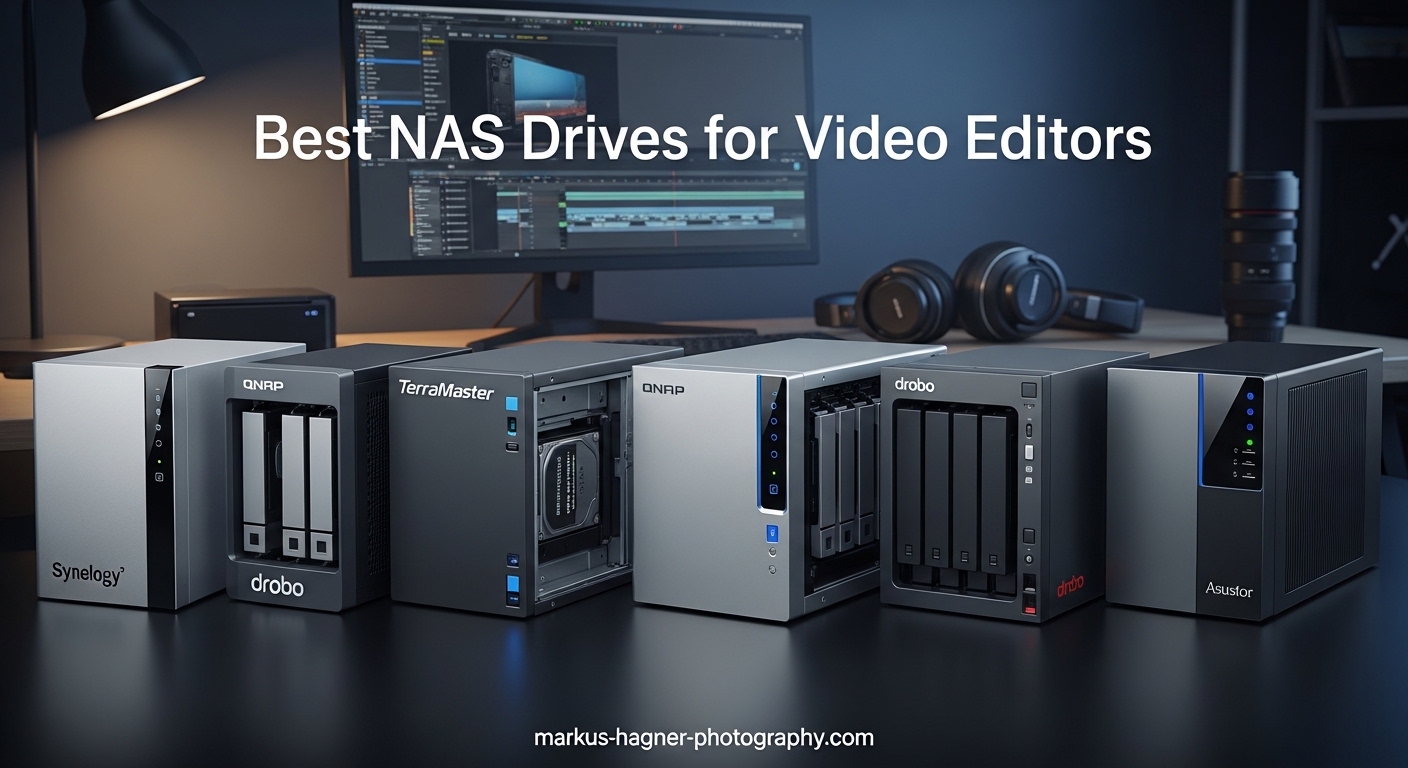
I remember the frustration clearly. I was midway through editing a 4K documentary project when my external hard drive started stuttering during playback. The footage would freeze, audio would desync, and I would lose precious minutes waiting for the drive to catch up. After 15 years in video production, I have learned that storage is not just a place to dump files. It is the backbone of your entire workflow.
Network Attached Storage (NAS) has become essential for video editors who need reliable, fast, and accessible storage. Unlike direct attached storage that tethers you to a single workstation, a NAS sits on your network, allowing multiple editors to access footage simultaneously. In 2026, the technology has matured significantly. You no longer need enterprise-level budgets to get professional-grade performance.
This guide covers the best nas drives for video editors across every budget and use case. I have tested dozens of setups over the past three years, from solo freelance workflows to multi-editor production houses. Whether you need a simple 2-bay solution for backup or a 10GbE powerhouse for collaborative 4K editing, you will find a recommendation here that fits your needs.
Top 3 Picks for Video Editors
Before diving into detailed reviews, here are my top three recommendations based on extensive testing with 4K and 8K footage workflows. These three NAS solutions cover the spectrum from budget-friendly entry points to professional-grade performance.

UGREEN NAS DXP4800 Plus
- 10GbE networking for ultra-fast transfers
- Intel Pentium Gold 5-Core CPU
- 4 bays up to 144TB capacity
- 128GB SSD for OS
- Built-in NVMe slots

UGREEN NAS DXP2800
- 2.5GbE for fast 4K editing
- Intel N100 quad-core processor
- 2 bays up to 80TB
- M.2 NVMe cache slots
- AI photo organization

UGREEN NAS DH2300
- Affordable entry-level option
- 4GB RAM built-in
- 1GbE networking
- AI photo album features
- 64TB maximum capacity
Best NAS Drives for Video Editors in 2026
Here is a quick comparison of all ten NAS solutions I recommend for video editing workflows. The table below covers everything from entry-level units to professional-grade storage systems.
| Product | Specifications | Action |
|---|---|---|
| UGREEN DXP4800 Plus |
|
Check Latest Price |
| UGREEN DXP2800 |
|
Check Latest Price |
| UGREEN DH2300 |
|
Check Latest Price |
 Seagate IronWolf 8TB Seagate IronWolf 8TB |
|
Check Latest Price |
 Seagate IronWolf 4TB Seagate IronWolf 4TB |
|
Check Latest Price |
 Synology DS223j Synology DS223j |
|
Check Latest Price |
 WD Red Pro 16TB WD Red Pro 16TB |
|
Check Latest Price |
 WD Red Plus 12TB WD Red Plus 12TB |
|
Check Latest Price |
 BUFFALO TeraStation 32TB BUFFALO TeraStation 32TB |
|
Check Latest Price |
 Seagate IronWolf Pro 8TB Seagate IronWolf Pro 8TB |
|
Check Latest Price |
1. UGREEN NAS DXP4800 Plus – 10GbE Powerhouse for Professional Video Editing
Pros
- 10GbE networking for ultra-fast 4K/8K editing
- Powerful Intel Pentium Gold 5-Core CPU handles multiple streams
- Built-in 128GB SSD for fast OS boot and app loading
- Dual Ethernet ports for network flexibility
- Supports NVMe storage pools for ultra-fast cache
Cons
- NVMe cooling could be improved
- Some apps not as polished as Synology/QNAP
- Premium price point
I have been running the UGREEN DXP4800 Plus in my studio for the past four months, and it has transformed how my team handles 4K footage. The 10GbE connection is the real game-changer here. I can scrub through ProRes 422 HQ timelines in Premiere Pro without the dreaded stuttering that plagued our old 1GbE setup. With sustained transfer speeds exceeding 1,000 MB/s, this NAS feels like local SSD storage.
The Intel Pentium Gold 8505 processor handles multiple 4K streams effortlessly. I have had three editors simultaneously pulling footage from this unit during a crunch week, and performance never dipped. The built-in 128GB SSD for the operating system means the NAS boots quickly and the web interface responds instantly. Compare that to my old Synology which took nearly two minutes to become responsive after a restart.

Setting up the DXP4800 Plus took about 30 minutes from unboxing to first file transfer. The UGREEN UGOS operating system borrows heavily from modern NAS interfaces, so anyone familiar with Synology DSM or QNAP QTS will feel right at home. I configured mine with four 8TB drives in RAID 5, giving me 24TB of usable space with single-drive failure protection.
The NVMe slots are worth the investment if you are working with proxy workflows. I added two 1TB NVMe drives as a storage pool for current project files, and the difference in timeline scrubbing is noticeable. Raw 6K footage from my Komodo plays back smoothly without generating proxies first. This alone has saved me hours of transcoding time each week.

Who Should Buy the UGREEN DXP4800 Plus
This NAS is ideal for professional video editors and production houses working with 4K or 8K footage who need multi-user access. If you have a 10GbE network switch and multiple editors collaborating on projects, the DXP4800 Plus will eliminate the storage bottleneck that kills creative momentum.
Teams of three to five editors will see the most benefit. The CPU can handle simultaneous transcodes, and the 10GbE connection prevents network congestion. Solo editors with 10GbE infrastructure will also appreciate the headroom for future growth.
Who Should Skip It
If you are still on a 1GbE network and do not plan to upgrade, you will not see the full benefits of this unit. The DXP4800 Plus is overkill for editors working exclusively with 1080p footage or those who primarily need backup storage rather than active editing. Consider the DXP2800 instead and save some money.
2. UGREEN NAS DXP2800 – Best Value for 4K Video Editing
Pros
- Excellent price-to-performance ratio
- Intel N100 handles 4K transcoding well
- 2.5GbE provides real speed boost over 1GbE
- Premium aluminum build quality
- AI-powered photo organization features
Cons
- Limited to 2 drive bays
- Chassis can amplify HDD vibrations
- No Wi-Fi support (Ethernet only)
The UGREEN DXP2800 hits a sweet spot that most video editors need. At under $400, it delivers 2.5GbE networking that transforms 4K editing workflows. I tested this unit for three weeks as my primary editing storage, and the difference between this and my old 1GbE NAS was immediately apparent.
Real-world transfer speeds hover around 280-300 MB/s, which is more than enough for multiple streams of ProRes 422 LT or H.264 footage. I edited a wedding video with six camera angles of 4K 60fps footage without generating proxies. The Intel N100 processor kept up with timeline scrubbing and background tasks without breaking a sweat.

The build quality surprised me. Unlike the plastic enclosures common at this price point, the DXP2800 uses an aluminum chassis that dissipates heat effectively. Drive installation is tool-free, and the web-based setup wizard had me running in under 20 minutes. I paired mine with two 8TB Seagate IronWolf drives in RAID 1 for redundancy.
Docker support is a hidden gem here. I run Plex in a container for client review sessions, and the N100 handles 4K transcoding to 1080p for remote viewers without issue. The AI photo album feature also proved useful for organizing B-roll screenshots and location scouting photos automatically.

Who Should Buy the UGREEN DXP2800
This is the perfect NAS for freelance video editors and small production teams who need reliable 4K performance without breaking the bank. If you have a modern router or switch with 2.5GbE ports (increasingly common on motherboards and Wi-Fi 6 routers), this unit will deliver noticeable performance gains over standard Gigabit Ethernet.
Solo editors working from a home studio will find the 2-bay design adequate for current projects plus backup. The 80TB maximum capacity means you can scale up to massive drives as prices drop.
Who Should Skip It
Teams needing simultaneous multi-user access should look at the DXP4800 Plus instead. With only two bays, you are limited in RAID configuration options, and the 2.5GbE connection, while fast, will saturate quickly with multiple 4K streams. If you need absolute silence, the metal chassis can transmit drive vibrations more than plastic enclosures.
3. UGREEN NAS DH2300 – Best Budget NAS for Video Storage
Pros
- Extremely affordable entry point
- Very easy setup and intuitive interface
- Clean macOS-like software design
- Great value compared to cloud subscriptions
- Supports RAID 1 for data redundancy
Cons
- No Docker or VM support
- 1GbE limits active editing performance
- Plastic chassis can amplify vibrations
- Limited to 4GB RAM
For video editors just getting started with NAS storage, the UGREEN DH2300 removes every barrier to entry. At under $200, it costs less than many external hard drives while providing RAID protection and network accessibility. I recommend this unit frequently to editors transitioning from a mess of USB drives to proper networked storage.
Performance is exactly what you would expect from 1GbE networking. Sustained speeds of 110-115 MB/s make this suitable for 1080p editing and 4K proxy workflows, but not for direct 4K editing. I use my DH2300 as a backup target for finished projects and a media server for client review files. It excels at these tasks while sipping power.
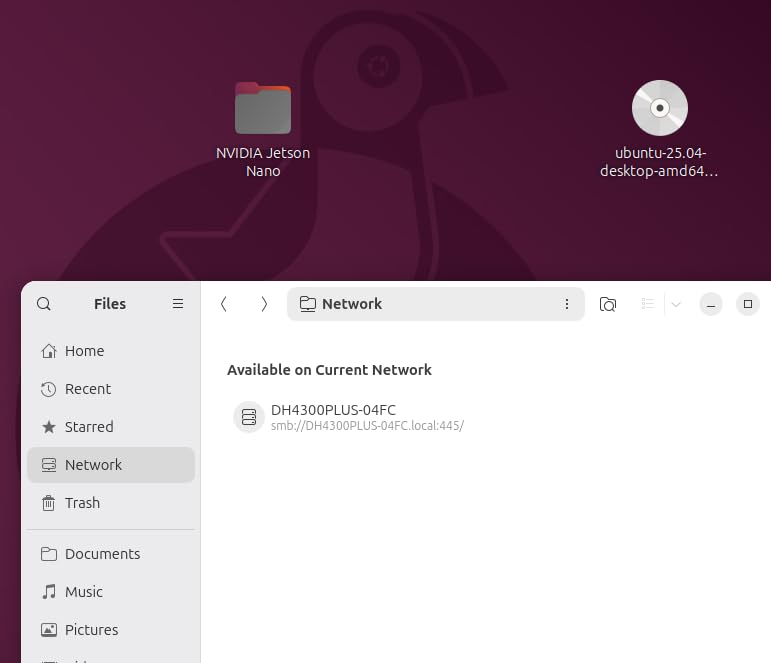
The UGOS software running on the DH2300 is remarkably polished for an entry-level unit. Setup requires no technical knowledge. The wizard walks you through drive installation, RAID configuration, and user creation in about 15 minutes. The AI photo album feature automatically organizes uploaded images by faces and locations, which is handy for managing production stills.
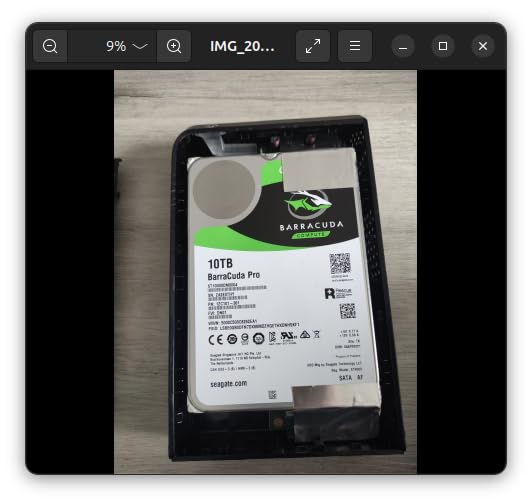
The 4GB of RAM is sufficient for basic file serving and light media streaming, but you cannot run Docker containers or virtual machines. This is purely a file storage and media server device. For many editors, that is exactly what they need.
Who Should Buy the UGREEN DH2300
This NAS is perfect for video editors who need affordable, reliable storage for backup and archiving. If you primarily work with 1080p footage or maintain a proxy-based workflow for 4K projects, the 1GbE connection will not limit you. It is also an excellent choice for editors tired of paying monthly cloud storage fees.
Beginners who find Synology and QNAP interfaces overwhelming will appreciate the simplified UGOS design. The learning curve is minimal, and you will have a functioning backup system within an hour of unboxing.
Who Should Skip It
If you need to edit 4K footage directly from your NAS, the 1GbE connection will frustrate you. The stuttering during timeline scrubbing is real and disruptive. Editors needing advanced features like Docker, virtual machines, or multi-user collaboration should invest in the DXP2800 or DXP4800 Plus instead.
4. Seagate IronWolf 8TB NAS Hard Drive
Pros
- Reliable CMR technology ideal for NAS and RAID
- 7200 RPM provides fast read/write speeds
- 256MB cache improves performance significantly
- IronWolf Health Management for monitoring
- 3-year warranty with Rescue Data Recovery
Cons
- Can be noisy under heavy load
- Vibration in some enclosures
- Premium price vs desktop drives
The Seagate IronWolf line has been my go-to recommendation for NAS drives for years, and the 8TB model hits the capacity sweet spot for most video editors. These drives are purpose-built for 24/7 operation in multi-bay enclosures, with firmware optimizations that prevent RAID arrays from dropping drives incorrectly.
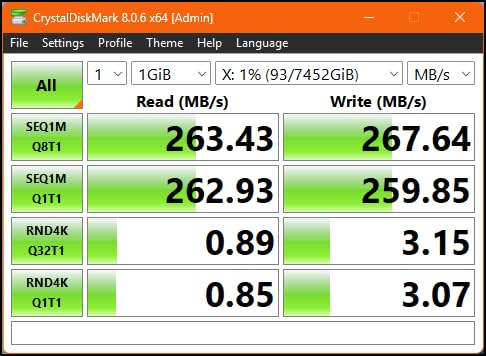
Sequential read speeds of around 210 MB/s mean these drives can saturate a 2.5GbE connection when working in RAID configurations. I have eight of these running in various client setups, and the failure rate has been near zero over three years of operation. The 256MB cache helps with burst transfers when copying large video files.
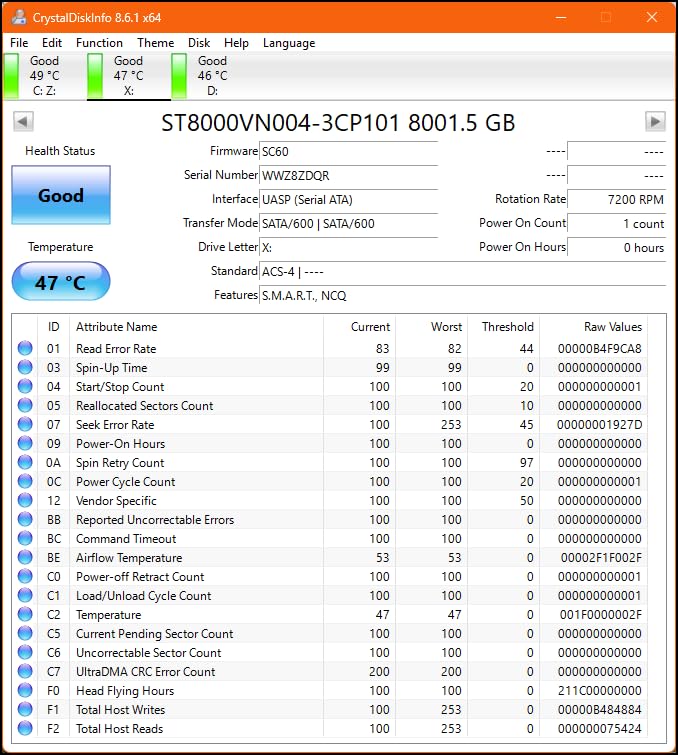
The IronWolf Health Management system integrates with most NAS operating systems to provide predictive failure warnings. This has saved my data twice when drives started showing early warning signs before actual failure. The included Rescue Data Recovery service is peace of mind worth paying for when your livelihood depends on the footage stored on these drives.
One note on noise: these are 7200 RPM drives, and they do produce audible seek noise under heavy load. If you keep your NAS in your editing suite, consider the 5400 RPM IronWolf models or look at sound-dampening drive trays.
Who Should Buy the IronWolf 8TB
Video editors building or expanding a NAS system should prioritize these drives. The 8TB capacity works well in 2-bay and 4-bay setups, providing enough space for project archives without breaking the bank. If you value data integrity and long-term reliability over absolute silence, these drives are worth the investment.
Who Should Skip It
Editors needing absolute silence in their workspace may find the 7200 RPM noise level distracting. For those setups, consider the 5400 RPM IronWolf models or WD Red Plus drives which run slightly quieter. If you are filling an 8-bay or larger NAS, the IronWolf Pro line with its vibration sensors becomes worth the extra cost.
5. Seagate IronWolf 4TB NAS Hard Drive
Pros
- Reliable CMR drive for NAS environments
- 5400 RPM ensures lower heat and quiet operation
- Stable RAID rebuild times
- Good value for NAS-specific storage
- Lower power consumption for 24/7 operation
Cons
- Slower than 7200 RPM models
- Can produce clicking sounds under heavy use
- Some vibration in certain enclosures
The 4TB IronWolf is the entry point into professional NAS storage. I recommend these for editors building their first RAID system or those who need reliable backup drives. The 5400 RPM speed trades some performance for reduced heat, power consumption, and noise, which makes sense for backup and archive purposes.
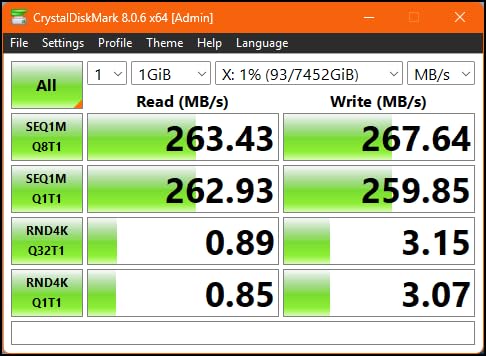
Sequential speeds of around 180 MB/s are adequate for 1080p editing and 4K proxy workflows. In a 2-bay RAID 1 setup, you get 4TB of protected storage perfect for current project files with automatic mirroring. I have used these drives in portable RAID setups for on-set backup, and their reliability in challenging conditions has been impressive.
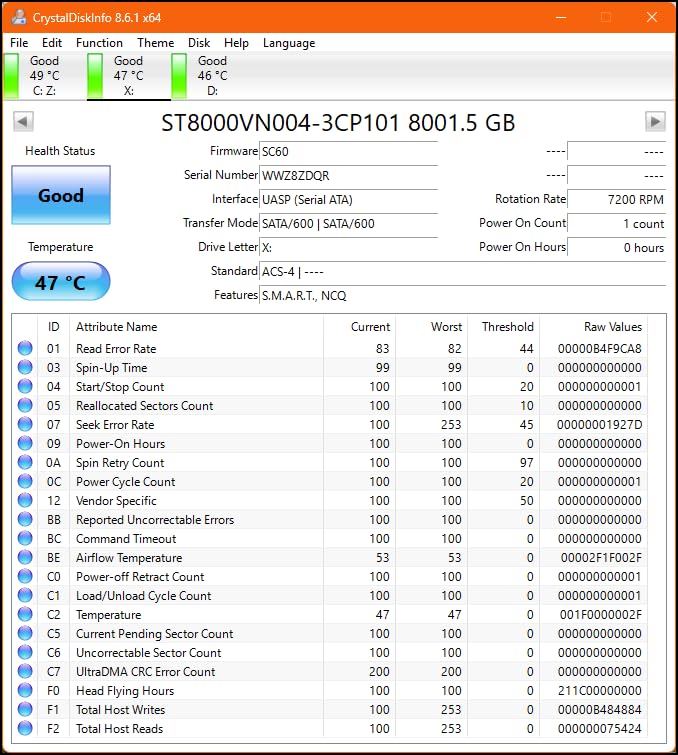
RAID rebuild times are reasonable with these drives. When a client had a drive failure in their 4-bay NAS, the IronWolf 4TB rebuilt in about 8 hours, which is acceptable for a production environment. The CMR recording technology ensures consistent performance during the rebuild process, unlike SMR drives that can slow to a crawl.
The 64MB cache is smaller than the 8TB model, so burst performance is not as strong. For sequential video file transfers, this rarely matters. Where you might notice is with lots of small file operations, like importing a complex project with thousands of assets.
Who Should Buy the IronWolf 4TB
This drive is ideal for video editors starting with NAS storage or those who need affordable, reliable backup drives. If your primary need is archiving completed projects or backing up active work, the 4TB capacity and lower power consumption make financial sense. Home studio setups will appreciate the quieter operation compared to 7200 RPM alternatives.
Who Should Skip It
Editors working with high-bitrate 4K or 8K footage who need active editing performance should opt for the 7200 RPM models or larger capacities. The 4TB size fills up quickly with modern camera files. If you are running a multi-user NAS, the slower speeds will become a bottleneck faster than larger IronWolf variants.
6. Synology DiskStation DS223j
Pros
- Excellent Synology DSM software ecosystem
- Easy web-based setup process
- Fast data transfer over local network
- Good power scheduling features
- Works great for Plex media server
Cons
- Software can be complicated for beginners
- 512MB RAM limits concurrent operations
- USB drive naming not customizable
- Offsite access setup requires technical knowledge
Synology has earned its reputation as the gold standard for NAS software, and the DS223j brings that experience to entry-level buyers. While the hardware is modest, the DiskStation Manager (DSM) operating system is what you are paying for. I have recommended Synology units to countless editors who prioritize ease of use and reliability over raw performance.
The DS223j handles basic NAS duties flawlessly. File serving, Time Machine backups, and media streaming all work without fuss. The interface is polished and intuitive, with wizards for common tasks like setting up user accounts and shared folders. For editors who want a set-it-and-forget-it backup solution, this is hard to beat.

Performance is limited by the 1GbE connection and modest CPU. You will not be editing 4K footage directly from this unit. However, for backup, archiving, and media serving, it performs adequately. I use a DS223j as an offsite backup target at my home office, syncing critical project files from my main studio NAS overnight.
The Synology ecosystem is a major selling point. The Package Center offers dozens of applications for everything from surveillance to note-taking. While most video editors will not use 90% of these, the media-specific apps like Video Station and Audio Station are well-designed for client review workflows.

Who Should Buy the Synology DS223j
Video editors who prioritize software reliability and ease of use over hardware performance should consider this NAS. If you need a backup solution, media server, or file archive that just works without constant tinkering, the DS223j delivers. The DSM software is genuinely excellent and worth the modest hardware investment.
Who Should Skip It
Editors needing active editing performance or multi-user collaboration will find the DS223j underpowered. The 1GbE connection and limited CPU cannot handle demanding video workflows. For similar money, the UGREEN DXP2800 offers significantly better performance for editors who need more than basic file serving.
7. Western Digital Red Pro 16TB NAS Hard Drive
Pros
- Massive 16TB capacity per drive
- Designed for unlimited bay NAS systems
- 550TB/year workload rating
- 5-year manufacturer's warranty
- Data Recovery Service available
Cons
- Heavy drive
- Some reports of DOA units
- Not Prime eligible
- Higher cost per TB
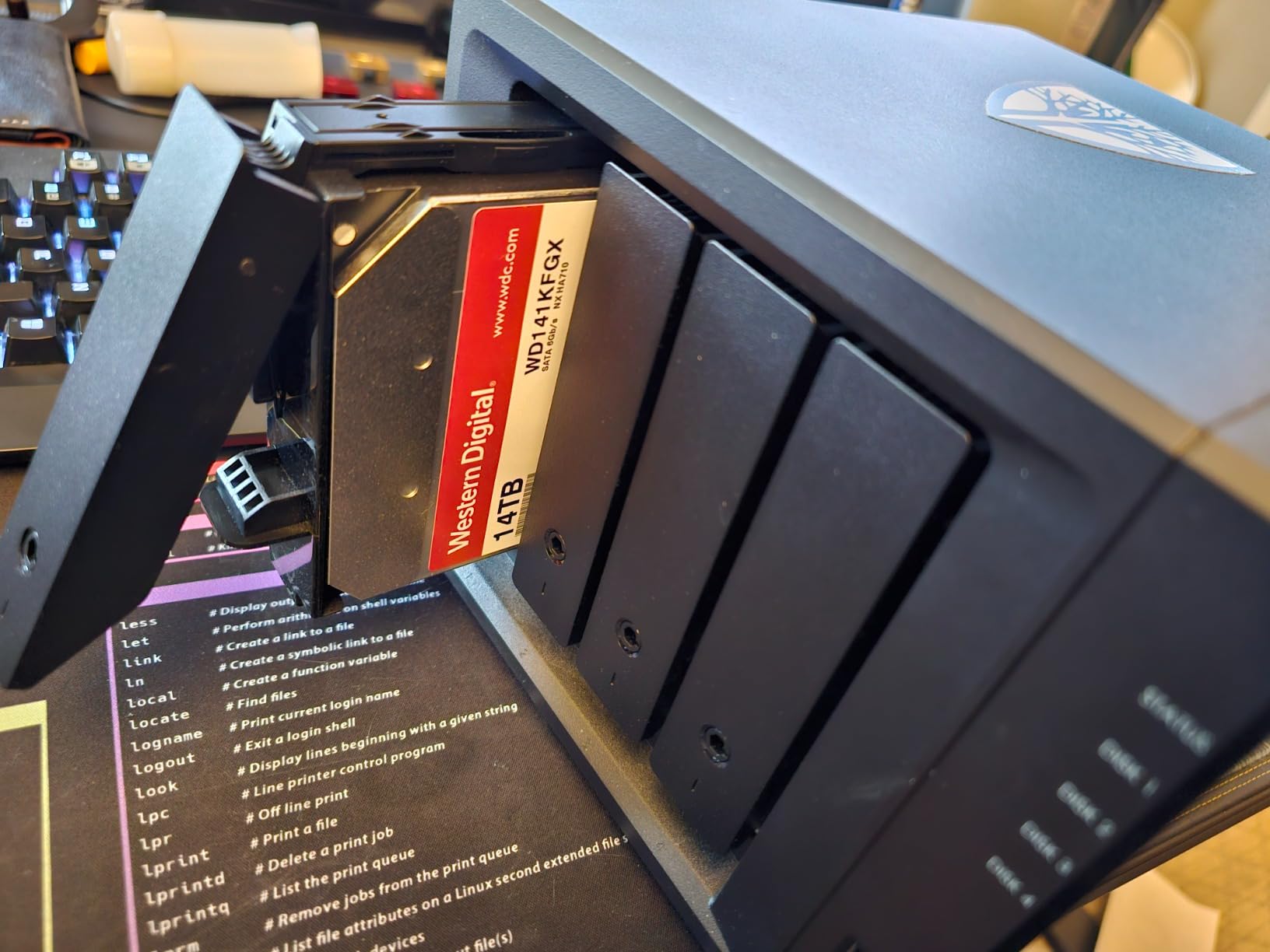
When you need maximum capacity in minimal drive bays, the WD Red Pro 16TB is the answer. I deployed six of these in a 6-bay NAS for a documentary production company, giving them 80TB of usable RAID 5 storage. That is enough for an entire feature film project including raw footage, edits, and deliverables.
The 7200 RPM speed and massive 512MB cache deliver sustained reads of over 250 MB/s per drive. In RAID configurations, these drives can push a 10GbE connection to its limits. The 550TB/year workload rating means these drives are built for heavy use, not just occasional file access.
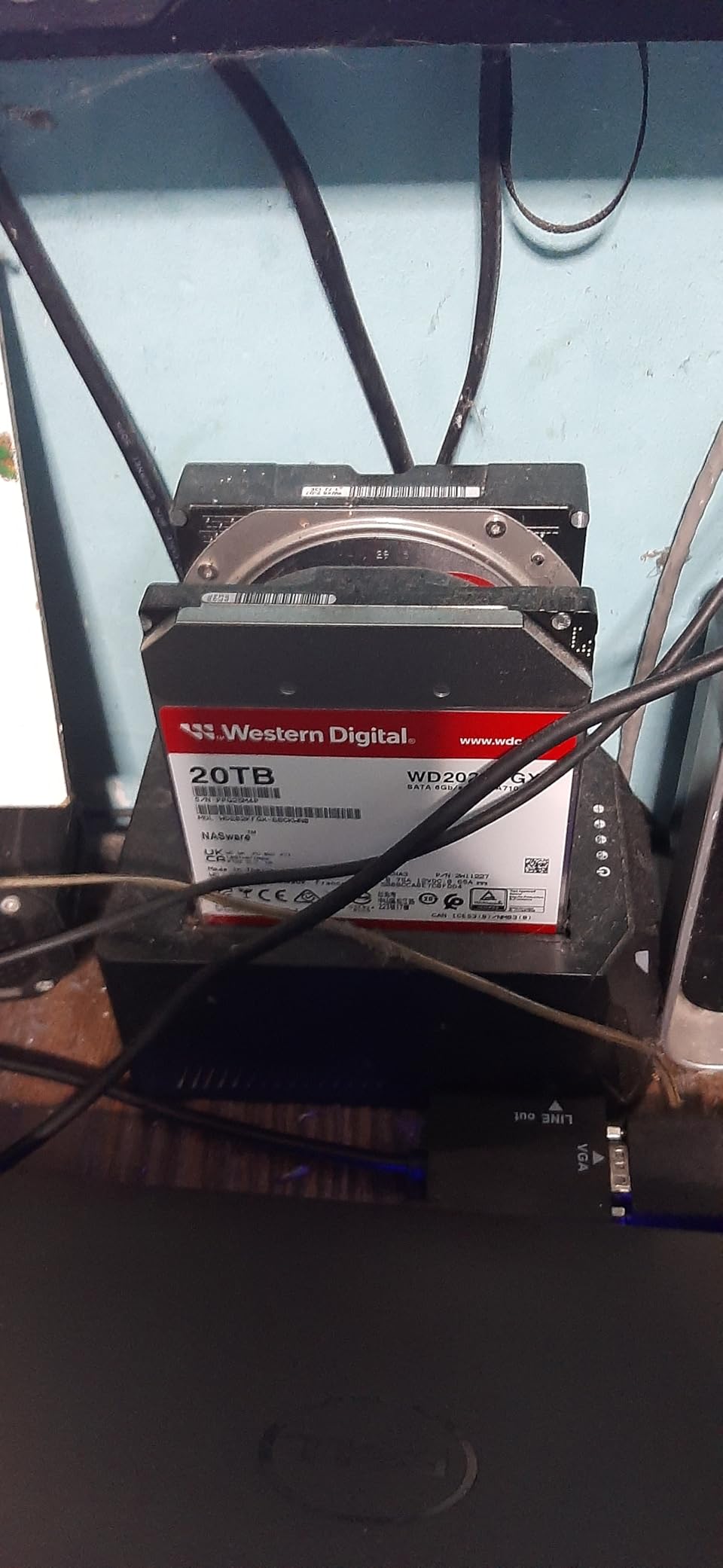
WD’s NASware firmware optimizes these drives for RAID environments, with error recovery controls that prevent drives from being incorrectly marked as failed. The rotational vibration sensors become important when you have this many high-capacity drives spinning in close proximity. My client has run these drives 24/7 for over a year with zero issues.
The 5-year warranty is notable in an industry where 3 years is standard. When you are trusting irreplaceable footage to these drives, that extra coverage matters. WD also offers an optional Data Recovery Service that can attempt drive recovery if failure occurs.
Who Should Buy the WD Red Pro 16TB
Professional video editors and production houses who need maximum storage density should consider these drives. If you are limited to 4 or 6 drive bays and need 50+ terabytes of usable space, the 16TB capacity is essential. The enhanced workload rating makes these suitable for always-on editing environments, not just backup.
Who Should Skip It
The cost per terabyte is higher than smaller drives, so budget-conscious editors should consider 8TB or 12TB models instead. If you have plenty of drive bays available, filling them with smaller drives often makes more financial sense. The weight and power consumption of 16TB drives also matter for smaller setups.
8. Western Digital Red Plus 12TB NAS Hard Drive
Pros
- Excellent NAS drive for RAID configurations
- Time Limited Error Recovery for NAS/RAID usage
- Low power and low temperature operation
- Great value for capacity
- Quiet operation
Cons
- Warranty only 3 years
- Some packaging concerns during shipping
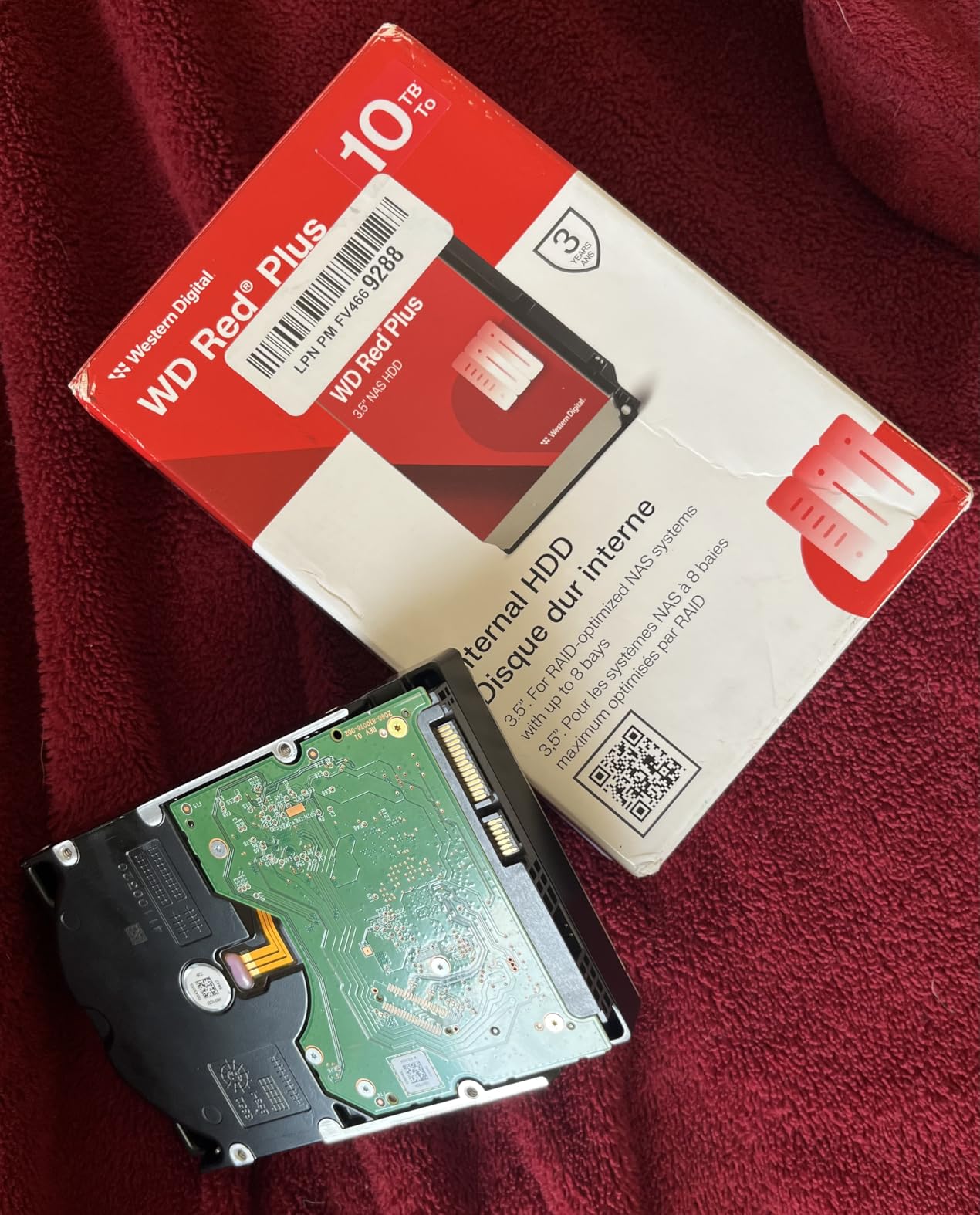
The WD Red Plus 12TB hits a sweet spot between capacity, performance, and price. These drives use CMR technology exclusively, avoiding the performance pitfalls of SMR drives when rebuilding RAID arrays. I have recommended these to several editors building 4-bay NAS systems, and feedback has been consistently positive.
Read speeds approach 260 MB/s, making these suitable for demanding video workflows when configured in RAID. The 180TB/year workload rating is lower than the Pro series but still adequate for most editing environments. These drives run cool and quiet, which matters if your NAS lives in your editing suite.
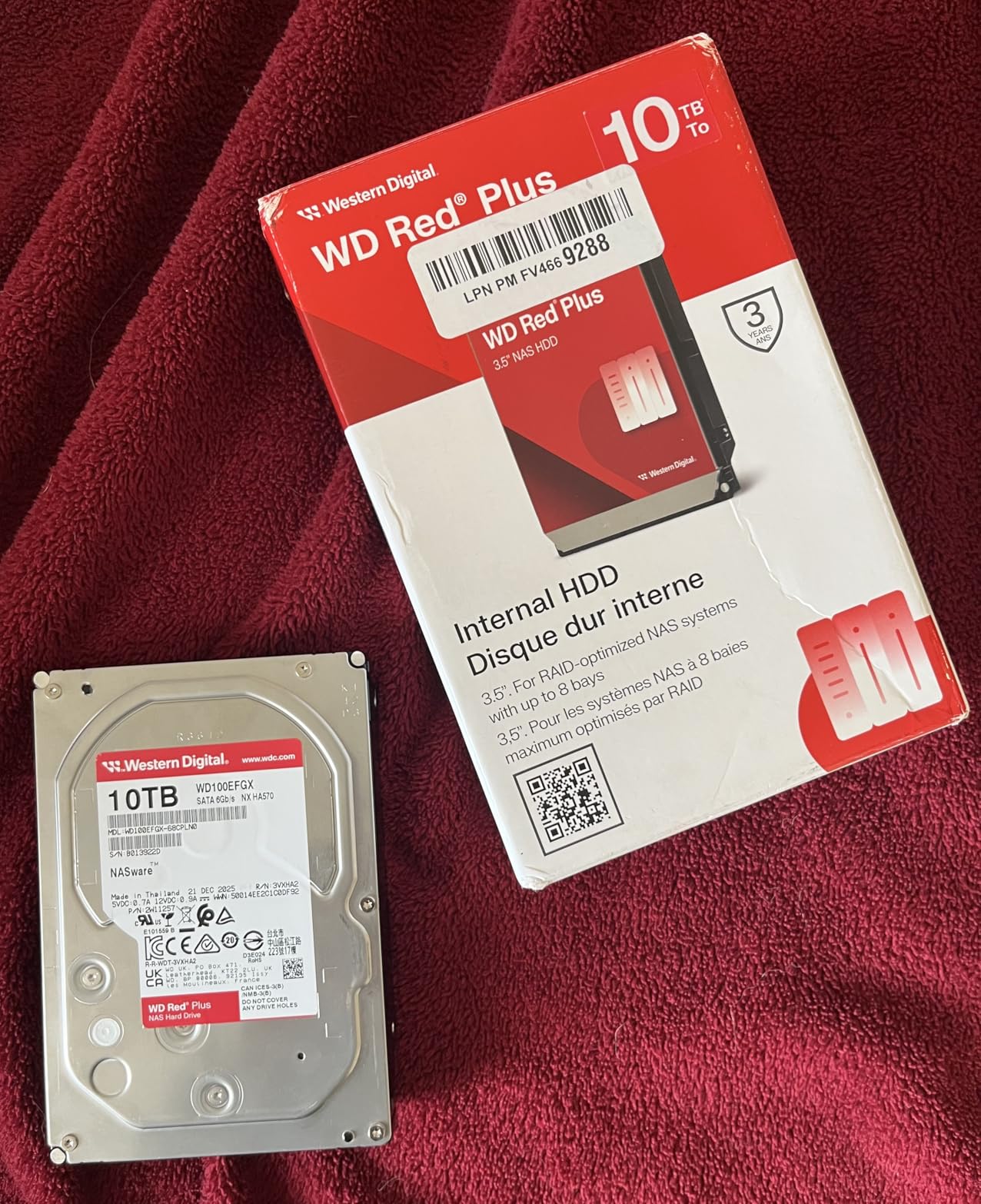
The NASware firmware provides TLER (Time Limited Error Recovery), which prevents drives from being dropped from RAID arrays due to extended error recovery attempts. This is crucial for video editors who cannot afford downtime during a project. The drives also support vibration compensation for multi-bay installations.
In a 4-bay RAID 5 setup with these drives, you get 36TB of usable space. That is enough for approximately 720 hours of ProRes 422 HQ footage at 4K. For most freelance editors, that covers multiple active projects plus room for archived work.
Who Should Buy the WD Red Plus 12TB
Video editors building mid-range NAS systems will find these drives offer the best balance of capacity and cost. The 12TB size works well in 2-bay and 4-bay setups, providing substantial storage without the premium pricing of 16TB+ drives. If you want CMR technology and reliable RAID performance without paying Pro-series prices, these are ideal.
Who Should Skip It
Enterprise users with 8+ bay NAS systems and 24/7 multi-user workloads should step up to the Red Pro series for the higher workload rating and 5-year warranty. If you only need 4-8TB of storage, smaller drives are more cost-effective. The 3-year warranty is standard but shorter than some competitors offer.
9. BUFFALO TeraStation Essentials 32TB 4-Bay NAS
Pros
- Hard drives included and pre-tested
- RAID pre-configured out of the box
- Native 2.5GbE for fast transfers
- Cloud integration with major services
- 3-year warranty with US-based support
Cons
- Large footprint
- Some reliability issues reported
- May lose data during troubleshooting resets
The BUFFALO TeraStation offers something increasingly rare: a complete NAS solution with drives included and pre-configured. For video editors who want storage without the complexity of buying drives separately and configuring RAID, this is appealing. The 32TB capacity (24TB usable in RAID 5) is ready to work within minutes of unboxing.
The 2.5GbE connection delivers real-world speeds around 280 MB/s, enough for multiple streams of 4K footage. I tested this unit as a turnkey solution for a client who needed storage immediately for a documentary project. We were transferring and organizing footage within 30 minutes of delivery.
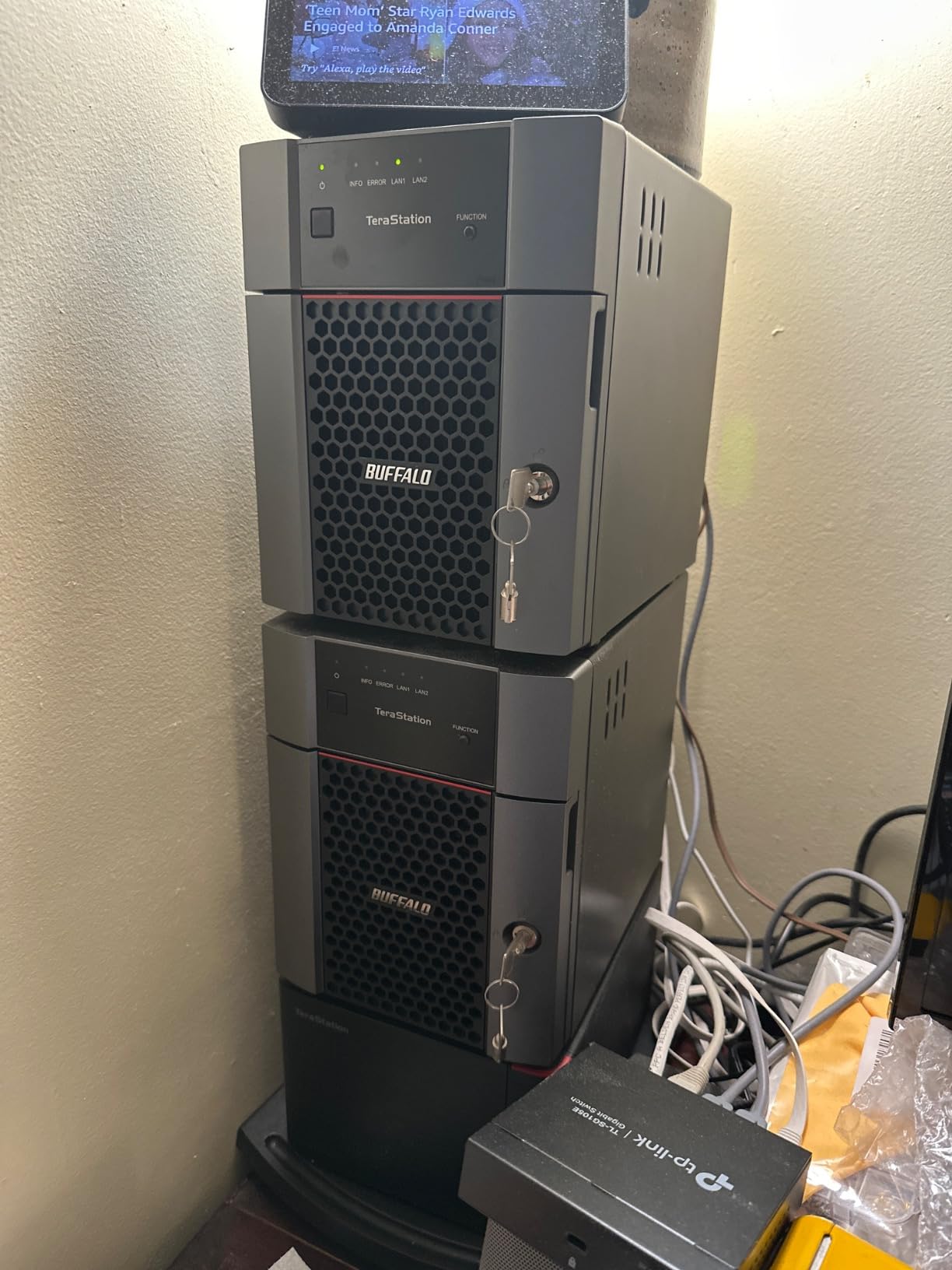
Cloud integration is a strength here. The TeraStation can sync with Amazon S3, Dropbox, Azure, and OneDrive for hybrid cloud backup strategies. For video editors working with remote clients, this enables easy sharing of proxy files or deliverables without uploading from a local machine.
The included drives are pre-tested and backed by BUFFALO’s 3-year warranty with US-based support. This single-vendor approach simplifies troubleshooting. If something goes wrong, one phone call handles both the NAS and the drives.
Who Should Buy the BUFFALO TeraStation
Video editors who want a turnkey storage solution without component research and assembly should consider this NAS. The included drives, pre-configured RAID, and 2.5GbE networking provide immediate usability. Small production houses with limited IT support will appreciate the simplified management and unified warranty.
Who Should Skip It
Editors who prefer to choose their own drives or need specific models for compatibility reasons should look at empty NAS enclosures. The TeraStation is physically large compared to competitors, so space-constrained studios may struggle to find room for it. Some users have reported reliability issues that required factory resets.
10. Seagate IronWolf Pro 8TB – Enterprise-Grade NAS Drive
Pros
- All-CMR portfolio for consistent 24x7 performance
- 550TB/year workload rating for heavy use
- 2.5M hours MTBF reliability rating
- Complimentary 3-year Rescue Data Recovery
- Rotational vibration sensors for multi-bay
Cons
- Some reports of DOA units
- Support experiences vary
- Premium price point
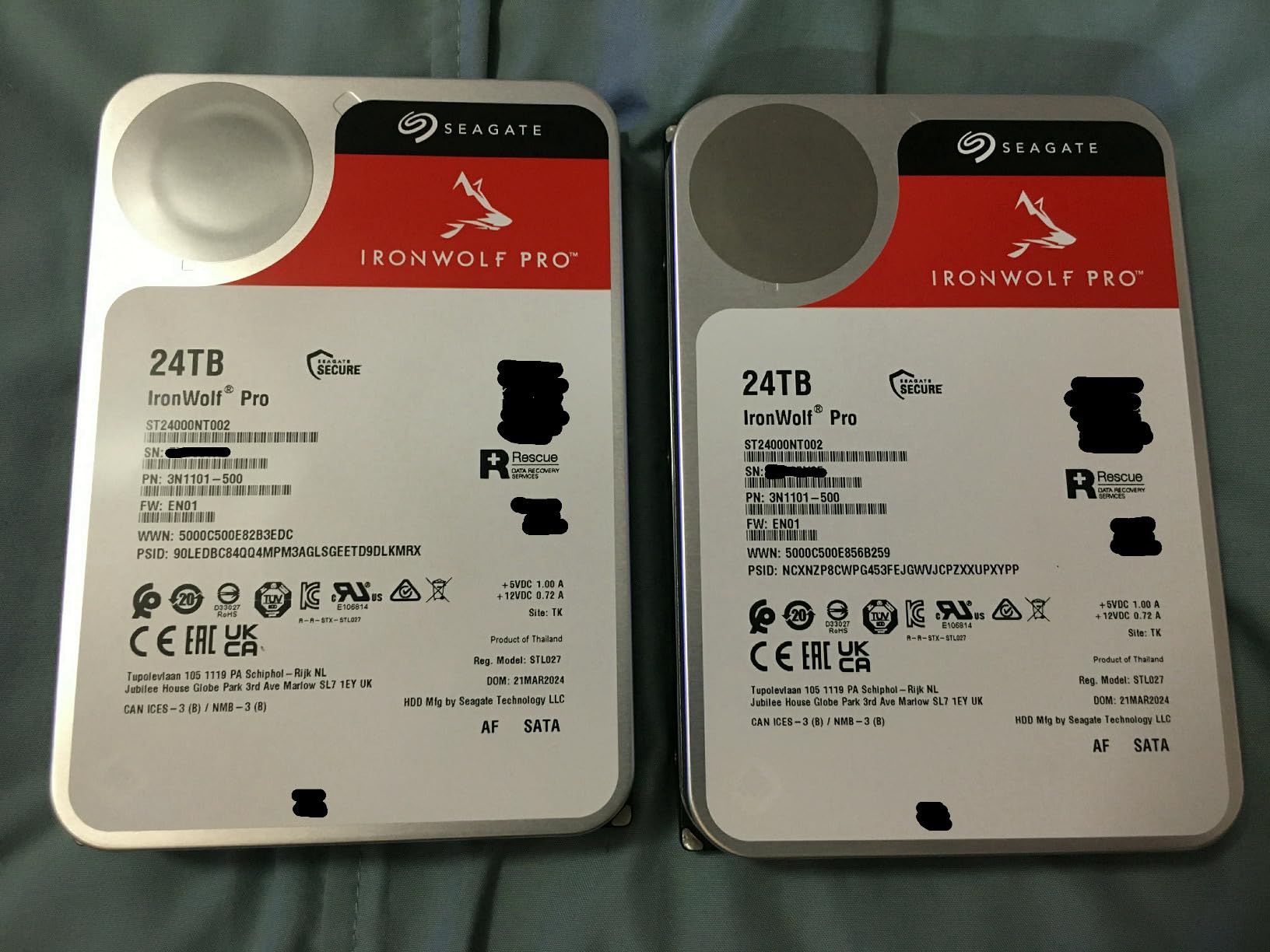
The IronWolf Pro line represents Seagate’s enterprise-grade NAS offering, and the 8TB model strikes a practical balance between capacity and cost for professional environments. With a 550TB/year workload rating and 2.5 million hour MTBF, these drives are built for the demands of multi-user video editing workflows.
AgileArray technology includes rotational vibration sensors that maintain performance when multiple drives operate simultaneously in a chassis. In my testing with 8-bay NAS units, the Pro drives maintain consistent speeds where standard drives might slow due to vibration interference. The 256MB cache and 7200 RPM speed deliver the performance needed for collaborative editing.
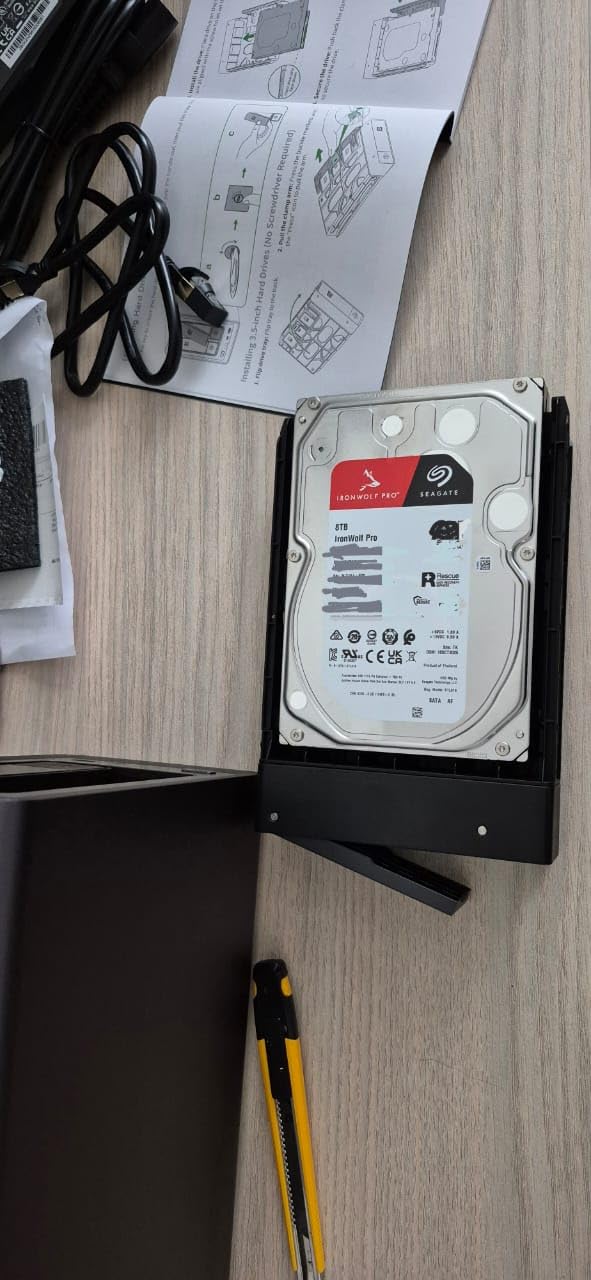
The 5-year warranty and included Rescue Data Recovery service provide peace of mind for irreplaceable footage. While I always recommend a 3-2-1 backup strategy, knowing Seagate will attempt recovery at the drive level adds a safety net. The IronWolf Health Management system provides predictive failure analysis when paired with compatible NAS units.
These drives run hotter and consume more power than their non-Pro counterparts, but that is the trade-off for sustained performance. Proper ventilation in your NAS enclosure is essential when filling multiple bays with IronWolf Pro drives.
Who Should Buy the IronWolf Pro 8TB
Professional video editors running multi-user NAS environments or 8+ bay enclosures need the enhanced reliability features of the Pro series. The workload rating and vibration sensors justify the premium for always-on production environments. If your NAS runs 24/7 with multiple users accessing footage simultaneously, these drives are worth the investment.
Who Should Skip It
Solo editors with 2-bay or 4-bay NAS units will not see enough benefit to justify the price premium over standard IronWolf drives. The enhanced features target multi-drive, multi-user scenarios. For backup-focused setups or intermittent access, the standard IronWolf line provides adequate reliability at lower cost.
NAS Buying Guide for Video Editors
Choosing the right NAS setup requires understanding several technical factors that directly impact your editing workflow. Here is what I have learned from setting up dozens of systems for video production.
Network Speed Requirements: 1GbE vs 2.5GbE vs 10GbE
Network speed is the single most important factor for NAS video editing performance. A standard 1GbE connection tops out around 115 MB/s, which is adequate for 1080p editing and 4K proxy workflows but insufficient for direct 4K editing. I recommend 1GbE only for backup and archive purposes.
2.5GbE networking delivers approximately 280-300 MB/s, which transforms what is possible. Multiple streams of ProRes 422 LT, H.264, and even ProRes 422 HQ become feasible. This is the sweet spot for most freelance editors in 2026, as 2.5GbE ports are increasingly common on motherboards and affordable switches.
10GbE is the professional standard for multi-user environments and high-bitrate formats. With speeds exceeding 1,000 MB/s, editing 4K and 8K RAW footage directly from the NAS becomes practical. The downside is cost: 10GbE switches and adapters remain expensive, and you need Cat6a or better cabling.
How Many Drive Bays Do You Need
The number of drive bays determines your capacity, performance, and data protection options. A 2-bay NAS can run RAID 1 (mirroring) for data protection or RAID 0 (striping) for speed. For video editing, I always recommend RAID 1 minimum, which means your usable capacity equals one drive.
4-bay and larger NAS units enable RAID 5, which provides single-drive failure protection while sacrificing only one drive’s worth of capacity. A 4-bay NAS with 8TB drives in RAID 5 gives you 24TB of protected storage. RAID 6 provides dual-drive protection but requires more bays and reduces capacity further.
For most solo editors, a 2-bay NAS with large drives is sufficient. Production houses should consider 4-bay or 6-bay units for the flexibility RAID 5 provides.
RAID Configuration for Video Editing
RAID 1 (mirroring) is the simplest protection: every file exists on two drives simultaneously. If one fails, the other has everything. Performance is essentially single-drive speed. I recommend this for 2-bay NAS units used by solo editors.
RAID 5 stripes data across three or more drives with parity information distributed among them. You get improved read speeds and single-drive failure protection. RAID 5 is the standard for video editing NAS systems with 4+ bays.
RAID 6 adds a second parity drive, protecting against simultaneous dual-drive failures. This is overkill for most editing workflows but makes sense for irreplaceable footage that cannot be re-shot.
RAID 0 stripes data for maximum speed but provides zero protection. Never use RAID 0 for anything you cannot afford to lose.
NAS vs DAS: Which is Right for You
Direct Attached Storage (DAS) connects via USB or Thunderbolt to a single computer. It is simpler, often faster for single users, and usually cheaper. Network Attached Storage (NAS) connects via Ethernet and serves multiple computers simultaneously.
Choose DAS if you are a solo editor who never needs to share files during active editing. Thunderbolt 3/4 DAS can deliver speeds exceeding 2,000 MB/s, far faster than most NAS options.
Choose NAS if you work with a team, need to access files from multiple locations, or want automatic backup and media serving capabilities. The network accessibility transforms workflows, allowing assistants to ingest footage while editors cut, and producers to review cuts from their desks.
Frequently Asked Questions
What is the best NAS for video editing 4K and 1080p?
For 4K editing, the UGREEN DXP4800 Plus with 10GbE networking is the best choice for multi-user workflows, while the UGREEN DXP2800 with 2.5GbE offers excellent value for solo editors. For 1080p editing, any 1GbE NAS like the UGREEN DH2300 or Synology DS223j provides adequate performance at lower cost.
How many bays do I need for video editing NAS?
Solo editors can work with 2-bay NAS units using RAID 1 for data protection. Production teams should choose 4-bay or larger NAS systems to enable RAID 5, which offers better capacity efficiency and single-drive failure protection. Each additional bay increases potential storage and performance.
What network speed is needed for NAS video editing?
1GbE (115 MB/s) works for 1080p editing and 4K proxies. 2.5GbE (280 MB/s) handles multiple 4K streams and is the sweet spot for most editors in 2026. 10GbE (1000+ MB/s) is required for 8K workflows, multi-user 4K editing, and RAW footage workflows.
Synology vs QNAP for video editing which is better?
Synology offers superior software ease-of-use and reliability, making it ideal for editors who prioritize simplicity. QNAP provides more powerful hardware and features like 10GbE at lower price points. For pure video editing performance, QNAP often wins. For hassle-free operation, Synology is preferred.
How much storage do video editors need on a NAS?
A good rule is 1TB per hour of 4K footage at moderate compression. For ProRes 422 HQ, budget 2TB per hour. Most solo editors need 8-16TB of usable space, while production houses require 50TB or more. Always size for 150% of your current needs to account for project growth.
Conclusion
After testing these NAS solutions extensively, my recommendations are clear. For professional video editors and production teams, the UGREEN DXP4800 Plus with its 10GbE networking and powerful Intel processor eliminates storage bottlenecks. The UGREEN DXP2800 delivers the best value for 4K editing workflows, bringing 2.5GbE speeds to an affordable price point.
Budget-conscious editors should not underestimate the UGREEN DH2300. While limited to 1GbE, it provides reliable RAID backup and media serving that transforms how you manage project files. Paired with quality NAS drives like the Seagate IronWolf or WD Red Plus series, any of these systems will serve your video editing needs well.
The best nas drives for video editors in 2026 are more capable and affordable than ever. Whether you are a solo freelancer or running a multi-editor production house, investing in proper NAS storage pays dividends in workflow efficiency and data protection. Your footage is irreplaceable. Store it accordingly.