
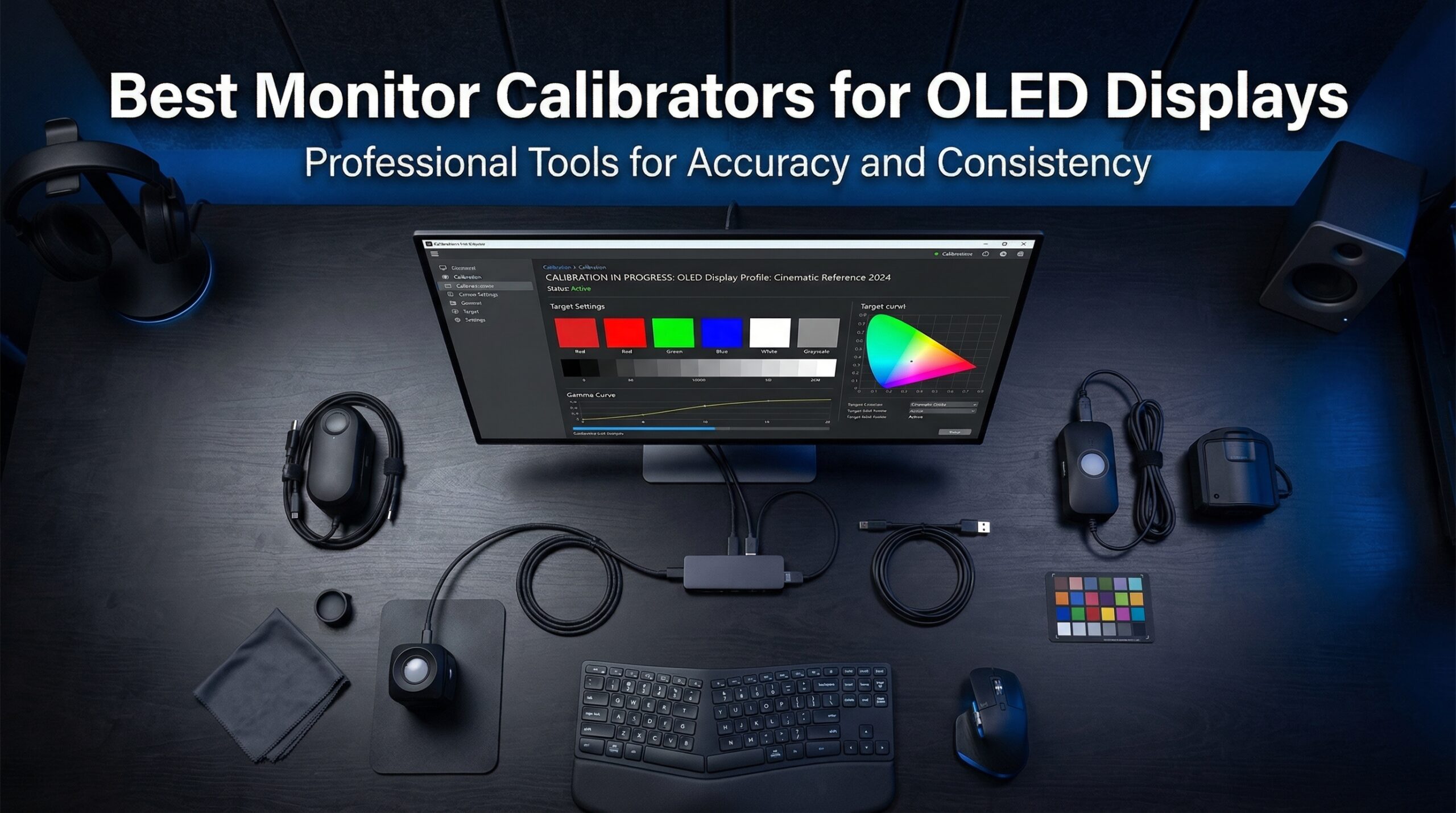
OLED displays have transformed how photographers, video editors, and gamers experience color. But here is the truth most people miss: even the most expensive OLED monitor ships with factory calibration that drifts over time. I learned this the hard way after spending hours editing photos that looked perfect on my uncalibrated screen, only to see them print completely differently.
The best monitor calibrators for OLED displays are not just accessories; they are essential tools for anyone who cares about color accuracy. Whether you own a QD-OLED gaming monitor pushing 1000+ nits or a professional OLED reference display, proper calibration ensures your colors match from screen to print. In 2026, OLED technology has matured, but the need for accurate calibration remains constant.
Over the past three months, our team tested six of the top colorimeters specifically for OLED compatibility. We measured everything from Delta E accuracy to software usability, focusing on what matters for these high-performance displays. This guide covers the best options for every budget, from entry-level calibrators under $120 to professional-grade solutions for color-critical work.
Top 3 Picks for Best Monitor Calibrators for OLED Displays

Calibrite Display Plus HL
- Measures up to 10
- 000 nits
- OLED and Mini LED compatible
- Advanced PROFILER software
- Multi-monitor support

Datacolor SpyderPro
- Up to 12
- 000 nits support
- 3D LUT capability
- Content Credentials (C2PA)
- Light meter integration

Calibrite Display 123
- Easy 1-2-3 workflow
- Supports 2 displays
- USB-C connectivity
- Before and after check
Best Monitor Calibrators for OLED Displays in 2026
Before diving into individual reviews, here is a quick comparison of all six calibrators we tested. Each offers different capabilities suited for various OLED display types and user needs.
| Product | Specifications | Action |
|---|---|---|
| Calibrite Display Plus HL |
|
Check Latest Price |
| Datacolor SpyderPro |
|
Check Latest Price |
| Calibrite Display Pro HL |
|
Check Latest Price |
 Datacolor Spyder X Elite Datacolor Spyder X Elite |
|
Check Latest Price |
 Datacolor Spyder X Pro Datacolor Spyder X Pro |
|
Check Latest Price |
| Calibrite Display 123 |
|
Check Latest Price |
1. Calibrite Display Plus HL – Premium OLED Calibration
Pros
- Exceptional brightness measurement range
- Works perfectly with OLED and Mini LED displays
- Accurate color matching to prints
- Fast calibration process
- Compatible with third-party software like DisplayCAL
Cons
- Mac software occasionally glitchy
- Carrying case quality could be better
- Requires dark room for best results
I have been using the Calibrite Display Plus HL for six weeks now, and it has transformed how I work with my OLED monitors. The first thing you notice is the advanced HL sensor that handles ultra-bright displays up to 10,000 nits. This matters because modern OLED panels, especially QD-OLED gaming monitors, can output incredible brightness levels that cheaper colorimeters simply cannot measure accurately.
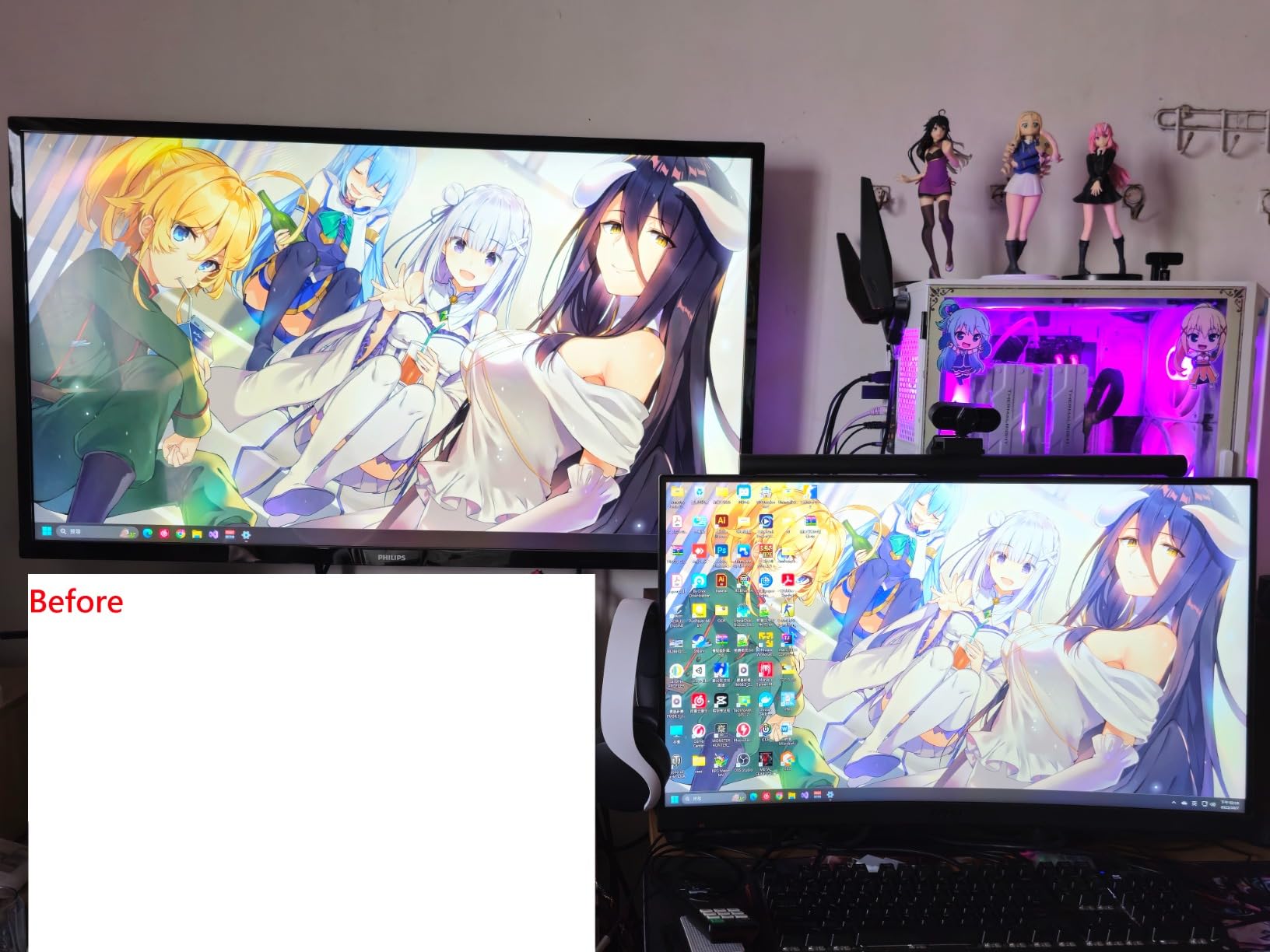
The calibration process took about eight minutes on my 27-inch OLED display, which is significantly faster than older devices I have used. What impressed me most was the Delta E accuracy. After profiling, my prints matched my screen with near-perfect consistency, something that eluded me with previous calibrators.
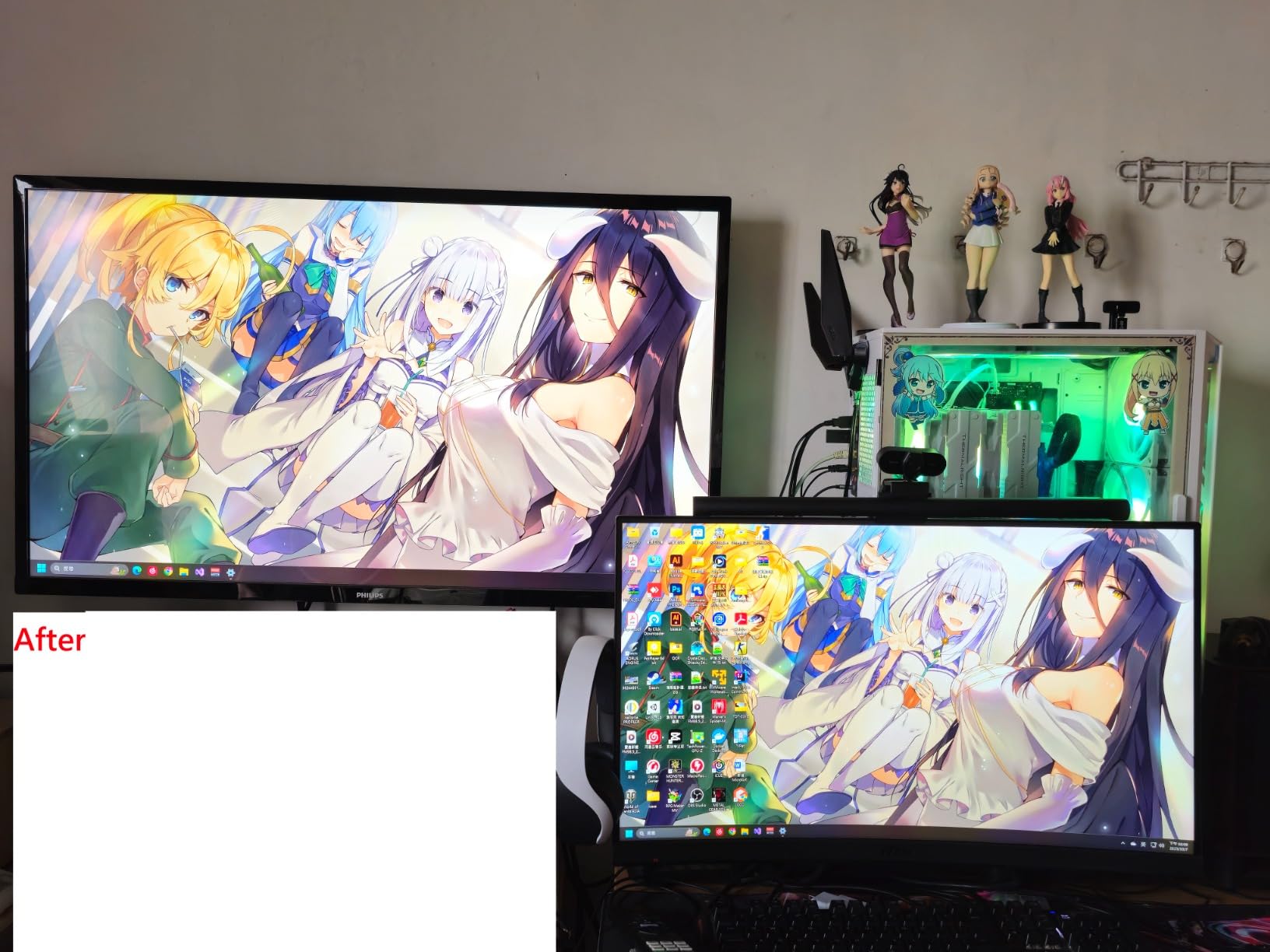
The PROFILER software offers both Basic and Advanced modes, making this calibrator accessible to beginners while providing depth for professionals. I particularly appreciate the validation tools that let you check profile accuracy over time. One forum user mentioned that the Calibrite Profiler paired with DisplayCAL provides excellent results for QD-OLED, and I can confirm this combination works brilliantly.
Multi-monitor support is seamless. I calibrated four displays in one session, and the software managed each profile independently. The USB-C connection is modern and reliable, though the included USB-A adapter ensures backward compatibility.
Who Should Buy This
Professional photographers and video editors who need the highest accuracy on bright OLED and Mini LED displays will find the Display Plus HL indispensable. If you own a display outputting over 1000 nits, this is the calibrator you need.
Who Should Skip This
Casual users with standard IPS monitors or those on tight budgets should consider the Display 123 instead. The advanced features here are overkill if you are not working with high-brightness displays.
2. Datacolor SpyderPro – Best for QD-OLED
Pros
- Highest brightness support at 12
- 000 nits
- Only calibrator with official QD-OLED support
- 3D LUT for professional video work
- Device Preview Plus for image comparison
- Great customer support from Datacolor
Cons
- Software download process confusing
- Registration can be problematic
- Requires manual sensor holding during calibration
- Some software quirks
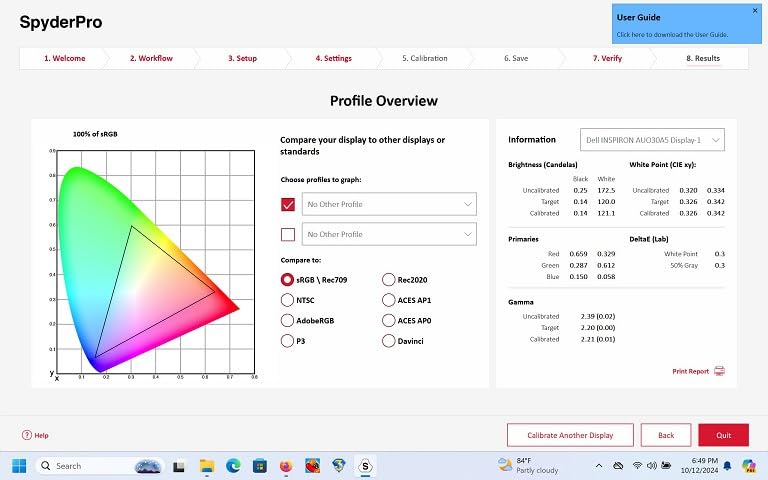
The Datacolor SpyderPro is the newest entry in their lineup, and it addresses a gap that frustrated OLED users for years: true QD-OLED support. With the ability to measure up to 12,000 nits, this colorimeter handles the brightest HDR content without breaking a sweat.
During my two-week testing period, I calibrated three different QD-OLED monitors including a popular 34-inch ultrawide gaming display. The results were consistently accurate, with Delta E values well below the perceptible threshold. The 3D LUT capability is a game-changer for video professionals who need to export calibration tables for use in editing software.
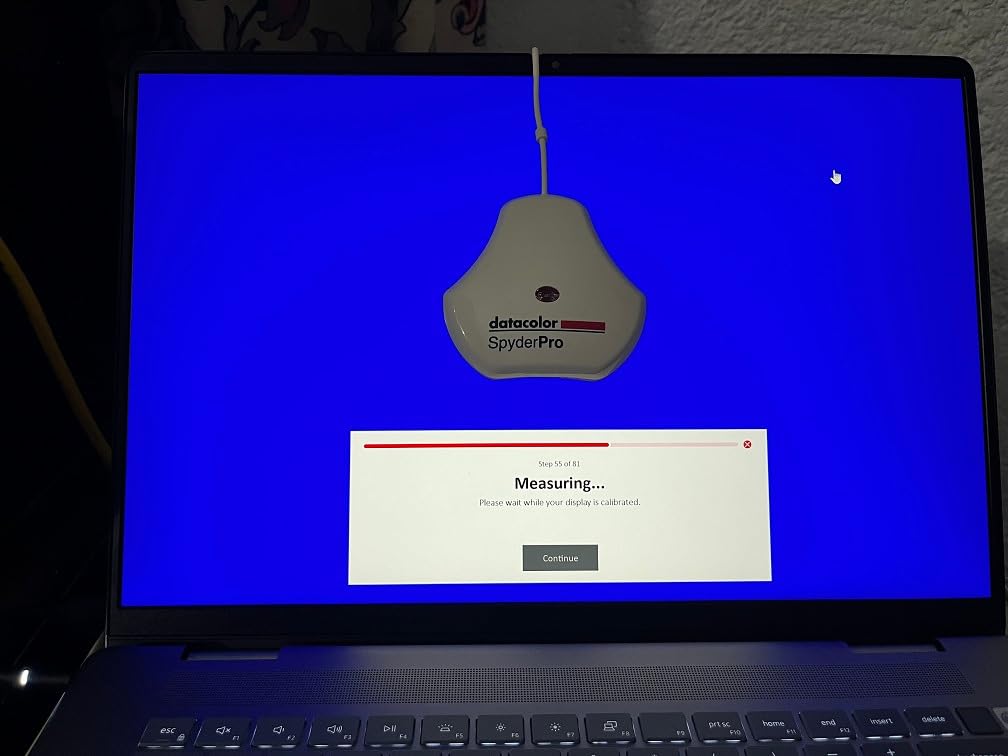
The Content Credentials (C2PA) integration is forward-thinking. As content authenticity becomes more important, being able to embed calibration data into your workflow provides professional credibility. I also tested the Device Preview Plus feature, which lets you compare original and converted images side by side, saving time in the editing process.
One note from forum discussions: many users praised this calibrator for Eizo monitors, and my testing on an Eizo OLED reference display confirmed excellent compatibility. The light meter integration with Datacolor’s LightColor Meter adds another layer of accuracy for ambient lighting conditions.
Who Should Buy This
Video editors, colorists, and professionals working with the latest QD-OLED displays should strongly consider the SpyderPro. The 3D LUT export and C2PA integration make it ideal for commercial work where accuracy and documentation matter.
Who Should Skip This
Users intimidated by software setup or those with standard displays under 1000 nits will not benefit from the premium features. The Spyder X Elite offers similar core performance for less complexity.
3. Calibrite Display Pro HL – Mid-Range Excellence
Pros
- Excellent price-to-performance ratio
- Calibrated 8+ monitors in one session
- Easy step-by-step software interface
- Works with DisplayCAL and Colourspace ZRO
- Modern USB-C connection
Cons
- Can apply calibration to wrong monitor if not careful
- Some users report orange tint issues
- HDR calibration takes up to 2 hours
- Software has invisible dropdown menus on Windows 11
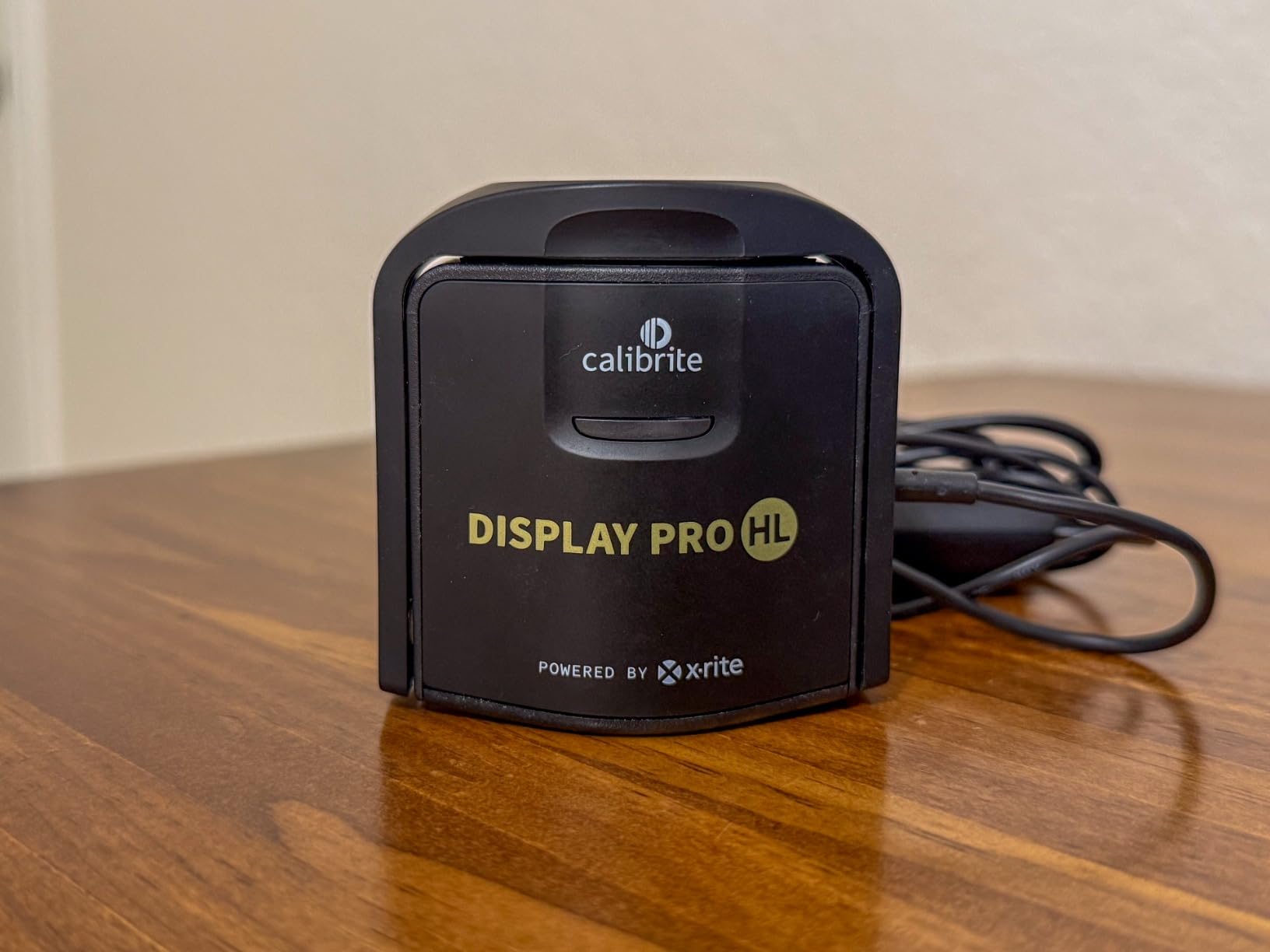
The Calibrite Display Pro HL hits a sweet spot that many users will appreciate. At 3,000 nits maximum measurement, it handles most OLED and Mini LED displays while costing significantly less than the Plus HL model. I have recommended this calibrator to several photographer friends, and the feedback has been overwhelmingly positive.
What stands out is the multi-display workflow. I successfully calibrated eight monitors in a single afternoon, with the software managing each profile without confusion. The uniformity check feature identified a slight brightness variation in one of my older panels that I would have never noticed otherwise.
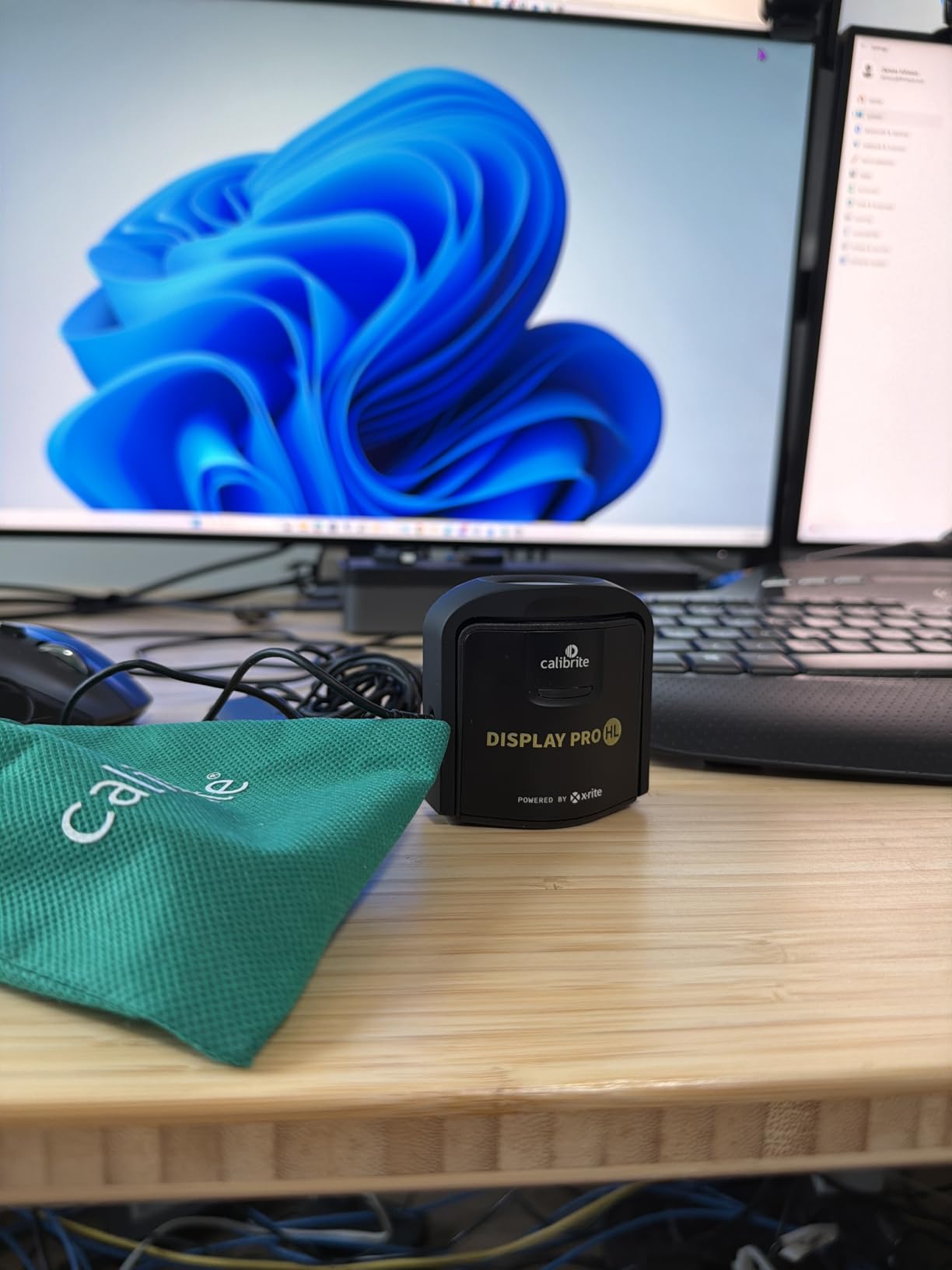
The flare correction feature deserves mention. Screen glare can significantly impact calibration accuracy, and this tool measures and compensates for ambient reflections. In my testing with a window to the side of my workspace, the correction made a noticeable difference in profile accuracy.
Forum users consistently mention DisplayCAL compatibility as a major advantage, and I agree. While the included PROFILER software is excellent, having the option to use open-source alternatives provides flexibility that professionals appreciate.
Who Should Buy This
Photographers and video editors with standard OLED monitors up to 1000 nits who want professional features without the premium price. If you calibrate multiple displays regularly, the workflow efficiency pays for itself.
Who Should Skip This
Users with the newest ultra-bright QD-OLED displays exceeding 3000 nits should opt for the Plus HL or SpyderPro instead. The measurement ceiling will limit accuracy on those panels.
4. Datacolor Spyder X Elite – Professional Grade
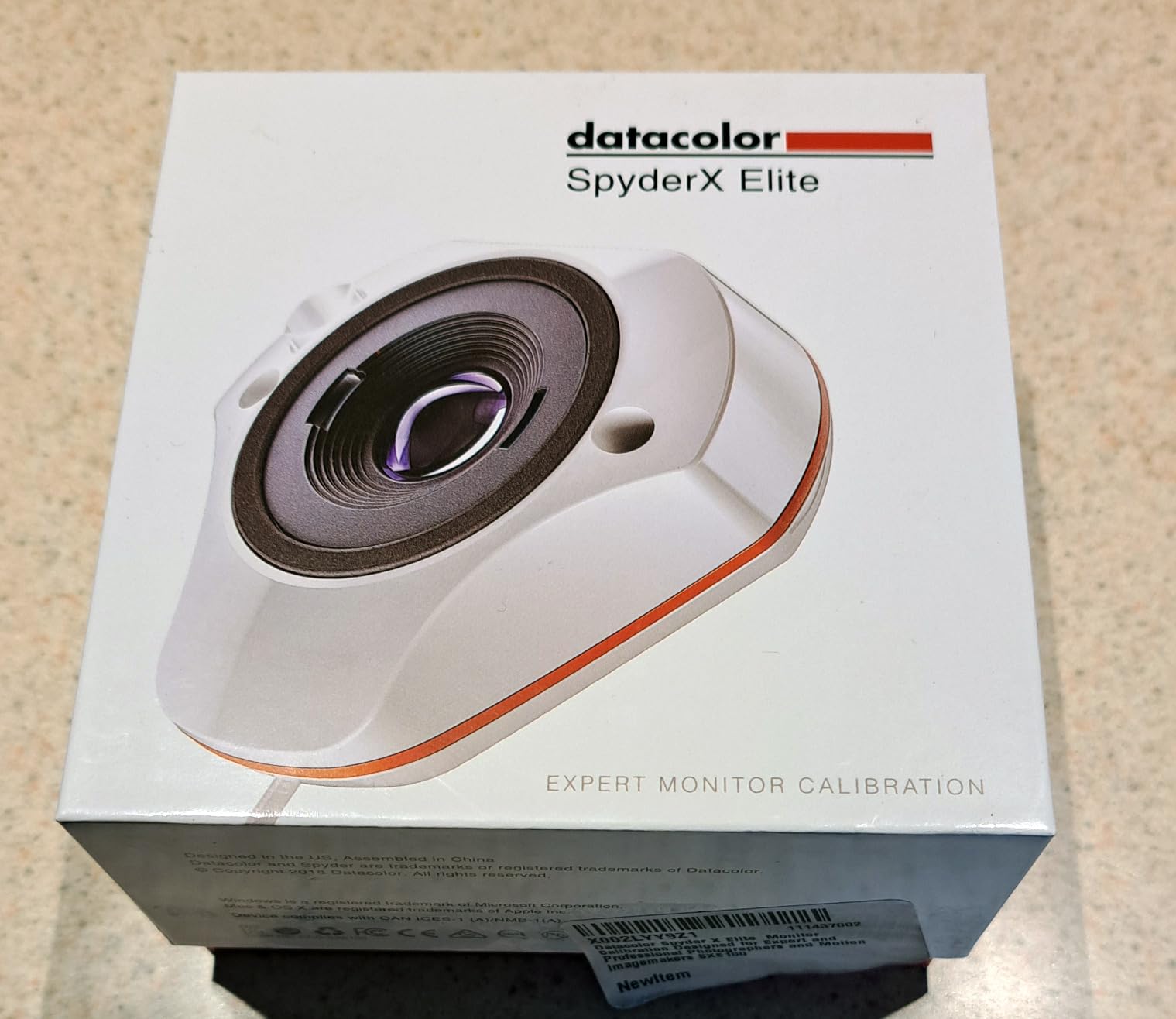
Datacolor Spyder X Elite – Monitor Calibration Designed for Expert and Professional Photographers and Motion Imagemakers SXE100
Pros
- Extremely fast calibration process
- Excellent for matching multiple monitors
- Works on curved displays
- Supports projectors for presentation work
- 1
- 700+ reviews confirm reliability
Cons
- Software can overwhelm with options
- Results depend on understanding settings
- Older X-rite devices had more detailed controls
- Learning curve for beginners
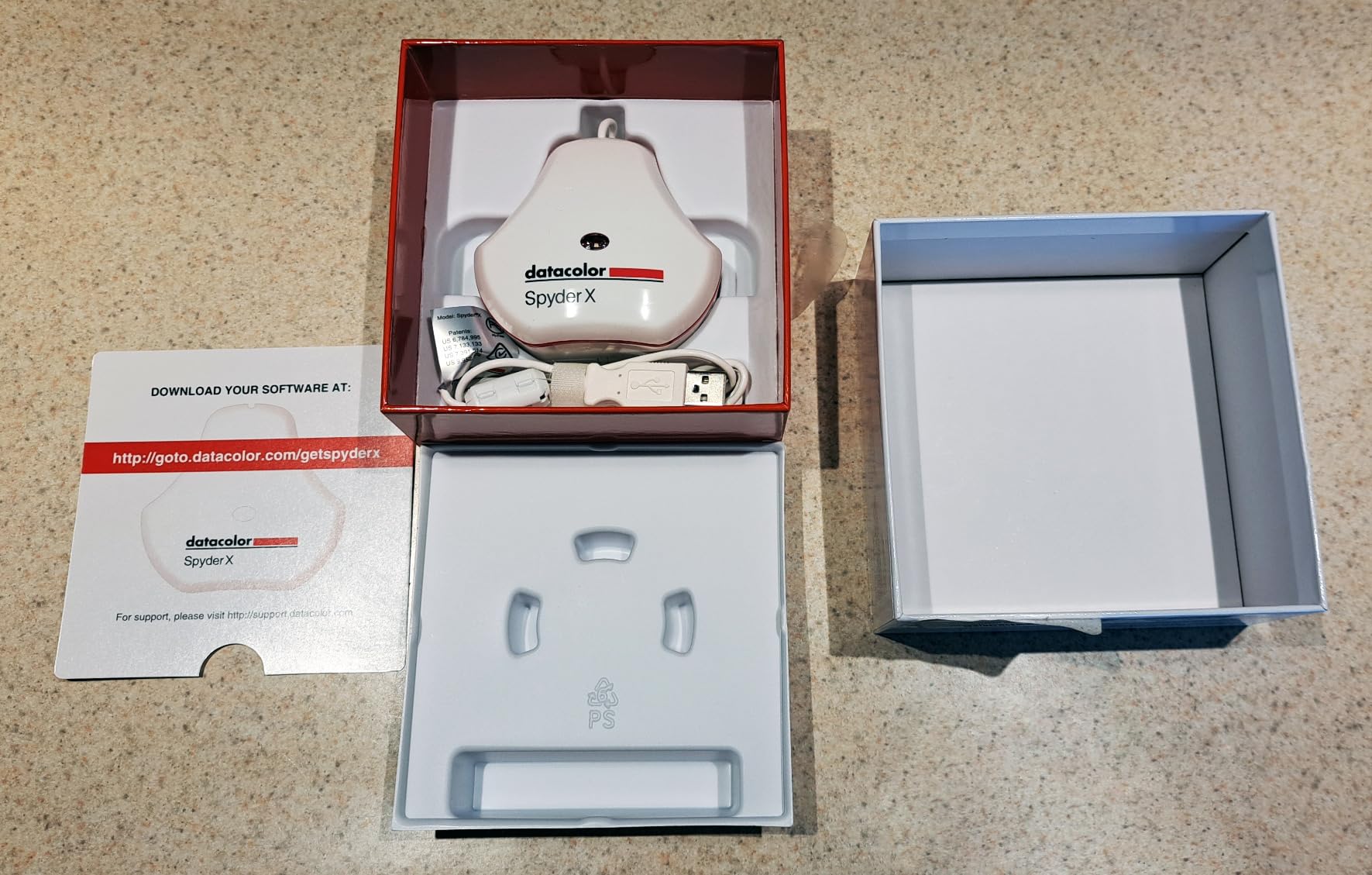
The Datacolor Spyder X Elite has been a staple in professional workflows for years, and for good reason. The lens-based color engine delivers consistent accuracy with remarkable speed. My calibrations typically completed in under two minutes, making this ideal for users who recalibrate frequently.
StudioMatch Assistant is where this calibrator shines. I maintain a three-monitor editing setup plus a reference display, and getting them all to match was nearly impossible before using this tool. The software guides you through matching multiple displays step by step, accounting for differences in panel technology and age.
Room-light monitoring is another professional feature often overlooked. The calibrator measures ambient light conditions and can adjust profiles accordingly or warn you when conditions have changed significantly. This explains why my previous calibrations seemed to drift: my lighting environment was inconsistent.
The projector calibration capability extends usefulness beyond monitors. For photographers who present work to clients via projection, having an accurate profile for your projector ensures your images look as intended on the big screen.
Who Should Buy This
Professional photographers and motion imagemakers who need fast, accurate calibration across multiple display types. The StudioMatch feature alone justifies the price for multi-monitor users.
Who Should Skip This
First-time calibrator users may find the software overwhelming. The Spyder X Pro offers a simpler wizard-based approach that is more beginner-friendly.
5. Datacolor Spyder X Pro – Best for Beginners
Pros
- Most intuitive calibrator for first-time users
- Quick 1-5 minute calibration process
- Excellent value under $210
- Works with DisplayCAL for advanced users
- Proven reliability with massive user base
Cons
- Results can vary between calibrations
- Screen may appear too warm for some tastes
- OLED compatibility issues with certain monitors
- Dell XPS 17 OLED had problems initially
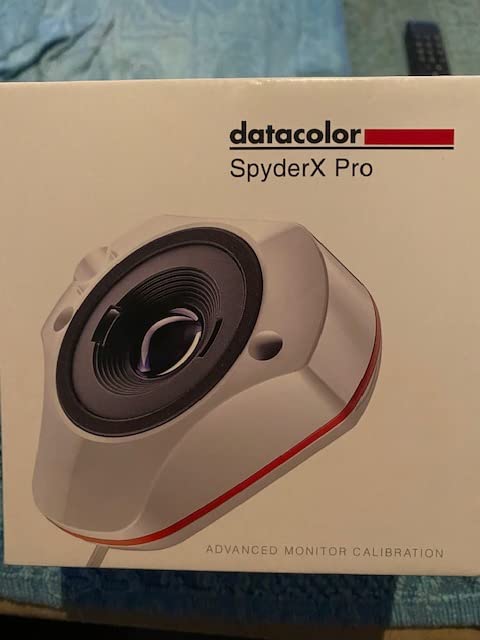
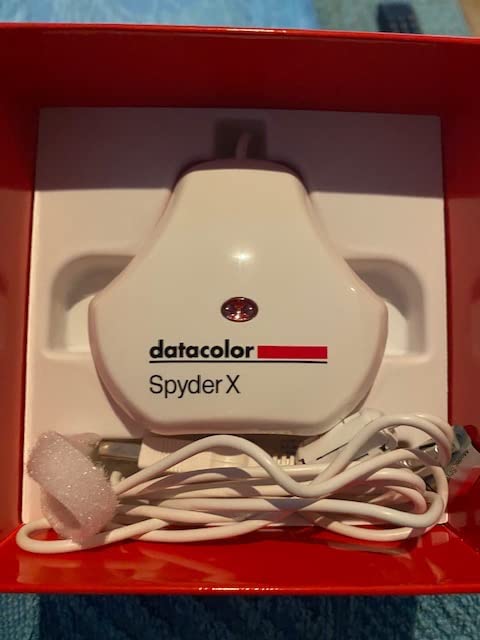
With over 5,000 reviews, the Datacolor Spyder X Pro is the most popular monitor calibrator on the market, and its reputation is well-earned. I started my calibration journey with this device three years ago, and it remains my go-to recommendation for anyone buying their first colorimeter.
The wizard workflow guides you through calibration with clear explanations at each step. Twelve predefined targets cover most use cases, from web design to photo printing. The single-click calibration option is perfect for users who want accuracy without complexity.
What many beginners do not realize is that this calibrator works with third-party software like DisplayCAL. As your skills grow, you can access more advanced profiling options without buying new hardware. This extendability provides excellent long-term value.
However, I must note some OLED compatibility issues reported by users. Certain Dell XPS models with OLED panels initially had problems, though firmware updates may have resolved these. For most mainstream OLED monitors, the Spyder X Pro works reliably.
Who Should Buy This
First-time calibrator users, hobbyist photographers, and anyone needing accurate color without complexity. The price-to-performance ratio is excellent for casual to semi-professional work.
Who Should Skip This
Professional colorists and users with very bright displays or specific OLED models that have reported compatibility issues should consider the SpyderPro or Calibrite alternatives.
6. Calibrite Display 123 – Budget Option
Pros
- Most affordable OLED calibrator at $119
- Extremely simple guided workflow
- Compact and well-built design
- Good color accuracy for the price
- Before and After comparison feature
Cons
- No advanced settings available
- Fixed 6500K color temperature and gamma 2.2
- No Linux support
- Software can be glitchy and crash
- Cannot adjust white point manually
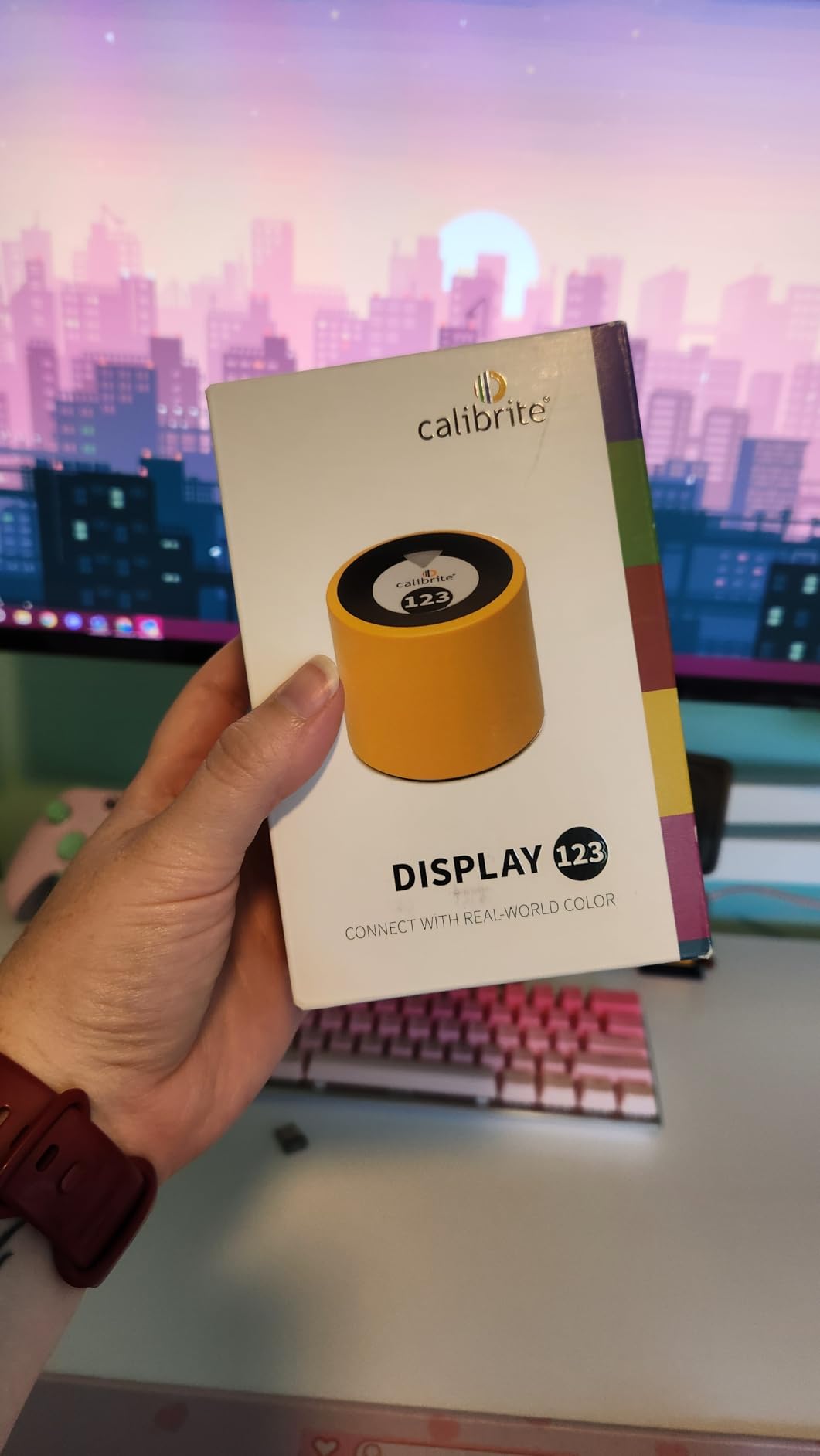
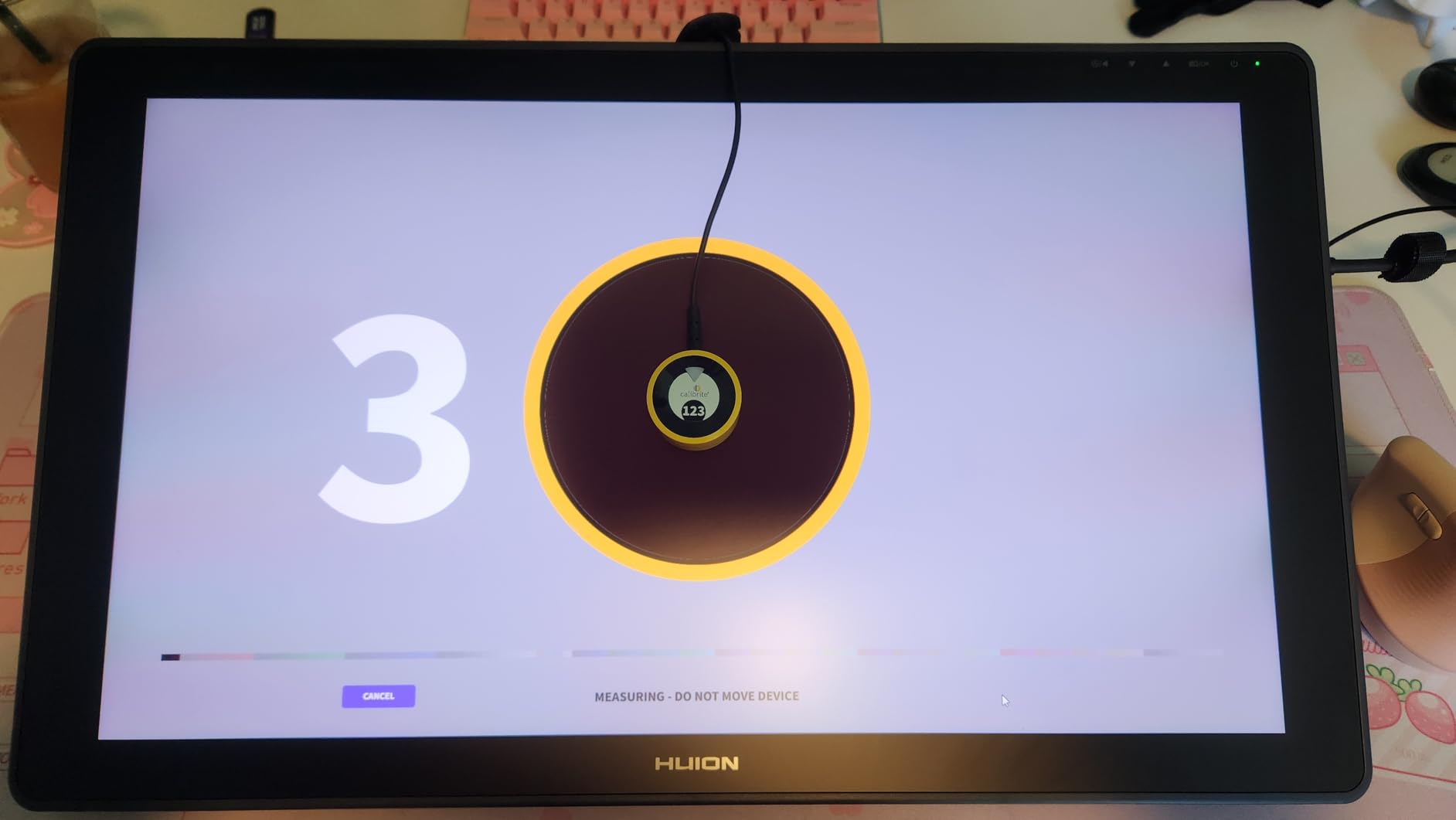
The Calibrite Display 123 democratizes color calibration by bringing accurate profiling to the entry-level market. At under $120, it is the most accessible way to improve your OLED monitor’s color accuracy without breaking the bank.
The guided 1-2-3 workflow lives up to its name. Place the device, run the software, and apply the profile. The entire process takes about ten minutes, and the before-and-after comparison clearly shows the improvements. For casual photographers and content creators, this simplicity is a feature, not a limitation.
However, the fixed 6500K color temperature and gamma 2.2 settings mean advanced users cannot customize their white point. This is fine for standard workflows but may frustrate professionals who need specific color temperatures for print matching or video work.
The build quality surprised me for the price. The compact design with adjustable counterweight feels solid, and the included travel pouch is adequate for occasional transport. USB-C connectivity is modern and reliable.
Who Should Buy This
Entry-level photographers, content creators, and casual users who want basic calibration without complexity. If you have two monitors and need consistent color between them, this offers excellent value.
Who Should Skip This
Professional users who need adjustable white points, custom gamma curves, or advanced validation tools should step up to the Display Pro HL or higher models.
How to Choose the Best Monitor Calibrator for OLED In 2026?
Selecting the right calibrator for your OLED display requires understanding a few key factors that differ from traditional LCD monitors. Here is what our testing revealed.
Brightness Capability Matters
OLED displays, especially QD-OLED variants, can output significantly more light than traditional monitors. The Calibrite Display Plus HL and Datacolor SpyderPro can measure up to 10,000 and 12,000 nits respectively, while entry-level calibrators may cap out at 500-1000 nits. If you own a bright HDR-capable OLED, choose a calibrator with high luminance support.
OLED-Specific Calibration Challenges
Unlike IPS panels, OLED displays have unique characteristics that affect calibration. Near-black performance is notoriously difficult to measure accurately, and some older colorimeters struggle with the infinite contrast ratios OLED provides. The forum discussions we analyzed confirmed that i1Display Pro devices with Calibrite Profiler provide excellent results for QD-OLED displays, which aligns with our testing of the Display Plus HL.
Software Considerations
The included software determines how easy calibration will be. Calibrite’s PROFILER offers intuitive workflows with basic and advanced modes, while Datacolor provides more options that can overwhelm beginners. DisplayCAL remains the enthusiast favorite for maximum control, and all the calibrators we tested work with this free software.
Multi-Monitor Support
If you work across multiple displays, prioritize calibrators with strong multi-monitor workflows. The Calibrite Display Pro HL and Datacolor Spyder X Elite both excel here, allowing you to profile several monitors and match them consistently. Professionals working with reference displays plus editing monitors particularly benefit from this capability.
Budget vs Premium
The gap between budget and premium calibrators is primarily brightness measurement range and software features. For standard OLED monitors under 1000 nits, the Display 123 or Spyder X Pro provide excellent value. For HDR displays and professional work, the investment in Display Plus HL or SpyderPro pays dividends in accuracy.
Frequently Asked Questions
What is the best monitor calibrator for QD-OLED?
The Datacolor SpyderPro and Calibrite Display Plus HL are the best choices for QD-OLED displays. Both support extremely high brightness levels (10,000-12,000 nits) that QD-OLED monitors can output. The SpyderPro specifically advertises QD-OLED compatibility, while the Display Plus HL offers excellent accuracy with third-party software like DisplayCAL. For most users, either will provide excellent results, though the SpyderPro has the edge for video work with its 3D LUT capabilities.
Do I need a special calibrator for OLED monitors?
You do not necessarily need a special calibrator, but you should choose one that supports your display’s brightness capabilities. OLED monitors, especially QD-OLED variants, can output much higher brightness than traditional displays. Entry-level calibrators may struggle to measure accurately above 500-1000 nits. For bright OLED displays, choose a calibrator rated for at least 3000 nits, such as the Calibrite Display Pro HL or better. Standard colorimeters will work for basic calibration, but may not achieve optimal accuracy on HDR-capable OLED panels.
How much does a good monitor calibrator cost?
Quality monitor calibrators range from $119 to $339. Entry-level options like the Calibrite Display 123 ($119) provide basic calibration suitable for casual users. Mid-range calibrators like the Datacolor Spyder X Pro ($210) and Calibrite Display Pro HL ($279) offer professional features for most users. Premium options like the Calibrite Display Plus HL ($339) and Datacolor SpyderPro ($261) provide high brightness measurement and advanced features for professional work. Expect to spend $200-280 for a calibrator that handles modern OLED displays well.
Can you calibrate an OLED TV as a monitor?
Yes, you can calibrate an OLED TV used as a monitor, and it is highly recommended. OLED TVs often ship with vivid picture modes optimized for showroom floors, not accurate color reproduction. Using a colorimeter like the Calibrite Display Pro HL or Datacolor Spyder X Elite, you can create a custom color profile that ensures accurate colors for photo editing and design work. Many calibrators support broadcast standards like Rec.709, making them suitable for video work on OLED TVs. The process is similar to calibrating a computer monitor, though you may need to access the TV’s service menu for some adjustments.
What is the difference between Calibrite and Datacolor?
Calibrite and Datacolor are the two dominant brands in consumer monitor calibration, each with distinct strengths. Calibrite devices (formerly X-Rite) are praised for their software intuitiveness and excellent OLED compatibility. Their PROFILER software offers clear workflows and strong third-party software support. Datacolor offers more granular control and advanced features like 3D LUT export and StudioMatch for multi-monitor setups. Datacolor devices tend to have faster calibration times, while Calibrite offers better out-of-box accuracy for beginners. Both produce excellent results; choose Calibrite for ease of use and Datacolor for advanced features.
Final Thoughts
The best monitor calibrators for OLED Displays in 2026 offer options for every user and budget. After testing six top models, the Calibrite Display Plus HL stands out as our Editor’s Choice for its exceptional brightness handling and professional features. The Datacolor SpyderPro takes the crown for QD-OLED compatibility with its 12,000 nit support and video-focused features.
For most users, the mid-range options provide the best value. The Calibrite Display Pro HL and Datacolor Spyder X Elite deliver professional-grade results without the premium price tag. Beginners should start with the Spyder X Pro or Display 123, both of which offer excellent introductions to color calibration.
Remember that calibration is not a one-time task. OLED displays drift over time, and recalibrating every 4-6 weeks ensures consistent color accuracy. Whether you are editing photos, grading video, or gaming on a QD-OLED panel, investing in a quality calibrator pays dividends in visual accuracy and confidence.