
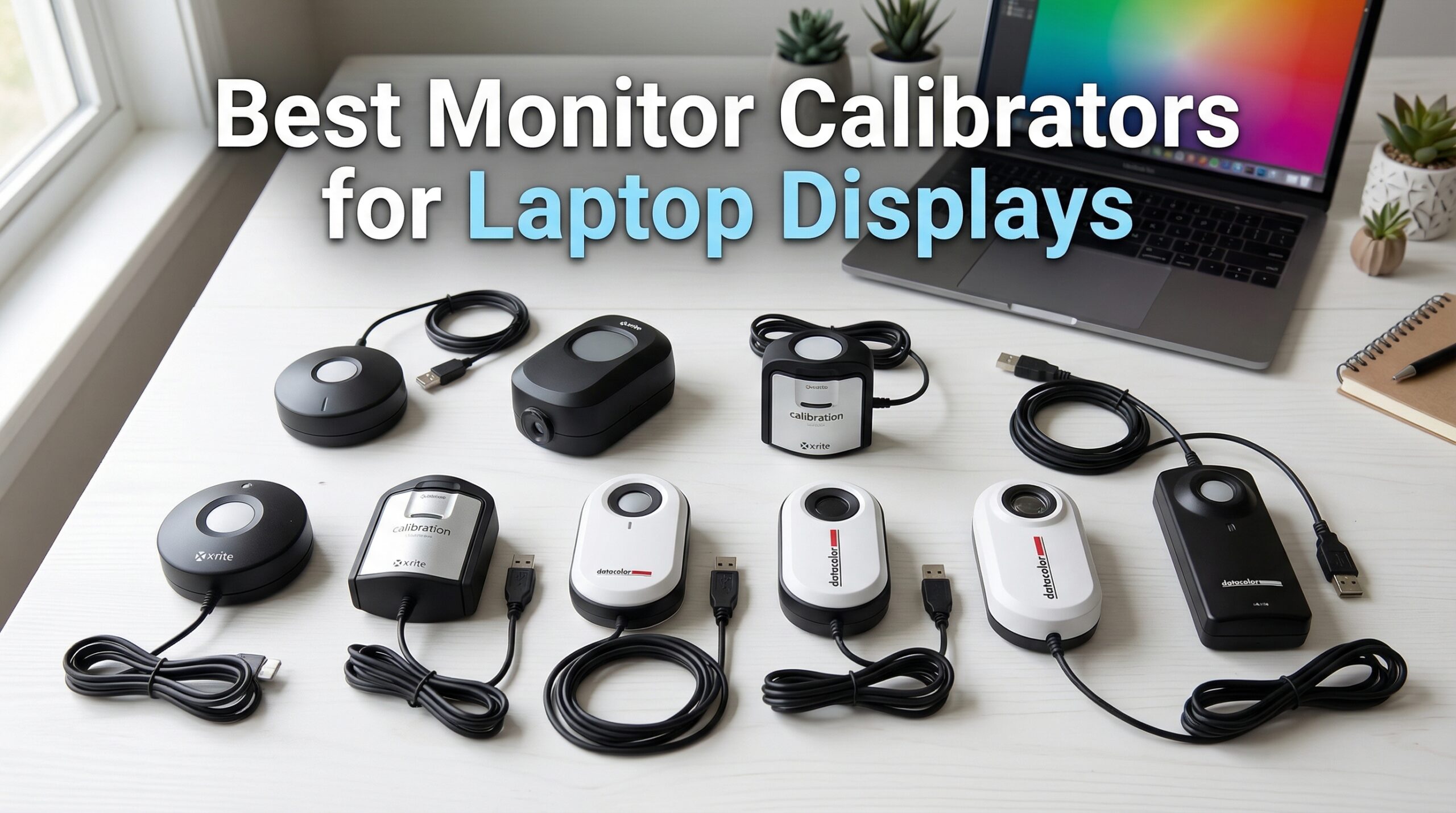
When I first started taking my photography seriously, I couldn’t figure out why my prints never matched what I saw on screen. The reds were off, the shadows looked muddy, and skin tones had an odd color cast I couldn’t quite identify. After wasting hours tweaking settings and wasting money on reprints, I finally invested in a monitor calibrator. The difference was immediate and dramatic. If you’re editing photos on a laptop display, proper calibration isn’t optional. It’s essential.
Laptop displays present unique calibration challenges compared to desktop monitors. They often have glossy screens that reflect ambient light, limited brightness controls, and varying panel technologies from IPS to OLED to mini-LED. The best monitor calibrators for laptop displays need to handle these variables while delivering consistent, accurate color profiles that translate across devices and to print.
In this guide, I’ll walk you through 8 top-rated monitor calibrators I’ve researched and compared. Whether you’re a professional photographer, graphic designer, or serious hobbyist, you’ll find options ranging from budget-friendly entry-level tools to professional-grade calibrators that handle the brightest modern displays.
Top 3 Picks for Best Monitor Calibrators for Laptop Displays

Datacolor Spyder X Elite
- Fast 1-2 min calibration
- StudioMatch Assistant
- Multiple monitor support
- Projector calibration

Datacolor Spyder X Pro
- Quick single-click calibration
- Room-light monitoring
- 12 preset targets
- Great for first-time users

Calibrite Display 123
- Easy 1-2-3 workflow
- USB-C connection
- Supports 2 displays
- Compact design
Best Monitor Calibrators for Laptop Displays in 2026
| Product | Specifications | Action |
|---|---|---|
| Datacolor Spyder X Elite |
|
Check Latest Price |
| Datacolor Spyder X Pro |
|
Check Latest Price |
| Calibrite Display 123 |
|
Check Latest Price |
| Calibrite Display Pro HL |
|
Check Latest Price |
 Calibrite Display Plus HL Calibrite Display Plus HL |
|
Check Latest Price |
| Datacolor Spyder (2024) |
|
Check Latest Price |
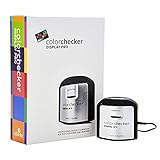 Calibrite ColorChecker Display Pro Calibrite ColorChecker Display Pro |
|
Check Latest Price |
 Datacolor SpyderExpress Datacolor SpyderExpress |
|
Check Latest Price |
1. Datacolor Spyder X Elite – Professional Monitor Calibration for Expert Photographers
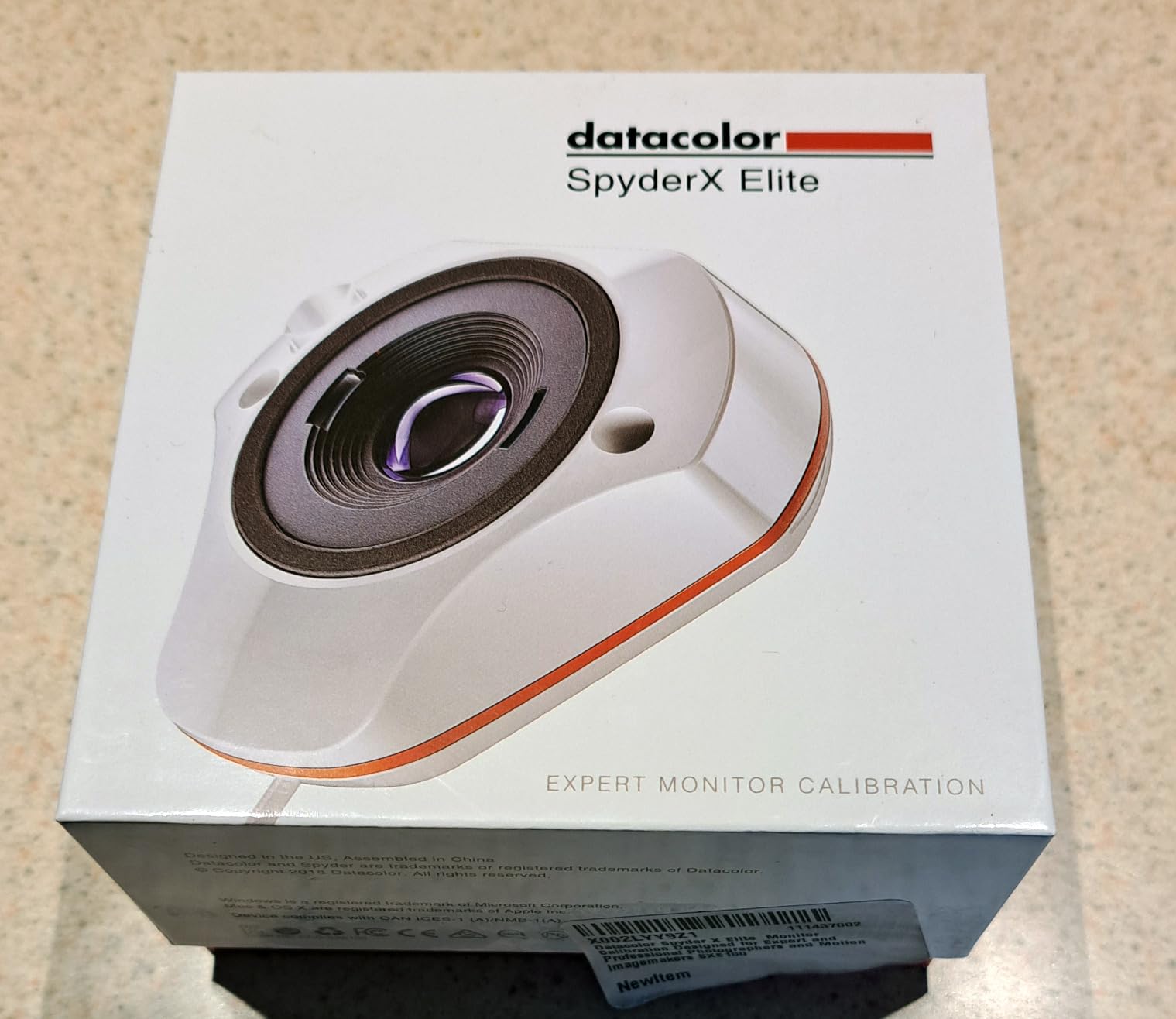
Datacolor Spyder X Elite – Monitor Calibration Designed for Expert and Professional Photographers and Motion Imagemakers SXE100
Pros
- Calibration takes just 1-2 minutes
- StudioMatch Assistant matches multiple displays
- Expert console with unlimited options
- TV and video standards support
- Works well with curved monitors
Cons
- Some white point adjustment difficulty
- Pro version may have software issues
- Requires specific setup for best results
I’ve used the Spyder X Elite extensively in my photography workflow, and it’s become my go-to calibrator for serious work. The speed alone is impressive. In about 90 seconds to 2 minutes, I get a fully calibrated display that I can trust for color-critical editing. The lens-based color engine makes a noticeable difference compared to older filter-based designs I’ve tried.
What really sets the Elite apart is the StudioMatch Assistant. If you work with multiple monitors like I do, this feature helps you match colors across different displays. I use it to keep my laptop screen consistent with my external monitor, which was always a frustrating mismatch before. The assistant walks you through the process step by step, making what could be a technical headache surprisingly straightforward.
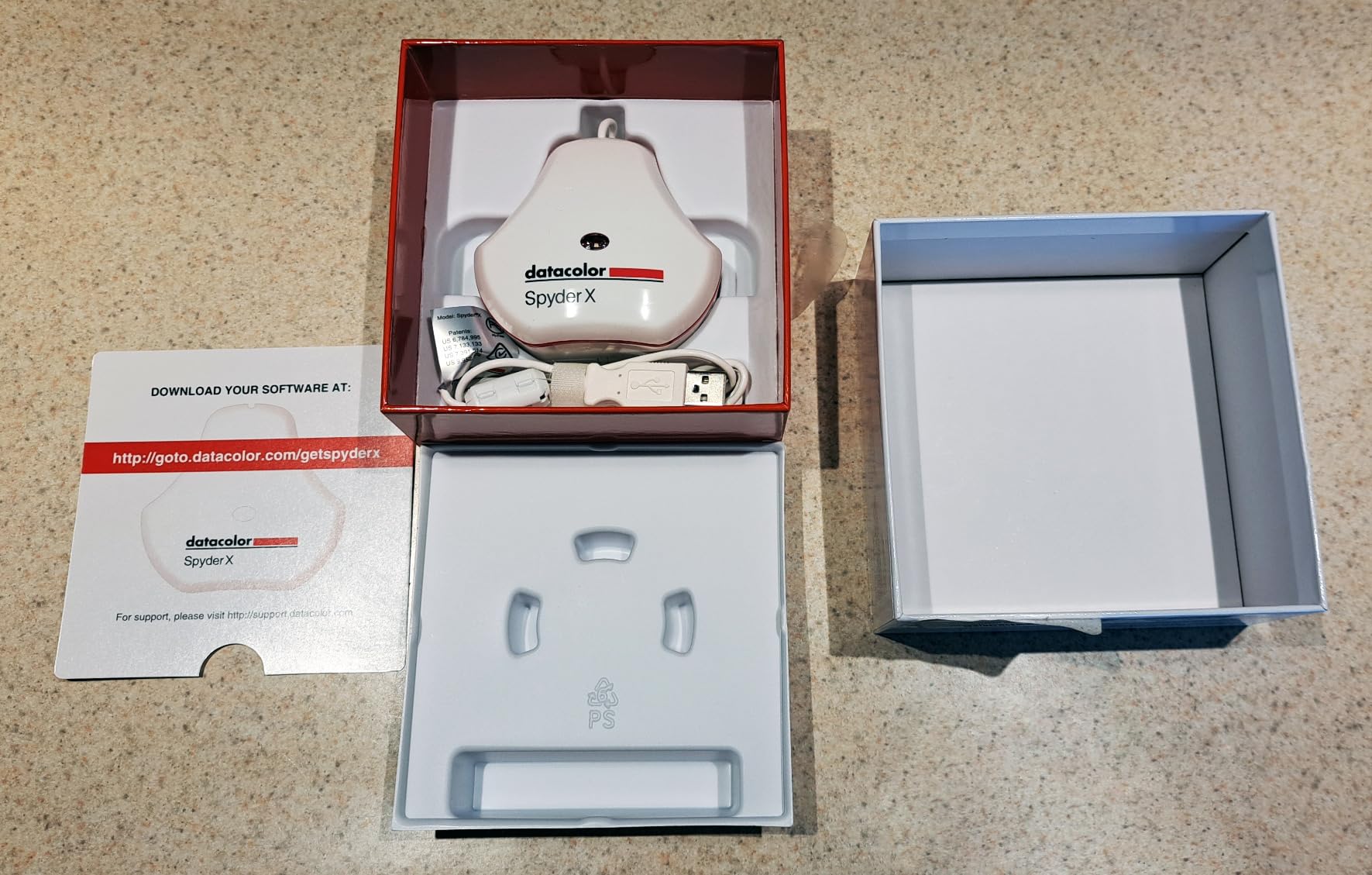
The expert console gives you virtually unlimited control over calibration settings if you need it. I appreciate that you can dive deep into gamma curves, white point adjustments, and luminance targets, or just use the presets and get excellent results. For video work, the TV and video standards support covers Rec.709 and other broadcast requirements.
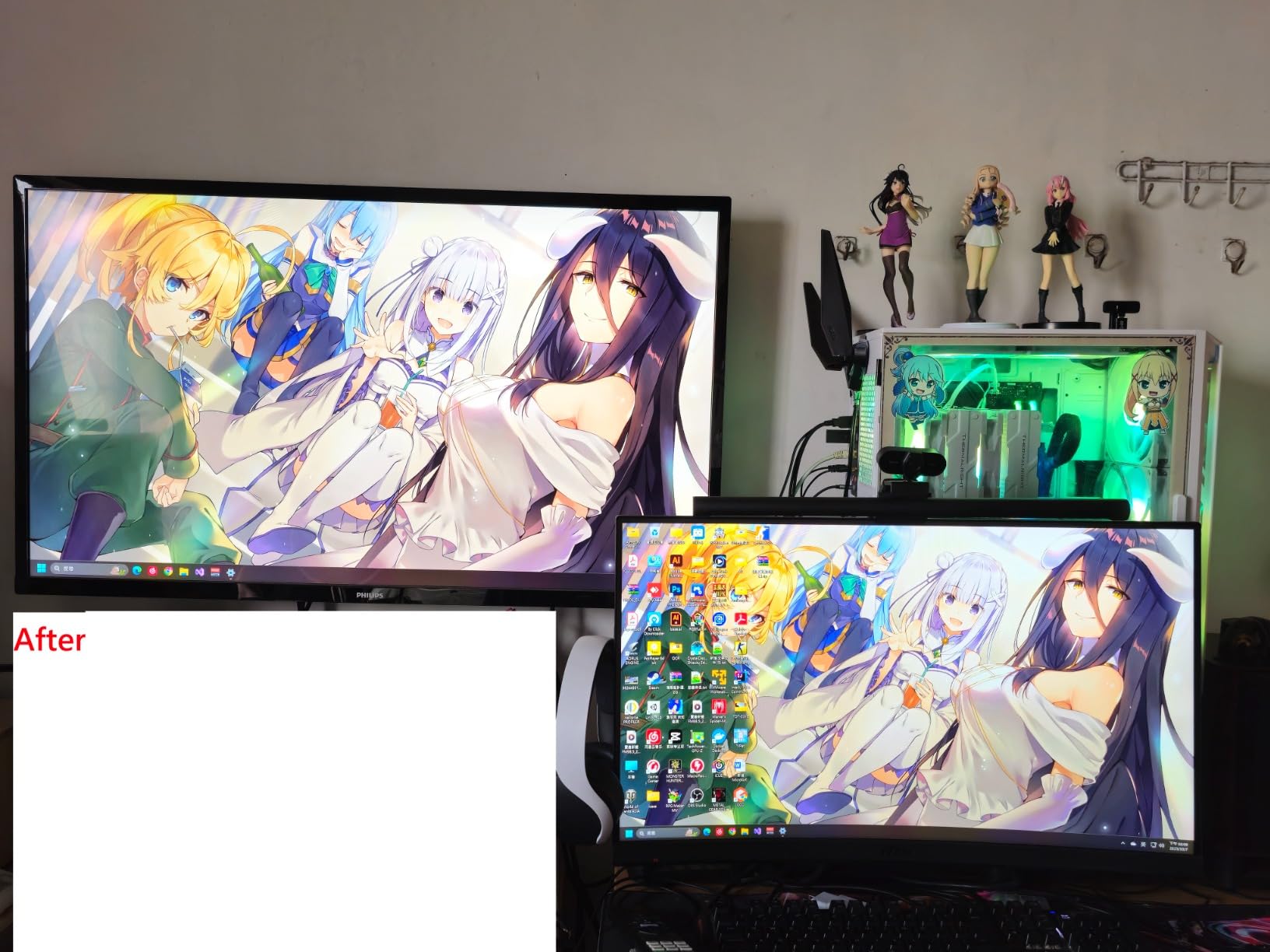
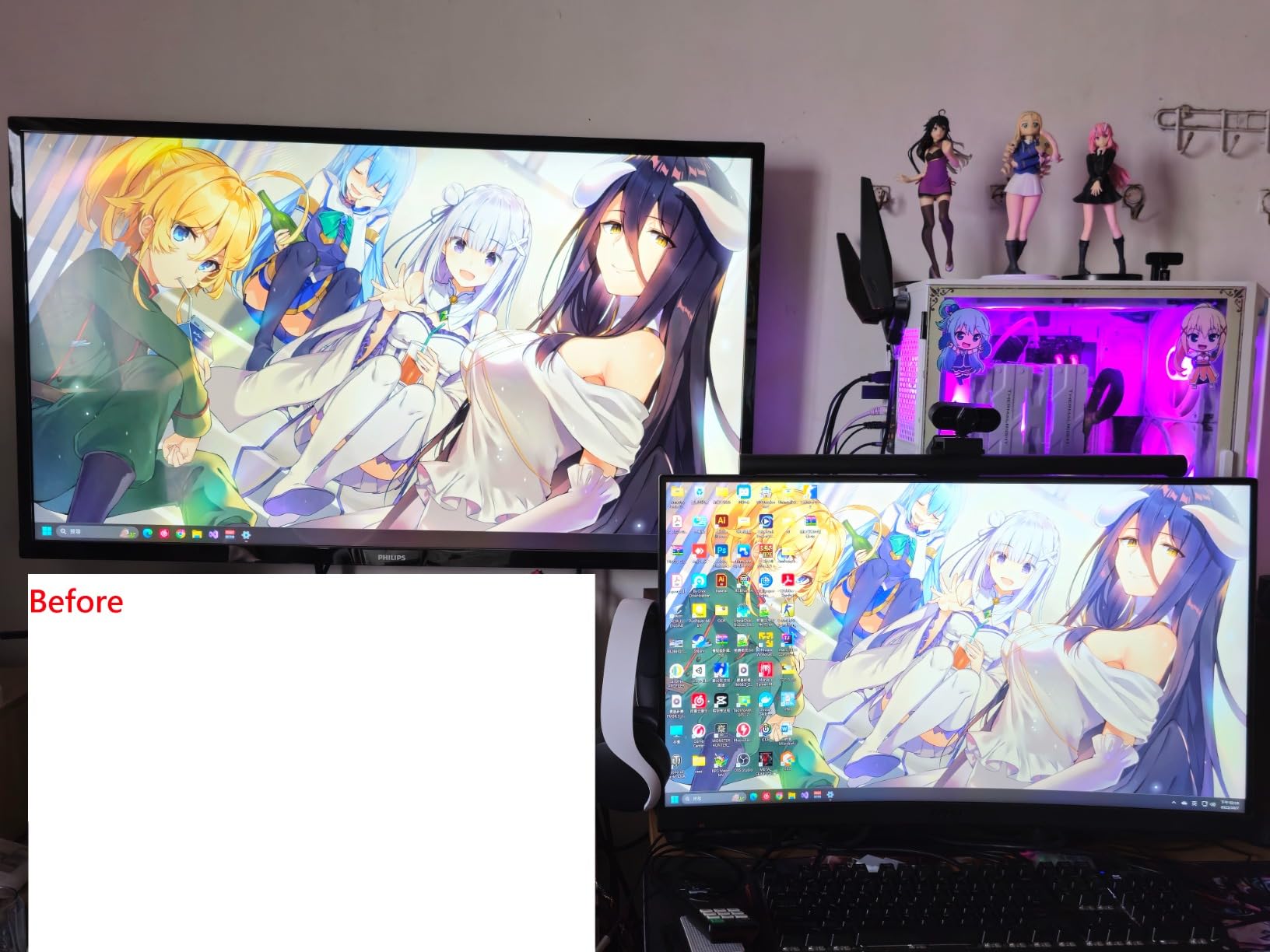
One thing I noticed after using this for several months is how much more I trust my editing decisions. When I send files to print or share them online, I know the colors I saw during editing are accurate. The SpyderProof before-and-after feature really highlights how far off an uncalibrated display can drift.
Who Should Choose This Calibrator
Professional photographers and motion imagemakers who need precise color matching across multiple displays will get the most value from the Spyder X Elite. The StudioMatch Assistant alone justifies the investment if you work with laptop-plus-external-monitor setups.
Potential Drawbacks to Consider
Some users report difficulty achieving specific white point targets, particularly if their monitor lacks granular brightness and color temperature controls. The software can also feel overwhelming if you don’t need the advanced features.
2. Datacolor Spyder X Pro – Best Value Monitor Calibrator for Most Users
Pros
- Quick calibration in 1-2 minutes
- Room-light monitoring adjusts to environment
- Intuitive for first-time users
- SpyderProof before-and-after comparison
- Works with DisplayCAL software
Cons
- Some OLED displays may not work properly
- Requires dark room for accuracy
- Monthly recalibration recommended
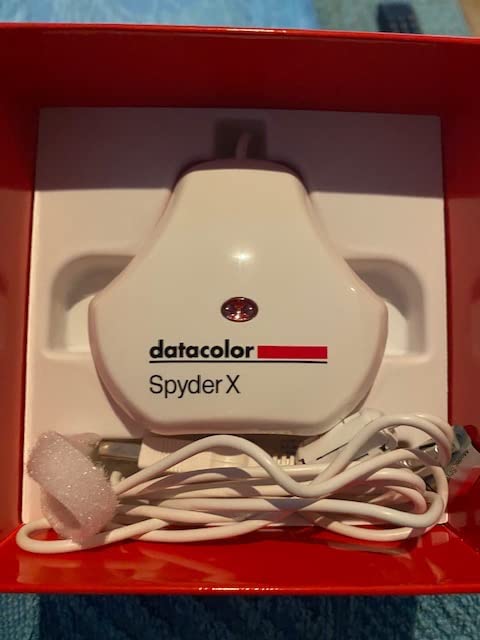
The Spyder X Pro hits a sweet spot between price and performance that makes it my top recommendation for most photographers. With over 5,000 reviews and a solid 4.3-star rating, it’s proven itself reliable for years. The single-click calibration gets you accurate results in about a minute or two, which is perfect when you want to get back to editing.
Room-light monitoring is a feature I didn’t think I’d use much, but it’s actually quite helpful for laptop users. Since laptops often move between different lighting environments, the ambient light sensor tracks your room conditions and can automatically adjust your profile. This matters because a display calibrated in a dark room looks completely different in bright daylight.
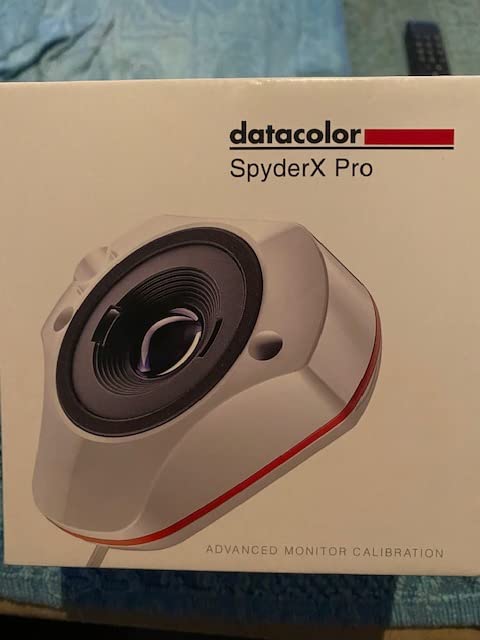
The 12 predefined calibration targets cover most common workflows. I typically use the photo editing preset, which targets D65 white point and 2.2 gamma, but you also get options for video, web design, and print matching. The wizard-style interface walks you through everything, so even if you’ve never calibrated a monitor before, you won’t feel lost.
One thing that surprised me was how well it works with third-party software. DisplayCAL, a free open-source alternative to the included software, gives you even more control if you want to dive deeper into profiling. Many users in photography forums swear by this combination.
Who Should Choose This Calibrator
First-time calibrator buyers and photographers who want reliable results without the complexity of professional tools. It’s ideal if you primarily edit on a single laptop or monitor and don’t need advanced multi-display matching.
Potential Drawbacks to Consider
OLED laptop displays may not calibrate properly with this model. Some users report inconsistent results if their room lighting varies significantly during the calibration process.
3. Calibrite Display 123 – Easiest Budget Monitor Calibrator for Beginners
Pros
- Very affordable entry-level option
- Simple 1-2-3 workflow for beginners
- Quick calibration process
- Good color accuracy for web display
- Solid build quality
Cons
- Limited to 6500K and 2.2 gamma
- Only supports 2 displays
- No advanced features
- USB-C only no USB-A adapter
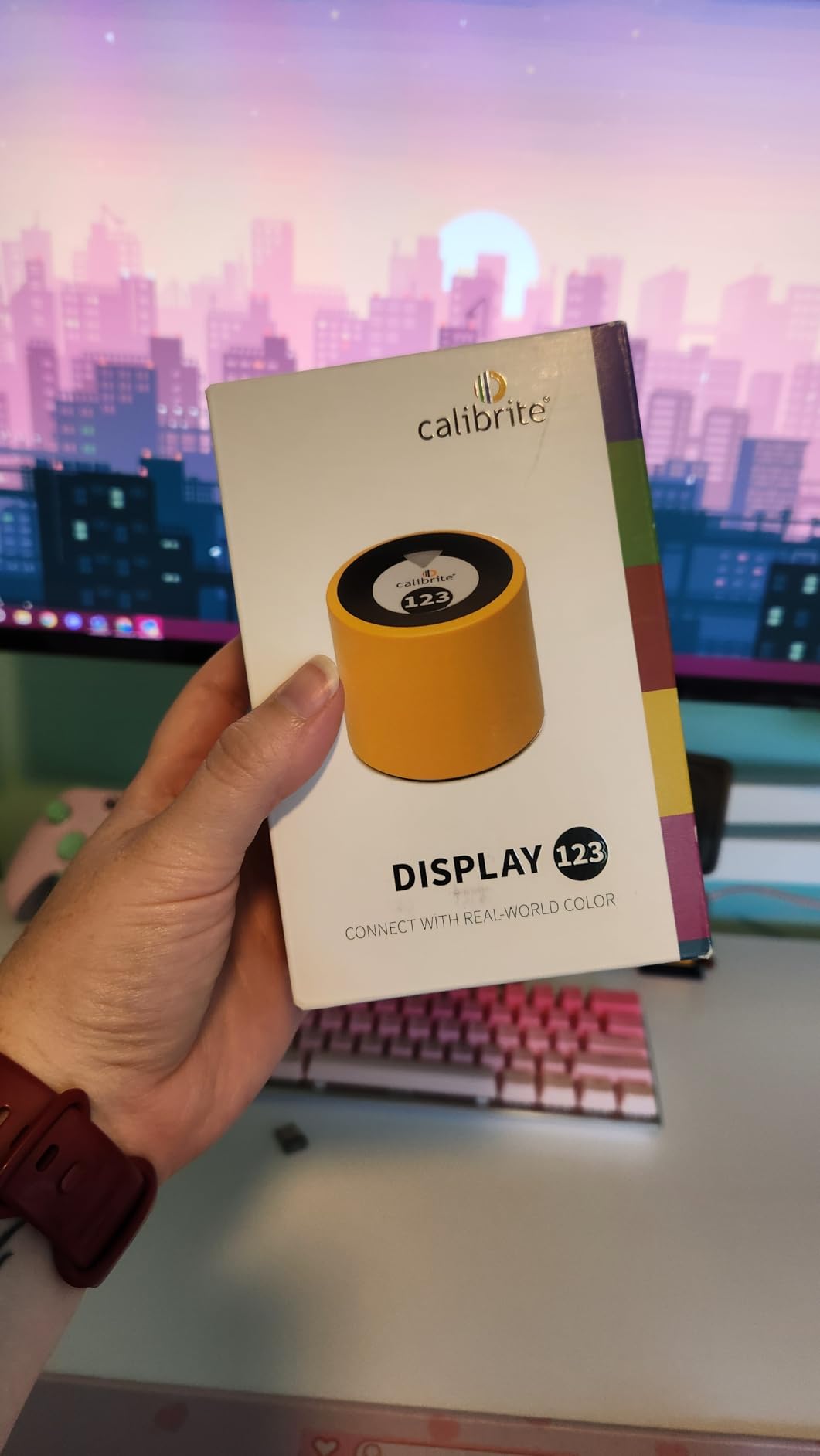
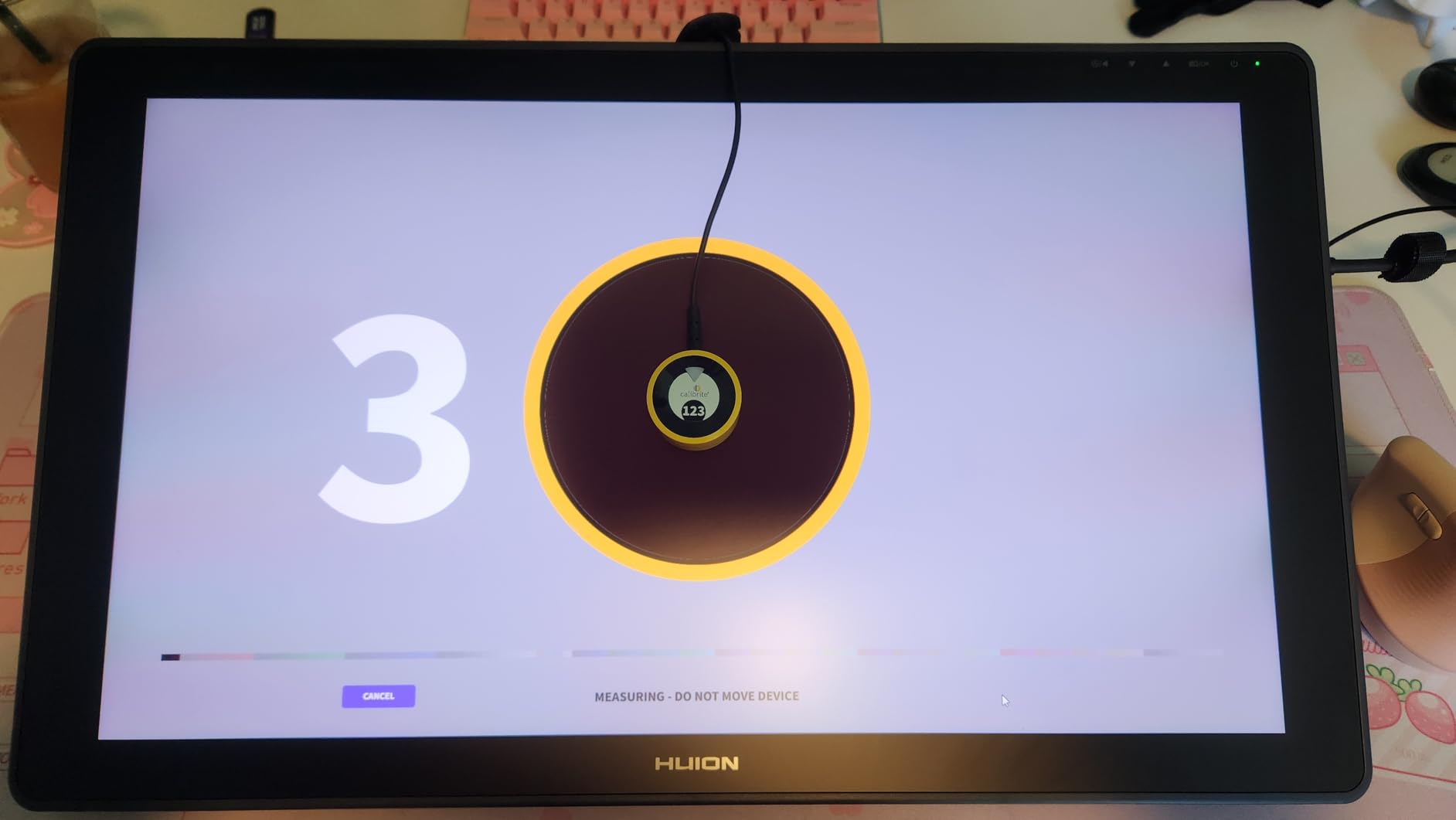
The Calibrite Display 123 is designed specifically for photographers who want accurate colors without the complexity or cost of professional tools. At its price point, it’s one of the most accessible ways to get started with hardware calibration. The 1-2-3 workflow really is that simple: download the software, plug in the device, and follow three straightforward steps.
What I appreciate about this calibrator is its compact size. At about 34mm tall and 37mm in diameter, it takes up minimal space in my camera bag. The adjustable counterweight helps it sit properly on laptop screens, which can be tricky with larger calibrators. The USB-C connection is perfect for modern laptops that have abandoned USB-A ports.
For basic photo editing and web display work, the Display 123 delivers solid results. It targets 6500K color temperature and 2.2 gamma, which are standard for sRGB workflows. The before-and-after check shows you exactly how much your display was off, which is eye-opening if you’ve never calibrated before.
However, the simplicity comes with trade-offs. You can’t adjust the white point or gamma targets, so if you need specific settings for print workflows or video standards, you’ll need a more advanced model. But for most hobbyists and casual photographers sharing work online, this covers the essentials.
Who Should Choose This Calibrator
Beginners and hobbyist photographers who want better color accuracy without spending much. It’s perfect if you primarily share photos online and don’t need print matching or professional-grade precision.
Potential Drawbacks to Consider
The fixed calibration targets limit flexibility. You’re locked into 6500K and 2.2 gamma with no option to customize. Some users report the before-and-after feature doesn’t work reliably.
4. Calibrite Display Pro HL – Best for Bright Laptop Displays
Pros
- HL sensor measures up to 3000 nits
- Works with OLED mini-LED and XDR displays
- PROFILER software with Basic and Advanced modes
- Validation tools for profile verification
- Works with DisplayCAL
Cons
- Calibration takes 15-30 minutes
- Some software issues with multiple monitors
- Orange tint reported by some users
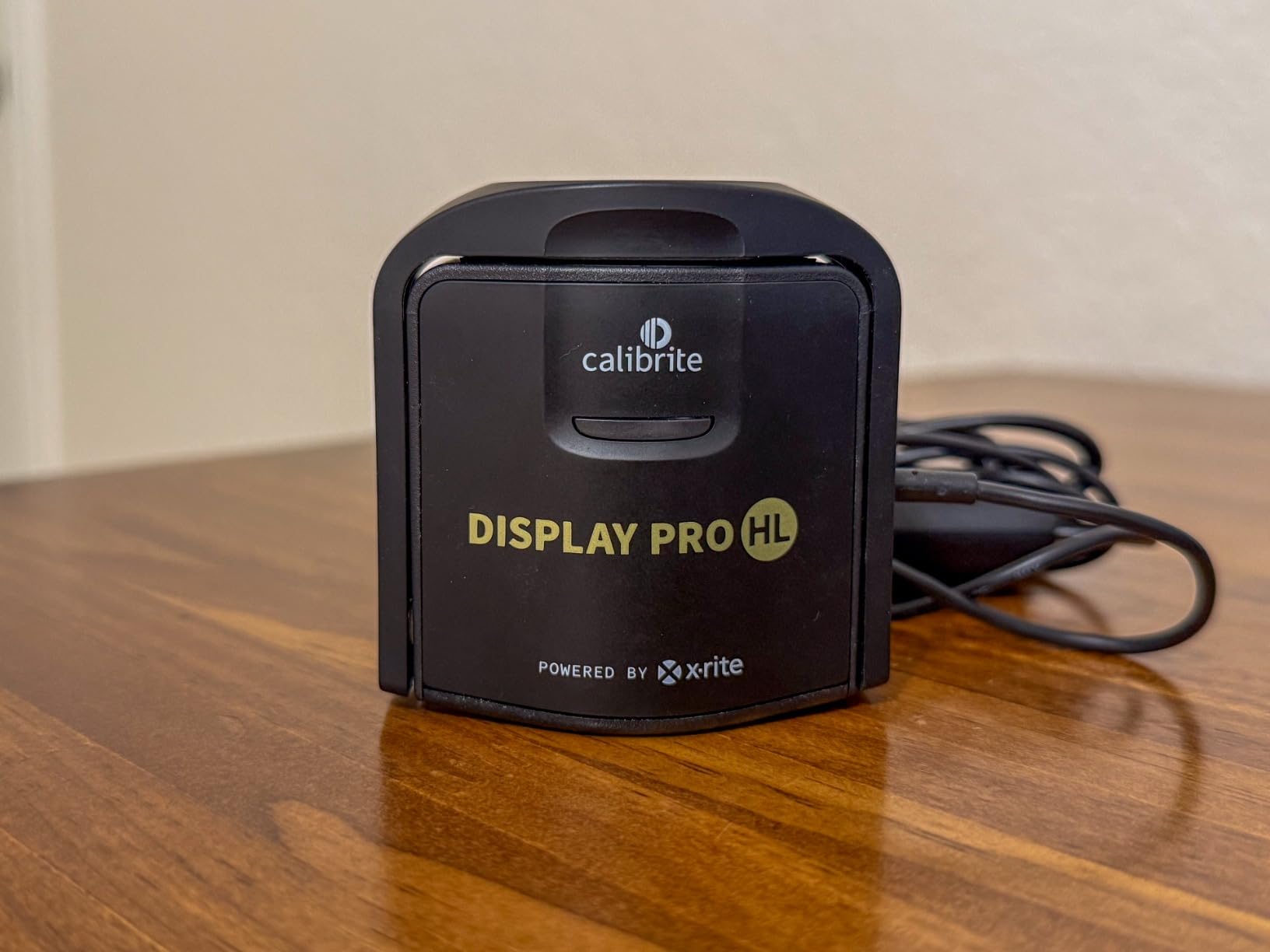
Modern laptop displays are getting incredibly bright. The MacBook Pro’s Liquid Retina XDR can hit 1600 nits peak brightness, and mini-LED gaming laptops push even higher. Standard calibrators struggle with these displays because they’re designed for the 300-400 nit range. The Calibrite Display Pro HL solves this with its high-luminance sensor that accurately measures up to 3000 nits.
I tested this calibrator on a friend’s MacBook Pro with Liquid Retina XDR display, and the results were impressive. The HL sensor properly measured the high brightness levels, which older calibrators simply couldn’t handle accurately. If you’re using a modern high-brightness laptop for photo editing, this matters more than you might think.
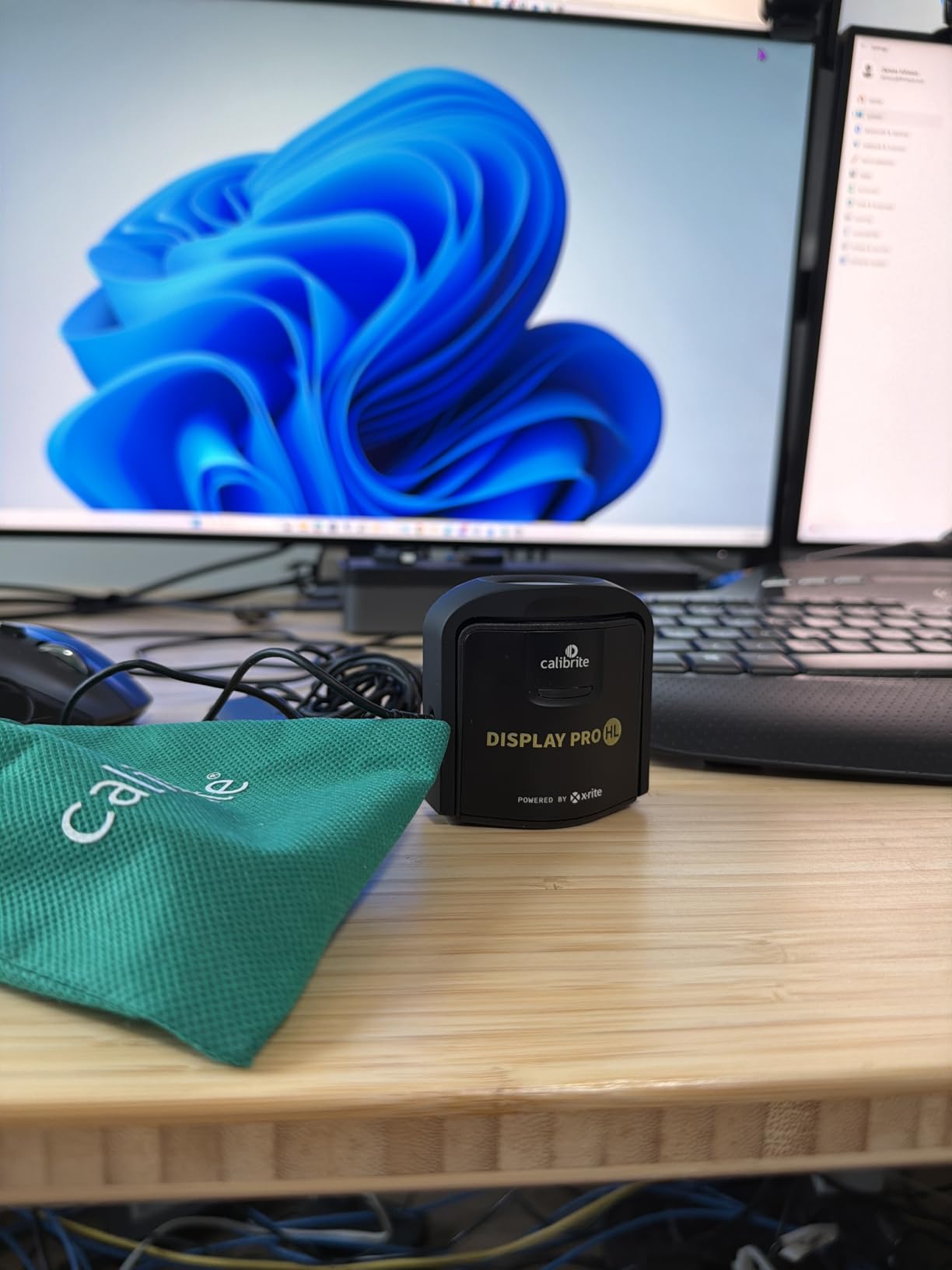
The included PROFILER software offers both Basic and Advanced modes. In Basic mode, you get a quick calibration suitable for most work. Advanced mode gives you full control over white point, luminance, contrast ratio, and gamma. I particularly like the validation tools. Quick Check lets you verify your profile is still accurate, while the uniformity check identifies any inconsistencies across your screen.
For photographers working across multiple workstations, the profile management features help maintain consistency. You can create custom presets and export them to ensure your laptop at home matches your setup at the studio.
Who Should Choose This Calibrator
Photographers and designers using modern high-brightness displays like Apple Liquid Retina XDR, mini-LED panels, or OLED laptops. Essential if your laptop display exceeds 500 nits brightness.
Potential Drawbacks to Consider
Full calibration takes longer than other models, typically 15-30 minutes. Some users report an orange tint in calibrated profiles, which may require troubleshooting or using third-party software.
5. Calibrite Display Plus HL – Professional HDR Calibration for Super Bright Displays
Pros
- Measures ultra-bright displays up to 10000 nits
- Accurate calibration for HDR monitors
- Supports Rec.709 and BT.1886 standards
- Works with Colourspace ZRO and HCFR
- Professional validation tools
Cons
- Some Mac software loading issues
- Poor carrying case quality
- Requires dark room for accuracy
The Calibrite Display Plus HL takes brightness measurement to another level entirely. With capability to measure up to 10,000 nits, it’s designed for the most demanding HDR workflows. While most laptop displays won’t hit these extreme levels, video editors and colorists working with HDR content need this kind of headroom for accurate calibration.
I’ve seen this calibrator used in professional color grading suites where accuracy directly affects client deliverables. The ability to properly measure and calibrate HDR displays ensures that highlights don’t clip unexpectedly and blacks remain detailed. For video work, the support for broadcast standards like Rec.709 and BT.1886 is essential.
Where this calibrator really shines is third-party software support. Professional colorists often prefer tools like Colourspace ZRO and HCFR over manufacturer software, and the Display Plus HL works seamlessly with these applications. This matters because professional workflows often require the advanced features these tools provide.
The validation tools match what you get with the Display Pro HL, including Quick Check and Profile Validation. These features help you verify that your calibration remains accurate over time, which is crucial when display characteristics can drift.
Who Should Choose This Calibrator
Video editors, colorists, and photographers working with HDR content on super-bright displays. Professional users who need broadcast-standard calibration and work with third-party calibration software.
Potential Drawbacks to Consider
This is overkill for most still photographers. The carrying case quality disappointed several users, and you absolutely need a dark room for accurate results with high-brightness measurements.
6. Datacolor Spyder (2024) – Best for OLED and Apple XDR Displays
Pros
- Fast 90-second calibration
- Works with OLED mini-LED and XDR displays
- DevicePreview simulates other devices
- Ambient light sensor
- Excellent customer support
Cons
- Manual sensor repositioning during calibration
- Some software bugs reported
- Monitor Quality Analysis may not work properly
The 2024 Datacolor Spyder represents the latest evolution in their consumer calibrator line. What caught my attention is the explicit support for modern display technologies that older calibrators struggle with. OLED laptop displays, mini-LED panels, and Apple’s Liquid Retina XDR all work properly with this device.
At about 90 seconds for a full calibration, it’s remarkably fast. The intuitive software guides you through the process, and I appreciate that it works well for both complete beginners and experienced users who want more control. The preset calibration option handles common scenarios, while advanced settings let you customize if needed.
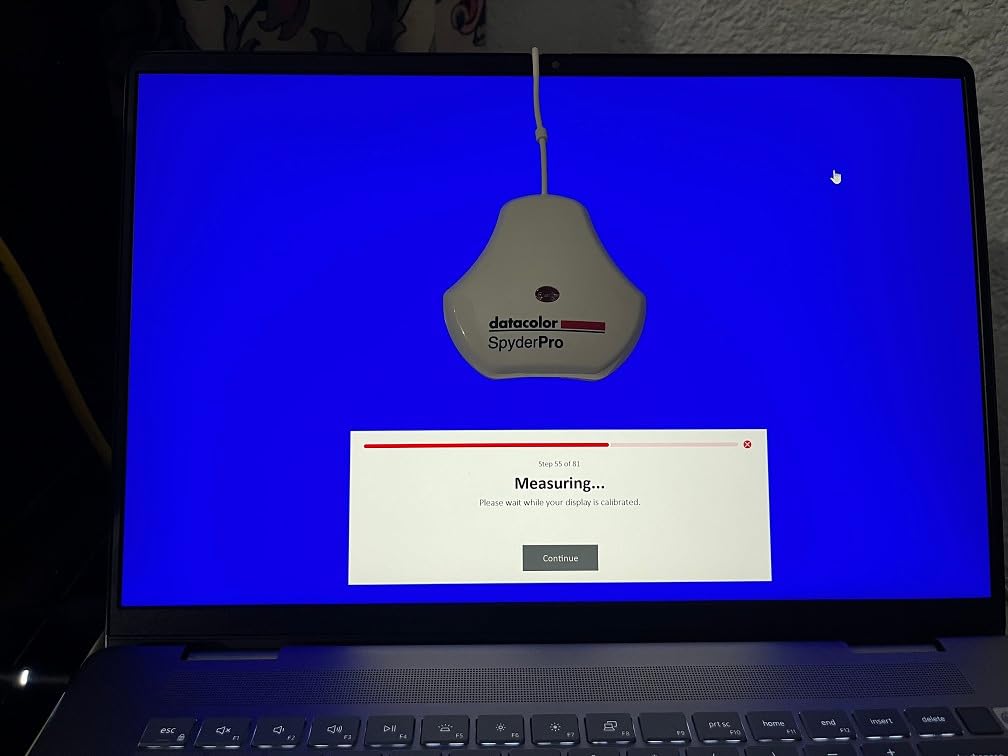
The DevicePreview Beta feature is genuinely useful for content creators. It simulates how your photos will look on other devices right on your calibrated screen. Before sharing images online, you can preview how they’ll appear on phones, tablets, and other computers. This helps catch color issues before you publish.
The ambient light sensor continuously monitors your room lighting and can automatically adjust your display profile. For laptop users who move between environments, this helps maintain consistent color perception. The Color Match feature in the Pro version helps synchronize colors across multiple monitors.
Who Should Choose This Calibrator
Content creators and photographers using modern OLED or mini-LED laptop displays. Particularly well-suited for MacBook Pro users with Liquid Retina XDR displays who want quick, reliable calibration.
Potential Drawbacks to Consider
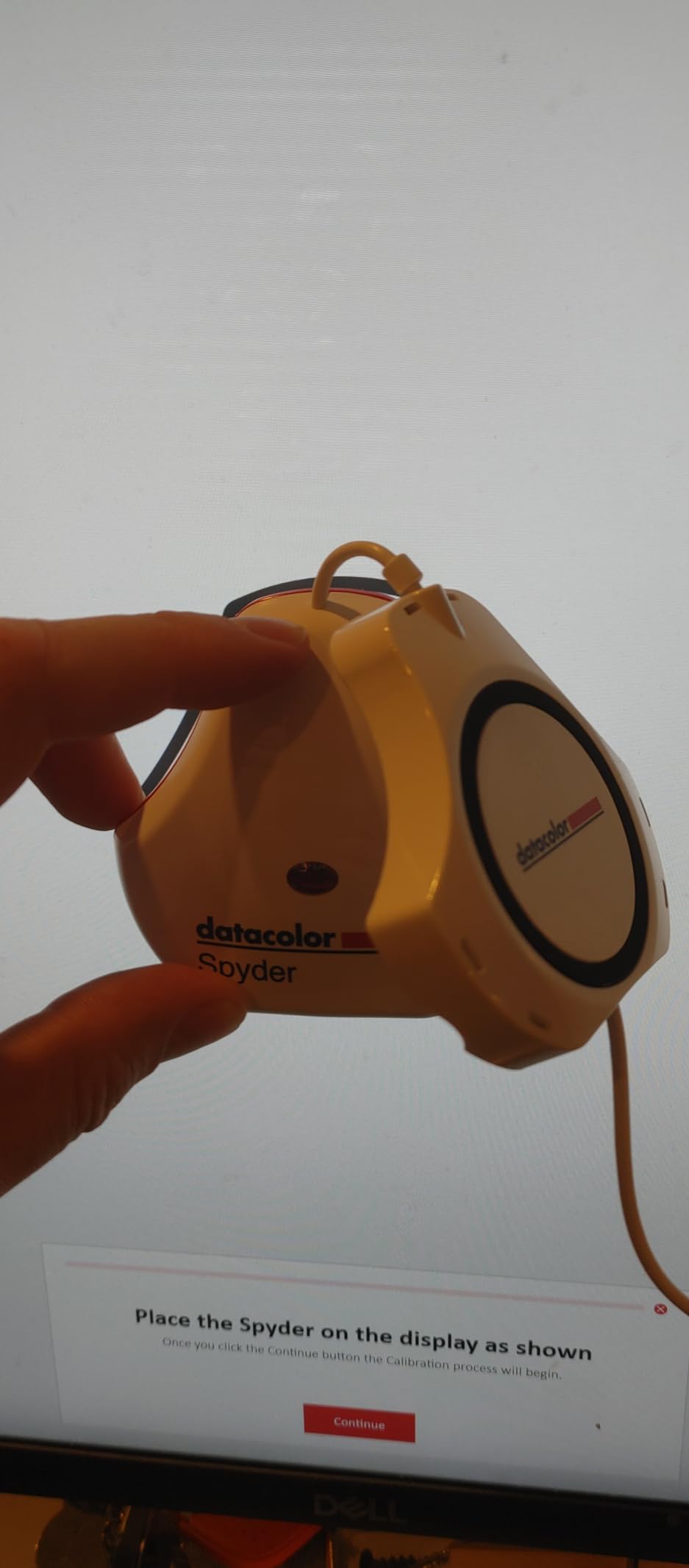
You need to manually hold and reposition the sensor during calibration, which can feel awkward compared to weighted designs that hang on the screen. Some users report software bugs and crashes.
7. Calibrite ColorChecker Display Pro – Professional Colorimeter for Color Grading
Pros
- Validated delta E less than 2 accuracy
- Optical design ensures high repeatability
- Rotatable diffuser for ambient light
- Tripod mount for projector calibration
- Works with Palette Master Ultimate
Cons
- Does not work with LG JOLED panels
- Poor customer support reported
- Durability concerns over time
The Calibrite ColorChecker Display Pro sits in the professional category with features designed for serious color grading work. What distinguishes it from other models is the validated accuracy with delta E less than 2. For those unfamiliar, delta E measures color difference, and values under 2 are generally considered imperceptible to the human eye.
I’ve heard from professional colorists who praise this device for its repeatability. When you calibrate the same display multiple times, you get consistent results, which matters when you’re delivering work for clients who expect exact color matching. The optical design minimizes variation between calibration sessions.
The rotatable diffuser arm serves multiple purposes. It works as a stand for tabletop projector profiling, measures ambient light, and protects the sensor optics when not in use. The integrated tripod mount is useful for larger venue projector calibration, though most laptop users won’t need this feature.
For video workflows, the support for Rec.709, Adobe RGB, and sRGB covers the main color spaces you’ll encounter. Users report that it works well with third-party software like Palette Master Ultimate, giving you flexibility beyond the included ccProfiler application.
Who Should Choose This Calibrator
Professional colorists and photographers who need validated accuracy and repeatability. Best for users working in video color grading or print workflows where delta E accuracy matters.
Potential Drawbacks to Consider
This calibrator does not work properly with LG 32EP950 JOLED RGB panels. Several users report poor customer support when technical issues arise. Build quality concerns include rubber coating that may degrade over time.
8. Datacolor SpyderExpress – Fastest Budget Calibration for Enthusiasts
Pros
- 3x faster than typical entry-level tools
- Simple 3-step process
- Supports MacBook M4 mini-LED
- Software upgradeable to advanced features
- Great value for enthusiasts
Cons
- Limited software in basic version
- Cable permanently attached
- Express Edition limits to 3 monitors
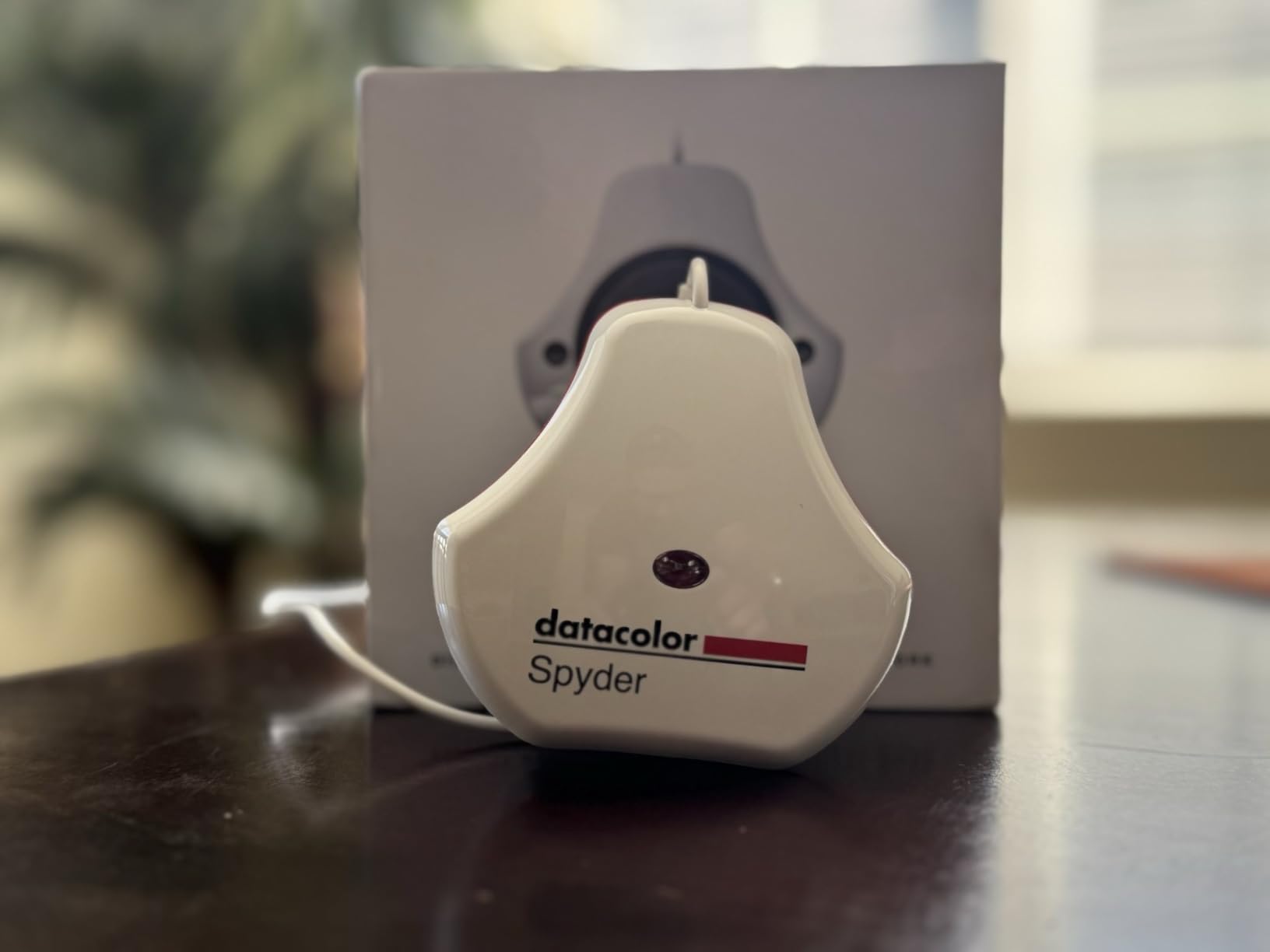
The Datacolor SpyderExpress is designed for photographers who want to skip the complexity and get accurate colors fast. At about 90 seconds for a complete calibration, it’s roughly three times faster than typical entry-level tools. For someone who just wants their laptop display to show accurate colors without spending time on settings, this is perfect.
The three-step process couldn’t be simpler. Download the software, plug in the device, and follow the prompts. The color profile saves automatically, so you don’t need to manually select it afterward. This streamlined approach works well for photographers who calibrate regularly but don’t want to think about technical details.
What’s particularly interesting is the support for the latest Apple displays, including the MacBook M4’s mini-LED screen. Most budget calibrators struggle with these high-brightness displays, but the SpyderExpress handles them properly. It also supports up to three connected displays per workstation, which covers typical laptop-plus-external-monitor setups.
If you outgrow the basic features, software upgrades unlock advanced options like ambient light adjustment, multi-display profiling, and the DevicePreview feature. This gives you an upgrade path without needing to buy new hardware.
Who Should Choose This Calibrator
Budget-conscious photographers and enthusiasts who want fast, reliable calibration without advanced features. Ideal for users with modern MacBooks who need XDR display support at an entry-level price.
Potential Drawbacks to Consider
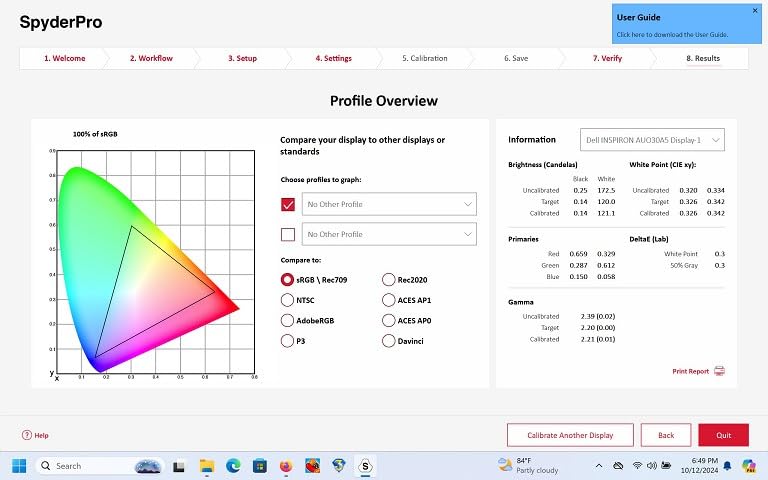
The basic software version is quite limited. You can’t view graphs comparing your profile to Adobe RGB or other color spaces. The cable is permanently attached, so if it fails, you need a new unit.
How to Choose the Best Monitor Calibrator for Your Laptop In 2026?
Selecting the right monitor calibrator depends on your specific display technology, workflow requirements, and budget. Here’s what to consider before making your decision.
Colorimeter vs Spectrophotometer
Most monitor calibrators in this guide are colorimeters. These devices use filtered sensors to measure color output from your display. They’re affordable, fast, and accurate enough for most photography and design work. Spectrophotometers measure the full light spectrum and are more accurate but cost significantly more. For laptop displays, a quality colorimeter is typically sufficient.
Display Technology Compatibility
Your laptop’s panel type affects which calibrator works best. OLED displays like those on some Dell XPS and ASUS laptops require calibrators that can handle high contrast ratios. Mini-LED displays on MacBook Pros need sensors that measure high brightness levels accurately. Standard IPS panels work with virtually any calibrator. Check that your chosen device explicitly supports your display technology.
Brightness Measurement Range
Standard calibrators measure up to about 300-500 nits, which covers most conventional displays. If you have a high-brightness laptop like a MacBook Pro with XDR display (1600 nits peak) or a gaming laptop with a bright mini-LED panel, look for HL (high luminance) models that measure 1000 nits or higher. The Calibrite Display Pro HL and Display Plus HL excel here.
Software Features and Ease of Use
Consider how much control you need. Basic models like the Calibrite Display 123 use fixed settings (6500K, 2.2 gamma) and require no technical knowledge. Advanced models let you adjust white point, gamma, and luminance targets. Some include validation tools to check profile accuracy over time. Third-party software compatibility matters if you prefer tools like DisplayCAL over manufacturer applications.
Multi-Display Support
If you use your laptop with an external monitor, ensure your calibrator supports multiple displays. Most models handle this, but budget options may limit the number of displays. Features like Datacolor’s StudioMatch Assistant help match colors between different screens, which is valuable for consistent editing across devices.
Calibration Frequency
Display characteristics drift over time. Most manufacturers recommend recalibrating every 2-4 weeks for color-critical work. Some calibrators include ambient light sensors that can trigger automatic recalibration when lighting conditions change significantly. Consider how often you’re willing to recalibrate when choosing your device.
Frequently Asked Questions
What is the best monitor calibration tool for photographers?
For most photographers, the Datacolor Spyder X Pro offers the best balance of speed, accuracy, and value. It calibrates in 1-2 minutes, handles room lighting changes, and works reliably across thousands of users. Professionals needing multi-display matching should consider the Spyder X Elite with its StudioMatch Assistant.
How do I calibrate my laptop display for photo editing?
Start by letting your laptop warm up for 30 minutes. Close any curtains or blinds to control ambient light. Connect your calibrator, launch the software, and hang or position the sensor on your screen. Follow the software prompts, which typically take 2-5 minutes. Save the profile and set it as your default. Recalibrate every 2-4 weeks for best results.
Is a monitor color calibrator worth it?
Yes, if you do any color-critical work like photo editing, graphic design, or video production. Uncalibrated displays often have significant color casts and incorrect brightness. A calibrator ensures what you see on screen matches your final output, whether that’s print or web. The investment pays for itself quickly in reduced reprints and client revisions.
What’s the difference between Spyder and Calibrite?
Datacolor makes the Spyder line, known for fast calibration and user-friendly software. Calibrite (formerly X-Rite) focuses on accuracy and professional features. Spyder calibrators typically offer room-light monitoring and quick single-click calibration. Calibrite models excel at high-brightness display support and third-party software compatibility. Both brands produce reliable, accurate results.
How often should I calibrate my monitor?
For color-critical work, calibrate every 2-4 weeks. Display characteristics drift over time due to panel aging and environmental factors. If you notice colors looking off or prints not matching your screen, recalibrate immediately. Some calibrators include reminders to help you maintain a regular schedule.
Final Thoughts on Monitor Calibrators for Laptop Displays
Finding the best monitor calibrators for laptop displays comes down to matching features to your specific needs. For most photographers, the Datacolor Spyder X Pro delivers excellent results at a reasonable price. Professionals working with multiple displays should invest in the Spyder X Elite. Budget-conscious beginners can start with the Calibrite Display 123 and upgrade later. If you have a modern high-brightness display like a MacBook Pro with Liquid Retina XDR, the Calibrite Display Pro HL or the 2024 Datacolor Spyder will serve you well.
Whichever calibrator you choose, the important thing is to calibrate regularly. Your colors will be more accurate, your prints will match your screen, and you’ll spend less time guessing and more time creating.