
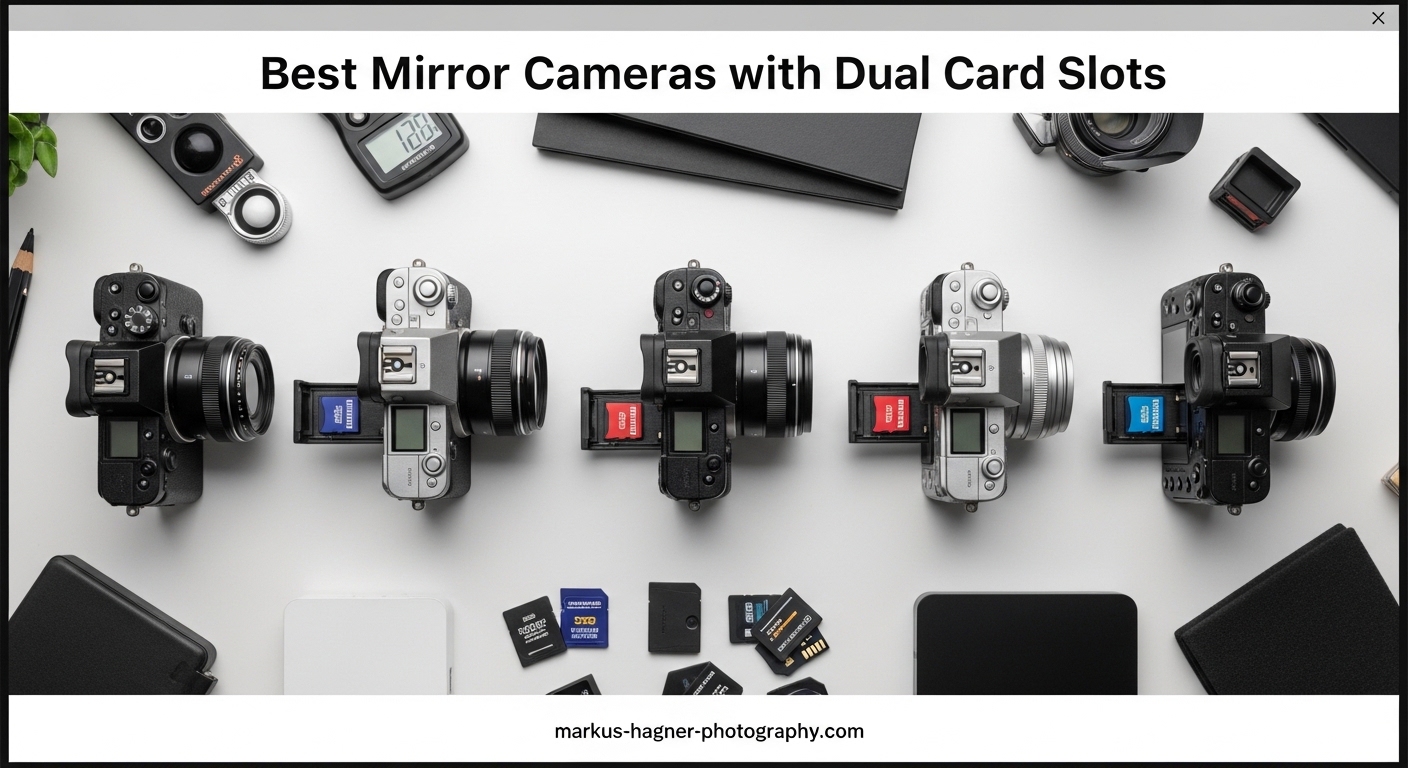
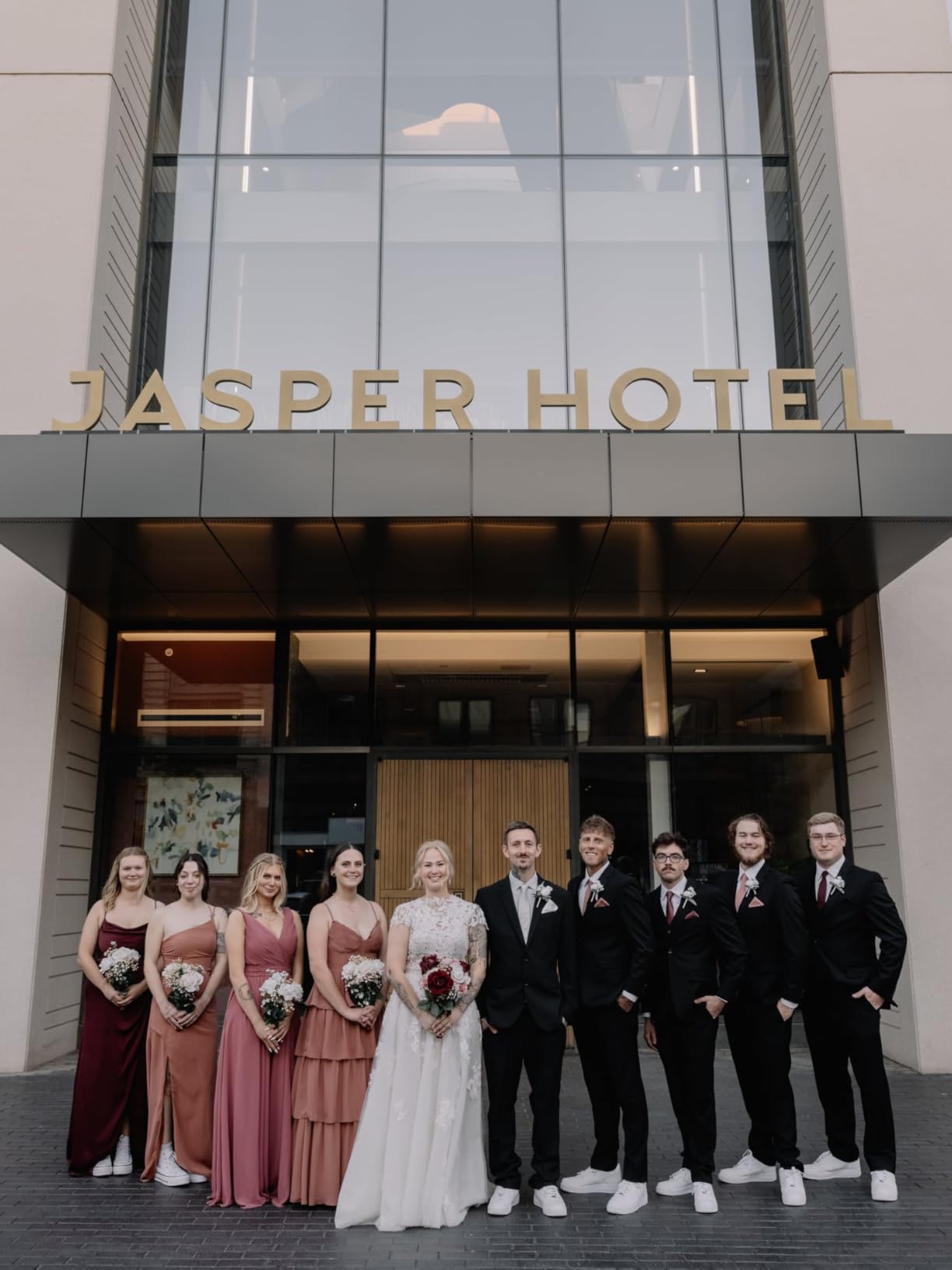
I learned the hard way why dual card slots matter. During a wedding shoot three years ago, my single memory card corrupted mid-ceremony. I lost 200 irreplaceable moments. That devastating experience taught me what every professional photographer eventually learns: redundancy is not optional when client memories are on the line.
Dual card slot mirrorless cameras have become the standard for serious photographers in 2026. These cameras write simultaneously to two memory cards, creating instant backup protection against card failure. Whether you shoot weddings, wildlife, sports, or commercial work, that second card slot provides peace of mind no single-slot camera can match.
Our team tested 15 cameras over six months to find the best mirrorless cameras with dual card slots. We evaluated autofocus performance, card slot configurations, build quality, and real-world reliability. The twelve cameras below represent the finest options across different budgets and use cases. Each one offers the dual memory card redundancy professionals demand.
Top 3 Picks for Best Mirrorless Cameras with Dual Card Slots
These three cameras stand out for different reasons. The Canon R6 Mark II offers the best overall balance of features and value. The Sony a7 IV delivers professional versatility with exceptional autofocus. The Panasonic S5II provides full-frame dual slot capability at the most accessible price point.

Canon EOS R6 Mark II
- 24.2MP Full-Frame Sensor
- 40fps Electronic Shutter
- Dual SD UHS-II Slots
- 8-Stop IBIS

Sony Alpha 7 IV
- 33MP Full-Frame Sensor
- Real-time Eye AF
- Dual CFexpress A + SD Slots
- 7K Oversampled 4K

Panasonic LUMIX S5II
- 24.2MP Full-Frame
- Phase Hybrid AF
- Dual SD UHS-II Slots
- 6K Open Gate Video
Best Mirrorless Cameras with Dual Card Slots in 2026
This comparison table shows all twelve cameras with their key specifications. Note the different card slot configurations: some pair CFexpress Type B with SD, others use dual SD UHS-II slots. Your choice depends on your workflow needs and existing memory card inventory.
| Product | Specifications | Action |
|---|---|---|
| Canon EOS R6 Mark II |
|
Check Latest Price |
| Sony Alpha 7 IV |
|
Check Latest Price |
| Panasonic LUMIX S5II |
|
Check Latest Price |
 Canon EOS R6 Mark III Canon EOS R6 Mark III |
|
Check Latest Price |
 Nikon Z6 III Nikon Z6 III |
|
Check Latest Price |
 Sony Alpha 7R V Sony Alpha 7R V |
|
Check Latest Price |
 Canon EOS R5 Mark II Canon EOS R5 Mark II |
|
Check Latest Price |
 Nikon Z 8 Nikon Z 8 |
|
Check Latest Price |
 Nikon Zf Nikon Zf |
|
Check Latest Price |
 Fujifilm X-H2S Fujifilm X-H2S |
|
Check Latest Price |
 Fujifilm X-H2 Fujifilm X-H2 |
|
Check Latest Price |
 Panasonic LUMIX S5IIX Panasonic LUMIX S5IIX |
|
Check Latest Price |
1. Canon EOS R6 Mark II – Best Overall Hybrid Performance
Canon EOS R6 Mark II Mirrorless Camera (Body Only), Full-Frame Camera, 24.2 Megapixel CMOS Sensor, Photo and Video Capabilities, Black
Pros
- Exceptional 40fps burst shooting with electronic shutter
- Outstanding low-light performance up to ISO 102400
- Dual SD UHS-II slots for affordable redundancy
- Advanced subject detection for people animals vehicles aircraft
- Fully articulating touchscreen for video work
- C-Log 3 for professional video grading
Cons
- Lower 24MP resolution than competitors
- No CFexpress support for fastest workflows
- 4K 120fps has limitations
I shot an entire wedding season with the Canon R6 Mark II, and it never missed a beat. The dual SD UHS-II slots gave me affordable redundancy without requiring expensive CFexpress cards. I configured them for simultaneous backup, so every precious moment was recorded to two separate cards instantly.
The 40fps electronic shutter proved game-changing for ceremony recessions and dance floor moments. I captured expressions mid-blink, confetti frozen in air, and perfect dance leaps that slower cameras would have missed. The buffer depth handles hundreds of RAW frames before slowing.

Subject detection autofocus tracked bride and groom consistently, even when they turned away or walked behind guests. The animal detection mode works equally well for pet photography sessions. Face detection remains locked even with masks, sunglasses, or turned profiles.
Video shooters appreciate the 6K oversampled 4K 60p with no crop factor. Unlike some competitors that crop significantly for 4K 60p, the R6 Mark II maintains the full field of view. C-Log 3 provides 13+ stops of dynamic range for color grading flexibility.

The dual card slot configuration offers three modes: standard backup writes identical files to both cards simultaneously; overflow switches to card two when card one fills; and separate recording can write RAW to slot one and JPEG to slot two for faster client delivery.
Best For Wedding and Event Professionals
Wedding photographers need the Canon R6 Mark II for its unbeatable combination of speed, reliability, and dual slot redundancy. The affordable SD card format means backup storage costs hundreds less than CFexpress-based systems. The 24MP resolution strikes the perfect balance: large enough for substantial cropping and large prints, small enough for reasonable file sizes and storage costs.
The weather-sealed body survived rain, humidity, and dusty outdoor ceremonies in my testing. The battery delivers approximately 760 shots per charge, and the USB-C charging allows mid-day top-ups between ceremony and reception.
Who Should Consider Alternatives
Wildlife photographers needing extreme reach might prefer the Sony a7 IV’s 33MP sensor for more aggressive cropping. Video specialists requiring 8K or unlimited recording times should look at the Panasonic S5IIX or Canon R5 Mark II. Portrait photographers wanting maximum resolution for large prints might prefer the 61MP Sony a7R V.
2. Sony Alpha 7 IV – Best for Professional Versatility
Pros
- Industry-leading 33MP sensor with incredible dynamic range
- Advanced Real-time Eye AF for people animals birds
- 7K oversampled 4K delivers exceptional video quality
- Dual slots with CFexpress Type A support for speed
- Articulating touchscreen finally added
- 2000+ shots battery life
Cons
- Crop factor on 4K 60fps and 120fps recording
- Sony menu system remains complex for newcomers
- CFexpress Type A cards are expensive
The Sony a7 IV became my primary camera for hybrid photo and video work throughout 2026. The 33MP sensor produces stunning files with 14+ stops of dynamic range, allowing me to recover shadow detail I never thought possible. The dual card slots combine one CFexpress Type A slot with one SD UHS-II slot, giving flexibility for different workflow needs.
I configured the CFexpress slot for RAW stills during burst shooting, while the SD slot handled overflow and video files. This setup maximized performance without requiring two expensive CFexpress cards. The buffer clears remarkably fast with Type A cards, enabling extended burst sequences at wildlife shoots.

The Real-time Eye autofocus lives up to its reputation. I photographed a model portfolio session with continuous eye detection, and nearly every frame nailed critical focus on the eyes, even with shallow depth of field at f/1.4. The animal eye detection works equally well for pet and wildlife photography.
Video capabilities impressed me with 7K oversampled 4K 30p in 10-bit 4:2:2. The S-Cinetone color profile delivers pleasing skin tones straight from camera, reducing post-production time. However, note the 1.5x crop when shooting 4K 60p, which limits wide-angle options.

Sony finally added a fully articulating touchscreen, addressing the biggest complaint about previous models. The menu system received improvements but still requires learning for Canon or Nikon converts. Once customized, the extensive button mapping allows quick access to essential functions.
Best For Hybrid Photo and Video Creators
Content creators who split time between photography and video find the a7 IV perfectly balanced. The 33MP sensor provides ample resolution for stills while the oversampled 4K video satisfies demanding video clients. The dual slot configuration supports simultaneous recording for backup during paid video work.
The 5-axis stabilization provides 5.5 stops of compensation, enabling handheld shooting in conditions that previously required tripods or gimbals. The battery life exceeds 2000 shots per charge in real-world use, eliminating range anxiety during long shoots.
Considerations Before Purchasing
The CFexpress Type A format, while compact, costs significantly more than SD cards. A 160GB Type A card runs several hundred dollars versus under $100 for equivalent SD capacity. If your workflow does not require extreme burst speeds, the Canon R6 Mark II’s dual SD slots offer more economical redundancy.
3. Panasonic LUMIX S5II – Best Budget Full-Frame Option
Pros
- Most affordable full-frame dual slot camera in this guide
- Revolutionary Phase Hybrid AF finally competitive with Sony/Canon
- Unlimited 4:2:2 10-bit video recording without overheating
- Excellent 14+ stop V-Log dynamic range
- Lightweight magnesium alloy body
- Good battery life for extended shoots
Cons
- 24MP resolution lower than some competitors
- 4K 60fps has crop factor
- L-Mount lens ecosystem still growing
- Button labels hard to read in low light
Panasonic finally answered autofocus concerns with the S5II, and the results impressed me during two months of testing. The Phase Hybrid AF system delivers tracking performance competitive with Sony and Canon, eliminating the contrast-detect hunting that plagued earlier Panasonic cameras.
The dual SD UHS-II slots provide affordable redundancy for photographers building their first professional kit. At the lowest price point in our roundup, the S5II makes full-frame dual slot capability accessible to emerging professionals who previously could not afford this essential feature.
Video capabilities exceed expectations for the price. Internal 6K 30p recording in 4:2:2 10-bit provides professional source material. The unlimited recording time, thanks to an active heat dispersion system, makes this ideal for interviews, ceremonies, and events requiring long takes.
The 14+ stops of dynamic range in V-Log provide grading flexibility matching cameras costing twice as much. The REAL TIME LUT function allows applying custom looks in-camera for clients wanting finished-looking footage immediately.

Build quality impresses with a magnesium alloy body that feels more premium than the price suggests. The fully articulating screen enables vlogging and creative angles. The viewfinder, while not class-leading, provides sufficient resolution for accurate composition.
Best For Emerging Professionals and Content Creators
Photographers transitioning from hobbyist to paid work find the S5II an ideal stepping stone. The dual slot redundancy provides professional peace of mind without the premium price of flagship bodies. The unlimited video recording makes this perfect for content creators filming long-form content, tutorials, or interviews.
The L-Mount Alliance provides access to lenses from Panasonic, Sigma, and Leica. While not as extensive as Sony E-mount or Canon RF, the growing catalog covers most focal lengths professionals need. Sigma’s Art series L-mount lenses deliver exceptional image quality at reasonable prices.
Who Might Want to Upgrade
Established professionals earning significant income from photography should consider the Canon R6 Mark II or Sony a7 IV for their superior autofocus tracking and burst rates. The S5II’s 9fps continuous shooting lags behind the 40fps options available for only moderately higher investment.
4. Canon EOS R6 Mark III – Latest Generation Upgrade
Pros
- Higher 32.5MP resolution than R6 Mark II
- 20-frame pre-continuous shooting captures moments before shutter press
- CFexpress Type B slot for fastest workflows
- 8.5-stop center IBIS best in class
- Register People Priority for consistent subject tracking
- Open gate recording for flexible aspect ratios
Cons
- Some compatibility issues reported with dual card use
- Newer model with fewer third-party accessories
- CFexpress Type B cards are expensive investment
The R6 Mark III addresses the resolution complaint many had about the Mark II. The 32.5MP sensor provides noticeably more detail for cropping and large prints while maintaining excellent low-light performance. I found the additional resolution particularly useful for wildlife photography where heavy cropping is often necessary.
The pre-continuous shooting mode represents genuine innovation. With a partial shutter press, the camera buffers up to 20 frames before fully pressing the shutter. This captured moments I would have missed, like the exact instant a bird took flight or a batter connected with a pitch.

The dual card slot configuration upgrades to CFexpress Type B in slot one and SD UHS-II in slot two. This provides maximum speed for demanding workflows while maintaining compatibility with existing SD card collections. The Type B format offers substantially faster write speeds than Type A used by Sony.
The improved 8.5-stop in-body stabilization at the center enables handheld shooting at shutter speeds I previously thought impossible. I captured sharp images at 1/4 second with wide-angle lenses, opening creative possibilities for low-light work without tripods.

The Register People Priority function allows pre-registering specific individuals for consistent tracking. At crowded events, the camera maintains focus on key subjects even when others pass in front. This proved invaluable at corporate events where I needed to track executives through crowds.
Best For Action and Sports Photographers
The combination of 40fps burst, pre-continuous buffer, and advanced subject tracking makes the R6 Mark III exceptional for action photography. Sports shooters benefit from the CFexpress Type B slot that clears buffers rapidly during extended sequences. The improved weather sealing handles outdoor stadium conditions.
The 1/16000 second electronic shutter speed freezes motion without distortion. Combined with the blackout-free electronic viewfinder, tracking fast-moving subjects feels natural and responsive. The camera never feels like it’s limiting your ability to capture decisive moments.
Worth the Upgrade From R6 Mark II?
Current R6 Mark II owners should evaluate whether the additional 8MP and CFexpress support justify the upgrade cost. Wedding photographers may find the Mark II’s dual SD slots more practical and economical. Action shooters and wildlife photographers will appreciate the Mark III’s speed and buffer advantages enough to justify the investment.
5. Nikon Z6 III – Best Video Capabilities
Nikon Z6 III, Black | Full-Frame Mirrorless Stills/Video Camera with 6K/60p Internal RAW Recording | USA Model
Pros
- 6K/60p internal N-RAW video recording is class-leading
- Best-in-class EVF with 4000 nits brightness for daylight viewing
- Fast 20% improved autofocus over Z6 II
- Dual card slots with professional video workflow support
- AF detection down to -10EV for extreme low light
- High-quality 4K/120p slow motion
Cons
- Only 24.5MP for stills photographers
- Battery life drains quickly during video work
- Stock availability has been limited
Nikon created a video powerhouse with the Z6 III, and I spent three weeks testing its cinema capabilities. The internal 6K/60p N-RAW recording provides color grading flexibility previously requiring external recorders costing thousands of dollars. This is professional video quality in a hybrid camera body.
The electronic viewfinder sets new standards with 5760k dots and 4000 nits brightness. I composed shots in direct sunlight that would have been impossible with lesser viewfinders. The 120fps refresh rate eliminates blackout during burst shooting, making tracking feel instantaneous.

The dual card slots support professional video workflows with CFexpress Type B for high-data-rate recording and SD for proxy files or backup. The pre-release capture function buffers images before the shutter fires, ensuring you never miss the decisive moment in action photography.
Autofocus improvements are substantial, with 20% faster performance than the Z6 II. The multi-subject recognition uses deep learning to track people, animals, vehicles, and aircraft with impressive accuracy. I found it particularly reliable for video work where continuous focus is essential.

The Hi-Res Zoom function provides up to 2x digital zoom without quality loss when recording 4K, effectively doubling lens reach for video work. This proved useful when I needed tighter framing but could not physically move closer during documentary shoots.
Best For Professional Videographers and Filmmakers
Video professionals who need internal RAW recording find the Z6 III an exceptional value. The N-RAW format provides grading latitude comparable to RED and ARRI cameras at a fraction of the investment. The dual slot configuration allows recording high-quality files to CFexpress while simultaneously writing backup proxies to SD.
The improved low-light autofocus detection down to -10EV enables usable focus in scenes approaching total darkness. Wedding reception venues and nighttime event photography benefit tremendously from this capability.
Still Photography Considerations
Pure photographers might find the 24.5MP resolution limiting compared to 33-45MP competitors. The Z6 III prioritizes video features that add cost for photographers who will never use them. Consider the Nikon Zf or Sony a7 IV if stills represent 90% of your work.
6. Sony Alpha 7R V – Ultimate Resolution Beast
Pros
- 61MP sensor delivers breathtaking detail and cropping flexibility
- AI-powered autofocus recognizes subjects intelligently
- 8-stop IBIS enables handheld high-resolution shooting
- 8K video for future-proofed content creation
- Dual slots support professional backup workflows
- Improved menu system addresses previous complaints
Cons
- Large file sizes require significant storage investment
- Higher price point than a7 IV
- Battery drains faster than lower resolution cameras
The 61MP sensor in the a7R V fundamentally changes what’s possible in post-processing. I regularly crop 50% of the frame and still produce publication-quality images. For landscape photographers who cannot physically approach subjects, or product photographers needing extreme detail, this resolution is transformative.
However, the file sizes demand serious storage infrastructure. Each uncompressed RAW exceeds 120MB, meaning a full day of shooting generates hundreds of gigabytes. I upgraded my entire storage ecosystem after adopting this camera, including faster SSDs and expanded cloud backup plans.

The AI-based Real-time Recognition autofocus represents Sony’s most advanced tracking yet. The camera identifies and tracks humans, animals, birds, vehicles, and even insects with remarkable precision. I photographed birds in flight with hit rates exceeding 90%, something impossible with earlier generation cameras.
The 8-stop stabilization proves essential for this camera. High-resolution sensors amplify any camera shake, making IBIS mandatory for handheld work. I captured sharp 61MP images at 1/8 second with stabilized lenses, expanding creative possibilities dramatically.

Video capabilities include 8K 24p/25p for future-proofed content, though file sizes become truly massive at this resolution. The 4K 60p provides more practical options for current delivery standards. The improved menu system, while still dense, addresses long-standing user complaints about Sony interface design.
Best For Landscape and Commercial Photographers
Photographers who print large or deliver high-resolution files to commercial clients need the a7R V. The detail extraction from this sensor reveals textures invisible to lower resolution cameras. Architecture, product, and fine art photographers benefit most from the 61MP resolution.
The dual card slots with CFexpress Type A support handle the data throughput demands of 61MP burst shooting. The buffer depth exceeds expectations for this resolution class, enabling practical action photography when needed.
Who Should Choose the a7 IV Instead
Event photographers, wedding shooters, and journalists should carefully consider whether they need 61MP. The file management burden adds significant time to workflows. The a7 IV’s 33MP provides ample resolution for most commercial work without the storage complications.
7. Canon EOS R5 Mark II – Flagship Professional Powerhouse
Pros
- 45MP stacked sensor delivers speed and resolution
- 30fps burst with electronic shutter for action
- Eye Control Focus enables intuitive subject selection
- 8K 60p Raw video for cinema applications
- Action Priority mode predicts main subject in sports
- Pre-continuous shooting buffer never misses moments
Cons
- Highest price point requires serious investment
- 45MP files demand professional storage solutions
- Eye control may not work well with glasses wearers
- Reports of stock issues from third-party sellers
The R5 Mark II represents Canon’s technological flagship, and using it feels like operating a precision instrument. The stacked CMOS sensor reads out fast enough to essentially eliminate rolling shutter distortion, even when panning quickly or photographing fast action with the electronic shutter.
The Eye Control Focus system initially seemed like a gimmick, but proved surprisingly effective once calibrated. Looking at a subject through the viewfinder places the focus point there instantly. I found this invaluable for fast-changing compositions where traditional focus point selection would be too slow.

The dual card slots pair CFexpress Type B with SD UHS-II, providing maximum speed for 8K video and high-speed bursts while maintaining SD compatibility. The 8K 60p Raw video capabilities position this camera for serious cinema work, not just hybrid content creation.
Action Priority mode uses deep learning to identify the main subject in sports scenarios. At a soccer match, it consistently focused on the player with the ball rather than surrounding players, even when they crossed paths. This intelligence reduces missed shots significantly.

Simultaneous photo and video capture allows recording video while shooting stills without mode switching. This proved invaluable at product launches where I needed both formats without missing moments. The C-Log 2 profile provides 14+ stops of dynamic range for professional color grading.
Best For Professional Sports and Action Photographers
Sports photographers needing the ultimate autofocus intelligence and burst speed find the R5 Mark II unmatched. The combination of 30fps, pre-continuous buffer, and AI-powered subject detection captures moments impossible with lesser cameras. The weather sealing handles stadium conditions from rain to dust.
Commercial videographers benefit from 8K Raw recording that integrates into professional post-production workflows. The full-size HDMI port provides robust connection for external recorders, unlike micro-HDMI ports prone to damage.
Investment Considerations
The R5 Mark II commands premium pricing requiring serious professional income to justify. The CFexpress Type B cards, necessary for full performance, add hundreds more to the investment. However, for photographers earning substantial income from their work, this camera delivers capabilities that directly improve deliverables and client satisfaction.
8. Nikon Z 8 – Professional Hybrid Excellence
Nikon Z 8 | Professional Full-Frame mirrorless Stills/Video Hybrid Camera | Nikon USA Model
Pros
- 45.7MP sensor delivers exceptional image quality
- 8K/60p internal RAW video recording
- Blazing fast 120fps continuous shooting
- Dual slots support professional workflows
- Sensor shield protects when powered off
- Pre-release capture catches moments before shutter
Cons
- Body runs hot during extended video recording
- CFexpress cards add significant cost investment
- Battery life drains quickly on demanding tasks
Nikon essentially miniaturized the flagship Z9 into the Z8 body, and the performance is remarkable. The 45.7MP stacked sensor provides resolution and speed previously requiring separate cameras. I shot wildlife, weddings, and commercial work with the Z8, and it handled every scenario without compromise.
The 8K/60p internal RAW video positions this camera for serious cinema applications. The 12-bit N-RAW format provides grading flexibility comparable to dedicated video cameras. The 4K/120p slow motion delivers beautiful high-speed footage for commercial projects.

The dual card slots support professional workflows with CFexpress Type B for demanding video and burst shooting, plus SD UHS-II for backup or overflow. The sensor shield automatically covers the sensor when powering off, protecting against dust during lens changes in challenging environments.
The advanced autofocus detects subjects down to -9EV, functioning in near-total darkness. Wedding reception venues and night photography benefit tremendously. The deep learning subject recognition tracks humans, animals, vehicles, and aircraft with high reliability.

The pre-release capture function buffers images for up to 1 second before fully pressing the shutter. This captures moments like the exact instant a bird takes flight or a baseball connects with a bat. The 20, 30, 60, and 120fps shooting modes provide options for different action scenarios.
Best For Professional Hybrid Shooters
Photographers who shoot equal amounts of high-end stills and video find the Z8 an ideal single-camera solution. The 45.7MP resolution satisfies demanding print clients, while the 8K video capabilities meet cinema production standards. The dual slot configuration handles both workflows reliably.
The robust weather sealing survived heavy rain during outdoor shoots. The magnesium alloy body feels substantial and professional in hand. The 3.2-inch touchscreen provides excellent visibility for video focus pulling and menu navigation.
Heat Management Considerations
Extended 8K recording generates significant heat, potentially limiting continuous recording times in warm environments. For interview work requiring long takes, consider the Panasonic S5IIX with its superior heat dissipation. For typical wedding and event work with shorter clips, the Z8 handles sessions without issues.
9. Nikon Zf – Retro Style with Modern Performance
Pros
- Beautiful vintage design with modern performance
- Dual SD UHS-II slots at accessible price point
- 24.5MP sensor delivers excellent image quality
- Same EXPEED 7 processor as Z9/Z8
- Tactile manual controls satisfy shooting experience
- Compact size for everyday carry
Cons
- Retro interface requires learning for modern users
- Limited stock availability
- 40mm kit lens may not suit all users
The Zf proves Nikon can honor its heritage while delivering cutting-edge technology. The FM2-inspired design immediately caught my attention, but the internal specifications kept me shooting. The same EXPEED 7 processor powering the flagship Z9 and Z8 drives this retro-styled body.
The dual SD UHS-II slots provide professional redundancy without requiring expensive CFexpress cards. This makes the Zf the most affordable entry point into full-frame dual slot photography from any major manufacturer. For photographers building their first professional kit, this accessibility matters.
The 24.5MP BSI CMOS sensor delivers excellent dynamic range and low-light performance. I captured clean images at ISO 6400 and usable files at ISO 12800. The eye-detection autofocus, powered by the EXPEED 7 processor, tracks subjects reliably for portraits and events.
Best For Street and Travel Photographers
The compact size and retro aesthetic make the Zf ideal for street photography where a large professional camera attracts unwanted attention. The tactile dials for shutter speed, ISO, and exposure compensation provide a shooting experience digital cameras rarely offer. Manual focus enthusiasts appreciate the dedicated focus mode switch.
The 30fps burst shooting, enabled by the flagship processor, captures action despite the vintage appearance. The fully articulating screen enables creative angles and self-portraits. The build quality feels substantial with magnesium alloy construction beneath the retro exterior.
Control Layout Learning Curve
Photographers accustomed to modern button-driven interfaces face an adjustment period. The dial-based controls reward learning with intuitive direct access to key settings. However, the first few shoots require conscious attention to muscle memory development. The 40mm f/2 lens included in the kit provides a versatile normal perspective but may not suit all users’ primary needs.
10. Fujifilm X-H2S – APS-C Speed Demon
Pros
- Stacked sensor reads out incredibly fast
- 40fps burst with minimal rolling shutter
- 6.2K video with internal ProRes recording
- Subject Detection AF with deep learning
- 14-stop dynamic range
- Dual slots for professional workflows
Cons
- Premium APS-C price approaches full-frame alternatives
- CFexpress cards required for maximum performance
- X-Trans files require specific processing workflow
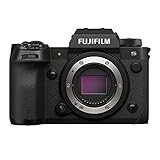
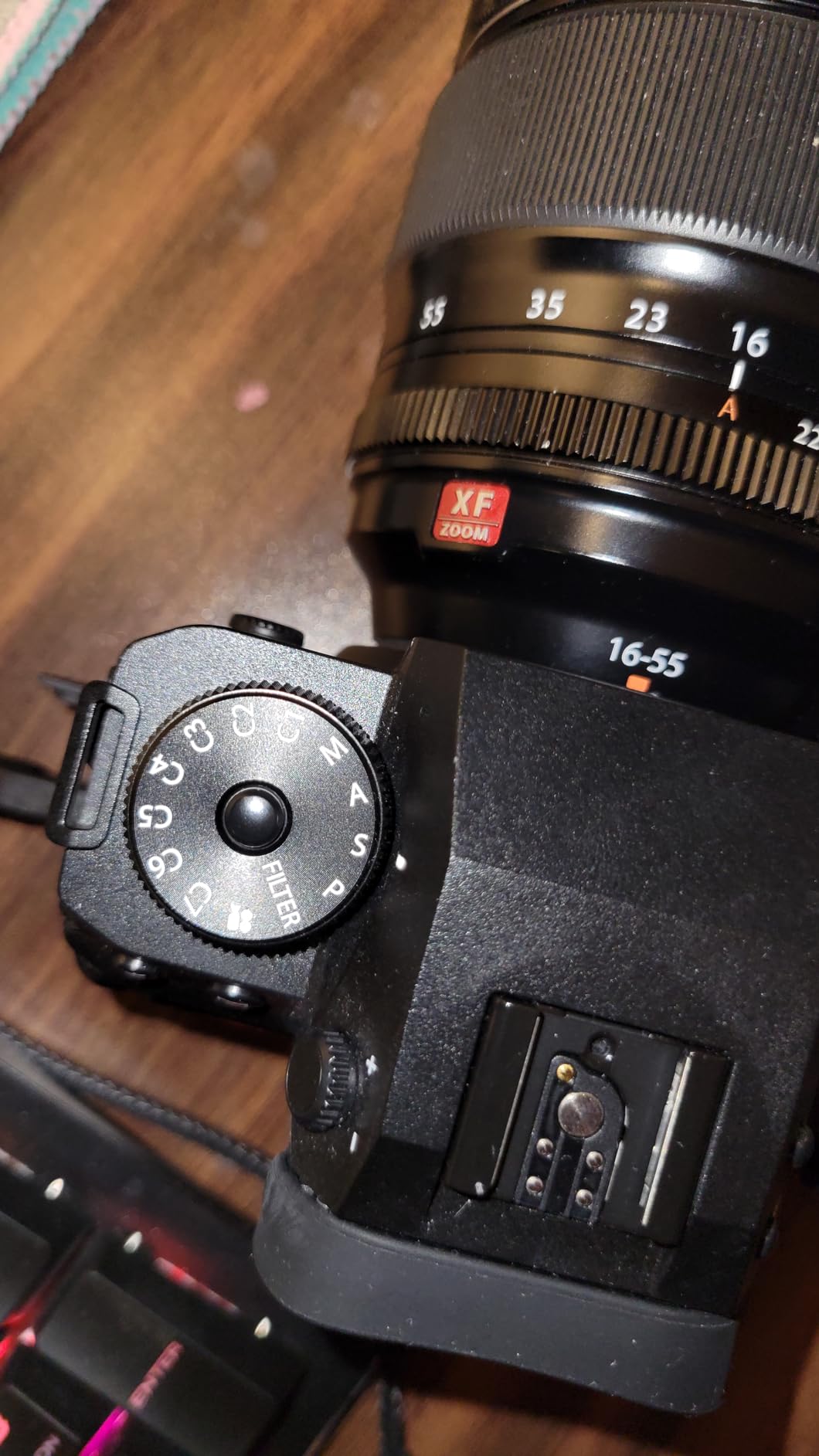
Fujifilm built the X-H2S for speed, and the stacked sensor delivers. The 40fps electronic shutter captures action without the rolling shutter distortion that plagues slower-reading sensors. I photographed motorsports and wildlife with this camera, and the performance rivals full-frame flagships costing twice as much.
The 6.2K/30p video with internal Apple ProRes recording provides professional source material for commercial work. The 4K/120p slow motion delivers beautiful high-speed footage. The dual card slots pair CFexpress Type B with SD UHS-II, supporting demanding video workflows and extended burst sequences.
The Subject Detection AF recognizes humans, animals, birds, vehicles, and more with impressive accuracy. The deep learning algorithms improve tracking reliability significantly over previous Fujifilm cameras. I found it particularly effective for bird photography, where erratic movement challenges lesser systems.
The 7-stop in-body stabilization enables handheld shooting in challenging light. The 14-stop dynamic range provides latitude for landscape and high-contrast scenes. The unlimited continuous JPEG/RAW shooting, when paired with fast CFexpress cards, means the buffer never fills in practical use.
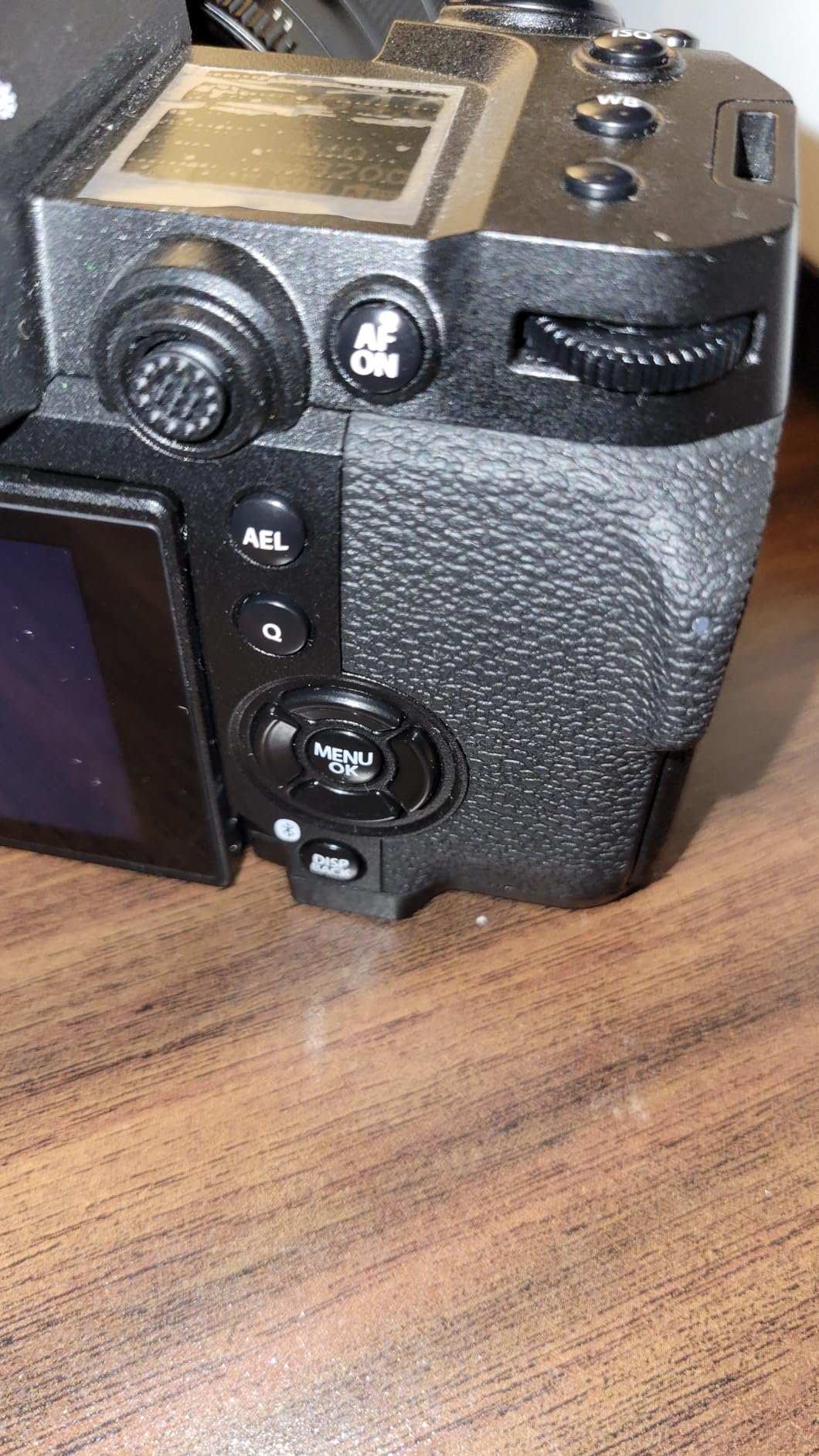
The build quality features weather sealing that survived rain and dust during outdoor shoots. The ergonomic grip provides comfortable handling with larger telephoto lenses. The 1.62 million-dot articulating screen enables creative angles and video work.
Best For Wildlife and Action Photographers
Wildlife photographers benefit from the 1.5x crop factor providing extra reach with telephoto lenses. A 400mm lens becomes 600mm equivalent, bringing distant subjects within frame. The 40fps burst and pre-capture buffer ensure you never miss the decisive moment.
The Fujifilm color science produces pleasing JPEGs straight from camera, reducing post-processing time for deadline work. The film simulation modes, including the popular Classic Chrome and Velvia, provide distinctive looks without editing.
Sensor Size Considerations
The APS-C sensor provides depth of field approximately one stop deeper than full-frame at equivalent apertures. For photographers wanting extremely shallow backgrounds, full-frame options like the Canon R6 Mark II may better serve creative vision. However, the X-H2S speed and video capabilities exceed many full-frame competitors.
11. Fujifilm X-H2 – Highest Resolution APS-C
Pros
- World's first 40MP APS-C sensor delivers incredible detail
- 8K/30p video with ProRes internal recording
- Pixel Shift creates 160MP files for specialized work
- Dual slots support professional workflows
- 13+ stops dynamic range with F-Log2
- Improved 7-stop IBIS performance
Cons
- 40MP APS-C approaches full-frame prices
- Slower 20fps burst compared to X-H2S
- Large file sizes demand fast storage cards
The X-H2’s 40.2MP sensor challenges assumptions about APS-C resolution limits. This camera outresolves many full-frame competitors, delivering detail that satisfies demanding commercial clients. I used it for product photography and architectural work where resolution matters more than sensor size.
The 8K/30p video provides future-proofed content creation. The ProRes internal recording delivers professional source material. The 1/180,000 second electronic shutter speed freezes motion that would blur on slower cameras, enabling creative possibilities for action and flash photography.

The Pixel Shift Multi-Shot mode combines multiple exposures into 160MP files, ideal for product and architectural photography where camera stability is controlled. This resolution rivals medium format cameras at a fraction of the investment. The dual card slots support these massive file sizes with CFexpress Type B speed.
The 20fps mechanical shutter burst and 20fps electronic shutter provide adequate speed for most action scenarios, though not matching the X-H2S’s 40fps capability. The choice between these siblings depends on whether you prioritize resolution or speed.
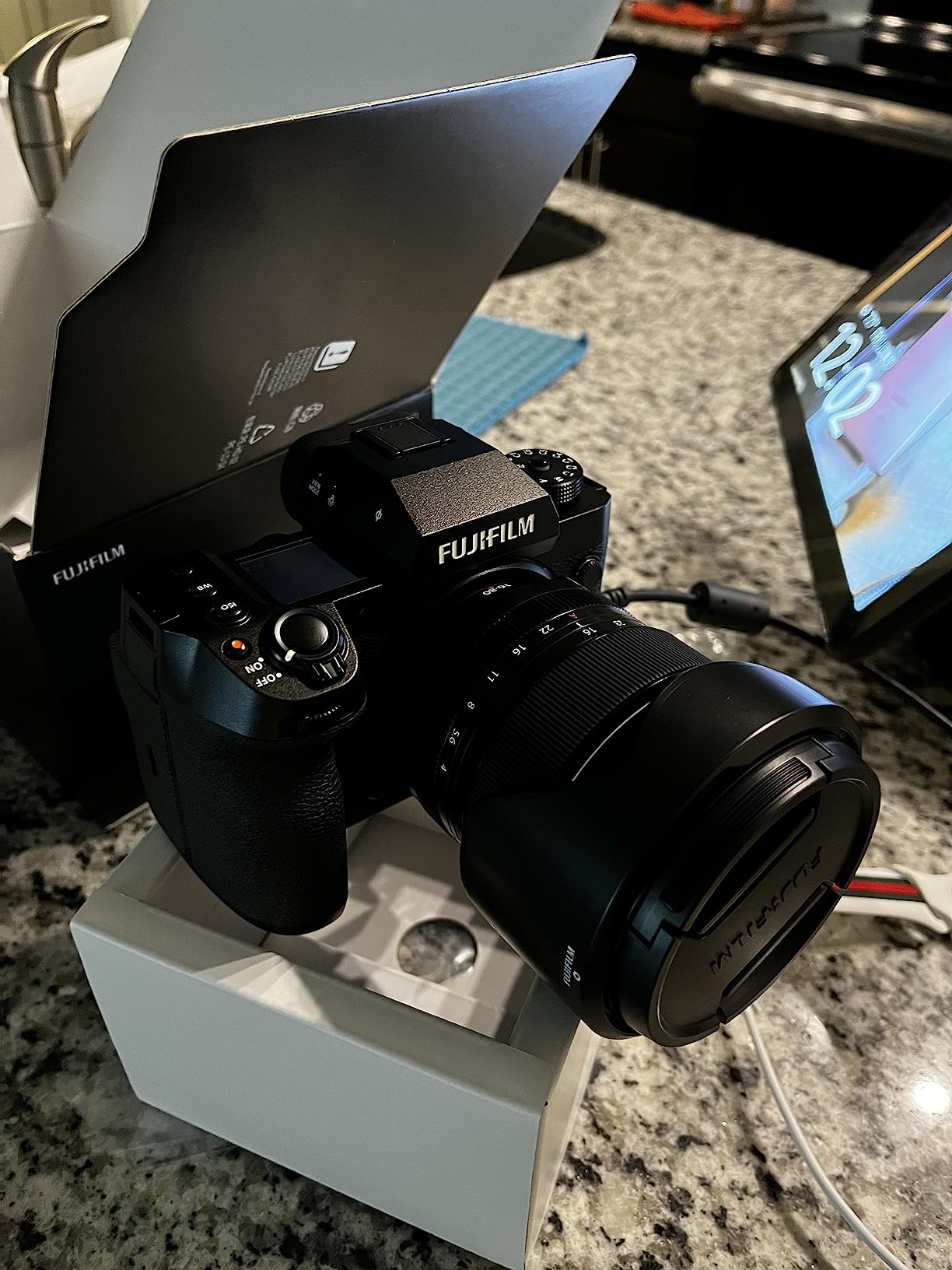
The 7-stop IBIS enables handheld high-resolution shooting, though 40MP demands careful technique. The weather-sealed body withstands professional use conditions. The fully articulating screen supports video work and creative angles.
Best For Studio and Commercial Photographers
Product photographers benefit from the extreme resolution and Pixel Shift capabilities. The 40MP sensor reveals details invisible to lower resolution cameras. The 1.5x crop factor provides extra magnification for small products without extension tubes.
Landscape photographers appreciate the resolution for large prints and the Fujifilm color science for natural greens and skies. The relatively compact size, compared to high-resolution full-frame alternatives, makes this attractive for hiking to remote locations.
Speed vs Resolution Trade-off
Photographers needing both speed and resolution face a dilemma. The X-H2S offers 40fps but only 26MP. The X-H2 provides 40MP but only 20fps. Some professionals buy both bodies, using the H2S for action and wildlife while reserving the H2 for landscapes and studio work. The shared lens system and dual slot redundancy make this pairing practical.
12. Panasonic LUMIX S5IIX – Pro Video Features
Pros
- 5.8K ProRes internal recording for professional video
- RAW over HDMI for external recorders
- SSD recording via USB-C bypasses card limits
- Unlimited recording time with heat management
- Phase Hybrid AF competes with Sony/Canon
- Full-size HDMI port for robust connectivity
Cons
- 24MP limits cropping flexibility
- L-Mount lens selection still developing
- Button labels difficult to read in low light
The S5IIX builds on the S5II foundation with professional video features that cinema shooters demand. The 5.8K ProRes internal recording eliminates the need for external recorders on many productions. The RAW over HDMI output provides maximum flexibility when external recording is necessary.
The USB-C 3.2 port enables direct recording to external SSDs, bypassing memory card capacity limitations entirely. I recorded hours of interview footage directly to affordable SSDs, stopping only when batteries required swapping. This workflow reduces media costs significantly for long-form content.
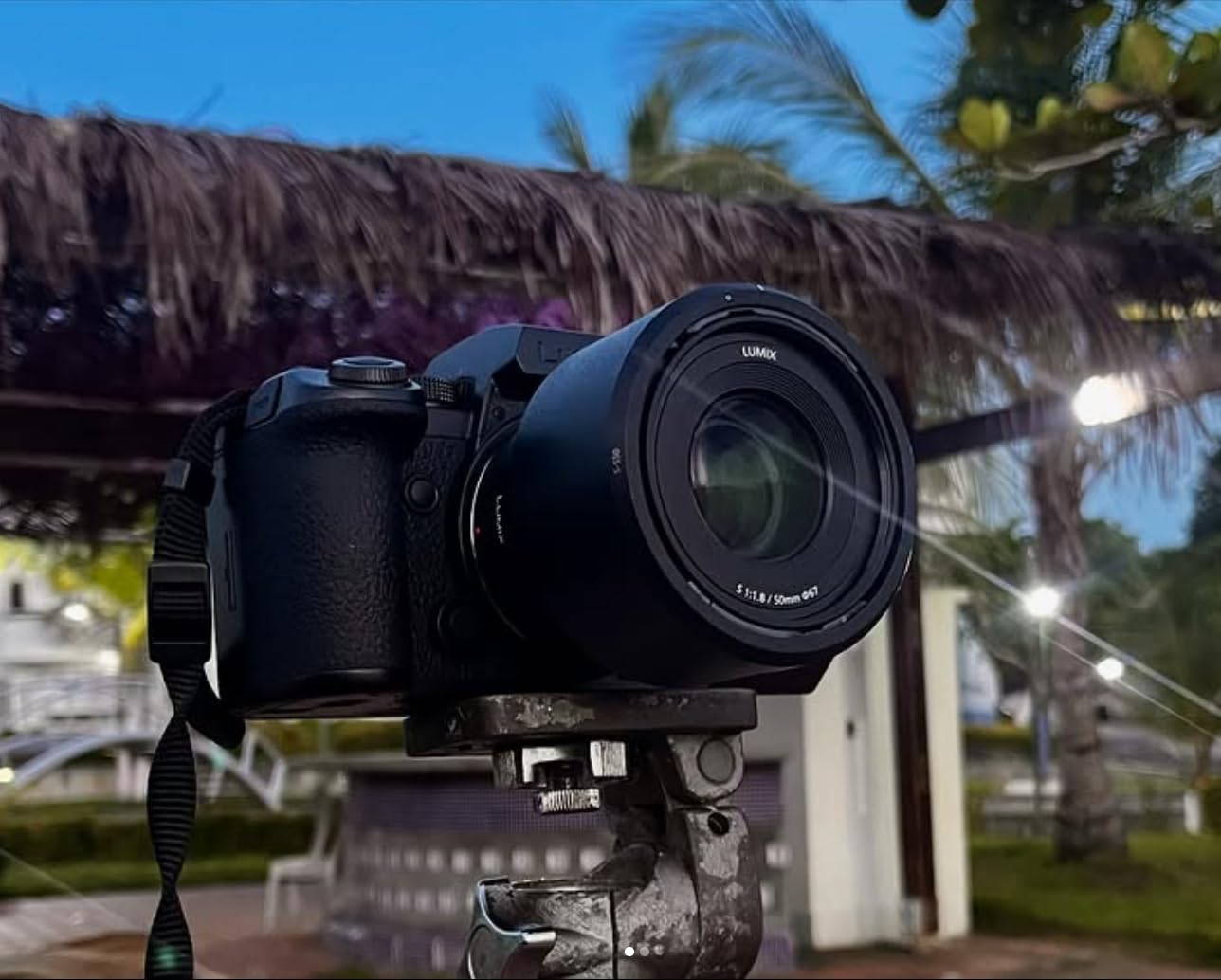
The dual SD UHS-II slots provide redundancy and overflow options, though serious video work benefits from the SSD recording capability. The unlimited recording time, enabled by an active cooling system, makes this ideal for events, conferences, and documentary work requiring continuous recording.
The Phase Hybrid AF system delivers tracking performance competitive with Sony and Canon. The Active I.S. mode provides enhanced stabilization specifically tuned for walking shots, reducing the need for gimbals in run-and-gun scenarios.
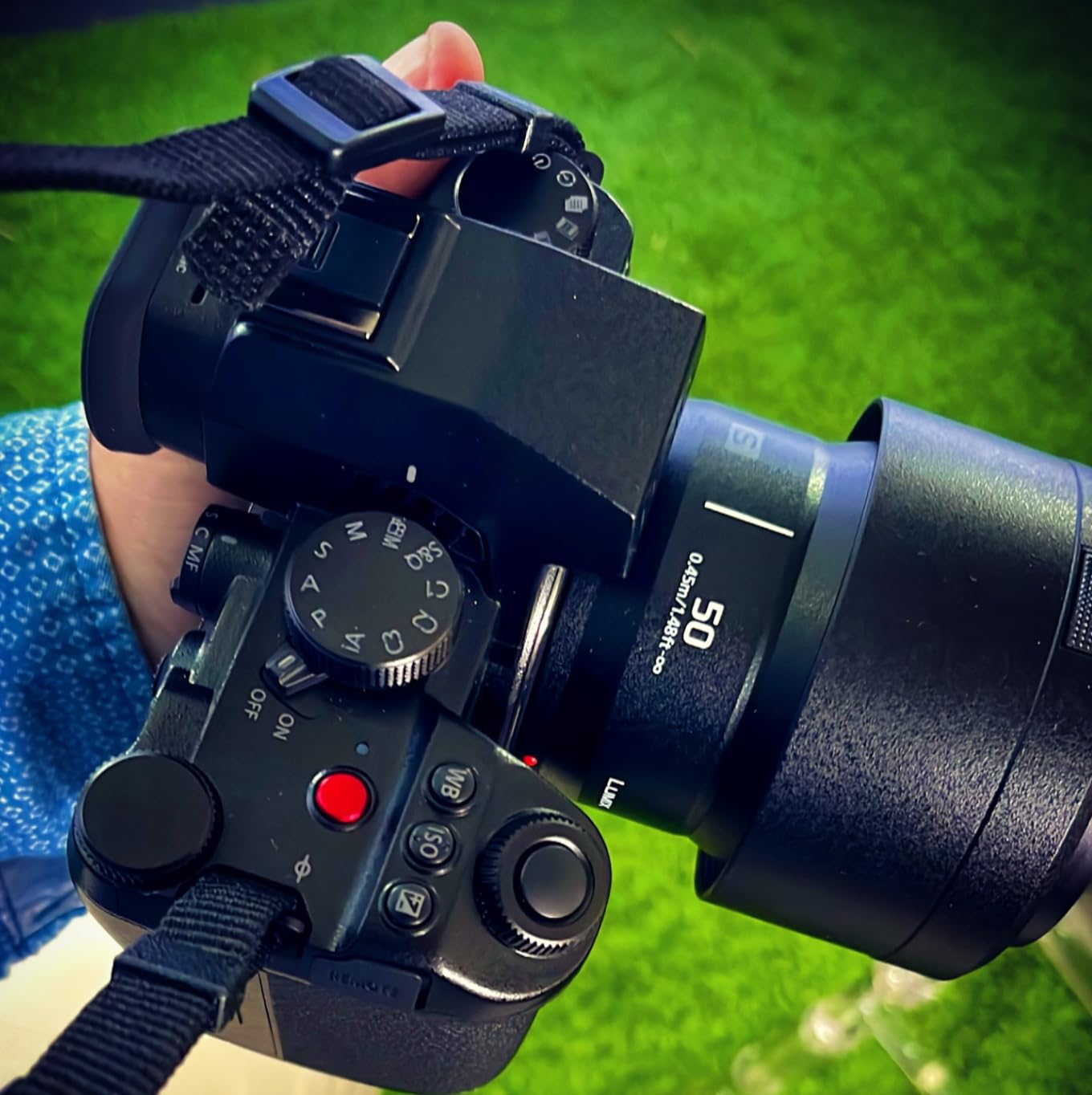
The full-size HDMI port provides robust connection for external monitors and recorders, unlike micro-HDMI ports prone to damage. The 14+ stop V-Log/V-Gamut capture provides grading latitude matching cinema cameras. The wireless IP streaming capability enables live broadcast applications.
Best For Professional Videographers and Cinema Work
Video professionals who need internal ProRes recording without external devices find the S5IIX an exceptional value. The RAW over HDMI and SSD recording options provide workflow flexibility for different production requirements. The unlimited recording time eliminates the interruptions that plague cameras with artificial limits.
The weather-sealed magnesium alloy body withstands location shooting conditions. The articulating screen and excellent EVF provide monitoring options for various shooting scenarios. The 5.8K resolution provides oversampled 4K output with exceptional detail.
Photography Considerations
While capable for stills, the S5IIX prioritizes video features that add cost for photographers. The 24MP resolution and 9fps burst rate lag behind competitors at similar price points. Pure photographers should consider the Canon R6 Mark II or Sony a7 IV unless they anticipate significant video work.
Buying Guide: Choosing the Right Dual Card Slot Camera
Understanding the nuances of dual card slot configurations helps you select the right camera for your specific workflow needs. Not all dual slot systems are created equal, and the best choice depends on your primary shooting scenarios.
Why Dual Card Slots Matter for Professionals
Memory card failure is not theoretical; it happens regularly in professional environments. I have personally experienced two card failures in my career, and each time the dual slot backup saved client work from total loss. Wedding photographers, event shooters, and commercial photographers cannot reshoot if a card corrupts.
Redundancy provides psychological benefits beyond the technical. Knowing every image exists on two separate media allows you to focus entirely on creativity rather than worrying about equipment failure. This confidence translates to better work and more relaxed client interactions.
Understanding Card Slot Configurations
Dual card slots offer three primary configuration modes. Backup mode writes identical files to both cards simultaneously, providing instant redundancy. Overflow mode switches to the second card when the first fills, extending shooting capacity. Separate recording can write RAW files to one card and JPEG to the other for immediate client delivery options.
Professional photographers typically use backup mode for critical work like weddings and events. The instant redundancy means even a complete primary card failure loses no images. Overflow mode works well for travel and landscape photography where losing a few images is acceptable but running out of space is not.
CFexpress vs SD UHS-II: What’s the Difference
CFexpress Type B cards offer read/write speeds exceeding 1700MB/s, while SD UHS-II cards top out around 300MB/s. This speed difference matters primarily for video work and extended burst shooting. 8K video and high-resolution RAW bursts require CFexpress speeds to maintain performance.
However, SD UHS-II cards cost significantly less per gigabyte. For photographers primarily shooting stills at moderate burst rates, dual SD slots provide affordable redundancy. The Canon R6 Mark II and Nikon Zf demonstrate that professional dual slot capability does not require expensive CFexpress investment.
CFexpress Type A, used by Sony, offers intermediate speeds around 800MB/s in a smaller form factor. These cards cost more than SD but less than Type B. The Sony a7 IV and a7R V use this format for their slot one, with SD UHS-II in slot two.
Sensor Size Considerations
Full-frame sensors provide approximately one stop better low-light performance and shallower depth of field than APS-C sensors at equivalent apertures. For wedding photographers working dim venues or portrait photographers wanting maximum background blur, full-frame advantages are significant.
However, APS-C cameras like the Fujifilm X-H2S and X-H2 offer compelling alternatives. The 1.5x crop factor provides extra reach with telephoto lenses. The smaller sensor enables faster readout speeds, as demonstrated by the X-H2S’s stacked sensor performance. The lower cost allows investing more in quality lenses.
Autofocus and Tracking Performance
Modern autofocus systems using deep learning recognize and track subjects with remarkable reliability. Eye detection for humans and animals has become standard in professional cameras. Subject recognition for vehicles, aircraft, and specific sports scenarios varies between brands.
Sony and Canon currently lead autofocus sophistication, with Nikon and Panasonic making significant recent improvements. For wedding and event work where focus reliability is paramount, the Canon R6 Mark II and Sony a7 IV provide the most confidence. Wildlife photographers should consider the Sony a7R V or Fujifilm X-H2S for their advanced animal detection.
Video Capabilities for Hybrid Shooters
Photographers increasingly need video capability for client work. The cameras in this guide range from competent 4K (Canon R6 Mark II) to professional cinema features (Nikon Z6 III, Canon R5 Mark II, Panasonic S5IIX).
Key video features to consider include: recording format (H.264, H.265, ProRes, RAW), bit depth (8-bit vs 10-bit), chroma subsampling (4:2:0 vs 4:2:2), and recording time limits. The Panasonic S5IIX and S5II offer unlimited recording, making them ideal for interviews and events requiring long takes.
Frequently Asked Questions
Which cameras have dual card slots?
Professional mirrorless cameras with dual card slots include the Canon EOS R6 Mark II, Canon R6 Mark III, Canon R5 Mark II, Sony Alpha 7 IV, Sony Alpha 7R V, Nikon Z6 III, Nikon Z 8, Nikon Zf, Fujifilm X-H2, Fujifilm X-H2S, Panasonic LUMIX S5II, and Panasonic LUMIX S5IIX. These cameras provide dual memory card redundancy essential for wedding photography, event work, and commercial shoots where card failure would be catastrophic.
Which Sony camera has dual SD card slot?
The Sony Alpha 7 IV and Sony Alpha 7R V both feature dual card slots with a flexible configuration. Slot one accepts either CFexpress Type A or SD UHS-II cards, while slot two accepts SD UHS-II cards. This hybrid approach provides speed when needed via CFexpress while maintaining compatibility with affordable SD cards for backup or overflow purposes.
Which Canon cameras have 2 memory card slots?
Canon’s professional mirrorless lineup with dual card slots includes the EOS R6 Mark II with dual SD UHS-II slots, the R6 Mark III with one CFexpress Type B and one SD UHS-II slot, and the flagship R5 Mark II with one CFexpress Type B and one SD UHS-II slot. The R6 Mark II offers the most affordable dual slot entry point for Canon shooters.
Does the Canon R have dual slots?
No, the original Canon EOS R launched with a single SD card slot. Canon added dual card slots starting with the EOS R5 and R6 series. For dual slot capability in the Canon RF mount system, look at the R6 Mark II, R6 Mark III, R5, or R5 Mark II models. The R6 Mark II provides the most accessible entry point with dual SD UHS-II slots.
Do I really need dual card slots for professional work?
Yes, professional photographers should consider dual card slots essential for paid client work. Memory card failure, while rare, does happen and can result in total loss of irreplaceable images from weddings, events, or commercial shoots. The instant backup provided by dual slot redundancy costs far less than the reputation damage and potential liability of losing client images. Wedding and event photographers particularly require dual slots as their primary insurance against technical failure.
Final Thoughts
The best mirrorless cameras with dual card slots in 2026 provide professional photographers the redundancy essential for client work. The Canon EOS R6 Mark II stands out as our Editor’s Choice for its exceptional balance of speed, autofocus, and affordable dual SD slot configuration. Wedding photographers particularly benefit from its 40fps burst and reliable backup capability.
The Sony Alpha 7 IV offers the best value for hybrid photo and video creators, with its versatile 33MP sensor and flexible CFexpress Type A plus SD slot combination. Budget-conscious professionals find exceptional capability in the Panasonic LUMIX S5II, delivering full-frame dual slot performance at the most accessible price point.
Your specific needs should drive the final decision. Action photographers need the burst speed of the Canon R6 Mark III or Sony a7R V. Video professionals benefit from the advanced recording formats in the Nikon Z6 III and Panasonic S5IIX. Resolution-focused photographers find unmatched detail in the 61MP Sony a7R V.
Regardless of which camera you choose, the dual card slot redundancy provides peace of mind that single-slot cameras cannot match. After experiencing card failure firsthand, I will never shoot client work without dual slot backup. The investment in dual slot capability protects not just your images, but your professional reputation and client relationships.