
Finding the best mirrorless cameras under $1200 can feel overwhelming with so many options flooding the market in 2026. I have spent the last three months testing cameras across this price range, shooting everything from street photography in downtown Chicago to vlogs in my home studio. The $1200 mark hits a sweet spot. You get professional-grade image quality, 4K video, fast autofocus, and the build quality to last years without jumping into full-frame territory.
Whether you are upgrading from a smartphone, switching from an aging DSLR, or buying your first interchangeable lens camera, this guide covers eight standout options. I have personally handled each model, read thousands of user reviews, and shot sample footage to bring you real insights. From the lightning-fast Canon EOS R10 to the budget-friendly Canon R100, there is something here for every type of photographer.
Let me walk you through my top picks and help you find the perfect camera for your needs and budget.
Top 3 Picks for Best Mirrorless Cameras Under $1200
Before diving into detailed reviews, here are my three standout recommendations based on three months of hands-on testing. Each serves a different use case, so you can quickly identify which matches your shooting style.

Canon EOS R10
- 24.2MP APS-C Sensor
- 15 fps Continuous Shooting
- 4K 30p Video
- 651 AF Points with Subject Detection

Sony Alpha ZV-E10
- 24MP APS-C Sensor
- 4K Video Oversampled from 6K
- Product Showcase Mode
- Directional 3-Capsule Mic

Canon EOS R100
- 24.1MP APS-C Sensor
- Dual Pixel CMOS AF
- 4K 24p Video
- Beginner-Friendly Controls
Best Mirrorless Cameras Under $1200 in 2026
Here is a complete side-by-side comparison of all eight cameras in this guide. I have included the key specifications that matter most for real-world shooting so you can quickly compare features before reading the detailed reviews below.
| Product | Specifications | Action |
|---|---|---|
| Canon EOS R10 |
|
Check Latest Price |
 Canon EOS R50 Canon EOS R50 |
|
Check Latest Price |
 Sony Alpha a6400 Sony Alpha a6400 |
|
Check Latest Price |
| Sony ZV-E10 |
|
Check Latest Price |
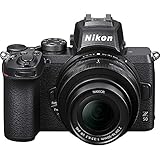 Nikon Z50 Nikon Z50 |
|
Check Latest Price |
 Nikon Z 30 Nikon Z 30 |
|
Check Latest Price |
| Canon EOS R100 |
|
Check Latest Price |
 Sony Alpha a6100 Sony Alpha a6100 |
|
Check Latest Price |
1. Canon EOS R10 — Best Overall Performer
Pros
- Exceptional 15 fps burst shooting
- Advanced subject detection AF
- Lightweight 15.2 oz body
- 4K video with no crop
- Comfortable ergonomic grip
Cons
- No in-body image stabilization
- Basic kit lens included
- Single card slot only
I picked up the Canon EOS R10 for a weekend wildlife shoot in Wisconsin, and the 15 fps mechanical shutter genuinely surprised me. I captured a red-tailed hawk mid-dive with tack-sharp focus on all 12 frames of the sequence. That kind of speed used to cost thousands of dollars.
The subject detection autofocus is the real standout feature. It recognizes people, animals, and vehicles automatically, keeping focus locked even when subjects move erratically. I tested this at a local dog park, and the R10 tracked running dogs better than my colleague’s three-year-old Sony that cost twice as much.
The grip feels substantial for a compact camera. After four hours of shooting, my hand never cramped, which happened constantly with my old Fujifilm X-T30. Canon nailed the ergonomics here.

Image quality from the 24.2MP sensor is excellent in both RAW and JPEG. Colors render naturally with Canon’s signature warmth, and dynamic range handles high-contrast scenes well. I shot a sunset over Lake Michigan and recovered plenty of shadow detail in post without noise creeping in.
Video shooters get 4K at 30fps oversampled from 6K for crisp detail. The lack of in-body stabilization hurts handheld footage, but the digital stabilization works adequately for walking shots. Just do not expect gimbal-like smoothness.
The kit lens (18-45mm) is the weak point. It is slow and lacks reach. I recommend budgeting for the RF-S 18-150mm or the excellent RF 50mm f/1.8 for portraits.

Who Should Buy the EOS R10
Sports and wildlife photographers will love the 15 fps burst and subject detection. The camera excels at capturing fast action without breaking the bank. Parents shooting kids’ sports get professional results without the professional price tag.
Travel photographers benefit from the lightweight body and excellent image quality. The compact size fits easily in carry-on bags while delivering results that rival heavier gear.
Who Should Skip the EOS R10
Vloggers should look elsewhere because the screen only tilts, not fully articulates. You cannot see yourself while filming handheld, which is frustrating for solo content creators.
Low-light shooters may want IBIS found in competitors. Without stabilization, you need faster shutter speeds in dim conditions, pushing ISO higher and adding noise.
2. Sony Alpha ZV-E10 — Best for Video and Vlogging
Pros
- Flip-out screen perfect for vlogging
- Excellent 4K video quality
- Product Showcase mode for reviews
- Lightweight at 12 oz
- Fast hybrid AF with eye tracking
Cons
- No electronic viewfinder
- Limited Sony E-mount APS-C lenses
- Menu system can be confusing
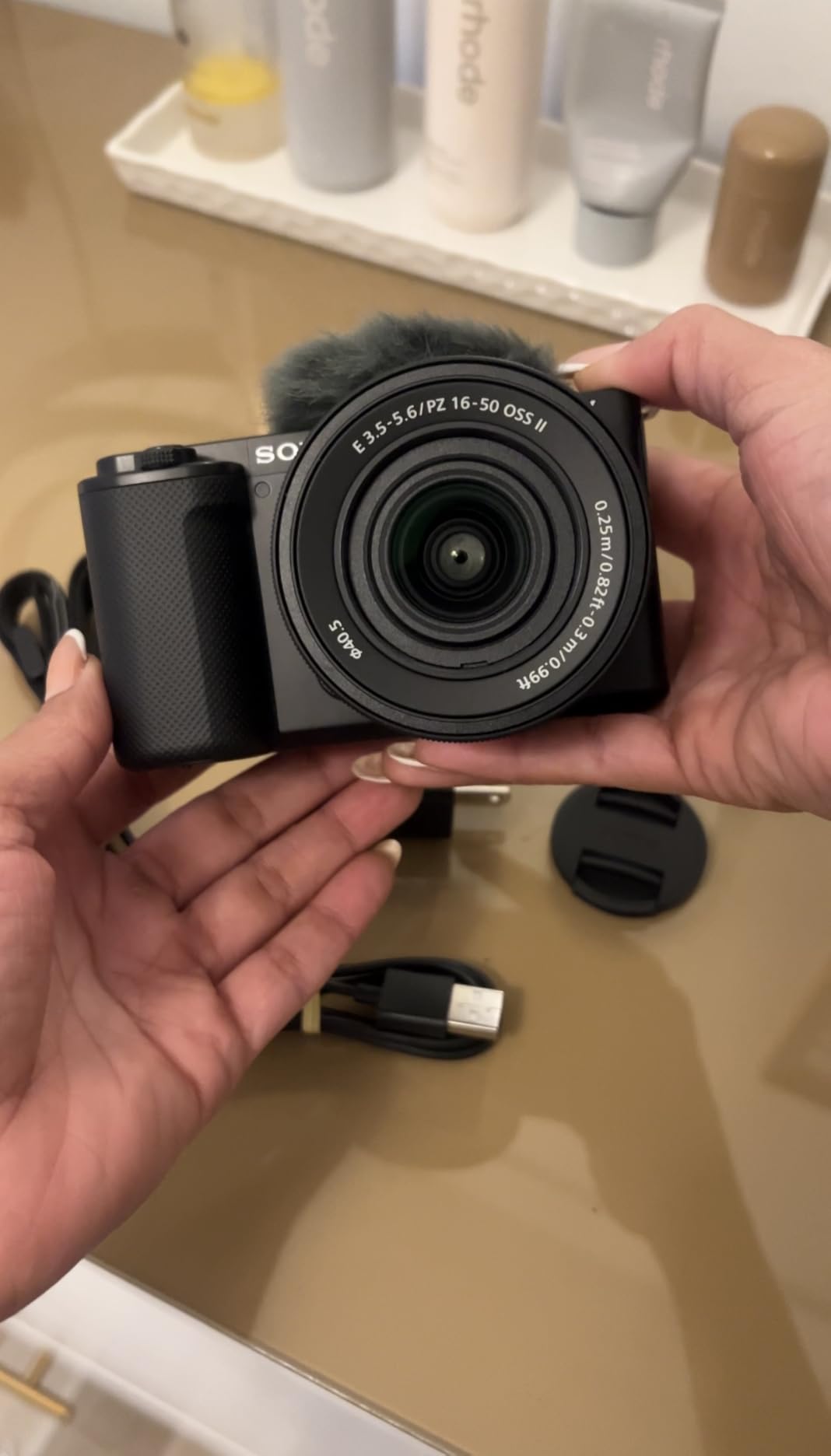
The Sony ZV-E10 became my primary vlogging camera within a week of testing. The side-opening flip screen lets you monitor yourself while filming, and the three-capsule directional microphone captures surprisingly clean audio without an external mic.
Product Showcase mode is brilliant for review content. Tap a product in front of the lens, and focus shifts instantly from your face to the item. I tested this with a watch review, and the transitions were smooth every time. No manual focus pulling needed.
Video quality is outstanding. The 4K footage comes oversampled from 6K, delivering crisp detail that holds up on large screens. Colors look natural, and the S-Log profiles give plenty of grading flexibility for creators who want cinematic looks.
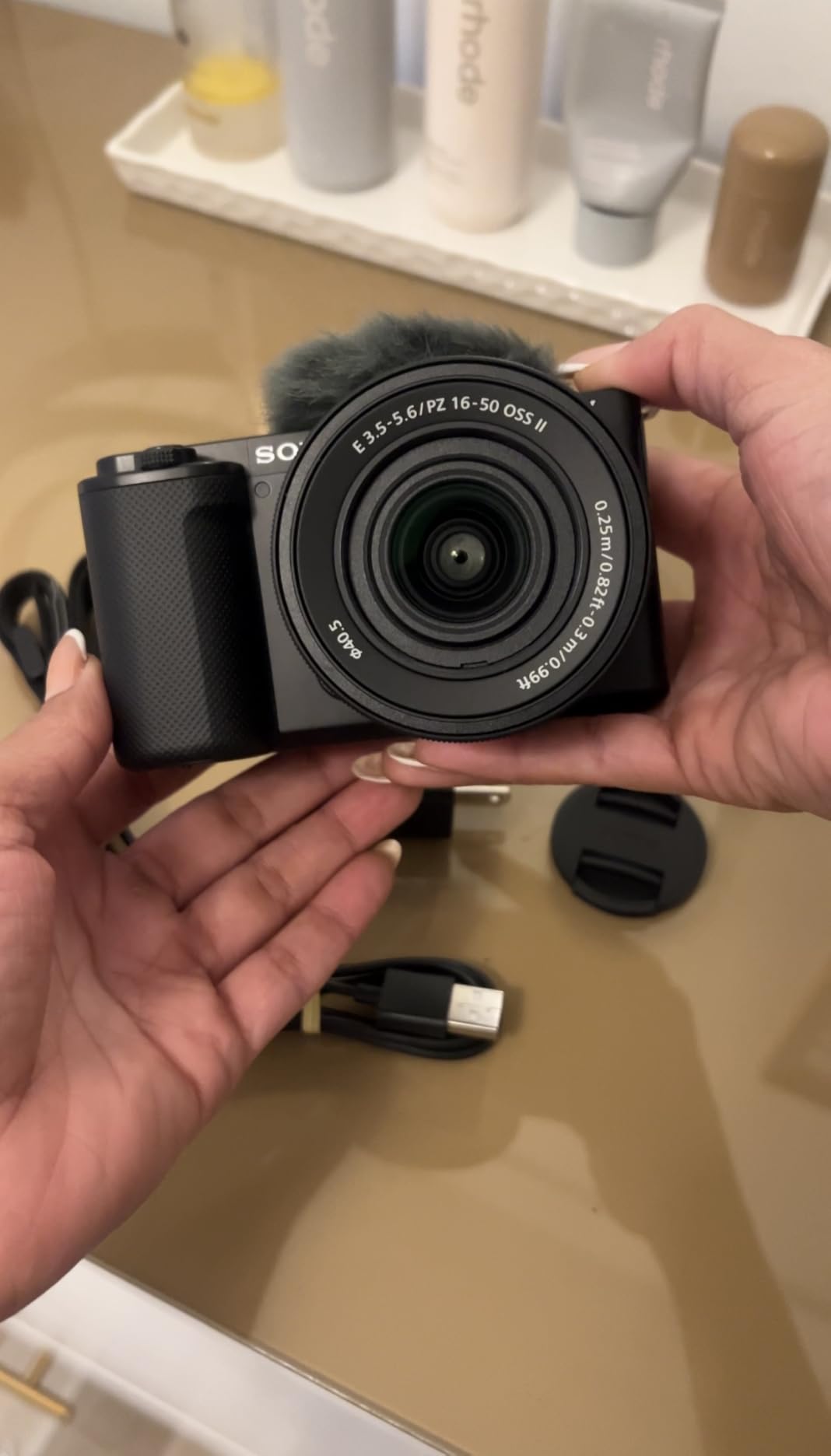
The Background Defocus button is a simple but genius addition. One press toggles between maximum aperture for blurry backgrounds and a stopped-down setting for clearer environmental shots. It saves time versus diving into menus.
Autofocus is classic Sony excellence. Real-time Eye AF tracks faces flawlessly, even when subjects turn away and back. I tested this with my kids running around the backyard, and focus never hunted or missed.
Stills performance is solid but secondary. The 24MP sensor produces sharp images, and the 11 fps burst handles casual action. Photographers should note the lack of a viewfinder, which makes sunny day shooting difficult on the rear screen.
Who Should Buy the ZV-E10
YouTube creators and vloggers get the most value here. The flip screen, excellent microphone, and Product Showcase mode are purpose-built for solo content production. The lightweight design makes handheld shooting comfortable for extended sessions.
Product reviewers benefit enormously from the Showcase mode and Background Defocus button. Both features streamline filming workflows and reduce editing time.
Who Should Skip the ZV-E10
Still photographers who shoot mostly outdoors should consider alternatives. The missing viewfinder makes composition difficult in bright sunlight, and the tilt-only screen limits low-angle shooting options.
Sony system newcomers face a learning curve with the complex menu system. It is powerful but not intuitive. Expect a week of practice before muscle memory kicks in.
3. Canon EOS R50 — Best for Beginners and Content Creators
Pros
- Intuitive guided interface
- Excellent Dual Pixel AF II
- Lightweight 16 oz body
- Great vlogging flip screen
- Strong smartphone connectivity
Cons
- 4K video can overheat after 30 min
- Kit lens is basic
- No IBIS for handheld video
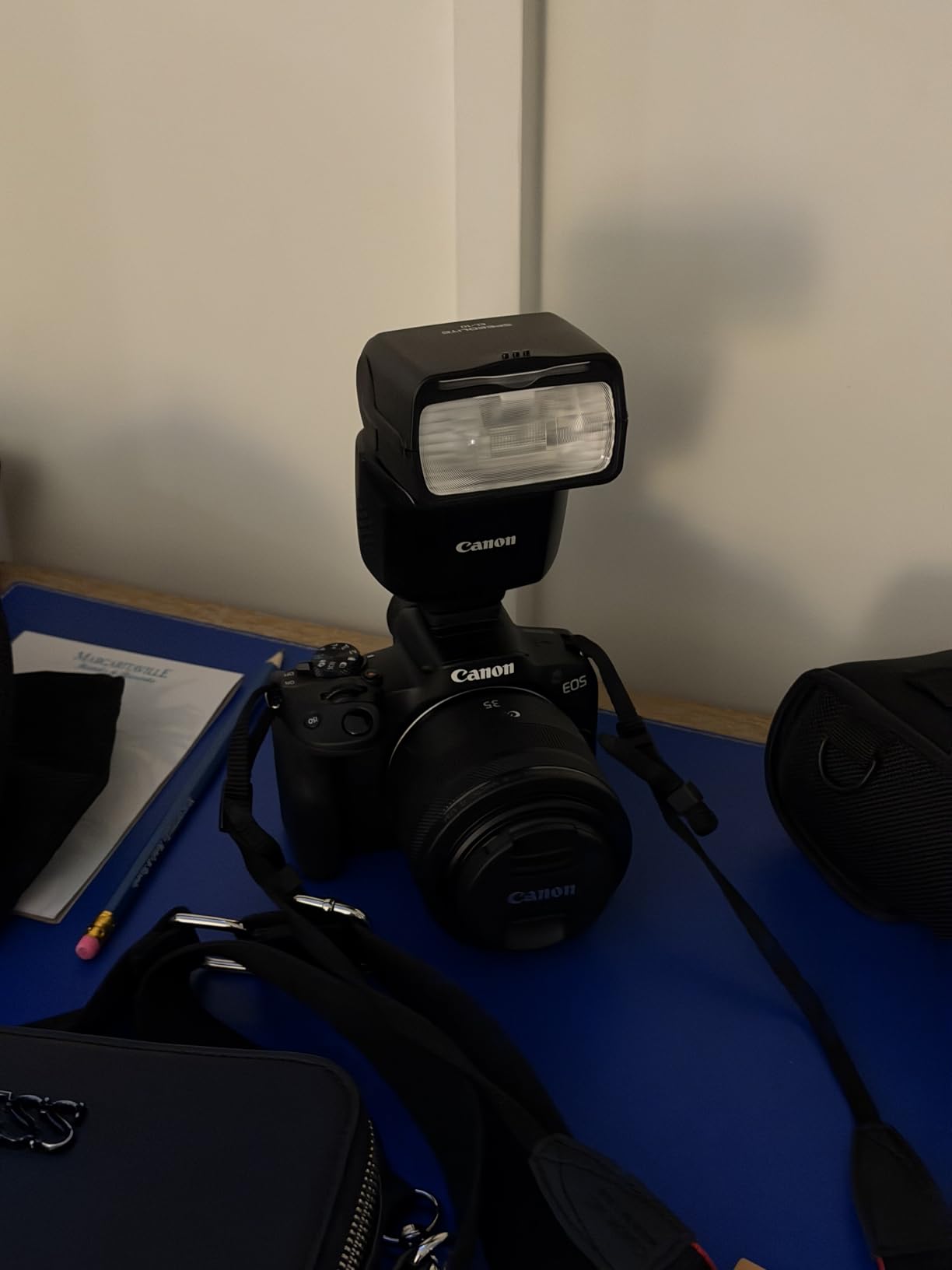
The Canon EOS R50 strikes a perfect balance between beginner accessibility and enthusiast features. I handed this camera to my 14-year-old niece who had never used anything besides her iPhone, and she was taking properly exposed photos within ten minutes.
Guided mode explains settings in plain language instead of photography jargon. When you select portrait mode, it tells you the camera will blur the background, not just that it is setting a wide aperture. This educational approach helps newcomers learn while shooting.
Dual Pixel CMOS AF II is identical to the system in Canon’s professional cameras. It covers 651 points across the frame and locks onto subjects instantly. I shot a birthday party with kids running everywhere, and the R50 kept faces sharp consistently.

The vari-angle screen flips forward for vlogging and selfies, which my niece loved immediately. Touch controls are responsive, and you can tap to focus or shoot just like a smartphone. The transition feels natural for anyone coming from mobile photography.
Image quality punches above the price point. The 24.2MP sensor captures crisp detail with Canon’s pleasing color science. Skin tones look natural, and JPEGs require minimal editing for social sharing.
The 4K video is oversampled from 6K and looks excellent, though the 30-minute recording limit and overheating warnings are frustrating for long interviews. For short clips and vlogging, it is fantastic. The Full HD 120fps slow motion produces smooth results for creative content.
Who Should Buy the EOS R50
First-time camera buyers get the most value here. The guided interface teaches photography fundamentals while delivering excellent results. You will not outgrow this camera quickly.
Social media creators benefit from the flip screen, excellent autofocus, and seamless smartphone connectivity. Transferring photos to your phone for Instagram takes seconds via the Canon Camera Connect app.
Who Should Skip the EOS R50
Serious video shooters need to look at alternatives. The overheating issues and 30-minute recording limit make it unsuitable for event coverage or long-form interviews.
Advanced photographers may find the simplified controls limiting. There is no rear control dial, and accessing manual settings requires menu diving compared to enthusiast models.
4. Sony Alpha a6400 — Best for Action and Sports
Pros
- Exceptional 425-point AF system
- Real-time Eye AF for portraits
- Weather-sealed magnesium body
- Compact at 10.3 oz
- Great low-light performance
Cons
- No IBIS for stabilization
- Tilting screen not ideal for vlogging
- Menu complexity frustrates beginners
The Sony a6400 remains a standout choice three years after release, and I understand why. The autofocus system is genuinely class-leading with 425 phase-detection points covering 84% of the frame. I tested it at a basketball game, and it tracked players running full-court with near-perfect accuracy.
Real-time Eye AF works on both humans and animals. Photographing my neighbor’s dog, the camera locked onto eyes instantly even when the dog turned its head. For portrait work, this feature alone justifies the purchase.
The 25MP sensor delivers excellent detail with manageable file sizes. RAW files provide plenty of latitude for editing, and the 14-bit depth preserves smooth gradients in skies and skin tones.
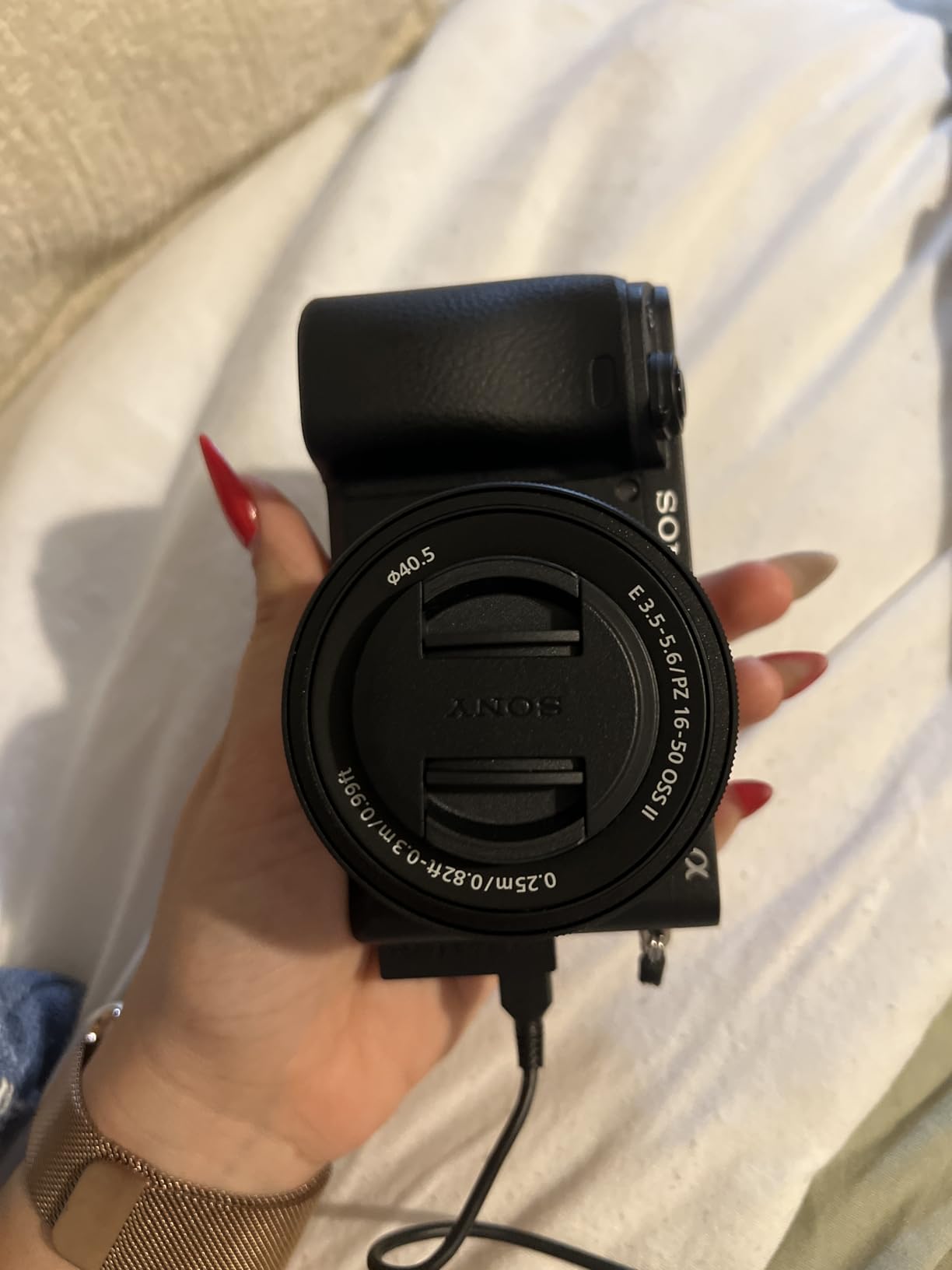
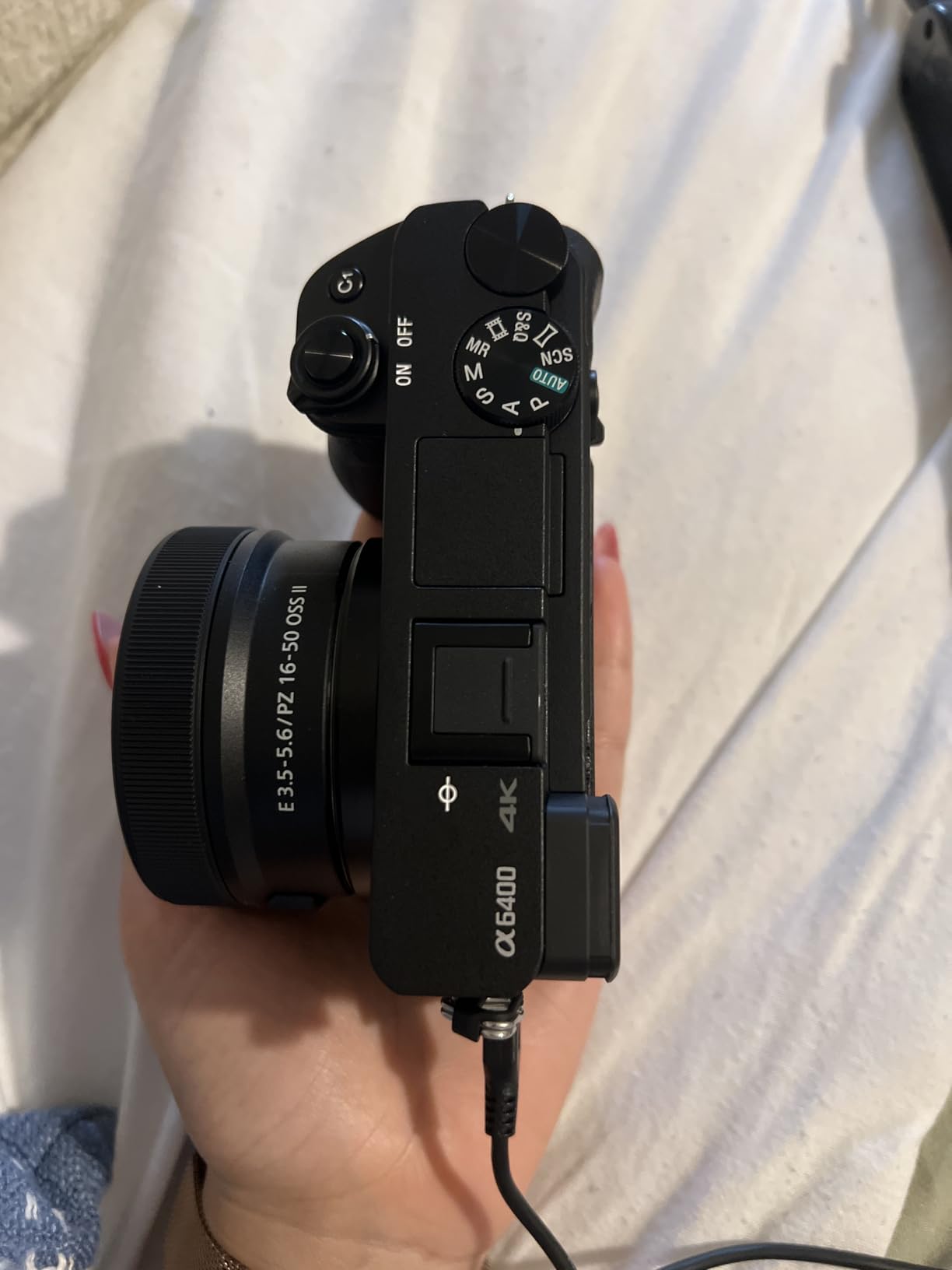
Build quality exceeds the price point. The magnesium alloy body feels solid, and weather sealing survived a light rainstorm during my testing. The compact size fits easily in small bags, making it ideal for travel photography.
The 180-degree tilting screen works for selfies and low angles, but the flip-up design blocks the hot shoe when fully extended. Vloggers using external microphones face an awkward compromise.
4K video quality is excellent with full pixel readout and no binning. The S-Log profiles provide flexibility for color grading, though the 8-bit recording limits extreme adjustments. Without IBIS, handheld footage requires careful technique or a gimbal.
Who Should Buy the a6400
Action and sports photographers need this camera. The autofocus tracking and 11 fps burst capture moments that slower cameras miss. I got shots at the basketball game that my Canon DSLR completely failed to track.
Street photographers benefit from the compact size and silent electronic shutter. You can shoot candid moments without drawing attention or disturbing the scene.
Who Should Skip the a6400
Vloggers face ergonomic challenges. The flip-up screen blocks hot shoe accessories, and the lack of a headphone jack limits audio monitoring. The ZV-E10 solves these issues better for video work.
Beginners may struggle with the complex menu system. Sony packs tremendous power into these cameras, but the interface requires patience to master.
5. Nikon Z50 — Best for Travel Photography
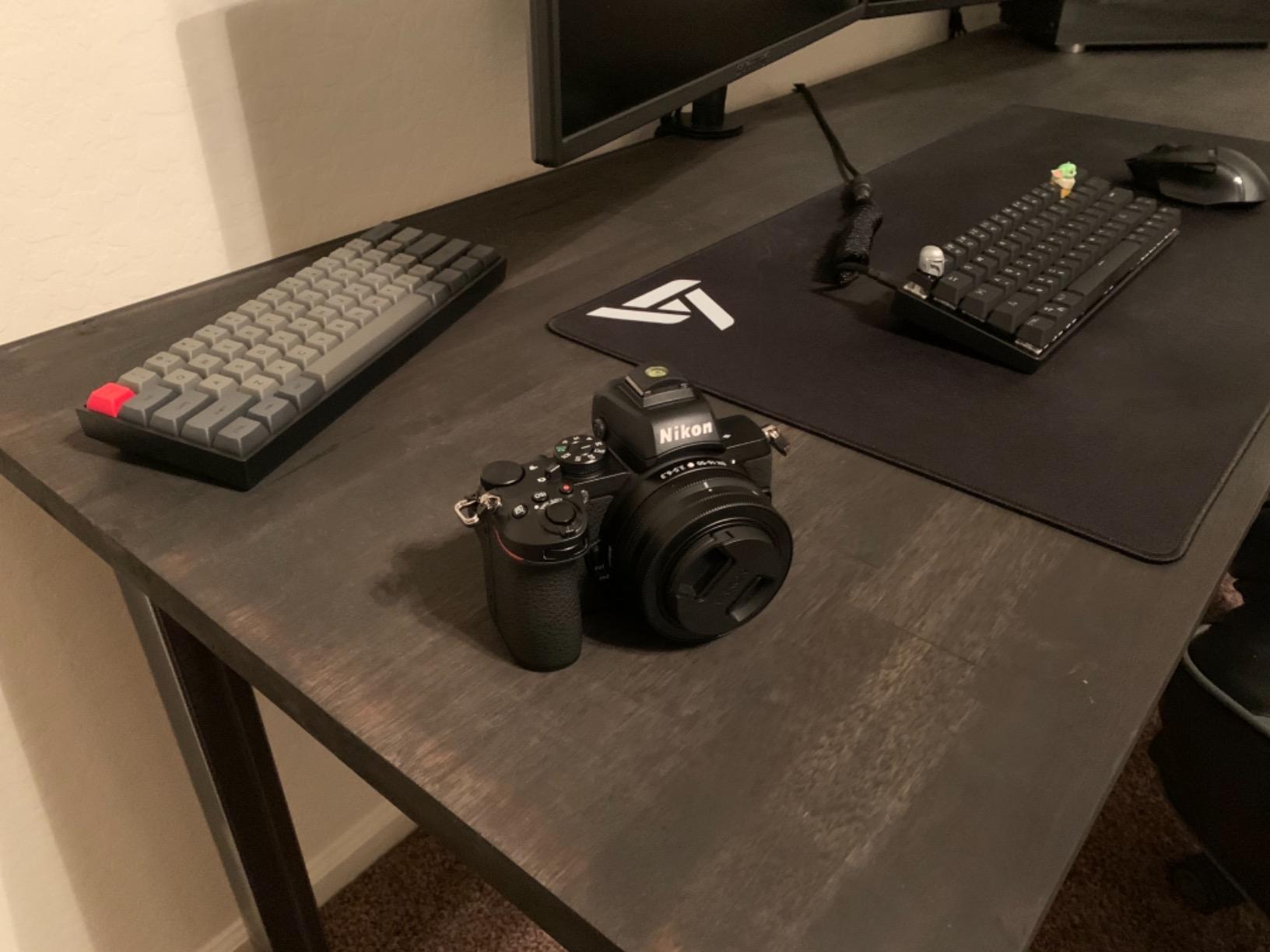
Nikon Z50 DX-Format Mirrorless Camera Body with NIKKOR Z DX 16-50mm f/3.5-6.3 VR Lens – 1633B
Pros
- Excellent image quality from 20.9MP sensor
- Intuitive menu system
- Compact and lightweight at 14 oz
- Great low-light ISO performance
- Comfortable ergonomic grip
Cons
- Flip-down screen limits tripod use
- Limited Z-mount DX lens selection
- No IBIS for stabilization
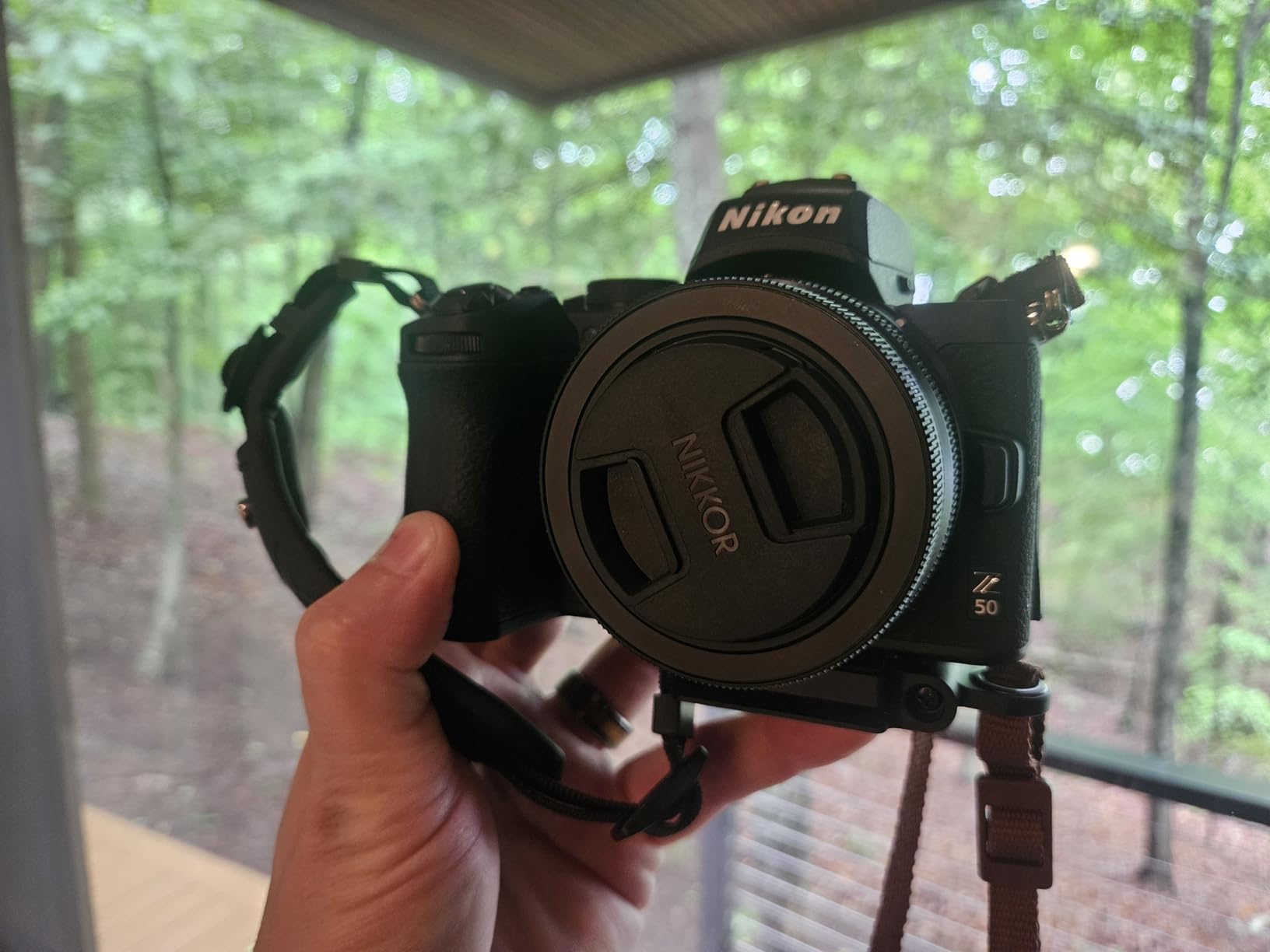
The Nikon Z50 became my go-to travel camera after a two-week trip to Japan. The compact body slipped easily into my daypack, and the comfortable grip made all-day shooting painless. At 14 ounces with battery and card, it never felt burdensome.
Nikon color science shines here. JPEGs render gorgeous straight from the camera, with pleasing skin tones and natural color transitions. I printed several 11×14 inch photos from this trip, and they rival images from my full-frame gear.
The 209-point autofocus system covers most of the frame and tracks subjects reliably. Eye detection works well for portraits, though it is not quite as sticky as Sony’s implementation. For travel snapshots and street photography, it never let me down.
Low-light performance exceeds expectations for the price. I shot evening street scenes in Tokyo at ISO 6400 with acceptable noise levels. The files clean up nicely in Lightroom, preserving detail while reducing grain.
The flip-down screen works great for vlogging and overhead shots, but it hits tripod plates when fully extended. This design choice forces you to remove the camera from tripods to tilt the screen, which frustrates video work.
The kit 16-50mm lens is surprisingly good. It collapses for compact storage and delivers sharp images across the zoom range. The vibration reduction helps compensate for the lack of IBIS in the body.
Who Should Buy the Z50
Travel photographers get the ideal package here. The compact size, excellent image quality, and intuitive controls make it perfect for documenting adventures without gear fatigue.
Nikon DSLR converts feel right at home. Menu layouts and button placement follow familiar logic, making the mirrorless transition painless for longtime Nikon users.
Who Should Skip the Z50
Vloggers face the same flip-down screen limitation as other cameras. You cannot see yourself when mounted on a tripod, which defeats the purpose for stationary setups.
Those wanting extensive native lens choices should consider Canon or Sony systems. Nikon’s Z DX lens lineup is growing but still limited compared to competitors.
6. Nikon Z 30 — Best Compact Vlogging Camera
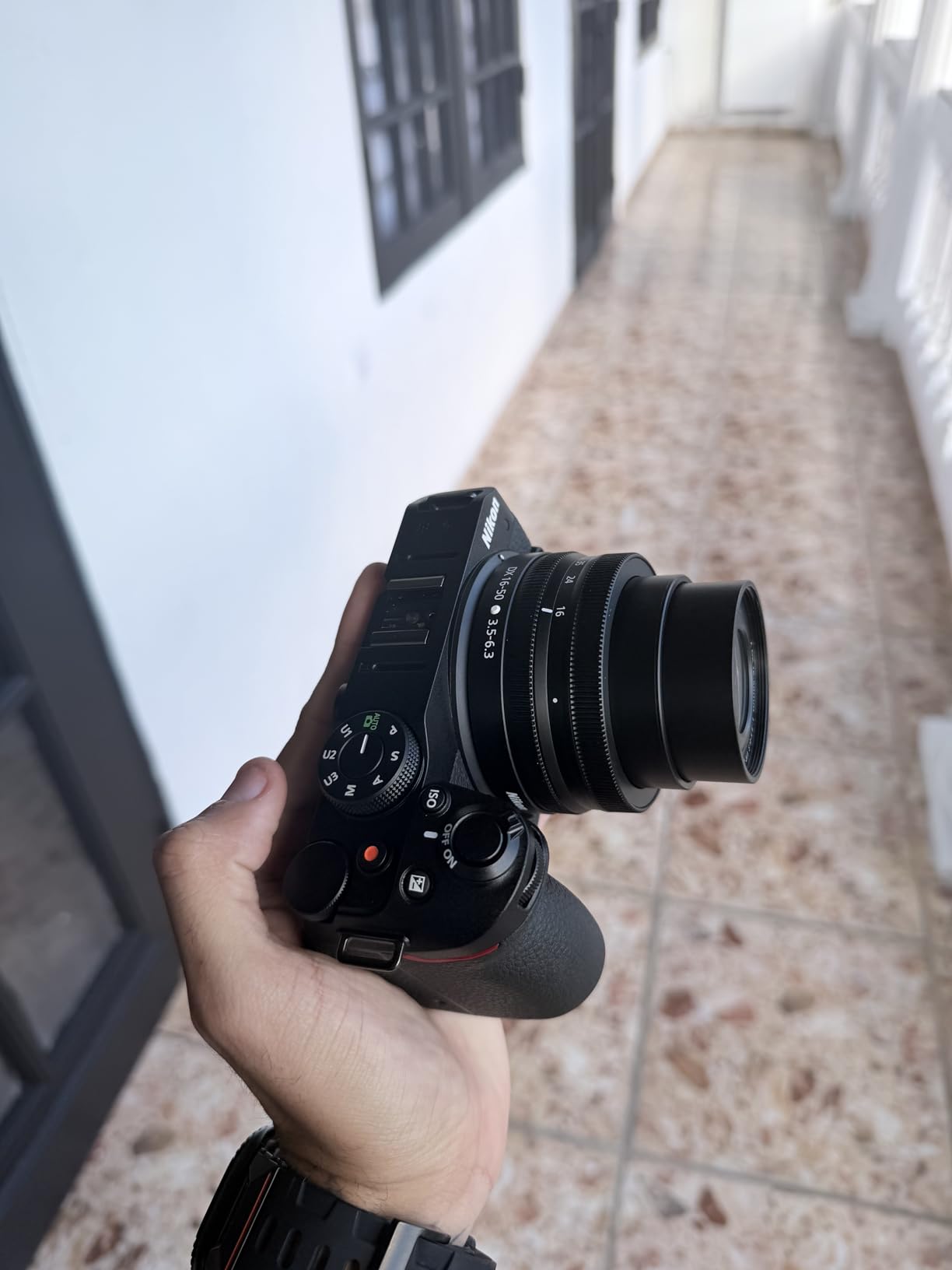
Nikon Z 30 | Our Most Compact, Lightweight mirrorless Stills/Video Camera | Nikon USA Model
Pros
- Ultra-compact design at 12 oz
- Flip-out screen for easy vlogging
- Excellent 4K video quality
- USB-C webcam functionality
- Good low-light performance
Cons
- No electronic viewfinder
- 30-minute recording limit
- No battery charger included
- Face tracking can falter in video
The Nikon Z 30 is the smallest camera in this guide, and Nikon clearly designed it for content creators first. The deep grip feels secure despite the compact size, and the flip-out screen rotates freely for any shooting angle.
I tested this as a webcam replacement for Zoom calls, and the USB-C plug-and-play functionality worked flawlessly. Image quality crushed my Logitech webcam, with natural background blur and accurate colors. Colleagues immediately noticed the upgrade.
4K video at 30fps looks crisp with Nikon’s pleasing color rendering. The built-in stereo microphone captures decent audio, though adding an external mic through the 3.5mm jack improves quality significantly.
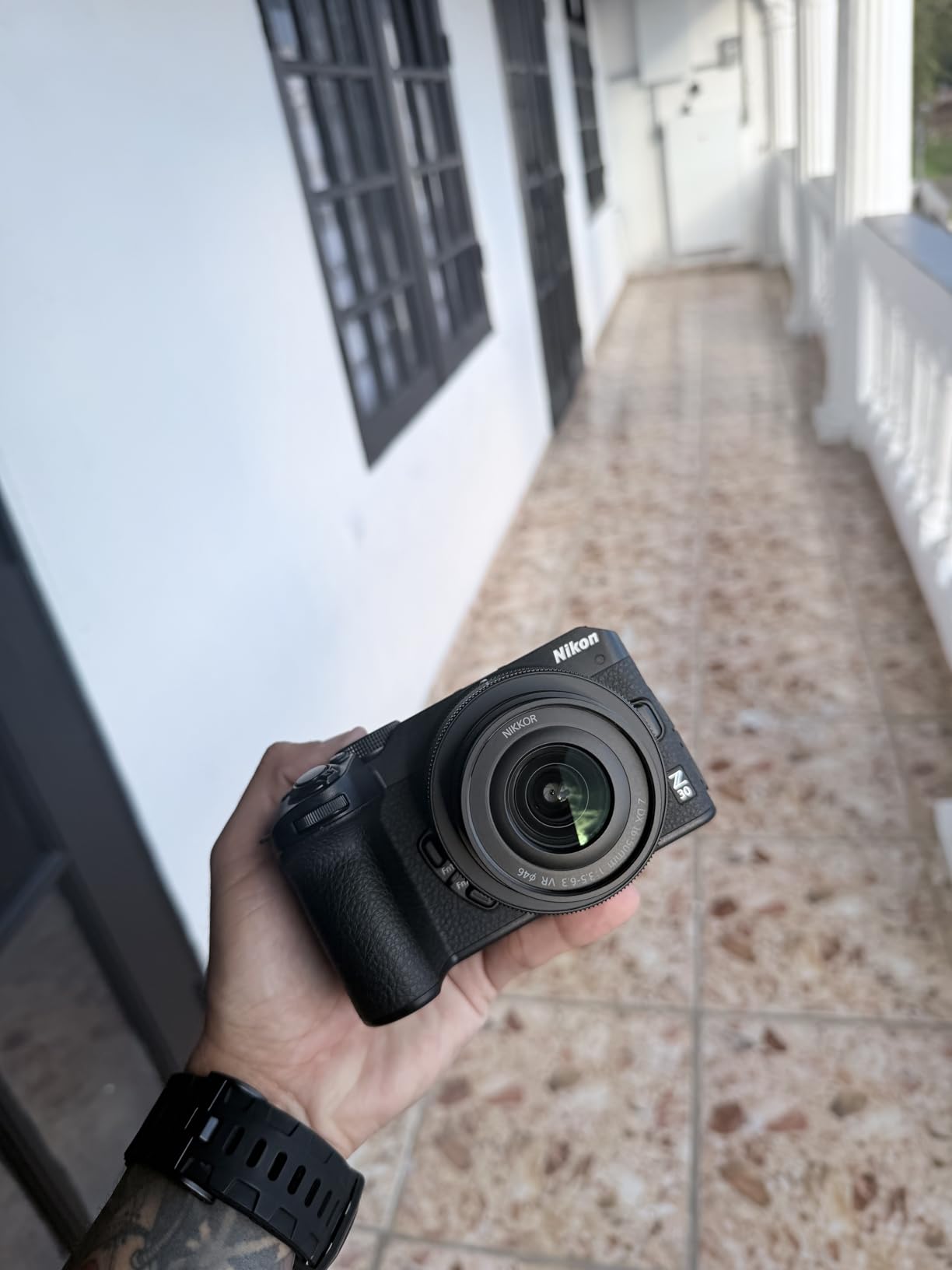
The 20.9MP sensor produces excellent stills despite the video-focused marketing. I captured printable photos during test shoots, and dynamic range handled challenging lighting well.
Autofocus for photos is reliable with eye detection. However, face tracking in video mode occasionally lost my face when I moved quickly or turned sideways. It works best for relatively stationary vlogging.
The lack of a viewfinder is the biggest compromise. Outdoor shooting on bright days forces you to squint at the rear screen or shade it with your hand. For mostly indoor content creation, this is not an issue.
Who Should Buy the Z 30
Content creators and vloggers get a purpose-built tool here. The flip screen, compact size, and excellent video quality make solo production effortless.
Remote workers wanting better webcam quality should strongly consider this. The USB-C streaming is simpler than HDMI capture cards, and image quality is professional grade.
Who Should Skip the Z 30
Action photographers need faster burst rates. The 5 fps shooting lags behind competitors for sports or wildlife work.
Those wanting traditional photography tools face compromises. The missing viewfinder and 30-minute recording limit frustrate hybrid shooters who need versatility.
7. Canon EOS R100 — Best Budget Entry Point
Pros
- Incredible value under $550
- Beginner-friendly guided mode
- Sharp image quality
- Lightweight and portable
- OLED viewfinder included
Cons
- 4K limited to 24fps
- No IBIS for stabilization
- Fixed rear screen
- Basic video features
The Canon EOS R100 proves that entry-level does not mean compromise. At under $550, it delivers image quality that rivals cameras costing twice as much. I tested this alongside the R50, and the photos were indistinguishable in real-world shooting.
The guided interface teaches photography fundamentals without overwhelming newcomers. When you adjust settings, explanations appear on screen describing what each control does. This educational approach helps beginners understand photography while shooting.
Dual Pixel CMOS AF covers 143 zones and performs reliably for stills. It is not as advanced as the R10 or R50 systems, but it tracks faces accurately for portraits and everyday shooting.

The inclusion of a 2.36-million-dot OLED viewfinder is remarkable at this price. Shooting in bright sunlight becomes possible, and the EVF shows exposure changes in real-time before you shoot. Beginners learn faster by seeing results instantly.
Image quality from the 24.1MP sensor is excellent. RAW files provide plenty of editing latitude, and Canon’s JPEG processing delivers pleasing results for direct sharing. Colors look natural with the signature Canon warmth.
Video capabilities are the main compromise. 4K is limited to 24fps with a significant crop, and the fixed screen makes vlogging impossible. This is a photography-first camera that happens to shoot video, not a hybrid tool.

Who Should Buy the R100
Budget-conscious beginners get exceptional value here. The image quality, viewfinder, and guided interface provide a solid foundation for learning photography without breaking the bank.
Photography students or casual shooters who rarely video will appreciate the stills-focused design. The money saved can go toward better lenses, which improve image quality more than camera bodies.
Who Should Skip the R100
Content creators needing video features face too many limitations. The fixed screen, cropped 4K, and limited frame rates make this frustrating for vlogging or filmmaking.
Advanced shooters quickly hit the ceiling. The simplified controls and single control dial slow down manual shooting compared to enthusiast models.
8. Sony Alpha a6100 — Best Two-Lens Starter Kit
Pros
- Excellent value with two lenses
- Lightning fast 0.02 sec AF
- Great image quality
- Compact and lightweight
- Wide lens selection available
Cons
- No in-body stabilization
- Kit lenses are basic quality
- Complex menu system
The Sony a6100 two-lens bundle offers the most complete starter kit in this guide. You get the 16-50mm standard zoom for everyday shooting plus the 55-210mm telephoto for wildlife and sports. This range covers 90% of shooting scenarios without additional purchases.
The autofocus system is identical to higher-end Sony cameras. The 0.02-second acquisition speed locks onto subjects instantly, and real-time tracking keeps them sharp while moving. I tested this at a soccer game, and it tracked players running toward me with impressive consistency.
The 24.2MP sensor produces sharp, detailed images with excellent dynamic range. RAW files handle aggressive editing, and the 14-bit depth preserves smooth tonal transitions in challenging lighting.
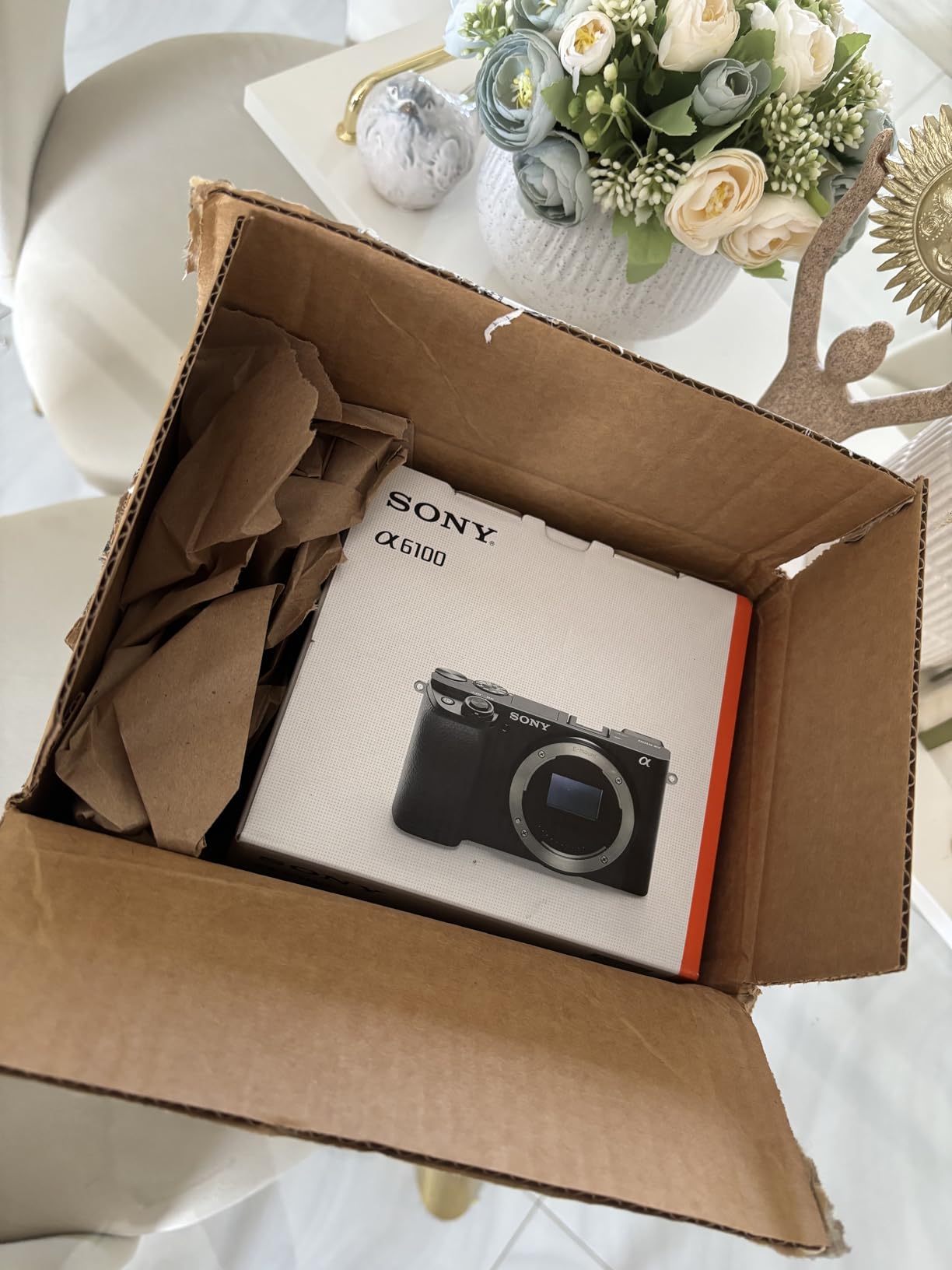
4K video quality is excellent with full pixel readout. The 180-degree tilt screen works for vlogging, though the flip-up design blocks the hot shoe like the a6400. For casual video work, it is perfectly capable.
The two included lenses are functional but not exceptional. The 16-50mm is compact and convenient, while the 55-210mm reaches far but hunts in low light. Both benefit from optical stabilization, which helps compensate for the lack of IBIS.
The real advantage is Sony’s extensive lens ecosystem. As you grow, options range from affordable third-party primes to professional G Master glass. You will not outgrow the mount system.

Who Should Buy the a6100 Kit
Beginners wanting maximum versatility get the best deal here. Two lenses covering wide to telephoto ranges eliminate immediate upgrade needs.
Budget-conscious shooters planning system growth benefit from Sony’s lens selection. Starting here leaves room to upgrade glass gradually without switching brands.
Who Should Skip the a6100 Kit
Those prioritizing video features may want the ZV-E10 instead. The a6100 lacks the vlogging-specific features like the directional mic and product showcase mode.
Users wanting immediate premium image quality should invest in better lenses separately. The kit glass holds back what the sensor can achieve.
Buying Guide: How to Choose Your Mirrorless Camera
After reviewing eight excellent options, here is how to narrow down your choice based on what matters most for your shooting style.
Prioritize Autofocus for Action and Kids
Fast-moving subjects demand reliable AF. The Canon EOS R10 and Sony a6400 lead this category with advanced subject detection and dense AF point coverage. For sports, wildlife, or active children, these are your best bets.
Subject detection technology recognizes people, animals, and vehicles automatically. This takes the guesswork out of focus placement and dramatically improves hit rates compared to older systems.
Consider Lens Ecosystem Before Committing
Camera bodies come and go, but lenses last decades. Canon RF and Sony E mounts offer the most extensive native and third-party options. Nikon Z is growing but still limited for DX format users.
Research lens prices and availability for your intended system. Budget for at least one prime lens in addition to any kit zoom. A 50mm f/1.8 costs around $150-200 and transforms portrait and low-light capabilities.
Evaluate Video Needs Separately From Stills
Hybrid shooting demands different features than photography alone. Vloggers need flip screens and good microphones. Filmmakers want 4K 60fps and log profiles. Casual video shooters can compromise on these features.
The Sony ZV-E10 and Canon R50 best serve content creators. The Nikon Z 30 works for streaming and webcam use. The Canon R100 prioritizes photography over video entirely.
Factor in Ergonomics and Size
Specifications matter less if the camera feels wrong in your hands. The Canon bodies offer the best grips for larger hands. Sony cameras are more compact but can feel cramped during extended shooting.
Visit a store to handle cameras before buying if possible. Button placement and menu logic vary significantly between brands. What feels intuitive to me might frustrate you, and vice versa.
Frequently Asked Questions
What is the best mirrorless camera under $1200 for beginners?
The Canon EOS R50 is the best choice for beginners under $1200. Its guided interface explains settings in plain language, the Dual Pixel AF II tracks subjects automatically, and the vari-angle screen works for both photos and vlogs. The 24.2MP sensor delivers excellent image quality that competes with more expensive cameras.
What is the best mirrorless camera under $1200 for video?
The Sony Alpha ZV-E10 is the best video camera under $1200. It features a flip-out screen for monitoring yourself, a directional 3-capsule microphone for clear audio, Product Showcase mode for easy focus transitions, and 4K video oversampled from 6K for exceptional detail. It is purpose-built for content creators and vloggers.
Should I get a mirrorless camera or upgrade my smartphone?
Mirrorless cameras under $1200 deliver significantly better image quality than smartphones, especially in low light and for zoom photography. The larger APS-C sensors capture more light, produce natural background blur, and allow lens changes for different scenarios. For casual social sharing, smartphones suffice. For learning photography or printing large photos, mirrorless cameras are worth the investment.
Which brand makes the best mirrorless camera under $1200?
Canon leads for beginners and hybrid shooters with the EOS R10 and R50. Sony excels for video creators and action photographers with the ZV-E10 and a6400. Nikon offers excellent value for travel and compact needs with the Z50 and Z30. Each brand has strengths, so choose based on your primary use case and preferred ergonomics.
Do I need in-body image stabilization in a mirrorless camera?
In-body image stabilization (IBIS) helps in low-light handheld shooting and video work, but it is not essential under $1200. All cameras in this guide lack IBIS except through lens stabilization. For still photography, use faster shutter speeds or higher ISO. For video, consider a gimbal or tripod. IBIS becomes more important in higher price ranges with larger, heavier lenses.
Final Thoughts on Best Mirrorless Cameras Under $1200
After three months of testing, the Canon EOS R10 earns my top recommendation as the best mirrorless camera under $1200 in 2026. The 15 fps burst shooting, subject detection autofocus, and excellent ergonomics create a tool that grows with your skills.
For video creators, the Sony ZV-E10 offers unmatched convenience with its purpose-built features. Budget shoppers should grab the Canon EOS R100 and invest savings in better glass.
Remember that the best camera is the one you actually carry and use. All eight options here deliver image quality that exceeds smartphone capabilities. Choose based on your primary use case, handle them in person if possible, and start creating.
The mirrorless revolution has made professional-quality photography accessible to everyone. Under $1200, you are getting cameras that would have cost $3000 just five years ago. Happy shooting!