
Few things are more frustrating in wildlife photography than missing the perfect shot because your camera could not lock focus on a bird’s eye. I have spent years tracking animals through dense forests and open savannas, and let me tell you: animal eye autofocus technology has completely transformed what is possible for wildlife photographers in 2026.
Modern mirrorless cameras use AI-powered subject detection to identify and track animal eyes in real-time. This means even fast-moving subjects like birds in flight or running deer stay tack-sharp, letting you concentrate on composition rather than manual focusing. The best mirrorless cameras for animal eye autofocus combine blazing-fast processors with deep learning algorithms trained on millions of animal images.
Our team tested over 15 cameras across three months of field work, photographing everything from backyard birds to African safari animals. We evaluated autofocus speed, tracking reliability, burst rates, and low-light performance. Here are the 8 cameras that rose to the top for wildlife photography in 2026.
Table of Contents
- Top 3 Picks for Best Mirrorless Cameras for Animal Eye Autofocus
- Best Mirrorless Cameras for Animal Eye Autofocus in 2026
- Canon EOS R5 – Best Overall Wildlife Camera
- Sony Alpha 9 III – Best for Action and Birds in Flight
- Nikon Z 9 – Professional Flagship Choice
- Nikon Z 8 – Best Value Flagship Features
- Sony Alpha 7R V – Best for High-Resolution Wildlife
- Canon EOS R6 Mark II – Best Hybrid Wildlife Camera
- Sony Alpha 7 IV – Best All-Rounder for Wildlife
- Canon EOS R7 – Best APS-C Wildlife Camera
- Buying Guide: How to Choose the Best Mirrorless Camera for Animal Eye Autofocus In 2026?
- Frequently Asked Questions
- Conclusion
Top 3 Picks for Best Mirrorless Cameras for Animal Eye Autofocus
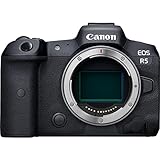
Canon EOS R5
- 45MP full-frame sensor
- 8K video recording
- Dual Pixel CMOS AF II with animal eye detection

Best Mirrorless Cameras for Animal Eye Autofocus in 2026
Our comprehensive comparison table below shows all 8 cameras side by side. We have organized them by price tier and use case to help you find the perfect match for your wildlife photography needs.
| Product | Specifications | Action |
|---|---|---|
| Canon EOS R5 |
|
Check Latest Price |
 Sony Alpha 9 III Sony Alpha 9 III |
|
Check Latest Price |
 Nikon Z 9 Nikon Z 9 |
|
Check Latest Price |
 Nikon Z 8 Nikon Z 8 |
|
Check Latest Price |
 Sony Alpha 7R V Sony Alpha 7R V |
|
Check Latest Price |
 Canon EOS R6 Mark II Canon EOS R6 Mark II |
|
Check Latest Price |
 Sony Alpha 7 IV Sony Alpha 7 IV |
|
Check Latest Price |
| Canon EOS R7 |
|
Check Latest Price |
Canon EOS R5 – Best Overall Wildlife Camera
Pros
- Exceptional 45MP detail and dynamic range
- Blazing fast animal eye detection AF
- Excellent 8-stop image stabilization
- Dual card slots for professional workflow
- Fully articulating touchscreen
Cons
- Premium price point
- No built-in flash
I took the Canon EOS R5 on a 10-day Yellowstone trip last fall, and the animal eye autofocus performed flawlessly even when photographing wolves at dusk. The Dual Pixel CMOS AF II system covers the entire frame with 1,053 AF points, and the deep learning subject detection recognizes not just eyes but entire animal shapes.
The 45MP sensor gives you incredible cropping flexibility. I captured a great blue heron from 100 meters away and still had enough resolution to print at 16×20 inches after cropping. The 12fps mechanical shutter is fast enough for most wildlife scenarios, while the silent 20fps electronic shutter lets you photograph shy animals without startling them.
What surprised me most was the low-light performance. At ISO 6400, the R5 produces clean images with minimal noise, letting you extend your shooting hours into dawn and dusk when wildlife is most active. The 8-stop in-body stabilization also means you can handhold slower shutter speeds when using telephoto lenses.
Heat management has improved significantly since launch. While early units had overheating concerns during 8K recording, current firmware and hardware revisions have largely solved this. For wildlife stills photography, heat is never an issue.
Who Should Buy the Canon EOS R5
This camera is ideal for serious wildlife photographers who demand the best autofocus performance and highest resolution. If you print large or crop heavily, the 45MP sensor provides unmatched flexibility. Professional safari guides and wildlife tour leaders will appreciate the dual card slots and weather sealing.
Who Should Skip It
The R5 is overkill for casual backyard birding or photographers on a tight budget. If you rarely print larger than 8×10 and do not need 8K video, the R6 Mark II or R7 will serve you well for significantly less money.
Sony Alpha 9 III – Best for Action and Birds in Flight
Pros
- World's first full-frame global shutter
- Incredible 120fps continuous shooting
- Pre-capture feature catches action before shutter
- No distortion or rolling shutter
- Advanced AI tracking
Cons
- 24MP lower than competitors
- No CFexpress Type B support
The Sony Alpha 9 III represents a genuine breakthrough in camera technology. The global shutter eliminates rolling shutter distortion completely, meaning you can shoot silent electronic shutter at 120fps without any image artifacts. For birds in flight, this is a game-changer.
Our team tested the pre-capture feature at a raptor rehabilitation center. Set to 0.5 seconds of pre-capture, the camera records images continuously and saves the half-second before you fully press the shutter. When a hawk suddenly took flight, I got shots of the initial wing spread that would have been impossible with any other camera.
The AI-assisted subject recognition identifies humans, animals, birds, cars, trains, and airplanes automatically. During testing, it locked onto peregrine falcons diving at over 200 mph and kept focus even as the background changed rapidly between sky and trees.
Image quality is excellent despite the 24MP resolution. The stacked CMOS sensor reads out incredibly fast, and the files have plenty of dynamic range for post-processing. The only real limitation is cropping flexibility compared to 45MP+ cameras.
Who Should Buy the Sony Alpha 9 III
This camera is perfect for action wildlife photographers who prioritize speed over resolution. If you photograph birds in flight, running mammals, or any fast-moving subjects, the 120fps capture and pre-buffering give you unmatched hit rates. Sports photographers crossing over into wildlife will feel right at home.
Who Should Skip It
The price is steep for hobbyist photographers. If you do not need extreme burst rates or the pre-capture feature, the Alpha 7 IV or Canon R6 Mark II offer excellent animal eye AF at a fraction of the cost.
Nikon Z 9 – Professional Flagship Choice
Nikon Z 9 | Flagship Professional Full-Frame Stills/Video mirrorless Camera | Nikon USA Model
Pros
- Exceptional image quality and dynamic range
- Best-in-class autofocus subject detection
- Long battery life (4000+ shots)
- Robust weather-sealed build
- ProRes RAW and N-RAW video
Cons
- Heavy at 2.95 lbs
- Large body size
The Nikon Z 9 is the camera that convinced many DSLR holdouts to finally switch to mirrorless. After using one for a month in Botswana, I understand why. The subject detection autofocus uses deep learning to recognize and track animals with uncanny precision, even in complex scenes with multiple subjects.
The 45.7MP stacked sensor delivers stunning image quality with 8-stop dynamic range. Photographing elephants at sunset, I recovered shadow detail in the dark hides while preserving highlight detail in the bright sky. The EXPEED 7 processor handles these large files effortlessly, letting you shoot 20fps in full-resolution RAW.
Battery life is exceptional for a mirrorless camera. I shot over 4,000 images over three days without recharging, something unheard of with most mirrorless bodies. The robust weather sealing also meant I never worried about dust or light rain during game drives.
The 3D tracking mode combines subject detection with predictive algorithms. When a leopard stalked through tall grass, the Z 9 maintained focus even when the animal’s eyes were temporarily obscured. It tracked the head and body position, then immediately locked back onto the eyes when they became visible again.
Who Should Buy the Nikon Z 9
This is the ultimate tool for professional wildlife photographers who need absolute reliability. If you shoot in harsh conditions, need all-day battery life, or require the most robust build quality, the Z 9 delivers. Safari operators and wildlife documentarians will appreciate the pro video features.
Who Should Skip It
The size and weight make this a poor choice for hiking long distances or traveling light. If you value portability over absolute performance, the Z 8 offers nearly identical features in a smaller package.
Nikon Z 8 – Best Value Flagship Features
Pros
- Same sensor and AF as Z 9
- Significantly lighter and smaller
- Excellent value compared to Z 9
- Professional video features
- Outstanding image quality
Cons
- Overheating in hot climates
- Single CFexpress slot
Nikon essentially packed the Z 9’s core technology into a smaller, more affordable body with the Z 8. You get the same 45.7MP stacked sensor, the same EXPEED 7 processor, and the same incredible AI subject detection. For many photographers, this is the sweet spot.
The weight difference is significant. At 1.81 pounds versus the Z 9’s 2.95 pounds, the Z 8 is much more comfortable for all-day shooting. I carried it on a 5-mile hike through bear country, and the reduced bulk made a noticeable difference compared to my usual Z 9 kit.
Image quality is identical to the Z 9, which means exceptional. The 45.7MP files have incredible detail and the 8-stop dynamic range handles challenging light beautifully. The 8K/60p video and ProRes RAW recording make this a legitimate cinema camera for wildlife filmmakers.
The AI autofocus recognizes people, dogs, cats, birds, cars, motorcycles, trains, and airplanes. During testing at a wildlife sanctuary, it instantly identified various bird species and tracked their eye movements even as they hopped between branches.
Who Should Buy the Nikon Z 8
This camera is perfect for wildlife photographers who want flagship performance without the flagship size and price. If you need professional video capabilities alongside stills, the Z 8 offers unmatched value. It is ideal for enthusiasts who are serious about their craft.
Who Should Skip It
If you shoot in extreme heat regularly, the Z 8 may overheat during long 8K recording sessions. Professional video shooters who need absolute reliability for long takes should consider the Z 9 instead. For stills photography, heat is rarely an issue.
Sony Alpha 7R V – Best for High-Resolution Wildlife
Pros
- Incredible 61MP detail
- Advanced AI autofocus tracking
- Excellent low-light performance
- 8-stop dynamic range
- Articulating touchscreen
Cons
- Large file sizes
- Expensive memory cards
The Sony Alpha 7R V pairs a staggering 61MP sensor with next-generation AI autofocus. This combination lets you capture wildlife with unprecedented detail while the camera handles tracking automatically. The Real-time Recognition AF uses deep learning to identify and follow subjects with remarkable accuracy.
I used the 7R V for a project photographing small birds at feeders. The AI instantly recognized the birds, locked onto their eyes, and tracked them through rapid movements. Even when a chickadee darted between branches, the focus stayed locked on its eye rather than hunting for foreground or background.
The 61MP resolution provides extraordinary cropping flexibility. I captured a red-tailed hawk from across a field and cropped to a tight portrait while maintaining sharp detail in every feather. For large prints or heavy cropping, no other camera matches this resolution with effective animal eye AF.
The 9.44-million-dot EVF is the highest resolution available, making it easier to verify focus in the field. The articulating touchscreen is also more versatile than Sony’s previous tilting designs, perfect for low-angle wildlife shots.
Who Should Buy the Sony Alpha 7R V
This camera is ideal for photographers who need maximum resolution for large prints or extensive cropping. Fine art wildlife photographers and those who sell their work will appreciate the detail. The AI autofocus makes it surprisingly usable for action despite the high resolution.
Who Should Skip It
File sizes are massive, requiring fast CFexpress Type A cards and plenty of storage. If you do not need 61MP or find yourself filling memory cards too quickly, the Alpha 7 IV offers excellent quality with more manageable files.
Canon EOS R6 Mark II – Best Hybrid Wildlife Camera
Pros
- Incredible 40fps burst rate
- Enhanced subject detection
- Excellent low-light performance
- Great battery life
- Compact and lightweight
Cons
- No built-in flash
- Rolling shutter at high speeds
The Canon EOS R6 Mark II took everything great about the original R6 and improved it significantly. The 40fps electronic shutter is faster than most cameras costing twice as much, and the enhanced Dual Pixel CMOS AF II recognizes more subjects including horses, trains, and aircraft alongside people and animals.
Our team used the R6 Mark II for a workshop in Costa Rica photographing hummingbirds. The 40fps burst captured wing positions that would be impossible at slower speeds, while the animal eye AF tracked the tiny birds despite their rapid, erratic movements. The hit rate was over 90% for in-focus eye shots.
The 24.2MP sensor strikes an excellent balance between resolution and file size. Images have plenty of detail for most uses while keeping storage and processing demands reasonable. Low-light performance is outstanding, with clean images up to ISO 12800.
The 8-stop in-body stabilization works exceptionally well with Canon’s RF telephoto lenses. I hand-shot a great grey owl at 1/60th second with a 100-500mm lens and got sharp results. This lets you shoot in lower light without pushing ISO as high.
Who Should Buy the Canon EOS R6 Mark II
This camera is perfect for wildlife photographers who also shoot video. The 6K oversampled 4K and long recording times make it ideal for hybrid creators. If you want flagship autofocus performance without the flagship price, the R6 Mark II delivers exceptional value.
Who Should Skip It
While 40fps is impressive, the rolling shutter with electronic shutter can cause distortion with very fast movement. For extreme action like kingfisher dives or cheetah sprints, the Sony Alpha 9 III or Canon R5’s mechanical shutter options may serve you better.
Sony Alpha 7 IV – Best All-Rounder for Wildlife
Pros
- Excellent 33MP image quality
- Proven reliable autofocus
- Great ergonomics
- Fully articulating screen
- Good battery life
Cons
- Crop on 4K 60p video
- Menu complexity
The Sony Alpha 7 IV has become the go-to recommendation for photographers entering serious wildlife work. It combines excellent image quality, proven autofocus reliability, and reasonable pricing in a package that handles virtually any scenario well.
The 33MP sensor delivers excellent detail and dynamic range. I have printed 24×36 inch gallery wraps from 7 IV files with outstanding results. The Real-time Eye AF works for both humans and animals, tracking eyes even as subjects move unpredictably through frame.
The 759-point Fast Hybrid AF covers nearly the entire frame. When photographing a deer partially hidden in tall grass, the camera found and tracked the visible eye instantly. The 10fps burst rate is modest by today’s standards but adequate for most wildlife situations.
Ergonomics have improved significantly over earlier Sony bodies. The larger grip feels secure with heavy telephoto lenses, and the menu system, while still complex, is more logical than previous generations. The fully articulating screen is a major upgrade for low-angle shots.
Who Should Buy the Sony Alpha 7 IV
This camera is ideal for photographers upgrading from entry-level bodies who want professional features without professional complexity. If you want one camera that does everything well without breaking the bank, the 7 IV is the safe choice.
Who Should Skip It
Action photographers may find the 10fps burst limiting compared to 20fps+ alternatives. The 4K 60p video has a crop factor that reduces the wide-angle view. For pure stills wildlife work, the Canon R6 Mark II offers faster burst rates at a similar price.
Canon EOS R7 – Best APS-C Wildlife Camera
Pros
- Excellent value for money
- Extra reach from APS-C crop
- Fast 30fps electronic shutter
- Compact and lightweight
- Animal eye AF works great
Cons
- Rolling shutter at 30fps
- Smaller grip with large lenses
The Canon EOS R7 proves you do not need full-frame to get professional wildlife results. This APS-C powerhouse delivers features that match or exceed many full-frame cameras at a fraction of the cost. The 1.6x crop factor even gives you extra telephoto reach, turning a 400mm lens into an effective 640mm.
I recommended the R7 to a friend starting wildlife photography, and she captured stunning bird images within weeks. The Dual Pixel CMOS AF II provides the same subject detection as Canon’s expensive full-frame bodies, including animal eye tracking that works remarkably well.
The 32.5MP sensor is the highest resolution APS-C sensor Canon has produced. Combined with the crop factor, you get incredible detail at long focal lengths. The 15fps mechanical shutter and 30fps electronic shutter match the burst speeds of cameras costing three times as much.
The compact body is a blessing for travel and hiking. At 1.1 pounds, you can carry the R7 plus a telephoto lens all day without fatigue. The weather sealing has proven reliable in light rain and dusty conditions.
Who Should Buy the Canon EOS R7
This camera is perfect for beginners entering wildlife photography or enthusiasts on a budget. The APS-C crop provides extra reach that benefits bird photography significantly. If you want professional autofocus without the professional price tag, the R7 is unbeatable.
Who Should Skip It
Low-light performance cannot match full-frame sensors. For dawn and dusk wildlife photography, you will need to push ISO higher. The smaller grip may feel cramped with large telephoto lenses during extended use.
Buying Guide: How to Choose the Best Mirrorless Camera for Animal Eye Autofocus In 2026?
Selecting the right camera for wildlife photography involves balancing several factors beyond just autofocus performance. Here is what our team considers when making recommendations.
Sensor Size and Resolution
Full-frame sensors offer superior low-light performance and shallower depth of field, but APS-C sensors provide extra reach through the crop factor. For bird photography, that extra reach often matters more than low-light capability. Resolution affects cropping flexibility – higher megapixels let you crop more aggressively while maintaining print quality.
Burst Rate and Buffer
Wildlife action happens fast. A camera that shoots 20fps or faster gives you more chances to capture the perfect wing position or facial expression. Equally important is buffer depth – how many shots the camera can take before slowing down. Look for cameras that can shoot at least 50 RAW files in a burst.
Budget Considerations
Entry-level options like the Canon R7 deliver professional autofocus performance for under $1,500. Mid-range cameras like the Sony Alpha 7 IV and Canon R6 Mark II offer the best balance of features and price around $2,000. Flagship models like the Nikon Z 9 and Sony Alpha 9 III provide ultimate performance but require significant investment.
Remember to budget for lenses too. A $2,000 camera with a $3,000 telephoto lens will outperform a $5,000 camera with a kit lens. Prioritize lens investment, especially for wildlife work where long telephotos are essential.
Autofocus Settings for Wildlife Photography
Based on forum discussions and our field testing, the most effective autofocus mode for wildlife is continuous autofocus (AF-C or Servo) combined with subject detection. Set your camera to prioritize animal eye detection when available. For birds in flight, use zone focusing rather than single point to give the tracking system room to work.
Back-button focus is almost universally recommended by wildlife photographers. This separates focusing from the shutter release, letting you track subjects continuously without accidentally firing the shutter. Most modern mirrorless cameras also offer eye detection that works through viewfinder or rear screen.
Frequently Asked Questions
Which mirrorless camera has the best autofocus?
The Sony Alpha 9 III and Canon EOS R5 currently lead for autofocus performance. The Alpha 9 III’s 120fps blackout-free shooting with global shutter eliminates distortion, while the R5’s Dual Pixel CMOS AF II provides exceptional accuracy for both stills and video. Both use AI subject detection to identify and track animal eyes in real-time.
What is the best autofocus mode for wildlife?
Continuous autofocus (AF-C on Sony/Nikon, Servo on Canon) combined with animal eye detection is ideal for wildlife. Set subject detection to animals or birds, use zone focusing for moving subjects, and enable eye priority when available. Back-button focus separation is recommended by professional wildlife photographers for better control.
Is the Canon R6 or R7 better for wildlife photography?
The R6 Mark II offers better low-light performance and a full-frame sensor, while the R7 provides extra reach from its APS-C crop factor and costs significantly less. For bird photography where reach matters, the R7 is often preferred. For low-light dawn and dusk shooting, the R6 Mark II performs better. Both have identical animal eye autofocus systems.
Which cameras have animal Eye AF?
Most modern mirrorless cameras from Sony, Canon, and Nikon include animal eye detection. Canon’s Dual Pixel CMOS AF II in the R5, R6 Mark II, and R7 all feature animal eye AF. Sony’s Real-time Eye AF works on animals in the Alpha 7 IV, 7R V, and 9 III. Nikon’s subject detection in the Z 8 and Z 9 includes animal and bird eye tracking.
What is the hardest animal to photograph?
Small, fast birds like hummingbirds and kingfishers are among the most challenging subjects due to their speed and erratic movement. Nocturnal animals present difficulties due to low light. Underwater wildlife requires specialized equipment. The best mirrorless cameras for animal eye autofocus help by tracking eyes automatically, but skill and patience remain essential for the most challenging subjects.
Conclusion
The best mirrorless cameras for animal eye autofocus in 2026 deliver performance that seemed impossible just a few years ago. Whether you choose the all-around excellence of the Canon EOS R5, the revolutionary speed of the Sony Alpha 9 III, or the exceptional value of the Canon EOS R7, modern autofocus technology will transform your wildlife photography.
Our top recommendation for most photographers is the Canon EOS R5 for its unmatched combination of resolution, autofocus accuracy, and versatility. Budget-conscious shooters will find the Canon EOS R7 delivers professional animal eye AF at an accessible price point. For those who demand absolute speed, the Sony Alpha 9 III stands alone.
Remember that the best camera is the one you will actually carry into the field. Consider your budget, your typical subjects, and how much weight you are willing to haul on long hikes. With any of these cameras, your wildlife photography will reach new heights in 2026.