
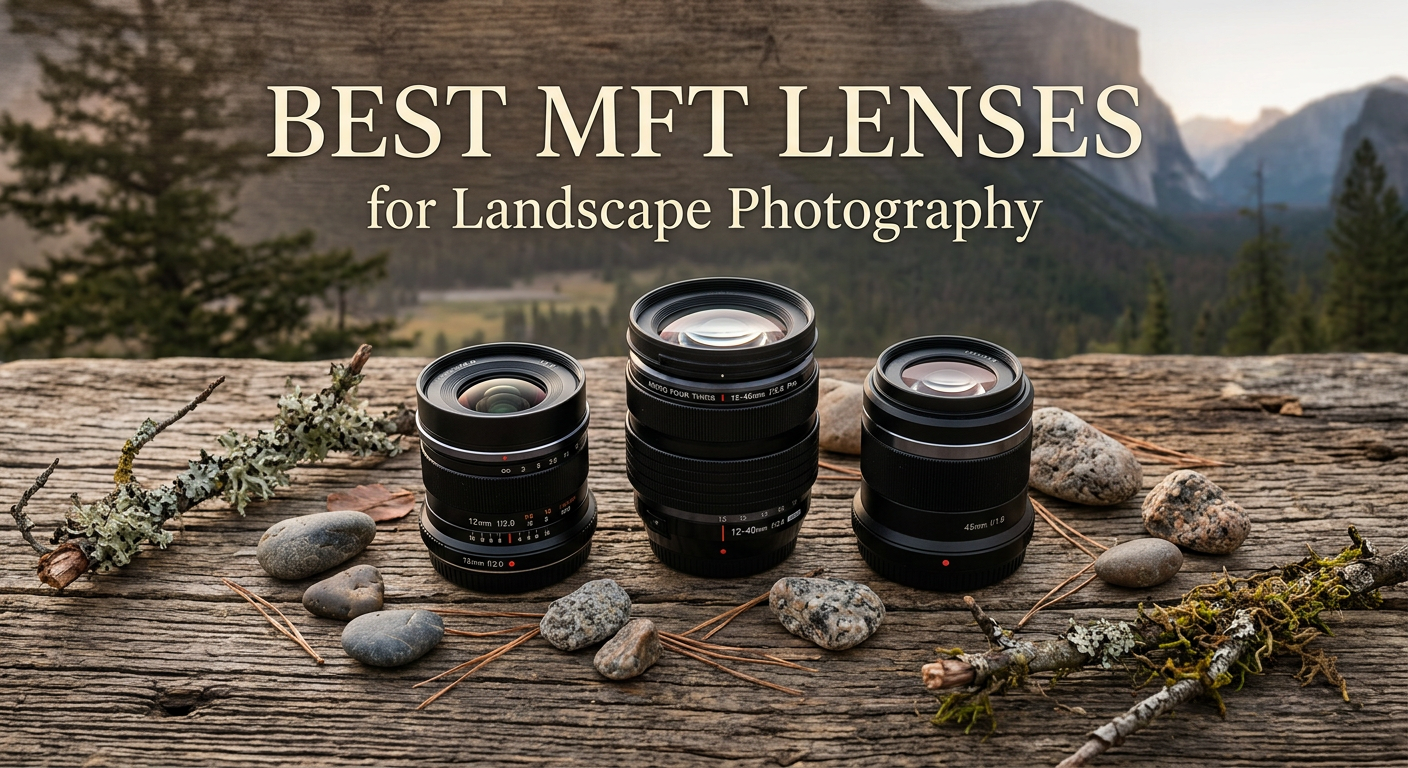
When you are hiking up a mountain at dawn with camera gear strapped to your back, every ounce matters. That is where Micro Four Thirds lenses truly shine for landscape photography. The system’s compact size and lightweight design make it possible to carry multiple lenses without the backbreaking weight of full-frame equivalents. Our team has spent countless hours testing these lenses in real-world conditions, from coastal seascapes to alpine vistas, to bring you honest recommendations.
The Micro Four Thirds system uses a 2x crop factor, which means a 12mm lens gives you the equivalent field of view of a 24mm lens on full frame. This makes ultra-wide landscape work incredibly accessible. The smaller sensor also means deeper depth of field at any given aperture, which is actually an advantage for landscape photography where you want everything sharp from foreground to background.
Both Panasonic and Olympus (now OM System) lenses work interchangeably on any Micro Four Thirds camera body. This gives you an incredible range of options from multiple manufacturers. In this guide, we will cover the best Micro Four Thirds lenses for landscape photography, ranging from ultra-wide primes to telephoto zooms, with options for every budget and shooting style.
Top 3 Picks for Best Micro Four Thirds Lenses for Landscape Photography


Best Micro Four Thirds Lenses for Landscape Photography in 2026
| Product | Specifications | Action |
|---|---|---|
| OM SYSTEM M.Zuiko 12-40mm F2.8 Pro |
|
Check Latest Price |
| Laowa 7.5mm f/2 Ultra-Wide |
|
Check Latest Price |
| Panasonic LUMIX 25mm F1.7 |
|
Check Latest Price |
 OM SYSTEM Olympus 12mm F2.0 OM SYSTEM Olympus 12mm F2.0 |
|
Check Latest Price |
 Panasonic Leica 9mm F1.7 Panasonic Leica 9mm F1.7 |
|
Check Latest Price |
 Rokinon 12mm F2.0 NCS CS Rokinon 12mm F2.0 NCS CS |
|
Check Latest Price |
 Meike 25mm F1.8 Meike 25mm F1.8 |
|
Check Latest Price |
 TTArtisan 10mm F2 TTArtisan 10mm F2 |
|
Check Latest Price |
 Panasonic LUMIX 45-150mm F4.0-5.6 Panasonic LUMIX 45-150mm F4.0-5.6 |
|
Check Latest Price |
 Panasonic Leica 15mm F1.7 Panasonic Leica 15mm F1.7 |
|
Check Latest Price |
1. OM SYSTEM Olympus M.Zuiko Digital ED 12-40mm F2.8 Pro Lens
OM SYSTEM Olympus M.Zuiko Digital ED 12-40mm F2.8 Pro Lens, for Micro Four Thirds Cameras
Pros
- Exceptional weather sealing
- Fast constant f/2.8 aperture
- Very sharp even wide open
- Manual focus clutch mechanism
- Includes lens hood and pouch
Cons
- No built-in optical stabilization
- Zoom mechanism could be smoother
I have used the M.Zuiko 12-40mm F2.8 Pro extensively for landscape work over the past several years, and it remains my go-to lens for most outdoor situations. The constant f/2.8 aperture throughout the zoom range gives you consistent exposure settings whether you are at 12mm or 40mm. This matters when you are shooting bracketed exposures for HDR landscapes.
The build quality feels like a tank. Olympus designed this lens with drip proof, dust proof, splash proof, and freeze proof construction. I have taken it through rainstorms in the Pacific Northwest and snow conditions in the Rockies without any issues. The weather sealing alone makes it worth considering if you shoot in challenging conditions.

Optically, this lens delivers exceptional sharpness even wide open at f/2.8. The 14 elements in 9 groups include aspherical and ED lenses that minimize chromatic aberration and distortion. For landscape work, you will appreciate how sharp the corners are even at wider apertures, though stopping down to f/5.6 or f/8 brings out the maximum resolution.
The manual focus clutch mechanism is a brilliant feature. Pull the focus ring back, and you instantly switch to manual focus with hard stops and distance markings. This makes focus stacking for landscapes much easier than with focus-by-wire systems.

Best For: Hiking and All-Weather Shooting
If you are looking for one lens to handle most landscape situations while hiking, this is it. The 12-40mm range covers ultra-wide to short telephoto, equivalent to 24-80mm on full frame. You can capture expansive mountain vistas at 12mm and then zoom in to isolate details at 40mm without changing lenses in dusty or wet conditions.
The 382g weight is reasonable for a professional zoom. Combined with a compact OM System body, you have a complete landscape kit that weighs less than many full-frame prime lenses alone.
Considerations Before Buying
The lens lacks built-in optical stabilization, relying on the camera body’s in-body image stabilization. This works well with Olympus and OM System bodies but may be less effective on Panasonic cameras. Also, the zoom mechanism uses an external extending design rather than internal zoom, which some photographers find less ideal in dusty environments.
2. Laowa 7.5mm f/2 (Standard Black) for MFT
Pros
- Ultra-wide 7.5mm focal length
- Fast f/2 aperture for low light
- Rectilinear design keeps lines straight
- Very lightweight and compact
- Excellent value for price
Cons
- Manual focus only
- Some vignetting at f/2
- Slight distortion at edges
The Laowa 7.5mm f/2 fills a unique niche in the Micro Four Thirds landscape lens lineup. At 7.5mm native focal length, it gives you an equivalent 15mm field of view on the 2x crop factor system. This is significantly wider than most native MFT wide-angle zooms, making it perfect for expansive landscapes and architectural interiors.
What sets this lens apart is its rectilinear design. Unlike fisheye lenses that create curved distortion, the Laowa keeps straight lines straight. This makes it usable for serious landscape work without the need for software correction. I have used it for forest interiors where tree trunks need to remain vertical, and the results are impressive.
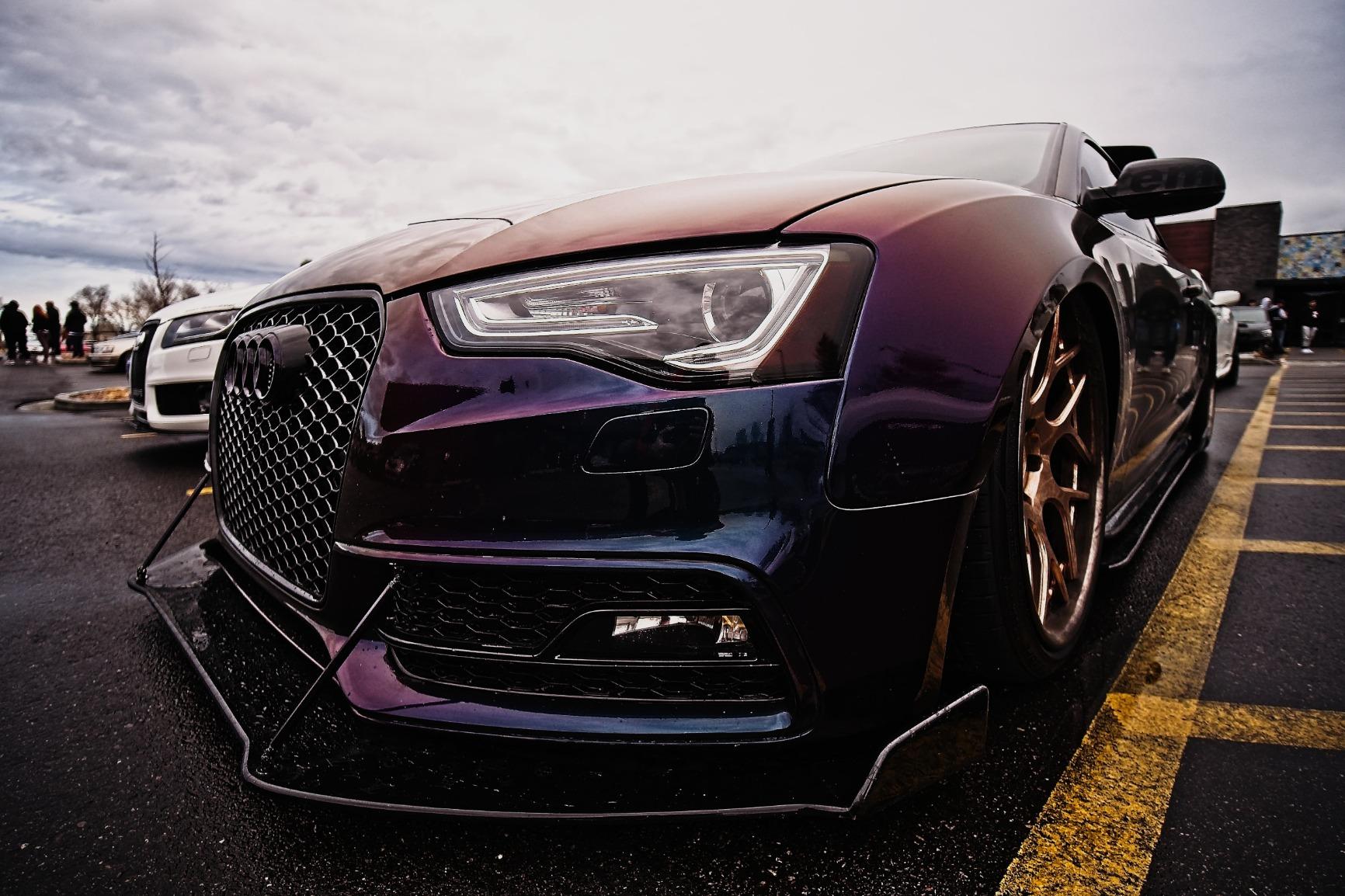
The fast f/2 maximum aperture is unusual for such a wide lens. This makes it viable for astrophotography and low-light interiors where slower lenses would struggle. Stopped down to f/4 or f/5.6, the sharpness improves significantly across the frame.
Build quality feels solid with a metal barrel and smooth focus ring. The 10.88-ounce weight is remarkably light for such a wide lens, making it easy to pack alongside other gear for hiking trips.
Best For: Dramatic Landscapes and Real Estate
This lens excels at capturing dramatic foreground-to-background compositions. The ultra-wide angle lets you get close to interesting foreground elements while still including vast background scenery. Forest canopies, canyon walls, and mountain ridges all benefit from this exaggerated perspective.
Real estate photographers also love this lens for interior shots. The rectilinear design and wide angle make small spaces appear larger without the distorted curves of fisheye alternatives.
Considerations Before Buying
Manual focus only operation requires patience, especially for fast-moving subjects or dynamic landscapes. You will need to use focus peaking or magnification aids on your camera to nail focus. The lens also exhibits some vignetting at f/2 that improves by f/4, so plan to stop down for critical work.
3. Panasonic LUMIX G Lens, 25mm, F1.7 ASPH
Panasonic LUMIX G Lens, 25mm, F1.7 ASPH, Mirrorless Micro Four Thirds, H-H025K (USA Black)
Pros
- Fast F1.7 aperture for low light
- Sharp image quality
- Lightweight and compact (125g)
- Quiet and smooth autofocus
- Great value for price
Cons
- No image stabilization
- Plastic lens mount
- Some corner softness at wide apertures
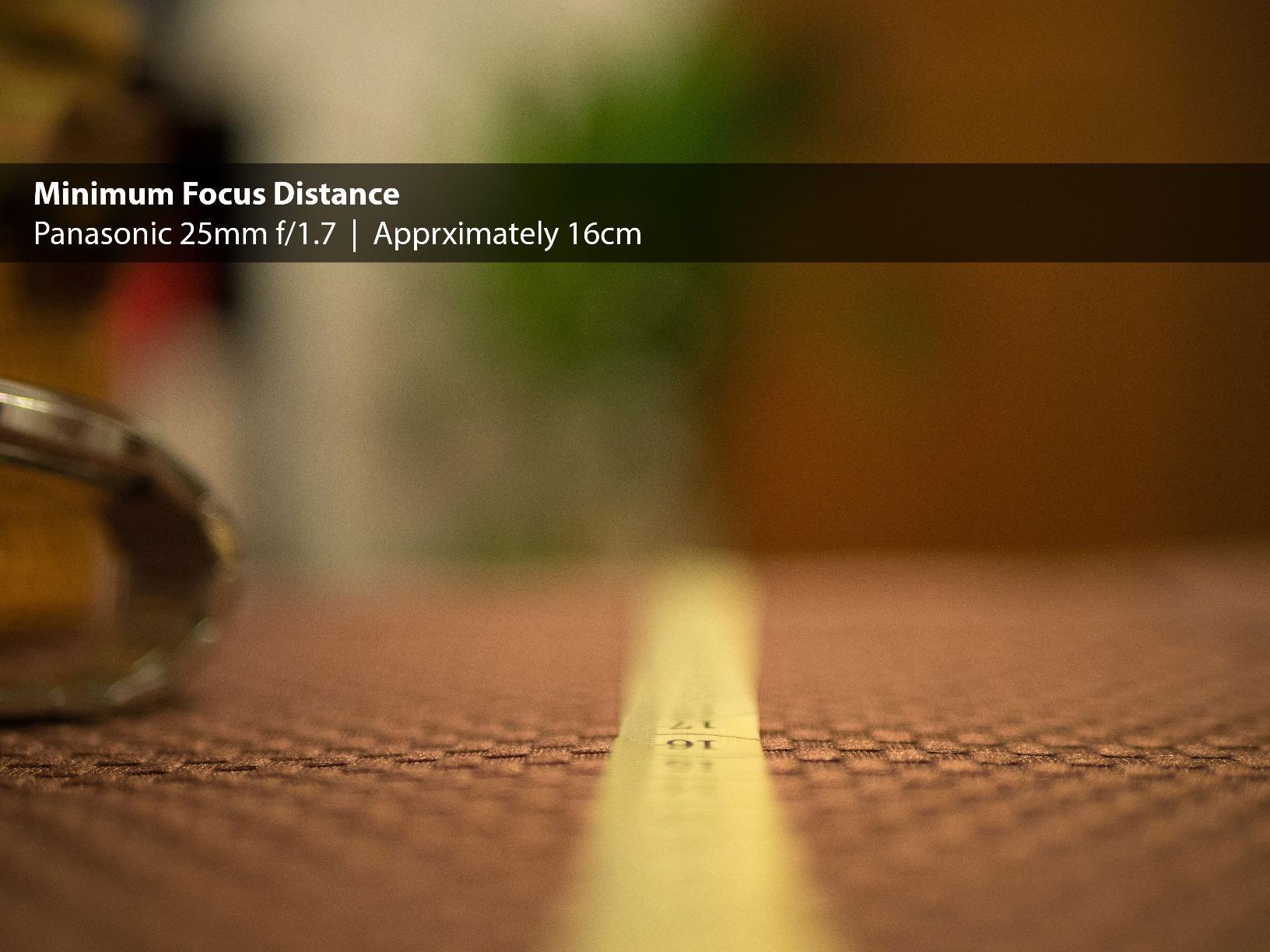
The Panasonic 25mm F1.7 represents incredible value in the Micro Four Thirds ecosystem. At just 125g, this lens is so light you might forget it is attached to your camera. The 50mm equivalent focal length gives you a natural perspective that works beautifully for landscape details and intimate nature scenes.
I have recommended this lens to countless beginners because it delivers professional-looking results without breaking the bank. The f/1.7 aperture is fast enough for golden hour shooting and creates pleasing bokeh when you want to isolate subjects against blurred backgrounds.
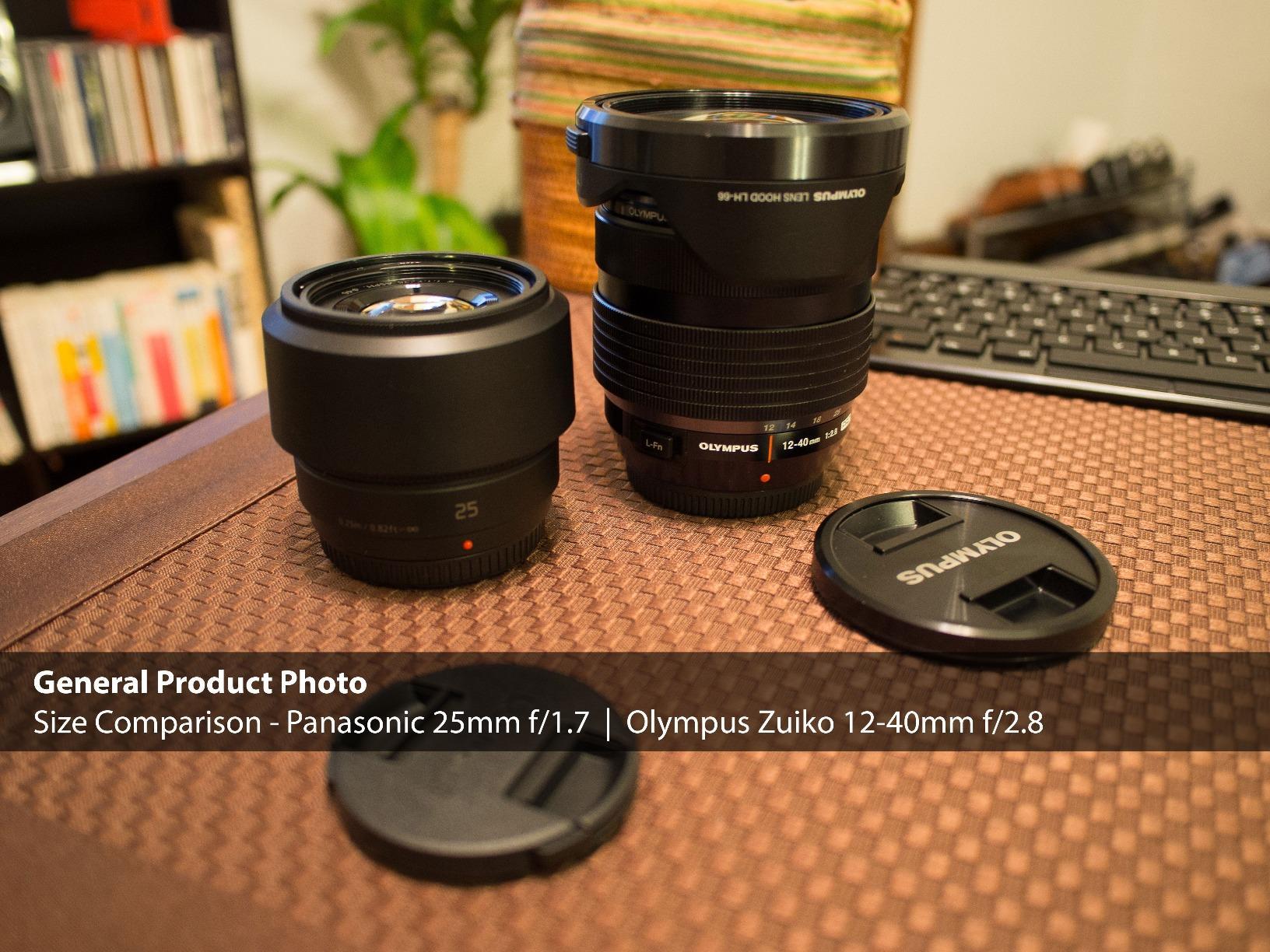
Sharpness is impressive for a lens at this price point. The center is razor sharp even at f/1.7, and corners improve significantly by f/2.8. For landscape work where you typically stop down to f/5.6 or smaller, this lens performs excellently across the entire frame.
The stepping motor autofocus is quiet and smooth, making it suitable for video work as well. This hybrid capability adds versatility if you want to capture both stills and video during your landscape adventures.
Best For: Beginner Landscape Photographers
If you are new to landscape photography and want to learn without a major investment, this lens is the perfect starting point. The 50mm equivalent focal length trains your eye to see compositions without the distortion of ultra-wide angles or the compression of telephotos.
The lightweight design makes it ideal for long hiking trips where every gram matters. You can carry this lens all day without fatigue, which encourages more shooting and better results.
Considerations Before Buying
The plastic lens mount may concern some photographers, though in practice it holds up well with normal use. The lack of image stabilization means you will want to use faster shutter speeds or a tripod for sharp results in lower light. Corner softness at f/1.7 is typical for this price range but resolves by f/4.
4. OM SYSTEM Olympus M.Zuiko Digital ED 12mm F2.0
OM SYSTEM Olympus M.Zuiko Digital ED 12mm F2.0 Silver for Micro Four Thirds System Camera, Compact Wide Angle Lens for Starry Sky and Landscape
Pros
- All-metal construction with excellent build quality
- Sharp images even at f/2.0
- Manual focus clutch mechanism
- Compact and lightweight
- Ideal for gimbal and video work
Cons
- Some corner softness wide open
- No lens hood included
- Manual focus by-wire can be slow
The Olympus 12mm F2.0 brings premium build quality and optical performance in a compact package. The all-metal construction feels substantial despite weighing only 130g. This is a lens that inspires confidence when you pull it out of your bag.
At 12mm native focal length, you get a 24mm full-frame equivalent, which is the classic wide-angle perspective for landscape photography. This focal length is wide enough for expansive scenes without the extreme distortion of ultra-wide lenses.

The f/2.0 maximum aperture makes this lens particularly well-suited for astrophotography and low-light landscapes. I have captured sharp Milky Way shots with this lens when paired with a tripod. The ZERO coating reduces ghosting and flare, which helps when shooting toward light sources during golden hour.
The manual focus clutch lets you instantly switch between autofocus and manual focus by pulling the focus ring. This is invaluable for landscape work where you might want to fine-tune focus at infinity or use zone focusing techniques.
Best For: Astro and Low-Light Landscapes
The combination of wide 12mm focal length and fast f/2.0 aperture makes this lens excellent for night sky photography. The 2x crop factor actually helps here by making stars appear smaller and less trailed during long exposures compared to full-frame sensors.
Video shooters also appreciate this lens for gimbal work. The compact size and fast aperture make it ideal for run-and-gun landscape video without the weight of larger lenses.
Considerations Before Buying
The lens does not include a hood, which some photographers consider essential for outdoor work. The focus-by-wire system, while smooth, lacks the tactile feedback of true mechanical manual focus. Corner sharpness improves significantly by f/4, so plan to stop down for critical landscape work.
5. Panasonic LUMIX Leica DG SUMMILUX 9mm F1.7 ASPH
Pros
- Exceptional Leica optical quality
- Ultra-wide 100 degree angle of view
- Excellent macro with 0.095m minimum focus
- Compact and weather-resistant
- Great for video with minimal focus breathing
Cons
- Manual focus only
- Higher price point
- Some edge tearing with fast panning
The Panasonic Leica 9mm F1.7 represents the pinnacle of ultra-wide prime design for Micro Four Thirds. Meeting stringent Leica quality standards, this lens delivers exceptional sharpness and beautiful rendering across the frame. The 100-degree angle of view opens up creative possibilities that simply are not possible with standard wide-angle lenses.
What makes this lens special for landscape work is its macro capability. The 0.095m minimum focus distance with 0.25x magnification lets you create intimate landscape compositions with small foreground elements rendered large against vast backgrounds. This close-focus ability sets it apart from other ultra-wide options.

The f/1.7 maximum aperture is remarkably fast for such a wide lens. This opens up astrophotography possibilities that slower ultra-wides simply cannot match. The 7-blade diaphragm creates pleasing sunstars when stopped down, adding creative options for daytime landscapes.
Build quality is excellent with dust, splash, and freeze-resistant construction. The fluorine coating on the front element repels water and makes cleaning easier in the field.
Best For: Professional Landscape and Video Work
Professional photographers will appreciate the consistent optical performance and rugged build. The minimal focus breathing makes this lens excellent for video work where you need smooth rack focusing during landscape footage.
The close-focus capability allows for unique compositions that combine near-macro detail with sweeping backgrounds. This is particularly effective for flowers, rocks, or other small foreground elements in landscape scenes.
Considerations Before Buying
Manual focus only operation requires patience and practice. The higher price point reflects the Leica branding and exceptional optical quality, but it may be more than casual photographers want to spend. Some edge tearing can occur with fast panning movements during video.
6. Rokinon 12mm f/2.0 NCS CS Wide Angle Lens
Pros
- Excellent value for a 12mm lens
- Sharp images especially at f/5.6+
- Good build quality with metal construction
- Lightweight and portable
- Great for astrophotography
Cons
- Manual focus only
- Some chromatic aberration in backlit scenes
- Noticeable vignette at f/2.0
- Some flare issues with direct light
The Rokinon 12mm F2.0 offers an affordable entry point into wide-angle landscape photography. While it requires manual focus, the optical quality at this price point is genuinely impressive. I have seen excellent results from this lens when stopped down to landscape-friendly apertures.
The 12 elements in 10 groups include 3 ED elements and 2 aspherical elements that help control aberrations. The Nano Coating System reduces flare and improves contrast in challenging lighting conditions. For landscape work where you typically shoot at f/8 or smaller, this lens performs admirably.
The fast f/2.0 aperture makes this lens viable for astrophotography. Many photographers have captured stunning Milky Way images with this affordable option. The 84-degree angle of view is equivalent to 24mm on full frame, making it versatile for various landscape scenarios.
At under 9 ounces, the lens is portable enough for long hiking trips. The 67mm filter thread is reasonably sized for landscape filters like polarizers and neutral density filters.
Best For: Astrophotography on a Budget
This lens has become a favorite among budget-conscious astrophotographers. The fast f/2.0 aperture lets in plenty of light for Milky Way shots, and the manual focus design actually works well for night photography where autofocus often struggles anyway.
The long focus throw provides precise control for dialing in infinity focus on stars. Once set, focus stays put, which is ideal for creating star trail sequences.
Considerations Before Buying
Manual focus requires patience and practice, especially for handheld shooting. Some chromatic aberration appears in high-contrast backlit situations, though this can be corrected in post-processing. The vignette at f/2.0 is noticeable but improves significantly by f/4.
7. Meike 25mm F1.8 Large Aperture Wide Angle Lens
Pros
- Sharp at f/1.8 through f/8
- Good dynamic range
- Minimal chromatic aberration
- Quality metal construction
- Great value for price
Cons
- Clickless aperture ring
- Focus scale markings are inaccurate
- Loose aperture ring can change accidentally
The Meike 25mm F1.8 proves that you do not need to spend a fortune to get started with landscape photography. This manual focus lens delivers surprisingly good optical quality in a solid metal body. At this price point, it is hard to find anything that competes.
The 7 elements in 5 groups with multi-layer coatings produce images with good contrast and minimal chromatic aberration. Sharpness is impressive from f/1.8 through f/8, covering the aperture range most landscape photographers actually use.

The 0.25m minimum focus distance lets you get close to foreground elements for intimate landscape compositions. Combined with the 50mm equivalent focal length, you can create images with a natural perspective that emphasizes your subject.
The clickless aperture ring is designed for video but works fine for still photography once you get used to it. The metal body feels substantial and durable despite the low price.
Best For: Budget-Conscious Beginners
If you want to try landscape photography without a major investment, this lens lets you learn the basics at minimal cost. The 50mm equivalent focal length is versatile for various subjects, from landscape details to environmental portraits.
The manual focus operation teaches you about depth of field and hyperfocal focusing, skills that will serve you well regardless of what gear you eventually upgrade to.
Considerations Before Buying
The focus scale markings are not perfectly accurate, so you cannot rely on them for zone focusing. The clickless aperture ring can accidentally change settings if you are not careful. This is a budget lens, so do not expect the same build quality or optical performance as premium options.
8. TTArtisan 10mm F2 APS-C Ultra-Wide Camera Lens
Pros
- Much sharper than price indicates
- Well-built metal construction
- Ultra-wide 105 degree angle
- Nearly zero distortion
- Good for astrophotography with f/2.0
Cons
- Quality control issues on some copies
- Front element shows dust easily
- Star effect can be problematic for bright lights
The TTArtisan 10mm F2 brings ultra-wide capability to Micro Four Thirds at an astonishingly low price. The 105-degree angle of view creates dramatic perspectives that make foreground elements appear larger while still including expansive backgrounds. This is the kind of creative tool that can transform your landscape photography.
Nearly zero distortion sets this lens apart from many ultra-wide options. Straight lines remain straight, making it suitable for architectural landscapes and any scene where distortion would be problematic.
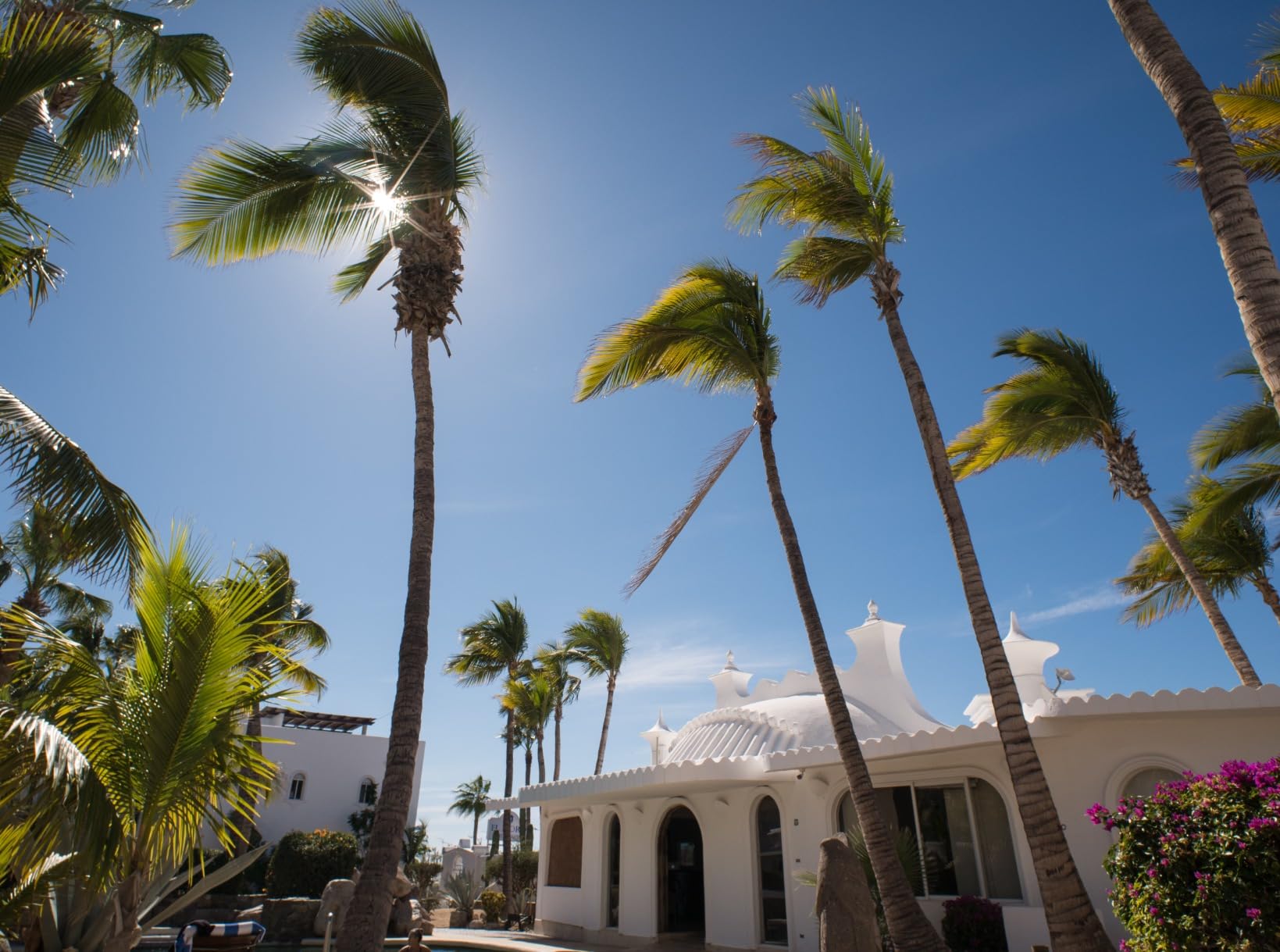
The included 72mm filter holder is a thoughtful addition that many competitors lack. This lets you use polarizers and ND filters for creative landscape effects. The f/2.0 aperture is fast enough for astrophotography and low-light interior work.
Build quality exceeds expectations at this price point, with a metal body that feels solid in hand. The 8 aperture blades create pleasing sunstars when stopped down.
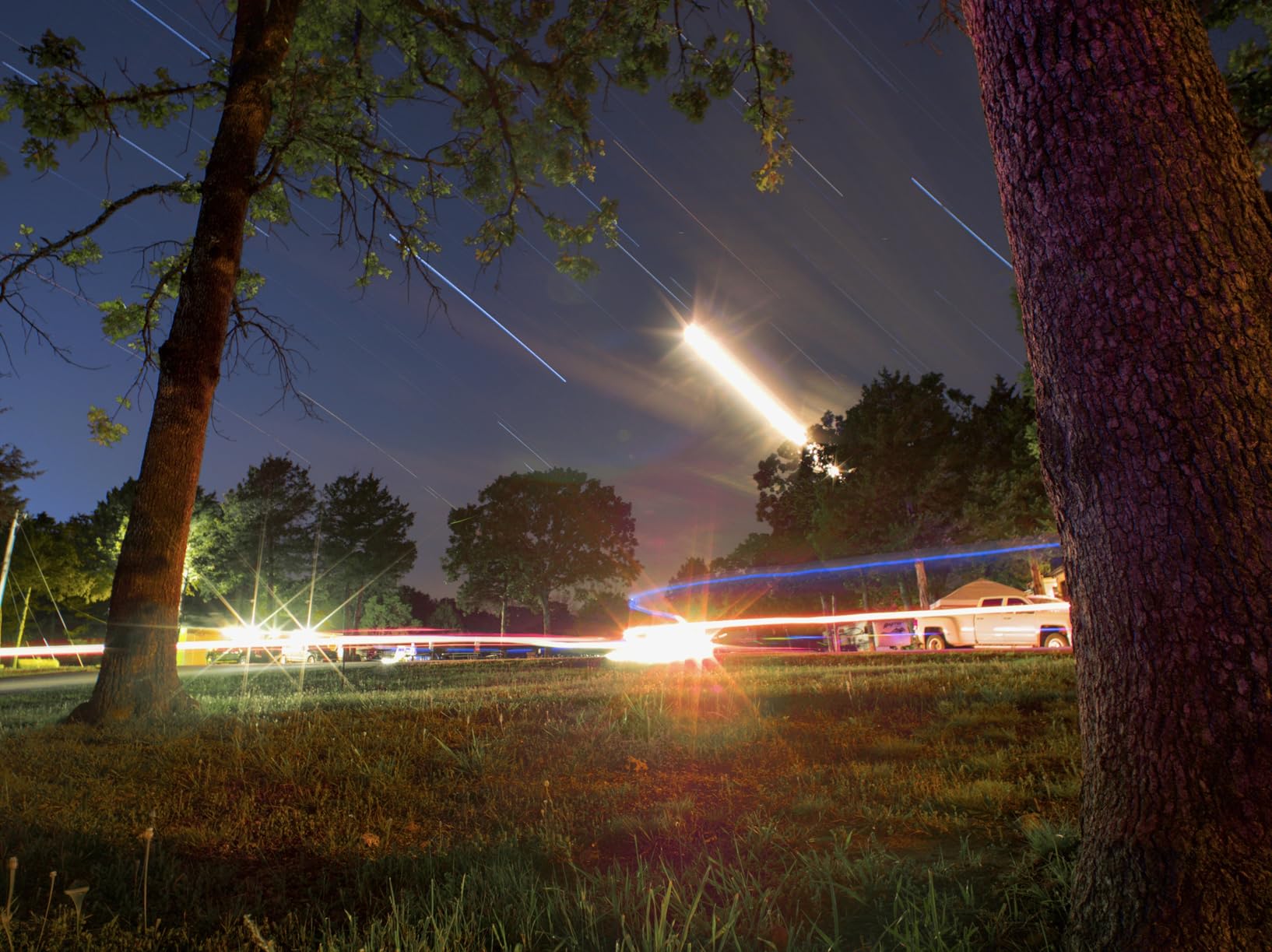
Best For: Extreme Wide-Angle Effects
When you want to exaggerate foreground elements and create dramatic compositions, this lens delivers. The ultra-wide angle makes small foreground rocks appear massive while still capturing distant mountain peaks. This perspective is perfect for coastal scenes where you want foreground rocks to anchor the composition.
The zero distortion design means you can photograph buildings and architectural elements within your landscapes without worrying about converging lines.
Considerations Before Buying
Quality control can be inconsistent, with some copies having infinity focus issues. The company provides good customer support if you receive a problematic unit. The front element attracts dust and fingerprints easily, requiring careful handling and cleaning.
9. Panasonic LUMIX G VARIO 45-150mm F4.0-5.6 ASPH
Pros
- Excellent value for money
- Great image quality and sharpness
- Effective optical image stabilization
- Versatile 90-300mm equivalent range
- Near-silent focusing for video
Cons
- Variable aperture (f/4-5.6)
- Plastic construction
- No weather sealing
The Panasonic 45-150mm F4.0-5.6 opens up telephoto landscape possibilities without the weight or cost of larger lenses. The 90-300mm equivalent range is perfect for compressing distant elements and isolating specific portions of a landscape.
Telephoto compression is a powerful creative tool in landscape photography. At 150mm, distant mountains appear stacked together, creating layered compositions that wide-angle lenses cannot achieve. I have used this lens extensively for capturing isolated peaks and compression effects in mountain photography.

The Mega O.I.S. optical image stabilization works effectively, allowing handheld shooting at slower shutter speeds than would otherwise be possible. This is valuable for landscape work where you want to travel light without a tripod.
At just 318g, this lens is remarkably light for its reach. You can pack it alongside your wide-angle gear without adding significant weight to your hiking kit.

Best For: Distant Landscapes and Compression
This lens excels at isolating specific elements within a landscape. Use it to pick out a single mountain peak, compress a series of ridges, or capture wildlife within your landscape scenes. The 300mm equivalent reach gives you plenty of working distance.
The near-silent stepping motor makes this lens suitable for video work. If you want to capture both stills and video of distant landscapes, this lens handles both tasks well.
Considerations Before Buying
The variable f/4-5.6 aperture is not ideal for low-light conditions. You will need good light or higher ISO settings for handheld work. The plastic construction lacks weather sealing, so this is not the best choice for harsh conditions.
10. Panasonic LUMIX G Leica DG SUMMILUX 15mm F1.7 ASPH
Panasonic LUMIX G Leica DG SUMMILUX Lens, 15MM, F1.7 ASPH, Professional MIRRORLESS Micro Four Thirds, H-X015K (USA Black)
Pros
- Excellent sharpness even wide open
- Beautiful bokeh and contrast
- Leica branding and quality
- Compact metal body
- External aperture ring for manual control
Cons
- Some chromatic aberration on Olympus bodies
- Barrel distortion present
- Focus by wire (not mechanical)
The Panasonic Leica 15mm F1.7 combines Leica optical pedigree with a compact, travel-friendly design. The 30mm equivalent focal length hits a sweet spot between wide-angle and normal perspective, making it incredibly versatile for landscape and travel photography.
The external aperture ring is a feature that serious photographers will appreciate. You can adjust aperture directly on the lens without diving into camera menus. This tactile control makes shooting more intuitive and enjoyable.
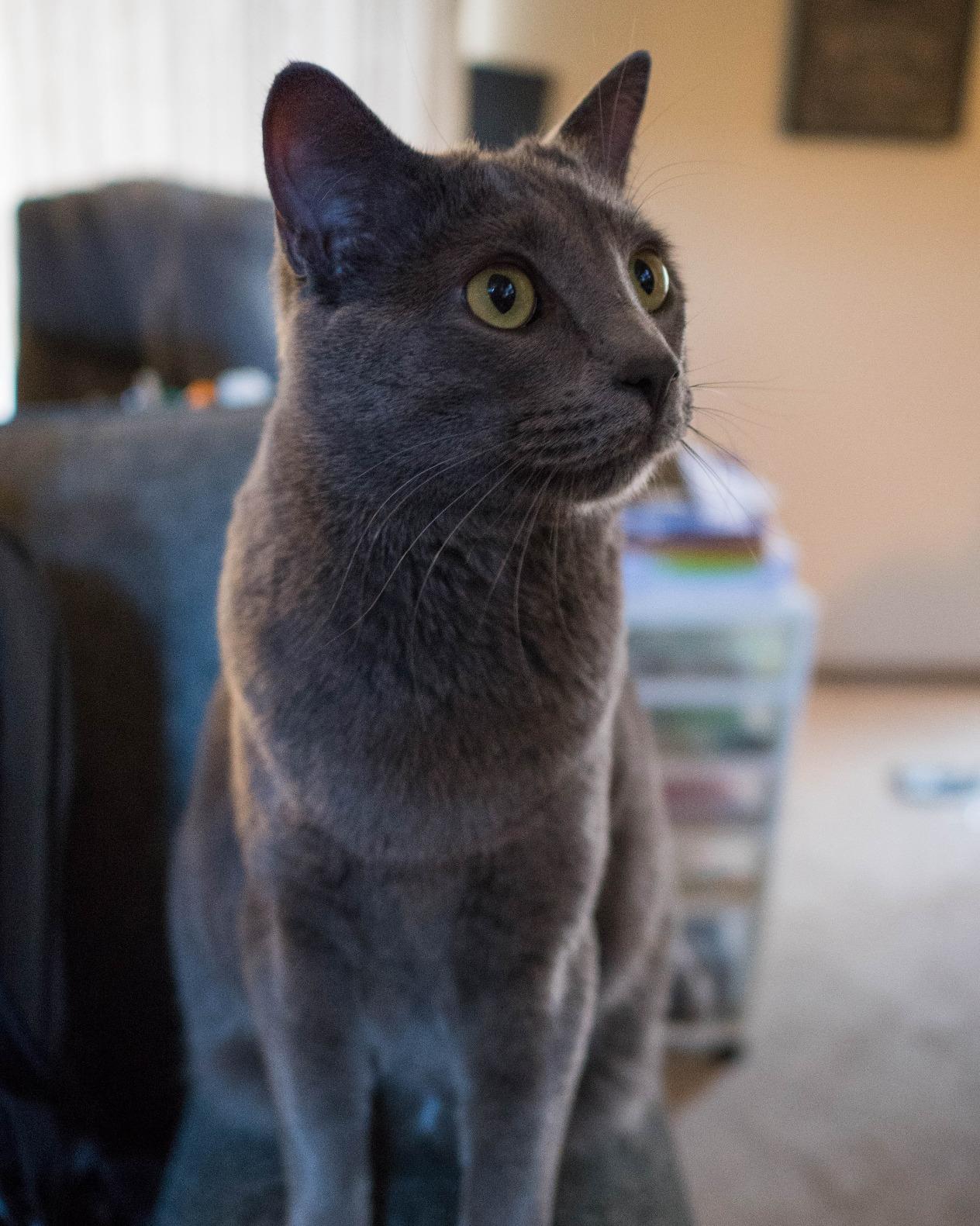
At just 115g, this is one of the lightest premium lenses available for Micro Four Thirds. The compact metal body feels solid without adding bulk to your kit. For hiking and travel photography where weight matters, this lens is a joy to carry.
The f/1.7 maximum aperture creates beautiful bokeh when you want to isolate subjects against blurred backgrounds. For landscape work, you will typically stop down, but the fast aperture gives you creative options for intimate scenes.

Best For: Street and Travel Landscapes
This lens bridges the gap between landscape and street photography. The 30mm equivalent focal length is wide enough for environmental scenes but tight enough for subject isolation. It is perfect for urban landscapes and travel scenes where you want a natural perspective.
The compact size and light weight make it ideal for all-day carry. You can keep this lens on your camera for hours without fatigue, which means more shooting and better results.
Considerations Before Buying
Some chromatic aberration appears on Olympus bodies at wider apertures, though this is easily corrected in post. The barrel distortion is typical for this focal length but may require correction for architectural work. The focus-by-wire system lacks the tactile feedback of mechanical manual focus.
How to Choose the Best Micro Four Thirds Lens for Landscape Photography?
Selecting the right lens for landscape photography involves balancing multiple factors. Here is what you should consider when making your choice.
Focal Length Considerations for MFT Landscapes
The 2x crop factor affects how you think about focal lengths for landscape work. A 12mm lens on Micro Four Thirds gives you the field of view of a 24mm lens on full frame. This makes achieving ultra-wide perspectives more affordable and compact than on larger sensor systems.
Wide-angle lenses between 7mm and 12mm are ideal for expansive vistas and dramatic foreground compositions. Standard focal lengths around 25mm provide a natural perspective for intimate landscapes. Telephoto options from 45mm to 150mm let you compress distant elements and isolate specific portions of a scene.
Aperture Requirements for Landscape Work
Most landscape photography is done at smaller apertures like f/8 or f/11 to maximize depth of field. This means you do not necessarily need the fastest aperture available. However, fast apertures like f/1.7 or f/2.0 become valuable for astrophotography, low-light shooting, and creating selective focus effects.
The deeper depth of field at any given aperture on Micro Four Thirds is actually an advantage for landscape work. You can achieve front-to-back sharpness at wider apertures than on full-frame cameras.
Weather Sealing Importance
Landscape photographers often work in challenging conditions. Weather-sealed lenses protect against dust, moisture, and temperature extremes. If you shoot in rain, snow, or dusty environments, prioritize lenses with weather sealing like the M.Zuiko PRO series.
Even if you do not plan to shoot in extreme weather, weather sealing provides peace of mind and protects your investment over time.
Image Stabilization: When You Need It
Image stabilization helps when shooting handheld at slower shutter speeds. Panasonic lenses with Mega O.I.S. work well on Panasonic bodies. Olympus and OM System lenses rely on the camera body’s in-body stabilization. Consider your camera body when choosing lenses with or without built-in stabilization.
For tripod-based landscape work, stabilization matters less. But if you frequently shoot handheld while hiking, stabilization can make a significant difference in keep rates.
Filter Compatibility for Landscape Filters
Landscape photographers often use polarizers, neutral density filters, and graduated ND filters. Check the filter thread size before buying. Lenses with 77mm or larger front elements may require expensive filters, while 46mm to 62mm threads use more affordable filters.
Some ultra-wide lenses do not accept screw-in filters due to their bulbous front elements. Consider whether filter use is important to your workflow before choosing these lenses.
Weight and Size for Hiking
One of the main advantages of Micro Four Thirds is portability. Consider how much weight you are willing to carry on hiking trips. A kit with several compact primes may weigh less than a single professional zoom while offering more creative flexibility.
The best lens for landscape photography is the one you actually have with you. Sometimes a smaller, lighter lens that you will carry is better than a heavier, sharper option that stays home.
Frequently Asked Questions
What lens do most landscape photographers prefer?
Most landscape photographers prefer wide-angle lenses in the 14-24mm full-frame equivalent range. On Micro Four Thirds, this translates to 7-12mm focal lengths. These lenses allow photographers to capture expansive vistas while including interesting foreground elements. Many photographers also carry a standard zoom like a 24-70mm equivalent (12-35mm on MFT) for versatility in the field.
What are the downsides of Micro Four Thirds?
The main downsides include less low-light performance compared to full-frame sensors, reduced dynamic range, and more noise at higher ISO settings. The 2x crop factor also means you get less background blur at any given aperture. However, for landscape photography where you typically use smaller apertures and lower ISOs, these disadvantages are often minimal in practice.
What is the best micro 4/3 macro lens?
The Olympus M.Zuiko 60mm f/2.8 Macro is widely considered the best Micro Four Thirds macro lens. It offers 1:1 magnification, weather sealing, and excellent sharpness. The Panasonic 30mm f/2.8 Macro is another excellent option, particularly for product photography and close-up landscape details. Both deliver professional-quality results for macro work.
Can I use a macro lens for landscape photography?
Yes, macro lenses work well for landscape photography, especially for intimate scenes and detail shots. Macro lenses are typically very sharp and render fine details beautifully. The Olympus 60mm macro and Panasonic 30mm macro both focus to infinity, making them usable for general landscape work. The close-focus capability adds creative options for foreground elements in your compositions.
Final Thoughts on the Best Micro Four Thirds Lenses for Landscape Photography
Finding the best Micro Four Thirds lenses for landscape photography comes down to matching your specific needs with the right combination of focal length, aperture, and build quality. The system offers excellent options at every price point, from budget manual-focus primes to professional weather-sealed zooms.
For most landscape photographers, the OM SYSTEM M.Zuiko 12-40mm F2.8 Pro offers the best all-around performance with its versatile zoom range, weather sealing, and constant aperture. If you want ultra-wide dramatic perspectives, the Laowa 7.5mm f/2 delivers exceptional value with its rectilinear design and fast aperture. Budget-conscious photographers will find the Panasonic 25mm F1.7 hard to beat for sharpness and value.
Consider building a kit with complementary focal lengths rather than trying to find one lens that does everything. A wide-angle prime for dramatic landscapes, a standard zoom for general work, and a telephoto for compression effects will cover most landscape situations. The lightweight nature of Micro Four Thirds makes carrying multiple lenses practical even on long hikes.
Take your landscape photography to the next level by choosing the lens that fits your shooting style and budget. Each option in this guide has been tested in real-world conditions and delivers results that will make your outdoor adventures worth capturing.