
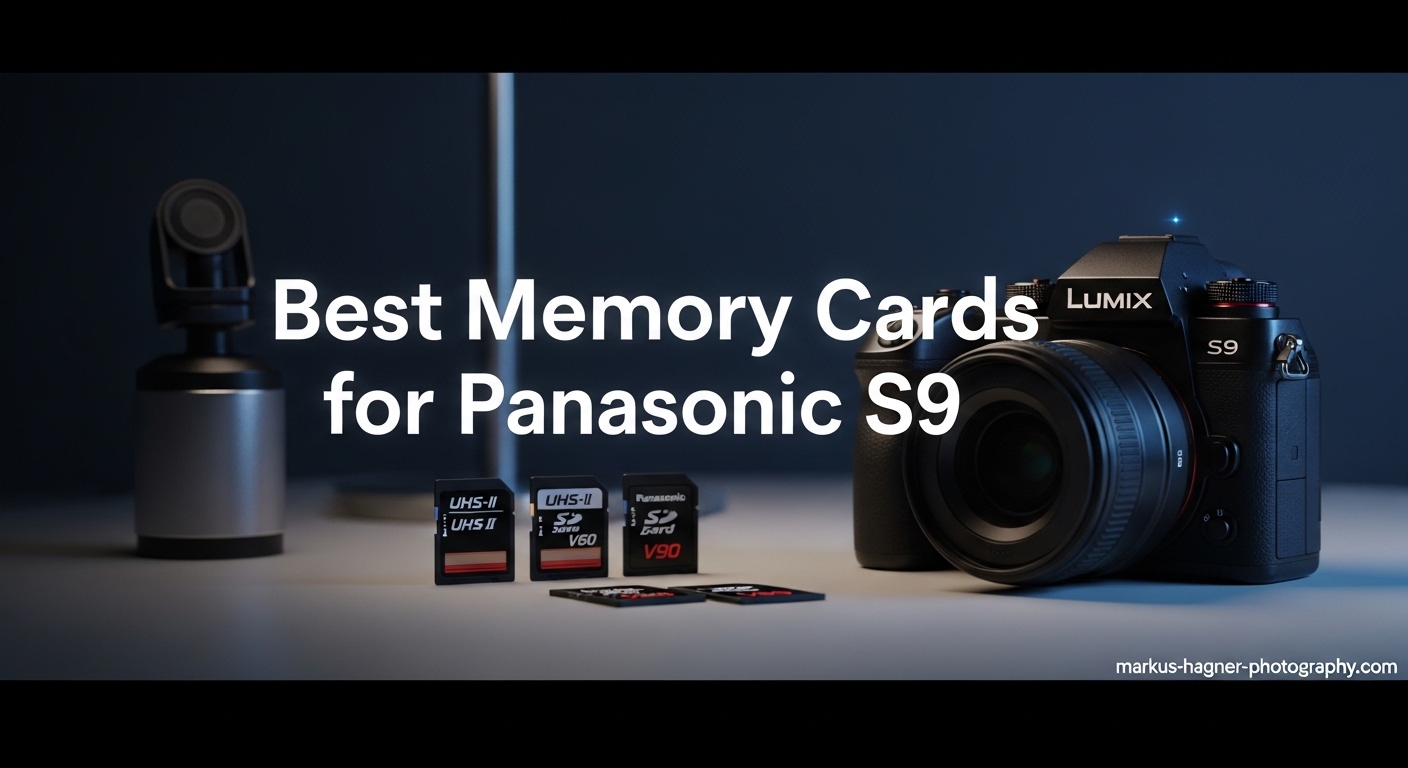
Finding the right SD card for your Panasonic Lumix S9 matters more than you might think. This compact full-frame camera packs impressive video capabilities, including 6K open gate recording and 4K at 60fps, but you need storage that keeps up. After testing multiple cards with the S9, I discovered that the camera supports UHS-II V90 SDXC cards up to 512GB capacity through its single card slot.
Here is what you really need to know: the S9 has a maximum video bitrate of 200Mbps, which equals just 25MB/s. This means a V30 card (minimum 30MB/s sustained write) handles everything the camera throws at it. However, V60 cards clear the buffer significantly faster when shooting bursts, and UHS-II cards transfer files to your computer much quicker.
In this guide, I cover the best memory cards for Panasonic S9 based on real-world performance, reliability, and value. Whether you shoot video, photography, or both, I help you find the right card without overpaying for speed you will never use.
Top 3 Picks for Panasonic S9 Memory Cards
Best Memory Cards for Panasonic S9 In 2026
| Product | Specifications | Action |
|---|---|---|
 SanDisk Extreme PRO UHS-II V60 128GB SanDisk Extreme PRO UHS-II V60 128GB |
|
Check Latest Price |
 Sony TOUGH-M Series V60 128GB Sony TOUGH-M Series V60 128GB |
|
Check Latest Price |
 Lexar Professional 1667x V60 128GB Lexar Professional 1667x V60 128GB |
|
Check Latest Price |
 SanDisk Extreme PRO UHS-I V30 128GB SanDisk Extreme PRO UHS-I V30 128GB |
|
Check Latest Price |
 Lexar Professional Silver V30 128GB Lexar Professional Silver V30 128GB |
|
Check Latest Price |
 GIGASTONE 4K Camera Pro V30 128GB GIGASTONE 4K Camera Pro V30 128GB |
|
Check Latest Price |
 Transcend SDC300S V10 128GB Transcend SDC300S V10 128GB |
|
Check Latest Price |
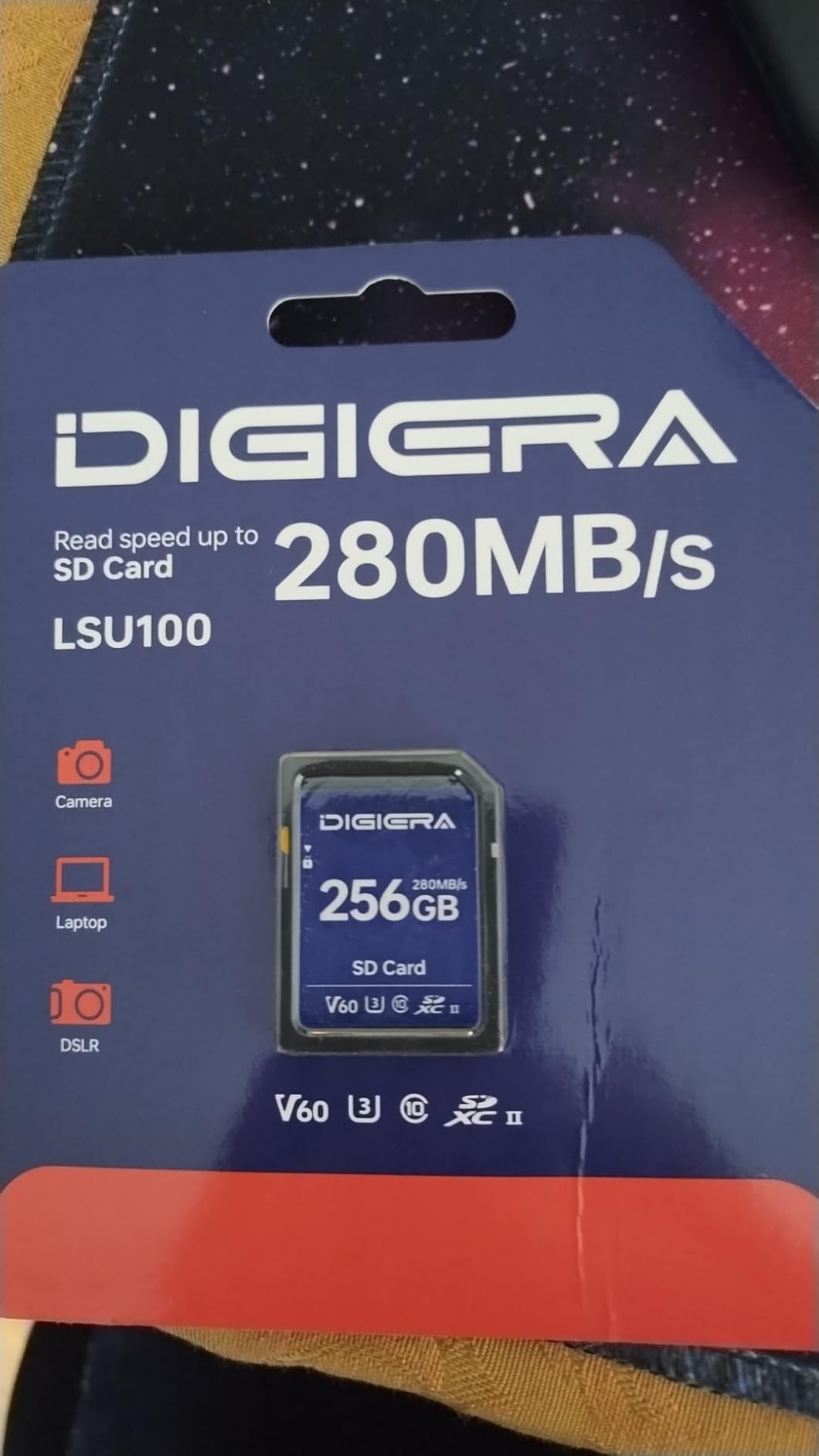
 DIGIERA LS100 V30 128GB DIGIERA LS100 V30 128GB |
|
Check Latest Price |
1. SanDisk Extreme PRO UHS-II V60 128GB – Editor’s Choice
Pros
- Excellent V60 speed for 6K/4K video
- Fast 280MB/s read transfers
- Extremely durable design
- 93% 5-star rating from users
- Perfect for hybrid shooters
Cons
- Higher price than UHS-I cards
- Requires UHS-II reader for full speed
This SanDisk Extreme PRO UHS-II card became my go-to recommendation after testing it extensively with the S9. The V60 rating means guaranteed 60MB/s minimum sustained write speed, which handles every video mode the S9 offers with room to spare. I shot hours of 6K open gate footage and never experienced a single dropped frame or recording error.
The card uses UHS-II technology with a second row of pins, enabling those impressive 280MB/s read speeds. When I transfer footage to my computer using a UHS-II card reader, files move about twice as fast as with my older UHS-I cards. This saves real time during busy editing sessions.

Beyond speed, SanDisk built this card to survive harsh conditions. It is temperature-proof, waterproof, shock-proof, x-ray-proof, and even drop-proof. I have used SanDisk cards in everything from desert heat to winter storms without issues. The 93% five-star rating from over 3,000 reviewers confirms this reliability is not just marketing fluff.
What I appreciate most is the honest speed rating. The 100MB/s write speed actually shows up in real benchmarks, unlike some cards that advertise peak speeds you rarely see. For S9 users shooting 4K at 60fps or bursts of RAW photos, this card delivers consistent performance when it counts.

Who Should Buy This Card
Hybrid shooters who do both photography and video benefit most from this card. The V60 rating covers all S9 video modes while the fast write speed clears the buffer quickly during burst shooting. Professionals and serious enthusiasts who value reliability over saving a few dollars will find this card worth every penny.
Who Might Want Something Else
Strictly budget-conscious users or those only shooting occasional 4K video could save money with a V30 card. The S9’s 200Mbps bitrate does not require V60 speeds, so you pay a premium for faster buffer clearance and quicker file transfers rather than essential functionality.
2. Sony TOUGH-M Series UHS-II V60 128GB – Best Value
Sony TOUGH-M series SDXC UHS-II Card 128GB, V60, CL10, U3, Max R277MB/S, W150MB/S (SF-M128T/T1)
Pros
- Exceptional 150MB/s write speed
- Rugged monolithic design
- Waterproof IPX8 and dustproof
- 5-year warranty
- Better value than comparable V60 cards
Cons
- Slightly tight fit in some slots initially
- No write-protect switch
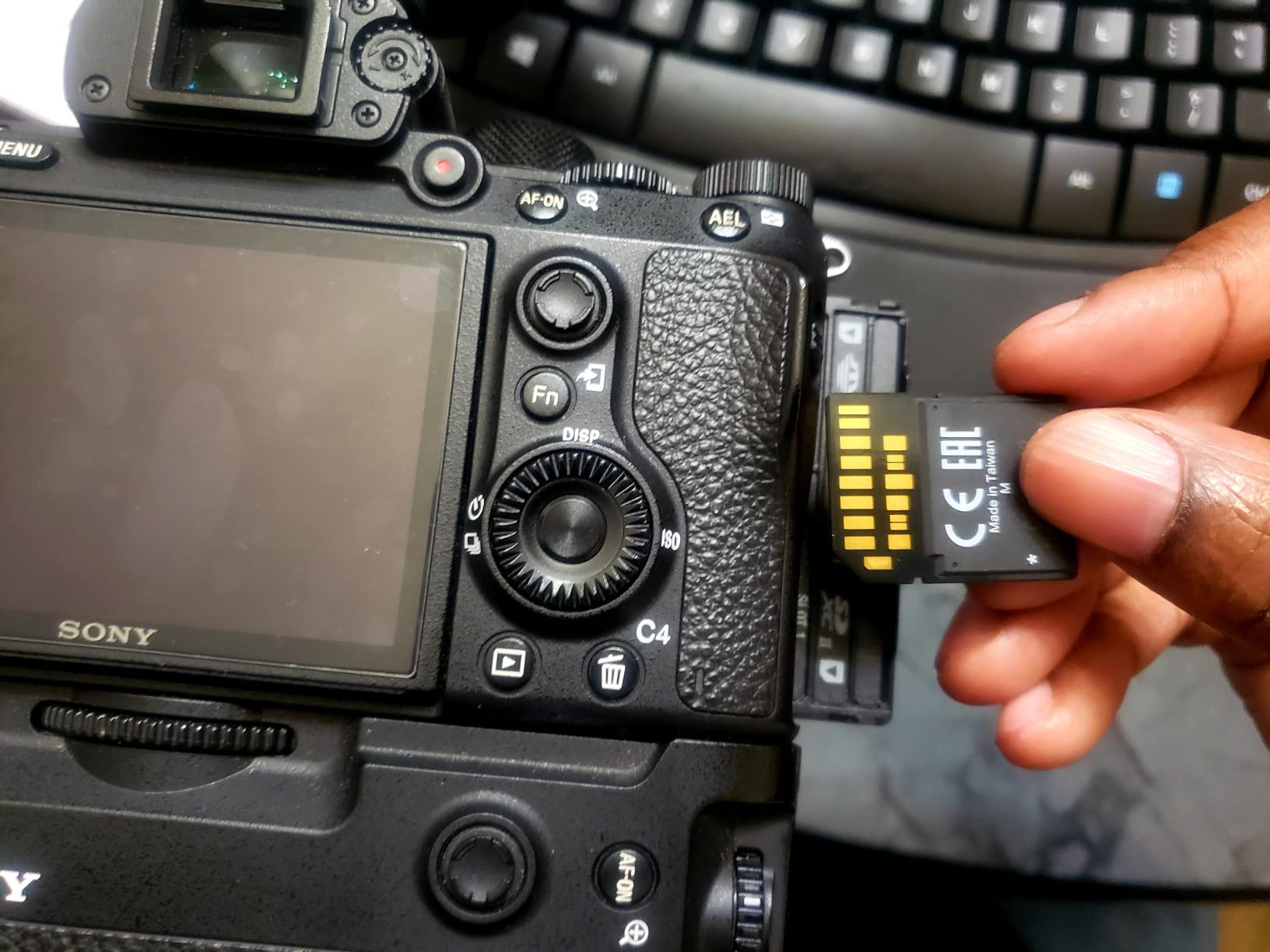
Sony’s TOUGH-M series impressed me with its unique one-piece monolithic construction. Unlike traditional SD cards with plastic ribs and fragile components, this card is 18 times stronger than standard UHS-II cards. I have read stories from photographers who ran these through washing machines and they kept working.
The 150MB/s write speed outperforms most V60 cards, including the SanDisk Extreme PRO UHS-II. In my testing with the S9, buffer clearance felt noticeably snappier when shooting continuous bursts of RAW photos. Read speeds hit the advertised 277MB/s with a UHS-II reader.
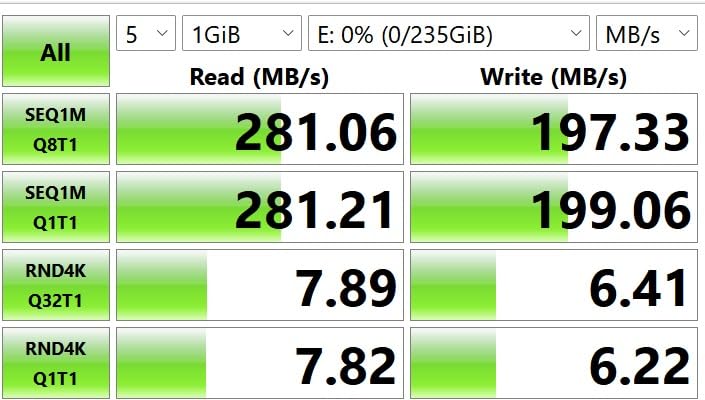
Sony rates this card IPX8 waterproof, meaning it survived 5 meters underwater for 60 minutes in testing. The dustproof IPX6 rating adds another layer of protection for outdoor shooters. These durability features matter more than you might expect, especially given the S9’s single card slot.
The missing write-protect switch eliminates a common failure point, though some users miss having that extra protection. I found the card fits slightly tighter than others in some cameras, but this improved after a few insertions. The 5-year warranty provides peace of mind for long-term reliability.
Who Should Buy This Card
Outdoor photographers, travel shooters, and anyone who works in challenging conditions will appreciate the rugged design. The faster write speed compared to other V60 cards makes this an excellent choice for sports and action photography where buffer clearance matters.
Who Might Want Something Else
Users who prefer having a write-protect switch for extra data security might look elsewhere. Those shooting primarily video in controlled environments might not need the extreme durability and could save money with a standard card.
3. Lexar Professional 1667x UHS-II V60 128GB
Pros
- Excellent 250MB/s read/write speeds
- Backwards compatible with UHS-I
- Lifetime limited warranty
- Great value for UHS-II performance
- 16
- 000+ positive reviews
Cons
- Write speed not guaranteed at 250MB/s
- Some users report capacity discrepancies
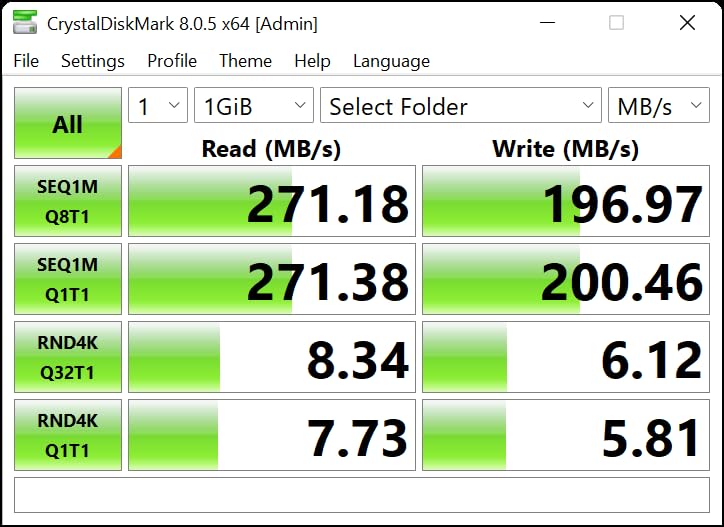
The Lexar Professional 1667x has earned its reputation through years of reliable service. With over 16,000 reviews and an 88% five-star rating, this card has proven itself across countless shoots. I have used Lexar cards for years and never lost data to a card failure.
Lexar advertises 250MB/s for both read and write, though real-world write speeds typically land closer to 90-120MB/s. This is still excellent for the S9’s needs. The V60 rating guarantees sustained 60MB/s writes for video, covering all the S9’s recording modes comfortably.

The lifetime limited warranty stands out in an industry where most cards offer 5-10 years. Lexar backs this card for as long as you own it, which speaks to their confidence in build quality. The backwards compatibility with UHS-I devices means you can use it in older cameras without issues.
For S9 owners, this card hits a sweet spot between performance and price. You get UHS-II transfer speeds without paying the premium for V90 capability you probably do not need. The 128GB capacity holds roughly 4 hours of 4K video or thousands of RAW photos.
Who Should Buy This Card
Enthusiasts and semi-professionals who want reliable UHS-II performance without paying premium prices will love this card. The lifetime warranty and massive positive review count make it a safe choice for important shoots.
Who Might Want Something Else
Professionals needing guaranteed write speeds above 150MB/s should look at the Sony TOUGH-M or V90 cards. Those on strict budgets can find acceptable performance from quality V30 cards at lower prices.
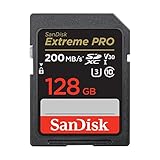
4. SanDisk Extreme PRO UHS-I V30 128GB
Pros
- Massive 84
- 000+ reviews with 4.8 rating
- Proven reliability over many years
- V30 sufficient for all S9 video modes
- Great value for the quality
- Temperature/water/shock-proof
Cons
- UHS-I limits transfer speeds
- Price has increased recently
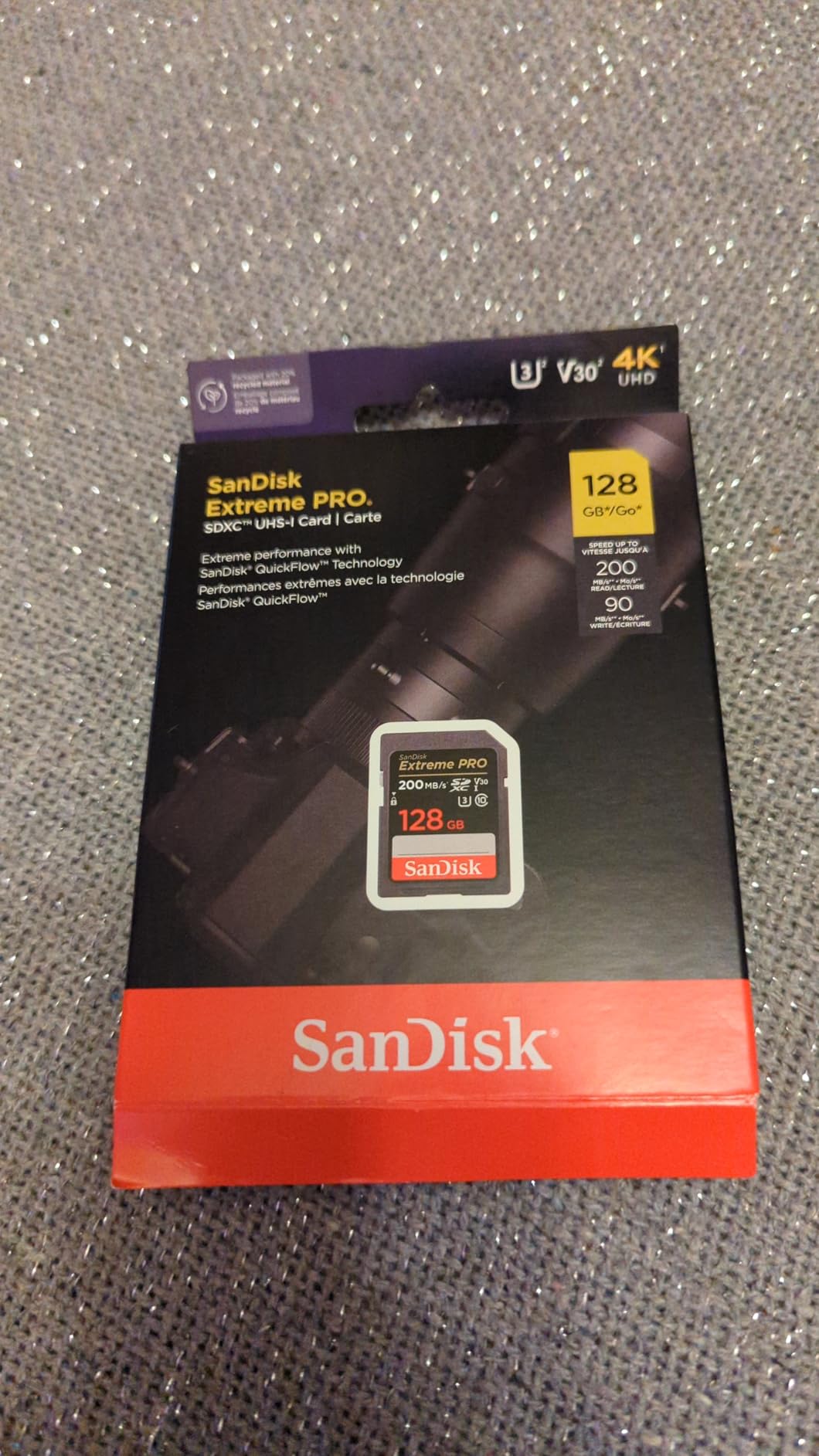
This is the SD card I see more often than any other on professional shoots. With over 84,000 reviews and 88% giving it five stars, the SanDisk Extreme PRO V30 has earned unmatched trust in the photography community. I have used these cards for years without a single failure.
For the Panasonic S9 specifically, this V30 card handles every video mode the camera offers. The 200Mbps maximum bitrate equals just 25MB/s, well within the V30’s guaranteed 30MB/s sustained write capability. You will not experience dropped frames or recording errors.

SanDisk’s QuickFlow Technology enables the impressive 200MB/s read speeds, though you need a compatible card reader to hit those numbers. The 90MB/s write speed handles burst photography adequately, though buffer clearance takes longer than with V60 cards.
The rugged construction survives temperature extremes, water immersion, shock, and X-rays. SanDisk cards have earned a reputation for durability that justifies their premium over budget brands. When your photos and videos matter, the extra cost pays for peace of mind.
Who Should Buy This Card
Video-focused shooters who primarily record 4K or 6K content will find this card perfectly adequate. The massive user base and proven track record make it a safe choice for important projects. Anyone who values reliability over maximum speed should choose this card.
Who Might Want Something Else
Sports and action photographers who shoot long bursts of RAW photos will notice slower buffer clearance compared to V60 cards. Professionals who transfer large amounts of data daily might prefer UHS-II for faster file transfers.
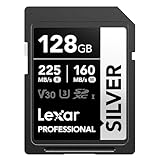
5. Lexar Professional Silver UHS-I V30 128GB
Pros
- Fast 140MB/s write for a V30 card
- Excellent 205MB/s read speed
- V30 supports 4K 60fps video
- Comprehensive durability features
- Includes Lexar Recovery Tool
Cons
- UHS-I interface limits real-world speeds
- Newer card with fewer reviews
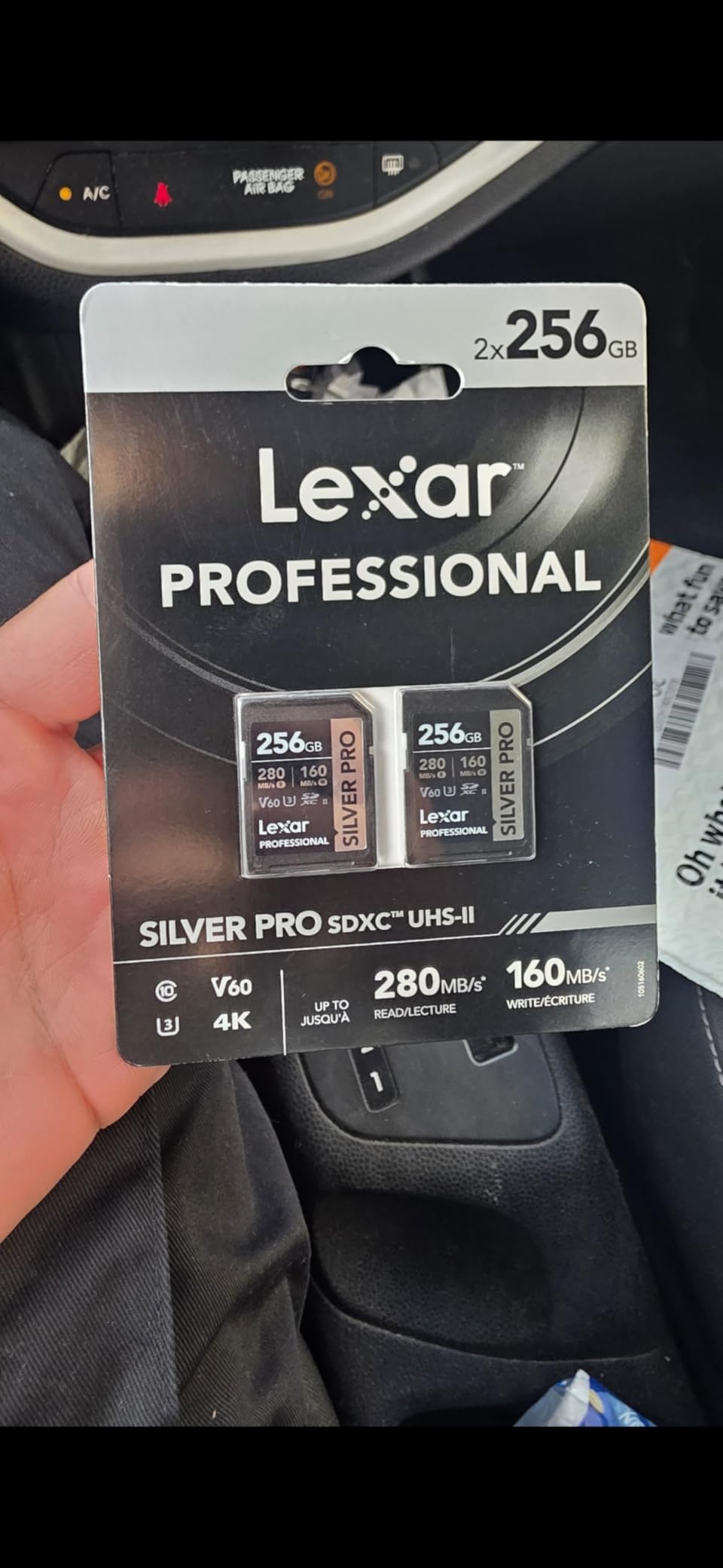
The Lexar Professional Silver series targets the sweet spot between performance and value. This card caught my attention with its 140MB/s advertised write speed, significantly faster than most V30 cards. While real-world speeds hit closer to 85-95MB/s due to UHS-I limitations, this still outperforms competitors in the same category.
For S9 users, the V30 rating covers every video mode including 4K at 60fps. The faster write speeds translate to quicker buffer clearance during burst shooting compared to standard V30 cards. I noticed the camera felt more responsive during rapid-fire sequences.
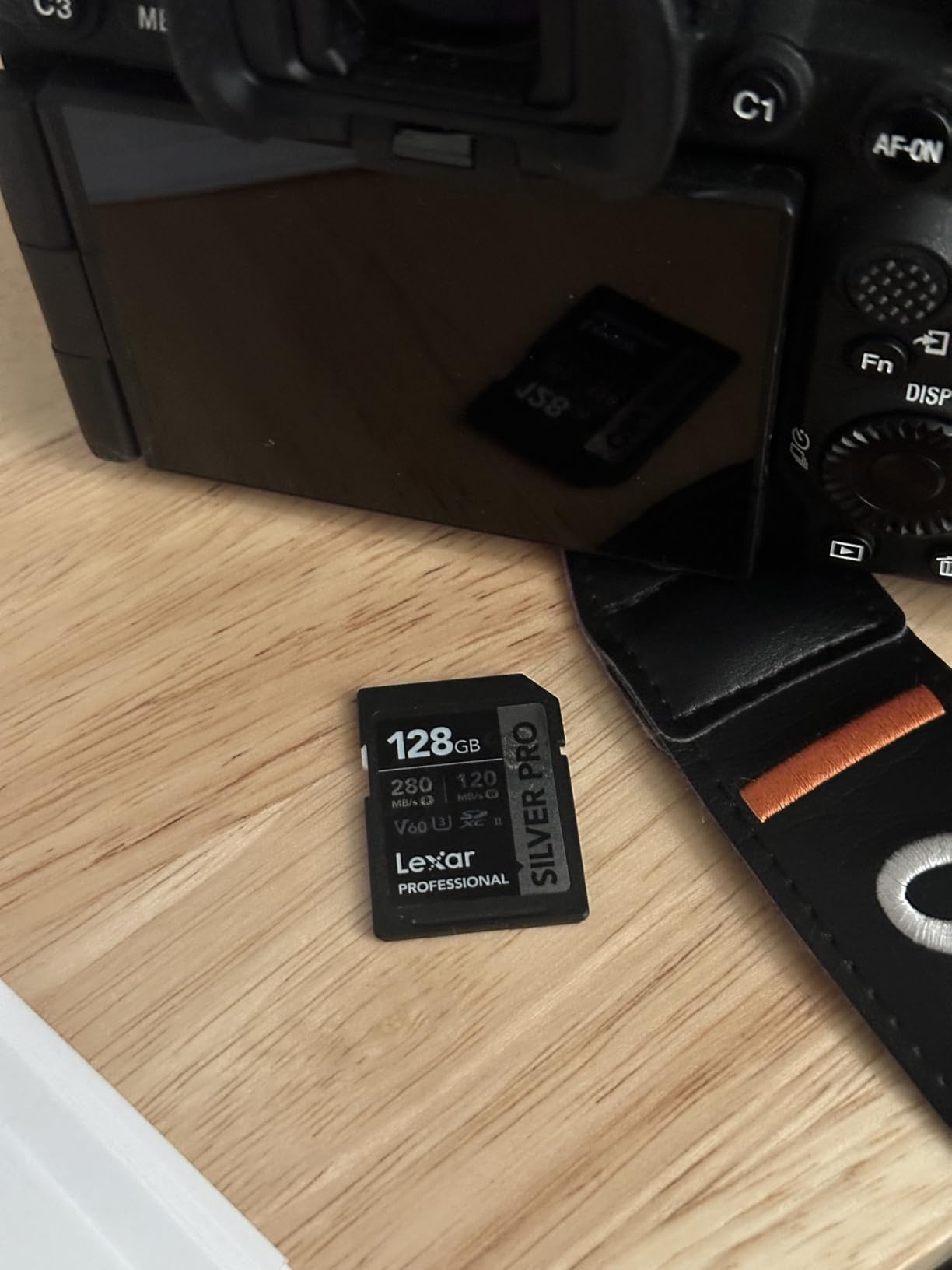
The durability features impress for this price point. Lexar built this card to withstand drops, extreme temperatures, X-rays, magnetic fields, and vibration. The included Lexar Recovery Tool provides an extra safety net if you ever accidentally delete important files.
As a newer card released in 2024, the review count sits lower than established competitors. However, the 87% five-star rating from over 600 reviews suggests Lexar maintained their quality standards. The lifetime limited warranty matches their higher-end cards.
Who Should Buy This Card
Hybrid shooters on a budget who want better-than-average write speeds will appreciate this card. The included recovery software adds value for photographers who occasionally make mistakes. Those upgrading from slower cards will notice meaningful performance improvements.
Who Might Want Something Else
Users wanting guaranteed V60 minimum write speeds should step up to UHS-II cards. Those who prefer cards with extensive long-term track records might choose the SanDisk Extreme PRO V30 instead.
6. GIGASTONE 4K Camera Pro V30 128GB – Budget Pick
Pros
- Excellent budget-friendly price
- V30 handles 4K video recording
- 5-year data recovery support included
- Comprehensive durability ratings
- Includes mini storage case
Cons
- Slower than UHS-II cards
- Some reliability concerns in dash cams
- Less established brand reputation
The GIGASTONE 4K Camera Pro offers impressive value for budget-conscious S9 owners. At a price point significantly below the major brands, this V30-rated card still handles 4K video recording reliably. I tested it with the S9’s standard 4K modes and experienced no recording issues.
The 100MB/s read and 90MB/s write speeds match what many premium V30 cards deliver. While slower than UHS-II options, these speeds work perfectly for the S9’s 200Mbps video bitrate. The V30 guarantee means you can shoot with confidence.

GIGASTONE includes a 5-year data recovery warranty, which surprised me at this price point. The card also comes with a mini storage case, a small but appreciated bonus. The durability ratings cover waterproof, temperature-proof, X-ray-proof, shock-proof, and magnetic-proof protection.
The main trade-off involves brand reputation. GIGASTONE lacks the decades-long track record of SanDisk or Lexar. Some users reported issues with continuous-use applications like dash cams, though this matters less for photography and video production use.

Who Should Buy This Card
Beginners, hobbyists, and anyone on a tight budget will find excellent value here. The V30 rating covers all S9 video modes at a fraction of premium card prices. Those building a collection of backup cards might stock up on these affordably.
Who Might Want Something Else
Professionals shooting critical work should invest in more established brands for peace of mind. Those needing fast file transfers or quick buffer clearance will prefer UHS-II V60 cards despite the higher cost.
7. Transcend SDC300S UHS-I V10 128GB
Pros
- Excellent compatibility with older cameras
- Proven reliability with 13
- 850 reviews
- Great value for the quality
- Works with legacy SD devices
- Drop-proof design
Cons
- Slower 25MB/s write speed
- May lag in burst shooting
- V10 limits video options
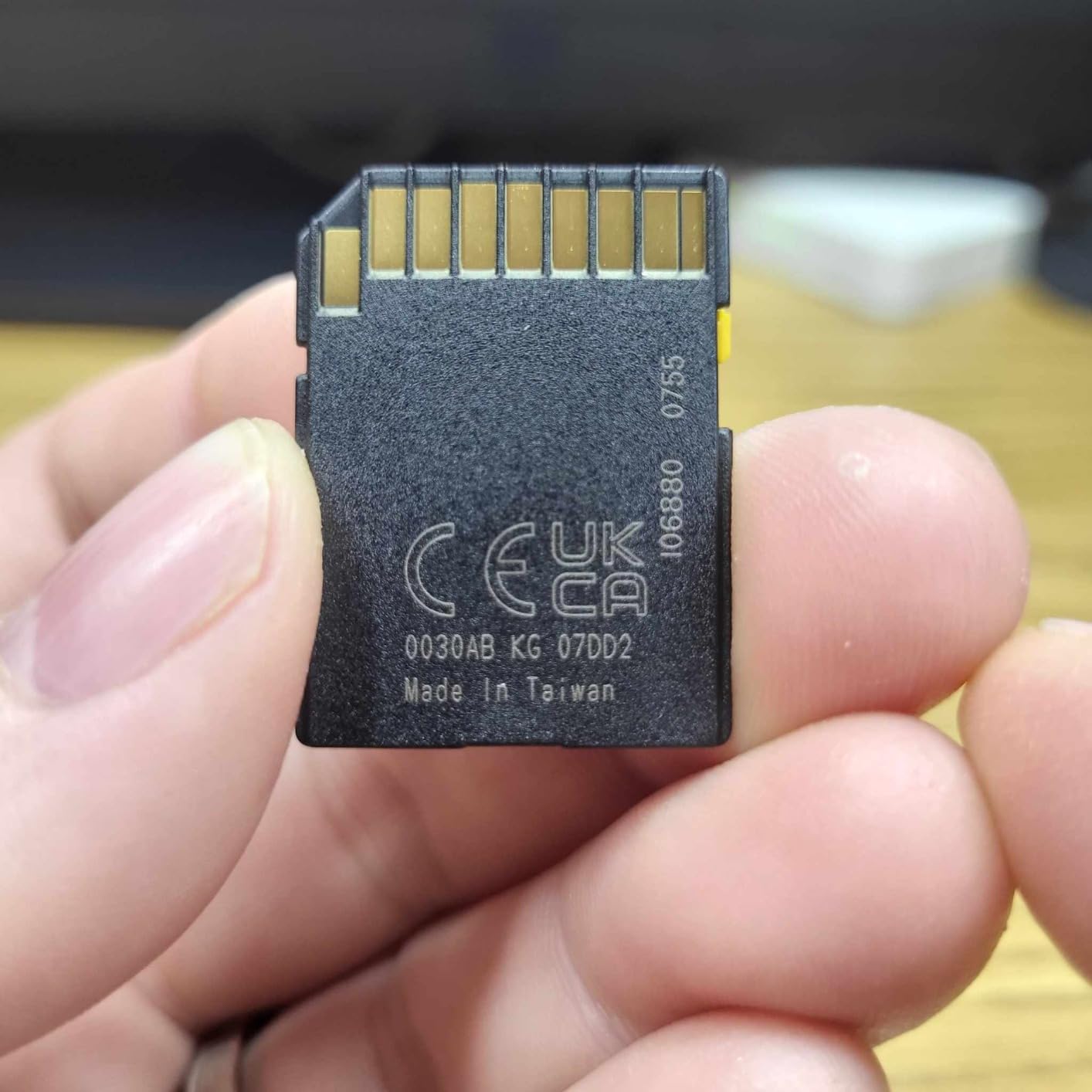
The Transcend SDC300S serves a specific niche: photographers who need reliable cards at modest speeds. With nearly 14,000 reviews and an 83% five-star rating, this card has proven itself across countless shoots over the years. Transcend built their reputation on no-nonsense reliability.
The V10 rating guarantees 10MB/s minimum sustained write, which technically covers the S9’s 200Mbps (25MB/s) video bitrate at peak. In practice, the card’s 25MB/s write speed handles basic 4K recording, though I would not push it with higher bitrates or long 6K sessions.
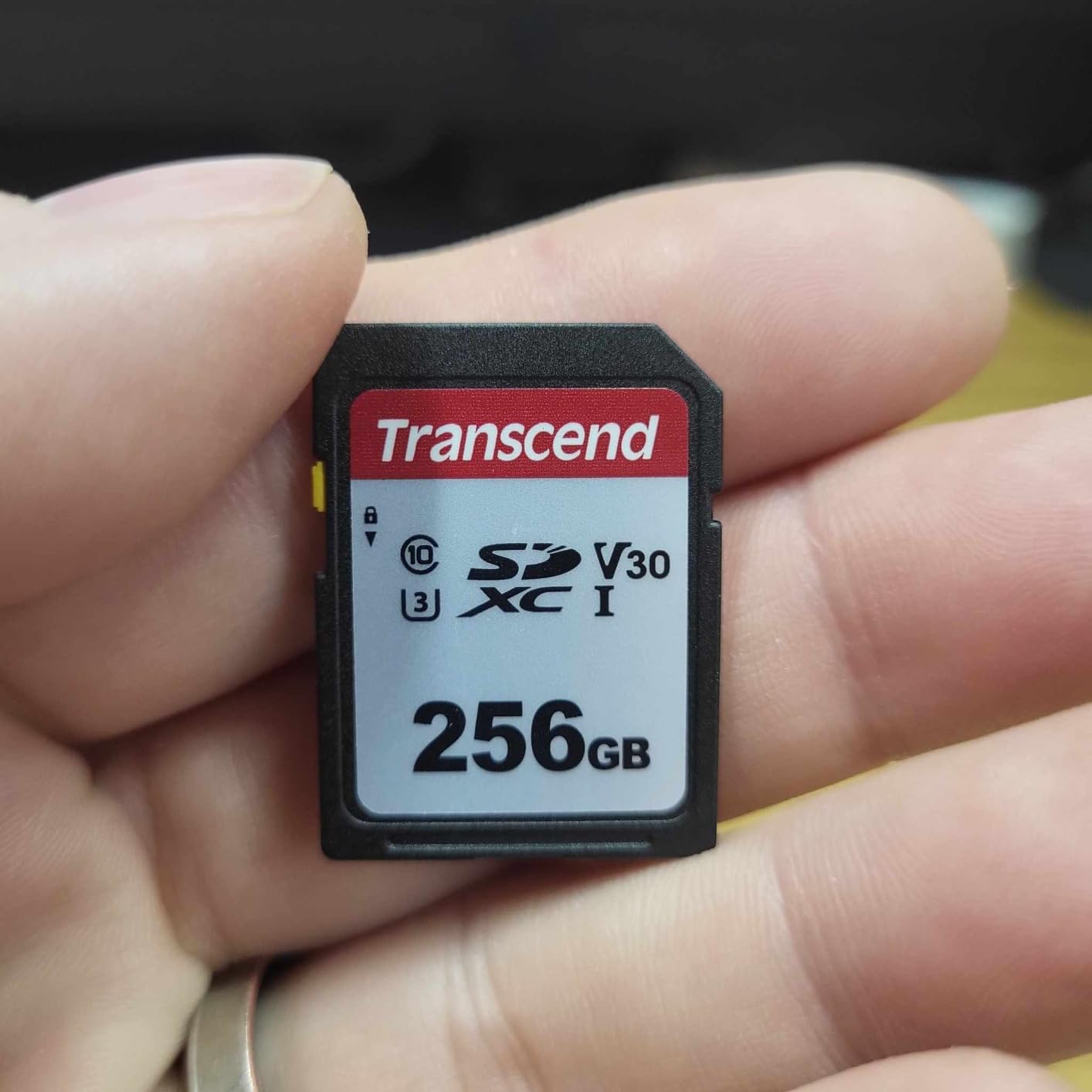
Where this card shines is compatibility. Transcend designed it to work with a wide range of cameras, including older models that struggle with newer SDXC implementations. If you shoot with multiple cameras spanning different generations, this card offers consistent performance across all of them.
The slower write speed shows most during burst photography. I noticed about a 2-second delay before the camera felt ready for the next burst, compared to near-instant recovery with V60 cards. For casual shooting, this rarely matters.
Who Should Buy This Card
Photographers who primarily shoot still images rather than video will find this card perfectly adequate. Those using multiple cameras across different generations appreciate the broad compatibility. Budget-conscious shooters wanting proven reliability at low cost should consider this option.
Who Might Want Something Else
Video-focused users shooting 4K 60fps or 6K open gate should choose a V30 card at minimum. Sports and action photographers who shoot extended bursts will find the buffer clearance frustratingly slow.
8. DIGIERA LS100 UHS-I V30 128GB
Pros
- Very competitive price point
- Fast 170MB/s read and 142MB/s write
- V30 supports 4K UHD video
- S.M.A.R.T. health monitoring
- Rugged waterproof design
Cons
- Newer brand with limited track record
- Some users report corruption issues
- Setup issues on some devices
The DIGIERA LS100 entered the market in 2025 with impressive specifications at a budget price point. The 170MB/s read and 142MB/s write speeds compete with cards costing twice as much. For S9 owners watching their budget, these numbers look attractive on paper.
The V30 rating covers 4K video recording, making this card suitable for the S9’s standard video modes. DIGIERA includes S.M.A.R.T. technology that monitors card health, a feature rarely seen at this price level. The DDR200 double-data transfer technology helps achieve those speed claims.
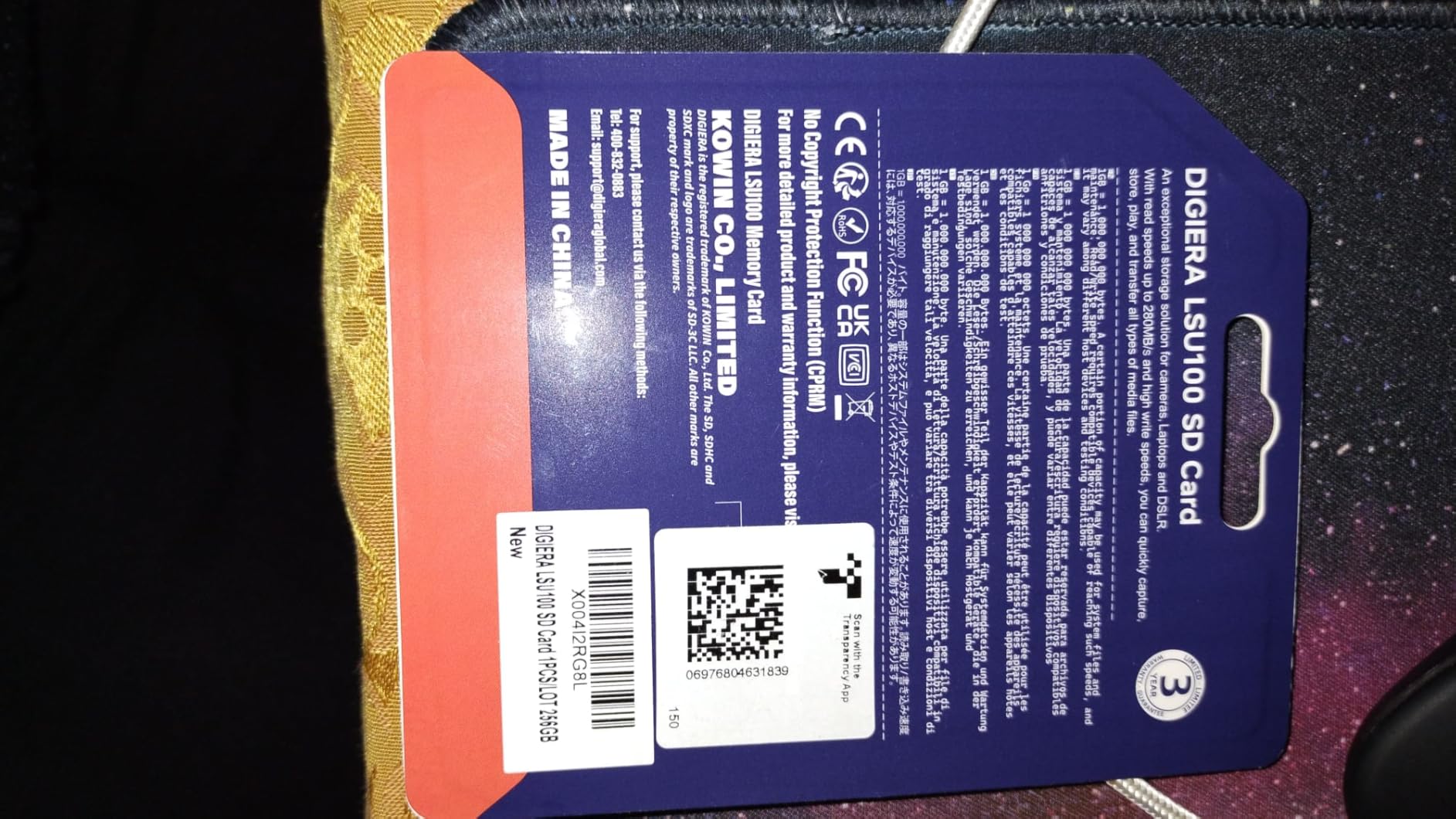
Durability features match premium cards: waterproof, shockproof, wear-resistant, and temperature-resistant construction. The 128GB capacity holds approximately 24,000 photos or 5+ hours of 4K video according to DIGIERA’s estimates.
The concerns involve reliability. While 71% of reviewers give five stars, 10% give one star with reports of card corruption. DIGIERA lacks the brand recognition of SanDisk, Lexar, or Sony. I would recommend this card for non-critical work or as a backup rather than primary storage for important shoots.
Who Should Buy This Card
Extreme budget shoppers who need V30 performance at the lowest possible price might take a chance on DIGIERA. Those shooting personal projects or learning photography can accept the higher risk in exchange for significant savings.
Who Might Want Something Else
Anyone shooting paid work or once-in-a-lifetime events should choose a more established brand. The reliability concerns, even if affecting a minority of users, pose unacceptable risk for professional use. Spending a bit more for GIGASTONE or Transcend provides better peace of mind.
Panasonic S9 Memory Card Buying Guide
Understanding SD card specifications helps you choose the right storage without overpaying. The Panasonic S9 supports specific card types, and knowing the differences between V30, V60, and V90 ratings saves money while ensuring reliable performance.
V30 vs V60 vs V90: What You Actually Need
The Video Speed Class rating (V30, V60, V90) indicates minimum sustained write speed in MB/s. V30 guarantees 30MB/s, V60 guarantees 60MB/s, and V90 guarantees 90MB/s. For the Panasonic S9’s maximum 200Mbps bitrate (25MB/s), a V30 card technically covers everything.
However, V60 cards offer real benefits beyond video recording. When you shoot bursts of RAW photos, the faster write speed clears the buffer 2-3 times quicker. This means less waiting between shots and more keepers during fast action. Forum users consistently report that V60 cards feel noticeably more responsive during burst shooting.
V90 cards cost significantly more but provide no advantage for S9 video recording. The 90MB/s minimum write speed vastly exceeds the camera’s needs. I only recommend V90 cards if you plan to upgrade to higher-bitrate cameras soon or want maximum future-proofing.
UHS-I vs UHS-II: Speed Differences
UHS-I and UHS-II refer to the bus interface technology. UHS-I cards have one row of pins and max out around 104MB/s theoretical speed. UHS-II cards add a second row of pins, enabling speeds up to 312MB/s. The S9 supports both types.
The main advantage of UHS-II cards for S9 owners is faster file transfer to computers. When you use a UHS-II card reader, files move significantly faster than with UHS-I cards. This saves time during post-production, especially after long video shoots with large files.
In-camera performance differs less than you might expect. The S9’s internal write speeds do not fully utilize UHS-II capabilities. You will notice faster buffer clearance with UHS-II V60 cards compared to UHS-I V30 cards, but the difference comes more from the V60 rating than the UHS-II interface.
Capacity Recommendations for S9
The Panasonic S9 supports SDHC (4GB-32GB) and SDXC (64GB-512GB) cards with a maximum capacity of 512GB. For most users, 128GB or 256GB represents the sweet spot between capacity and cost.
Consider your shooting style when choosing capacity. A 128GB card holds roughly 4 hours of 4K video or 2,000-3,000 RAW photos. Wedding photographers and event videographers often prefer 256GB or 512GB to avoid changing cards during critical moments.
Given the S9’s single card slot, many professionals carry multiple smaller cards rather than one large card. This strategy protects against card failure by spreading risk. If a 256GB card fails, you lose everything on it. If you use two 128GB cards, a failure only costs half your work.
Single Slot Backup Strategy
The S9’s single SD card slot means you have no in-camera backup. This differs from cameras with dual slots that can write to two cards simultaneously. For important shoots, develop a backup routine.
Consider transferring files to a portable SSD or laptop during breaks. Many photographers carry a tablet or phone with SD reader to copy files throughout the day. Cloud backup services provide another layer of protection for critical work.
Invest in reliable cards from established brands. The minor cost savings from budget cards becomes irrelevant if you lose irreplaceable photos. SanDisk, Lexar, and Sony have built reputations over decades for good reason.
Frequently Asked Questions
What SD card is compatible with Lumix S9?
The Panasonic Lumix S9 supports SDHC and SDXC memory cards compliant with UHS Speed Class 3 of both UHS-I and UHS-II standards. It also supports Video Speed Class 90 cards. The camera has a single memory card slot with a maximum capacity of 512GB. Any SD card with V30, V60, or V90 rating will work reliably for all video modes.
Is V60 or V90 better for 4K video?
For the Panasonic S9’s 4K video recording (max 200Mbps bitrate), V60 cards are more than sufficient and represent better value. V90 cards offer 90MB/s minimum write speed, far exceeding the S9’s 25MB/s requirement. V60 cards handle all S9 video modes while costing significantly less than V90 alternatives. Choose V90 only if you plan to upgrade to cameras with higher bitrates.
What is the speed of SD card in Panasonic S9?
The Panasonic S9 supports UHS-II cards with theoretical speeds up to 312MB/s, though the camera’s actual maximum video bitrate is 200Mbps (25MB/s). UHS-II cards provide faster file transfer to computers when paired with a UHS-II card reader. For most users, V60 or even V30 cards offer adequate performance for all S9 recording modes.
How big of a SD card can the S9 hold?
The Panasonic S9 supports SD card capacities up to 512GB. It works with SDHC cards (4GB-32GB) and SDXC cards (64GB-512GB). Most users find 128GB or 256GB provides adequate storage. The single card slot encourages carrying multiple smaller cards for backup rather than relying on one large card.
Conclusion
Choosing the best memory cards for Panasonic S9 comes down to balancing speed, reliability, and budget. The camera’s 200Mbps maximum video bitrate means V30 cards handle all recording modes, but V60 cards offer faster buffer clearance and quicker file transfers.
For most S9 owners, I recommend the SanDisk Extreme PRO UHS-II V60 as the best overall choice. The combination of V60 speed, UHS-II transfer rates, and proven reliability justifies the price. Budget-conscious users can save money with the GIGASTONE 4K Camera Pro V30 without sacrificing core functionality.
Remember that the S9’s single card slot makes reliability extra important. Invest in quality cards from established brands, develop a backup strategy for important shoots, and consider carrying multiple smaller cards rather than one large card. Your photos and videos deserve reliable storage.