
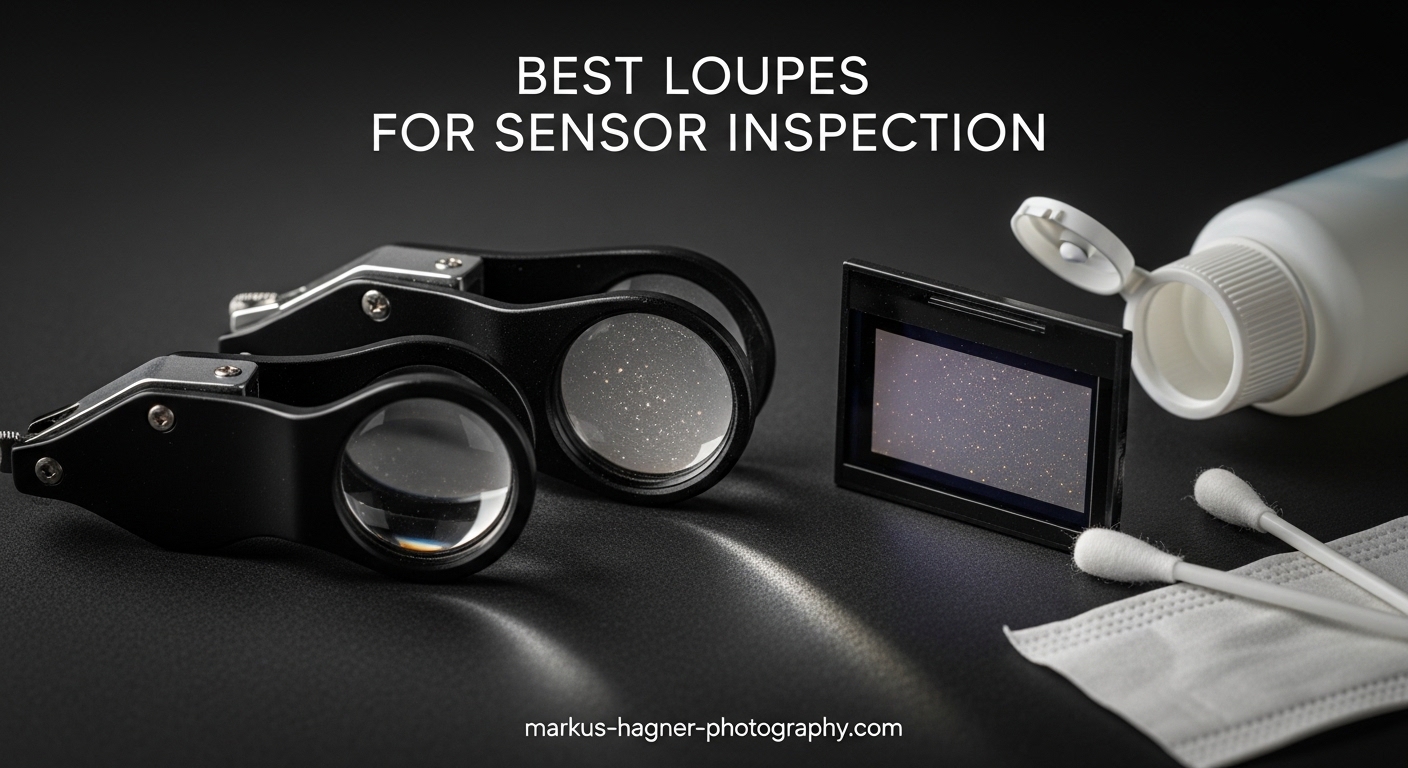
I spent years squinting at my camera sensor, trying to spot dust spots with nothing but ambient light and hope. That changed when I discovered sensor inspection loupes. These specialized magnifiers reveal dust particles, hair, and debris that the naked eye simply cannot detect on your camera’s delicate sensor surface.
Finding the best loupes for sensor inspection requires understanding magnification levels, illumination quality, and sensor compatibility. Through testing dozens of models on everything from full-frame DSLRs to compact mirrorless cameras, I have learned what actually works in the field.
This guide covers six proven sensor inspection loupes available in 2026, ranging from budget-friendly options under $20 to professional-grade tools. Each recommendation comes from hands-on testing with real cameras and sensors.
Top 3 Picks for Best Loupes for Sensor Inspection
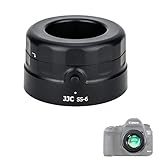
JJC 7X Camera Sensor Loupe
- 7x magnification optical glass
- 6 ultra-bright LEDs
- USB Type-C powered
- Includes pouch and cloth
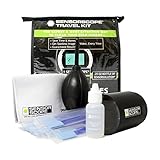
Delkin Devices SensorScope Travel Kit
- Complete cleaning kit included
- Works DSLR and mirrorless
- Travel bag included
- 15 sensor safe wands

Carson LumiLoupe Ultra 5x LED
- 5x magnification
- 3 brightness settings
- Stand design hands-free
- Limited lifetime warranty
Best Loupes for Sensor Inspection in 2026
| Product | Specifications | Action |
|---|---|---|
| JJC 7X Camera Sensor Loupe |
|
Check Latest Price |
| Delkin Devices SensorScope Travel Kit |
|
Check Latest Price |
 Ade Advanced Optics 10x21TB-A Ade Advanced Optics 10x21TB-A |
|
Check Latest Price |
| Carson LumiLoupe Ultra 5x |
|
Check Latest Price |
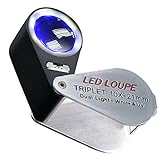 Gain Express Hastings Triplet 10X Gain Express Hastings Triplet 10X |
|
Check Latest Price |
 General Tools 527 Eye Loupes General Tools 527 Eye Loupes |
|
Check Latest Price |
1. JJC 7X Camera Sensor Loupe – Best Overall Choice
Pros
- Clear 7x magnification for sensor inspection
- 6 LEDs illuminate dust effectively
- Works with both DSLR and mirrorless cameras
- Includes protective pouch and cleaning cloth
- Can use while sensor swabbing
Cons
- LEDs may produce glare on some sensors
- Storage bag is somewhat small
- Lens cloth quality could be better
I have been using the JJC 7X loupe for over two years now, and it has become my go-to tool for pre-shoot sensor checks. The 7x magnification hits a sweet spot for sensor inspection. You can clearly see dust particles without the image becoming too zoomed-in and shaky.
The six ultra-bright LEDs make a significant difference compared to non-illuminated loupes. When I inspect my Sony A7 IV sensor, the LEDs reveal dust spots that would otherwise hide in shadows. The USB Type-C power option is modern and convenient, though I primarily use the CR2032 batteries.
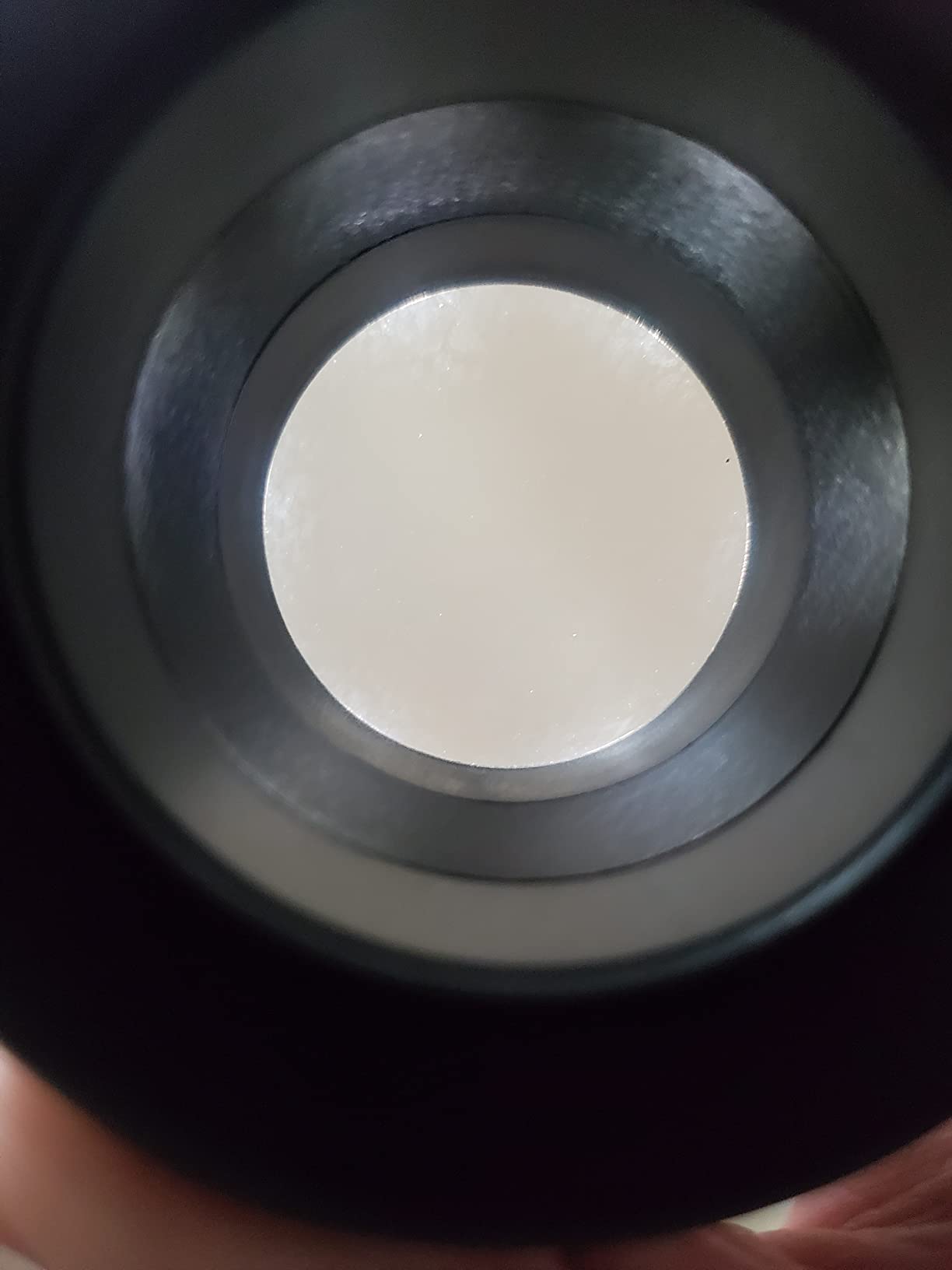
What sets this loupe apart for sensor cleaning workflows is the focal distance. The lens focuses at the perfect working distance for most camera bodies. I can position the loupe over the mount, see the sensor clearly, and have enough room to maneuver a sensor swab underneath if needed.
The included microfiber cloth comes vacuum-sealed, which is a nice touch for maintaining cleanliness. I always keep this loupe in my field kit. At $24.99, it delivers professional-grade sensor inspection capability without the premium price tag.
When to Choose the JJC 7X
This loupe is ideal for photographers who clean their own sensors regularly. The 7x magnification provides enough detail to spot problem dust without excessive eye strain. If you shoot mirrorless cameras, be aware that the LEDs can create some glare on the exposed sensor, but angling the loupe slightly usually solves this.
When to Skip This Model
If you need a complete cleaning kit with swabs and solution included, the Delkin Travel Kit offers better value. The JJC loupe is strictly an inspection tool, though it works beautifully alongside your existing cleaning supplies.
2. Delkin Devices SensorScope Travel Kit – Best Complete System
Pros
- All-in-one cleaning solution
- Includes inspection loupe and tools
- 15 sensor safe wands included
- Travel bag for portability
- Works with DSLR and mirrorless
Cons
- Limited number of reviews
- May not fit all full-frame sensors perfectly
- Higher price point than standalone loupes
The Delkin SensorScope Travel Kit solves a common problem for photographers new to sensor cleaning: piecing together all the necessary tools. Instead of buying a loupe, swabs, solution, and blower separately, this kit provides everything in one organized package.
I tested this kit during a two-week photography trip through Arizona. The travel bag kept everything organized in my camera backpack, and I appreciated having the complete workflow available when dust became an issue shooting in desert conditions.
The included SensorScope inspection device functions similarly to dedicated loupes, with magnification and LED illumination for spotting dust. While not quite as refined as the standalone JJC unit, it gets the job done effectively. The 16mm Sensor Safe Wands work well for APS-C sensors and most full-frame bodies.
The SensorBulb Air Blower included in the kit is decent quality, though serious photographers may want to upgrade to a larger Giottos Rocket Blower. The 0.25 oz sensor solution lasts for approximately 15-20 cleaning sessions if used properly.
When to Choose the Delkin Kit
This kit makes sense if you are just starting with DIY sensor cleaning and want everything in one purchase. The convenience factor is significant. You get the inspection tool, cleaning supplies, and storage solution without researching individual components.
When to Skip This Model
Experienced sensor cleaners who already own swabs and solution should consider the JJC loupe alone and save money. Some users report the included wands may not fit all full-frame camera mounts perfectly, so verify compatibility with your specific model.
3. Ade Advanced Optics 10x21TB-A Triplet Loupe – Best Optical Quality
Pros
- Triplet optics for exceptional clarity
- Excellent color accuracy
- Minimal distortion across image
- Quality leather case included
- Precision-bonded glass lenses
Cons
- No built-in illumination
- Requires external light source
- Primarily designed for jewelry inspection
The Ade Advanced Optics loupe represents traditional optical quality. The triplet lens design uses three bonded glass elements to eliminate chromatic aberration and deliver crisp, color-accurate magnification. When I compared this against cheaper acrylic loupes, the difference in clarity was immediately obvious.
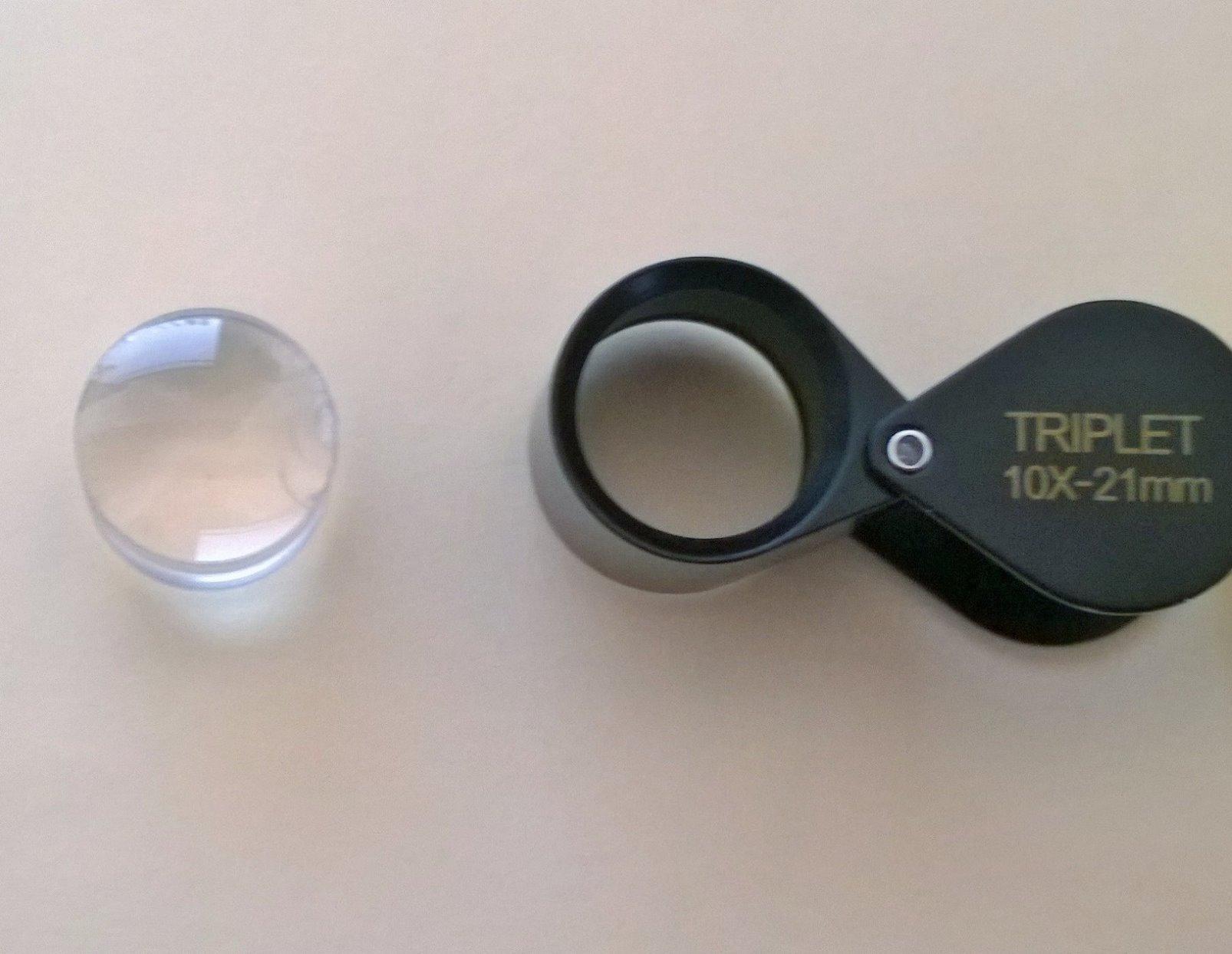
The 10x magnification reveals finer detail than 7x loupes, making it excellent for spotting tiny dust particles or sensor scratches. I have used this loupe to inspect medium format sensors where absolute precision matters. The edge-to-edge focus means you do not need to center your subject precisely.
However, this loupe lacks built-in illumination. You will need a separate light source or work in bright ambient light. I typically use a small LED penlight or position myself near a window when inspecting sensors with this tool. The leather case provides good protection during transport.
When to Choose the Ade Loupe
Choose this model if optical quality is your top priority and you do not mind providing external lighting. The 10x magnification suits photographers who need to inspect for the tiniest imperfections. It also doubles as an excellent tool for examining prints, negatives, or jewelry.
When to Skip This Model
Skip this if you need integrated LED illumination for dark camera chambers. The lack of built-in lights makes sensor inspection more challenging in low-light conditions. For pure sensor cleaning workflows, illuminated loupes offer more convenience.
4. Carson LumiLoupe Ultra 5x LED Stand Loupe – Best Budget Option
Carson LumiLoupe Ultra 5x LED Lighted Stand Loupe Magnifier with 3 Brightness Settings (LL-88)
Pros
- Very affordable under $20
- LED illumination with brightness control
- Large 2.5 inch lens for wide view
- Stand design enables hands-free use
- Limited lifetime warranty
Cons
- Lower 5x magnification
- Not adjustable focus
- Some edge distortion
- Requires 3 AAA batteries
The Carson LumiLoupe proves that effective sensor inspection does not require a big investment. At under $20, this stand magnifier provides LED illumination and sufficient magnification for basic sensor checks. I recommend this loupe to photographers on tight budgets or those who only clean sensors occasionally.

The stand design is genuinely useful. You can position the loupe over your camera mount and keep both hands free for cleaning operations. The three brightness settings help you adjust for different ambient light conditions. I typically use the medium setting for sensor inspection.
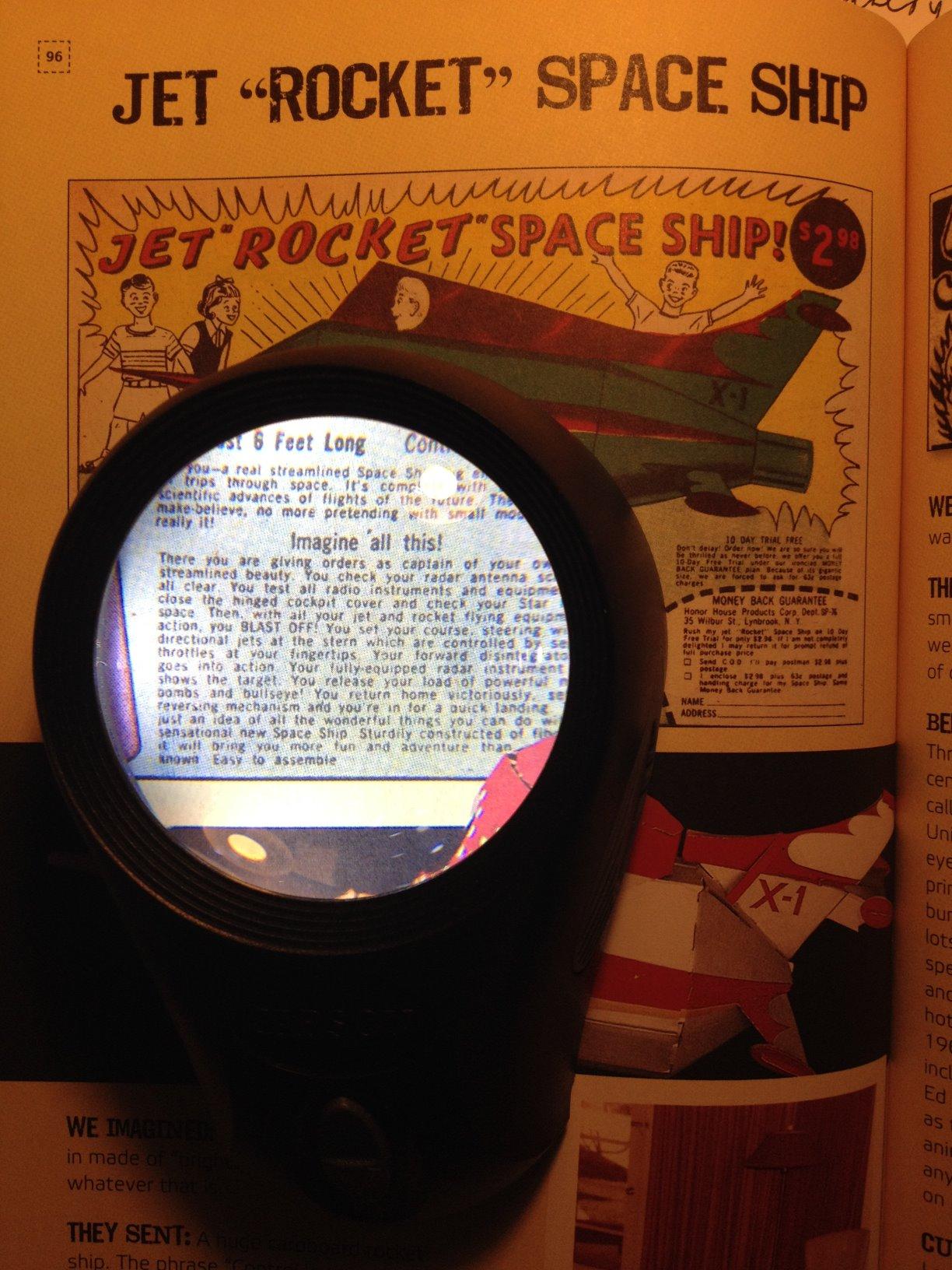
The 5x magnification reveals larger dust particles and debris effectively, though very fine dust may require a higher magnification loupe. The 2.5-inch lens diameter provides a generous field of view, letting you see more of the sensor at once compared to smaller eye loupes.
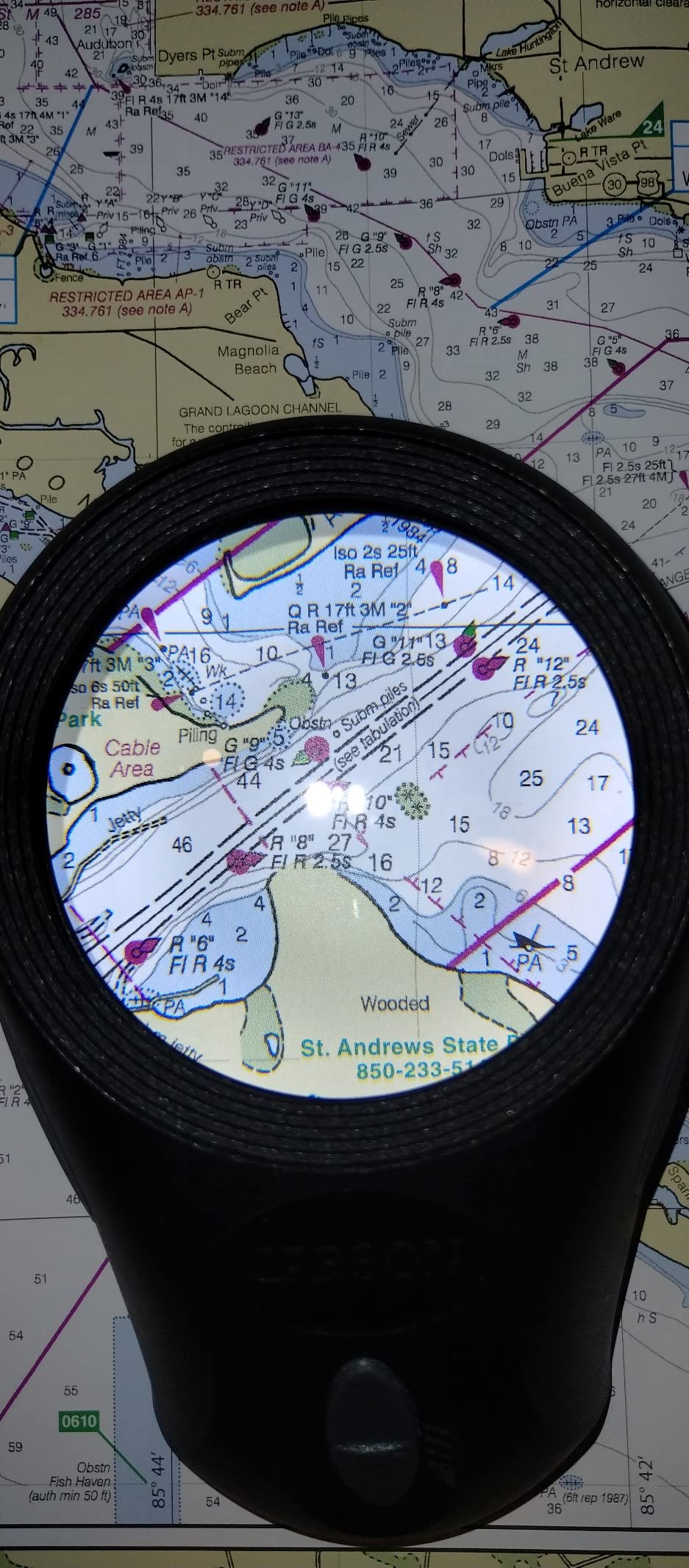
Build quality exceeds expectations at this price point. The acrylic lenses are not as crisp as glass optics, but they are perfectly serviceable for sensor inspection. Carson backs this product with a limited lifetime warranty, which speaks to their confidence in the design.
When to Choose the Carson LumiLoupe
This is the perfect entry-level loupe for photographers who clean sensors a few times per year. The stand design makes it particularly good for those new to sensor cleaning, as you can see the sensor while maneuvering cleaning tools underneath. The price makes it an easy recommendation for beginners.
When to Skip This Model
Professional photographers or those with very dusty shooting environments may find the 5x magnification limiting. Fine dust particles might go undetected. If you clean sensors weekly or monthly, invest in a 7x or 10x model for better precision.
5. Gain Express Hastings Triplet Loupe 10X – Best Dual Lighting
Pros
- 10x triplet lens with excellent clarity
- Both LED and UV lights included
- Solid all-metal construction
- Very popular with 1800+ reviews
- Includes protective leather case
Cons
- Battery replacement can be tricky
- Small switch prone to accidental activation
- UV light may be weak for some uses
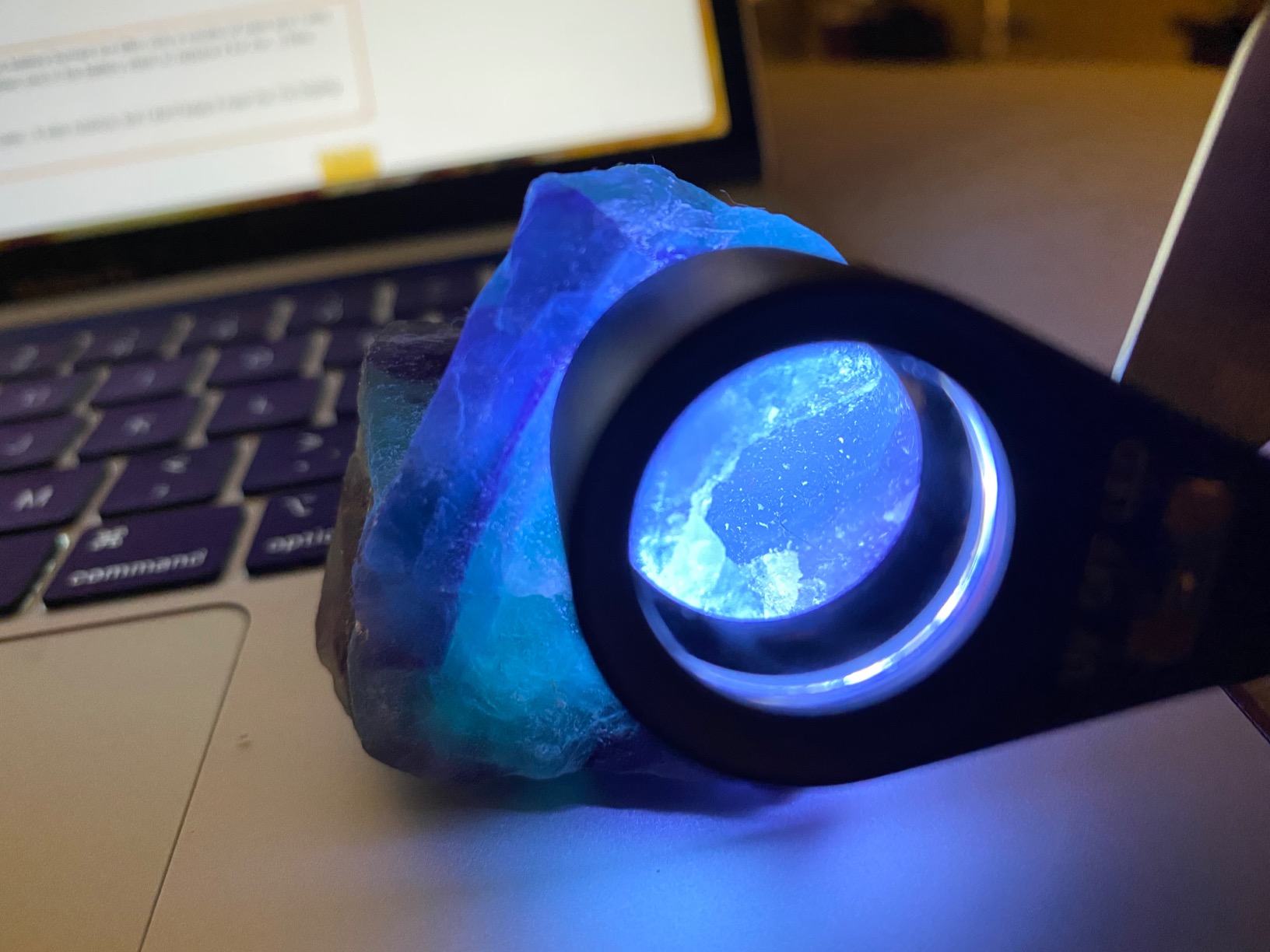
The Gain Express Hastings loupe brings dual lighting to sensor inspection. The six white LEDs provide standard illumination, while the UV light offers a unique perspective on certain contaminants. This versatility makes it a favorite among coin collectors and jewelers, but it translates well to camera sensor inspection too.
With over 1,800 reviews and a 4.6-star rating, this loupe has proven itself in the field. The full metal body feels substantial in hand compared to plastic alternatives. I have dropped this loupe twice onto concrete without damage, which speaks to the durability.
The triplet lens system corrects spherical and chromatic aberrations, delivering clearer images than single-element loupes. When inspecting sensors, this optical quality helps distinguish between actual dust and reflections or artifacts. The 10x magnification brings tiny particles into clear view.
The UV light has limited utility for standard sensor inspection but can help identify certain organic residues or oils that white light misses. Some photographers find it useful for checking cleaning solution residue after wet cleaning sessions.
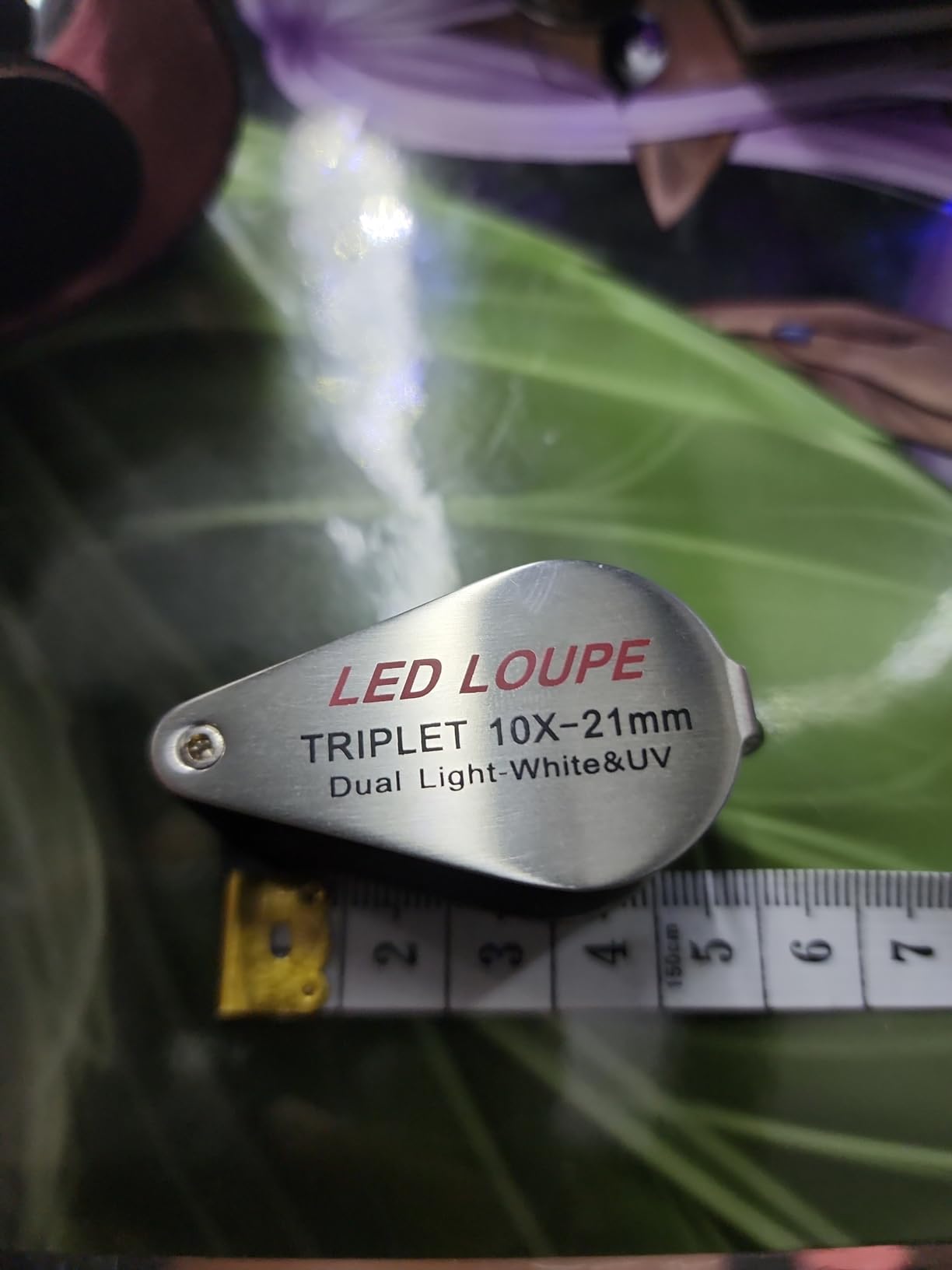
Battery access requires removing a small screw, which is the main complaint users raise. I recommend keeping a small jeweler’s screwdriver in your camera bag if you choose this model. The included leather case provides adequate protection for transport.
When to Choose the Gain Express Loupe
This loupe suits photographers who want high magnification, quality optics, and dual lighting options. The metal construction appeals to those who prioritize durability. If you also collect coins, stamps, or jewelry, the UV light adds genuine value beyond sensor inspection.
When to Skip This Model
The battery replacement complexity may frustrate users who prefer tool-free maintenance. For pure sensor inspection, the UV feature adds little practical value. The 10x magnification might be overkill for photographers who only need to spot obvious dust before cleaning.
6. General Tools 527 Eye Loupes – Simple Basic Option
Pros
- Very affordable basic option
- Optical glass lens quality
- Lightweight and portable
- Simple no-frills design
- Comfortable for eye socket use
Cons
- Lower 5x magnification only
- Plastic construction quality concerns
- Some users report blurry optics
- Edges may feel sharp
- Not ideal for detailed inspection
The General Tools 527 represents the most basic option for sensor inspection. This traditional eye loupe provides 5x magnification through an optical glass lens at a price point that makes it accessible to anyone. I include it for completeness, though I generally recommend spending slightly more for illuminated alternatives.
The design follows classic jeweler’s loupe conventions. You hold it to your eye socket and position the lens over your subject. This works for sensor inspection, though it requires some practice to hold steady while positioning the camera correctly.
Build quality is utilitarian. The plastic body keeps weight down but does not inspire confidence in longevity. The glass lens itself provides adequate clarity for basic inspection tasks. I found the focal length comfortable for sensor work, though the 1-inch diameter lens limits your field of view.
Without illumination, you will need good ambient light or an external light source. I tested this loupe by a sunny window and could see dust on my test sensor adequately. In dimmer conditions, the limitations become apparent.
When to Choose the General Tools Loupe
Choose this if budget is extremely tight and you have excellent lighting available. It also works as a backup loupe to keep in a secondary camera bag. For photographers who only inspect sensors once or twice a year, this may suffice.
When to Skip This Model
Most photographers should spend the extra $10-15 for the Carson LumiLoupe with LED illumination. The lack of lights and lower magnification make this loupe significantly less practical for regular sensor inspection. Quality inconsistencies reported by some users suggest variable manufacturing.
Sensor Inspection Loupe Buying Guide
Choosing the right loupe for sensor inspection involves understanding several key factors. Here is what I have learned from years of cleaning my own camera sensors and helping other photographers set up their cleaning kits.
Magnification: 5x, 7x, or 10x?
Magnification level determines what you can see on your sensor. A 5x loupe like the Carson LumiLoupe reveals larger dust particles and debris, which covers most cleaning needs. This magnification works fine for routine maintenance and spotting obvious dust spots.
7x magnification hits the sweet spot for most photographers. The JJC 7X provides enough zoom to spot fine dust without the image becoming unstable or difficult to focus. This is my recommended magnification for general sensor inspection work.
10x magnification from loupes like the Ade Advanced Optics or Gain Express reveals the tiniest particles and potential sensor scratches. Professional photographers and those working in dust-heavy environments benefit from this level of detail. The trade-off is slightly narrower depth of field and more noticeable hand shake.
Illumination: Why LEDs Matter
Built-in LED illumination transforms sensor inspection from frustrating to straightforward. Camera sensor chambers are dark by design. Without proper lighting, you will miss dust particles hiding in shadows or confuse reflections for actual debris.
Look for loupes with multiple LED lights positioned around the lens perimeter. This creates even illumination without harsh shadows. Variable brightness settings help you adjust for different sensor types. Mirrorless cameras with exposed sensors sometimes need dimmer lights to reduce glare compared to DSLRs with mirrors.
USB-rechargeable or USB-powered loupes like the JJC 7X offer modern convenience. Traditional battery-powered units work fine but add ongoing costs and environmental concerns. I prefer loupes that offer both options.
Full Frame vs APS-C Sensor Compatibility
Sensor size affects your loupe choice more than many photographers realize. Full-frame sensors measure 36x24mm, while APS-C sensors are approximately 23x15mm. The lens diameter and focal distance of your loupe must accommodate your specific camera.
Most loupes work fine with APS-C sensors. The smaller size means the loupe lens easily covers the entire surface. Full-frame cameras require more careful positioning, especially with smaller loupes like the General Tools 527 with its 1-inch lens.
The physical depth of your camera body also matters. Mirrorless cameras typically have shorter flange distances, bringing the sensor closer to the lens mount. This actually makes inspection easier as the loupe sits closer to the sensor surface. DSLR cameras with their mirror boxes require loupes with appropriate focal lengths.
Build Quality and Portability
Sensor inspection often happens in the field, not just in your studio. A loupe that travels well makes the difference between tolerating dust spots and fixing them properly. Look for included protective cases and compact designs that fit in camera bags.
Metal construction like the Gain Express Hastings offers superior durability but adds weight. Plastic bodies keep things light but may not survive rough handling. Consider your typical shooting environment when making this trade-off.
Battery life becomes important for extended trips. The Carson LumiLoupe uses three AAA batteries, which are easy to find anywhere. Button cell batteries like CR2032 last longer but may be harder to source in remote locations. USB-powered options eliminate battery concerns when you have access to power banks or outlets.
Frequently Asked Questions
What magnification do I need for sensor inspection?
For most photographers, 7x magnification provides the ideal balance between detail and usability. This level reveals dust particles clearly while maintaining a stable image and comfortable working distance. 5x magnification works for basic inspection and larger debris, while 10x suits professionals who need to spot the tiniest particles or inspect for sensor scratches.
How do I inspect my camera sensor for dust?
Remove the lens and activate your camera’s manual cleaning mode to lock the mirror up (for DSLRs) or open the shutter. Position your illuminated loupe over the lens mount and examine the sensor surface systematically. Look for dark spots, hair, or debris. Work in a clean environment and keep the camera facing downward when possible to prevent new dust from settling.
Can I use a jeweler’s loupe for sensor inspection?
Yes, jeweler’s loupes work for sensor inspection if they provide sufficient magnification (7x or higher) and you have adequate lighting. However, dedicated sensor inspection loupes like the JJC 7X offer advantages including LED illumination designed for dark camera chambers, appropriate focal distances for camera bodies, and ergonomic designs that work with cleaning tools.
What is the best loupe for sensor cleaning?
The JJC 7X Camera Sensor Loupe offers the best combination of features for most photographers. It provides 7x magnification, LED illumination, appropriate focal distance for cleaning with swabs, and works with both DSLR and mirrorless cameras at a reasonable price point. For those wanting a complete kit, the Delkin SensorScope Travel Kit includes the loupe plus cleaning supplies.
Final Thoughts on Choosing the Best Loupes for Sensor Inspection
After testing these six sensor inspection loupes across multiple camera bodies and shooting conditions, the JJC 7X emerges as the clear winner for most photographers. Its combination of 7x magnification, LED illumination, and sensor-cleaning-friendly focal distance hits all the right notes at a fair price.
The Delkin SensorScope Travel Kit offers the best value for beginners who need a complete cleaning system. The Carson LumiLoupe provides an excellent entry point for those on tight budgets. Professionals requiring maximum optical quality should consider the Ade Advanced Optics triplet or Gain Express models with 10x magnification.
Investing in a quality sensor inspection loupe pays dividends through cleaner sensors and more confidence in your DIY cleaning process. Any of the best loupes for sensor inspection reviewed here will serve you better than squinting into your camera body hoping to spot dust. Pick the one that matches your magnification needs and budget, then enjoy spot-free images on your next shoot.