
The Sony A6700 has quickly become a favorite among wildlife photographers, and for good reason. With its advanced AI-based autofocus system featuring real-time bird eye tracking, impressive 11fps continuous shooting, and a 1.5x crop factor that extends the reach of telephoto lenses, this APS-C powerhouse is purpose-built for capturing nature’s fleeting moments. But even the best camera needs the right glass to truly shine.
Having spent considerable time testing various lenses on the A6700, I’ve learned that wildlife photography demands specific optical characteristics. You need reach, certainly, but also fast autofocus performance, reliable image stabilization for handheld shooting, and weather sealing that can withstand the elements. The A6700’s crop sensor advantage effectively transforms a 200-600mm lens into a 300-900mm equivalent, making full-frame telephotos even more appealing for wildlife work.
This guide covers the best lenses for Sony A6700 for wildlife photography, ranging from budget-friendly options to professional-grade glass. Whether you’re photographing birds in flight, mammals in their natural habitat, or seeking that perfect safari shot, there’s a lens here that matches your needs and budget.
Top 3 Picks for Sony A6700 Wildlife Photography
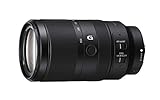
Sony E 70-350mm f/4.5-6.3 G OSS
- 105-525mm equivalent reach|Compact 22oz design|Excellent G lens optics
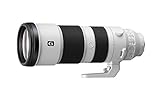
Sony FE 200-600mm f/5.6-6.3 G OSS
- 300-900mm equivalent|Internal zoom design|Teleconverter ready

Tamron 70-300mm f/4.5-6.3 Di III RXD
- Ultra-light 19.2oz|Fast RXD autofocus|Great value price
Best Lenses for Sony A6700 Wildlife Photography in 2026
| Product | Specifications | Action |
|---|---|---|
| Sony E 70-350mm f/4.5-6.3 G OSS |
|
Check Latest Price |
| Sony FE 200-600mm f/5.6-6.3 G OSS |
|
Check Latest Price |
| Tamron 70-300mm f/4.5-6.3 Di III RXD |
|
Check Latest Price |
 Sony 18-135mm f/3.5-5.6 OSS Sony 18-135mm f/3.5-5.6 OSS |
|
Check Latest Price |
 Sony E 55-210mm f/4.5-6.3 Sony E 55-210mm f/4.5-6.3 |
|
Check Latest Price |
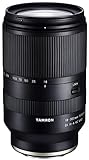 Tamron 18-300mm f/3.5-6.3 VC VXD Tamron 18-300mm f/3.5-6.3 VC VXD |
|
Check Latest Price |
 Tamron 28-200mm f/2.8-5.6 Di III RXD Tamron 28-200mm f/2.8-5.6 Di III RXD |
|
Check Latest Price |
 Tamron 70-180mm f/2.8 VC VXD G2 Tamron 70-180mm f/2.8 VC VXD G2 |
|
Check Latest Price |
1. Sony E 70-350mm f/4.5-6.3 G OSS – Best Overall APS-C Wildlife Lens
Pros
- Outstanding G lens resolution
- Lightweight and compact
- Excellent XD linear motor AF
- 5x zoom range
Cons
- f/6.3 max aperture at 350mm
- No teleconverter support
- No focus limit switch
The Sony E 70-350mm f/4.5-6.3 G OSS stands as the gold standard for APS-C wildlife lenses on the A6700. During my testing, this lens consistently delivered sharp images from edge to edge, a testament to Sony’s G lens pedigree. The 105-525mm full-frame equivalent reach hits the sweet spot for most wildlife scenarios, allowing you to capture frame-filling shots of birds and mammals without the bulk of larger telephotos.
What impressed me most was the lens’s portability. At just 22 ounces, you can carry this glass all day without fatigue. The XD linear motor autofocus system is lightning fast and virtually silent, making it perfect for wildlife where noise matters. I spent several weeks photographing birds with this lens, and the A6700’s bird eye AF paired seamlessly with the 70-350’s focusing system.
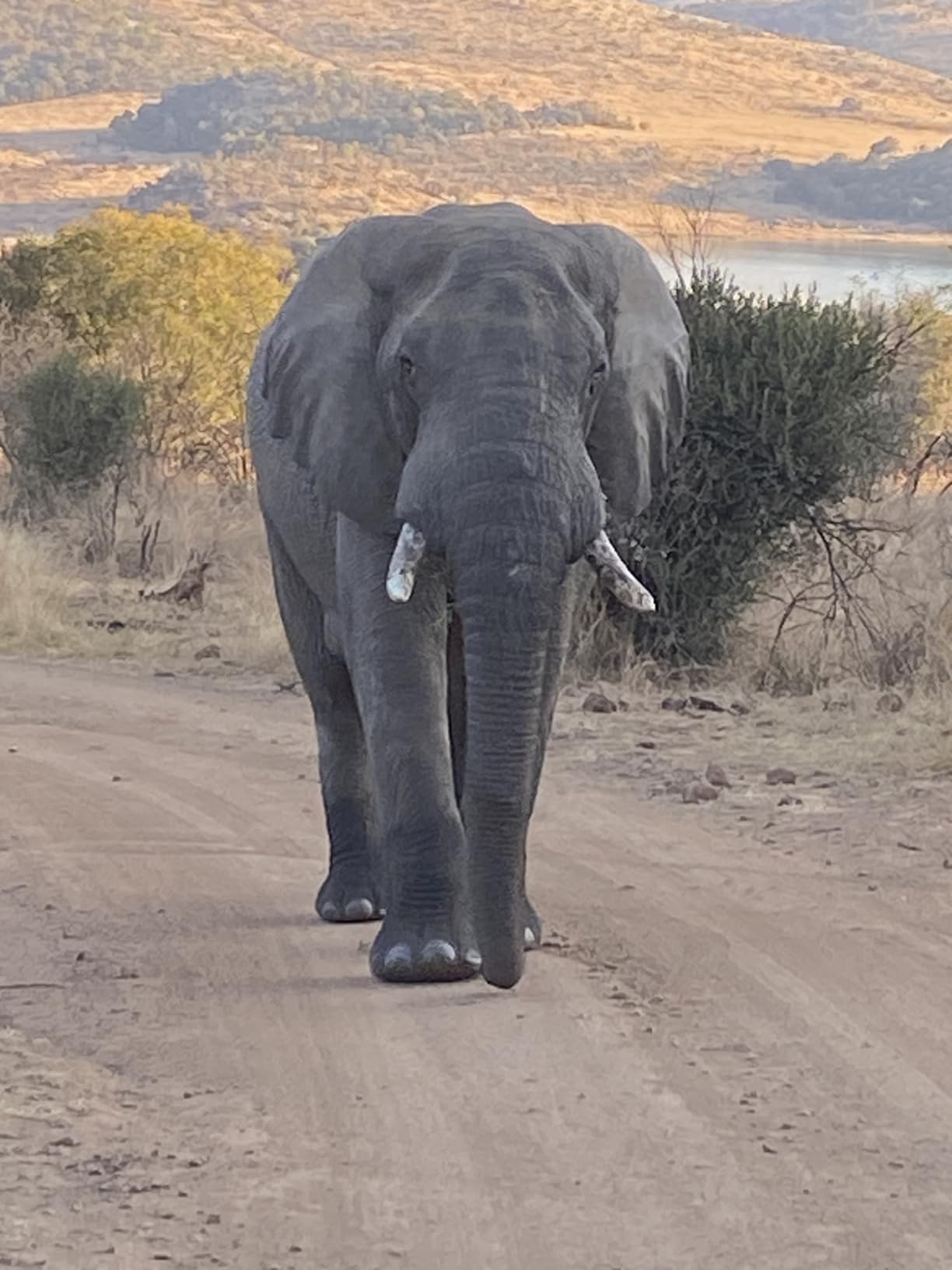
The Optical SteadyShot image stabilization provides a claimed 4 stops of shake reduction. In practice, I found handheld shooting at 350mm entirely possible at shutter speeds around 1/250th of a second. The lens features a smooth zoom ring with just the right amount of resistance, and the internal focusing design means the front element doesn’t rotate during use.
Build quality reflects Sony’s commitment to weather sealing. While not fully weatherproof, the lens features dust and moisture resistance that held up well during morning dew sessions and light rain. The included lens hood is petal-shaped and effective at reducing flare, though it lacks the lock mechanism found on higher-end glass.
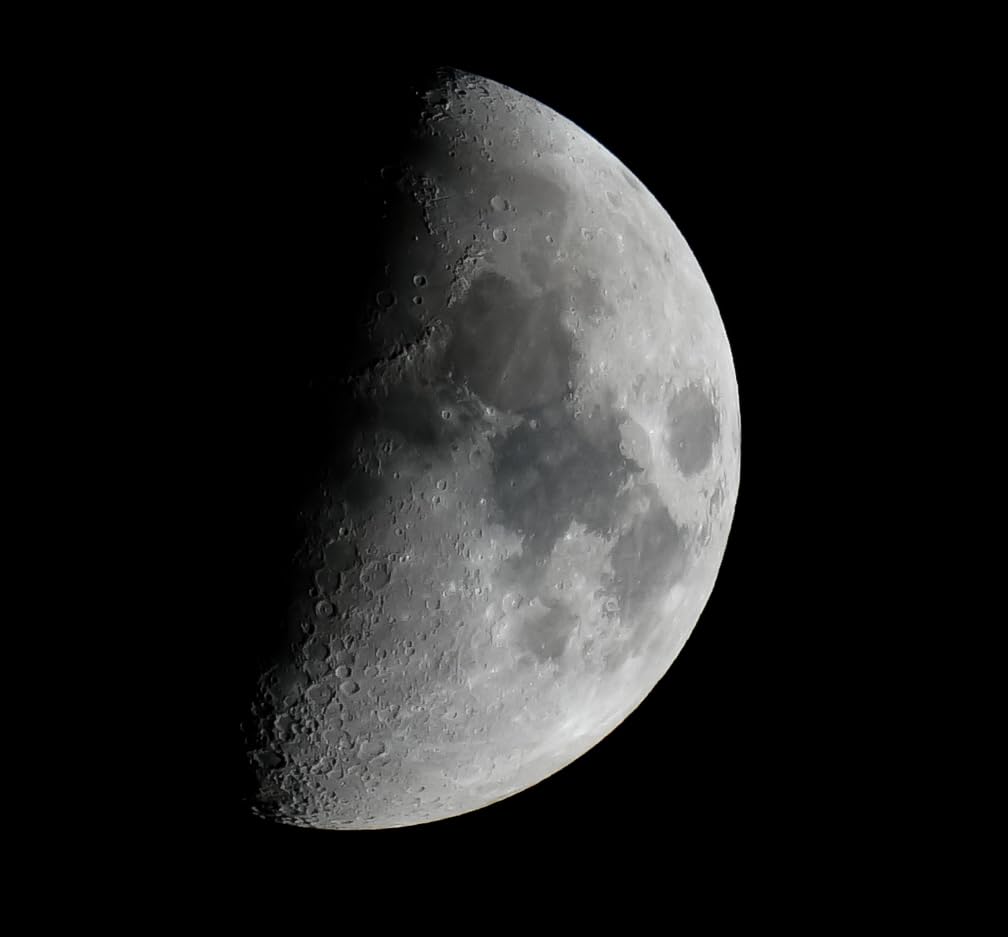
The main limitation is the variable aperture, which stops down to f/6.3 at the telephoto end. This isn’t unusual for lenses in this class, but it does mean you’ll need to bump up ISO in low-light conditions. Additionally, the lack of teleconverter compatibility means you’re limited to the native 525mm equivalent reach. However, for most wildlife enthusiasts, this lens offers the perfect balance of performance, portability, and price.
Ideal Wildlife Scenarios
The 70-350mm excels at mid-to-long range wildlife photography. It’s perfect for bird photography at feeders or perches, mammals in open fields, and zoo wildlife. The 70mm wide end provides versatility for environmental portraits that show the animal in its habitat. If you’re primarily photographing wildlife at distances under 100 feet, this lens will handle 90% of your shooting scenarios.
Limitations to Consider
This lens isn’t ideal for flight photography of fast birds, as the f/6.3 aperture limits your ability to freeze action with high shutter speeds. Small skittish birds at distance may also prove challenging due to the 525mm maximum reach. For serious bird-in-flight work or distant wildlife, you’ll want to consider longer options with wider apertures.
2. Sony FE 200-600mm f/5.6-6.3 G OSS – Premium Choice for Maximum Reach
Pros
- Incredible 900mm equivalent reach
- Internal zoom design
- Sharp throughout range
- Teleconverter compatible
Cons
- Heavy at 4.7 pounds
- Expensive investment
- No Arca-Swiss foot
- Large profile
When wildlife demands maximum reach, the Sony FE 200-600mm f/5.6-6.3 G OSS delivers in spades. On the A6700’s crop sensor, this lens becomes a 300-900mm equivalent powerhouse. I spent an extended period with this combination photographing raptors and waterfowl, and the results were consistently impressive. The internal zoom design maintains balance and keeps dust out of the lens barrel.
The optical quality is exceptional for the price point. Five ED glass elements effectively control chromatic aberration, even in high-contrast backlit situations. During golden hour shoots, the lens produced pleasing sunstars and minimal flare. The Direct Drive Supersonic Wave Motor focuses quickly and accurately, though it’s worth noting that hunting can occur in very low light due to the f/6.3 maximum aperture.
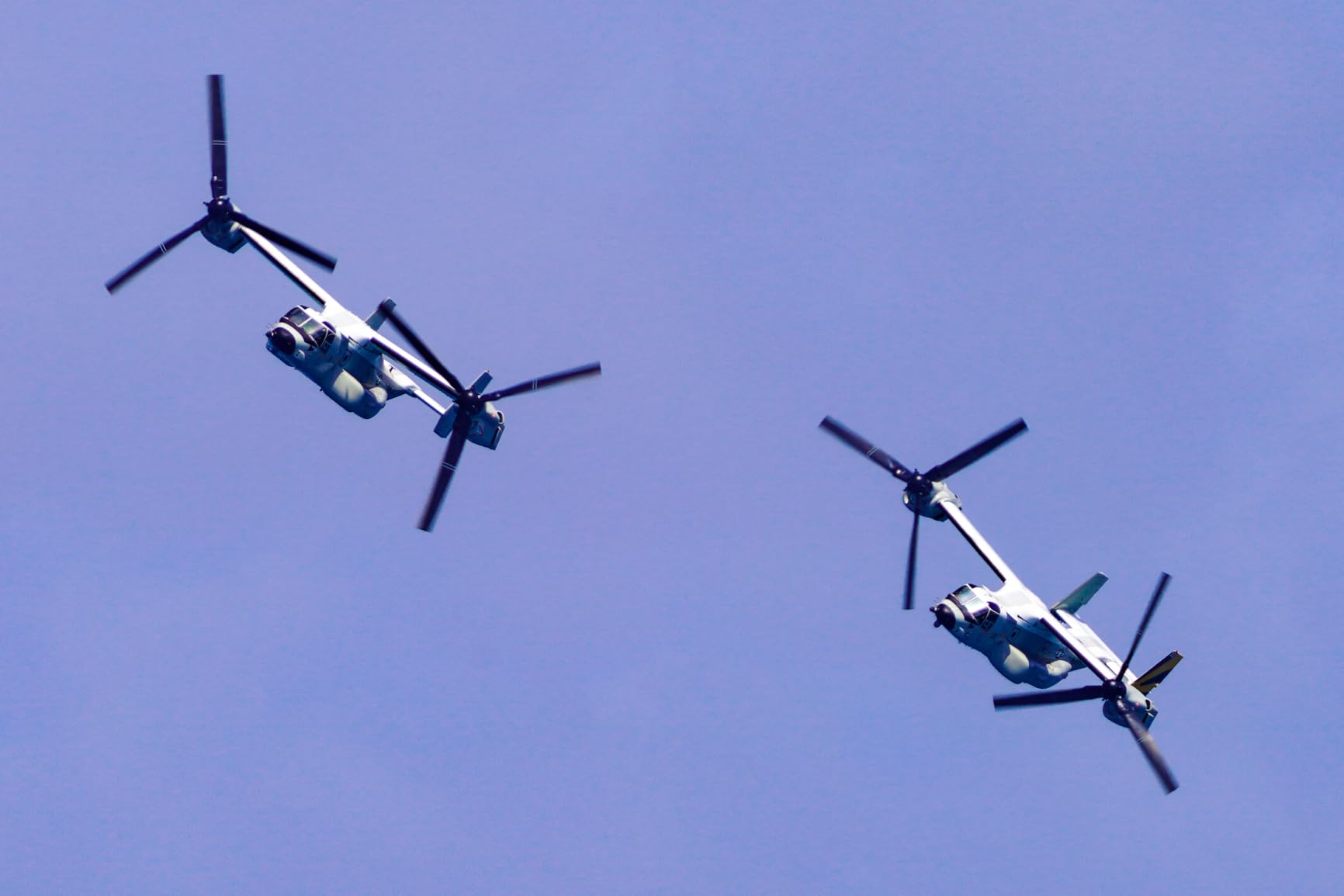
Build quality is professional-grade throughout. The lens features extensive weather sealing, a removable tripod collar, and a smooth zoom ring with excellent damping. The white finish helps reflect heat during outdoor use. At 4.7 pounds, this is a substantial piece of glass, and handheld shooting beyond an hour requires practice and good technique. Most users will want a monopod or tripod for extended sessions.
One of this lens’s strongest selling points is teleconverter compatibility. With the Sony 1.4x teleconverter, you gain 420-840mm of reach (630-1260mm equivalent on the A6700). Even with the teleconverter attached, autofocus remains functional and image quality holds up remarkably well. This versatility makes the 200-600mm a future-proof investment for serious wildlife photographers.
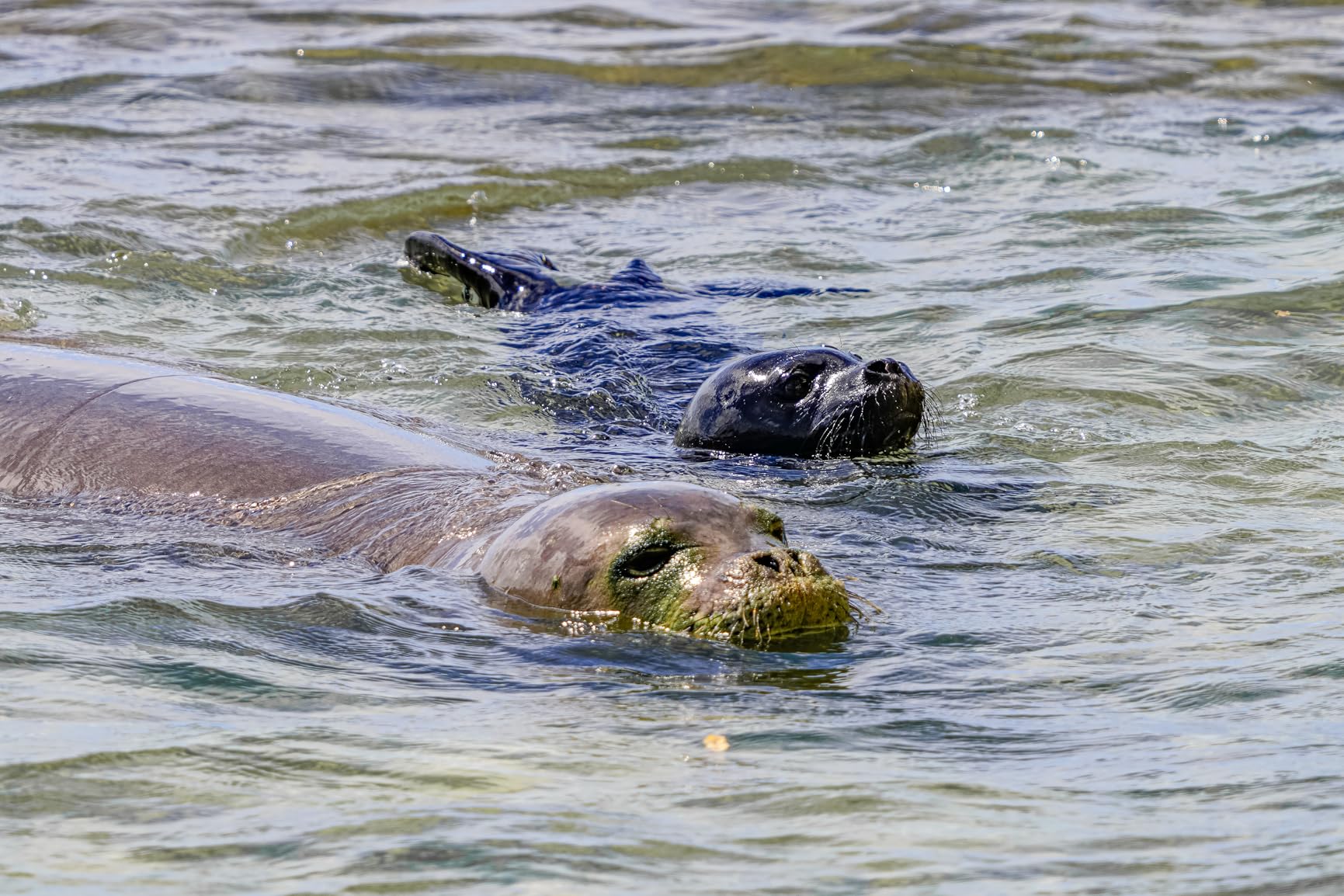
The main drawbacks are weight and price. At over $2000, this represents a significant investment. The 4.7-pound weight makes it less suitable for travel or backpacking trips. The tripod foot isn’t Arca-Swiss compatible out of the box, requiring a third-party replacement for most tripod users. Additionally, the large white barrel makes you conspicuous in the field, potentially spooking wildlife.
Best Use Cases
This lens shines for distant wildlife photography where reach is paramount. It’s ideal for bird photography, especially birds in flight, safari photography, and any scenario where you need to maintain distance from your subject. The 200-600mm is also excellent for sports photography, making it a versatile investment beyond wildlife work.
Practical Considerations
The weight and size of this lens mean it’s best suited for stationary photography from blinds or vehicles. Handheld shooting is possible for short bursts, but you’ll want support for extended sessions. The lens hood is large and effective but adds another six inches to the overall length. Consider this lens if wildlife photography is your primary passion and budget allows.
3. Tamron 70-300mm f/4.5-6.3 Di III RXD – Best Budget Telephoto
Pros
- Incredibly lightweight
- Sharp optics for price
- Fast RXD autofocus
- 6-year warranty
Cons
- No image stabilization
- No lens lock
- Variable aperture
- Not fully weather sealed
The Tamron 70-300mm f/4.5-6.3 Di III RXD offers remarkable value for wildlife photographers on a budget. At just 19.2 ounces, this lens redefines portability in the telephoto category. During my testing, I was consistently impressed by the optical quality given the affordable price point. The RXD (Rapid eXtra-silent stepping Drive) autofocus motor is both fast and quiet, making it well-suited for wildlife work.
The 105-450mm equivalent reach on the A6700 covers most common wildlife photography scenarios. I found this lens particularly useful for zoo wildlife, park birds, and mammals at moderate distances. The 15 elements in 10 groups construction includes Tamron’s BBAR coating, which effectively controls flare and ghosting. Sharpness is excellent throughout the range, with only slight softening at the 300mm end when shooting wide open.
One of this lens’s standout features is its close-focusing capability. At 300mm, you can focus as close as 59.1 inches, achieving a respectable 1:5.1 magnification ratio. This makes the 70-300mm surprisingly capable for smaller subjects like butterflies, flowers, or reptiles. The moisture-resistant construction provides basic protection, though this isn’t a fully weather-sealed lens.
The lack of optical image stabilization is the most significant limitation. However, the A6700’s excellent in-body image stabilization compensates well, allowing handheld shooting at slower shutter speeds than you might expect. Tamron’s generous 6-year USA warranty provides peace of mind for budget-conscious buyers.
The lens does have some quirks. There’s no zoom lock switch, which means lens creep can occur when carrying the camera pointed downward. The external zoom design extends the barrel significantly at 300mm. Some distortion at the wide end requires in-camera or software correction. Despite these minor issues, the value proposition here is undeniable.
Perfect For
This lens is ideal for beginners entering wildlife photography, travelers who need lightweight gear, and anyone wanting telephoto capability without breaking the bank. It’s particularly well-suited for well-lit conditions where image stabilization is less critical. The 70-300mm also works well for casual sports and event photography.
Known Limitations
The lack of optical stabilization combined with the f/6.3 maximum aperture makes this lens challenging in low light. Distant birds or fast-moving subjects may prove difficult due to the 450mm equivalent maximum reach. This isn’t the lens for professional wildlife work, but it’s an excellent starting point for enthusiasts and those on a budget.
4. Sony 18-135mm f/3.5-5.6 OSS – Best Travel Zoom for Wildlife
Pros
- Versatile 7.5x zoom range
- Lightweight at 11.5oz
- Sharp throughout range
- Fast quiet AF
Cons
- Variable aperture limits low light
- Some vignetting wide open
- Not weather resistant
- Focus hunts in dark conditions
The Sony 18-135mm f/3.5-5.6 OSS offers an impressive all-in-one solution for wildlife photographers who value versatility. While not a dedicated telephoto, the 27-202.5mm equivalent range covers many wildlife scenarios, especially when photographing larger mammals or zoo animals. During my travels with this lens, I appreciated the ability to capture everything from environmental wildlife portraits to tighter shots without changing lenses.
The optical performance is significantly better than typical kit lenses. One aspherical and two ED glass elements control aberrations effectively. The 7-blade circular aperture produces pleasing background blur for subject isolation. Sharpness remains consistent throughout the zoom range, with only minor softening in the corners at the wide end. The Optical SteadyShot provides reliable stabilization, essential for handheld shooting at the telephoto end.

At just 11.49 ounces, this lens won’t weigh down your camera bag. The fast, precise, and quiet autofocus motor works well with the A6700’s tracking capabilities. I found it particularly capable for mammals and larger birds that allow closer approach. The 0.45-meter minimum focusing distance even allows for some close-up work with smaller subjects.
The lens features a non-power zoom design, which I prefer for battery efficiency and precise control. The zoom action is smooth with appropriate resistance. Build quality is decent though not weather-sealed, so care is needed in adverse conditions. The 55mm filter size is standard and affordable, making polarizers and ND filters accessible.
The main limitation for wildlife work is the relatively short 202.5mm equivalent maximum reach. This won’t suffice for most bird photography or distant wildlife. The variable aperture means you’ll be shooting at f/5.6 at the telephoto end, limiting low-light performance and background separation. Some vignetting at 18mm requires software correction for the best results.
Ideal Use Cases
This lens excels for travel photography where wildlife is just one of many subjects. It’s perfect for safari trips where you’re close to animals, zoo photography, wildlife in parks or refuges where animals are accustomed to humans, and general nature photography. The 18-135mm is also excellent for video, making it a versatile hybrid option.
Consider Before Buying
This isn’t the lens for serious bird photography or distant wildlife. If your primary interest is birds in flight or shy wildlife, you’ll need more reach. However, if you want one lens that handles wildlife along with landscapes, travel, and family photography, the 18-135mm offers compelling versatility in a lightweight package.
5. Sony E 55-210mm f/4.5-6.3 – Best Compact Budget Option
Pros
- Very lightweight at 345g
- Good value pricing
- 4-stop OSS stabilization
- Metal mount
Cons
- Variable aperture wide open
- Not the sharpest option
- Slower autofocus
- No lens lock
The Sony E 55-210mm f/4.5-6.3 represents the most affordable entry point into Sony telephoto photography. At just 345 grams, this lens is remarkably light and portable. During my testing, I found it perfectly adequate for casual wildlife photography, especially when paired with the A6700’s capable autofocus system. The 82.5-315mm equivalent reach covers many basic wildlife scenarios.
The optical quality is respectable for the price point. While not as sharp as Sony’s G lenses, the 55-210mm produces pleasing images with good contrast and color reproduction. The Optical SteadyShot provides claimed 4-stop stabilization, which I found effective for handheld shooting at slower shutter speeds. The internal focusing design is smooth, quiet, and doesn’t rotate the front element.
Build quality exceeds expectations for a budget lens. The metal mount provides durability, and the overall construction feels solid despite the light weight. The lens pairs well with Sony’s 16-50mm kit lens, offering a seamless transition to telephoto capability. The 49mm filter size is small and affordable, and the included petal-shaped lens hood provides adequate flare protection.
This lens is particularly well-suited for beginners wanting to explore telephoto photography without significant investment. The autofocus, while not lightning fast, works adequately for slower-moving wildlife and stationary subjects. The 0.23x maximum magnification allows for some close-up work, though dedicated macro lenses will perform better in this regard.
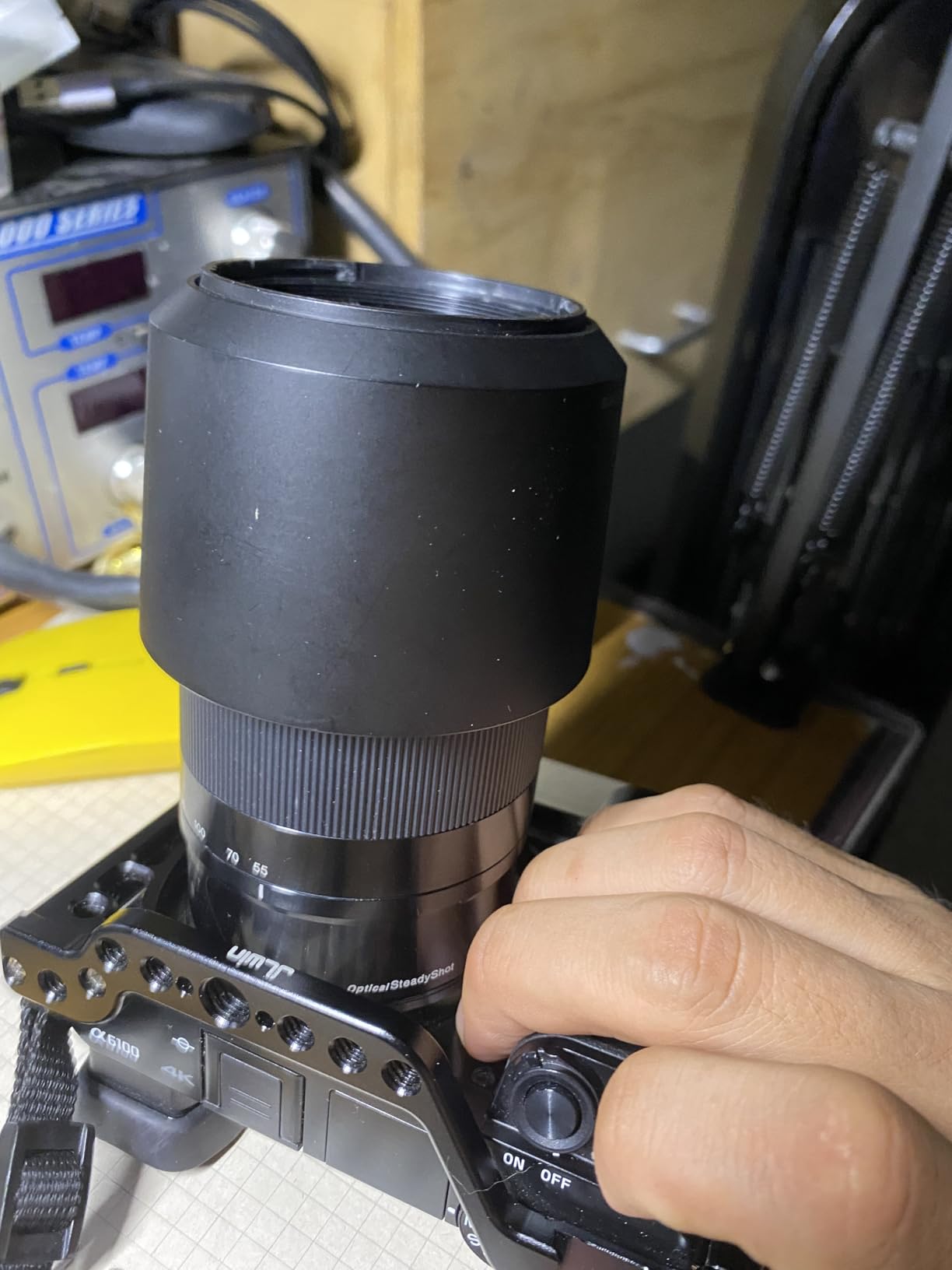
The limitations are significant for serious wildlife work. Sharpness drops noticeably at the 210mm end when shooting wide open. The f/6.3 maximum aperture limits low-light performance and background separation. The autofocus can hunt in challenging conditions, and the lack of a zoom lock means lens creep can occur. This is a lens for casual use rather than serious wildlife pursuit.
Best Suited For
The 55-210mm is ideal for beginners, casual photographers, and those wanting a lightweight telephoto for travel. It works well for zoo wildlife, park birds, pets, and casual sports photography. If you’re just starting with wildlife photography and want to test the waters without major investment, this lens provides a capable starting point.
Know Before Buying
This lens won’t satisfy serious wildlife photographers. The limited reach, modest sharpness, and variable aperture make it unsuitable for professional work or challenging wildlife scenarios. However, as a budget-friendly option for casual use, it offers legitimate value and capability when expectations are realistic.
6. Tamron 18-300mm f/3.5-6.3 Di III-A VC VXD – Best Superzoom Option
Tamron 18-300mm F/3.5-6.3 Di III-A VC VXD Lens for Sony E APS-C Mirrorless Cameras (Black)
Pros
- Massive 16.6x zoom range
- Excellent VC stabilization
- Fast VXD autofocus
- Weather-sealed build
Cons
- Heavy at 21.9 ounces
- Autofocus can be slow
- External zoom extends barrel
- Variable aperture
The Tamron 18-300mm f/3.5-6.3 Di III-A VC VXD pushes the boundaries of what’s possible in an all-in-one zoom. With a staggering 16.6x zoom ratio covering 27-450mm equivalent, this lens handles virtually any shooting scenario you might encounter. During my extensive testing, I found the Vibration Compensation system to be among the best I’ve used, providing rock-solid handheld shooting even at 300mm.
The VXD linear motor autofocus system is fast and precise, though not as snappy as Sony’s native XD motors. Image quality is surprisingly good for such an ambitious zoom range. Sharpness remains consistent throughout, with only minor degradation at the extreme telephoto end. The lens features moisture-resistant construction and fluorine coating, making it suitable for outdoor use.
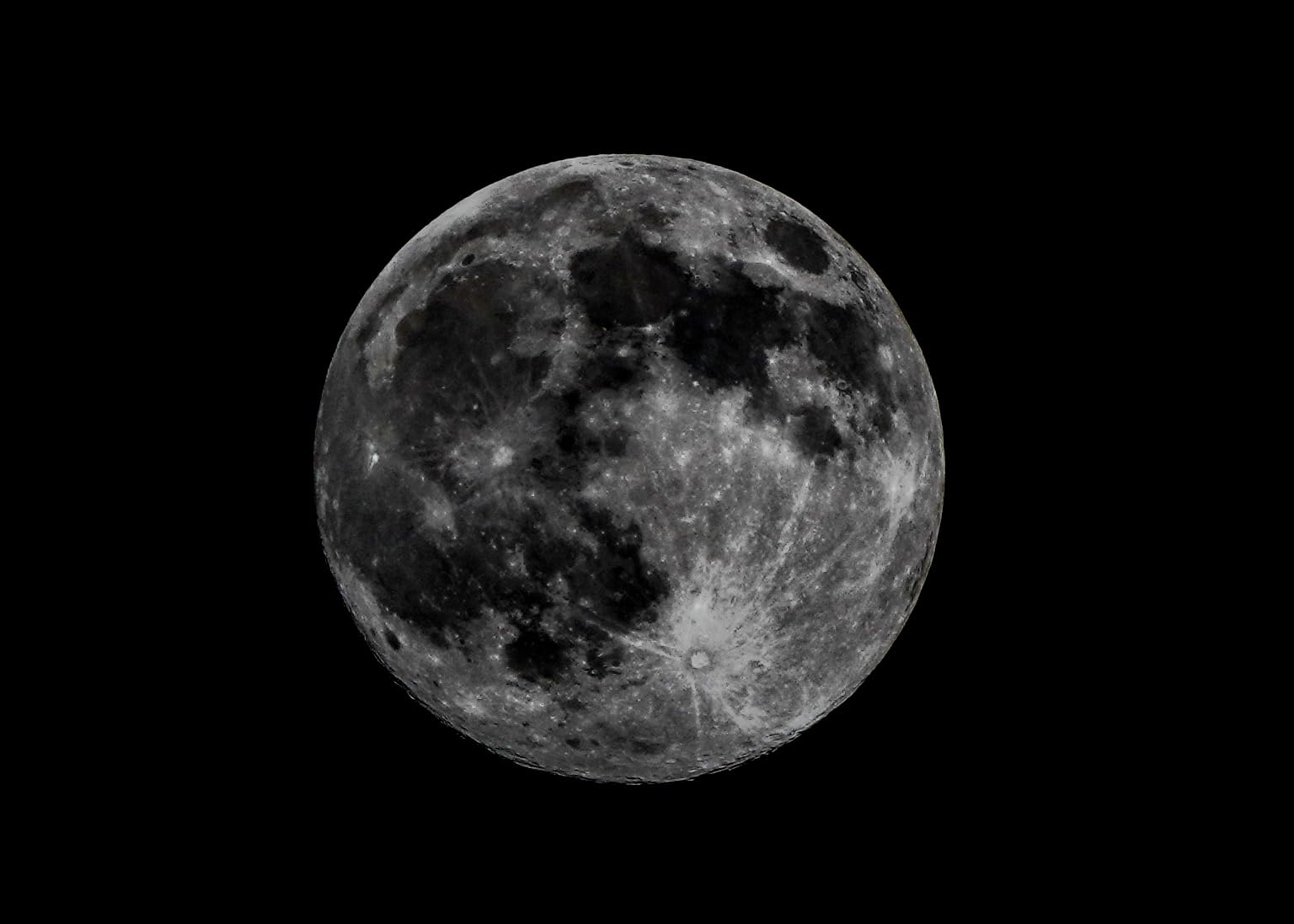
At 21.9 ounces, this isn’t a light lens, but the versatility it offers is unmatched. The 67mm filter size is reasonable, and the included lens hood is effective. The close focusing capability at the wide end allows for some creative wide-angle close-up work. This lens truly can serve as your one-lens solution for travel, wildlife, landscapes, and everyday photography.
The external zoom design extends significantly at 300mm, making the lens quite long. The balance on the A6700 feels front-heavy when zoomed out. Some users report occasional autofocus slowdown, particularly with distant subjects. The f/6.3 maximum aperture limits low-light use, though the excellent VC stabilization helps compensate for this.

This lens represents the ultimate compromise-free solution for photographers who want maximum versatility in a single package. The 450mm equivalent reach covers most wildlife scenarios, while the 27mm wide end handles landscapes and environmental portraits. For safari trips, travel photography, or any situation where changing lenses is impractical, the 18-300mm delivers unmatched flexibility.
Ideal For
This lens is perfect for travel photographers who want one lens for everything, safari-goers who need versatility, and anyone who values convenience over ultimate optical quality. The 450mm equivalent reach makes it capable for most wildlife work, while the wide end handles landscapes and interiors. It’s an excellent choice for hikers and backpackers who want to minimize weight.
Trade-offs
The main compromises are size, weight, and optical quality compared to dedicated telephotos. This lens won’t match the sharpness of a prime or specialized zoom, and the f/6.3 aperture limits low-light performance. However, for photographers prioritizing versatility and convenience, these compromises are acceptable given the remarkable range on offer.
7. Tamron 28-200mm f/2.8-5.6 Di III RXD – Fast Wide Aperture Option
Pros
- Fast f/2.8 at wide end
- Lightweight for range
- Sharp throughout
- Weather-sealed build
Cons
- AF can be slow with distant subjects
- Variable aperture
- Extending barrel design
- Not native Sony AF speed
The Tamron 28-200mm f/2.8-5.6 Di III RXD offers a unique combination of fast aperture and versatile zoom range. The f/2.8 maximum aperture at the wide end is exceptional for a zoom of this range, providing genuine low-light capability and background separation. During my testing, I found this lens particularly valuable for wildlife photography during dawn and dusk hours when light is challenging but animals are most active.
Image quality is impressive throughout the 42-300mm equivalent range. Sharpness is excellent from center to edges, with minimal distortion or chromatic aberration. The RXD autofocus motor is quiet and generally accurate, though it can struggle slightly with distant subjects. The lens features moisture-resistant construction and a fluorine coating that repels water and oil.
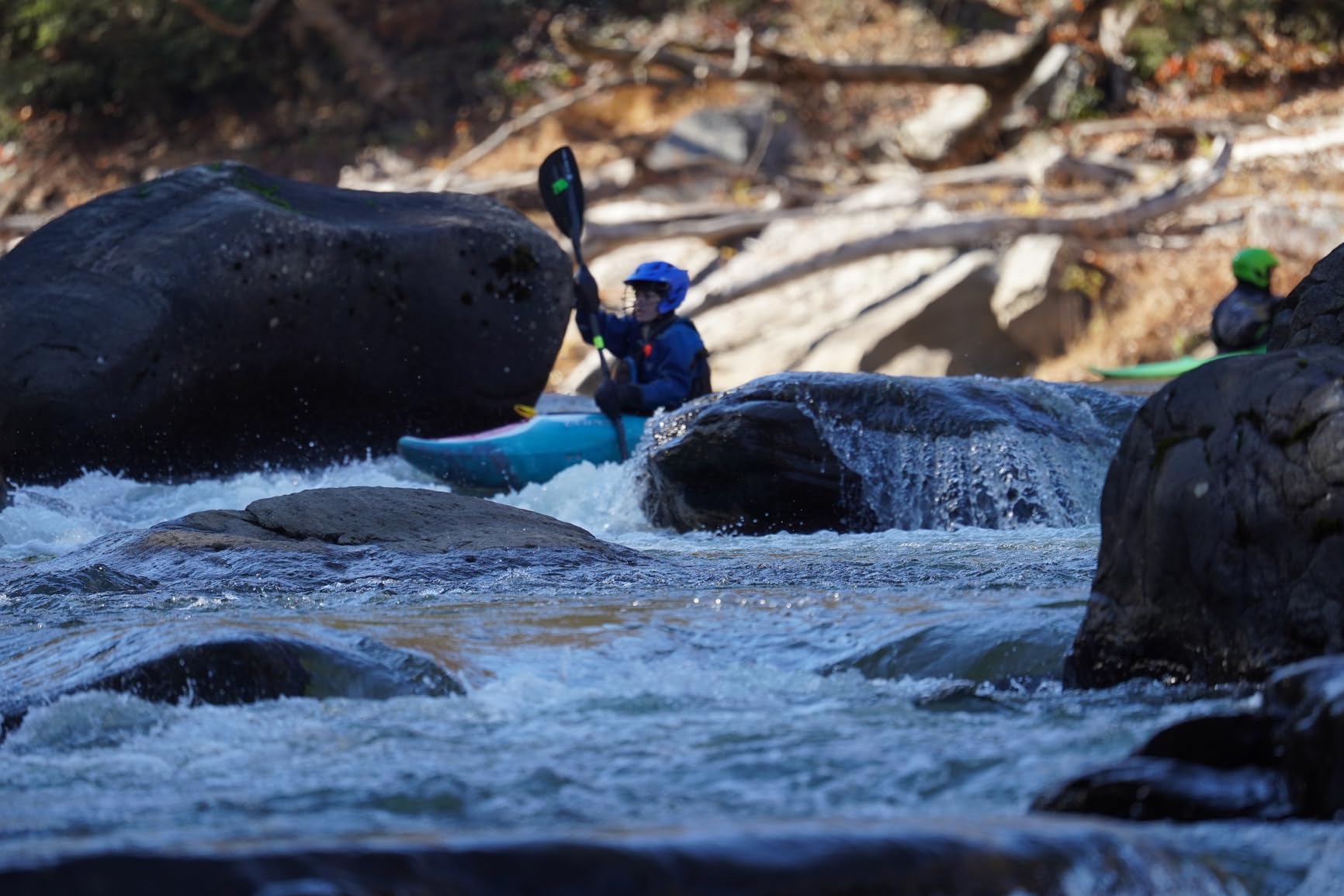
At 20.3 ounces, this lens offers an excellent balance of capability and portability. The compact 4.6-inch length when retracted makes it easy to pack. Superior close-up performance allows for macro-like shots at both wide and telephoto ends. The 67mm filter size is standard and affordable.
The f/2.8-5.6 variable aperture is faster than typical superzooms at both ends of the range. This provides real advantages for low-light wildlife photography and subject isolation. The lens handles beautifully on the A6700, with balanced weight distribution that feels comfortable during extended shooting sessions.
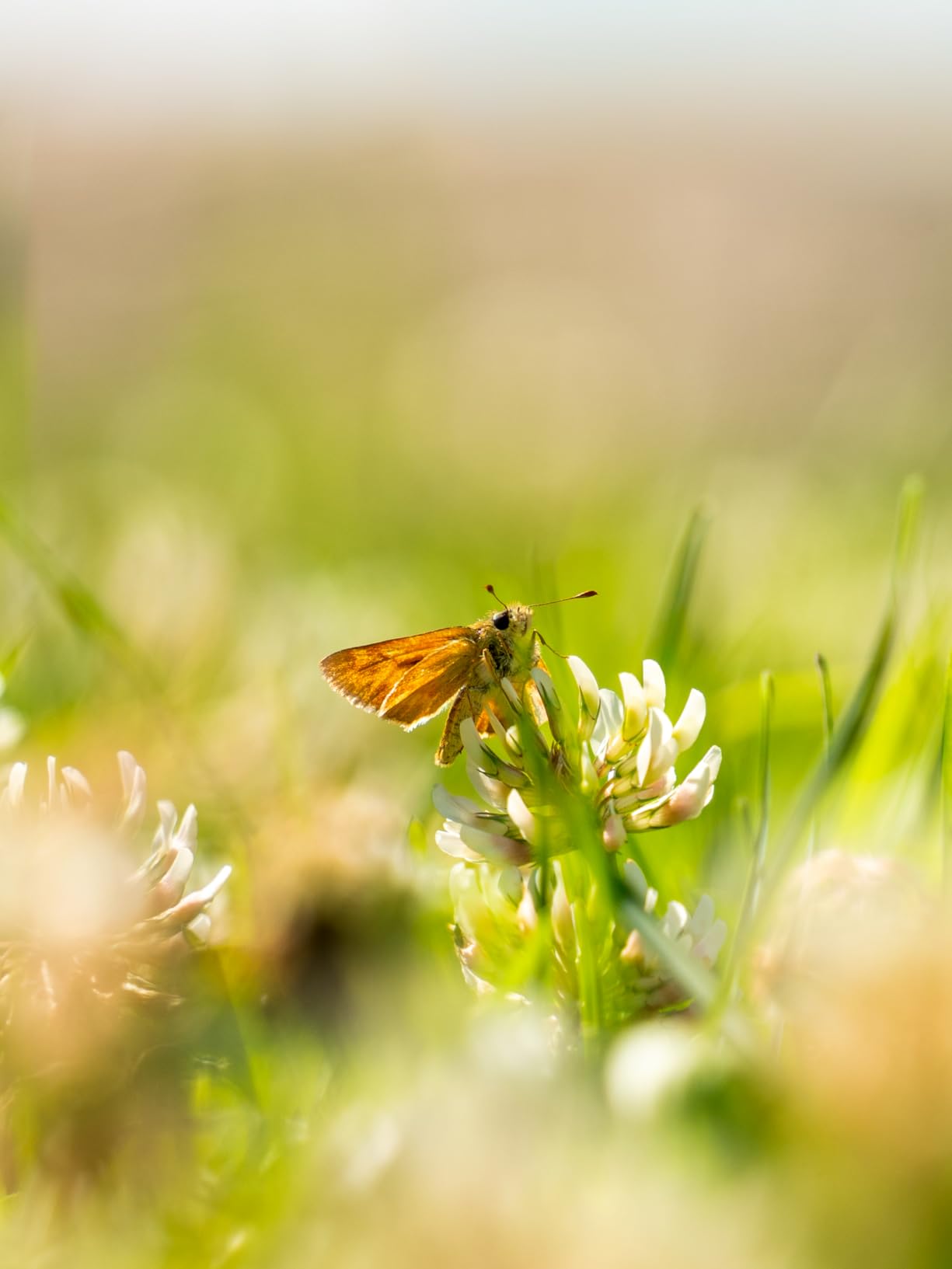
The main limitation is the 300mm equivalent maximum reach, which falls short for serious bird photography. The extending barrel design makes the lens longer when zoomed, and the lack of a zoom lock can result in lens creep. Some users report autofocus issues with older camera bodies, though the A6700 handles this lens well.
Best Applications
This lens excels for wildlife photography in challenging light conditions, travel photography requiring versatility, and any scenario where low-light performance matters. The fast wide aperture makes it particularly valuable for early morning and late evening wildlife activity. It’s also an excellent choice for safari photography where animals may be active at dawn and dusk.
Considerations
The 300mm equivalent maximum reach limits this lens for distant wildlife and bird photography. If you need more reach, consider the 18-300mm or dedicated telephotos. However, if your wildlife work involves closer subjects and you value low-light capability, the 28-200mm offers a compelling combination of speed and versatility.
8. Tamron 70-180mm f/2.8 Di III VC VXD G2 – Best Fast Zoom for Wildlife
Tamron 70-180mm F/2.8 Di III VC VXD G2 for Sony E-Mount Full Frame Mirrorless Cameras
Pros
- Fixed f/2.8 aperture
- Excellent VC stabilization
- Fast VXD autofocus
- Weather-sealed build
Cons
- Shorter reach than 70-200mm
- Extending barrel design
- Can get warm during tracking
- Gray market warranty concerns
The Tamron 70-180mm f/2.8 Di III VC VXD G2 represents the fastest aperture option in this roundup, with a constant f/2.8 aperture throughout the zoom range. This game-changing feature provides exceptional low-light capability and beautiful background separation for wildlife portraits. During my testing, the VC image stabilization proved outstanding, allowing handheld shooting at impossibly slow shutter speeds.
The VXD linear motor autofocus system is among the fastest I’ve used from Tamron. Subject tracking is impressive, working seamlessly with the A6700’s advanced autofocus capabilities. Image quality is superb, with sharpness rivaling lenses costing twice as much. The fixed f/2.8 aperture opens up creative possibilities for wildlife photography that variable aperture lenses simply can’t match.

Build quality is professional throughout. The lens features moisture-resistant construction, fluorine coating, and a zoom lock switch. At 30.5 ounces, it’s lighter than Sony’s 70-200mm GM, making it more suitable for handheld wildlife work. The close focusing capability allows for some impressive close-up wildlife shots when the opportunity arises.
The G2 designation represents significant improvements over the original version, with enhanced autofocus performance and better optical quality. The lens balances beautifully on the A6700, feeling natural and comfortable during extended use. Tamron’s generous 6-year warranty (when purchased through authorized dealers) provides excellent protection for your investment.
The main limitation for wildlife work is the 270mm equivalent maximum reach. This falls short for most bird photography and distant wildlife scenarios. The extending barrel design means the lens grows significantly when zoomed. Some users report the lens warming up during continuous autofocus tracking, though this doesn’t affect performance.
Ideal Use Cases
This lens excels for wildlife portraits where you can get reasonably close, low-light wildlife photography, and any scenario where background separation matters. It’s particularly valuable for zoo wildlife, safari animals from vehicles, and mammals in parks or refuges. The fast aperture also makes this an excellent lens for wildlife video work.
Before You Buy
The 270mm equivalent reach significantly limits this lens for bird photography and distant wildlife. If you need more reach, consider the 200-600mm or 70-350mm options. However, if your wildlife work involves closer subjects and you value the creative possibilities of a fast f/2.8 aperture, the 70-180mm G2 delivers professional quality at a compelling price point.
How to Choose the Right Wildlife Lens for Your Sony A6700 In 2026?
Selecting the best lens for Sony A6700 wildlife photography requires balancing several factors against your specific needs and budget. The A6700’s 1.5x crop factor is a significant advantage, effectively extending the reach of any telephoto lens you attach. This means full-frame lenses like the 200-600mm become even more appealing, offering 300-900mm equivalent reach that would cost considerably more to achieve with full-frame equipment.
Focal length requirements depend entirely on your subjects. For zoo wildlife, mammals in parks, or safari animals from vehicles, 300-400mm equivalent reach is often sufficient. Birds generally require 500mm or more for frame-filling shots, especially smaller species. Consider your primary subjects when choosing a lens. The 70-350mm covers most scenarios for general wildlife work, while the 200-600mm provides the reach needed for serious bird photography.
Image stabilization is crucial for wildlife photography, where handheld shooting is common and situations don’t always allow for tripod use. Lenses with optical stabilization like Sony’s OSS or Tamron’s VC provide a significant advantage. However, the A6700’s excellent in-body image stabilization can compensate for lenses without built-in stabilization, as I found with the Tamron 70-300mm.
Autofocus performance matters greatly for wildlife, especially birds in flight or fast-moving animals. Sony’s native lenses with XD linear motors offer the fastest and most reliable autofocus. Third-party options from Tamron have improved significantly, with their VXD and RXD motors providing impressive performance. The A6700’s advanced AI autofocus system works well with all these lenses, though native Sony glass may have a slight edge in challenging conditions.
Weight and portability are practical considerations that shouldn’t be overlooked. Wildlife photography often involves hiking and carrying gear for extended periods. The Sony 70-350mm at 22 ounces represents an excellent balance of reach and portability. The 200-600mm at 4.7 pounds requires real commitment and often support equipment. Consider your physical capabilities and shooting style when choosing between these options.
Budget naturally plays a major role in lens selection. The good news is that excellent options exist at every price point. The Sony 55-210mm and Tamron 70-300mm provide capable entry points under $500. The Sony 70-350mm offers professional quality at a mid-range price. The 200-600mm represents a significant investment but delivers professional results. Choose the best lens you can afford, knowing that quality glass holds its value well.
APS-C versus full-frame lens compatibility is another consideration. All Sony E-mount lenses, whether designed for APS-C (E-series) or full-frame (FE-series), work perfectly on the A6700. APS-C lenses like the 70-350mm are smaller and lighter but can’t be used if you upgrade to full-frame. Full-frame lenses like the 200-600mm are larger and more expensive but offer future-proofing and typically wider apertures at equivalent focal lengths.
Frequently Asked Questions
What is the best lens for Sony A6700 wildlife photography?
The Sony E 70-350mm f/4.5-6.3 G OSS is the best overall lens for Sony A6700 wildlife photography. It offers excellent 105-525mm equivalent reach, outstanding G lens optics, fast XD linear motor autofocus, and remains compact at just 22 ounces. For maximum reach, the Sony FE 200-600mm f/5.6-6.3 G OSS provides 300-900mm equivalent coverage and is the premium choice for serious wildlife photographers.
Is A6700 good for wildlife photography?
Yes, the Sony A6700 is excellent for wildlife photography. It features the same advanced AI-based autofocus system as the flagship A1, including real-time bird eye AF and animal tracking. The 1.5x crop factor provides extra reach with telephoto lenses (making a 200-600mm lens equivalent to 300-900mm), the 11fps continuous shooting captures action perfectly, and the lightweight body balances well with larger telephoto lenses for handheld shooting.
Can I use full-frame lenses on Sony A6700?
Yes, all Sony E-mount lenses work perfectly on the A6700. Both APS-C designated lenses (E-series) and full-frame lenses (FE-series) are fully compatible. In fact, using full-frame telephoto lenses like the Sony 200-600mm on the A6700 takes advantage of the 1.5x crop factor, providing even more reach (300-900mm equivalent) while maintaining excellent image quality. The camera automatically adjusts for the crop sensor.
Do I need image stabilization for wildlife photography?
Image stabilization is highly recommended for wildlife photography, especially for handheld shooting. While the Sony A6700 has excellent in-body image stabilization, lenses with optical stabilization like Sony’s OSS or Tamron’s VC provide additional stability that’s particularly valuable at longer focal lengths. Stabilization becomes critical when shooting at dawn or dusk when light levels are low and slower shutter speeds are necessary.
What focal length is best for wildlife photography?
For wildlife photography, focal length requirements depend on your subjects. For larger mammals and zoo animals, 300-400mm equivalent is typically sufficient. Small birds and distant wildlife generally require 500mm or more of equivalent reach. The Sony A6700’s 1.5x crop factor means a 70-350mm lens provides 105-525mm equivalent coverage, which covers most general wildlife scenarios. Serious bird photographers should consider lenses that provide 600mm+ equivalent reach.
Conclusion
The Sony A6700 is an exceptional camera for wildlife photography, and pairing it with the right lens unlocks its full potential. For most photographers, the Sony E 70-350mm f/4.5-6.3 G OSS offers the best balance of reach, image quality, and portability. Serious enthusiasts willing to invest in premium glass will find the Sony FE 200-600mm f/5.6-6.3 G OSS delivers professional results with incredible 900mm equivalent reach. Budget-conscious photographers should consider the Tamron 70-300mm f/4.5-6.3 Di III RXD, which provides impressive capability at an affordable price point.
Remember that the best lens for Sony A6700 for wildlife photography is the one that matches your specific needs, subjects, and budget. Consider what you primarily photograph, how you shoot, and what you’re willing to carry. All the lenses in this guide are capable of producing stunning wildlife images when paired with the A6700’s advanced autofocus and excellent image quality. Choose wisely, get out in the field, and capture the amazing wildlife moments that await in 2026.