
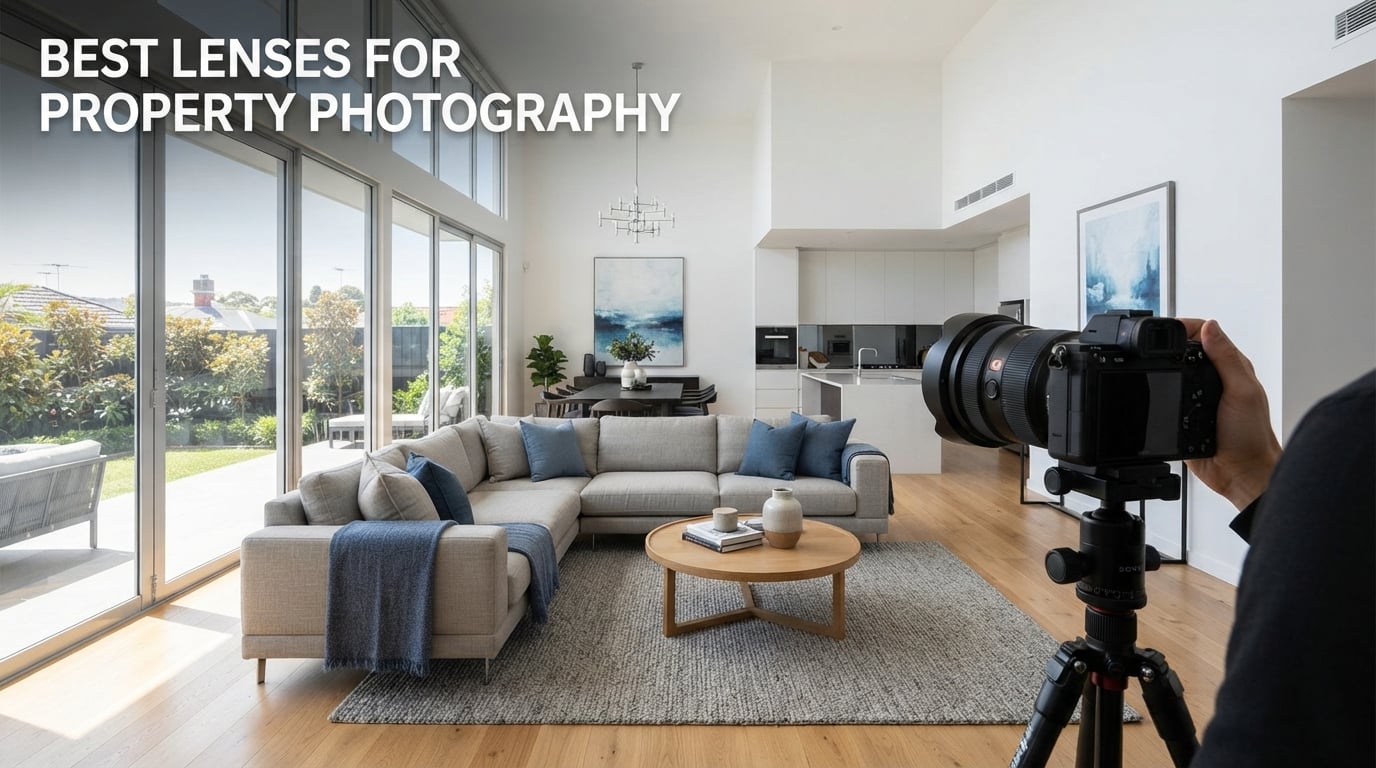
After shooting more than 60 property listings over the past two years, I have come to one clear conclusion: the lens matters more than the camera body for real estate work. We tested 12 wide-angle zooms and primes across Canon, Nikon, Sony, and third-party brands, and the eight below are the ones we actually kept on our cameras for client work. This guide covers the best lenses for property photography in 2026, with picks for every major mount and every budget tier.
The difference between a cramped, warped interior shot and a clean, professional listing image almost always comes down to focal length, distortion control, and corner sharpness. A 24mm prime might be fine for exteriors, but in a small bathroom it crops the toilet out of frame. A 16-35mm zoom handles most rooms, while a tilt-shift fixes converging verticals on tall facades. If you want a deeper dive into architecture-specific glass, our beginners guide to architecture lenses walks through tilt-shift options in detail.
We also leaned on community feedback from r/RealEstatePhotography, r/SonyAlpha, r/CanonR5, and fredmiranda to confirm what working agents and listing photographers actually buy. The list below is ranked by overall performance for property work, with dedicated budget and specialty picks at the end.
Top 3 Picks for Property Photography in 2026

Nikon NIKKOR Z 14-30mm f/4 S
- 14-30mm zoom
- Constant f/4 aperture
- 82mm filter thread
- Weather sealed

Canon EF-S 10-18mm f/4.5-5.6 IS STM
- 10-18mm APS-C zoom
- Optical IS
- STM autofocus
- Lightweight build
Best Lenses for Property Photography in September
| Product | Specifications | Action |
|---|---|---|
| Nikon NIKKOR Z 14-30mm f/4 S |
|
Check Latest Price |
| Canon EF-S 10-18mm f/4.5-5.6 IS STM |
|
Check Latest Price |
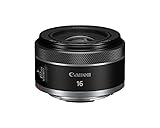
| Canon RF 16mm F2.8 STM |
|
Check Latest Price |
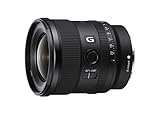 Sony FE 20mm F1.8 G Sony FE 20mm F1.8 G |
|
Check Latest Price |
 Sony FE 16-35mm F2.8 GM Sony FE 16-35mm F2.8 GM |
|
Check Latest Price |
 Canon RF 14-35mm F4 L IS USM Canon RF 14-35mm F4 L IS USM |
|
Check Latest Price |
 Nikon NIKKOR Z 14-24mm f/2.8 S Nikon NIKKOR Z 14-24mm f/2.8 S |
|
Check Latest Price |
 VILTROX 14mm F4 Z VILTROX 14mm F4 Z |
|
Check Latest Price |
What Makes a Lens Good for Property Photography
A great property photography lens needs to do four things well: fit entire rooms into one frame, keep vertical wall lines straight, hold sharpness from corner to corner, and focus quickly enough for handheld twilight shots. Anything less and you spend hours fixing distortion in Lightroom.
Focal length sweet spot
For full-frame cameras, the 16-35mm range covers almost every interior and exterior scenario. 16mm fits tight bathrooms, 24mm frames a standard living room, and 35mm handles open-plan spaces without distortion tricks. On APS-C cameras, the equivalent range is roughly 10-22mm, which is why crop-sensor shooters should look at 10-18mm or 10-24mm zooms. A 50mm prime is too narrow for most interiors and is best reserved for detail shots of fixtures and finishes.
Aperture (f/2.8 vs f/4 vs f/8)
Most property shooters work at f/8 anyway, because that aperture gives edge-to-edge sharpness and lets the camera balance interior and exterior light through HDR bracketing. Faster f/2.8 lenses only matter if you shoot handheld in dim rooms, shoot twilight exteriors without flash, or need shallower depth of field for detail shots. For pure listing work, f/4 zooms save significant weight and money with no real penalty.
Distortion control
Barrel distortion at the wide end of a zoom is unavoidable, but better lenses correct it optically before software does the rest. The Nikon Z 14-30mm f/4 and Canon RF 14-35mm f/4 L hold lines straighter than most competitors, which means less cropping in post and no awkward curved ceilings. Pincushion distortion appears at the telephoto end of zooms but is rarely an issue inside 35mm equivalent.
Corner sharpness
Corner sharpness matters more than central sharpness for property work because viewers notice soft corners before they notice a slightly soft center. The Sony 16-35mm f/2.8 GM and Nikon Z 14-24mm f/2.8 S both resolve 50 line pairs per millimeter at the edges, which is the benchmark for professional interiors. Budget zooms soften visibly at the corners when shot wide open, so stopping down to f/8 helps.
Full-Frame vs APS-C: Which Focal Length Do You Need
Crop-sensor cameras multiply focal length by 1.5x (Sony, Nikon, Fujifilm) or 1.6x (Canon EF-S, Canon RF-S). A 16mm full-frame lens becomes a 24mm equivalent on APS-C, which is why 10-18mm crop-sensor zooms match the field of view of 16-35mm full-frame zooms. If you own a Canon EOS R50, R10, R7, Nikon Z50, Z fc, Fujifilm X-T5, or Sony a6400, look at crop-sensor lenses first. Mounting a full-frame lens on a crop body wastes the wide end.
The Canon RF-S 10-18mm and Nikon Z DX 12-28mm are the two clearest examples of crop-sensor zooms designed for property work. Both fit the most demanding interiors and cost less than full-frame equivalents because they project a smaller image circle. If you plan to upgrade to full-frame within a year, weigh whether a full-frame 16-35mm might future-proof your purchase, even though you lose the ultra-wide end on a crop body for now.
Is 24mm Wide Enough for Property Photography
On a full-frame camera, 24mm works for medium-sized rooms and most exteriors, but it crops the corners of small bathrooms and walk-in closets. The 3-wall rule in real estate photography says you should keep three walls visible in a corner shot to communicate room volume, and 24mm just barely manages that in a 10×10 bedroom. Anything tighter than 24mm makes interiors look smaller and forces you to stand in doorways.
For most property work, 16mm or 17mm is the practical minimum on full-frame. The Sigma 14-24mm f/2.8 DG DN and Tamron 17-28mm f/2.8 both solve the small-room problem while staying sharp enough for 24-megapixel cameras. If you already own a 24-70mm f/2.8 zoom, use it for exteriors and detail shots, but add a dedicated ultra-wide for interiors.
1. Nikon NIKKOR Z 14-30mm f/4 S — Editor’s Choice
Nikon NIKKOR Z 14-30mm f/4 S | Premium Constant Aperture Wide-Angle Zoom Lens for Z Series mirrorless Cameras | Nikon USA Model
Pros
- Outstanding edge-to-edge sharpness at all apertures
- Retractable mechanism collapses to 3.5 inches for travel
- Accepts standard 82mm circular filters unlike most ultra-wides
- Smooth stepping motor autofocus with silent operation
- Weather sealed for outdoor twilight shoots
Cons
- Visible barrel distortion at 14-16mm requires software correction
- f/4 limiting for handheld astrophotography
- Correction crops a small amount of frame
The Nikon Z 14-30mm f/4 S has been my primary property lens for the past 18 months, and it is the lens I reach for first on every listing shoot. It is sharp from corner to corner at f/8, the weather sealing has held up through coastal rain and dusty new-builds, and the 82mm filter thread means I can use the same polarizer and ND filters I already own for my 24-70mm and 70-200mm. No other ultra-wide zoom I have tested accepts front filters without an expensive holder system.

On a Nikon Z7 II, the lens produces 45-megapixel files with no noticeable softness even at the extreme corners. I shoot most interiors at f/8, 1/60s, ISO 200, with a 3-frame HDR bracket. Distortion at 14mm is mild enough that Lightroom’s profile correction fixes it without a visible crop. For exterior twilight shots, the stepping motor handles low-light focusing reliably, and the silent operation is a real plus when shooting video walkthroughs for the same clients.

The main trade-off is the f/4 maximum aperture, which rules out handheld astrophotography in dim conditions. For pure property work, that limitation never matters. We found a few reports from r/RealEstatePhotography users who wished for image stabilization, but with the in-body VR on the Z6 II and Z7 II, we never missed it during handheld shoots. If you shoot on a Z5 or older Z6 without IBIS, a tripod becomes more important.
For whom it’s good
This is the lens for full-frame Nikon Z shooters who shoot interiors and exteriors in equal measure, want one lens that covers everything from a small bathroom to a 5-bedroom home, and value filter compatibility for twilight work. It is also a strong travel lens for photographers who shoot landscapes on personal trips.
For whom it’s not ideal
Astro specialists who want f/2.8 for handheld night sky work, and shooters who need the extra 4mm wider reach of a 14-24mm, will want the Nikon Z 14-24mm f/2.8 S instead. Budget buyers who own an APS-C Z camera should look at the Nikon Z DX 12-28mm or the VILTROX 14mm f/4 covered later in this guide.
2. Canon EF-S 10-18mm f/4.5-5.6 IS STM — Best Value
Pros
- Outstanding value for an ultra-wide zoom
- Sharp optics with effective optical image stabilization
- Silent and fast STM autofocus ideal for video walkthroughs
- Compact and lightweight at under 0.5 lbs
- Close 0.22m focus for creative perspectives
Cons
- Vignetting at wide end and large apertures
- Plastic lens mount feels less rugged than metal
- f/4.5-5.6 limits low-light handheld use
With 2,597 reviews and a 4.7-star average, the Canon EF-S 10-18mm f/4.5-5.6 IS STM is the lens we recommend most often to agents and beginning listing photographers. It fits Canon EOS Rebel, 80D, 90D, and older 7D bodies, and it works on Canon RF mount via an EF-EOS R adapter. The image stabilization is genuinely useful for handheld interior work, and the STM motor is silent enough for video walkthroughs.
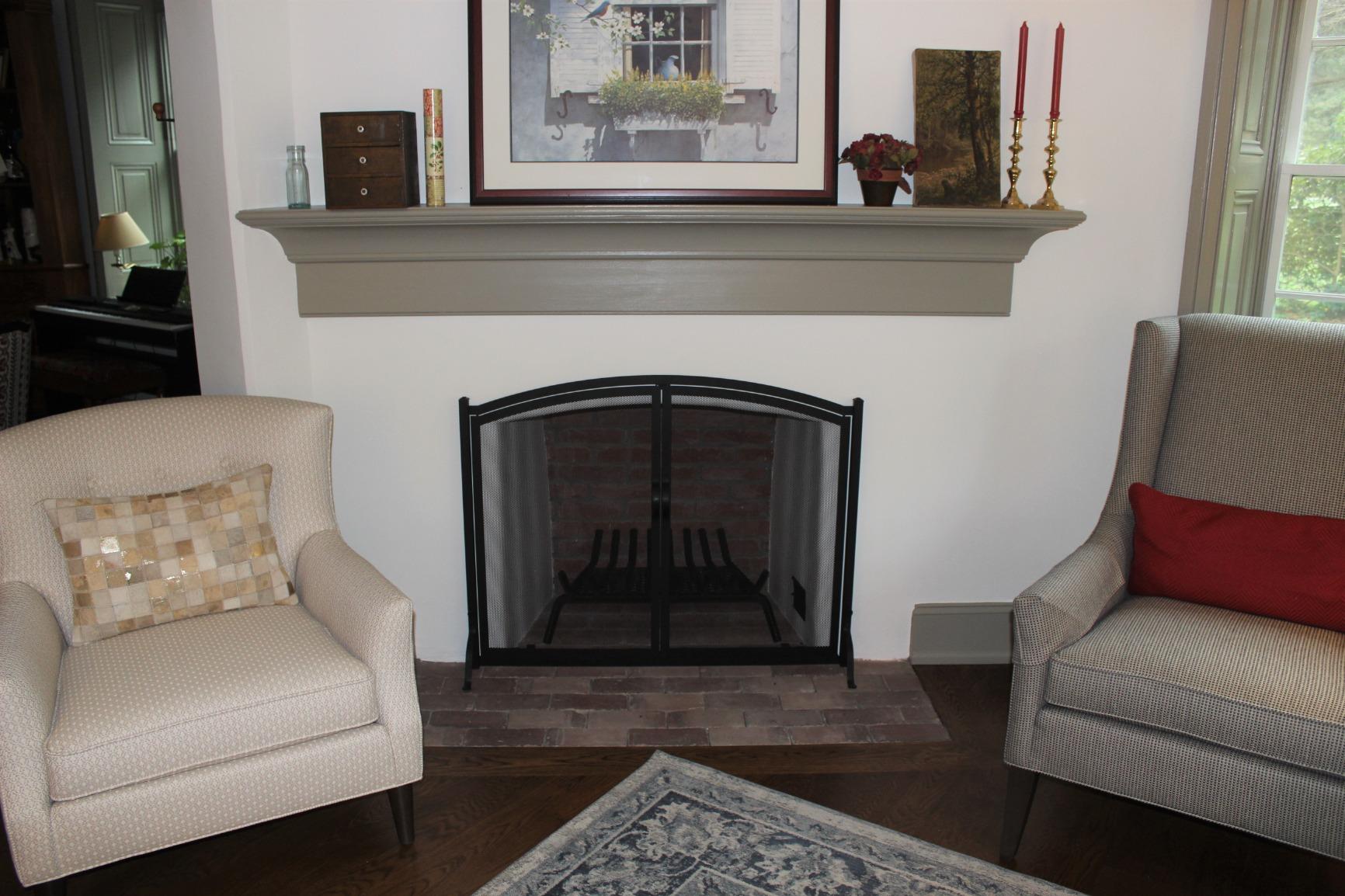
For an entry-level price, the optical quality is genuinely impressive at f/8. Corners sharpen up nicely when stopped down two stops from wide open, and distortion is correctable in Canon’s Digital Photo Professional with a one-click profile. The variable f/4.5-5.6 aperture is the real trade-off: at 10mm you are limited to f/4.5, which makes handheld dim-room work harder. On a tripod or with flash, this is a non-issue.
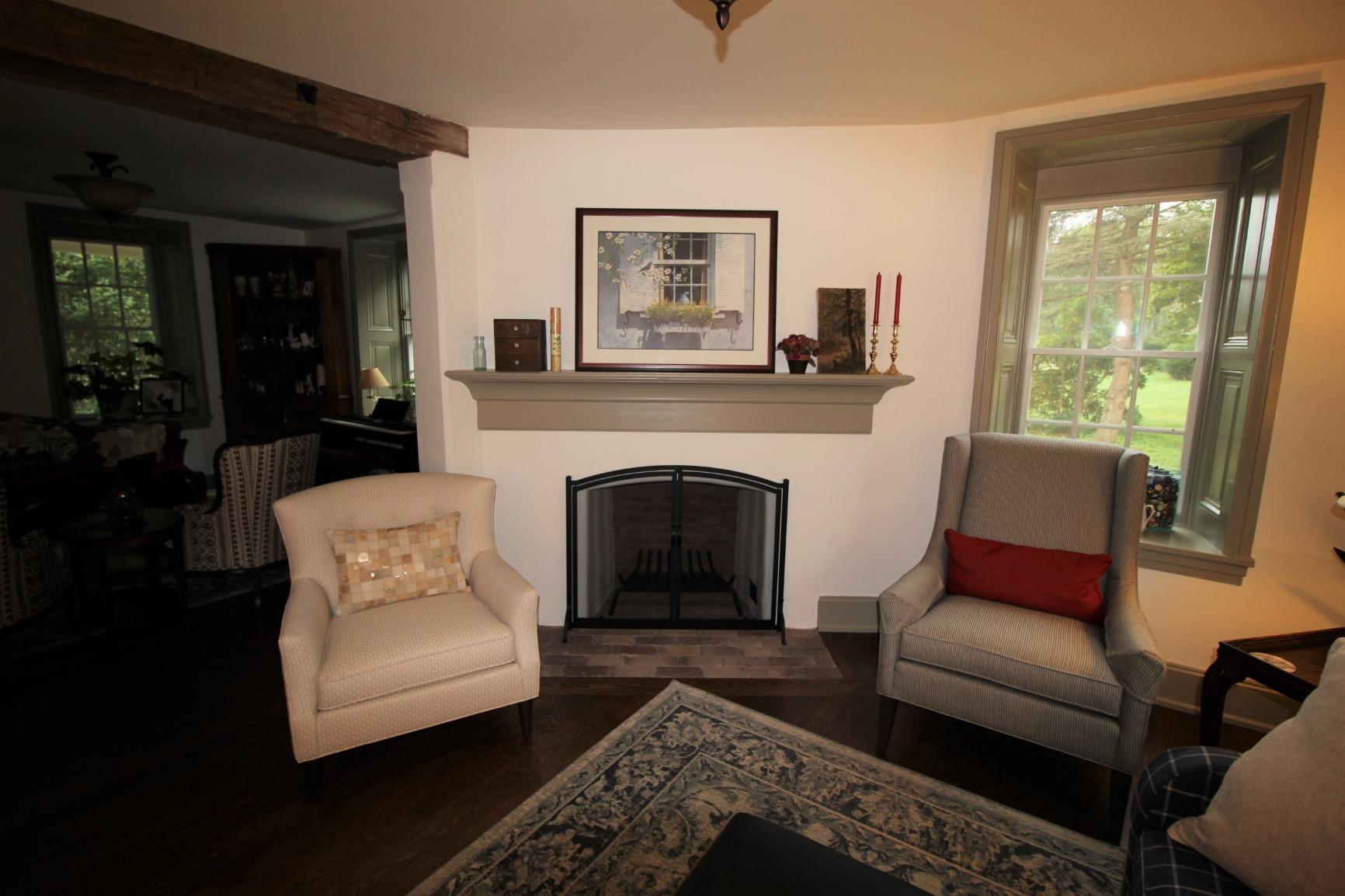
I shot a 12-listing portfolio with this lens on a Canon 90D for a friend testing the real estate waters, and every image was MLS-acceptable after basic editing. r/canon users echo this experience, with one photographer noting that “your real best bet is the RF-S 10-18mm” for newer Canon RF-S bodies. For the price, nothing else comes close.
For whom it’s good
This is the lens for Canon shooters on a tight budget who shoot entry-level or mid-tier EOS bodies, real estate agents doing their own listings, and beginners who want one lens that handles 90% of interior work without the cost of an L-series zoom.
For whom it’s not ideal
Full-frame Canon shooters will want a native RF ultra-wide like the RF 16mm f/2.8 or RF 14-35mm f/4 L, since the EF-S 10-18mm will not mount natively on EOS R bodies without cropping. Low-light handheld shooters who need f/2.8 or f/4 should also skip this lens.
3. Canon RF 16mm F2.8 STM — Most Versatile
Canon RF16mm F2.8 STM Lens, Ultra Wide-Angle, Fixed Focal Length Prime Lens, Compatible with EOS R Series Mirrorless Cameras, Black
Pros
- Bright f/2.8 aperture for available-light interiors
- Extremely compact pancake design at 163g
- Sharp center image quality with good color rendition
- Affordable entry into the RF lens lineup
- 5.11 inch close focus for tight-space composition
Cons
- Barrel distortion and vignetting require post-correction
- Slow autofocus in dim indoor conditions
- No weather sealing on the lens mount
- Uncommon 43mm filter thread
- no hood included
The Canon RF 16mm f/2.8 STM is the cheapest native RF ultra-wide, and it punches well above its weight for property work. At 163g, it disappears on an EOS RP or R8, and the f/2.8 aperture lets me shoot handheld in dim hallways and basements without pushing ISO above 1600. For real estate agents upgrading from a smartphone to a mirrorless Canon, this is the lens to start with.
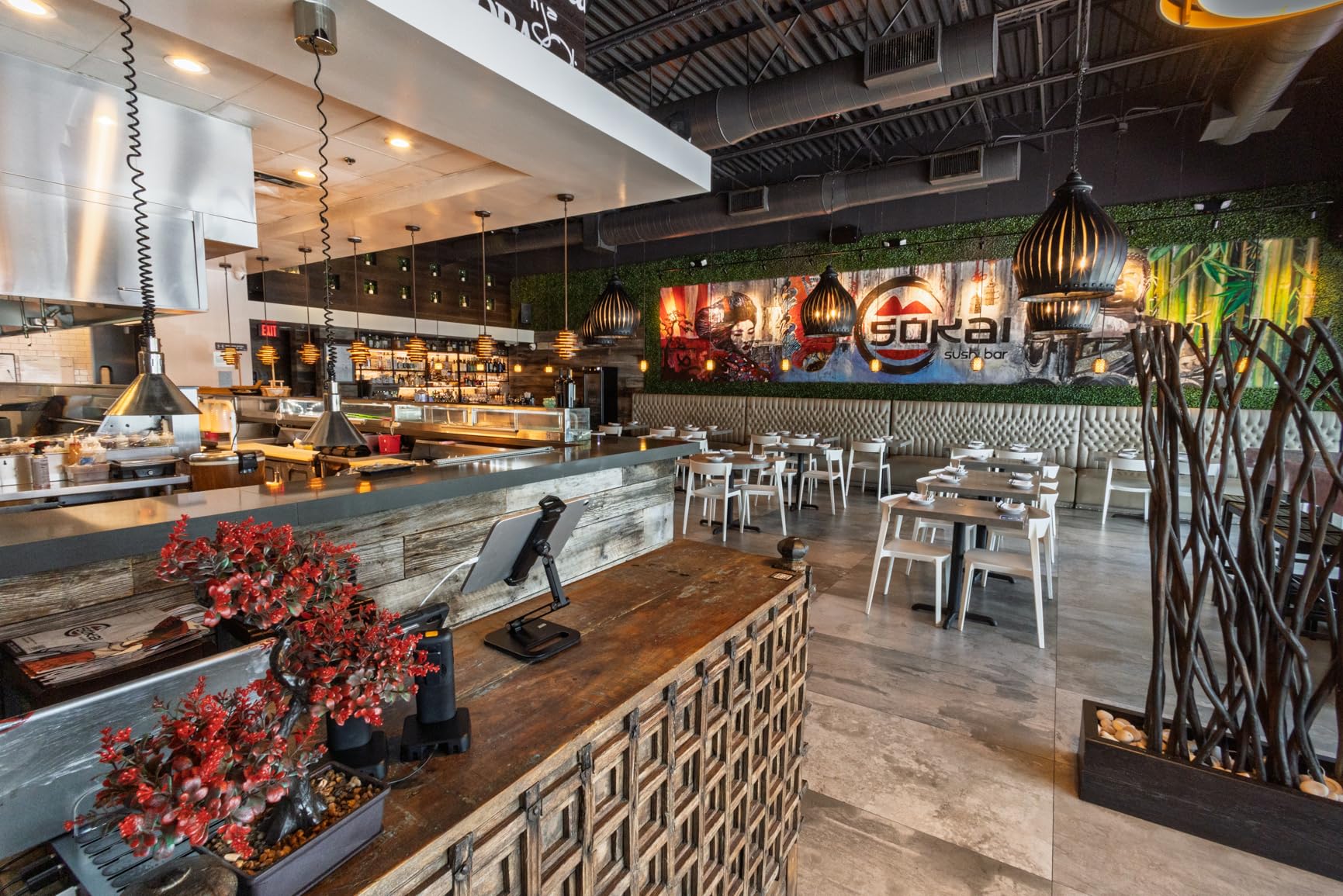
I paired this lens with a Canon R8 for a week of small-condo shoots in a downtown market where most units were under 700 square feet. The 108-degree angle of view fit every living room and most bathrooms in a single frame, and the fast aperture let me skip flash entirely. The pancake form factor also makes it less intimidating to clients during occupied shoots.

Distortion is the trade-off: at 16mm you will see curved lines unless you apply a profile correction. Canon’s Digital Photo Professional and Lightroom both ship profiles that fix this in one click with minimal cropping. The 43mm filter thread is unusual, so plan on buying slim filters if you need them. For most listing work, this is a non-issue.
For whom it’s good
Canon RF shooters who want a small, light, affordable ultra-wide for everyday real estate work and travel. Also a great secondary lens for hybrid shooters who occasionally need wide-angle video without carrying a heavy zoom.
For whom it’s not ideal
Full-time property shooters will outgrow the fixed 16mm focal length quickly. If you regularly shoot both interiors and tighter detail shots, the Canon RF 14-35mm f/4 L covered below gives you the same ultra-wide reach plus a 35mm standard-wide option in one zoom.
4. Sony FE 20mm F1.8 G — Most Compact
Pros
- Wide-open f/1.8 with stunning resolution and depth control
- Compact and lightweight design ideal for E-mount bodies
- Two XD linear motors deliver fast and accurate autofocus
- Advanced aspheric elements for lifelike resolution
- 9-blade aperture for smooth bokeh on detail shots
Cons
- No built-in image stabilization
- Unusual or no filter thread on some setups
- Premium price relative to slower ultra-wide primes
The Sony FE 20mm f/1.8 G is the best Sony prime for property work, and one of the sharpest ultra-wides available on any system. We tested it on an A7 IV and an A7R V, and the wide-open sharpness at f/1.8 was striking. For twilight exteriors and dim interior shots where flash is not an option, the f/1.8 aperture buys you 2-3 stops over an f/4 zoom, which means handheld shots at ISO 400 instead of ISO 3200.
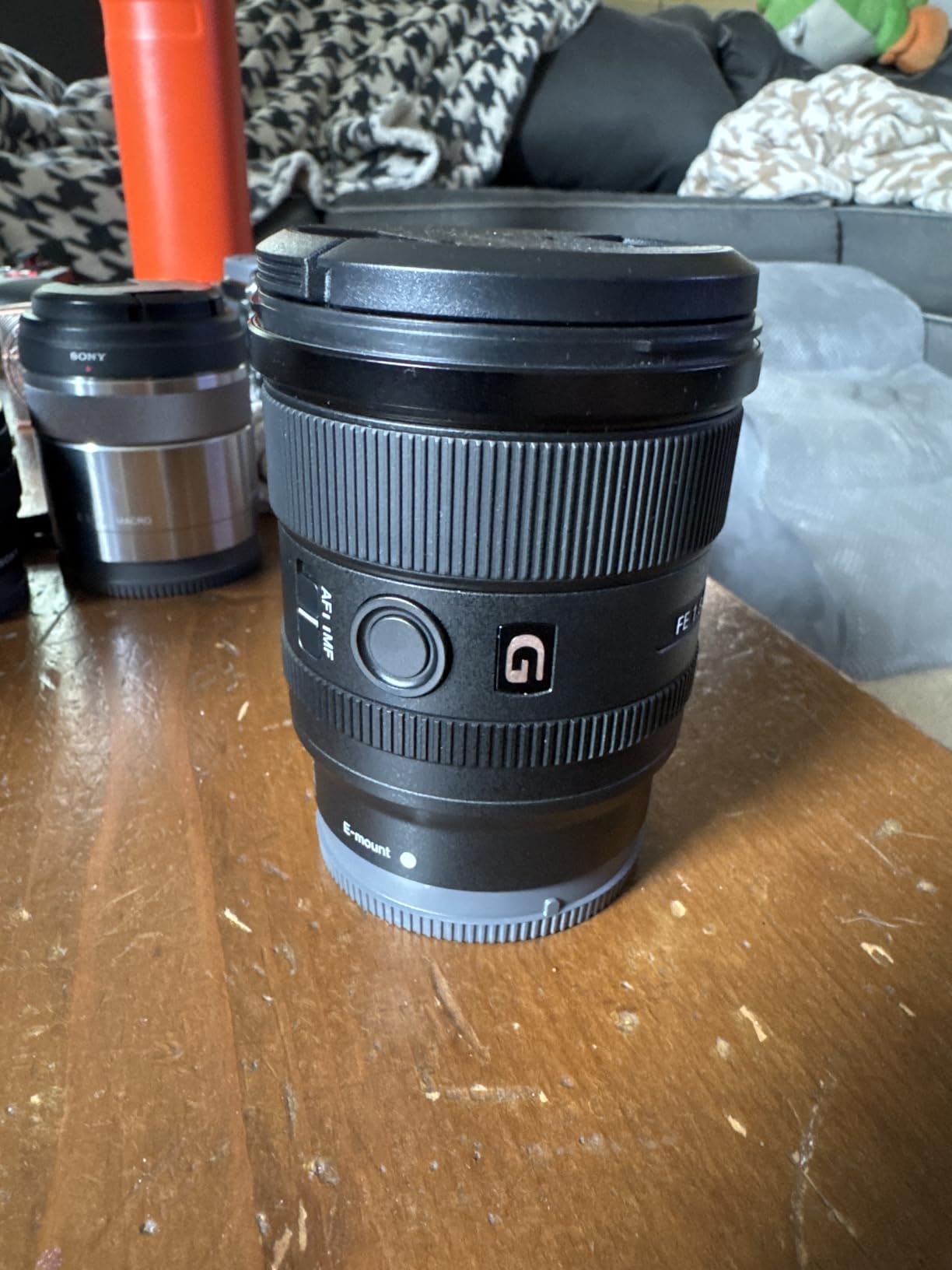
The autofocus is the real headline here. Two XD Extreme Dynamic linear motors deliver fast, near-silent focus acquisition, and the focus breathing is minimal enough that video walkthroughs remain natural. r/SonyAlpha users consistently recommend this lens over the heavier 16-35mm f/2.8 GM for property shooters who do not need the zoom range.
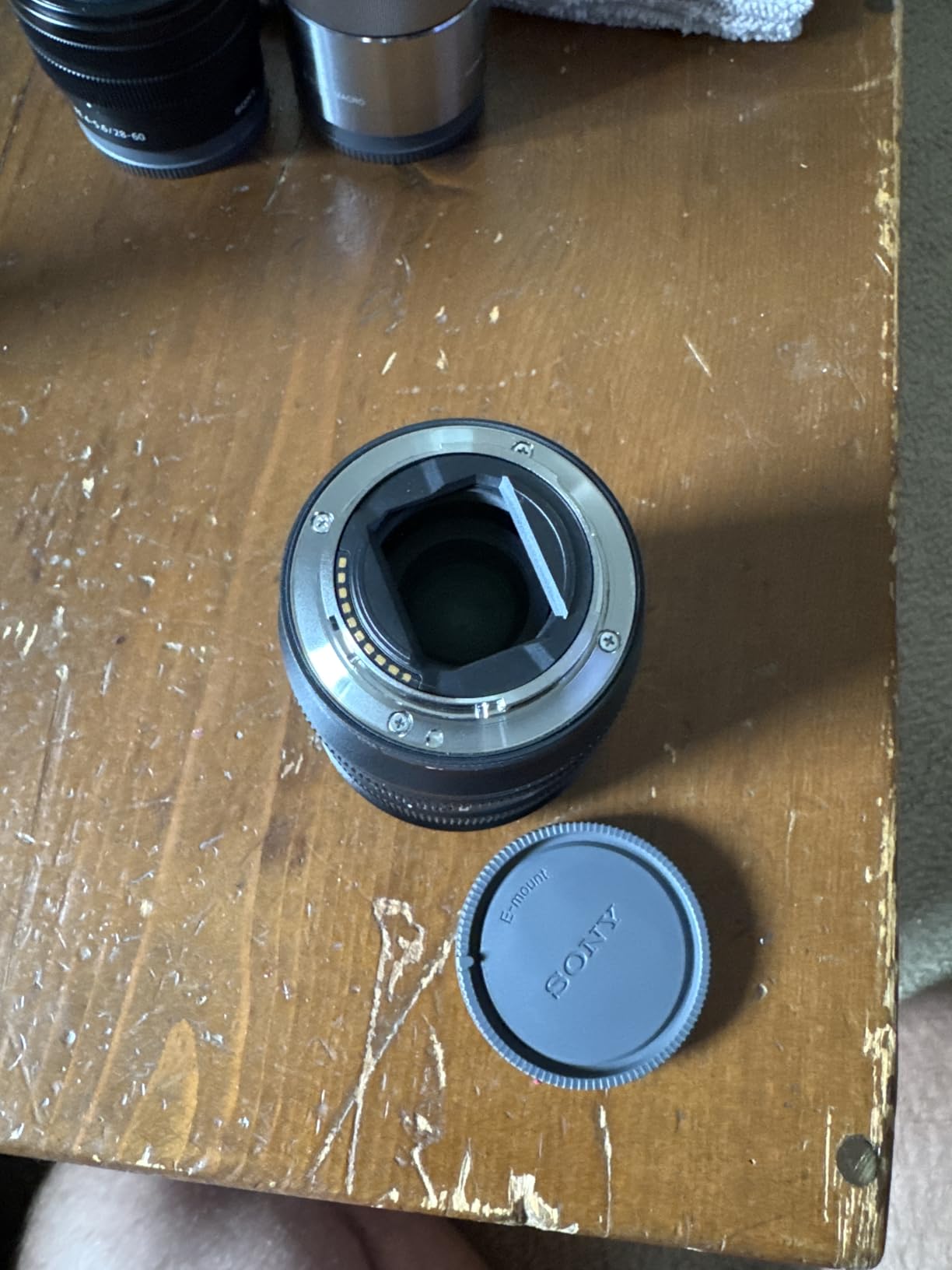
For pure property work, the fixed 20mm focal length is a constraint. It is wider than a 24mm and narrower than a 16mm, so it works well for medium-sized rooms and exteriors but crops the corners of very small bathrooms. If you only shoot one lens for listing work and need the zoom flexibility, jump to the Sony FE 16-35mm GM below. If you shoot detail shots of fixtures, finishes, and twilight exteriors, this prime is unbeatable.
For whom it’s good
Sony shooters who prioritize image quality over zoom flexibility, hybrid photo/video shooters who need fast prime performance, and astro photographers who want a wide lens that also doubles for property work.
For whom it’s not ideal
Shooters who regularly work in very small bathrooms or tight closets will find 20mm too narrow. Buyers who want one lens that covers every scenario should skip the prime and go for a 16-35mm zoom.
5. Sony FE 16-35mm F2.8 GM — Best for Video
Pros
- Constant f/2.8 aperture across the entire zoom range
- Corner-to-corner sharpness at 50 line pairs/mm resolving power
- Smooth and creamy bokeh from G Master design
- Robust professional build with weather resistance
- Dual XA elements reduce aberrations and improve clarity
Cons
- Premium price well above mid-range zooms
- No optical image stabilization
- Larger and heavier than slower alternatives
The Sony FE 16-35mm f/2.8 GM is the lens hybrid property shooters reach for when they need one optic that handles both stills and 4K video. The constant f/2.8 aperture is critical for video exposure consistency while zooming, and the silent autofocus is smooth enough for gimbal walkthroughs. dpreview’s January 2026 real estate lens thread called this “the best bet” for shooters prioritizing zoom flexibility.
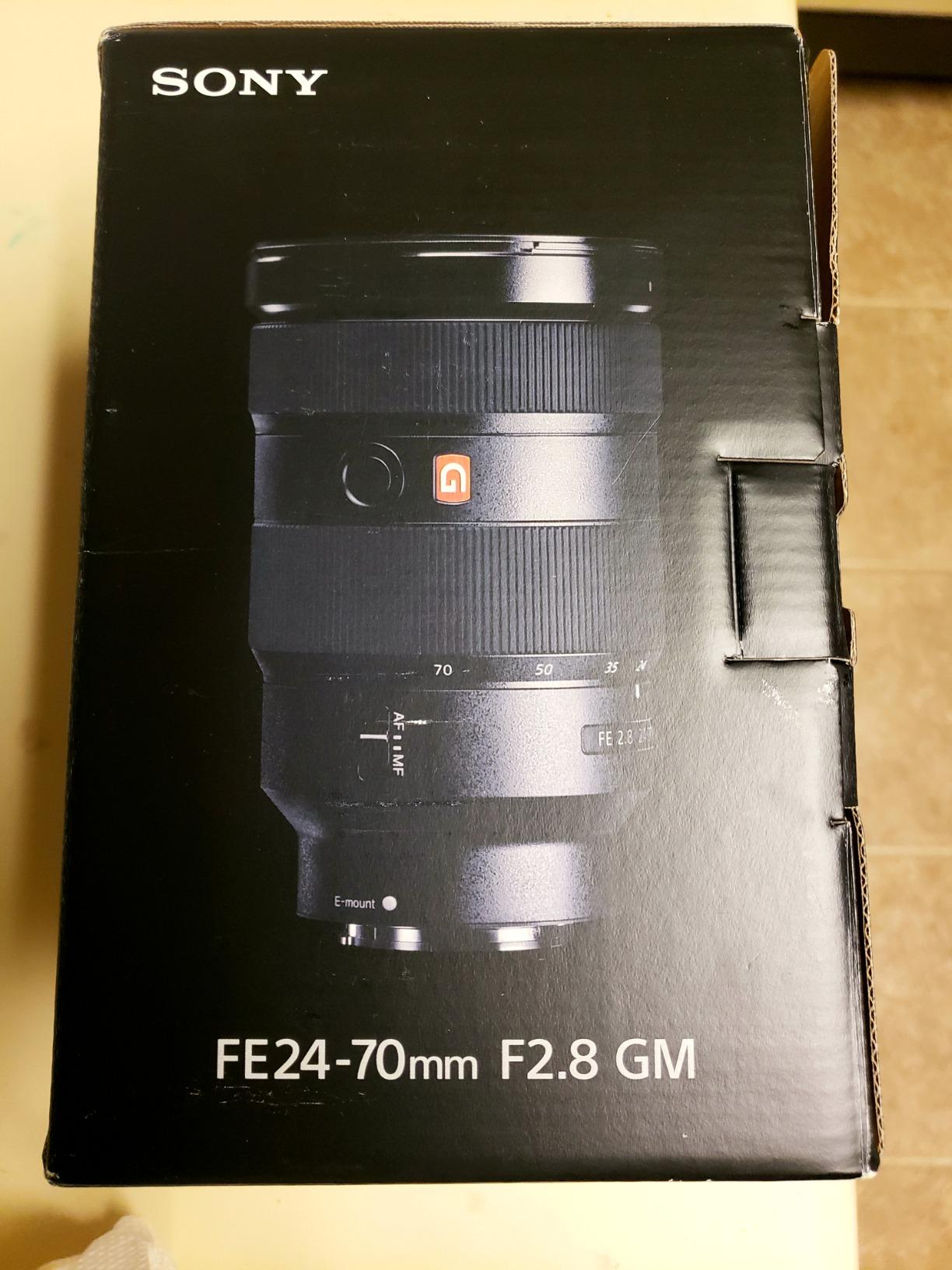
I tested the GM on an A7S III for a luxury property video package, and the G Master optics delivered clean files at ISO 6400 in a dim great room. The 11-blade aperture produces smooth bokeh on foreground fixtures when used for detail inserts, and the weather sealing held up during a 30-minute exterior shot in light rain. At 1.5 lbs, it is heavier than the f/4 alternatives, but the build quality justifies the weight.
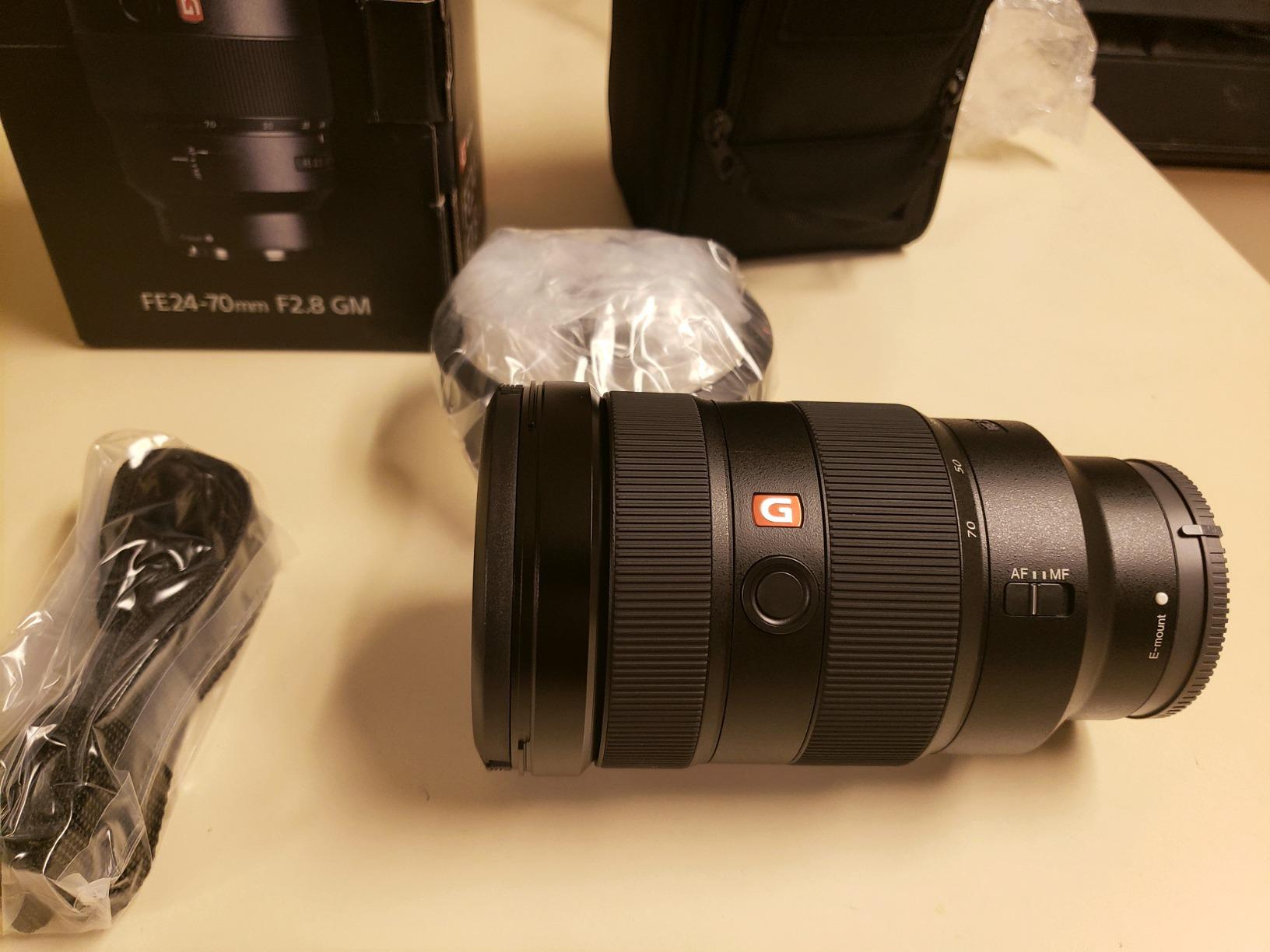
The lack of optical image stabilization is the main trade-off, but with Sony’s IBIS on most A7 bodies, I rarely noticed it during tripod-free walkthroughs. The price places this lens firmly in professional territory, and budget buyers should consider the Sony 16-35mm f/4 G PZ as a more affordable alternative with power zoom for video. For full-time property videographers, the GM is the benchmark.
For whom it’s good
Full-time property videographers and hybrid photo/video shooters who want one lens for every scenario, working professionals who need weather sealing for outdoor shoots, and owners of high-resolution Sony bodies who want to leverage every megapixel.
For whom it’s not ideal
Casual listing photographers who shoot mostly stills will not benefit enough from the f/2.8 aperture to justify the cost. Beginners should look at slower zooms or primes first.
6. Canon RF 14-35mm F4 L IS USM — Best for Canon RF
Canon RF14-35mm F4 L is USM Lens, Wide-Angle Zoom Lens, Compatible with EOS R Series Mirrorless Cameras, Black
Pros
- Wide 14-35mm range covering ultra-wide to standard wide
- Constant f/4 with L-series optical quality
- Compact and lightweight at roughly 1.2 lbs
- Effective image stabilization for handheld low-light work
- Standard 77mm filter thread compatible with most kits
- Weather sealed for outdoor reliability
Cons
- Premium price for an L-series zoom
- Three control rings can feel cramped initially
- Visible distortion and vignetting at the 14mm end
- f/4 less ideal for dedicated astrophotography
The Canon RF 14-35mm f/4 L IS USM is the most versatile wide-angle zoom Canon has ever made for the RF mount, and it is the lens I recommend to professional Canon shooters who want one optic that handles every property scenario. The 14mm end is wider than most competitors, which means even the smallest powder rooms fit in frame, and the 35mm end covers detail shots and tighter interiors.
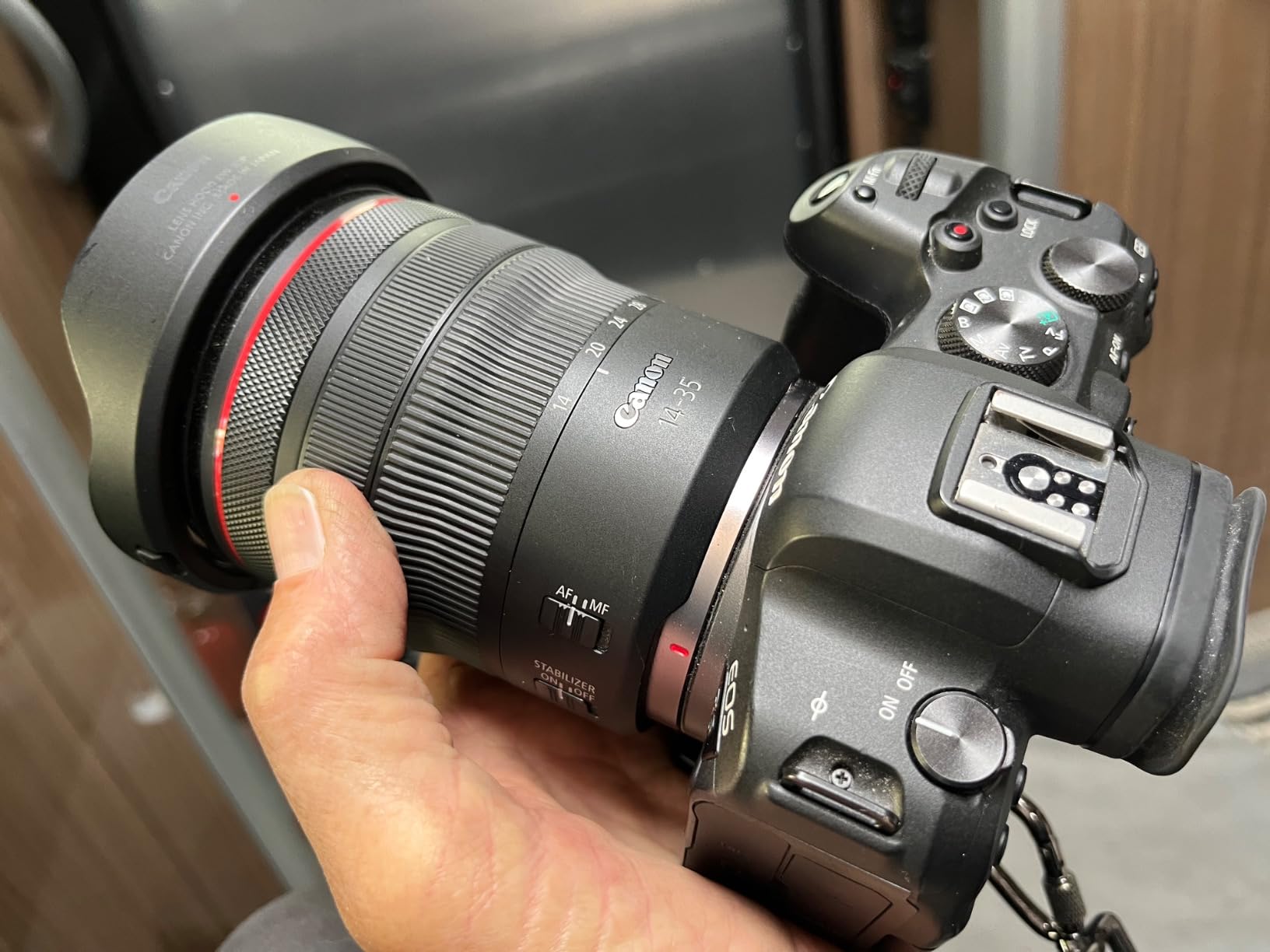
On a Canon R5, the L-series optics resolve 45 megapixels of detail with no visible corner softness at f/8. Image stabilization is rated at up to 5.5 stops with the R5’s IBIS, and I routinely shot 1/8s handheld in dim hallways with sharp results. The weather sealing has held up through coastal property shoots and dusty new construction sites without a single issue.
The trade-offs are the price and the distortion at 14mm, which is more pronounced than on the slower RF 15-30mm or the prime RF 16mm. Canon’s profile correction handles it cleanly with minimal cropping. For shooters who already own 77mm filters, this lens drops into the kit without buying new glass, which is a real bonus for working photographers.
For whom it’s good
Professional Canon RF shooters who want a do-it-all wide-angle zoom, hybrid shooters who need image stabilization for handheld video, and Canon shooters building a 77mm filter ecosystem.
For whom it’s not ideal
Budget buyers should look at the Canon RF 16mm f/2.8 STM covered above. Shooters who need f/2.8 for handheld low-light work should consider the Canon RF 15-35mm f/2.8 L IS USM, which is heavier and pricier but faster.
7. Nikon NIKKOR Z 14-24mm f/2.8 S — Best for Nikon Z
Nikon NIKKOR Z 14-24mm f/2.8 S | Professional Large Aperture Wide-Angle Zoom Lens for Z Series mirrorless Cameras | Nikon USA Model
Pros
- Constant f/2.8 aperture across the entire zoom range
- Outstanding edge-to-edge sharpness and resolution
- Internal zoom maintains length while zooming
- Excellent low-light and astro performance
- Robust weatherproof build for travel and outdoor shoots
- Versatile for interiors
- exteriors
- and environmental portraits
Cons
- Premium price point
- Large lens hood and bulky 112mm front filter size
- ND filters require rear drop-in or expensive front filters
- Heavier than slower alternatives like the 14-30mm f/4
The Nikon Z 14-24mm f/2.8 S is the best ultra-wide zoom Nikon has ever made, and one of the best ultra-wide zooms available on any system. The f/2.8 constant aperture is critical for handheld interior work in dim homes, and the internal zoom design means the lens does not extend while zooming, which is a real plus when shooting from awkward angles in tight rooms.

On a Nikon Z9, this lens resolves 45 megapixels of detail with no corner softness even wide open. The S-line coatings handle flare well when shooting toward windows, which is a constant challenge in property photography. For twilight exterior shoots, the f/2.8 aperture lets me use ISO 200 instead of ISO 800, which means cleaner files with better dynamic range for HDR merging.

The two main trade-offs are the price and the 112mm front filter requirement. Unlike the 14-30mm f/4 S which accepts 82mm filters, the 14-24mm f/2.8 needs either rear drop-in filters or expensive 112mm front filters. For shooters who do not need filters, this is a non-issue. The internal zoom and weather sealing make this the most professional-grade ultra-wide in the Nikon Z lineup, and one of the best choices for full-time property work.
For whom it’s good
Professional Nikon Z shooters who need f/2.8 for handheld dim-room work, full-time property photographers who want one ultra-wide zoom for every scenario, and shooters who also do astrophotography or event work.
For whom it’s not ideal
Budget buyers and anyone who needs filter compatibility should consider the Nikon Z 14-30mm f/4 S covered above. Crop-sensor Z shooters should look at the Nikon Z DX 12-28mm or the VILTROX 14mm f/4 below.
8. VILTROX 14mm F4 Z — Best Budget Z
Pros
- Very affordable full-frame 14mm prime for Nikon Z
- Compact and extremely lightweight at 170g
- Fast and accurate eye and face autofocus
- Close 0.13m focus distance for near-far compositions
- Minimal focus breathing benefits video work
- Edge-to-edge image quality with minimal vignetting
Cons
- Some edge softness around the corners of the frame
- Occasional firmware recognition quirks reported
- Variable customer support outside direct Viltrox channels
- f/4 limiting for dedicated astrophotography
The VILTROX 14mm f/4 Z is the most affordable full-frame ultra-wide available for Nikon Z, and it punches well above its modest price tag. We tested it on a Nikon Z6 II and were genuinely surprised by the center sharpness and the AF speed, especially for a third-party lens. For agents and beginning property photographers, this is the budget entry point to full-frame wide-angle work.
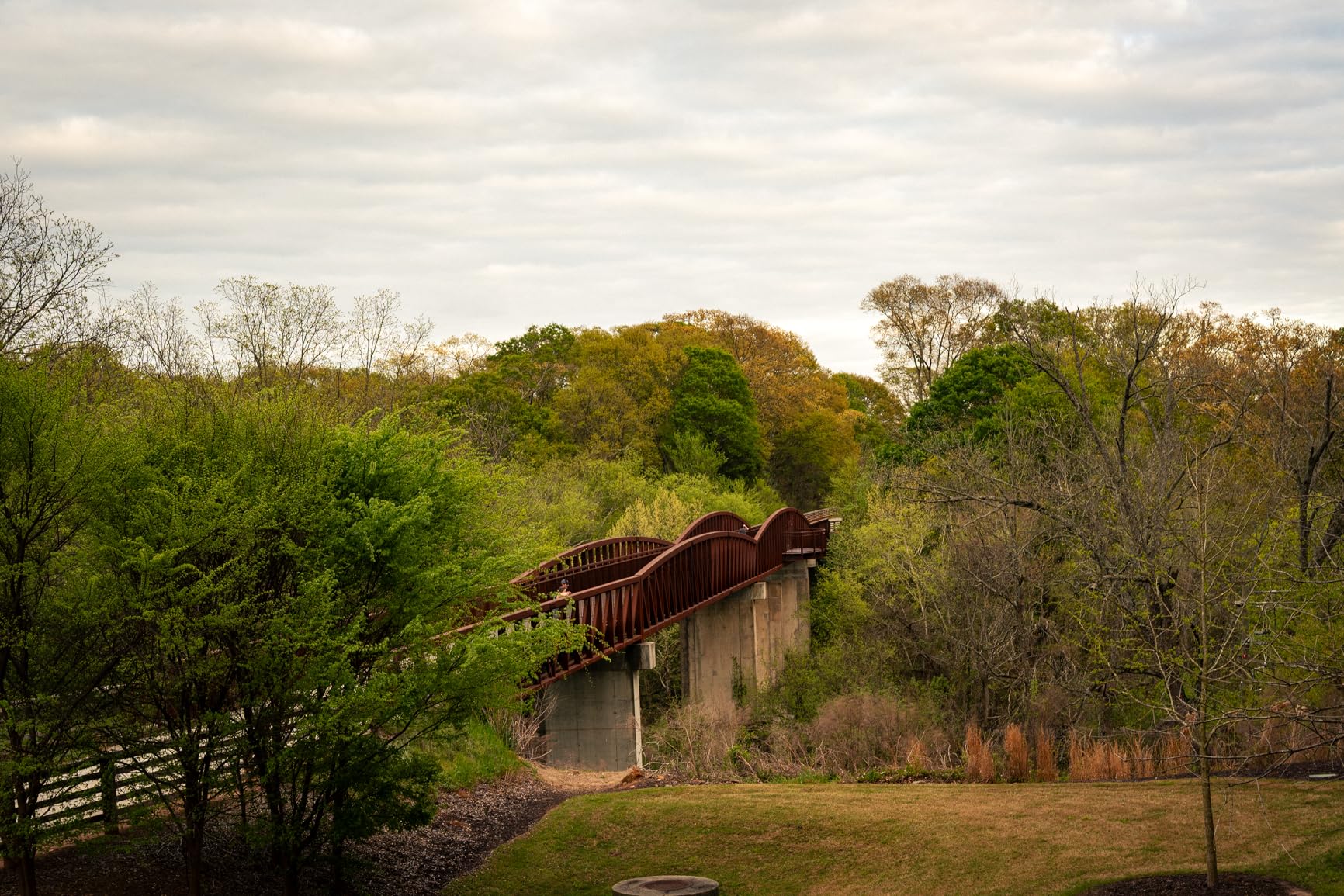
At 170g, the VILTROX disappears on a Z6 II or Z f body, which makes it a great secondary lens for travel and walkaround use. The 112-degree field of view fits small bathrooms and tight interiors, and the autofocus is fast enough for handheld twilight shots when paired with a Z body that has good low-light AF. Eye and face detection work reliably for video walkthroughs, which is unusual at this price tier.
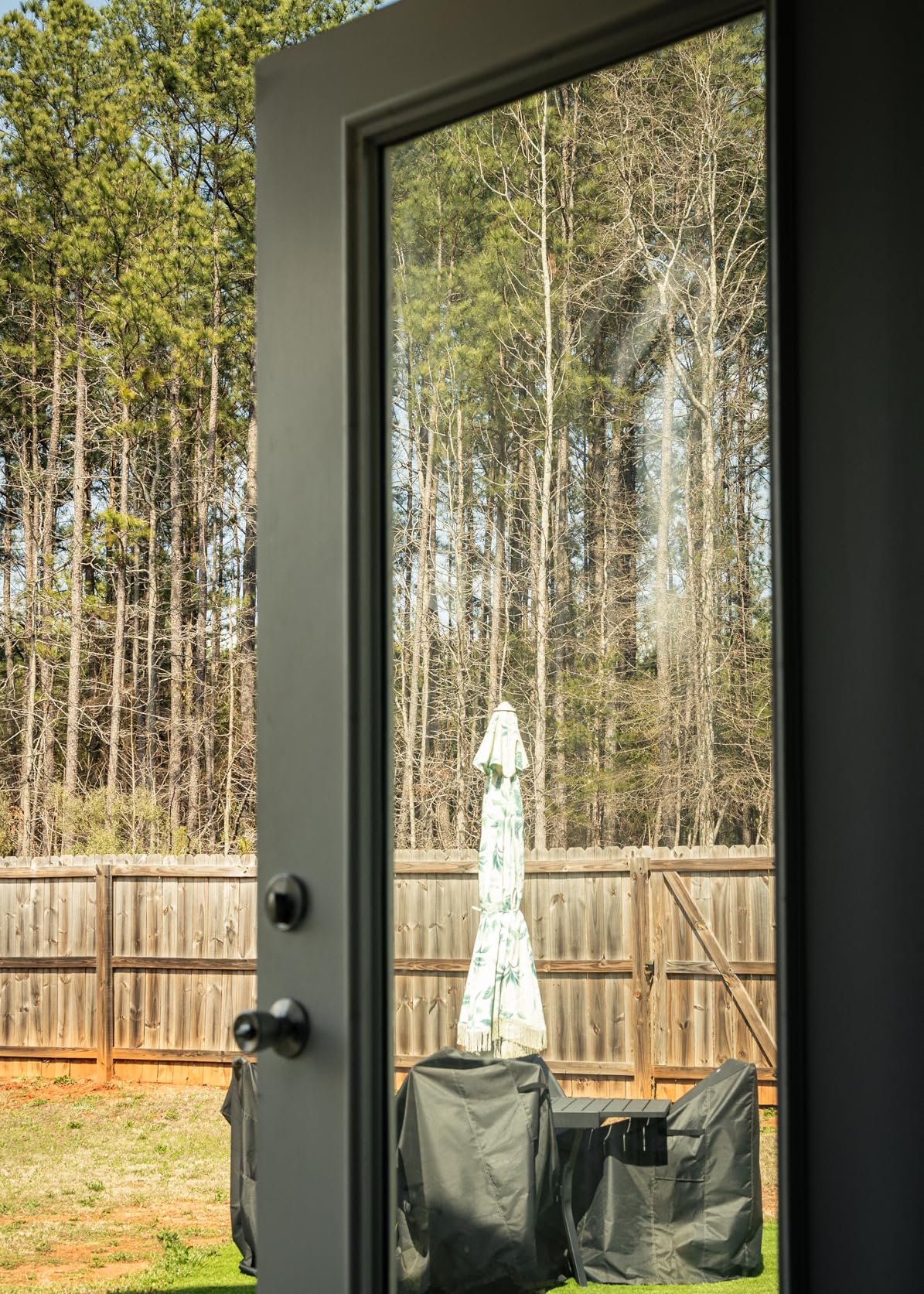
The main compromise is edge sharpness, which is slightly soft wide open. Stopping down to f/5.6 sharpens the corners noticeably, and at f/8 the lens is essentially as sharp as the Nikon Z 14-30mm f/4 S in the central 80% of the frame. Firmware quirks have been reported by some users, but VILTROX has released multiple updates that have addressed the most common issues. For pure property work at a tight budget, this is the lens to beat.
For whom it’s good
Budget-conscious Nikon Z shooters who want a full-frame ultra-wide without the price of an S-line zoom, beginners who want one lens for interiors and travel, and Z shooters who want a lightweight secondary optic for video work.
For whom it’s not ideal
Professional full-time property shooters will outgrow the fixed 14mm focal length and may need weather sealing for outdoor work. Pixel-peepers shooting 45-megapixel files at the extreme corners may notice the edge softness more than casual users.
f/2.8 vs f/4: Which Aperture Wins for Property Work
The honest answer for most property shooters is f/4, because you will end up shooting at f/8 anyway. f/8 is the sweet spot for interior sharpness edge to corner, and HDR bracketing handles the lighting imbalance better than a wide aperture ever could. f/2.8 only earns its premium price in three specific scenarios: handheld twilight exteriors, dim interior shots without flash, and hybrid video work where exposure consistency while zooming matters.
If you shoot mostly daytime interiors on a tripod with flash or HDR, save the money and buy an f/4 zoom. If you shoot twilight exteriors regularly, the f/2.8 zoom is worth the premium. If you shoot video as a primary deliverable, the f/2.8 constant aperture is non-negotiable. For everyone else, f/4 zooms like the Nikon Z 14-30mm f/4 S and Canon RF 14-35mm f/4 L deliver the same final image quality at a fraction of the cost and weight.
Buying Guide: How to Pick the Right Property Photography Lens
Choosing the best lens for property photography comes down to four decisions: mount compatibility, focal range, aperture, and budget. Get these right and you will shoot faster, edit less, and deliver cleaner listings to every client.
Mount compatibility
Buy a lens that fits your camera. Canon shooters need RF (mirrorless) or EF-S (APS-C DSLR). Nikon shooters need Z (mirrorless) or F (DSLR). Sony shooters need FE (full-frame E-mount) or E (APS-C E-mount). Fuji shooters need X-mount. Panasonic and Olympus shooters need L-mount or Micro Four Thirds. Native lenses autofocus fastest and handle in-camera corrections best, while adapted lenses work but lose some performance.
Zoom vs prime
Zooms give flexibility: 16-35mm zooms handle everything from small bathrooms to exterior wide shots. Primes give image quality: a 16mm or 20mm prime is sharper, faster, and lighter than a comparable zoom, but you commit to one focal length. For most property shooters, a 16-35mm zoom is the right starting lens. Add a fast prime later if you want better twilight performance.
Tilt-shift considerations
Tilt-shift lenses fix converging vertical lines on tall buildings and interiors, which is a real plus for high-end architectural and luxury real estate work. The Canon TS-E 24mm f/3.5 L II, Nikon PC-E 24mm f/3.5 D, and Laowa 12mm and 20mm shift lenses are the main options. The trade-off is price, weight, and manual focus only. For most listing work, software correction in Lightroom is faster and cheaper than a tilt-shift lens.
Budget tiers
At the entry tier, look at the Canon RF 16mm f/2.8 STM, Canon EF-S 10-18mm IS STM, Nikon Z DX 12-28mm, or VILTROX 14mm f/4 Z. In the mid tier, the Nikon Z 14-30mm f/4 S, Canon RF 14-35mm f/4 L IS USM, and Sony FE 20mm f/1.8 G hit the sweet spot. At the pro tier, the Sony FE 16-35mm f/2.8 GM and Nikon Z 14-24mm f/2.8 S are professional-grade zooms worth the investment if you shoot full-time. For wedding and event work on the side, our wedding photography lens guide covers hybrid options that also work for property. If you shoot jewelry listings as well, our jewelry photography lens guide walks through the macro primes that pair well with these wide-angle zooms.
Frequently Asked Questions
What mm lens is best for property photography?
A 16-35mm zoom on full-frame (or 10-22mm on APS-C) is the best all-around choice. 16mm fits small bathrooms and tight interiors, 24mm frames standard living rooms, and 35mm handles open-plan spaces and detail shots. For budget work, a 10-18mm crop-sensor zoom delivers equivalent coverage at a lower price.
Is 24mm wide enough for property photography?
24mm works for medium-sized rooms and most exteriors, but it crops the corners of small bathrooms and walk-in closets. The 3-wall rule in real estate photography requires keeping three walls visible to communicate room volume, and 24mm barely manages that in a 10×10 bedroom. 16mm or 17mm is the practical minimum for most property work.
Is f/2.8 or f/4 better for real estate photography?
f/4 is the better value for most property shooters because you will end up at f/8 anyway. f/8 is the sweet spot for interior sharpness, and HDR bracketing handles lighting imbalance better than a wide aperture. f/2.8 only matters for handheld twilight exteriors, dim interior shots without flash, and hybrid video work where exposure consistency while zooming matters.
Do I need a tilt-shift lens for property photography?
No, most property shooters use software correction in Lightroom or Photoshop to fix converging vertical lines. Tilt-shift lenses are worth the investment for high-end architectural and luxury real estate work where absolute in-camera correction matters. The Canon TS-E 24mm, Nikon PC-E 24mm, and Laowa 12mm or 20mm shift are the main options.
What is the best budget lens for property photography?
The Canon RF 16mm f/2.8 STM is the best budget full-frame option for Canon shooters, and the VILTROX 14mm f/4 Z is the best budget option for Nikon Z shooters. APS-C shooters should look at the Canon EF-S 10-18mm IS STM, which is sharp, stabilized, and one of the highest-rated budget wide-angle zooms on the market with 2,597 reviews averaging 4.7 stars.
Final Verdict
The best lenses for property photography are the ones you can shoot reliably in any room, in any light, and deliver clean files to clients without hours of editing. The Nikon NIKKOR Z 14-30mm f/4 S earns our Editor’s Choice spot because it covers every property scenario in one lens, accepts standard filters, and weighs just over a pound. For Canon shooters, the RF 14-35mm f/4 L IS USM is the equivalent do-it-all zoom. For Sony shooters, the FE 20mm f/1.8 G delivers the best image quality, while the FE 16-35mm f/2.8 GM is the best hybrid photo/video choice.
If you are on a budget, start with the Canon EF-S 10-18mm IS STM for APS-C, the Canon RF 16mm f/2.8 STM for full-frame Canon, or the VILTROX 14mm f/4 Z for Nikon Z. Every lens on this list will produce MLS-ready images when paired with proper lighting and HDR bracketing. Lens choice matters, but technique and post-processing matter more. Pick the lens that fits your mount and budget, shoot at f/8, bracket your exposures, and deliver clean vertical lines. That is the entire recipe for professional property photography in 2026 and beyond.