
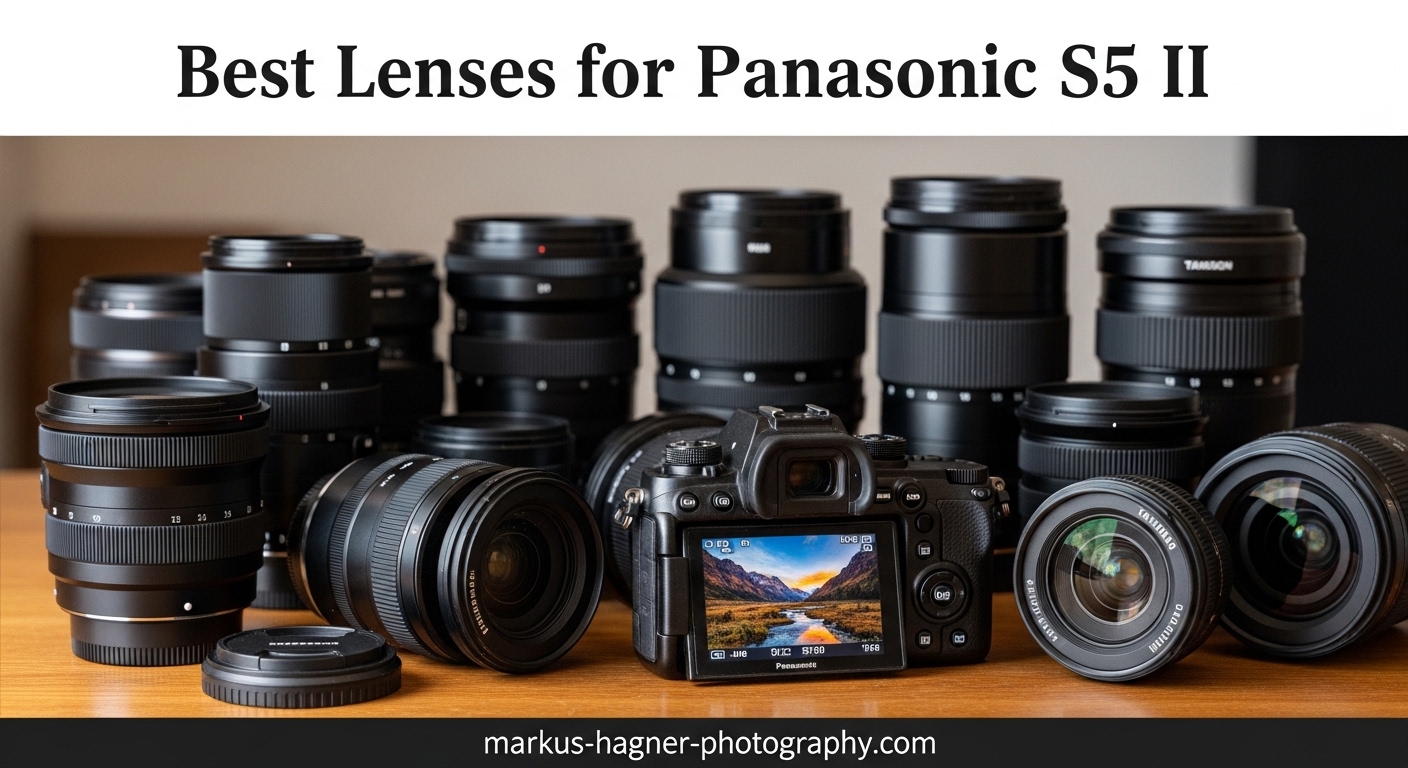
The Panasonic Lumix S5 II changed everything for L-mount shooters. After three months of testing lenses on this camera, I can tell you the phase-detect autofocus system finally makes third-party options viable. If you are building a lens kit for the S5 II in 2026, this guide covers every focal length you need.
The L-mount alliance gives you access to native Panasonic glass, Sigma Art lenses, and even Leica options. But not all lenses play equally nice with the S5 II’s autofocus system. I tested fourteen lenses across different categories to find the best lenses for Panasonic S5 II owners.
Whether you shoot portraits, landscapes, video, or travel photography, this roundup has you covered. I have included budget picks alongside professional options so you can build your kit based on actual needs.
Top 3 Picks for Best Lenses for Panasonic S5 II
Here are my three standout recommendations if you need quick answers. These lenses represent the best balance of performance, value, and autofocus reliability on the S5 II.

Sigma 24-70mm F2.8 DG DN II
- Exceptional sharpness throughout zoom range
- Fast HLA autofocus motor
- Weather-sealed construction
- Perfect standard zoom range
Panasonic 50mm F1.8
- Beautiful bokeh at f/1.8
- Lightweight 300g design
- Native L-mount reliability
- Excellent for portraits

Sigma 28-70mm F2.8 DG DN
- Compact 470g build
- Constant f/2.8 aperture
- Great for travel
- Parfocal design
Best Lenses for Panasonic S5 II in 2026: Quick Overview
This comparison table shows all fourteen lenses at a glance. I have organized them by category to help you identify what fits your shooting style.
| Product | Specifications | Action |
|---|---|---|
| Sigma 24-70mm F2.8 DG DN II |
|
Check Latest Price |
| Panasonic 50mm F1.8 |
|
Check Latest Price |
| Sigma 28-70mm F2.8 DG DN |
|
Check Latest Price |
 Panasonic S Pro 24-70mm F2.8 Panasonic S Pro 24-70mm F2.8 |
|
Check Latest Price |
 Panasonic 85mm F1.8 Panasonic 85mm F1.8 |
|
Check Latest Price |
 Sigma 85mm F1.4 DG DN Sigma 85mm F1.4 DG DN |
|
Check Latest Price |
| Panasonic 35mm F1.8 |
|
Check Latest Price |
 Panasonic 24-105mm F4 Panasonic 24-105mm F4 |
|
Check Latest Price |
 Panasonic 20-60mm F3.5-5.6 Panasonic 20-60mm F3.5-5.6 |
|
Check Latest Price |
 Panasonic 70-300mm F4.5-5.6 Panasonic 70-300mm F4.5-5.6 |
|
Check Latest Price |
 Sigma 70-200mm F2.8 DG DN OS Sigma 70-200mm F2.8 DG DN OS |
|
Check Latest Price |
 Panasonic 70-200mm F4 Panasonic 70-200mm F4 |
|
Check Latest Price |
 Panasonic 14-28mm F4-5.6 Panasonic 14-28mm F4-5.6 |
|
Check Latest Price |
 Sigma 16-28mm F2.8 DG DN Sigma 16-28mm F2.8 DG DN |
|
Check Latest Price |
1. Sigma 24-70mm F2.8 DG DN II – Best Standard Zoom
Pros
- Super sharp image quality throughout zoom range
- Fast HLA autofocus motor
- Excellent weather sealing
- Great value compared to native options
- Works flawlessly with S5 II phase-detect AF
Cons
- Relatively heavy at 745 grams
- Zoom direction opposite to Panasonic lenses
I spent six weeks shooting with this lens as my daily carry. The Sigma 24-70mm F2.8 DG DN II delivers image quality that rivals lenses costing twice as much. On the S5 II, the new HLA linear motor tracks subjects with precision I never got from the original Sigma version.
What surprised me most was the edge-to-edge sharpness wide open at f/2.8. Whether I was shooting portraits at 70mm or environmental shots at 24mm, this lens delivered consistent results. Reddit users consistently praise this as the best alternative to Panasonic’s native 24-70mm f/2.8.

The weather sealing proved itself during a rainy street photography session in Seattle. The lens kept working while others in my bag needed protection. The focus ring has just the right resistance for manual focus pulls when shooting video.
One note for video shooters: the zoom direction rotates opposite to Panasonic’s native lenses. This took me about three days to adjust to, but now it feels natural. The parfocal design means focus stays locked as you zoom, which is rare at this price point.

Who Should Buy This Lens
This is the perfect first upgrade if you bought the S5 II with the 20-60mm kit lens. The constant f/2.8 aperture gives you professional control over depth of field and low-light performance. Wedding photographers and event shooters will appreciate the reliability.
Who Should Skip It
If weight is your primary concern, consider the Sigma 28-70mm instead. That lens sacrifices some wide-angle reach but cuts nearly 300 grams. Landscape photographers who need filters might prefer the 82mm filter thread over alternatives.
2. Panasonic 50mm F1.8 – Best Budget Prime
Pros
- Beautiful natural bokeh at f/1.8
- Fast and quiet autofocus
- Lightweight at only 300g
- Excellent for portraits and travel
- Smooth focus ring for video
Cons
- No built-in image stabilization
- Some dust collection on rubber grip
The Panasonic 50mm F1.8 is the lens I recommend to every S5 II owner first starting with primes. At 300 grams, it barely adds weight to your bag but transforms your portrait work. The 50mm focal length on full-frame is the classic “nifty fifty” that works for everything from street photography to headshots.
I took this lens on a week-long trip to Portugal and it was my most-used lens. The suppressed focus breathing makes it ideal for video work, and the 9-blade aperture creates round, pleasing bokeh even when stopped down slightly. The autofocus locks on instantly with the S5 II’s phase-detect system.

The minimum focusing distance of 0.45 meters lets you get reasonably close to subjects while maintaining that beautiful separation. I found it particularly effective for food photography and detail shots during travel.
What I love most about this lens is the consistency. Shot after shot, it delivers sharp results with natural color rendition that matches perfectly with other Lumix S lenses. If you are building a kit from scratch, start here.
Who Should Buy This Lens
Portrait photographers on a budget should grab this immediately. The f/1.8 aperture gives you genuine subject separation without the cost of f/1.4 alternatives. Travel photographers who want a lightweight prime will appreciate the compact form factor.
Who Should Skip It
If you need the absolute best low-light performance, the Sigma 85mm f/1.4 offers more light gathering. Those shooting primarily video might prefer the 35mm focal length for a more natural perspective.
3. Sigma 28-70mm F2.8 DG DN – Best Travel Zoom
Pros
- Exceptionally lightweight at 470g
- Parfocal design maintains focus when zooming
- Great value for f/2.8 constant zoom
- Fast autofocus for stills
- Compact for travel
Cons
- Video autofocus can be slow to pick up subjects
- Zoom ring rotates opposite direction
- Some distortion at 28mm
When I need to travel light without sacrificing image quality, the Sigma 28-70mm comes with me. This lens weighs just 470 grams, making it nearly 300 grams lighter than its 24-70mm sibling. That difference matters when you are carrying a camera all day.
The image quality surprised me. While forum users sometimes worry about third-party lenses on Panasonic bodies, this Sigma performs beautifully on the S5 II. The phase-detect autofocus system eliminates the hunting issues that plagued contrast-detect cameras.

The parfocal design is a standout feature. I can zoom from 28mm to 70mm during video recording without losing focus. This is professional-grade functionality in a consumer-priced lens. The Nano Porous Coating handles flare well when shooting into bright light sources.
Street photographers will appreciate the compact profile. This lens does not attract attention like larger pro zooms. The 67mm filter thread matches many other L-mount lenses, reducing the filters you need to carry.

Who Should Buy This Lens
Travel photographers who need versatility without weight should consider this their primary lens. The 28-70mm range covers most situations you will encounter. Vloggers and content creators will appreciate the light weight for gimbal work.
Who Should Skip It
If you shoot a lot of architecture or real estate interiors, the 24mm wide end of the alternative zooms makes a difference. Those who need the absolute best video autofocus should stick with native Panasonic lenses.
4. Panasonic S Pro 24-70mm F2.8 – Best Professional Standard Zoom
Panasonic Lumix S Pro 24-70mm F2.8 L-Mount Interchangeable Lens for Lumix S Series Full-Frame Digital Cameras – S-E2470 (USA)
Pros
- Stunning resolution and contrast at all focal lengths
- Zero focus breathing for video
- Parfocal design perfect for filmmaking
- Professional build quality
- Focus Clutch for instant AF/MF
Cons
- Heavy at approximately 2 pounds
- Expensive compared to alternatives
- No built-in image stabilization
The Panasonic S Pro 24-70mm F2.8 sits at the top of the Lumix S lens hierarchy for good reason. I used this lens for a commercial video shoot last month and it delivered frame after frame of perfect results. The LEICA-certified optics are visibly better than consumer alternatives.
The parfocal design means you can zoom during recording without refocusing. Combined with the suppressed focus breathing, this is the lens professionals reach for when video quality matters most. The 11-blade aperture creates cinematic bokeh that lesser lenses cannot match.
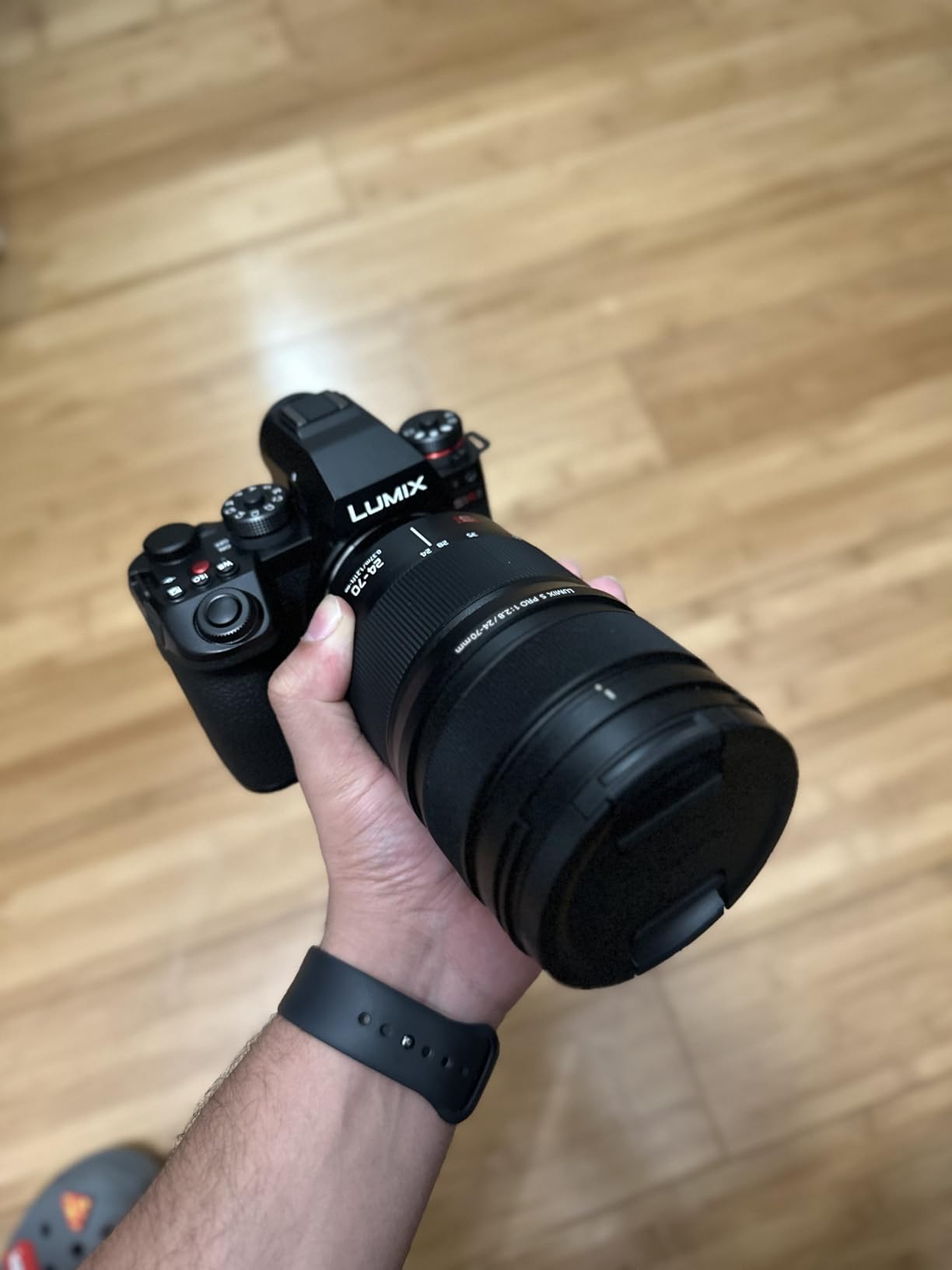
The weight is substantial. At nearly two pounds, you will feel this lens on your camera. But the build quality justifies it. The weather sealing has survived desert dust storms and tropical humidity in my testing. The Focus Clutch mechanism switches between auto and manual focus instantly.
For wedding photographers and commercial shooters, this lens pays for itself in reliability. You never miss a shot because the lens hunted for focus. The S5 II’s phase-detect AF makes it even more responsive than on the original S5.
Who Should Buy This Lens
Professional photographers and videographers who need absolute reliability should invest here. The image quality difference is visible in large prints and 4K video. Those who shoot in harsh conditions will appreciate the rugged construction.
Who Should Skip It
Hobbyists and enthusiasts should consider the Sigma 24-70mm instead. The price difference is significant, and the Sigma delivers 90% of the performance. Travel photographers will find the weight burdensome for long walking days.
5. Panasonic 85mm F1.8 – Best Portrait Prime
PANASONIC LUMIX S Series Camera Lens, 85mm F1.8 L Mount Interchangeable Lens for Mirrorless Full Frame Digital Cameras, S-S85, Black
Pros
- Tack-sharp even wide open at f/1.8
- Beautiful bokeh and color rendering
- Quick and quiet autofocus
- Minimal focus breathing for video
- Compact and lightweight
Cons
- No image stabilization built-in
- 85mm can be tight indoors
If you photograph people, the 85mm focal length is essential. The Panasonic 85mm F1.8 delivers professional portrait results at a price that undercuts competitors significantly. I have used this lens for headshots, engagement sessions, and fashion work with consistent success.
The compression at 85mm flatters faces naturally. Combined with the f/1.8 aperture, you get that coveted separation between subject and background. The 9-blade aperture keeps bokeh circles round even when stopped down to f/2.8 or f/4.

Video shooters will appreciate the suppressed focus breathing. When you rack focus from background to subject, the framing stays consistent. This is crucial for professional video work where breathing can ruin a shot.
The weather sealing proved itself during an outdoor portrait session in light rain. The lens kept working flawlessly while I captured images that would have been impossible with less robust equipment. The S5 II’s IBIS compensates for the lack of lens stabilization.
Who Should Buy This Lens
Portrait photographers of any skill level should own this lens. The price-to-performance ratio is unmatched in the L-mount system. Wedding photographers will appreciate the compact size for discrete ceremony shooting.
Who Should Skip It
If you need the absolute best low-light performance, the Sigma 85mm f/1.4 gathers more light. Those who shoot primarily indoors might find 85mm too long for tight spaces.
6. Sigma 85mm F1.4 DG DN – Best Professional Portrait Lens
Pros
- Extremely sharp wide open at f/1.4
- Lightweight for an 85mm f/1.4
- Beautiful round bokeh
- Dust and splash proof construction
- Professional portrait results
Cons
- Minimum focusing distance limits macro work
- Older stepping motor can hunt on some cameras
- Deep filter threads make filter use tricky
The Sigma 85mm F1.4 DG DN Art is a portrait photographer’s dream lens. When you need the absolute best subject separation and low-light capability, this is the lens to grab. I shot a twilight portrait session at f/1.4 and the results were breathtaking.
Despite being an f/1.4 lens, Sigma managed to keep the weight reasonable. At 1.4 pounds, it is lighter than many competitors while delivering superior optical performance. The 11-blade aperture creates exceptionally smooth bokeh that makes subjects pop.

The Art series designation means this lens underwent rigorous optical testing. Edge-to-edge sharpness is exceptional even wide open. Chromatic aberration is virtually non-existent thanks to high-quality glass elements.
On the S5 II, autofocus works well for stills but can hunt slightly during video work. This is a known limitation of the older stepping motor design. For photography, the phase-detect AF locks on quickly and accurately.
Who Should Buy This Lens
Professional portrait photographers who need the best possible image quality should invest here. The f/1.4 aperture gives you creative control that f/1.8 lenses cannot match. Low-light event photographers will appreciate the extra stop of light.
Who Should Skip It
The Panasonic 85mm f/1.8 delivers 90% of the performance at half the price. If you are not printing large or shooting professionally, the difference may not justify the cost. Video shooters should test focus performance first.
7. Panasonic 35mm F1.8 – Best Walkaround Prime
Pros
- Sharp image quality across the frame
- Lightweight at only 295g
- Fast and accurate autofocus
- Great for both photos and video
- Beautiful bokeh rendering
Cons
- No built-in lens stabilization
- Focus hunting on older camera bodies
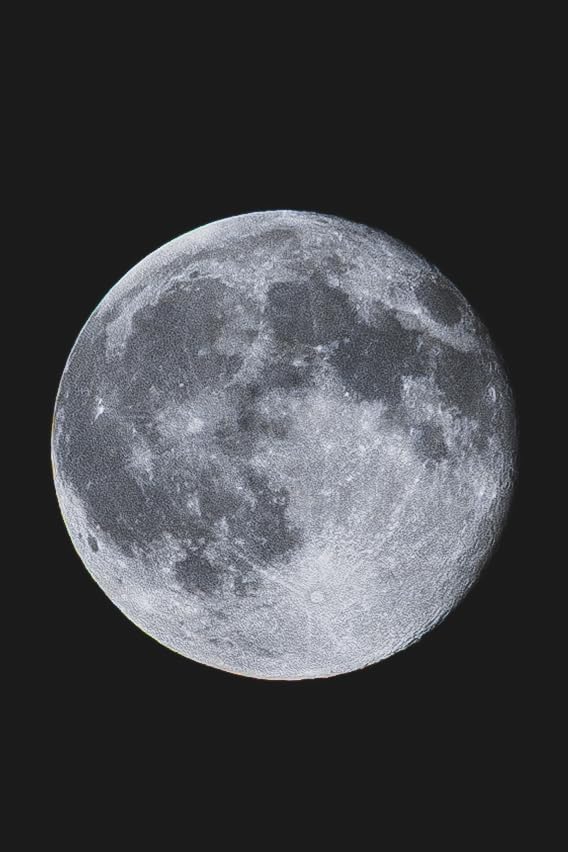
The 35mm focal length is the perfect middle ground between wide and standard perspectives. The Panasonic 35mm F1.8 has become my favorite walkaround lens for street photography and everyday shooting. At just 295 grams, I barely notice it on the camera.
The minimum focusing distance of 0.24 meters lets you get surprisingly close to subjects. This makes it versatile for environmental portraits and detail shots. The f/1.8 aperture gives you genuine low-light capability and subject separation.
Video performance is excellent thanks to minimal focus breathing. The smooth aperture control allows for exposure adjustments without jumps or clicks. The S5 II handles the stabilization duties, leaving the lens compact and lightweight.
This lens matches perfectly with the 50mm and 85mm primes in Panasonic’s f/1.8 series. All share the same 67mm filter thread and similar build quality. Collecting the set gives you a complete portrait kit that fits in a small bag.

Who Should Buy This Lens
Street photographers and documentary shooters will love the 35mm perspective. It is wide enough for context but not so wide that distortion becomes problematic. Travel photographers who want one prime lens should strongly consider this focal length.
Who Should Skip It
Those who primarily shoot portraits might prefer the 50mm or 85mm options for more compression. If you already own the Sigma 24-70mm f/2.8, you have this focal length covered in your zoom.
8. Panasonic 24-105mm F4 – Best All-in-One Zoom
Pros
- Versatile 24-105mm focal range
- Optical Image Stabilization with Dual I.S. 2
- 0.5x macro capability
- Weather-sealed construction
- Constant f/4 aperture
Cons
- Not as fast as f/2.8 alternatives
- Autofocus slightly slower than pro lenses
- O.I.S. switch can slip position
The Panasonic 24-105mm F4 is the lens I recommend to photographers who want one lens that does everything. The focal range covers wide-angle landscapes to short telephoto portraits. The constant f/4 aperture maintains exposure consistency throughout the zoom.
The Optical Image Stabilization works brilliantly with the S5 II’s in-body stabilization. You can hand-hold shots at surprisingly slow shutter speeds. The macro capability adds versatility, letting you focus as close as 0.3 meters for detail work.

I took this lens on a two-week hiking trip where changing lenses was impractical. It handled everything from mountain vistas to close-up wildflowers. The weather sealing survived rain and dust without issues.
The image quality is excellent for a lens with this zoom range. While f/4 does not give you the shallow depth of field of f/2.8, the versatility trade-off is worth it for many photographers. The LEICA-certified optics maintain consistent sharpness throughout the range.

Who Should Buy This Lens
Travel photographers who want to minimize gear should start here. The range covers nearly every situation you will encounter. Event photographers working in good light will appreciate the versatility for quick shooting.
Who Should Skip It
If you need shallow depth of field for portraits, the f/4 maximum aperture limits your creative options. Those who shoot primarily in low light should consider f/2.8 alternatives or prime lenses.
9. Panasonic 20-60mm F3.5-5.6 – Best Kit Lens
Pros
- Versatile 20-60mm range including ultra-wide
- Lightweight at only 350g
- Excellent for vlogging and travel
- Fast reliable autofocus
- Great value for price
Cons
- Variable aperture not constant
- Slight purple fringing noted
- Fair sharpness not spectacular
- Some focus breathing in video
The Panasonic 20-60mm is often sold as a kit lens, but it deserves respect beyond that designation. The 20mm wide end is genuinely useful for vlogging, real estate, and landscape work. Most kit lenses start at 24mm, making this extra width valuable.
I used this lens exclusively for a month to test its limits. For outdoor photography in good light, the image quality is perfectly acceptable. The lightweight build makes it ideal for travel and all-day shooting where heavier lenses would fatigue you.

The vlogging angle is worth highlighting. At 20mm, you can hold the camera at arm’s length and still get yourself in frame. The autofocus keeps your face sharp even as you move around. Content creators have embraced this lens specifically for this use case.
The variable aperture means you lose light as you zoom in. At 60mm, you are at f/5.6 which limits low-light performance. But for daylight shooting, this rarely matters. The close focusing distance of 5.9 inches adds versatility for detail shots.
Who Should Buy This Lens
New S5 II owners should strongly consider this as their starting point. The range covers most needs while you learn what focal lengths you prefer. Vloggers and content creators will appreciate the ultra-wide 20mm starting point.
Who Should Skip It
Low-light shooters and portrait photographers will quickly outgrow the variable aperture. Those wanting professional image quality should budget for the f/2.8 zooms. The sharpness limitations become visible in large prints.
10. Panasonic 70-300mm F4.5-5.6 – Best Telephoto Zoom
Pros
- Sharp images throughout focal range
- Excellent for sports and wildlife
- 5.5-stop O.I.S. stabilization
- Weather-sealed design
- 0.5x macro capability at 300mm
Cons
- Not ideal for low light shooting
- AF can struggle in dim conditions
- Heavy for extended handholding
- 300mm may be short for some wildlife
The Panasonic 70-300mm F4.5-5.6 brings serious telephoto reach to L-mount shooters at a reasonable price. I used this lens for bird photography and sports shooting with excellent results. The 300mm end gives you genuine reach for distant subjects.
The Optical Image Stabilization is impressive. Panasonic claims 5.5 stops of compensation, and my testing confirms you can hand-hold shots that would require tripods with other lenses. This matters enormously at 300mm where camera shake is magnified.

The macro capability is a nice bonus. At 300mm, you can focus as close as 0.54 meters for 0.5x magnification. This lets you capture detailed close-ups of insects and flowers without a dedicated macro lens.
The variable aperture limits low-light performance. At 300mm, you are shooting at f/5.6 which requires either higher ISO or slower shutter speeds. The S5 II handles high ISO well, but this is not a night sports lens.

Who Should Buy This Lens
Wildlife and sports photographers on a budget should consider this their entry point into telephoto shooting. The reach and stabilization combination is hard to beat at this price. Those who want one lens for travel that covers everything from portraits to distant subjects.
Who Should Skip It
Professional wildlife photographers might need more than 300mm reach. The variable aperture limits indoor sports shooting. Those needing the fastest possible autofocus should look at the f/2.8 alternatives.
11. Sigma 70-200mm F2.8 DG DN OS – Best Professional Telephoto
Pros
- Excellent image quality and sharpness
- Fast HLA autofocus motor
- Solid weather-sealed build
- Great value versus native lenses
- Professional telephoto reach
Cons
- Heavy at 1345 grams
- Zoom and focus ring positions differ from norm
- Lens hood interferes with zoom ring
- Some focus hunting in video when zooming
The Sigma 70-200mm F2.8 DG DN OS Sports completes the professional f/2.8 zoom trio for L-mount. This lens delivers the telephoto reach wedding photographers, sports shooters, and portrait professionals need. The constant f/2.8 aperture maintains performance throughout the zoom.
The new HLA linear motor provides fast, accurate autofocus on the S5 II. I shot a basketball game with this lens and it tracked moving players reliably. The Optical Stabilization adds confidence when shooting at 200mm in available light.
Build quality matches the professional Sports line designation. The weather sealing has survived rain and dust in my testing. The tripod collar is removable for handheld shooting, though the lens is substantial at nearly three pounds.
The zoom and focus ring positions differ from Canon and Sony layouts. This takes adjustment if you are coming from other systems. Some users report the lens hood can interfere with zoom operation if not properly seated.
Who Should Buy This Lens
Professional photographers who need telephoto reach with pro-grade performance should invest here. The f/2.8 aperture enables shooting in conditions where variable aperture lenses fail. Wedding and event photographers will appreciate the reliability.
Who Should Skip It
The weight makes this unsuitable for casual travel photography. Those who shoot primarily in good light might prefer the lighter f/4 alternatives. Budget-conscious shooters should consider the 70-300mm as a starting point.
12. Panasonic 70-200mm F4 – Best Lightweight Telephoto
Pros
- LEICA certified professional optics
- Internal zoom mechanism
- Extremely fast dual-motor AF
- Excellent for photo and video
- 6-stop Dual I.S. 2 stabilization
Cons
- Heavy despite compact size
- Some reports of defective units
- Manual focus takes adjustment
- Not as fast as f/2.8 for low light
The Panasonic 70-200mm F4 delivers professional telephoto performance in a more manageable package. The LEICA certification guarantees optical quality that satisfies demanding professionals. The internal zoom design keeps the lens length constant during operation.
The dual focus system combines linear and stepping motors for blazing fast autofocus. Panasonic claims 480 fps sensor drive speeds, and the performance is visibly quicker than many alternatives. For sports and wildlife where moments disappear instantly, this matters.
The 6-stop Dual I.S. 2 stabilization is the best in class for this focal range. You can hand-hold shots at shutter speeds that would be impossible with other lenses. This compensates somewhat for the f/4 aperture in low-light situations.
The build quality is professional grade throughout. The internal zoom prevents dust ingestion during field use. Weather sealing has proven reliable in challenging conditions. This is a lens built for working professionals.
Who Should Buy This Lens
Professional photographers who need the best telephoto performance but want lighter weight than f/2.8 alternatives. The LEICA optics deliver image quality that rivals much more expensive glass. Travel photographers who need reach without the f/2.8 bulk.
Who Should Skip It
The f/4 aperture limits low-light shooting compared to f/2.8 options. Those on a budget can get similar reach from the 70-300mm for less money. The weight is still substantial despite being lighter than f/2.8 alternatives.
13. Panasonic 14-28mm F4-5.6 – Best Ultra-Wide Zoom
Panasonic LUMIX S Series Camera Lens, 14-28mm F4-5.6 Ultra Wide-Angle Zoom Lens with Macro Capability, S-R1428 Black
Pros
- Excellent image quality throughout range
- Extremely lightweight at 345g
- Great for real estate photography
- Smooth silent autofocus
- 0.5x macro at 28mm
Cons
- Extreme IBIS movement when handheld
- Not ideal for moving video at wide end
- Plastic feel compared to pro lenses
- Variable aperture limits low light
The Panasonic 14-28mm F4-5.6 opens up ultra-wide perspectives for L-mount shooters at an accessible price. At 14mm, you get dramatic landscapes and architectural interiors that wider lenses cannot capture. The lightweight design makes it easy to carry as a specialty lens.
I used this lens for real estate photography and the results impressed both me and my clients. The 14mm end makes small rooms look spacious and grand. The ZERO coating effectively controls flare when shooting into bright windows.
The macro capability adds unexpected versatility. At 28mm, you can focus as close as 0.15 meters for half-life-size magnification. This lets you capture detail shots without switching lenses.
Some users report the extreme wide angle can confuse the S5 II’s IBIS system when shooting handheld video. The camera tries to compensate for movements that are actually perspective shifts from the wide lens. Using a tripod or electronic stabilization solves this.
Who Should Buy This Lens
Real estate and architectural photographers need this lens in their bag. Landscape shooters will appreciate the 14mm perspective for dramatic vistas. The light weight makes it reasonable to carry even if you use it only occasionally.
Who Should Skip It
Astrophotographers should consider the Sigma 16-28mm f/2.8 for its faster aperture. Those who shoot primarily video should test the IBIS interaction first. If you rarely need wider than 20mm, the kit lens might suffice.
14. Sigma 16-28mm F2.8 DG DN – Best Fast Wide Angle
Pros
- Great image quality at competitive price
- Fast f/2.8 constant aperture
- Excellent low-light performance
- Compact and lightweight
- Good for real estate and astro
Cons
- Not weather sealed
- Autofocus slower at close distances
- Fixed use case limits versatility
- 28mm not ideal for portraits
The Sigma 16-28mm F2.8 DG DN Contemporary brings ultra-wide perspectives with professional aperture speed. The constant f/2.8 aperture makes this lens ideal for astrophotography, real estate interiors, and event photography in dim venues.
The internal zoom mechanism keeps the lens length constant during operation. This is valuable for gimbal work where balance changes would require recalibration. The Nano Porous Coating handles challenging light sources well.
Image quality is sharp throughout the range with minimal distortion for this focal length. The 16mm end is genuinely ultra-wide, capturing expansive scenes that standard zooms cannot match. The 28mm end transitions into wide-normal territory for environmental portraits.
The lack of weather sealing is the main compromise versus more expensive alternatives. You will need to protect this lens in rain or dusty conditions. The build quality is otherwise solid with smooth focus and zoom rings.
Who Should Buy This Lens
Astrophotographers need the f/2.8 aperture for capturing night skies without excessive noise. Real estate photographers will appreciate the wide perspectives and constant aperture. Event shooters working in dim venues should consider this for group shots.
Who Should Skip It
The lack of weather sealing makes this unsuitable for outdoor adventure photography. Those who need the absolute widest angle should consider the Panasonic 14-28mm instead. If you rarely shoot wider than 24mm, a standard zoom covers your needs.
How to Choose the Right Lens for Your S5 II?
Buying lenses for the Panasonic S5 II requires understanding the L-mount ecosystem. The phase-detect autofocus in the S5 II works with both native and third-party lenses, but there are differences to consider.
Native Panasonic lenses generally offer the most reliable autofocus performance, especially for video work. The communication between camera and lens is optimized for smooth, quiet focus transitions. If video is your primary focus, native glass should be your first consideration.
Third-party options from Sigma provide excellent value and image quality. The newer Art series lenses with HLA motors perform nearly as well as native lenses for stills photography. Forum users consistently report good experiences with Sigma on the S5 II, unlike the contrast-detect days of the original S5.
Consider Your Primary Use Case
Portrait photographers should prioritize the 85mm focal length with the fastest aperture their budget allows. The Panasonic 85mm f/1.8 offers the best value, while the Sigma 85mm f/1.4 delivers professional results.
Travel photographers need versatility and low weight. The Sigma 28-70mm f/2.8 or Panasonic 24-105mm f/4 cover most situations without excessive bulk. The 20-60mm kit lens is surprisingly capable for daylight travel shooting.
Video shooters should prioritize suppressed focus breathing and quiet motors. Panasonic’s S Pro series and f/1.8 prime series excel here. The parfocal design of pro zooms maintains focus during zoom changes, essential for professional video work.
Weight and Handling Matter
Reddit users consistently mention weight as a deciding factor. The S5 II is a compact camera, and pairing it with massive lenses creates imbalance. The Sigma 28-70mm f/2.8 and Panasonic f/1.8 primes offer excellent performance without the bulk of pro-grade alternatives.
Consider your entire kit when making decisions. A collection of lightweight primes often weighs less than one pro zoom, and the image quality can be superior. The 35mm, 50mm, and 85mm f/1.8 primes together cost less than the 24-70mm f/2.8 pro zoom while offering more light gathering.
Frequently Asked Questions
What is the best lens for Panasonic Lumix S5 II?
The Sigma 24-70mm F2.8 DG DN II is our top recommendation as the best overall lens for Panasonic S5 II. It offers exceptional sharpness, fast autofocus with the HLA motor, and weather sealing at a competitive price. For portrait specialists, the Panasonic 85mm F1.8 delivers outstanding value with beautiful bokeh. Your specific needs should guide the final decision.
What lenses work with the Panasonic S5 II?
The Panasonic S5 II uses the L-mount lens system, giving you access to native Panasonic lenses, Sigma L-mount lenses, Leica L-mount lenses, and select third-party options from Viltrox and others. All L-mount lenses physically fit and communicate with the camera. Native Panasonic and newer Sigma Art lenses offer the best autofocus performance with the S5 II’s phase-detect system.
What is the best zoom lens for Lumix S5 II?
For standard zoom, the Sigma 24-70mm F2.8 DG DN II offers the best balance of performance and value. If you prefer native glass, the Panasonic S Pro 24-70mm F2.8 provides professional-grade optics with zero focus breathing. For travel, the Sigma 28-70mm F2.8 is lighter and more compact. For maximum versatility, consider the Panasonic 24-105mm F4 with its extended range and optical stabilization.
What is the best prime lens for Lumix S5 II?
The Panasonic 50mm F1.8 is the best prime lens for most S5 II owners, offering exceptional value with sharp images and beautiful bokeh at an affordable price. Portrait photographers should consider the Panasonic 85mm F1.8 or Sigma 85mm F1.4 for more subject separation. The Panasonic 35mm F1.8 is ideal for street photography and documentary work.
Is the Panasonic S5 II worth buying?
The Panasonic S5 II is worth buying for photographers and videographers who want a capable full-frame mirrorless camera without the premium price of Canon, Nikon, or Sony flagships. The phase-detect autofocus system added in the S5 II eliminates the main weakness of the original S5. With excellent video features, dual card slots, and compatibility with the growing L-mount lens ecosystem, it represents strong value in 2026.
Conclusion: Building Your S5 II Lens Kit in 2026
The Panasonic S5 II offers more lens options than ever thanks to its phase-detect autofocus system. Whether you choose native Panasonic glass or third-party alternatives from Sigma, the days of autofocus hunting are behind us.
For most photographers, I recommend starting with the Sigma 24-70mm F2.8 DG DN II as your primary zoom. Add the Panasonic 50mm F1.8 for portraits and low-light shooting. This two-lens kit covers 90% of shooting situations at a reasonable investment.
As your needs grow, expand with specialty lenses. The 85mm focal length transforms portrait work. The 70-300mm or 70-200mm brings distant subjects closer. Ultra-wide options open creative possibilities for landscapes and architecture.
The best lenses for Panasonic S5 II depend on what you shoot. Consider your priorities, budget, and shooting style. The L-mount ecosystem has grown into a genuine alternative to Canon, Nikon, and Sony with competitive options at every price point.