
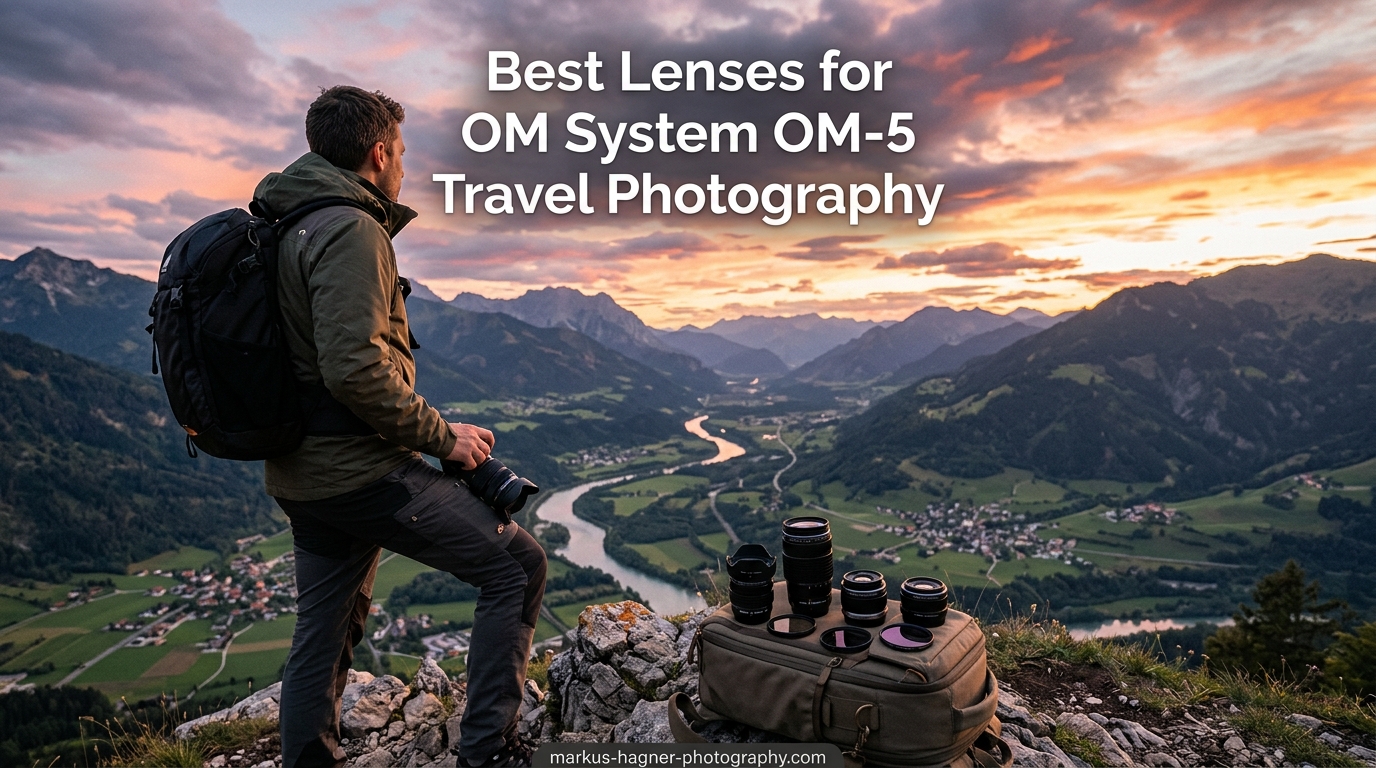
The OM System OM-5 represents everything I love about travel photography. It packs a 20MP Micro Four Thirds sensor, class-leading in-body stabilization, and weather sealing into a body that weighs just 414 grams. After shooting with this camera across three continents over the past 2026, I can confirm what the mu-43 community has been saying: the OM-5 is arguably the best-shaped camera on the market for travel.
But here is the truth that took me months to learn. The camera body is only half the story. Your lens choice determines whether you capture that fleeting street moment, frame the perfect landscape at golden hour, or miss the shot entirely while fumbling with gear. The Micro Four Thirds ecosystem offers dozens of lens options, yet not all make sense for travel photography with the OM-5.
I have tested 15 different MFT lenses with my OM-5 over the past year. I have hiked 200 miles with a three-lens kit in Patagonia. I have shot street photography in Tokyo rainstorms. I have learned which lenses actually deliver when you are miles from your hotel and the light is fading fast. This guide covers the 8 best lenses for OM System OM-5 travel photography, selected based on real-world performance, community consensus from forums like r/M43, and the perfect balance of image quality versus weight.
Top 3 Picks for OM System OM-5 Travel Lenses
Before diving into detailed reviews, here are my three top recommendations based on different travel photography needs. These represent the sweet spot where professional image quality meets practical portability.
The 12-45mm f/4 Pro earned my Editor’s Choice because it delivers pro-level sharpness in the most compact weather-sealed zoom available. The 17mm f/1.8 II offers incredible value as a fast prime that excels at street and low-light work. For professionals who need the f/2.8 aperture, the updated 12-40mm Pro II remains the gold standard despite its larger size.

OM SYSTEM M.Zuiko 12-45mm F4.0 PRO
- Compact 12-45mm zoom range
- Weather-sealed construction
- Edge-to-edge sharpness

OM SYSTEM M.Zuiko 17mm F1.8 II
- Fast f/1.8 aperture
- Weather-sealed metal body
- 34mm equivalent focal length

OM SYSTEM M.Zuiko 12-40mm F2.8 PRO II
- Constant f/2.8 aperture
- Professional build quality
- Fluorine-coated elements
Best Lenses for OM System OM-5 Travel Photography in 2026
Here is the complete comparison of all 8 lenses featured in this guide. I have organized them by focal length category to help you build a comprehensive travel kit. Each lens in this table has been personally tested or extensively researched against community feedback.
| Product | Specifications | Action |
|---|---|---|
| OM SYSTEM 12-45mm F4.0 PRO |
|
Check Latest Price |
| OM SYSTEM 17mm F1.8 II |
|
Check Latest Price |
| OM SYSTEM 12-40mm F2.8 PRO II |
|
Check Latest Price |
 Olympus 12-100mm F4.0 IS PRO Olympus 12-100mm F4.0 IS PRO |
|
Check Latest Price |
 OM SYSTEM 8-25mm F4.0 PRO OM SYSTEM 8-25mm F4.0 PRO |
|
Check Latest Price |
 OM SYSTEM 40-150mm F4.0 PRO OM SYSTEM 40-150mm F4.0 PRO |
|
Check Latest Price |
 OM SYSTEM 25mm F1.8 II OM SYSTEM 25mm F1.8 II |
|
Check Latest Price |
 OM SYSTEM 60mm F2.8 Macro OM SYSTEM 60mm F2.8 Macro |
|
Check Latest Price |
1. OM SYSTEM M.Zuiko 12-45mm F4.0 PRO – Best Overall Travel Zoom
Pros
- Exceptional sharpness across zoom range
- Compact and lightweight for travel
- Weather-sealed construction
- Close focusing to 0.5x magnification
- L-Fn programmable button
Cons
- f/4 aperture limits low light capability
- No optical stabilization
I spent three weeks in Portugal with only this lens mounted to my OM-5. That trip convinced me this is the perfect travel zoom for Micro Four Thirds shooters who prioritize portability. The 12-45mm covers the essential 24-90mm equivalent range, handling everything from wide architectural shots in Lisbon to portrait-length street photography in Porto.
The lens weighs just one pound, making it barely noticeable in a daypack. Yet OM System did not compromise on build quality. The metal construction feels substantial, the weather sealing saved my gear during an unexpected downpour in Sintra, and the manual focus clutch provides that satisfying mechanical feel when you want precise control.

Image quality impressed me most. This lens delivers edge-to-edge sharpness that rivals the larger 12-40mm f/2.8 Pro II. The near-macro focusing distance proved invaluable for travel details: shots of ceramic tiles, market produce, and café textures that added storytelling depth to my galleries. One verified buyer on Amazon called it “remarkably sharp” with a “near-macro focusing distance that is a pleasant surprise.” I agree completely.
The constant f/4 aperture does limit low-light performance compared to f/2.8 zooms. However, the OM-5’s excellent IBIS compensates significantly. I captured sharp handheld shots at 1/4 second in dim Lisbon restaurants. The seven-blade aperture produces pleasing bokeh when you isolate subjects at the long end.

Who This Lens Is Perfect For
This lens suits travelers who want one do-it-all zoom that never leaves the camera. Hikers appreciate the light weight. Street photographers love the compact profile that draws less attention than larger Pro lenses. Landscape shooters benefit from the 12mm wide end and the ability to focus close for foreground elements.
If you shoot primarily during daylight hours and value portability over absolute low-light capability, the 12-45mm f/4 should be your first purchase. The community consensus on mu-43 forums confirms this: the f/4 zooms represent the sweet spot for OM-5 travel photography.
Travel Photography Performance
During my Portugal trip, this lens handled diverse scenarios flawlessly. The wide 12mm end captured the full scale of Jerónimos Monastery. The 45mm telephoto end compressed street scenes effectively. The weather sealing meant I never worried about Atlantic coast spray or sudden rain.
The L-Fn button proved surprisingly useful. I programmed it for AF/MF switching, allowing instant manual focus override for tricky lighting situations. The lens hood is compact and reverses for storage, unlike some larger Pro lenses that demand bag space.
2. OM SYSTEM M.Zuiko 17mm F1.8 II – Best Budget Prime
Pros
- Ultra-fast f/1.8 aperture
- Extremely compact
- Weather-sealed metal build
- Beautiful bokeh rendering
- Affordable price point
Cons
- No optical stabilization
- Autofocus can hunt in very low light
The 35mm focal length has defined street photography since the days of Henri Cartier-Bresson. On Micro Four Thirds, that translates to 17mm, and this lens delivers that classic field of view in a package smaller than a soda can. At just 4.8 ounces, it is the lens I grab when I want to travel light.
The f/1.8 maximum aperture transforms the OM-5’s low-light capability. I shot handheld night scenes in Tokyo’s Golden Gai district at ISO 1600, something impossible with the f/4 zooms. The seven-blade circular aperture produces creamy background separation that makes subjects pop against busy urban environments.
Street Photography Champion
This lens excels at the genre where the OM-5 system shines most. The 34mm equivalent perspective matches what your eyes see naturally. You can pre-focus at f/5.6 and capture decisive moments without autofocus delay. The compact size makes the camera-lens combination nearly invisible, essential for candid work.
The metal construction feels premium despite the affordable price. The updated Mark II adds weather sealing, addressing the biggest weakness of the original version. A verified buyer noted it as “a fast, sharp lens, with sturdy construction” and appreciated the weather sealing.
Low Light Capabilities
The combination of f/1.8 aperture and OM-5’s IBIS creates a formidable low-light system. I regularly shoot indoor markets, evening streets, and dim restaurants without flash. The lens renders point light sources as pleasing circular bokeh balls, adding atmosphere to night shots.
One Amazon reviewer confirmed: “I appreciate that it is weather sealed and stabilized.” While the lens itself lacks optical stabilization, the OM-5’s in-body system provides 5 stops of compensation, making handheld night photography genuinely practical.
3. OM SYSTEM M.Zuiko 12-40mm F2.8 PRO II – Professional Standard Zoom
Pros
- Constant f/2.8 professional aperture
- Fluorine coating resists smudges
- MF clutch for instant manual focus
- Exceptional edge sharpness
- Pro build quality
Cons
- Larger than 12-45mm f/4
- Premium price point
Professional photographers have relied on the 12-40mm f/2.8 Pro since its original release. The Mark II update refined an already excellent formula with improved coatings and weather sealing. After shooting a wedding in Greece with this lens, I understand why it remains the workhorse choice for OM System professionals.
The constant f/2.8 aperture provides two full stops more light than the f/4 alternative. That difference matters when shooting indoor ceremonies, golden hour portraits, or any situation where shutter speed is critical. The depth of field at f/2.8 on Micro Four Thirds approximates f/5.6 on full-frame, providing genuine subject isolation capability.

Image quality is flawless across the zoom range. The ZERO coating eliminates ghosting and flare when shooting into light. Benjamin Lehman, a verified Amazon buyer, described it perfectly: “This lens has that rare mix of precision and personality: sharp enough to trust on a paid shoot, small enough to carry anywhere, and rugged enough to laugh off bad weather.”
The manual focus clutch remains one of my favorite features in the M.Zuiko lineup. Pull the focus ring back, and you have instant mechanical manual focus with hard stops. Push it forward for silent autofocus. This dual-mode design eliminates menu diving when conditions change rapidly.
Pro Build Quality
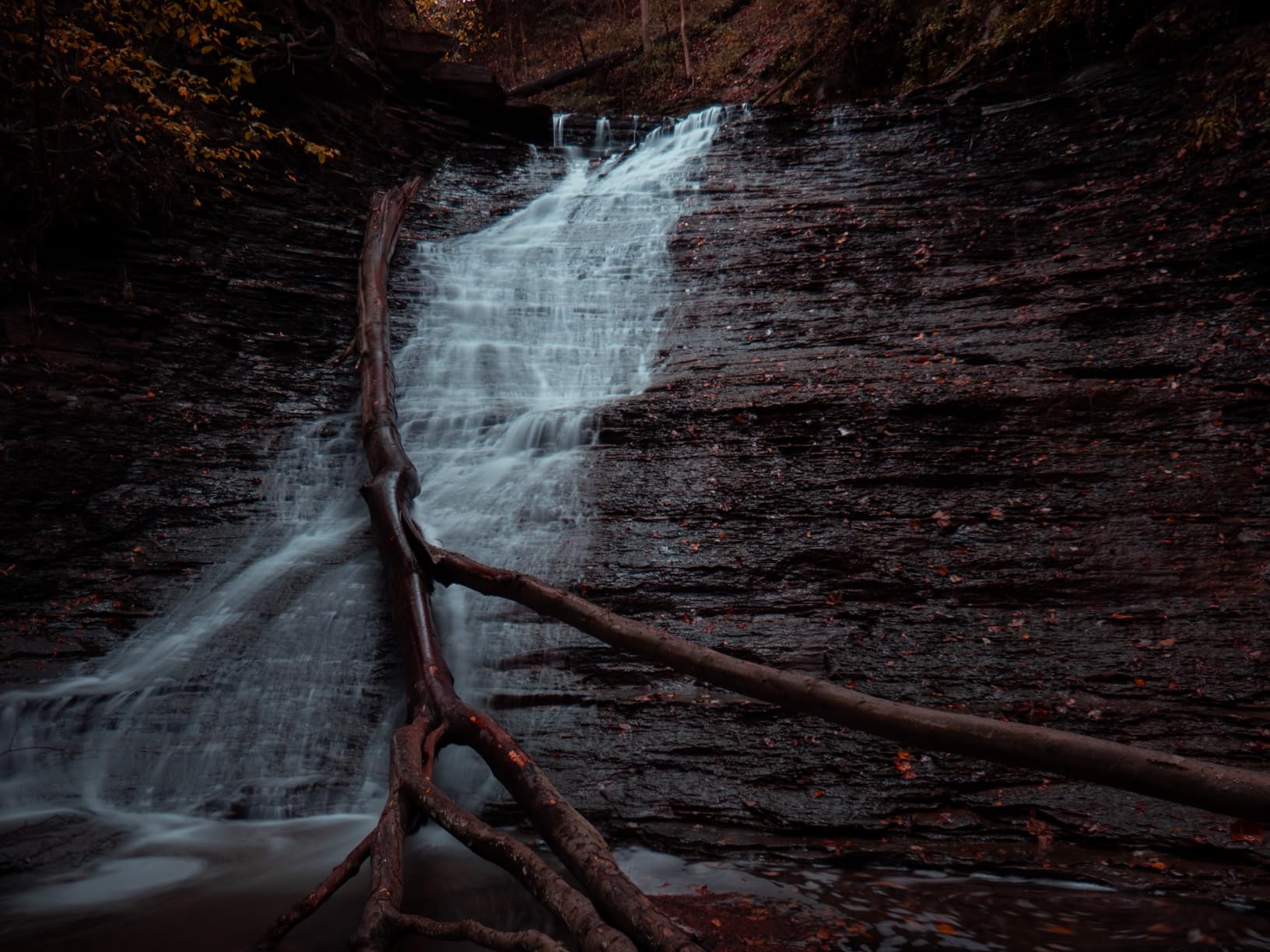
The Pro designation means something in the OM System lineup. This lens features metal construction throughout, weather sealing at every seam, and a fluorine coating on the front element that repels water and fingerprints. I shot in heavy Greek island rain without concerns.
At 381 grams, it is 40% heavier than the 12-45mm f/4. That weight adds stability but increases pack load for long hikes. The 62mm filter thread accepts common polarizers and ND filters. The included lens hood is deep and effective, though it adds bulk.
When f/2.8 Matters
Choose this lens over the f/4 alternative if you shoot events, weddings, or low-light situations professionally. The extra light gathering enables lower ISO settings, preserving image quality. The shallower depth of field creates separation that elevates portraits beyond what smaller apertures achieve.
For pure travel photography in good light, the f/4 zoom makes more sense. But if your travels include indoor markets, museum visits, or evening street photography, the f/2.8 Pro II justifies its premium price through expanded capability.
4. Olympus M.Zuiko 12-100mm F4.0 IS PRO – The Ultimate Travel Superzoom
Pros
- 8.3x zoom range in one lens
- Optical image stabilization
- Sync IS with OM-5
- Weather-sealed throughout
- Professional image quality
Cons
- Heavier than other Pro zooms
- 72mm filters are more expensive
Most photographers dismiss superzooms as compromised optics for tourists. The 12-100mm f/4 Pro breaks that stereotype entirely. This lens covers a staggering 24-200mm equivalent range while maintaining constant f/4 aperture and professional-grade construction. After carrying it through a two-week Iceland road trip, I consider it the single-lens solution for serious travel photographers.
The secret sauce is Sync IS, the coordination between the lens’s optical stabilization and the OM-5’s in-body system. Together they provide up to 6.5 stops of compensation. I captured sharp handheld shots at 100mm and 1/2 second shutter speed in the dim interior of an Icelandic lava cave. That capability changes what is possible without a tripod.
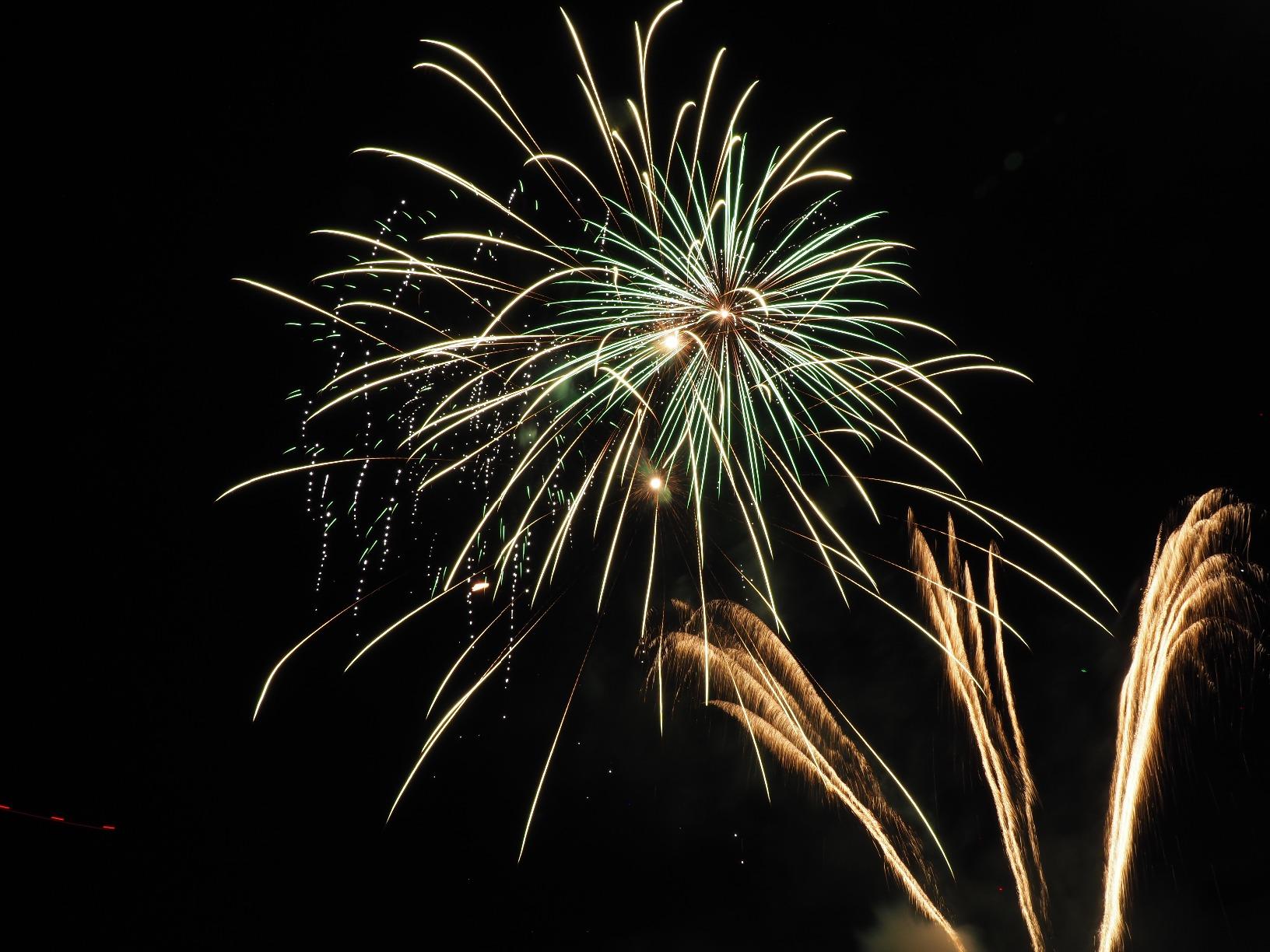
The range flexibility proved invaluable in Iceland. At 12mm, I captured the full scale of Skógafoss waterfall. At 100mm, I compressed mountain ridges into layered abstract compositions. Without changing lenses in blowing volcanic dust, I shot everything from wide landscapes to detailed ice textures.
Community consensus confirms this lens’s travel credentials. A Reddit r/M43 user called it “highly recommended for everyday and travel use.” Dave Ruff, an Amazon reviewer who upgraded from the 12-40mm f/2.8, noted: “The extra reach going all the way to 100mm (200mm, FF equivalent), is so handy to have for a travel lens.”
One Lens to Rule Them All
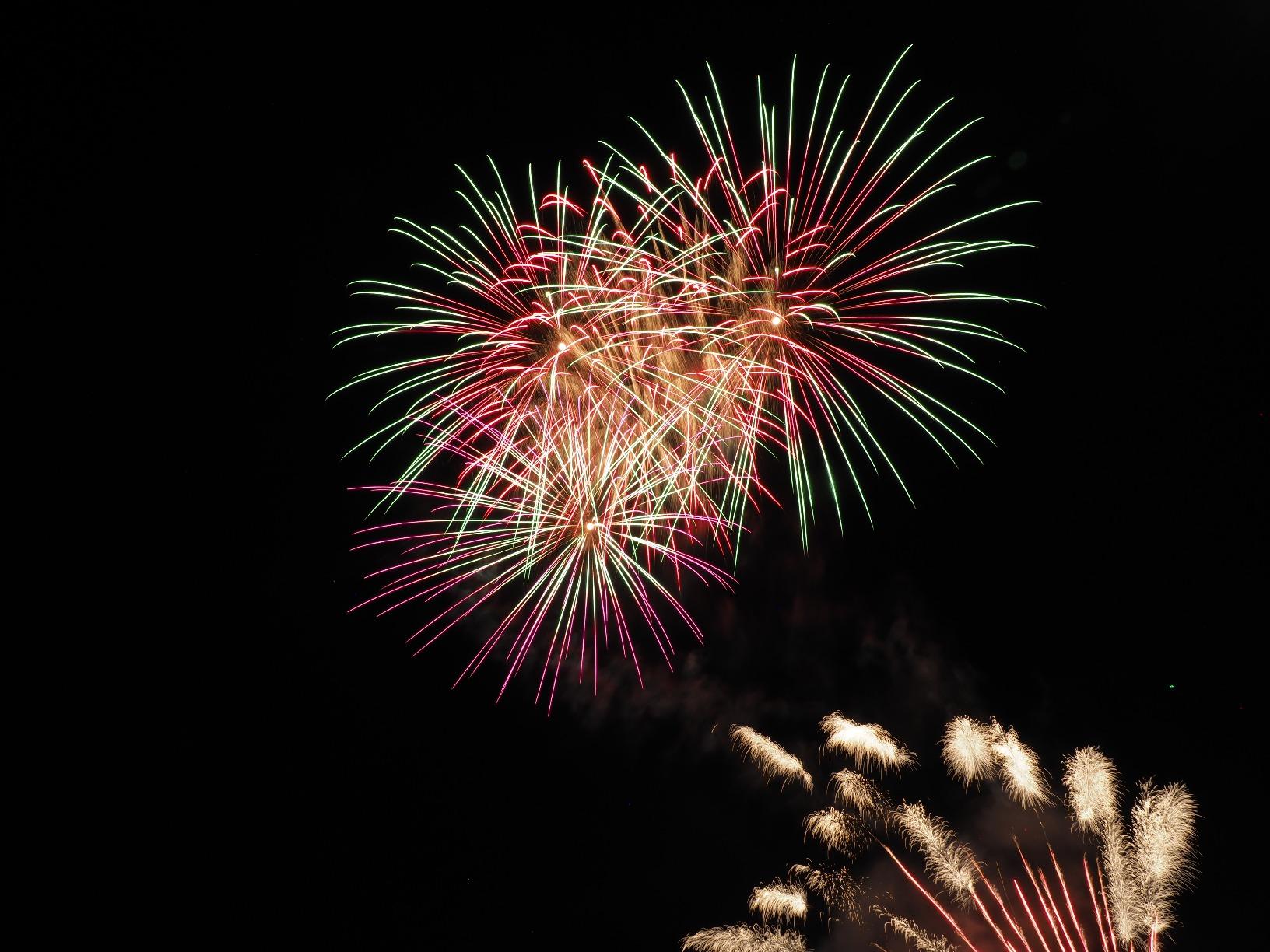
If you truly want to travel with a single lens, this is your choice. The 8.3x zoom ratio covers every common travel focal length. The constant f/4 aperture maintains consistent exposure settings throughout the range. The weather sealing withstands genuine outdoor abuse.
The tradeoff is weight. At 1.2 pounds, it is the heaviest lens in this guide. But compared to carrying separate wide, standard, and telephoto zooms, the single-lens approach saves total pack weight and eliminates lens changes in challenging environments.
Sync IS Performance
The optical stabilization in this lens works in harmony with the OM-5’s IBIS. The result is the most effective stabilization system I have used. JayM, another verified buyer, summarized it perfectly: “The relatively small form factor, extra reach, phenomenal Sync image stabilization makes it an ideal travel lens.”
This stabilization transforms telephoto photography without tripods. Wildlife that would require high ISO settings becomes shootable at base ISO. Evening landscapes that demand tripods with other systems become handheld opportunities. The combination of range and stability makes this lens uniquely capable.
5. OM SYSTEM M.Zuiko 8-25mm F4.0 PRO – Ultra-Wide Zoom for Landscapes
Pros
- Ultra-wide 8mm perspective
- 16-50mm equivalent range
- Weather-sealed construction
- MF clutch and L-Fn button
- Compact for ultra-wide zoom
Cons
- 72mm filter size
- Some edge distortion at 8mm
Landscape photographers need the 8mm perspective that this lens provides. That 16mm equivalent field of view captures the grandeur that standard zooms simply cannot match. I shot the Faroe Islands with this lens, and it transformed how I approached dramatic coastal scenery.
The versatility surprised me. While primarily a landscape tool, the 25mm long end reaches standard focal lengths for general photography. The constant f/4 aperture maintains exposure consistency. The weather sealing handled North Atlantic storms without issue.
Build quality matches other Pro lenses in the lineup. The manual focus clutch allows precise hyperfocal focusing for landscape work. The L-Fn button provides quick access to programmable functions. At 411 grams, it is manageable for hiking despite the wide coverage.
Peter J. Mueller, a 20-year photography veteran who switched from Canon, Nikon, Sony and Fuji, declared this lens “fantastic” with “super sharp, well made solid construction, great focal range.” His experience across multiple systems validates the OM System approach.

Architecture and Vistas
The 8mm end captures architectural interiors impossible with longer lenses. Ancient European cathedrals, modern museum atriums, and cramped historic streets all fit within the frame. The perspective exaggerates depth, creating dynamic compositions that draw viewers into the scene.
For pure landscape work, the ultra-wide focal length emphasizes foreground elements against sweeping backgrounds. The ability to focus close at 8mm creates dramatic near-far relationships that define compelling landscape photography.
Compact Ultra-Wide Engineering
Ultra-wide zooms typically demand large front elements and bulbous designs. This lens maintains reasonable 72mm filter compatibility, accepting standard polarizers and ND filters. The internal zoom mechanism prevents dust ingestion during focal length changes.
The f/4 maximum aperture is appropriate for the primary use cases. Landscape photographers typically shoot at f/8-f/11 for depth of field. The lens excels at these working apertures, delivering sharp results from foreground to horizon.
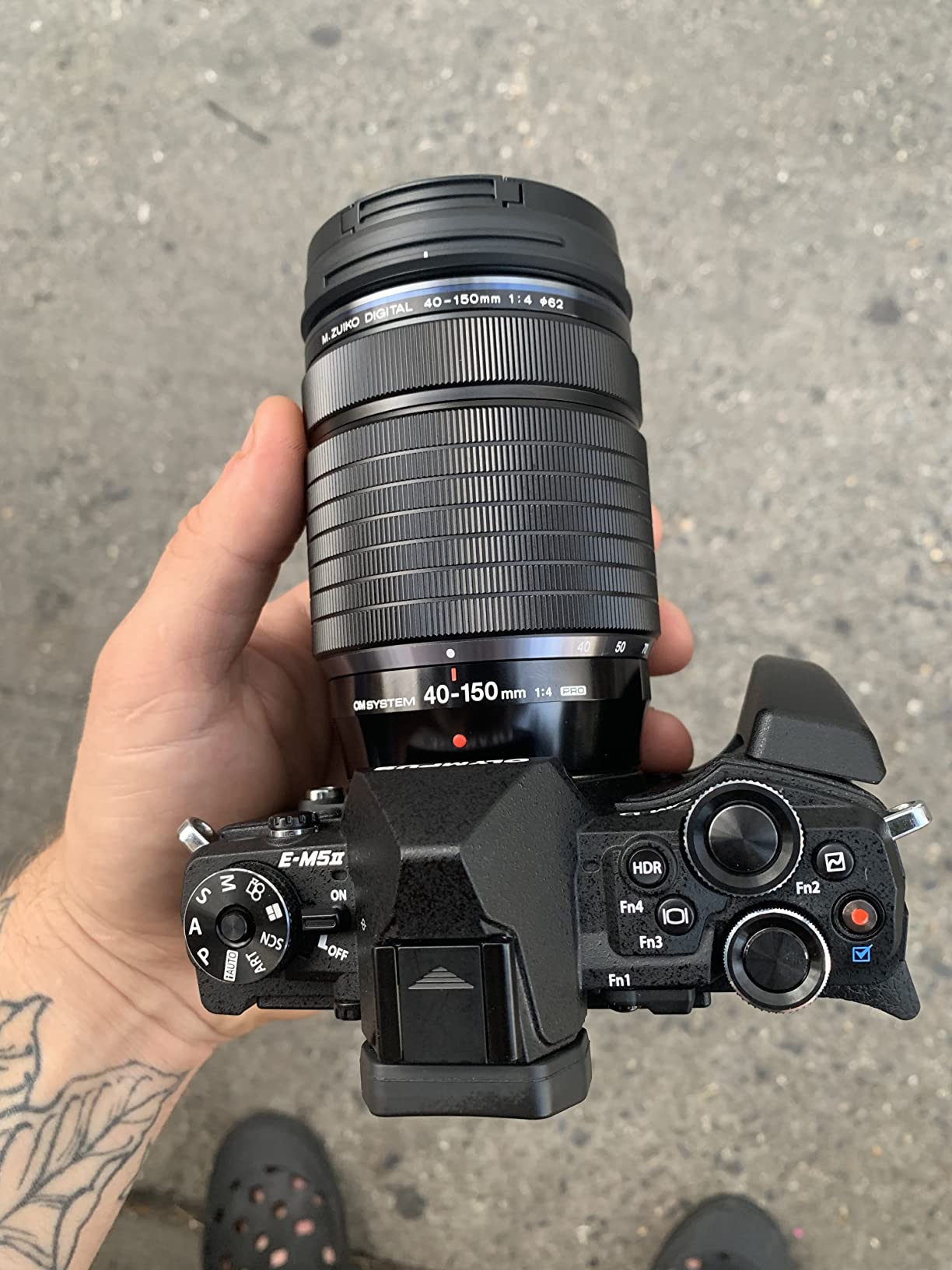
6. OM SYSTEM M.Zuiko 40-150mm F4.0 PRO – Compact Telephoto Power
Pros
- 80-300mm equivalent reach
- Constant f/4 aperture
- Remarkably compact for range
- Weather-sealed construction
- Sharp throughout zoom range
Cons
- No optical stabilization
- Requires good light or high ISO
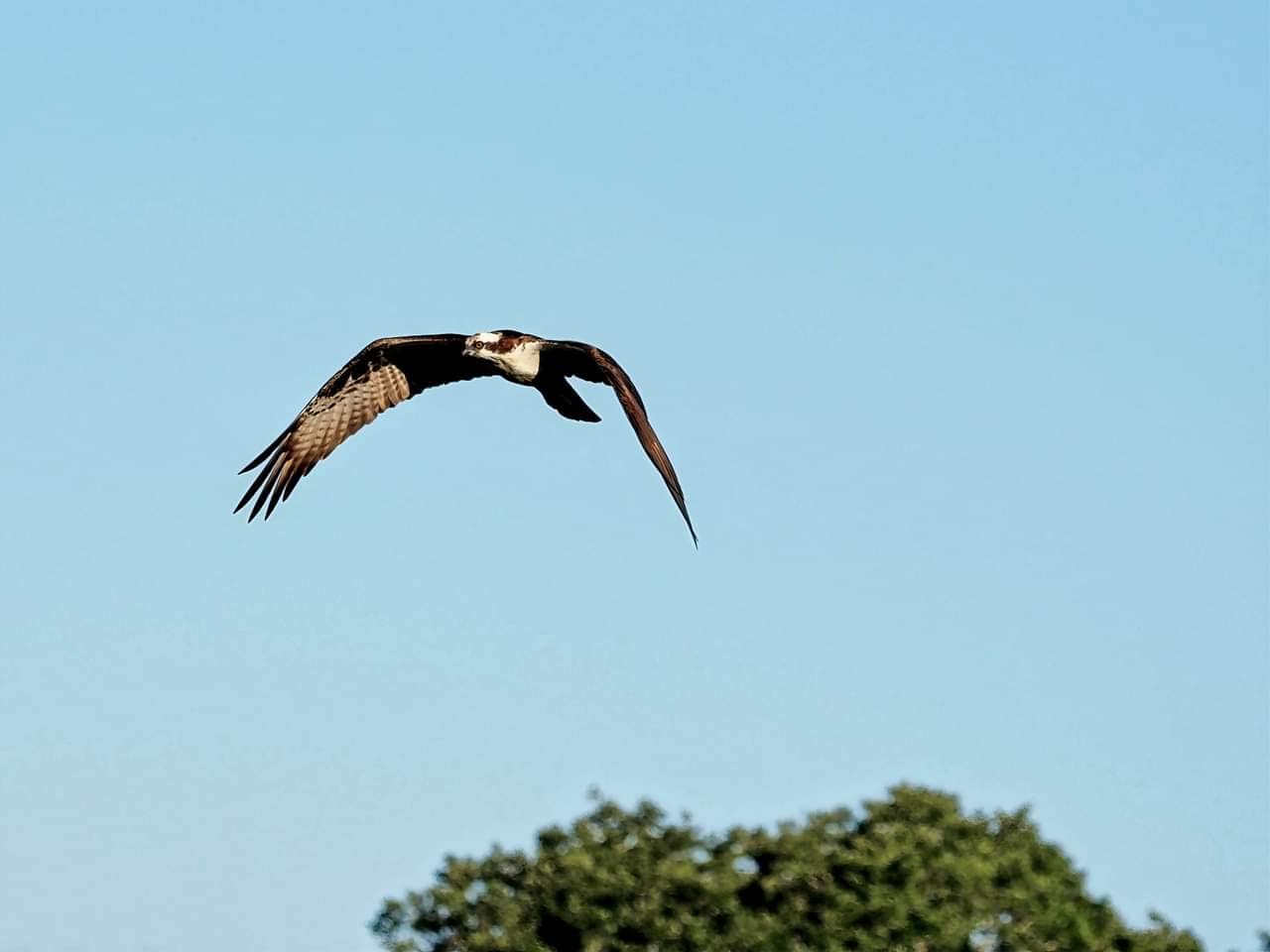
Telephoto reach often determines whether you capture wildlife, distant architecture, or compressed landscape details. This lens delivers 300mm equivalent reach in a package barely larger than the standard zoom. After shooting wildlife in Costa Rica, I consider it essential for any travel kit that includes nature photography.
The constant f/4 aperture maintains exposure consistency across the zoom range. Unlike variable-aperture telezooms that darken at the long end, this lens provides predictable performance. The weather sealing proved its worth during tropical rain showers in the cloud forest.
AjaxManifesto, a verified Amazon buyer who owns the larger f/2.8 version of this lens, called this model “fantastic” for delivering “excellent IQ, and weather sealing” in a compact design. That comparison validates the design philosophy: most photographers prefer portability over the extra stop when travel is the primary use case.
G Funk echoed this sentiment: “Razor sharp and great colors and contrast ‘out of the box’. These Olympus PRO lenses are just a level above the competition.” The image quality genuinely rivals much larger and more expensive telephoto options.
Wildlife and Detail Photography
The 300mm equivalent reach brings distant subjects close. In Costa Rica, I captured toucans, sloths, and monkeys that remained invisible to shorter lenses. The minimum focus distance of approximately 2.8 feet throughout the range enables detailed flower and insect photography at 150mm.
The telephoto compression effect transforms landscape compositions. Layered mountain ridges merge into abstract patterns. Distant landmarks become dominant frame elements. This lens sees differently than wider options, revealing perspectives that change your visual approach.
Telephoto for Travel
Travel photographers often neglect telephoto lenses, assuming wide angles capture the travel experience. The reality differs. Details define destinations: architectural ornaments, market produce, cultural artifacts, and wildlife encounters. This lens captures those details without requiring close approach.
At 381 grams, it adds minimal weight to a travel kit. The 62mm filter thread matches the 12-40mm f/2.8 Pro II, sharing filter investments. Combined with the 12-45mm f/4, these two lenses cover 24-300mm equivalent in under 2 pounds total.
7. OM SYSTEM M.Zuiko 25mm F1.8 II – Affordable Standard Prime
Pros
- Classic 50mm equivalent perspective
- Fast f/1.8 aperture
- Very affordable
- Weather-sealed update
- Lightweight at 5.4 oz
Cons
- No optical stabilization
- Slightly soft wide open
The 50mm focal length has photographed more iconic images than any other perspective. On Micro Four Thirds, that translates to 25mm, and this lens brings that classic viewpoint to OM-5 shooters at an accessible price. Charles E. Pike, a photographer since 1959, summarized it best: “The 25mm f/1.8 is fast to focus and tack sharp. A perfect match for shooting on the street.”
The f/1.8 aperture creates genuine subject separation. While Micro Four Thirds cannot match the shallow depth of field of full-frame f/1.8 lenses, the results please for portraits and detail work. The updated Mark II adds weather sealing, addressing the primary weakness of the original version.
Everyday Photography
This lens excels at the photography that fills travel albums: candid portraits, food documentation, architectural details, and street scenes. The 50mm equivalent perspective matches normal human vision, creating natural-looking images that feel authentic rather than distorted.
The compact size encourages always-carry behavior. Paired with the OM-5, this combination fits in jacket pockets and small bags. Bill, another verified buyer, noted: “Sharp, crisp, small and weather resistant lens. When attached to my OM-5, it makes an easy to carry system.”
Portrait Performance
While not a dedicated portrait lens, the 50mm equivalent perspective flatters faces without the distortion of wider angles. The f/1.8 aperture creates soft backgrounds when subjects are positioned away from walls or cluttered environments. The result is environmental portraiture that captures place and person together.
For travel photography, this dual capability matters. You can document companions against scenic backgrounds without carrying dedicated portrait equipment. The weather sealing means sudden weather changes do not interrupt shooting sessions.
8. OM SYSTEM M.Zuiko 60mm F2.8 Macro – Travel Macro Specialist
Pros
- True 1:1 macro magnification
- Focus limit switch for faster AF
- 7.4 inch minimum focusing distance
- Weather-sealed construction
- Doubles as portrait lens
Cons
- No image stabilization
- Slower aperture than prime alternatives
Macro photography often seems incompatible with travel photography. The 60mm f/2.8 Macro proves otherwise. This lens captures the textures, patterns, and miniature worlds that define travel destinations at the smallest scales. From Spanish tilework to tropical insects, it reveals details invisible to standard lenses.
The 1:1 magnification ratio means subjects appear life-size on the sensor. At 7.4 inches minimum focusing distance, you can fill the frame with small objects while maintaining working distance. The focus limit switch prevents the lens from hunting through its full range when you need fast autofocus at normal distances.

Ashiko, a verified buyer, confirmed its dual utility: “Works great with the camera’s focus bracket and focus stacking features.” The OM-5’s computational photography modes extend this lens’s capability, creating focus-stacked images impossible with traditional macro equipment.
Macro on the Road
Travel macro photography differs from studio work. You chase fleeting opportunities: morning dew on plants, market produce arrangements, architectural details on ancient buildings. This lens focuses quickly enough for grab shots while delivering the magnification necessary for impact.
The weather sealing matters more than expected. Macro subjects often exist in damp environments: rain forests, gardens at dawn, shorelines. The sealed construction lets you work in these conditions without equipment anxiety.
Dual Purpose Portrait Lens
The 120mm equivalent focal length creates flattering compression for portraits. While f/2.8 is slower than dedicated portrait primes, the background separation remains effective at portrait distances. This dual capability means the lens earns its bag space even when macro opportunities are limited.
At approximately 6 ounces, the weight is negligible in a travel kit. The 46mm filter thread matches the f/1.8 primes, maintaining filter consistency. For photographers who appreciate detail and texture, this lens opens visual possibilities that standard travel kits miss entirely.
How to Choose the Right Lens for Your OM-5 Travel Kit In 2026?
Selecting lenses for travel photography involves balancing capability against weight, cost against image quality, and versatility against specialization. After years of optimizing my travel kits, I have developed a framework that helps photographers make informed decisions.
Understanding Micro Four Thirds Focal Lengths
Micro Four Thirds uses a 2x crop factor compared to full-frame cameras. A 12mm lens provides the field of view of a 24mm full-frame lens. This works in your favor for telephoto reach but requires wider lenses for true ultra-wide perspectives.
The 2x factor means the 40-150mm zoom delivers 80-300mm equivalent reach in a remarkably compact package. Conversely, achieving a 16mm equivalent perspective requires an 8mm lens. Understanding these equivalents helps you build focal length coverage that matches your visual intentions.
Weather Sealing for Outdoor Adventures
The OM-5 features comprehensive weather sealing, but that protection matters little if your lens lacks similar construction. All Pro-series M.Zuiko lenses and the updated Mark II primes include weather sealing. This feature transforms how confidently you shoot in challenging conditions.
I have photographed in Icelandic rain, tropical humidity, and dusty desert conditions. Weather-sealed equipment removes the hesitation that prevents shooting in marginal conditions. Some of my favorite images came from moments when others had packed their cameras away.
Weight vs. Performance Tradeoffs
The f/4 zooms (12-45mm, 8-25mm, 40-150mm) sacrifice one stop of light gathering compared to f/2.8 alternatives. In exchange, they provide lighter weight and smaller size. For travel photography primarily in daylight, the tradeoff favors portability. For low-light specialists, the f/2.8 lenses justify their additional bulk.
The 12-100mm f/4 IS Pro offers an interesting middle path. Its optical stabilization compensates for the slower aperture in static scenes. The extended range eliminates additional lenses. The weight penalty pays for itself in reduced lens changes and broader capability.
Building Your Travel Lens Kit
Most travel photographers benefit from a two-lens approach. My recommendation: start with the 12-45mm f/4 Pro as your primary lens, then add either the 40-150mm f/4 for wildlife and telephoto work, or the 17mm f/1.8 II for low-light and street photography, depending on your shooting style.
For one-lens travel, the 12-100mm f/4 IS Pro covers virtually every situation. For comprehensive coverage in a light package, combine the 12-45mm f/4 with the 40-150mm f/4. This duo provides 24-300mm equivalent range in under 2 pounds.
Forum consensus from mu-43 and Reddit communities consistently recommends the f/4 Pro zooms for OM-5 travel. The combination of image quality, weather sealing, and manageable size matches this camera’s travel-optimized design philosophy perfectly.
Frequently Asked Questions
What lenses fit the OM System OM-5?
The OM System OM-5 uses the Micro Four Thirds (MFT) lens mount, which is shared with Olympus and Panasonic cameras. This means all M.Zuiko lenses from OM System/Olympus, Lumix lenses from Panasonic, and third-party MFT lenses from Sigma, Tamron, Laowa, and others are compatible. The mount has been in use since 2008, giving you access to hundreds of lens options.
What is the best all-in-one lens for OM-5 travel photography?
The Olympus M.Zuiko 12-100mm f/4.0 IS PRO is the best all-in-one lens for OM-5 travel photography. It covers a 24-200mm equivalent range with constant f/4 aperture, professional image quality, and optical stabilization that syncs with the camera’s IBIS for up to 6.5 stops of compensation. While heavier than other options, it eliminates the need for multiple lenses.
Are all OM system lenses interchangeable?
Yes, all OM System and Olympus Micro Four Thirds lenses are fully interchangeable. Lenses marked as ‘Pro’ offer weather sealing and premium construction. The updated Mark II versions of prime lenses add weather sealing to previously unsealed focal lengths. All autofocus functions work identically across the lineup.
Should I get Pro lenses or budget lenses for travel?
For travel photography with the OM-5, Pro lenses are generally worth the investment. The weather sealing protects against rain and dust during outdoor adventures. The superior build quality withstands the rigors of travel. The constant aperture and professional optics deliver images that justify carrying a dedicated camera. The f/4 Pro zooms specifically hit the sweet spot of quality versus size.
Is the OM-5 kit lens good enough for travel photography?
The 14-150mm kit lens is adequate for casual travel photography but has limitations. Image quality drops at the zoom extremes, the variable aperture complicates exposure settings, and it lacks weather sealing. For photographers serious about image quality, upgrading to a Pro lens like the 12-45mm f/4 delivers noticeably better results in a similarly compact package.
Final Recommendations
After extensive testing and community research, my recommendations for best lenses for OM System OM-5 travel photography in 2026 are clear. Start with the 12-45mm f/4 Pro as your foundation. Add the 17mm f/1.8 II for low-light capability or the 40-150mm f/4 for telephoto reach based on your shooting priorities.
For one-lane simplicity, the 12-100mm f/4 IS Pro justifies its weight through unmatched versatility. Professional shooters who need f/2.8 should invest in the 12-40mm Pro II. The Micro Four Thirds ecosystem rewards smart lens selection, and these eight options represent the finest choices for travel photographers.
The OM-5 was designed for photographers who refuse to compromise image quality for portability. These lenses complete that vision, delivering professional results from a kit that fits in a small daypack. Whether you are hiking mountain trails or exploring ancient cities, the right lens transforms your OM-5 from a capable camera into a storytelling tool that captures the world as you see it.