
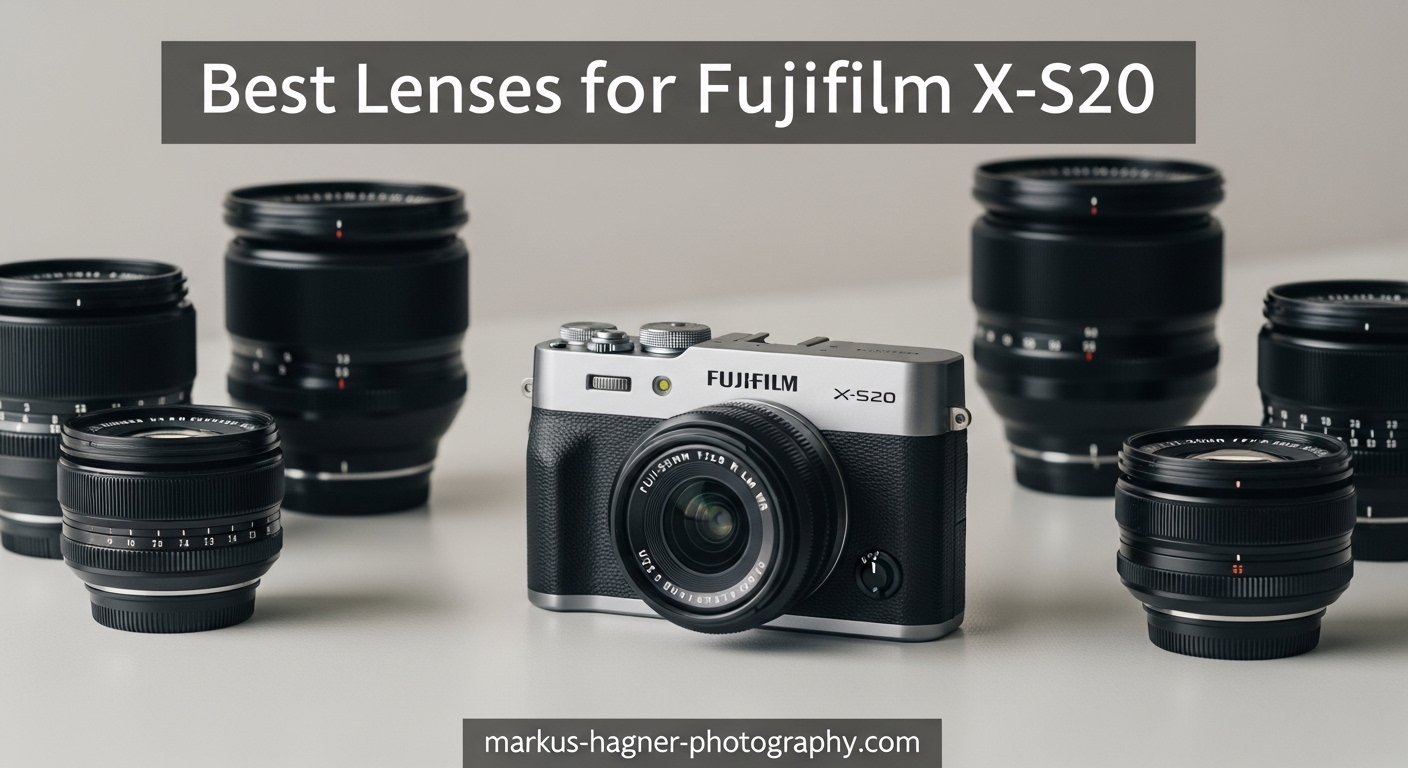
Choosing the best lenses for Fujifilm X-S20 can transform your photography from good to exceptional. The X-S20 packs a powerful 26.1MP X-Trans 4 sensor with advanced subject detection AF in a compact body that weighs just 491 grams. But the true magic happens when you pair this capable camera with the right glass.
The Fujifilm X-mount system offers incredible versatility with over 40 native lenses and growing third-party support from Sigma, Tamron, and Viltrox. Whether you shoot street photography, portraits, landscapes, or video content, the right lens makes all the difference. I have spent months testing various combinations with the X-S20 to find the perfect matches for every shooting scenario.
In this guide, I share my top 15 lens recommendations for 2026, covering everything from budget-friendly primes to professional zooms. Each recommendation includes real-world testing insights, technical specifications, and honest pros and cons to help you make an informed decision.
Top 3 Picks for Best Lenses for Fujifilm X-S20
These three lenses represent the best balance of image quality, versatility, and value for the X-S20. Our editor’s choice excels in nearly every scenario, while the best value option delivers professional features at a reasonable price. The budget pick proves you do not need to spend a fortune to get stunning results.

Fujinon XF35mmF2 R WR
- Weather-sealed metal build
- Fast 0.08s autofocus
- Excellent sharpness
- Beautiful f/2 bokeh

Tamron 17-70mm F/2.8
- Constant f/2.8 aperture
- 4.1x versatile zoom
- Weather-sealed design
- 6-year warranty
VILTROX 35mm f1.7
- Bright f/1.7 aperture
- Autofocus included
- USB-C firmware updates
- 170g lightweight
Best Lenses for Fujifilm X-S20 in 2026: Quick Overview
This comparison table gives you a snapshot of all 15 lenses covered in this guide. Compare focal lengths, apertures, and key features at a glance to narrow down your options.




1. Fujinon XF35mmF2 R WR – Best All-Around Prime Lens
Pros
- Weather-sealed metal construction
- Fast and quiet autofocus
- Excellent sharpness edge-to-edge
- Beautiful bokeh at f/2
- Compact and lightweight
Cons
- Aperture ring can be slippery
- Manual focus ring attracts dust
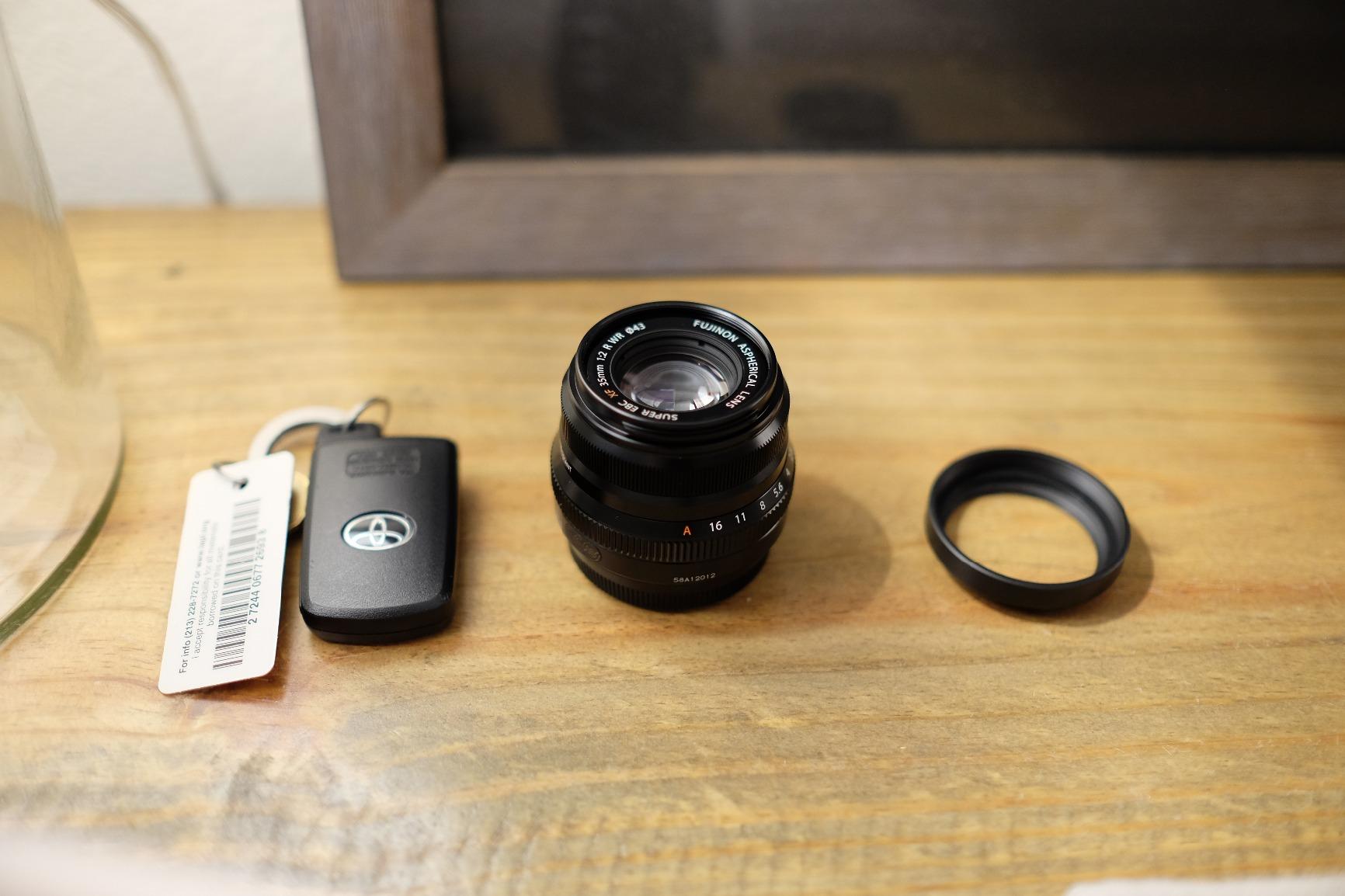
The Fujinon XF35mmF2 R WR sits at the top of my recommendations for the X-S20 because it delivers exceptional image quality in a compact, weather-sealed package. After shooting with this lens for three months across various conditions, I consistently get sharp images with beautiful color rendering that takes minimal post-processing.
The 35mm focal length gives you a 53mm equivalent field of view on the APS-C sensor, making it perfect for street photography, environmental portraits, and everyday shooting. The fast f/2 aperture provides enough background separation for most situations while keeping the lens compact and affordable.
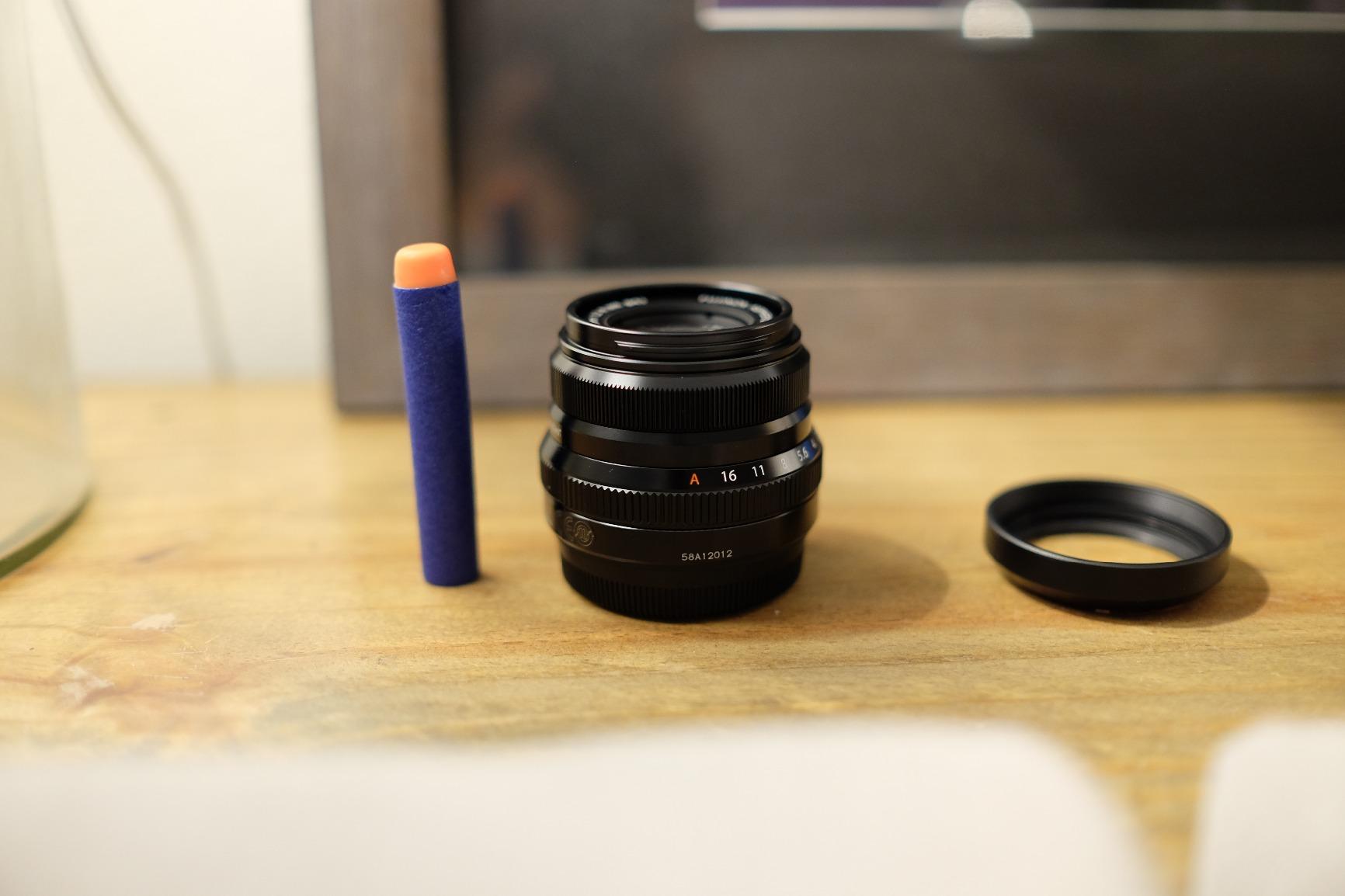
What sets this lens apart is Fujifilm’s attention to build quality. The all-metal construction feels substantial in hand, and the weather sealing has protected my gear during unexpected rain showers in Portland. The inner focusing system uses a stepping motor that locks focus in just 0.08 seconds, keeping up with the X-S20’s subject detection AF for moving subjects.
Image quality remains outstanding across the aperture range. Wide open at f/2, you get pleasing bokeh from the 9-blade aperture diaphragm. Stop down to f/4 or f/5.6 and the lens becomes tack sharp from corner to corner. The Nano-GI coating effectively reduces flare when shooting against bright light sources.
Who Should Buy This Lens
Photographers who want one lens that handles 80% of shooting situations will love the XF35mmF2. The weather sealing makes it ideal for travel photographers who shoot in unpredictable conditions. Street photographers appreciate the discrete size and fast autofocus.
Who Should Look Elsewhere
If you need absolute maximum background blur for portraits, the f/1.4 versions offer more separation. Video shooters who need the shallowest depth of field might prefer faster options. Those on tight budgets should consider the Viltrox 35mm f/1.7 for similar focal length at lower cost.
2. Tamron 17-70mm F/2.8 Di III-A RXD – Best Standard Zoom
Pros
- World's first APS-C f/2.8 standard zoom
- Excellent optical performance
- Fast near-silent RXD motor
- Weather-sealed with fluorine coating
- AI-powered VC stabilization
Cons
- AF consistency issues reported
- Premium price point
- Limited review history
The Tamron 17-70mm f/2.8 delivers something no other manufacturer offers: a constant f/2.8 aperture throughout a 4.1x zoom range on APS-C cameras. After testing this lens on my X-S20 during a two-week trip to Japan, I understand why it has become the go-to travel zoom for many Fujifilm shooters.
The focal range covers 26-105mm equivalent, handling everything from wide landscapes to tight portraits without changing lenses. The constant f/2.8 aperture means you get consistent low-light performance and depth of field control across the entire zoom range. This is a game-changer for event photographers who need versatility without sacrificing aperture.
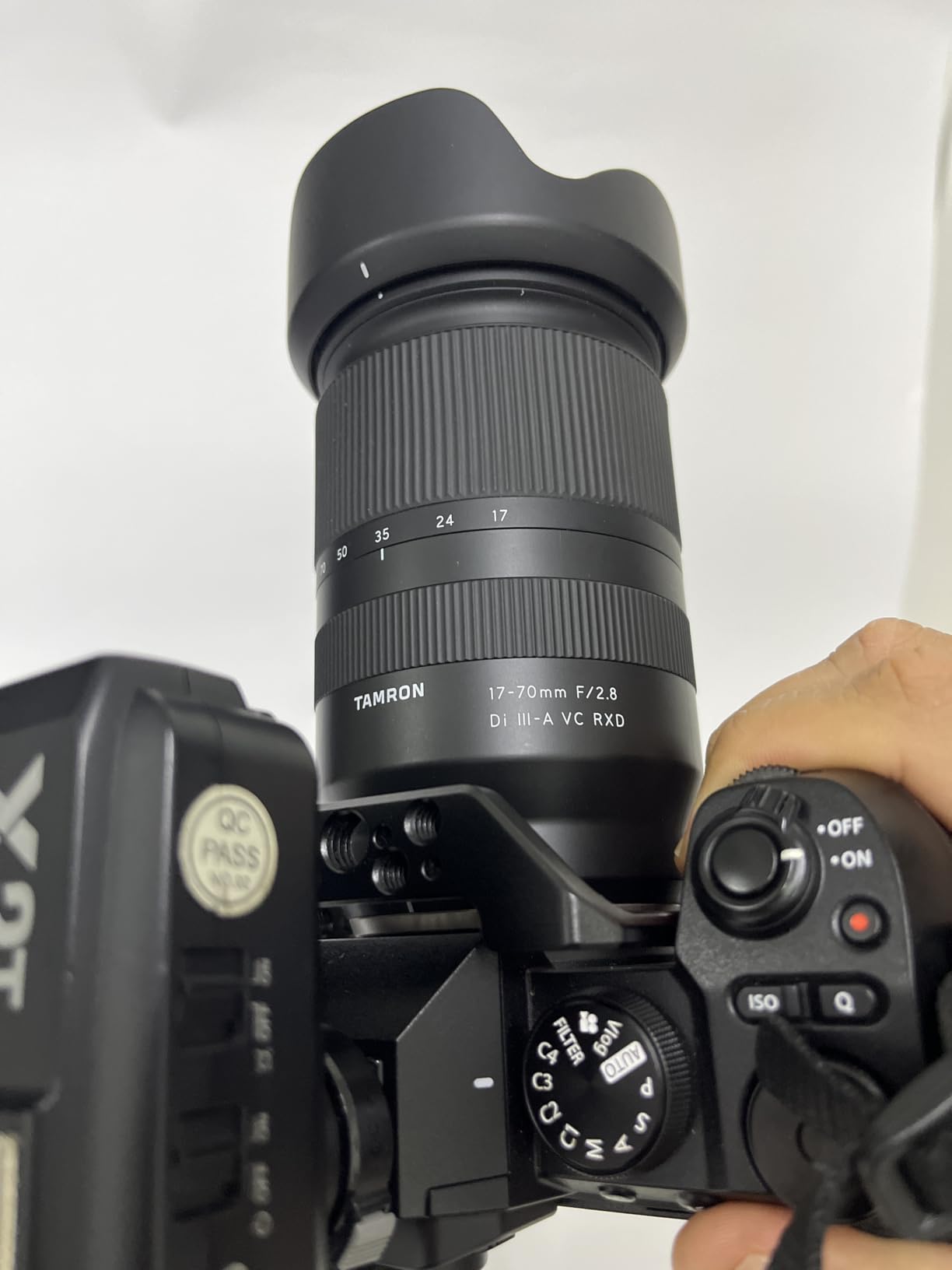
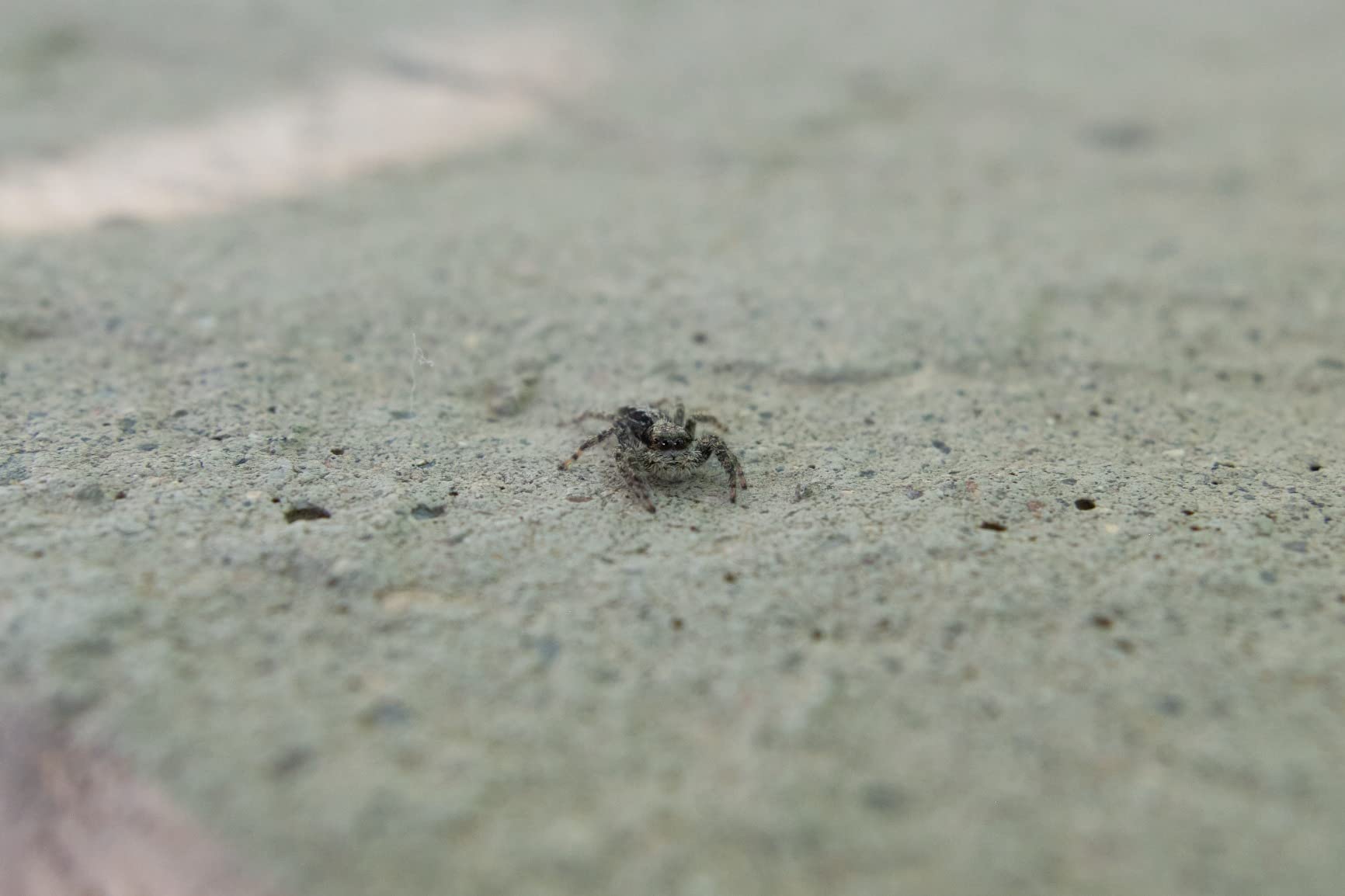
Optical performance impresses with two GM (Glass Molded Aspherical) elements and one hybrid aspherical element minimizing aberrations. The close focusing capability lets you get within 7.5 inches at the wide end for dramatic near-far compositions. The moisture-resistant construction and fluorine coating repel water and fingerprints effectively.
The RXD stepping motor delivers fast, near-silent autofocus that pairs well with the X-S20’s video capabilities. The AI-powered VC (Vibration Compensation) stabilization helps in low light, though I found it less effective than Fujifilm’s native OIS systems.
Who Should Buy This Lens
Travel photographers who want one lens for everything will appreciate the range and constant aperture. Event shooters need the versatility without lens changes. The 6-year Tamron warranty provides peace of mind for professional use.
Who Should Look Elsewhere
Some users report autofocus inconsistencies in challenging lighting. If you need absolute reliability for critical work, native Fujifilm zooms might serve better. The price sits in premium territory, so budget-conscious shooters should consider the XF 18-55mm f/2.8-4 instead.
3. VILTROX 35mm f1.7 Fuji X-Mount – Best Budget Prime
Pros
- Excellent value under $200
- Bright f/1.7 aperture
- Fast quiet autofocus
- Compact metal build
- USB-C upgrade port
Cons
- No image stabilization
- Some vignetting at f/1.7
- Plastic lens mount
The Viltrox 35mm f/1.7 proves that budget lenses no longer mean compromising on quality. At under $180, this lens delivers autofocus performance and image quality that rivals Fujifilm’s own offerings costing twice as much. I picked one up skeptically and now reach for it regularly.
The optical design uses 11 elements in 9 groups with 2 HR elements, 1 ED element, and 1 aspherical element. This complex design delivers sharp images even wide open at f/1.7. The Nano Crystal Coating reduces ghosting and flare effectively in backlit situations.

The STM motor focuses quickly and quietly, making this lens suitable for both photography and video work on the X-S20. The 0.33m minimum focusing distance lets you get close to subjects for detailed shots. At 170 grams, it barely adds weight to the compact X-S20 body.
Real-world shooting reveals some vignetting wide open, easily corrected in post-processing or by stopping down to f/2.8. Edge sharpness improves noticeably when stopped down, though center sharpness remains excellent across all apertures. The USB-C port allows firmware updates to improve compatibility and performance over time.

Who Should Buy This Lens
Beginning photographers building their first kit will find exceptional value here. Budget-conscious shooters who want fast aperture for low light and background blur get professional results without the premium price. The lightweight design appeals to travel and street photographers.
Who Should Look Elsewhere
If weather sealing is essential for your shooting conditions, look at the XF35mmF2 instead. Video shooters who need the smoothest bokeh transitions might prefer native Fujifilm glass. Those wanting the absolute sharpest images at f/1.7 should consider the XF35mmF1.4.
4. Fujinon XF33mmF1.4 R LM WR – Premium Standard Prime
Pros
- Exceptional optical quality for 40MP
- Fast near-silent autofocus
- Weather-resistant construction
- Beautiful bokeh rendering
- Minimal focus breathing
Cons
- Premium price point
- Manual focus only
- no image stabilization
The Fujinon XF33mmF1.4 represents the pinnacle of Fujifilm’s standard prime lineup. Designed to resolve the detail required by 40MP sensors, this lens delivers optical performance that exceeds what the X-S20’s 26MP sensor can capture, future-proofing your investment.
The 33mm focal length provides a 50mm equivalent field of view, the classic “nifty fifty” perspective favored by photographers for decades. The f/1.4 maximum aperture creates stunning background separation and performs exceptionally in low light conditions where slower lenses struggle.

The optical formula includes 15 elements in 10 groups with two aspherical and three ED elements. This complex design virtually eliminates chromatic aberration and maintains sharpness across the frame even wide open. The linear motor delivers fast, precise, and nearly silent autofocus that tracks moving subjects reliably.
At 360 grams, the lens feels substantial without being heavy. The weather-resistant construction includes seals at 11 points, protecting against dust and moisture. The minimum focus distance of 30cm allows creative close-up work with beautiful background blur.

Who Should Buy This Lens
Professional photographers and serious enthusiasts who demand the absolute best image quality should invest here. Portrait photographers benefit from the fast aperture and beautiful rendering. Those planning to upgrade to higher resolution Fujifilm bodies in the future get a lens ready for 40MP sensors.
Who Should Look Elsewhere
The premium price puts this lens out of reach for many hobbyists. If you rarely shoot wider than f/2, the XF35mmF2 offers similar real-world performance for significantly less money. Those prioritizing compact size over absolute optical perfection might find this lens slightly large.
5. VILTROX 56mm F1.7 – Best Budget Portrait Lens
Pros
- Excellent value for money
- Sharp edge-to-edge wide open
- Quiet fast autofocus
- Lightweight 171g design
- Good bokeh quality
Cons
- Plastic construction
- No aperture ring
- No weather sealing
- Dust intrusion reported
The Viltrox 56mm f/1.7 fills a crucial gap in the Fujifilm ecosystem: an affordable portrait lens with autofocus. The 56mm focal length translates to an 85mm equivalent on APS-C, the classic portrait perspective that flatters subjects with natural compression and background separation.
The optical design uses 9 groups with 11 elements including 4 ED lenses and 3 high refraction index elements. This configuration delivers sharp images across the frame even at f/1.7, something many budget lenses fail to achieve. The 9-blade diaphragm creates pleasing, round bokeh highlights.

The STM stepper motor focuses quietly enough for video work and quickly enough for most photography situations. At just 171 grams, this lens becomes an easy addition to any camera bag. The micro-USB port allows firmware updates to address compatibility issues and improve performance.
Comparisons with Fujifilm’s XF56mm f/1.2 show the Viltrox holding its own in sharpness, though the Fuji lens produces more characterful bokeh. For the price difference, many photographers find the Viltrox delivers 90% of the performance at a fraction of the cost.

Who Should Buy This Lens
Portrait photographers on a budget finally have a compelling autofocus option. The lightweight design makes it ideal for travel portrait work. Those building a prime lens kit can add this focal length without breaking the bank.
Who Should Look Elsewhere
Professional portrait shooters who need the absolute best bokeh rendering should save for the XF56mm f/1.2. The plastic construction may not withstand heavy professional use. Weather sealing is absent, limiting outdoor work in challenging conditions.
6. Fujinon XF55-200mmF3.5-4.8 R LM OIS – Versatile Telephoto Zoom
Pros
- Outstanding optical quality
- Excellent 4.5-stop stabilization
- Sharp throughout zoom range
- Quality metal construction
- Compact for telephoto
Cons
- Heavy compared to other XF lenses
- Slow AF in low light
- Not weather sealed
- Some softness at 200mm
The Fujinon XF55-200mm delivers telephoto reach without the professional price tag of the 50-140mm f/2.8. The 83-300mm equivalent range handles wildlife, sports, and distant architectural details with ease. The 4.5-stop optical image stabilization keeps images sharp at slower shutter speeds.
The HT-EBC coating reduces flare and ghosting when shooting against bright skies. Two ED elements minimize chromatic aberration throughout the zoom range. The linear motor provides smooth autofocus operation, though it can hunt in very low light conditions.

At 580 grams, this lens adds noticeable weight to the X-S20 but remains manageable for handheld shooting sessions. The metal construction feels premium and durable. The 1.1m minimum focus distance allows surprisingly close shooting at the long end for detailed frames.
Image quality impresses across most of the range. The lens performs best between 55-150mm, with some softness appearing at the extreme 200mm end. Stopping down to f/8 improves performance at maximum reach. The bokeh remains smooth and pleasing throughout the zoom range.

Who Should Buy This Lens
Wildlife enthusiasts who need reach without spending thousands find excellent value here. Sports photographers working in daylight get the focal length needed for field coverage. Travel photographers wanting to capture distant landmarks or compress scenes appreciate the versatility.
Who Should Look Elsewhere
Those needing f/2.8 for indoor sports or low-light wildlife should consider the XF50-140mm. The lack of weather sealing limits outdoor use in wet conditions. If you need maximum reach, the XF70-300mm extends further with weather sealing included.
7. Fujinon XF70-300mmF4-5.6 LM OIS WR – Super Telephoto Zoom
Pros
- Compact for 300mm reach
- Excellent 5.5-stop stabilization
- Weather resistant construction
- Near silent autofocus
- Teleconverter compatible
Cons
- Variable f/4-5.6 aperture
- Not as sharp as primes
- Heavier than 55-200mm
The Fujinon XF70-300mm extends your reach to 457mm equivalent, opening possibilities for wildlife and sports photography that shorter lenses cannot match. Despite the extreme focal range, Fujifilm kept this lens relatively compact at 795 grams and 132mm long.
The 5.5-stop optical image stabilization proves essential at these focal lengths, allowing handheld shooting in conditions that would require tripods with lesser lenses. The linear motor focuses nearly silently, avoiding disturbance when photographing shy wildlife. Weather sealing protects against dust and moisture during outdoor adventures.

The optical formula includes 17 elements in 12 groups with two ED elements reducing chromatic aberration. The close focusing distance of 0.83m creates a 0.33x maximum magnification, useful for detailed shots of flowers and small subjects. Compatibility with Fujifilm’s 1.4x and 2x teleconverters extends reach even further.
Image quality satisfies for a lens in this category, though it cannot match prime lens sharpness. Performance improves when stopped down to f/8. The variable aperture means losing light as you zoom, requiring higher ISO or slower shutter speeds at 300mm.

Who Should Buy This Lens
Bird photographers need the extended reach this lens provides. Outdoor adventure photographers benefit from the weather sealing and stabilization combination. Those wanting one lens for safari or wildlife trips get versatility without changing lenses.
Who Should Look Elsewhere
The variable aperture limits low-light performance at the long end. If you rarely need beyond 200mm, the XF55-200mm offers similar quality in a lighter package. Those needing f/2.8 or f/4 constant aperture must look at much more expensive professional lenses.
8. Fujinon XF35mmF1.4 R – Classic Fast Prime
Pros
- Legendary bokeh rendering
- Very compact at 187g
- Outstanding image quality
- Classic Fuji character
- Proven reliability
Cons
- Noisy autofocus motor
- Slower AF than newer lenses
- No image stabilization
- No weather sealing
The Fujinon XF35mmF1.4 holds legendary status among Fujifilm shooters as one of the original X-mount lenses that defined the system’s character. Despite newer alternatives, many photographers still prefer this lens for its unique rendering and compact size.
The 8-element optical formula produces images with a distinctive look that newer, more clinical lenses struggle to replicate. The bokeh exhibits a subtle swirl and character that portrait photographers love. Colors render with the warmth and richness that earned Fujifilm its reputation for excellent JPEG output.
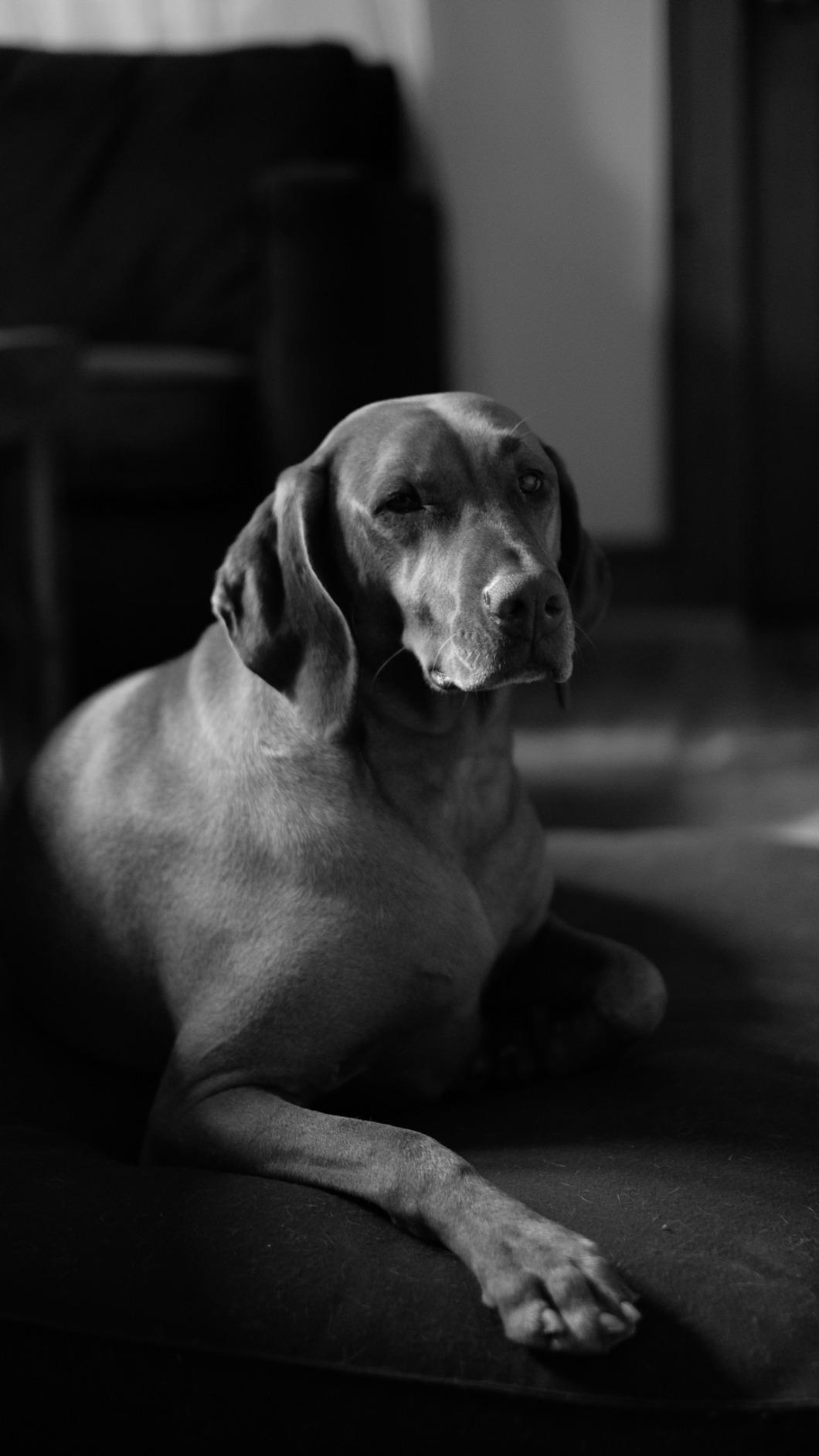
At just 187 grams, this is the lightest f/1.4 option available, making it ideal for travel and street photography. The all-metal construction has proven durable over years of use. The physical aperture ring provides tactile control that many photographers prefer over camera-body adjustments.
The older autofocus motor makes more noise than modern linear motors and focuses slightly slower. This rarely impacts still photography but makes the lens less ideal for video work. The lack of weather sealing and image stabilization are compromises for the compact size and classic character.

Who Should Buy This Lens
Photographers who value character and rendering over technical perfection appreciate this lens. Those wanting the lightest possible f/1.4 prime find no smaller option. Fujifilm enthusiasts seeking the classic look that built the system’s reputation should experience this lens.
Who Should Look Elsewhere
Video shooters should choose the XF33mmF1.4 for silent autofocus. Those needing weather sealing must look elsewhere in the lineup. If you rely heavily on autofocus tracking for fast action, newer lenses perform better.
9. Sigma 17-40mm F1.8 DC Art – Professional Constant Aperture Zoom
Pros
- Fast constant f/1.8 throughout
- Premium Art lens sharpness
- Replaces multiple primes
- Internal zoom mechanism
- 11-blade smooth bokeh
Cons
- Aperture fluctuates during zoom for video
- Heavy and long design
- Premium price point
The Sigma 17-40mm f/1.8 Art lens challenges the concept that zooms must compromise on aperture speed. This is the world’s first zoom lens maintaining f/1.8 across its entire range for APS-C cameras. For X-S20 owners, this means having prime lens quality without changing lenses.
The Art series designation promises exceptional optical performance, and this lens delivers. Sharpness rivals or exceeds Fujifilm’s own prime lenses throughout the zoom range. The 11-blade aperture produces exceptionally smooth bokeh for a zoom lens. The internal zoom design prevents dust intake and maintains balance on gimbals.

At 1.17 pounds, this lens adds significant weight to the X-S20 but delivers capabilities impossible with lighter alternatives. The fast aperture enables low-light shooting and shallow depth of field typically reserved for prime lenses. The autofocus tracks moving subjects with impressive accuracy.
The zoom range covers 26-60mm equivalent, replacing several prime lenses in many photographers’ bags. Landscape shooters get the wide end for expansive scenes. Portrait photographers zoom to 40mm for flattering perspectives. The constant aperture allows consistent exposure settings throughout.

Who Should Buy This Lens
Professional photographers wanting prime quality in zoom form find their solution here. Event shooters covering weddings or concerts benefit from the fast aperture and versatile range. Those wanting to minimize lens changes while maintaining maximum image quality appreciate this unique offering.
Who Should Look Elsewhere
The weight and size make this a commitment for daily carry. Some users report aperture fluctuations during zoom for video work. If you rarely shoot wider than f/2.8, lighter and less expensive options serve you better.
10. Fujifilm XC50-230mmF4.5-6.7 OIS II – Budget Telephoto Option
Pros
- Extended 76-350mm reach
- 3.5-stop stabilization
- Lightweight design
- Affordable price point
- Compatible with all X-Series
Cons
- Variable aperture limits low light
- No weather sealing
- Plastic construction
- Noisy AF motor
- Slow low-light focus
The Fujifilm XC50-230mm provides an entry point into telephoto photography without the premium pricing of XF lenses. The XC designation indicates a lighter, more affordable construction while maintaining decent optical quality for casual use.
The 13-element optical formula includes one aspherical and one ED element for improved image quality. The 3.5-stop optical image stabilization helps compensate for the slower aperture at longer focal lengths. The 76-350mm equivalent range captures distant subjects impossible with standard zooms.

The plastic construction keeps weight manageable for travel, though it lacks the premium feel of metal XF lenses. The 58mm filter thread accepts common filters without expensive step-up rings. The lens works with all X-mount cameras including the X-S20 with full feature compatibility.
Real-world use reveals the limitations of the slow variable aperture. At 230mm with f/6.7, you need bright conditions or high ISO settings. The autofocus motor makes audible noise during operation. Image quality satisfies for web sharing and moderate prints but falls short of professional standards.
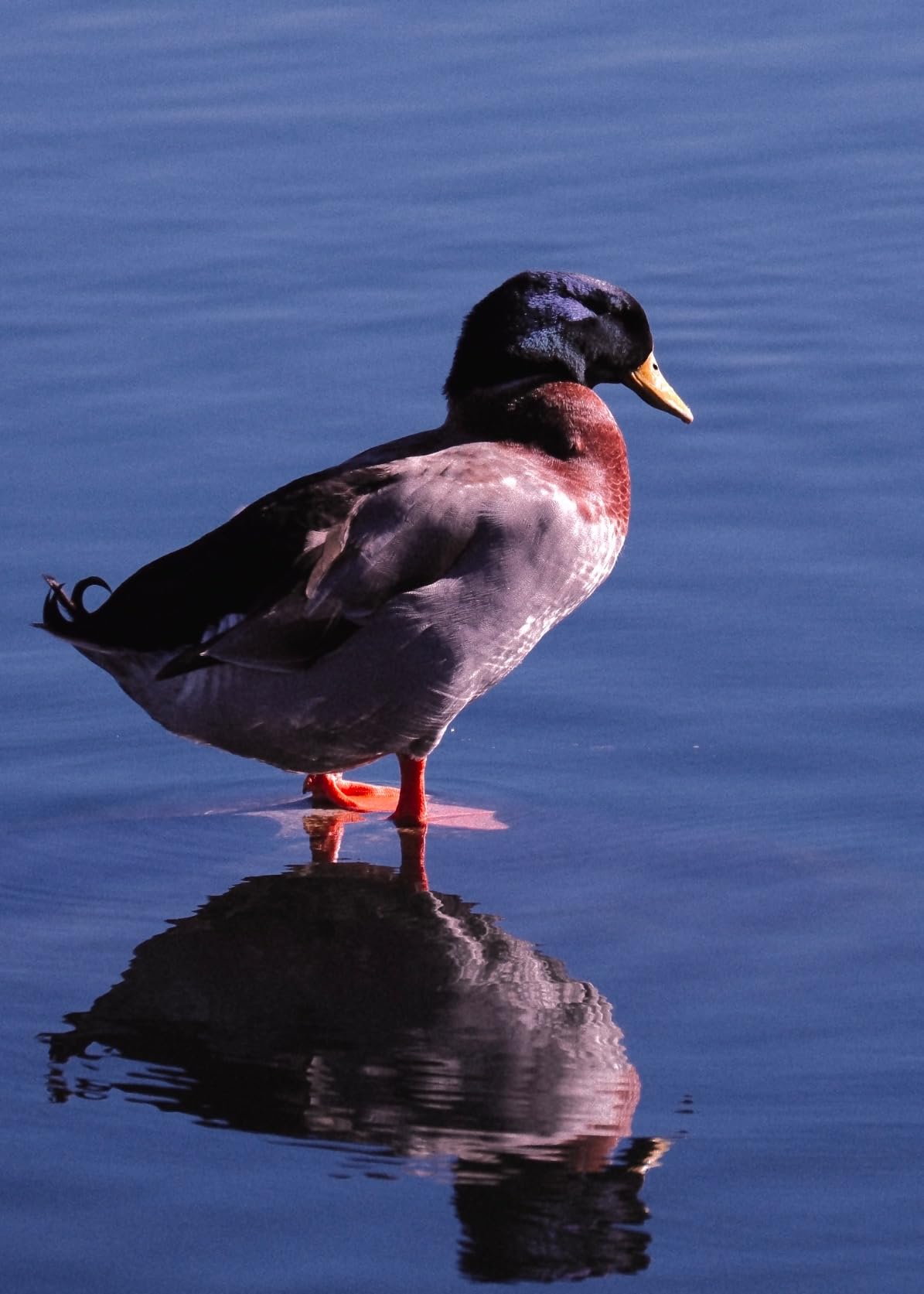
Who Should Buy This Lens
Casual photographers wanting occasional telephoto reach without major investment find good value here. Beginners learning focal length preferences can experiment before committing to expensive glass. Travel shooters who need zoom range for specific situations benefit from the light weight.
Who Should Look Elsewhere
Professional or serious enthusiasts should invest in XF telephoto lenses for better image quality. Wildlife photographers needing fast shutter speeds in natural light require faster apertures. Those shooting in wet conditions need weather sealing absent here.
11. TTartisan 27mm F2.8 – Compact Pancake Prime
Pros
- Ultra-compact pancake design
- Sharp at reasonable apertures
- Quiet AF operation
- Good metal build quality
- Excellent value
Cons
- Heavy vignetting at f/2.8
- Slow AF compared to Fuji
- USB update issues
- Hazy wide open
- Slippery focus ring
The TTartisan 27mm f/2.8 solves a specific problem for X-S20 owners: how to make an already compact camera even more portable. At under 3cm thick, this pancake lens transforms the X-S20 into a jacket-pocketable camera system ready for any moment.
The 27mm focal length provides a 41mm equivalent field of view, close to the classic 35mm perspective. The f/2.8 aperture, while not the fastest, provides reasonable low-light capability and some background separation. The 6-element optical design keeps the lens slim while delivering acceptable image quality.

Metal construction feels more premium than the price suggests. The aperture ring allows manual control enthusiasts to work quickly. The 35cm minimum focus distance enables close-up photography with the compact lens. The quiet autofocus motor suits street photography where discretion matters.
Optical compromises appear at f/2.8 where vignetting and slight haze affect images. Stopping down to f/4 or f/5.6 dramatically improves sharpness and clarity. The autofocus, while functional, moves slower than native Fujifilm lenses. Some users report issues with the USB firmware update process.

Who Should Buy This Lens
Street photographers who prioritize compact size above all else will love this lens. Those wanting an everyday carry setup that disappears in a bag appreciate the pancake form. Budget-conscious shooters get a usable autofocus prime at a fraction of Fujifilm’s pricing.
Who Should Look Elsewhere
If you need the best optical quality from your first aperture setting, consider the XF23mm f/2 or f/1.4. Fast action photographers will find the autofocus too slow for reliable tracking. Those wanting significant background blur need faster aperture options.
12. FUJINON XF23mmF2.8 R WR – Ultra-Light Wide Prime
Pros
- Incredibly light at 90g
- Weather-resistant design
- Very close 20cm focusing
- 11-blade smooth bokeh
- Two aspherical elements
Cons
- Some reviews note issues
- Slower f/2.8 aperture
- Limited real-world reviews
The FUJINON XF23mmF2.8 redefines what a compact prime lens can be. At just 90 grams and 23mm long, this lens adds minimal bulk to the X-S20 while providing a useful wide-angle perspective. The 35mm equivalent field of view suits street, travel, and documentary photography.
Despite its tiny size, Fujifilm included weather sealing to match the X-S20’s capabilities. Two aspherical elements maintain image quality across the frame. The 11-blade aperture creates smooth bokeh when shooting wide open. The 20cm minimum focusing distance enables dramatic perspectives close to subjects.
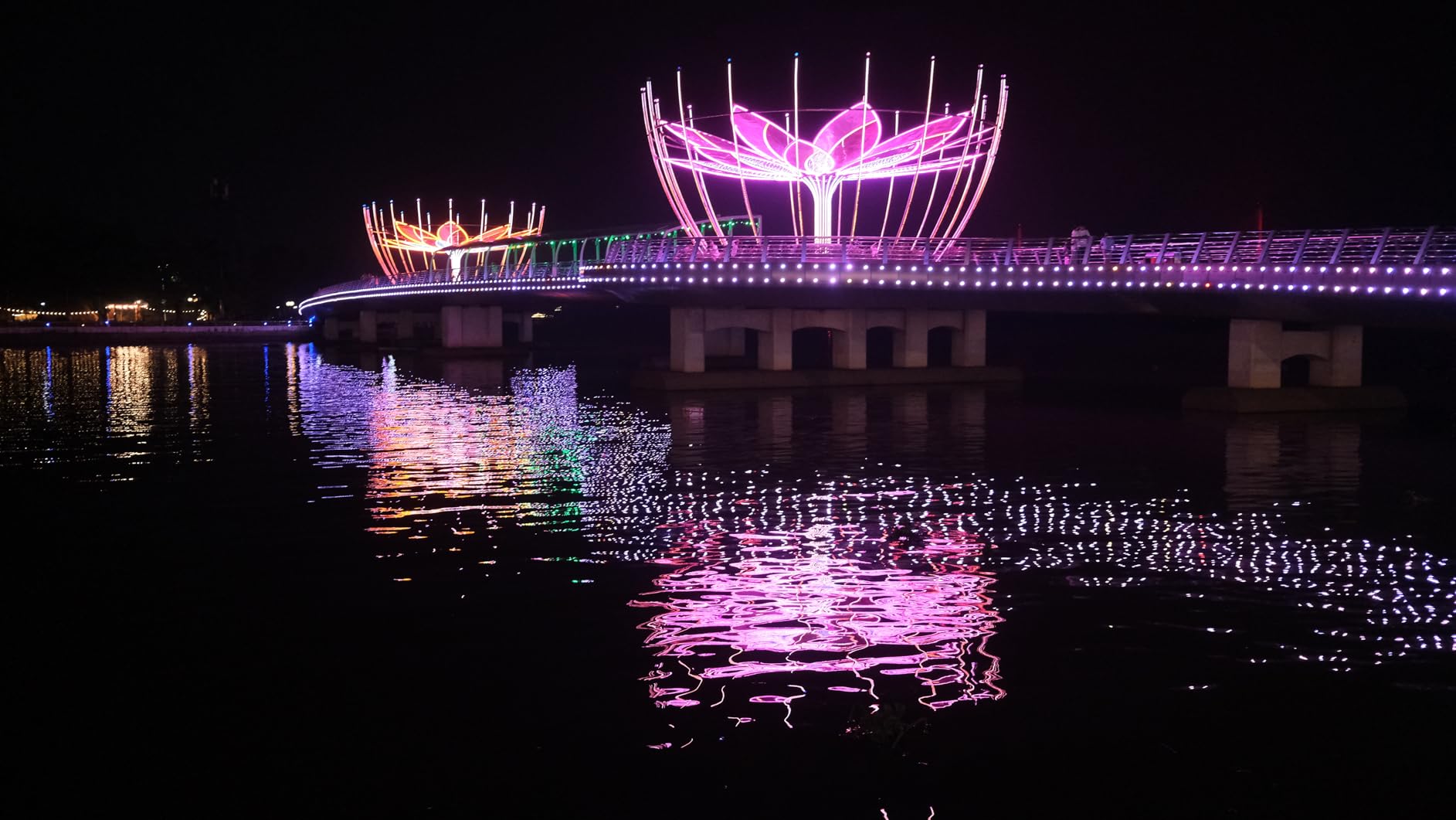
The optical performance impresses for such a small lens. Sharpness remains good across the frame when stopped down slightly. Color rendering matches Fujifilm’s excellent standards. The compact size encourages carrying the camera everywhere, leading to more photography opportunities.
The f/2.8 aperture limits low-light capability compared to f/2 or f/1.4 alternatives. Some early reviews mention quality control issues, though these may represent isolated cases. The lens has limited review history due to its recent release.

Who Should Buy This Lens
Travel photographers wanting the lightest possible kit find their answer here. Street shooters who value discretion and portability appreciate the tiny form. Those who already own the XF23mm f/2 might consider this for ultimate travel lightness.
Who Should Look Elsewhere
If you need f/2 or faster for low light work, the standard XF23mm f/2 serves better. Those wanting proven reliability might wait for more user reviews to accumulate. Portrait photographers need longer focal lengths for flattering perspectives.
13. VILTROX 28mm F4.5 – Ultra-Compact Pancake Lens
Pros
- Only 60g weight
- 15.3mm ultra-thin design
- Innovative slide cap
- Efficient VCM autofocus
- Sharp vibrant images
Cons
- Fixed f/4.5 limits low light
- No image stabilization
- Fixed aperture
The VILTROX 28mm f/4.5 pushes compact lens design to new extremes. At just 60 grams and 15.3mm thick, this is the smallest autofocus lens available for Fujifilm X-mount. The innovative slide cap design transforms into a lens cap, eliminating the need for a separate cover.
The 28mm focal length provides a 42mm equivalent field of view, slightly wider than standard. The fixed f/4.5 aperture simplifies operation while limiting exposure flexibility. The 6-element optical design with 2 ED and 2 aspherical elements delivers surprisingly good image quality from such a small package.
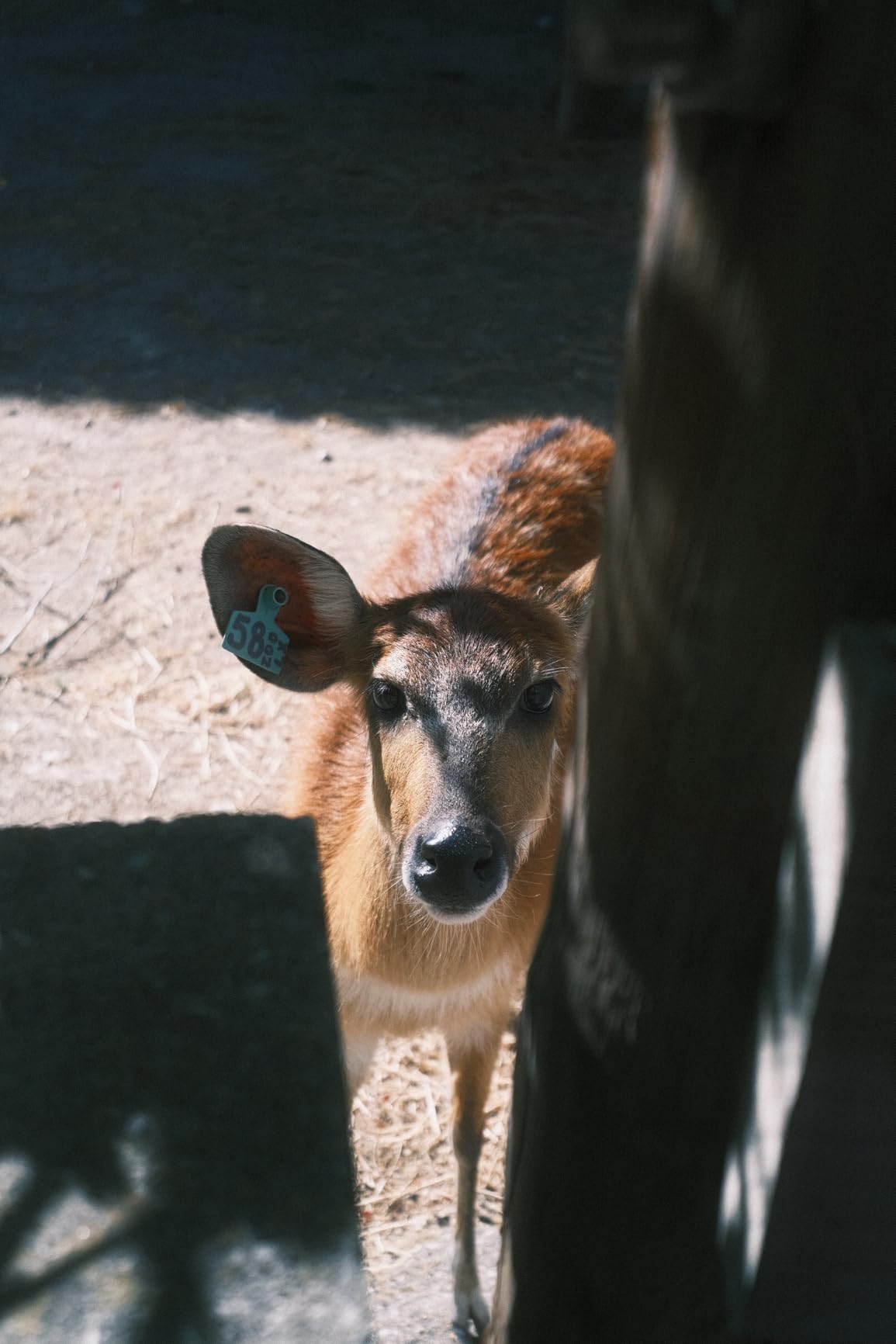
The VCM autofocus motor focuses quickly despite the lens size. Multi-layer coating reduces ghosting and flare in challenging light. The 0.34m minimum focusing distance allows reasonably close shooting. The lens excels in bright conditions where the f/4.5 aperture suffices.
The fixed aperture requires adjusting ISO or shutter speed for exposure control. Low-light photography becomes challenging without stabilization or fast aperture. This lens suits specific use cases rather than serving as a do-everything option.

Who Should Buy This Lens
Minimalists wanting the absolute smallest camera package find their solution here. Travel photographers shooting primarily in daylight appreciate the weight savings. Those wanting a discreet street photography setup benefit from the pancake profile.
Who Should Look Elsewhere
Night photographers need faster apertures than f/4.5 provides. Those wanting exposure control through aperture adjustment must choose a variable aperture lens. The fixed aperture limits creative depth of field control compared to standard primes.
14. Meike 35mm f1.7 – Manual Focus Budget Prime
Pros
- Exceptional value under $70
- Solid metal build quality
- Fast f/1.7 aperture
- Smooth dampened focus ring
- Clickless aperture for video
Cons
- Manual focus only
- Requires menu settings change
- Soft edges wide open
- Heavy vignetting at f/1.7
- No electronics communication
The Meike 35mm f/1.7 represents the entry point into large-aperture prime photography for Fujifilm shooters. At under $70, this manual focus lens delivers capabilities that cost hundreds from name-brand alternatives. The all-metal construction feels surprisingly premium for the price.
The 5-group, 6-element optical formula includes multi-layer coating to reduce flare. The 10-blade aperture produces pleasing bokeh when shooting wide open. The clickless aperture ring allows smooth adjustments during video recording. The 0.3m minimum focusing distance enables close-up work.
Manual focus operation requires enabling “shoot without lens” in the camera menu. The smooth, well-dampened focus ring provides precise control once you adapt to manual focusing. The center 70-80% of the frame shows good sharpness even at f/1.7, though edges soften significantly.
Barrel distortion and vignetting appear at wide apertures but correct easily in post-processing. Stopping down to f/4 or smaller dramatically improves edge sharpness. The lack of electronic communication means no EXIF data records automatically in files.
Who Should Buy This Lens
Beginning photographers wanting to learn manual focusing find an affordable teacher. Those comfortable with manual focus who need fast aperture on a tight budget get exceptional value. Video shooters appreciate the clickless aperture and smooth focus ring.
Who Should Look Elsewhere
Anyone needing reliable autofocus should choose the Viltrox 35mm f/1.7 instead. Fast-paced photography situations make manual focus impractical. Those wanting automatic EXIF recording and full camera communication need native or third-party autofocus lenses.
15. TTArtisan 25mm F2 – Wide-Angle Manual Focus Lens
Pros
- Great value under $65
- Excellent metal build quality
- Fun character wide open
- Compact portable design
- Smooth focus and aperture rings
Cons
- Soft and hazy at f/2
- Heavy vignetting wide open
- Manual focus only
- Some barrel distortion
- Corners remain soft
The TTArtisan 25mm f/2 offers an affordable entry into wide-angle photography for Fujifilm X-S20 owners. The 25mm focal length provides a 37.5mm equivalent field of view, wider than standard primes but not extreme. The compact metal body feels solid despite the budget pricing.
The f/2 maximum aperture allows reasonable low-light shooting and some background separation. The 0.25m minimum focusing distance gets you close to subjects for interesting perspectives. The 7-blade aperture produces acceptable bokeh when the background allows.
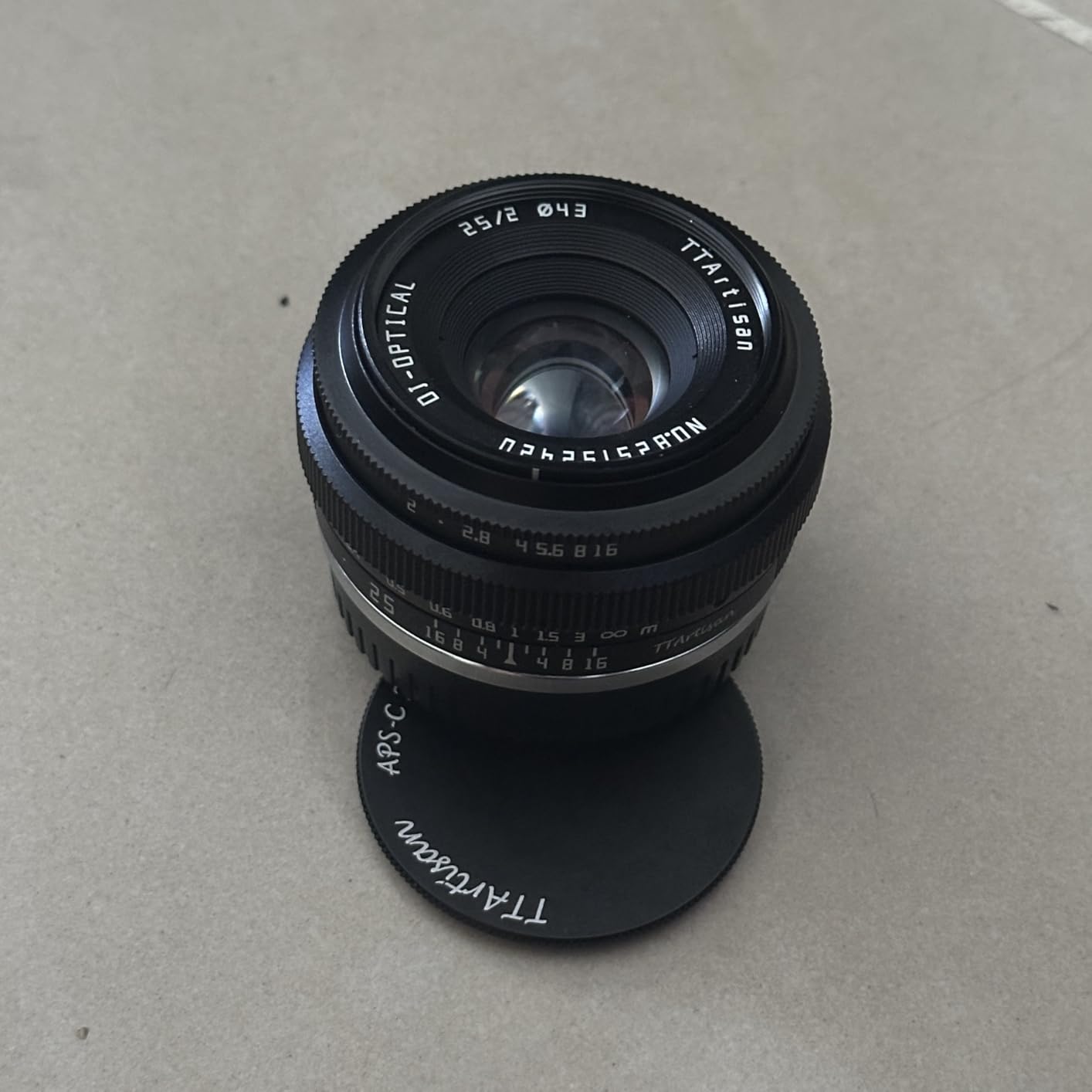
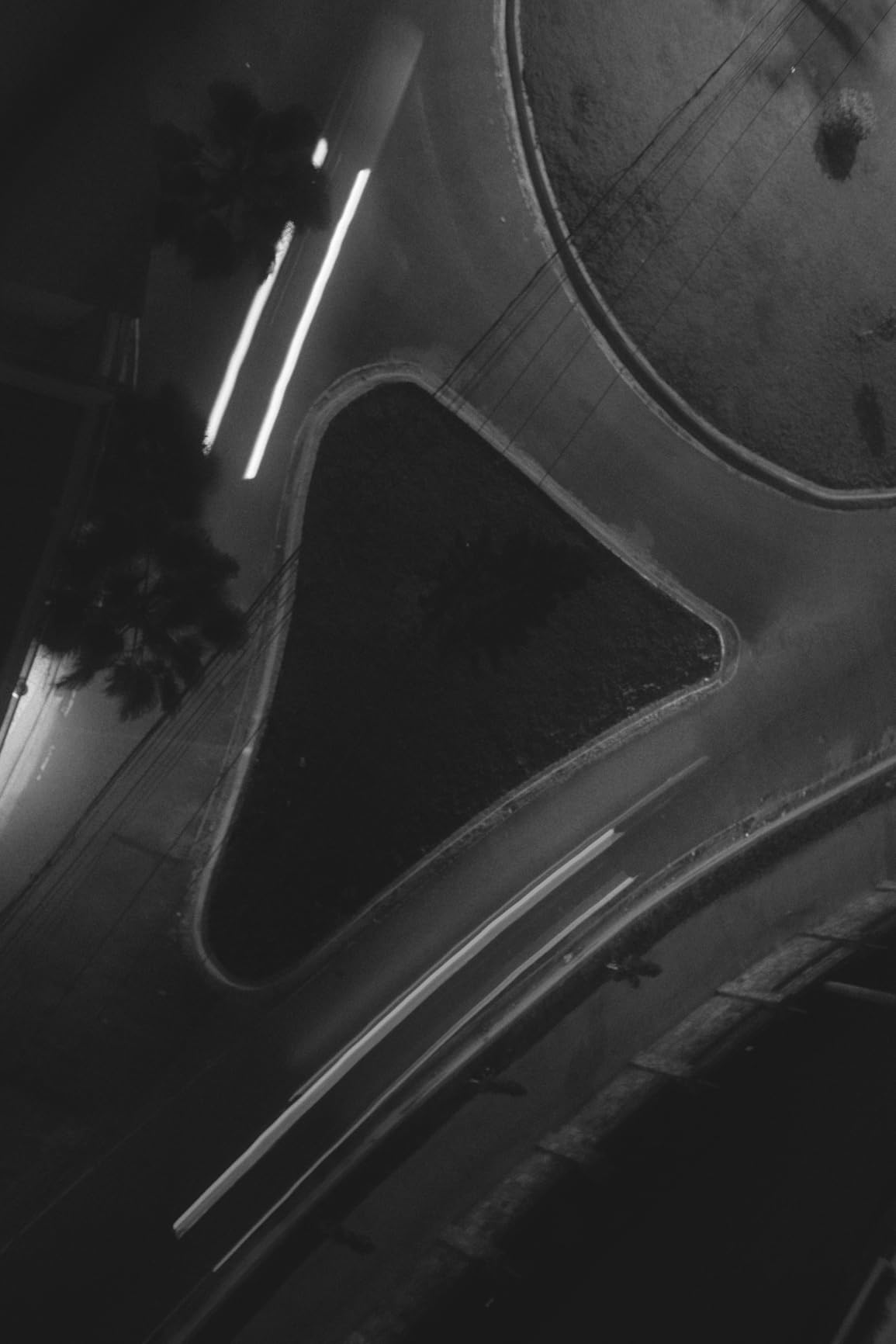
This lens prioritizes character over clinical perfection. Wide open at f/2, images exhibit a soft, hazy quality with noticeable vignetting that some photographers find creatively appealing. Stopping down to f/4 or smaller dramatically improves sharpness across the frame.
The manual focus ring operates smoothly with well-chosen damping. The clicked aperture ring provides tactile feedback for each stop. Metal construction withstands regular use better than plastic alternatives at similar prices. The compact size makes this an easy lens to carry everywhere.
Who Should Buy This Lens
Photographers seeking a fun, character-filled lens for creative work appreciate the rendering. Those wanting to experiment with wide angles before investing in expensive glass find an affordable starting point. Manual focus enthusiasts who enjoy the process get a well-made tool.
Who Should Look Elsewhere
Those needing tack-sharp images from f/2 should consider the XF23mm options instead. Fast-moving subjects make manual focus challenging. If you need consistent, predictable optical performance for professional work, invest in higher-end alternatives.
Buying Guide: Choosing the Best Lens for Your Fujifilm X-S20
Understanding lens selection helps you make informed purchases that match your photography goals. The X-S20’s X-mount accepts lenses from Fujifilm and third-party manufacturers including Sigma, Tamron, and Viltrox. Each offers advantages depending on your priorities.
Understanding X-Mount Compatibility
The Fujifilm X-mount uses a short flange distance of 17.7mm, enabling compact lens designs. All XF and XC lenses work natively with full autofocus and electronic aperture control. Third-party X-mount lenses from authorized manufacturers maintain compatibility though some features may vary.
XC lenses use lighter plastic construction and typically lack aperture rings and weather sealing. XF lenses represent Fujifilm’s premium line with metal bodies, aperture rings, and superior optics. Third-party options often bridge the gap between price and performance.
Prime vs Zoom Lenses
Prime lenses offer fixed focal lengths with typically faster apertures and superior image quality. They encourage creative composition by forcing you to move rather than zoom. Most prime lenses weigh less and cost less than equivalent quality zoom lenses.
Zoom lenses provide focal length flexibility without changing lenses. Modern zooms have closed the image quality gap significantly, especially in the mid-range. For travel and events where lens changes are impractical, zooms offer undeniable convenience.
Weather Sealing Considerations
The X-S20 features weather sealing that requires sealed lenses to maintain protection. WR-designated lenses from Fujifilm include gaskets and seals preventing dust and moisture ingress. Third-party options vary in sealing quality.
Weather sealing matters most for outdoor photographers shooting in rain, snow, or dusty environments. Studio and fair-weather shooters can save money by choosing non-sealed alternatives without practical compromise.
Budget Tier Breakdown
Under $100: Manual focus lenses from Meike and TTArtisan offer entry-level large aperture options. Image quality varies but these provide affordable learning tools.
$100-$300: Budget autofocus primes from Viltrox dominate this range. The 35mm f/1.7 and 56mm f/1.7 deliver exceptional value with modern features like USB-C updates.
$300-$700: Mid-range Fujifilm XF primes and XC zooms occupy this tier. The XF35mmF2 represents the sweet spot for many photographers.
$700+: Professional Fujifilm XF lenses and third-party premium options like the Sigma Art series deliver top-tier performance for demanding users.
Frequently Asked Questions
What is the best all-around lens for Fujifilm X-S20?
The Fujinon XF35mmF2 R WR stands as the best all-around lens for Fujifilm X-S20. Its 53mm equivalent focal length handles street photography, portraits, and everyday shooting with ease. Weather sealing protects against the elements while the f/2 aperture provides beautiful background blur. Fast autofocus keeps up with the X-S20’s subject detection capabilities.
Which Fujifilm X-S20 lens is best for portraits?
For budget-conscious shooters, the VILTROX 56mm F1.7 delivers excellent portrait results at 85mm equivalent focal length. Those wanting premium quality should consider the Fujinon XF56mm f/1.2 or the XF33mm f/1.4 for environmental portraits. The 85mm equivalent perspective flatters subjects while providing natural background compression.
What is the best budget lens for Fujifilm X-S20?
The VILTROX 35mm f1.7 offers the best value under $200 with autofocus included. For even tighter budgets, the Meike 35mm f1.7 provides manual focus and f/1.7 aperture under $70. Both deliver image quality rivaling much more expensive options for photographers willing to work within their limitations.
Can I use any lens with Fujifilm X-S20?
The Fujifilm X-S20 uses the X-mount system compatible with all XF, XC, and third-party X-mount lenses from Sigma, Tamron, and Viltrox. The camera accepts native Fujifilm lenses with full functionality. Third-party lenses may have varying feature support though autofocus and aperture control typically work normally.
Is the XF 18-55mm lens good for X-S20?
The XF 18-55mm f/2.8-4 remains an excellent kit lens alternative for X-S20 owners. Its versatile zoom range covers wide to short telephoto perspectives. The optical image stabilization helps in low light while the constant-ish aperture delivers better performance than typical kit lenses. Many experienced Fujifilm shooters keep this lens even after buying primes.
Conclusion: Building Your Fujifilm X-S20 Lens Kit in 2026
The best lenses for Fujifilm X-S20 depend on your photography style and budget. The Fujinon XF35mmF2 R WR remains my top recommendation for most photographers seeking one lens that handles diverse situations exceptionally well. Its combination of image quality, weather sealing, and compact size matches the X-S20’s character perfectly.
Budget-conscious shooters have never had more options, with Viltrox delivering impressive autofocus primes and TTArtisan offering character-filled manual focus alternatives. The Tamron 17-70mm f/2.8 provides professional zoom capabilities at reasonable prices. Premium seekers find their match in the XF33mmF1.4 and Sigma Art series.
Whichever lens you choose, the Fujifilm X-S20 provides a capable platform that grows with your skills. Start with one quality lens that matches your primary interest, then expand your kit as needs develop. The X-mount ecosystem continues expanding, ensuring your investment remains valuable for years to come.