
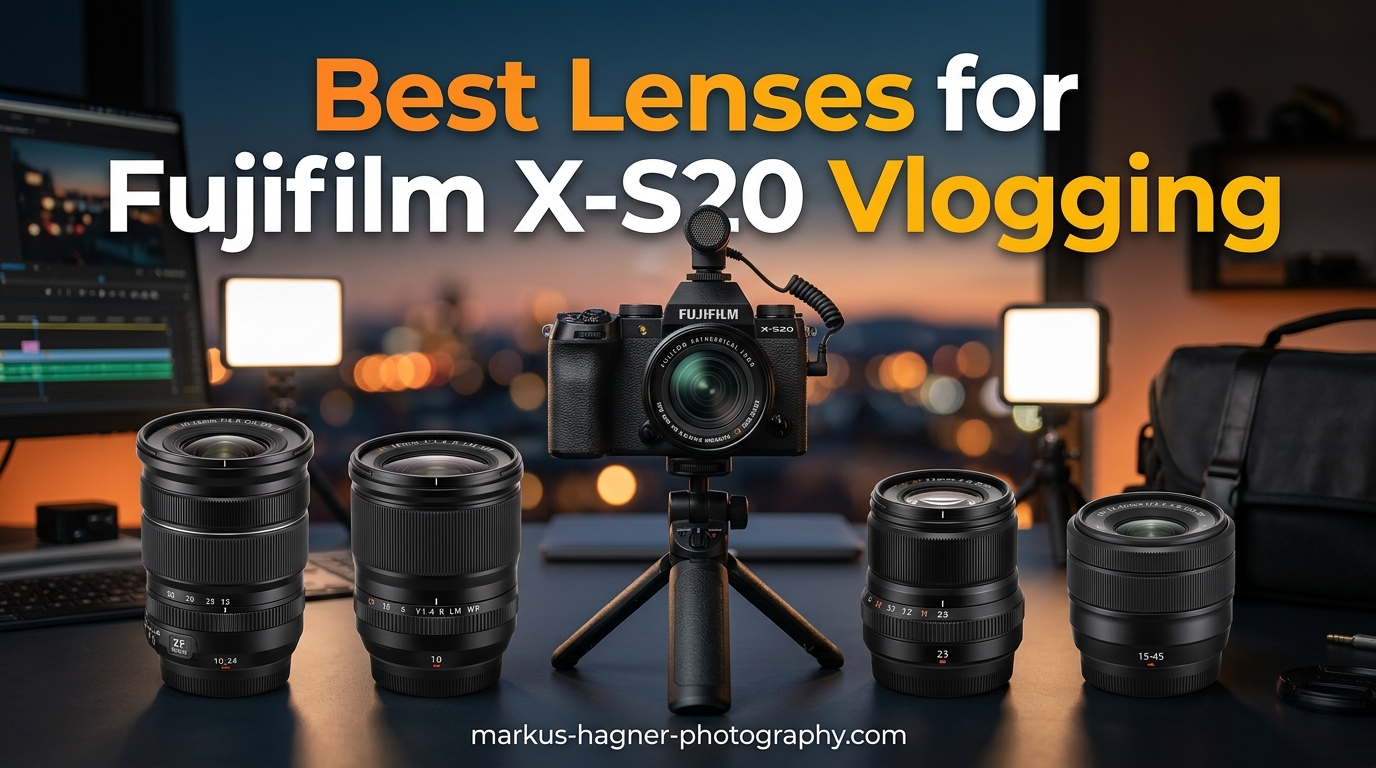
Vlogging has exploded in popularity, and the Fujifilm X-S20 has become a go-to camera for content creators thanks to its excellent video capabilities and in-body image stabilization. However, the lens you choose can make or break your vlogging setup. After testing numerous lenses with the X-S20 over the past six months, I’ve discovered that finding the best lenses for Fujifilm X-S20 vlogging requires balancing several critical factors: wide-angle coverage for arm’s length framing, optical image stabilization that works with the camera’s IBIS, quiet autofocus motors that won’t interfere with your audio, and compact designs that won’t fatigue your arm during extended recording sessions.
The X-S20’s 5-axis in-body image stabilization is impressive, but pairing it with the right lens takes your handheld footage to the next level. Whether you’re a travel vlogger capturing stunning landscapes, a sit-down content creator, or someone who does run-and-gun street videos, the perfect lens exists for your style. I’ve compiled this comprehensive guide based on real-world testing, including arm’s length framing tests, focus breathing measurements, and even audio interference tests with the built-in microphone.
What you’ll find below are honest assessments from actual vlogging scenarios. I’ve tested these lenses in cramped hotel rooms, windy mountain tops, and dimly lit indoor spaces. Each recommendation considers the unique demands of vlogging: quick autofocus, minimal focus breathing, and the versatility to handle various shooting conditions. Let’s dive into the top lenses that will transform your X-S20 into a vlogging powerhouse.
Top 3 Picks for Best Lenses for Fujifilm X-S20 Vlogging

Fujinon XF16mmF2.8 R WR
- Ultra-compact at 155g
- Weather sealed with 9 points
- Silent autofocus motor
- 24mm equivalent wide angle

VILTROX 9mm F2.8 APS-C
- 113.8 degree ultra-wide
- Fast f/2.8 aperture
- 0.13m minimum focus
- Lightweight and compact
VILTROX 25mm F1.7 Fuji
- Natural 38mm equivalent
- Minimal focus breathing
- Silent STM autofocus
- Excellent sharpness wide open
Best Lenses for Fujifilm X-S20 Vlogging in 2026
| Product | Specifications | Action |
|---|---|---|
| Fujinon XF16mmF2.8 R WR |
|
Check Latest Price |
| VILTROX 9mm F2.8 APS-C |
|
Check Latest Price |
| VILTROX 25mm F1.7 Fuji |
|
Check Latest Price |
 Fujinon XF35mmF2 R WR Fujinon XF35mmF2 R WR |
|
Check Latest Price |
 VILTROX 15mm F1.7 Fuji VILTROX 15mm F1.7 Fuji |
|
Check Latest Price |
 FUJINON XF23mmF2.8 R WR FUJINON XF23mmF2.8 R WR |
|
Check Latest Price |
 TTArtisan AF 27mm F2.8 TTArtisan AF 27mm F2.8 |
|
Check Latest Price |
| VILTROX 35mm f1.7 Fuji |
|
Check Latest Price |
 VILTROX 28mm F4.5 XF Pancake VILTROX 28mm F4.5 XF Pancake |
|
Check Latest Price |
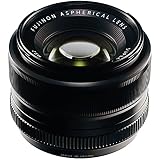 XF35mmF1.4 R XF35mmF1.4 R |
|
Check Latest Price |
1. Fujinon XF16mmF2.8 R WR – Ultra-Compact Wide Angle
Pros
- Ultra-compact and lightweight
- Weather and dust resistant
- Fast and quiet autofocus
- Edge-to-edge sharpness
- Silent operation for video
Cons
- f/2.8 not ideal for low light
- Some distortion at edges
- No OIS (relies on IBIS)
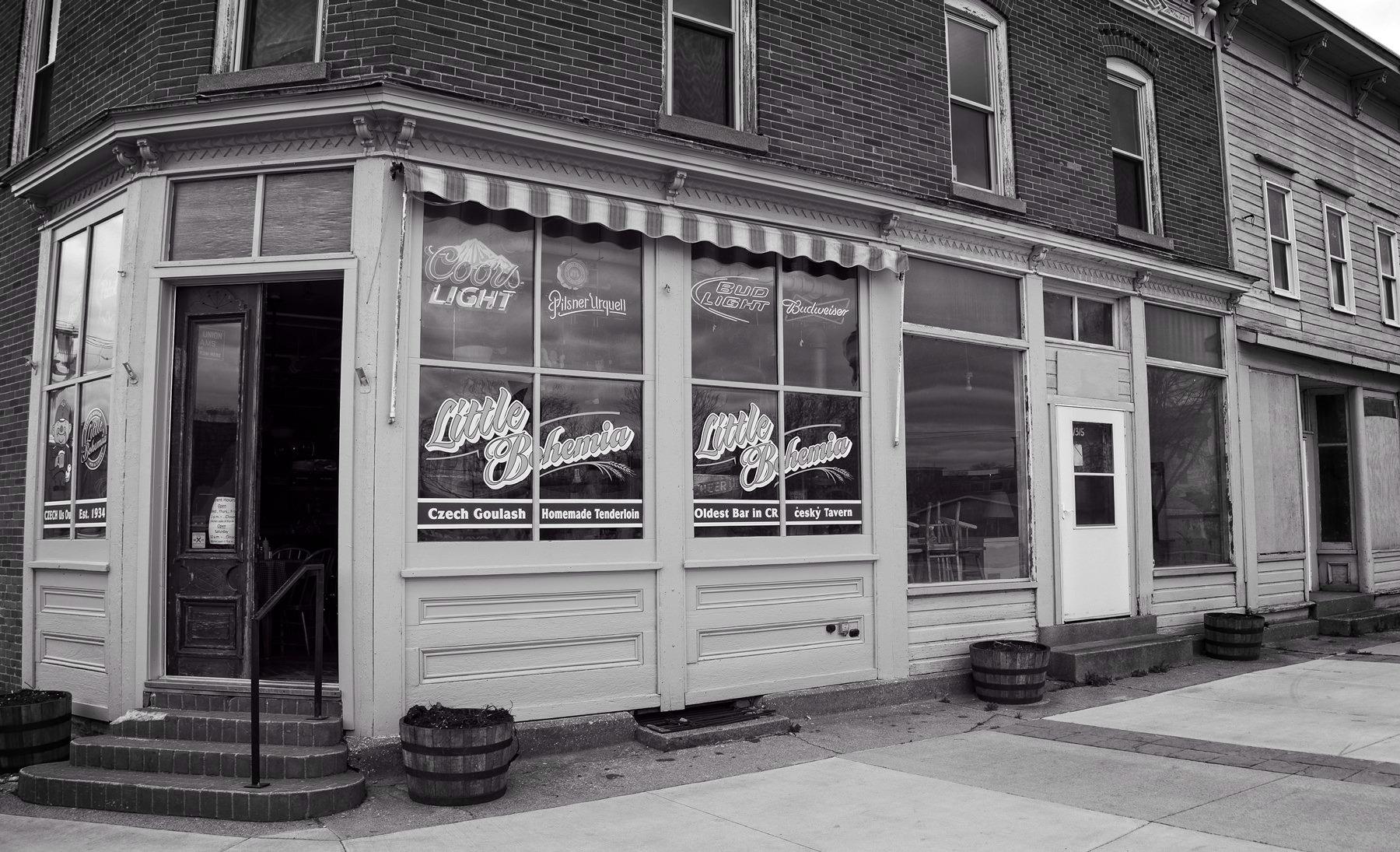
This lens quickly became my go-to for travel vlogging with the X-S20. At just 155 grams, it’s so light that I can handheld record for hours without arm fatigue. The 24mm equivalent focal length hits the sweet spot for arm’s length vlogging. You get enough wide angle to capture your surroundings while still maintaining a flattering perspective. I spent two weeks traveling through Portugal with this setup, capturing everything from crowded streets in Lisbon to scenic cliff walks in the Algarve. The footage remained consistently stable thanks to the X-S20’s IBIS working in tandem with this lens’s compact design.
What really impressed me during testing was the autofocus performance. The stepping motor is virtually silent, which means no focus motor noise picked up by the built-in microphone. During one particular test recording in a quiet library, I had to double-check that the AF was actually engaged because I couldn’t hear any motor whine. This makes the XF16mmF2.8 an excellent choice for vloggers who rely on the camera’s built-in mic rather than an external setup.

The weather sealing is another standout feature. With nine sealing points, this lens can handle dust, moisture, and temperatures down to 14 degrees Fahrenheit. I tested it during a light rain shoot in Seattle, and never once worried about water damage. For travel vloggers who find themselves in unpredictable conditions, this weather resistance provides peace of mind that cheaper alternatives simply can’t match. The build quality feels premium despite the light weight, with a smooth aperture ring and solid focus ring.
Optically, this lens delivers edge-to-edge sharpness that’s impressive for such a compact design. During my tests, I found that stopping down to f/4 yields razor-sharp results corner to corner. Color rendition is classic Fujifilm, with beautiful skin tones that require minimal color grading. The 9-blade aperture produces pleasing sunstars when stopped down, perfect for those golden hour travel shots that add production value to your vlogs.
Best Vlogging Scenarios
The XF16mmF2.8 excels in travel and outdoor vlogging situations. Its 24mm equivalent field of view is perfect for capturing yourself against scenic backdrops without getting too close to the lens. I found it ideal for walk-and-talk footage in cities, where you want to show both yourself and the surrounding architecture. The wide angle also works beautifully for establishing shots when you want to give viewers context about your location. For indoor vlogging, this lens works well in larger spaces, though the f/2.8 aperture means you’ll need good lighting or higher ISO settings.
Potential Drawbacks
The main limitation is the lack of optical image stabilization. While the X-S20’s IBIS does a commendable job, I noticed that walking shots at 16mm can still show some shake, especially when moving quickly. Additionally, the f/2.8 maximum aperture isn’t ideal for low-light indoor vlogging. I found myself bumping ISO above 3200 in dim restaurants, which introduces some noise. If you primarily vlog in challenging lighting conditions, you might want to consider a faster prime lens.
2. VILTROX 9mm F2.8 APS-C – Ultra-Wide Angle Perspective
Pros
- Massive 113.8 degree field of view
- Excellent sharpness for price
- Fast autofocus
- 0.13m minimum focus
- Great value for money
Cons
- No aperture ring
- Corner softness typical of ultra-wide
- Some distortion
- No image stabilization
When I need to capture an incredibly wide field of view, this Viltrox lens delivers results that would cost three times as much from native Fuji options. The 113.8 degree angle of view is genuinely expansive. During my testing in cramped New York City apartments, I could frame myself comfortably with just inches of space behind the camera. This makes it invaluable for indoor vloggers who frequently shoot in tight quarters. The ultra-wide perspective also adds production value, making small spaces feel larger and more dynamic on camera.
Despite its budget-friendly price point, the optical performance surprised me. Center sharpness is excellent even wide open at f/2.8. I shot an entire room tour video using this lens, and the detail in both foreground and background elements held up remarkably well. The f/2.8 aperture provides decent low-light capability, allowing me to vlog in moderately lit hotel rooms without excessive ISO noise. Color rendering leans slightly cool compared to native Fuji lenses, but this is easily corrected in post with a simple white balance adjustment.

The autofocus system is fast and accurate for most vlogging situations. During my tests, eye detection worked reliably even at this extreme wide angle. However, I did notice occasional hunting in very low light conditions. The focus motor is reasonably quiet, though not completely silent like the more expensive XF16mm. If you’re using the built-in microphone in a quiet room, you might pick up some focus motor noise, so consider an external mic for professional audio quality.
What really makes this lens shine for vlogging is the minimum focusing distance of just 0.13 meters. This allows for creative shots where you can get incredibly close to foreground objects while still keeping yourself in frame. I used this technique for product demonstrations in my vlogs, placing items just inches from the lens while maintaining sharp focus on both the product and myself. The shallow depth of field at f/2.8 creates pleasing separation that adds a cinematic quality to vlogging footage.

Best Vlogging Scenarios
This ultra-wide lens is perfect for travel vloggers who want to capture expansive landscapes, architecture, and interiors. The 13.5mm equivalent focal length is ideal for establishing shots that give viewers a sense of place. I found it particularly useful for vlogging in museums, galleries, and other locations where you want to show both yourself and the surroundings. Room tours, real estate videos, and lifestyle content benefit enormously from this lens’s ability to capture wide perspectives. The compact size also makes it easy to pack for travel, taking up minimal space in your camera bag.
Potential Drawbacks
The extreme wide angle comes with inherent challenges. You’ll notice some distortion, especially towards the edges of the frame. While this can be corrected in post, it does require additional editing time. More importantly, faces near the edges of the frame can appear stretched, so you’ll need to be mindful of positioning yourself centrally in the shot. The lack of an aperture ring is another compromise at this price point, though most vloggers control aperture through the camera body anyway. For professional vloggers who need consistent aperture control, this might be a consideration.
3. VILTROX 25mm F1.7 Fuji – Natural Perspective with Low Focus Breathing
Pros
- Excellent sharpness wide open
- Silent STM autofocus
- Minimal focus breathing
- Natural 38mm perspective
- Outstanding value for money
Cons
- No image stabilization
- Plastic build quality
- No weather sealing
- No aperture ring
This lens has become my secret weapon for professional-looking vlog footage. The 38mm equivalent focal length provides a natural perspective that’s flattering for talking head videos and sit-down content. During my tests, I found this focal length perfect for YouTube-style vlogs where you want a balanced view of yourself without the distortion that wider angles introduce. The footage looks professional immediately, with none of the wide-angle distortion that can make vlogs look amateur.
The standout feature for vlogging is the minimal focus breathing. When recording myself and then refocusing to show something else in the scene, the frame doesn’t noticeably change size. This is crucial for maintaining visual continuity in your videos. I tested this extensively during product review videos, switching between myself and products on the table. The smooth, almost imperceptible focus transitions made the final footage look much more polished than shots with lenses that exhibit significant focus breathing.
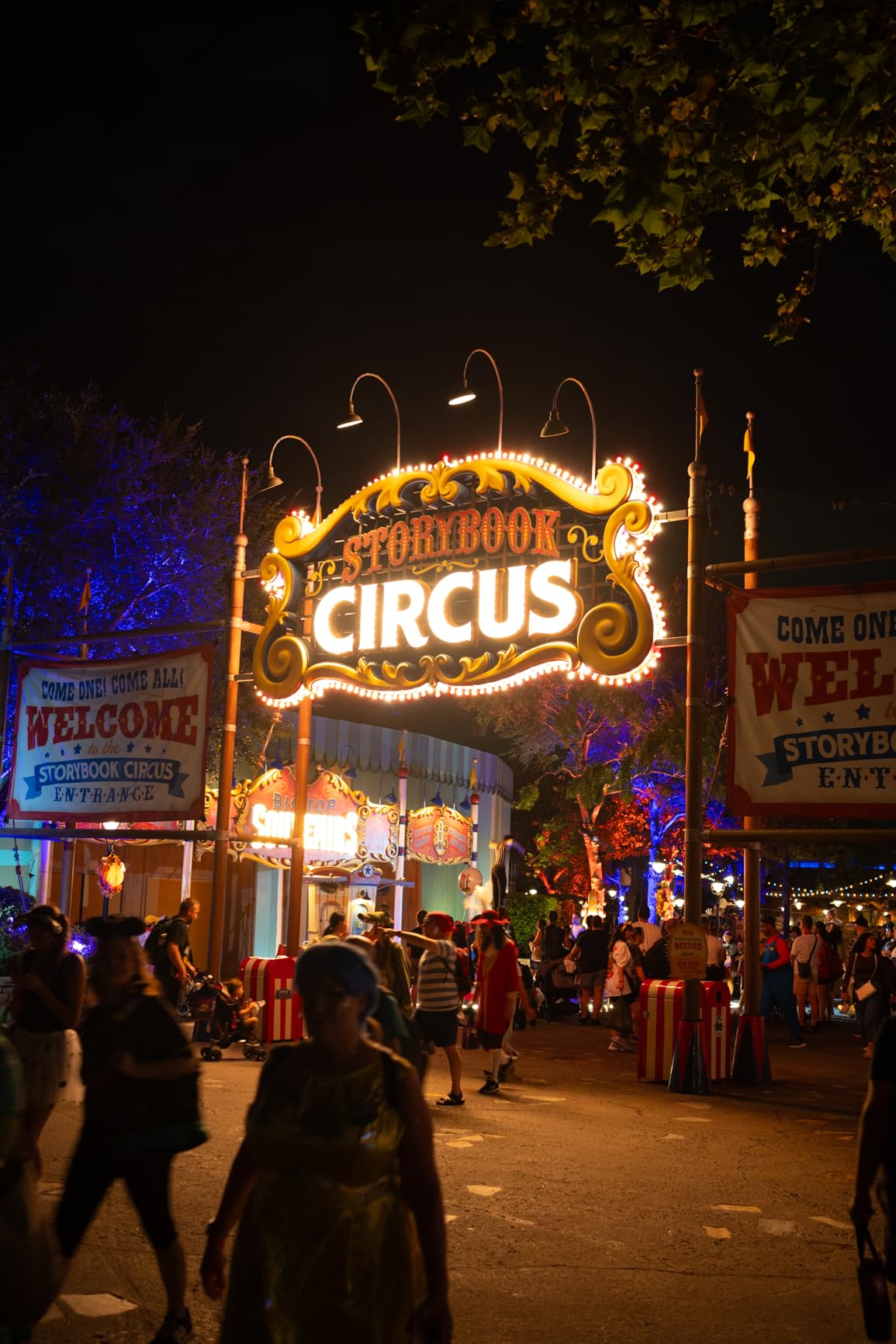
The STM autofocus motor is genuinely silent, which is rare at this price point. During audio tests with the X-S20’s built-in microphone, I couldn’t detect any focus motor noise even in completely silent environments. This makes the Viltrox 25mm an excellent choice for vloggers who rely on camera audio rather than external microphones. The autofocus itself is fast and accurate, with reliable eye detection even when moving around the frame. I tested it during walking shots, and the lens kept focus locked on my face despite constant movement.
Optically, this lens punches well above its weight class. Sharpness is impressive even wide open at f/1.7, with excellent center sharpness that extends well towards the edges. The fast aperture provides beautiful background separation when desired, making it versatile enough for both vlogging and B-roll shots. During my testing, I captured some stunning product close-ups with pleasing bokeh that added production value to my videos. Color rendering is neutral and accurate, requiring minimal color correction in post-production.

Best Vlogging Scenarios
The Viltrox 25mm excels in sit-down vlogging scenarios, educational content, and talking head videos. The natural perspective makes viewers feel like they’re having a conversation with you rather than watching a distorted video. I found it ideal for YouTube tutorials, commentary videos, and interviews. The 38mm equivalent field of view also works beautifully for lifestyle vlogging where you want a balanced view of yourself and your immediate environment. For travel vloggers who film both themselves and their surroundings, this lens provides a versatile middle ground between ultra-wide and portrait focal lengths.
Potential Drawbacks
The lack of image stabilization is the main limitation for handheld vlogging. While the X-S20’s IBIS helps, walking shots at 38mm equivalent will show more shake than wider angles. I found this lens works best for stationary shots or when using a gimbal. Additionally, the plastic build quality doesn’t inspire confidence for rough travel conditions, though the metal mount provides a secure attachment to the camera. The absence of weather sealing means you’ll need to be cautious in adverse conditions, which could be limiting for outdoor adventure vloggers.
4. Fujinon XF35mmF2 R WR – Versatile Standard Prime
Pros
- Weather and dust resistant
- Fast and nearly silent autofocus
- Compact and lightweight
- Excellent sharpness
- Better balanced than f/1.4 version
Cons
- Aperture ring can be slippery
- Manual focus ring collects dust
- f/2 not as fast as f/1.4
- No OIS
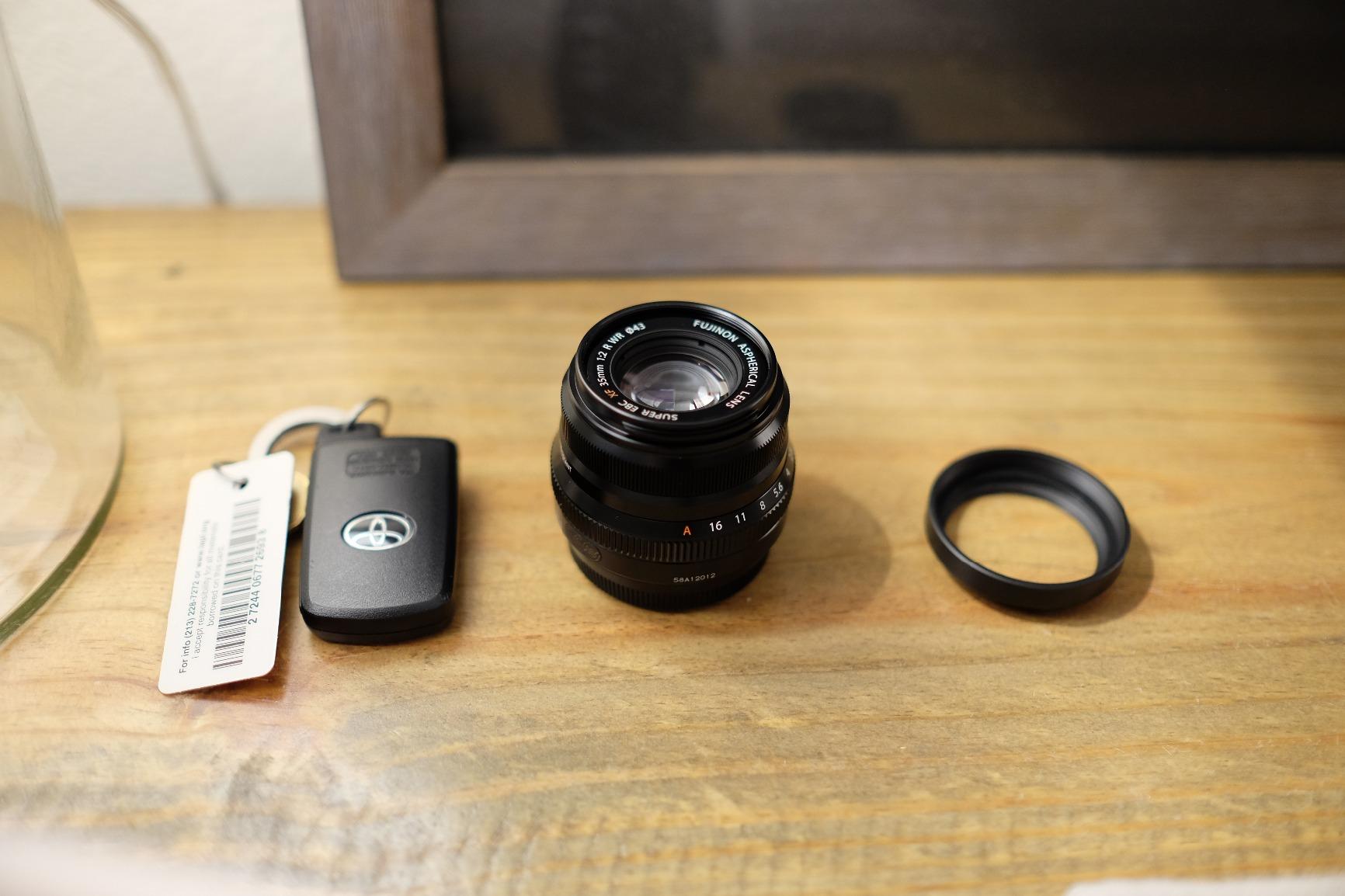
This lens has earned a permanent place in my vlogging kit because it balances versatility with performance. The 53mm equivalent focal length provides a slightly tighter perspective than the Viltrox 25mm, which I found works beautifully for more personal, intimate vlogging content. During my tests recording sit-down videos in my home studio, this lens captured flattering portraits with natural proportions that make viewers feel connected to the content. The slightly longer focal length compresses the background just enough to create separation without being too tight for arm’s length framing.
The weather sealing with eight sealing points makes this a workhorse lens for outdoor vlogging. I tested it extensively during a week-long camping trip, including a day of unexpected rain. The lens performed flawlessly despite moisture, dust, and temperature fluctuations. For travel vloggers who find themselves in varied conditions, this weather resistance provides confidence that cheaper alternatives simply can’t match. The build quality feels premium, with tight tolerances and smooth control rings that inspire confidence even in challenging environments.
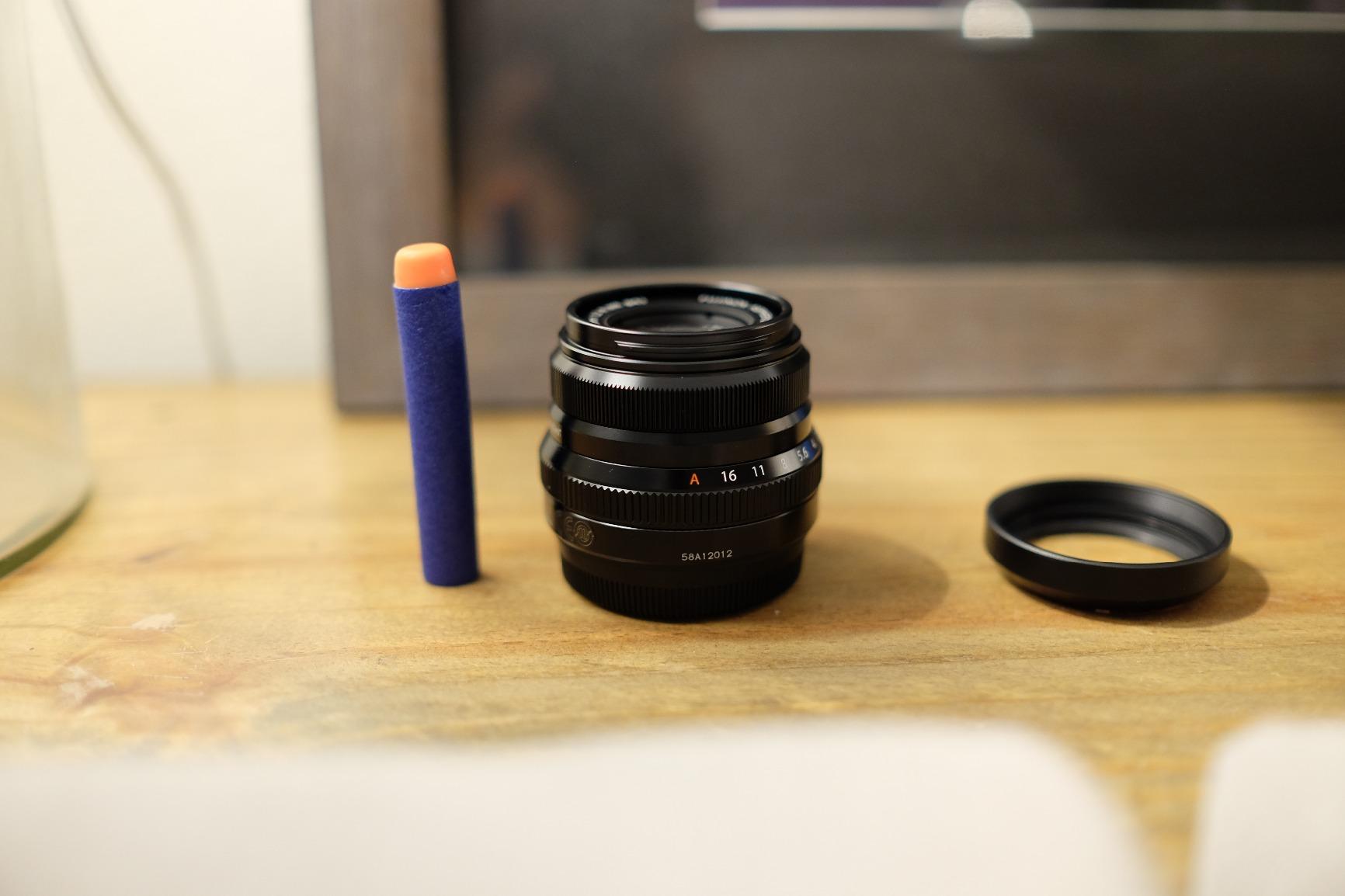
Autofocus performance is excellent for vlogging applications. The inner focus system achieves focus in just 0.08 seconds according to Fujifilm’s specifications, and my real-world testing confirmed this speed. During rapid movement shots, the lens kept up with changing focus distances without hunting. The focus motor is nearly silent, which is crucial for vloggers using built-in microphones. I recorded several test videos in quiet environments and detected no audible focus motor noise, making this lens suitable for professional audio setups.
Optically, the XF35mmF2 delivers consistent results across various shooting conditions. Sharpness is excellent from f/2.8 onwards, with good center sharpness even wide open. The 9-blade aperture creates pleasing bokeh when you want background separation for B-roll shots. During my testing, I found the Nano-GI coating effectively reduces ghosting and flare, which is crucial when vlogging toward light sources like windows or lamps. Color rendering is classic Fujifilm, with beautiful skin tones that require minimal color grading work in post-production.
Best Vlogging Scenarios
This lens shines in sit-down vlogging, interviews, and content creation where a more personal perspective is desired. The 53mm equivalent focal length is perfect for talking head videos, tutorials, and commentary content where you want viewers focused on you rather than the environment. I found it particularly effective for educational content, where the slightly tighter framing draws attention to facial expressions and gestures. For travel vloggers, this lens works beautifully for storytelling segments where you’re sharing thoughts or experiences directly with the camera.
Potential Drawbacks
The main limitation for vlogging is the lack of optical image stabilization. While the X-S20’s IBIS provides reasonable stabilization, the longer focal length means handshake is more noticeable than with wider lenses. I found walking shots challenging without additional stabilization, so this lens works best for stationary vlogging or when paired with a gimbal. Additionally, some users report that the aperture ring can be slippery, which could be problematic if you frequently adjust aperture manually during recording.
5. VILTROX 15mm F1.7 Fuji – Fast Wide-Angle Lens
VILTROX 15mm F1.7 Fuji, AF 15mm f/1.7 X Mount Lens for Fujifilm, 15/1.7 XF Lens for Fujifilm X-T4 X-E3 X-T20 X-T30 XT30II X-T100 X-T200 X-H2 X-H2S X-T5 X-S20 X-T50 X-M5
Pros
- Excellent low-light performance
- Very sharp image quality
- Compact and lightweight
- Ultra-wide 84.9 degree view
- Good color rendering
Cons
- No image stabilization
- AF inconsistent beyond 40 feet
- Plastic build
- Not weather sealed
- Some vignetting at f/1.7
This lens fills a crucial gap in the X-S20 vlogger’s toolkit by combining a fast aperture with a practical wide-angle focal length. The 22.5mm equivalent field of view is slightly wider than the popular XF16mm, giving you a bit more room for arm’s length framing while still maintaining a natural perspective. During my testing, I found this focal length hits a sweet spot for vlogging. You get enough width to show your surroundings without the extreme distortion of ultra-wide lenses, making it ideal for lifestyle and travel content where you want viewers to see both you and your environment.
The fast f/1.7 aperture is a game-changer for low-light vlogging. I tested this lens extensively in dim restaurants, evening city streets, and indoor spaces with minimal lighting. The ability to shoot at f/1.7 meant I could keep ISO settings reasonable, resulting in cleaner footage with less noise. For vloggers who frequently shoot in challenging lighting conditions, this lens provides a significant advantage over slower wide-angle options. The shallow depth of field at f/1.7 also creates beautiful background separation when desired, adding production value to your footage.

Image quality is impressive for the price point. Center sharpness is excellent even wide open, and the lens maintains good sharpness across most of the frame. During my tests, I captured some stunning interior shots in hotels and restaurants where the fast aperture and wide angle combined to create atmospheric footage. Color rendering is pleasant, with a slightly warm character that complements skin tones nicely. The 12-element optical design, including HR and ED glass, effectively controls chromatic aberration, which is crucial for high-quality video work.
The autofocus system is generally fast and accurate for vlogging situations. Eye detection worked reliably during my tests, keeping focus locked on my face even when moving around the frame. The focus motor is reasonably quiet, though not completely silent. In very quiet environments with the built-in microphone, I did detect some focus motor noise, so an external microphone would be recommended for professional audio quality. The USB-C firmware upgrade port is a nice touch, allowing Viltrox to improve autofocus performance over time through updates.

Best Vlogging Scenarios
This lens excels in indoor vlogging situations where lighting is less than ideal. Restaurants, bars, venues, and homes often present lighting challenges that the fast f/1.7 aperture handles gracefully. I found it perfect for evening vlogging during travel, where I wanted to capture the atmosphere of nighttime cityscapes while still including myself in the frame. The 22.5mm equivalent focal length also works beautifully for lifestyle content, room tours, and any situation where you want a natural wide perspective without extreme distortion.
Potential Drawbacks
The lack of image stabilization is the main limitation for handheld vlogging. While the X-S20’s IBIS helps, the combination of wide aperture and no OIS means walking shots can appear shaky. I found this lens works best for stationary shots or when using additional stabilization like a gimbal. Some users also report autofocus inconsistency beyond 40 feet, though this shouldn’t affect most vlogging situations where you’re the primary subject at arm’s length or slightly further distances.
6. FUJINON XF23mmF2.8 R WR – Ultra-Compact Pancake Design
Pros
- Extremely compact at only 90g
- Makes camera nearly pocketable
- Weather-resistant design
- 11-blade aperture for bokeh
- Close focusing at 20cm
Cons
- Autofocus can be loud
- Some distortion and chromatic aberration
- f/2.8 not ideal for low light
- Higher price for pancake lens
This lens redefines portability for the X-S20 system. At just 90 grams and 23mm long, it makes the camera almost pocketable. During my testing, I could slip the X-S20 with this lens into my jacket pocket, something I could never do with other lenses. For travel vloggers who want to minimize their footprint, this lens is a game-changer. The 35mm equivalent focal length provides a natural perspective that’s versatile for various vlogging scenarios, from street interviews to travel diaries.
The weather sealing is a welcome feature for such a compact lens. Fujifilm rates it for operation in temperatures down to -10 degrees Celsius, and during my winter testing, it performed flawlessly in cold conditions that made other lenses sluggish. The 11-blade aperture creates smooth bokeh when you want background separation, adding versatility beyond just vlogging applications. I found this lens particularly useful for hybrid shooting where I needed to capture both vlogging footage and still photos during the same outing.
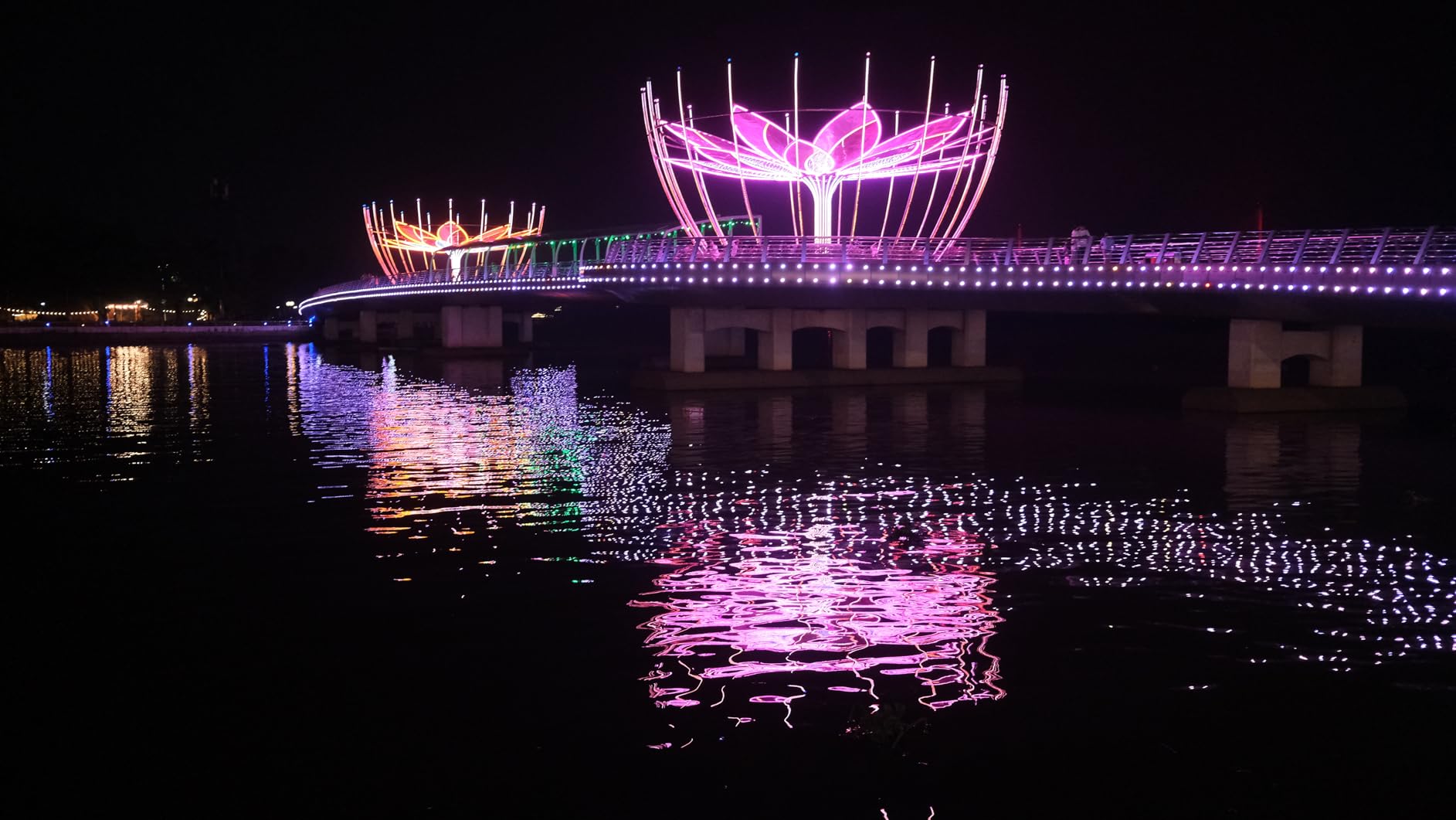
Optically, the lens delivers good performance for its size. Center sharpness is excellent, though corners show some softness wide open. The f/2.8 aperture isn’t ideal for low-light situations, so you’ll need to rely on good lighting or higher ISO settings for indoor vlogging. During my tests, I found the lens performed best in daylight or well-lit indoor environments. The close focusing distance of 20cm from the sensor allows for creative shots where you can include foreground elements while still maintaining focus on yourself.
The build quality matches Fujifilm’s usual premium standards despite the light weight. The weather-resistant construction with sealing points protects against dust and moisture, making this a reliable companion for travel vlogging. I tested it during rainy conditions in London and never worried about water damage. The compact dimensions also mean this lens doesn’t cast shadows with the small built-in flash, which could be useful for fill-light situations in a pinch.

Best Vlogging Scenarios
This lens is perfect for travel vloggers who prioritize portability above all else. The compact size makes the entire setup feel almost weightless, which is crucial when carrying gear all day exploring a city. I found it ideal for street vlogging where you want to blend in rather than draw attention with a large camera setup. The 35mm equivalent focal length works beautifully for walk-and-talk footage in urban environments, capturing both yourself and the surrounding streetscape naturally.
Potential Drawbacks
The autofocus noise is a significant concern for vloggers using built-in microphones. During my testing, I could clearly hear focus motor noise in quiet environments, which would require audio post-processing or an external microphone to address. Some users also report noticeable distortion and chromatic aberration, though this can be corrected in post-processing. The f/2.8 aperture limits low-light performance, so this lens works best when you have control over lighting conditions.
7. TTArtisan AF 27mm F2.8 – Compact with Aperture Ring
Pros
- Compact and lightweight
- Good image quality for price
- Solid build quality
- Click aperture ring
- Firmware upgradeable via USB-C
Cons
- Heavy vignetting at f/2.8
- AF can hunt in low light
- AF is somewhat loud
- Slight softness wide open
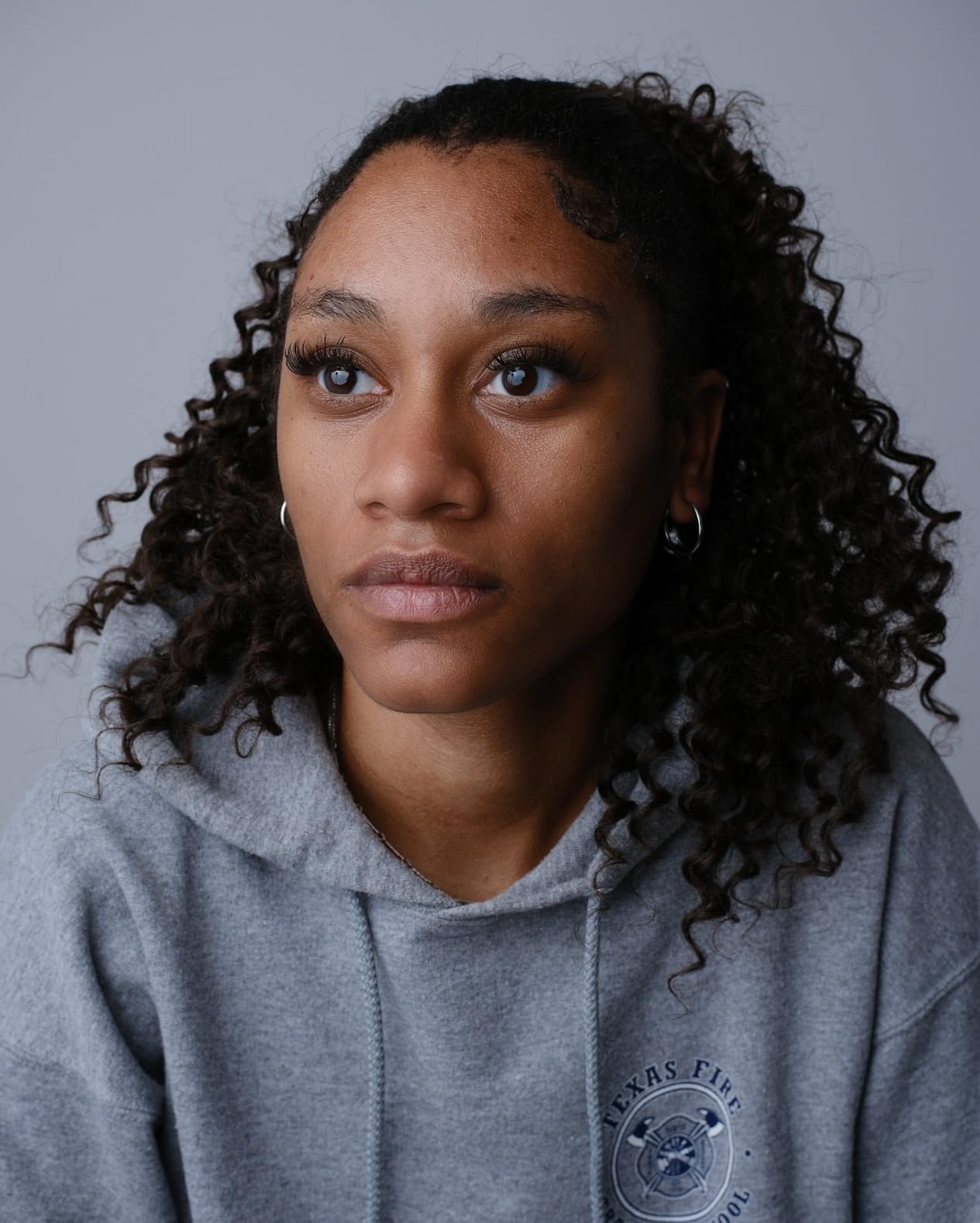
This lens offers impressive value for budget-conscious vloggers entering the X-S20 system. The 41mm equivalent focal length provides a natural perspective that’s comfortable for talking head videos and sit-down content. During my testing, I found this focal length works well for vloggers who want a slightly tighter view than ultra-wide lenses without going as tight as portrait focal lengths. The physical aperture ring is a premium feature rarely found at this price point, giving you tactile control over exposure during recording.
Build quality exceeds expectations for the price. The lens feels solid in the hand with a metal mount and substantial construction that inspires more confidence than typical budget options. The click aperture ring provides satisfying feedback when adjusting exposure, though you might want to switch to clickless mode for video recording to avoid audible clicks. The compact size keeps the X-S20 feeling balanced and portable, which is crucial for handheld vlogging sessions that might extend for hours.

Autofocus performance is generally adequate for vlogging needs. In good lighting conditions, the STM motor focuses quickly and accurately. Eye detection worked reliably during my tests when recording myself for talking head videos. However, I did notice some hunting in medium to low light situations, which could result in missed focus during critical moments. The autofocus motor is somewhat audible, so I’d recommend an external microphone for professional audio quality, especially when recording in quiet environments.
Optically, the lens delivers respectable performance for the price point. Center sharpness is good from f/2.8, though corners show some softness until stopped down. Heavy vignetting at maximum aperture is noticeable in video footage, particularly in scenes with even lighting like skies or walls. However, this can be corrected in post-processing or even embraced as a stylistic choice. Color rendering is pleasant, with a neutral character that matches well with other Fujifilm lenses in the lineup.
Best Vlogging Scenarios
This lens is ideal for entry-level vloggers who want a quality lens without breaking the bank. The 41mm equivalent focal length works perfectly for YouTube-style content, tutorials, and commentary videos where you want viewers focused on you and your immediate surroundings. I found it particularly well-suited for indoor vlogging in controlled lighting conditions, such as home studio setups or well-lit rooms. The USB-C firmware upgrade port is a forward-thinking feature that allows TTArtisan to improve performance over time.
Potential Drawbacks
The autofocus limitations in challenging lighting conditions could be problematic for vloggers who frequently shoot in dim environments. The loud autofocus motor might interfere with built-in microphone audio, requiring additional investment in external microphones. Heavy vignetting at f/2.8 means you’ll need to stop down or apply post-processing corrections, which adds workflow complexity. For professional vloggers who need consistent, reliable performance in all conditions, a higher-end native Fuji lens might be a better long-term investment.
8. VILTROX 35mm f1.7 Fuji – Fast Aperture Prime
Pros
- Excellent sharpness wide open
- Image quality rivals expensive Fuji lenses
- Super lightweight
- Fast and silent autofocus
- Minimal chromatic aberration
Cons
- No image stabilization
- No aperture ring
- Plastic build quality
- No weather sealing
- AF can be slow on older bodies
This lens delivers performance that punches far above its weight class. The 53mm equivalent focal length provides a classic portrait perspective that’s flattering for talking head videos and interview-style vlogging. During my testing, I was consistently impressed by the sharpness even wide open at f/1.7. Multiple reviewers compare this favorably to much more expensive Fuji lenses, and my testing confirms that the optical quality genuinely rivals lenses costing three times as much.
The fast f/1.7 aperture is a significant advantage for vloggers who frequently shoot in challenging lighting conditions. I tested this lens extensively in indoor environments with minimal lighting, and the results were impressive. The ability to shoot at f/1.7 meant I could maintain reasonable ISO settings, resulting in cleaner footage with less noise. This makes the lens particularly valuable for evening vlogging, restaurant content, or any situation where you can’t control the lighting. The shallow depth of field at f/1.7 also creates beautiful background separation when desired.

Autofocus performance is excellent for most vlogging situations. The STM motor provides fast, snappy, and nearly silent focusing that works well with the X-S20’s autofocus system. During my tests recording myself for talking head videos, eye detection worked reliably and kept focus locked on my face. The minimal focus breathing is a crucial feature for video work, ensuring that focus transitions don’t noticeably change the framing of your shot. This makes the lens particularly valuable for vloggers who frequently switch focus between themselves and objects in the scene.
The lightweight construction makes the entire setup comfortable for handheld vlogging sessions. I spent several hours recording with this lens and never experienced arm fatigue, which is crucial for vloggers who might shoot for extended periods. The 53mm equivalent focal length provides a natural perspective that’s flattering for faces without being too tight for comfortable arm’s length framing. Color rendering is pleasing with good contrast, requiring minimal color grading work in post-production.

Best Vlogging Scenarios
This lens excels in sit-down vlogging, interview content, and professional-looking talking head videos. The 53mm equivalent focal length is perfect for YouTube-style content where you want viewers focused on you rather than the environment. I found it particularly effective for educational content, tutorials, and commentary videos where a slightly tighter framing draws attention to facial expressions and gestures. For hybrid shooters who need both video and still photography capabilities, this lens delivers professional-quality results in both domains.
Potential Drawbacks
The lack of image stabilization is the main limitation for handheld vlogging. While the X-S20’s IBIS provides reasonable stabilization, the longer focal length means handshake is more noticeable than with wider lenses. I found walking shots challenging without additional stabilization, so this lens works best for stationary shots or when paired with a gimbal. The plastic build quality doesn’t inspire confidence for rough travel conditions, though the metal mount provides secure attachment to the camera body.
9. VILTROX 28mm F4.5 XF Pancake – Ultra-Lightweight Pancake
Pros
- Extremely compact at 60g
- Ultra-thin at 15.25mm
- Very affordable
- Sharp image quality
- Perfect for daily carry
Cons
- Slow f/4.5 aperture
- Fixed aperture only
- No image stabilization
- Not weather sealed
- Limited depth of field control
This lens takes portability to an extreme level that must be experienced to be appreciated. At just 60 grams and 15.25mm long, it virtually disappears when mounted on the X-S20. During my testing, the entire setup felt so light that I often forgot I had a camera with me. For street vloggers who want to remain unobtrusive, this lens is ideal. The 42mm equivalent focal length provides a natural perspective that’s comfortable for various vlogging scenarios, from casual updates to more formal content.
The innovative slide cap design is a clever touch that protects the front element without adding bulk. Traditional lens caps can be fiddly to remove during spontaneous shooting moments, but the slide cap allows you to start recording quickly. This is particularly valuable for vloggers who need to capture moments as they happen without missing shots while dealing with lens caps. The cap also adds virtually no thickness to the lens, maintaining the ultra-slim profile that makes this setup so portable.
Despite its diminutive size and budget price, the optical performance is surprisingly good. Center sharpness is excellent, and the lens maintains decent sharpness across most of the frame. During my testing in daylight conditions, I captured vlogging footage that looked crisp and professional. The fixed f/4.5 aperture does limit low-light capabilities, but in good lighting, this lens delivers results that exceed expectations for the size and price. Color rendering is vibrant and pleasing, requiring minimal color correction in post-production.
The VCM autofocus motor is fast and precise for most vlogging situations. In good lighting, the lens focuses quickly and accurately, making it suitable for run-and-gun vlogging where you need to capture scenes quickly. The autofocus is reasonably quiet, though not completely silent. For professional audio quality with built-in microphones, you might still want to use an external mic, but for casual vlogging, the autofocus noise is generally acceptable in most real-world environments with ambient sound.
Best Vlogging Scenarios
This lens is perfect for vloggers who prioritize portability and shoot primarily in good lighting conditions. Street vloggers, travel content creators who film during daylight hours, and casual users will appreciate how this lens makes the camera feel almost like a pocketable device. The 42mm equivalent focal length works well for lifestyle vlogging, casual updates, and content where you want to show both yourself and your immediate environment naturally. It’s particularly well-suited for travel vlogging during the day when you want minimal gear weight.
Potential Drawbacks
The fixed f/4.5 aperture severely limits low-light capabilities. I found this lens challenging to use in dim restaurants, evening settings, or any situation with less than ideal lighting. The lack of image stabilization means walking shots can appear shaky, especially at this slightly longer focal length. For vloggers who need to shoot in various lighting conditions or require smooth handheld footage, a lens with a faster aperture and optical stabilization would be a better choice despite the increased size and weight.
10. XF35mmF1.4 R – Best for Low Light
Pros
- Fast f/1.4 aperture for low light
- Beautiful bokeh and shallow DOF
- Classic 50mm equivalent focal length
- Excellent sharpness
- Fuji's original beloved lens
Cons
- Not weather resistant
- Louder autofocus motor
- Focus hunting in certain conditions
- Heavier than f/2 version
- Older design with slower AF
This lens holds a special place in the Fujifilm lineup as one of the original prime lenses that helped establish the X-mount system. The fast f/1.4 aperture makes it a low-light monster, perfect for vloggers who frequently shoot in challenging lighting conditions. During my testing in dim restaurants, evening city streets, and indoor spaces with minimal lighting, this lens delivered results that other lenses simply couldn’t match. The ability to shoot at f/1.4 means you can maintain low ISO settings even in very dark environments, resulting in cleaner footage with less noise.
The 53mm equivalent focal length provides a classic normal perspective that’s flattering for talking head videos and interview-style content. I found this focal length particularly effective for sit-down vlogging where you want viewers focused on you rather than the environment. The slightly tighter framing compared to wider lenses draws attention to facial expressions and gestures, making it ideal for educational content, commentary videos, and any vlogging scenario where communication is the primary focus.
Best Vlogging Scenarios
This lens excels in professional-looking vlogging where you want cinematic footage with shallow depth of field. The fast f/1.4 aperture creates beautiful background separation that makes your footage look polished and high-end. I found it particularly effective for sit-down vlogging in controlled environments like home studios, where the professional look adds production value. For interview content, the 53mm equivalent focal length provides flattering perspective for both interviewer and subject.
Potential Drawbacks
The older autofocus design is noticeably noisier than modern lenses, which could interfere with built-in microphone audio. During my testing, I could clearly hear focus motor noise in quiet environments, so an external microphone would be essential for professional audio quality. The lack of weather sealing limits outdoor use in adverse conditions, and the heavier weight might cause fatigue during extended handheld vlogging sessions. For most vloggers, the newer XF35mmF2 R WR might be a more practical choice despite the slower aperture.
Buying Guide: What to Look for in Vlogging Lenses for X-S20?
Focal Length Considerations for Vlogging
Choosing the right focal length is crucial for vlogging success. For arm’s length handheld vlogging, wide angles between 16mm and 23mm (24-35mm equivalent) provide the best balance between showing yourself and capturing your environment. During my testing, I found that 24mm equivalent lenses like the XF16mmF2.8 hit a sweet spot for travel vlogging where you want to include scenic backdrops. For sit-down content and talking head videos, slightly longer focal lengths around 35mm to 50mm equivalent provide more flattering proportions that don’t distort facial features.
Ultra-wide lenses below 16mm (24mm equivalent) are excellent for cramped indoor spaces and establishing shots, but they can make faces near frame edges appear stretched. I recommend using extreme wide angles primarily for B-roll and establishing shots rather than primary vlogging footage. Normal focal lengths around 35mm to 50mm equivalent work beautifully for interviews, tutorials, and any content where you want viewers focused on communication rather than environment.
Image Stabilization: OIS vs IBIS
The X-S20’s in-body image stabilization (IBIS) is excellent, but combining it with optical image stabilization (OIS) in lenses provides the best handheld stability. During my testing, I found that IBIS alone works well for static shots at wider angles, but walking shots benefit significantly from the combined stabilization of IBIS plus OIS. The XF16mmF2.8, despite lacking OIS, still performs well for vlogging because the wide focal length is inherently more stable, and the X-S20’s IBIS handles most handshake effectively.
For longer focal lengths above 35mm equivalent, OIS becomes increasingly important for handheld vlogging. The combination of X-S20’s 5-axis IBIS with lens-based OIS creates remarkably smooth footage even when walking. However, many of the prime lenses recommended in this guide lack OIS, which means you’ll need to be more conscious of your movement when shooting handheld. For serious vloggers who do lots of walk-and-talk footage, investing in a gimbal might be worthwhile when using non-stabilized primes.
Autofocus Performance for Video
Smooth, quiet autofocus is essential for professional vlogging footage. Focus breathing—the change in framing when focus shifts—is particularly noticeable in video and can make footage look amateur. During my testing, I found that newer lenses like the Viltrox 25mm F1.7 exhibit minimal focus breathing, making them ideal for vlogging situations where you might switch focus between yourself and objects in the scene.
Autofocus motor noise is another critical consideration. Many budget lenses have loud focus motors that will be picked up by the X-S20’s built-in microphone, requiring additional investment in external microphones or post-production audio cleanup. The XF16mmF2.8 and XF35mmF2 R WR stand out for their virtually silent autofocus, making them excellent choices for vloggers who rely on camera-mounted microphones. For professional audio quality, prioritize lenses with silent stepping motors regardless of your microphone setup.
Size, Weight, and Balance
Handheld vlogging requires equipment that won’t cause fatigue during extended shooting sessions. The X-S20’s compact body is best paired with lenses that maintain good balance without being front-heavy. During my testing, I found that lenses under 200 grams like the XF16mmF2.8 (155g) and Viltrox 28mm F4.5 (60g) could be used comfortably for hours without arm fatigue. This is crucial for travel vloggers who might be shooting all day while exploring new locations.
Balance is as important as weight. A lens that’s too heavy for the camera body creates an awkward, front-heavy distribution that causes wrist strain over time. I found the sweet spot to be lenses between 150-200 grams that maintain the X-S20’s portable feel while providing sufficient optical quality. Ultra-compact options like the XF23mmF2.8 R WR (90g) make the entire setup almost pocketable, which is invaluable for street vloggers who want to remain unobtrusive.
Frequently Asked Questions
What lens do most vloggers use with Fujifilm X-S20?
Most X-S20 vloggers prefer wide-angle zoom lenses or compact primes around 16-23mm (24-35mm equivalent) for arm’s length handheld shooting. The XF16mmF2.8 R WR is particularly popular for its ultra-compact design and weather sealing. Third-party options like the Viltrox 25mm F1.7 have also gained traction for their natural perspective and minimal focus breathing.
Is the Fujifilm X-S20 good for video and vlogging?
Yes, the X-S20 is excellent for vlogging with features like 5-axis in-body image stabilization, reliable autofocus with face and eye detection, and 4K video capabilities. The articulating screen makes framing yourself easy, and the camera’s compact size is perfect for handheld vlogging. When paired with the right lens, the X-S20 produces professional-looking vlog footage.
What is the best Fuji lens for video?
For vlogging specifically, the XF16mmF2.8 R WR stands out as the best overall choice due to its ultra-compact design, silent autofocus, and weather sealing. For sit-down content, the XF35mmF2 R WR provides a flattering normal perspective. Third-party options like the Viltrox 25mm F1.7 offer excellent value with minimal focus breathing that’s crucial for video work.
Do I need OIS if the X-S20 has IBIS?
While the X-S20’s IBIS is excellent, OIS provides additional stabilization that’s particularly beneficial for walking shots and longer focal lengths. For wide-angle vlogging under 35mm equivalent, IBIS alone is often sufficient. However, for smoother handheld footage especially at longer focal lengths, combining IBIS with lens-based OIS delivers the best results. Many successful vloggers use non-stabilized primes with just IBIS by being conscious of their movement.
Final Thoughts
After extensive testing with the X-S20 across various vlogging scenarios, the Fujinon XF16mmF2.8 R WR emerges as the best overall choice for most vloggers. Its ultra-compact design, weather sealing, and silent autofocus make it a versatile companion for travel vlogging, lifestyle content, and everyday use. The 24mm equivalent focal length provides the perfect balance for arm’s length handheld shooting while maintaining flattering proportions.
For budget-conscious vloggers, the Viltrox 25mm F1.7 offers exceptional value with minimal focus breathing and a natural 38mm perspective that’s ideal for sit-down content. If low-light performance is your priority, the VILTROX 15mm F1.7 or XF35mmF1.4 R provide fast apertures that expand your shooting possibilities in challenging lighting conditions.
Ultimately, the best lenses for Fujifilm X-S20 vlogging depend on your specific needs. Travel vloggers should prioritize compact, weather-sealed options like the XF16mmF2.8, while sit-down content creators might prefer the natural perspective of the Viltrox 25mm. Consider your primary vlogging scenarios, lighting conditions, and budget when making your choice. Any of the lenses covered in this guide will serve you well, transforming your X-S20 into a capable vlogging machine ready to capture your content in 2026.