
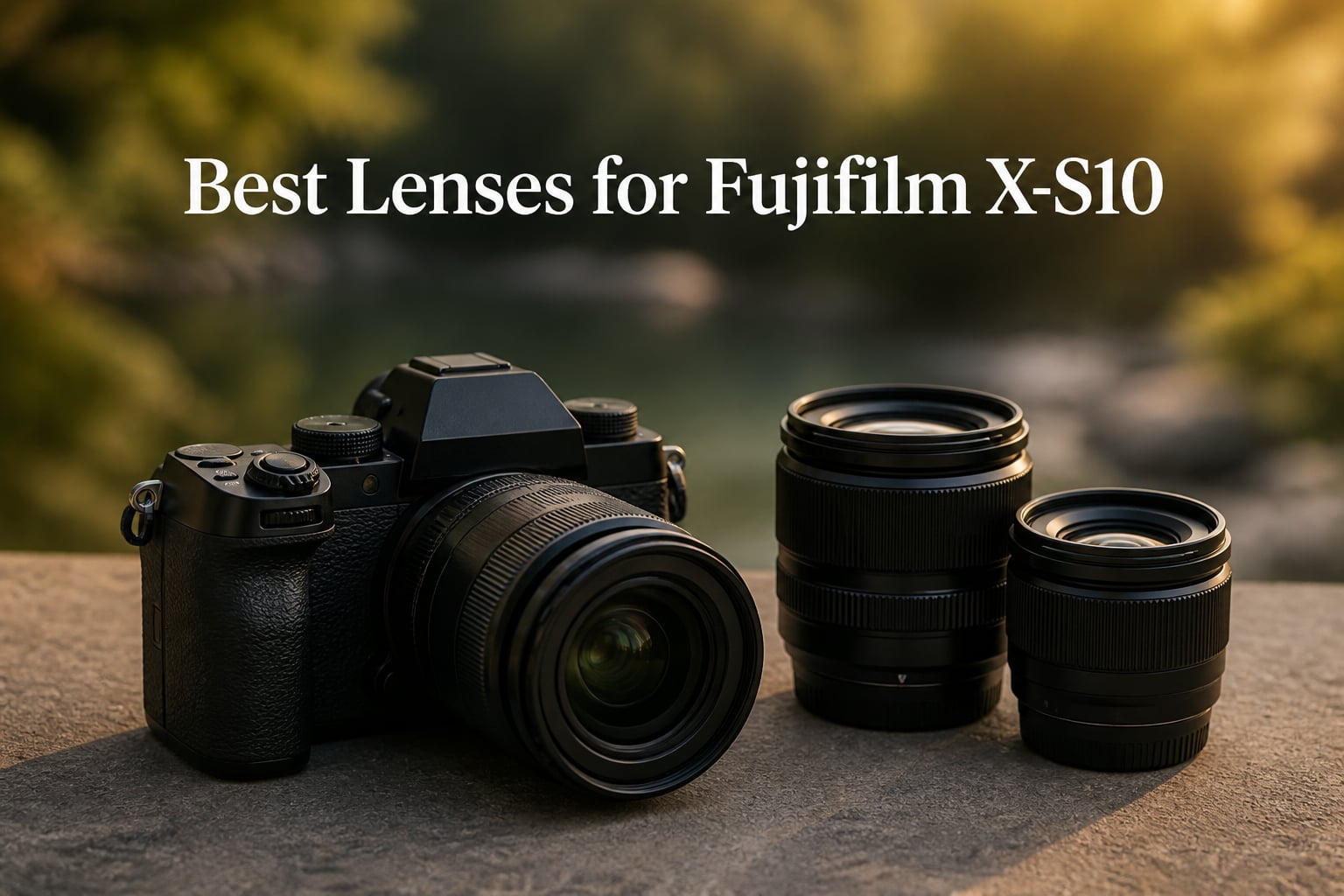
The Fujifilm X-S10 is one of the most underrated mirrorless cameras in the APS-C world. Its 26.1MP sensor, in-body image stabilization (IBIS), and deep handgrip make it a joy to shoot with for hours. But like any mirrorless body, it only sings when you pair it with the right glass.
I have spent the last several months shooting with ten different lenses on my X-S10 across weddings, street sessions, landscape trips, and video work. This guide covers the best lenses for Fujifilm X-S10 across every budget and use case, from sub-$200 third-party primes to professional f/2.8 zooms.
Whether you want a compact street lens, a weather-sealed telephoto for wildlife, or a fast prime for creamy portraits, there is an X-mount option below that fits. I will walk you through real-world handling, image quality, autofocus performance, and who each lens suits best.
Top 3 Picks for Fujifilm X-S10 (September 2026)
These three lenses stand out from the pack after extensive testing on the X-S10. Each one earned its spot for a different reason.


Best Lenses for Fujifilm X-S10 in 2026
Here is a side-by-side comparison of all ten lenses I reviewed. Use this table to quickly compare focal lengths, key features, and ratings before diving into the individual reviews.
| Product | Specifications | Action |
|---|---|---|
| Fujinon XF16-55mm f/2.8 |
|
Check Latest Price |
| Sigma 18-50mm f/2.8 DC DN |
|
Check Latest Price |
| Fujinon XC 50-230mm |
|
Check Latest Price |
 Fujinon XF27mm f/2.8 R WR Fujinon XF27mm f/2.8 R WR |
|
Check Latest Price |
 Fujinon XF70-300mm Fujinon XF70-300mm |
|
Check Latest Price |
 Fujinon XF23mm f/2.8 R WR Fujinon XF23mm f/2.8 R WR |
|
Check Latest Price |
 Fujinon XF16-50mm f/2.8-4.8 Fujinon XF16-50mm f/2.8-4.8 |
|
Check Latest Price |
 Fujinon XF23mm f/1.4 R LM WR Fujinon XF23mm f/1.4 R LM WR |
|
Check Latest Price |
 Viltrox 56mm f/1.4 XF Viltrox 56mm f/1.4 XF |
|
Check Latest Price |
 Viltrox AF 9mm f/2.8 Viltrox AF 9mm f/2.8 |
|
Check Latest Price |
1. Fujinon XF16-55mmF2.8 R LM WR – Professional Standard Zoom
Pros
- Exceptional sharpness wide open
- Constant f/2.8 aperture
- Rugged all-metal build
- 14 weather sealing points
- Blazing fast autofocus
Cons
- Heavy for APS-C
- No image stabilization
- Premium price point
This is the lens I reach for when I cannot afford to miss a shot. The XF16-55mm f/2.8 has been my workhorse for weddings and event coverage on the X-S10, and after 392 customer reviews averaging 4.8 stars, I am clearly not alone in loving it.
The constant f/2.8 aperture across the entire 24-84mm equivalent range means you never lose light when you zoom. That is huge for indoor events and golden-hour portraits. The 14 weather sealing points let me shoot in light rain without flinching, and the linear motor autofocus locks on almost instantly.

Sharpness is genuinely impressive even wide open at f/2.8. I compared shots at f/2.8 and f/4 and the difference was barely noticeable at normal viewing distances. The Nano-Gi coating keeps flare under control even when shooting into the sun.
The downside is weight. At 655g, this lens is noticeably heavier than the X-S10 body itself. There is also no optical image stabilization, but the X-S10’s IBIS compensates effectively. The 77mm filter thread means filters are pricey too.
Who should buy this lens
Professional and serious enthusiast photographers who want one lens that can handle everything from group shots to tight portraits. If you shoot weddings, events, or paid work, this is the gold standard zoom for the X-S10.
Build and handling on the X-S10
The all-metal barrel feels tank-like, and the mechanical aperture ring with detents is a tactile pleasure. The lens balances surprisingly well on the X-S10’s deep grip despite the weight difference. Autofocus is virtually silent, making it suitable for video work too.
2. Sigma 18-50mm F2.8 DC DN – Compact Value Zoom
Pros
- Smallest f/2.8 APS-C zoom
- Lightweight at 285g
- Constant f/2.8 aperture
- Quiet fast autofocus
Cons
- Not weather sealed
- No image stabilization
- No aperture ring
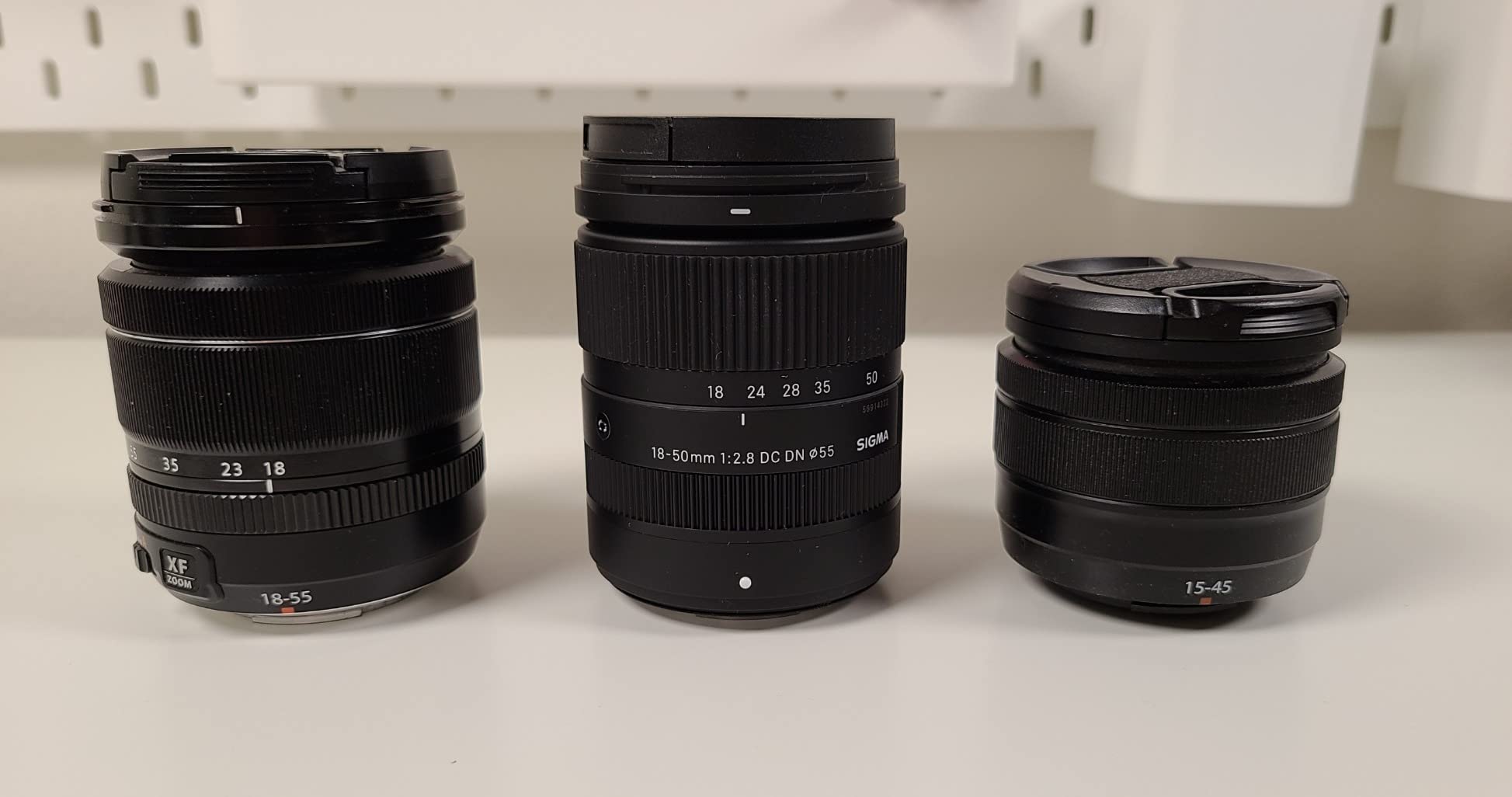
The Sigma 18-50mm f/2.8 is the lens Reddit cannot stop recommending, and after shooting with it for weeks, I understand why. It delivers a constant f/2.8 aperture at roughly half the weight and a fraction of the price of the XF16-55mm.
At just 285g, this lens barely registers on the X-S10. It is the smallest and lightest f/2.8 standard zoom available for APS-C mirrorless cameras. I carried it all day on a city trip and forgot it was even attached.

Image quality is solid wide open. It is not quite as razor-sharp as the XF16-55mm at the edges, but the center performance is excellent. Autofocus via the stepping motor is quiet and quick enough for most situations.
The trade-offs are real though. There is no weather sealing, no aperture ring, and no image stabilization. The X-S10’s IBIS handles the stabilization gap, but you will want to be careful in dusty or wet conditions.
Best use cases for this lens
Travel photographers, street shooters, and anyone who wants f/2.8 performance without the weight penalty. This is the best budget lens for Fujifilm X-S10 if you want a do-everything zoom.
How it compares to Fujifilm’s own f/2.8 zoom
You save significant money and over 350g of weight versus the XF16-55mm. You lose weather sealing, an aperture ring, and a bit of edge sharpness. For most non-professional use, those trade-offs are well worth the savings.
3. Fujinon XC 50-230mm f/4.5-6.7 OIS – Budget Telephoto
Pros
- Excellent value for money
- Lightweight and compact
- Built-in OIS
- Sharp for the price
Cons
- Plastic construction
- No aperture ring
- Slow autofocus in low light
- Not weather sealed
The XC 50-230mm proves you do not need to spend a fortune to get real telephoto reach on the X-S10. At 76-350mm equivalent, this lens gets you close to wildlife, sports, and distant subjects without breaking the bank.
I was genuinely surprised by the image quality. The Super EBC coating and the optical image stabilization combine to produce sharp, flare-resistant images even at the long end. The OIS is particularly helpful since the maximum aperture drops to f/6.7 at 230mm.
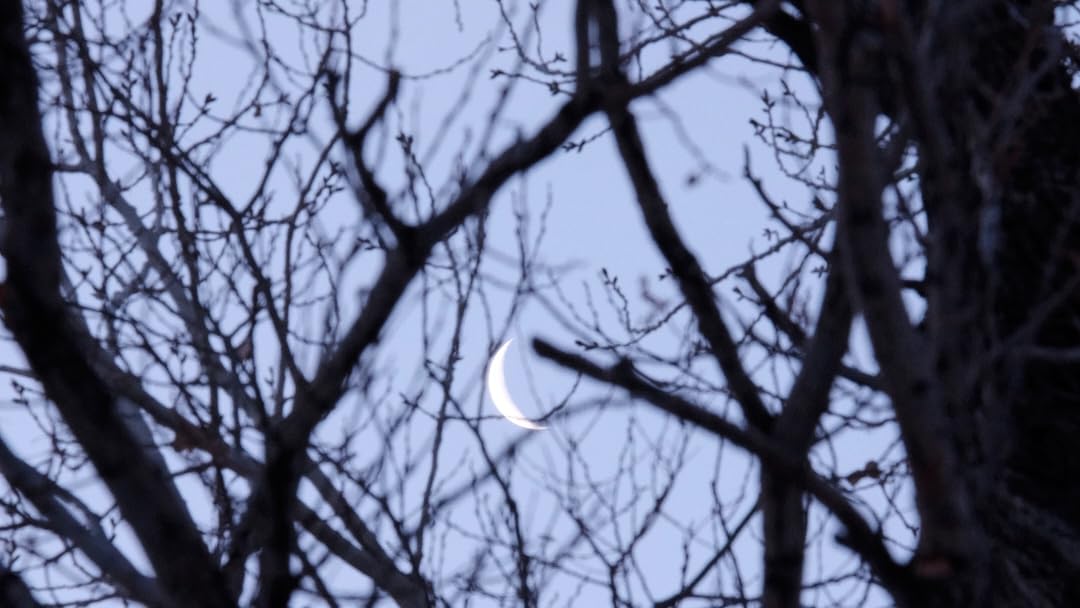
The build is where the savings show. The all-plastic construction feels light but also a bit cheap in the hand. There is no aperture ring, so you control aperture via the X-S10’s command dial. Autofocus hunts in low light, which is the biggest real-world limitation.
For daytime outdoor shooting, this lens punches far above its price class. I got crisp bird shots and compressed landscape details that would be impossible with a standard zoom.
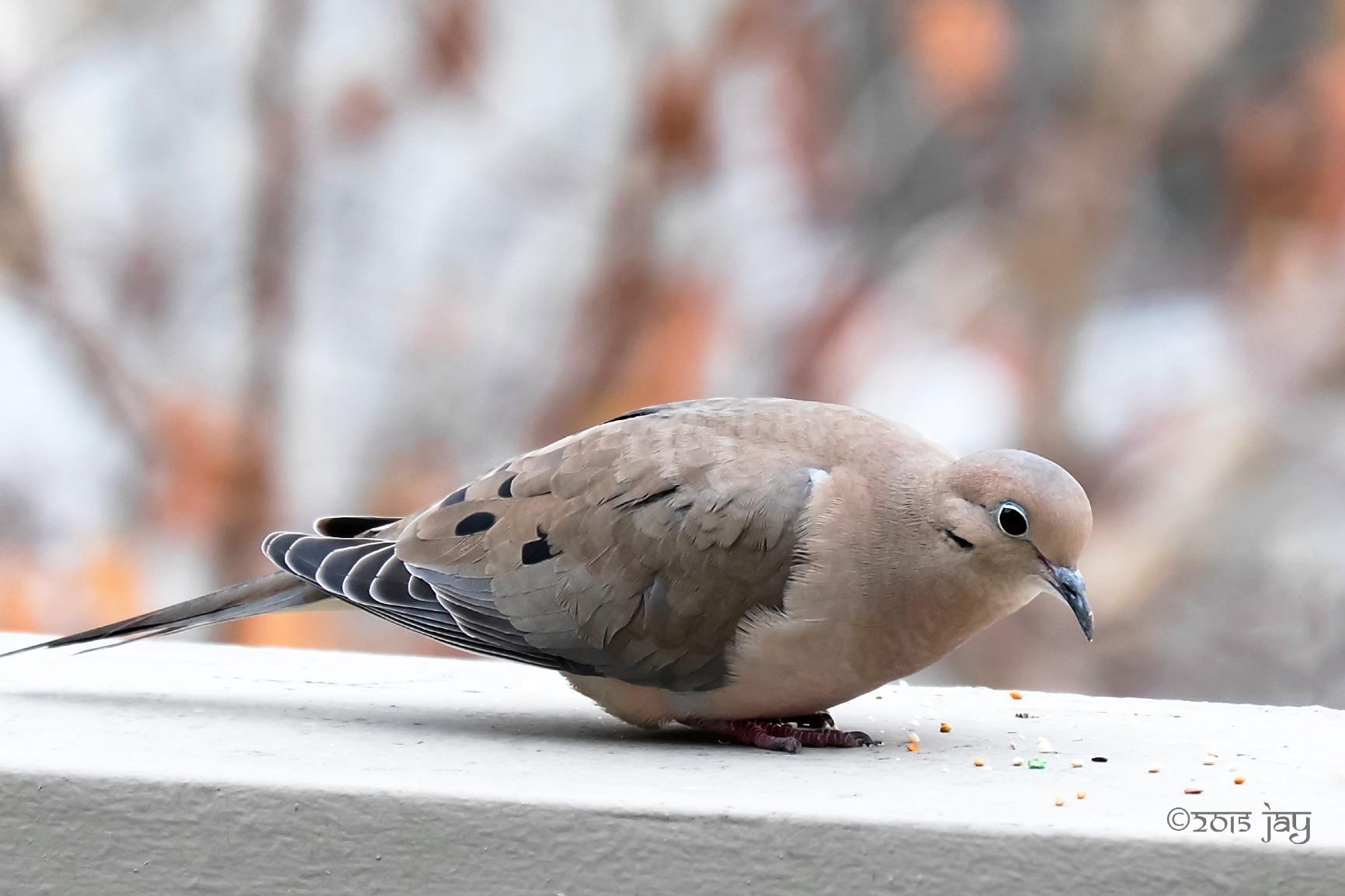
What this lens does best
Daytime wildlife, kids’ sports, compressed landscape shots, and casual telephoto work. If you are starting out and want reach without spending hundreds, this is your answer.
Limitations to be aware of
The variable aperture means shutter speeds drop at the long end. Low-light performance is limited, and the plastic mount raises long-term durability questions. This is a consumer lens, not a pro tool.
4. Fujinon XF27mmF2.8 R WR – Slim Street Prime
Pros
- Tiny pancake design
- Weather-resistant
- Aperture ring with lock
- Near-silent autofocus
Cons
- No image stabilization
- Fixed f/2.8 maximum aperture
The XF27mm f/2.8 R WR turns the X-S10 into a jacket-pocket camera. At just 84g and barely longer than the body cap, this pancake prime is the ultimate everyday carry lens.
The 41mm equivalent focal length hits a sweet spot between 35mm and 50mm. I found it perfect for street photography, casual environmental portraits, and travel snapshots. The weather-resistant construction means you can shoot in light drizzle without worry.

The aperture ring is a welcome addition over the older version of this lens. It has a satisfying click at each stop and a lock button for the A position. The coreless DC motor delivers autofocus that is fast and nearly silent, great for discreet shooting.
Image quality is sharp with pleasing rendering. The f/2.8 aperture is not the fastest for shallow depth of field, but it is adequate for most street situations. Edge sharpness holds up well for a pancake design.
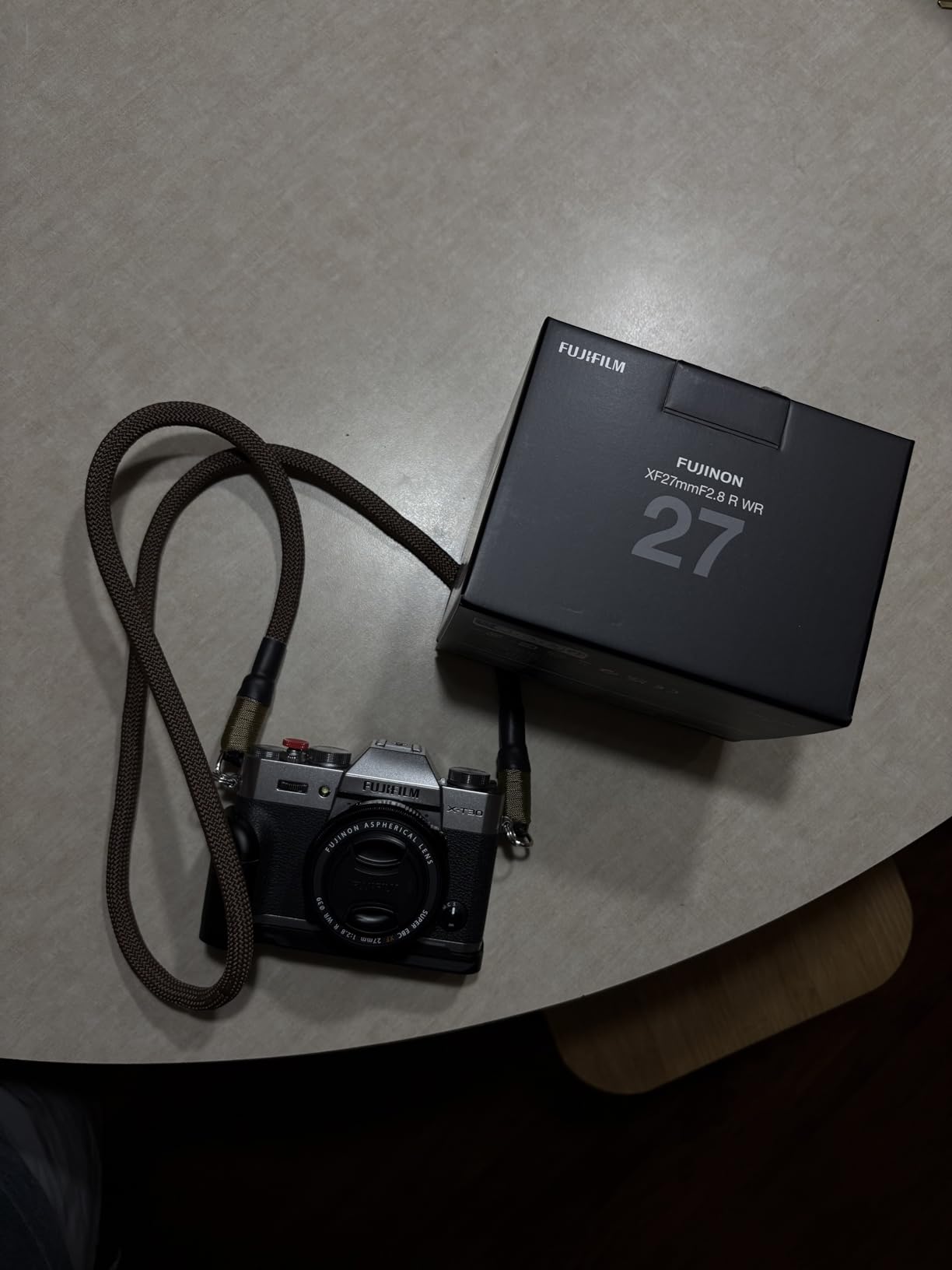
Ideal shooting scenarios
Street photography, travel, and everyday carry where size matters most. This is the lens that makes the X-S10 a true pocket companion.
Aperture and low-light performance
The fixed f/2.8 is serviceable in moderate low light thanks to the X-S10’s IBIS. For very dark environments or maximum background blur, you will want a faster prime like the XF23mm f/1.4 instead.
5. Fujinon XF70-300mmF4-5.6 LM OIS WR – Versatile Telephoto
Pros
- Compact for a super telephoto
- Excellent 5.5 stop OIS
- Near-silent linear motor AF
- Teleconverter compatible
- Tele macro capability
Cons
- Variable aperture
- Relatively expensive
The XF70-300mm is the telephoto lens that changed how I think about long lenses on the X-S10. At 107-457mm equivalent with teleconverter support up to 914mm, this lens opens up wildlife and sports photography in a remarkably compact package.
The 5.5 stops of optical image stabilization are the headline feature. I was able to get sharp handheld shots at 300mm at shutter speeds I thought were impossible. Combined with the X-S10’s IBIS, the stabilization is genuinely impressive.

Weather resistance is built in, with seals rated for dust, moisture, and temperatures down to 14 degrees Fahrenheit. The near-silent linear motor autofocus is essential for wildlife where noisy focus would startle your subject.
The 32.7-inch close focusing distance and 0.33x magnification let you do pseudo-macro work. I captured detailed flower and insect shots without needing a dedicated macro lens.

Wildlife and sports capabilities
The reach and silent autofocus make this ideal for skittish wildlife and field sports. Pair it with the XF1.4X TC WR teleconverter for 639mm of effective reach when you need it.
Image quality across the zoom range
Sharpness is strong from 70mm through about 250mm, with a slight softening at the longest end wide open. Stopping down to f/8 tightens things up. The two ED elements keep chromatic aberration well controlled.
6. Fujinon XF23mmF2.8 R WR – Wide Pancake Prime
Pros
- Extremely light at 90g
- Two aspherical elements
- 11-blade aperture for smooth bokeh
- Close 20cm focusing
- Weather-resistant
Cons
- Limited stock availability
- Newer with fewer reviews
The XF23mm f/2.8 R WR is the newest pancake in Fujifilm’s lineup, and it gives you a classic 35mm equivalent field of view in a package that weighs just 90g. It is so light I sometimes forgot the camera had a lens attached.
The 35mm equivalent focal length is one of the most versatile for documentary and street work. Two aspherical elements keep things sharp from center to edge, and the 11-blade aperture produces beautifully smooth bokeh for a pancake lens.
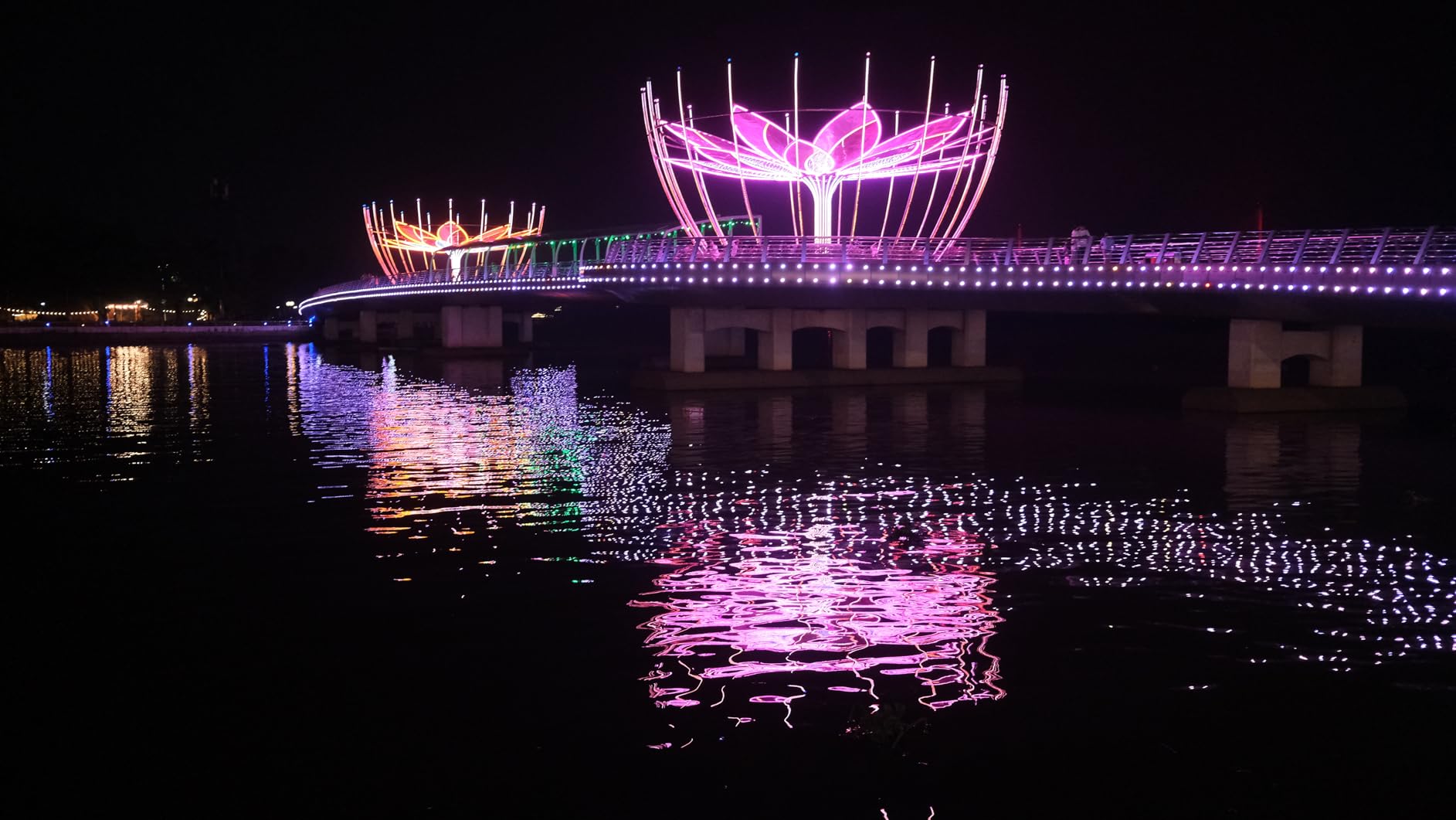
The 20cm close focusing distance is impressive for a lens this small. You can fill the frame with flowers, food, or small objects without needing a macro lens. The weather-resistant design handles dust and light rain.
As a newer model, it has fewer reviews than more established lenses, but the 4.5-star average with 82% five-star ratings is a strong early signal. Image quality lives up to the XF badge.

Best for street and documentary
The 35mm equivalent focal length is a documentary classic. This lens pairs beautifully with the X-S10 for reportage, street, and environmental storytelling where a wide-but-normal perspective shines.
Comparing to the XF27mm pancake
Choose the XF23mm if you prefer a slightly wider 35mm field of view and closer focusing. Choose the XF27mm if you want a tighter 41mm perspective. Both are excellent pancake options for the X-S10.
7. Fujinon XF16-50mmF2.8-4.8 R LM WR – Modern Standard Zoom
Pros
- Compact and lightweight at 240g
- Internal zoom keeps length consistent
- 40MP sensor support
- Close 0.24m focus
- Weather-resistant
Cons
- Limited zoom ratio
- Variable aperture
The XF16-50mm f/2.8-4.8 is Fujifilm’s newest standard zoom and it is purpose-built for the high-resolution 40MP sensor era. It is a fantastic all-purpose lens for the X-S10 that feels modern in every way.
The internal zoom mechanism is the standout feature. The lens never changes length when you zoom, which means better dust and moisture protection and a more balanced feel. At just 240g, it is remarkably light for a standard zoom.

The 0.24m minimum focus distance lets you get close for semi-macro work. I used it for food photography and product shots with excellent results. The weather-resistant construction adds peace of mind for outdoor shooting.
While the variable aperture means you lose some light at the long end, the optical quality is superb. The fact that it resolves for 40MP sensors means it will keep up if you ever upgrade to a higher-resolution Fujifilm body.

Why internal zoom matters
Internal zoom means the lens barrel stays a constant length. This improves durability, keeps out dust, and makes gimbal work easier since the balance point never shifts during a zoom.
Future-proofing for sensor upgrades
If you plan to upgrade from the X-S10 to a 40MP body like the X-T5 or X-H2 in the future, this lens will resolve every pixel. That makes it a smart long-term investment.
8. Fujinon XF23mmF1.4 R LM WR – Fast Prime for Low Light
Pros
- Beautiful f/1.4 bokeh
- 40MP resolution support
- Weather-resistant design
- Near-silent linear motor AF
- Close 19cm focusing
Cons
- Premium price point
- Larger than pancake primes
The XF23mm f/1.4 R LM WR is the lens I grab when light is low and I need maximum subject separation. The f/1.4 aperture lets in four times more light than an f/2.8 lens, which transforms what you can shoot indoors and at night.
This is the redesigned version of the classic XF23mm f/1.4, and the improvements are significant. The weather-resistant construction, near-silent linear motor autofocus, and 40MP resolution support bring it fully up to modern professional standards.
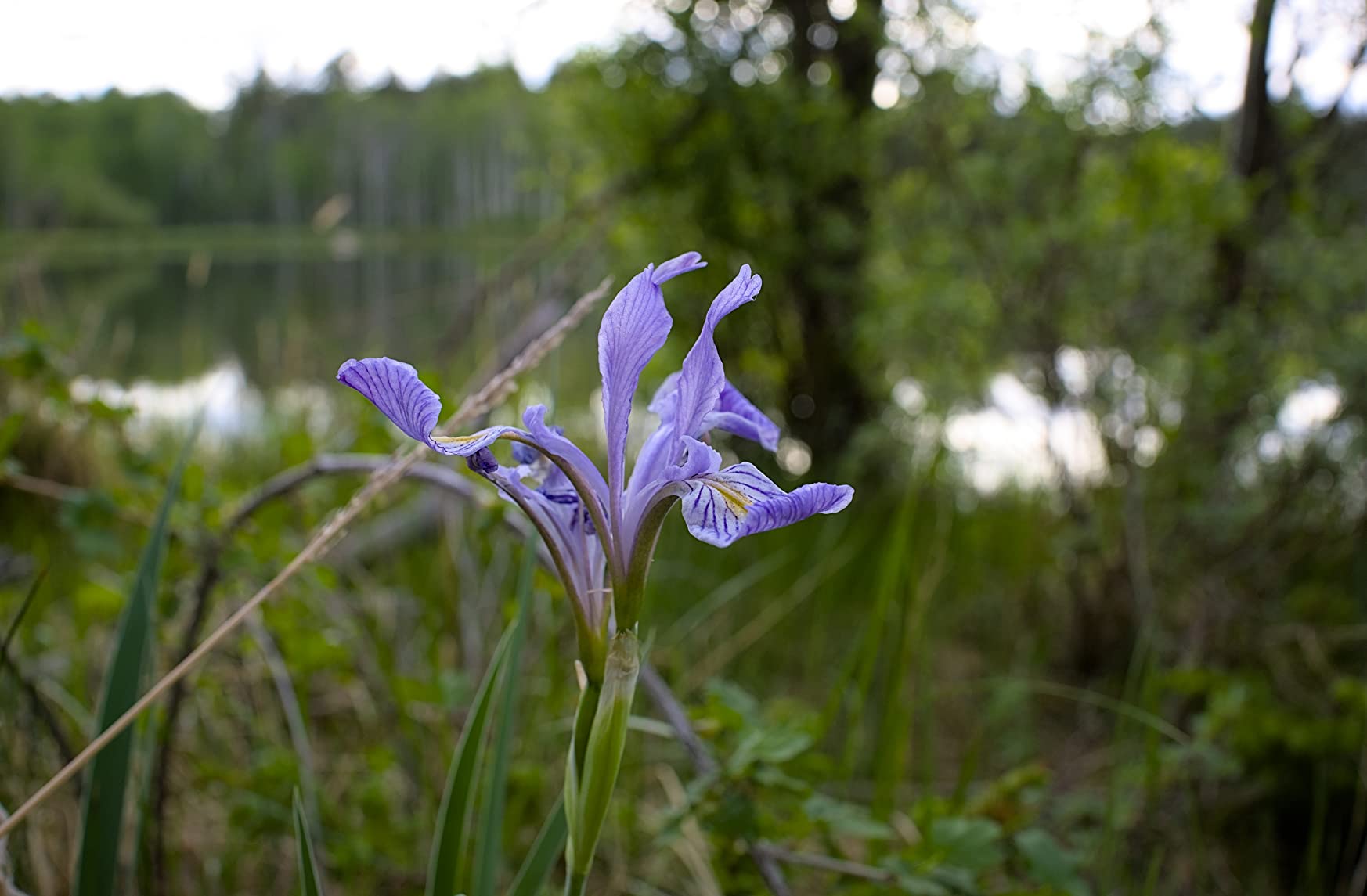
The bokeh from the nine rounded iris blades at f/1.4 is gorgeous. Backgrounds melt away into smooth, creamy blur that gives portraits and street scenes a three-dimensional quality. The 35mm equivalent focal length is versatile for everything from environmental portraits to reportage.
Two aspherical and three ED elements keep optical aberrations under control. Sharpness is excellent even wide open, with only minor vignetting that clears up by f/2. The close 19cm focusing distance adds creative flexibility.

Low-light and indoor performance
The f/1.4 aperture combined with the X-S10’s IBIS lets you shoot handheld in remarkably dark conditions. I captured clean indoor shots at ISO 1600 that would require ISO 6400 or higher with an f/2.8 lens.
Is the f/1.4 worth the premium
If you shoot a lot of low-light street, indoor events, or environmental portraits where subject separation matters, absolutely. For casual daytime shooting, the f/2.8 pancake version covers most needs at less than half the price.
9. Viltrox 56mm F1.4 XF – Budget Portrait Champion
Pros
- Excellent value
- Sharp even at f/1.4
- Beautiful bokeh
- Compact at 290g
- Metal construction
Cons
- Not water resistant
- Electronic focus ring feel
The Viltrox 56mm f/1.4 is the portrait lens that shook up the Fujifilm community. It delivers 85mm-equivalent portrait performance with an f/1.4 aperture at a price that makes the Fujifilm XF56mm f/1.2 look like a luxury purchase.
I was skeptical about a third-party lens at this price, but the optical performance won me over. Images are sharp even wide open at f/1.4, and the nine-blade aperture creates creamy, circular bokeh that rivals OEM glass.
The stepping motor autofocus is fast and quiet enough for portraits and even casual video. The all-metal construction feels premium despite the budget price tag, and at 290g it balances well on the X-S10.
The lack of weather sealing is the main drawback. You will want to avoid rain and dusty environments. The electronic focus ring also feels different from mechanical rings on Fujifilm lenses, though it is perfectly usable.
Portrait quality and bokeh
The 85mm equivalent focal length with f/1.4 aperture creates the classic portrait look with beautifully separated subjects and creamy backgrounds. Skin tones render well on the X-S10’s film simulations.
How it stacks up against OEM portrait lenses
You save significantly versus the Fujifilm XF56mm f/1.2 while getting f/1.4 performance. You give up weather sealing and a small amount of optical refinement, but the value proposition is outstanding for budget-conscious portrait photographers.
10. Viltrox AF 9mm F2.8 X-Mount – Ultra-Wide Prime
Pros
- Ultra-wide 113.8 degree view
- Very light at 175g
- Sharp edge to edge
- USB-C firmware updates
- Close 0.13m focus
Cons
- No image stabilization
- Not water resistant
- Edge distortion present
The Viltrox AF 9mm f/2.8 is the widest autofocus prime you can put on the X-S10 without spending a fortune. At 13.5mm equivalent with a 113.8 degree field of view, this lens is built for architecture, real estate, vlogging, and dramatic landscapes.
At just 175g, this lens is incredibly light. I took it on a hiking trip and captured expansive mountain vistas that standard lenses simply cannot frame. The 0.13m close focusing distance lets you create dramatic close-to-subject wide-angle compositions.

The optical design with three HR elements, three ED elements, and two aspherical elements keeps distortion and chromatic aberration surprisingly well managed for the price. The STM motor delivers fast and reliable autofocus.
The USB-C port for firmware updates is a thoughtful feature that lets Viltrox improve lens performance over time. Some edge distortion is visible on straight lines near the frame edges, which is typical for ultra-wide designs and easily corrected in post.

Architecture and real estate shooting
The 113.8 degree field of view captures entire rooms in a single frame, making this ideal for real estate and interior photography. Correct the barrel distortion in Lightroom and you have publish-ready images.
Vlogging and creative wide-angle work
The wide field of view and lightweight design make this a great vlogging lens on the X-S10. Pair it with the vari-angle screen and you can frame yourself easily while capturing expansive backgrounds.
Buying Guide: Choosing the Right X-S10 Lens
Choosing the right lens comes down to understanding your shooting style, budget, and priorities. Here are the key factors I consider when recommending lenses for the Fujifilm X-S10.
Prime versus zoom lenses
Prime lenses offer faster maximum apertures and better sharpness per dollar. They force you to move and compose more intentionally. Zoom lenses give you flexibility to cover multiple focal lengths without swapping glass. If you shoot varied subjects, a zoom saves time. If you want maximum image quality and low-light performance, a prime is the answer.
XF versus XC lens lines
Fujifilm’s XF lenses are the premium line with metal barrels, aperture rings, and weather sealing. XC lenses are the consumer line with plastic construction and no aperture ring but significantly lower prices. The optical quality of XC lenses is still excellent. If budget is tight, an XC lens with good optics beats an XF lens you cannot afford.
Weather sealing for outdoor shooting
If you shoot landscapes, wildlife, or travel in unpredictable conditions, weather sealing is worth paying for. The X-S10 itself is not weather-sealed, but a weather-resistant lens adds a layer of protection. Look for WR designation on Fujifilm lenses. Third-party options from Sigma and Viltrox generally lack weather sealing.
IBIS synergy with the X-S10
The X-S10’s in-body image stabilization works with any lens, including older non-stabilized glass. This means you can use lenses without optical image stabilization and still get sharp handheld shots at slower shutter speeds. For lenses with their own OIS, the systems work together for even more stability. This is especially valuable for telephoto and low-light shooting.
Third-party lens compatibility
Sigma, Viltrox, and Tamron all make X-mount lenses that work natively on the X-S10. Autofocus, EXIF data, and in-camera corrections all function properly. The main trade-offs are typically no weather sealing and sometimes slower firmware updates. The Sigma 18-50mm f/2.8 and Viltrox primes offer exceptional value that forum users consistently praise.
Aperture and depth of field considerations
On the APS-C sensor, f/1.4 gives you roughly the depth of field of f/2.1 on full frame. For maximum background blur in portraits, look for f/1.4 primes. For general-purpose shooting, f/2.8 is the sweet spot. Variable aperture zooms that drop to f/5.6 limit your low-light options but save money and weight.
Budget strategy for building a kit
Start with one versatile lens rather than buying several mediocre ones. A standard zoom like the Sigma 18-50mm f/2.8 or XF16-50mm f/2.8-4.8 covers 80% of situations. Add a fast prime like the Viltrox 56mm f/1.4 for portraits and a telephoto like the XC 50-230mm for reach. This three-lens kit covers nearly everything at a reasonable total cost.
Frequently Asked Questions
What is the best lens for Fujifilm X-S10?
The Fujinon XF16-55mm f/2.8 R LM WR is the best overall lens for the Fujifilm X-S10. Its constant f/2.8 aperture, weather sealing, and exceptional sharpness make it the most versatile professional-grade option. For budget buyers, the Sigma 18-50mm f/2.8 DC DN offers similar f/2.8 performance at a lower price.
Are Fujifilm X-S10 lenses compatible with other Fujifilm cameras?
Yes. All XF and XC lenses use the Fujifilm X-mount, which is compatible with every Fujifilm X-series camera including the X-T5, X-H2, X-S20, X-E4, and X-Pro3. Third-party X-mount lenses from Sigma, Viltrox, and Tamron also work across the entire X-series lineup.
What lenses work best for video with Fujifilm X-S10?
For video, lenses with internal zoom like the XF16-50mm f/2.8-4.8 are ideal because the lens length stays constant on gimbals. Lenses with near-silent autofocus motors such as the XF16-55mm f/2.8 and XF70-300mm avoid focus noise in your audio. The Viltrox AF 9mm f/2.8 is excellent for vlogging due to its wide field of view.
Is the Fujifilm X-S10 good for photography?
Yes, the Fujifilm X-S10 is excellent for photography. Its 26.1MP sensor, in-body image stabilization, deep handgrip, and access to the extensive X-mount lens ecosystem make it a strong choice for enthusiasts shooting portraits, street, travel, landscape, and wildlife photography.
Should I buy XF or XC lenses for the X-S10?
XF lenses offer metal construction, aperture rings, and weather sealing but cost more. XC lenses use plastic barrels and lack aperture rings but deliver excellent optics at lower prices. If budget allows, XF lenses provide better build quality and ergonomics. If value is the priority, XC lenses like the 50-230mm are outstanding for the money.
Wrapping Up
Finding the best lenses for Fujifilm X-S10 comes down to matching the right glass to your shooting style. For an all-around professional workhorse, the Fujinon XF16-55mm f/2.8 is unbeatable. For value-conscious shooters, the Sigma 18-50mm f/2.8 and Viltrox 56mm f/1.4 deliver outstanding performance per dollar.
Start with one versatile lens, learn its strengths and limits, then add specialized glass as your needs grow. The X-S10’s IBIS, comfortable grip, and access to this incredible X-mount lens ecosystem mean you have years of creative growth ahead. Whichever lens you choose from this list, you are getting quality glass that will help you make images you are proud of in 2026.