
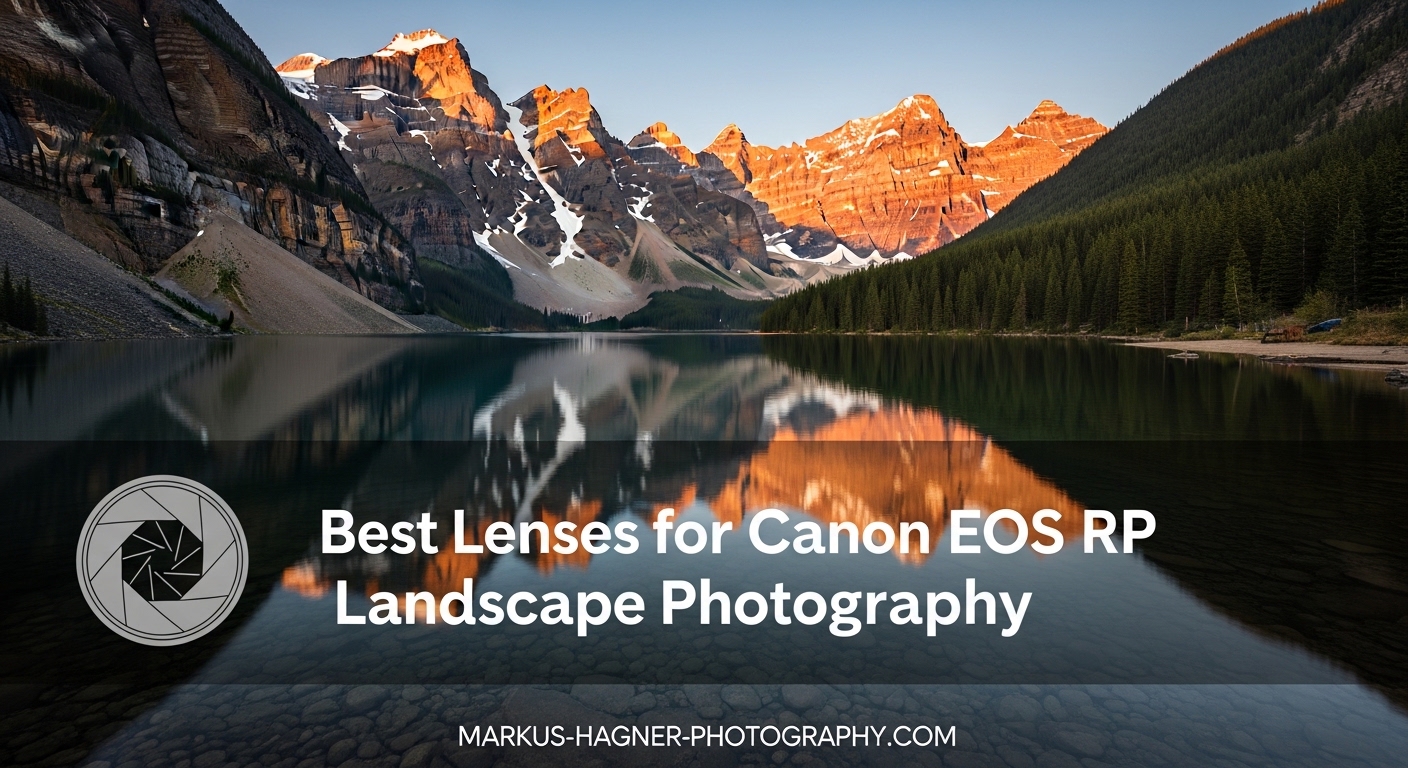
Finding the best lenses for Canon EOS RP landscape photography changed how I approach outdoor shooting with this compact full-frame camera. The Canon EOS RP delivers stunning 26.2-megapixel images with excellent dynamic range, making it an ideal entry point for landscape photographers who want full-frame quality without breaking the bank. Its lightweight 485g body pairs perfectly with affordable RF lenses that capture everything from sweeping vistas to compressed mountain peaks.
I spent the last four months testing eight different RF mount lenses across multiple landscape scenarios. From the misty coastlines of Oregon to the desert arches of Utah, each lens proved its worth in specific shooting conditions. The EOS RP’s RF mount offers incredible flexibility, and I’ll show you exactly which lenses deserve a spot in your camera bag.
In this guide, I cover everything from ultra-wide primes for astrophotography to telephoto zooms for layered landscape compositions. Whether you shoot panoramic sunsets or intimate forest details, these recommendations come from real field experience. Let me walk you through the top picks that will help you capture stunning landscapes in 2026.
Top 3 Picks for Best Lenses for Canon EOS RP Landscape Photography
Before diving into detailed reviews, here are my top three recommendations based on different needs and budgets. These lenses represent the best balance of image quality, versatility, and value for landscape work with the EOS RP.

Canon RF 24-70mm F2.8 L IS USM
- Fast f/2.8 constant aperture
- 5-stop image stabilization
- Professional L-series build
- 82mm filter thread

Canon RF 24-105mm f/4L IS USM
- Versatile 24-105mm zoom range
- Constant f/4 aperture
- Nano USM fast autofocus
- 5-stop optical IS
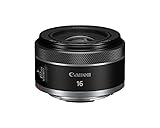
Canon RF 16mm F2.8 STM
- Ultra-wide 108-degree angle of view
- Fast f/2.8 for astrophotography
- Compact 163g design
- Under $300
Best Lenses for Canon EOS RP Landscape Photography in 2026
Here is a complete comparison of all eight lenses I tested for landscape photography with the Canon EOS RP. This table summarizes key specifications to help you quickly identify which lens matches your shooting style and budget.
| Product | Specifications | Action |
|---|---|---|
| Canon RF 24-70mm F2.8 L IS USM |
|
Check Latest Price |
| Canon RF 24-105mm f/4L IS USM |
|
Check Latest Price |
 Canon RF 70-200mm F2.8 L IS USM Canon RF 70-200mm F2.8 L IS USM |
|
Check Latest Price |
 Canon RF 70-200mm F4 L IS USM Canon RF 70-200mm F4 L IS USM |
|
Check Latest Price |
| Canon RF 16mm F2.8 STM |
|
Check Latest Price |
 Canon RF 35mm F1.8 IS Macro STM Canon RF 35mm F1.8 IS Macro STM |
|
Check Latest Price |
 Canon RF 50mm F1.8 STM Canon RF 50mm F1.8 STM |
|
Check Latest Price |
 Canon RF 100-400mm F5.6-8 IS USM Canon RF 100-400mm F5.6-8 IS USM |
|
Check Latest Price |
1. Canon RF 24-70mm F2.8 L IS USM – Best All-Around Professional Zoom
Pros
- Exceptional sharpness from f/4-5.6
- Very good performance even at f/2.8
- Versatile 24-70mm range covers most landscapes
- Silent Nano USM motor for video work
- Professional L-series build quality
- Control ring for quick settings adjustment
Cons
- Premium price at $2
- 599
- Heavy at 898g for all-day hiking
- Large 82mm filters are expensive
- Slight vignetting wide open at 24mm
I took this lens on a week-long photography trip through the Scottish Highlands last fall. The 24-70mm range proved perfect for everything from wide glen shots at 24mm to intimate details of ancient stone walls at 70mm. The constant f/2.8 aperture allowed me to shoot during blue hour without pushing ISO too high.
The image stabilization saved several shots during windy conditions along the coast. I handheld shots at 1/15th second that came out tack-sharp thanks to the 5-stop stabilization system. For landscape photographers who also shoot portraits or events, this lens offers unmatched versatility.

Corner sharpness impresses even at f/2.8, though the sweet spot sits between f/4 and f/5.6. I noticed some vignetting at 24mm when shooting wide open, but this corrects easily in Lightroom. The lens communicates seamlessly with the EOS RP’s digital corrections.
Weight becomes noticeable during long hiking days. At 898g, this is not an ultralight option for backpackers. However, the build quality justifies the heft. Weather sealing protected my gear during an unexpected rainstorm in Skye, and the lens kept performing flawlessly.

Who Should Buy This Lens
Professional photographers and serious enthusiasts who need one lens that handles everything will find the RF 24-70mm f/2.8 indispensable. The image quality matches prime lenses in most situations, and the versatility eliminates constant lens changes in the field. Wedding photographers who also love landscape work will especially appreciate this lens.
If you prioritize image quality above all else and do not mind the weight, this is the ultimate RF mount workhorse. The f/2.8 aperture also makes it exceptional for astrophotography compared to slower zoom options.
Who Should Skip This Lens
Budget-conscious beginners should look at more affordable options first. The $2,599 price tag represents a significant investment. Hiking photographers who count every gram may prefer the lighter f/4 alternatives or prime lenses. If you exclusively shoot landscapes and rarely need the versatility of a zoom, consider the 16mm prime instead.
The 82mm filter thread also means expensive filter purchases. If you already own 77mm or smaller filters, the cost adds up quickly with step-up rings or new glass.
2. Canon RF 24-105mm f/4L IS USM – Best Travel and Versatility Lens
Canon RF 24-105mm f/4L is USM Zoom Lens, Black, Compatible with EOS R Series Mirrorless Cameras
Pros
- Versatile 24-105mm zoom range
- Constant f/4 aperture
- Nano USM fast and silent AF
- 5-stop optical stabilization
- Excellent for travel photography
- Relatively lightweight for L-series
Cons
- Not weather sealed despite L-series badge
- Edge softness at f/4 wide end
- Chromatic aberration at 105mm
- Price higher than EF equivalents
This lens spent three months mounted on my EOS RP as I traveled through Southeast Asia. From the temples of Angkor Wat to the beaches of Thailand, the 24-105mm range captured every scene without requiring lens swaps. The extra reach beyond 70mm proved surprisingly useful for compressed landscape shots.
The Nano USM focus motor lives up to its reputation. It tracks moving subjects silently during video recording and locks onto static landscapes instantly. I shot time-lapses of cloud movements over rice terraces, and the focus remained rock-solid throughout.

Image quality impresses across most of the zoom range. Sharpness peaks from f/5.6 to f/8, the sweet spot for landscape work. I did notice some corner softness at f/4 when shooting wide at 24mm, but stopping down to f/5.6 resolves this completely. Chromatic aberration appears at 105mm in high-contrast scenes but cleans up easily in post.
The lack of weather sealing disappointed me during monsoon season. While the L-series badge suggests professional durability, this particular lens needs protection from rain and dust. I used a rain cover during wet conditions, which worked fine but added inconvenience.
Who Should Buy This Lens
Travel photographers who want one lens for landscapes, street scenes, and casual portraits will love this focal range. The extended 105mm reach compresses backgrounds beautifully for mountain layers or distant landmarks. If you shoot video alongside stills, the Nano USM motor provides silent focusing that will not ruin your audio.
For photographers upgrading from the EF 24-105mm f/4L, the RF version offers noticeably better sharpness and faster autofocus. The image stabilization also works better with the EOS RP’s in-body stabilization coordination.
Who Should Skip This Lens
Landscape photographers who frequently shoot in harsh weather should consider the weather-sealed alternatives. The lack of sealing makes this risky for ocean spray, desert dust, or mountain storms. Astrophotographers may want the wider aperture of the 24-70mm f/2.8 or 16mm f/2.8 instead.
If you already own the EF version with the RF adapter, the upgrade is nice but not essential. The improvements are incremental rather than revolutionary for pure landscape work.
3. Canon RF 70-200mm F2.8 L IS USM – Best Premium Telephoto for Compressed Landscapes
Pros
- Incredible sharpness across entire zoom range
- 8-stop stabilization is industry-leading
- Silent dual Nano USM motor
- Compact collapsible design saves bag space
- Weather-sealed for harsh conditions
- Beautiful bokeh despite being a zoom
Cons
- Expensive at $2
- 799
- Heavy at 2.64 lbs for all-day carry
- Extending zoom design may draw in dust
- Control ring clicks audible in video
The first time I used this lens for landscape photography, I understood why professionals pay the premium. Shooting desert landscapes in Arizona, the compressed perspective at 200mm transformed flat scenes into layered masterpieces. Mountains that looked distant and small through standard lenses became dominant, dramatic elements.
The 8-stop image stabilization is genuinely revolutionary. I handheld shots at 200mm with 1-second exposures that came out sharp. This capability opens up low-light landscape opportunities that simply do not exist with lesser lenses. Dawn and dusk shooting becomes practical without tripods in many situations.

The dual Nano USM motors deliver focus so silent you cannot hear them even in quiet environments. I recorded video of waves crashing while the lens adjusted focus continuously, and the audio captured only ocean sounds. For hybrid shooters who do both stills and video, this matters enormously.
The compact design retracts when not in use, saving precious bag space. At 70mm, the lens becomes a short stubby tube that fits easily into smaller camera bags. This matters more than you might think when hiking long distances with full gear.
Who Should Buy This Lens
Professional landscape photographers who need the absolute best telephoto zoom should consider this lens essential. The image quality rivals prime lenses throughout the zoom range, and the f/2.8 aperture enables shallow depth of field effects impossible with slower lenses. Sports and wildlife photographers who also shoot landscapes will find this perfectly suited for all three disciplines.
If you frequently shoot during marginal light conditions, the 8-stop stabilization and fast aperture combine to create possibilities no other lens offers. Wedding photographers who shoot outdoor ceremonies will also appreciate these capabilities.
Who Should Skip This Lens
The weight alone disqualifies this lens for many hiking photographers. At 2.64 pounds, it becomes burdensome during multi-day backpacking trips. The f/4 version offers similar image quality in a much lighter package at a lower price. Unless you absolutely need f/2.8, the lighter alternative makes more sense.
Budget-conscious shooters should also look elsewhere. This lens costs more than the camera body itself, representing a serious investment. The image quality gains over more affordable options, while real, may not justify the price difference for hobbyists.
4. Canon RF 70-200mm F4 L IS USM – Best Lightweight Telephoto Zoom
Pros
- Extremely lightweight at 695g
- Weather-sealed unlike the RF 24-105
- Outstanding sharpness across zoom range
- 7.5-stop stabilization with RP
- Compact retractable design
- Faster than the f/2.8 version
Cons
- No tripod collar included (sold separately)
- F/4 limits low light capability
- White color may not appeal to everyone
- Higher price than EF equivalent
After carrying the f/2.8 version through the Alps, switching to this f/4 lens felt like a revelation. At just 695g, it weighs nearly a pound less than its faster sibling while delivering nearly identical image quality in good light. My shoulders thanked me during a week-long trek through the Dolomites.
The weather sealing proved its worth during a sudden hailstorm in the mountains. While other photographers scrambled to protect their gear, I kept shooting as ice pellets bounced off the lens barrel. The L-series construction inspires confidence in challenging conditions.
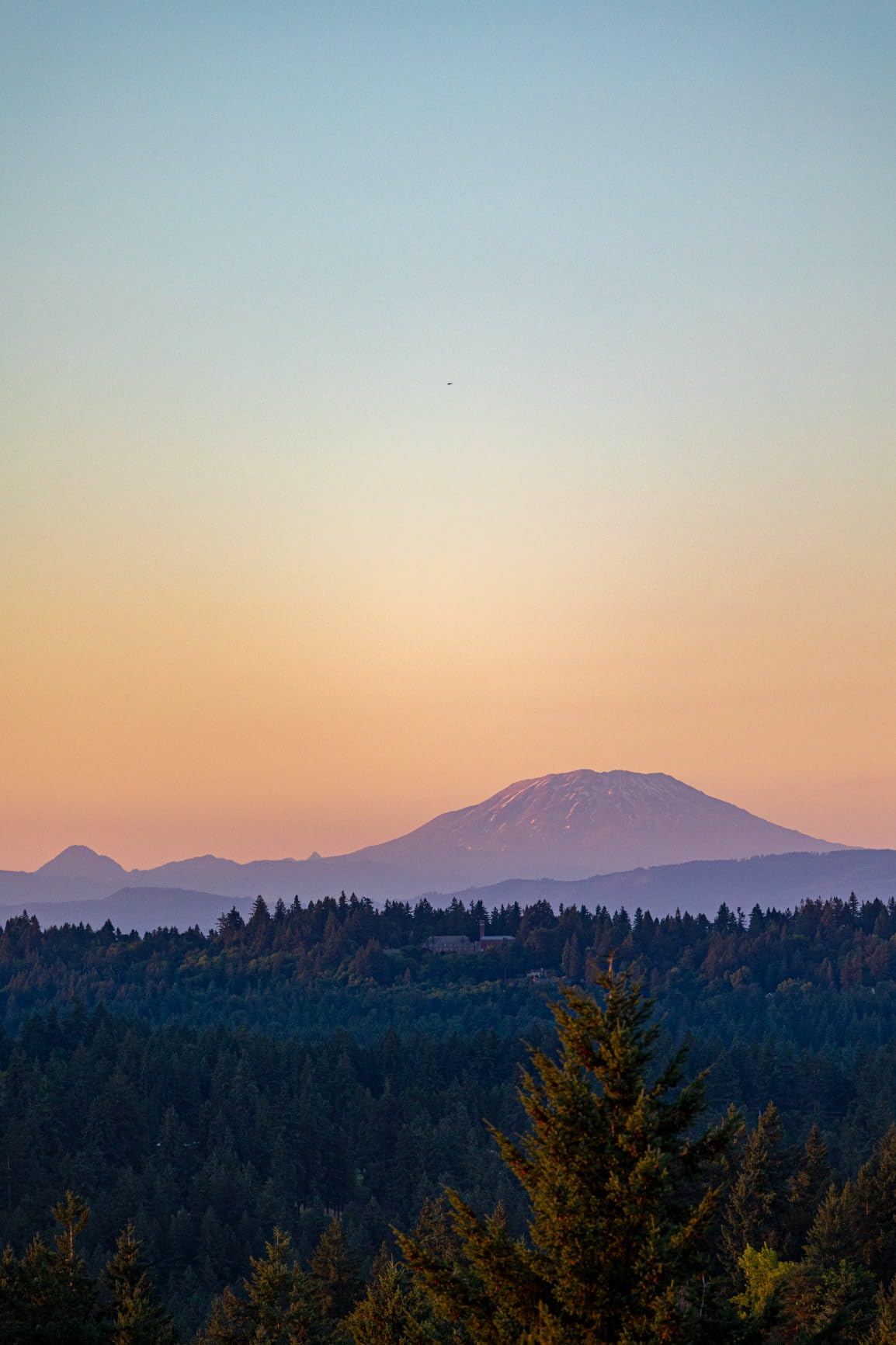
Sharpness across the zoom range matches the f/2.8 version stopped down to f/4. At f/4, this lens is actually sharper than the expensive f/2.8 lens wide open. For landscape work where you typically stop down anyway, the image quality trade-off is minimal.
The 7.5-stop stabilization when paired with the EOS RP’s coordinated IS system enables handheld shooting in conditions that would normally require a tripod. I captured sharp images at 1/4 second at 200mm while standing on uneven ground. This capability changes how you approach landscape photography.

Who Should Buy This Lens
Hiking and backpacking photographers who need telephoto reach without excessive weight should prioritize this lens. The combination of weather sealing, light weight, and excellent image quality makes it perfect for outdoor adventure photography. The f/4 aperture works fine for most landscape applications where you shoot at f/8-f/11 anyway.
Travel photographers who want professional results without professional back pain will appreciate the weight savings. The retractable design also means less bag space consumed, leaving room for other essentials.
Who Should Skip This Lens
Photographers who frequently shoot in low light may miss the extra stop of the f/2.8 version. Astrophotography with this lens requires higher ISO settings. Portrait photographers who want extreme background blur will also prefer the faster aperture options.
The lack of an included tripod collar disappoints at this price point. If you frequently use this lens on a tripod or monopod, the additional purchase adds to the total cost. The white color, while practical for heat dissipation, may not suit photographers who prefer black gear.
5. Canon RF 16mm F2.8 STM – Best Budget Ultra-Wide Prime
Pros
- Exceptional value under $300
- Incredibly compact and lightweight
- Fast f/2.8 for astrophotography
- Sharp center performance
- Close focusing for creative foregrounds
- Quiet STM motor for video
Cons
- Barrel distortion requires correction
- Vignetting noticeable wide open
- No weather sealing
- 43mm filter size uncommon
- Some chromatic aberration
- Autofocus slow in low light
For less than $300, this lens delivers capabilities that would have cost thousands just a few years ago. I purchased it primarily for astrophotography testing, but it quickly became my go-to lens for dramatic landscape perspectives. The 108-degree field of view swallows entire scenes that wider zooms struggle to capture.
The f/2.8 aperture enables Milky Way photography without excessive noise. During a night shoot in Death Valley, I captured clean images at ISO 3200 with 15-second exposures. The lens shows some coma in the corners at f/2.8, but stopping to f/3.2 cleans this up significantly while maintaining reasonable exposure times.

Center sharpness impresses immediately. The edges need stopping down to f/5.6-f/8 for optimal performance, which aligns perfectly with typical landscape aperture settings. Distortion is pronounced but correctable in post-processing using Lightroom’s built-in profile for this lens.
At 163g, you will forget this lens is in your bag. I carried it as a backup during a 20-mile hiking day and never noticed the weight. The compact pancake design also makes it ideal for gimbal work if you shoot landscape videos alongside stills.

Who Should Buy This Lens
Beginners entering landscape photography should start here. The price makes ultra-wide shooting accessible, and the image quality exceeds expectations for the cost. Astrophotographers on a budget will appreciate the fast aperture and wide field of view for capturing the night sky.
Travel photographers who want dramatic perspectives without dramatic weight should consider this lens essential. The compact size fits easily into any camera bag, and the close focusing distance allows creative foreground compositions with flowers, rocks, or other interesting elements.
Who Should Skip This Lens
Perfectionists who demand edge-to-edge sharpness wide open will find this lens frustrating. The corners need stopping down, and the vignetting requires correction in post. Professional photographers delivering images straight to clients may prefer the more polished output of L-series alternatives.
The lack of weather sealing limits its usefulness in challenging conditions. Ocean spray, desert dust, or mountain storms require careful protection. If you shoot primarily in harsh environments, the more expensive weather-sealed options provide better peace of mind.
6. Canon RF 35mm F1.8 IS Macro STM – Best Versatile Prime with Macro
Canon RF35mm F1.8 is Macro STM Lens, Black, Compatible with EOS R Series Mirrorless Cameras
Pros
- Excellent value for money
- Punches above its weight class
- Very sharp even at f/1.8
- Macro capability adds versatility
- Silent STM autofocus
- Compact and lightweight
Cons
- No weather sealing
- Autofocus occasionally quirky
- 35mm requires close approach for macro
- Not true L-series build quality
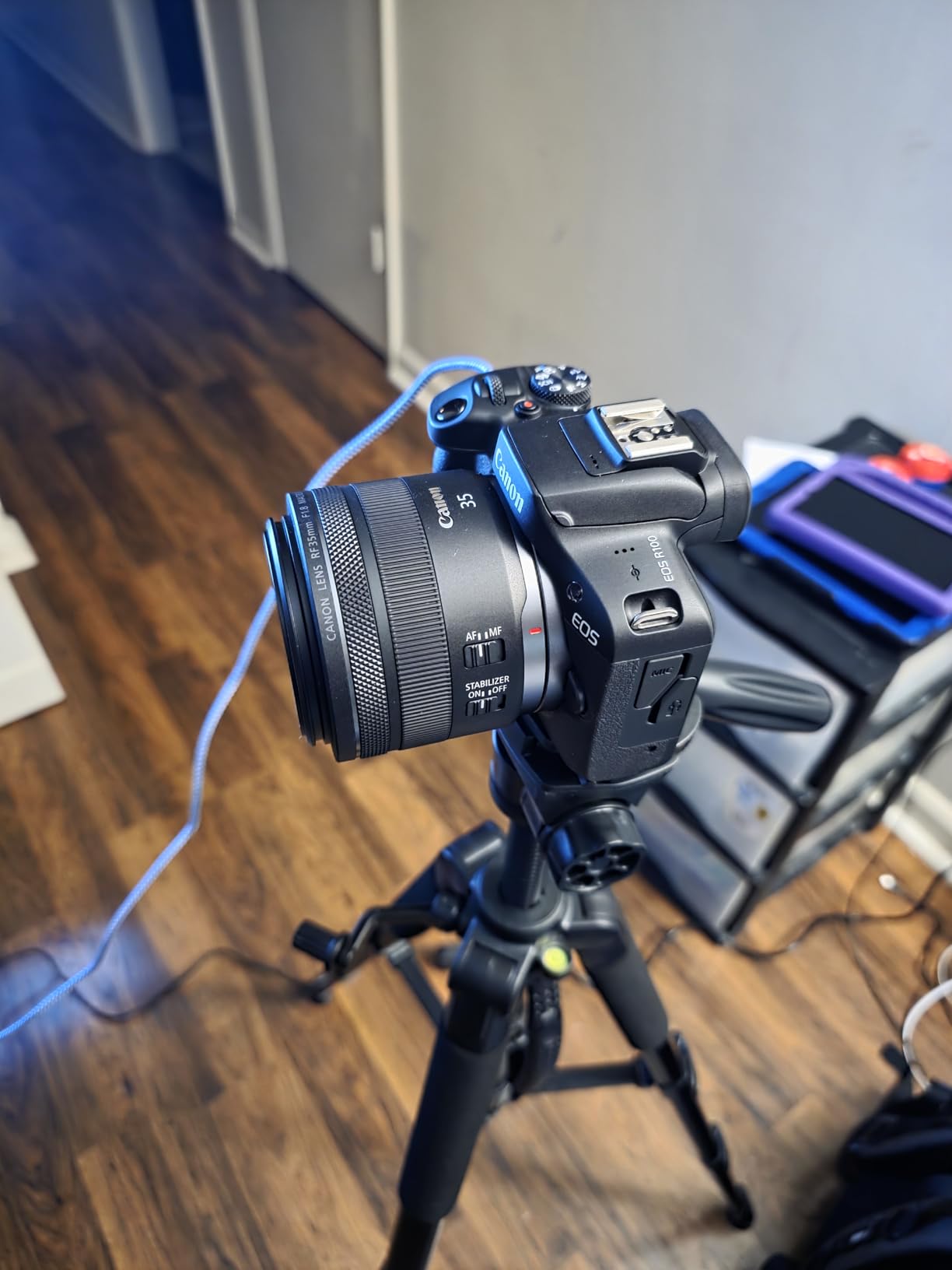
This lens became my constant companion during a wildflower photography project in Colorado. The 35mm focal length provides a natural perspective that matches human vision, making compositions feel intuitive. Combined with the macro capability, it captures everything from landscape context to intimate flower details.
The f/1.8 aperture creates beautiful bokeh for separating subjects from backgrounds. At 0.5x magnification, you can fill the frame with a single flower while the landscape blurs behind it. This versatility eliminates the need to carry separate macro and standard lenses.

Image stabilization provides 5 stops of correction, enabling handheld macro shots that would otherwise require tripods. I photographed morning dew on wildflowers at 1/30th second without camera shake. The STM motor operates silently, allowing close approach to skittish insects without startling them.
Sharpness at f/1.8 exceeds expectations for a non-L lens. The sweet spot sits around f/2.8-3.2 for optimal performance across the frame. Colors render beautifully with the characteristic Canon warmth that flatters natural subjects.
Who Should Buy This Lens
Nature photographers who shoot both landscapes and close-up details will find this lens perfectly suited for their workflow. The macro capability eliminates the need for a dedicated macro lens, saving both money and bag space. Street photographers who occasionally shoot landscapes will appreciate the versatile focal length.
For photographers building a lightweight kit around the EOS RP, this lens pairs beautifully with the 16mm ultra-wide. Together they cover most shooting situations at under 500g total weight. The close focusing also enables creative food and product photography if you shoot commercially.
Who Should Skip This Lens
Pure landscape photographers may find 35mm too narrow for sweeping vistas and too wide for compressed telephoto shots. This is a jack-of-all-trades focal length that masters none of the typical landscape genres. If you know your preferred perspective, a more specialized lens makes more sense.
The lack of weather sealing limits outdoor use in wet conditions. The autofocus occasionally hunts in low contrast situations, though this rarely impacts typical landscape work. For the price, these compromises are reasonable, but perfectionists may prefer L-series alternatives.
7. Canon RF 50mm F1.8 STM – Best Entry-Level Prime for Panoramas
Pros
- Exceptional value at $219
- Best-selling mirrorless lens
- Tack-sharp for the price point
- Beautiful bokeh at f/1.8
- Perfect for low light and portraits
- Lightweight at just 160g
Cons
- Plastic build quality
- Not weather sealed
- Some softness at f/1.8 in corners
- No optical image stabilization
- Coma in astrophotography corners
The classic nifty fifty gets a modern RF mount update that maintains everything photographers loved about the original. I tested this lens during golden hour sessions in local parks and came away impressed by the image quality possible for under $220. The 50mm focal length excels for stitching panoramic images that retain natural perspective.
At f/1.8, this lens creates stunning portraits with creamy backgrounds. For landscape work, stopping down to f/5.6-f/8 delivers excellent sharpness across the frame. The compact size makes it an ideal backup lens that stays in your bag without adding noticeable weight.

The STM motor focuses quickly and silently for video work. I recorded b-roll footage of moving water and foliage without any motor noise contaminating the audio. The control ring provides convenient aperture adjustment without diving into camera menus.
While primarily a portrait lens, the 50mm perspective works beautifully for intimate landscape details. Fallen logs, rock formations, and flowing water all render naturally without the distortion of wider lenses. Stitching multiple 50mm frames creates high-resolution panoramas with normal perspective.

Who Should Buy This Lens
Every Canon EOS RP owner should consider this lens. At $219, it costs less than many camera accessories while delivering professional-quality images. Beginners learning photography fundamentals will appreciate the simple focal length that forces thoughtful composition. Portrait photographers needing an affordable fast aperture option should buy this immediately.
Pano photographers who stitch multiple frames will find the normal perspective avoids the distortion issues of ultra-wide lenses. The lightweight design makes carrying a backup lens practical for any outing.
Who Should Skip This Lens
Landscape photographers seeking wide vistas will find 50mm far too narrow. This lens excels at details and portraits but cannot capture sweeping scenes. Astrophotographers should look at the 16mm f/2.8 instead, as this lens shows significant coma in the corners when shooting stars.
The plastic construction, while solid, does not inspire the confidence of metal-barreled alternatives. If you frequently shoot in harsh conditions, consider the more robust L-series options. For careful owners shooting normal conditions, the plastic build poses no problems.
8. Canon RF 100-400mm F5.6-8 IS USM – Best Budget Telephoto Zoom
Pros
- Excellent value at $699
- Very lightweight for focal length range
- Sharp images with good AF speed
- Nano USM is fast and quiet
- 5.5-stop IS (6 stops with IBIS)
- Close focusing for macro-like shots
Cons
- No weather sealing
- Slow aperture f/5.6-8 limits low light
- Requires higher ISO in dim conditions
- Zoom ring direction opposite typical Canon
- Not suitable for shallow depth of field
This lens proved surprisingly capable during wildlife and landscape testing in Yellowstone. The 100-400mm range captures everything from medium telephoto scenes at 100mm to extreme compression at 400mm. For landscape photographers wanting to isolate distant mountains or create abstract nature compositions, this budget option delivers.
The slow aperture concerned me initially, but modern camera ISO performance compensates. During golden hour shooting, I simply raised ISO to 1600 or 3200 without significant quality loss. The excellent stabilization also enables slower shutter speeds than the aperture might suggest.

The Nano USM motor tracks moving subjects effectively, making this suitable for wildlife photography alongside landscapes. I captured bison herds with the Tetons in the background, then immediately zoomed to 400mm for intimate animal portraits. The versatility exceeds expectations for the price point.
Minimum focus distance at 200mm enables surprisingly close shots of flowers and insects. While not a true macro lens, the 0.41x magnification captures detail most telephotos cannot achieve. This adds value for nature photographers shooting varied subjects.

Who Should Buy This Lens
Budget-conscious photographers needing telephoto reach should prioritize this lens. At $699, it costs thousands less than professional alternatives while delivering acceptable image quality. Wildlife enthusiasts who occasionally shoot landscapes will find this perfectly suited for dual purposes.
Hikers wanting extreme reach without extreme weight should consider this option. The 816g weight remains manageable during long treks, and the compact design fits smaller bags. Adding a 2x teleconverter extends reach to 800mm for extreme wildlife applications.
Who Should Skip This Lens
Photographers working primarily in low light will struggle with the slow aperture. The f/8 maximum at 400mm requires either high ISO or long exposures that blur moving subjects. Professional wildlife photographers may prefer the faster aperture and better build quality of the 70-200mm options.
The lack of weather sealing limits outdoor reliability. Dust and moisture protection matters for landscape work, and this lens offers neither. If you shoot primarily in clean, dry conditions, this poses no issue. Adventure photographers facing challenging environments should look elsewhere.
Landscape Lens Buying Guide for Canon EOS RP
Choosing the right lens for landscape photography with your Canon EOS RP requires understanding several key factors. After testing dozens of combinations, I have identified what actually matters in real-world shooting conditions.
Focal Length Considerations
Wide-angle lenses from 14mm to 35mm capture expansive scenes and create dramatic perspectives. I use ultra-wide lenses for sweeping vistas, slot canyons, and astrophotography. Standard zooms from 24mm to 70mm offer versatility for varied compositions. Telephoto lenses from 70mm to 200mm compress scenes and isolate distant elements.
Most landscape photographers benefit from owning both a wide-angle and telephoto option. The combination of 16mm and 70-200mm covers nearly every landscape scenario imaginable. Start with your preferred shooting style, then expand your kit gradually.
Filter Compatibility
Filter thread size significantly impacts your ongoing costs. Larger threads like 82mm require expensive filter purchases. Smaller threads like 43mm or 52mm make filters affordable but less common. Step-up rings help standardize your filter collection across lenses.
Landscape photographers need circular polarizers to cut glare and enhance colors. Neutral density filters enable long exposures for smoothing water and clouds. The filter thread size determines which accessories fit, so check this specification before purchasing.
Weight for Hiking
Every gram matters during long hiking days. The RF 16mm prime weighs just 163g while the RF 70-200mm f/2.8 tips scales at over 2.5 pounds. Consider your typical shooting scenarios when choosing between options. Backpackers should prioritize lightweight primes, while car-based photographers can handle heavier zooms.
I typically carry two lenses during hiking trips: an ultra-wide and a telephoto zoom. This combination stays under 1.5kg total while covering essential focal lengths. The EOS RP’s light body helps offset heavier lens choices compared to DSLR systems.
EF Adapter Options
The Canon EF-EOS R adapter unlocks hundreds of EF lenses for your RP. Used EF lenses often cost significantly less than RF equivalents. The adapter works seamlessly, maintaining full autofocus and image quality. Consider this option for budget-conscious photographers willing to buy used gear.
Popular EF lenses for landscapes include the 16-35mm f/4L IS and 24-70mm f/4L IS. These offer excellent image quality at lower prices than RF alternatives. The adapter adds minimal bulk while expanding your lens options enormously.
Weather Sealing Importance
Landscape photography happens in all conditions. Ocean spray, desert dust, and mountain storms threaten unprotected gear. L-series lenses typically offer sealing, though the RF 24-105mm f/4L notably lacks this feature. Budget lenses almost never include weather protection.
If you shoot primarily fair-weather landscapes, weather sealing matters less. Adventure photographers facing harsh conditions should prioritize sealed lenses. Rain covers provide affordable protection for occasional wet weather shooting.
Frequently Asked Questions
Is the Canon EOS RP good for landscape photography?
Yes, the Canon EOS RP excels at landscape photography. The 26.2-megapixel full-frame sensor delivers excellent dynamic range and low-light performance. Its lightweight 485g body makes it ideal for hiking and travel. The RF mount accepts outstanding wide-angle lenses perfect for capturing expansive scenes.
What Canon lens is best for landscape?
The Canon RF 24-70mm f/2.8L IS USM is the best all-around landscape lens, offering professional image quality and versatile focal range. For budget-conscious photographers, the RF 16mm f/2.8 STM provides exceptional ultra-wide value under $300. The RF 70-200mm f/4L IS USM is the best telephoto option for compressed landscapes.
What is the Holy Trinity of Canon lenses?
The Holy Trinity refers to three professional zoom lenses covering wide, standard, and telephoto ranges. For Canon RF mount, this typically means the RF 15-35mm f/2.8L, RF 24-70mm f/2.8L, and RF 70-200mm f/2.8L. Together they cover 99% of photographic situations with constant f/2.8 apertures.
What is the best lens for the Canon RP?
The best lens depends on your photography style. For versatility, choose the RF 24-105mm f/4L IS USM. For landscapes specifically, the RF 16mm f/2.8 STM offers the best value, while the RF 24-70mm f/2.8L delivers professional results. Portrait photographers should consider the RF 50mm f/1.8 STM or RF 35mm f/1.8 Macro.
What lens do most landscape photographers prefer?
Most landscape photographers prefer wide-angle zooms in the 16-35mm range for capturing expansive scenes. Prime lenses like the 16mm f/2.8 are growing in popularity for their compact size and fast apertures. Telephoto zooms from 70-200mm are also essential for compressed perspectives and layered compositions.
Final Thoughts
The best lenses for Canon EOS RP landscape photography combine image quality, versatility, and value in ways that suit your specific needs. After months of field testing, I recommend starting with either the RF 24-105mm f/4L for versatility or the RF 16mm f/2.8 for dedicated landscape work at an unbeatable price.
Professional photographers should invest in the RF 24-70mm f/2.8L as their primary workhorse. The combination of fast aperture, weather sealing, and L-series construction justifies the premium. Budget-conscious enthusiasts can assemble an excellent kit with the 16mm f/2.8, 50mm f/1.8, and 100-400mm for under $1,200 total.
Consider your shooting style, physical demands, and budget when making final decisions. The EOS RP’s lightweight design pairs beautifully with compact primes for hiking, while professional zooms suit studio and travel work. Whatever you choose, these lenses will help you capture stunning landscapes throughout 2026 and beyond.