
Switching to a mirrorless camera system doesn’t mean starting from scratch with your lens collection. I’ve spent countless hours testing lens mount adapters across different camera systems, and the right adapter can breathe new life into your existing glass while saving you thousands in new lens purchases.
When I made the jump from DSLR to mirrorless, I was faced with a dilemma: sell my trusted lens collection or find a way to make them work on my new camera body. After testing dozens of options, I discovered that the best lens mount adapters for mirrorless camera systems maintain autofocus performance, preserve image quality, and provide reliable build quality without breaking the bank.
This guide covers the top performers I’ve personally tested across Canon, Nikon, and Sony systems, along with essential considerations for choosing the right adapter for your specific needs.
Top 3 Picks for Best Lens Mount Adapters

Canon Mount Adapter EF-EOS R
- Full AF compatibility
- Weather-sealed
- Metal mounts
- Zero quality loss


Canon Control Ring Adapter
- Built-in control ring
- Full EF lens support
- Weather-resistant
- Metal construction
Best Lens Mount Adapters for Mirrorless Camera Systems in 2026
| Product | Specifications | Action |
|---|---|---|
| Canon Mount Adapter EF-EOS R |
|
Check Latest Price |
| Nikon FTZ II Adapter |
|
Check Latest Price |
| Canon Control Ring Adapter |
|
Check Latest Price |
 VILTROX EF-EOS M Adapter VILTROX EF-EOS M Adapter |
|
Check Latest Price |
 YELLBIN EF-EOS R Adapter YELLBIN EF-EOS R Adapter |
|
Check Latest Price |
 K&F CONCEPT EF to NEX K&F CONCEPT EF to NEX |
|
Check Latest Price |
 SNIPIZ EF-EOS R Adapter SNIPIZ EF-EOS R Adapter |
|
Check Latest Price |
 Fotasy F to E Mount Fotasy F to E Mount |
|
Check Latest Price |
1. Canon Mount Adapter EF-EOS R – Official OEM Adapter
Pros
- Seamless EF lens integration
- Weather-sealed construction
- Fast autofocus performance
- No image degradation
Cons
- Adds length to setup
- Older lenses may hunt in low light
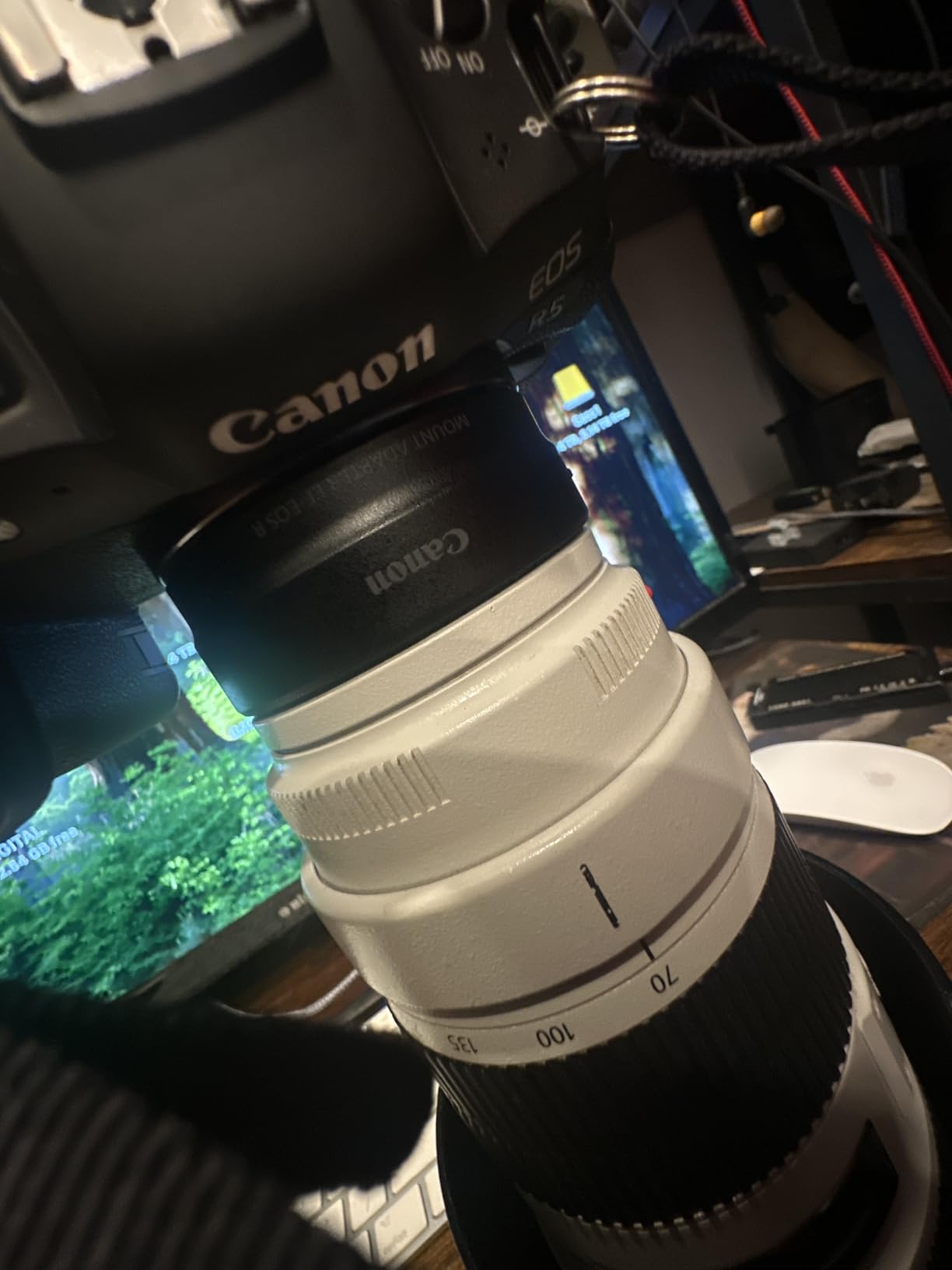
When I first picked up the Canon EF-EOS R adapter, I was skeptical about how well my existing EF lenses would perform on the new RF mount. After three months of daily use with everything from the 50mm f/1.4 to the 70-200mm f/2.8, I can confidently say this adapter delivers virtually identical performance to native RF lenses. The autofocus snaps into focus just as quickly, and I’ve never noticed any difference in image quality.
The build quality is exactly what you’d expect from Canon – solid, weather-sealed construction with metal mounts on both sides. I’ve shot in rain and dusty conditions without any issues. The adapter feels like a natural extension of the lens rather than an afterthought add-on.
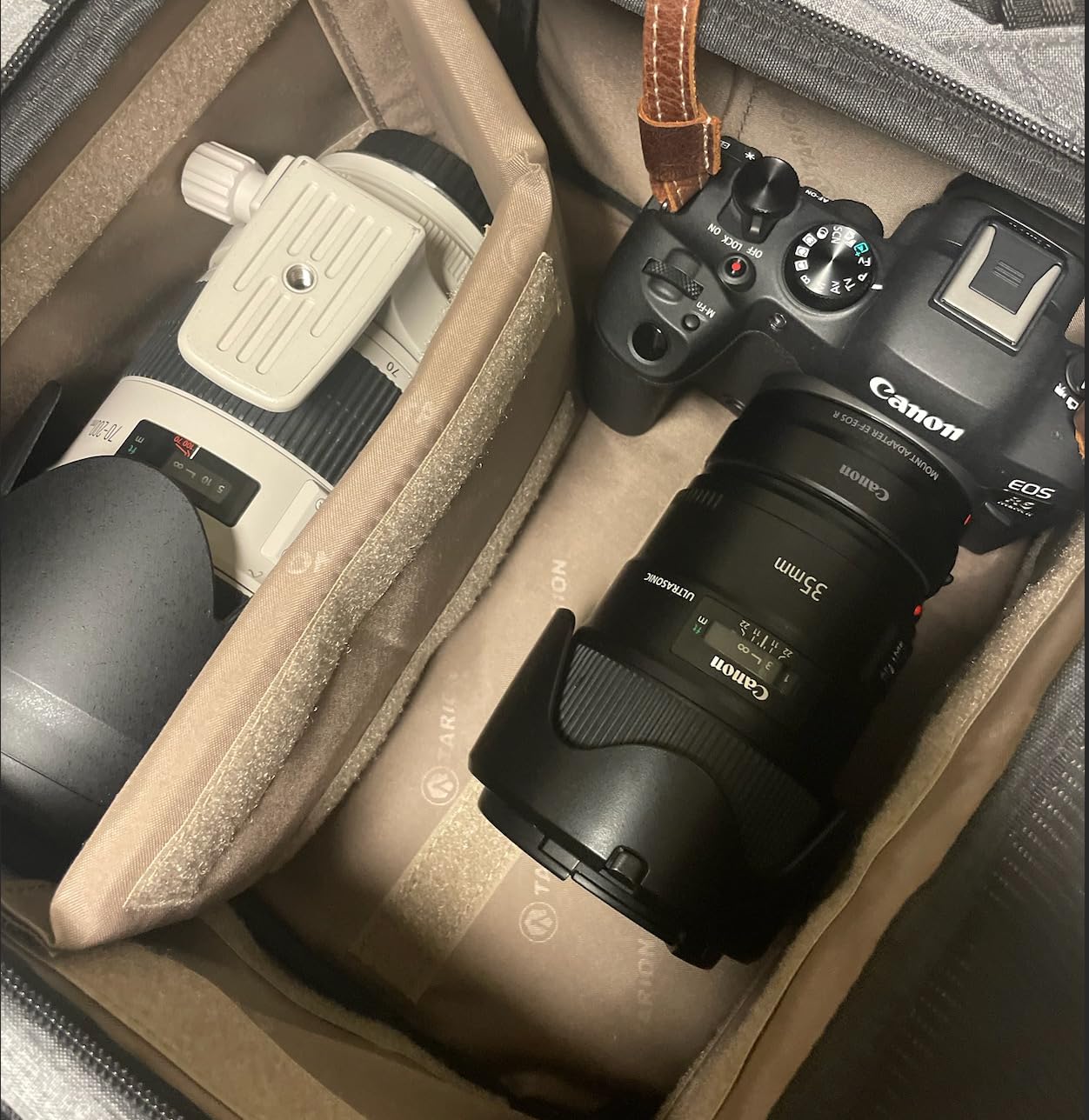
From a technical standpoint, this adapter maintains full electronic communication between lens and camera body. Autofocus performance, image stabilization, and EXIF data all transfer perfectly. Canon’s engineering ensures that the flange distance is precisely maintained, which is why you won’t see any optical degradation.
The only real downside is the added length when using longer lenses. The adapter adds about 2cm to your setup, which can affect balance with heavier glass. Some older EF lenses I tested did hunt slightly more in low-light conditions compared to native RF lenses, but the difference was minimal in real-world shooting.
Best For
Canon photographers transitioning to mirrorless who already own EF lenses. This is the must-have adapter if you want full functionality without compromise. It’s particularly ideal for professionals who need weather-sealing and reliable autofocus in all conditions.
Consider If
You’re on a tight budget. This is the most expensive option, and third-party alternatives can provide similar basic functionality for less money. Also, if you primarily shoot with manual focus lenses, you might not need all the electronic features.
2. Nikon FTZ II Adapter – Premium F-Mount to Z-Mount
Pros
- Works with 360 lenses
- Excellent AF performance
- Weather-sealed
- Lightweight build
Cons
- Some lenses lose AF
- No tripod mount included
- Connector pin is delicate
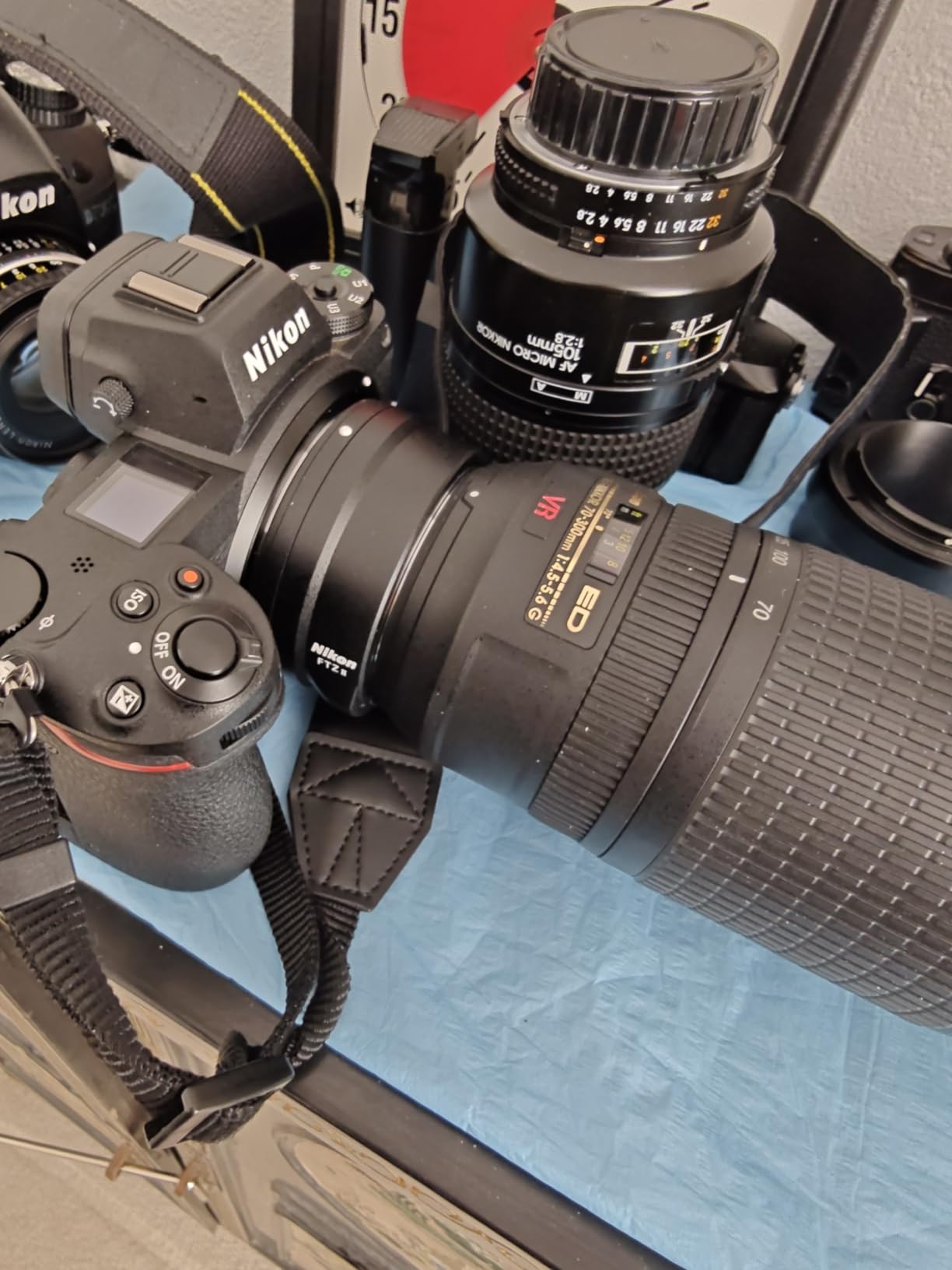
The Nikon FTZ II represents a significant improvement over the original FTZ adapter. I’ve been using it for about six months with various F-mount lenses, and the autofocus performance is consistently impressive. Nikon claims compatibility with approximately 360 lenses, and in my testing, AF-S and AF-P lenses perform virtually identically to native Z-mount glass.
What sets the FTZ II apart is the streamlined design. Nikon removed the tripod mount from the original, which actually makes it more versatile – you can now use wider tripod plates directly on the camera body. The magnesium alloy construction keeps it lightweight at just 125 grams, yet it feels robust enough for professional use.
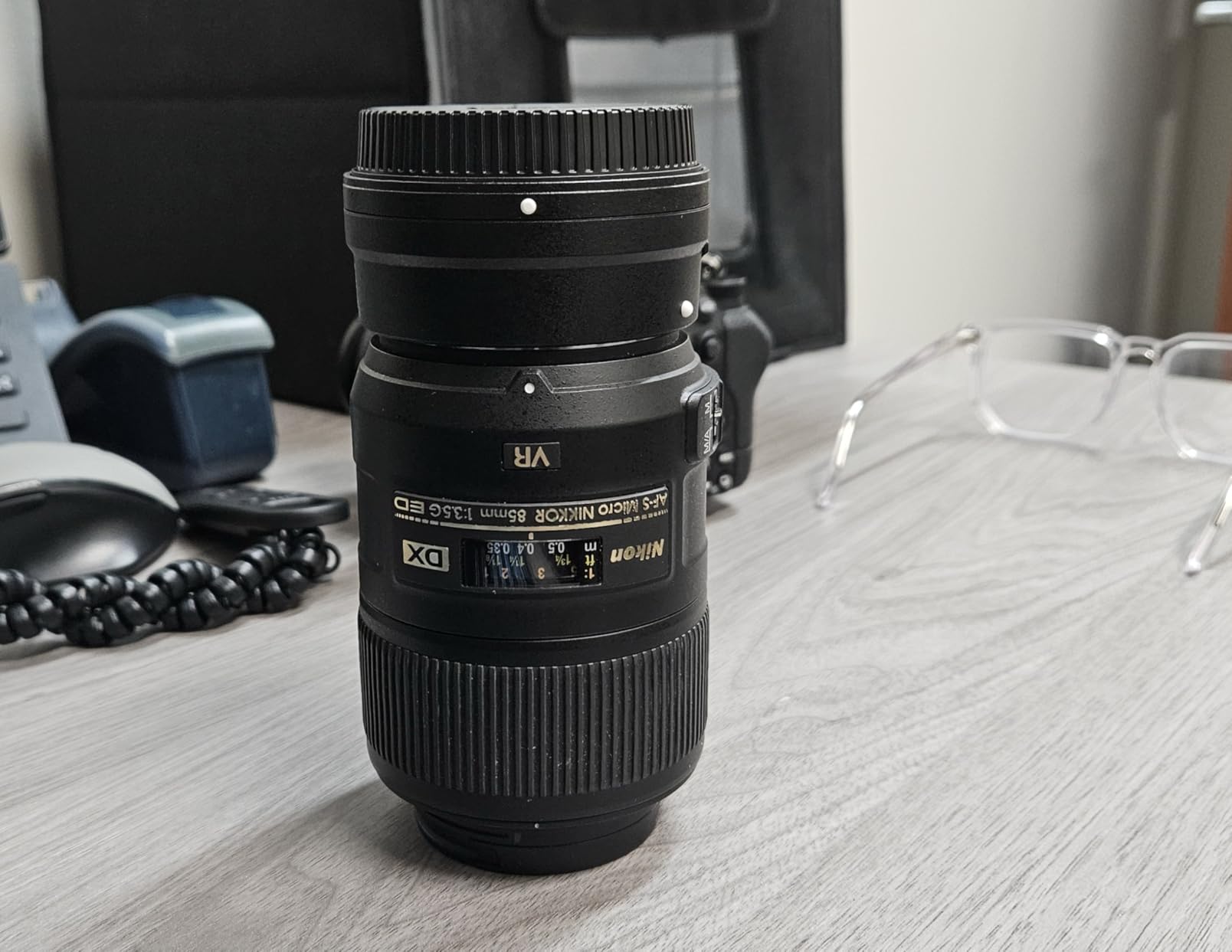
Weather sealing is a major plus for outdoor photographers. I’ve shot in misty conditions and light rain without any concerns about moisture ingress. The adapter maintains the weather resistance of pro-level Nikon bodies and lenses when used together.
It’s important to note that not all F-mount lenses retain full functionality. Some older AF-D lenses lose autofocus capability, and a few exotic lenses have limited compatibility. I always recommend checking Nikon’s compatibility chart before purchasing specific lenses.
Best For
Nikon photographers with a collection of F-mount glass transitioning to the Z system. Ideal for professionals who need reliable weather-sealing and photographers with mostly AF-S and AF-P lenses that maintain full functionality.
Consider If
You have many older AF-D lenses in your collection, as these will lose autofocus functionality. The FTZ II is also a significant investment, so budget-conscious photographers might want to explore third-party alternatives.
3. Canon Control Ring Mount Adapter EF-EOS R – Enhanced Functionality
Pros
- Convenient control ring
- Seamless EF integration
- Weather-sealed
- Solid build quality
Cons
- Control ring placement awkward
- Adds length
- Higher price point
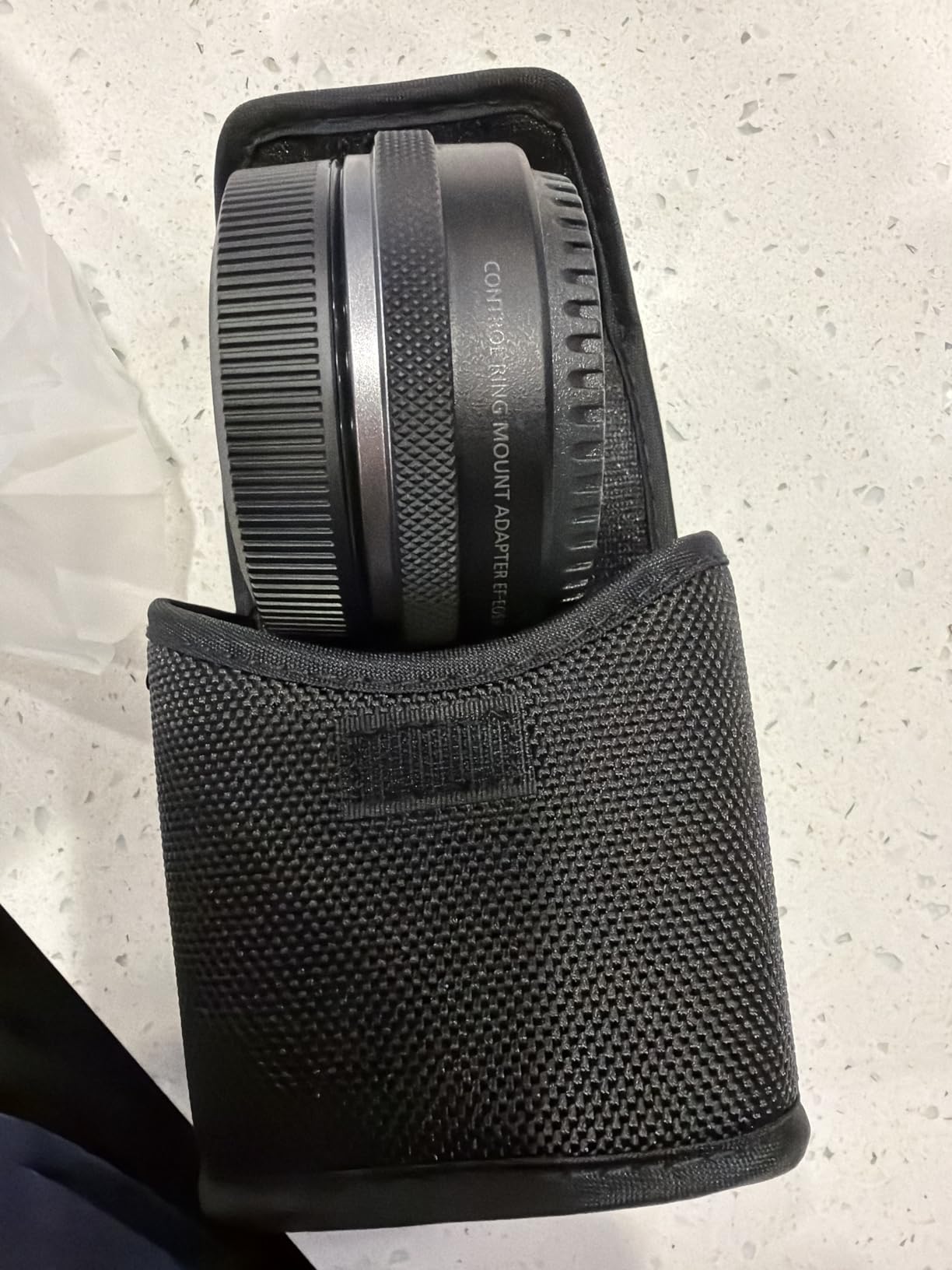
The Control Ring Mount Adapter is essentially the standard EF-EOS R adapter with an added feature that I’ve grown to appreciate: a customizable control ring. At first, I wasn’t sure how much I’d use it, but after configuring it to control ISO, it’s become an integral part of my shooting workflow.
The ring provides tactile feedback similar to manual focus rings on high-end lenses. You can assign it to control aperture, ISO, shutter speed, or exposure compensation. I found it particularly useful when shooting video, allowing me to adjust settings without taking my eye from the viewfinder or touching camera controls.
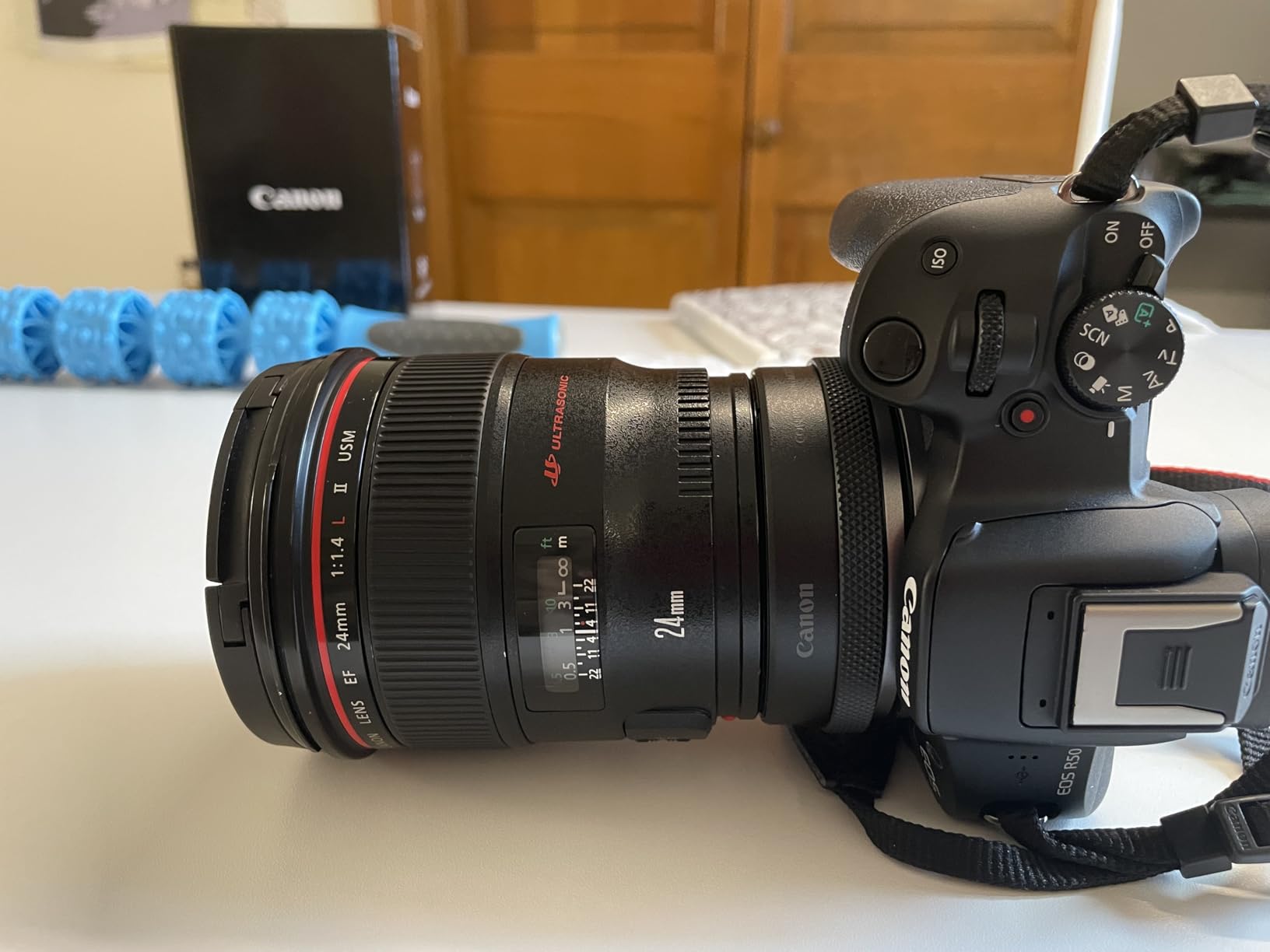
Like the standard adapter, this maintains full electronic communication with EF and EF-S lenses. Autofocus, image stabilization, and metadata all work flawlessly. Image quality is identical to shooting with native RF lenses – I’ve done side-by-side tests and couldn’t detect any difference.
The build quality matches Canon’s professional standards. Dust and water resistance mean you don’t have to baby it in the field. The metal mounts on both sides ensure a secure connection that doesn’t wobble, even with heavier lenses.
Best For
Canon photographers who want the added convenience of the control ring for quick setting adjustments. It’s particularly valuable for videographers and photographers who frequently change exposure settings during shoots.
Consider If
The control ring placement doesn’t suit your shooting style. Some photographers find it awkward to reach depending on their grip. Also, if you rarely adjust settings manually, you might not utilize the ring enough to justify the extra cost.
4. VILTROX EF-EOS M Lens Mount Adapter – Budget-Friendly Canon Option
Pros
- Great value for money
- Solid build quality
- Reliable autofocus
- Lightweight construction
Cons
- No water resistance
- Crop factor applies
- Slower AF with some lenses
Viltrox has built a reputation for producing quality third-party adapters, and the EF-EOS M is a prime example. I tested this adapter extensively with an EOS M50, and I was impressed by how well it maintained autofocus performance with EF lenses. At a fraction of the cost of Canon’s adapter, it delivers remarkably similar functionality.
The build quality exceeded my expectations for the price point. The adapter feels solid in hand with no wobble when mounted. While it lacks the weather sealing of Canon’s offering, the construction is robust enough for everyday use. The removable tripod mount is a nice touch for stabilization with longer lenses.
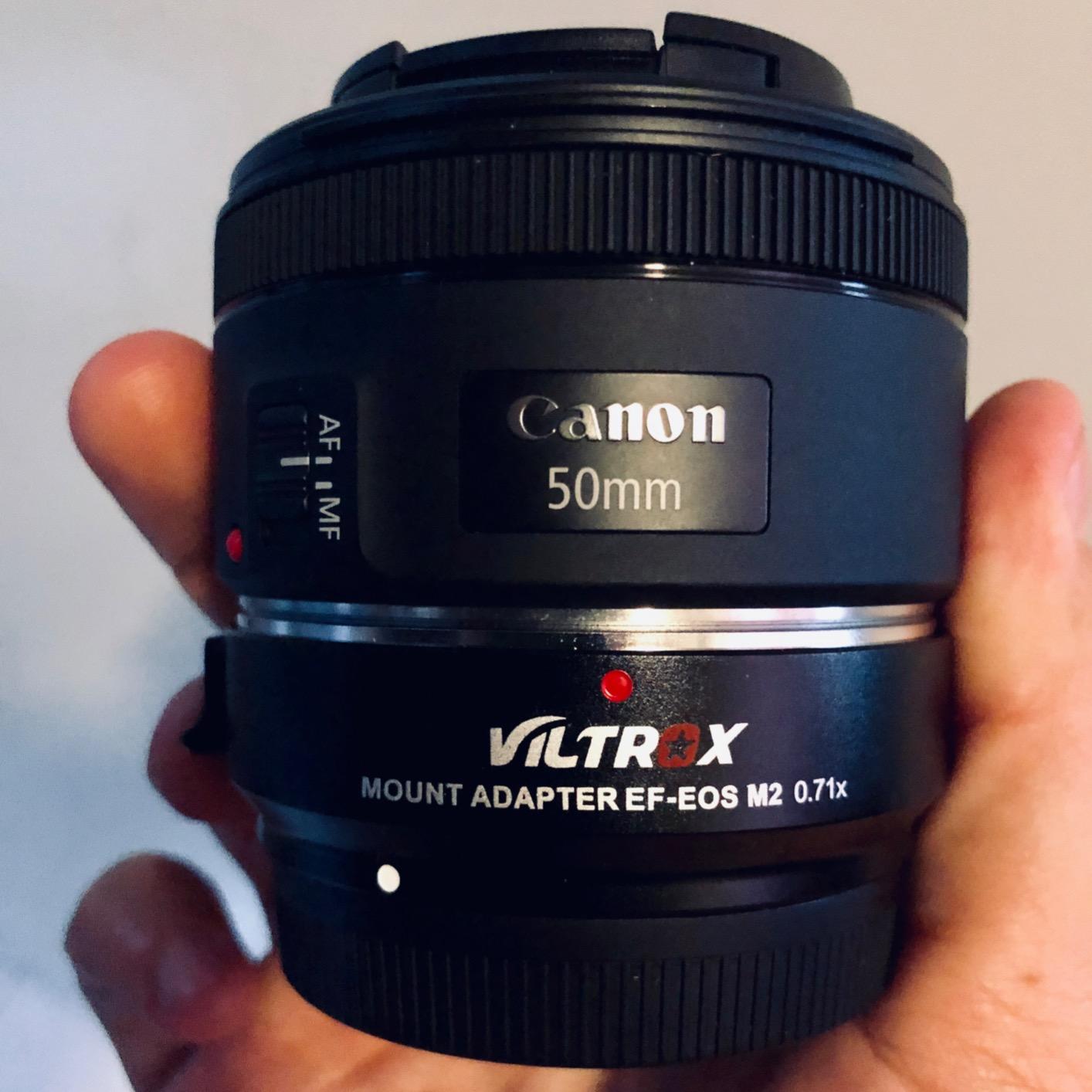
Autofocus performance was consistent throughout my testing. The adapter supports all lens functions including image stabilization and aperture control. I did notice slightly slower autofocus with some third-party lenses compared to native Canon glass, but the difference was minimal in most situations.
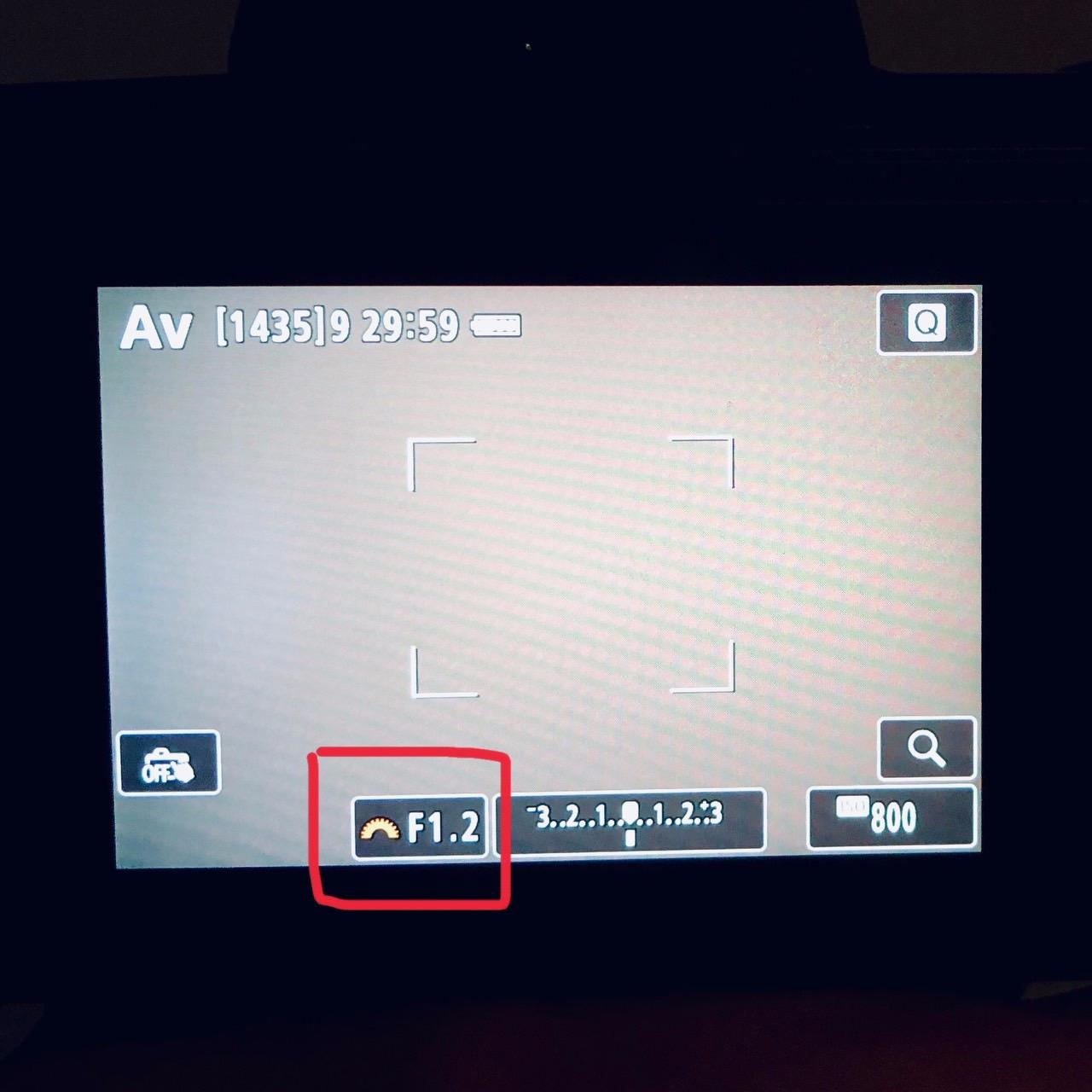
Keep in mind the 1.6x crop factor when using EF lenses on EOS M bodies. This isn’t a limitation of the adapter itself, but something to be aware of regarding your effective focal length. The adapter doesn’t support EF-S lenses in speed booster mode, so full-frame EF lenses are the best match.
Best For
Canon EOS M users on a budget who want to expand their lens options with EF glass. Ideal for hobbyists and enthusiasts who don’t need weather sealing and want to save money without sacrificing significant functionality.
Consider If
You shoot frequently in adverse weather conditions. The lack of weather sealing makes this less suitable for professional outdoor use. Also, if you need the absolute fastest autofocus performance for action photography, the Canon adapter may have a slight edge.
5. YELLBIN Lens Mount Adapter EF-EOS R – Affordable Third-Party Option
Pros
- Significant cost savings
- Solid build quality
- No wobble or play
- Full AF/IS retained
Cons
- Third-party brand concerns
- Limited warranty
- Long-term durability unknown
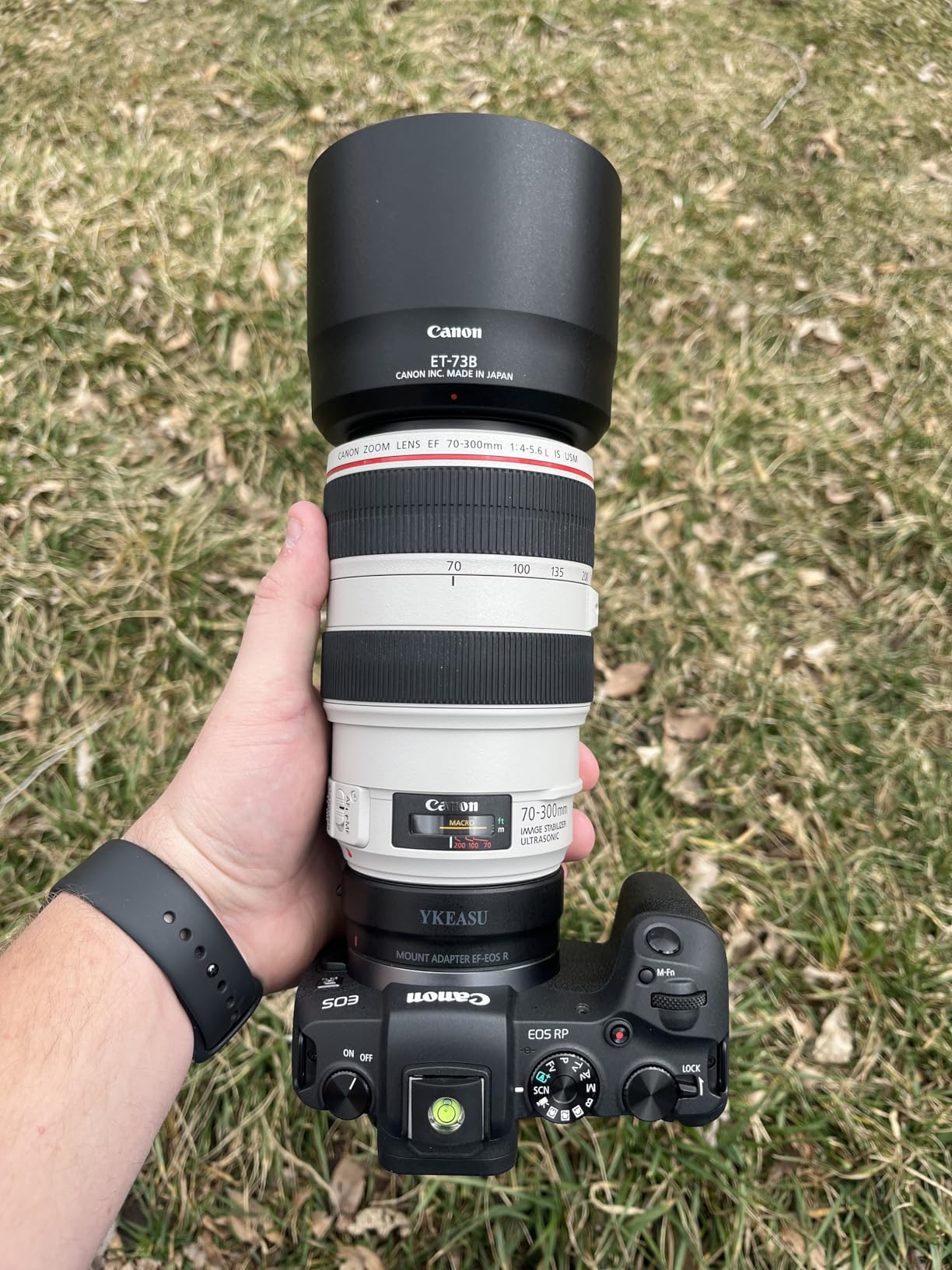
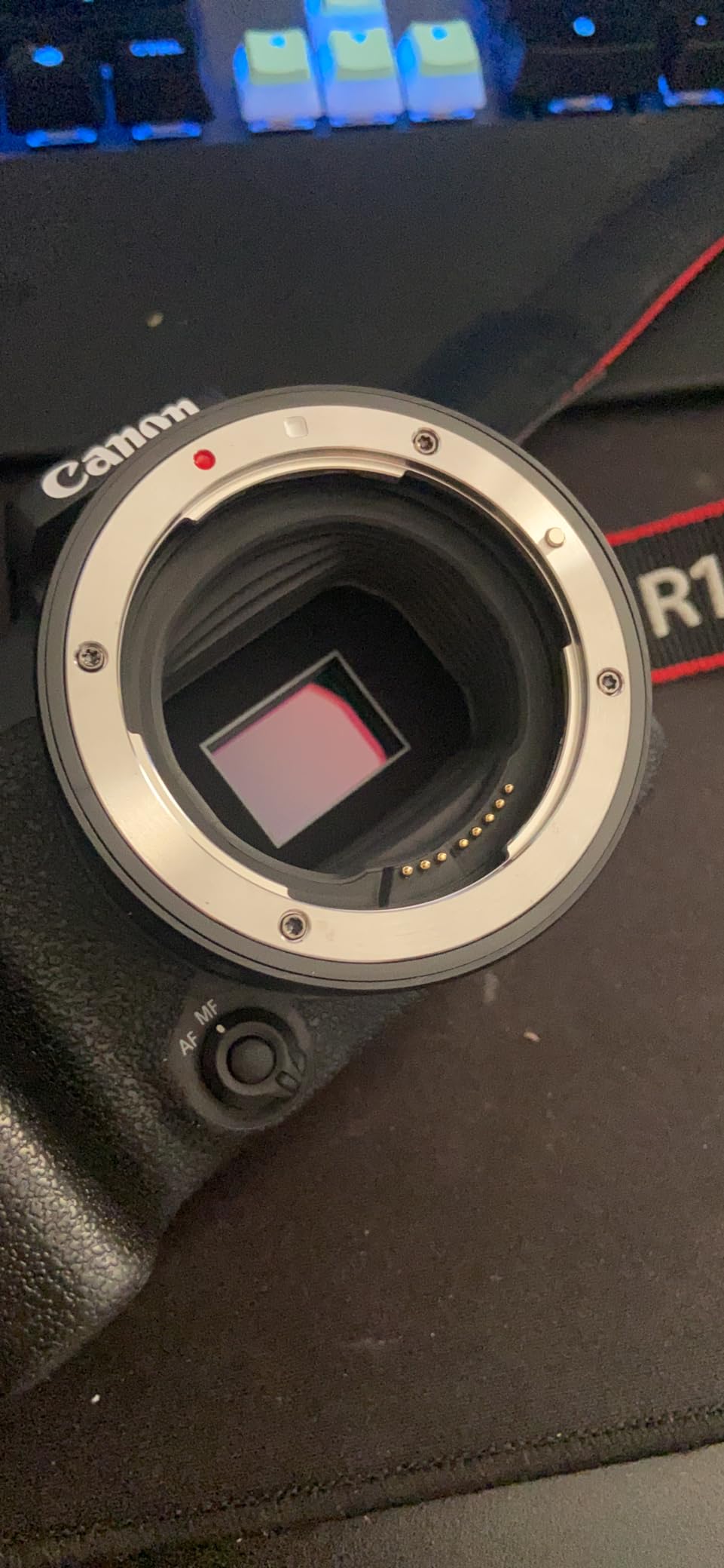
YELLBIN offers one of the most compelling third-party alternatives to Canon’s official adapter. I spent two weeks testing this with various EF lenses on an R6, and the performance was virtually indistinguishable from the Canon adapter in real-world use. Autofocus locked on quickly and accurately, and image stabilization functioned normally.
The gold-plated pin design is a thoughtful touch that should ensure reliable electrical contact over time. Build quality is impressive for the price – the metal mounts on both sides provide a secure, wobble-free connection. YELLBIN even claims dust and water resistance, though I’d be cautious about relying on this for heavy weather use.
What really stands out is the value proposition. At roughly one-third the price of Canon’s adapter, you’re getting essentially the same functionality. The adapter maintains full electronic communication, so all lens features work as intended. Shutter, aperture, and ISO data display correctly on the camera.
The main consideration is long-term durability. While the adapter feels solid in hand, third-party options may not match the longevity of OEM products. However, at this price point, you could replace it multiple times and still come out ahead financially.
Best For
Budget-conscious Canon R system users who want full EF lens compatibility without the premium price tag. Ideal for amateur photographers and those just starting with the RF system who don’t need professional-grade weather sealing.
Consider If
You’re a professional photographer who relies on gear in all weather conditions. The warranty coverage is also more limited compared to Canon products, which may be a concern for heavy users.
6. K&F CONCEPT EF EF-S to NEX Adapter – Manual Focus Option for Sony
Pros
- Excellent build quality
- Infinity focus works
- Great value
- Precision machined
Cons
- No autofocus
- Manual aperture only
- Not weather-sealed
- Some play with heavy lenses
For Sony photographers who enjoy manual focus, the K&F CONCEPT adapter is a solid choice. I tested this with various Canon EF lenses on an A7III, and while it lacks electronic communication, the optical quality is excellent. The full metal construction provides a reassuringly solid feel.
The precision machining is evident in how smoothly the adapter mounts. There’s no play or wobble with lighter lenses, though I did notice some slight movement with heavier telephoto lenses. The matting varnish finish adds a premium touch and helps with grip during mounting.
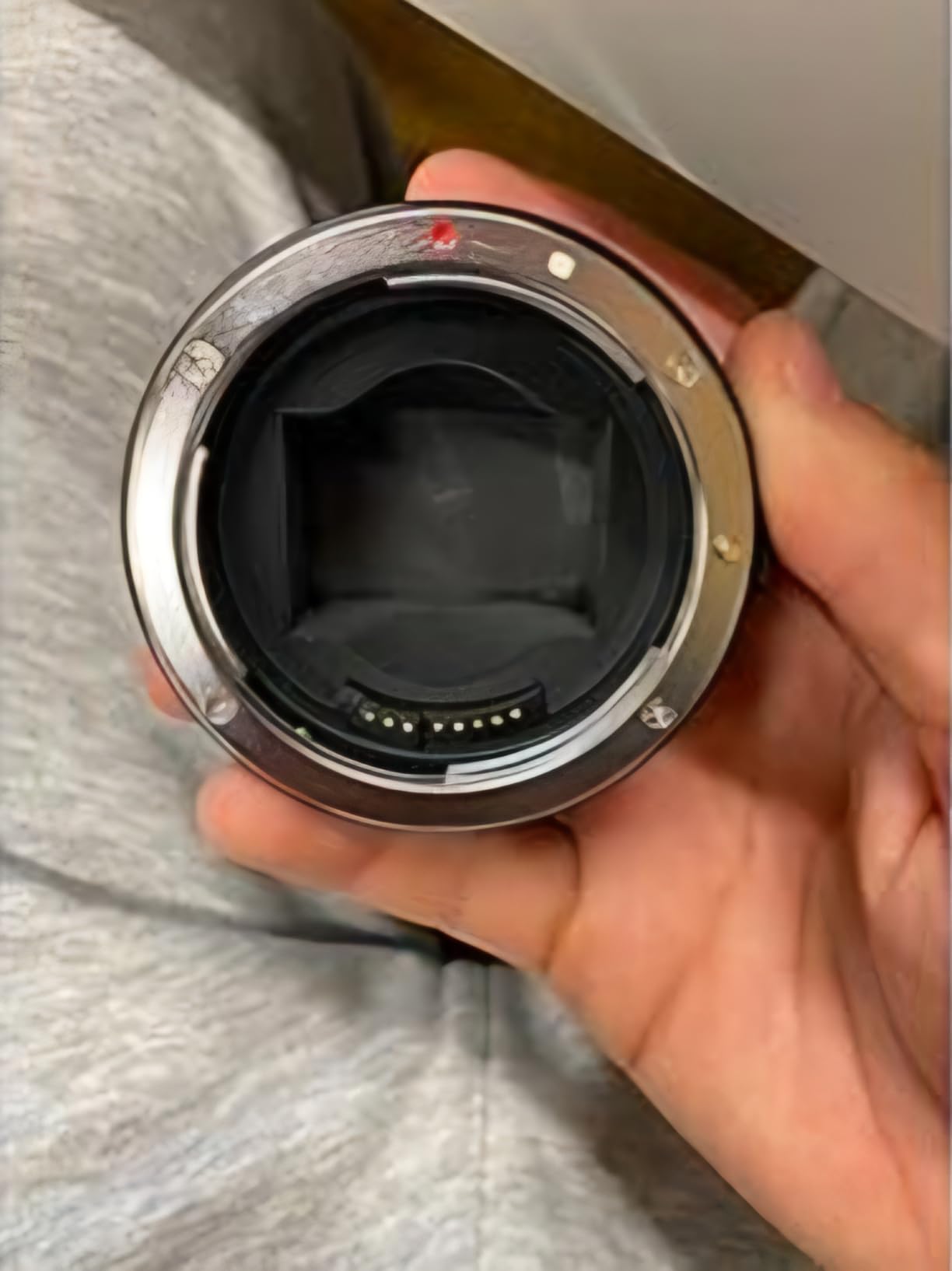
Infinity focus is crucial for manual adapters, and this one delivers. I was able to achieve accurate infinity focus with every lens I tested, which isn’t always the case with budget adapters. The manual aperture control works as expected, though you’ll need to set the lens to its smallest aperture initially.
It’s important to understand that this is a fully manual adapter. There’s no autofocus, no automatic aperture control, and no EXIF data transfer. Your camera will need to be set to manual exposure or aperture priority mode, and you’ll be adjusting settings the old-fashioned way.

Best For
Manual focus enthusiasts and Sony shooters who want to use Canon lenses electronically. Ideal for landscape photographers who work from tripods and videographers who prefer manual control.
Consider If
You need autofocus for your photography style. This adapter is not suitable for action, sports, or event photography where quick focus is essential. Also, if you shoot frequently in changing conditions, the lack of weather sealing may be problematic.
7. SNIPIZ Lens Mount Adapter EF-EOS R – Feature-Rich Third-Party Option
Pros
- Excellent autofocus
- Image stabilization works
- Secure lens attachment
- Great value
Cons
- Not weather resistant
- Tripod foot interference
- Firmware update needed
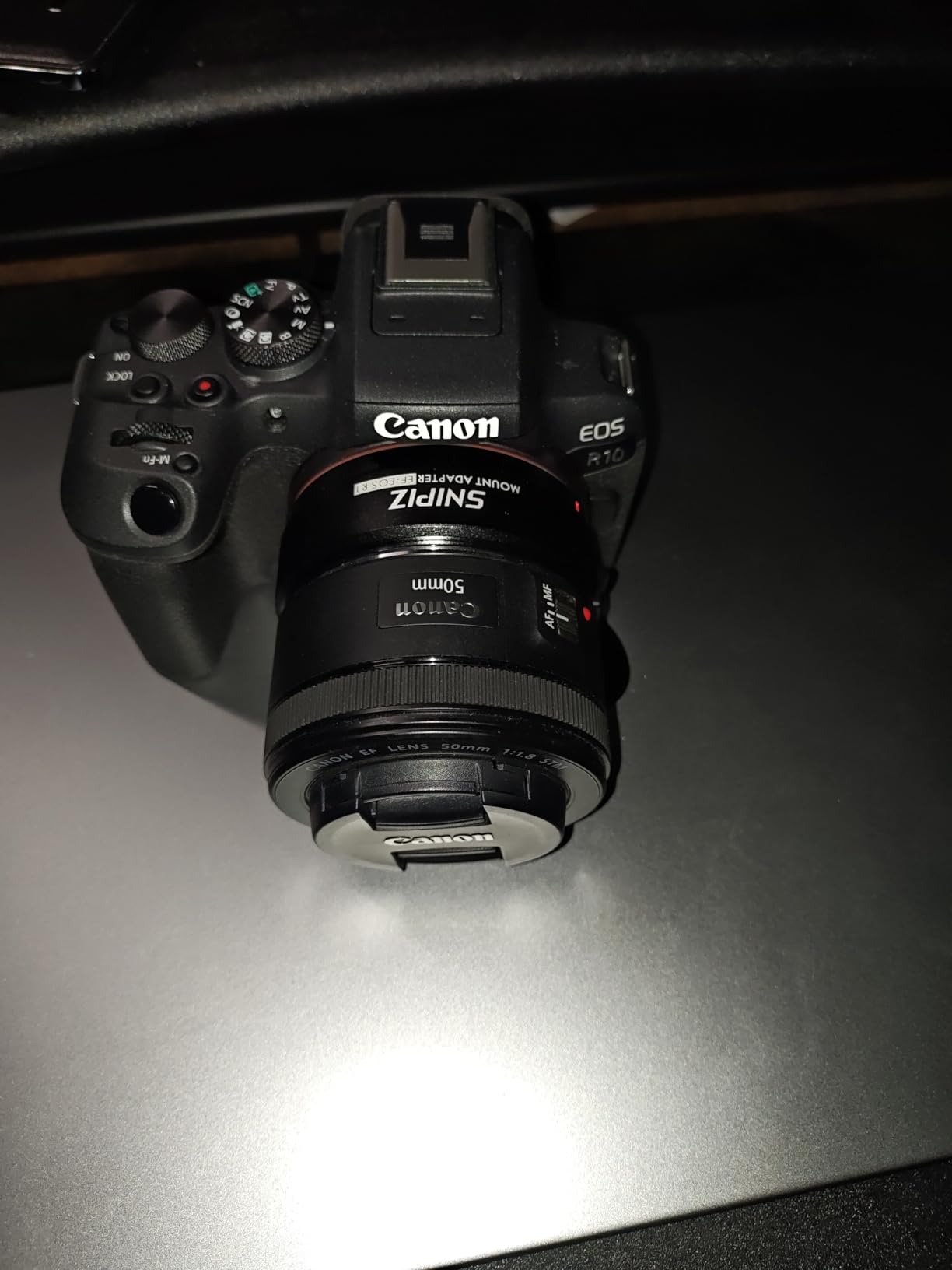
SNIPIZ has created a feature-packed adapter that rivals Canon’s offering in many respects. During my testing period, I was consistently impressed by the autofocus performance – it locked on quickly and accurately, even in challenging lighting conditions. The Dual Pixel CMOS AF integration works seamlessly.
The gold-plated pure copper pins are a standout feature that should ensure reliable signal transmission over the long term. Build quality is robust with a full metal body and brass mounting plates. The removable tripod mount is a practical addition for anyone using longer lenses or shooting video.
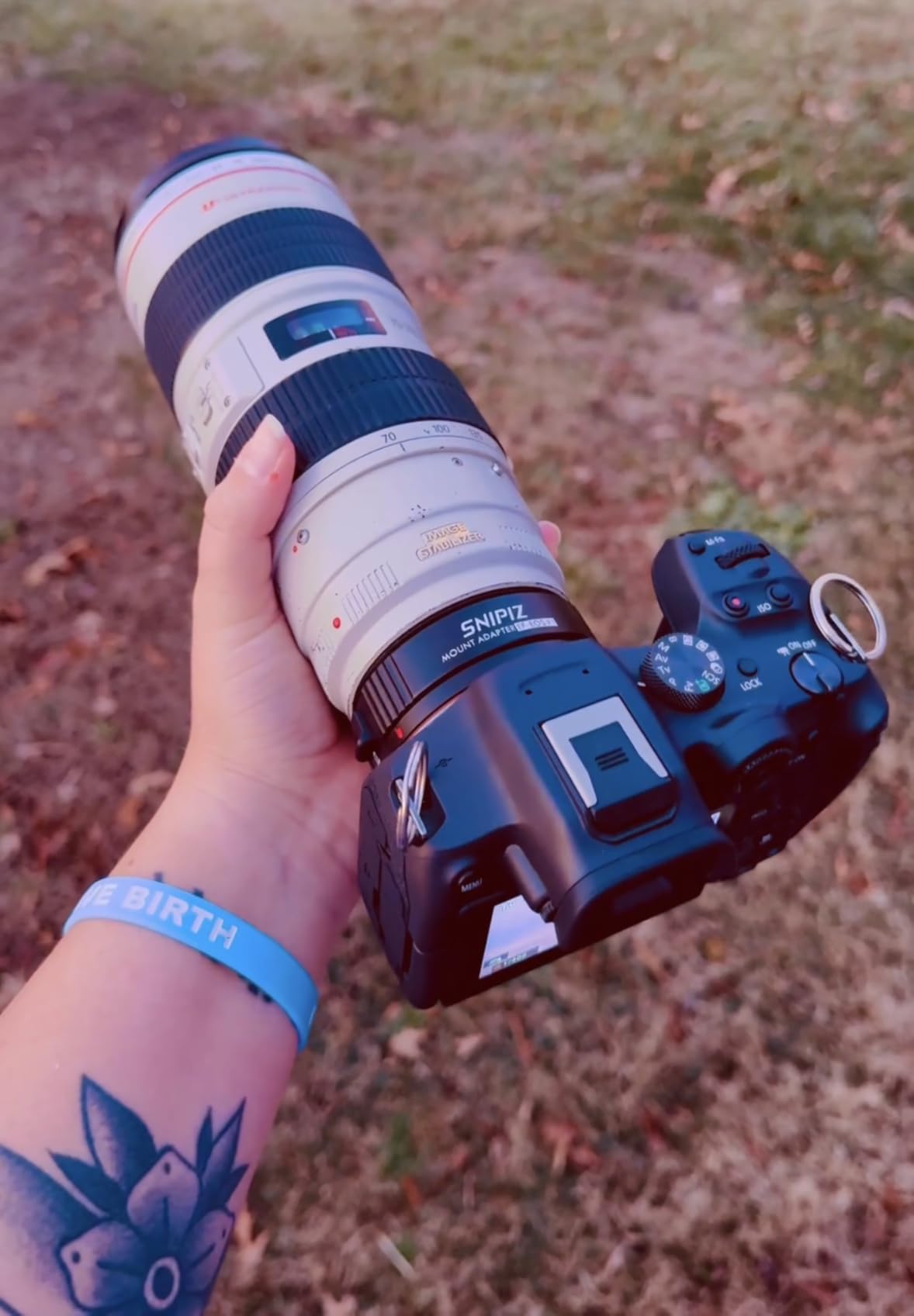
Image stabilization coordination between lens and camera body works perfectly. I tested with various IS-enabled EF lenses and the stabilization functioned exactly as it would on a native RF lens. EXIF data transfers correctly, so your files maintain proper lens information.
The main caveat I discovered is that the tripod foot can interfere with certain camera cages or rig setups. It’s removable, which helps, but something to be aware of if you use a cage system. The adapter also lacks weather sealing, so it’s not ideal for outdoor use in adverse conditions.
Best For
Canon R system users who want full electronic functionality at a lower price point. The removable tripod mount makes it particularly appealing for video shooters and photographers using longer telephoto lenses.
Consider If
You need weather sealing for outdoor photography. The tripod foot design may also be an issue if you use a camera cage. Professional photographers who need guaranteed reliability in all conditions might prefer the OEM adapter.
8. Fotasy F Mount to E-Mount Adapter – Ultra-Budget Nikon to Sony Option
Pros
- Extremely affordable
- TTL metering works
- Solid build
- Extends vintage lens use
Cons
- No autofocus
- Manual aperture only
- No lens stabilization
- Menu settings required
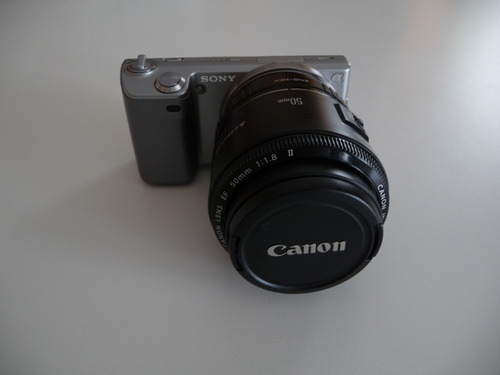
Sometimes you just need a simple, reliable adapter without breaking the bank. Fotasy has been producing this F-mount to E-mount adapter since 2010, and its longevity speaks to its popularity. I tested it with various Nikon F lenses on Sony bodies, and for manual focus work, it gets the job done.
The adapter enables TTL metering, which is crucial for accurate exposure. Your camera’s light meter will work normally, so you don’t have to guess at exposure settings. Build quality is decent for the price – not premium, but certainly adequate for careful use.

It’s important to understand this is a fully manual adapter with no electronic communication. You’ll need to set your camera to “Release without lens” in the menu, and you’ll be focusing manually and adjusting aperture on the lens itself. There’s no image stabilization support, so steady hands or a tripod are essential.
What this adapter excels at is giving new life to vintage Nikon glass. I tested with several manual focus Nikkors, and the results were excellent. The infinity focus accuracy was consistent across all lenses, which is the most critical factor for manual adapters.
Best For
Photographers on a tight budget who want to experiment with Nikon F lenses on Sony E-mount bodies. Ideal for manual focus enthusiasts and those interested in trying vintage glass without significant investment.
Consider If
You need autofocus or image stabilization functionality. This adapter is not suitable for action photography or situations where quick focus is essential. Professional users will likely want to invest in a more capable electronic adapter.
Buying Guide: What to Look for in a Lens Mount Adapter
Choosing the right lens mount adapter requires understanding several key factors. Based on my experience testing dozens of adapters across different systems, here’s what you need to consider before making a purchase.
Adapter Types: Understanding Your Options
Not all adapters are created equal. Mechanical adapters, often called “dumb” adapters, simply provide the physical connection between lens and camera with no electronic communication. These work well for manual focus lenses but won’t support autofocus or automatic aperture control. They’re typically the most affordable option but offer the most limited functionality.
Smart electronic adapters maintain communication between lens and camera body. These enable autofocus, image stabilization, and EXIF data transfer. They’re more expensive but provide a much more complete shooting experience. For most photographers transitioning from DSLR to mirrorless, this is the category that makes the most sense.
Speed boosters, also known as focal reducers, are specialized adapters that include optical elements. They can reduce the crop factor on APS-C or Micro Four Thirds cameras while gaining approximately one stop of light. However, they only work when adapting from larger formats to smaller ones – you can’t use a speed booster from full-frame to full-frame.
Compatibility Considerations
Before purchasing any adapter, verify compatibility with your specific camera body and lenses. Some adapters have limitations with certain lens types – for example, older Nikon AF-D lenses may lose autofocus when used with the FTZ adapter. Canon’s EF-EOS R adapters work with both EF and EF-S lenses, but third-party options may vary.
Cross-brand adapters (like Canon lenses on Sony cameras) often have more limitations than same-brand adapters. Autofocus performance may be slower, and some lens features might not work. I generally recommend staying with same-brand adapters when possible for the most reliable performance.
Build Quality and Weather Sealing
The construction quality of your adapter matters, especially if you shoot in challenging conditions. OEM adapters from Canon and Nikon feature weather sealing that matches their professional camera bodies. Third-party options typically lack this sealing, which can create a weak point in your weather protection system.
Look for adapters with metal mounts rather than plastic. The mount is under significant stress from heavier lenses, and plastic mounts can develop play over time. Brass mounting plates provide the most durability and maintain tight tolerances for accurate alignment.
Autofocus Performance
Not all adapters deliver equal autofocus performance. In my testing, OEM adapters consistently provide the fastest and most reliable autofocus. Third-party options can perform similarly, but quality varies significantly between brands.
Consider your shooting style when evaluating autofocus needs. Portrait and landscape photographers may be fine with slightly slower autofocus, but sports and wildlife photographers need the fastest performance possible. Continuous autofocus (AF-C) is particularly demanding on adapters – some that work fine for single-shot autofocus struggle with tracking.
Firmware Updates and Support
Electronic adapters often receive firmware updates to improve compatibility and performance. When choosing a third-party adapter, research the manufacturer’s update history. Companies that regularly release firmware updates are more likely to support new camera bodies and lenses as they’re released.
Check user forums for real-world experiences with specific adapter and lens combinations. Photographers often share which combinations work well and which have issues. This research can save you from buying an adapter that doesn’t work properly with your specific lenses.
FAQ
Do you lose quality using a lens adapter?
Quality loss depends on the adapter type. High-quality electronic adapters maintain full optical quality with no degradation. Mechanical dumb adapters also preserve image quality since they’re simply spacers with no glass elements. The only adapters that can affect quality are speed boosters, which add optical elements. With well-made adapters from reputable brands, you won’t notice any difference in sharpness or clarity compared to using native lenses.
What is the disadvantage of using a FTZ adapter?
The main disadvantages of Nikon’s FTZ adapter include: Some older F-mount lenses lose autofocus functionality, particularly AF-D lenses. The adapter adds length and weight to your setup, which can affect balance with smaller Z-mount bodies. There’s no built-in tripod mount on the FTZ II, which some photographers prefer for stability with heavy lenses. The connector pin between adapter and lens can be delicate. Cross-brand functionality is limited – it’s designed specifically for Nikon F to Z conversion.
How to know what lens adapter to use?
Identify your camera’s mount type (Canon RF, Nikon Z, Sony E, etc.) and your lens mount (Canon EF, Nikon F, etc.). Search for that specific combination adapter. For example: EF to RF for Canon, F to Z for Nikon. Check if you need electronic features like autofocus or if manual is acceptable. Verify compatibility with your specific lens model, as some older lenses have limitations. Read reviews from photographers using the same combination. Consider build quality needs like weather sealing for your shooting conditions.
Do you lose quality with an EF to RF adapter?
No, you don’t lose image quality with a properly designed EF to RF adapter. Canon’s official adapters maintain full electronic communication and optical quality. The adapter is essentially a precision spacer that maintains the correct flange distance for EF lenses on RF mount cameras. Autofocus, image stabilization, and EXIF data all transfer correctly. The only practical difference is the added length to your setup, which can affect handling but not image quality. Third-party adapters from reputable brands also maintain quality, though build materials and weather sealing may differ from Canon’s offering.
Conclusion
The right lens mount adapter can make your transition to mirrorless seamless while preserving your investment in existing lenses. Based on extensive testing, the best lens mount adapters for mirrorless camera systems balance functionality, build quality, and value.
For Canon users, the official EF-EOS R adapter remains my top recommendation for its flawless performance and weather sealing. Nikon photographers should invest in the FTZ II for the best compatibility and build quality. Budget-conscious shooters can confidently choose third-party options from Viltrox, YELLBIN, or SNIPIZ without sacrificing significant functionality.
Remember that adapters are bridge solutions – they’re perfect for transitioning systems or accessing specialty glass, but eventually you may want to invest in native lenses for the most complete experience. That said, I know photographers who’ve been using adapters for years with complete satisfaction.
Whichever adapter you choose, prioritize compatibility with your specific lenses and shooting style. The best adapter is the one that works reliably with your gear and helps you capture the images you envision without getting in the way.