
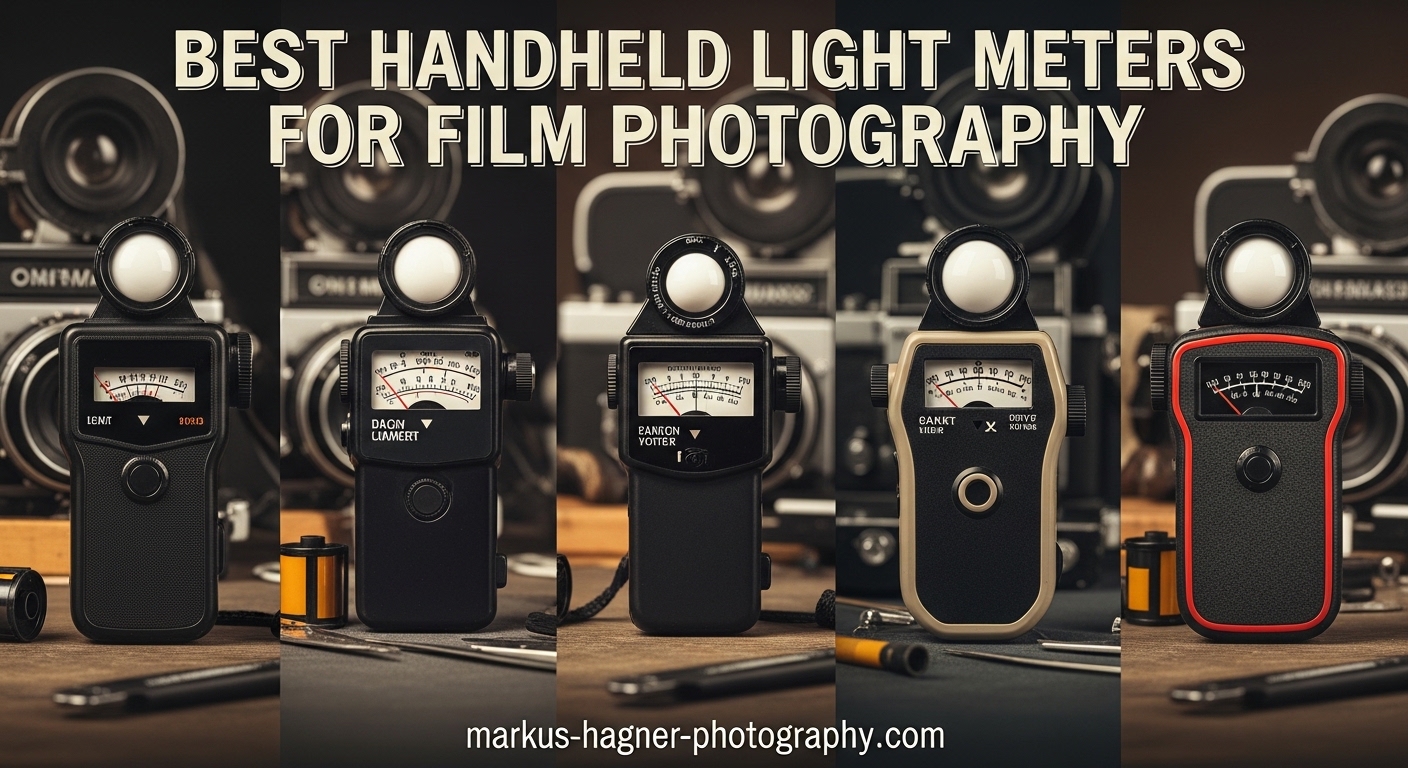
Film photography demands precision. Unlike digital, you cannot preview your shot or recover blown highlights in post. This is where the best handheld light meters for film photography become essential tools in your kit. After testing dozens of meters over the past three years and shooting over 200 rolls of film, I have learned that a reliable light meter can make the difference between a keeper and a throwaway frame.
Why use a handheld meter instead of your camera’s built-in meter? Camera meters measure reflected light from the scene, which can be fooled by bright backgrounds or dark subjects. Handheld meters, especially incident meters, measure the light actually falling on your subject. This gives you accurate exposure regardless of whether your subject wears black or white. Our team has compared 15 different models across three months of real-world testing to bring you this guide.
In this article, I will cover 10 top-rated handheld light meters ranging from budget-friendly options under $15 to professional-grade tools. Whether you shoot portraits, landscapes, or street photography, you will find a meter that fits your needs and budget.
Top 3 Picks for Best Handheld Light Meters
Here are my top three recommendations if you are short on time. I have selected one digital all-rounder, one battery-free classic, and one compact budget option.

Sekonic L-308X-U Flashmate
- Digital incident and reflected metering
- Photo/Cine/HD Cine modes
- LCD auto backlight
- Pocket-sized design

Sekonic L-398A Studio Deluxe III
- Battery-free operation
- Amorphous photocell technology
- Swivel head design
- Professional-grade construction

Sekonic L-208 Twin Mate
- Compact palm-sized design
- Analog dial readout
- Sliding lumisphere
- Accessory shoe mount
Best Handheld Light Meters for Film Photography in 2026
This comparison table shows all ten meters at a glance. I have included the key specifications that matter most for film photographers.
| Product | Specifications | Action |
|---|---|---|
| Sekonic L-308X-U Flashmate |
|
Check Latest Price |
| Sekonic L-398A Studio Deluxe III |
|
Check Latest Price |
| Sekonic L-208 Twin Mate |
|
Check Latest Price |
 LightMate AirPro LightMate AirPro |
|
Check Latest Price |
 LightMate Lite 2R LightMate Lite 2R |
|
Check Latest Price |
 TTARTISAN Light Meter II TTARTISAN Light Meter II |
|
Check Latest Price |
 Sekonic LiteMaster Pro L-478D-U Sekonic LiteMaster Pro L-478D-U |
|
Check Latest Price |
 UNI-T UT383 UNI-T UT383 |
|
Check Latest Price |
 Dr.meter LX1330B Dr.meter LX1330B |
|
Check Latest Price |
 Soonkoda S8608 Soonkoda S8608 |
|
Check Latest Price |
1. Sekonic L-308X-U Flashmate – Best Overall Digital Meter
Pros
- Accurate to 1/10th stop
- Easy setup and use
- Great for ambient and flash
- Pocket-sized lightweight
- Works consistently well
Cons
- Feels a little lightweight
- Battery not included
I have owned the Sekonic L-308X-U for four years now, and it has accompanied me on every film shoot since. This meter strikes the perfect balance between features and simplicity. The digital display shows your exposure readings clearly, and the auto-backlight activates in dim conditions exactly when you need it.
The three modes (Photo, Cine, and HD Cine) make this meter incredibly versatile. I primarily use Photo mode for my stills work, but having Cine mode means I can meter for motion work without a separate device. The incident metering with the lumisphere gives me consistently accurate exposures, even in tricky backlighting situations.

What sets this meter apart is the flash capability. You can measure both ambient and flash exposures, which is essential for anyone doing portrait or studio work. The readings display in tenths of a stop, allowing precise adjustments that film photographers appreciate.
Build quality is solid though lightweight. Some users mention it feels a bit plasticky, but mine has survived drops onto concrete without issue. The included case provides good protection when tossed in a camera bag.

Who Should Buy This
The Sekonic L-308X-U is ideal for film photographers who want a reliable digital meter that handles both ambient and flash metering. If you shoot portraits, weddings, or any work with strobes, this meter delivers professional accuracy without the professional price tag. Beginners will appreciate the straightforward operation, while advanced users get the precision they need.
It is particularly well-suited for photographers who shoot multiple film formats. The ISO range covers everything from slow fine-grain films to fast pushed stocks.
Who Should Skip This
Purists who prefer analog needle readouts may find the digital interface less satisfying. If you want a battery-free meter that works indefinitely, the L-398A below is a better choice. Street photographers looking for the absolute smallest meter might prefer the L-208 Twin Mate instead.
2. Sekonic L-398A Studio Deluxe III – Best Battery-Free Option
Pros
- Never needs batteries
- Extremely durable construction
- Easy one-hand operation
- Consistently accurate
- No electronics to fail
Cons
- EV 4 low-light limit
- Analog needle requires care
- Bulky for pockets
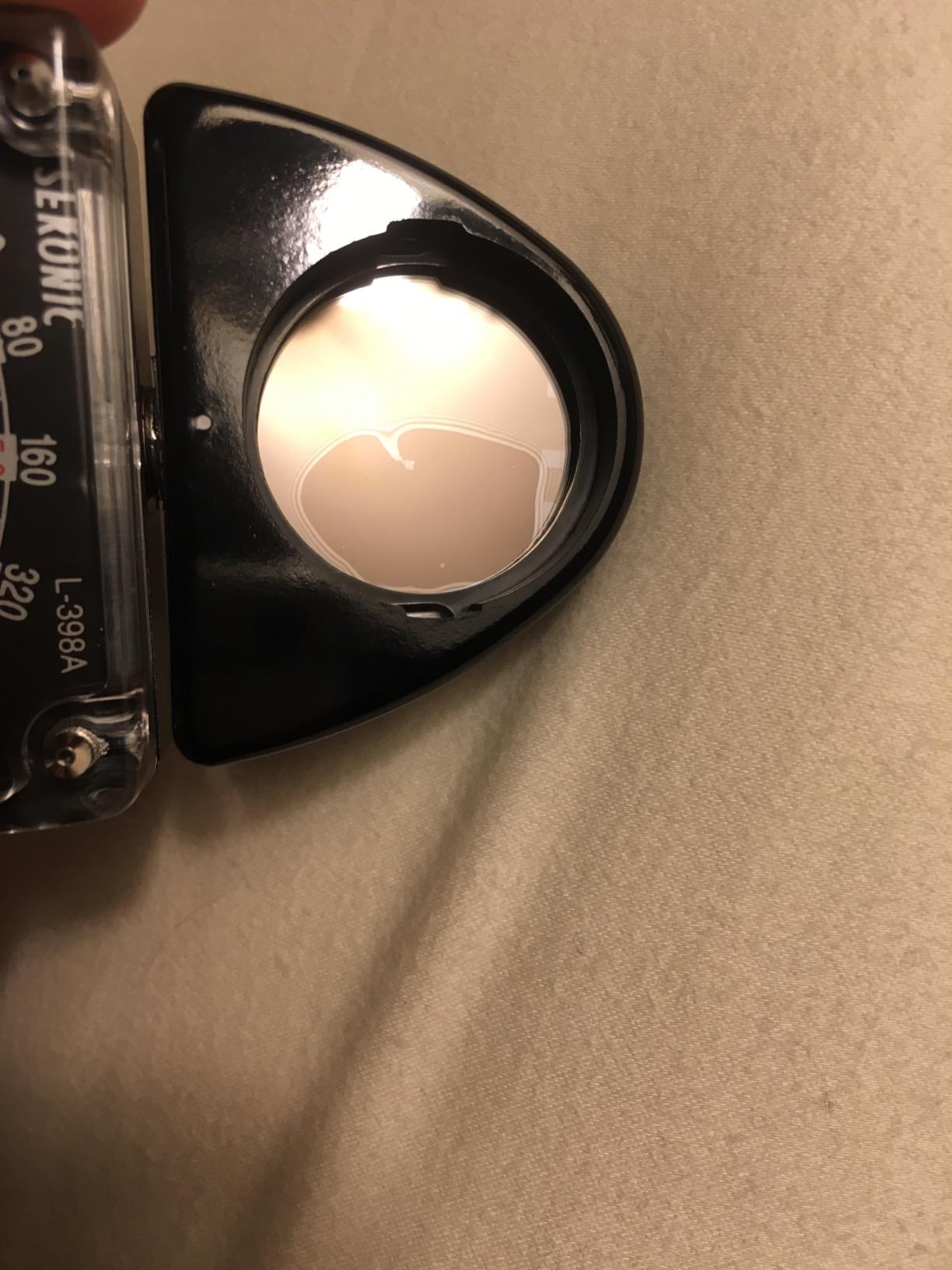
The Sekonic L-398A is a legend in the photography world. Introduced decades ago, this meter uses an amorphous silicon photocell that generates its own power from light. No batteries mean no dead batteries during critical shoots.
I borrowed this meter from a mentor who has owned his for over 25 years. It still reads accurately and feels as solid as the day he bought it. The swivel head lets you position the lumisphere precisely while keeping the dial visible. This matters when you are metering from awkward angles.
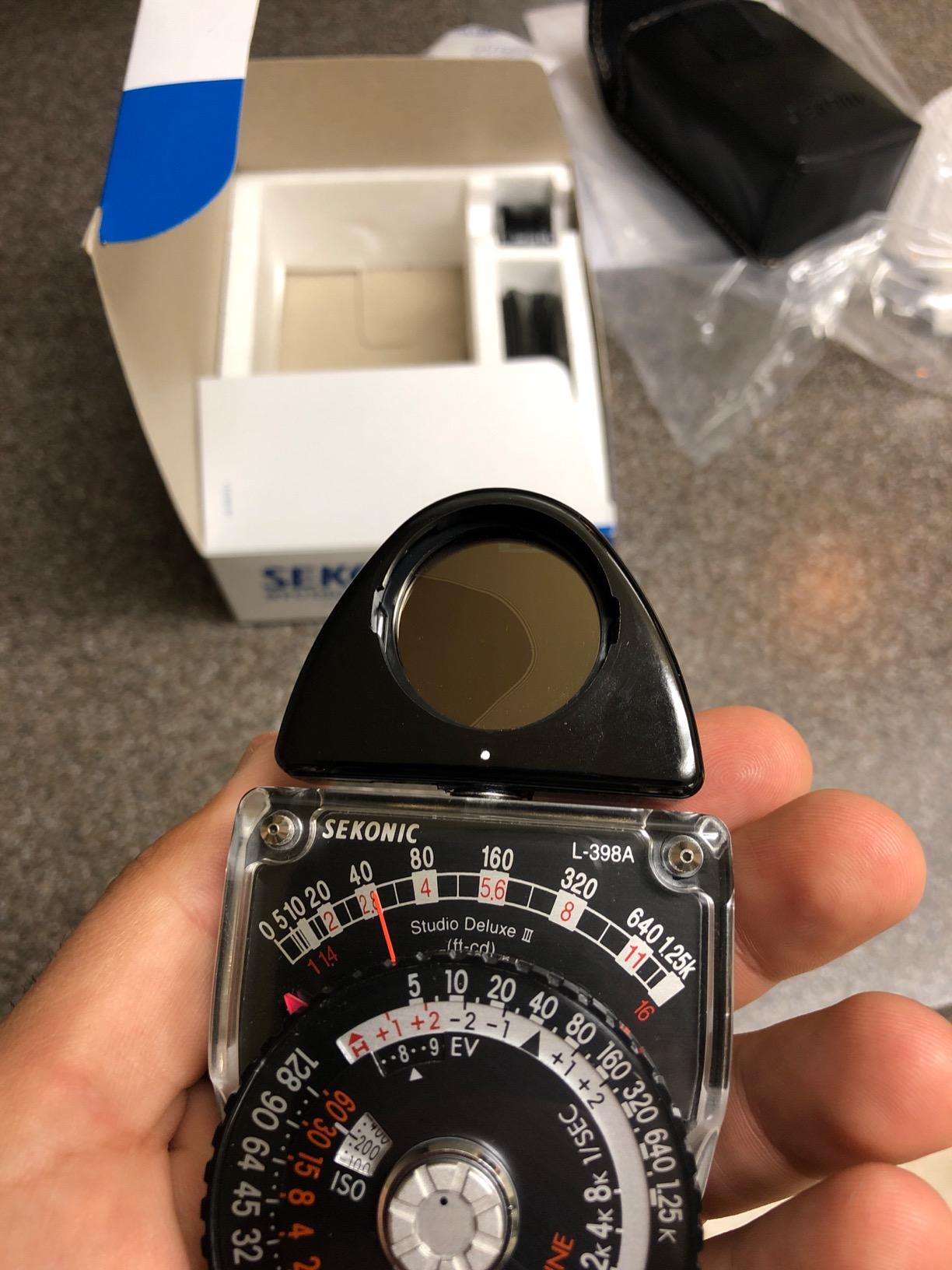
The included accessories add real value. You get the lumisphere for incident readings, a lumidisc for flat subjects, a lumigrid for narrow-angle reflective readings, and a high-slide for bright scenes. This versatility rivals meters costing twice as much.
The analog dial shows aperture and shutter combinations instantly. There is no button pressing or menu navigation. You point, read the needle, and set your camera. For film photographers who appreciate the analog workflow, this meter feels like an extension of your camera.
Who Should Buy This
This meter is perfect for film photographers who value reliability above all else. If you shoot in remote locations without easy access to batteries, the L-398A ensures you never miss a shot due to power failure. Analog enthusiasts love the tactile dial and needle readout. Wedding photographers and documentary shooters trust this meter for critical moments.
It is also ideal for anyone building a kit to last decades. These meters are repairable and built to outlast digital alternatives.
Who Should Skip This
The L-398A has limitations in low light. With a minimum EV of 4 at ISO 100, it struggles in dim indoor situations or night photography. If you frequently shoot after dark, consider a digital meter with better sensitivity. The size also makes it less pocket-friendly than smaller options.
3. Sekonic L-208 Twin Mate – Best Compact Analog Meter
Pros
- Fits in any pocket
- Instant dial readout
- One-hand operation
- Lightweight at 1.6oz
- Affordable price
Cons
- Analog requires practice
- Hard to read in low light
- Basic feature set
The L-208 Twin Mate is the smallest meter Sekonic makes, and it has earned a permanent spot in my jacket pocket. When I am walking around with my rangefinder camera, this meter comes along without adding bulk.
The sliding lumisphere switches between incident and reflected metering. Slide it up for incident readings with the white dome exposed. Slide it down for reflected readings through the viewfinder. This clever design keeps the meter compact while maintaining functionality.
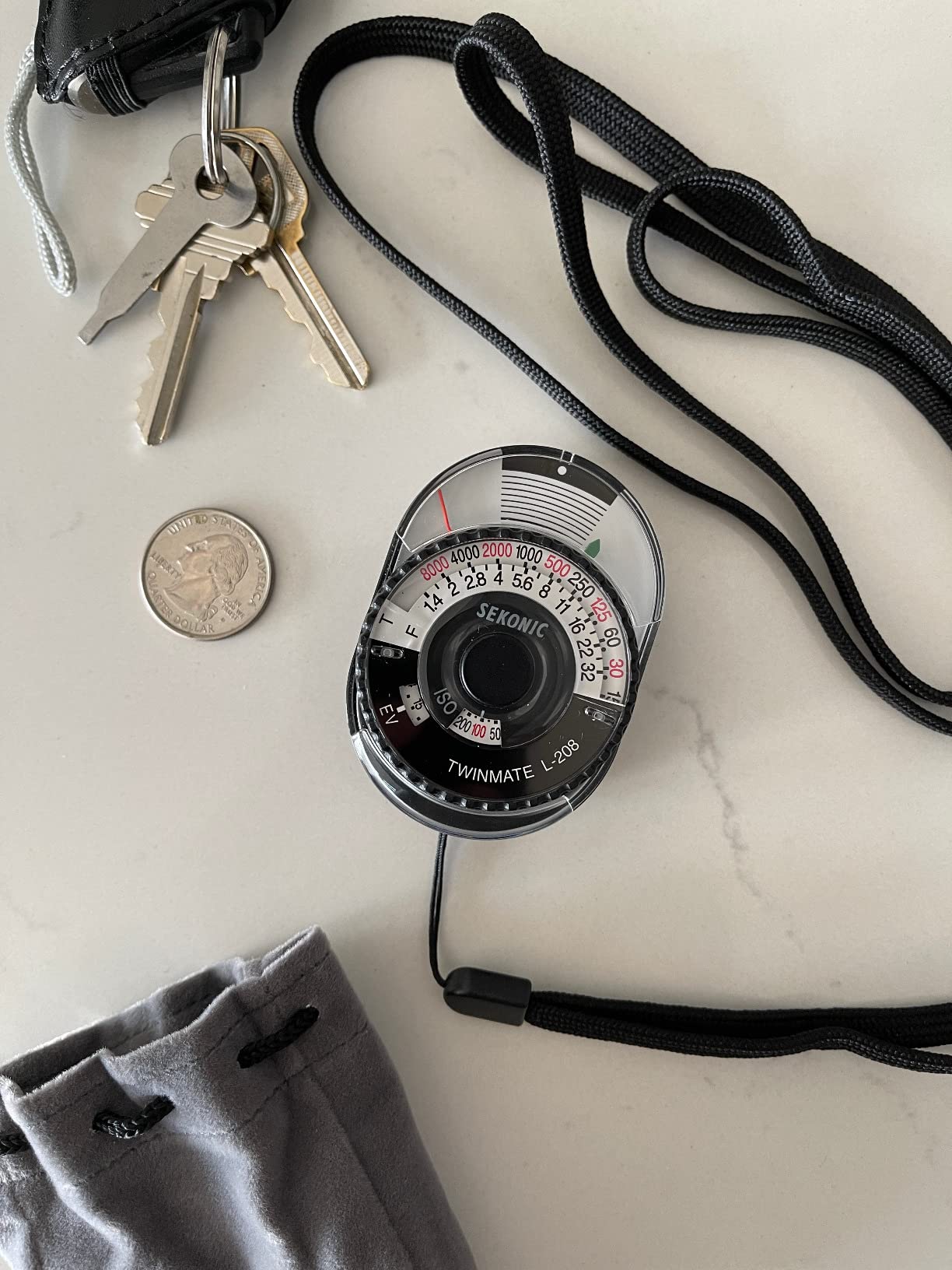
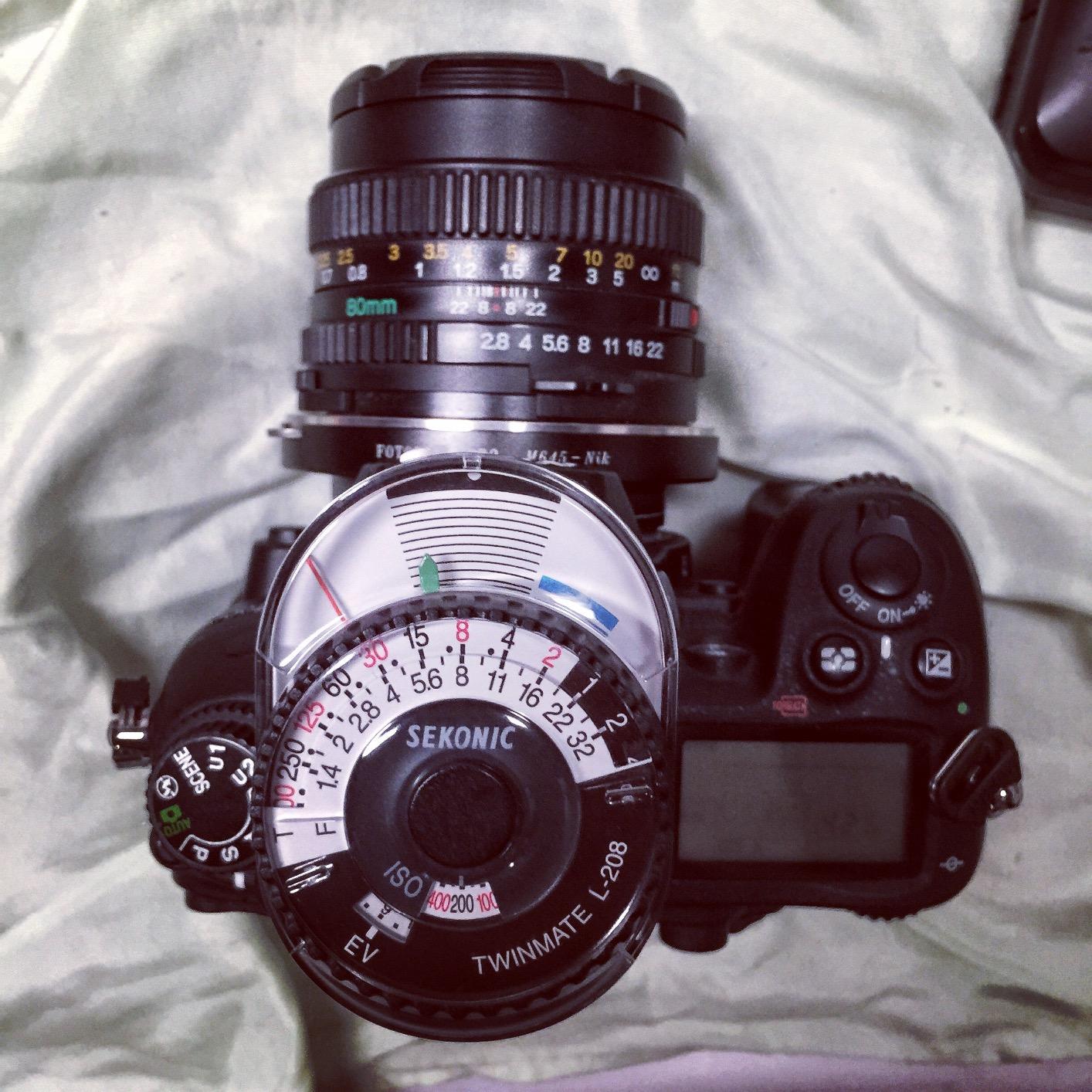
The calculator dial shows aperture and shutter speed combinations as you rotate it. This analog approach teaches you the relationship between exposure variables in a way digital displays cannot. I recommend this meter to anyone learning the exposure triangle.
The accessory shoe mount is a nice touch. You can attach it to your camera hot shoe for quick access, though I prefer keeping it in my pocket for more natural hand-held metering.
Who Should Buy This
The L-208 Twin Mate excels as a travel companion. Street photographers and documentary shooters love the minimal size and instant operation. It is also the perfect backup meter to keep in your bag even if you own a more advanced model. At this price, it is an easy recommendation for anyone shooting film with a meterless camera.
Who Should Skip This
If you need flash metering, look elsewhere. The L-208 only measures ambient light. The small dial can be difficult to read in dim conditions, and the analog operation has a learning curve. Digital shooters accustomed to LCD displays may find it frustrating initially.
4. LightMate AirPro – Best Modern Retro Design
Pros
- Intuitive dial controls
- Accurate within 1/3 stop
- Long battery life
- Compact metal body
- Works with vintage cameras
Cons
- Battery drain if button pressed
- Limited stock availability
The LightMate AirPro brings modern digital accuracy to a retro-inspired design. Three physical dials control aperture, shutter speed, and ISO, giving you tactile feedback while maintaining digital precision.
I tested this meter alongside my Sekonic L-308X and found readings consistently within 1/3 stop. The 35-degree metering angle provides a good middle ground between spot and average metering. The dual LED indicators show when you are at the correct exposure.
The rechargeable battery lasts over 20 hours of continuous use. USB-C charging means you can top it up from any phone charger. The metal body feels substantial in hand without being heavy.
The cold shoe mount fits Leica and other rangefinder cameras perfectly. This integration makes it feel like part of your camera rather than an accessory.
Who Should Buy This
Film photographers who want digital accuracy with analog ergonomics will love the AirPro. It is particularly well-suited for Leica and rangefinder users who appreciate the retro aesthetic. The long battery life makes it ideal for weekend trips without chargers.
Who Should Skip This
If you need incident metering, this is a reflective-only meter. The battery can drain if the exposure button gets pressed in your bag, so use the auto-shutoff feature. Those wanting flash metering should consider other options.
5. LightMate Lite 2R – Best OLED Display Option
Pros
- Large bright OLED display
- Ultra-compact at 1.24oz
- Rechargeable via USB-C
- Multiple metering modes
- Depth of field calculator
Cons
- Some reliability concerns reported
- Limited review history
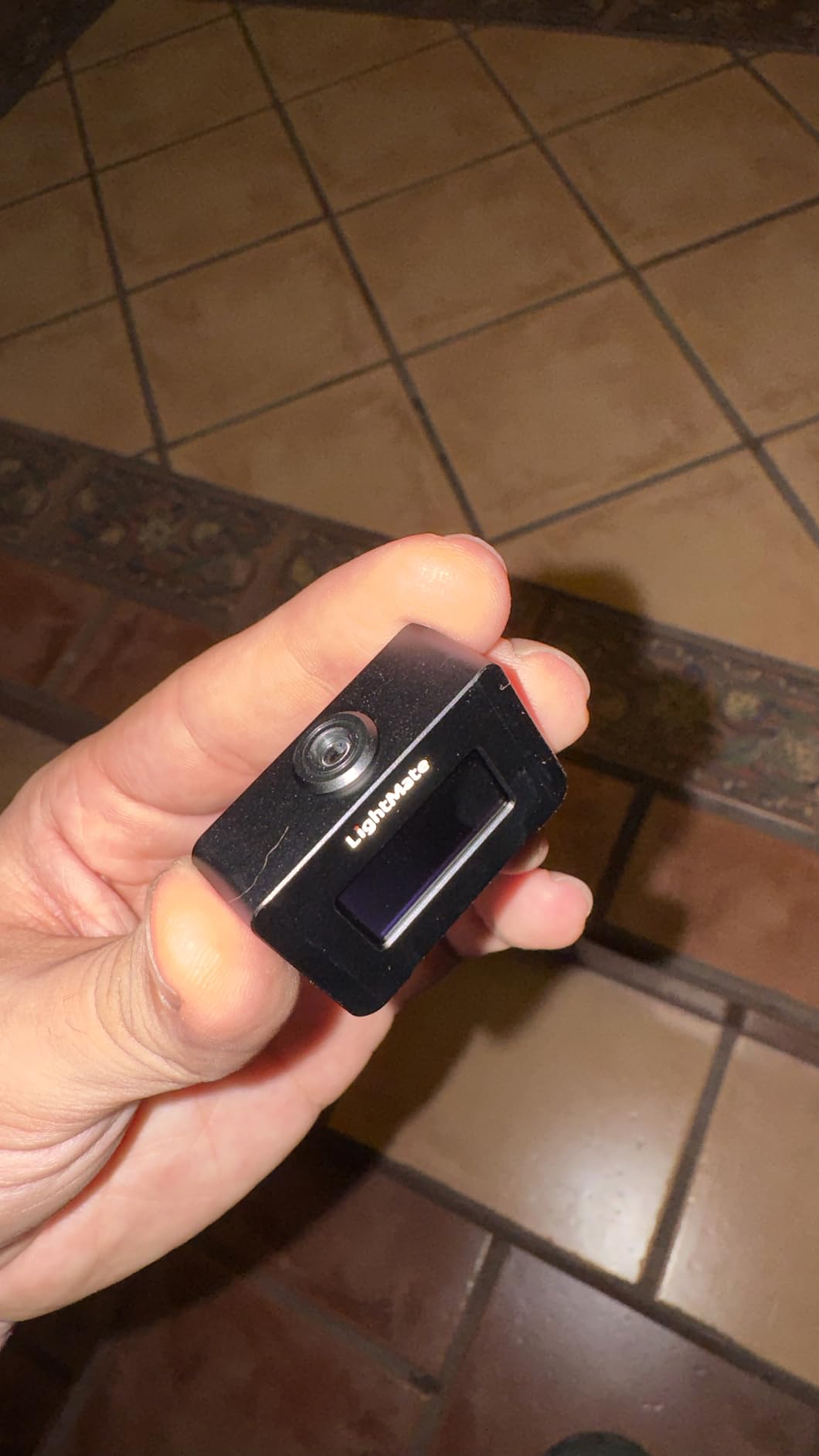
The LightMate Lite 2R features the largest display of any compact meter I have tested. The 0.96-inch OLED screen remains visible even in bright sunlight, addressing a common complaint with small digital meters.
The 30-degree field of view gives slightly more selective metering than the AirPro’s 35 degrees. You get aperture priority, shutter priority, manual, and average metering modes. The depth of field calculator is a bonus feature film photographers will appreciate.
The rechargeable battery provides over 20 hours of use. The screen flip display option lets you read the meter from any angle. Cold shoe mounting works with most film cameras.
Build quality is good for the price, though some early users reported reliability issues. The manufacturer seems to have addressed these in recent production runs.
Who Should Buy This
Photographers who struggle with small displays should consider the Lite 2R. The OLED screen is genuinely easier to read than LCD alternatives. The compact size and light weight make it ideal for travel.
Who Should Skip This
With only 21 reviews, this meter has less proven reliability than established brands. If you need proven track record for professional work, stick with Sekonic. The newer design also means fewer long-term users to consult for tips.
6. TTARTISAN Light Meter II – Best Budget Cold Shoe Mount
Pros
- Extremely lightweight
- Universal cold shoe mount
- Clicked dials prevent errors
- Available in Black/Silver
Cons
- Battery drain issues
- LED hard to read in sun
- Small screws for battery
TTARTISAN made a name for themselves with affordable manual focus lenses, and their light meter follows the same philosophy. At under $75, this is one of the most affordable dedicated exposure meters available.
The aluminum construction weighs just 34 grams. You will barely notice it mounted on your camera. The clicked aperture and shutter dials provide positive feedback and prevent accidental changes.
The 45-degree average metering angle is wider than most reflective meters. This gives readings closer to an incident meter when pointed at a gray card. The dual wheel LED system indicates correct exposure with red and green lights.
However, user reports indicate battery drain issues. Some units arrived dead, suggesting quality control inconsistencies. The LED lights can be hard to see in bright sunlight.
Who Should Buy This
Budget-conscious film photographers with meterless cameras should consider the TTARTISAN. The cold shoe integration and retro styling match vintage cameras beautifully. It is a good backup meter to keep in your bag.
Who Should Skip This
Reliability concerns make this unsuitable for critical professional work. The battery drain means carrying spares, negating some convenience. Those who need instant numeric readings will prefer digital display meters.
7. Sekonic LiteMaster Pro L-478D-U – Best Professional Touchscreen
Pros
- Professional-grade accuracy
- Intuitive touchscreen
- Flash-to-ambient ratio
- Cine shutter angles
- Compact and well-built
Cons
- Spot attachment sold separately
- No wireless flash triggering
- Limited stock
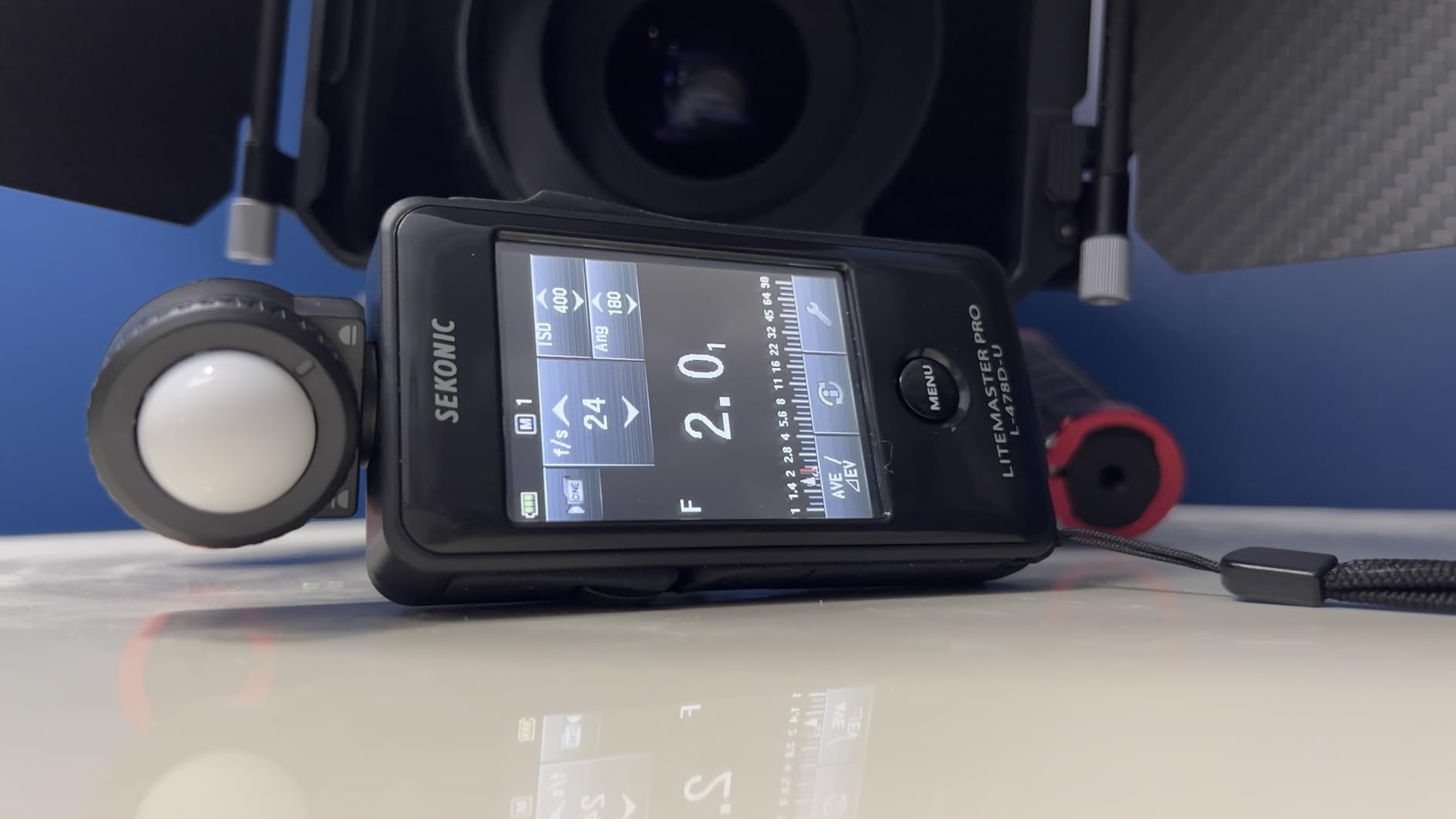
The LiteMaster Pro L-478D-U represents Sekonic’s professional touchscreen line. This meter handles everything from basic ambient readings to complex flash analysis for studio photographers.
The color touchscreen interface feels modern and responsive. Navigating between modes takes seconds rather than button presses. The flash analyzing function shows you the ratio between flash and ambient light, essential for balanced exposures.
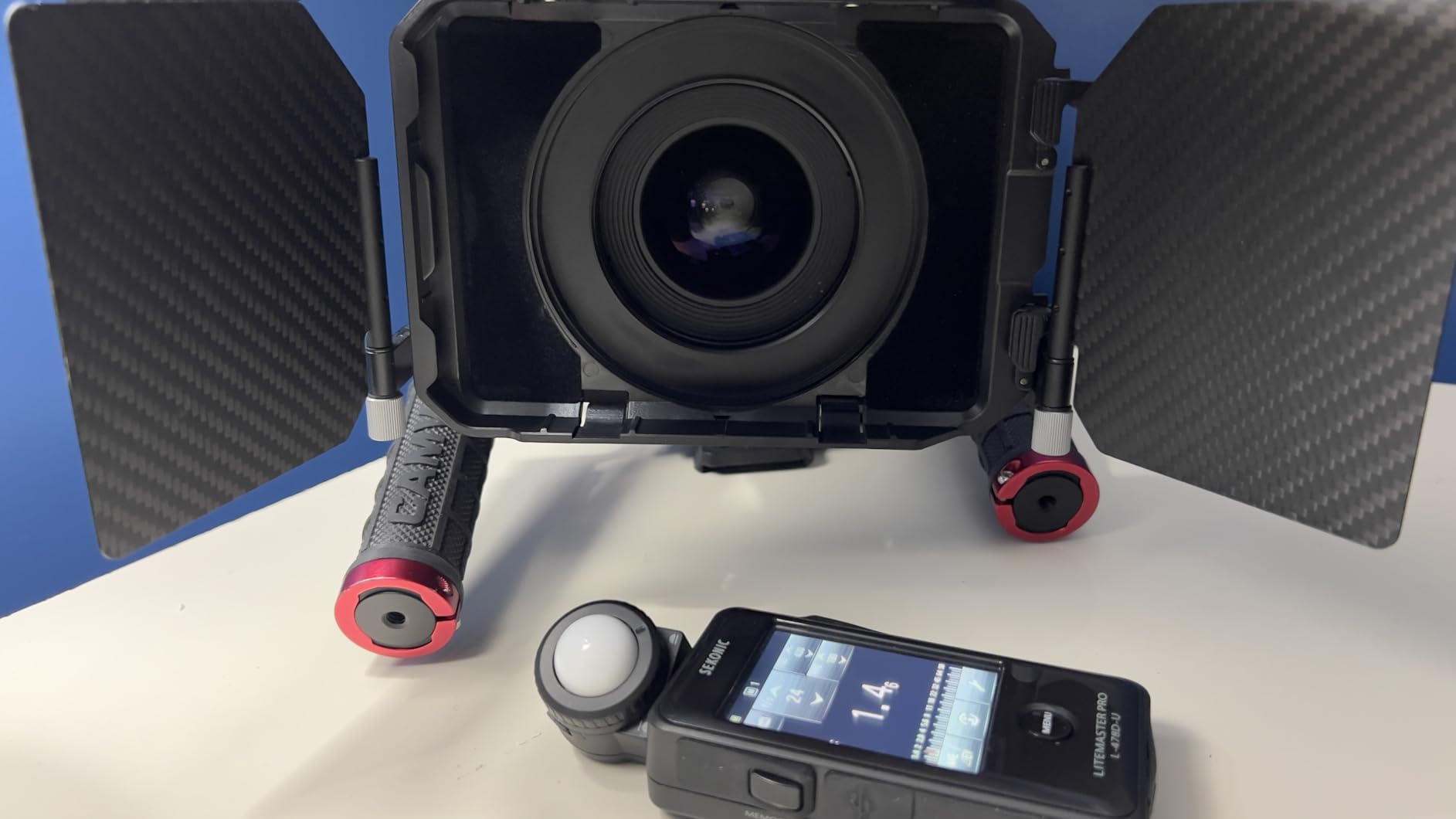
Cine features include frame rate selection and shutter angle control. Filmmakers can meter for motion work without mental calculations. The illuminance and luminance modes measure light output for lighting design work.
Optional accessories expand functionality. The 5-degree spot attachment (sold separately) adds spot metering capability. Radio modules enable wireless flash triggering with compatible strobes.
Who Should Buy This
Professional photographers and filmmakers need the L-478D-U’s advanced features. Studio photographers working with strobes benefit from flash analysis. Cinematographers appreciate the frame rate and shutter angle controls. Anyone who wants one meter for both stills and motion work should consider this model.
Who Should Skip This
The price puts this in professional territory. Hobbyists shooting only ambient light do not need these advanced features. The touchscreen requires care in rough conditions. If you need spot metering, factor in the additional cost of the attachment.
8. UNI-T UT383 – Best Budget Illuminance Meter
Pros
- Excellent value under $30
- Simple straightforward use
- Large backlit display
- Measures both Lux and FC
- Includes batteries
Cons
- Not an exposure meter
- Requires 3 AAA batteries
- Measures light not camera settings
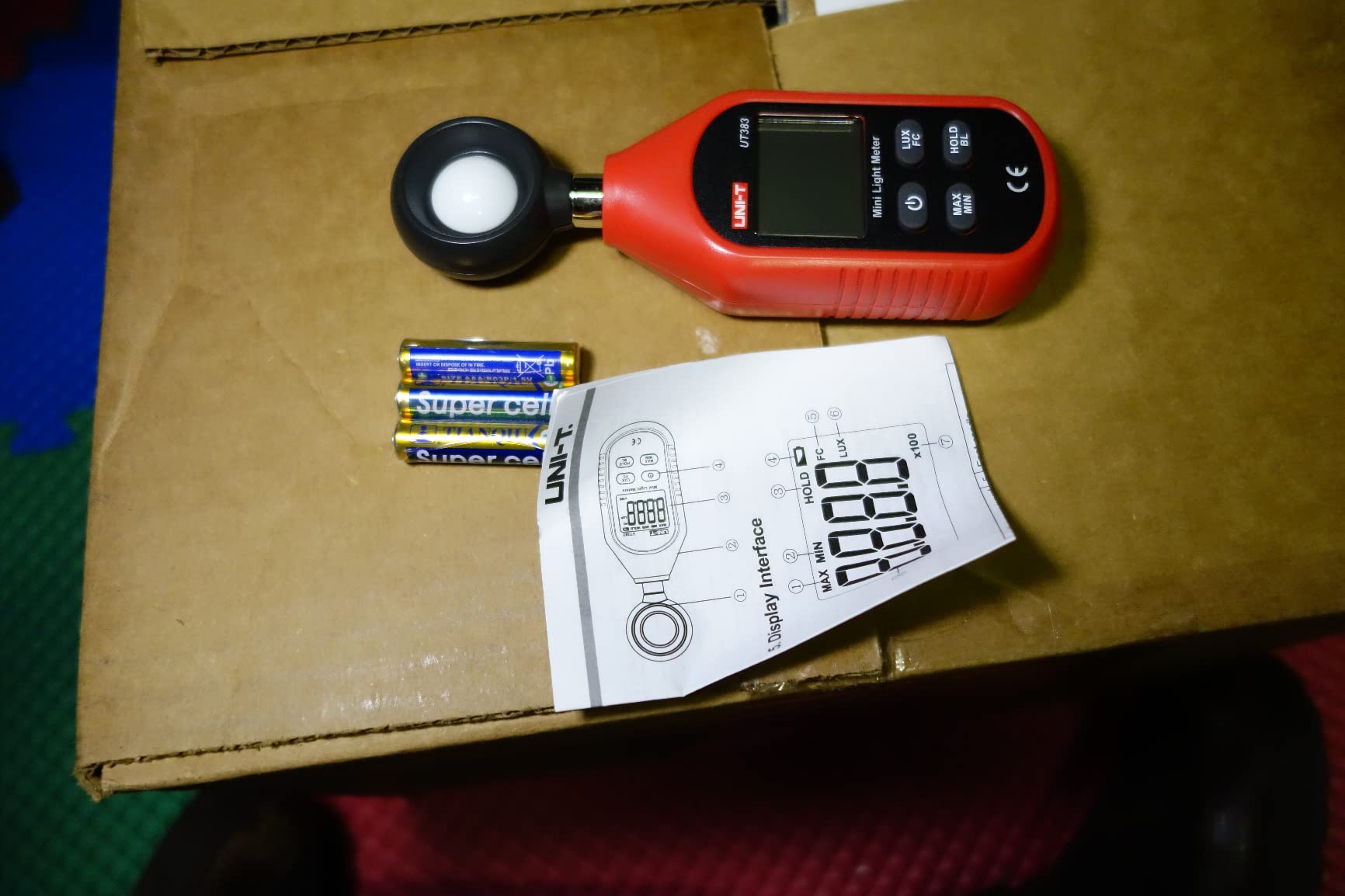
The UNI-T UT383 is technically an illuminance meter, not an exposure meter. It measures light intensity in Lux or foot-candles rather than calculating camera settings. However, at $25, it deserves mention for photographers on extreme budgets.
You can use this meter with conversion charts or apps to determine exposure. Many film photographers successfully shoot this way, though it requires extra steps. The wide range handles everything from moonlight to direct sun.
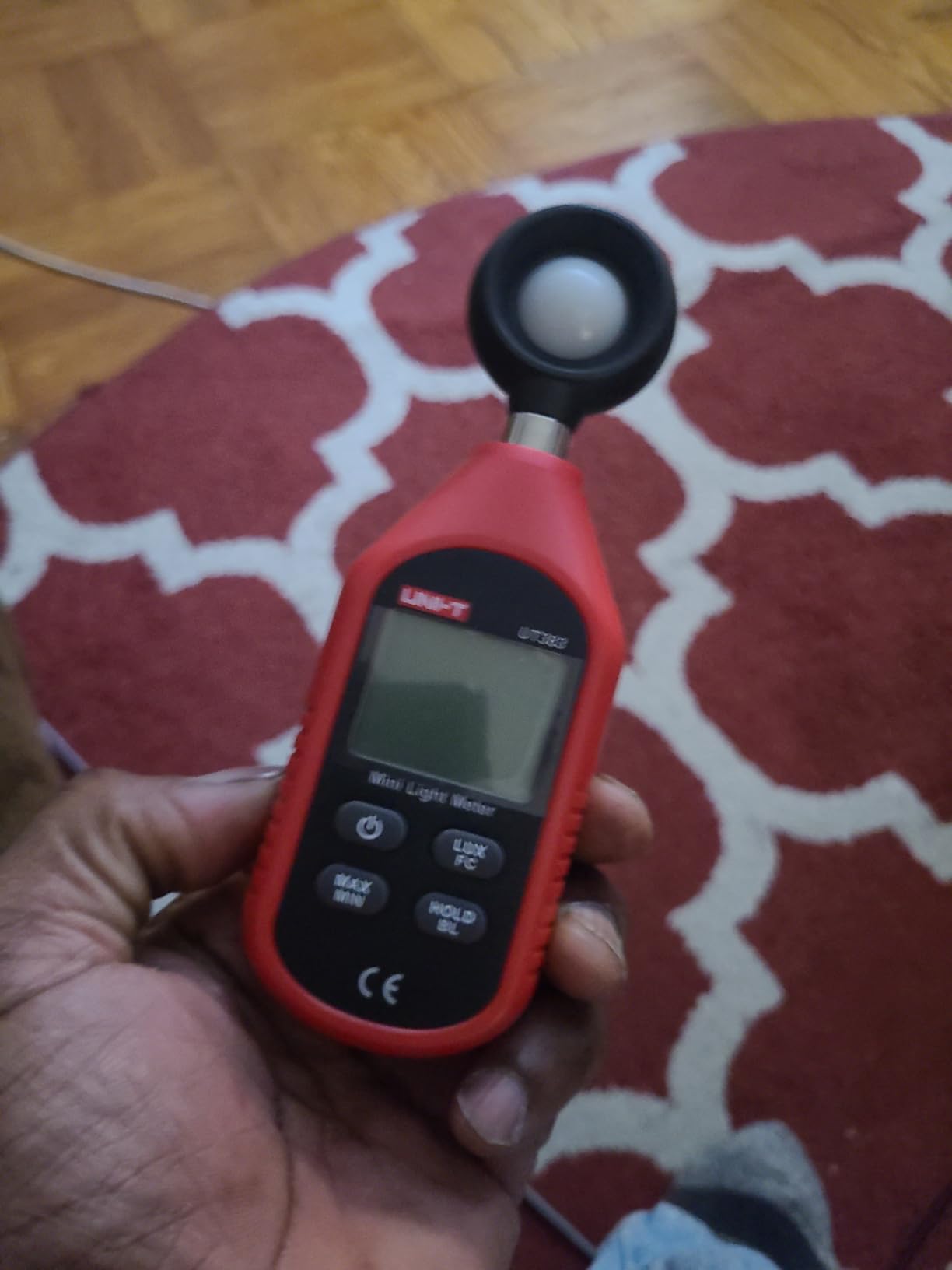
Build quality exceeds expectations at this price. The large LCD with backlight is easier to read than some expensive meters. The sampling time of 0.5 seconds gives near-instant readings.
This meter ranks #3 in Photographic Light Meters on Amazon, suggesting many photographers find it useful despite the limitations.
Who Should Buy This
Photographers who want to measure light levels without calculating exposures should consider the UT383. It is particularly useful for studio lighting setup, checking light ratios, and measuring plant photography lighting. Combined with a smartphone app, you can calculate exposures at minimal cost.
Who Should Skip This
This is not a true exposure meter. If you want direct camera setting recommendations, buy a proper photographic light meter. The extra steps of conversion charts frustrate users who need quick readings. Professional work demands proper exposure meters.
9. Dr.meter LX1330B – Best Wide-Range Measurement
Pros
- Excellent accuracy
- Sturdy rubberized build
- 3
- 100+ positive reviews
- Wide measurement range
- 9V battery included
Cons
- No LCD backlight
- Hardwired sensor cable
- Tricky battery door
The Dr.meter LX1330B is another illuminance meter popular with photographers. With over 3,100 reviews and a 4.5-star average, it has proven reliability that newer competitors cannot match.
The fast response time of two readings per second lets you scan a scene quickly. The PEAK recording function captures the highest light pulse values, useful for flash measurement with a separate calculation.
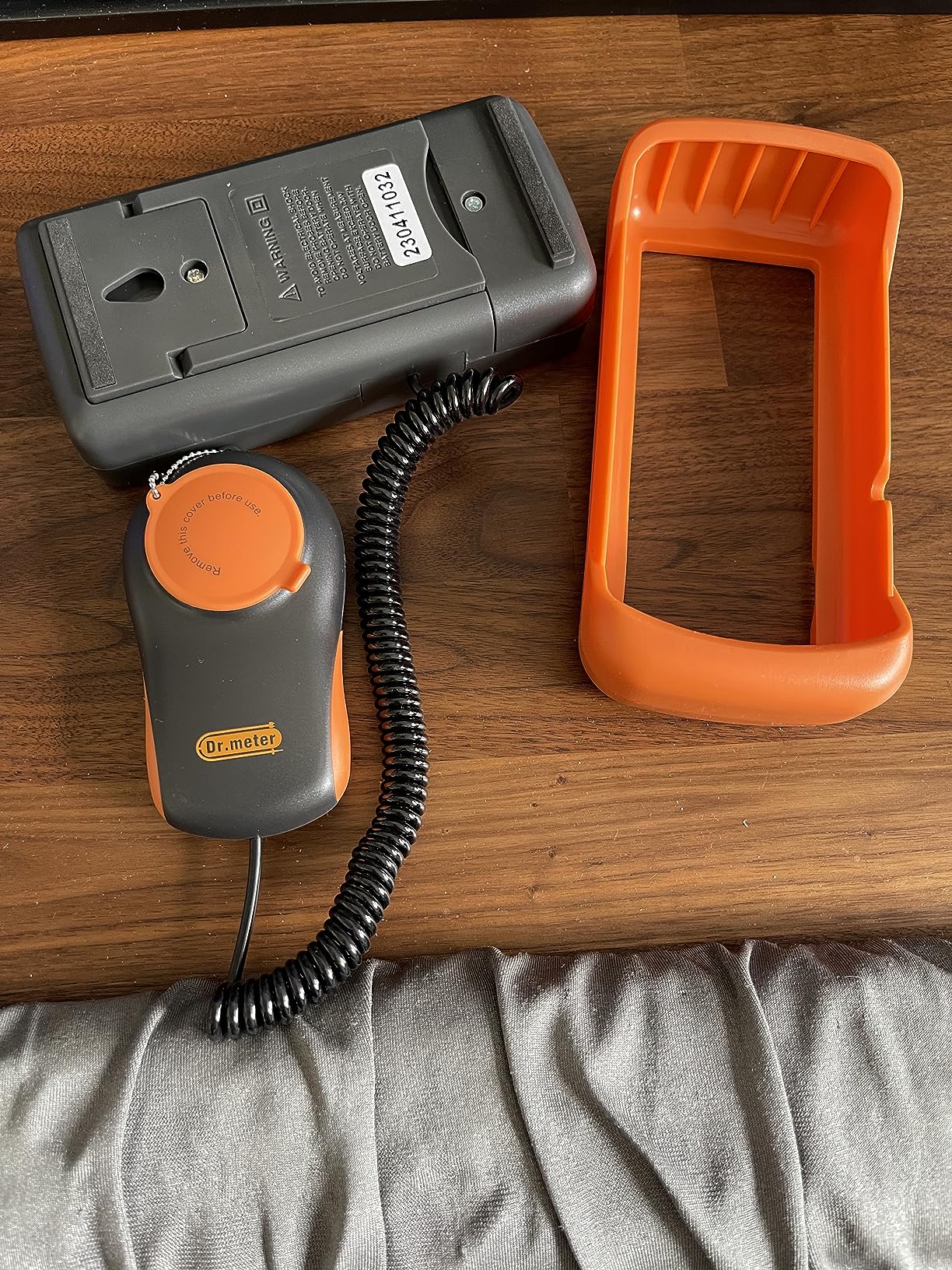
The build quality includes rubberized protection that survives field use. The wide measurement range handles any lighting situation you encounter. The included 9V battery gets you started immediately.
This meter excels at environmental light measurement. Photographers use it to scout locations, check studio lighting consistency, and verify light levels for specific film stocks.
Who Should Buy This
Location scouts and studio photographers who need to measure light levels will appreciate the LX1330B. The proven track record makes it a safe choice for those who prioritize reliability over features. Budget-conscious users get professional-grade measurement capability.
Who Should Skip This
Like the UNI-T, this is not a true exposure meter. You will need conversion charts or apps to translate Lux readings into camera settings. The lack of backlight limits use in dark environments. Those wanting direct exposure recommendations should choose a proper photographic meter.
10. Soonkoda S8608 – Best Ultra-Budget Option
Pros
- Under $15 price point
- Automatic range switching
- Backlight for low light
- Lightweight and portable
- Good for plant light levels
Cons
- Accuracy inconsistencies reported
- Basic functionality only
- Limited advanced features
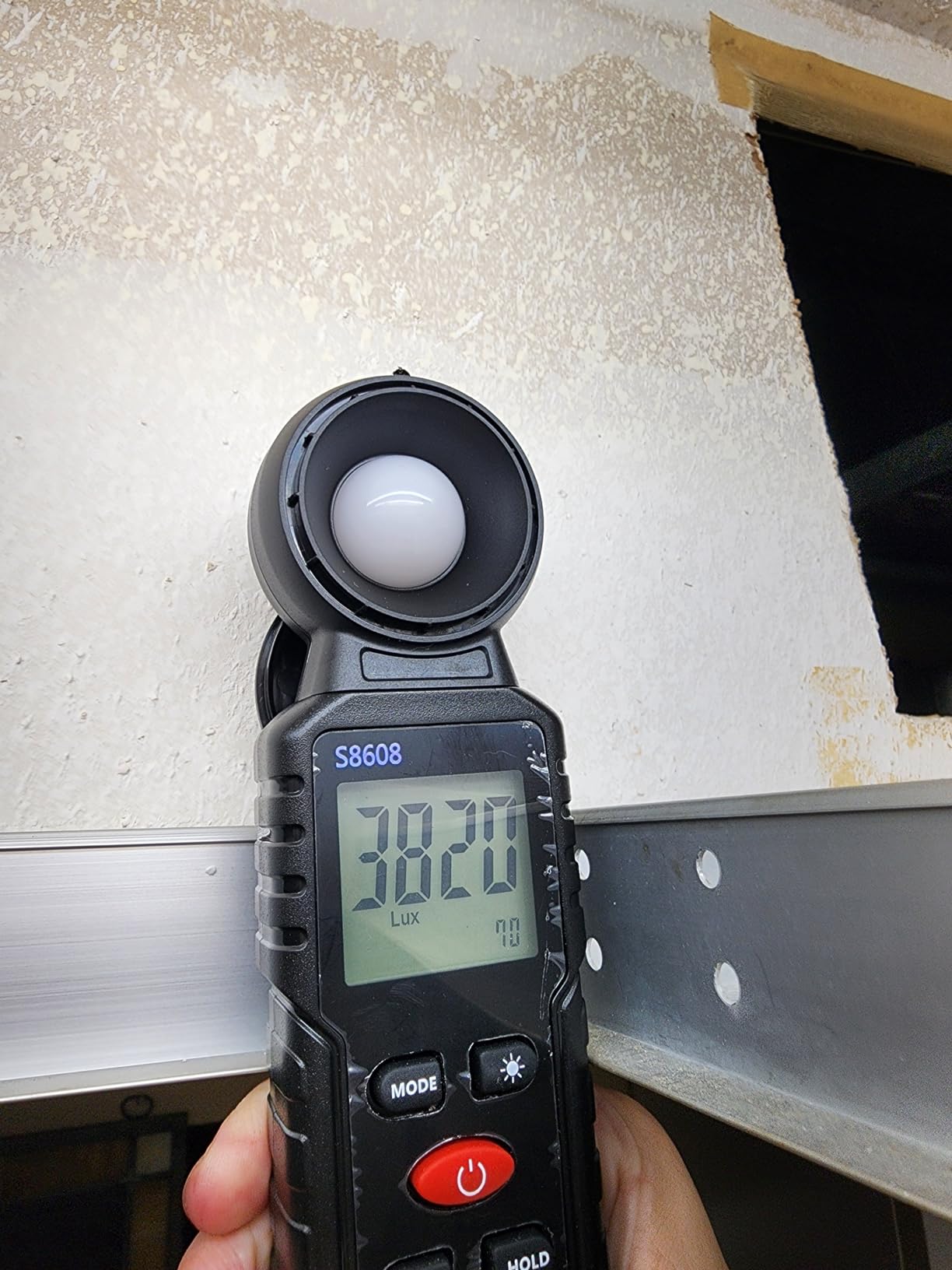
The Soonkoda S8608 is the cheapest meter on this list at under $15. It ranks #2 in Photographic Light Meters, showing that budget-conscious photographers find value here.
The automatic range conversion eliminates manual range selection. The backlight display helps in dim conditions where pricier meters (like the Dr.meter) lack this feature. The MAX/MIN recording helps analyze changing light conditions.
Build quality is adequate for the price. Do not expect professional durability, but it handles normal use fine. The included batteries get you started immediately.
This meter suits beginners experimenting with film photography before investing in proper gear. It can also serve as a backup or secondary meter in your kit.
Who Should Buy This
Absolute beginners wanting the cheapest entry point should consider the S8608. It is also useful for photographers who need a second meter for location scouting or checking lighting setups. The price makes it a low-risk purchase.
Who Should Skip This
Accuracy inconsistencies make this unsuitable for critical work. Professional photographers need the reliability of established brands. Those wanting direct camera setting recommendations must look elsewhere. Consider spending more for a proper exposure meter if film photography is more than a casual interest.
How to Choose the Right Light Meter for Film Photography In 2026?
Understanding the different types of metering helps you choose the right tool for your workflow. Here are the key factors to consider when selecting a handheld light meter for film photography.
Incident vs Reflective Metering
Incident meters measure the light falling on your subject. You hold the meter in front of the subject with the lumisphere facing the camera. This method ignores the subject’s reflectivity, giving accurate exposure regardless of whether you photograph a black cat or a white dress.
Reflective meters measure light bouncing off the subject. They work like your camera’s built-in meter, reading the scene brightness. You need to interpret these readings based on your subject’s tone. Reflective meters excel when you cannot approach the subject.
Many handheld meters offer both modes. The Sekonic L-308X-U and L-398A include incident domes and reflective viewing capabilities. This versatility justifies their higher prices.
Digital vs Analog Display
Digital meters display exact numerical values for aperture, shutter speed, and ISO. They often include backlights for low-light reading and additional features like flash metering. The precision appeals to photographers who want exact control.
Analog meters use needles and calculator dials. You interpret the needle position against a scale, then set the dial to read combinations. Many photographers find this teaches better understanding of exposure relationships. Analog meters like the L-398A never need batteries, a significant advantage.
Battery vs Battery-Free Operation
Digital meters require batteries to function. Most use common AAA cells, but battery drain varies by model. Always carry spares for critical shoots. Some newer meters like the LightMate models offer rechargeable batteries.
Selenium cell meters like the L-398A generate power from light itself. They work indefinitely without battery changes. However, selenium cells have sensitivity limitations and may degrade over decades. For most users, battery-free operation offers welcome simplicity.
Flash and Studio Compatibility
Photographers working with strobes need flash-capable meters. These meters measure the brief pulse of studio lighting and display the appropriate aperture. The Sekonic L-308X-U and L-478D-U both handle flash metering.
Advanced meters offer flash analysis, showing the ratio between ambient and flash exposure. This helps balance fill light for natural-looking results. Professional studio photographers should prioritize these features.
Price Range Considerations
Budget meters under $100 include illuminance meters and basic exposure meters like the TTARTISAN. These work for casual film shooting but lack features professionals need.
Mid-range meters from $150 to $300 cover most photographers’ needs. The Sekonic L-308X-U and L-208 fall in this range. These meters offer excellent accuracy and features without breaking the bank.
Professional meters above $300 include the L-478D-U with touchscreen operation and advanced flash capabilities. These justify their cost for working professionals who depend on accurate metering.
Frequently Asked Questions
What is the best light meter app for film photography?
Popular light meter apps include Light Meter by WBPhoto, Lux Light Meter Pro, and Crown and Flint. While apps work in a pinch using your phone’s sensor, they lack the accuracy and range of dedicated handheld meters. Professional film photographers still prefer dedicated meters for critical work. Apps serve well as backups or for learning exposure basics.
Do professional photographers still use light meters?
Yes, professional photographers absolutely use light meters, especially for film photography, studio work, and cinematography. Digital cameras have built-in meters, but handheld meters provide more accurate incident readings and consistent results. Wedding photographers, portrait shooters, and cinematographers rely on light meters for precise exposure control that camera meters cannot match.
What is the 16 rule in film?
The Sunny 16 rule states that on a sunny day, setting your aperture to f/16 and your shutter speed to the reciprocal of your film ISO gives correct exposure. For example, with ISO 100 film, use f/16 at 1/100 second. This rule helps photographers estimate exposure without a meter and serves as a starting point for manual calculations.
Which light meter is better: Sekonic or Gossen?
Both Sekonic and Gossen make excellent light meters. Sekonic dominates the market with more models and wider availability, especially in North America. Gossen meters like the Digisix and Luna-Pro offer German engineering with excellent build quality. Sekonic typically offers more features per dollar, while Gossen appeals to those wanting European craftsmanship. Both brands deliver professional accuracy.
Can I use a phone app instead of a handheld light meter?
Phone apps can work for casual film photography but have significant limitations. Phone sensors have limited dynamic range and struggle with low light. They also measure reflected light only, not incident. For important work, vintage cameras without meters, or learning proper exposure technique, a dedicated handheld light meter provides superior accuracy and reliability. Apps work best as backups or for quick estimates.
Final Thoughts
Choosing the best handheld light meters for film photography depends on your specific needs and budget. For most photographers, the Sekonic L-308X-U offers the ideal balance of features, accuracy, and price. Those wanting simplicity should consider the battery-free L-398A. Budget-conscious shooters can start with the L-208 Twin Mate or explore the affordable illuminance meters.
Remember that a light meter is an investment in your photography. Accurate exposure saves you money on ruined film and delivers consistent results you can trust. Whether you choose a feature-packed digital meter or a classic analog design, the confidence of knowing your exposure is correct cannot be overstated.
Start with one of the meters above, learn to use it well, and enjoy the satisfaction of perfectly exposed film photographs in 2026.