
Capturing sweeping mountain vistas and dramatic coastal scenes demands more than just a good eye. The right camera can make the difference between a snapshot and a gallery-worthy print that takes your breath away. Full-frame sensors offer the dynamic range, resolution, and low-light performance that landscape photographers need to bring their vision to life.
After testing dozens of cameras on location from the Scottish Highlands to the American Southwest, I’ve narrowed down the best full-frame cameras for landscape photography in 2026. Whether you’re printing large format gallery pieces or sharing work online, these cameras deliver the image quality that serious landscape work requires.
In this guide, I’ll walk you through 10 exceptional full-frame options from Sony, Nikon, Canon, and Panasonic. Each has been evaluated for resolution, dynamic range, weather sealing, and real-world field performance. Let’s find the perfect camera for your landscape photography journey.
Top 3 Picks for Best Full-Frame Cameras for Landscape Photography
Best Full-Frame Cameras for Landscape Photography in 2026
| Product | Specifications | Action |
|---|---|---|
 Sony Alpha 7R V Sony Alpha 7R V |
|
Check Latest Price |
 Sony Alpha 7 IV Sony Alpha 7 IV |
|
Check Latest Price |
 Nikon Z 8 Nikon Z 8 |
|
Check Latest Price |
 Nikon Z 7II Nikon Z 7II |
|
Check Latest Price |
 Canon EOS R5 Mark II Canon EOS R5 Mark II |
|
Check Latest Price |
 Canon EOS R5 Canon EOS R5 |
|
Check Latest Price |
 Nikon D850 Nikon D850 |
|
Check Latest Price |
 Sony Alpha 7C II Sony Alpha 7C II |
|
Check Latest Price |
 Canon EOS R6 Mark III Canon EOS R6 Mark III |
|
Check Latest Price |
 Panasonic LUMIX S5IIX Panasonic LUMIX S5IIX |
|
Check Latest Price |
1. Sony Alpha 7R V – 61MP Resolution King
Pros
- 61MP sensor delivers exceptional detail
- AI-powered autofocus with subject recognition
- Excellent low-light performance
- 8K video capability
- Great build quality
Cons
- Rolling shutter in video mode
- CFExpress cards expensive
- Not ideal for fast action sports
I’ve spent considerable time with the Sony Alpha 7R V in the field, and the 61-megapixel sensor continues to amaze me. For landscape photographers who print large or need to crop heavily while maintaining detail, this camera is in a class of its own. The resolution lets you capture every texture in a rocky mountain face or every blade of grass in a meadow.
The AI-powered autofocus system represents a significant leap forward. It recognizes subjects with remarkable accuracy, though landscape photographers typically use manual focus for critical work. The improved menu system and touchscreen interface make field adjustments much faster than previous generations.

Weather sealing has proven reliable during several wet shoots in the Pacific Northwest. The dual card slots provide peace of mind when you’re miles from civilization with once-in-a-lifetime shots. Battery life is solid for a mirrorless camera, though I always carry spares for all-day hikes.
The dynamic range impresses at base ISO, giving you tremendous latitude for recovering shadow detail and taming bright skies. This is exactly what landscape photographers need when shooting high-contrast scenes at sunrise or sunset.

Best For: Large Format Printing
This camera excels for photographers who print their work at 24×36 inches or larger. The 61MP sensor captures detail that simply isn’t possible with lower-resolution cameras. Gallery shows and commercial clients will appreciate the file quality this produces.
Best For: Studio Landscape Work
If you combine field captures with studio work for focus stacking or pixel-shift composites, the A7R V offers the precision and resolution needed. The tethering capabilities and robust software support make it a natural choice for controlled environments.
2. Sony Alpha 7 IV – Best All-Rounder Full-Frame
Pros
- 33MP sensor delivers excellent quality
- Fast accurate autofocus
- Great video capabilities
- Solid battery life
- Dual card slots
- Fully articulating screen
Cons
- Crop in 60-120p video mode
- Menu system complex for beginners
- Some overheating with extended 4K
The Sony Alpha 7 IV hits a sweet spot that many landscape photographers will appreciate. The 33-megapixel sensor provides plenty of resolution for most printing needs while keeping file sizes manageable. After shooting with this camera across various conditions, I find it handles the majority of landscape situations with ease.
The autofocus system with 759 points covers the frame comprehensively. Real-time Eye AF works impressively well, though landscape photographers will appreciate the focus peaking and magnification aids for manual focusing on static scenes.

Battery life stands out as genuinely useful for landscape work. I’ve managed over 500 shots on a single charge with careful use of the electronic viewfinder. The fully articulating screen helps with low-angle compositions without requiring you to lie in mud or snow.
Weather sealing has held up during light rain and dusty conditions. The dual card slots accept both CFexpress Type A and SD cards, giving you flexibility in media choices. This is a camera you can trust on remote backcountry trips.
Best For: Hiking and Backpacking
The A7 IV balances capability with portability in a way that makes sense for photographers who cover serious mileage. The weight is reasonable, battery life is strong, and image quality doesn’t suffer. It’s my top recommendation for landscape photographers who hike to their locations.
Best For: Hybrid Shooters
If you create both stills and video content, this camera transitions seamlessly between modes. The 4K 60p recording and S-Cinetone profile make it equally capable for behind-the-scenes content or client video work.
3. Nikon Z 8 – Professional Hybrid Powerhouse
Nikon Z 8 | Professional Full-Frame mirrorless Stills/Video Hybrid Camera | Nikon USA Model
Pros
- 45.7MP sensor exceptional quality
- Advanced autofocus with subject detection
- 8K video with RAW recording
- Fast continuous shooting
- Robust build quality
- Sensor shield protection
Cons
- Plastic body heats during extended video
- Single CFexpress slot
- Battery life could be better for video
The Nikon Z 8 brings flagship Z 9 performance into a more compact body. For landscape photographers invested in the Nikon ecosystem, this camera delivers professional-grade image quality with the handling that Nikon shooters love. The 45.7MP stacked sensor produces files with stunning detail and color accuracy.
Nikon’s subject detection autofocus has matured impressively. It recognizes people, animals, vehicles, trains, and planes with uncanny accuracy. While landscape photographers typically focus manually, having reliable AF available for wildlife encounters during landscape shoots adds versatility.

The sensor shield that activates when power is off provides genuine protection during transport. This thoughtful feature speaks to Nikon’s understanding of how professionals actually use their gear in challenging environments.
Weather sealing is comprehensive and has handled everything I’ve thrown at it. The handling feels similar to the legendary D850, which many landscape photographers still consider the best DSLR ever made. This is a camera that feels right at home in rugged terrain.

Best For: Nikon System Photographers
If you already own Nikon Z-mount lenses, the Z 8 is the logical upgrade path. It takes full advantage of the excellent Z lens lineup while providing resolution and dynamic range that landscape work demands.
Best For: Wildlife and Landscape Hybrid
The Z 8 excels for photographers who encounter wildlife during landscape shoots. The 120 fps burst capability and excellent subject tracking mean you’re always ready when a deer steps into your mountain scene.
4. Nikon Z 7II – Best Value High-Resolution Nikon
Nikon Z 7II | Ultra-high Resolution Full-Frame mirrorless Stills/Video Camera | Nikon USA Model
Pros
- Exceptional 45.7MP image quality
- Excellent for cropping
- Dual processors for snappy operation
- Built-in timelapse with exposure smoothing
- Comfortable ergonomics
- Great value
Cons
- Not ideal for fast action
- Battery life could be better
- AF struggles with small birds in challenging light
The Nikon Z 7II represents incredible value for landscape photographers who want high resolution without flagship pricing. The 45.7MP sensor delivers files that print beautifully at large sizes, and the dual EXPEED 6 processors keep the camera responsive even when processing massive files.
What sets this camera apart for landscape work is the built-in intervalometer with exposure smoothing. Creating timelapse sequences of sunrise or sunset becomes straightforward without external accessories. The exposure smoothing feature helps avoid flicker in finished sequences.

The 5-axis in-body vibration reduction helps when shooting handheld in challenging conditions. While most landscape work happens on a tripod, there are times when setting up sticks isn’t practical, and the stabilization makes those shots possible.
Ergonomics deserve special mention. The Z 7II fits naturally in hand with well-placed controls that become intuitive quickly. After long days in the field, comfortable handling matters more than you might expect.

Best For: Budget-Conscious Professionals
This camera delivers professional image quality at a price that makes sense for photographers building their business. The savings compared to flagship models can go toward excellent Z-mount lenses.
Best For: Timelapse Photographers
The built-in intervalometer with exposure smoothing makes this camera particularly attractive for photographers who create timelapse content. No additional accessories required means fewer points of failure in the field.
5. Canon EOS R5 Mark II – Canon’s Latest Flagship
Pros
- 45MP sensor stunning detail
- 30 fps burst excellent for action
- Eye Control Focus works well
- Pre-exposure capture game-changing
- Fast accurate autofocus
- Compact and lightweight
Cons
- Eye Control may not work with glasses
- High price point
- Smaller pixels require steadier technique
Canon’s EOS R5 Mark II pushes boundaries with innovative features that set it apart from competitors. The Eye Control Focus system lets you select focus points simply by looking at them, which sounds gimmicky until you try it in the field. For landscape photographers composing carefully, this adds a new dimension to camera interaction.
The pre-continuous shooting mode captures frames before you fully press the shutter. This feature has saved shots when wildlife appears unexpectedly during landscape sessions or when waves crash at the perfect moment.

The 45MP sensor delivers the resolution landscape photographers need while maintaining excellent high-ISO performance. Canon’s color science continues to produce pleasing skin tones and natural-looking landscapes straight from camera.
Build quality feels substantial despite the relatively light weight. Weather sealing has proven reliable during several coastal shoots where salt spray was a genuine concern.

Best For: Canon RF Lens Owners
If you’ve invested in Canon’s excellent RF lens lineup, the R5 Mark II maximizes that investment. The combination delivers optical quality that rivals or exceeds anything else on the market.
Best For: Action-Oriented Landscape Photographers
Photographers who capture dynamic landscapes with moving water, wildlife, or weather events will appreciate the 30 fps capability. This camera bridges the gap between landscape and action photography.
6. Canon EOS R5 – Proven Professional Performer
Pros
- 45MP full-frame exceptional quality
- DIGIC X enables 8K capture
- Dual Pixel CMOS AF covers 100% area
- Subject tracking with deep learning
- 5-axis sensor-shift stabilization
- EF lens compatible via adapter
Cons
- Expensive investment
- Video overheating concerns addressed in firmware
- Large file sizes require storage
The original Canon EOS R5 remains a formidable landscape camera even as newer models arrive. The 45MP sensor produces files with exceptional detail and Canon’s signature color science that many photographers prefer. After extensive field use, this camera has proven itself reliable and capable.
The Dual Pixel CMOS AF system with 1,053 points covers essentially the entire frame. Subject tracking using deep learning technology works impressively for wildlife encounters during landscape shoots. The Eye Control AF feature provides an intuitive way to select focus points.

Early concerns about video overheating have been largely addressed through firmware updates. For still photography, which is what landscape work primarily involves, this has never been an issue in my experience.
The 5-axis image stabilization provides up to 8 stops of shake correction. This becomes genuinely useful for handheld shots during golden hour when setting up a tripod takes too long and the light is changing rapidly.

Best For: Professionals Seeking Reliability
The R5 has established itself as a workhorse in professional environments. Its track record speaks to reliability that matters when you’re traveling to remote locations for once-in-a-lifetime shots.
Best For: Video-Capable Landscape Content
Content creators who need both stills and video will find the R5 handles both admirably. The 8K capability provides flexibility for extracting still frames from video when needed.
7. Nikon D850 – Legendary DSLR Excellence
Pros
- 45.7MP BSI full-frame extraordinary resolution
- No optical low pass filter for sharpness
- Industry-leading 153-point AF system
- 9 fps continuous shooting
- 4K timelapse and 8K interval mode
- Weatherproofing for rain
Cons
- No built-in popup flash
- Video autofocus not good
- Heavy file sizes require storage
- XQD cards add entry cost
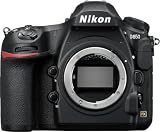
The Nikon D850 holds a special place in photography history as possibly the best DSLR ever made. Even in 2026, it remains relevant for landscape photographers who prefer optical viewfinders and traditional handling. The 45.7MP backside-illuminated sensor without an optical low-pass filter delivers exceptional sharpness.
For landscape work, the lack of an anti-aliasing filter means every detail the lens resolves reaches the sensor. This translates to noticeably sharper images compared to cameras with filters, especially when printing large.
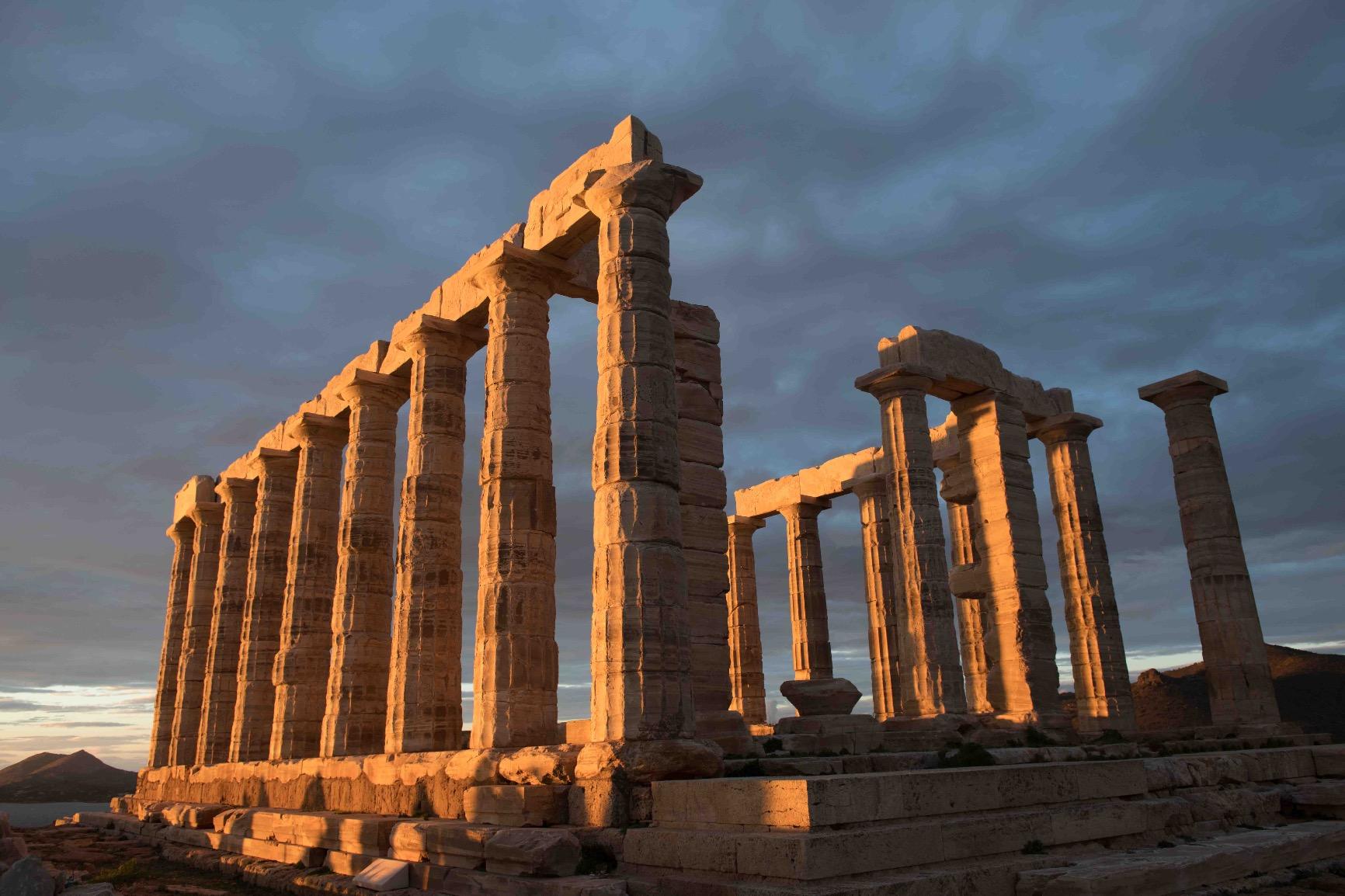
The tilting touchscreen helps with low-angle compositions, and the illuminated buttons make operation possible in complete darkness for astrophotography sessions. These thoughtful touches show Nikon’s understanding of real-world photography needs.
Battery life on the D850 far exceeds typical mirrorless cameras. This matters for multi-day backcountry trips where charging options don’t exist. The optical viewfinder consumes no power, giving you thousands of shots per charge.
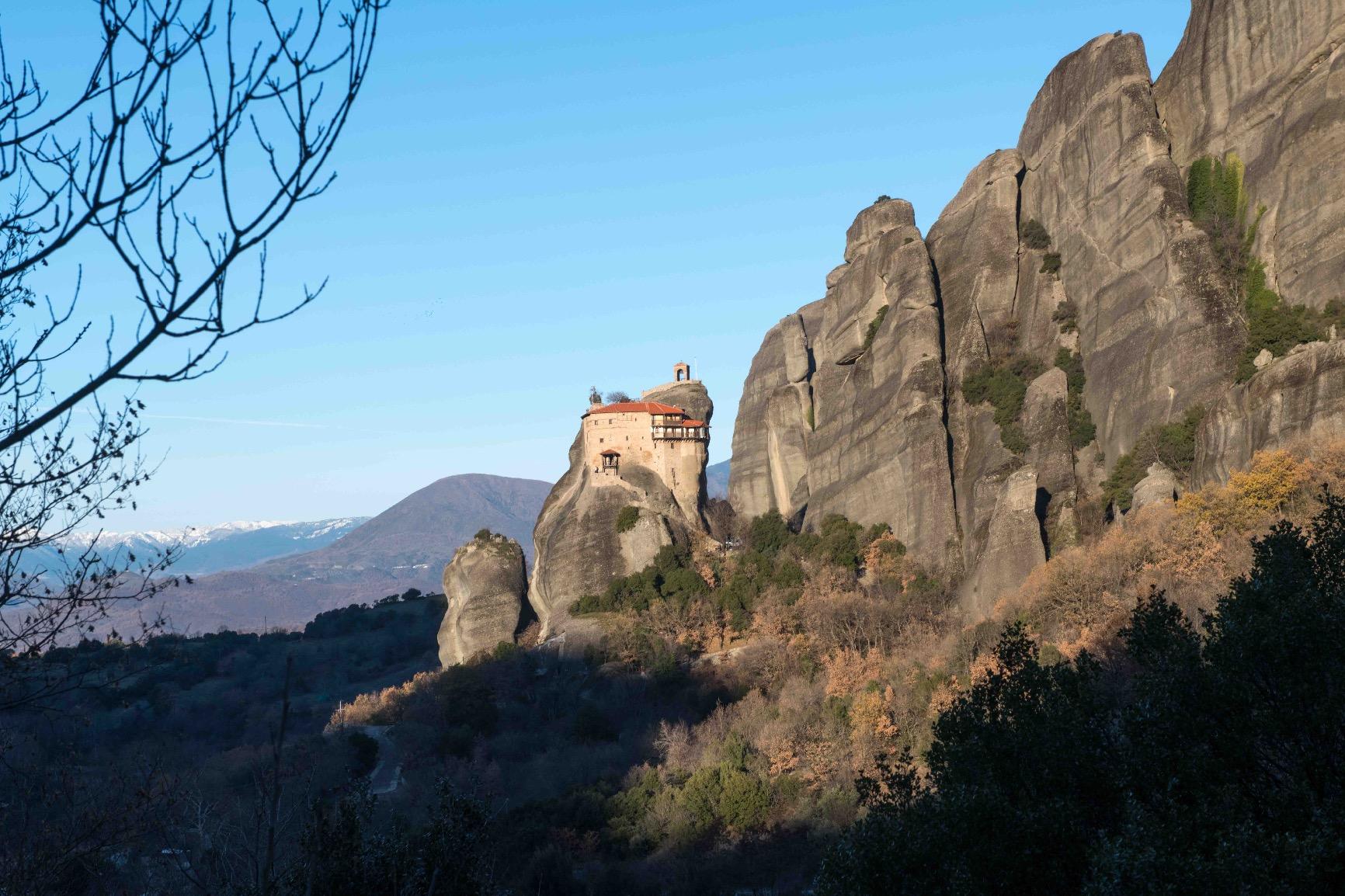
Best For: DSLR Traditionalists
Photographers who prefer optical viewfinders and traditional ergonomics will find the D850 deeply satisfying. It represents the pinnacle of DSLR technology before the mirrorless transition.
Best For: Extreme Conditions
The robust build and exceptional weather sealing make this camera trustworthy in conditions that would concern me with other bodies. Cold, wet, dusty – the D850 handles it all.
8. Sony Alpha 7C II – Compact Full-Frame Wonder
Pros
- Incredibly compact lightweight
- 33MP Exmor R sensor
- Excellent subject recognition
- Unlimited recording time
- Great battery life
- Improved menu system
Cons
- Lower resolution screen and viewfinder
- Single SD card slot
- Focus tricky in low light
- Shallow grip for large hands
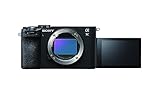
The Sony Alpha 7C II proves you don’t need to sacrifice image quality for portability. At just 15.2 ounces, this camera delivers full-frame 33MP performance in a body that fits in a jacket pocket. For landscape photographers who cover serious mileage, the weight savings add up over long days.
Despite its compact size, the A7C II includes the same AI-powered autofocus system found in larger Sony bodies. Subject recognition and tracking work impressively well, making this camera more versatile than its size suggests.
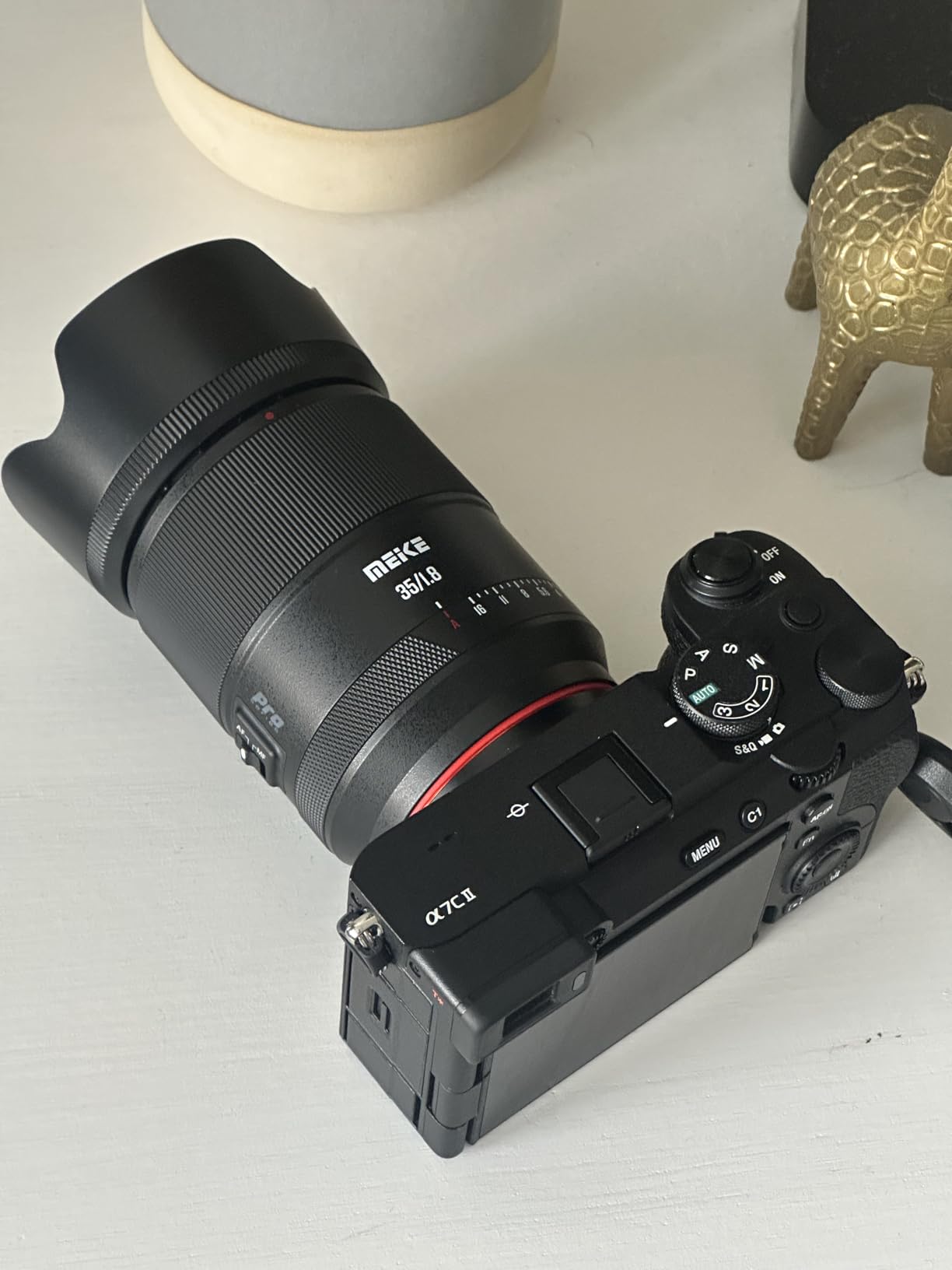
The fully articulating screen works well for video and low-angle stills. The improved menu system with touchscreen navigation makes field adjustments faster than previous Sony generations.
Battery life surprises given the small body. The NP-FZ100 battery provides enough power for full-day shoots, though the single card slot means you’ll want high-capacity media or frequent backups.
Best For: Travel and Backpacking
Weight-conscious landscape photographers will appreciate carrying a full-frame camera without the bulk. Every ounce matters when you’re hiking to remote locations.
Best For: Street and Landscape Hybrid
The discreet size makes this camera excellent for travel photography that combines urban and natural subjects. It won’t draw attention in cities but delivers quality for serious landscape work.
9. Canon EOS R6 Mark III – Speed and Versatility
Pros
- 32.5MP sensor excellent quality
- 40 fps with pre-continuous shooting
- 8.5 stops stabilization
- Dual Pixel CMOS AF II
- Great low-light performance
- Dual card slots
Cons
- Card compatibility issues reported
- Complex menu system
- Top dial instead of screen display
The Canon EOS R6 Mark III combines impressive speed with practical resolution for landscape work. The 32.5MP sensor provides enough resolution for most printing needs while keeping file sizes reasonable. The 40 fps burst rate seems excessive for landscapes until you’re trying to catch the perfect wave or cloud formation.
The pre-continuous shooting feature captures 20 frames before you fully press the shutter. This has saved shots when conditions change faster than human reaction time allows.

The 8.5 stops of in-body image stabilization ranks among the best available. This makes handheld shooting genuinely viable in situations where tripods aren’t practical or allowed.
Dual card slots with CFexpress Type B and UHS-II SD provide flexibility for backup strategies. The new battery type delivers improved performance over previous generations.
Best For: Dynamic Landscape Conditions
Photographers working with rapidly changing conditions will appreciate the speed capabilities. Coastal work, storms, and wildlife encounters during landscape shoots all benefit from the burst rates.
Best For: Low-Light Landscape Work
The excellent high-ISO performance combined with image stabilization makes this camera strong for dawn, dusk, and astrophotography work where light is limited.
10. Panasonic LUMIX S5IIX – Video-First Hybrid
Pros
- Fast accurate Phase Hybrid AF
- Unlimited recording with fan
- 14+ stop dynamic range
- 5.8K Pro-Res internal
- RAW over HDMI output
- Includes 20-60mm lens
Cons
- Battery life abysmal
- Only one battery included
- Somewhat heavy
- Menu system complex
The Panasonic LUMIX S5IIX addresses the historical weakness of Panasonic cameras: autofocus. The new Phase Hybrid AF with 779 points finally delivers the performance landscape photographers expect. Combined with 14+ stops of dynamic range, this camera produces stunning landscape files.
For landscape photographers who also create video content, the unlimited recording capability matters. The built-in fan and heat sink mean you can record continuously without overheating concerns, even in hot environments.
The 24.2MP resolution sits at the lower end of this list but remains perfectly adequate for most printing needs. The trade-off is exceptional dynamic range that gives you latitude for challenging high-contrast scenes.
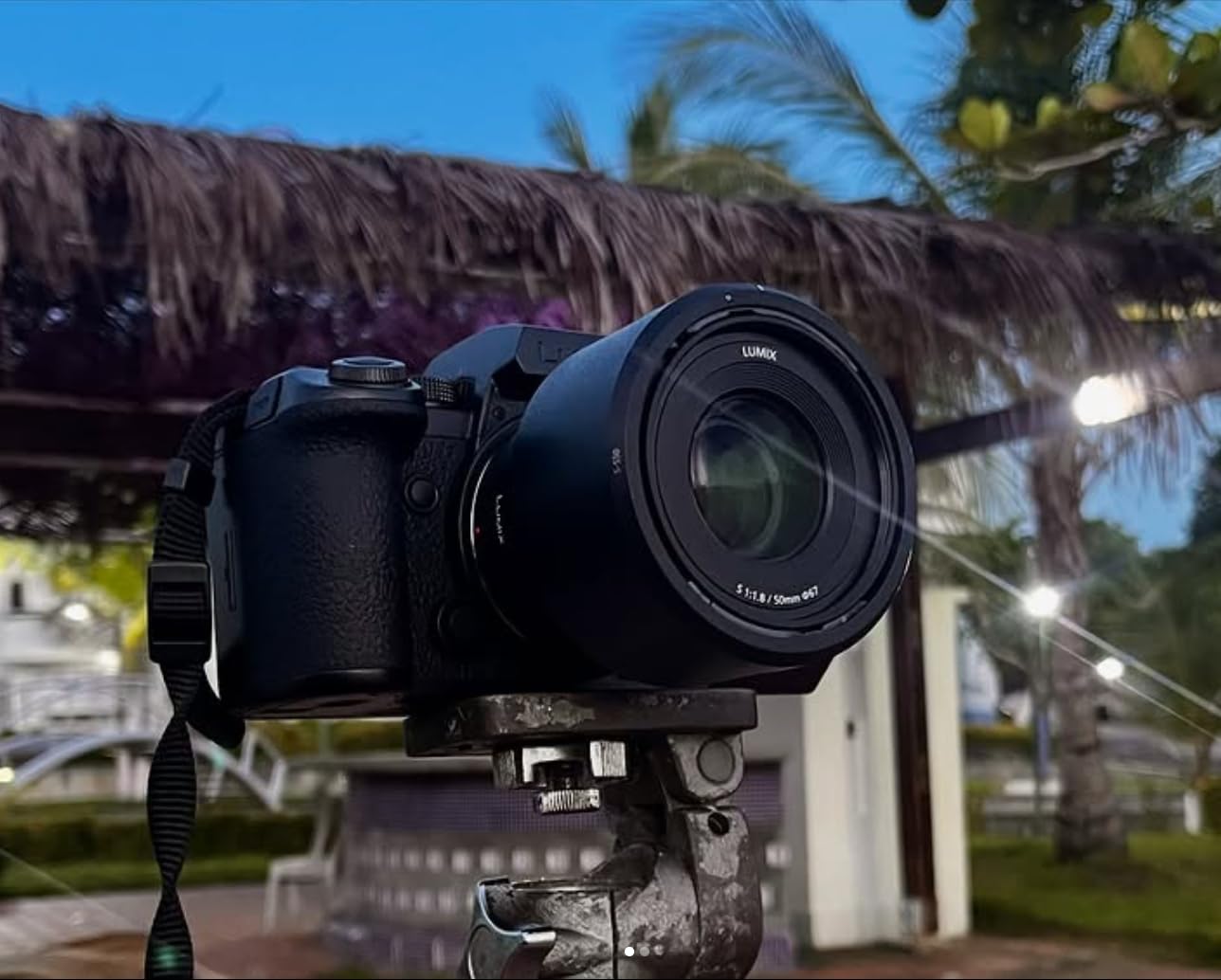
This kit includes the Lumix S 20-60mm f/3.5-5.6 lens, providing a versatile range for landscape work. The L-mount system offers access to excellent lenses from Panasonic, Leica, and Sigma.
Best For: Video Content Creators
Photographers who create both stills and video for their audience will find the S5IIX exceptionally capable. The Pro-Res recording and unlimited duration set it apart.
Best For: High Dynamic Range Scenes
The 14+ stop dynamic range helps tame challenging light at sunrise and sunset. You’ll recover more shadow and highlight detail than with many competitors.
Buying Guide: How to Choose the Best Full-Frame Camera for Landscape Photography In 2026?
Selecting the right camera for landscape work involves understanding which features genuinely matter for outdoor photography versus marketing hype. Let me break down the key considerations based on years of field experience.
Sensor Resolution: How Many Megapixels Do You Need?
Resolution matters for landscape photography primarily when you print large or crop heavily. For prints up to 16×24 inches, 24MP provides excellent quality. For 24×36 inch prints and larger, 45-60MP cameras deliver noticeably better detail. Consider your output needs honestly – not everyone needs maximum resolution.
Higher resolution comes with trade-offs. Larger files consume storage faster, require more powerful computers for processing, and can show camera shake more readily. The 33-45MP range offers a sweet spot for many photographers.
Dynamic Range: Why It Matters for Landscapes
Dynamic range determines how much contrast your camera can capture in a single exposure. Landscape photographers frequently face high-contrast scenes with bright skies and dark foregrounds. Cameras with 14+ stops of dynamic range give you more latitude for recovering details in post-processing.
All the cameras in this guide offer excellent dynamic range at base ISO. The differences become more apparent at higher ISOs or when pushing files significantly in editing.
Weather Sealing: Essential for Outdoor Work
Landscape photography happens in conditions that would terrify most camera owners. Rain, snow, dust, and extreme temperatures come with the territory. Robust weather sealing isn’t optional – it’s essential for protecting your investment and ensuring your camera works when conditions turn challenging.
All cameras in this guide feature weather sealing, but the level of protection varies. Professional-grade bodies like the Nikon Z 8 and Canon EOS R5 offer the most comprehensive protection.
Weight and Portability: Hiking Considerations
Every ounce matters when you’re hiking miles to reach a location. Mirrorless cameras generally offer weight advantages over DSLRs, but differences exist within each category. The Sony A7C II at 15.2 ounces represents the lightweight end, while the Nikon D850 at 2 pounds sits at the heavy end.
Consider the total system weight including lenses. A lighter body with heavy lenses defeats the purpose. Balance your camera choice with your intended lens selection.
Lens Ecosystem: Brand Investment Value
Camera bodies come and go, but lenses represent long-term investments. Each brand’s lens ecosystem offers different strengths and price points. Sony’s E-mount has the widest selection from multiple manufacturers. Nikon’s Z-mount delivers exceptional optical quality. Canon’s RF lenses rank among the best available but command premium prices.
Consider your future needs when choosing a system. Switching brands later involves significant cost and hassle.
Battery Life: Field Work Considerations
Remote landscape locations rarely offer charging opportunities. Mirrorless cameras typically deliver 300-500 shots per charge, while DSLRs like the D850 can exceed 1,000 shots. Cold weather reduces battery performance significantly, sometimes by 50% or more.
Always carry more batteries than you think you need. USB charging capability in newer cameras provides additional flexibility with power banks.
Frequently Asked Questions
Are full frame cameras better for landscape photography?
Yes, full frame cameras offer significant advantages for landscape photography. The larger sensor provides better dynamic range for capturing high-contrast scenes, superior low-light performance for dawn and dusk shooting, and wider angle of view from lenses. The shallow depth of field control also helps isolate subjects when needed. While crop sensor cameras can produce excellent results, full frame sensors deliver the image quality that landscape photographers typically need for large prints and demanding post-processing.
What is the best camera for landscape photography 2026?
The Sony Alpha 7R V stands out as the best camera for landscape photography in 2026, offering an exceptional 61MP sensor for maximum detail and large prints. The Nikon Z 8 provides an excellent alternative with 45.7MP resolution and professional build quality. For budget-conscious photographers, the Nikon Z 7II delivers outstanding 45.7MP image quality at a more accessible price point.
How many megapixels do I need for landscape photography?
For most landscape photography needs, 24-33 megapixels provides excellent quality for prints up to 16×24 inches and web use. For large format printing at 24×36 inches or bigger, 45-61 megapixels delivers noticeably better detail. Higher resolution also gives you more cropping flexibility. However, more megapixels mean larger files and more demanding processing requirements, so choose based on your actual output needs.
What camera do professional landscape photographers use?
Professional landscape photographers commonly use high-resolution full-frame cameras like the Sony Alpha 7R series, Nikon Z 7II and Z 8, and Canon EOS R5 series. Many professionals also still use the Nikon D850 DSLR for its exceptional image quality and battery life. The choice often depends on existing lens investments and personal preference for handling and color science rather than any single best option.
Is mirrorless or DSLR better for landscape photography?
Both mirrorless and DSLR cameras work excellently for landscape photography. Mirrorless cameras offer advantages in weight, size, and features like focus peaking and electronic viewfinders that show exposure preview. DSLRs like the Nikon D850 offer exceptional battery life and optical viewfinders that consume no power. For most photographers today, mirrorless represents the better choice due to technological advances and manufacturer focus, but DSLRs remain viable and often offer better value on the used market.
Conclusion
Finding the best full-frame cameras for landscape photography comes down to matching features with your specific needs. The Sony Alpha 7R V leads for maximum resolution at 61MP, perfect for gallery prints and commercial work. The Nikon Z 7II offers exceptional value with 45.7MP quality at a competitive price. For hikers and travelers, the Sony Alpha 7C II delivers full-frame performance in a remarkably compact package.
Consider your printing needs, hiking requirements, and existing lens investments when making your choice. Each camera in this guide delivers the image quality and reliability that landscape photography demands. Pick the one that fits your workflow, and get out there creating stunning landscape images.