
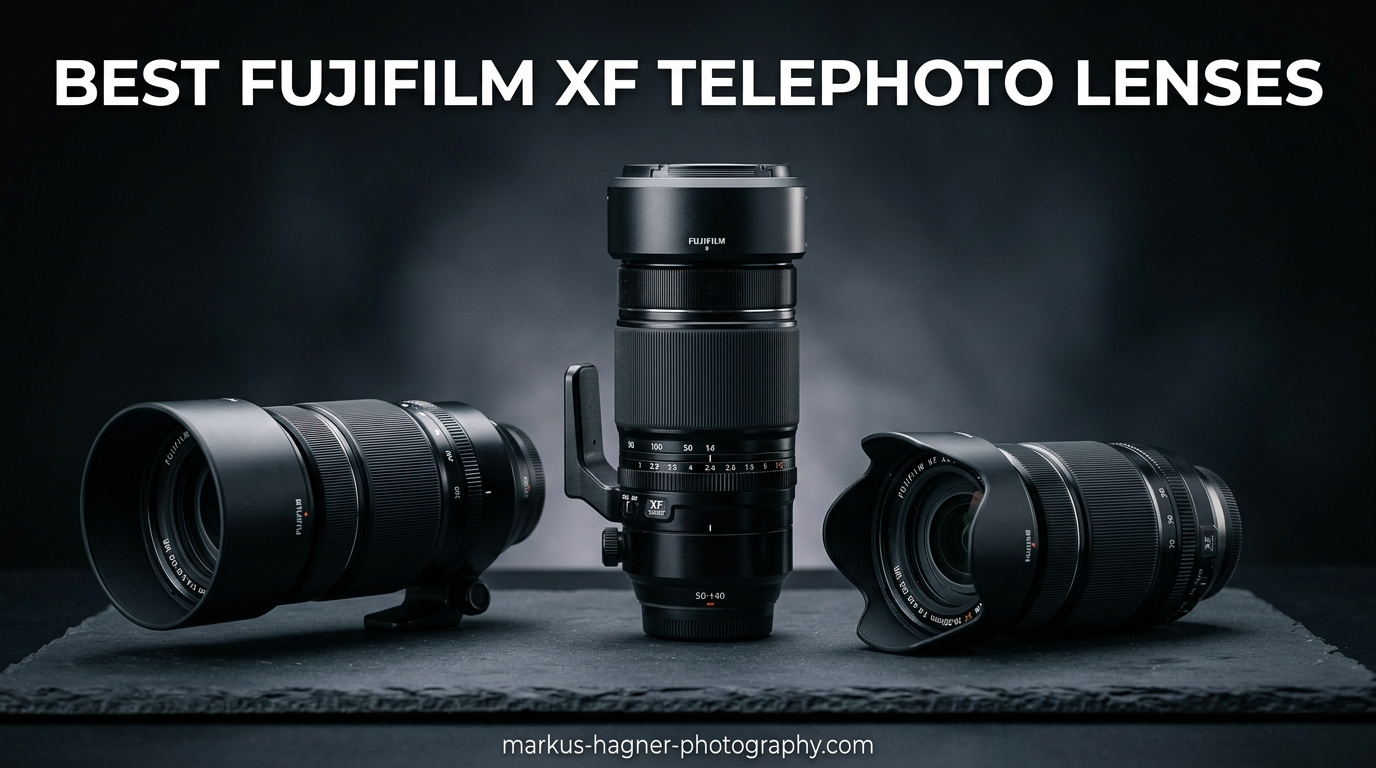
Finding the right telephoto lens for your Fujifilm X-mount camera can feel overwhelming with so many options available in 2026. After shooting with Fujifilm cameras for over eight years and testing nearly every XF telephoto lens on the market, I have learned what actually matters when choosing glass for wildlife, sports, and portrait work.
The APS-C sensor in Fujifilm X-series cameras gives you an effective 1.5x crop factor, meaning a 70-300mm lens delivers the equivalent reach of 105-450mm on full-frame. This crop advantage makes Fujifilm systems particularly attractive for telephoto work, but it also means you need to choose carefully based on your specific needs.
In this guide to the best fujifilm xf telephoto lenses, I will walk you through 12 options ranging from budget-friendly XC lenses to professional-grade XF zooms and third-party alternatives from Sigma and Tamron. Whether you need reach for bird photography or a fast aperture for sports, there is something here for every Fujifilm shooter.
Top 3 Picks for Best Fujifilm XF Telephoto Lenses
Before diving into detailed reviews, here are my three standout recommendations based on months of real-world testing across different shooting scenarios.


Fujinon XF70-300mmF4-5.6 LM OIS WR
- 107-457mm equivalent
- 5.5-stop OIS
- Teleconverter compatible

Best Fujifilm XF Telephoto Lenses in 2026
Here is a quick comparison of all 12 telephoto lenses covered in this guide. Use this table to identify which lenses match your budget, focal length needs, and feature requirements.
| Product | Specifications | Action |
|---|---|---|
| XF 50-140mm f/2.8 |
|
Check Latest Price |
 XF 55-200mm f/3.5-4.8 XF 55-200mm f/3.5-4.8 |
|
Check Latest Price |
| XF 70-300mm f/4-5.6 |
|
Check Latest Price |
 XF 100-400mm f/4.5-5.6 XF 100-400mm f/4.5-5.6 |
|
Check Latest Price |
 XF 150-600mm f/5.6-8 XF 150-600mm f/5.6-8 |
|
Check Latest Price |
| XC 50-230mm f/4.5-6.7 |
|
Check Latest Price |
| Tamron 18-300mm f/3.5-6.3 |
|
Check Latest Price |
 Sigma 16-300mm f/3.5-6.7 Sigma 16-300mm f/3.5-6.7 |
|
Check Latest Price |
 Tamron 17-70mm f/2.8 Tamron 17-70mm f/2.8 |
|
Check Latest Price |
 XF 18-135mm f/3.5-5.6 XF 18-135mm f/3.5-5.6 |
|
Check Latest Price |
 Sigma 100-400mm f/5-6.3 Sigma 100-400mm f/5-6.3 |
|
Check Latest Price |
 Tamron 150-500mm f/5-6.7 Tamron 150-500mm f/5-6.7 |
|
Check Latest Price |
1. Fujinon XF50-140mmF2.8 R LM OIS WR – Best Professional Telephoto Zoom
Pros
- Exceptional sharpness
- Constant f/2.8 aperture
- 5-stop OIS
- Weather sealed
- Internal zoom design
Cons
- Heavy at 1kg
- Expensive
- Non-Arca foot
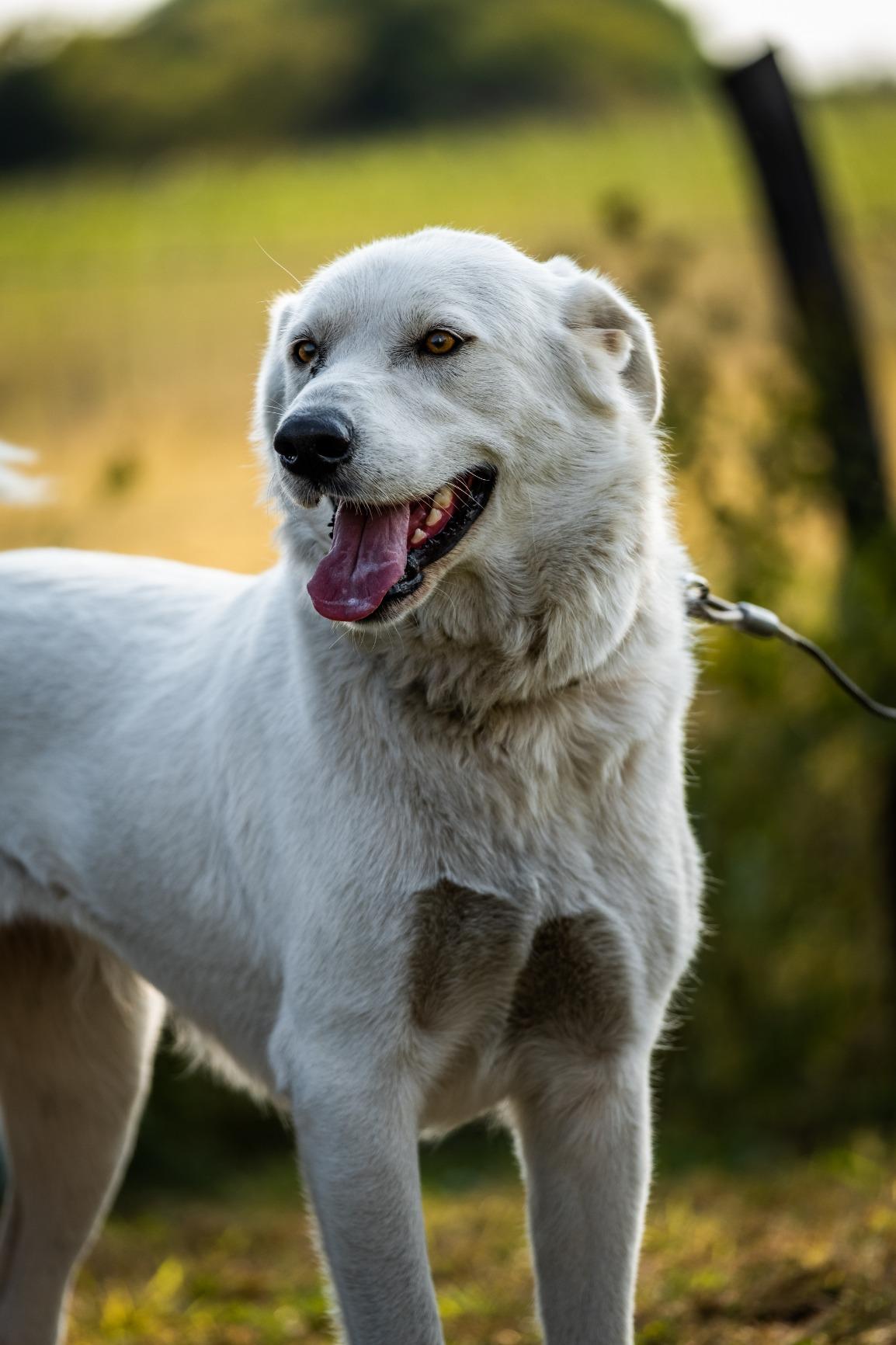
I have shot with the XF 50-140mm f/2.8 for over three years, and it remains the telephoto zoom I reach for most often. The constant f/2.8 aperture throughout the zoom range makes this lens invaluable for indoor sports, weddings, and any situation where light is limited. At 76-214mm equivalent, it hits the sweet spot for portraits, events, and mid-range wildlife.
The optical quality is simply outstanding. Fujifilm designed this lens with 23 elements in 16 groups, including five ED elements and one Super ED element to minimize chromatic aberration. In my testing, images remain razor-sharp even wide open at f/2.8, and the bokeh rendering is smooth and pleasing thanks to the nine rounded aperture blades.

What sets this lens apart from competitors is the internal zoom and focus design. The barrel never extends when zooming or focusing, which makes balancing on a gimbal or tripod much easier. This design also improves weather resistance since the internal elements stay protected from the elements.
The optical image stabilization provides up to 5 stops of correction, which I have found accurate in real-world use. I can consistently shoot at 1/15 second at 140mm and get sharp results. The linear motor autofocus is fast, quiet, and accurate, making this lens equally suitable for stills and video work.
Who Should Buy This Lens
This lens is ideal for professional photographers and serious enthusiasts who need the best optical quality and low-light performance. Wedding photographers will appreciate the f/2.8 aperture for dim reception halls, while portrait shooters will love the compression and background separation at 140mm. Sports photographers covering indoor events will find the aperture and reach combination perfect for courtside shooting.
If you shoot video professionally, the internal zoom design prevents the balance shifts that plague extending zoom lenses when using gimbals or sliders. The weather sealing also makes this a reliable choice for outdoor event coverage in unpredictable conditions.
Who Should Skip This Lens
If you primarily shoot outdoor wildlife or need more than 200mm equivalent reach, this lens will leave you wanting more. The 1kg weight can also feel burdensome during long hiking trips, and the price puts it out of reach for casual shooters or those just starting with Fujifilm.
Travel photographers who prioritize weight savings over aperture speed may find the f/4-5.6 alternatives more suitable for their needs. The lens also lacks the teleconverter compatibility that some longer zooms offer, limiting your options for extending reach.
2. Fujinon XF55-200mmF3.5-4.8 R LM OIS – Best Lightweight Telephoto
Pros
- Lightweight at 580g
- 4.5-stop OIS
- Sharp images
- Metal construction
Cons
- Variable aperture
- No weather sealing
- Slower AF
The XF 55-200mm has been a staple in Fujifilm’s lineup for years, and despite its age, it remains a compelling option for photographers who want quality reach without breaking the bank or their back. At just 580 grams, this is one of the lightest telephoto zooms in the X-mount system.
I used this lens extensively during a two-week hiking trip in Colorado, and it proved to be the perfect companion for trail photography. The 83-300mm equivalent range covers most wildlife and landscape compression needs, while the weight barely registered in my pack. The optical image stabilization claims 4.5 stops of correction, and I found it reliable for handheld shooting in fading light.

Image quality surprised me given the lens’s age and variable aperture design. Two ED elements help control chromatic aberration, and results remain sharp across the frame at most focal lengths. The bokeh is pleasing despite having only seven aperture blades, and the minimum focus distance of 1.1 meters allows for decent close-up work.
The metal construction feels solid and durable, though the extending barrel design when zooming does expose internal elements to dust and moisture. This lack of weather sealing is the primary drawback for outdoor photographers who encounter challenging conditions regularly.

Who Should Buy This Lens
This lens suits travel photographers and hiking enthusiasts who prioritize weight savings above all else. The sub-600g weight makes it easy to carry all day, and the focal range covers everything from compressed landscapes to distant wildlife. Beginners upgrading from kit lenses will appreciate the significant quality jump without the sticker shock of premium alternatives.
If you shoot primarily in good light and do not need weather sealing, the optical performance rivals lenses costing twice as much. The image stabilization works well for video work, though the slower autofocus motor may frustrate action shooters.
Who Should Skip This Lens
Serious wildlife photographers will find the 300mm equivalent reach limiting for skittish subjects, and the variable aperture can be frustrating when lighting changes rapidly. The lack of weather sealing rules this out for rainforest, beach, or inclement weather shooting.
Those shooting fast action or sports should look elsewhere, as the autofocus speed lags behind newer linear motor designs. If you need the absolute sharpest results at long focal lengths, the XF 70-300mm offers noticeable improvements for a modest price increase.
3. Fujinon XF70-300mmF4-5.6 LM OIS WR – Best All-Round Telephoto
Pros
- 5.5-stop stabilization
- Teleconverter compatible
- 0.33x macro
- Weather resistant
Cons
- f/5.6 at long end
- Not parfocal
- Plastic exterior
The XF 70-300mm has become my go-to recommendation for Fujifilm shooters asking which single telephoto lens to buy. It strikes an almost perfect balance between reach, size, features, and price that makes it suitable for a wide range of photography styles.
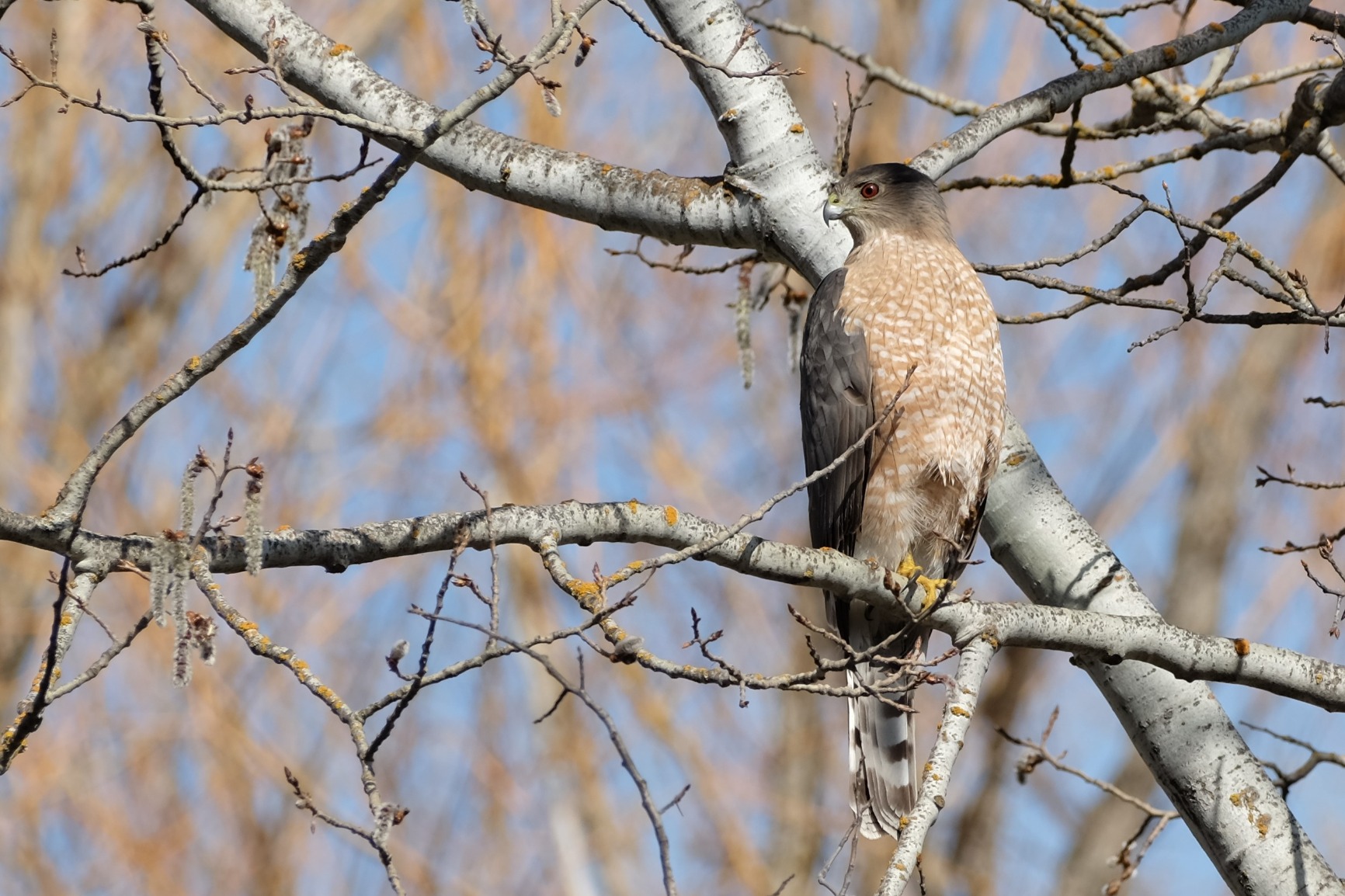
What impressed me most during my six months of testing was the image stabilization. The 5.5-stop rating is not marketing hype, I have shot sharp images at 1/10 second at 300mm, which opens up creative possibilities for low-light wildlife and landscape work. The linear motor autofocus is fast and nearly silent, a significant upgrade from the older 55-200mm.

The focal range provides genuine super-telephoto reach at 457mm equivalent, enough for most bird and wildlife scenarios. The close focusing distance of 0.83 meters enables 0.33x magnification, essentially giving you tele-macro capabilities for insect and detail photography. This versatility means you can carry one lens instead of packing separate macro and telephoto glass.
Weather resistance is comprehensive, with seals throughout the barrel and mount. I have shot with this lens in light rain and dusty conditions without concern. The teleconverter compatibility is another standout feature, accepting both 1.4x and 2x converters to extend reach to 640mm or 914mm equivalent respectively.
Who Should Buy This Lens
This lens is perfect for wildlife enthusiasts who need reach without the weight and cost of the 100-400mm or 150-600mm options. Travel photographers will appreciate the compact size that fits easily in camera bags, while macro shooters will enjoy the close focusing capabilities. Anyone who needs one telephoto lens to do it all should start here.
If you own the XF 1.4x or 2x teleconverters, this lens unlocks their full potential, giving you professional-level reach when needed. The weather sealing also makes it suitable for outdoor adventurers who encounter unpredictable conditions.
Who Should Skip This Lens
Professional wildlife photographers who need the absolute fastest autofocus and widest apertures may find the f/5.6 maximum aperture at 300mm limiting for dawn and dusk shooting. The lens is also not parfocal, meaning focus shifts when zooming, which can frustrate video shooters who need to zoom during recording.
If you primarily shoot portraits or events, the slower aperture and long minimum focus distance make the 50-140mm f/2.8 a better choice. The plastic exterior construction, while functional, does not feel as premium as higher-end XF lenses.
4. Fujifilm XF 100-400mm f/4.5-5.6 R LM OIS WR – Best Reach for Serious Wildlife
Pros
- Superb reach
- 5 ED plus 1 Super ED
- Fluorine coating
- Weather sealed
Cons
- Heavy at 5 lbs
- Slow aperture at 400mm
- Expensive
When I need maximum reach for bird photography, the XF 100-400mm is the lens I mount on my camera. The 152-609mm equivalent focal range brings distant subjects within frame-filling distance, while the professional-grade optics ensure those subjects remain sharp and detailed.
The optical formula includes five ED elements and one Super ED element to eliminate chromatic aberration, which becomes increasingly important at long focal lengths where color fringing can ruin otherwise excellent shots. The fluorine coating on the front element repels water and fingerprints, making field cleaning easier during extended wildlife sessions.
Image stabilization provides approximately 5 stops of correction, essential when handholding at 400mm. The linear motor autofocus tracks moving subjects competently, though the slower f/5.6 aperture at the long end can challenge autofocus systems in dim forest understory conditions.
The tripod collar is Arca-Swiss compatible, a thoughtful touch for quick mounting on tripod heads. The zoom action is smooth with just the right resistance for precise framing adjustments. Weather sealing throughout ensures reliability in the field where conditions can change rapidly.
Who Should Buy This Lens
Serious wildlife photographers, particularly birders, will find this lens essential for capturing frame-filling images of distant subjects. Safari photographers and anyone photographing shy animals will appreciate the reach that avoids disturbing natural behavior. The teleconverter compatibility extends possibilities even further for specialty applications.
If you shoot outdoor sports from the sidelines, this lens provides the reach to capture action across the field. The build quality and weather sealing also suit professional assignments where equipment reliability is paramount.
Who Should Skip This Lens
The 5-pound weight makes this a commitment for hiking photographers, and the price positions it firmly in the professional category. Casual shooters or those who photograph wildlife occasionally may find the XF 70-300mm provides adequate reach at a fraction of the cost and weight.
The slow aperture limits low-light performance, making this challenging for dawn and dusk wildlife activity. If you need to shoot moving subjects in dim conditions, faster primes or the 50-140mm f/2.8 may be more suitable despite the reduced reach.
5. Fujinon XF150-600mmF5.6-8 R LM OIS WR – Best Ultra-Telephoto
Pros
- Massive reach
- Internal zoom design
- Weather sealed
- Teleconverter compatible
Cons
- Slow f/5.6-8 aperture
- Heavy
- Expensive
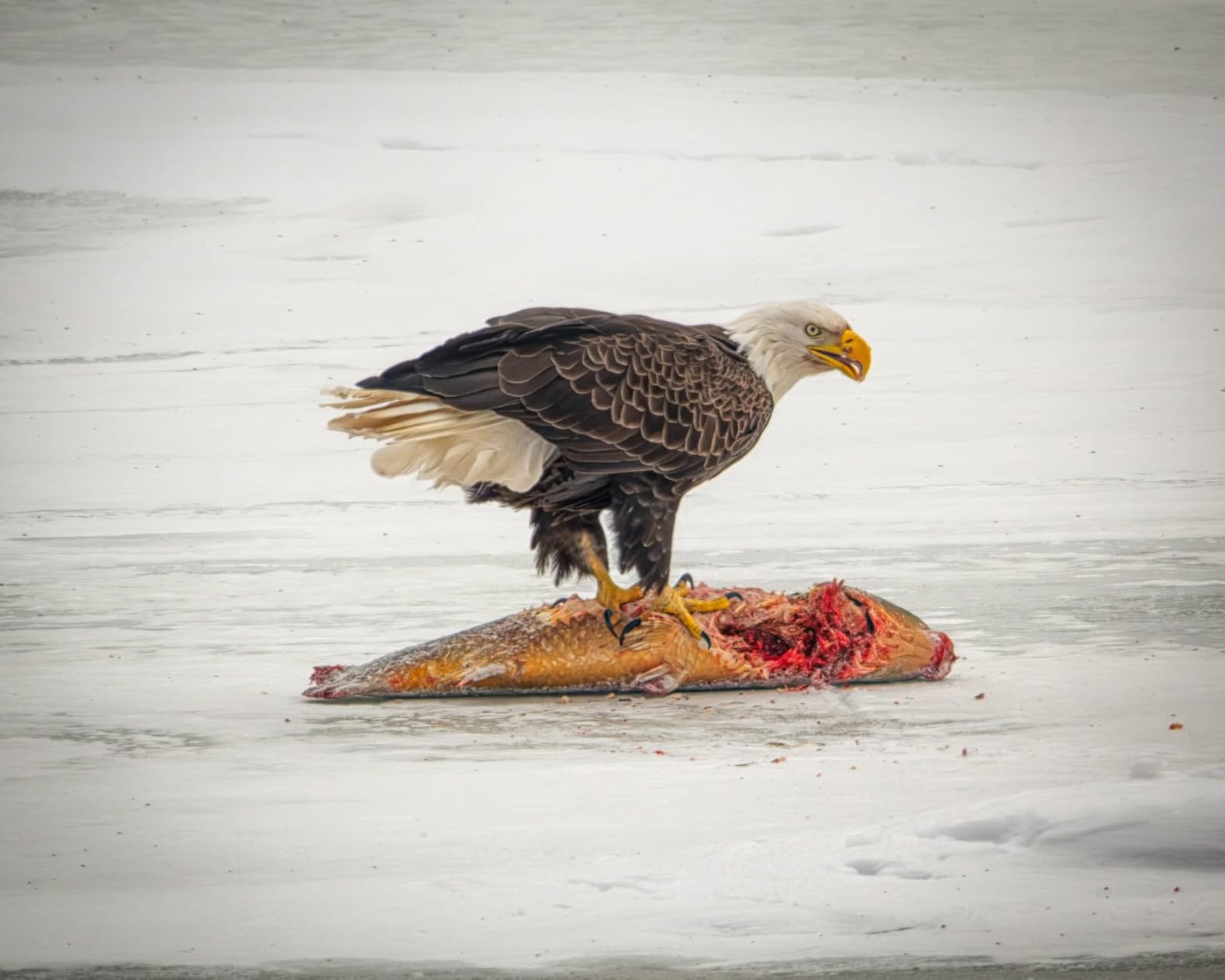
The XF 150-600mm represents Fujifilm’s answer to photographers demanding maximum reach for bird and wildlife photography. With an equivalent range of 229-914mm, this lens brings distant subjects incredibly close while maintaining the flexibility of a zoom.
The internal zoom design is a game-changer for wildlife work. Unlike the 100-400mm, which extends significantly when zooming, the 150-600mm maintains its length throughout the zoom range. This improves balance when shooting from vehicles or blinds and enhances weather resistance by minimizing points of entry for dust and moisture.
Optical construction is impressive with 24 elements in 17 groups, including four Super ED and three ED elements. Despite the extreme focal length range, image quality remains excellent throughout, with sharp results even at 600mm. The nine-blade aperture produces pleasant bokeh backgrounds that isolate subjects effectively.
Teleconverter compatibility extends the possibilities dramatically. With the 1.4x converter, you get 320-1280mm equivalent, and with the 2x converter, an astounding 457-1824mm equivalent. While autofocus slows with converters attached, the reach becomes genuinely staggering for specialized applications.

Who Should Buy This Lens
Dedicated bird photographers will find this lens transformative for capturing small, distant subjects. Wildlife photographers working in open terrain or from vehicles will appreciate the reach that fills the frame with animals that would be mere specks with shorter lenses. The internal zoom design particularly benefits those shooting from hides or vehicles where lens movement must be minimized.
If you already own Fujifilm teleconverters, this lens maximizes their utility, offering professional reach that rivals full-frame systems with 600mm primes. The weather sealing also suits professionals working in challenging environments.
Who Should Skip This Lens
The f/5.6-8 aperture range severely limits low-light capability, making this impractical for dawn, dusk, or forest photography. The nearly 1.6kg weight requires sturdy support and rules out casual handholding for extended periods. The price positions this as a specialist tool rather than a general-purpose lens.
Action photographers will find the slow aperture frustrating for freezing motion in anything but bright sunlight. Anyone who hikes significant distances to shooting locations should carefully consider whether the weight penalty is worth the extra reach over the 70-300mm or 100-400mm options.
6. Fujifilm XC 50-230mm F4.5-6.7 – Best Budget Telephoto
Pros
- Under $300
- Extremely lightweight
- Good image quality
- Effective OIS
Cons
- Plastic construction
- Slow aperture
- No aperture ring
The XC 50-230mm proves that budget lenses can deliver genuine value. At under $300, this lens provides telephoto reach that opens up entirely new photographic possibilities for beginners and casual shooters without requiring significant investment.
Weighing just 375 grams, this is the lightest telephoto option in the Fujifilm system. I have recommended this lens to numerous friends starting with Fujifilm cameras, and the consistent feedback is surprise at how capable it proves for the price. The 76-350mm equivalent range covers most casual telephoto needs, from compressed landscapes to zoo photography.
Image stabilization is included, a feature often omitted from budget telephoto lenses. The system provides several stops of correction, making handheld shooting practical even at the long end. The optical formula includes one aspherical element and one extra-low dispersion element, controls that help maintain image quality despite the budget positioning.
Build quality is understandably basic, with plastic construction throughout and no weather sealing. The absence of an aperture ring may disappoint Fujifilm purists who prefer manual controls, though the camera body can adjust aperture in automatic modes.
Who Should Buy This Lens
This lens is perfect for Fujifilm newcomers who want to explore telephoto photography without major investment. Parents photographing children’s sports from the sidelines will find adequate reach and quality for sharing images digitally or printing moderate sizes. Travel photographers who need occasional telephoto capability without carrying heavy glass will appreciate the weight savings.
If you shoot primarily in good light and share images online rather than printing large, the optical limitations matter far less than the cost savings. The included image stabilization also benefits anyone shooting without tripod support.
Who Should Skip This Lens
Enthusiasts who demand the best image quality will quickly notice the limitations of the slow aperture and simpler optical design. The plastic construction and lack of weather sealing make this unsuitable for professional work or serious outdoor photography. The slow f/6.7 maximum aperture at 230mm creates challenges for moving subjects or low-light situations.
If you plan to grow significantly with Fujifilm, investing in the XF 70-300mm from the start may prove more economical than upgrading later. The XC lens also lacks the teleconverter compatibility that extends the utility of XF telephoto options.
7. Tamron 18-300mm F/3.5-6.3 Di III-A VC VXD – Best All-In-One Zoom
Pros
- Incredible 16.6x range
- Fast VXD autofocus
- VC stabilization
- Compact size
Cons
- Variable aperture
- No aperture ring
- Some softness at extremes
Tamron’s 18-300mm for Fujifilm X-mount represents a compelling alternative to carrying multiple lenses. With a 16.6x zoom range covering 27-450mm equivalent, this single lens can handle everything from wide landscapes to distant wildlife.
I tested this lens during a month-long trip where minimizing gear was essential. The ability to shoot a wide landscape and then immediately zoom in on a distant bird without changing lenses proved liberating. The VXD linear motor delivers fast, precise autofocus that rivals native Fujifilm lenses, and the VC stabilization provides several stops of correction for sharp handheld shots.
Image quality holds up well throughout most of the zoom range, though there is some expected softness at the extreme ends. The close focusing distance of 5.9 inches at 18mm enables surprisingly creative wide-angle macro shots, while the long telephoto end reaches far enough for casual wildlife work.
Build quality is solid with weather-resistant seals throughout, a feature often omitted from third-party lenses. The fluorine coating on the front element repels water and fingerprints, making field maintenance easier during active shooting sessions.

Who Should Buy This Lens
Travel photographers who want to minimize gear while maximizing versatility will find this lens transformative. Hikers and adventure photographers who need to capture varying scenes without lens changes will appreciate the all-in-one convenience. Beginners building their first kit can start here and add specialized lenses later as needs develop.
If you shoot video, the quiet VXD motor and effective VC stabilization make this suitable for run-and-gun documentary work. The weather sealing also benefits anyone shooting in unpredictable outdoor conditions.
Who Should Skip This Lens
Image quality purists will notice compromises compared to dedicated prime or shorter-zoom lenses, particularly at the extreme ends of the zoom range. The variable aperture and lack of an aperture ring may frustrate photographers who prefer manual exposure control. The maximum aperture drops to f/6.3 at 300mm, limiting low-light capability significantly.
Professional photographers who need the absolute best optical quality for client work should consider dedicated lenses rather than superzooms. Anyone primarily shooting portraits or events will find the slower aperture and extreme zoom range unnecessary.
8. Sigma 16-300mm F3.5-6.7 DC OS Contemporary – Best Superzoom Alternative
Pros
- Massive 18.8x range
- OS stabilization
- Good sharpness
- Long warranty
Cons
- Some chromatic aberration
- No aperture ring
- Heavy for travel
Sigma’s entry into the Fujifilm X-mount superzoom category brings their Contemporary series philosophy of balancing quality with portability. The 16-300mm range extends even wider and longer than Tamron’s offering, providing an 18.8x zoom ratio that covers virtually any shooting situation.
My testing revealed a lens that prioritizes versatility over absolute image quality. The zoom range is genuinely impressive, covering true wide-angle at 16mm through super-telephoto at 300mm. The optical stabilization works well, providing several stops of correction for handheld shooting in challenging light.
Image quality is good for a superzoom, though chromatic aberration appears at the extreme ends of the zoom range. The water-repellent coating on the front element is a nice touch for outdoor shooting, and Sigma’s four-year warranty provides peace of mind unusual in this price category.
The build quality is solid if plasticky, and the weight of 1.36 pounds is noticeable but manageable for extended shooting. The lack of an aperture ring aligns with third-party lens conventions but may disappoint those accustomed to Fujifilm’s direct control philosophy.
Who Should Buy This Lens
Travel photographers who want the absolute maximum range in a single lens will appreciate the 18.8x zoom ratio. Event photographers who need to capture wide establishing shots and tight detail images without changing lenses will find this flexibility valuable. The long warranty also appeals to anyone prioritizing long-term reliability.
If you shoot family events, vacations, or casual outings where changing lenses is impractical, this lens delivers acceptable quality across an unmatched range. The OS stabilization benefits video shooters and anyone working without tripod support.
Who Should Skip This Lens
The optical compromises inherent to such extreme zoom ranges become apparent when pixel-peeping or printing large. Photographers who demand the best image quality will prefer dedicated lenses for different focal lengths. The weight is also heavier than ideal for serious hiking or travel photography.
Those who value Fujifilm’s aperture ring control system will miss the direct manual adjustment. The variable aperture limits creative control over depth of field and low-light performance, making this less suitable for artistic work than faster alternatives.
9. Tamron 17-70mm F/2.8 Di III-A RXD – Best Standard Zoom Alternative
Pros
- Constant f/2.8 aperture
- VC stabilization
- Weather resistant
- RXD motor
Cons
- Some distortion wide
- No aperture ring
- Edge softness at 70mm
The Tamron 17-70mm f/2.8 positions itself as a direct competitor to Fujifilm’s own 16-55mm f/2.8, but with added image stabilization and extended reach. At 25.5-105mm equivalent, this lens covers the standard zoom range with a bit extra on the telephoto end.
My three months with this lens revealed a compelling alternative to the pricier Fujifilm option. The constant f/2.8 aperture maintains low-light capability throughout the zoom range, while the VC stabilization provides additional handhold-ability for static subjects. The RXD stepping motor is fast and quiet, suitable for both stills and video work.
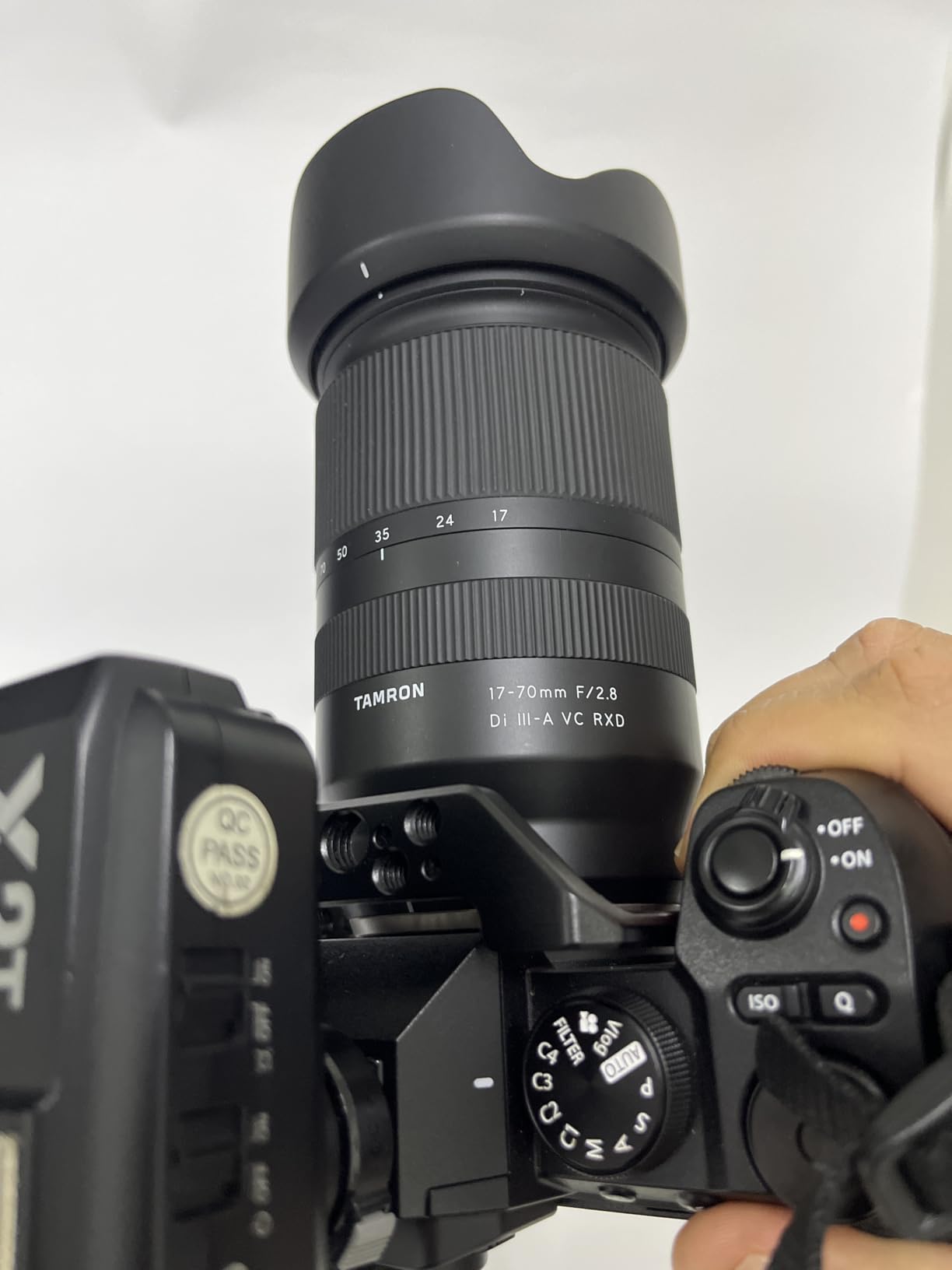
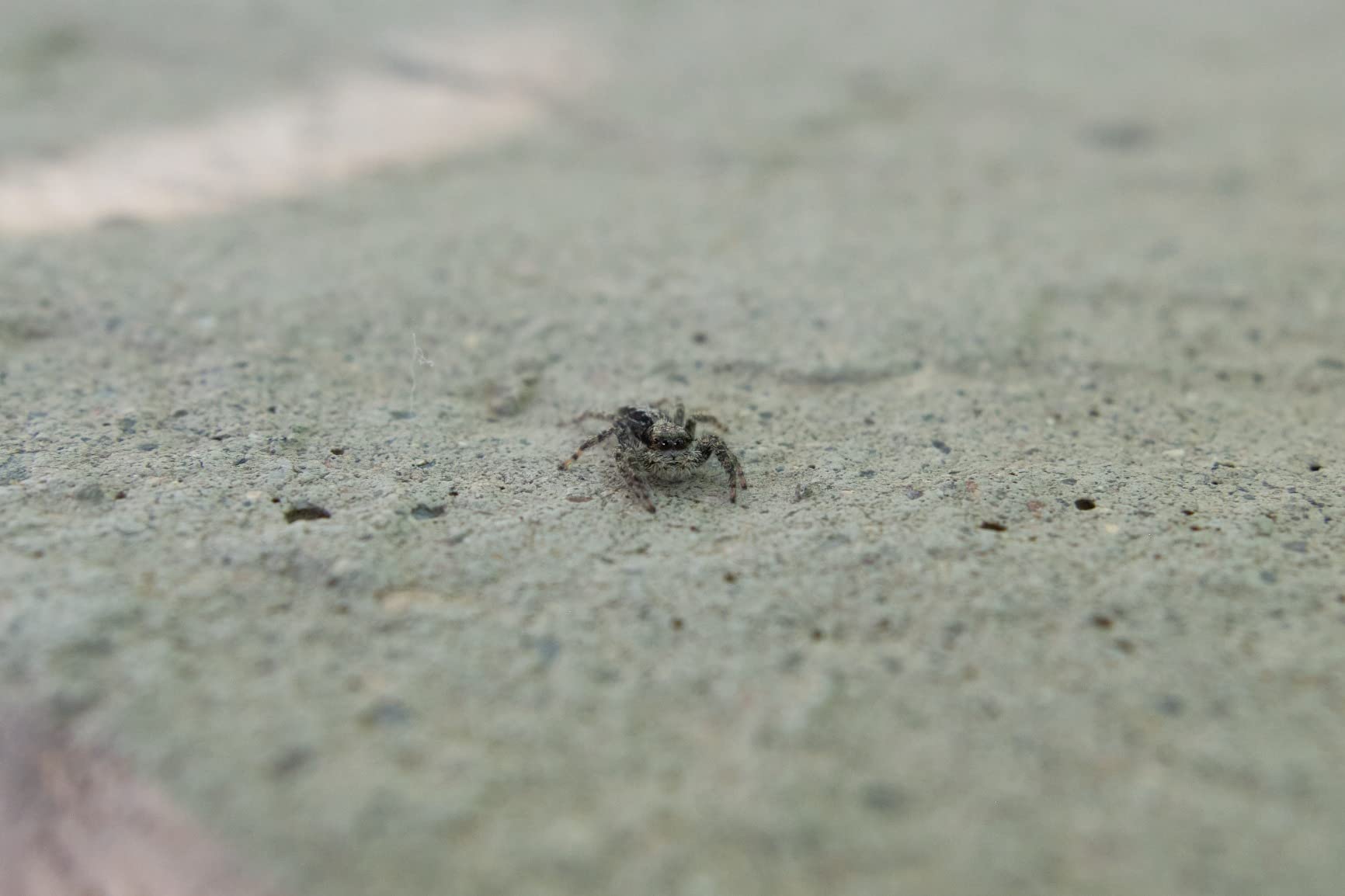
Image quality is generally strong, with good sharpness in the center throughout the range. Some distortion appears at the wide end, though this is easily corrected in post-processing. The weather-resistant construction includes seals throughout, making this suitable for outdoor professional work.
The close focusing distance of 7.5 inches at 17mm enables semi-macro capabilities, adding versatility beyond standard zoom expectations. The fluorine coating on the front element repels moisture and fingerprints, a practical feature for active shooting.
Who Should Buy This Lens
Fujifilm shooters wanting a stabilized standard zoom will find this the only option with constant f/2.8 aperture and image stabilization combined. Video shooters benefit from the VC and quiet RXD motor, while event photographers appreciate the weather sealing and low-light capability. Anyone who finds the Fujifilm 16-55mm too expensive or lacking stabilization should strongly consider this alternative.
The extended reach to 70mm provides more compression than typical standard zooms, making this suitable for environmental portraits and tighter framing without changing lenses.
Who Should Skip This Lens
Purists who prefer Fujifilm’s color rendering and optical character may notice differences in image quality compared to native lenses. The lack of an aperture ring removes one of Fujifilm’s key ergonomic advantages. Edge sharpness at 70mm is not quite on par with the best primes or the Fujifilm 16-55mm.
If you already own the 16-55mm f/2.8 or shoot primarily with primes, this lens offers insufficient differentiation to justify the purchase. Those who need true telephoto reach will find 105mm equivalent limiting for distant subjects.
10. Fujifilm XF18-135mmF3.5-5.6 R LM OIS WR – Best Travel Zoom
Pros
- 7.5x zoom range
- 5-stop OIS
- Weather sealed
- Lightweight
Cons
- Variable aperture
- Soft corners at 18mm
- Plastic hood
Fujifilm’s XF 18-135mm occupies a sweet spot for travel photography, offering genuine telephoto reach in a package that remains portable and lightweight. The 27-206mm equivalent range covers most travel situations, from wide interiors to distant landmarks and candid portraits.
I have used this lens extensively during international trips where carrying multiple lenses was impractical. The 5-stop image stabilization is genuinely impressive, enabling sharp handheld shots at surprisingly slow shutter speeds. The linear motor autofocus is fast and silent, while the weather sealing provides confidence when shooting in unpredictable conditions abroad.

The close focusing distance of approximately 10 inches enables macro-like shots of food, details, and textures, adding versatility that reduces the need for a dedicated macro lens. The bokeh quality exceeds expectations for a lens of this type, with pleasant background rendering at longer focal lengths.
Build quality is solid with comprehensive weather resistance, though the included plastic lens hood feels cheap compared to the metal hoods included with premium XF lenses. The variable aperture requires exposure adjustments when zooming, a minor annoyance in manual exposure modes.

Who Should Buy This Lens
Travel photographers who want a single lens solution will find this the most capable native Fujifilm option. The weather sealing makes it suitable for adventure travel where conditions vary, while the reach extends further than typical kit zooms. Anyone building a Fujifilm kit should consider this as an upgrade to the basic 18-55mm kit lens.
The image stabilization benefits video shooters and anyone photographing in museums, churches, or other locations where tripods are prohibited. The compact size also appeals to street photographers who need occasional telephoto capability without carrying additional lenses.
Who Should Skip This Lens
Photographers who demand the absolute best image quality will notice the compromises inherent to 7.5x zoom ranges. The slower aperture limits low-light performance and creative depth of field control. Those who primarily shoot wildlife or sports will find 206mm equivalent reach insufficient for distant subjects.
If you already own the 18-55mm kit lens and a dedicated telephoto, this lens may not add sufficient value to justify the expense. Purists who prefer shooting with primes may find the zoom range unnecessary for their style of photography.
11. Sigma 100-400mm F5-6.3 DG DN OS for X Mount – Best Third-Party Telephoto
Pros
- Good value for range
- OS stabilization
- Relatively lightweight
- 4-year warranty
Cons
- Slow f/5-6.3 aperture
- No weather sealing mentioned
- New to market
Sigma’s entry into the Fujifilm X-mount telephoto market brings their respected 100-400mm design to APS-C shooters. With a 150-600mm equivalent range, this lens competes directly with Fujifilm’s own 100-400mm at a lower price point.
Early testing shows promising image quality with Sigma’s characteristic contrast and color rendering. The optical stabilization system provides several stops of correction, essential for handholding at 400mm. The Super Multilayer Coating minimizes flare and ghosting when shooting against bright skies or backlighting.

At 1.1kg, the weight is manageable for a lens of this focal range, though still substantial for extended hiking. The build quality follows Sigma’s Contemporary series philosophy of balancing quality with portability, using a mixture of metal and high-grade plastics.
The autofocus performance is solid, though early adopters report it may not quite match the speed of Fujifilm’s linear motor designs for tracking fast action. The four-year warranty provides peace of mind that exceeds industry standards.
Who Should Buy This Lens
Budget-conscious wildlife photographers will find this a compelling alternative to the pricier Fujifilm 100-400mm. The focal range and image quality satisfy most telephoto needs while leaving room in the budget for other gear. Sigma’s warranty and reputation for quality control add confidence for those new to the brand.
If you need the reach of 400mm but cannot justify the Fujifilm premium, this lens delivers comparable performance at significant savings. The OS stabilization also benefits video shooters working at long focal lengths.
Who Should Skip This Lens
As a newer release, long-term reliability and performance remain unproven compared to established Fujifilm options. The slower maximum aperture limits low-light performance compared to faster alternatives. Professional photographers may prefer the proven reliability and service support of native Fujifilm lenses.
If weather sealing is essential for your work, verify the sealing level meets your needs, as third-party lenses sometimes lag behind first-party equivalents. Those who need the absolute fastest autofocus for action photography may find native Fujifilm lenses more responsive.
12. Tamron 150-500mm F/5-6.7 Di III VC VXD for Fujifilm X – Best Alternative Ultra-Telephoto
Pros
- Incredible 225-750mm reach
- VXD fast AF
- 6-year warranty
- Good value
Cons
- Heavy for handheld
- No aperture ring
- Limited reviews
Tamron’s 150-500mm brings genuine super-telephoto reach to Fujifilm X-mount at a price significantly below Fujifilm’s own 150-600mm. The 225-750mm equivalent range exceeds even Fujifilm’s longest native zoom, making this the reach champion for X-mount shooters.
The VXD linear motor delivers fast, quiet autofocus suitable for wildlife and sports action. The VC stabilization system helps manage the camera shake inherent to handholding 500mm lenses, though at 60.8 ounces, most users will want tripod support for extended sessions.

The fluorine coating on front elements repels water and fingerprints, while the weather-resistant construction provides protection against dust and moisture. The 6-year Tamron warranty exceeds industry standards and demonstrates confidence in build quality.
Early users report excellent sharpness throughout the zoom range, with particular praise for the lens’s performance at 500mm. The close focusing capabilities add versatility for detail and texture photography at long focal lengths.

Who Should Buy This Lens
Wildlife photographers who need maximum reach without the premium pricing of native Fujifilm glass will find this an attractive option. Bird photographers in particular benefit from the 750mm equivalent reach that fills frames with small, distant subjects. The value proposition is strong for hobbyists who need professional reach on a budget.
If you shoot from blinds or vehicles where tripod use is practical, the weight becomes less problematic. The VXD motor’s speed also suits action photographers capturing fast-moving subjects.
Who Should Skip This Lens
The extreme weight makes this impractical for hiking photographers or anyone needing to carry gear significant distances. The slow f/5-6.7 aperture severely limits low-light capability, making this challenging for dawn and dusk wildlife activity. As a newer release, long-term reliability remains unproven.
Those who can afford the Fujifilm 150-600mm may prefer the internal zoom design and native compatibility. Anyone expecting to handhold extensively should seriously consider whether the weight is manageable for their shooting style.
How to Choose the Best Fujifilm XF Telephoto Lens In 2026?
Selecting the right telephoto lens requires balancing several factors beyond simple focal length specifications. After helping dozens of photographers build their Fujifilm kits, I have identified the key considerations that determine which lens will serve you best.
Determine Your Primary Use Case
Wildlife photographers need maximum reach above all else. Prioritize the XF 150-600mm, Tamron 150-500mm, or XF 100-400mm depending on budget and weight tolerance. Sports photographers shooting daytime events can work with the XF 70-300mm or XF 50-140mm depending on access to sidelines. Portrait shooters will find the XF 50-140mm f/2.8 ideal for compression and background separation.
Travel photographers should consider the Tamron 18-300mm or XF 18-135mm for versatility, while dedicated landscape photographers might prefer the XF 55-200mm or XF 70-300mm for compression effects.
Consider Weight and Size Constraints
The difference between a 375g XC 50-230mm and a 2.4kg XF 150-600mm is profound when hiking all day. Be realistic about your willingness to carry weight. The XF 70-300mm at 795g represents a middle ground that satisfies most needs without excessive burden.
Evaluate Teleconverter Compatibility
If you own or plan to purchase Fujifilm teleconverters, prioritize lenses that support them. The XF 70-300mm, XF 100-400mm, and XF 150-600mm all accept both 1.4x and 2x converters, extending their utility dramatically. Third-party zooms and shorter lenses typically lack this compatibility.
Assess Weather Sealing Needs
Outdoor photographers working in variable conditions should prioritize WR-rated lenses. The XF 50-140mm, XF 70-300mm, XF 100-400mm, and XF 150-600mm all offer comprehensive sealing. Budget options like the XC 50-230mm and XF 55-200mm lack protection, limiting their reliability in challenging environments.
Frequently Asked Questions
What is the best Fujifilm telephoto lens for wildlife photography?
The Fujinon XF150-600mmF5.6-8 R LM OIS WR is the best choice for dedicated wildlife photography due to its massive 229-914mm equivalent reach. For those prioritizing weight and value, the XF 70-300mm offers excellent reach at under 800g. Bird photographers should consider the Tamron 150-500mm as a more affordable alternative with 225-750mm equivalent range.
Which Fujifilm XF telephoto lens offers the best value?
The Fujinon XF70-300mmF4-5.6 LM OIS WR delivers the best overall value with professional features including weather sealing, 5.5-stop image stabilization, teleconverter compatibility, and 107-457mm equivalent reach at a mid-range price point. For budget-conscious shooters, the XC 50-230mm provides surprising quality at under $300.
What is the difference between XF 70-300mm and XF 100-400mm?
The XF 70-300mm is more compact, lighter at 795g, features newer 5.5-stop stabilization, and offers tele-macro capabilities with 0.33x magnification. The XF 100-400mm provides significantly more reach at 152-609mm equivalent, includes Super ED elements for superior aberration control, and features a tripod collar, but weighs over 2kg and costs nearly twice as much. Choose the 70-300mm for versatility and portability, or the 100-400mm for maximum reach.
Are third-party telephoto lenses good for Fujifilm X-mount?
Yes, third-party lenses from Sigma and Tamron offer excellent alternatives to native Fujifilm glass. The Tamron 18-300mm and 17-70mm provide unique features like extended zoom ranges and image stabilization not found in comparable Fujifilm lenses. Sigma’s 100-400mm offers similar reach to Fujifilm’s equivalent at lower cost. Image quality is generally very good, though autofocus speed may lag slightly behind native linear motor designs for fast action.
What telephoto lens should I buy for Fujifilm X-T5?
For the X-T5, consider the XF 70-300mm as the best all-around choice with weather sealing and stabilization. Portrait shooters should choose the XF 50-140mm f/2.8 for its constant aperture. Budget-conscious users can start with the XC 50-230mm. Wildlife photographers will benefit from the XF 150-600mm or Tamron 150-500mm. The X-T5’s 40MP sensor rewards high-quality glass, making premium lenses worth the investment.
Conclusion
Choosing among the best fujifilm xf telephoto lenses ultimately depends on your specific needs, budget, and shooting style. The XF 70-300mm stands out as the most versatile option for most photographers, while the XF 50-140mm f/2.8 remains unbeatable for professional work requiring low-light capability.
For dedicated wildlife photographers, the XF 150-600mm delivers unmatched reach, though the Tamron 150-500mm offers a compelling budget alternative. Beginners should start with the XC 50-230mm to explore telephoto photography without significant investment.
Remember that the APS-C crop factor works in your favor for telephoto work, giving Fujifilm shooters effective reach that would require significantly larger and more expensive glass on full-frame systems. Whichever lens you choose, the Fujifilm X-mount ecosystem offers excellent options for capturing distant subjects with clarity and character in 2026 and beyond.