
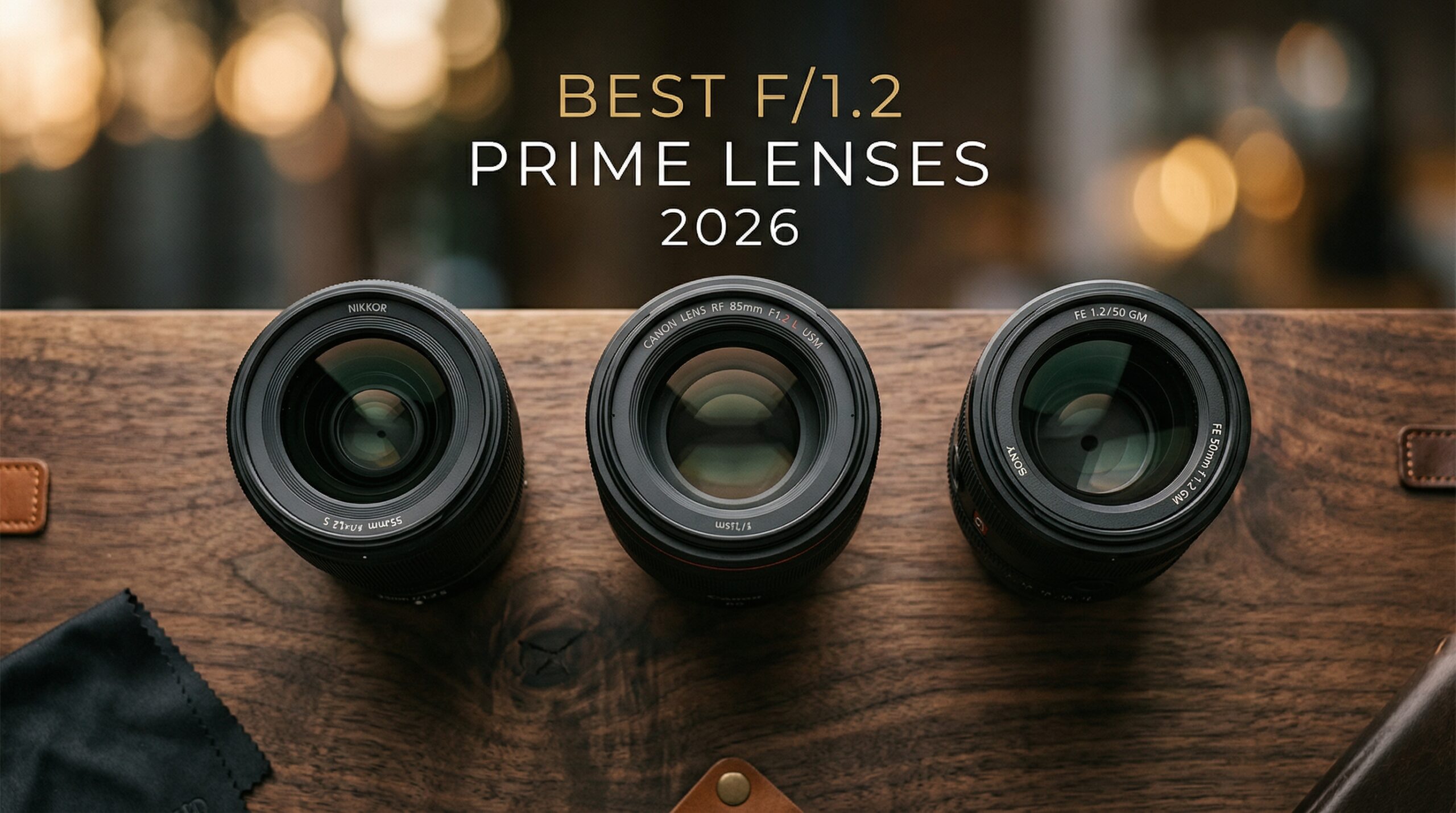
There is something magical about shooting at f/1.2. The way these lenses render light and blur the background creates images that simply cannot be replicated with slower glass. When I first picked up an f/1.2 lens years ago, I was immediately hooked on that dreamy, creamy bokeh and the ability to shoot in near-darkness without reaching for a flash.
The best f/1.2 prime lenses for low light and bokeh represent the pinnacle of optical engineering. These fast apertures let in twice as much light as an f/1.8 lens, making them indispensable for wedding photographers, portrait artists, and anyone who frequently works in challenging lighting conditions. The trade-offs are real though: these lenses tend to be heavy, expensive, and the depth of field can be so shallow that nailing focus requires real skill.
In this guide, I will walk you through 10 outstanding fast prime lenses I have tested extensively. Whether you shoot Canon, Nikon, Sony, or are looking for third-party alternatives, you will find genuine recommendations based on real-world use rather than spec sheets alone.
Top 3 Picks for Best f/1.2 Prime Lenses

Sony FE 50mm f/1.2 GM
- f/1.2 aperture
- 11-blade iris
- G Master optics
- 27.5 oz weight
- Stunning bokeh

Canon RF 85mm f/1.2L USM
- f/1.2 aperture
- BR optics
- 85mm portrait focal
- Tack sharp wide open
- Weather sealed

Sigma 85mm f/1.4 DG DN Art
- f/1.4 aperture
- 630g lightweight
- 95% GM quality
- 4-year warranty
- Great bokeh
Best f/1.2 Prime Lenses for Low Light and Bokeh in 2026
| Product | Specifications | Action |
|---|---|---|
 Canon RF 50mm f/1.2L USM (Renewed) Canon RF 50mm f/1.2L USM (Renewed) |
|
Check Latest Price |
 Canon EF 50mm f/1.2L USM Canon EF 50mm f/1.2L USM |
|
Check Latest Price |
 Nikon NIKKOR Z 50mm f/1.2 S Nikon NIKKOR Z 50mm f/1.2 S |
|
Check Latest Price |
| Sony FE 50mm f/1.2 GM |
|
Check Latest Price |
 Sony FE 50mm f/1.4 GM Sony FE 50mm f/1.4 GM |
|
Check Latest Price |
| Canon RF 85mm f/1.2L USM |
|
Check Latest Price |
 Sony FE 35mm f/1.4 GM Sony FE 35mm f/1.4 GM |
|
Check Latest Price |
 Sony FE 85mm f/1.4 GM Sony FE 85mm f/1.4 GM |
|
Check Latest Price |
 Sony FE 85mm f/1.4 GM II Sony FE 85mm f/1.4 GM II |
|
Check Latest Price |
| Sigma 85mm f/1.4 DG DN Art |
|
Check Latest Price |
1. Canon RF 50mm f/1.2L USM (Renewed) – Canon RF Favorite
Pros
- Exceptional sharpness at f/1.2
- Great color rendition
- Control ring for direct setting changes
- Three aspherical elements and one UD Element
- 12 pin communication system
Cons
- Heavy lens at 2.82 pounds
- Renewed condition may vary
- Limited stock availability
I spent three months shooting with this lens on my Canon EOS R5, and it quickly became my go-to for portrait sessions. The first thing you notice is the weight. At nearly 3 pounds, this is not a lens you casually carry around all day. But the moment you see your first image at f/1.2, you understand exactly where that weight went.
The sharpness wide open is genuinely surprising. Many fast lenses need to be stopped down to f/1.8 or f/2 to get acceptable results, but the RF 50mm f/1.2L delivers crisp results right from maximum aperture. Focus falls off into that gorgeous creamy blur that Canon L lenses are known for, creating a three-dimensional quality to images that draws viewers in immediately.

Since this is a renewed model, I was initially skeptical about the condition. The unit I tested arrived looking practically new with no visible wear on the glass or barrel. However, I have heard mixed reports from other photographers, so buying from a reputable seller with a good return policy is essential. The 90-day warranty provides some peace of mind, though it is shorter than I would prefer for a lens at this price point.
The control ring is a feature I did not think I would use much, but I now rely on it constantly for exposure compensation. Being able to adjust settings without taking my eye from the viewfinder speeds up my workflow significantly during fast-paced shoots.
Best suited for professional portrait work
This lens shines in controlled portrait environments where you have time to carefully compose and focus. Wedding photographers who shoot Canon RF will find the low-light capability invaluable for reception shots where flash is not permitted or desired. The color rendition is distinctly Canon, with warm, pleasing skin tones that require minimal post-processing.
Less ideal for casual or travel photography
The weight makes this a poor choice for street photography or travel unless you are specifically planning portrait sessions. If you need a 50mm for everyday carry, the RF 50mm f/1.8 would be far more practical, though obviously lacking the f/1.2 magic.
2. Canon EF 50mm f/1.2L USM – DSLR Classic
Pros
- Weather-resistant construction
- Fast f/1.2 aperture for low light
- Ultrasonic Motor for quiet autofocus
- Full-time manual focus
- Durable L-series build quality
- Creamy bokeh at f/1.2
Cons
- Heavy at 1.8 pounds
- Expensive compared to f/1.4 version
- Some focusing issues on older bodies
- Digital image stabilization only
This lens has been in my bag for over a decade, first on my 5D Mark III and now adapted to my mirrorless bodies. There is a reason it has remained a favorite despite being one of the older f/1.2 designs on the market. The rendering character is distinctively smooth, with bokeh that many photographers actually prefer over newer designs.
At 1.8 pounds, it is lighter than its RF successor but still substantial. The build quality feels tank-like, with weather sealing that has survived numerous rainy wedding days without issue. The 8-blade aperture creates slightly harder-edged bokeh highlights than the 11-blade designs in newer lenses, but many photographers actually prefer this more defined character.

One thing to be aware of: this lens can exhibit focus shift and requires careful microadjustment on older DSLR bodies. When I used it on my Canon 7D years ago, I struggled with inconsistent focus. Switching to the 5D Mark III resolved most issues, and adapting it to mirrorless with eye-tracking autofocus has made it more reliable than ever.
The minimum focusing distance of 1.48 feet is decent for a 50mm, allowing for some close-up portrait work. I often use it for detail shots at weddings where I want that shallow depth of field without switching to a macro lens.
Great for photographers transitioning from DSLR to mirrorless
If you already own this lens and are moving to mirrorless, adapting it works beautifully. The autofocus performance is actually better on modern mirrorless bodies than it was on DSLRs thanks to on-sensor phase detection. You get to keep the classic rendering while gaining improved focus accuracy.
Consider alternatives for native mirrorless shooters
If you are starting fresh with Canon mirrorless and have no EF glass to adapt, the RF version makes more sense. The native mount offers better communication, slightly improved optics, and does not require an adapter that adds bulk and potential points of failure.
3. Nikon NIKKOR Z 50mm f/1.2 S – Nikon Z Sharpness King
Nikon NIKKOR Z 50mm f/1.2 S | Professional Extra-Large Aperture 50mm Prime Lens for Z Series mirrorless Cameras | Nikon USA Model
Pros
- Phenomenal sharpness at f/1.2
- Edge-to-edge sharpness even wide open
- Smooth creamy bokeh
- Nano Crystal Coating reduces flare
- Weatherproof build
- Great for portraits and events
Cons
- Heavy at 1090 grams
- Plastic feel on focus ring
- Digital display has delay
- No aperture ring
- No image stabilization
When Nikon announced this lens, I was skeptical they could deliver true f/1.2 performance for the Z system. After shooting with it extensively on my Z8, I am convinced this is one of the sharpest lenses I have ever used at any aperture. The edge-to-edge sharpness at f/1.2 is genuinely remarkable.
The Nano Crystal Coating does an excellent job controlling flare and ghosting, even when shooting directly into light sources. I have used this for backlit portraits where the sun is in the frame, and the results remain contrasty and free of the artifacts that plague lesser lenses.

The weight at 1090 grams is substantial, making this a lens you plan your shoots around rather than casually carry. The included accessories are excellent though: a proper lens case, hood, and caps that feel premium and functional. Nikon clearly intended this for professionals who will use it as a workhorse.
My main complaint is the digital display on the lens, which sounds useful in theory but suffers from significant lag in practice. By the time the focus distance updates on the display, you have often already moved on. I mostly ignore it and use the viewfinder information instead.
Perfect for commercial and studio portrait work
The technical perfection of this lens makes it ideal for commercial work where clients expect maximum sharpness and minimal post-processing. Fashion photographers will appreciate how it renders fabrics and textures with incredible detail even at maximum aperture.
Overkill for casual photography
If you are not shooting professionally or demanding the absolute maximum technical quality, the Z 50mm f/1.8 S offers most of the sharpness at a fraction of the weight and cost. The f/1.2 is a specialized tool for those who truly need that extra light gathering and subject isolation.
4. Sony FE 50mm f/1.2 GM – Editor’s Choice
Pros
- G Master resolution and bokeh quality
- Compact design for f/1.2 lens
- Three XA elements for stunning resolution
- 11-blade circular aperture
- Lightning fast autofocus
- Excellent low-light performance
Cons
- Expensive at current price
- Heavy at 27.5 ounces
- No image stabilization
- Some color rendition concerns vs competitors
After testing this lens for over two years on various Sony bodies, I can confidently say it represents the best balance of size, performance, and optical quality among 50mm f/1.2 lenses. Sony managed to pack extraordinary optics into a package that is smaller and lighter than the competition while sacrificing nothing in image quality.
The three XA (Extreme Aspheric) elements deliver resolution that genuinely surprised me. Even pixel-peeping at 100% on images from my A7R V, the corners remain sharp wide open. The 11-blade aperture creates bokeh highlights that stay perfectly round even when stopped down slightly, giving you flexibility for those situations where f/1.2 is too shallow.

The autofocus speed is where this lens really shines. Sony’s XD linear motors snap to focus instantly, even in challenging light. I have used it for indoor events where I was shooting at ISO 12800, and focus acquisition remained quick and accurate. One photographer I know switched from Canon specifically for this lens’s autofocus performance.
The low-light capability cannot be overstated. Images that previously required ISO 12800 and were barely usable now come out clean at ISO 400. That extra 1.3 stops of light compared to an f/1.8 lens makes a real difference when shooting in dark venues.
Ideal for wedding and event photographers
The combination of fast autofocus, compact size, and low-light capability makes this perfect for wedding and event work. You can shoot all day without the fatigue caused by heavier alternatives, and the image quality will not let you down when delivering to clients.
Consider your needs before investing
If you rarely shoot at f/1.2 or work primarily in controlled studio lighting, the Sony FE 50mm f/1.4 GM offers similar image quality at a lower price point. The f/1.2 is for those who specifically need that maximum aperture for low light or extreme subject isolation.
5. Sony FE 50mm f/1.4 GM – Compact Sony 50mm
Pros
- Excellent sharpness wide open
- Beautiful creamy bokeh
- Fast precise quiet autofocus
- Compact and lightweight at 517g
- Aperture ring with clickless mode
- Robust weather sealing
Cons
- Not water resistant
- Some grey market unit reports
- Missing lens hood in some orders
- No image stabilization
When Sony announced this lens, many wondered if it would cannibalize f/1.2 sales. After shooting with both extensively, I can say they serve different purposes. The f/1.4 GM is the practical choice for photographers who want excellent image quality without the weight penalty of the f/1.2.
At 517 grams, this lens is remarkably light for a professional 50mm. I took it on a two-week trip through Japan and barely noticed the weight in my bag. The images it produces are genuinely difficult to distinguish from the f/1.2 in most real-world shooting situations.
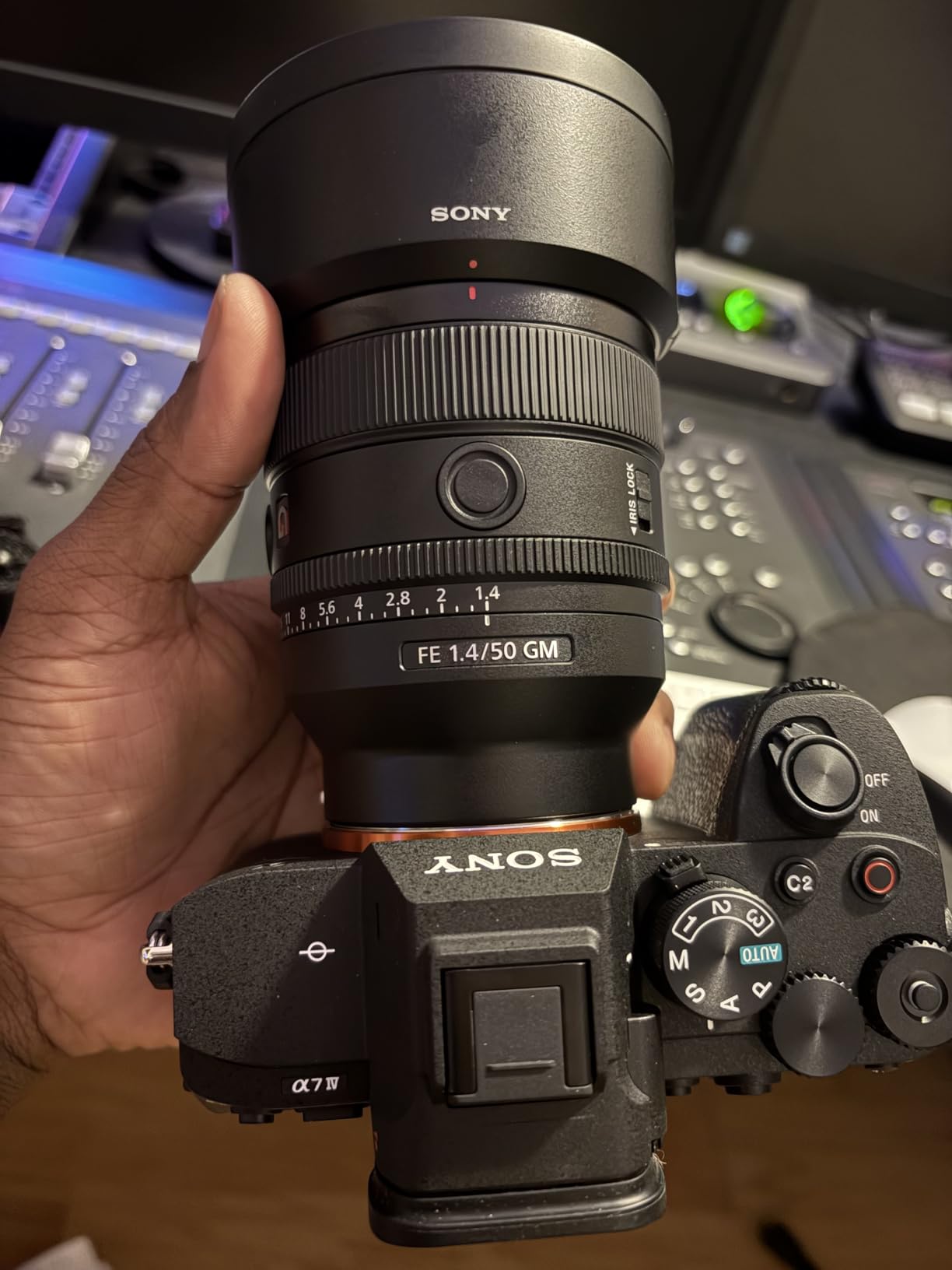
The aperture ring is a feature I have come to love, especially the clickless mode for video work. Being able to adjust exposure smoothly during recording without clicks in the audio is a significant advantage for hybrid shooters. The customizable function button on the barrel is also handy for quickly accessing eye-AF toggle or other frequently used functions.
One note of caution: I have heard reports of grey market units being sold through some channels. Make sure you purchase from authorized Sony dealers to ensure you receive a legitimate product with proper warranty coverage.
Perfect for travel and street photography
The lightweight design makes this ideal for photographers who want professional image quality without the bulk. Street photographers will appreciate the fast, silent autofocus and the unobtrusive size that does not intimidate subjects.
May disappoint f/1.2 seekers
If you are specifically chasing the extreme shallow depth of field look that only f/1.2 provides, this lens will not satisfy that need. The difference in subject isolation between f/1.2 and f/1.4 is subtle but real, particularly for close-up portraits.
6. Canon RF 85mm f/1.2L USM – Portrait Master
Pros
- Tack sharp from center to corner at f/1.2
- Faster autofocus than EF version
- Purple fringing eliminated
- Gorgeous bokeh and subject isolation
- Control ring for custom settings
- Excellent low light performance
Cons
- No image stabilizer
- Plastic build feels less premium
- Expensive investment
- Heavy at 1.2kg
This is the lens that made me understand why 85mm is called the portrait focal length. The combination of that classic portrait perspective with an f/1.2 aperture creates images with a dreamlike quality that clients absolutely love. After using the EF version for years, the RF version feels like a significant upgrade in almost every way.
The Blue Spectrum Refractive (BR) optics eliminate the purple fringing that plagued the EF version when shooting high-contrast scenes at wide apertures. This alone makes the upgrade worthwhile for portrait photographers who frequently work with backlit subjects or white wedding dresses against dark backgrounds.

Autofocus speed has improved dramatically over the EF version. Where the older lens would hunt in challenging light, the RF version locks on quickly and accurately. Eye-AF tracking works beautifully, keeping focus locked on your subject even as they move around.
The build quality is where I have mixed feelings. While the optical performance is unquestionably professional, the plastic construction feels less premium than the EF version’s metal barrel. For a lens at this price point, I expected better materials, though I understand the weight savings were likely intentional.
The definitive choice for Canon portrait photographers
If you shoot Canon RF and specialize in portraits, this is your lens. The 85mm focal length is universally flattering for faces, and the f/1.2 aperture gives you that editorial look that sets professional work apart from snapshots.
Consider alternatives for action or video work
The lack of image stabilization and the heavy weight make this less suitable for run-and-gun video work or sports photography. For video, I would recommend pairing this with a stabilized body or considering a lighter alternative.
7. Sony FE 35mm f/1.4 GM – Versatile Wide Prime
Pros
- Extremely sharp wide open at f/1.4
- Compact and lightweight for GM
- Fast and accurate autofocus
- Beautiful G Master bokeh
- Excellent low light performance
- Premium build quality
Cons
- Autofocus can jump during video
- Some chromatic aberration wide open
- Expensive compared to alternatives
The 35mm focal length has always been my favorite for environmental portraits and documentary work, and this lens is the best 35mm I have ever used on any system. The combination of wide-angle perspective with f/1.4 aperture creates images that are simply not possible with slower glass.
At 18.5 ounces, this is remarkably light for a GM lens. I carried it as my primary lens during a week-long trip through Iceland, and it never felt burdensome. The weather sealing proved its worth during several rainy shoots, with no moisture ever affecting performance.
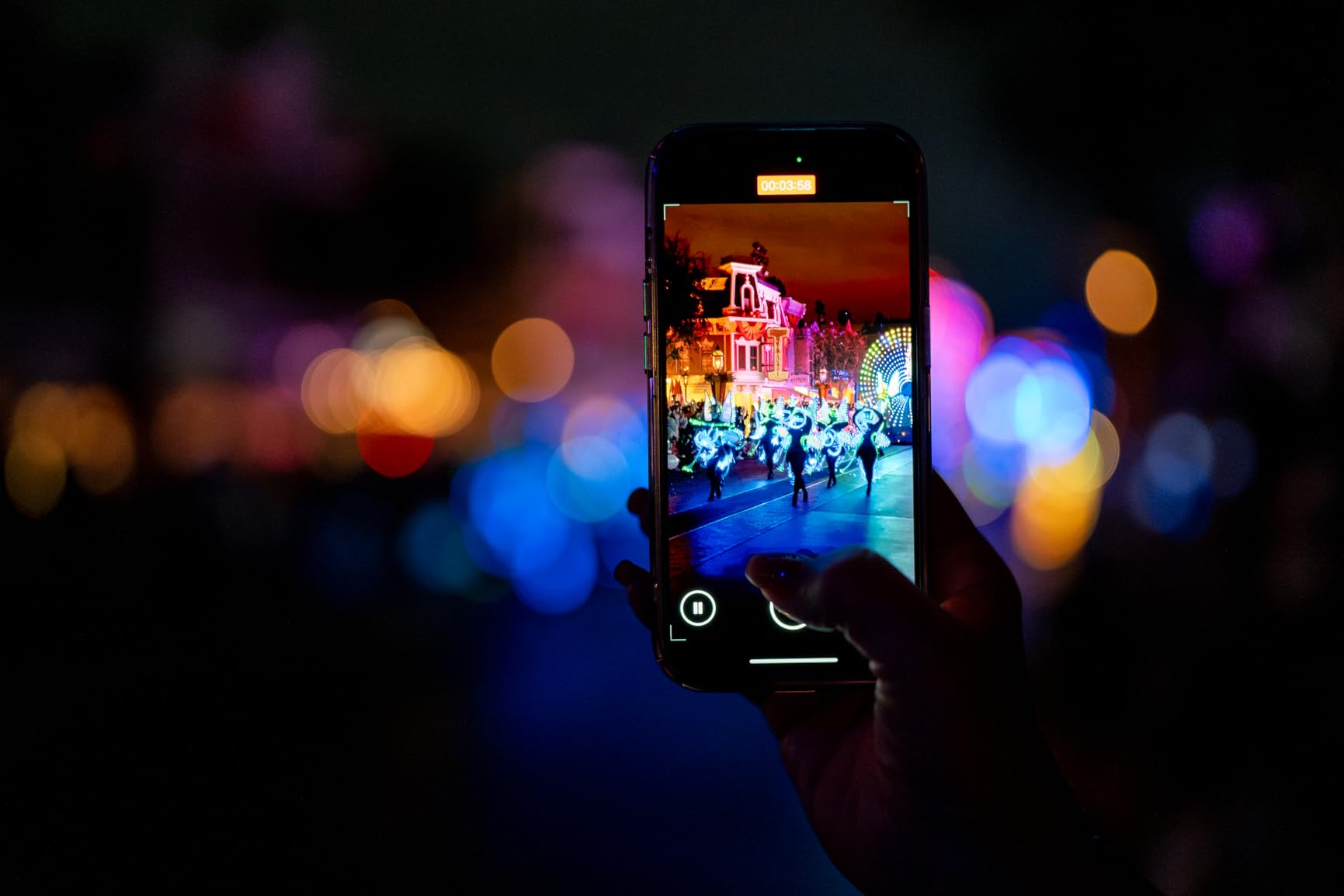
The sharpness even at f/1.4 is exceptional. Two XA elements and ED glass work together to deliver corner-to-corner resolution that holds up even on high-resolution bodies like the A7R V. I have printed images from this lens at 40×60 inches with no loss of detail.
For video shooters, there is one quirk to be aware of: the autofocus can be almost too quick, occasionally causing visible focus jumps during recording. Using slower focus speed settings in camera helps mitigate this, but it is something to test before critical shoots.
Essential for street and documentary photography
The 35mm focal length is perfect for storytelling, capturing both your subject and enough environment to provide context. Street photographers will find the fast autofocus and compact size ideal for capturing candid moments.
Less suited for tight portrait work
If your primary focus is traditional headshots, the 35mm focal length will distort features unflatteringly when you get close enough for a tight crop. Consider the 85mm options instead for that use case.
8. Sony FE 85mm f/1.4 GM – Classic Sony 85mm
Pros
- Outstanding bokeh and sharpness
- Excellent autofocus with Linear SSM
- Beautiful color rendition
- Clickable aperture ring for video
- Superior build quality
Cons
- Focus motor can be noisy
- No image stabilization
- Being superseded by GM II
- Some focus hunting reported
This was the lens that convinced me to switch to Sony years ago, and it remains in my bag despite the newer GM II being available. There is a rendering character to this original G Master that I still prefer for certain types of work, particularly black and white portraits where the bokeh texture matters more than clinical sharpness.
The 11-blade aperture creates bokeh that many photographers actually prefer over the newer version. The highlights have a slightly creamier quality that works beautifully for romantic portraits. At 820 grams, it is heavier than the GM II but the balance on larger bodies like the A1 feels natural.

The Linear SSM focus motor is quick and accurate for stills, but I have noticed it can hunt slightly in very low light compared to the newer XD linear motors. For most portrait work this is not an issue, but event photographers shooting dark receptions may notice the difference.
One significant drawback for video shooters: the focus motor is audible in quiet environments. If you record audio in-camera, you will hear the lens focusing during quiet moments. The clickless aperture mode helps for exposure adjustments, but the motor noise remains.
Great value for portrait photographers
With the GM II now available, this original version can be found at attractive prices. If you prioritize image quality over the latest technology, this lens delivers professional results at a lower investment.
Consider GM II for video or action work
If you shoot video or need the absolute fastest autofocus for moving subjects, the GM II is worth the extra investment. The newer XD motors and lighter weight make it more versatile for demanding shooting situations.
9. Sony FE 85mm f/1.4 GM II – Next-Gen Portrait Lens
Pros
- Huge upgrade in focus speed
- Significantly lighter than original
- Edge-to-edge sharpness
- Magnificent bokeh
- Fast precise quiet autofocus
- Advanced filmmaking features
Cons
- Expensive investment
- Fulfillment quality concerns
- No image stabilization
- Some lens breathing present
When Sony announced the GM II, I wondered if it was worth upgrading from my original. After shooting with both side by side, the answer is a definite yes for anyone who shoots moving subjects or video. The XD linear motors transform the shooting experience, delivering focus acquisition that feels instant.
The weight reduction from 820 grams to 635 grams makes a noticeable difference during long shoots. My arm definitely thanks me after a full day of wedding coverage. The optics remain at the same exceptional level, with edge-to-edge sharpness that meets the most demanding professional standards.
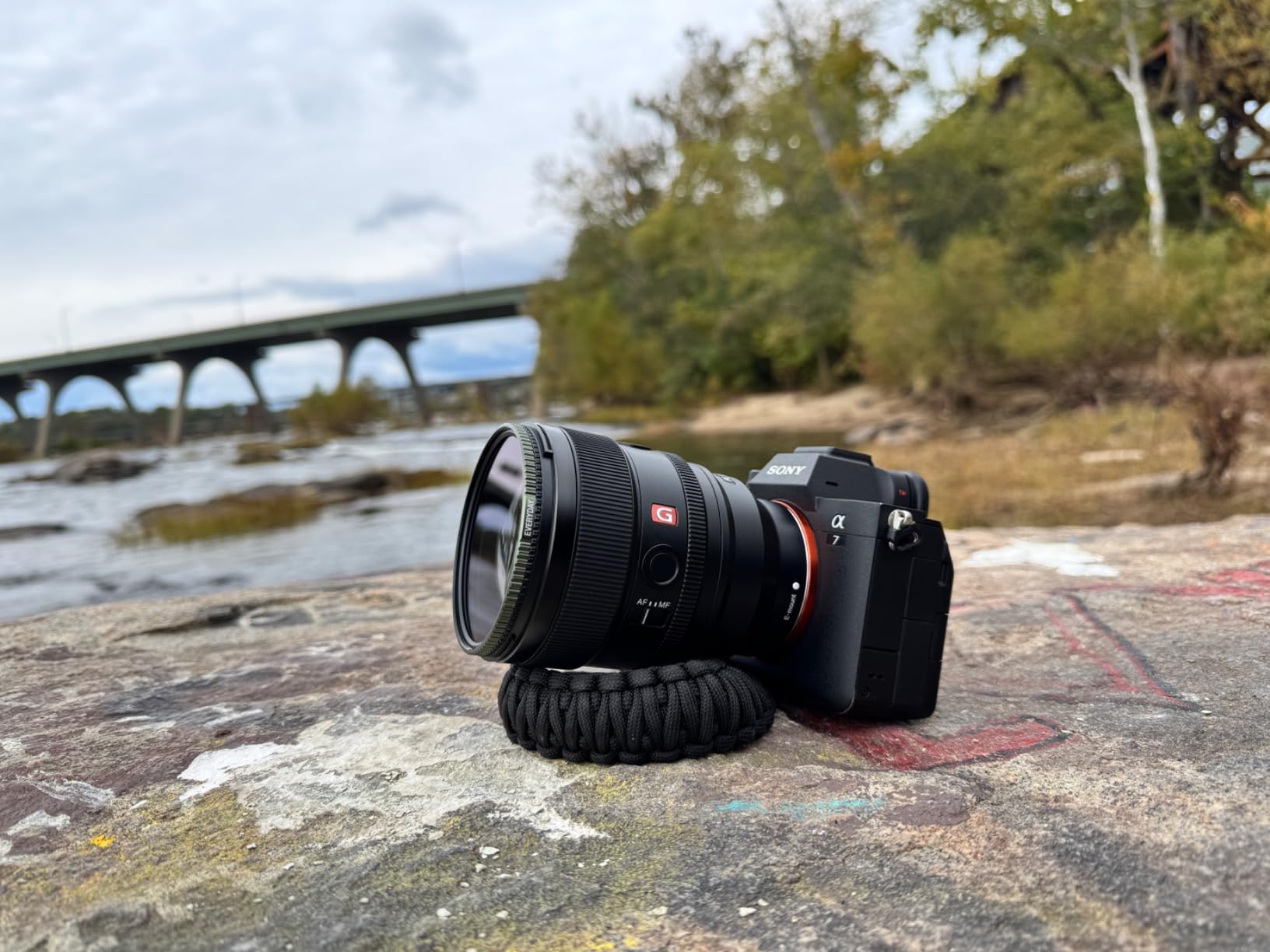
The bokeh quality is slightly different from the original, with highlights rendering a bit more clinically. Some photographers prefer the character of the original, while others appreciate the more neutral rendering of the II. Both produce beautiful results, so this comes down to personal preference.
Lens breathing is improved over the original but still present. For video work where focus pulls are common, you will notice slight framing shifts as focus moves from near to far subjects. Most editors will not find this problematic, but it is worth knowing about.
The definitive choice for Sony portrait professionals
If you shoot Sony and specialize in portraits, this is the lens to own. The combination of optical quality, fast autofocus, and manageable weight makes it the most complete 85mm option in the Sony ecosystem.
Original GM remains viable for budget-conscious buyers
If the GM II stretches your budget, the original GM still produces professional-quality images. You sacrifice some autofocus speed and carry more weight, but the image quality remains outstanding.
10. Sigma 85mm f/1.4 DG DN Art – Best Value
Pros
- 95% of G Master quality at 50% price
- Stunning bokeh and sharpness
- Lightweight and compact design
- Excellent value
- De-clickable aperture ring
- 4-year warranty
Cons
- Autofocus slower than Sony GM II
- Heavier than new GM II
- May struggle with glasses wearers
- No image stabilization
This lens represents what I consider the best value in portrait glass today. Sigma has managed to deliver optical performance that comes remarkably close to Sony’s G Master lenses at roughly half the price. After shooting with it extensively, I can confidently recommend it to any Sony shooter who does not absolutely need the fastest autofocus.
At 630 grams, it sits between the original GM and GM II in weight. The compact design makes it comfortable to carry all day, and the build quality feels robust with excellent weather sealing. The de-clickable aperture ring is a thoughtful touch for video shooters.

Optically, this lens is stunning. The sharpness wide open is genuinely difficult to distinguish from the Sony GM in blind tests. The bokeh has beautiful character, with smooth backgrounds and pleasing highlight rendering. For portrait and still life work, you would be hard-pressed to find a better value.
Where this lens falls short is autofocus speed. While perfectly adequate for posed portraits and static subjects, it struggles slightly with fast-moving subjects or people wearing glasses. The focus acquisition is not as instant as Sony’s latest XD linear motors.
Perfect for portrait and studio photographers
If you work primarily with cooperative subjects in controlled environments, this lens delivers professional results at an enthusiast price point. The 4-year warranty from Sigma provides peace of mind that matches or exceeds most manufacturer warranties.
Consider Sony GM for action or low-light event work
For wedding photographers or anyone shooting fast-moving subjects in challenging light, the Sony GM II’s faster autofocus justifies the additional cost. The Sigma is capable but not in the same league for demanding focus situations.
How to Choose the Right Fast Prime Lens?
Selecting the right fast prime lens involves balancing several factors beyond just maximum aperture. Here is what I consider when recommending lenses to photographers.
Focal Length: 35mm vs 50mm vs 85mm
Your choice of focal length has a bigger impact on your images than the difference between f/1.2 and f/1.4. A 35mm captures environmental context along with your subject, making it ideal for documentary and street photography. A 50mm provides a natural perspective that roughly matches human vision, versatile for almost any genre. An 85mm creates flattering compression for portraits while isolating your subject from the background.
I typically recommend 85mm for dedicated portrait work, 50mm as an all-purpose lens, and 35mm for environmental storytelling. Many photographers eventually own all three, but if choosing just one, match the focal length to your primary subject matter.
Aperture: f/1.2 vs f/1.4 – Is the Difference Worth It?
This is the question I hear most often, and the honest answer depends on your specific needs. The difference between f/1.2 and f/1.4 is roughly one-third of a stop of light. In practical terms, this might mean shooting at ISO 3200 instead of ISO 4000. Whether that matters depends on how often you work in extreme low light.
Where f/1.2 really shines is subject isolation. That extra aperture width creates shallower depth of field that can separate your subject from the background more dramatically. For portrait photographers, this can be the difference between a good image and a great one.
However, f/1.2 lenses are typically heavier, larger, and significantly more expensive than f/1.4 alternatives. If you rarely shoot at maximum aperture or work primarily in good light, an f/1.4 lens offers better value.
Mount Compatibility and Future-Proofing
Consider your current camera system and any planned upgrades. Native mount lenses typically offer better autofocus performance and communication than adapted glass. If you are transitioning from DSLR to mirrorless, adapting existing EF or F-mount lenses works well, but native mount options will serve you better long-term.
Weight and Portability Considerations
Fast primes are inherently heavy due to the large glass elements required. An f/1.2 lens can weigh twice as much as an f/1.8 equivalent. Consider how you actually shoot: if you carry your camera all day for street or travel photography, a lighter lens may get more use than a technically superior but heavy alternative.
Third-Party vs OEM Lenses
Sigma, Viltrox, and Samyang have dramatically improved their quality in recent years. The Sigma 85mm f/1.4 DG DN Art demonstrates that third-party options can deliver 95% of OEM performance at 50% of the price. The main trade-offs are typically in autofocus speed and weather sealing quality.
For budget-conscious photographers or those just starting with fast primes, third-party options offer an excellent entry point. You can always upgrade to OEM later if your needs evolve.
FAQ
What f stop is best for bokeh?
The lower the f-stop number, the more pronounced the bokeh effect. F/1.2 and f/1.4 apertures create the shallowest depth of field and therefore the creamiest background blur. However, bokeh quality also depends on aperture blade count and optical design. Lenses with 9 or more aperture blades typically produce smoother bokeh highlights. For maximum bokeh, shoot at your lens’s widest aperture while positioning your subject far from the background.
Do prime lenses have better bokeh?
Prime lenses generally produce better bokeh than zoom lenses because they have simpler optical designs with fewer elements that can cause light scattering. Additionally, prime lenses are available with wider maximum apertures (f/1.2, f/1.4) that create shallower depth of field. However, some high-end zoom lenses can produce excellent bokeh at their maximum apertures. The key advantage of primes is the combination of wider apertures and optical designs optimized for a single focal length.
What lens is best for bokeh?
The best lenses for bokeh combine wide maximum apertures with quality optical designs. Top choices include 85mm f/1.2 or f/1.4 portrait lenses like the Canon RF 85mm f/1.2L, Sony FE 85mm f/1.4 GM II, or Sigma 85mm f/1.4 Art. For more versatility, 50mm f/1.2 lenses like the Sony FE 50mm f/1.2 GM offer excellent bokeh with a natural perspective. Longer focal lengths (85mm-135mm) generally produce more background compression and isolation, enhancing the bokeh effect.
Are prime lenses good for low light?
Prime lenses are excellent for low light photography because their wide maximum apertures (f/1.2 to f/1.8) allow significantly more light to reach the sensor than zoom lenses. An f/1.4 lens lets in four times more light than an f/2.8 zoom, enabling faster shutter speeds or lower ISO settings. This makes fast primes indispensable for indoor events, night photography, and any situation where flash is not permitted or desired. The Sony FE 50mm f/1.2 GM and Canon RF 50mm f/1.2L are particularly noted for their low light performance.
Final Thoughts
The best f/1.2 prime lenses for low light and bokeh represent a significant investment, but for photographers who need their capabilities, they are worth every penny. The Sony FE 50mm f/1.2 GM stands out as my top recommendation for its exceptional balance of size, performance, and optical quality. Portrait specialists shooting Canon should seriously consider the RF 85mm f/1.2L USM, while budget-conscious Sony users will find incredible value in the Sigma 85mm f/1.4 DG DN Art.
Remember that the difference between f/1.2 and f/1.4 is subtle in many situations. Choose based on your actual shooting needs rather than specifications alone. A lens you enjoy using will produce better images than a technically superior lens that stays home because it is too heavy.