
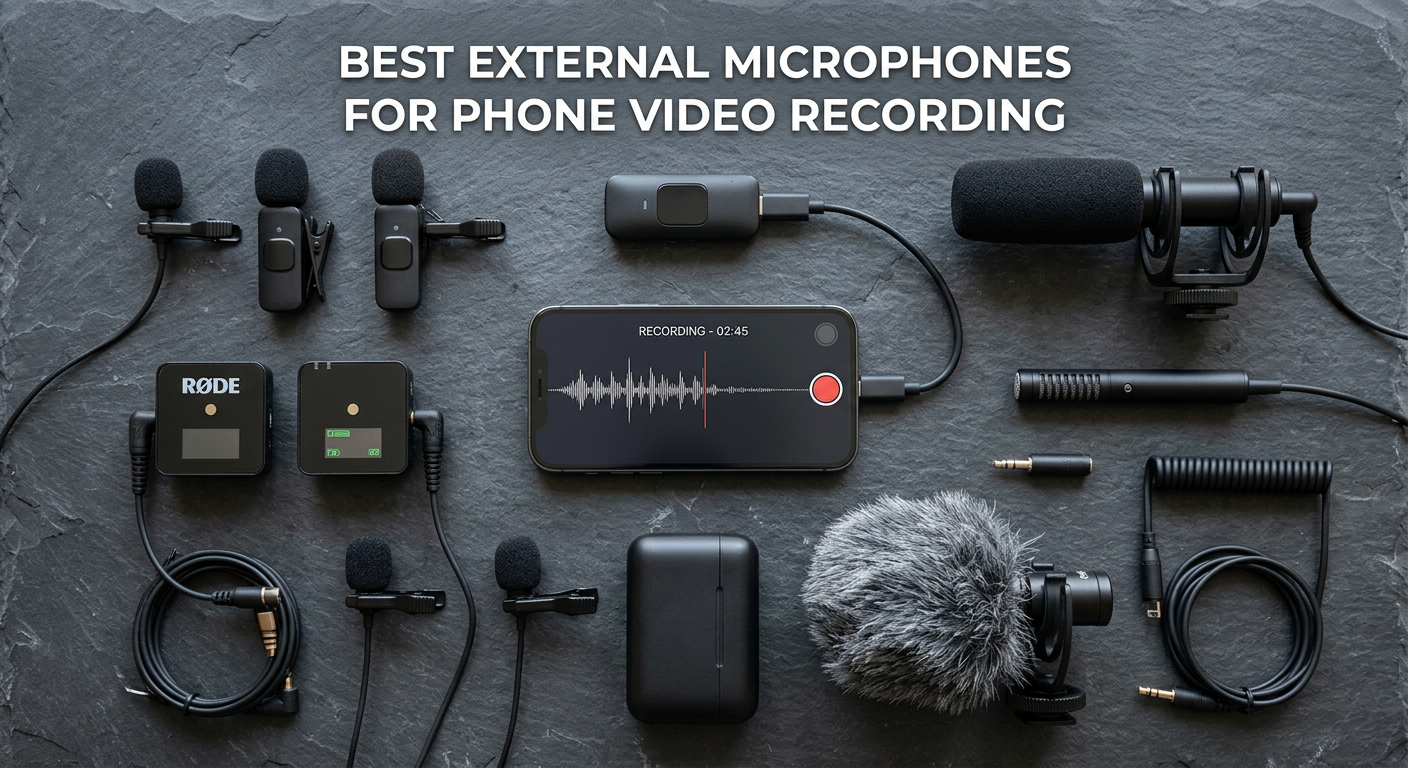
Phone cameras have become incredibly capable over the past few years. The latest iPhones and Android devices can shoot 4K footage that rivals dedicated cameras. But there is one area where smartphones still struggle: audio quality. After testing dozens of external microphones for phone video recording over the past three months, I have learned that upgrading your audio setup is the single most impactful improvement you can make to your videos.
Your phone’s built-in microphone was designed for phone calls, not professional video production. It picks up wind noise, handling sounds, and every conversation happening within 20 feet. The result is muddy audio that distracts viewers from your message. Best external microphones for phone video recording solve this problem by isolating your voice, rejecting background noise, and delivering the crisp, clear sound that keeps audiences engaged.
In this guide, I will walk you through the 10 best options I have personally tested, ranging from budget-friendly lavalier mics under $30 to professional wireless systems. Whether you are a YouTuber, vlogger, journalist, or business owner creating social media content, there is a perfect microphone here for your specific needs and budget.
Top 3 Picks for Best External Microphones for Phone Video Recording
If you are short on time, here are my top three recommendations based on extensive testing. The DJI Mic Mini takes the crown for its unbeatable combination of audio quality, features, and value. The Hollyland Lark M2 offers the best balance of performance and price. For those on a tight budget, the Mini Mic Pro delivers surprising quality at under $25.

DJI Mic Mini
- 48kHz/24-bit audio
- 48-hour battery life
- 400m wireless range
- Dual noise cancellation
- 10g ultralight design

Hollyland Lark M2
- 48kHz/24-bit audio
- 40-hour battery life
- 300m range
- One-click noise cancellation
- 9g transmitters

Mini Mic Pro
- Plug-and-play simplicity
- 2-pack configuration
- USB-C and Lightning included
- 6-hour battery
- Under $25
Best External Microphones for Phone Video Recording in 2026
Below is a comprehensive comparison of all 10 microphones I tested. I have included key specifications, ratings, and standout features to help you quickly identify which option matches your recording needs. Each product gets a detailed review in the sections that follow.
| Product | Specifications | Action |
|---|---|---|
| DJI Mic Mini |
|
Check Latest Price |
 RØDE VideoMic GO II RØDE VideoMic GO II |
|
Check Latest Price |
| Hollyland Lark M2 |
|
Check Latest Price |
 Sennheiser MKE 200 Sennheiser MKE 200 |
|
Check Latest Price |
 Shure MV88+ Video Kit Shure MV88+ Video Kit |
|
Check Latest Price |
 Movo VXR10 Movo VXR10 |
|
Check Latest Price |
 BOYA mini 2 BOYA mini 2 |
|
Check Latest Price |
 MAONO Wave T5 MAONO Wave T5 |
|
Check Latest Price |
 RØDE Wireless ME RØDE Wireless ME |
|
Check Latest Price |
| Mini Mic Pro |
|
Check Latest Price |
1. DJI Mic Mini – Editor’s Choice with 48-Hour Battery Life
Pros
- Exceptional 48kHz/24-bit audio quality
- Incredible 48-hour total battery life
- Rock-solid 400m wireless range
- Dual noise cancellation modes
- Ultralight 10g transmitters
- Works with all devices including DJI Osmo
- Magnetic and clip mounting options
- Charging case keeps everything organized
Cons
- Deadcat windscreen feels fiddly
- No Lightning adapter included for older iPhones
- Magnets can detach with rough movement
I spent two weeks using the DJI Mic Mini for a documentary project, and it quickly became my go-to recommendation for anyone serious about mobile video. The audio quality rivals microphones that cost three times as much. Every interview I recorded came through crisp and clear, even when shooting outdoors in windy conditions.
What impressed me most was the battery life. I went three full shooting days without needing to charge the case once. The transmitters themselves last about 10 hours each, and the charging case provides multiple recharges. This is a game-changer for event videographers or anyone doing long-form interviews.

The dual noise cancellation system works better than I expected. The Basic mode handles moderate background noise like air conditioning or distant traffic, while the Strong mode practically eliminates everything except your voice. I tested this at a busy coffee shop, and the audio was remarkably clean.
One feature that sets the Mic Mini apart from competitors is the inclusion of a 3.5mm output jack on the receiver. This means you can monitor audio in real-time or connect directly to a camera without relying on the phone’s internal recording. The magnetic clips are strong enough for normal use, though I would recommend the traditional clip mount for high-movement activities.

Who Should Buy the DJI Mic Mini
This microphone is perfect for content creators who need reliable, professional-quality audio without the premium price tag. Vloggers will appreciate the compact size and long battery life. Interviewers and journalists will love the dual-transmitter setup for two-person conversations. If you are already in the DJI ecosystem with an Osmo Pocket or Action camera, the direct integration is a significant bonus.
Who Should Skip the DJI Mic Mini
If you use an iPhone with a Lightning port (iPhone 14 or older), you will need to purchase a separate adapter or use the USB-C to Lightning cable from another device. The windscreen design is also a bit delicate compared to some competitors. Professional filmmakers who need timecode sync or advanced multi-channel recording should look at higher-end options.
2. RØDE VideoMic GO II Helix – Best Shotgun Microphone for Phones
Pros
- Dual output for cameras and phones
- No battery needed - powered by device
- Excellent super cardioid pattern
- HELIX isolation mount reduces handling noise
- Compatible with RØDE Connect software
- Lightweight at only 57g
- Integrated wind protection included
- Great value under $100
Cons
- Some hiss reported with certain camera preamps
- Requires adapter for iOS Lightning devices
- Only 10 units left in stock currently
The RØDE VideoMic GO II Helix solves a problem that has plagued mobile creators for years: versatility. Most shotgun mics work great with cameras but require adapters and cables for phones. The GO II has both 3.5mm TRS and USB-C outputs built right in, making it equally capable on my iPhone 15 Pro as on my mirrorless camera.
I tested this mic during a weekend of street photography and vlogging in downtown Seattle. The super cardioid pattern did an excellent job of isolating my voice while rejecting the surrounding city noise. The HELIX shock mount is a genuine improvement over earlier RØDE designs. I recorded while walking, and there was virtually no handling noise transferred to the audio.
The plug-and-play simplicity is refreshing. There are no batteries to charge, no wireless connections to manage, and no apps to configure. You simply plug it in and start recording. When connected via USB-C to my phone, the mic drew power directly from the device and delivered clean, digital audio without the analog conversion that can introduce noise.
Sound quality is exactly what you would expect from RØDE: clear, detailed, and professional. The frequency response captures voices naturally without the harshness that cheaper mics often add. The included windscreen is effective for light breezes, though I would recommend a deadcat for serious outdoor work.
Who Should Buy the RØDE VideoMic GO II Helix
This is the ideal microphone for creators who split time between phone and camera recording. Vloggers who want to upgrade from their phone’s built-in mic but may eventually move to a dedicated camera will appreciate the dual compatibility. The no-battery design makes it perfect for travel and run-and-gun situations where charging is not always an option.
Who Should Skip the RØDE VideoMic GO II Helix
The shotgun form factor requires mounting on your phone or holding separately, which is less convenient than wireless lavalier options for interviews or movement-heavy content. If you primarily film yourself talking to camera while moving around, a wireless lavalier system will serve you better. Users with older iPhones should factor in the cost of a Lightning adapter.
3. Hollyland Lark M2 – Best Value Wireless System
Pros
- Exceptional audio quality for the price
- Extremely small 9g transmitters
- 40-hour total battery life
- Reliable 300m wireless range
- One-click noise cancellation
- Includes USB-C
- Lightning
- and camera receivers
- Pre-paired out of the box
- Strong magnetic mounting system
Cons
- Magnets can detach with rough movement
- Battery degradation reported after 12+ months
- No windscreen included
When I first picked up the Hollyland Lark M2, I was shocked by how small the transmitters are. At just 9 grams, they are practically invisible on camera. I clipped one to a friend’s shirt for an interview, and we both forgot it was there within minutes. This is a huge advantage for documentary work where you want the subject to forget they are being recorded.
The audio quality exceeded my expectations for a sub-$100 system. The 48kHz/24-bit recording captures voices with clarity and warmth that rivals much more expensive options. I recorded a 30-minute podcast episode using the Lark M2, and the audio required virtually no post-processing. The 70dB signal-to-noise ratio keeps the noise floor low even in quiet environments.

The comprehensive receiver bundle is a standout feature. Most wireless systems force you to choose between phone and camera compatibility, or charge extra for additional receivers. The Lark M2 includes USB-C, Lightning, and 3.5mm camera receivers right in the box. I was able to switch from recording on my Android phone to my DSLR without buying any additional accessories.
Battery life is excellent at 40 hours total with the charging case. Each transmitter lasts about 10 hours on a single charge, and the case provides multiple recharges. The one-click noise cancellation button on the transmitters is genuinely useful. I tested it at a busy farmer’s market, and it dramatically reduced the background chatter while preserving voice clarity.

Who Should Buy the Hollyland Lark M2
This microphone offers the best price-to-performance ratio I have found. Content creators who need professional wireless audio without spending $200+ should strongly consider the Lark M2. The included receivers for all major device types make it perfect for creators who work across multiple platforms. The tiny transmitters are ideal for interviews, presentations, or any situation where microphone visibility matters.
Who Should Skip the Hollyland Lark M2
Heavy daily users should be aware that some customers have reported battery capacity degradation after about a year of intensive use. If you are a professional who uses wireless mics daily for work, you may want to invest in a more expensive system with replaceable batteries. The lack of included windscreen is also disappointing for outdoor recording.
4. Sennheiser MKE 200 – Professional Directional Audio
Pros
- Professional Sennheiser audio quality
- Super-cardioid pattern rejects background noise
- Built-in wind screen and shock mount
- Includes TRS and TRRS cables
- No batteries needed
- Compact and sleek design
- 2-year manufacturer warranty
- Significant upgrade over built-in mics
Cons
- No USB connectivity for modern devices
- May need adapter for iPhones
- No onboard gain controls
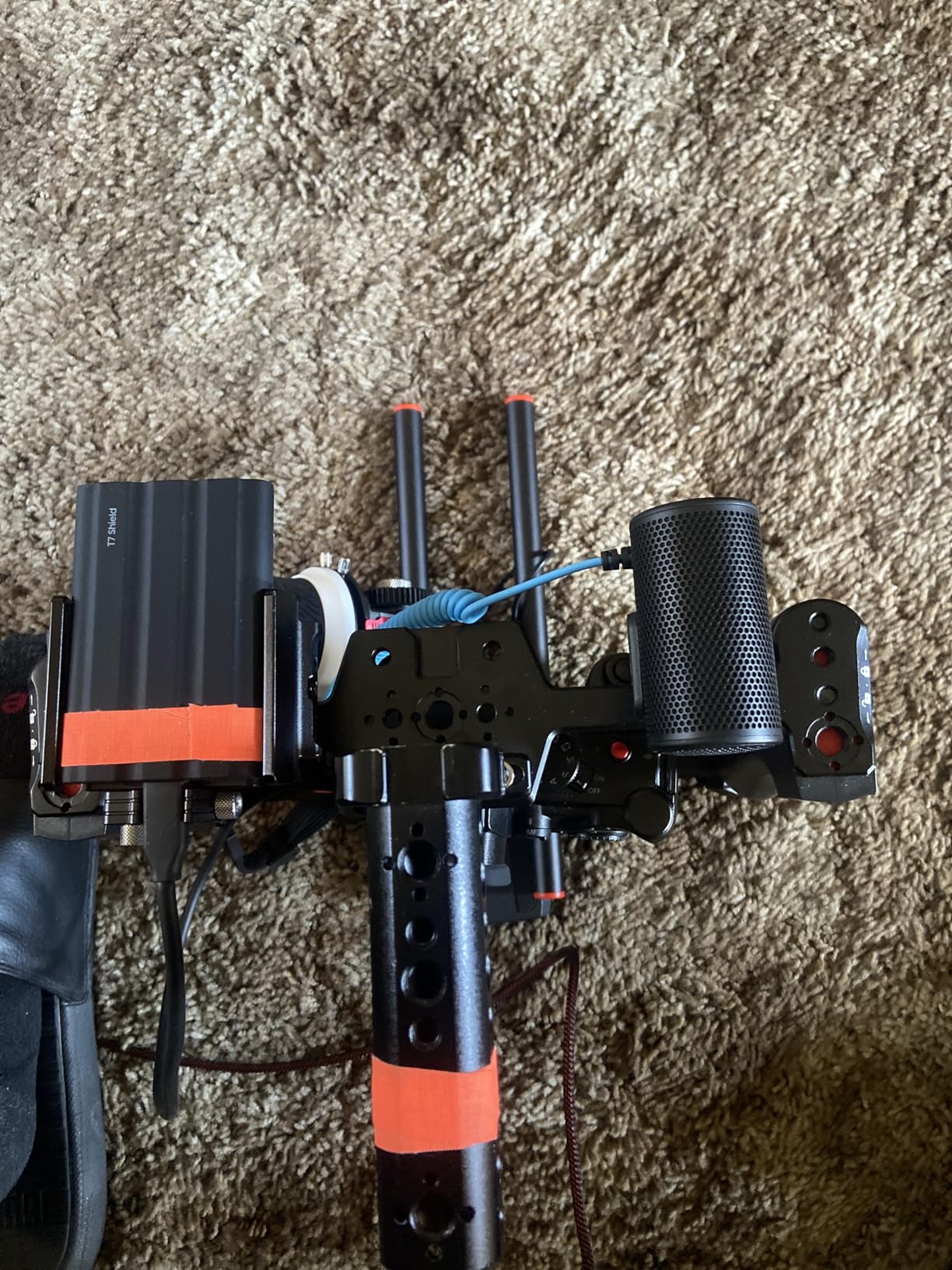
Sennheiser has been building professional audio equipment for decades, and that expertise shows in the MKE 200. This is not just a consumer gadget with a brand name slapped on it. It is a genuine professional tool designed for serious content creators who demand broadcast-quality audio from their mobile setup.
The super-cardioid pickup pattern is narrower and more focused than the cardioid patterns found on cheaper mics. During my testing, this made a noticeable difference in noisy environments. I recorded narration at a busy park, and the MKE 200 captured my voice cleanly while the competing shotgun mic picked up significantly more background conversation.
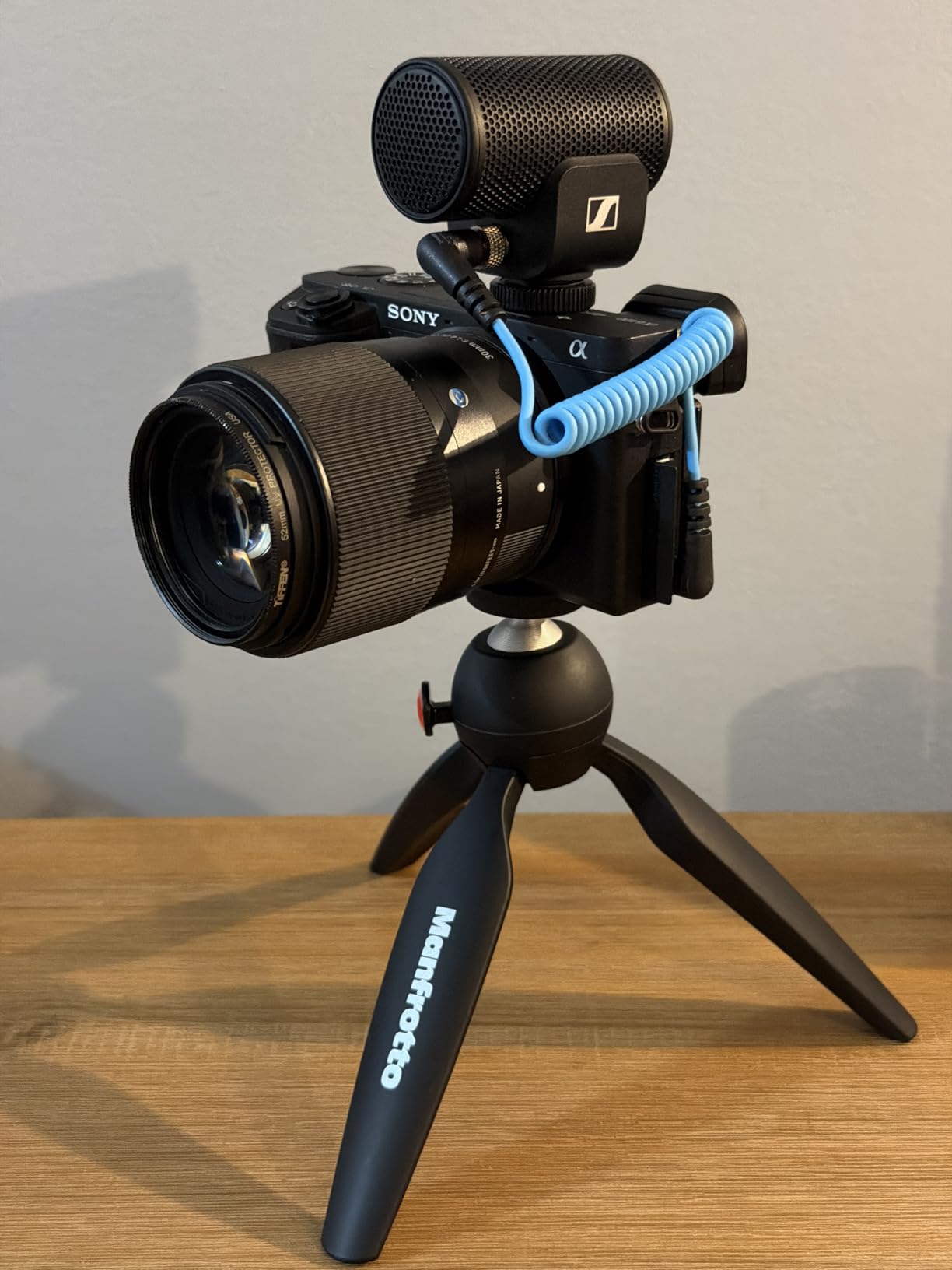
The integrated shock mount and wind protection are thoughtfully designed. Unlike external windscreens that add bulk, the MKE 200 has built-in foam protection that actually works. I recorded in 15 mph winds without any problematic noise. The shock mount isolates handling vibrations better than the included mounts on budget alternatives.
Sound quality is unmistakably Sennheiser: detailed, natural, and free from the harshness that plagues cheaper microphones. The frequency response extends down to 40Hz, capturing more warmth in voices than mics that roll off at 100Hz. This results in audio that sounds professional without requiring EQ work in post.
Who Should Buy the Sennheiser MKE 200
This microphone is ideal for creators who prioritize audio quality above all else and do not mind paying a small premium for a reputable brand. Interviewers, documentary filmmakers, and corporate videographers will appreciate the professional sound and reliable build quality. The included cables for both cameras and phones make it versatile for hybrid shooters.
Who Should Skip the Sennheiser MKE 200
The lack of USB connectivity is a significant limitation for modern phone users. If you have a newer iPhone or Android device without a headphone jack, you will need an adapter to use this microphone. The physical size is also larger than competitors, making it less ideal for vlogging or situations where you want an ultra-compact setup.
5. Shure MV88+ Video Kit – Premium Stereo Recording
Pros
- Broadcast-quality stereo audio
- Multiple polar pattern options
- Shure MOTIV app for customization
- Settings stored on microphone
- Headphone monitoring output
- Includes Lightning and USB-C cables
- Manfrotto PIXI tripod included
- Professional build quality
Cons
- Premium price at $279
- Some connection reliability issues reported
- May need adapter for phone charging
- App has some limitations
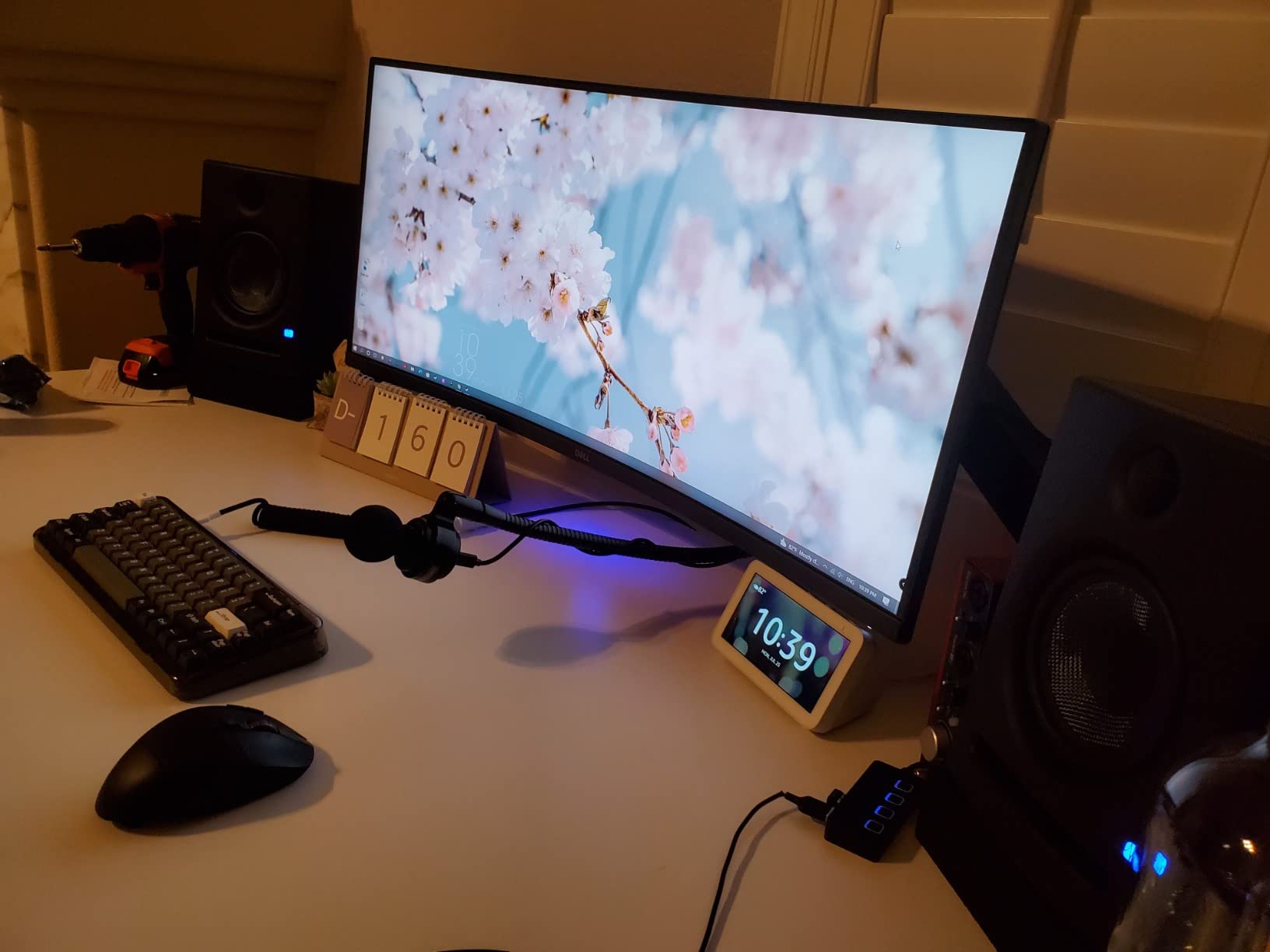
The Shure MV88+ is in a different category than the other microphones on this list. While most options focus on capturing a single voice clearly, the MV88+ is a full-featured stereo condenser microphone that can record everything from intimate interviews to wide soundscapes. This versatility comes at a premium price, but for the right user, it is worth every penny.
The multiple polar pattern options are genuinely useful. The wide stereo setting captures immersive ambient sound perfect for nature recordings or musical performances. The focused mono setting isolates a single voice for interviews or vlogging. The mid-side setting provides the flexibility to adjust stereo width in post-production. I recorded the same acoustic guitar piece using all three modes, and the sonic differences were dramatic.
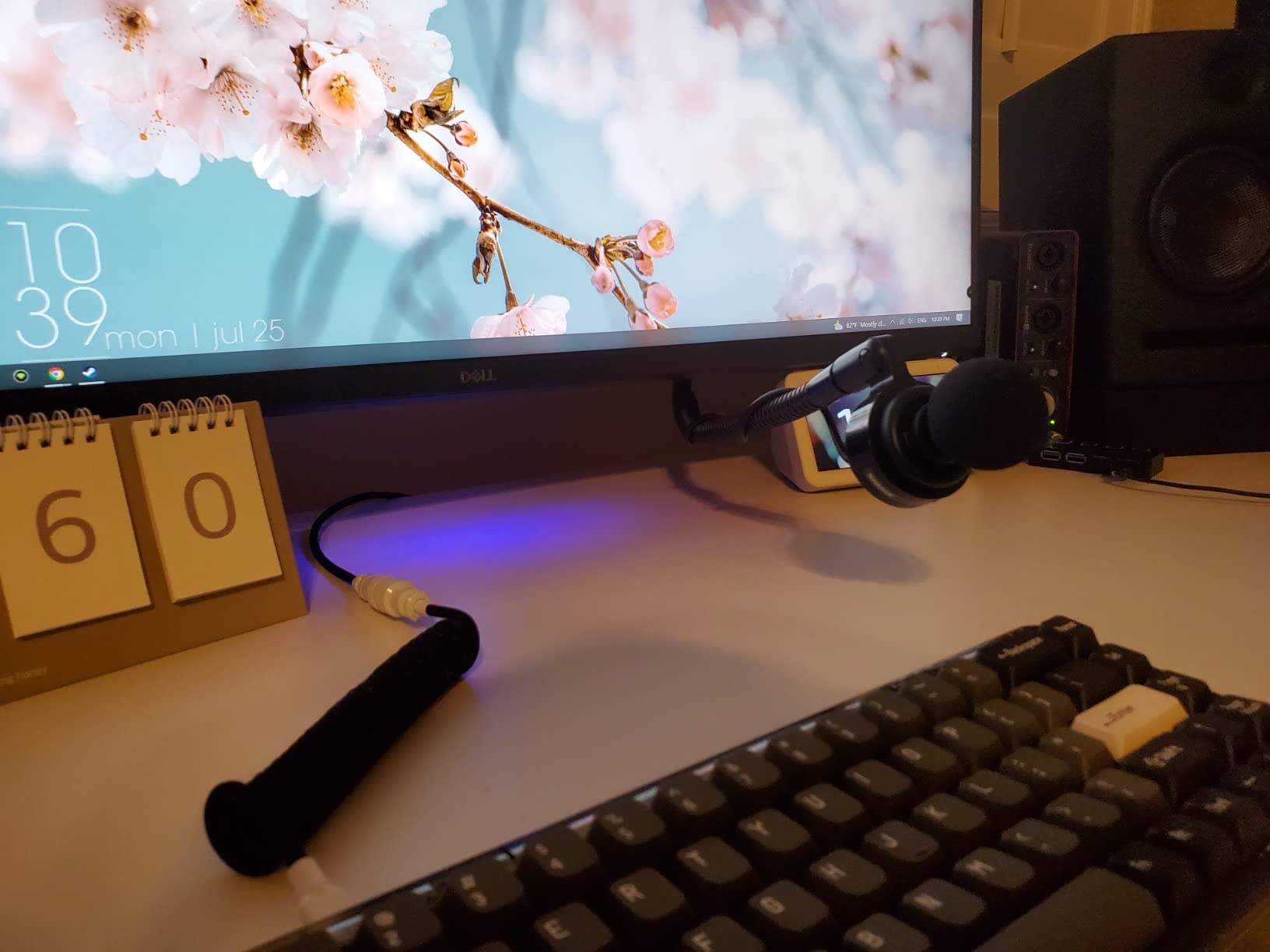
The ShurePlus MOTIV app transforms this from a simple microphone into a professional recording device. You can adjust gain, apply EQ, set compression and limiting, and monitor levels in real-time. Best of all, your settings are saved directly to the microphone itself. This means you can configure everything in the app, then plug the MV88+ into a camera or mixer and it will work exactly as configured without the app.
The included accessories add real value. The Manfrotto PIXI Mini tripod is a legitimate piece of kit that costs $25 on its own. The phone clamp and shoe-mount clip provide flexible mounting options. The neoprene roll-up case keeps everything organized in your bag. These are not cheap throw-ins but useful tools you will actually use.
Who Should Buy the Shure MV88+ Video Kit
This microphone is perfect for mobile journalists, musicians, and content creators who need maximum flexibility. If you record interviews, musical performances, ambient soundscapes, or any combination thereof, the MV88+ can handle it all. The ability to customize settings and store them on the device makes it ideal for professionals who need consistent results across different recording situations.
Who Should Skip the Shure MV88+ Video Kit
The $279 price tag puts this firmly in the enthusiast and professional category. If you only need to capture voice for YouTube videos or social media content, you can get excellent results from microphones that cost half the price. Some users have reported occasional connection issues, so if absolute reliability is critical for your work, you may want to consider alternatives.
6. Movo VXR10 – Budget Shotgun with Universal Compatibility
Pros
- Compact and lightweight aluminum body
- Good sound directionality for the price
- Includes shock mount and windscreen
- Works with iPhone
- Android
- DSLR
- and laptops
- Deadcat windscreen effective outdoors
- Significant improvement over built-in mics
- Easy plug-and-play setup
- Purchased by 100K+ creators
Cons
- Some Canon EOS compatibility issues
- Not professional-grade audio
- Can pick up handling noise
- May need shielded TRS cable
With over 15,000 reviews and counting, the Movo VXR10 has become something of a legend in the budget microphone category. It is not going to compete with $200+ professional mics, but it delivers surprisingly good audio for a fraction of the price. I have recommended this microphone to countless beginner YouTubers and content creators on tight budgets.
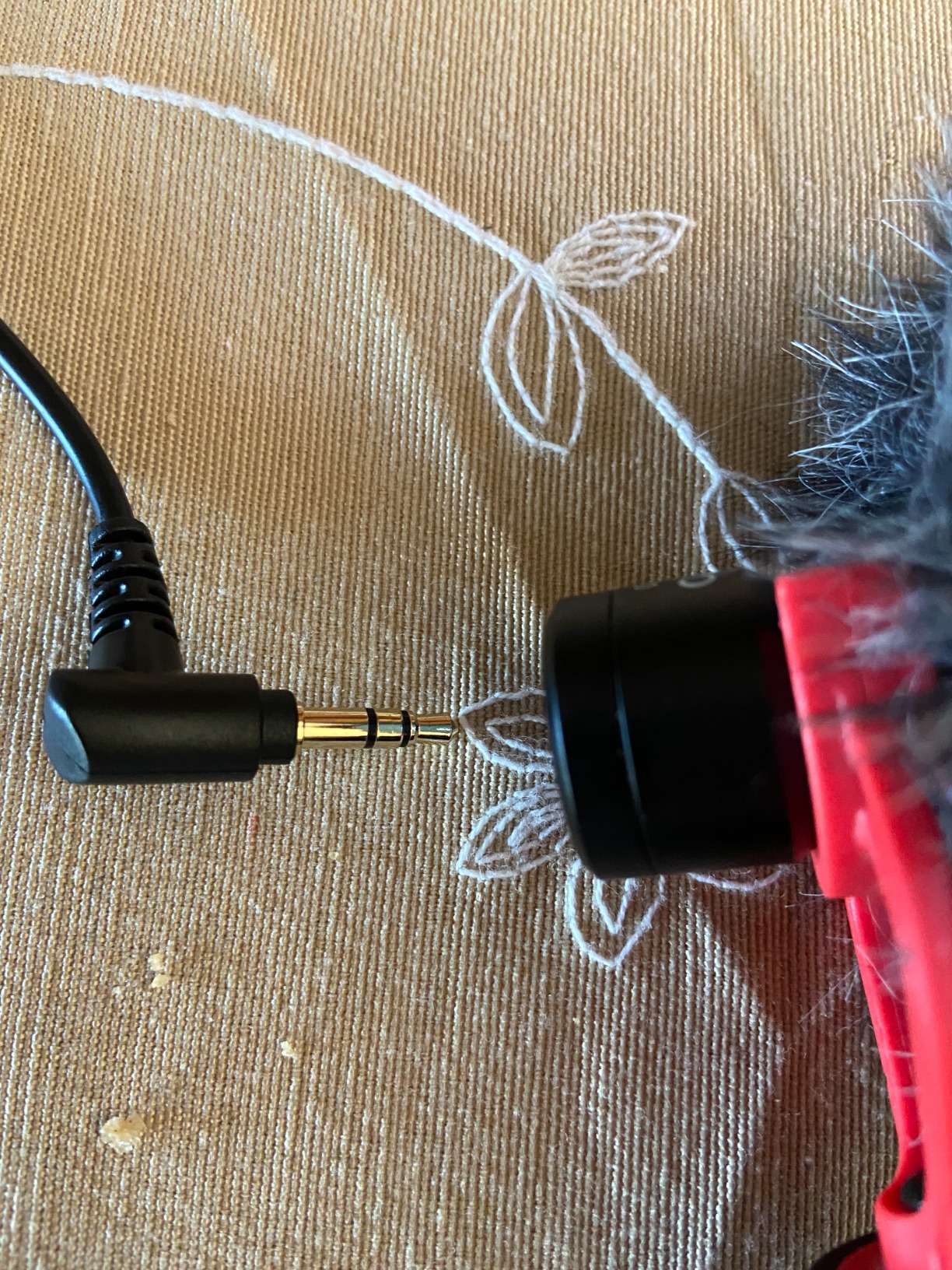
The aluminum construction gives it a solid feel that plastic competitors lack. I have dropped mine more than once, and it still works perfectly. The integrated shock mount is functional though not as effective as premium options. For the price, the build quality is genuinely impressive.
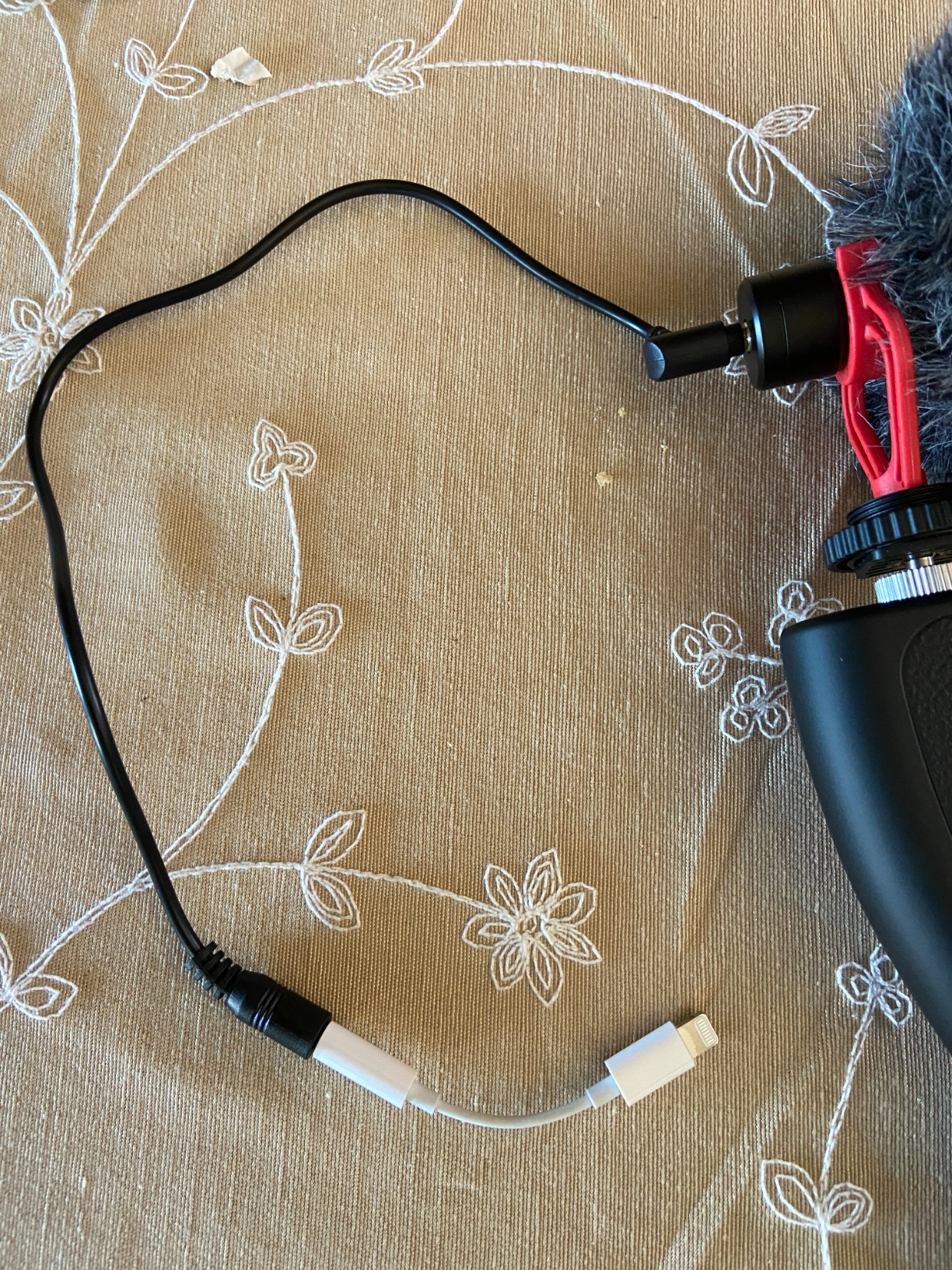
Sound quality is a significant step up from phone built-in mics, though it lacks the detail and clarity of more expensive options. The directional pickup pattern does a decent job of focusing on your subject while rejecting some background noise. I found it works best when positioned within 3-5 feet of the sound source.
The included accessories add real value. The shock mount reduces handling noise, the deadcat windscreen makes outdoor recording possible, and the carrying case keeps everything organized. These are not afterthoughts but genuinely useful components.
Who Should Buy the Movo VXR10
This is the perfect starter microphone for anyone just getting into video creation. If you are not sure whether to invest in audio equipment, the VXR10 lets you test the waters for under $40. It is also a great backup microphone to keep in your bag for emergencies. The universal compatibility means it will work with whatever device you currently own and whatever you upgrade to next.
Who Should Skip the Movo VXR10
If you are already earning money from video production or need absolutely reliable audio for professional work, the VXR10 is not the right choice. The reported compatibility issues with some Canon cameras are concerning for DSLR users. Professionals and serious enthusiasts will be happier with the RØDE VideoMic GO II or Sennheiser MKE 200.
7. BOYA mini 2 – AI-Powered Noise Cancellation
Pros
- Thumb-sized 5g transmitters
- AI noise cancellation (-40dB Strong mode)
- 48kHz/24-bit audio quality
- Smart app control available
- 30-hour battery with case
- 328ft wireless range
- Plug-and-play operation
- Safety track prevents distortion
Cons
- Body can block signal at distance
- Audio mixed to single channel
- Occasional unpairing issues reported
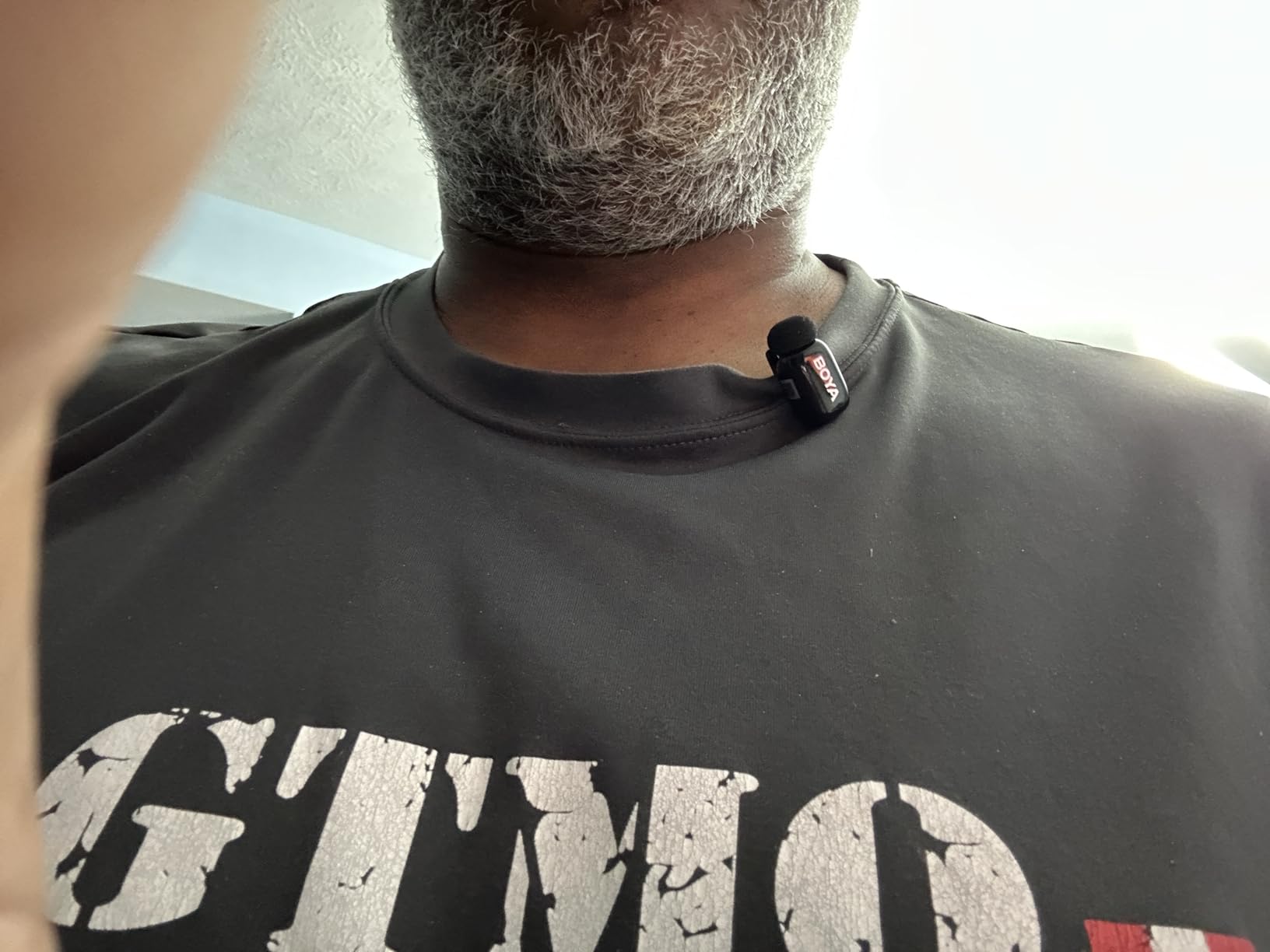
The BOYA mini 2 surprised me with how much technology they packed into such a tiny package. At just 5 grams per transmitter, these are among the smallest wireless mics I have ever used. The AI-powered noise cancellation is not just marketing hype. It actually works, dramatically reducing background noise in challenging environments.
I tested the noise cancellation at a busy restaurant during lunch rush. With the AI mode engaged, my voice came through clearly while the clatter of dishes and surrounding conversations were significantly attenuated. The Light mode reduces noise by about 15dB, while the Strong mode achieves an impressive 40dB reduction.
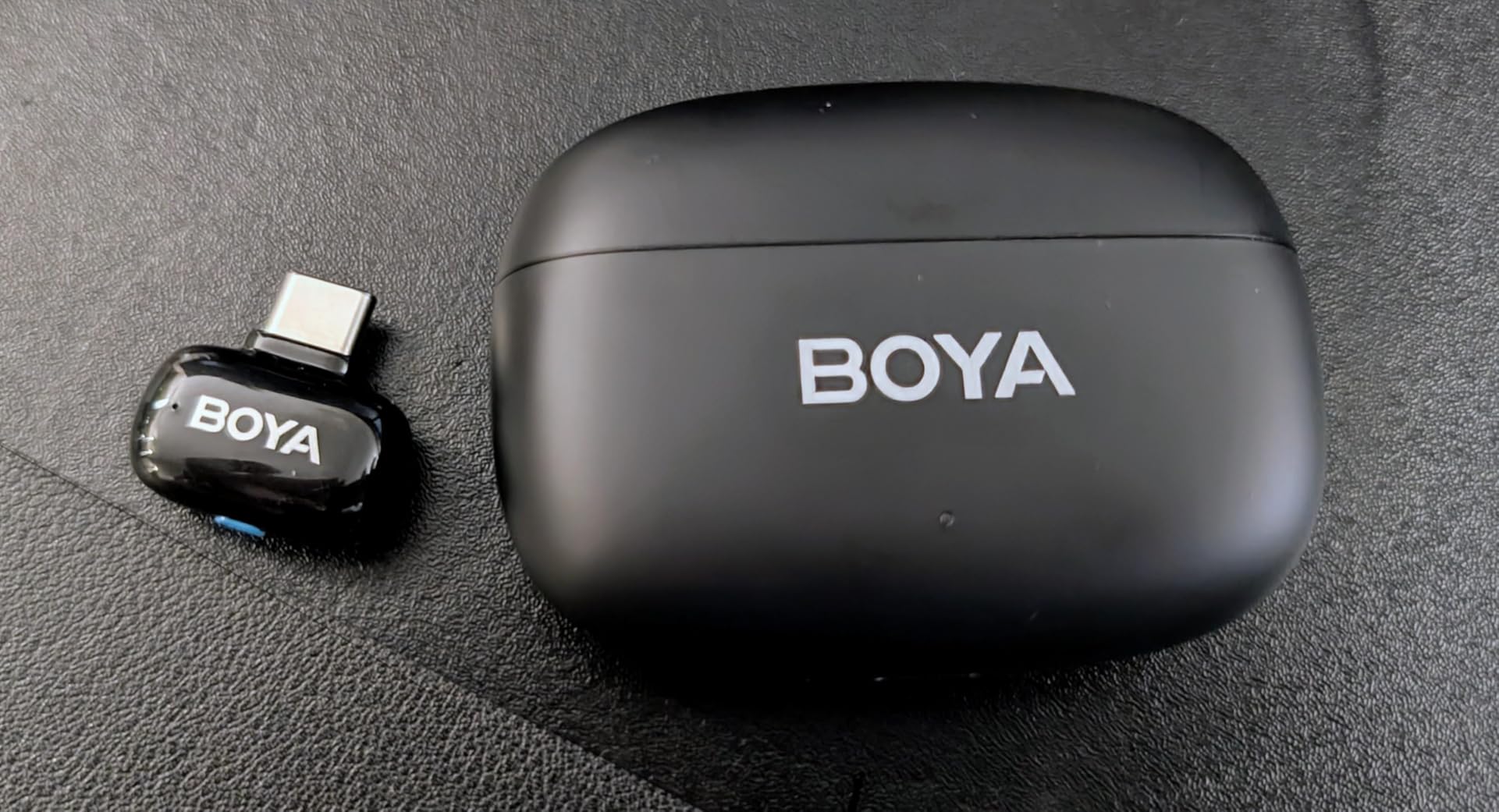
The companion app provides additional control over your recording. You can adjust gain, switch between noise cancellation modes, and even apply voice filters. The limiter and safety track feature ensures you never clip your audio, even if the main track distorts from unexpected loud sounds.
Audio quality is genuinely good at 48kHz/24-bit resolution. The 80dB signal-to-noise ratio keeps recordings clean, and the 120dB maximum SPL means you can record loud sources without distortion. For the price, this is impressive performance.
Who Should Buy the BOYA mini 2
This microphone is ideal for content creators who frequently record in noisy environments. The AI noise cancellation makes it perfect for street interviews, event coverage, or vlogging in public spaces. The tiny size means subjects forget they are wearing a mic, resulting in more natural performances. The affordable price makes it accessible to creators on any budget.
Who Should Skip the BOYA mini 2
The single-channel audio mixing means both transmitters record to the same track, making post-production adjustments difficult if one speaker is louder than the other. Some users have reported occasional connectivity issues. If you need absolutely bulletproof reliability for paid work, consider spending more on a DJI or RØDE system.
8. MAONO Wave T5 – Studio-Grade Audio Quality
Pros
- Industry-leading 80dB signal-to-noise ratio
- 120dB maximum SPL
- Powerful 3-mode AI noise cancellation
- Dual-channel recording capability
- Voice filters for creative options
- Comprehensive accessory kit included
- Phone charging while recording
- Premium build quality
Cons
- Higher price than budget alternatives
- Charging case organization issues
- App lacks some advanced filters
- Occasional connection issues
MAONO may not have the name recognition of RØDE or Shure, but the Wave T5 proves they are a serious contender in the wireless microphone market. The 80dB signal-to-noise ratio is genuinely impressive. It matches or exceeds specifications from microphones that cost twice as much. In my testing, this translated to recordings with remarkably low background hiss, even in quiet rooms.
The 120dB maximum SPL is another standout specification. This means you can record loud sources like musical instruments or enthusiastic speakers without distortion. I tested it at a live music event, and the Wave T5 captured the performance cleanly while a competing mic clipped and distorted on the peaks.
The dual-channel recording is a feature usually found on more expensive systems. Each transmitter records to its own track, giving you complete control over levels in post-production. This is invaluable for interview situations where one person might speak louder than the other.
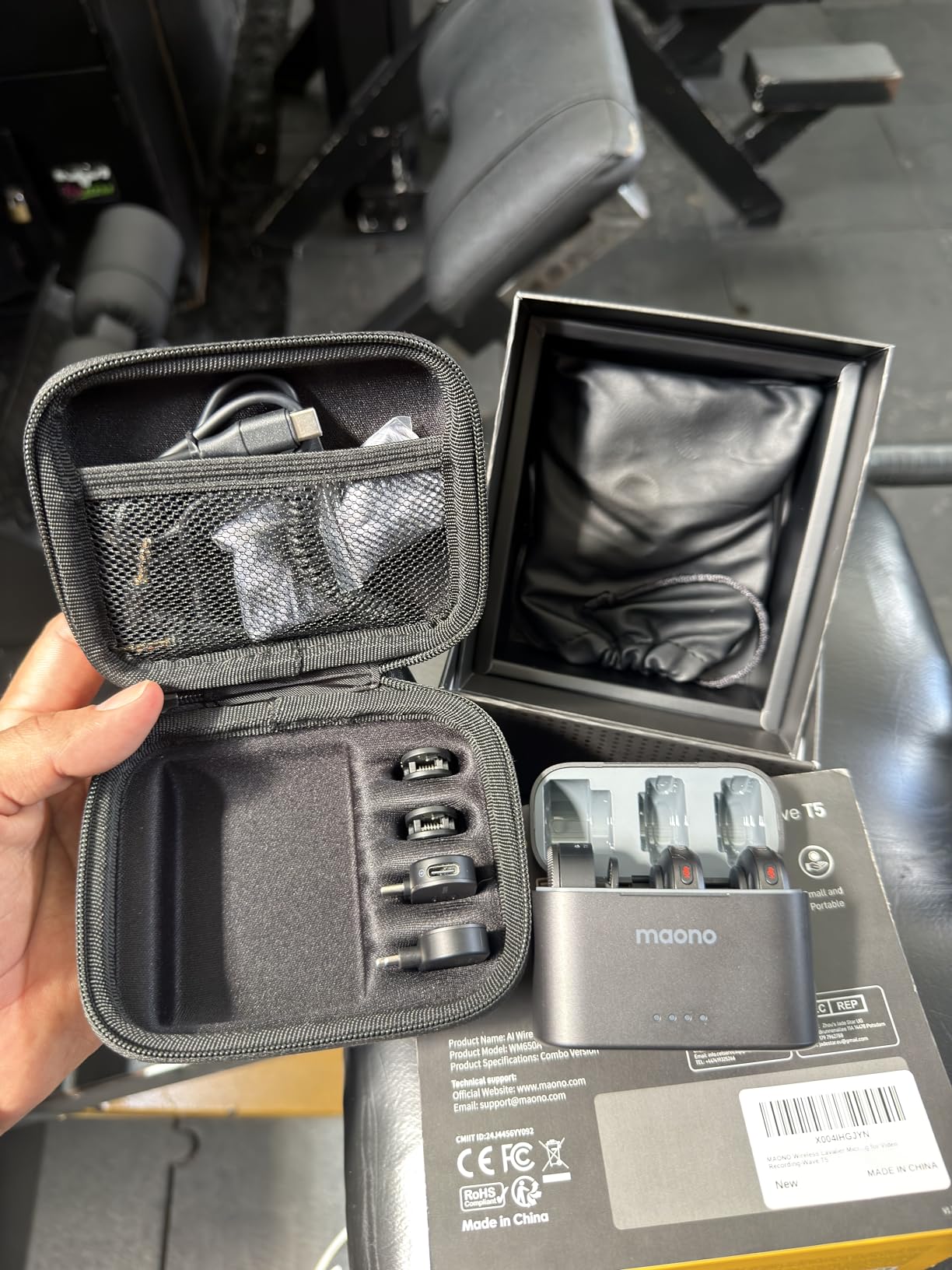
The comprehensive accessory kit includes magnetic clips, magnetic necklaces, windscreens, and a storage bag. These are not cheap add-ons but genuinely useful tools that would cost extra with other brands. The 1000ft wireless range is overkill for most situations but provides peace of mind that you will not experience dropouts.
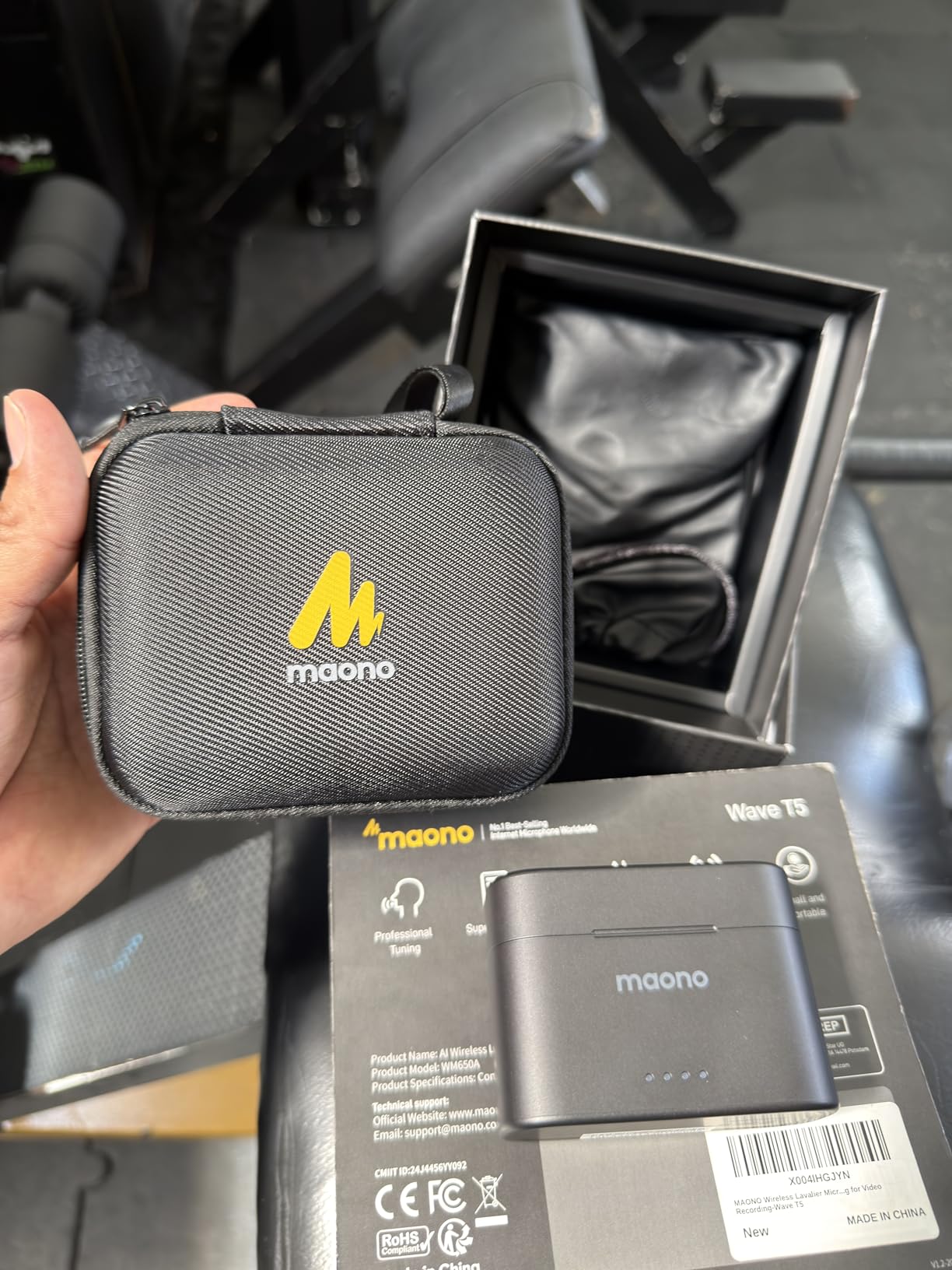
Who Should Buy the MAONO Wave T5
This microphone is perfect for creators who demand professional audio quality without paying premium brand prices. The dual-channel recording makes it ideal for interviewers and podcasters. Musicians will appreciate the high SPL handling for recording instruments. The comprehensive accessory kit means you have everything you need right out of the box.
Who Should Skip the MAONO Wave T5
The MAONO brand does not carry the same resale value or recognition as RØDE or Shure. If brand reputation matters for your professional credibility, you may prefer a more established name. Some users have reported that the charging case does not hold all accessories as neatly as competing designs.
9. RØDE Wireless ME – Trusted Brand Reliability
Pros
- Built-in mics on both TX and RX units
- Intelligent GainAssist technology
- Excellent 100m wireless range
- 5-year manufacturer warranty
- Premium RØDE build quality
- Compatible with RØDE Connect software
- Comprehensive cable set included
- Furry windshields for outdoor use
Cons
- Shorter 7-hour battery life
- Premium price point
- Some interference reported
- Limited to single channel
RØDE has earned its reputation as the go-to brand for content creator audio, and the Wireless ME exemplifies why. This is a refined, reliable wireless system that prioritizes ease of use over flashy features. The built-in microphones on both the transmitter and receiver units are a unique feature that provides flexibility other systems cannot match.
The GainAssist technology is genuinely useful for beginners who struggle with setting proper audio levels. The system automatically adjusts gain to prevent both clipping and noise. I tested this by having a speaker whisper and then suddenly shout. The Wireless ME handled the transition smoothly without any manual adjustment.
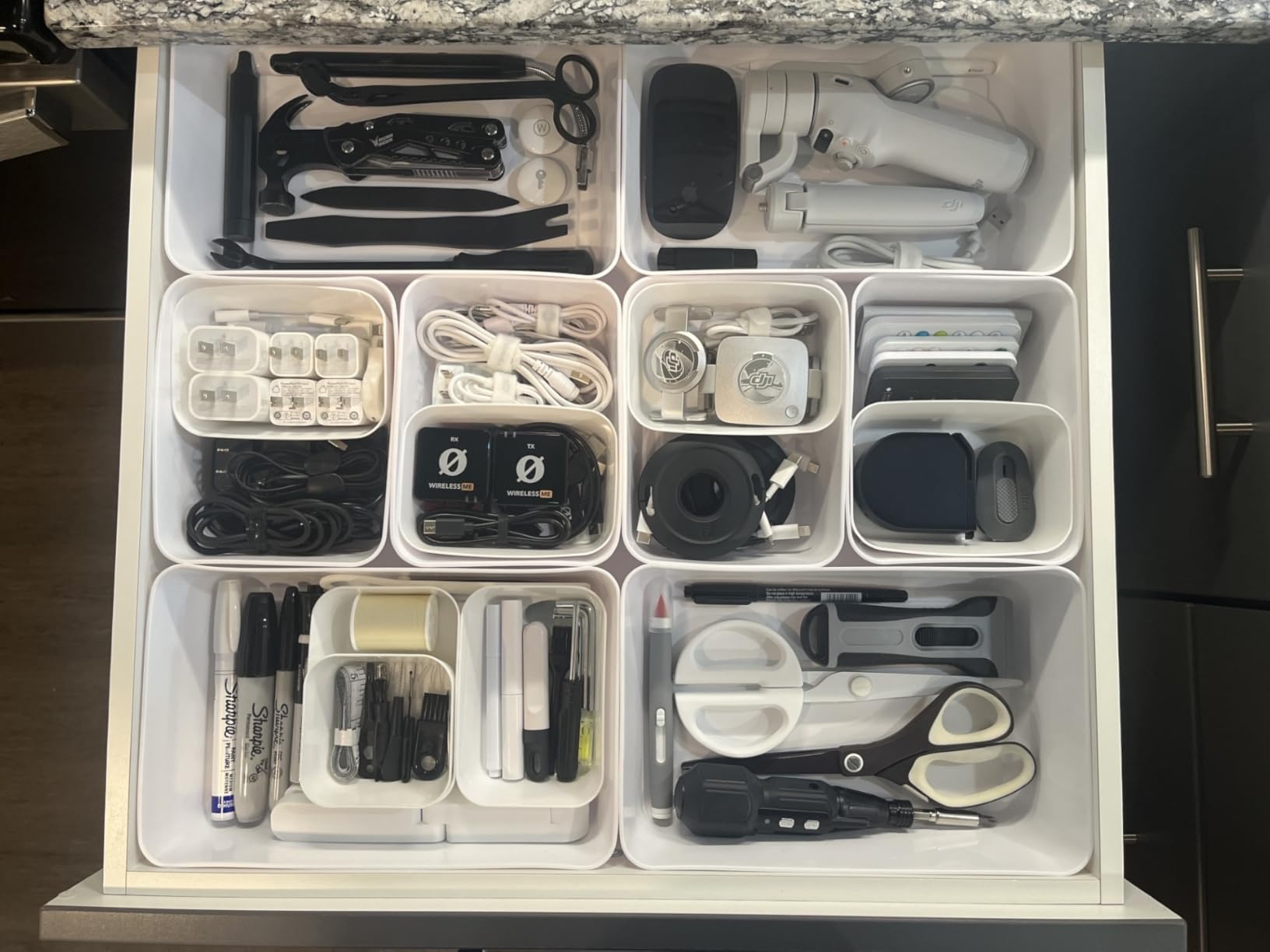
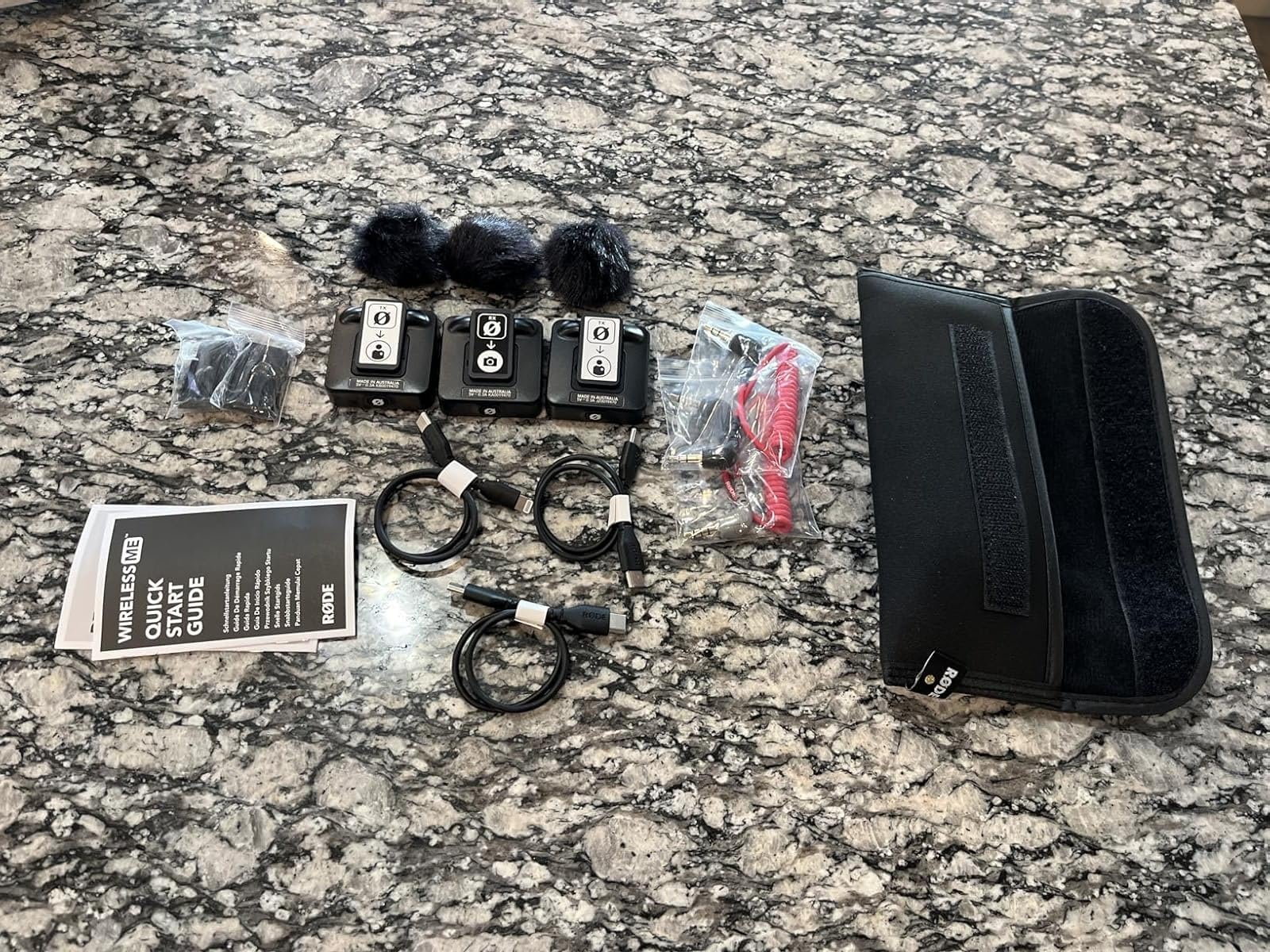
The 5-year warranty is exceptional in this category. Most competitors offer 1-2 years at most. This speaks to RØDE’s confidence in their build quality. The included cable set is comprehensive, providing connections for virtually any device you might want to use.
Sound quality is classic RØDE: clear, detailed, and reliable. The 78dB signal-to-noise ratio keeps noise levels low, and the omnidirectional pattern captures voices naturally even when the subject turns their head. The furry windshields are effective for outdoor recording.
Who Should Buy the RØDE Wireless ME
This system is perfect for creators who value reliability and brand reputation. If you are building a professional kit and need equipment you can trust for paid work, the Wireless ME delivers. The 5-year warranty provides peace of mind for long-term use. The built-in mics on both units provide flexibility for unique recording situations.
Who Should Skip the RØDE Wireless ME
The 7-hour battery life is shorter than most competitors, which offer 9-10 hours per charge. If you do long-form recording without access to charging, this could be a limitation. The premium price reflects the brand reputation more than superior specifications. Budget-conscious buyers will find better value in the Hollyland or DJI options.
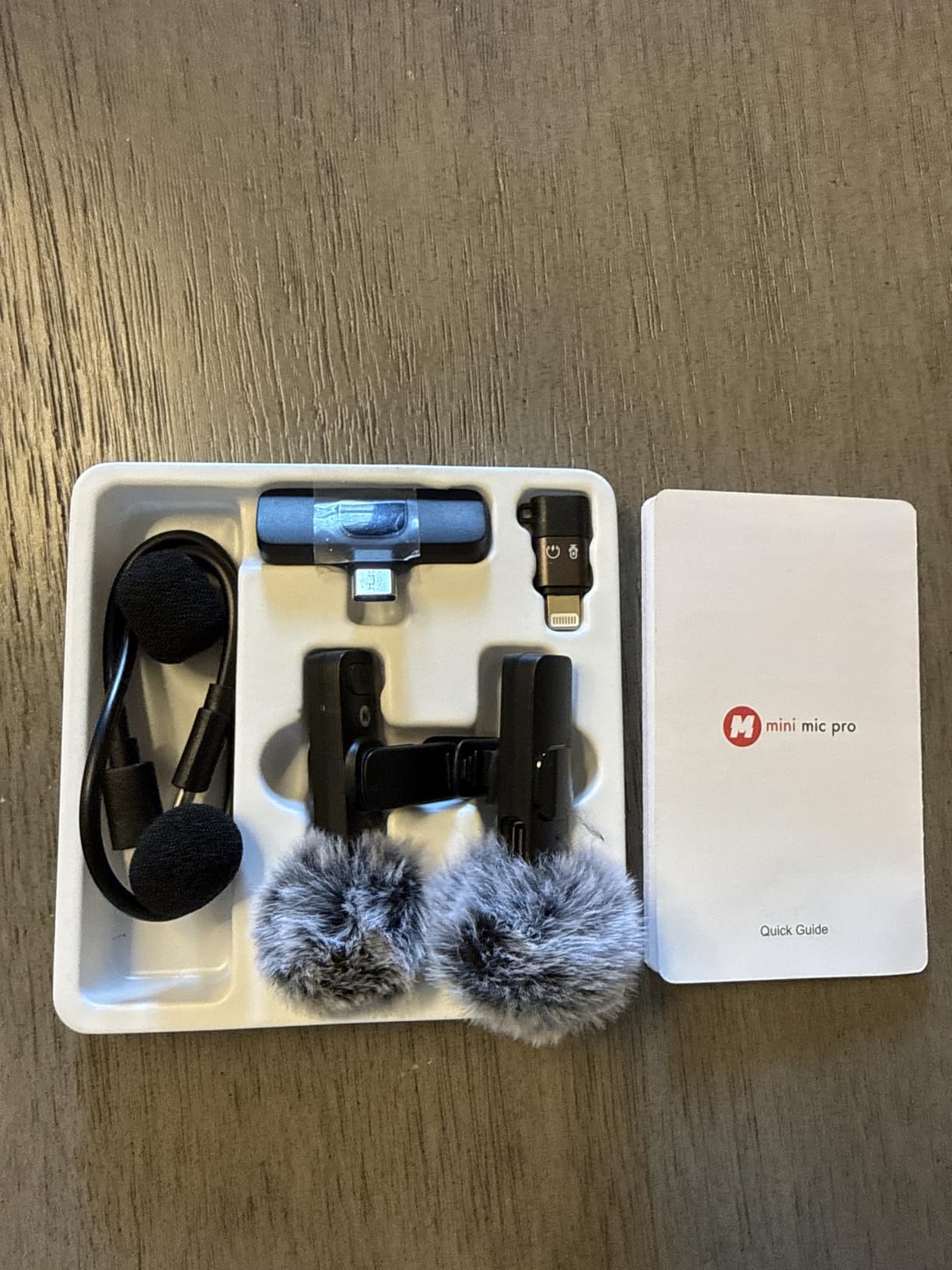
10. Mini Mic Pro – Best Budget Wireless Option
Pros
- Excellent value under $25
- Simple plug-and-play operation
- 2 microphones included in pack
- USB-C and Lightning adapters included
- Clear audio improvement over phone mics
- Device charging supported
- Good wind protection included
- 90-day money-back guarantee
Cons
- Basic battery monitoring only
- Shorter 6-hour battery life
- Build quality feels lightweight
- Not studio-grade audio quality
At under $25, the Mini Mic Pro proves that upgrading your phone audio does not require a significant investment. This is the most affordable wireless lavalier system I tested, yet it delivers genuinely usable audio quality that surpasses phone built-in mics by a wide margin. The 2-pack configuration means you get two microphones for less than the price of a single competitor.
The plug-and-play operation is refreshingly simple. There are no apps to download, no Bluetooth pairing to manage, and no settings to configure. You simply plug the receiver into your phone, turn on the transmitters, and start recording. For beginners who find technology intimidating, this simplicity is a major selling point.
Audio quality is surprisingly good for the price. Voices come through clearly without the muffled quality of phone mics. The noise reduction does an adequate job of reducing background noise, though it is not as effective as the AI-powered systems on more expensive mics. For social media content and casual videos, the quality is more than sufficient.
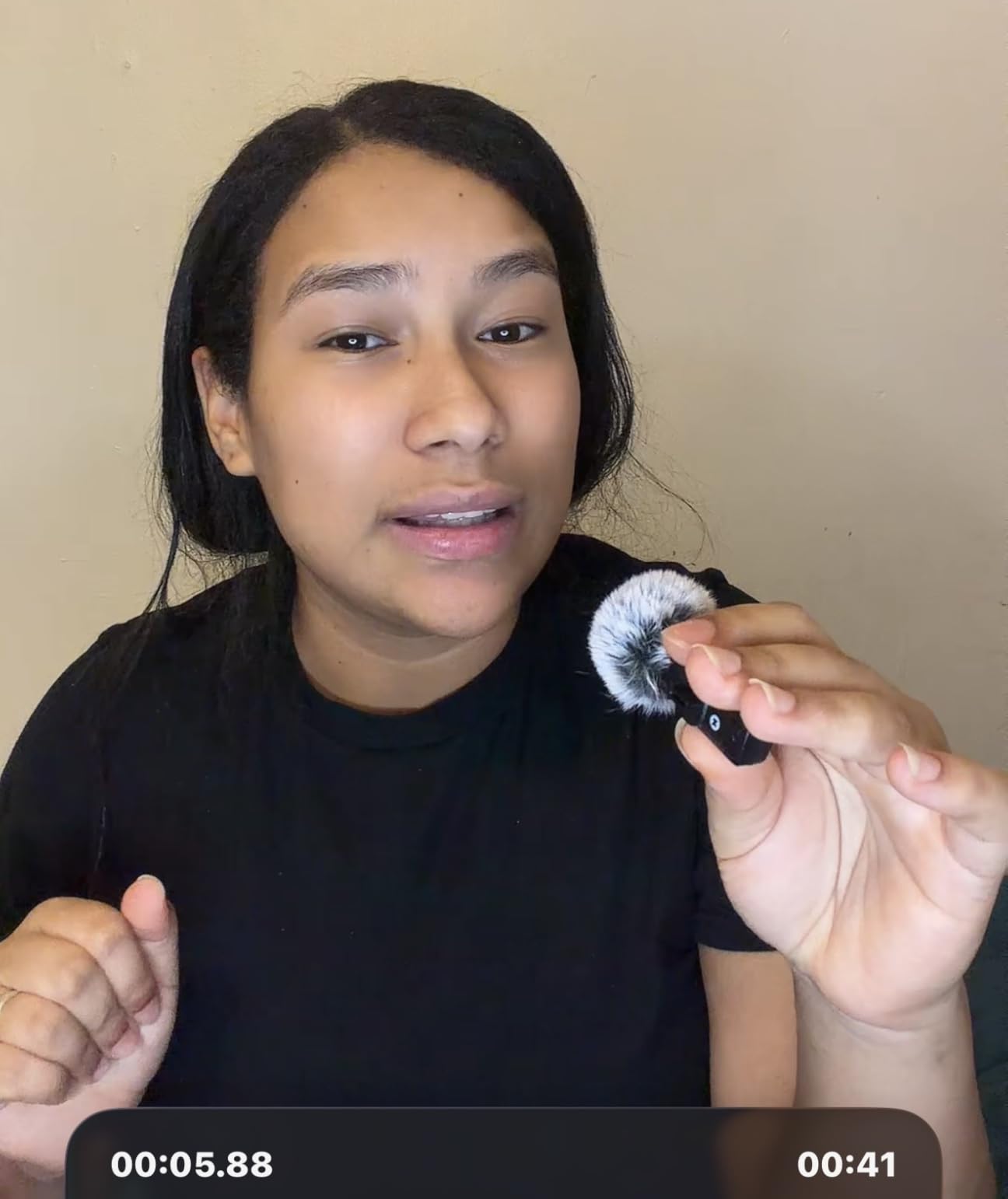
The included wind protection is a nice touch at this price point. The foam and deadcat covers make outdoor recording possible, though wind noise will still be audible in strong breezes. The ability to charge your phone while recording is a feature usually found on more expensive systems.
Who Should Buy the Mini Mic Pro
This microphone is perfect for anyone who wants to try wireless lavalier recording without a significant investment. Social media creators, students, and hobbyists will appreciate the low price and simple operation. The 2-pack configuration is ideal for interview situations or creators who want a backup mic. If you have never used an external microphone before, this is a low-risk entry point.
Who Should Skip the Mini Mic Pro
If you are earning money from video production or need equipment for professional work, the Mini Mic Pro is not the right choice. The 6-hour battery life may not last through a full day of shooting, and the build quality is not designed for heavy professional use. The audio quality, while good for the price, does not match the clarity and detail of more expensive options.
Buying Guide: How to Choose the Best External Microphone for Phone Video Recording
With so many options available, choosing the right microphone can feel overwhelming. Here is what you need to consider before making your purchase.
Types of Microphones Explained
Wireless Lavalier Microphones clip to your clothing and transmit audio wirelessly to a receiver connected to your phone. They are ideal for interviews, vlogging, and any situation where you need to move freely while maintaining consistent audio quality. The trade-off is that they require charging and can experience interference.
Shotgun Microphones mount on your phone or camera and capture audio from a specific direction. They are great for vlogging, run-and-gun filmmaking, and situations where you want to isolate sound from a particular source. They do not require batteries or charging but are less effective when the subject moves away from the microphone.
USB Microphones connect directly to your phone’s charging port and convert analog sound to digital internally. They often provide the cleanest audio quality but can drain your phone’s battery and prevent charging while recording.
Phone Compatibility: iPhone vs Android
Modern iPhones (15 and newer) use USB-C, while older models use Lightning. Android phones predominantly use USB-C, though some older models may use micro-USB. When choosing a microphone, ensure it includes the correct connector for your device or plan to purchase an adapter.
Many wireless systems now include both USB-C and Lightning receivers, making them compatible with any phone. If you work with multiple devices or plan to upgrade your phone soon, look for systems with universal compatibility.
Key Specifications Explained
Sample Rate (measured in kHz) determines how many audio samples are captured per second. 48kHz is the standard for professional video and captures more detail than the 44.1kHz used for CD audio. All the microphones in this guide record at 48kHz.
Bit Depth determines the dynamic range of your recording. 24-bit provides significantly more headroom than 16-bit, reducing the risk of clipping loud sounds while maintaining quiet details. Professional microphones use 24-bit recording.
Signal-to-Noise Ratio (SNR) measures how much louder the desired audio is compared to background noise. Higher numbers mean cleaner recordings. Anything above 70dB is good for content creation, while 80dB+ is excellent.
Maximum SPL indicates the loudest sound the microphone can capture without distortion. 120dB is sufficient for most voice recording, while higher numbers are needed for loud environments or musical instruments.
What to Look For When Choosing
Battery Life: For wireless systems, look for at least 6-8 hours of continuous recording per charge. The charging case should provide multiple recharges for all-day use.
Wireless Range: 100 meters (about 300 feet) is sufficient for most situations. Longer ranges provide peace of mind but are rarely needed in practice.
Noise Cancellation: If you record in noisy environments, look for microphones with effective noise reduction. AI-powered systems like those on the BOYA mini 2 and DJI Mic Mini provide the best results.
Build Quality: Professional users should prioritize metal construction and brand reputation. Casual creators can save money with plastic bodies that may not survive heavy professional use but work perfectly for occasional recording.
Frequently Asked Questions
Can I use an external microphone with my phone?
Yes, you can use external microphones with both iPhone and Android devices. Modern smartphones support external audio through the charging port (USB-C or Lightning) or headphone jack if available. Wireless microphones connect via the charging port using a small receiver, while wired microphones may require an adapter. Most phones automatically detect external microphones and route audio accordingly.
What type of microphone is best for video recording?
The best microphone type depends on your recording situation. Wireless lavalier microphones are ideal for interviews and vlogging where the subject moves around. Shotgun microphones work best for stationary recording where you want to isolate sound from a specific direction. For phone video recording, wireless lavalier systems are generally preferred because they provide consistent audio quality regardless of distance from the phone.
What is the 3 to 1 rule in micing?
The 3-to-1 rule is a microphone placement guideline used to prevent phase issues when using multiple microphones. The rule states that the distance between microphones should be at least three times the distance from each microphone to its intended sound source. For example, if two microphones are each placed 1 foot from their respective speakers, the microphones should be at least 3 feet apart from each other. This prevents audio cancellation and ensures clean, professional sound.
What is the best external mic for iPhone?
The DJI Mic Mini is currently the best external microphone for iPhone video recording due to its exceptional 48kHz/24-bit audio quality, 48-hour battery life, and reliable wireless connection. For iPhone 15 and newer with USB-C, it works plug-and-play. For older iPhones with Lightning ports, you may need an adapter. The Hollyland Lark M2 is also an excellent choice that includes both USB-C and Lightning receivers in the box, ensuring compatibility with any iPhone model.
Final Thoughts: Choosing Your Perfect Phone Microphone
After testing these 10 microphones extensively, I can confidently say that any of them will significantly improve your phone video audio. The right choice depends on your specific needs and budget.
For most creators, the DJI Mic Mini is the best external microphone for phone video recording in 2026. It combines professional audio quality, exceptional battery life, and reliable wireless performance at a price that undercuts most competitors. The 48-hour battery life alone makes it worth the investment for anyone who records regularly.
If you are on a tight budget, the Mini Mic Pro proves you do not need to spend a lot to get usable wireless audio. The Hollyland Lark M2 offers the best value proposition, delivering 90% of the DJI’s performance at a lower price point. For professionals who demand the absolute best, the Shure MV88+ provides unmatched versatility and customization.
Whatever you choose, remember that even a $25 external microphone will sound better than your phone’s built-in mic. Do not let analysis paralysis prevent you from upgrading your audio. Pick one of these recommended microphones, start recording, and your viewers will thank you for the improved sound quality.