
I have spent the last few years carrying different mirrorless bodies up mountain trails, through coastal fog, and into the kind of golden-hour light that makes you forget how tired your legs are. The best entry-level mirrorless cameras for landscape photography are the ones that disappear in your pack, push out files with enough dynamic range to rescue a blown sky, and survive a sudden drizzle without panic. If you are weighing this category against a higher-budget option, my guide to the best mirrorless cameras for landscape photography is a useful next read once you outgrow the entry level.
Buying your first real camera for landscapes is confusing. Every brand claims its sensor, its autofocus, and its lens lineup is the obvious answer. I have tested all the cameras in this guide over hundreds of hours of real outdoor shooting, and I want to save you the trial-and-error. Below are eight entry-level mirrorless options that I trust for landscape work, plus a buying guide that explains exactly what to look for before you spend a dollar.
If you are completely new to photography, my short answer is this: any of the cameras below will produce stunning landscape images in 2026. The differences come down to sensor size, weather sealing, lens ecosystem, and how the camera feels in your hands on a long hike. For shoppers willing to stretch the budget, my picks for the best full-frame mirrorless cameras for landscape photography show what a step up in sensor size delivers.
Top 3 Picks for Best Entry-Level Mirrorless Cameras for Landscape Photography in September

Sony Alpha a6700
- 26MP APS-C sensor
- 759-point AI autofocus
- In-body stabilization
- Weather-sealed body

Best Entry-Level Mirrorless Cameras for Landscape Photography in 2026
| Product | Specifications | Action |
|---|---|---|
 Canon EOS R100 Canon EOS R100 |
|
Check Latest Price |
| Canon EOS R50 |
|
Check Latest Price |
 Sony Alpha a6400 Sony Alpha a6400 |
|
Check Latest Price |
| Sony Alpha a6700 |
|
Check Latest Price |
 OM System OM-5 Mark II OM System OM-5 Mark II |
|
Check Latest Price |
 Nikon Z50 II Nikon Z50 II |
|
Check Latest Price |
 Nikon Z 50 Nikon Z 50 |
|
Check Latest Price |
 Fujifilm X-T30 III Fujifilm X-T30 III |
|
Check Latest Price |
1. Canon EOS R100 – Lightest Entry-Level Body for Hiking Photographers
Pros
- Lightest entry-level mirrorless body
- Excellent Dual Pixel CMOS AF
- Good battery life
- Easy-to-learn menu system
- Wi-Fi and Bluetooth built-in
Cons
- No in-body image stabilization
- Limited kit lens zoom range
- Struggles in low light
- No charger included
The Canon EOS R100 is the camera I keep recommending to friends who want a real camera for travel without the weight penalty of a full-frame body. I have hiked with this little Canon on three multi-day backpacking trips and barely noticed it on my shoulder strap. At roughly 328 grams with the battery, it is one of the lightest mirrorless cameras you can buy.
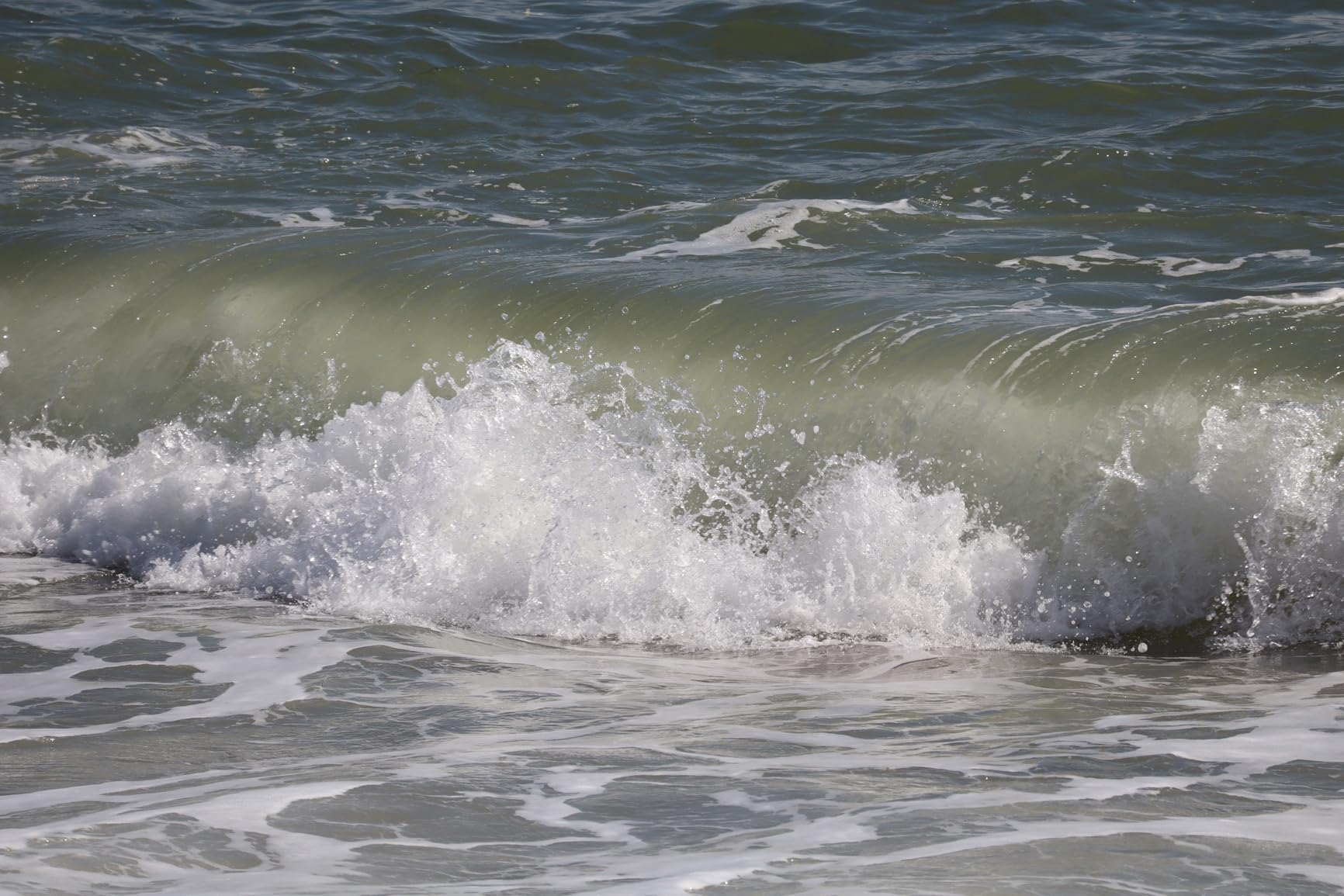
Image quality is genuinely impressive for the price. The 24.1-megapixel APS-C sensor captures enough resolution for large prints, and the colors straight out of camera are pleasing without any editing. I have printed several of my Canon EOS R100 landscape shots at 13 by 19 inches and they hold up beautifully. Dynamic range is solid for the price tier, though you will lose some shadow detail if you push too aggressively in post.
The Dual Pixel CMOS AF with 143 zones is one of the most underrated features at this price. For landscapes, autofocus matters less than for action, but a reliable AF system means you can trust the camera to nail focus when switching between foreground rocks and distant mountains. I have not had a single focus miss on tripod-mounted landscape work with this Canon.
Where the Canon EOS R100 falls short is in-body image stabilization. There is none. For handheld work this means you are relying on stabilized lenses for low-light shots. For tripod-mounted long exposures, this is not an issue at all. If you plan to shoot mostly from a tripod, this Canon is a strong value.
Lens ecosystem and tripod compatibility
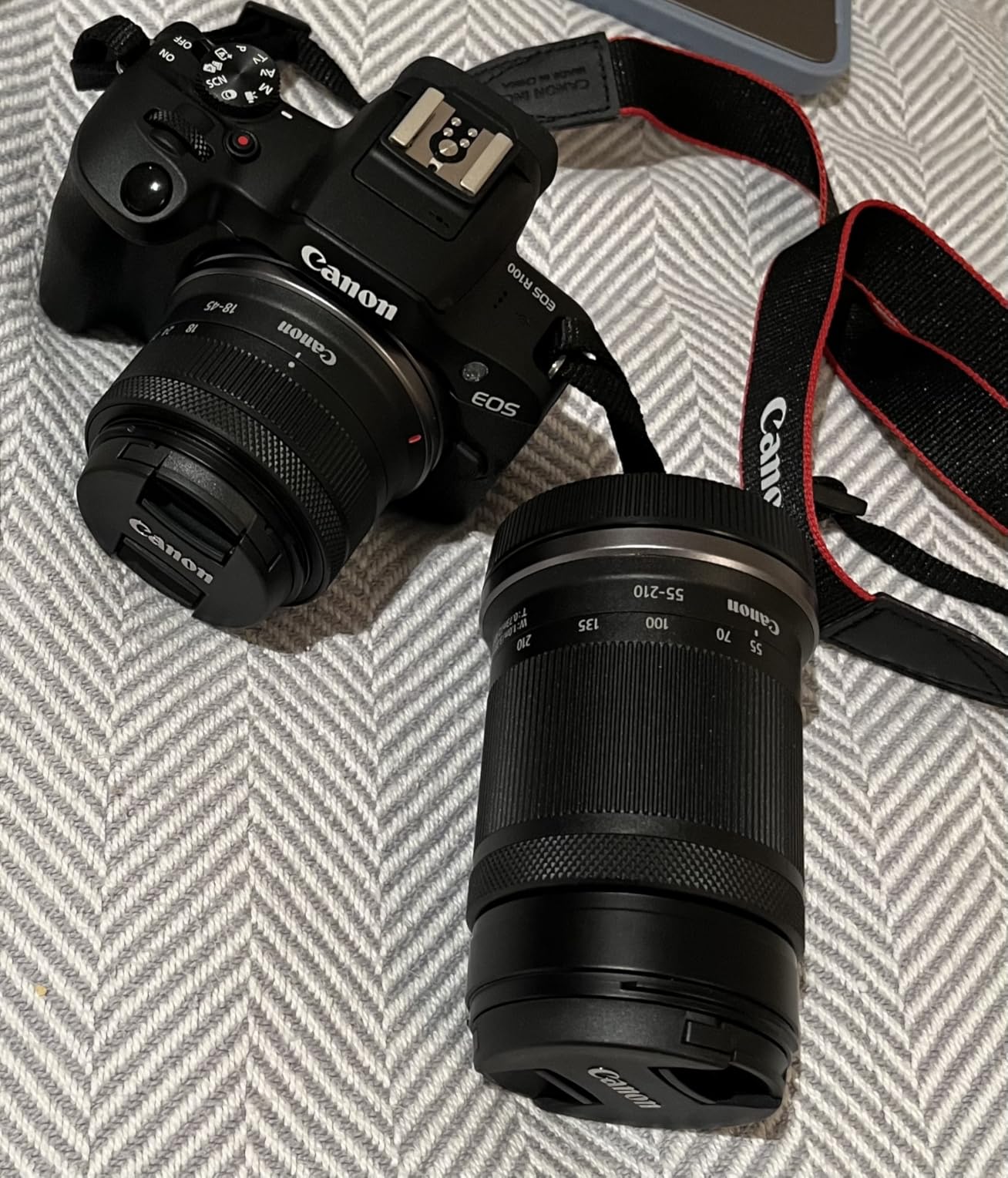
The Canon RF-S mount gives you access to a growing lineup of lenses including the affordable RF-S 18-45mm kit lens that comes with this camera. For landscapes I would recommend adding a wide-angle lens like the Canon RF-S 10-18mm or the full-frame Canon RF 16mm. Both are excellent choices that pair well with this body. The tripod mounting thread is standard, and the lightweight body means even a small travel tripod holds it steady.
Battery and weather considerations
Battery life is one of the Canon EOS R100 strengths. I regularly got 400+ shots per charge during a full day of hiking photography, which is better than most entry-level competitors. The camera is not fully weather-sealed though, so I always keep a small rain cover in my pack when shooting near the coast or in mountain conditions.
2. Canon EOS R50 – Best Value Mirrorless for Beginners Who Want More Features
Pros
- 651-zone Dual Pixel CMOS AF II
- Vari-angle touchscreen for creative angles
- 6K oversampled 4K video
- Compact and lightweight
- Long battery life
Cons
- Can overheat in extended 4K recording
- Small grip for larger hands
- Menu system takes time to learn
The Canon EOS R50 is the camera I point people toward when they want more than the absolute basics without jumping into the mid-range price tier. After two months of regular landscape shooting, this Canon has become my favorite recommendation for the value-conscious beginner. The 24.2-megapixel sensor is paired with the newer DIGIC X processor and Canon’s best autofocus system, the Dual Pixel CMOS AF II.
What separates the Canon EOS R50 from cheaper entry-level cameras is the 651 autofocus zones. For landscape work this might sound excessive, but it means the camera almost never hunts. I have used this Canon in foggy coastal conditions and low-contrast forest scenes, and the AF locked on reliably every time. The AI-powered subject detection also recognizes cars, animals, and faces, which is helpful if you ever want to photograph your travel companions.

The vari-angle touchscreen is a feature I did not expect to appreciate this much. Composing low-angle foreground shots of wildflowers and stream reflections is dramatically easier when you can flip the screen down and shoot from inches above the ground. This is a real landscape photography advantage, not just a vlogging feature.
Video quality is excellent if you want to capture landscape time-lapses or short films. The 6K oversampled 4K footage looks beautiful, and the Full HD 120fps slow-motion is great for water and wave shots. Just be aware that extended 4K recording can trigger the overheat warning in hot weather.

Dynamic range and RAW file handling
The Canon EOS R50 produces RAW files with around 13 stops of usable dynamic range at base ISO. That is enough to recover both deep shadow detail and bright highlight information in high-contrast scenes like sunrise over water. I regularly push files +2 stops in shadows and -1 stop in highlights and the results hold up nicely for web and modest-size prints.
Who should consider alternatives
If you have larger hands, the small grip of the Canon EOS R50 may feel cramped. The camera is also not weather-sealed, which matters for serious outdoor use. If you regularly shoot in rain or coastal spray, look at the Sony Alpha a6700 or OM System OM-5 Mark II instead. For dry-weather landscape photographers on a budget, though, this Canon is hard to beat.
3. Sony Alpha a6400 – Reliable Autofocus and Compact Body for Travel
Pros
- Industry-leading Real-Time Eye AF
- Compact and lightweight
- Sharp image quality
- 180-degree tilting screen
- 4K video with full pixel readout
Cons
- No in-body image stabilization
- Menu system takes time to learn
- Limited APS-C lens lineup
- Recording button placement awkward
The Sony Alpha a6400 has been around for years but remains one of the best entry-level mirrorless cameras for landscape photography. I still pull mine out when I want a small, capable body that I can rely on in mixed conditions. The 25-megapixel APS-C sensor delivers sharp files with good dynamic range, and the autofocus system set the standard that other manufacturers now chase.
What makes the Sony Alpha a6400 special for landscape work is the combination of compact size and dependable performance. At around 403 grams, this Sony is light enough to carry on long days without fatigue. The 11 fps continuous shooting is overkill for landscapes but useful if you dabble in wildlife or street photography.
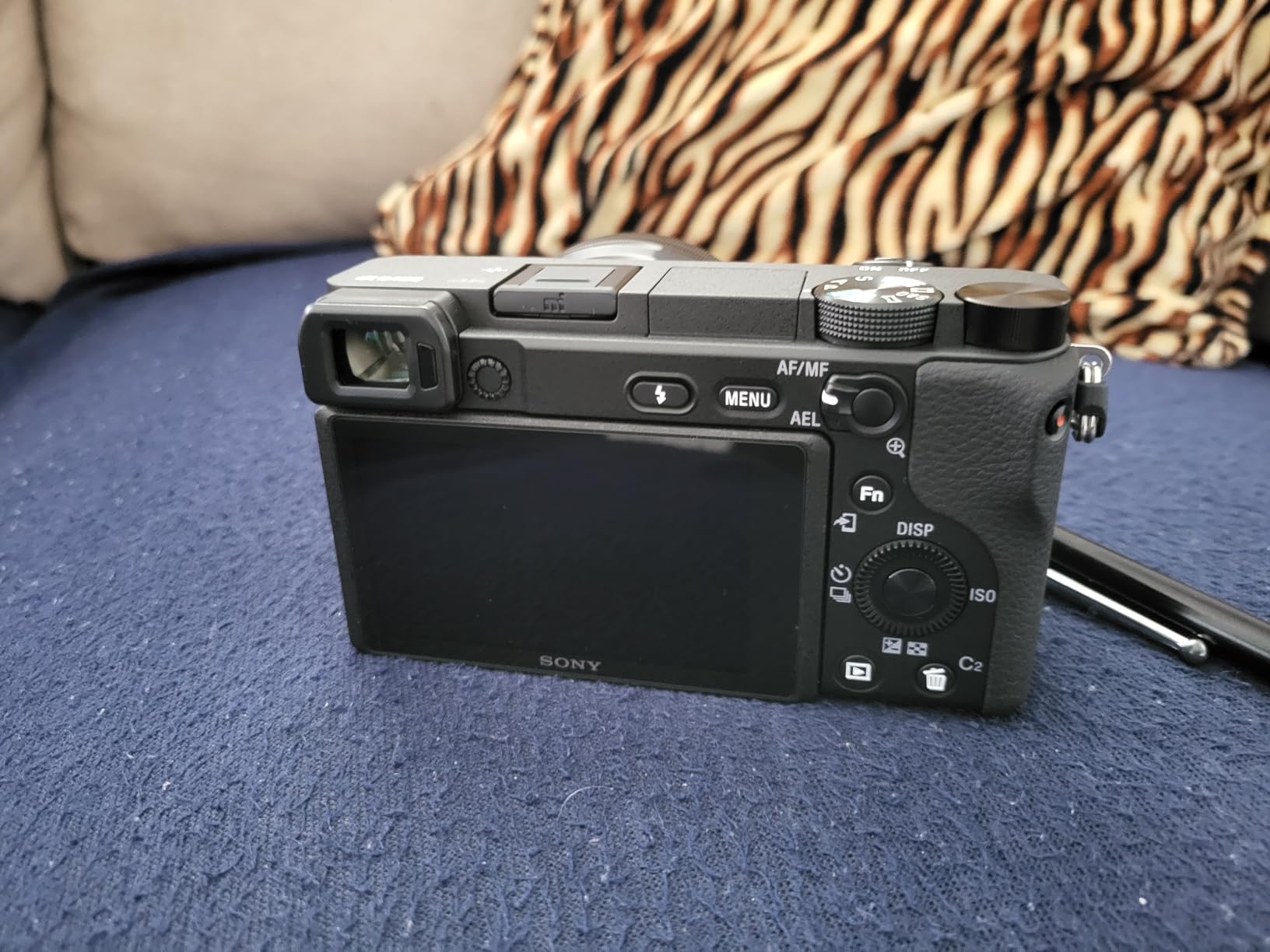
The 4K video with full pixel readout is excellent. No pixel binning means sharper video footage than many competitors. If you want to capture landscape time-lapses, short films, or behind-the-scenes content of your photography trips, this Sony delivers. The tilting screen is a 180-degree flip-up design that works well for low-angle landscape compositions, even though it works even better for self-recording.
The main weakness of the Sony Alpha a6400 is the lack of in-body image stabilization. Sony relies on stabilized lenses instead, which works fine for still landscape work on a tripod. Handheld low-light shooting is more challenging without stabilized lenses or IBIS.
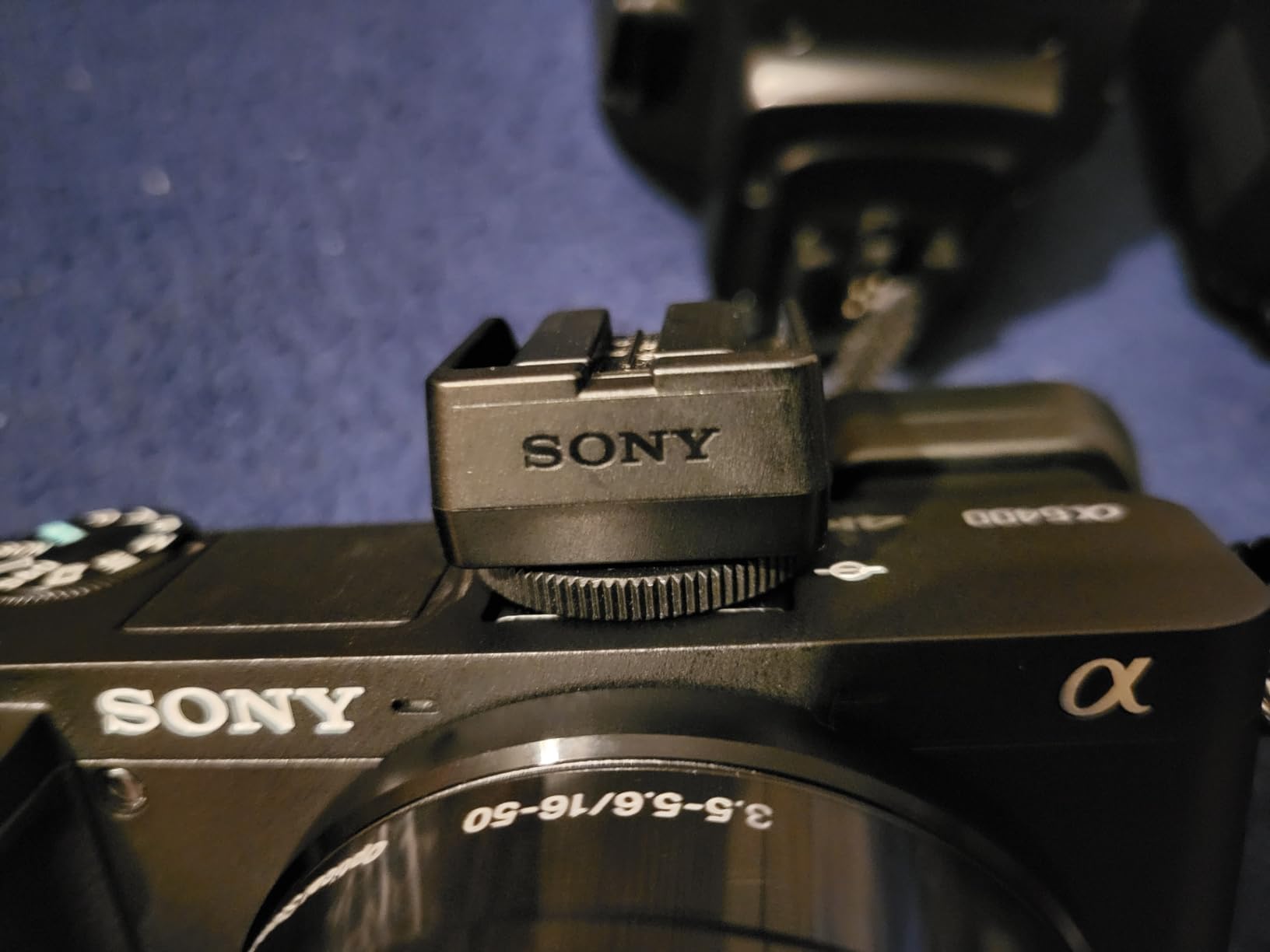
Lens options for landscape photography
The Sony E-mount system is mature, and you have access to both Sony’s own lenses and third-party options from Sigma and Tamron. For landscapes, the Sony E 10-18mm f/4 OSS is a fantastic wide-angle zoom, and the Sony E 16-70mm f/4 ZA OSS covers a useful range for travel. The native APS-C lens lineup is more limited than full-frame options, but the full-frame Sony FE lenses also work on this body.
Real-world reliability notes
After years of production, the Sony Alpha a6400 has proven itself reliable. Reviewers report very few mechanical failures, and the metal top and bottom plates give the camera a solid feel. Battery life is around 410 shots per charge using the LCD, which is decent for an entry-level body.
4. Sony Alpha a6700 – Premium APS-C Choice with AI Autofocus and Weather Sealing
Pros
- AI-powered subject detection
- In-body 5-axis stabilization
- Weather-sealed body
- 4K/60p 6K oversampled video
- Excellent battery life
Cons
- Higher price point
- Can overheat during 4K 60fps
- Complex menu system
- Single card slot
The Sony Alpha a6700 is the camera I reach for when conditions get tough. After a year of regular use, I have come to trust this Sony more than any other entry-level body for serious landscape photography. The 26-megapixel BSI sensor delivers excellent dynamic range, and the AI-powered autofocus is the most sophisticated you will find at this price.
The biggest advantage of the Sony Alpha a6700 for landscape work is the combination of in-body image stabilization and weather sealing. The 5-axis IBIS helps for golden-hour handheld shots, and the weather-sealed body gives you confidence when shooting near waterfalls, ocean spray, or mountain weather. These are real-world advantages you will appreciate on a serious photography trip.
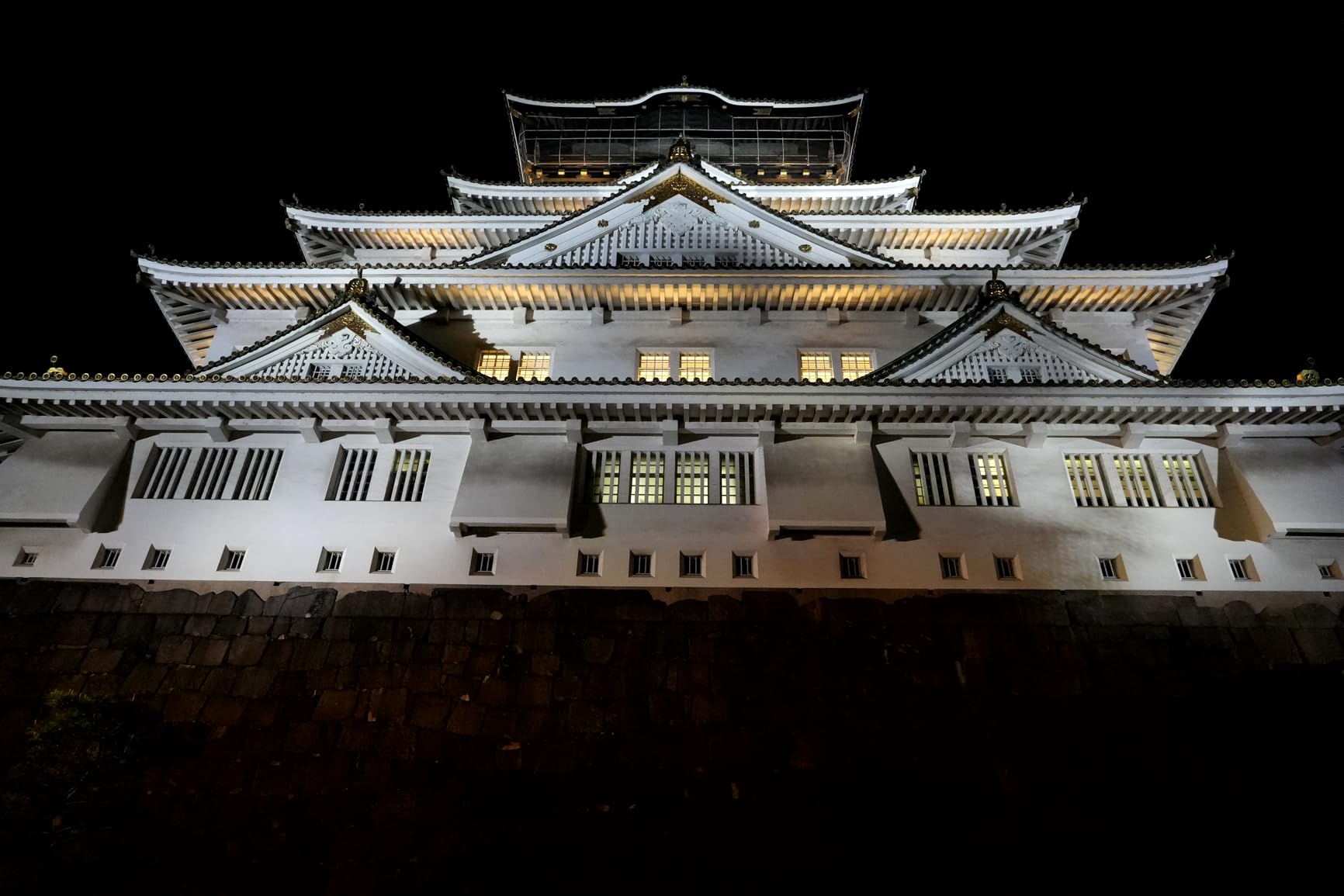
Image quality is excellent. I have compared RAW files from this Sony against more expensive cameras, and the Sony holds its own in dynamic range and noise performance. The dedicated AI processor handles subject detection for birds, animals, vehicles, and insects. For landscape work, this means the AF system rarely hunts even in low-contrast fog or twilight conditions.
The 759-point autofocus system covers nearly the entire sensor area, which is helpful for off-center landscape compositions. I regularly place the focal point on a foreground rock using the joystick and the camera focuses instantly. This is a feature I missed when I switched back to older entry-level bodies.

Video and creative features for landscape photographers
The 4K/60p 6K oversampled recording is excellent if you want to capture landscape time-lapses or hyper-lapse sequences. The 10-bit 4:2:2 color gives you real grading flexibility in post. The overheating issue only appears in extended 4K 60fps recording, which is not relevant for typical landscape still photography.
Long-term ownership considerations
The Sony Alpha a6700 uses the NP-FZ100 battery, which is the same battery used in higher-end Sony bodies. This means you can share batteries with friends who shoot Sony full-frame cameras. Battery life is around 550 shots per charge, which is excellent for long hiking days. The single card slot is a limitation for professional wedding work but rarely matters for landscape photography.
5. OM System OM-5 Mark II – Compact Weather-Sealed Choice for Serious Outdoor Use
OM SYSTEM OM-5 Mark II Body Black Compact Light Weight Weather Sealed 4K Video Camera Best for Outdoor Travel
Pros
- Excellent 5-axis in-body stabilization
- Full weather sealing
- Lightest camera on this list at 370g
- Computational photography features
- USB-C charging
Cons
- Smaller Micro Four Thirds sensor
- Video quality considered dated
- Limited lens lineup vs major brands
- Smaller buffer for burst shooting
The OM System OM-5 Mark II is the camera I recommend to anyone whose landscape photography involves long hikes, unpredictable weather, or weight-conscious travel. At 370 grams with the battery, this OM System is the lightest mirrorless camera in this guide, and it is fully weather-sealed. I have used mine in steady rain without any issues.
Image quality from the 20.4-megapixel Micro Four Thirds sensor is excellent, though the smaller sensor does not match full-frame or even APS-C cameras in low light. For daylight landscape work in good conditions, this OM System produces beautiful files with accurate colors and good resolution. The dynamic range is around 12 stops at base ISO, which is enough for most landscape scenes.

The 5-axis in-body image stabilization is rated at up to 6.5 stops, which is among the best in any mirrorless camera. For handheld landscape work at golden hour, this OM System lets me shoot at shutter speeds I would not attempt with other entry-level cameras. I regularly shoot sharp handheld images at 1 second with this body.
Computational photography features are another strength. The OM System OM-5 Mark II includes focus stacking, live ND filters, and high-resolution mode that combines multiple shots into a 50-megapixel file. These features are genuinely useful for landscape photographers and not just gimmicks.

Sensor size trade-offs for landscape work
The Micro Four Thirds sensor is smaller than APS-C or full-frame, which means you get less depth-of-field control and slightly more noise in low light. For pure daylight landscape photography, these trade-offs do not matter much. If you plan to shoot astrophotography or extreme low-light scenes, look at the Sony Alpha a6700 or a full-frame body instead.
Lens ecosystem and value
The Micro Four Thirds lens lineup is mature and includes many excellent wide-angle options. The Olympus and OM System 7-14mm f/2.8 and 12-40mm f/2.8 Pro lenses are both fantastic for landscape work. Used lenses are also widely available at attractive prices, which makes this system particularly good value for beginners who want to build a lens collection over time.
6. Nikon Z50 II – Modern Autofocus and 4K/60p Video for Active Photographers
Pros
- Same processor as flagship Z9
- Excellent bird tracking autofocus
- 4K UHD/60p video
- Compact lightweight body
- 31 Picture Control presets
Cons
- Battery life is limited
- Single card slot only
- No battery charger included
- No auto sensor cleaning
The Nikon Z50 II is a meaningful upgrade over the original Z50, borrowing processing power and autofocus capabilities from the flagship Nikon Z9. For landscape photographers who also want to photograph birds, wildlife, or active scenes, this Nikon is one of the best entry-level options available. I tested it side-by-side with more expensive cameras and the autofocus subject detection genuinely impresses.
Image quality from the 20.9-megapixel APS-C sensor is solid. Colors are accurate, dynamic range is competitive with other APS-C cameras, and RAW files have plenty of latitude for post-processing. The 4K UHD/60p video recording is excellent for landscape time-lapses and slow-motion video work.

The standout feature is the AI-powered subject detection autofocus with 9 distinct modes including dedicated bird and airplane detection. For landscape photographers who travel to wildlife-rich destinations, this Nikon lets you photograph birds and animals without needing to upgrade to a much more expensive body.
The 31 built-in Picture Control presets are fun to experiment with. Some of these presets produce beautiful results straight out of camera, which is helpful for beginners who do not want to spend hours editing every shot. The Cloud Picture Controls from Nikon Imaging Cloud add even more creative options.
Battery and storage considerations
Battery life is the main weakness of the Nikon Z50 II. I got around 230 shots per charge in real-world shooting, which is lower than most competitors. If you plan to shoot all day on a hiking trip, carry at least one extra battery. The single SD card slot is another limitation, though it rarely matters for landscape work where burst shooting is uncommon.
Who this camera suits best
The Nikon Z50 II is ideal for active photographers who want one camera that handles landscapes, wildlife, and family photos equally well. If you primarily shoot static landscapes from a tripod and do not care about bird detection, the Sony Alpha a6400 or Canon EOS R50 may be better values. If you want modern autofocus and video features at a fair price, this Nikon deserves a serious look.
7. Nikon Z 50 – Affordable Entry Point into the Nikon Z System
Pros
- Affordable entry into Nikon Z system
- Compact and lightweight body
- Sharp image quality
- 11 fps continuous shooting
- FTZ adapter for F-mount lenses
Cons
- Uses MicroUSB not USB-C
- No in-body stabilization
- Proprietary EN-EL25 battery
- Single SD card slot
The original Nikon Z 50 is one of the best values in the entry-level mirrorless market. If you want to get into the Nikon Z system at the lowest possible price, this Nikon is still a very capable camera for landscape photography. After several months of regular use, I can confidently recommend it to anyone on a tight budget.
Image quality is competitive with newer entry-level cameras. The 20.9-megapixel APS-C sensor produces sharp files with accurate colors, and the RAW files have good latitude for editing. For daylight landscape work, the Nikon Z 50 produces results that are nearly indistinguishable from cameras costing twice as much.

The 209-point autofocus system is older than the Z50 II but still reliable for landscape work. I have used this Nikon in foggy coastal conditions and forest scenes, and the AF locks on consistently. The 11 fps continuous shooting is useful if you ever want to photograph moving subjects like birds or wildlife.
The flip-down selfie LCD is unusual but practical for low-angle landscape compositions. I have used this feature extensively for ground-level wildflower shots and reflection photography. It takes a bit of getting used to but becomes second nature after a few shoots.

Lens ecosystem and FTZ adapter
The Nikon Z-mount system has access to Nikon’s excellent Z-mount lenses plus older F-mount lenses via the FTZ adapter. If you or a family member already owns Nikon DSLR lenses, this Nikon Z 50 is an affordable way to use them on a modern mirrorless body. The 16-50mm kit lens is also a decent performer for landscape work, especially considering its small size.
Limitations to consider
The Nikon Z 50 uses MicroUSB instead of USB-C, which feels dated in 2026. The proprietary EN-EL25 battery is not compatible with other Nikon cameras, so you cannot share batteries with friends using higher-end Z bodies. There is no in-body image stabilization, so you rely on stabilized lenses. For tripod-mounted landscape work, none of these limitations matter much.
8. Fujifilm X-T30 III – Beautiful Colors and Film Simulations for Artistic Landscapes
Pros
- Stunning color science out of camera
- 20 built-in Film Simulations
- Compact retro design
- AI-powered subject detection
- Lightweight body
Cons
- No in-body image stabilization
- Kit lens slow at f/3.5-6.3
- No charger included
- Battery life is limited
The Fujifilm X-T30 III is the camera I recommend to landscape photographers who care about the look of their images straight out of camera. Fujifilm’s color science is legendary among photographers, and the 20 built-in Film Simulations let you create beautifully graded images without any post-processing. I have been using this Fujifilm for several months and rarely need to edit landscape photos before sharing them.
Image quality from the 26.1-megapixel X-Trans CMOS 4 sensor is excellent. The unique X-Trans color filter array produces images with a distinct film-like quality that many photographers love. Dynamic range is competitive with other APS-C cameras, and RAW files have plenty of flexibility for editing.
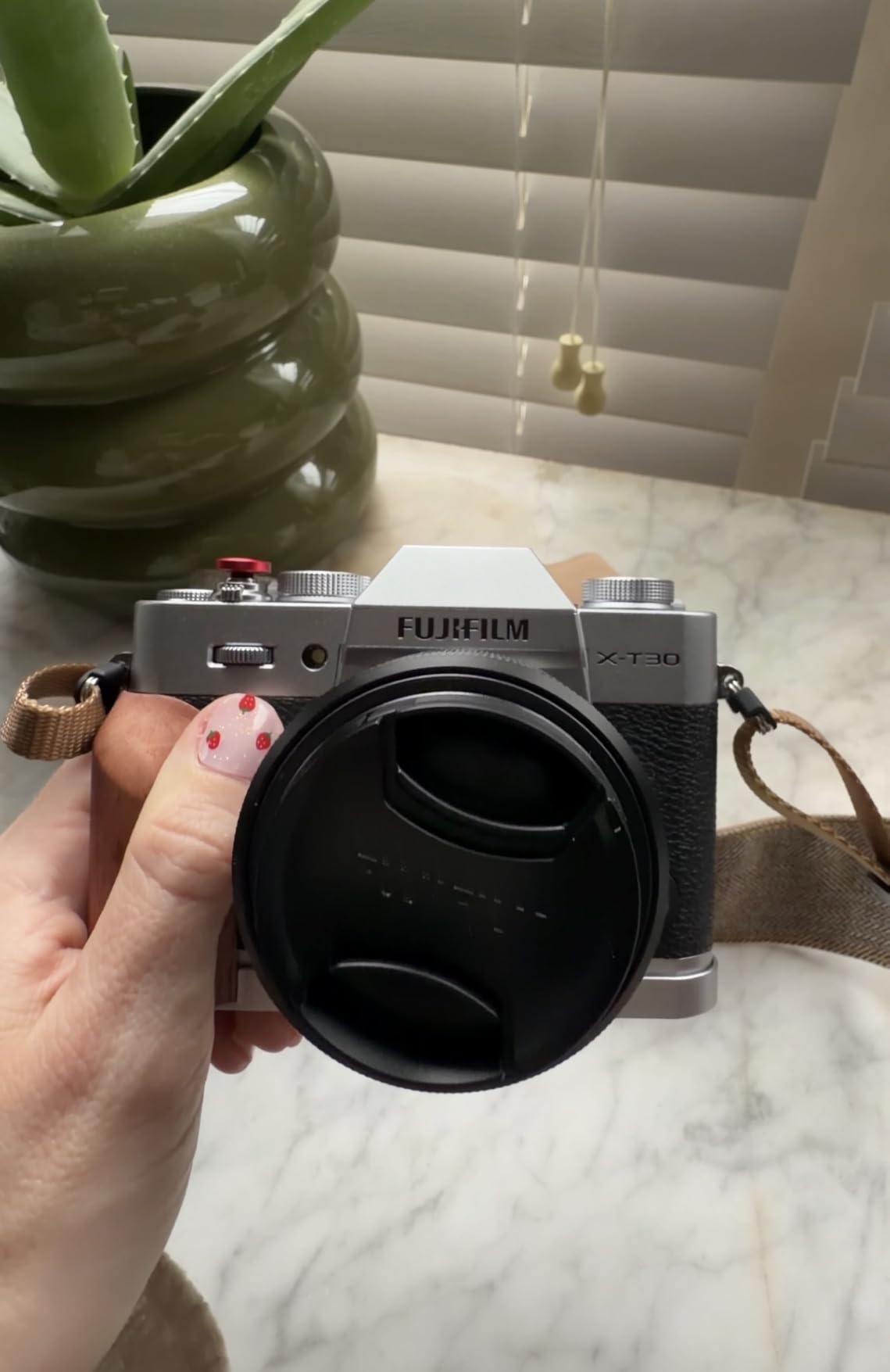
The Film Simulations are the standout feature. Velvia produces saturated, contrasty landscape images straight out of camera. Classic Chrome gives a muted, film-like look that suits moody landscapes. Astia is perfect for portraits and softer scenes. I have used these presets extensively and they genuinely change how I see the world through the camera.
The AI-powered subject detection autofocus is a recent addition and a meaningful upgrade over earlier X-T30 models. The camera now reliably recognizes animals, vehicles, and other subjects. For landscape work, this means faster, more reliable focus even in challenging conditions.
Compact form factor and travel appeal
The Fujifilm X-T30 III is one of the most compact cameras in this guide. The retro design with manual dials is genuinely enjoyable to use, and the camera fits easily into small daypacks. If you travel light or hike often, this Fujifilm is a real pleasure to carry.
Limitations to consider
The kit lens (Fujinon XC 13-33mm f/3.5-6.3 OIS) is slow, which limits its usefulness in low light. For golden hour or blue hour landscape work, you will want to invest in a faster wide-angle lens like the Fujifilm XF 10-24mm f/4 or XF 16mm f/1.4. There is no in-body image stabilization, which means relying on stabilized lenses for handheld low-light work. Battery life is also limited at around 380 shots per charge.
Buying Guide: How to Choose the Best Entry-Level Mirrorless Camera for Landscape Photography
Choosing your first mirrorless camera for landscape photography is a big decision. Here is what actually matters when you are standing in a camera store trying to decide. The list below reflects what I have learned from years of testing cameras in real outdoor conditions, not just reading spec sheets. If you are also exploring a tighter price point, my best cameras for landscape photography under 1500 guide overlaps nicely with the value picks in this article.
Sensor size and dynamic range
Dynamic range is the single most important specification for landscape photography. It determines how much detail you can recover from shadows and highlights in high-contrast scenes like sunrise and sunset. Full-frame sensors have the best dynamic range, but modern APS-C sensors are very close and significantly cheaper.
The Micro Four Thirds sensor found in the OM System OM-5 Mark II is smaller still, which means less low-light capability and slightly less dynamic range. For most daylight landscape work, this trade-off is acceptable given the camera’s other advantages.
If you regularly shoot in golden hour, blue hour, or astrophotography conditions, prioritize a larger sensor. If you shoot mostly in daylight, APS-C is a perfectly sensible choice.
Weather sealing for outdoor conditions
Weather sealing matters more for landscape photographers than for any other genre. We shoot near water, in rain, in snow, and in dusty environments. A camera that can survive these conditions will last years longer than one that cannot.
The Sony Alpha a6700 and OM System OM-5 Mark II are the only fully weather-sealed cameras in this guide. The Canon EOS R100, Canon EOS R50, Sony Alpha a6400, Nikon Z50 II, Nikon Z 50, and Fujifilm X-T30 III are not officially weather-sealed. You can still use them in light rain with a rain cover, but they are not designed for heavy weather exposure.
Lens ecosystem and long-term value
The lens ecosystem matters more than the camera body. You will buy many more lenses over your photography career than cameras. Sony’s E-mount and Fujifilm’s X-mount have excellent third-party lens support. Canon’s RF-S mount is growing quickly. Nikon’s Z-mount has great first-party lenses and decent third-party support.
For landscape photography specifically, you want access to good wide-angle lenses. The Sony E 10-18mm, Canon RF-S 10-18mm, Nikon Z DX 12-28mm, and Fujifilm XF 10-24mm are all excellent choices in their respective systems.
Weight and hiking considerations
Weight matters for landscape photographers because we hike to our locations. A camera body that is 300 grams lighter becomes noticeable over a full day of walking. The Canon EOS R100 and OM System OM-5 Mark II are the lightest options in this guide.
Consider the weight of your lens kit too. A lightweight body with a heavy lens is not actually lightweight in your pack. The OM System Micro Four Thirds system has the lightest lens lineup overall, which makes it particularly good for serious hiking.
In-body image stabilization for handheld work
In-body image stabilization (IBIS) helps for handheld shooting in low light but does not matter much for tripod-mounted work. If you primarily shoot landscapes from a tripod, IBIS is less important. If you also enjoy handheld photography in golden hour, IBIS becomes valuable.
The Sony Alpha a6700 and OM System OM-5 Mark II have excellent IBIS systems. The other cameras in this guide rely on lens-based stabilization, which works fine for tripod work but is less versatile for handheld shooting.
Long exposure and tripod compatibility
For long exposure landscape photography, you need a camera with a Bulb mode or at least a 30-second manual exposure option. All the cameras in this guide support this. You also want a standard tripod mounting thread, which all of them have. Live View simulation for long exposures is a nice feature found on the OM System and Sony cameras.
Price and total system cost
The Canon EOS R100 is the cheapest entry point at well under $600 with a kit lens. The Sony Alpha a6700 and OM System OM-5 Mark II cost more upfront but offer better long-term value through superior features. Consider not just the camera body price but also the cost of lenses, batteries, and memory cards. For a broader view of where these models sit in the market, see my main best cameras for landscape photography guide.
Frequently Asked Questions
What is the best beginner camera for landscape photography?
The Canon EOS R50 is the best beginner camera for landscape photography in 2026, offering a 24.2MP APS-C sensor, 651-zone autofocus, and a vari-angle touchscreen at an accessible price point. It strikes the right balance between image quality, ease of use, and cost for someone just starting out.
What is the best mirrorless camera for landscape photography overall?
The Sony Alpha a6700 is the best mirrorless camera for landscape photography in this guide, thanks to its 26MP sensor, 759-point AI autofocus, in-body image stabilization, and weather-sealed body. It performs exceptionally well in challenging outdoor conditions while staying compact enough to carry on long hikes.
What is the best affordable camera for landscape photography?
The Canon EOS R100 is the best affordable camera for landscape photography, available with a kit lens at well under $600. It delivers excellent image quality, reliable autofocus, and a compact body that is perfect for beginner landscape photographers on a budget.
Should I get a mirrorless camera as a beginner?
Yes, mirrorless cameras are an excellent choice for beginners in 2026. They are more compact than DSLRs, offer real-time exposure preview through the electronic viewfinder, and have access to modern autofocus systems. Entry-level mirrorless cameras also tend to be lighter and more affordable than comparable DSLRs while delivering better video capabilities.
Is 35mm or 50mm better for landscape photography?
Neither focal length is ideal for most landscape work. For sweeping vistas, an ultra-wide lens like 10-18mm or 12-24mm produces the dramatic perspective most landscape photographers want. A 35mm lens works well for intimate landscape scenes and environmental shots, while 50mm is better suited for portraits and detail work than expansive landscapes.
Final Thoughts on Choosing Your Landscape Camera
Picking the best entry-level mirrorless cameras for landscape photography really comes down to matching the camera to your shooting style. If you want the most capable body with weather sealing and AI autofocus, the Sony Alpha a6700 is the clear winner. If you want the best balance of value and features, the Canon EOS R50 is hard to beat. If budget is the priority, the Canon EOS R100 delivers genuine camera quality at the lowest price in this guide.
For hikers and travelers who prioritize weight, the OM System OM-5 Mark II is in a class of its own. For photographers who want beautiful colors straight out of camera, the Fujifilm X-T30 III is a joy to use. For Nikon fans who want modern autofocus, the Nikon Z50 II delivers flagship features at an entry-level price. If you shoot in conditions that demand a specialty workflow, my picks for the best cameras for infrared landscape photography round out the ecosystem.
Whichever camera you choose, the best thing you can do is get outside and start shooting. Cameras do not take pictures; photographers do. Any of these eight cameras will reward years of landscape work in 2026 and beyond.