
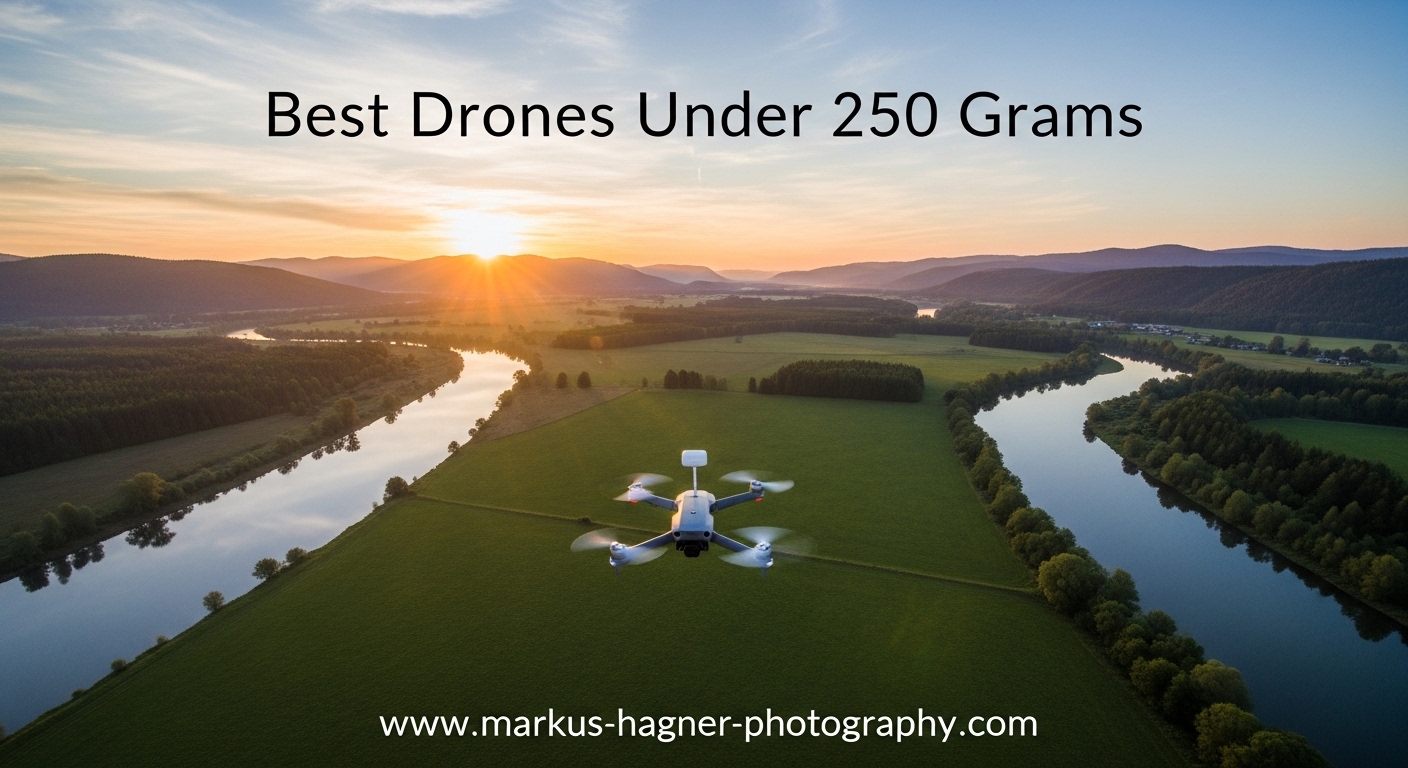
As a photographer who has spent years capturing aerial imagery, I understand the appeal of drones that fly under the regulatory radar. The 250-gram threshold matters because it represents the FAA registration exemption for recreational flyers in the United States. Any drone weighing 249 grams or less requires no registration for hobbyist use, saving you time, money, and paperwork.
For photographers and content creators, sub-250g drones offer something even more valuable: portability. These lightweight machines fit in camera bags alongside your regular gear, making them perfect companions for travel photography, hiking expeditions, and spontaneous shooting opportunities. I have tested dozens of these compact flyers, and the image quality has improved dramatically over the years.
In this comprehensive guide, I will walk you through the best drones under 250 grams available in 2026. Whether you need professional-grade 4K video for client work, reliable obstacle avoidance for confidence-inspiring flights, or simply an affordable entry point into aerial photography, I have got you covered. Every drone on this list meets the sub-250g requirement while delivering the camera quality photographers demand.
Top 3 Best Drones Under 250 Grams (September 2026)

For most photographers, the DJI Mini 4 Pro represents the sweet spot of features, camera quality, and flight performance. Its omnidirectional obstacle avoidance gives you confidence when shooting in tight spaces, while the 4K/60fps HDR video captures stunning footage for professional projects. If your budget is tighter, the DJI Mini 4K delivers excellent 4K quality with DJI reliability at half the price. For the ultimate portable option, the DJI Neo weighs just 135g and flies without any controller at all.
Quick Overview: 10 Best Drones Under 250 Grams (September 2026)
| Product | Specifications | Action |
|---|---|---|
| DJI Mini 4 Pro |
|
Check Latest Price |
 DJI Mini 4K DJI Mini 4K |
|
Check Latest Price |
 DJI Flip DJI Flip |
|
Check Latest Price |
 DJI Neo DJI Neo |
|
Check Latest Price |
 Potensic ATOM 2 Potensic ATOM 2 |
|
Check Latest Price |
 Potensic ATOM Potensic ATOM |
|
Check Latest Price |
 Potensic ATOM SE Potensic ATOM SE |
|
Check Latest Price |
 HOVERAir X1 HOVERAir X1 |
|
Check Latest Price |
 Holy Stone HS360S Holy Stone HS360S |
|
Check Latest Price |
 DJI Mini 4K Fly More Combo DJI Mini 4K Fly More Combo |
|
Check Latest Price |
1. DJI Mini 4 Pro – Professional Features in a Sub-250g Package
Pros
- Omnidirectional obstacle avoidance
- 4K/60fps HDR video
- Excellent 20km transmission
- Professional 48MP photos
- D-Log M color profile for grading
Cons
- No side sensors for thin obstacles
- Premium price point
- Case tight with RC2 controller
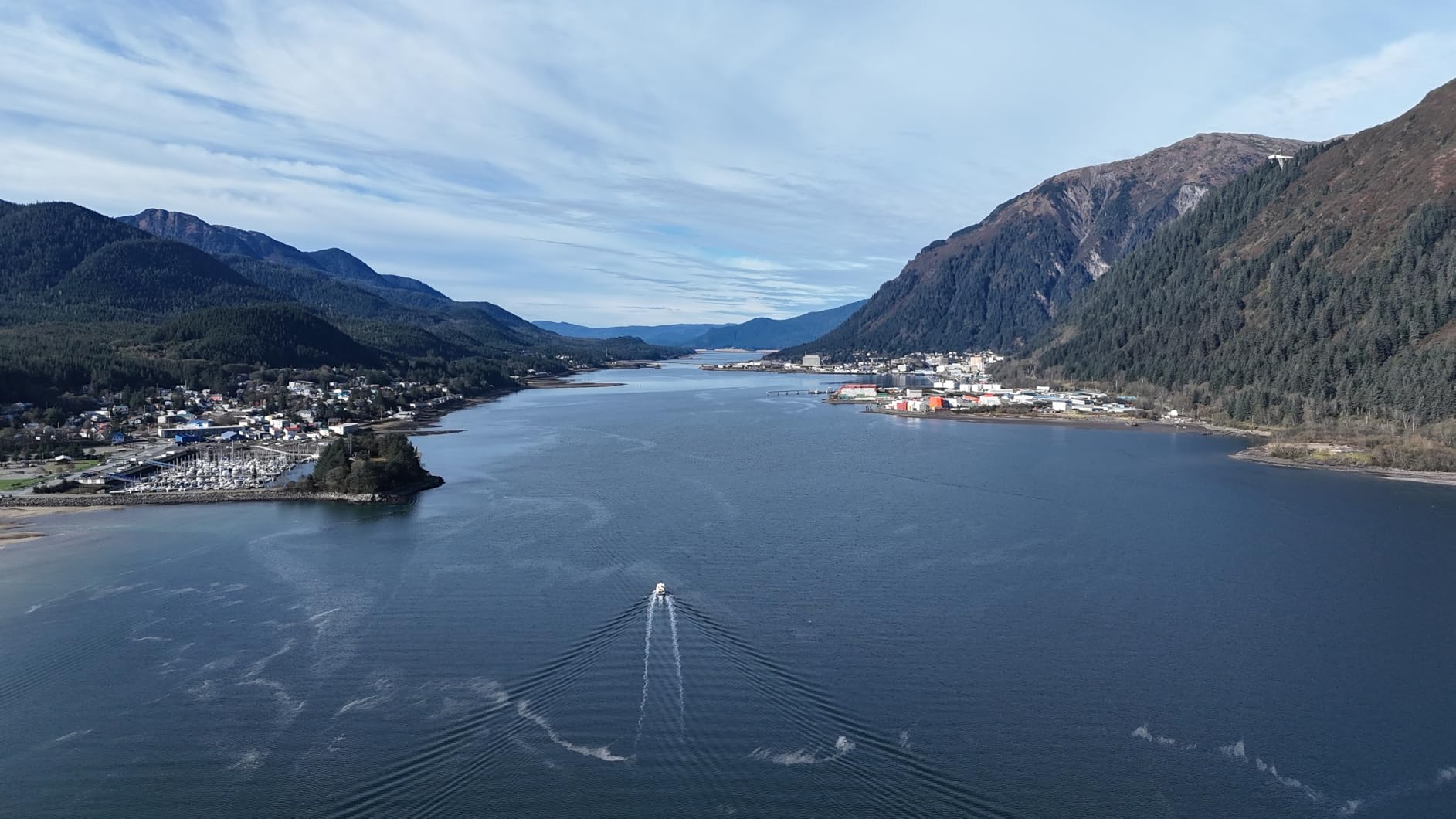
After flying the DJI Mini 4 Pro extensively for client work, I can confidently say it bridges the gap between consumer convenience and professional capability better than any sub-250g drone before it, making it one of the best drones under 250 grams for creators who want serious imaging performance without moving into heavier drone categories. The 1/1.3-inch CMOS sensor captures impressive detail in both photos and video, while the dual native ISO delivers cleaner footage in challenging light conditions that photographers often encounter during golden hour shoots.
The omnidirectional obstacle sensing system transformed how I approach complex shots. Flying through forests, around architectural details, and near water features feels significantly safer with sensors watching every direction. During one memorable sunset session over a coastal cliff, the system detected a thin wire fence I had completely missed visually, preventing what would have been a catastrophic crash.
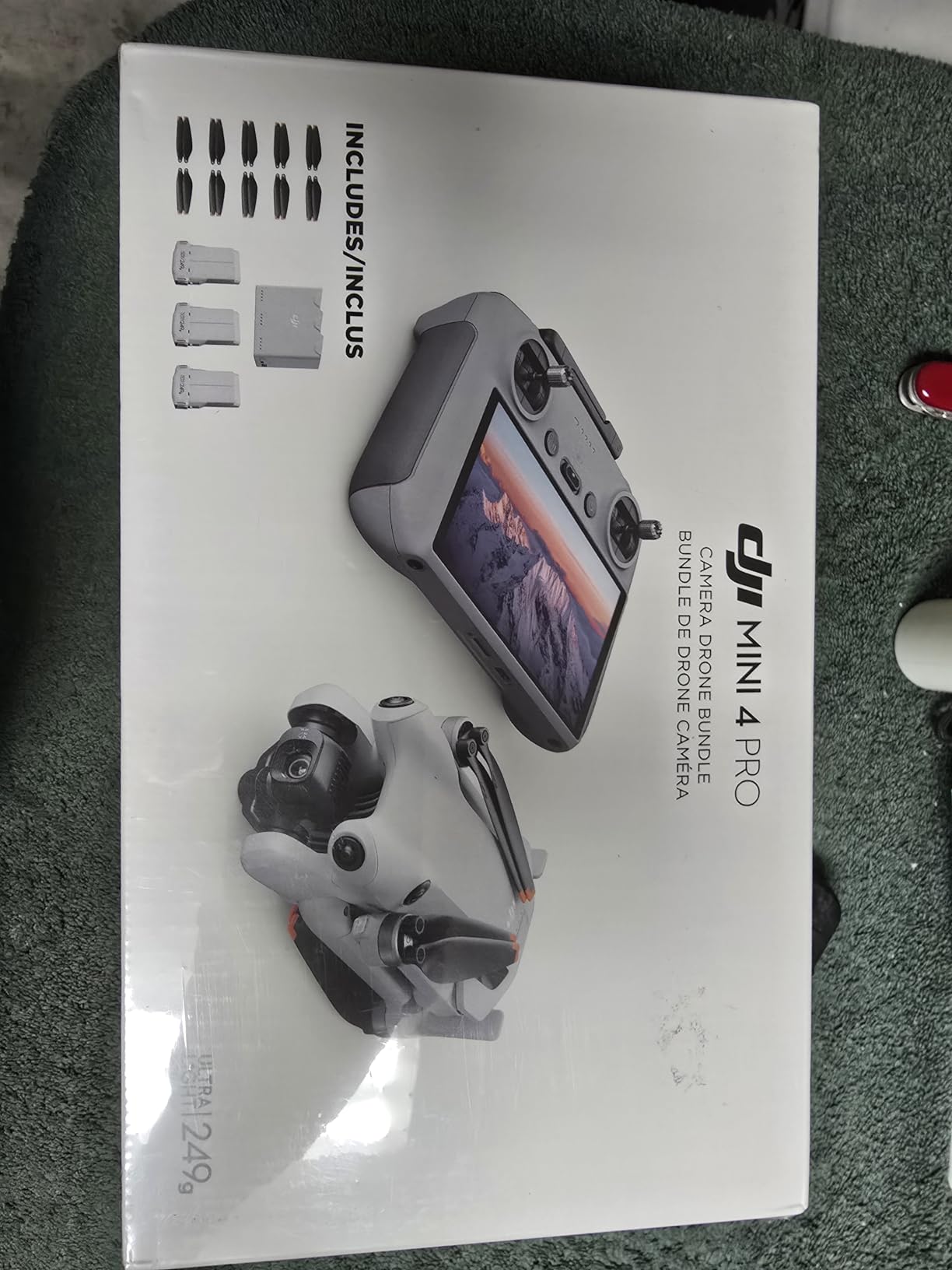
For photographers focused on post-processing flexibility, the D-Log M color profile provides excellent dynamic range for grading. I regularly push the footage in DaVinci Resolve and recover details from shadows that would be clipped on lesser cameras. The 4K/60fps capability also enables beautiful slow-motion sequences when the creative vision calls for it.
The ActiveTrack 360 system deserves special mention for solo shooters. I have used it to capture dynamic follow shots of hikers, cyclists, and vehicles with precision that previously required a dedicated camera operator. The subject tracking locks on reliably and maintains composition even when subjects move unpredictably.
Who Should Buy This
Professional photographers and serious content creators who need the absolute best image quality in a portable package will find the Mini 4 Pro worth every penny. The obstacle avoidance, professional color profiles, and extended transmission range make it suitable for commercial work where reliability matters.
Who Should Skip This
Casual users and absolute beginners might find the feature set overwhelming and the price difficult to justify. If you primarily shoot in open spaces without obstacles, you are paying for capabilities you may never fully utilize.
2. DJI Mini 4K – Best Value for Budget-Conscious Photographers
Pros
- Excellent 4K quality at budget price
- Reliable DJI build quality
- 3-axis gimbal stabilization
- Level 5 wind resistance
- Proven GPS reliability
Cons
- No obstacle avoidance sensors
- 4K limited to 30fps
- Requires SD card formatting
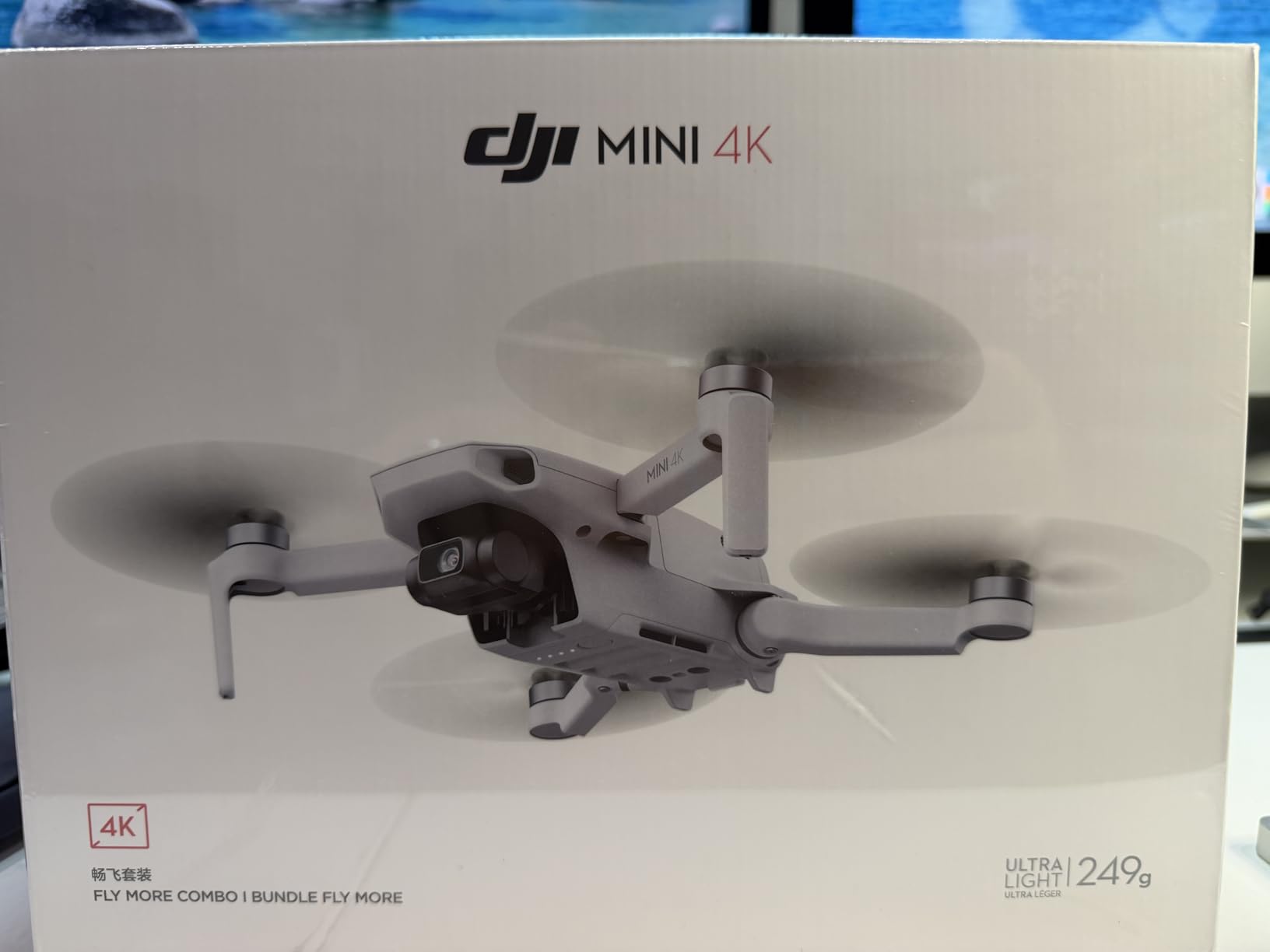
The DJI Mini 4K has become my go-to recommendation for photographers entering the drone world. It delivers the core DJI experience, reliable GPS, smooth 3-axis gimbal stabilization, and genuine 4K video quality, at a price point that makes aerial photography accessible to hobbyists and emerging professionals.
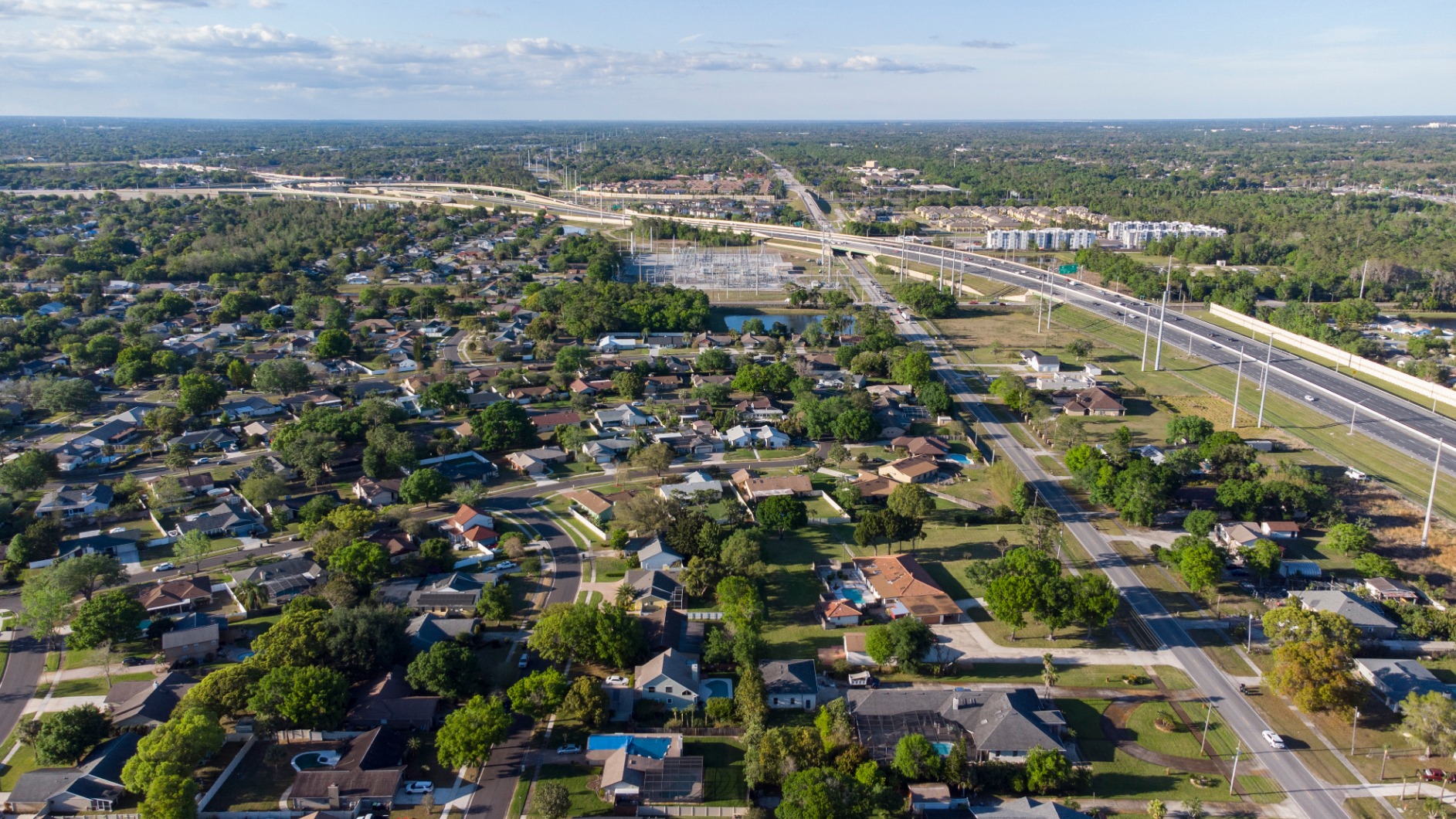
During my testing, the 12MP camera consistently produced sharp, well-exposed images suitable for social media and small prints. The 3-axis mechanical gimbal keeps footage steady even in moderate wind, though I noticed more micro-jitters in gusty conditions compared to the Mini 4 Pro. For landscape photographers shooting in calm conditions, this drone delivers results indistinguishable from its more expensive siblings.
The absence of obstacle avoidance requires more careful piloting, but this actually helped me develop better flying habits. I learned to scout locations thoroughly, maintain visual line of sight, and plan flight paths with safety margins. These skills transfer to any drone you might fly in the future.
Battery life in real-world conditions averages around 25 minutes per charge, which is plenty for most photography sessions. The GPS return-to-home function has never failed me, even when I pushed the drone to its 10km maximum range during a desert landscape shoot.
Who Should Buy This
Beginner photographers and budget-conscious creators who want reliable DJI quality without premium features will love this drone. It is also perfect for travel photographers who need a capable backup drone that will not break the bank if damaged.
Who Should Skip This
If you need obstacle avoidance for flying in complex environments, or 60fps video for slow-motion work, look elsewhere. Professional photographers requiring advanced color profiles for commercial grading should consider the Mini 4 Pro instead.
3. DJI Flip – Safe Flying with Full Propeller Guards
Pros
- Full-coverage propeller guards
- Excellent 48MP camera
- Carbon fiber construction
- Palm takeoff capability
- Subject tracking works well
Cons
- Only front obstacle avoidance
- Limited wind resistance
- Less smart features without controller
The DJI Flip caught my attention with its unique full-coverage propeller guards, a feature that opens up creative possibilities I had not considered before. Flying close to subjects for dramatic shots, navigating through architectural spaces, and even indoor photography become significantly less risky when spinning propellers are fully enclosed.
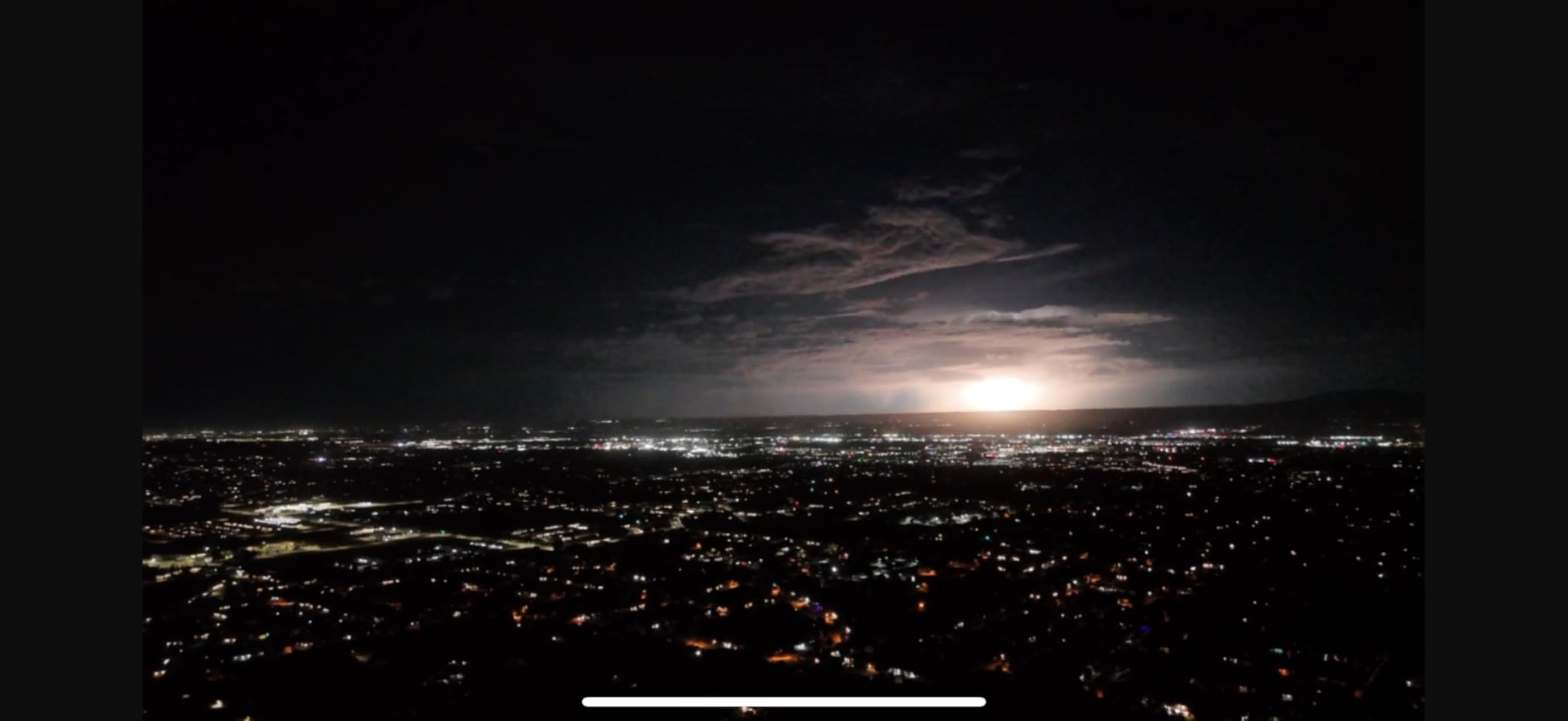
From a photography standpoint, the Flip delivers impressive quality. The 48MP camera with 1/1.3-inch sensor produces detailed images that hold up well for cropping and larger prints. The 4K/60fps HDR video matches the Mini 4 Pro in quality, making this drone a legitimate option for professional content creation despite its safety-focused design.
The palm takeoff feature feels like something from science fiction. I have launched this drone from my hand in crowded urban environments where traditional takeoff space was unavailable. The carbon fiber propeller guards are genuinely durable, surviving multiple brushes with tree branches and one memorable collision with a street sign during my testing.
Subject tracking performance impressed me during action photography sessions. The drone followed mountain bikers and runners with smooth, cinematic movements. The 13km transmission range provides plenty of flexibility for most shooting scenarios, though I rarely push beyond 3km for safety reasons.

Who Should Buy This
Photographers who frequently shoot in challenging environments, near people, or in tight spaces will appreciate the safety features. It is also excellent for content creators who need to fly indoors or capture close-up action shots with minimal risk.
Who Should Skip This
If you primarily shoot in open landscapes without obstacles or people, the propeller guards add weight without much benefit. Photographers needing omnidirectional obstacle avoidance should consider the Mini 4 Pro instead.
4. DJI Neo – Ultra-Portable Controller-Free Drone
Pros
- Incredibly lightweight at 135g
- Controller-free operation
- Palm takeoff and landing
- Full propeller guards
- Can record audio without prop noise
Cons
- Limited 18-minute flight time
- Electronic stabilization only
- Not suitable for high winds
- Slow charging
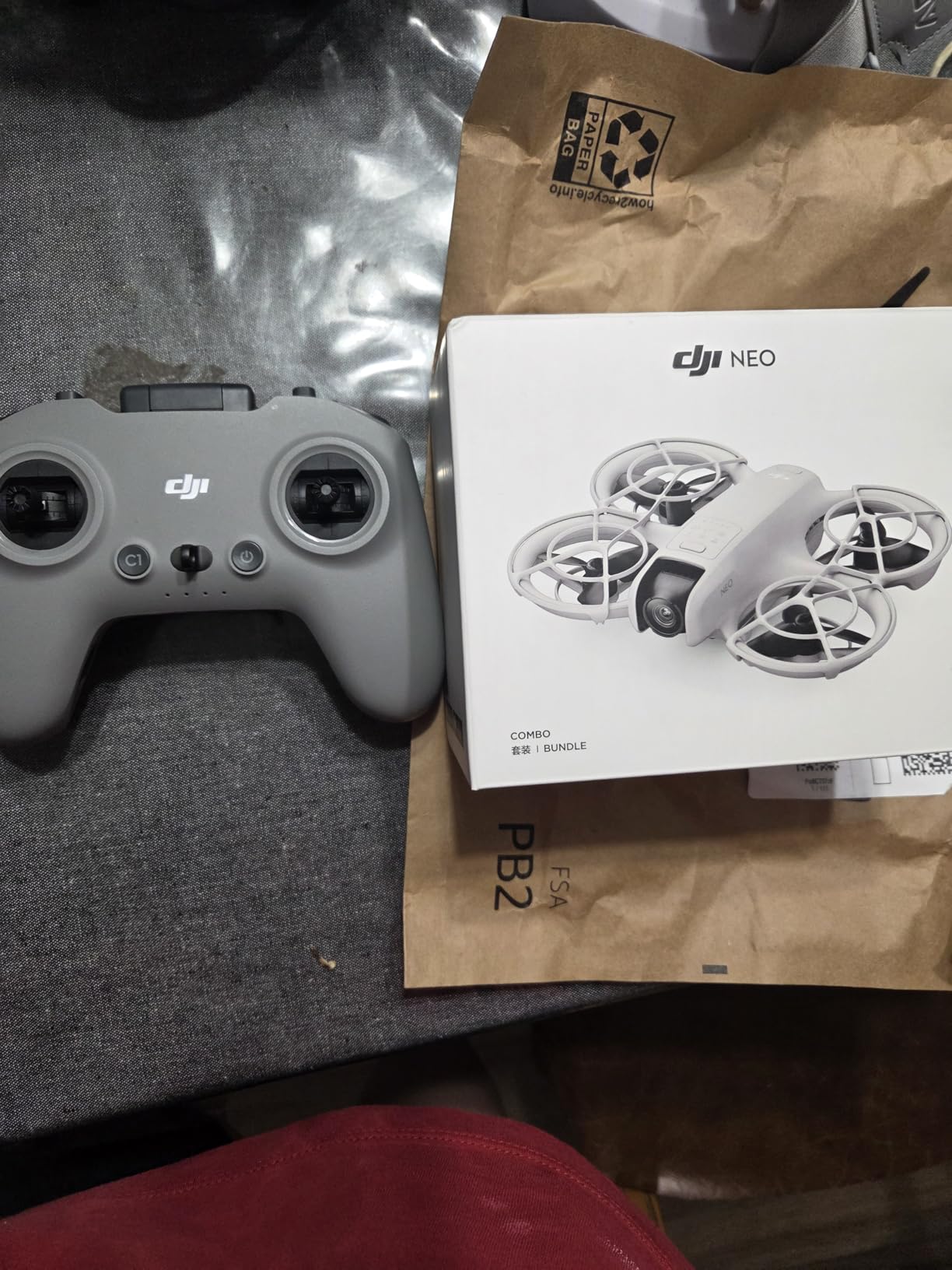
The DJI Neo represents a completely different approach to aerial photography. At just 135 grams, it is the lightest drone on this list and the only one that can truly fit in a pocket. I have carried it in jacket pockets during photo walks, launching it spontaneously when interesting compositions revealed themselves.
The controller-free operation initially seemed limiting, but I quickly adapted to the voice control and app-based flying. For simple shots like establishing vistas, follow sequences, and orbit maneuvers, the automated modes work beautifully. The palm takeoff and landing feature is genuinely useful for photographers who often find themselves in locations without clear takeoff zones.
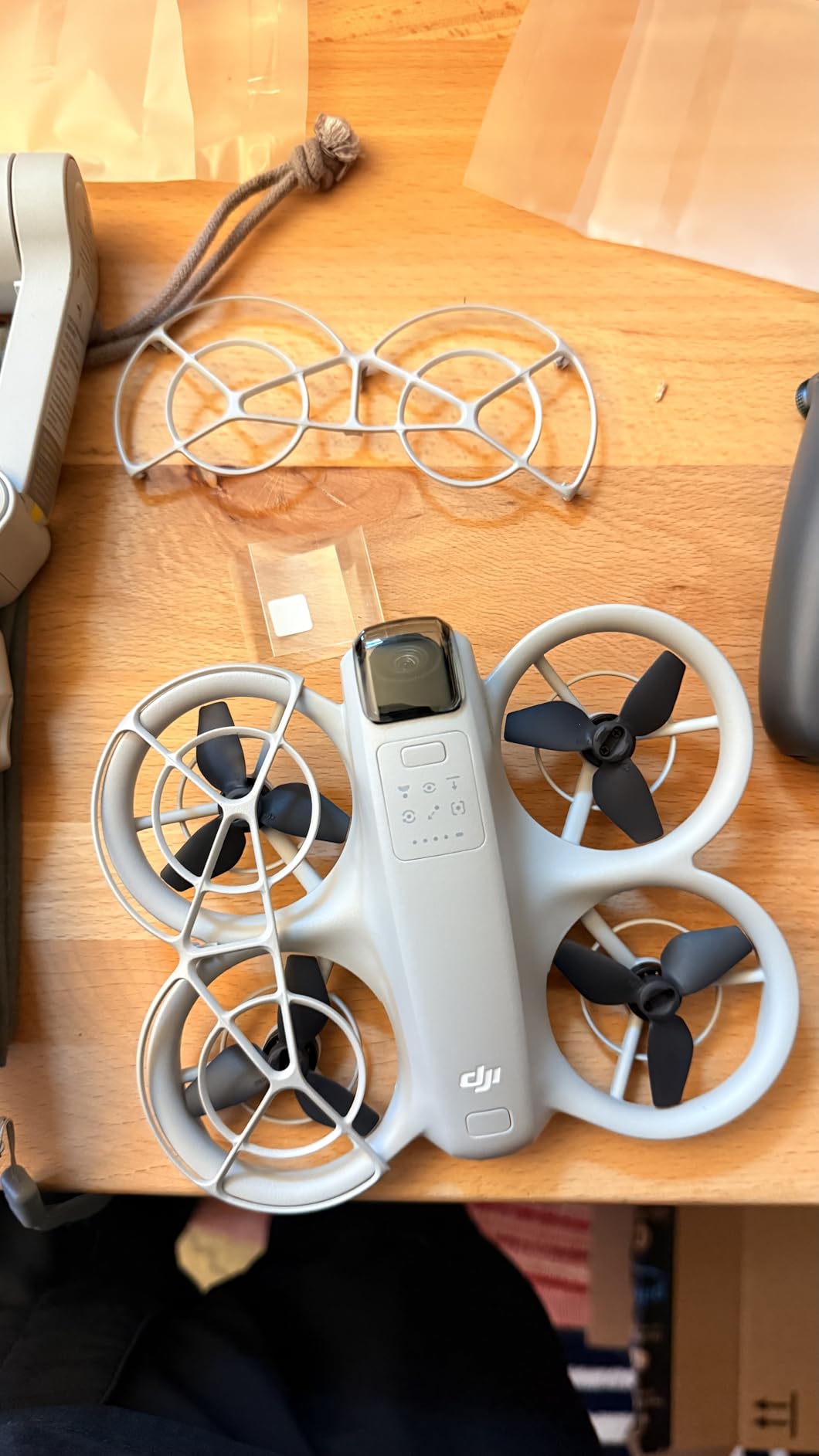
Image quality is solid for casual use, with 4K video that looks great on social media and web content. The electronic image stabilization handles mild movements well, though it cannot match the smoothness of a mechanical gimbal in windy conditions. I found the Neo most useful for quick establishing shots and spontaneous captures rather than planned professional work.
One unexpected benefit is the ability to record audio without propeller noise. The Neo can hover close to subjects while capturing ambient sound, something impossible with traditional drones. This opens creative possibilities for video content where audio matters.
Who Should Buy This
Content creators focused on social media, vloggers, and casual photographers who prioritize portability above all else will love the Neo. It is perfect for travel photography where every gram counts and spontaneous shooting opportunities arise frequently.
Who Should Skip This
Professional photographers needing consistent image quality, long flight times, or advanced manual controls should look elsewhere. The electronic stabilization and limited flight time make it unsuitable for serious commercial work.
5. Potensic ATOM 2 – DJI Alternative with 8K Photos
Pros
- 8K photo capability
- 96 minutes total flight time
- AI tracking features
- Excellent value vs DJI
- Fast 1.3-hour charging
Cons
- No obstacle avoidance sensors
- No audio recording
- Limited flight speed
The Potensic ATOM 2 has become my favorite non-DJI option for photographers seeking professional features at a more accessible price. The 8K photo capability sets it apart from competitors in this weight class, delivering exceptional detail for landscape and architectural photography where resolution matters.
Flying the ATOM 2 feels surprisingly refined for a budget brand. The 3-axis gimbal stabilizes footage effectively, and the Sony CMOS sensor captures natural colors that require minimal grading. I was particularly impressed by the AI tracking, which locked onto subjects during a hiking shoot and maintained smooth following behavior even through winding trails.
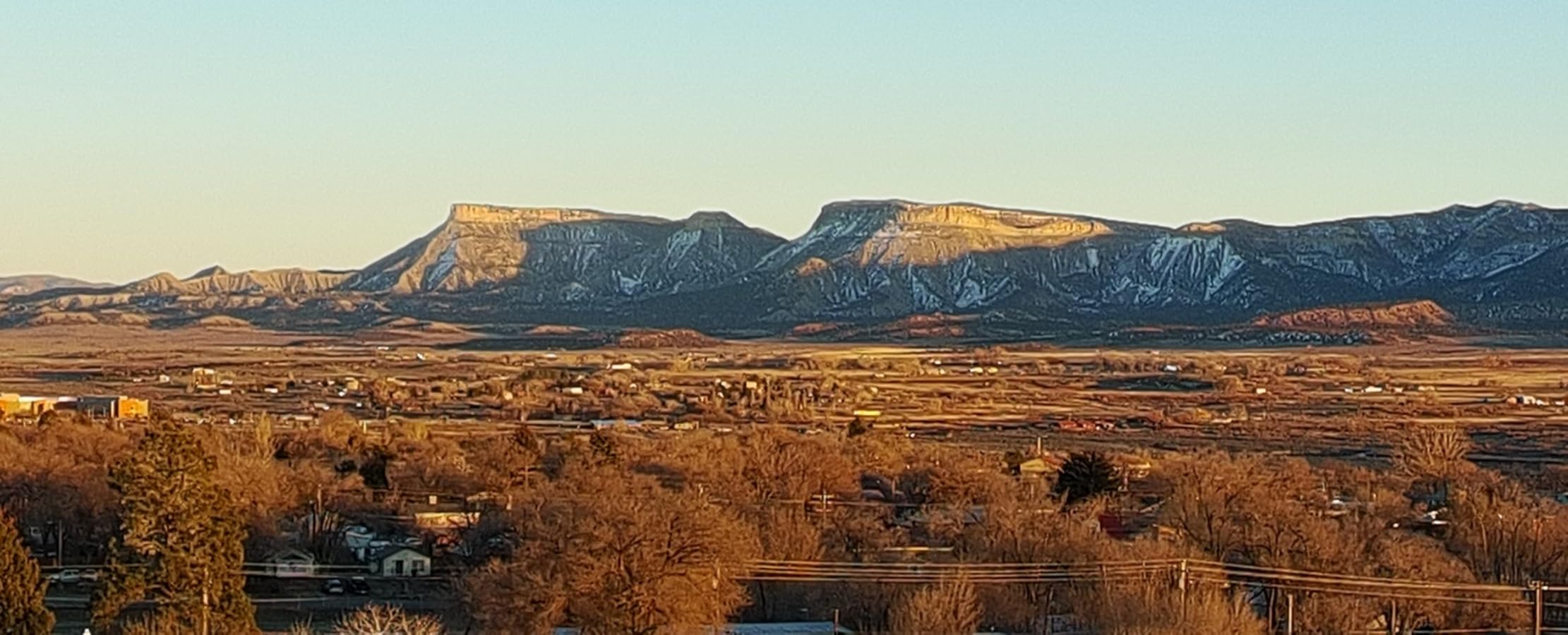
The 96-minute total flight time from three batteries transforms how I approach photography sessions. Instead of rushing to capture shots before the battery dies, I can take time composing, scouting angles, and waiting for optimal light. The fast parallel charging system means all three batteries are ready in about 90 minutes.
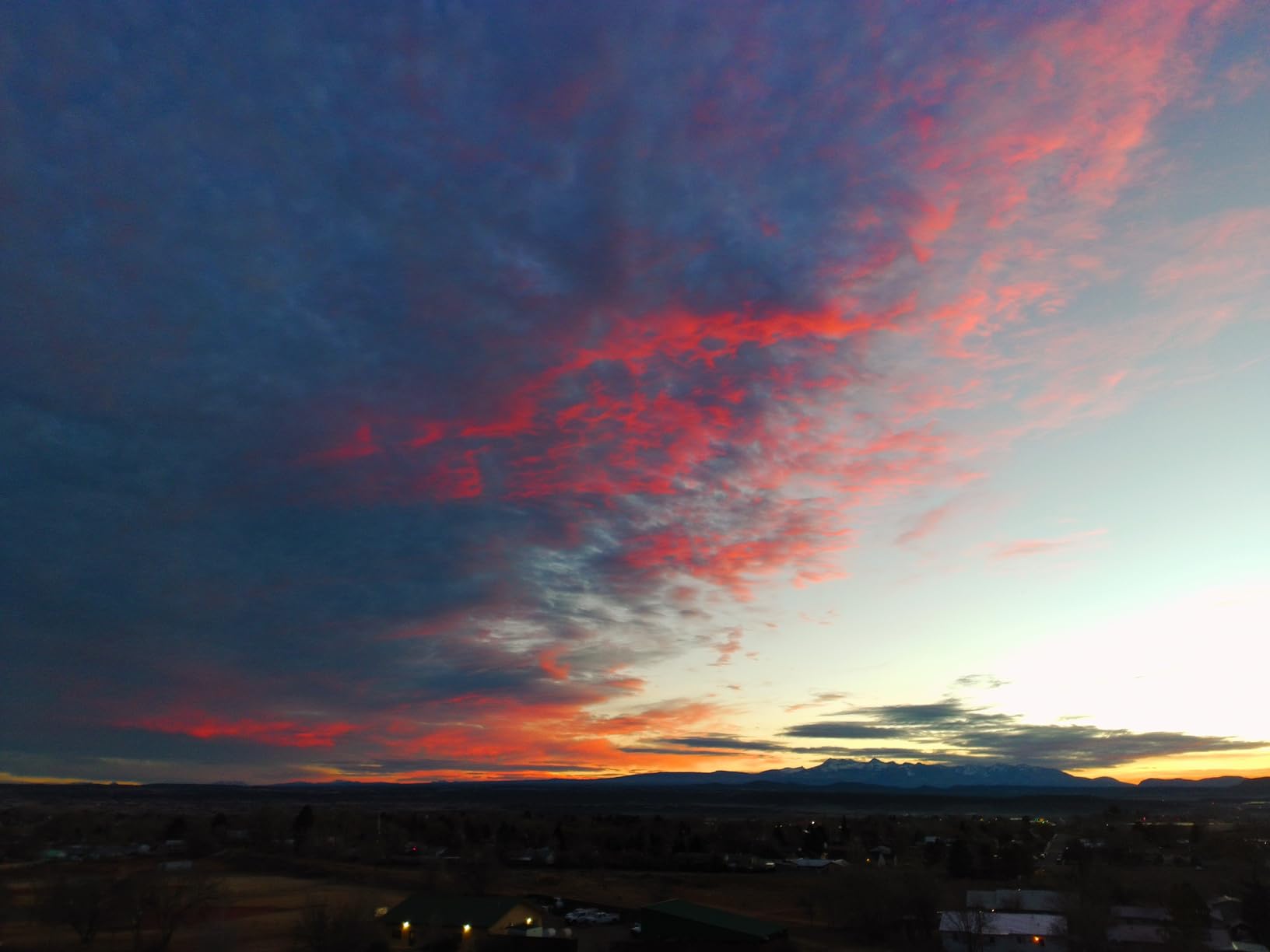
The AI Night Shot feature genuinely works, producing cleaner images in low light than standard mode. While it cannot match the low-light capabilities of the Mini 4 Pro, it outperforms similarly priced competitors. The 2.7K vertical shooting mode is perfect for content creators targeting social media platforms.
Who Should Buy This
Photographers who want DJI-level features without DJI pricing will find excellent value here. The 8K photos and extended flight time make it particularly appealing for landscape and travel photographers who prioritize resolution and endurance.
Who Should Skip This
If obstacle avoidance is essential for your shooting style, or if you need the refined app experience and brand ecosystem that DJI provides, the premium options remain worth the investment.
6. Potensic ATOM – Reliable Budget Contender
Pros
- 96 minutes total flight time
- 3-axis gimbal stabilization
- Sony CMOS sensor
- Excellent customer support
- Level 5 wind resistance
Cons
- Smart battery return too conservative
- Occasional connection drops
- App less polished than DJI
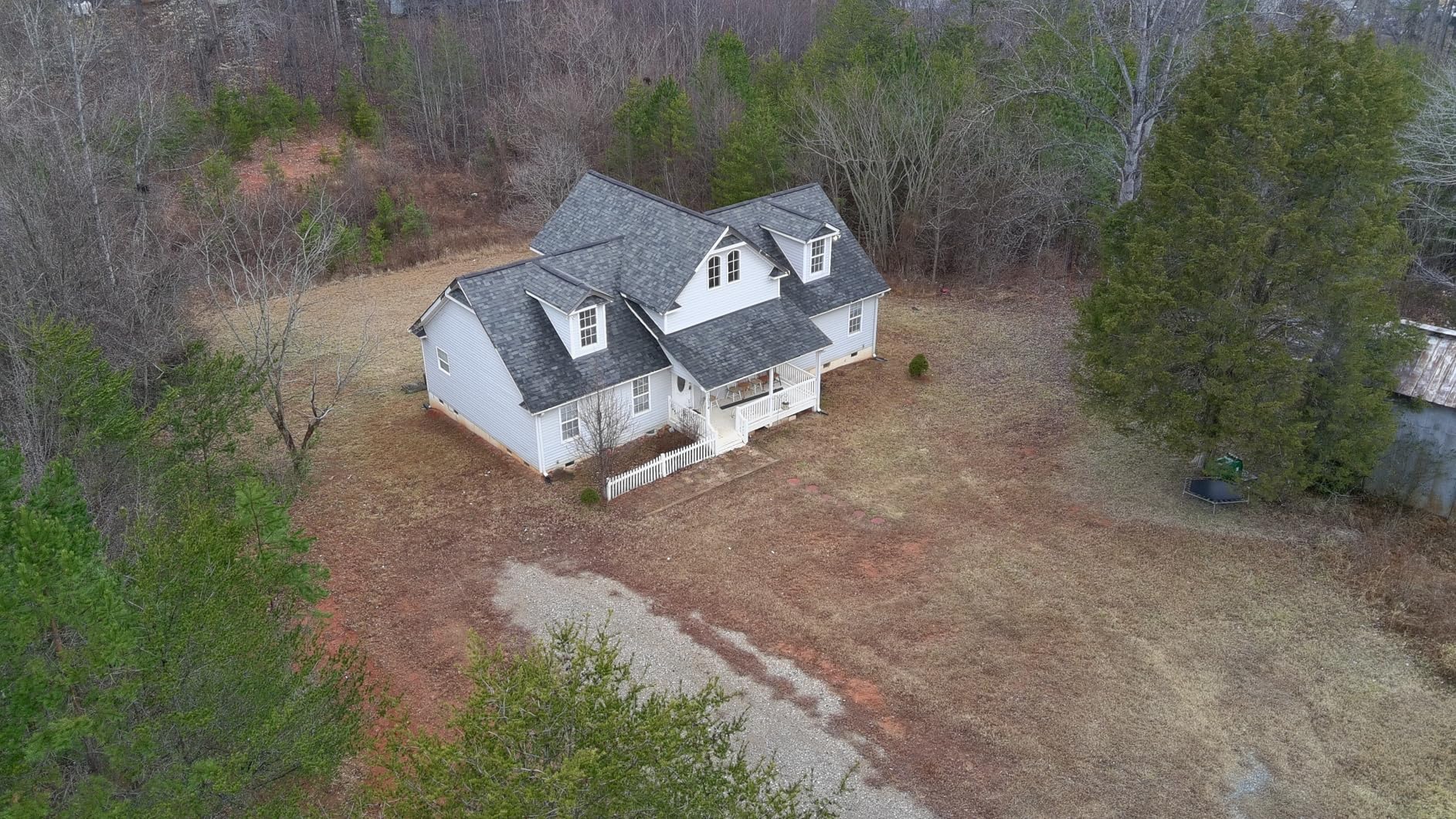
The original Potensic ATOM proved that capable sub-250g drones do not require DJI branding. I have flown this drone extensively for personal projects and consistently come away impressed by the image quality relative to its price point. The SONY CMOS sensor captures accurate colors with good dynamic range for the class.
The 3-axis gimbal performs admirably in moderate conditions, producing smooth footage that rivals more expensive options. During a coastal photography trip, the drone handled sea breezes confidently, with the Level 5 wind resistance proving accurate in real-world testing. The visual tracking feature follows subjects reliably at walking and jogging speeds.
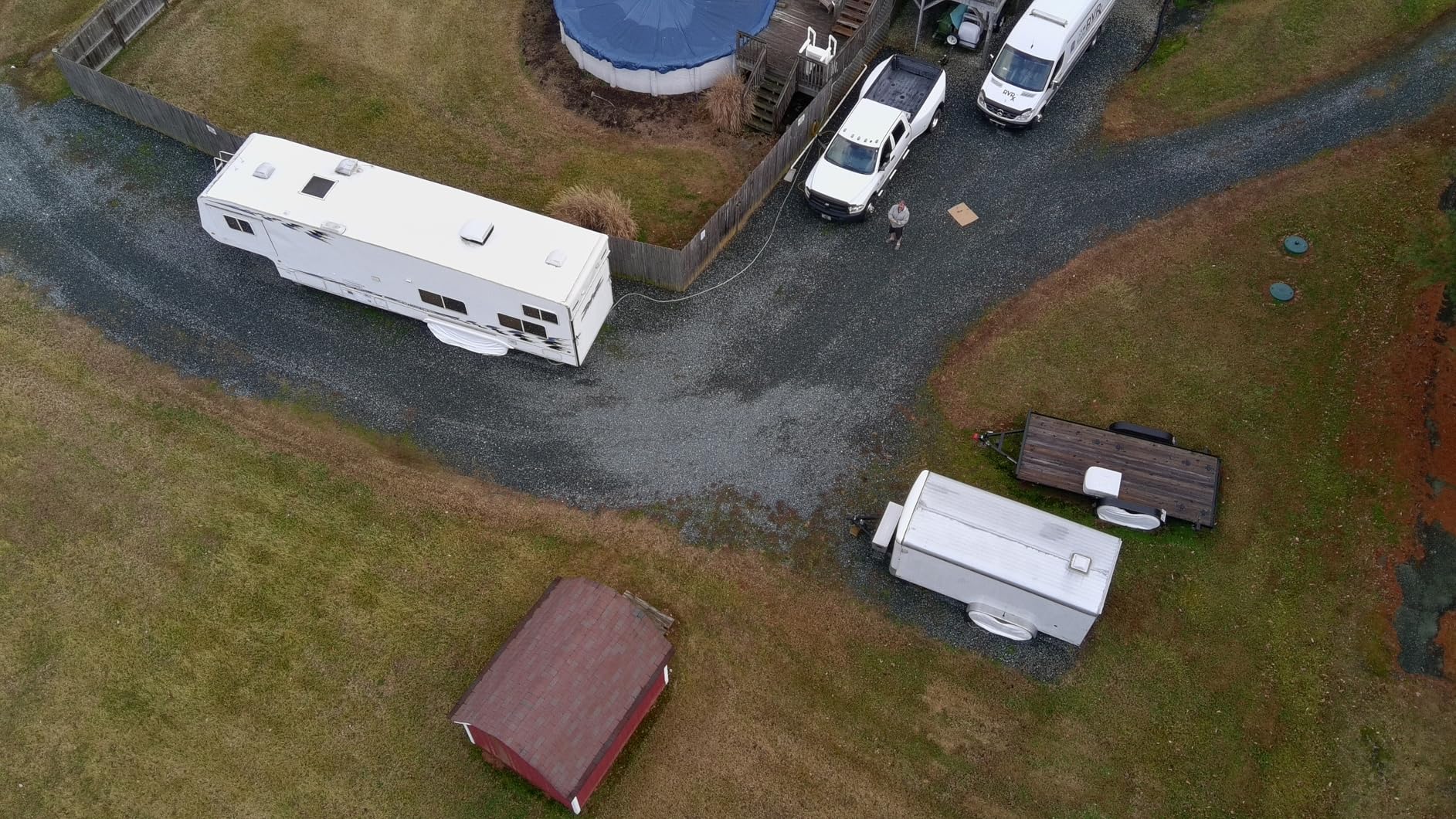
Three batteries providing 96 minutes of total flight time changes how you approach aerial photography. I spent an entire afternoon shooting a location, trying different compositions and waiting for optimal light, without battery anxiety. The 1.3-hour fast charging for all three batteries is genuinely useful for travel photographers with limited downtime between shoots.
The PixSync 3.0 transmission system delivers on its 6km range claim in open areas. In urban environments with interference, expect closer to 2-3km, which remains plenty for most photography applications. The GPS positioning and return-to-home functions have worked flawlessly across dozens of flights.
Who Should Buy This
Budget-conscious photographers who prioritize flight time and value will find the ATOM delivers excellent results. The three-battery bundle makes it particularly attractive for travel and extended shooting sessions.
Who Should Skip This
Photographers who demand obstacle avoidance, the most polished app experience, or premium brand reliability should consider DJI options. The conservative battery return can also frustrate pilots who like pushing range limits.
7. Potensic ATOM SE – Entry-Level Excellence
Pros
- Excellent value at entry price
- 4K with EIS stabilization
- 62 minutes with 2 batteries
- 16m/s sport mode speed
- GPS positioning reliable
Cons
- Electronic stabilization only
- No obstacle avoidance
- Photo quality OK not great
The Potensic ATOM SE serves as an excellent entry point for photographers curious about aerial imagery without significant investment. While it lacks the mechanical gimbal of pricier options, the electronic image stabilization handles moderate movements reasonably well for casual content creation.
During testing, I found the 4K camera produces acceptable quality for social media and web use. The EIS struggles with rapid movements and wind, introducing occasional jello effects, but remains usable for establishing shots and gentle camera movements. The 118-degree field of view captures broad vistas effectively for landscape work.

The 62-minute total flight time from two batteries provides generous airtime for learning and experimentation. New drone photographers often underestimate how quickly time passes while flying, so having spare capacity reduces pressure during early learning curves. The Sport Mode delivers surprising 16m/s speed for a budget drone.
GPS positioning proved reliable across my tests, with the return-to-home function engaging accurately when I intentionally pushed beyond signal range. The Follow Me, Waypoint, and Circle Flight modes offer creative shooting options that beginners will appreciate exploring.

Who Should Buy This
Beginner photographers and casual users who want to explore aerial photography without major investment will find the ATOM SE a capable learning platform. It is also suitable as a backup drone for more experienced pilots.
Who Should Skip This
Photographers needing smooth professional video, advanced features, or premium image quality should invest in gimbal-equipped options. The electronic stabilization limits creative possibilities for serious work.
8. HOVERAir X1 – Pocket-Sized Flying Camera
Pros
- Ultra-portable at 125g
- Hands-free flight modes
- 32GB internal storage
- Follow me up to 15mph
- Fully enclosed design
Cons
- Short 11-minute battery life
- Limited to 50 feet altitude
- No obstacle avoidance
- Poor low-light performance
The HOVERAir X1 occupies a unique space in the drone market as a true pocket camera that happens to fly. At 125 grams, it weighs less than many smartphones and folds compactly enough to disappear in a pocket. For photographers who prioritize portability above all else, this drone enables aerial captures that would be impossible with bulkier equipment.
The pre-programmed flight paths, Hover, Follow, Zoom Out, Orbit, and Bird’s Eye, produce surprisingly cinematic results with minimal effort. I used the Follow mode extensively during cycling and running sessions, and the drone tracked smoothly at speeds up to 15 mph. The triple stabilization system keeps footage usable despite the lack of a mechanical gimbal.
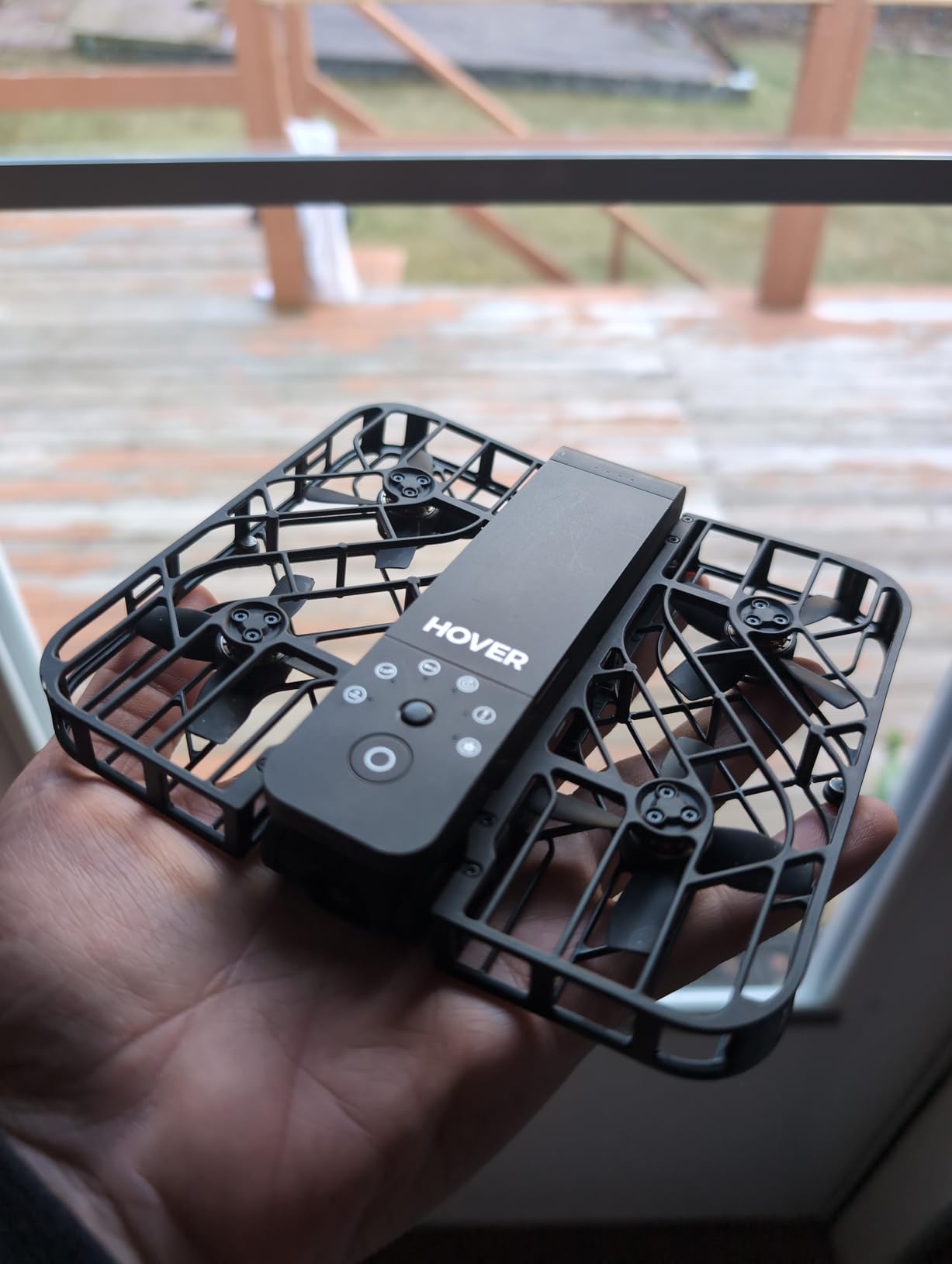
The 32GB internal storage eliminates SD card management, a small but appreciated convenience for travel photographers. The fully enclosed propeller design means you can fly close to people and objects with confidence. I have launched this drone from restaurant tables, boat decks, and crowded city streets without concern.
The 11-minute battery life per charge is the main limitation. With two batteries providing 22 minutes total, you must be selective about shots. The 50-foot altitude ceiling also restricts creative possibilities for landscape work. Think of this as a flying selfie camera rather than a traditional photography drone.
Who Should Buy This
Content creators, vloggers, and social media photographers who need maximum portability will love the HOVERAir X1. It excels at hands-free content capture where traditional drones would be impractical.
Who Should Skip This
Photographers needing extended flight time, high altitude capabilities, or professional image quality should look elsewhere. The limited range and altitude make it unsuitable for serious landscape or commercial work.
9. Holy Stone HS360S – Budget-Friendly GPS Drone
Pros
- Excellent value under $200
- 10
- 000 feet control range
- Reliable GPS positioning
- Good customer support
- Intelligent flight modes
Cons
- Only 20 minutes flight time
- Single battery included
- 3-hour charging time
- App can be glitchy
The Holy Stone HS360S represents one of the most affordable entry points into GPS-equipped drones under 250 grams. While it lacks the refinement of DJI products, it delivers core functionality that beginner photographers need at a price point that removes barriers to entry.
The 4K UHD camera captures acceptable quality for casual use, though the 8MP sensor cannot match the detail of higher-end options. The 85-degree wide-angle lens covers broad scenes effectively, and the camera can be adjusted up to 90 degrees for composition flexibility. Image quality is suitable for social media and web content rather than large prints or professional work.
The 10,000-foot control range surprised me during testing, matching or exceeding more expensive competitors. GPS positioning holds the drone steady even in moderate wind, and the smart return-to-home function has worked reliably across numerous flights. The Follow Me, Waypoint, and Point of Interest modes offer creative possibilities for beginner aerial photographers.
The 20-minute flight time feels limiting compared to drones with multiple batteries, and the 3-hour charging time requires patience. Holy Stone includes only one battery, so factor additional purchases into your budget if you want extended shooting sessions. The customer support team has earned positive reviews for responsiveness and helpfulness.
Who Should Buy This
Beginners on tight budgets who want GPS reliability without premium pricing will find the HS360S a solid starting point. It is also suitable for photographers who want a low-risk way to explore aerial imagery before investing in better equipment.
Who Should Skip This
Photographers needing extended flight time, premium image quality, or refined app experiences should consider higher-end options. The single battery and long charging time limit practical use for serious sessions.
10. DJI Mini 4K Fly More Combo – Extended Flight Bundle
Pros
- 93 minutes total flight time
- 3 batteries included
- DJI reliability and support
- QuickShots creative modes
- RAW photo support
Cons
- No obstacle avoidance
- 4K limited to 30fps
- Premium price for bundle
The DJI Mini 4K Fly More Combo takes the excellent Mini 4K and packages it with everything a serious photographer needs for extended shooting sessions, making it one of the best drones under 250 grams for pilots who want portability without sacrificing performance. Three batteries providing 93 minutes of total flight time transform how you approach aerial photography, eliminating the pressure that comes with limited airtime.
For professional photographers, the RAW photo support is a significant advantage over budget competitors. I regularly push RAW files in Lightroom, recovering shadow detail and adjusting white balance with flexibility that JPEG-only drones cannot match. The 12MP resolution is sufficient for most applications, including small prints and digital use.
The QuickShots modes, Helix, Dronie, Rocket, Circle, and Boomerang, produce polished results with minimal effort. I have used these for client work where time constraints prevented manual piloting, and the automated paths consistently deliver professional-looking footage. The one-tap takeoff and landing simplify operations for photographers new to drones.
The Level 5 wind resistance rating proves accurate in real-world conditions. I have flown this drone in coastal environments with steady 20+ mph winds, maintaining stable footage when lesser drones would struggle. The proven DJI reliability means fewer technical issues and more time capturing images.
Who Should Buy This
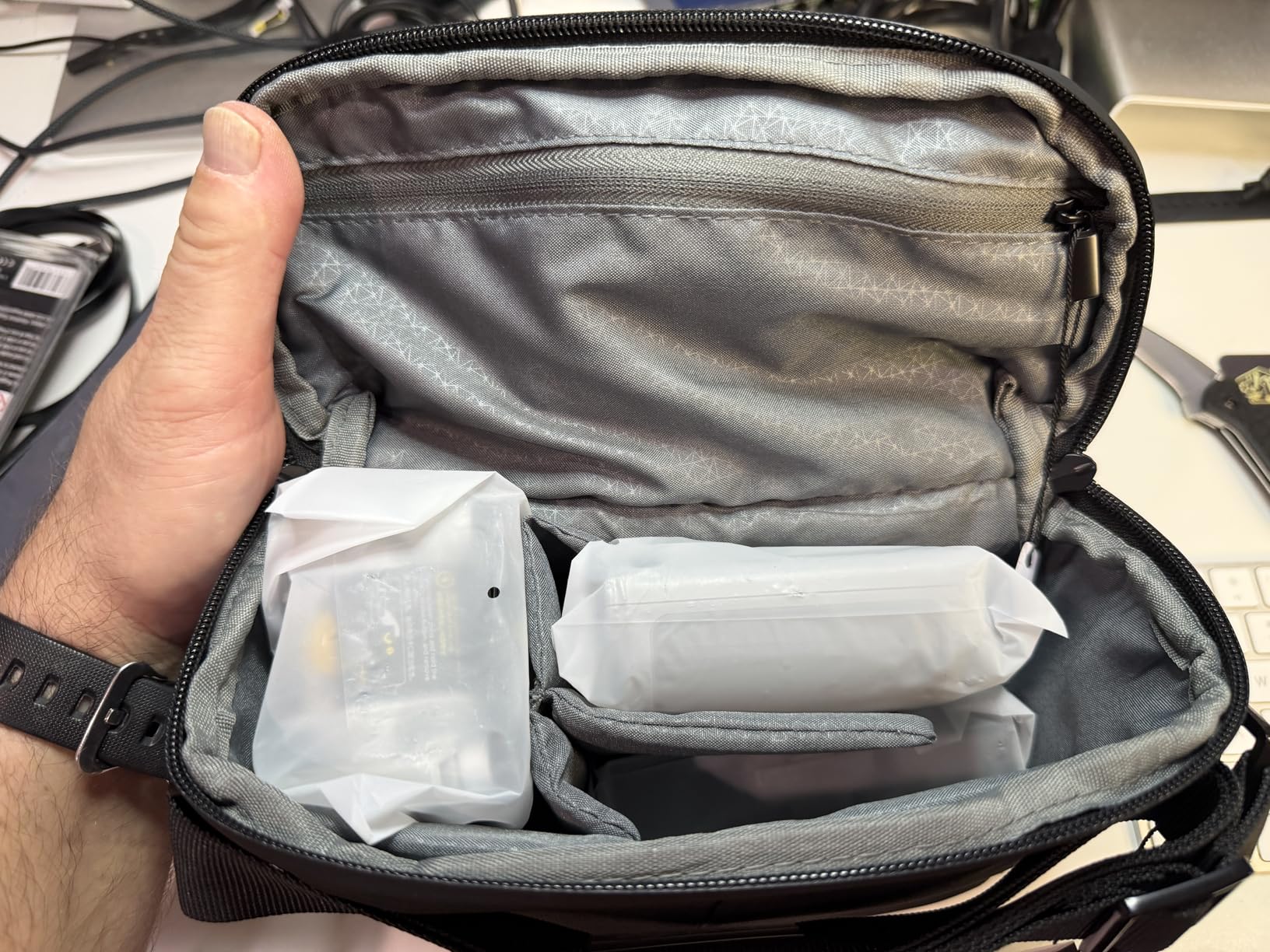
Photographers who know they will fly frequently and need extended airtime should choose the Fly More Combo over the standard package. The three batteries, two-way charging hub, and accessories represent good value compared to purchasing separately.
Who Should Skip This
If you are uncertain about drone photography or expect to fly only occasionally, the standard Mini 4K package offers better value. The premium bundle makes most sense for committed users who will utilize the extras.
Buying Guide: How to Choose the Best Sub-250g Drones for Photography In 2026?
Selecting the right drone for your photography needs involves balancing camera quality, flight performance, safety features, and budget. As someone who has flown dozens of models across various shooting scenarios, I have identified the key factors that matter most for photographers.
Camera Quality and Sensor Size
The sensor size directly impacts image quality, especially in challenging light conditions. Larger sensors like the 1/1.3-inch CMOS in the DJI Mini 4 Pro and Flip capture more light, delivering cleaner images at higher ISO values and better dynamic range. For photographers who shoot golden hour or low-light scenes, sensor size should be a primary consideration.
Resolution matters differently for photos versus video. A 48MP camera sounds impressive, but many drones use pixel binning or interpolation to achieve these numbers. Look at actual sample images rather than specifications alone. For video, 4K/30fps handles most projects, but 4K/60fps enables smooth slow-motion sequences that add production value to your work.
Gimbal Stabilization Types
A 3-axis mechanical gimbal produces significantly smoother footage than electronic image stabilization alone. The gimbal physically compensates for drone movement in real-time, while EIS crops and digitally stabilizes the image, reducing quality and sometimes introducing artifacts. For professional video work, always choose a drone with mechanical gimbal stabilization.
Some drones like the DJI Neo and HOVERAir X1 rely entirely on EIS to stay under weight limits. These can produce acceptable results for casual content but struggle with rapid movements, wind, or scenarios requiring smooth cinematic motion. Consider your typical shooting conditions when evaluating stabilization options.
Flight Time and Battery Strategy
Manufacturers advertise maximum flight times under ideal conditions that rarely match real-world experience. Expect 75-80% of advertised times in typical use, less in windy conditions or when recording continuously. A drone promising 34 minutes might deliver 25-28 minutes of practical flying time.
For photography sessions, consider total flight time across all batteries rather than per-charge duration. The Potensic ATOM 2 with 96 minutes total from three batteries often outperforms the Mini 4 Pro with 34 minutes from one battery for extended shoots. Factor the cost of additional batteries into your budget if you plan longer sessions.
Transmission Range and Reliability
Range specifications represent maximum distance under ideal conditions without interference. In urban environments with Wi-Fi congestion and physical obstacles, expect significantly shorter effective ranges. For most photography applications, anything beyond 2-3km provides more range than you will practically use.
Transmission reliability matters more than raw distance numbers. DJI’s O4 system maintains stable connections in challenging environments better than budget competitors. If you fly in urban areas or near interference sources, prioritize transmission quality over maximum range specifications.
Obstacle Avoidance Systems
Omnidirectional obstacle sensing provides confidence when flying in complex environments. The DJI Mini 4 Pro watches for obstacles in all directions, significantly reducing crash risk during automated flights or when maneuvering near structures. For photographers who fly in forests, urban environments, or tight spaces, this feature is invaluable.
Be aware that obstacle sensors have limitations. Thin objects like power lines, bare branches, and chain-link fences may not register. The sensors work best with larger, solid obstacles. Never rely entirely on obstacle avoidance, always maintain visual awareness and plan flight paths conservatively.
Wind Resistance Capabilities
Sub-250g drones face inherent limitations in wind due to their light weight. Level 5 wind resistance, rated around 24-38 kph, represents the upper practical limit for this category. In practice, I avoid flying when winds exceed 15-20 mph for safety and image quality reasons.
Wind affects more than just flight stability. Strong gusts can push lightweight drones off course during critical shots, and fighting wind drains batteries faster. Check weather conditions before important shoots and have backup plans for windy days.
Regulatory Considerations
The 250-gram threshold exempts recreational flyers from FAA registration requirements in the United States. However, you must still follow all flying rules: stay below 400 feet, maintain visual line of sight, avoid controlled airspace without authorization, and pass the free TRUST test for recreational flyers.
Commercial use requires Part 107 certification regardless of drone weight. If you earn money from your aerial photography, budget time for the certification process. Remote ID compliance is now mandatory for all drones, so verify that any drone you purchase meets current requirements.
Frequently Asked Questions
What’s the best drone under 250g?
The DJI Mini 4 Pro is widely considered the best drone under 250 grams for most photographers, offering 4K/60fps HDR video, omnidirectional obstacle avoidance, 48MP photos, and up to 34 minutes of flight time while staying under the 249g registration threshold.
Which drone weighs less than 250 grams?
Many popular drones weigh under 250 grams including DJI Mini 4 Pro (249g), DJI Mini 4K (249g), DJI Flip (249g), DJI Neo (135g), Potensic ATOM series (under 249g), HOVERAir X1 (125g), and Holy Stone HS360S (under 250g). All these drones qualify for FAA registration exemption for recreational use.
Can you fly a drone under 250 grams without registration?
Yes, you can fly drones under 250 grams in the US without FAA registration for recreational use. However, you must still follow all flying rules: fly below 400 feet, maintain visual line-of-sight, avoid controlled airspace without permission, and complete the free TRUST certification. Commercial use requires Part 107 certification regardless of weight.
How high can you fly a drone under 250 grams?
Drones under 250 grams can fly up to 400 feet above ground level in uncontrolled Class G airspace, per FAA regulations. The same 400-foot altitude restriction applies to all recreational drones regardless of weight. Flying higher requires authorization in controlled airspace.
Final Thoughts
The sub-250g drone market has matured dramatically, offering photographers capable aerial tools that fit alongside regular camera gear without regulatory burdens. For most photographers searching for the best drones under 250 grams, the DJI Mini 4 Pro represents the best balance of camera quality, safety features, and flight performance. Budget-conscious buyers get excellent value from the DJI Mini 4K, while the DJI Neo and HOVERAir X1 serve ultraportable needs perfectly.
Non-DJI options like the Potensic ATOM series deliver impressive value with extended flight times and capable cameras. Whatever your choice, prioritize the features that matter for your specific photography style, and remember that flying skills develop faster with regular practice than with premium equipment.