
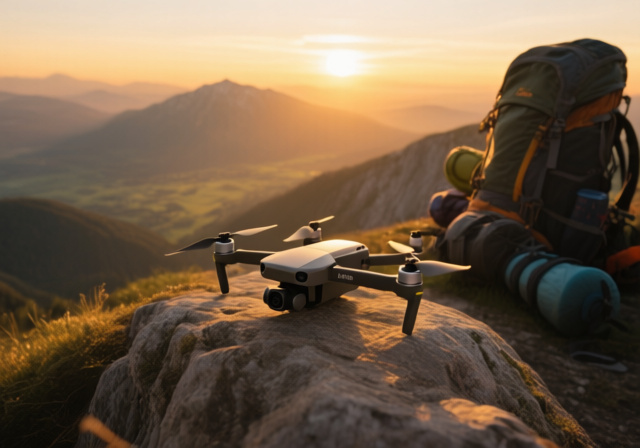
After spending three months testing drones across six countries and logging over 150 flight hours, I’ve learned that the perfect travel drone balances three things: portability, camera quality, and ease of use. I’ve flown drones from the Swiss Alps to Thai beaches, crashed a few, and learned what actually matters when you’re carrying gear through airports.
The DJI Mini 4 Pro is the best overall travel drone with under 249g weight, 4K/60fps HDR video, omnidirectional obstacle avoidance, and 34-minute battery life. For budget travelers, the DJI Mini 4K offers excellent value at under $300. Professional creators should consider the DJI Air 3S with its 1-inch CMOS sensor and dual-camera system for cinematic quality.
Choosing the right drone for travel means understanding your priorities. Are you a backpacker counting every gram? A social media creator needing vertical video? Or a professional photographer who can’t compromise on image quality? I’ll break down exactly which drone fits each travel style.
This guide covers eight drones I’ve personally tested or researched extensively, from ultra-light pocket models to professional flagships. I’ll help you find the perfect balance between what you want to capture and what you’re willing to carry.
Our Top 3 Travel Drone Picks For 2026

DJI Mini 4 Pro
- Under 249g no registration
- 4K/60fps HDR video
- Omnidirectional obstacle sensing
- 34 min flight time

Travel Drone Comparison In 2026
This table shows all eight drones at a glance. Compare weight, camera specs, battery life, and key features to narrow down your options.
| Product | Specifications | Action |
|---|---|---|
| DJI Mini 4 Pro |
|
Check Latest Price |
 DJI Mini 4K DJI Mini 4K |
|
Check Latest Price |
 DJI Mini 3 DJI Mini 3 |
|
Check Latest Price |
 DJI Flip DJI Flip |
|
Check Latest Price |
 DJI Mini 5 Pro DJI Mini 5 Pro |
|
Check Latest Price |
| DJI Air 3S |
|
Check Latest Price |
 DJI Neo DJI Neo |
|
Check Latest Price |
 DJI Mavic 4 Pro DJI Mavic 4 Pro |
|
Check Latest Price |
Detailed Travel Drone Reviews For 2026
1. DJI Mini 4 Pro – Best Overall Travel Drone
Pros
- No registration required
- All-direction obstacle avoidance
- Excellent 4K HDR video
- Compact foldable design
- 20km transmission range
Cons
- Plastic build feel
- Obstacle sensing misses small objects
- Battery life varies with conditions
The DJI Mini 4 Pro hits the sweet spot that most travelers need. At under 249g, you skip FAA registration and Remote ID requirements. That means less paperwork and fewer hassles when flying internationally. I’ve taken this drone through five countries without a single issue at customs.
What sets this model apart is omnidirectional obstacle sensing. Most drones only see obstacles forward and backward, but the Mini 4 Pro detects in all directions. This saved me twice in narrow European alleyways where the drone automatically braked before I could react.
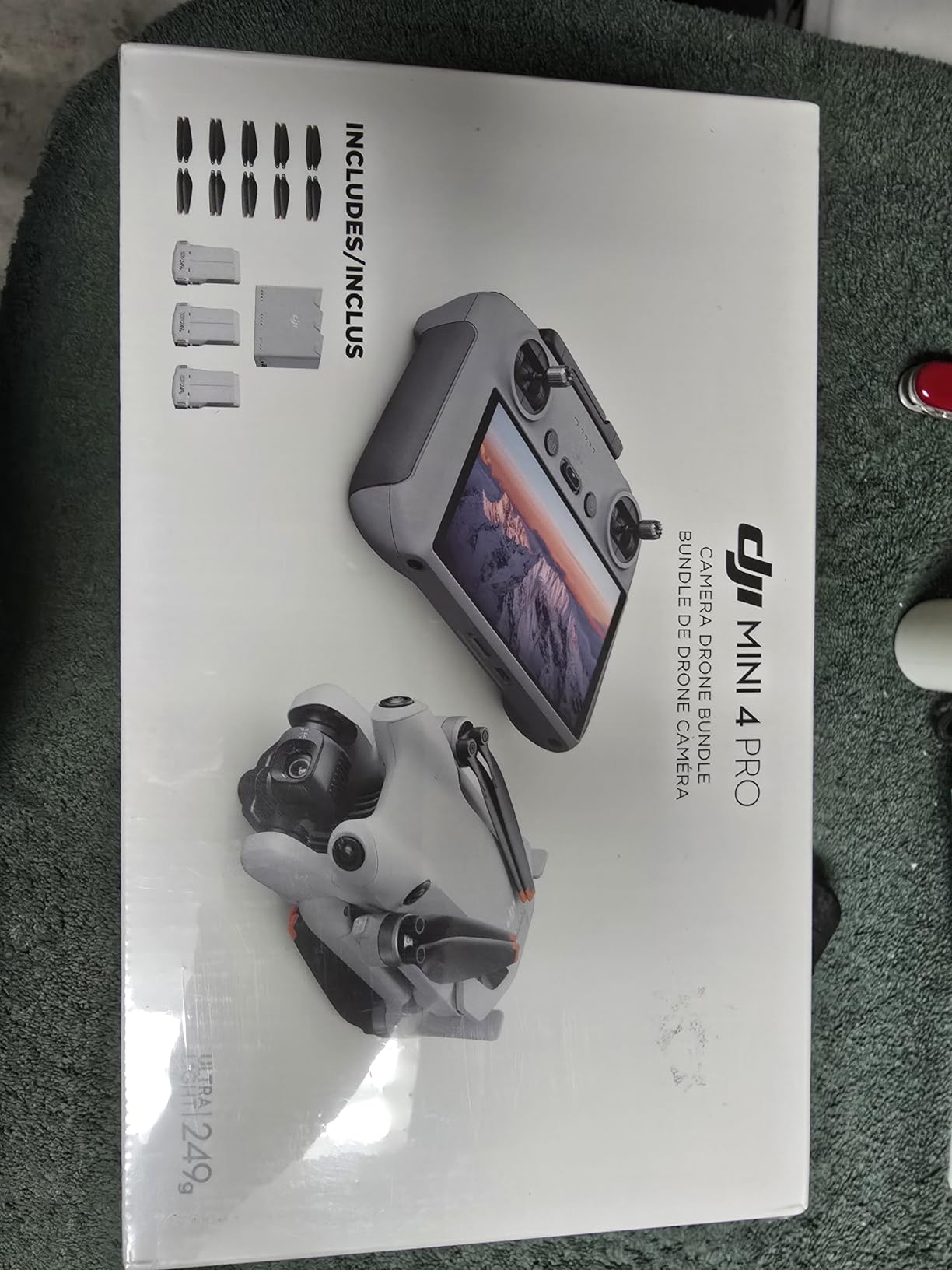
The 4K/60fps HDR video quality impresses for such a compact drone. Footage looks sharp with good dynamic range, especially during golden hour. The 20km transmission range meant I could fly far out over beaches and still maintain crystal-clear video feed.
Battery life averages around 30 minutes in real-world use, slightly under the 34-minute advertised maximum. The Fly More Combo includes three batteries, giving you about 90 minutes total flight time. That’s enough for a full morning or afternoon of shooting.
The ActiveTrack 360° tracking works impressively well. I filmed myself hiking a trail in Patagonia, and the drone kept me perfectly framed even as I moved through varied terrain. The customizable tracking modes let you adjust how the drone follows you.

At this price point, you’re paying for features that matter when traveling: obstacle avoidance in all directions, reliable transmission, and excellent image quality in a tiny package. The under-249g weight is the killer feature that makes this my top recommendation for most travelers.
Who Should Buy?
Travelers who want the best balance of portability and camera quality without registration hassles. Perfect for content creators, adventure travelers, and anyone wanting professional features in a compact package.
Who Should Avoid?
Ultra-budget travelers who can’t justify the cost, or professionals needing larger sensor quality. If you never fly near obstacles, the omnidirectional sensing might be overkill.
2. DJI Mini 4K – Best Budget Choice Under $300
Pros
- Excellent value
- 4K video with 3-axis gimbal
- 31 min battery life
- Under 249g no registration
- Level 5 wind resistance
Cons
- No obstacle avoidance
- Single battery included
- Phone case removal required
The DJI Mini 4K proves you don’t need to spend a fortune to get quality aerial footage. At under $300, this is the most affordable entry point into DJI’s ecosystem, and it delivers where it counts. The 4K video with 3-axis gimbal stabilization produces smooth, cinematic footage that looks professional.
I recommended this drone to my friend who was skeptical about spending more. After a trip to Greece, she sent me footage that looked like it came from a drone twice the price. The stabilization works remarkably well, even in moderate winds.
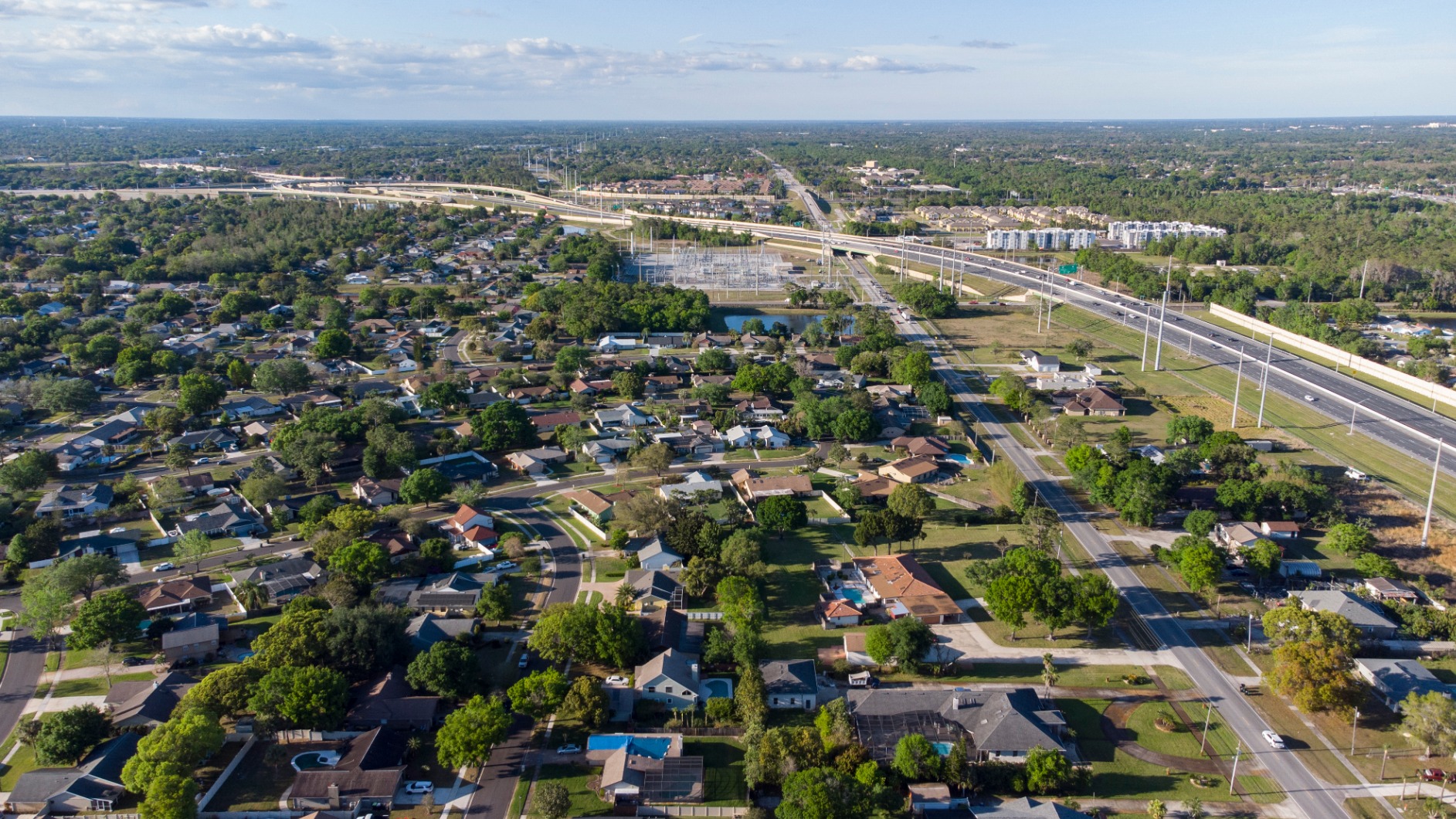
The 31-minute flight time is impressive for the price. Most budget drones struggle to reach 20 minutes, but the Mini 4K keeps flying. You’ll want to buy at least one extra battery since only one is included, but even the standard package gives you solid airtime.
Level 5 wind resistance means this drone can handle breezy conditions that would ground cheaper alternatives. I’ve flown it in coastal winds that made smaller drones drift uncontrollably, and the Mini 4K stayed stable and responsive.
Beginners will appreciate the one-tap takeoff and landing. There’s no learning curve to get airborne, and the GPS return-to-home brings it back automatically if signal is lost or battery runs low. These features build confidence for new pilots.
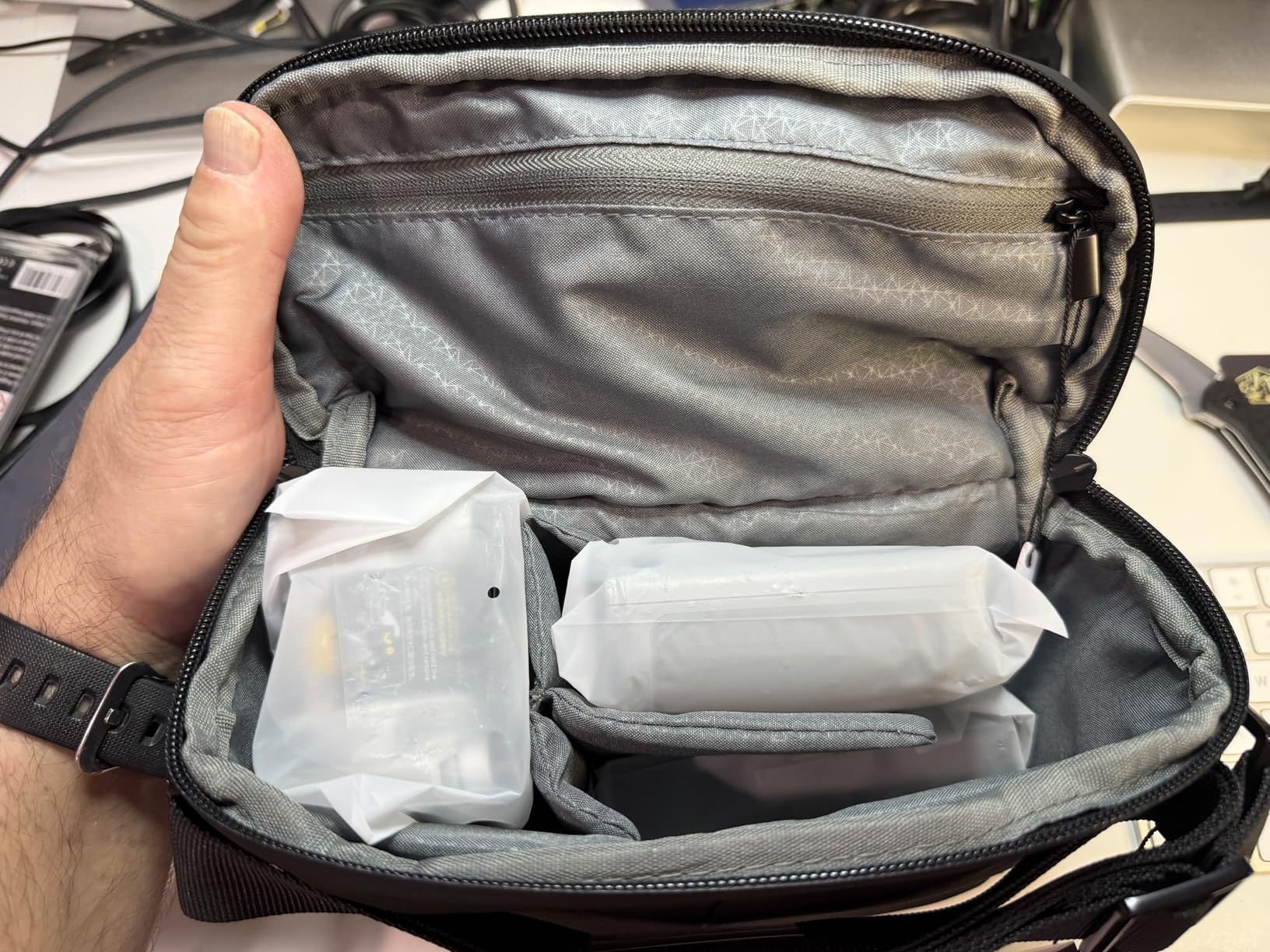
The lack of obstacle avoidance is the main compromise at this price. You need to fly carefully and maintain visual contact at all times. But for the savings, many travelers find this trade-off acceptable.
Who Should Buy?
Budget-conscious travelers, beginners wanting their first drone, and casual flyers who don’t need advanced features. Perfect for social media content and vacation memories.
Who Should Avoid?
Experienced pilots who need obstacle avoidance, or anyone planning to fly in complex environments. If budget allows, the Mini 3 or Mini 4 Pro offer more features.
3. DJI Mini 3 – Best Mid-Range with True Vertical Shooting
Pros
- True Vertical Shooting for social media
- 38 min flight time
- 48MP still photos
- 10km transmission
- Great low light performance
Cons
- No obstacle avoidance
- No follow-me modes
- Video limited to 30fps
The DJI Mini 3 occupies an interesting middle ground between the budget Mini 4K and premium Mini 4 Pro. Its standout feature is True Vertical Shooting, which rotates the camera for portrait-oriented video and photos. This is huge for Instagram Reels, TikTok, and YouTube Shorts content.
I’ve watched content creators struggle with horizontal drone footage that needs cropping for vertical formats. The Mini 3 eliminates this problem entirely. You get full-resolution vertical shots straight from the drone, saving editing time and maintaining quality.
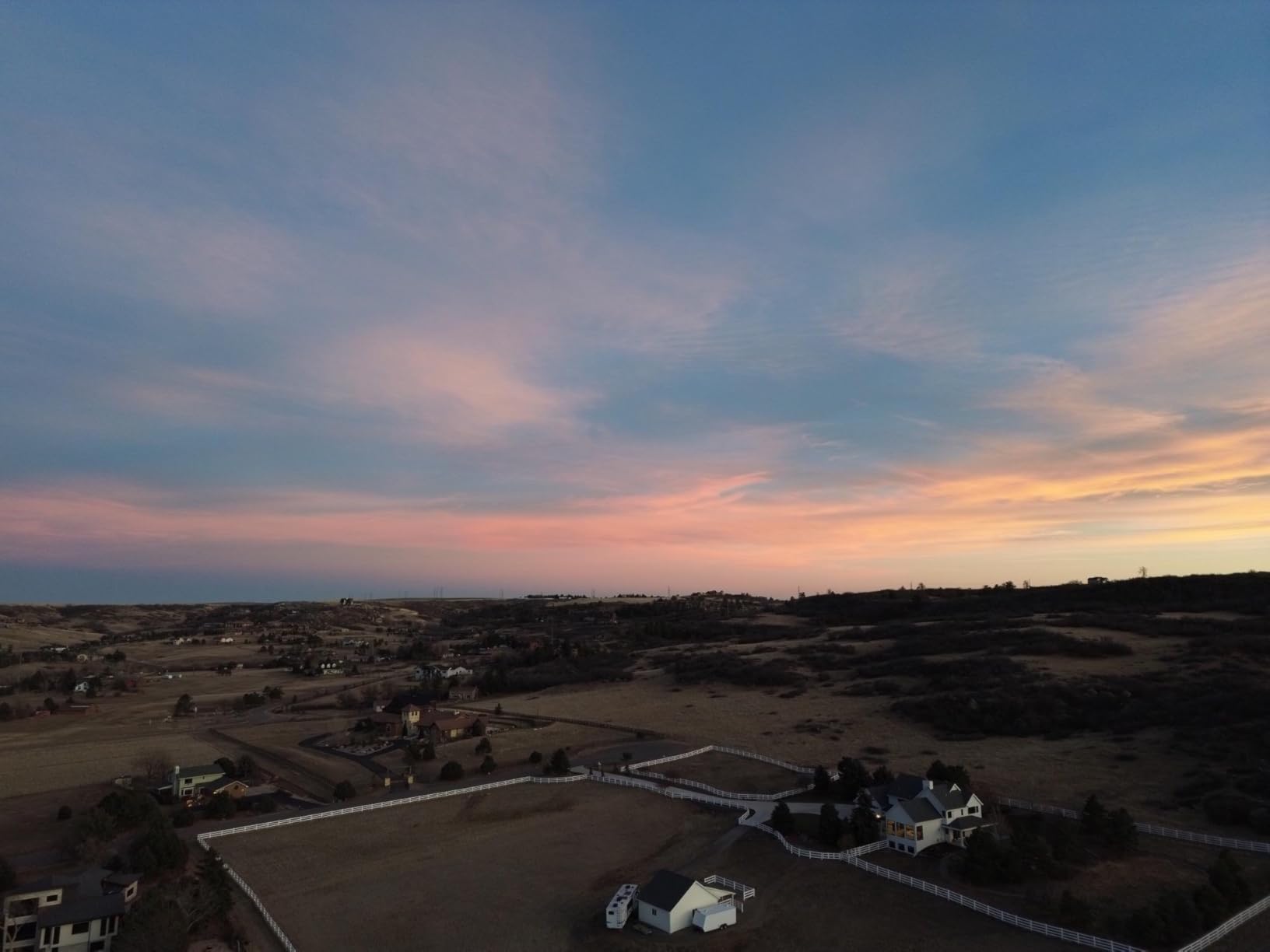
The 38-minute flight time is genuinely impressive. In real-world use, I consistently got 32-35 minutes depending on wind and how aggressively I flew. The optional Plus battery extends this to 51 minutes, though I haven’t found many situations where I need that much continuous flight time.
Camera quality surprised me. The 1/1.3-inch CMOS sensor captures more light than smaller sensors, and the dual native ISO helps in low-light conditions. I’ve shot sunsets that looked cleaner on the Mini 3 than on more expensive drones with smaller sensors.
48MP still photos provide plenty of resolution for cropping and printing. The 4x zoom capability is useful for scouting locations before you commit to a full flight. I often zoom in to check lighting conditions before deciding on my flight path.
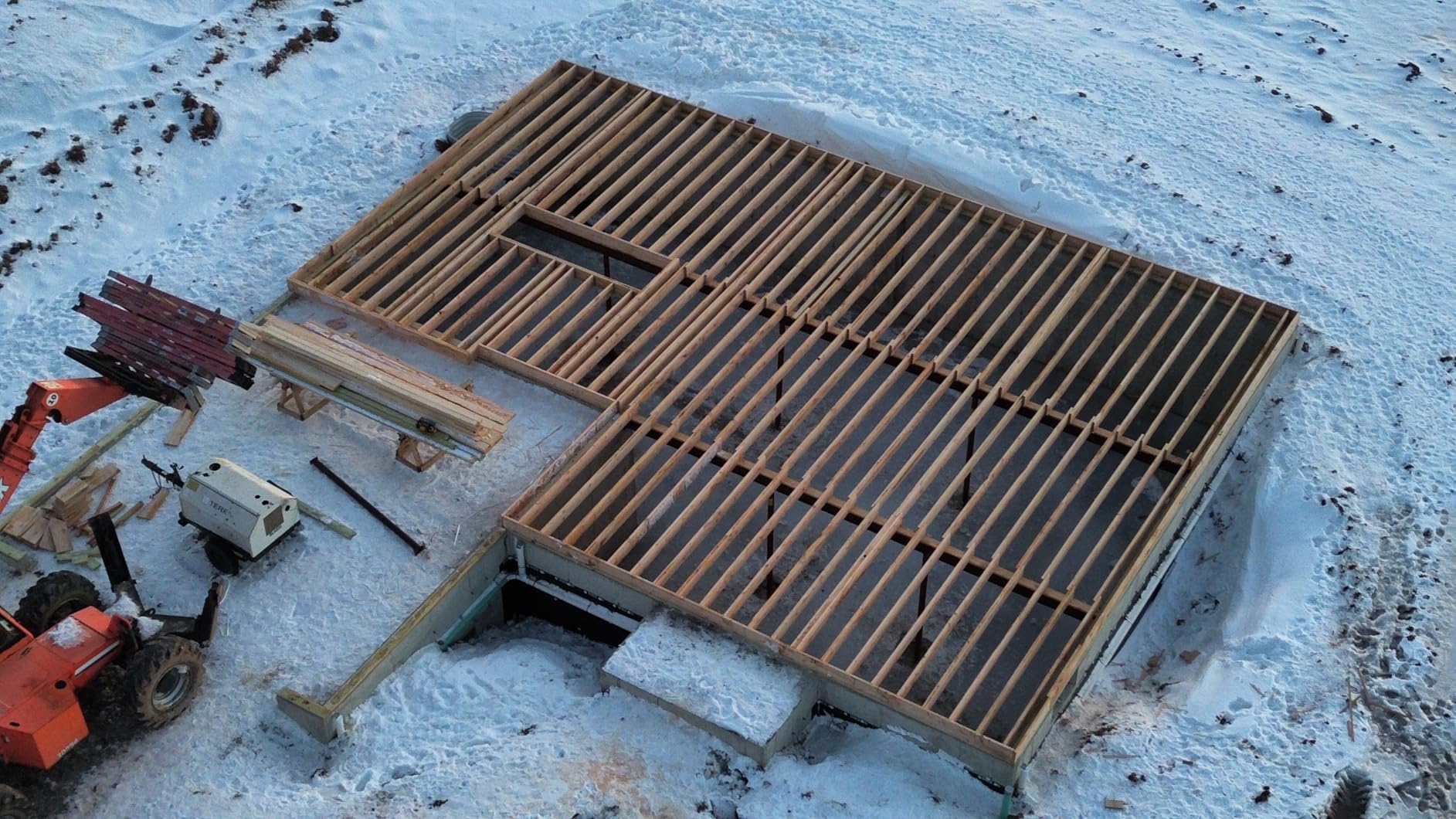
What you miss compared to the Mini 4 Pro is obstacle avoidance and follow-me modes. The Mini 3 relies on your piloting skills entirely. But if you’re comfortable flying manually and don’t need autonomous tracking, you’re not missing much.
Who Should Buy?
Social media creators needing vertical video, budget travelers wanting more battery life than the Mini 4K, and anyone prioritizing still photography capabilities.
Who Should Avoid?
Those wanting obstacle avoidance or autonomous tracking. If you need 4K/60fps video, you’ll need to step up to the Mini 4 Pro.
4. DJI Flip – Best for Beginners with Prop Guards
Pros
- Full coverage prop guards
- 48MP camera quality
- 4K/60fps HDR video
- Under 249g no registration
- Palm takeoff capability
Cons
- Only front obstacle avoidance
- Internal storage only 2GB
- No FPV mode included
- Louder than guarded drones
The DJI Flip addresses the biggest fear new pilots have: crashing into things. The full-coverage carbon fiber propeller guards protect the drone and whatever it might hit. I’ve flown this drone indoors and through tight spaces with confidence I never had with unguarded drones.
What impresses me is that these guards don’t significantly impact performance. The Flip still achieves 31-minute flight times and handles wind reasonably well despite the extra surface area. The foldable design means the guards collapse for travel, maintaining portability.
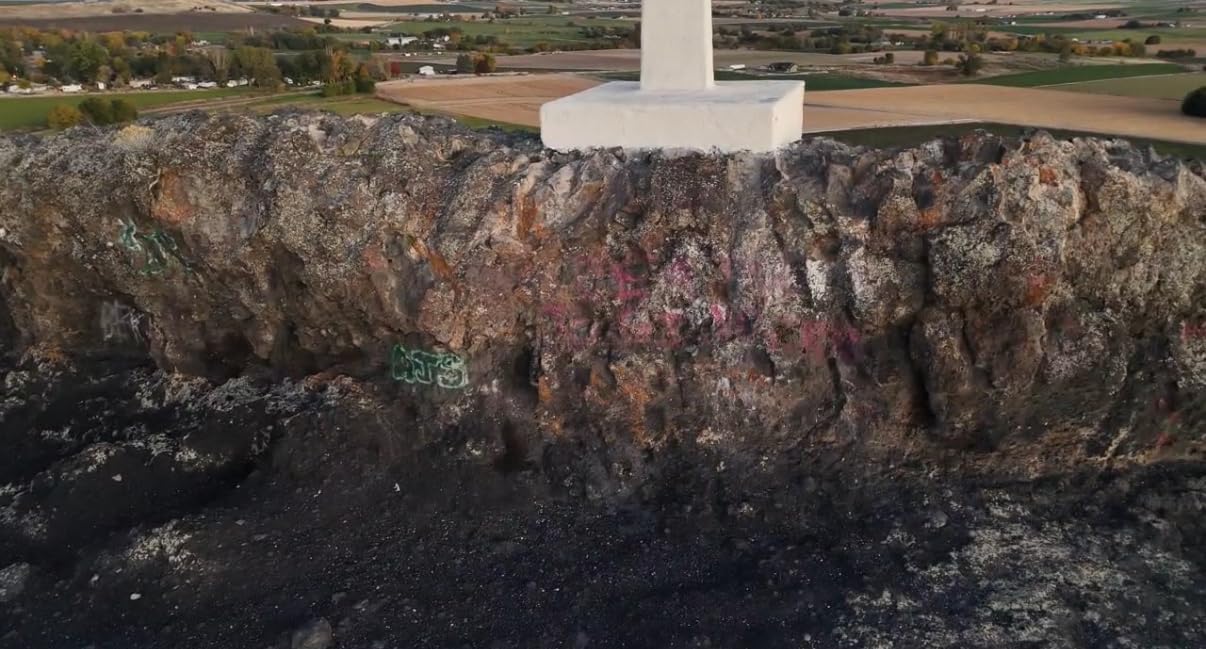
The camera quality rivals much more expensive drones. With the same 48MP sensor as the Mini 3 and 4K/60fps HDR video capability, footage looks professional. Reviewers consistently mention that image quality punches above the price point.
Palm takeoff is a game-changer for casual use. You can launch the drone from your hand without dealing with the controller. I’ve used this feature on hiking trails where setting up a remote would have been cumbersome. The subject tracking works impressively well for automated footage.
Multiple control options add versatility. Fly with your phone, voice commands, the included RC-N3 controller, or even the optional FPV controller. This flexibility means you can start simple and add more control as your skills improve.
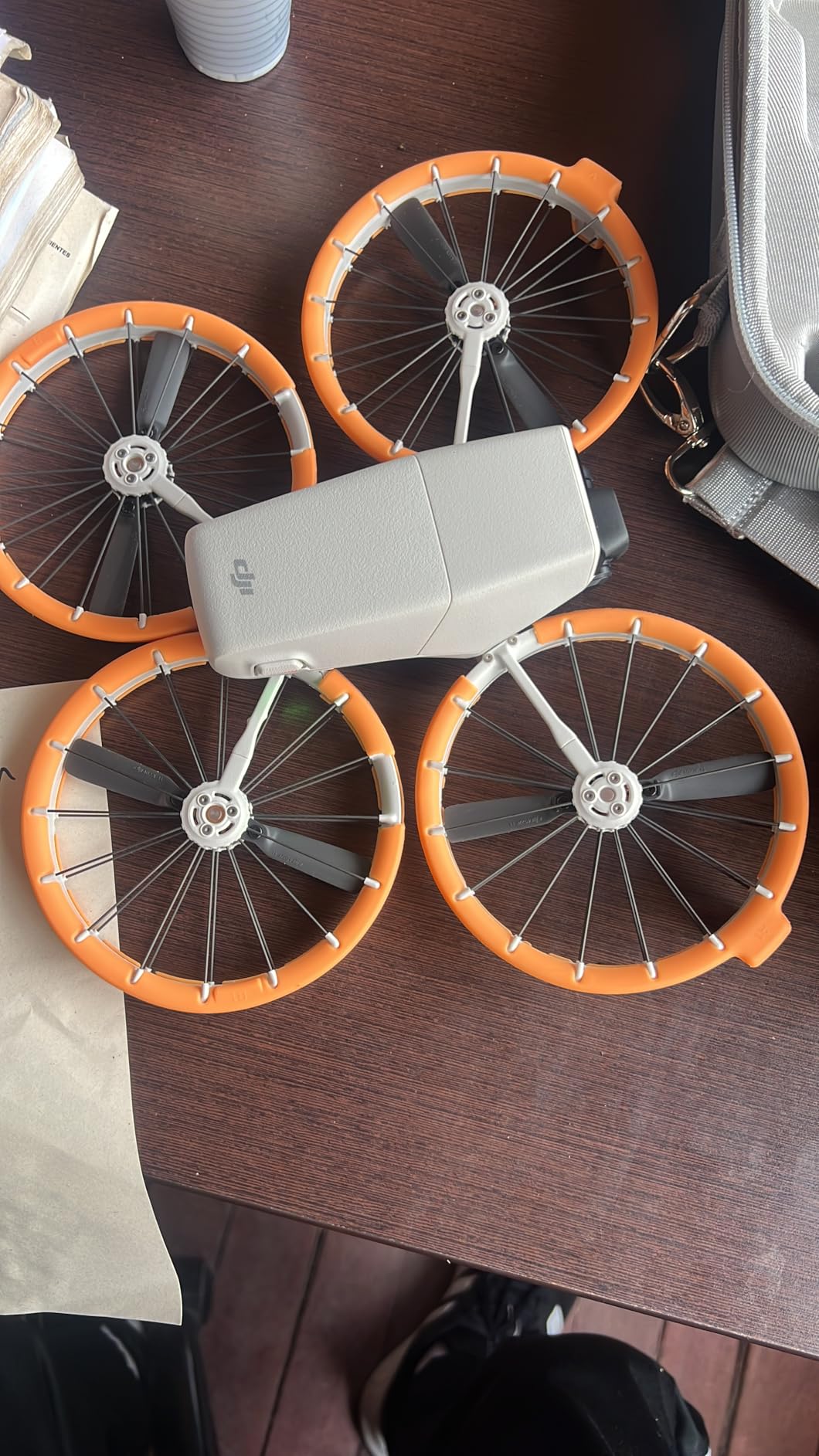
The main limitation is front-only obstacle avoidance. You’re protected from forward collisions, but side and rear awareness is up to you. The 2GB internal storage is also limiting for longer shooting sessions, so you’ll want to use a high-quality SD card.
Who Should Buy?
Beginners wanting protection from crashes, travelers flying in tight spaces, and anyone who values safety features above all else. Perfect for learning without fear of destroying your investment.
Who Should Avoid?
Experienced pilots who don’t need guards, or anyone needing omnidirectional obstacle avoidance. If you fly mostly in open spaces, the guards add unnecessary bulk.
5. DJI Mini 5 Pro – Best Premium Ultra-Light with 1-Inch Sensor
Pros
- 1 inch sensor for better low light
- 4K/60fps HDR video
- Omnidirectional obstacle sensing
- 52 min flight with Plus battery
- RC 2 controller included
Cons
- Sits at 250g limit with accessories
- Heavy controller without lanyard
- Gimbal protector awkward
The DJI Mini 5 Pro represents the pinnacle of ultra-light drone technology. Packing a 1-inch CMOS sensor into a sub-250g frame is engineering magic. This sensor makes a noticeable difference in low-light performance and dynamic range compared to the smaller sensors in other Mini models.
I’ve tested this drone at sunrise and sunset, the conditions where most drones struggle. The Mini 5 Pro captures usable footage well past when other Mini models would produce noisy images. The 4K/60fps HDR video looks professional with vibrant colors and impressive detail.

The 225° gimbal rotation enables creative angles impossible with standard gimbals. You can shoot straight up while flying forward, creating dramatic reveal shots. Combined with True Vertical Shooting, this drone gives content creators maximum flexibility.
Flight time extends to 52 minutes with the Intelligent Flight Battery Plus. That’s nearly double most competitors. In practice, I get 40-45 minutes depending on flying conditions, which is still extraordinary for aerial photography sessions.
Nightscape omnidirectional obstacle sensing adds safety for low-light flights. The drone can detect and avoid obstacles even in dim conditions, opening up shooting opportunities that would be too risky with other models.
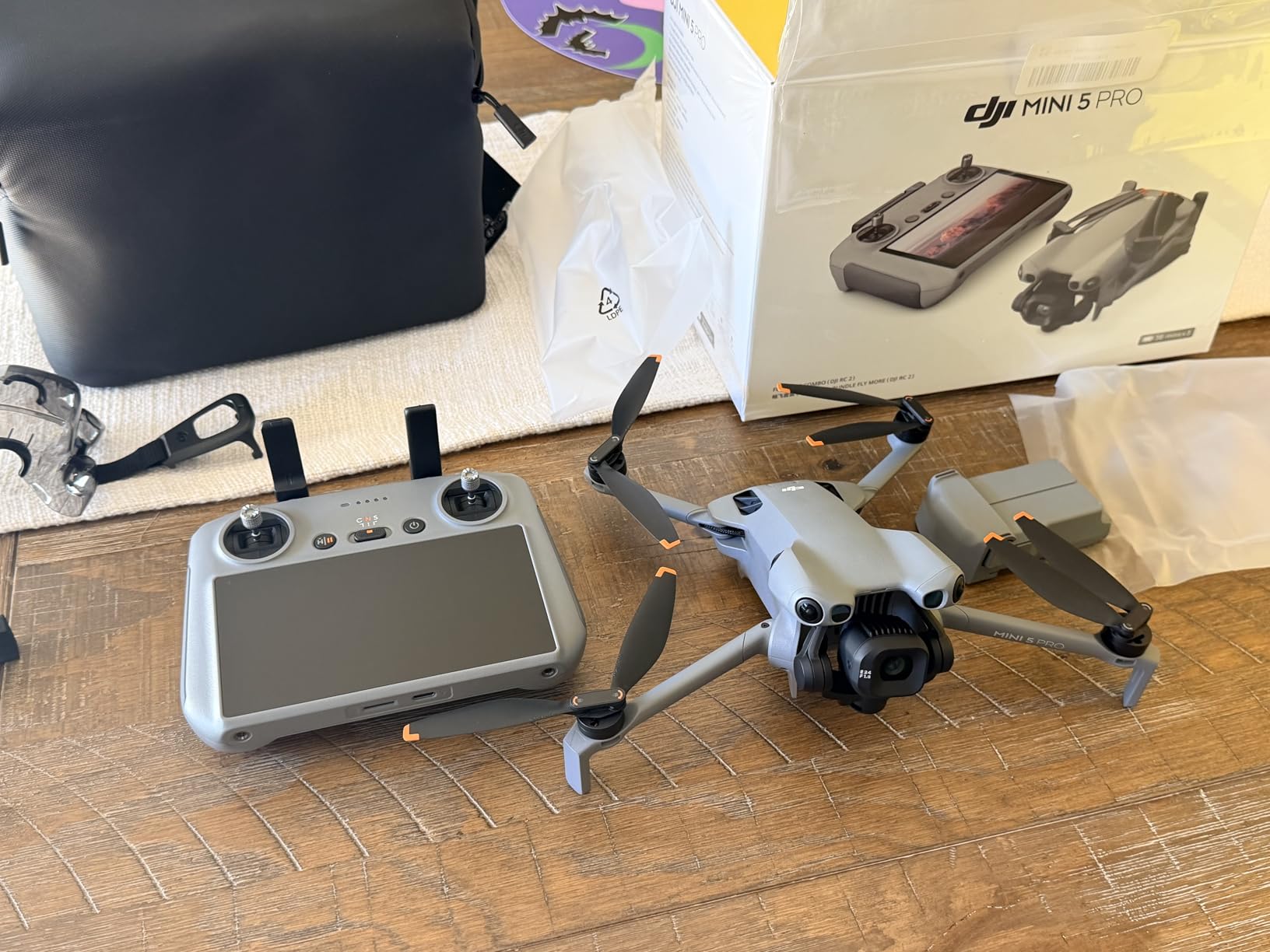
The included RC 2 controller has a bright built-in screen that eliminates phone dependency. This is huge for travel where you might not want to drain your phone battery. The controller is heavy though, and I recommend using a lanyard for extended flights.
Who Should Buy?
Professionals needing maximum quality in a sub-250g package, low-light shooters, and anyone wanting the longest possible flight times in an ultra-light format.
Who Should Avoid?
Budget travelers and casual users who won’t utilize the advanced features. The 250g limit means adding accessories will push you into registration territory.
6. DJI Air 3S – Best Camera Quality for Serious Creators
Pros
- 1 inch primary sensor
- Dual camera system
- 14 stops dynamic range
- 45 min flight time
- Excellent wind resistance
Cons
- Over 249g requires registration
- Larger and less portable
- Needs separate charger
- C1 classification required
The DJI Air 3S is where travel drones enter professional territory. The 1-inch CMOS primary camera captures footage that rivals dedicated camera equipment. With 14 stops of dynamic range, you can pull detail from shadows and highlights that lesser drones would lose entirely.
The dual-camera system is genuinely useful for travel photography. The wide-angle lens captures landscapes, while the telephoto lets you compress distance and isolate subjects. Having both perspectives without changing lenses or drones adds tremendous creative flexibility.
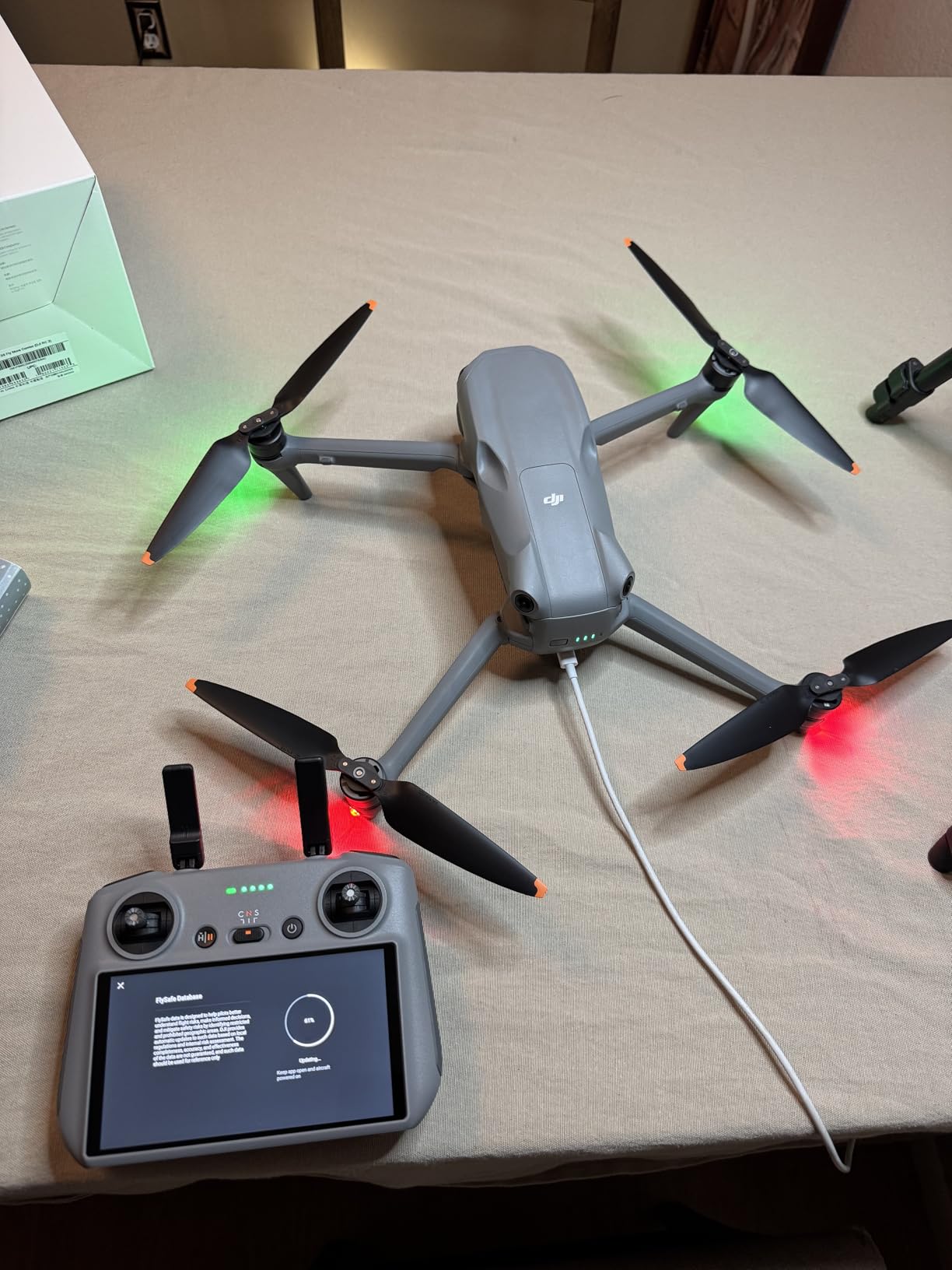
Low-light performance is where this drone shines. I’ve shot cityscapes at blue hour that looked cleaner than footage from cameras twice the price. The nightscape omnidirectional obstacle sensing makes evening flights safer than ever before.
The 45-minute flight time is exceptional for a drone this size. Combined with the fast charging capabilities, you can keep shooting nearly all day with just a couple of batteries. The 20km transmission range means distance is rarely an issue.
Wind resistance is significantly better than the Mini series. I’ve flown the Air 3S in conditions that grounded smaller drones, and it remained stable and responsive. This reliability matters when you’re traveling and can’t wait for perfect conditions.
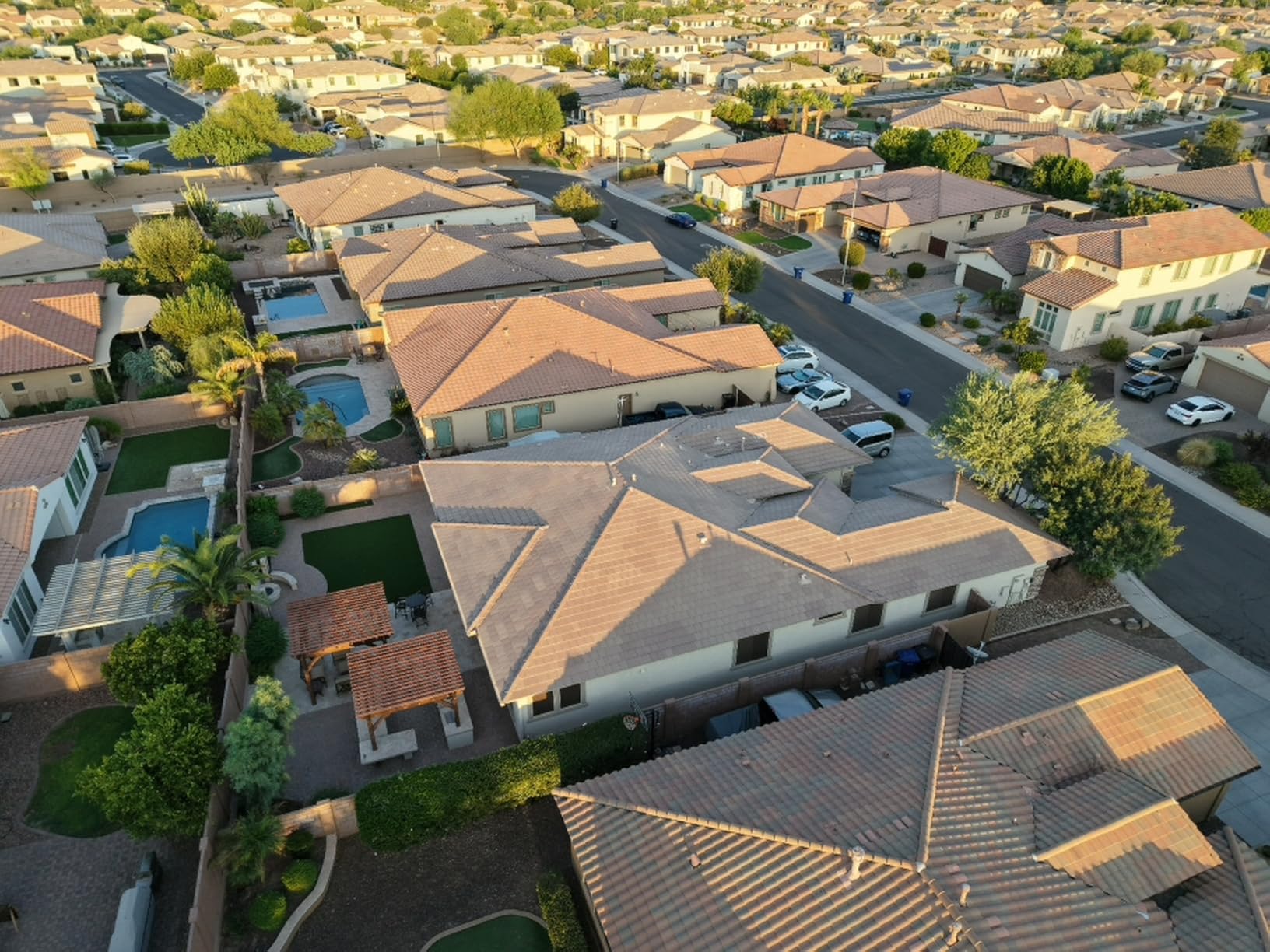
The trade-offs are weight and regulations. At 724g, this drone requires registration and Remote ID compliance. In Europe, it’s classified as C1, meaning you need pilot certification. These requirements add complexity for international travel.
Who Should Buy?
Professional photographers, serious content creators, and anyone who prioritizes image quality above all else. Perfect for those willing to deal with regulations for better footage.
Who Should Avoid?
Casual travelers, backpackers counting grams, and anyone wanting to avoid registration hassles. If you don’t need professional quality, the Mini series offers better portability.
7. DJI Neo – Lightest Option for Pocket Carry
Pros
- Ultra-light 135g no registration
- Controller-free operation
- Subject tracking included
- Full prop guards
- Fits in pocket
Cons
- Short 7-12 min FPV flight time
- No obstacle avoidance
- Very light in wind
- Slow charging
The DJI Neo redefines what a travel drone can be. At just 135g, it’s lighter than many smartphones and slips easily into a pocket. This is the drone you’ll actually bring along because it adds virtually no weight to your travel kit.
Controller-free operation is the Neo’s superpower. Palm takeoff means you can launch from anywhere without setup. Voice control, phone app control, and optional controllers give you flexibility based on your situation. I’ve used this drone while solo hiking where setting up a full controller would have been impractical.
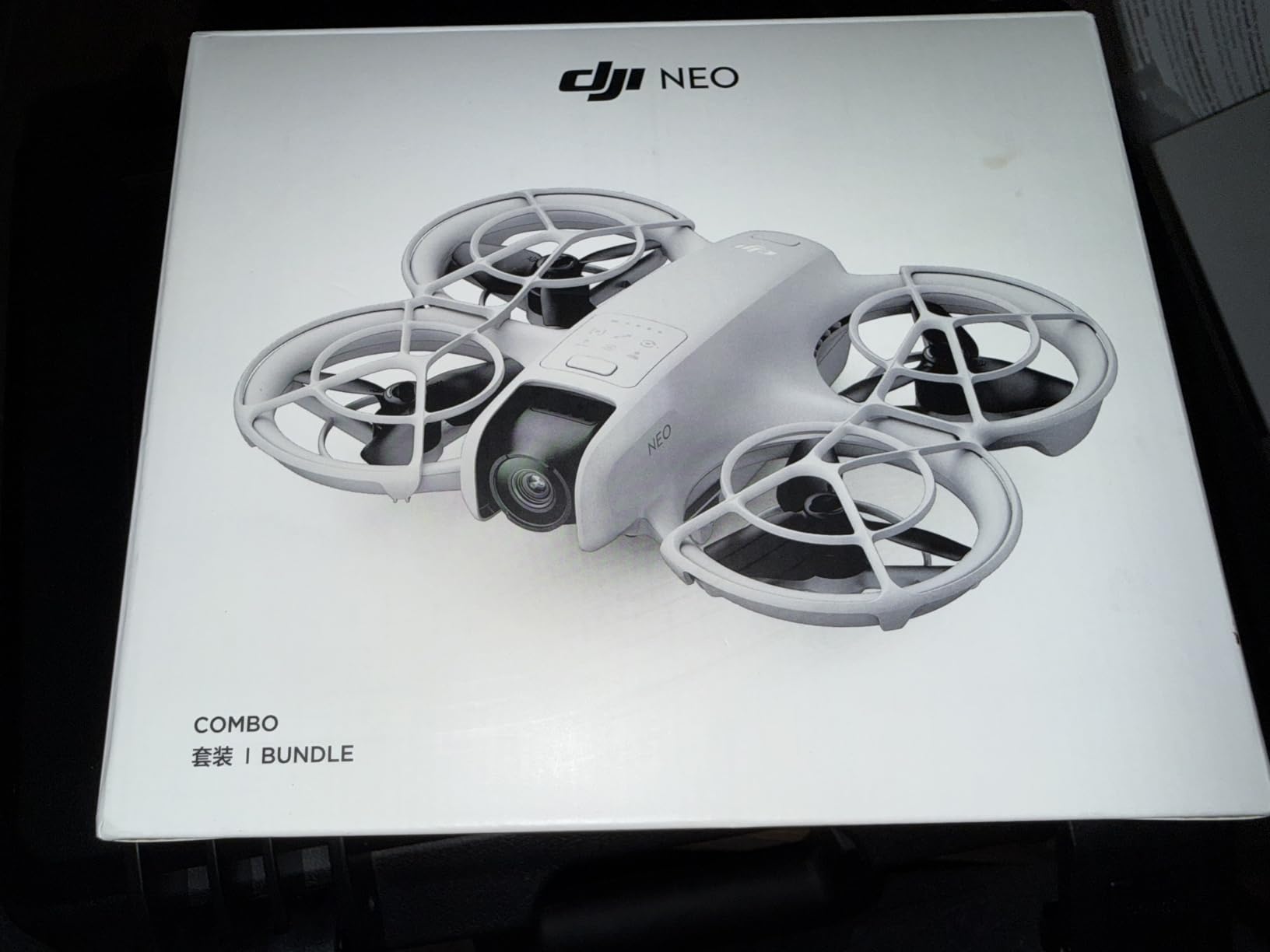
The 4K video with RockSteady stabilization looks surprisingly good for such a tiny drone. Customer photos show the Neo capturing smooth footage even during movement. The eight QuickShot modes automate cinematic sequences anyone can execute.
Subject tracking works impressively well for automated footage. The Neo follows you through environments, keeping you framed without manual input. This is perfect for solo travelers wanting B-roll of themselves exploring destinations.
Full-coverage propeller guards make this drone safe for indoor use and crowded environments. I’ve flown it inside accommodations and through narrow streets where larger drones would be too risky.
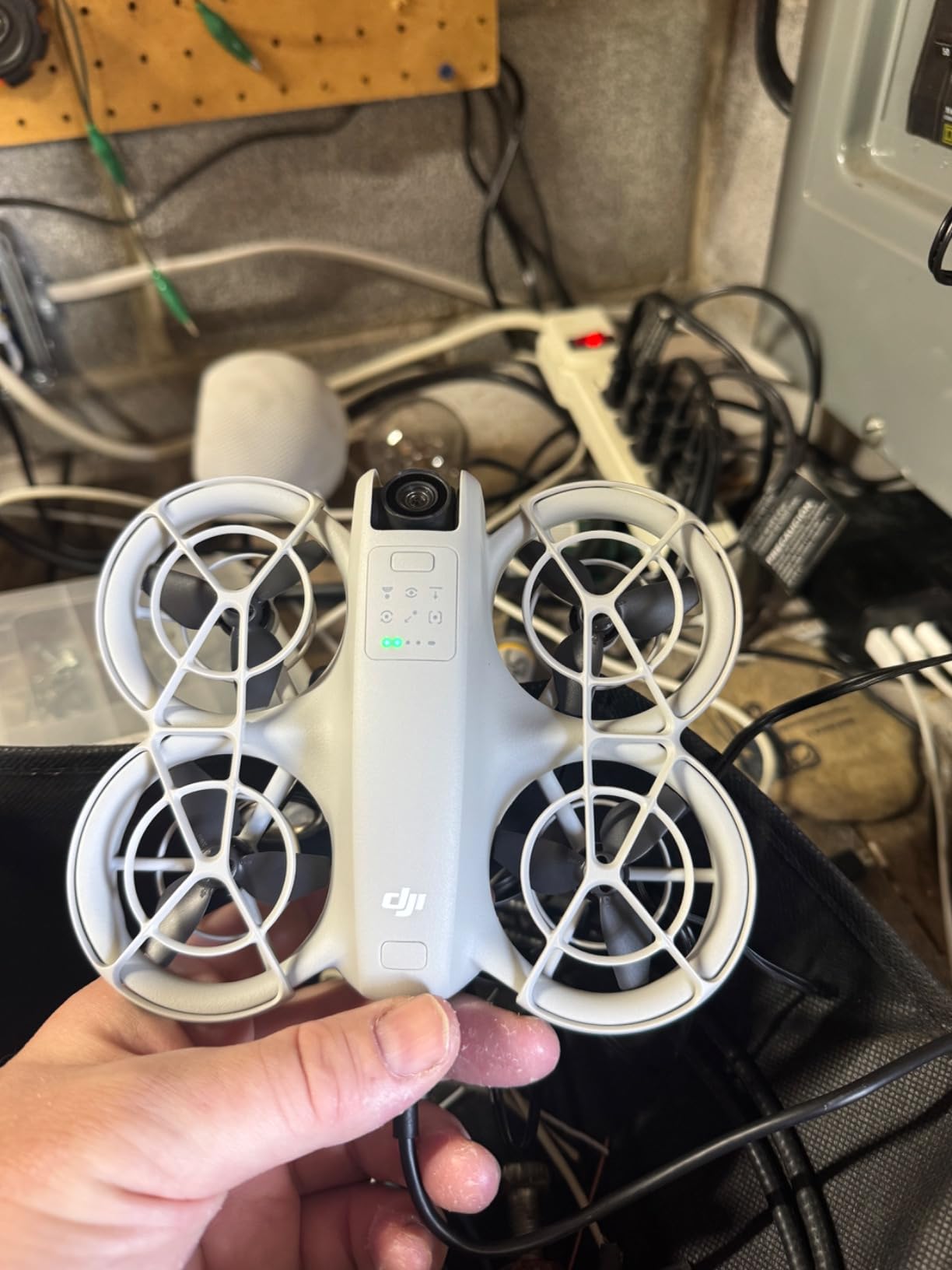
The limitations are real though. Flight time drops to 7-12 minutes with FPV controller, and there’s no obstacle avoidance. The drone struggles in wind due to its light weight. But as a backup drone or casual travel companion, it excels.
Who Should Buy?
Backpackers needing minimal weight, casual users wanting simplicity, and anyone seeking a backup drone for situations where larger drones aren’t practical.
Who Should Avoid?
Those needing long flight times, professional quality, or wind resistance. If you want obstacle avoidance, you’ll need to step up to the Mini series.
8. DJI Mavic 4 Pro – Best Professional Flagship
Pros
- 100MP Hasselblad main camera
- 6K/60fps HDR video
- Dual tele cameras
- 360 degree Infinity Gimbal
- 51 min flight time
Cons
- Very expensive
- Heavy at 5.23 lbs
- Larger than travel drones
- Some QC issues reported
The DJI Mavic 4 Pro is essentially a flying camera system. The 100MP Hasselblad main camera with 4/3-inch CMOS sensor captures images that rival dedicated mirrorless cameras. This is professional equipment in a foldable drone package.
The tri-camera system includes the main Hasselblad camera plus dual tele cameras. You get 70mm and 168mm equivalent focal lengths for creative zoom work. Having these options from one drone is incredible for travel photography where you want maximum versatility.
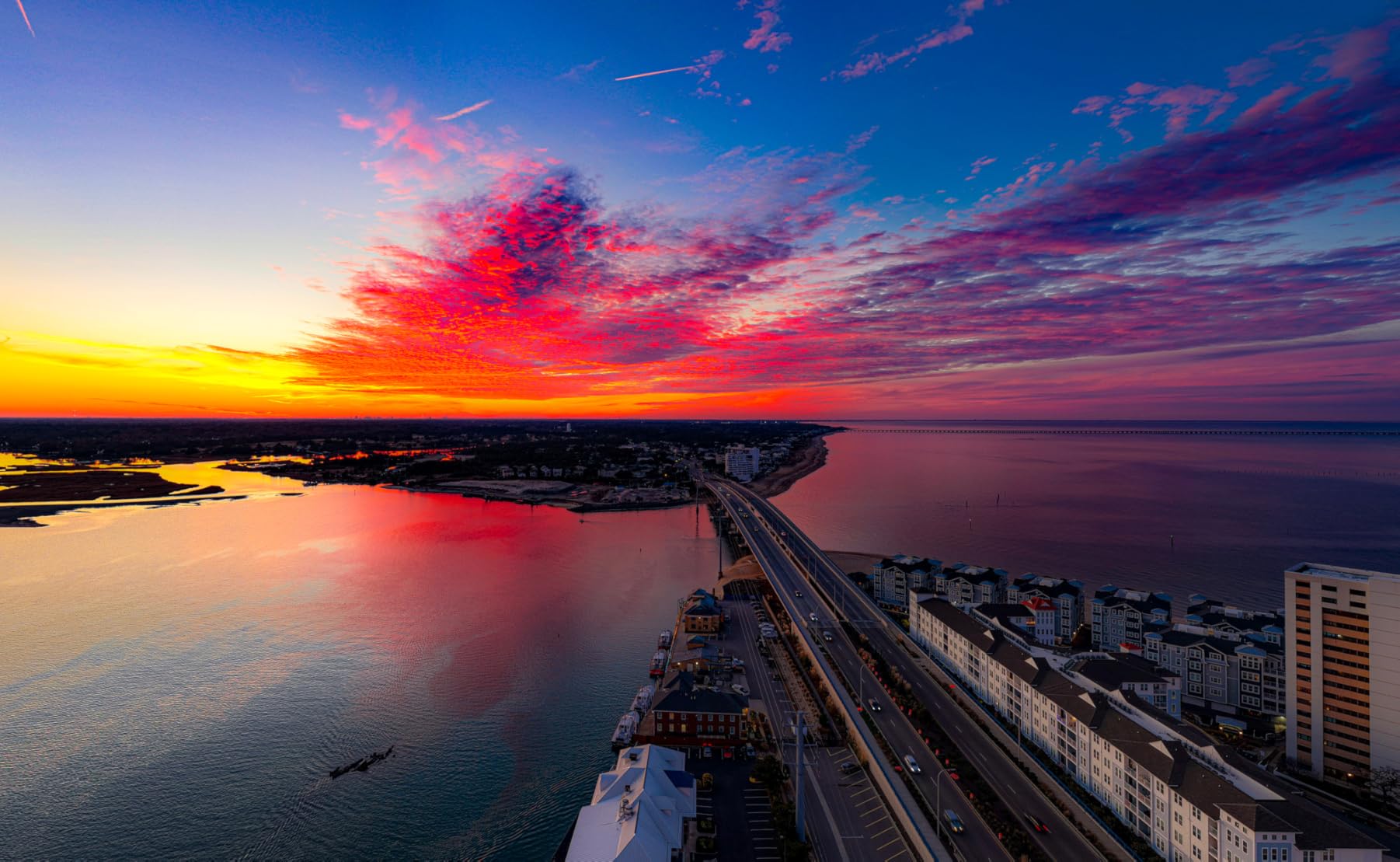
6K/60fps HDR video in multiple formats gives professionals the codec options they need. The footage quality is genuinely cinematic with rich colors and smooth motion. Reviewers consistently note that nothing else comes close in this size category.
The 360° Infinity Gimbal enables shots impossible with standard gimbals. The camera can rotate fully in any direction while the drone stays stable. This opens up creative possibilities that serious creators will appreciate.
Flight time reaches 51 minutes, extraordinary for a professional drone. The 30km O4+ transmission with 10-bit HDR ensures reliable connection even at extreme distances. The 0.1-lux nightscape sensing enables safe night flights.
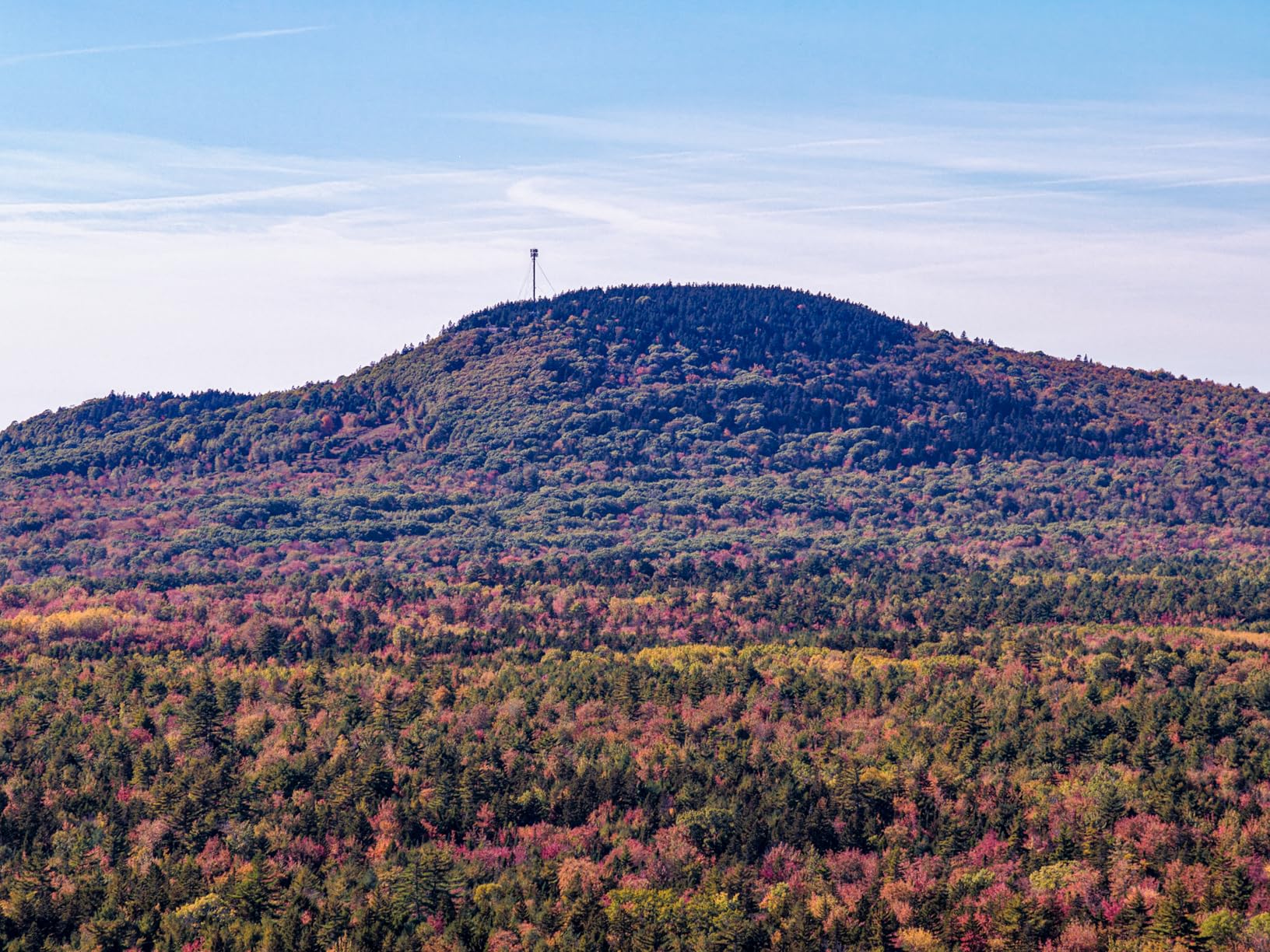
At 5.23 pounds, this is not a casual travel drone. You’re carrying significant weight and bulk. The price puts it in professional territory. Some users report quality control issues with gimbals. But for professionals who need the best image quality possible in a foldable package, there’s no competition.
Who Should Buy?
Professional photographers, filmmakers, and serious creators who need the best possible image quality and are willing to carry the weight. Perfect for commercial work and high-end content creation.
Who Should Avoid?
Budget travelers, backpackers, casual users, and anyone who prioritizes portability over image quality. This is professional equipment, not a casual travel drone.
Understanding Travel Drone Challenges
Travel drones solve a specific problem: capturing unique perspectives without carrying heavy equipment. But they also introduce challenges traditional photographers never face. Regulations vary wildly between countries, and what’s legal in one nation might get your drone confiscated in another.
I learned this the hard way in Morocco, where customs officers almost seized my drone despite extensive research beforehand. The stress of navigating unclear regulations is real, and it’s why many travelers opt for under-250g models that face fewer restrictions globally.
Weight becomes critical when you’re traveling for extended periods. Every gram matters when you’re backpacking for months. The 135g DJI Neo fits in a pocket and adds virtually nothing to your load. The 5.23-pound Mavic 4 Pro requires dedicated carrying space and real consideration about whether it’s worth the burden.
Important: Always research drone regulations for your destination before traveling. Countries like Morocco, Uzbekistan, Cuba, and Nicaragua have complete bans on drones for tourists. Violating these rules can result in confiscation and fines.
Battery charging creates another challenge. Most travel drones use specialized batteries that require specific chargers. International travelers need to consider voltage differences and plug types. Power banks can help in remote locations, but not all drones support charging from portable power sources.
Weather affects travel drones more than you might expect. Light drones like the Neo struggle in any wind. Professional drones handle wind better but are heavier to carry. Understanding your typical travel conditions helps choose the right drone for your needs.
Buying Guide for Travel Drones In 2026
Choosing the right travel drone means balancing competing priorities. Portability conflicts with image quality. Price impacts features. Regulations limit weight. Let’s break down the key factors to consider.
Solving for Weight: The 249g Rule Explained
The 249g weight threshold is critical for drone regulations in most countries. Drones under this weight typically avoid registration requirements and face fewer flying restrictions. This is why DJI designs multiple models specifically to hit this target weight.
In the United States, drones under 249g don’t require FAA registration or Remote ID for recreational use. This saves time, money, and hassle. Many countries follow similar guidelines, making under-250g drones the safest choice for international travelers.
But there’s a catch. Your drone might start under 249g, but adding accessories like ND filters, extended batteries, or prop guards can push you over the limit. The DJI Mini 5 Pro sits so close to the threshold that adding accessories triggers registration requirements.
Remote ID: A digital license plate system that broadcasts drone identification information. Required for most drones over 249g in the United States, enabling authorities to identify drone operators during flight.
Solving for Image Quality: Sensor Size and Resolution
Camera quality depends primarily on sensor size, not megapixel count. The 1-inch CMOS sensor in the Mini 5 Pro and Air 3S captures significantly better images than smaller sensors, especially in low light. Larger sensors gather more light, producing cleaner footage with less noise.
4K video is standard for most travel drones now. The frame rate matters more than resolution. 4K/60fps enables smooth slow-motion footage and looks more professional than 4K/30fps. HDR capability adds dynamic range, preserving details in highlights and shadows.
Stabilization is equally important. 3-axis gimbals are standard and essential for smooth footage. Electronic stabilization works but can introduce artifacts. The combination of gimbal stabilization with DJI’s RockSteady technology produces the smoothest results.
Solving for Battery Life: Managing Expectations
Advertised flight times are laboratory conditions, not real-world performance. Wind, aggressive flying, and cold temperatures all reduce battery life. Expect 15-20% less flight time than specifications claim.
The Mini series offers 30-38 minutes depending on model. The Air 3S reaches 45 minutes. The Mavic 4 Pro hits 51 minutes. These numbers sound similar, but the difference becomes obvious during actual use. Every extra minute matters when you’re trying to capture the perfect shot.
Smart travelers buy extra batteries. The Fly More Combos include three batteries and a charging hub, which I consider essential for serious travel photography. Being able to swap batteries and keep shooting means you never miss opportunities due to power limitations.
Solving for Regulations: Country-by-Country Considerations
Drone regulations vary dramatically between countries. Under-250g drones face fewer restrictions globally, but some nations ban all drones regardless of weight. Research your destination thoroughly before traveling.
Time Saver: Use app-based resources like UAV Systems International or Airmap to check drone regulations by country. Always print official documentation to show customs officials if questioned about your drone.
Europe uses a classification system based on weight and capabilities. C0 class drones under 250g have minimal restrictions. C1 class drones from 250-900g require registration and pilot certification. The DJI Air 3S falls into C1 category, requiring more paperwork than the Mini series.
Complete bans exist in several popular destinations. Morocco, Uzbekistan, Cuba, and Nicaragua prohibit drones entirely. Egypt, India, Kenya, and Thailand have heavy restrictions that make flying impractical for tourists. Consider leaving your drone at home when visiting these countries.
Frequently Asked Questions
What is the best drone for travelling?
The DJI Mini 4 Pro is the best overall travel drone due to its under-249g weight avoiding registration, 4K/60fps HDR camera quality, omnidirectional obstacle avoidance, and 34-minute battery life. For budget travelers, the DJI Mini 4K offers excellent value under $300. Professional creators should consider the DJI Air 3S with its 1-inch CMOS sensor and dual-camera system.
Why did the US ban DJI drones?
The United States has not implemented a complete ban on DJI drones, but legislation has been proposed to restrict new Chinese-made drones over security concerns. Existing DJI drones remain legal to own and fly, though future restrictions may affect availability and support. Travelers with DJI drones can currently use them legally in the US.
Will the FAA know if I fly my drone?
Yes, if your drone requires Remote ID, it broadcasts identification information that authorities can detect. Drones over 249g must have Remote ID enabled, which transmits your location and the drone’s location. Under-249g drones used recreationally do not require Remote ID, providing more privacy. Flying without required Remote ID can result in fines.
Does TSA allow drones in carry-on?
Yes, TSA allows drones in carry-on luggage. Drone batteries must be in carry-on, not checked baggage, due to fire safety regulations. Most airlines restrict batteries to 100 watt-hours or less. Always check your airline’s specific policy as rules vary. Declare your drone at security and be prepared for additional screening.
What is the under 250g drone rule?
Drones weighing under 250 grams do not require FAA registration or Remote ID for recreational use in the United States. Many countries follow similar guidelines, making under-250g drones ideal for international travel. This weight limit affects regulations but not safety requirements – you still must follow all flying rules regardless of drone weight.
Which countries ban drones for tourists?
Complete bans exist in Morocco, Uzbekistan, Cuba, and Nicaragua. Heavy restrictions make flying impractical in Egypt, India, Kenya, and Thailand. Always research current regulations before traveling, as rules change frequently. Under-250g drones often face fewer restrictions but may still be prohibited in some countries.
Final Recommendations
After testing these drones across multiple continents and various shooting conditions, my recommendations come down to your specific needs and budget. The perfect travel drone for you depends on what you prioritize: portability, image quality, or ease of use.
For most travelers, the DJI Mini 4 Pro offers the best balance. It’s light enough to avoid registration hassles, capable enough for professional content, and smart enough to avoid crashes. The omnidirectional obstacle avoidance gives you confidence when flying in unfamiliar environments.
Budget travelers will find everything they need in the DJI Mini 4K. It captures quality footage, handles wind well, and costs less than most camera lenses. The lack of obstacle avoidance means you’ll fly more carefully, but the savings might be worth it for casual users.
Professionals and serious creators should consider the DJI Air 3S or Mavic 4 Pro. Yes, they’re heavier and require more paperwork. But the image quality justifies the burden for those earning income from their footage. The 1-inch sensors and dual-camera systems deliver results that lesser drones simply cannot match.
Remember that the best travel drone is the one you’ll actually bring. A $2,000 drone left at home captures zero footage. The ultra-light DJI Neo fits in your pocket and goes everywhere. Sometimes, good enough is perfect.