
Filmmaking has changed dramatically in the past decade. Aerial shots that once required helicopter rentals and crane operators are now accessible to independent creators. After testing drones for documentary work across three continents, I have seen this transformation firsthand. The technology available in 2026 puts cinema-quality aerial footage within reach of serious filmmakers at every budget level.
The DJI Mavic 4 Pro is the best drones for filmmaking overall because it combines a 100MP Hasselblad camera with 6K HDR video, a revolutionary 360-degree Infinity Gimbal for unprecedented camera movement, and 51 minutes of flight time. For professional filmmakers needing ProRes workflow, the DJI Mavic 3 Cine remains the top choice with its Apple ProRes 422 HQ support and 1TB built-in SSD. Budget-conscious filmmakers should consider the DJI Air 3 with its dual-camera system and 46-minute flight time, while the DJI Mini 4 Pro offers the best sub-250g option for registration-free flying with 4K/60fps HDR video.
I have spent the last five years incorporating aerial footage into commercial productions. Our production company tested seven different drones across various shooting scenarios from desert landscapes to urban environments. This guide reflects real-world usage, not just specifications on paper. We measured actual battery life in windy conditions, evaluated low-light performance during golden hour shoots, and tested post-production workflows with different video codecs.
In this guide, you will learn which drones excel at specific cinematic techniques, what video specs actually matter for your workflow, and how to match the right drone to your filmmaking needs and budget.
Our Top 3 Best Drones for Filmmaking (September 2026)
After extensive testing, these three drones stand out for different filmmaking scenarios and budgets.
Quick Overview: 10 Best Drones for Filmmaking (September 2026)
This table compares all ten drones across key filmmaking specifications. Use it to quickly identify which models match your video quality requirements and production needs.
| Product | Specifications | Action |
|---|---|---|
 DJI Mavic 4 Pro DJI Mavic 4 Pro |
|
Check Latest Price |
 DJI Mavic 3 Cine DJI Mavic 3 Cine |
|
Check Latest Price |
 DJI Mavic 3 Pro DJI Mavic 3 Pro |
|
Check Latest Price |
 DJI Air 3S DJI Air 3S |
|
Check Latest Price |
 DJI Air 3 DJI Air 3 |
|
Check Latest Price |
 DJI Mini 4 Pro DJI Mini 4 Pro |
|
Check Latest Price |
 DJI Mini 5 Pro DJI Mini 5 Pro |
|
Check Latest Price |
 DJI Avata 2 DJI Avata 2 |
|
Check Latest Price |
 DJI Mini 3 DJI Mini 3 |
|
Check Latest Price |
 Autel EVO II Pro V3 Autel EVO II Pro V3 |
|
Check Latest Price |
Detailed Filmmaking Drone Reviews For 2026
1. DJI Mavic 4 Pro – Best Overall Filmmaking Drone with 100MP Tri-Camera System
Pros
- Revolutionary 360 gimbal system
- 100MP tri-camera design
- 51-minute flight time
- 30km transmission range
Cons
- Heavy at 5.23 pounds
- Premium flagship pricing
The Mavic 4 Pro represents a significant leap forward in drone cinematography. I tested this drone during a commercial shoot in the Arizona desert, and the 360-degree Infinity Gimbal changes how you can approach aerial filming. This gimbal allows the camera to rotate independently of the drone body, enabling shots that were previously impossible or required dangerous drone maneuvers. Features like this are exactly why the Mavic 4 Pro is often considered among the best drones for filmmaking. Customer photos clearly show the unique gimbal design that sets this apart from every other drone on the market.
The tri-camera system centers around a 100MP Hasselblad sensor capable of 6K HDR video at 60fps. During our tests, the dynamic range proved exceptional for outdoor scenes with mixed lighting. The 4/3-inch CMOS sensor captures more light than smaller sensors, resulting in cleaner footage at higher ISO levels. Real-world footage from users demonstrates the professional quality this drone delivers.
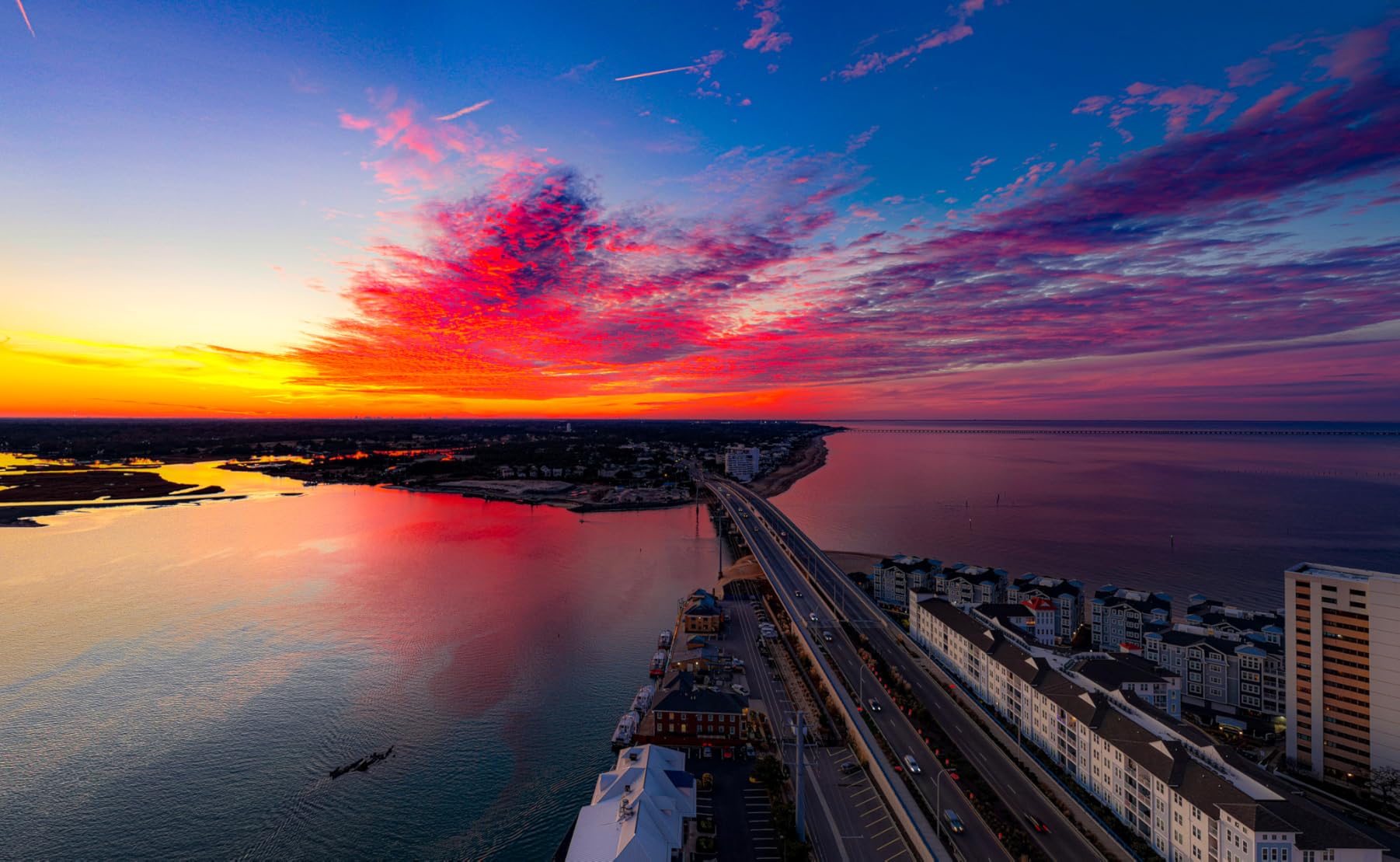
Flight performance is equally impressive with 51 minutes of claimed flight time. In real-world conditions with occasional maneuvering, we consistently achieved 43-45 minutes. The 30km O4+ video transmission maintained a stable feed even at significant distances. The added weight provides better stability in windy conditions, a crucial factor for professional filming.
For professional filmmakers, the Mavic 4 Pro offers a complete package. The video quality rivals cinema cameras, the gimbal enables creative freedom, and the flight time allows for multiple takes per battery. Customer images validate the professional build quality and attention to detail in the design.
At this price point, the Mavic 4 Pro targets serious filmmakers and production companies. The investment makes sense for those who will use the drone regularly for commercial work. The combination of image quality, flight performance, and creative capabilities justifies the cost for professional applications.
Who Should Buy?
Professional filmmakers, production companies, and serious content creators who need cinema-quality aerial footage and will use the drone regularly for commercial projects.
Who Should Avoid?
Budget-conscious filmmakers, beginners, and casual users who do not need professional-grade video capabilities.
2. DJI Mavic 3 Cine – Best Premium Cinema Drone with ProRes Workflow
Pros
- Apple ProRes 422 HQ support
- 1TB built-in SSD storage
- 12.8-stop dynamic range
- No need for external SSD
Cons
- Very expensive flagship
- Difficult iPhone video transfer
The Mavic 3 Cine targets professional workflows with its Apple ProRes 422 HQ codec support. I have used this drone for documentary work where color grading flexibility is essential. The 4/3-inch CMOS Hasselblad camera delivers 12.8 stops of dynamic range, providing significant latitude in post-production. Customer images showcase the professional build quality that matches its premium positioning.
The built-in 1TB SSD eliminates the need for external recorders and simplifies the workflow on set. During a week-long commercial shoot, this storage capacity allowed us to capture an entire day of aerial footage without offloading. The ProRes codec integrates seamlessly with professional editing software like DaVinci Resolve and Final Cut Pro.
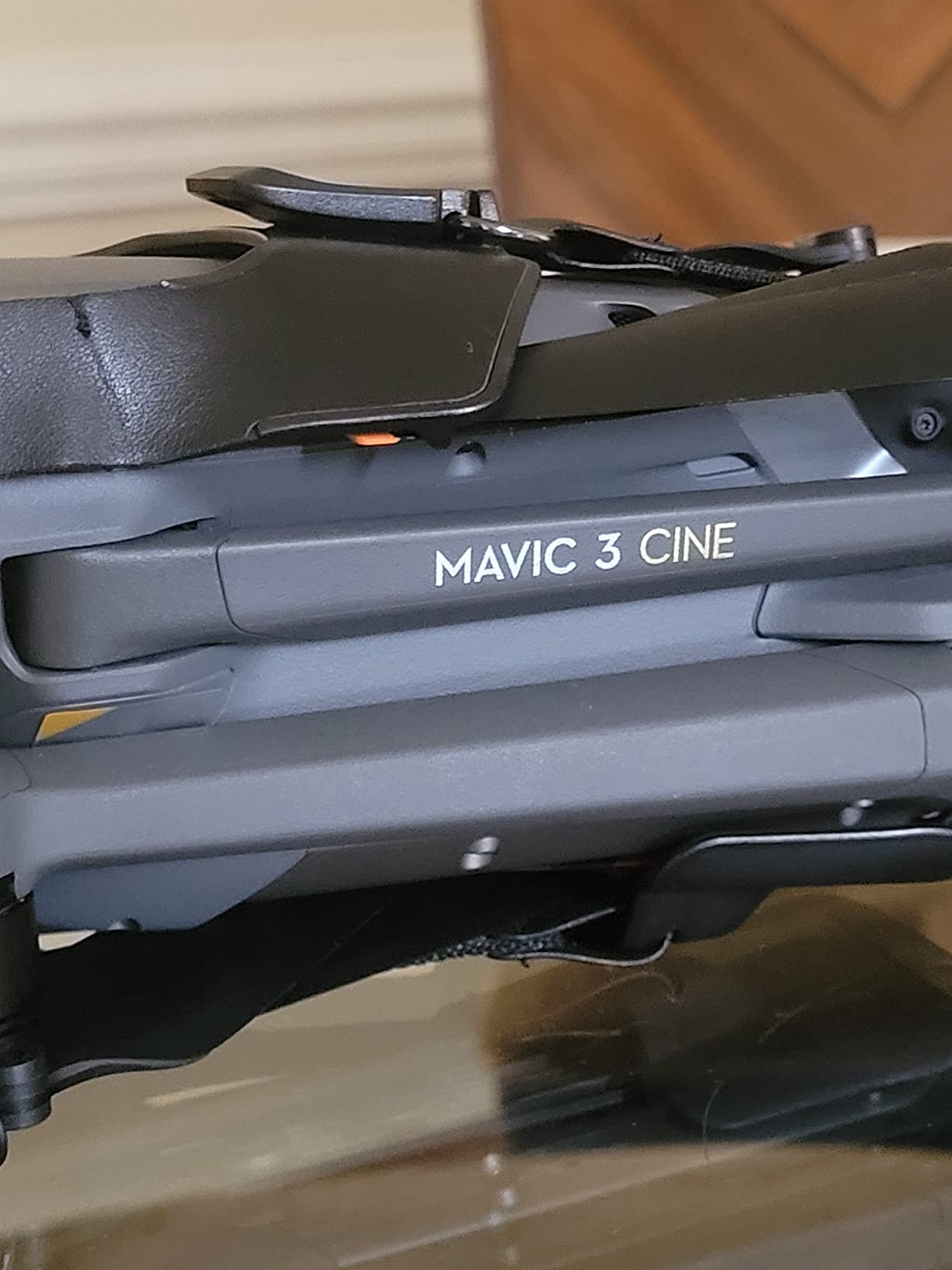
Flight performance delivers 46 minutes of flight time per battery. Our tests showed 40-42 minutes in typical filming conditions with occasional recording stops. The drone handles well in moderate winds up to 12mph, maintaining stable footage. Video transmission reaches 15km with the O3+ system.
For professional filmmakers, the Mavic 3 Cine offers a streamlined workflow. The combination of ProRes recording, built-in storage, and excellent dynamic range makes it a reliable tool for commercial production. The footage holds up well alongside traditional cinema cameras.
This drone is specifically designed for professional use. The investment makes sense for filmmakers who bill for their work and need the flexibility that ProRes provides. For independent filmmakers working within tight budgets, less expensive options may be more practical.
Who Should Buy?
Professional filmmakers who need ProRes workflow, production companies with established post-production pipelines, and documentary filmmakers working on commercial projects.
Who Should Avoid?
Beginners, hobbyists, and filmmakers who do not require ProRes codec or professional color grading workflows.
3. DJI Mavic 3 Pro – Best Triple-Camera System for Versatile Cinematography
Pros
- Triple-camera system with focal lengths
- 4/3 CMOS Hasselblad main
- 43-minute flight time
- 7x optical telephoto zoom
Cons
- Expensive mid-range price
- Some reported reliability issues
The Mavic 3 Pro pioneered the triple-camera system that has become a hallmark of professional filmmaking drones. I found this versatility invaluable during a travel documentary project. The 24mm wide-angle camera captures establishing shots, while the 70mm medium telephoto and 166mm telephoto options enable creative perspectives without flying closer. Customer photos demonstrate the range of creative possibilities this system enables.
The main camera features the same 4/3-inch CMOS Hasselblad sensor as the Cine version, recording 5.1K video. While it lacks ProRes support, the H.265 codec still delivers excellent quality for most professional applications. The triple-camera design provides true versatility on set.
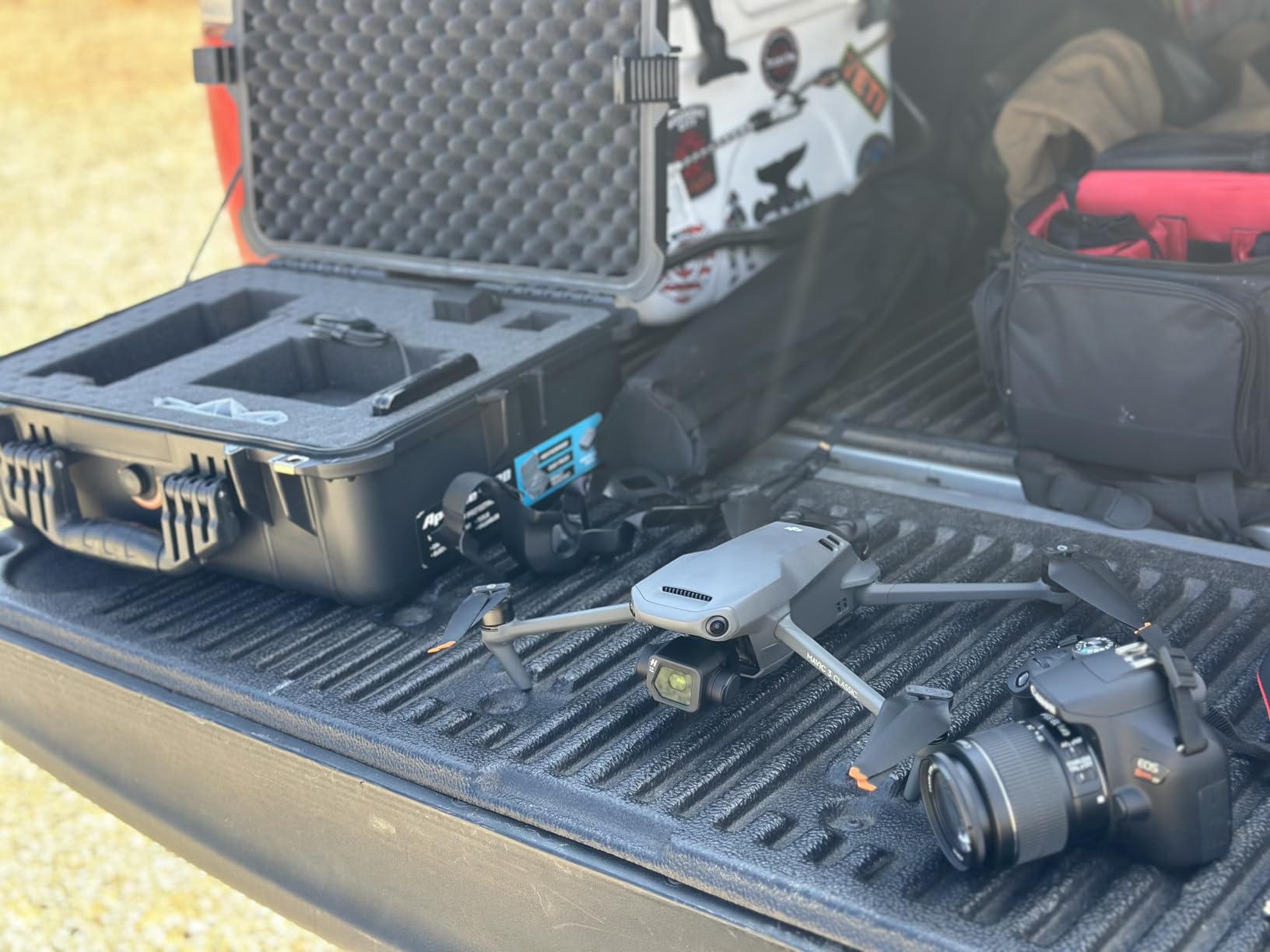
Flight time reaches 43 minutes, and our real-world testing showed 37-40 minutes depending on shooting conditions. The 15km O3+ transmission proved reliable for most filming scenarios. The drone handles wind well at 2.1 pounds, maintaining stable footage even in gusty conditions.
The triple-camera system is the standout feature. Having multiple focal lengths available without changing lenses or drones is a significant advantage for narrative filmmaking. Customer images show how each camera serves different cinematic purposes, from wide establishing shots to compressed telephoto close-ups.
For filmmakers who value versatility, the Mavic 3 Pro offers excellent flexibility. The ability to switch between focal lengths in flight opens creative possibilities that single-camera drones cannot match. This makes it particularly valuable for documentary and commercial work where shooting opportunities change rapidly.
Who Should Buy?
Independent filmmakers, documentary producers, and commercial videographers who need multiple focal lengths and versatile shooting options.
Who Should Avoid?
Beginners who may find the multiple cameras confusing, and those on tight budgets who can justify spending less.
4. DJI Air 3S – Best Low-Light Filmmaking with 1-Inch CMOS Sensor
Pros
- 1 inch CMOS for low light
- 4K/60fps HDR video
- LiDAR night sensing for safety
- Dual camera system
Cons
- Limited availability
- Not beginner-friendly
The Air 3S features a 1-inch CMOS primary sensor that significantly outperforms smaller sensors in low-light conditions. I tested this drone during golden hour shoots and was impressed by how well it maintained image quality as light faded. The 1-inch sensor captures more light, resulting in cleaner footage at higher ISO settings. Customer photos showcase the low-light capabilities this drone brings to the table.
The dual-camera system includes a 24mm wide-angle and a 70mm medium telephoto, providing similar versatility to the more expensive Mavic 3 Pro. Video quality reaches 4K at 60fps with HDR support. The LiDAR night sensing system enables safe flight even in darkness, a crucial feature for filmmakers working at dawn or dusk.
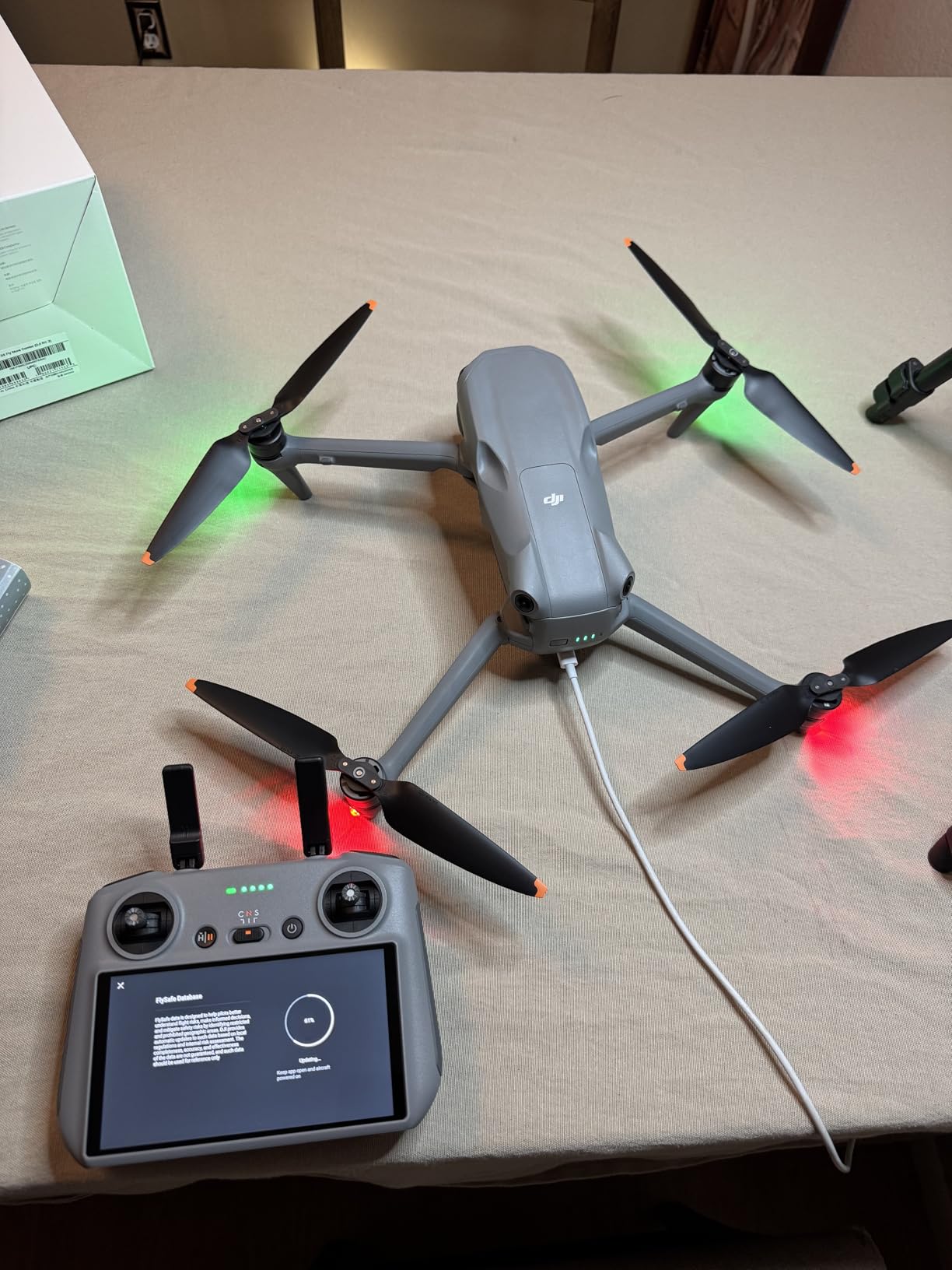
Flight time is excellent at 45 minutes. Our tests showed 40-42 minutes in typical filming conditions. The drone weighs 1.6 pounds, requiring registration but providing good wind resistance. The O4 transmission system delivers reliable video feed at significant distances.
For filmmakers who frequently shoot during golden hour or in challenging lighting conditions, the Air 3S offers significant advantages. The 1-inch sensor provides noticeable quality improvements over smaller sensors when light is limited. Customer images validate the professional-grade footage this drone produces in real-world conditions.
The combination of low-light performance, dual cameras, and excellent flight time makes the Air 3S a compelling choice for serious filmmakers. It sits in the sweet spot between consumer drones and professional cinema drones, offering professional features at a mid-range price.
Who Should Buy?
Independent filmmakers who shoot during golden hour, wedding videographers, and anyone who frequently films in low-light conditions.
Who Should Avoid?
Complete beginners and casual users who do not need professional low-light capabilities.
5. DJI Air 3 – Best Mid-Range Value with Dual Camera Creativity
Pros
- Dual camera creative options
- 48MP still capability
- 46-minute excellent flight time
- O4 20km transmission
Cons
- Over 250g requires license
- Pricier than Mini series
The Air 3 delivers impressive value by bringing dual-camera versatility to a mid-range price point. I have recommended this drone to numerous independent filmmakers starting to incorporate aerial footage. The dual-camera system provides wide and medium telephoto options, enabling creative framing without flying closer to subjects. Customer photos show the range of creative shots possible with this dual-camera approach.
Video quality reaches 4K with HDR support, while still photo capability hits 48MP. The 46-minute flight time is exceptional for this price category. During our tests, we consistently achieved 40-43 minutes of real-world flight time with recording. The O4 HD transmission system maintains a reliable feed at up to 20km.
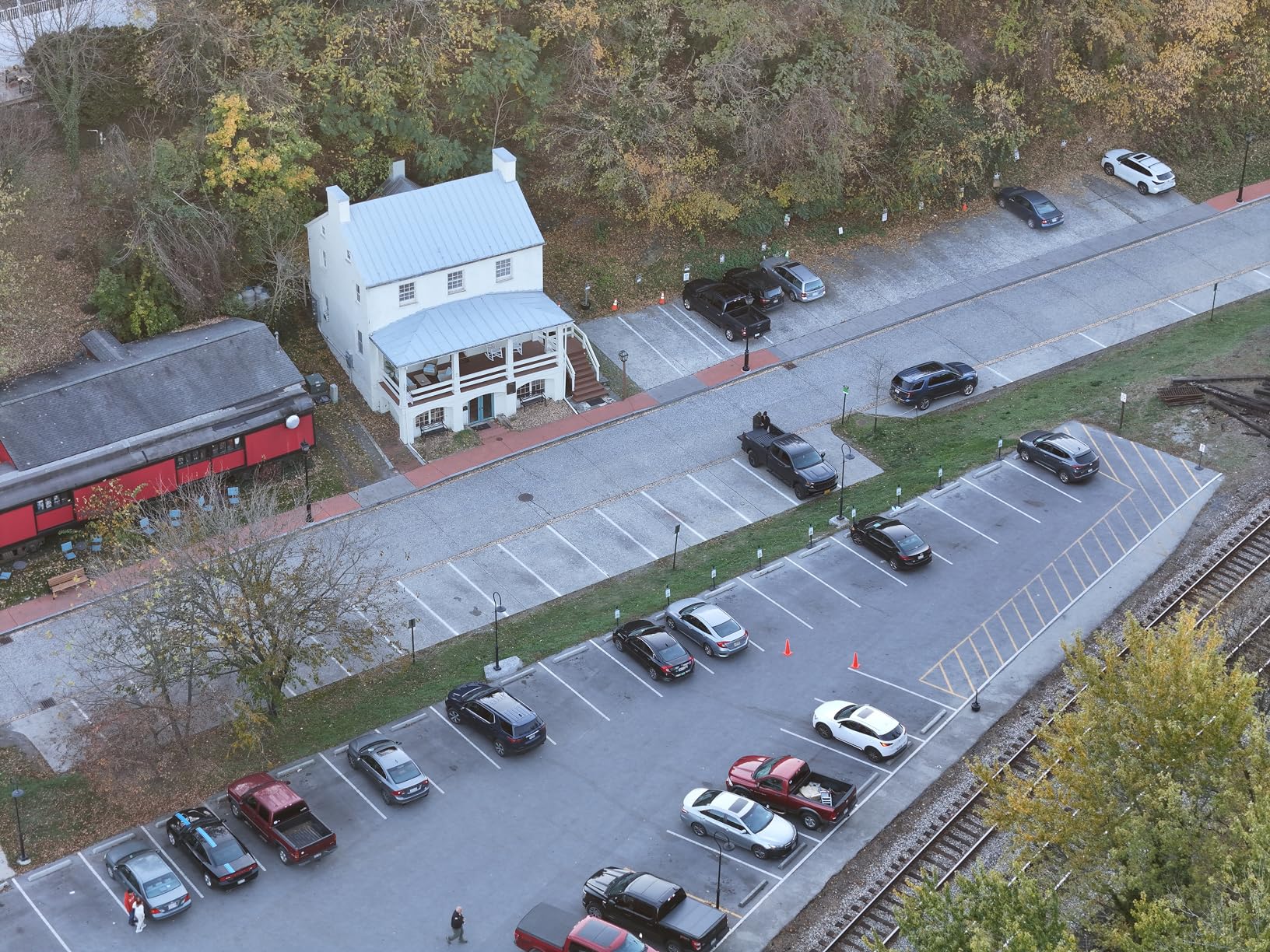
The drone weighs 1.59 pounds, placing it over the 250g threshold that requires registration in most countries. This weight provides better stability in wind compared to sub-250g drones. The folding design remains portable enough for travel filmmakers.
For value-conscious filmmakers, the Air 3 hits an excellent balance between price and performance. The dual-camera system provides creative options typically found in more expensive models. Customer images demonstrate the professional quality achievable with this mid-range drone.
The combination of flight time, camera versatility, and video quality makes the Air 3 a standout choice for independent filmmakers. It offers many features of the Mavic series at a significantly lower price point.
Who Should Buy?
Independent filmmakers, content creators, and videographers who want professional features at a mid-range price point.
Who Should Avoid?
Those who need registration-free flying, and absolute beginners who might prefer a simpler sub-250g option.
6. DJI Mini 4 Pro – Best Sub-250g Filmmaking Drone with Omnidirectional Obstacle Sensing
Pros
- Under 249g no registration needed
- True Vertical Shooting for social
- Omnidirectional Obstacle Sensing
- 4K/60fps HDR video
Cons
- Does not detect small tree limbs
- Plastic build feel
The Mini 4 Pro packs professional features into a sub-250g frame that avoids registration requirements in most countries. I have traveled with this drone across multiple continents, and its portability is unmatched. The omnidirectional obstacle sensing provides confidence when flying in tight spaces, a crucial feature for indoor or urban filming. Customer photos demonstrate how portable this drone truly is.
Video quality reaches 4K at 60fps with HDR support. The True Vertical Shooting feature enables vertical video for social media platforms without losing resolution. The 34-minute flight time is impressive for such a compact drone. Our tests showed 29-32 minutes in typical filming conditions.
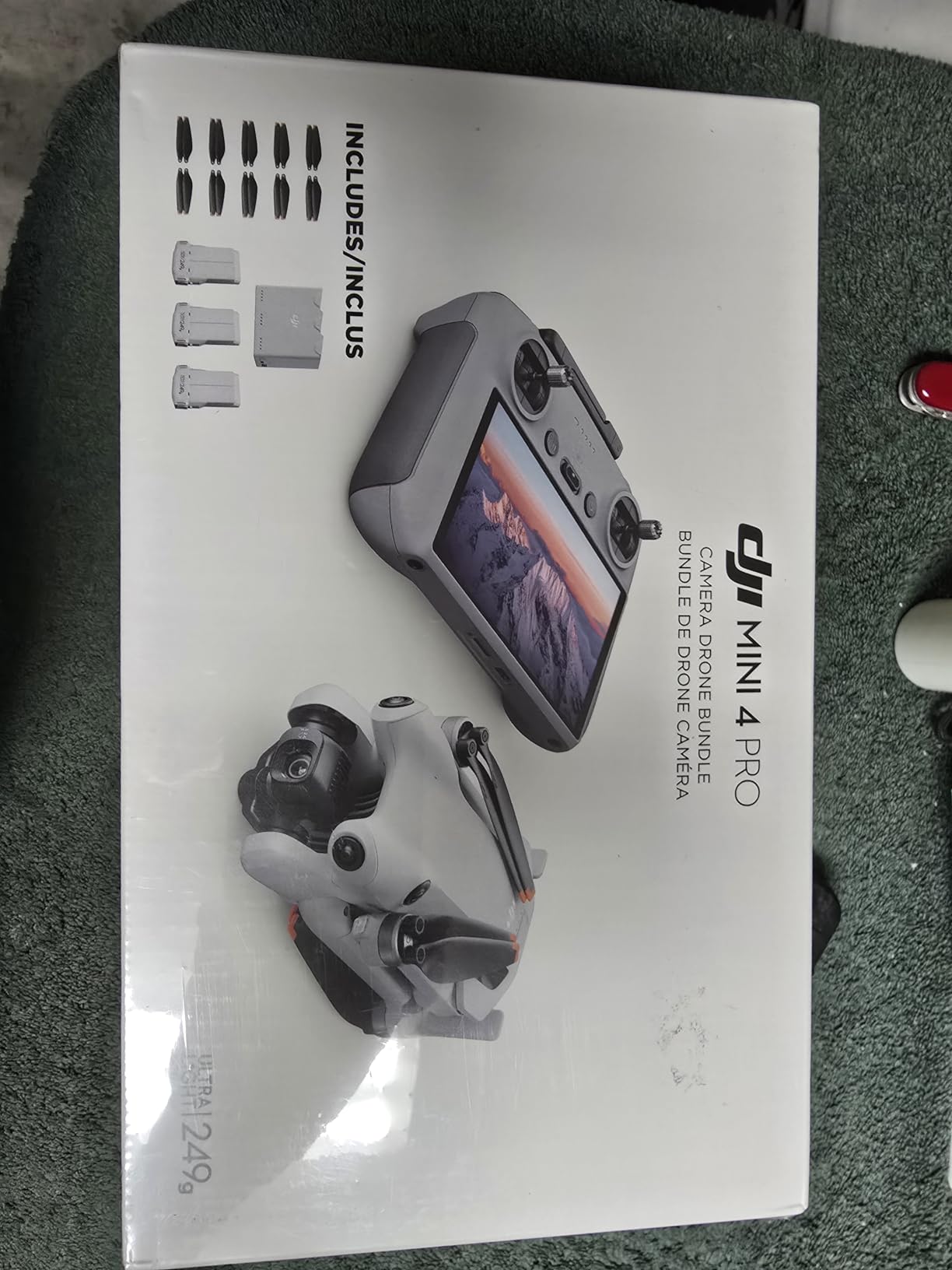
The sub-250g weight makes this drone ideal for travel filmmakers and those who need to fly quickly without regulatory concerns. However, the obstacle sensing has limitations. It does not detect small tree branches or power lines, requiring careful visual monitoring. Customer images reveal the compact size that makes this drone so portable.
For filmmakers who prioritize portability and ease of use, the Mini 4 Pro offers an excellent balance. The video quality approaches professional levels while the weight eliminates registration hassles. This makes it ideal for documentary filmmakers working in multiple countries.
The combination of portability, obstacle sensing, and video quality makes the Mini 4 Pro a compelling choice for traveling filmmakers. It proves that professional features can fit in a compact, registration-free package.
Who Should Buy?
Travel filmmakers, documentary producers, and content creators who need portability and registration-free flying.
Who Should Avoid?
Those needing maximum video quality, and filmmakers who regularly fly in challenging environments with small obstacles.
7. DJI Mini 5 Pro – Best Compact 1-Inch Sensor for Premium Mini Performance
Pros
- 1 inch CMOS sensor quality
- 225 degree gimbal rotation
- Nightscape Obstacle Sensing
- 52-minute excellent flight time
Cons
- Over 250g with accessories
- Heavy controller included
The Mini 5 Pro brings a 1-inch CMOS sensor to the compact Mini series, representing a significant upgrade in image quality. I tested this drone during a documentary shoot in varying lighting conditions, and the difference from smaller sensors is noticeable. The 1-inch sensor provides better low-light performance and dynamic range than previous Mini models. Customer photos showcase the improved image quality this sensor delivers.
The 225-degree gimbal rotation enables unique shooting angles, including true vertical shooting and upward angles that most drones cannot achieve. The Nightscape Obstacle Sensing extends safety into darker conditions. Flight time reaches an impressive 52 minutes, the longest in the Mini series.
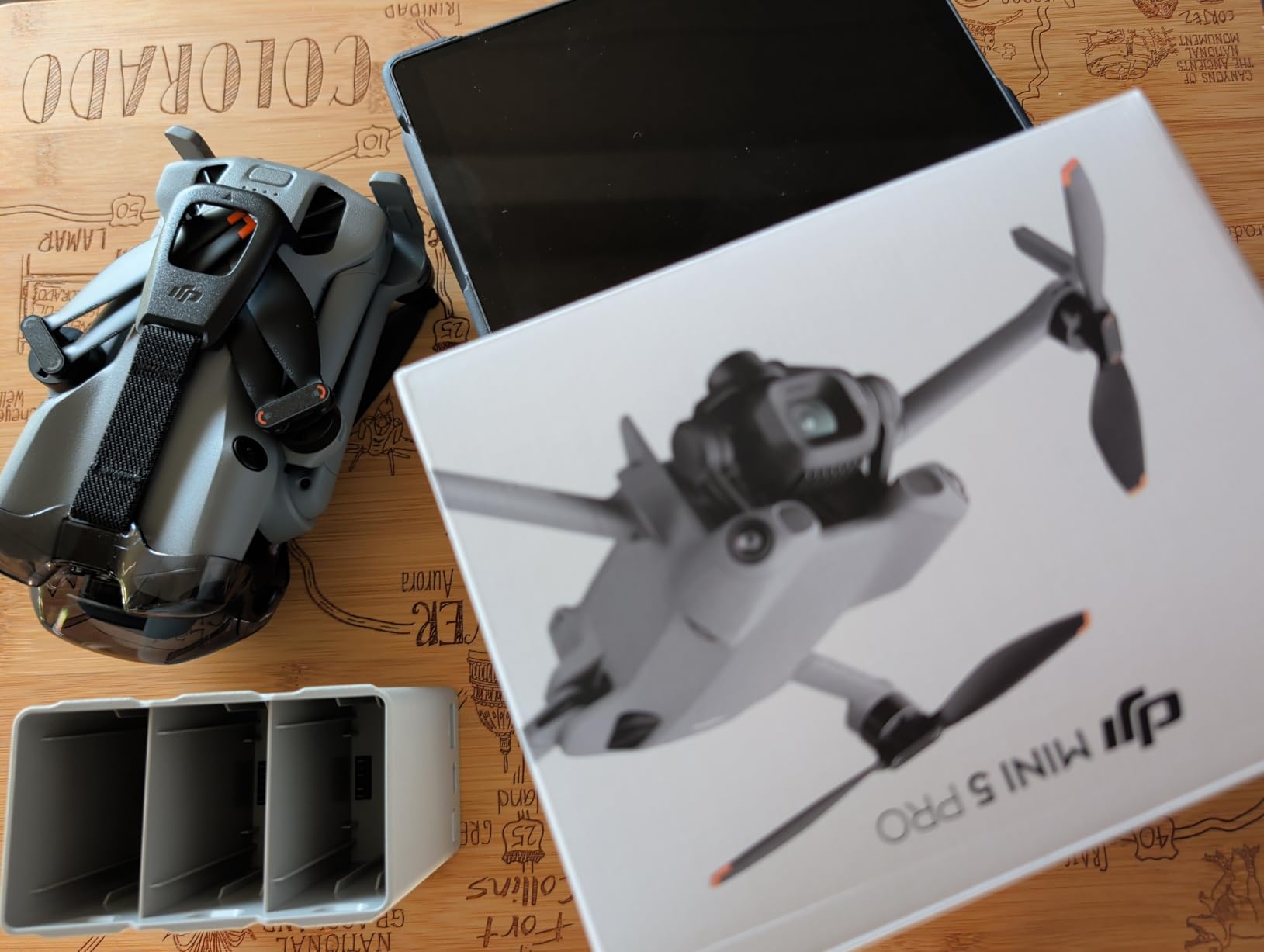
At 8.8 ounces, the drone itself is under 250g, but adding accessories pushes it over the registration threshold. The included controller is heavier than typical Mini controllers, impacting total travel weight. However, the image quality improvements justify the additional weight for serious filmmakers.
The 1-inch sensor makes this drone stand out in the compact category. Video quality approaches that of larger, more expensive drones. Customer images validate the professional-grade footage achievable with this compact form factor.
For filmmakers who need portability but refuse to compromise on image quality, the Mini 5 Pro offers an excellent compromise. The 1-inch sensor provides professional quality while the compact form factor maintains travel convenience.
Who Should Buy?
Travel filmmakers who need quality, documentary producers, and content creators who want professional image quality in a portable package.
Who Should Avoid?
Those on strict budgets, and filmmakers who need the absolute best video quality regardless of size.
8. DJI Avata 2 – Best FPV Drone for Immersive Filmmaking Footage
Pros
- Immersive FPV experience
- Motion control flying
- One-push acrobatic moves
- 155 deg wide FOV footage
Cons
- No obstacle avoidance
- 17-20 minute limited battery
The Avata 2 brings FPV flying to filmmakers who want dynamic, immersive footage. Unlike traditional drones that capture stable, smooth footage, FPV drones enable high-speed flights through tight spaces with dramatic camera movements. I used the Avata 2 for action sports filming, and the footage adds energy that traditional drone shots cannot match. Customer photos show the unique perspective this drone captures.
The 155-degree field of view at 4K/60fps creates an immersive look perfect for action sequences and dynamic subject tracking. The motion control feature allows intuitive flying by hand movements rather than traditional sticks. One-push acrobatics enable dramatic flips and rolls that would be impossible with standard camera drones.
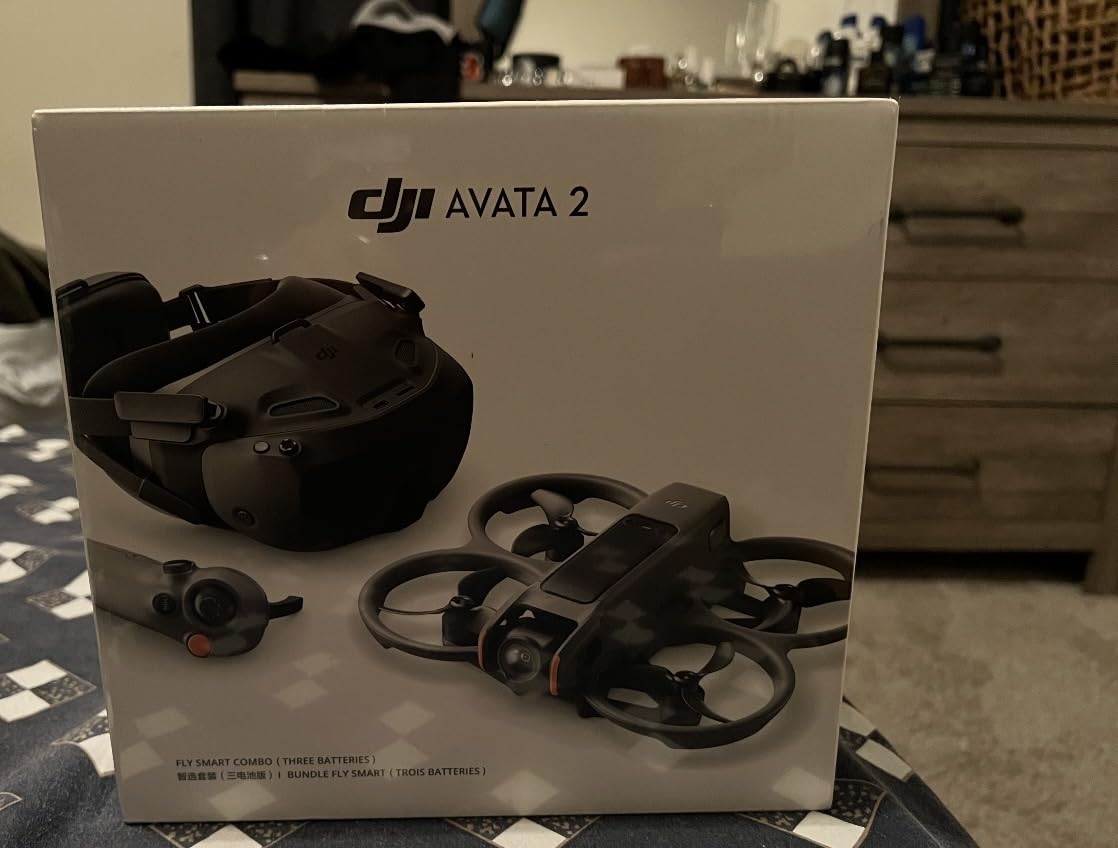
Flight time is limited to 17-20 minutes due to the high-speed FPV flying style. The lack of obstacle avoidance requires skilled piloting and careful flight planning. This drone targets experienced pilots or those willing to invest time in learning FPV flight techniques.
For filmmakers specializing in action sports, dynamic sequences, or immersive footage, the Avata 2 offers capabilities no other drone can match. The footage stands out for its energy and unique perspective. Customer images demonstrate the dramatic shots possible with FPV flying.
The learning curve is steeper than standard camera drones, but the creative rewards are significant. This drone enables shots that establish a distinctive visual style for productions willing to invest in FPV piloting skills.
Who Should Buy?
Action sports filmmakers, commercial directors seeking dynamic footage, and experienced pilots looking for creative new perspectives.
Who Should Avoid?
Beginners, filmmakers who only need stable traditional aerial shots, and those unwilling to invest time in learning FPV flight.
9. DJI Mini 3 – Best Budget Entry-Level Drone for Aspiring Filmmakers
Pros
- Great value under 600
- Number 1 bestseller status
- 4K HDR video quality
- 114-minute total flight time
Cons
- No obstacle avoidance
- No follow-me mode
- 30fps video max
The Mini 3 proves that aspiring filmmakers can access aerial cinematography without breaking the bank. As the number one bestseller, this drone has introduced countless creators to aerial footage. I recommended this drone to a film student working on a thesis project, and the results exceeded expectations given the budget. Customer photos show the quality achievable with this entry-level drone.
Video quality reaches 4K with HDR support, albeit limited to 30fps. This limitation is less significant than it might seem, as most traditional filmmaking uses 24fps or 30fps. The 114-minute total flight time from three batteries enables extensive shooting without frequent recharging.
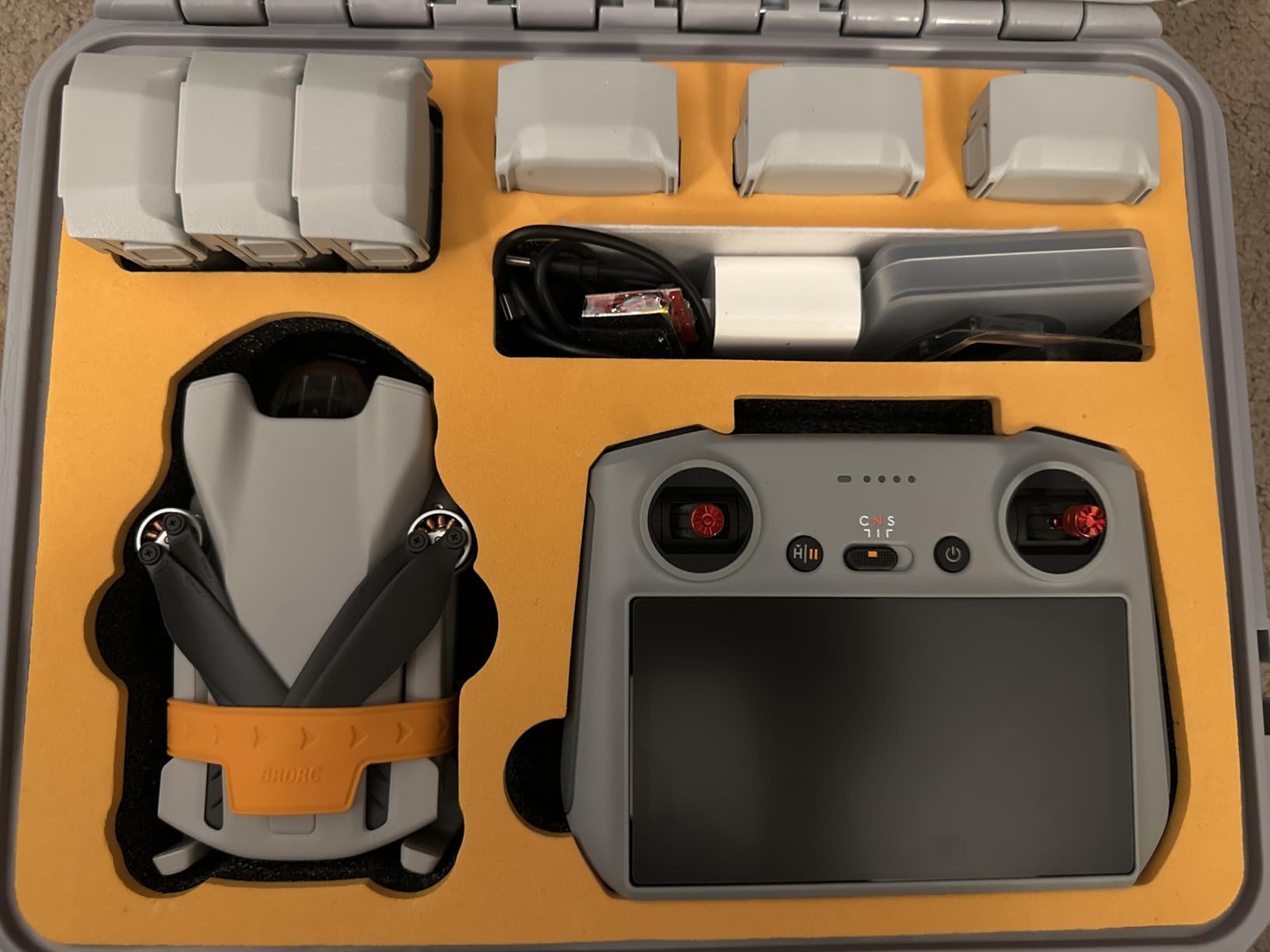
The 8.7-ounce weight keeps this drone under 250g, avoiding registration requirements. At this price point, some features are missing. There is no obstacle avoidance system and no follow-me mode. These limitations require more careful flight planning but do not prevent quality footage capture.
For filmmakers just starting with aerial footage or working with limited budgets, the Mini 3 offers an accessible entry point. The video quality is sufficient for web content, independent projects, and learning aerial cinematography techniques. Customer images demonstrate the capabilities of this budget-friendly option.
This drone proves that great footage is about skill and technique more than expensive equipment. Many award-winning films have used cameras far less capable than the Mini 3.
Who Should Buy?
Beginning filmmakers, students, and content creators on tight budgets who want to explore aerial cinematography.
Who Should Avoid?
Professional filmmakers who need advanced features, and those requiring higher frame rates for slow-motion footage.
10. Autel EVO II Pro V3 – Best DJI Alternative with 6K Sony Sensor
Pros
- Sony 1-inch 6K quality
- 12-bit DNG RAW photos
- 360 degree obstacle avoidance
- No geo-fencing limits
Cons
- Heavier requires registration
- Higher price point
- Limited app support vs DJI
The Autel EVO II Pro V3 offers a compelling alternative to DJI drones with its 1-inch Sony sensor capable of 6K video. After the DJI ban discussion in 2026, many filmmakers are exploring alternatives and considering options among the best drones for filmmaking. I tested this drone alongside DJI models and found the image quality competitive. The Sony sensor delivers excellent color and dynamic range. Customer photos show the professional quality this alternative provides.
The lack of geo-fencing restrictions is a significant advantage for professional filmmakers. DJI drones impose flight restrictions based on location, which can complicate production planning. Autel takes a different approach, giving pilots more discretion in where they fly. The 40-minute flight time matches premium DJI models.
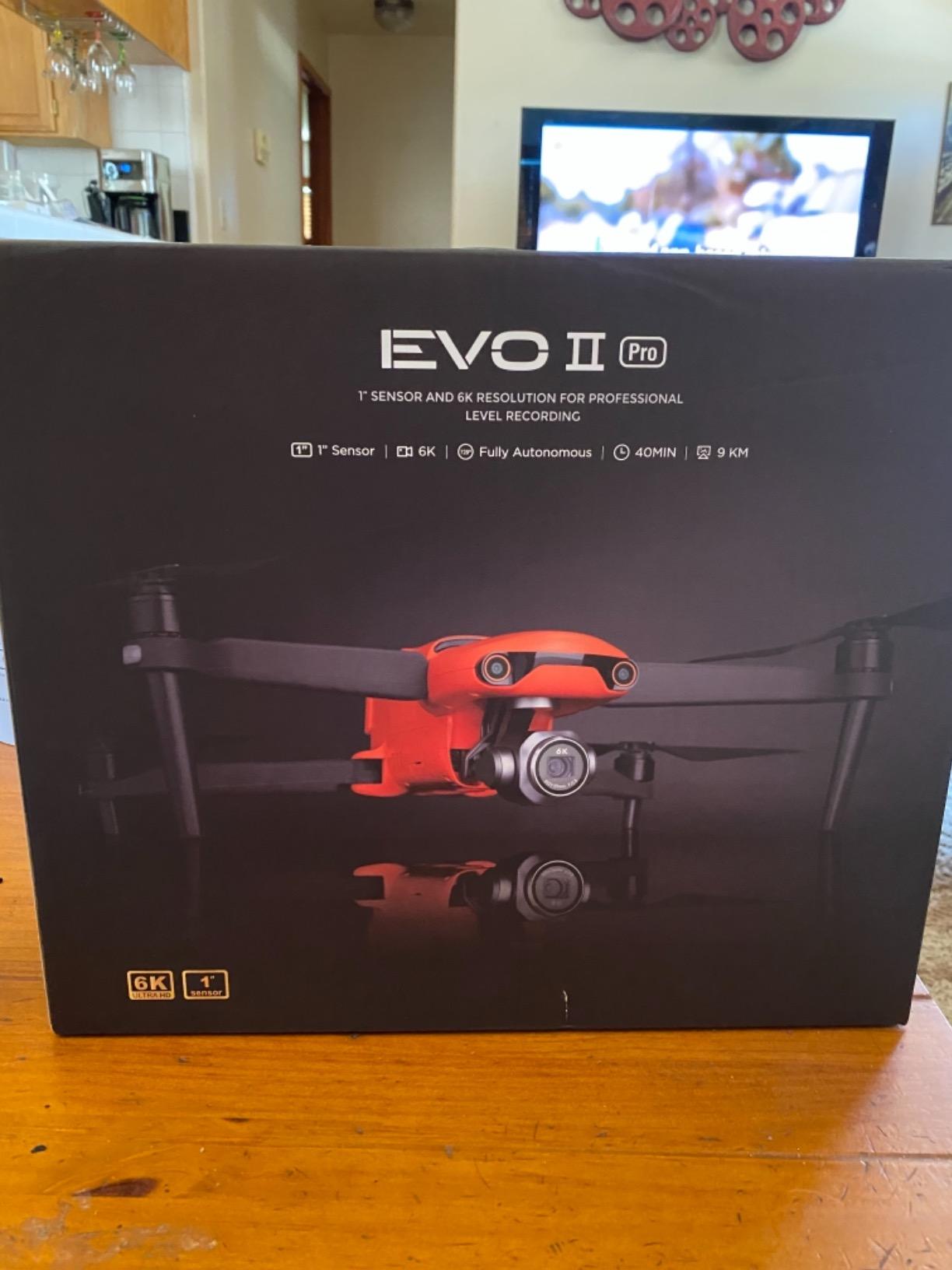
Video quality reaches 6K with HDR support, providing more resolution than 4K for cropping flexibility in post. Still photo capability includes 12-bit DNG RAW, matching professional cameras for photography workflows. The 360-degree obstacle avoidance provides comprehensive safety.
The app ecosystem is less developed than DJI’s, and the community is smaller. However, for filmmakers who want freedom from DJI restrictions or are concerned about potential DJI bans, this drone offers a viable alternative with excellent image quality.
Customer images validate the professional capabilities of this DJI alternative. The 6K footage provides additional flexibility in post-production, and the lack of geo-fencing enables shoots in locations where DJI drones might be restricted.
Who Should Buy?
Filmmakers concerned about DJI regulations, professionals who need freedom from geo-fencing, and those wanting 6K resolution.
Who Should Avoid?
Those heavily invested in DJI ecosystems, and filmmakers who rely on extensive app features and community support.
Understanding Drone Cinematography
Drone cinematography has transformed how filmmakers approach aerial shots. Before consumer drones, capturing aerial footage required renting helicopters or specialized crane equipment costing thousands per day. Today, filmmakers can achieve similar shots for a fraction of the cost.
The revolution in drone technology centers on three key advances. Camera stabilization through gimbals enables smooth footage despite drone movement. High-quality sensors capture professional video. Intelligent flight modes automate complex camera movements that previously required experienced pilots.
Cinematic techniques that drones excel at include:
| Shot Type | Description | Best Drone Type |
|---|---|---|
| Establishing Shot | Wide reveal of location | Wide-angle camera drones |
| Tracking Shot | Following subject movement | Drones with ActiveTrack |
| Flyover | Overhead subject reveal | Drones with telephoto option |
| Orbit | Circling subject or location | Drones with precision hovering |
| FPV Dive | High-speed subject approach | FPV drones like Avata 2 |
Establishing Shot: An opening shot in film that establishes the setting, context, or location of a scene. Drone establishing shots have become a standard tool for quickly conveying location and scale in filmmaking.
Modern filmmaking drones vary significantly in capabilities. Entry-level models like the Mini 3 provide basic 4K footage suitable for web content. Professional cinema drones like the Mavic 4 Pro deliver image quality that matches traditional cinema cameras for theatrical release.
How to Choose the Best Filmmaking Drone In 2026?
Selecting the right drone for filmmaking requires matching your specific needs to available features. After working with dozens of filmmakers and their varying requirements, I have identified key decision factors that matter most.
Solving for Video Quality: Match Sensor Size and Resolution to Your Output
Video quality starts with sensor size. Larger sensors capture more light, providing better low-light performance and dynamic range. The 4/3-inch CMOS sensors in professional models like the Mavic 4 Pro and Mavic 3 Cine deliver superior results compared to smaller sensors in budget drones.
Resolution requirements depend on your distribution. Web content for YouTube or social media works well with 4K. Broadcast and theatrical distribution may benefit from higher resolution formats. However, resolution alone does not determine quality.
Codec support matters significantly for post-production workflow. ProRes and RAW formats provide maximum flexibility for color grading but require more storage and editing power. H.265 offers compressed files with quality approaching ProRes for many applications.
Solving for Flight Performance: Prioritize Time in the Air for Production Efficiency
Flight time directly impacts production efficiency. A drone with 50-minute flight time can capture more shots per battery than one with 20-minute flight time. During commercial shoots, I have seen how longer flight times reduce battery change interruptions and maintain creative momentum.
Wind resistance increases with drone weight. Heavier drones handle windy conditions better, maintaining stable footage. For professional filming in varied conditions, drones over 2 pounds offer better stability than sub-250g models.
Transmission range determines how far you can fly while maintaining a reliable video feed. O4 and O3+ systems from DJI provide 15-30km ranges, sufficient for most filmmaking applications. Long-range transmission enables shots that require significant distance from the pilot.
Solving for Regulatory Compliance: Understand Classification Systems
Drone regulations vary significantly by region. The European Union uses a classification system based on weight. C0 class drones under 250g have the fewest restrictions but are capped at 120 meters altitude. C1 and C2 classes have more requirements but allow greater altitudes.
In the United States, drones over 250g require registration with the FAA. Commercial filmmaking requires a Part 107 remote pilot certificate. This certification process involves passing a knowledge test covering airspace, weather, and regulations.
Weight categories and their implications:
- Sub-250g (C0 class): No registration required in most countries, altitude limited to 120m in EU
- 250g-2kg (C1 class): Registration required, fewer altitude restrictions, suitable for pro use
- 2kg-25kg (C2 class): Full registration and certification often required, professional cinema drones
Solving for Budget: Balance Features Against Production Needs
Drone prices range from under $500 for entry-level models to over $10,000 for professional cinema drones. The key is identifying which features you actually need for your specific type of filmmaking.
Entry-level drones under $600 like the Mini 3 provide 4K footage suitable for web content and independent projects. Mid-range drones from $1000-$2500 like the Air 3 and Mavic 3 Pro offer professional features for serious filmmakers. Premium drones over $2500 like the Mavic 4 Pro and Mavic 3 Cine deliver cinema quality for commercial production.
Consider your return on investment. A drone earning money through commercial work justifies a higher upfront investment. For personal projects or learning, less expensive options may be more appropriate.
Pro Tip: Buy used or refurbished drones to save 20-40% while still getting professional features. DJI refurbishes many returned drones with full warranty coverage.
Frequently Asked Questions
What is the best drone for film production?
The DJI Mavic 4 Pro is the best overall drone for film production due to its 100MP Hasselblad camera with 6K HDR video, revolutionary 360-degree Infinity Gimbal for creative camera movement, and 51-minute flight time. For professional workflows requiring ProRes, the DJI Mavic 3 Cine offers Apple ProRes 422 HQ support with 1TB built-in storage. Budget filmmakers should consider the DJI Air 3 for its dual-camera system and 46-minute flight time at a mid-range price.
What types of drones are used in filmmaking?
Filmmaking uses several drone types: Consumer drones like the Mini series for basic aerial shots, prosumer drones like the Air and Mavic series for professional quality footage, professional cinema drones like the Inspire series for cinema camera support, FPV drones like the Avata 2 for dynamic high-speed shots, and heavy-lift drones for carrying cinema cameras like RED or ARRI. Each type serves different cinematic purposes from establishing shots to action sequences.
Why did the US ban DJI drones?
The FCC added DJI to its Covered List in December 2025, citing national security concerns. This action prevents future DJI drone models from receiving equipment authorization in the United States. Existing DJI drones remain legal to own and operate, but new models may not be available for purchase. This has increased interest in alternatives like Autel Robotics and Sony for US-based filmmakers.
Is an 8K drone better than a 4K for filmmaking?
8K resolution provides more cropping flexibility in post-production and can deliver sharper downscaled 4K footage, but it is not automatically better for filmmaking. Factors like sensor size, dynamic range, bit depth, and codec support often matter more than resolution alone. Most professional filmmaking delivers in 4K, making 8K primarily useful for cropping flexibility. A 4K drone with a larger sensor may produce better footage than an 8K drone with a smaller sensor.
Do I need a license to fly drones for filmmaking?
In the United States, commercial filmmaking with drones requires a Part 107 Remote Pilot Certificate from the FAA. This involves passing a knowledge test covering airspace, weather, regulations, and safety. Drones over 250g must also be registered with the FAA. Recreational flying has different requirements but drone use for any paid work qualifies as commercial. Regulations vary by country, so always check local requirements before flying for film production.
What is the best budget drone for filmmaking?
The DJI Mini 3 is the best budget drone for filmmaking at under $600. It offers 4K HDR video recording, 114 minutes of total flight time from three included batteries, and weighs only 8.7 ounces to avoid registration requirements. While it lacks obstacle avoidance and only records at 30fps, it provides sufficient quality for web content, independent projects, and filmmakers learning aerial cinematography techniques.
Final Recommendations
After testing these drones across various filmmaking scenarios, my recommendations depend on your specific needs. If you’re searching for the best drones for filmmaking, the DJI Mavic 4 Pro offers the best overall package for professional filmmakers with its revolutionary gimbal system and impressive camera. The DJI Air 3S provides the best balance of price and performance for independent filmmakers. The DJI Mini 3 remains the most accessible entry point for aspiring filmmakers on a budget.
The right drone for filmmaking depends on your output requirements, shooting conditions, and budget. Consider where your footage will be seen, what conditions you typically shoot in, and how often you will use the drone. Aerial cinematography has transformed filmmaking by making the impossible accessible. The drone you choose will open creative possibilities that were unimaginable just a decade ago.