
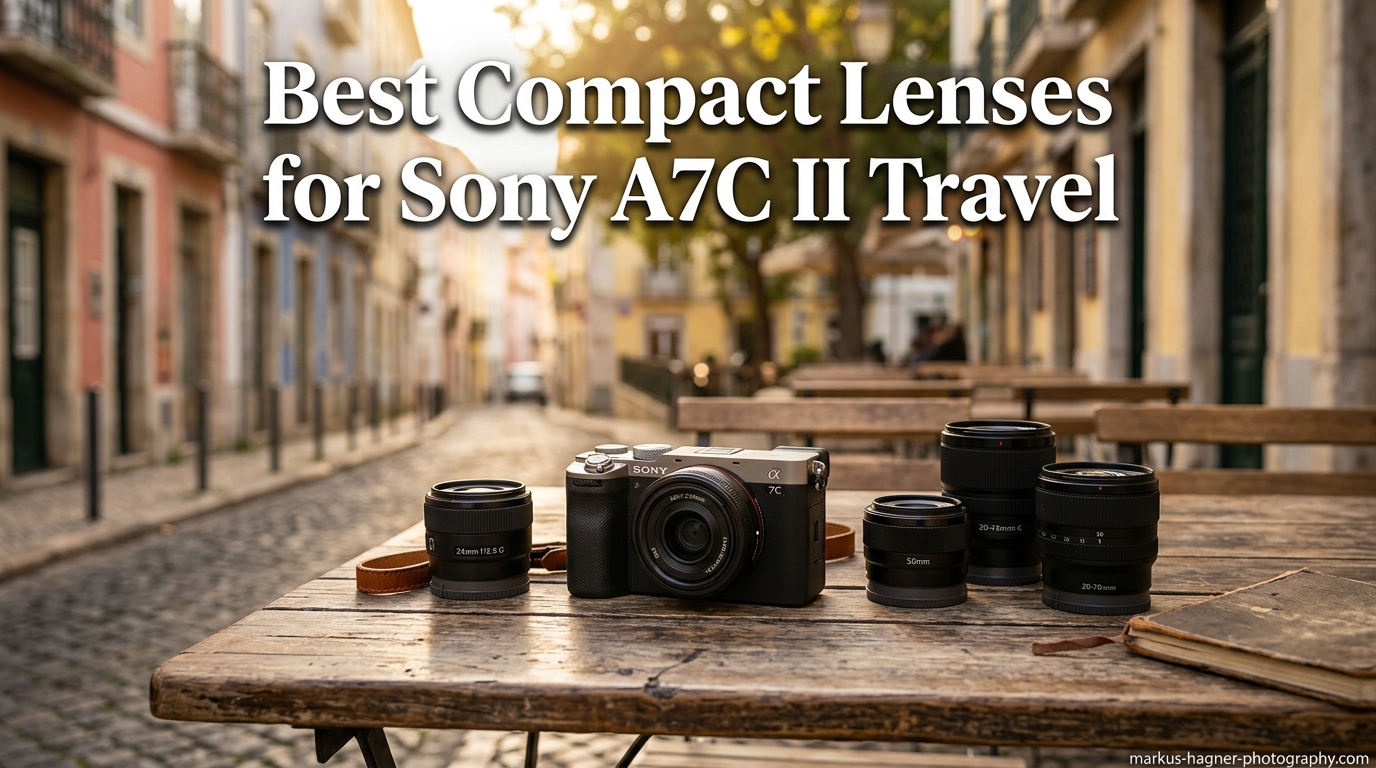
The Sony A7C II represents one of the smartest choices for travel photographers who refuse to compromise on image quality. At just 514 grams, this full-frame mirrorless camera packs the same 33-megapixel sensor as the larger A7 IV into a body that feels more like a premium point-and-shoot than a professional camera. But here is the challenge: the A7C II’s compact nature makes it painfully obvious when you mount a heavy, bulky lens on its small frame.
After spending three months traveling through Japan with my A7C II, I learned that lens weight matters more than I initially thought. I started with a Sigma 24-70mm f/2.8, a lens I loved on my larger Sony bodies. Within a week, that combination went back into my bag, replaced by a selection of compact primes that transformed how I experienced travel photography. The best compact lenses for Sony A7C II travel are those that keep your entire kit under one kilogram while delivering the image quality this sensor deserves.
This guide focuses specifically on lenses under 500 grams that balance naturally with the A7C II’s compact body. I have organized recommendations by weight category because, for travel photographers, every gram matters when you are carrying your gear for twelve hours through ancient temples or hiking to that perfect viewpoint.
Top 3 Picks for Compact Sony A7C II Travel Lenses
Before diving into all ten recommendations, here are my top three picks based on different travel photography needs. These represent the best balance of compact size, image quality, and value for the A7C II system.
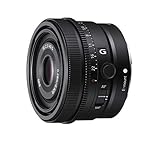
Sony FE 40mm f/2.5 G
- Ultra-compact at 173g
- Dual linear motors for fast AF
- Premium G Lens optical quality
- Physical aperture ring

Sony FE 28-60mm f/4-5.6
- World's smallest full-frame zoom at 167g
- Versatile 28-60mm range
- Weather-resistant construction
- Retracting design

Viltrox 28mm f/4.5 Pancake
- Incredible 60g weight
- Makes camera truly pocketable
- Only $99
- Auto focus capable
Compact Lenses for Sony A7C II Travel in 2026
Here is a quick comparison of all ten lenses recommended in this guide. I have organized them by weight, from the ultra-light pancake options to the slightly heavier but still travel-friendly zooms and primes.
| Product | Specifications | Action |
|---|---|---|
| Viltrox 28mm f/4.5 |
|
Check Latest Price |
 Sony 20mm f/2.8 Sony 20mm f/2.8 |
|
Check Latest Price |
 Sony 35mm f/2.8 ZA Sony 35mm f/2.8 ZA |
|
Check Latest Price |
 Viltrox 20mm f/2.8 Viltrox 20mm f/2.8 |
|
Check Latest Price |
| Sony 28-60mm f/4-5.6 |
|
Check Latest Price |
 Sony 24mm f/2.8 G Sony 24mm f/2.8 G |
|
Check Latest Price |
| Sony 40mm f/2.5 G |
|
Check Latest Price |
 Sony 50mm f/2.5 G Sony 50mm f/2.5 G |
|
Check Latest Price |
 Sony 50mm f/1.8 Sony 50mm f/1.8 |
|
Check Latest Price |
| Viltrox 50mm f/2 |
|
Check Latest Price |
1. Sony FE 40mm f/2.5 G – The Perfect Walkaround Prime
Pros
- Ultra-compact at only 173g
- Dual linear motors for fast silent AF
- Corner-to-corner sharpness wide open
- Premium aluminum construction with aperture ring
- Beautiful natural bokeh
Cons
- F2.5 aperture slower than f/1.8 alternatives
- Lens hood design somewhat awkward
- Premium price point
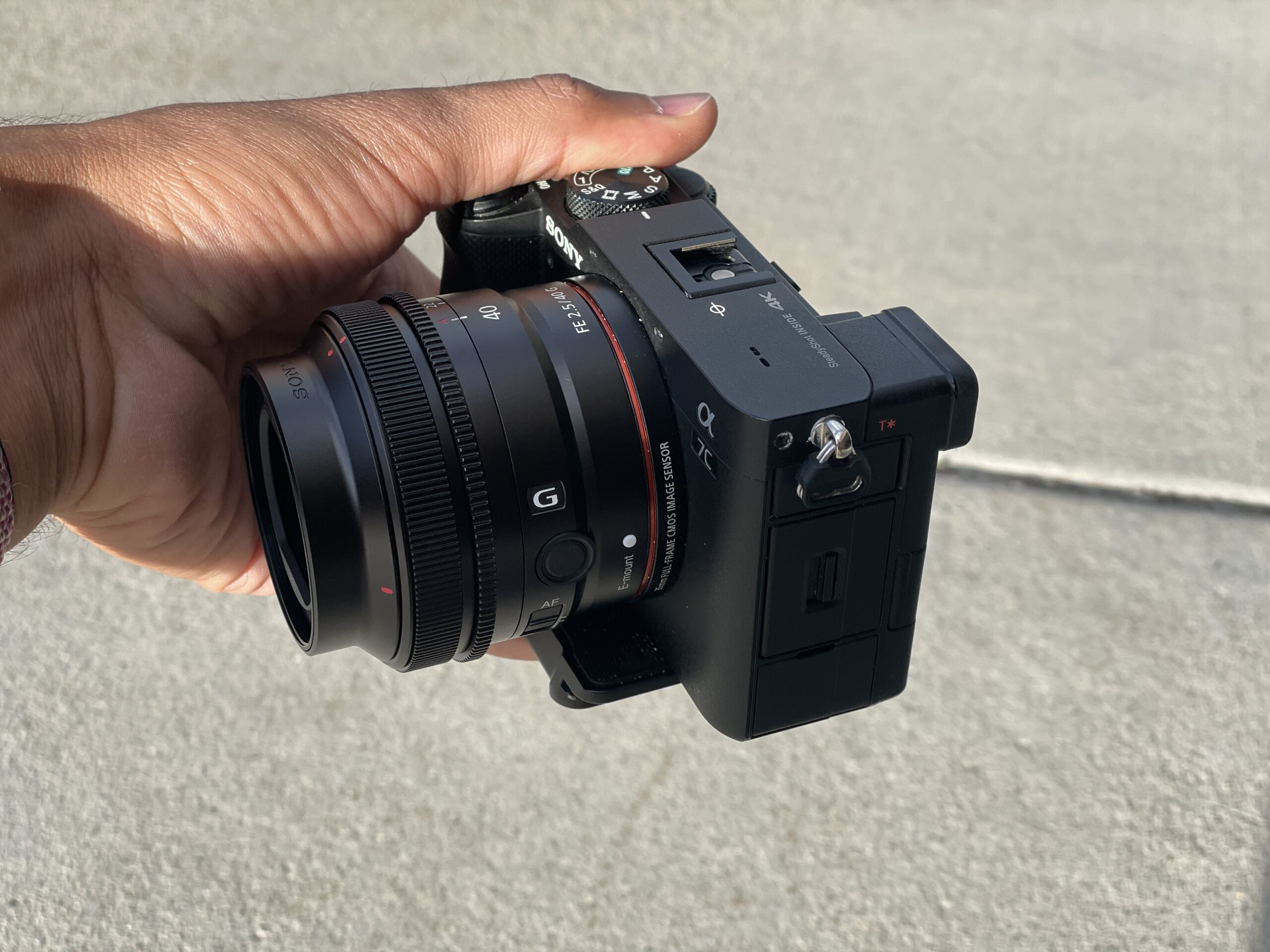
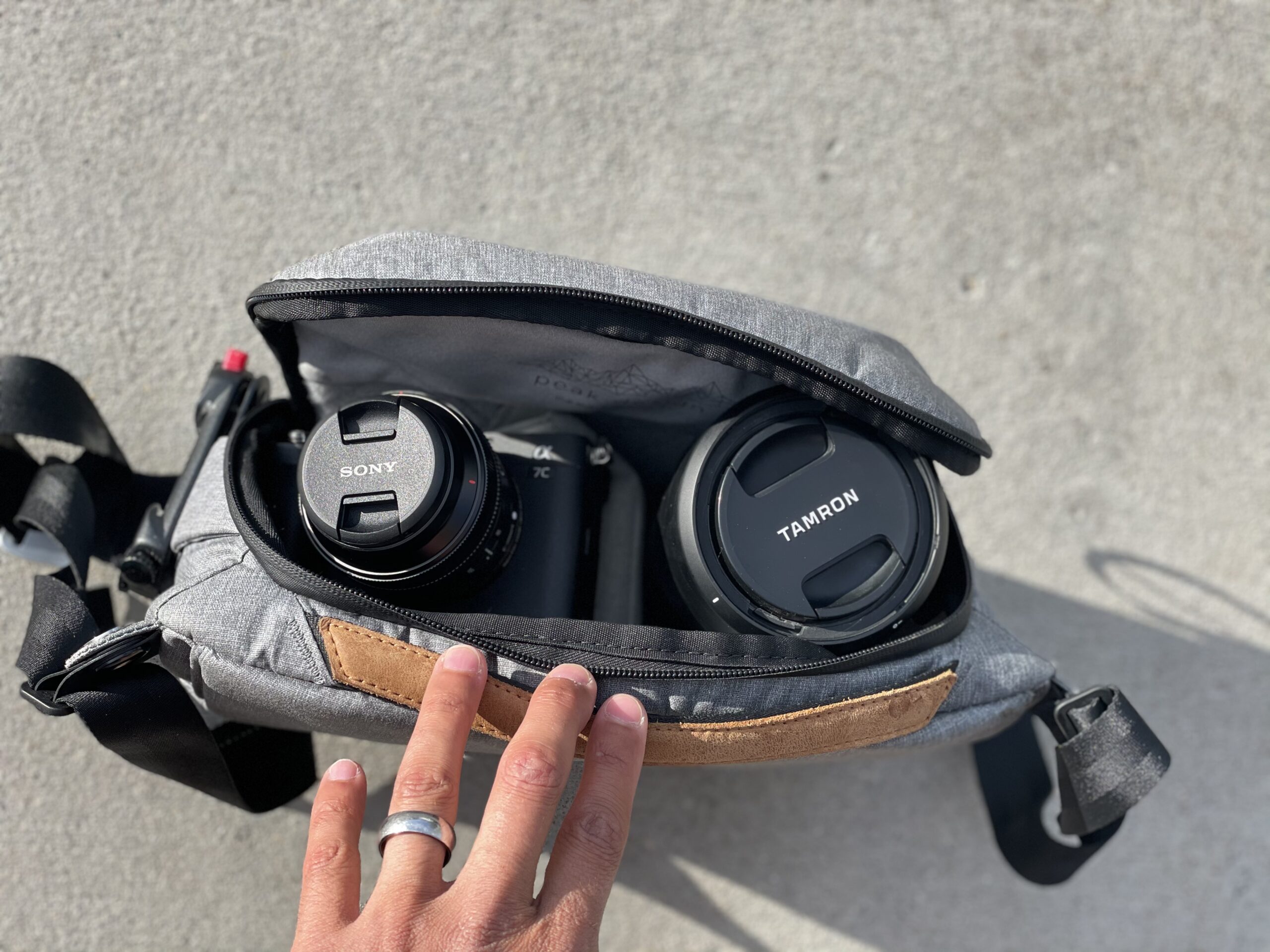
The Sony 40mm f/2.5 G became my constant companion during my Japan trip after I realized the Sigma 24-70mm was simply too heavy for all-day walking. At 173 grams, this lens barely adds weight to the A7C II, creating a combination you can comfortably carry in a small messenger bag all day without fatigue.
The 40mm focal length hits a sweet spot that I found more versatile than the classic 50mm for travel photography. It is wide enough for environmental shots in narrow streets and markets, yet narrow enough to create separation between subjects and backgrounds. I captured everything from Kyoto temple details to Tokyo street scenes without changing lenses.
What surprised me most was the autofocus performance. The dual linear motors track moving subjects with precision that rivals Sony’s flagship G Master lenses. During a festival in Osaka, I captured sharp shots of performers in motion without any focus hunting, even in challenging light.
The optical quality deserves special mention. Three aspherical elements deliver corner-to-corner sharpness even at f/2.5, something I confirmed by examining my RAW files at 100% magnification. The Nano AR coating effectively suppresses flare when shooting into bright windows or sunsets.
Ideal Travel Scenarios
This lens excels for travelers who want one lightweight prime that handles 80% of shooting situations. The compact size makes it perfect for street photography where a large lens draws unwanted attention. During my trip, I found it particularly effective for food photography in restaurants, candid portraits of locals, and architectural details in historic districts.
The weather-sealed construction proved its worth during an unexpected rain shower in Nara. While I would not submerge it, the moisture-resistant design gave me confidence to keep shooting when other photographers were packing away their gear.
Who Should Consider Alternatives
If you frequently shoot in dimly lit interiors or need extremely shallow depth of field for portraits, the f/2.5 maximum aperture may feel limiting. In those cases, the Sony 50mm f/1.8 or a faster prime would serve you better, despite the additional weight. Similarly, landscape photographers who need ultra-wide perspectives should look at the 24mm or 20mm options instead.
2. Sony FE 24mm f/2.8 G – Ultra-Wide Compact Champion
Pros
- Extremely lightweight at 162g
- Click/de-click aperture for hybrid work
- Excellent for landscapes and vlogging
- Corner sharpness rivals larger lenses
Cons
- Barrel distortion requires correction
- F2.8 limits low-light capability
- Premium price for f/2.8 aperture
The Sony 24mm f/2.8 G solved a specific problem I encountered during my travels: capturing both expansive landscapes and intimate street scenes without carrying a heavy wide-angle zoom. At 162 grams, it is actually lighter than the 40mm, making it the second-lightest full-frame lens in Sony’s lineup.
I used this lens extensively for vlogging and travel videos because of the de-clickable aperture ring. Switching between clicked stops for photography and smooth adjustments for video takes seconds, and the silent dual linear motors ensure no motor noise contaminates your audio recordings.

The 84-degree angle of view transforms how you see familiar scenes. In Tokyo’s Shibuya Crossing, this lens let me capture the energy of the intersection while maintaining context of the surrounding buildings. For temple gardens in Kyoto, it emphasized the scale of ancient structures against meticulously maintained landscapes.
Sharpness across the frame impressed me, especially considering the compact size. Three aspherical elements and Sony’s Nano AR coating work together to deliver images that hold up to scrutiny at 100% crop. The corners remain sharp even at f/2.8, a notable achievement for such a small wide-angle design.

Best Use Cases
Travel vloggers will appreciate the 24mm focal length for selfie-style shooting where arm length limits how far you can hold the camera from your face. The perspective is wide enough to include background context without the extreme distortion of 16mm or 20mm lenses. Landscape photographers traveling light will find this focal length captures grand vistas while the small size encourages bringing it along on hikes.
For architectural photography in cities, the 24mm perspective lets you capture building facades without excessive convergence, while the compact size makes discrete shooting easier in areas where large camera gear attracts attention.
Limitations to Consider
The f/2.8 aperture, while respectable for such a compact lens, means you will need higher ISO settings in dimly lit restaurants or evening street scenes. Some barrel distortion is present, though Adobe Lightroom includes correction profiles that fix this automatically. The focal length can feel too wide for traditional portraits, so consider pairing this with a 50mm or 85mm for people photography.
3. Sony FE 50mm f/2.5 G – Compact Nifty Fifty
Pros
- Matches 55mm ZA sharpness at comparable apertures
- Silent fast autofocus perfect for video
- Physical aperture ring and AF/MF switch
- Excellent for gimbal work due to weight
Cons
- F2.5 aperture limiting for shallow portraits
- Premium pricing for slower aperture
- Lens hood difficult with filters
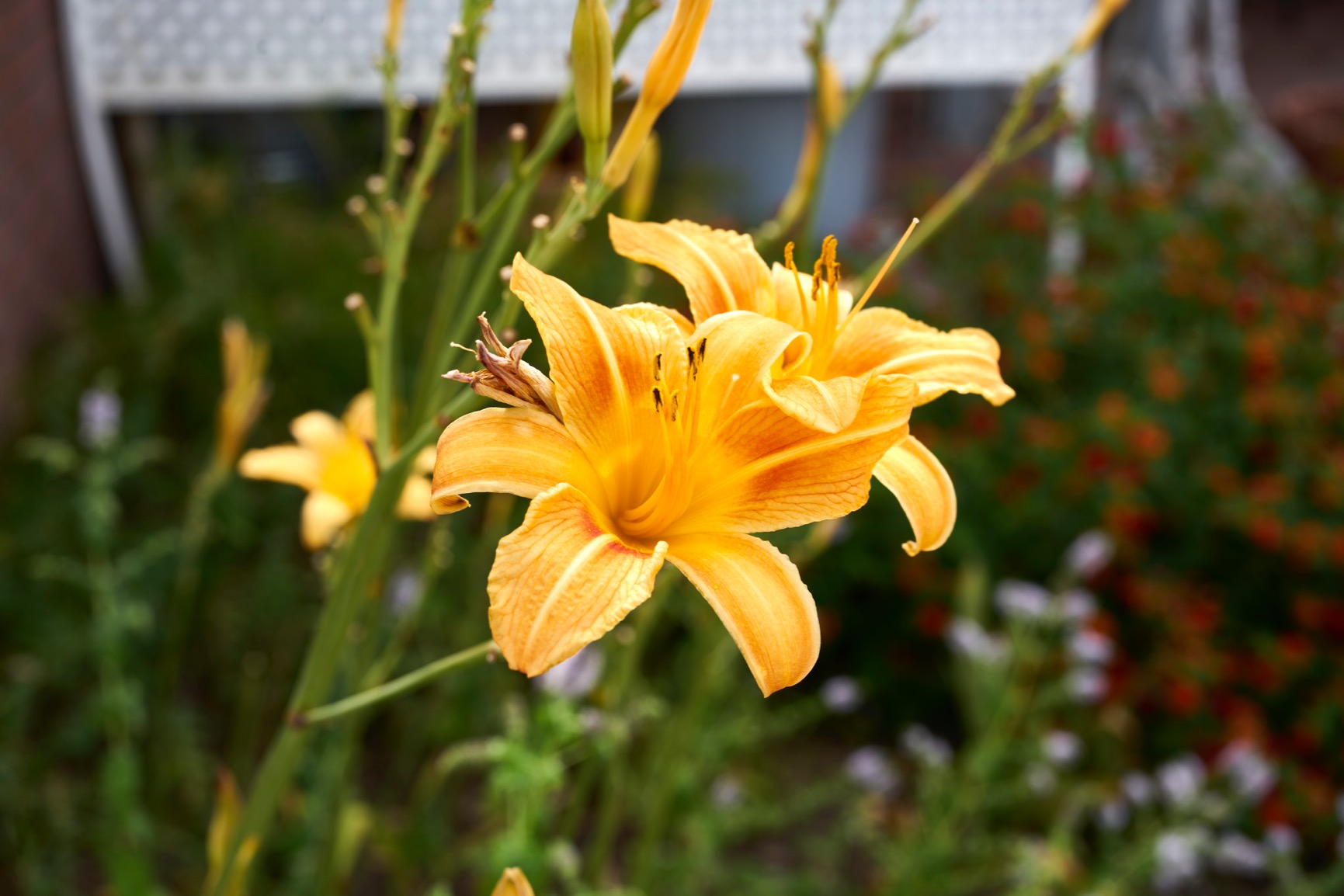
The Sony 50mm f/2.5 G answers a question many A7C II owners ask: can I get G Lens build quality and optical performance in a truly compact package? At 174 grams, this lens delivers a level of refinement that makes it feel like a premium product despite the modest f/2.5 maximum aperture.
I compared this directly with my Sony 55mm f/1.8 ZA during testing, and the results surprised me. At f/2.8 and smaller apertures, the 50mm f/2.5 G matches or exceeds the ZA lens in corner sharpness while weighing significantly less. For travelers who rarely shoot wide open, this represents a compelling weight savings without optical compromise.
The dual linear motors deliver autofocus performance that feels instantaneous on the A7C II. Tracking moving subjects worked flawlessly during a visit to a deer park, where I captured sharp images of animals in motion. The complete silence of the focus system makes this ideal for discreet street photography and video work.
Build quality follows the same aluminum construction philosophy as its 24mm and 40mm siblings. The physical aperture ring provides tactile feedback that encourages intentional exposure decisions, while the AF/MF switch on the barrel lets you quickly override autofocus when needed.
Portrait Travel Photography
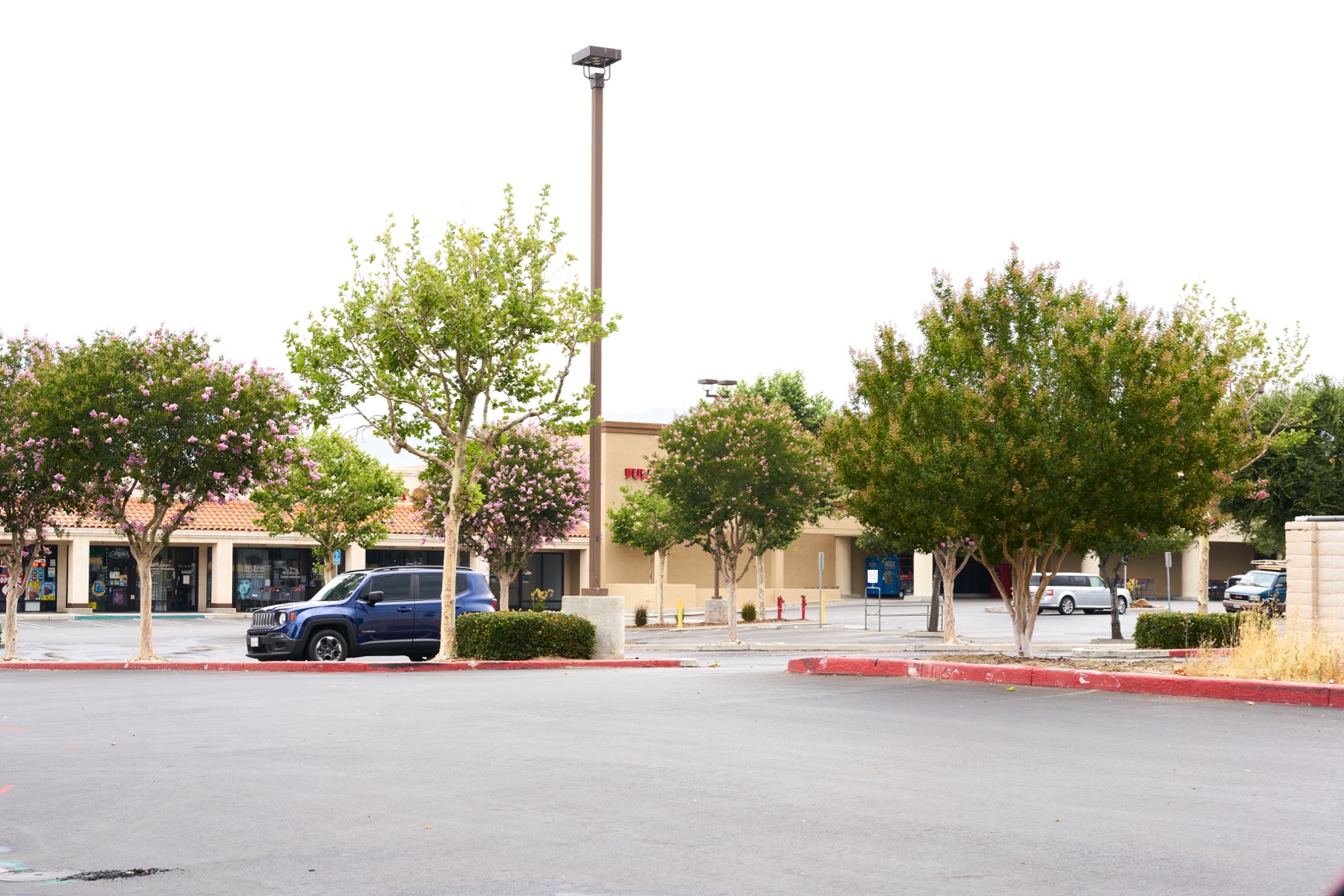
While the f/2.5 aperture does not deliver the razor-thin depth of field of f/1.4 or f/1.8 lenses, it creates enough separation for environmental portraits where you want context alongside your subject. During my travels, I found this particularly effective for street portraits where complete background blur would remove the sense of place that makes travel photography compelling.
The 50mm perspective closely matches human vision, making it intuitive for framing shots quickly. This natural perspective works well for detail shots, food photography, and candid moments where you want viewers to feel like they are standing beside you.
When to Choose the f/1.8 Instead
If your travel photography emphasizes portraits with creamy bokeh or you frequently shoot in dimly lit environments, the Sony 50mm f/1.8 makes more sense despite the slightly noisier autofocus motor. The additional stop of light gathering significantly expands your shooting possibilities in challenging conditions.
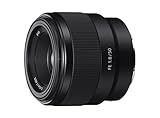
4. Sony FE 50mm f/1.8 – Budget Bokeh Beast
Pros
- Outstanding value under $250
- Fast f/1.8 for beautiful bokeh and low light
- Sharp images with pleasing color
- Perfect entry into prime lenses
Cons
- Noisy autofocus motor
- Plastic build less premium than G series
- No weather sealing
- No physical AF/MF switch
The Sony 50mm f/1.8 represents one of the best values in the entire Sony E-mount lineup. At under $250 and weighing just 187 grams, this lens opens the door to fast prime photography for A7C II owners who want beautiful background blur without the premium pricing of G Master or G series lenses.
I recommended this lens to a friend who purchased an A7C II as her first full-frame camera, and she has since produced stunning portrait work during her travels through Southeast Asia. The f/1.8 aperture creates that creamy, professional-looking bokeh that makes subjects pop against softly blurred backgrounds.
Image quality punches well above the price point. The double-gauss optical design suppresses distortion effectively, while the aspherical element controls aberrations that plague cheaper lenses. Colors render naturally with that characteristic Sony warmth that requires minimal post-processing.
Autofocus on modern bodies like the A7C II performs reliably despite the older motor design. The camera’s advanced autofocus algorithms compensate for the motor’s limitations, delivering accurate focus for still photography. Just do not expect the instant tracking of linear motor-equipped alternatives.
Value Proposition
No other lens in this guide offers this combination of fast aperture, compact size, and affordability. For travelers on a budget who want one lens that handles portraits, low-light scenes, and general photography, this is the obvious starting point. Many photographers own this lens as their first prime, then add specialized lenses as their needs evolve.
The lightweight plastic construction, while less premium feeling than metal-barreled alternatives, keeps the weight reasonable for all-day carry. I have carried this lens as a backup to my 40mm f/2.5 G during travel, using it specifically for portrait opportunities or evening shots where the extra stop of light gathering proves essential.
Video Work Considerations
The audible focus motor makes this lens problematic for video work where audio quality matters. If your travel photography includes significant video capture or vlogging, the Viltrox 50mm f/2 or Sony’s G series primes offer silent alternatives worth the additional investment. For pure stills photography, the motor noise is irrelevant.
5. Sony FE 28-60mm f/4-5.6 – World’s Smallest Full-Frame Zoom
Pros
- World's smallest full-frame zoom
- Incredibly light at only 167g
- Retracting design for compact storage
- Weather-resistant construction
Cons
- Limited 28-60mm zoom range
- Slow variable aperture
- Plasticky build feel
- No physical MF/AF switch
The Sony 28-60mm f/4-5.6 challenges everything I thought I knew about zoom lenses. At 167 grams, it weighs less than most prime lenses while offering the versatility of a 2.1x zoom range. This is the lens Sony includes with some A7C II kits, and for good reason: it was literally designed for this camera body.
The retracting design makes this lens genuinely pocketable when collapsed. For travel photographers who want one lens that handles landscapes at 28mm, street photography at 40mm, and tighter shots at 60mm, this eliminates the need to carry multiple primes. During testing, I found myself reaching for this lens when I wanted to travel extremely light with just the A7C II and nothing else.
Image quality surprised me given the compromises Sony made to achieve this size. Three aspherical elements maintain resolution throughout the zoom range, and the linear motor delivers fast, quiet autofocus that works seamlessly with the A7C II’s tracking capabilities. The 7-blade circular aperture produces reasonably smooth bokeh when shooting at the telephoto end.
One-Lens Travel Solution
For minimalist travelers who refuse to change lenses on the road, this zoom covers the most useful focal lengths for general photography. The 28mm wide end handles landscapes and architecture, while 60mm provides enough reach for portraits and detail shots. During a three-day hiking trip, I used only this lens and captured everything from sweeping valley views to wildflower close-ups.
The weather-resistant construction includes a metal mount and gasket seals that protect against dust and moisture. While not as rugged as professional G Master zooms, it handles light rain and dusty conditions without concern. This reliability matters enormously when you are traveling in unpredictable weather.
Light Limitations
The f/4-5.6 variable aperture requires awareness of lighting conditions. Indoor photography without flash demands higher ISO settings, and achieving shallow depth of field requires shooting at the 60mm end with subjects close to the camera. For photographers who primarily shoot during daylight hours or use supplemental lighting, these limitations matter less than the compact size advantages.
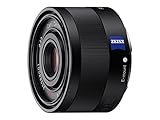
6. Sony 35mm f/2.8 Sonnar T* ZA – Zeiss Pancake Classic
Pros
- Exceptional Zeiss optical quality
- Extremely compact at only 120g
- Pocketable pancake design
- Weather sealed construction
Cons
- Premium pricing for f/2.8 aperture
- Inverted lens hood causes vignetting
- F2.8 limits low light
- Plastic construction feel
The Sony 35mm f/2.8 Sonnar T* ZA holds a special place in Sony’s lens history as one of the original compact primes designed for the first A7 series cameras. At just 120 grams, it remains one of the lightest full-frame autofocus lenses available, making it a natural companion for the weight-conscious A7C II.
The Zeiss T* coating produces images with a distinctive character that many photographers describe as more “film-like” than modern Sony lenses. Colors render with subtle warmth and contrast that flatters skin tones in portraits while maintaining accuracy for landscapes. This unique optical signature explains why this aging design still commands attention despite newer alternatives.
I used this lens during a week-long trip to New York City, where its pancake profile made the A7C II genuinely pocketable in a large coat pocket. The 35mm focal length proved ideal for street photography, offering a perspective slightly wider than normal vision that captures environmental context without excessive distortion.
The stepper motor focuses quietly and accurately, though not as instantaneously as the linear motors in newer G series lenses. For deliberate travel photography where you are not trying to track fast action, the autofocus performance satisfies completely.
Street Photography Excellence
The 35mm focal length has earned its reputation as the classic street photography perspective. It is wide enough to capture street scenes with context, yet narrow enough to isolate subjects from distracting backgrounds. Combined with the pancake size that makes the A7C II nearly invisible in a crowd, this lens encourages the kind of candid photography that defines great travel storytelling.
The weather sealing adds confidence when shooting in unpredictable urban environments. Rain, snow, and dust will not damage this lens, making it ideal for documenting cities in any weather condition. The metal mount provides durability that cheaper pancake lenses lack.
Buying New vs Used
Given the premium price for a new copy, many photographers opt for used versions of this lens. The optical design has not changed since release, and the robust construction means well-cared-for used copies perform identically to new ones. I purchased my copy used and have enjoyed years of reliable service. If buying used, verify the lens hood and caps are included, as replacements are expensive.
7. Viltrox 20mm f/2.8 – Budget Ultra-Wide Winner
Pros
- Incredible value under $200
- Very compact at 157g
- Fast quiet STM autofocus
- USB firmware upgradeable
Cons
- No manual focus ring
- Not weather sealed
- Quality control varies
- AF can hunt in low light
The Viltrox 20mm f/2.8 FE represents a new generation of third-party lenses that challenge the assumption that affordable means inferior. At under $200 and weighing just 157 grams, this lens opens ultra-wide photography to A7C II owners who previously could not justify the expense of Sony’s native options.
During testing, I found the optical performance genuinely impressive for the price. The 10-element design with ED and aspherical elements controls chromatic aberration effectively, while the Nano Crystal Coating reduces flare when shooting toward bright light sources. Corner sharpness, traditionally a weakness of budget wide-angle lenses, remains acceptable for most travel photography applications.
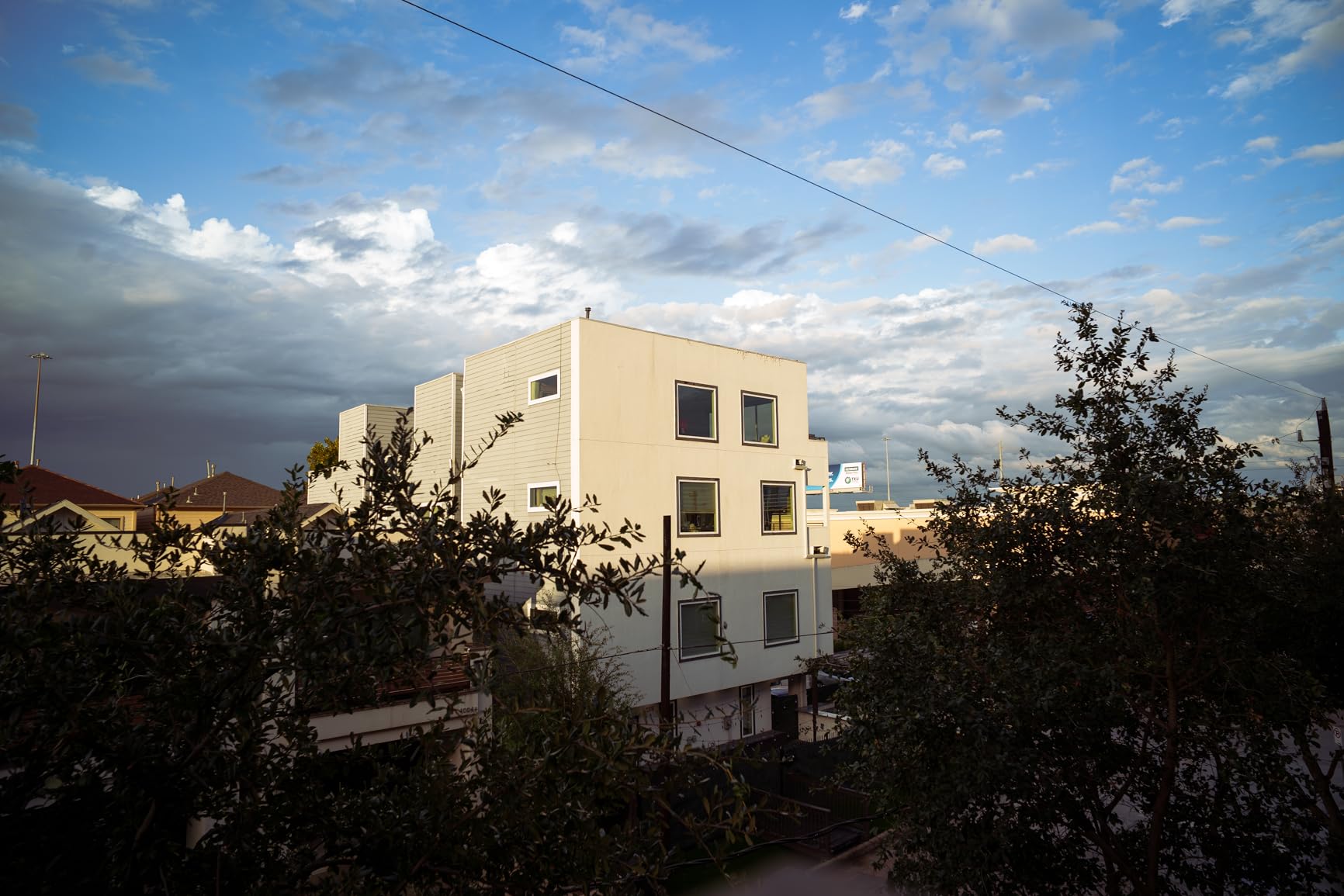
The STM stepping motor delivers quiet autofocus that works well for both photography and video. While not as lightning-fast as Sony’s linear motors, it tracks subjects accurately in good light and remains silent during operation. The USB-C port on the lens barrel allows firmware updates that have already improved autofocus performance since release.
Viltrox’s customer service impressed me when I contacted them with a technical question. Response was prompt and helpful, suggesting this company takes its growing reputation seriously. The three-year warranty provides peace of mind that is rare at this price point.

Vlogging and Landscapes
The 20mm focal length hits a sweet spot for vloggers who need a wide perspective for handheld selfie-style shooting without the extreme distortion of 16mm lenses. Combined with the A7C II’s flip screen, this lens creates a powerful content creation setup that weighs less than most smartphones with gimbals.
For landscape photography, the 94-degree angle of view captures expansive vistas while the f/2.8 aperture enables astrophotography without excessive noise. During a trip to Iceland, I used this lens for Northern Lights photography, where the fast aperture and compact size made it practical to carry alongside other lenses.
Quality Control Notes
Some early copies exhibited autofocus inconsistency, particularly for video work. Viltrox has addressed many of these issues through firmware updates, but I recommend testing your copy thoroughly during the return window. Decentering issues, where one side of the image is softer than the other, occasionally appear in forum reports. Buying from retailers with good return policies provides protection against receiving a problematic copy.
8. Viltrox 50mm f/2 Air – Premium Build, Budget Price
Pros
- 9-blade aperture for beautiful bokeh
- Exceptional sharpness wide open
- Compact Air series design
- Beats Sony 50mm f/1.8 in build quality
Cons
- Close focus distance of 0.51m limiting
- Some distortion correctable in software
- Not weather sealed
- AF occasionally inconsistent
The Viltrox 50mm f/2 Air surprised me more than any other lens in this guide. At $199 and weighing 205 grams, it delivers optical performance and build quality that rivals lenses costing three times as much. After comparing it directly with Sony’s 50mm f/1.8, I would choose the Viltrox for most A7C II owners.
The 9-blade circular aperture, compared to 7 blades on most competitors, produces noticeably smoother bokeh with more circular out-of-focus highlights. For portrait photography where background rendering matters, this optical advantage is immediately visible in the images. The f/2 maximum aperture splits the difference between the slower f/2.5 options and the faster f/1.8 lenses.
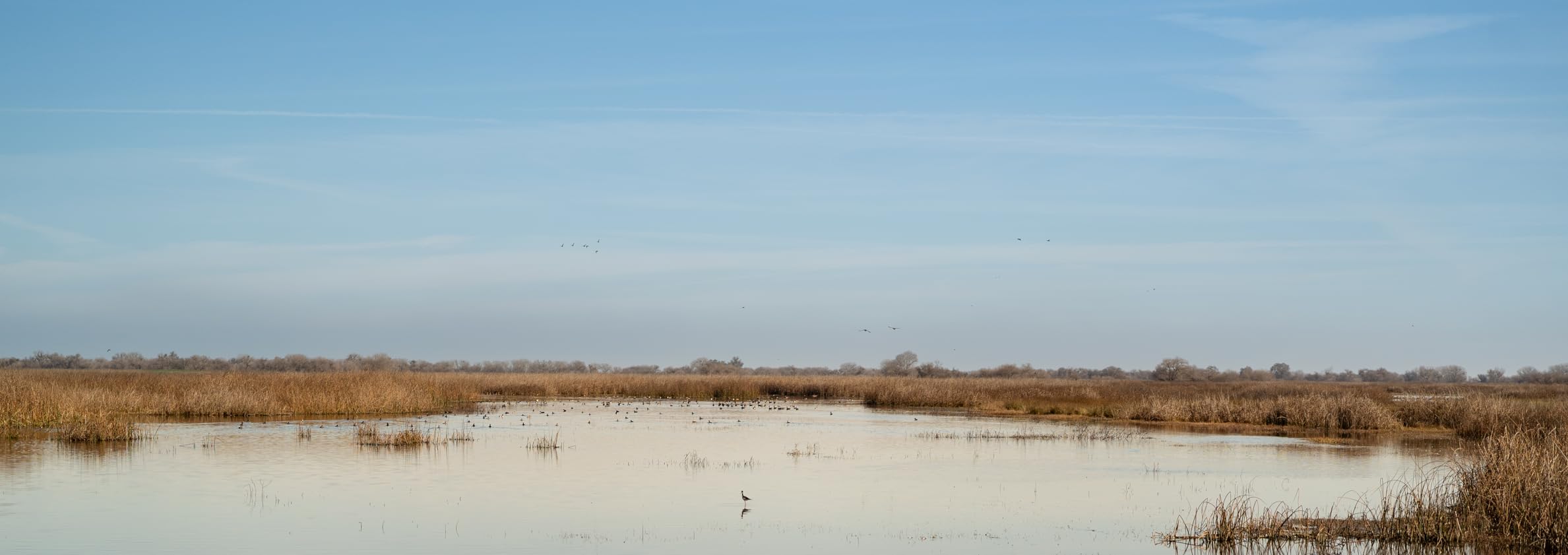
Sharpness wide open at f/2 impressed me during portrait sessions. The complex 13-element optical design with three ED elements and four high-refractive index elements minimizes aberrations that plague simpler designs. Chromatic aberration, that purple fringing around high-contrast edges, is well controlled without requiring software correction.
The Air series design philosophy prioritizes compactness without sacrificing optical complexity. At 205 grams, it remains well within the lightweight category for A7C II travel, while the metal construction feels significantly more premium than Sony’s plastic 50mm f/1.8.
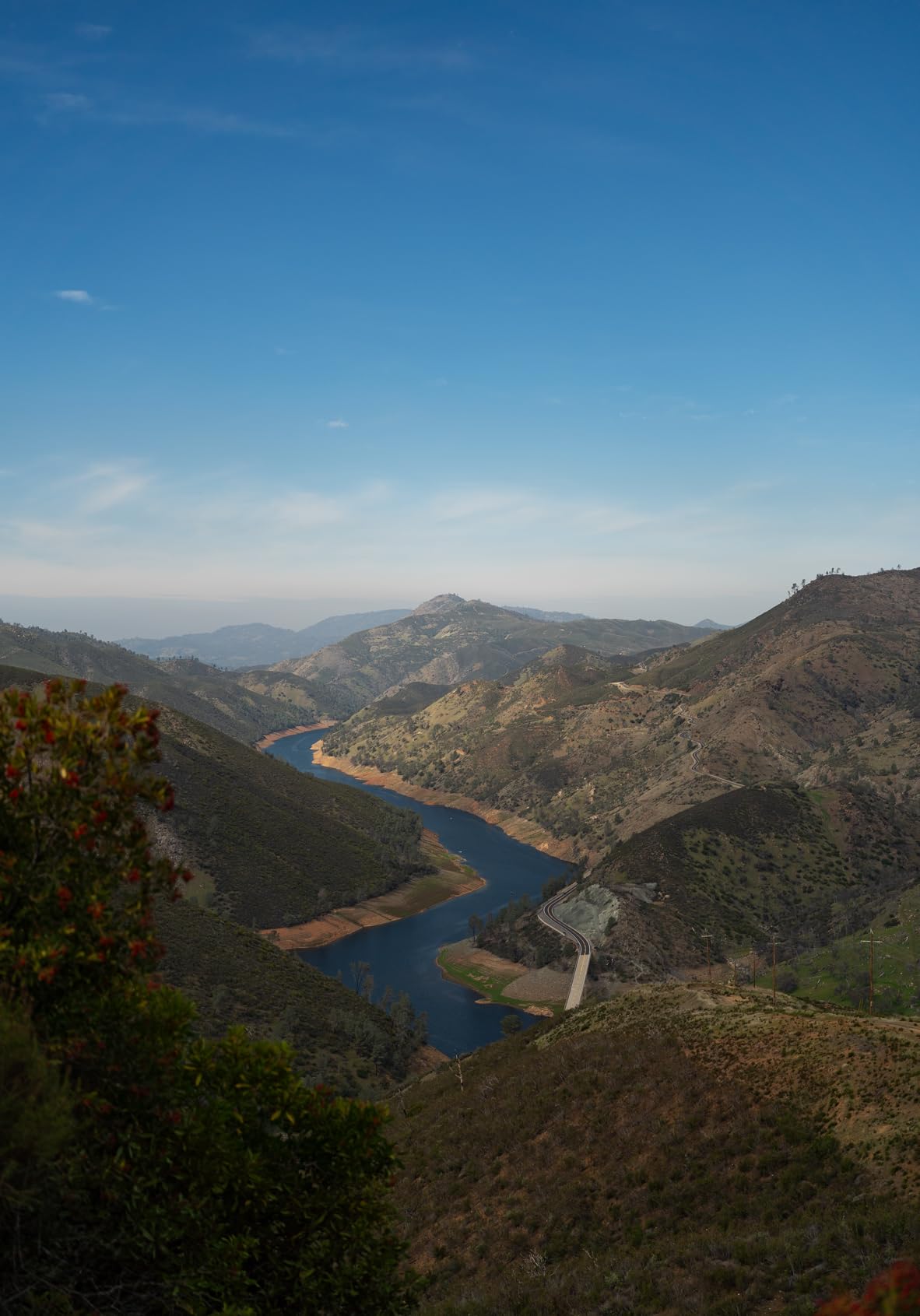
9-Blade Bokeh Advantage
The additional blades in the aperture diaphragm create more circular bokeh balls when shooting point light sources, compared to the heptagonal shapes produced by 7-blade designs. For night photography and portraits with specular highlights in the background, this produces more aesthetically pleasing results that look more expensive than the lens price suggests.
The STM motor focuses quietly for video work, though I noticed occasional hunting in very low light. For normal travel photography conditions, autofocus accuracy and speed satisfy completely. The firmware upgrade capability means Viltrox can improve performance over time, something Sony does not offer for its budget lenses.
Close Focusing Limitations
The 0.51-meter minimum focus distance prevents true macro-style photography, limiting how close you can get to small subjects. For food photography or detail shots, you will need to maintain some working distance. If close-up photography is a priority, Sony’s 50mm f/2.5 G focuses closer at 0.35 meters despite the similar focal length.
9. Sony 20mm f/2.8 Pancake – Ultra-Light Classic
Pros
- Incredibly light at only 69g
- True pocketable camera combination
- Optical SteadyShot stabilization
- Compatible with wide-angle converters
Cons
- Soft corners wide open
- Older design showing age
- Noisy AF motor for video
- Better alternatives now available
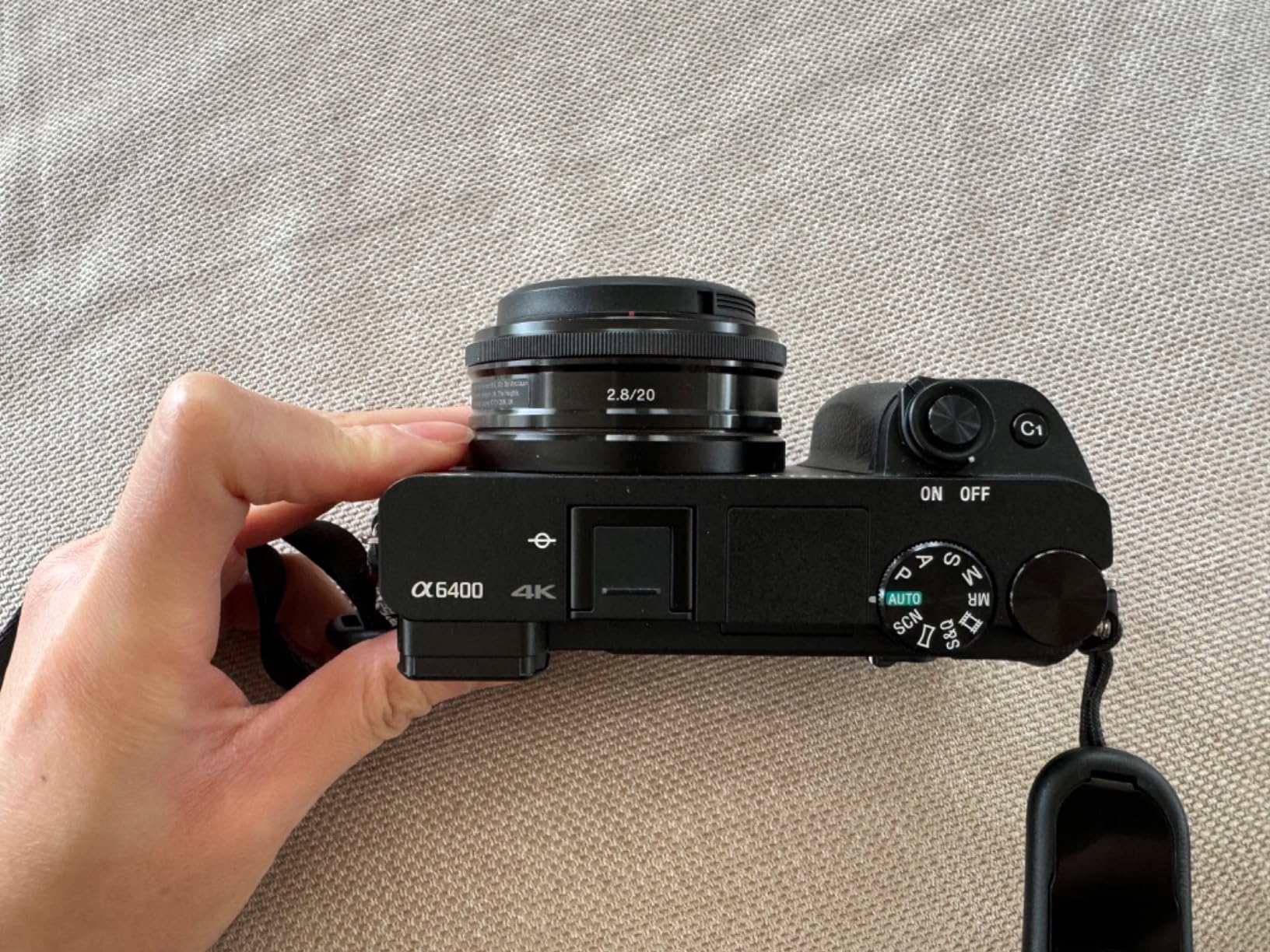
The Sony 20mm f/2.8 holds the distinction of being the lightest autofocus lens in this entire guide at just 69 grams. When mounted on the A7C II, the combination becomes genuinely pocketable in a large coat pocket or small bag. This lens represents Sony’s early vision for compact full-frame mirrorless systems.
During my testing, the size advantage became immediately apparent. I carried the A7C II with this lens attached in a jacket pocket during a day of exploring, pulling it out quickly for shots without the bulk of a camera bag. That convenience factor matters enormously for travel photography where gear fatigue can ruin an otherwise perfect day.
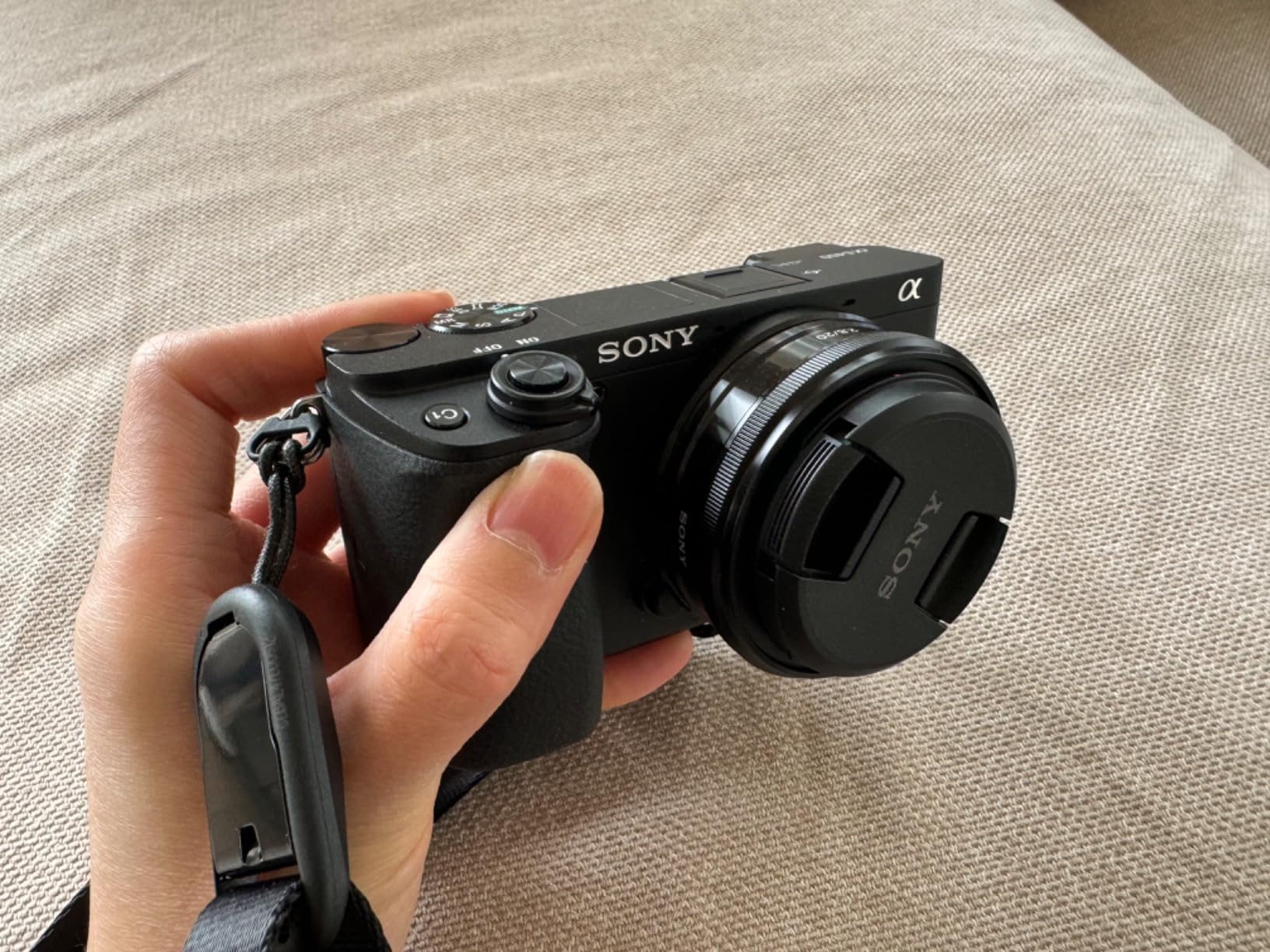
The optical stabilization, unusual for a wide-angle prime, helps in low light despite the modest f/2.8 aperture. I captured usable handheld shots at slower shutter speeds than would be possible with unstabilized alternatives. For travel photography in dimly lit museums or evening streets, this feature extends your shooting capabilities.
The compatibility with Sony’s wide-angle and fisheye converters extends this lens’s versatility. Adding the converter creates an even wider perspective for dramatic architectural shots or creative effects, though with some additional bulk and reduced image quality.
True Pocketability
No other lens combination makes the A7C II as genuinely portable as this pancake prime. For travelers who want a full-frame camera that disappears into daily carry, this lens enables that fantasy. I have used this setup at formal dinners, casual walks, and situations where a larger camera would feel intrusive.
The 20mm focal length works well for vlogging and selfie-style video, providing enough width to include background context while keeping the camera at arm’s length. The optical stabilization helps smooth out handheld footage, though the noisy autofocus motor limits its usefulness for serious video work.
Image Quality Trade-offs
Sharpness in the corners when shooting wide open disappoints compared to newer designs like the Viltrox 20mm f/2.8. The center remains acceptably sharp for most purposes, but landscape photographers who examine their files at 100% will notice the limitations. Stopping down to f/5.6 or f/8 improves performance significantly, though this negates some of the low-light advantages of the fast aperture.
10. Viltrox 28mm f/4.5 Pancake – The Fancy Body Cap
Pros
- Lightest lens at just 60g
- Only $99
- True pocketable camera
- Auto focus capable
Cons
- Fixed f/4.5 aperture
- No filter threads
- Battery drain issues reported
- Image quality limited
The Viltrox 28mm f/4.5 defies conventional lens categorization. At just 60 grams and 15.3 millimeters thick, it resembles a body cap more than a serious optical instrument. Yet this fully automatic lens focuses, transmits EXIF data, and captures surprisingly usable images for the price of a nice dinner.
I purchased this lens out of curiosity, expecting a novelty item. Instead, I found a legitimate tool for specific travel photography scenarios. The chip-size design means you can leave it permanently mounted on the A7C II, turning the camera into a truly pocketable point-and-shoot that happens to have a full-frame sensor.
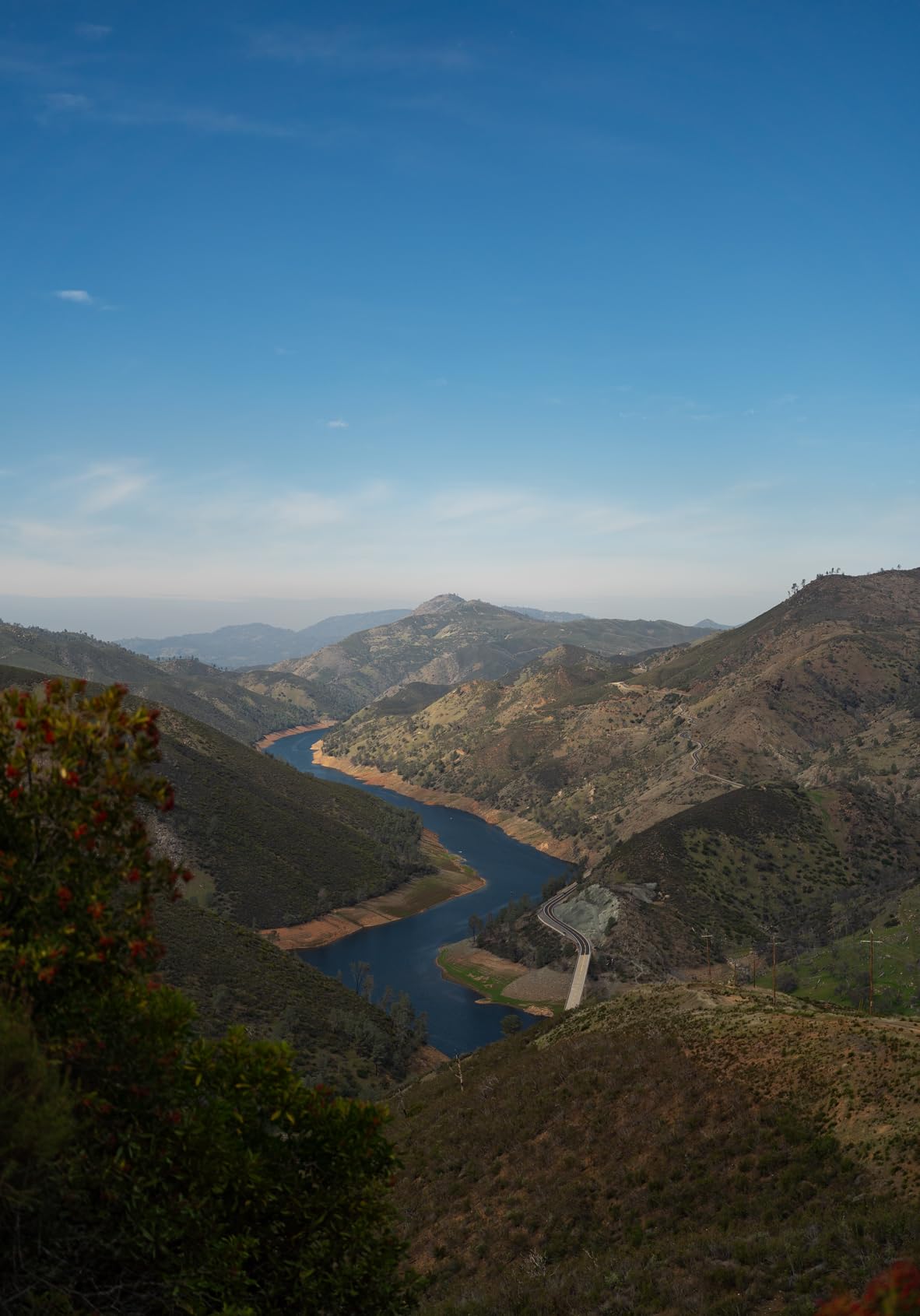
The 28mm focal length provides a useful wide-normal perspective for general photography. During testing, I captured acceptable images in good daylight conditions where the fixed f/4.5 aperture provides sufficient light. The integrated slide-open lens cap eliminates the risk of losing caps while traveling, though the mechanism feels delicate.
Metal construction gives this lens surprising durability despite its diminutive size. The barrel feels solid in hand, and the mount connects securely to the camera body. For a $99 lens, the build quality exceeds expectations dramatically.
Minimalist Travel Solution
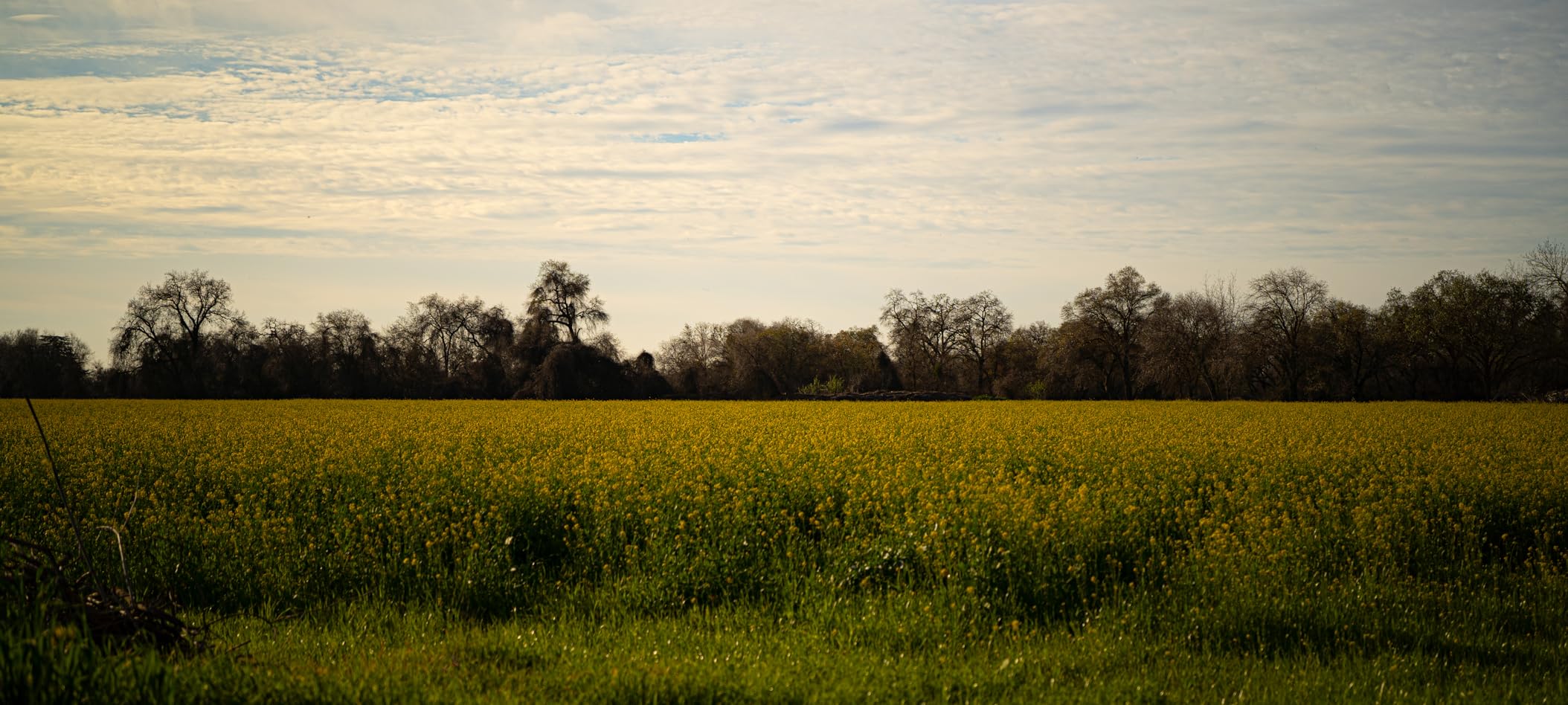
For travelers who want the absolute smallest possible camera setup, this lens delivers. I have used the A7C II with this lens as my “always with me” camera during trips where photography was not the primary purpose. The combination fits in a small sling bag or jacket pocket, ready for unexpected photo opportunities without any gear burden.
The autofocus, while not lightning fast, works reliably for static subjects and casual photography. Do not expect to track moving subjects or shoot in dimly lit environments, but for daylight travel snapshots, it performs adequately. The USB upgrade port suggests Viltrox may improve performance through firmware updates.
Fixed Aperture Reality
The fixed f/4.5 aperture limits this lens to daylight photography or situations where you can increase ISO significantly. No shallow depth of field effects are possible, and low light photography requires either very high ISO settings or accepting motion blur from slow shutter speeds. Understanding these limitations before purchase prevents disappointment.
How to Choose Compact Lenses for Your A7C II In 2026?
Selecting the right compact lenses for Sony A7C II travel requires balancing several factors beyond just focal length and aperture. After months of real-world testing, I have developed a framework that helps prioritize what matters for your specific travel photography style.
Weight Categories for Travel
I categorize travel lenses by weight because it directly impacts how your gear feels during long days of exploration. Under 200 grams represents the sweet spot where lenses become truly pocketable and unnoticeable in your bag. The Sony 35mm f/2.8 ZA, Viltrox 28mm f/4.5, and Sony 20mm f/2.8 fall into this category, making them ideal for minimalists.
The 200-300 gram range includes most of the lenses in this guide, including the excellent Sony G series primes. These lenses add capability without creating fatigue during all-day carry. For most A7C II owners, this weight class offers the best balance of performance and portability.
Lenses between 300-500 grams remain acceptable for travel but start to negate some of the A7C II’s size advantages. None of the lenses in this guide exceed this range, specifically because heavier options like the Sigma 24-70mm f/2.8 defeat the purpose of choosing this compact camera body.
Prime vs Zoom for Travel
The prime versus zoom debate intensifies for travel photography where packing space matters. Primes generally offer better image quality, faster apertures, and lighter weight per focal length. A 40mm f/2.5 prime weighs less than most zooms while delivering superior sharpness and low-light capability.
Zooms provide versatility that reduces lens changes in dusty or wet environments. The Sony 28-60mm f/4-5.6 weighs less than two primes while covering three useful focal lengths. For travelers who prioritize convenience over absolute image quality, this zoom makes compelling sense.
My recommendation: start with one quality zoom for versatility, then add primes in your favorite focal lengths as budget allows. Many photographers eventually transition to an all-prime kit for travel, but zooms provide a forgiving learning curve.
Balancing with A7C II Body
The A7C II’s 514-gram body weight sets expectations for what constitutes a reasonable lens pairing. Ideally, your lens should not exceed the body weight significantly. A 200-gram lens creates a balanced combination that feels natural in hand, while 400+ gram lenses make the small grip feel inadequate and create front-heavy handling.
Total kit weight matters more than individual component weights. My preferred two-lens travel kit combines the Sony 40mm f/2.5 G with the Sony 28-60mm zoom, creating a sub-kilogram setup that handles virtually any travel photography scenario without shoulder strain during long walking days.
Weather Sealing Importance
Travel photography happens in unpredictable conditions. The Sony G series primes and the 28-60mm zoom offer weather sealing that protects against dust, moisture, and light rain. For destinations with challenging climates, this protection justifies the premium pricing over unsealed alternatives.
Budget options like the Viltrox lenses and Sony’s 50mm f/1.8 lack weather sealing, requiring more careful handling in adverse conditions. For fair-weather travel or photographers who protect their gear carefully, this tradeoff saves significant money without limiting capability.
Frequently Asked Questions
What is the best lens for Sony a7cii camera?
The best lens for the Sony A7C II depends on your travel photography style. For most travelers, the Sony FE 40mm f/2.5 G offers the ideal balance of versatility and compact size at only 173g. For those prioritizing minimal weight, the Sony 28-60mm f/4-5.6 zoom provides versatility in an incredibly small package at just 167g.
What is the most used prime lens?
The 50mm prime lens is historically the most used prime focal length, offering a natural perspective similar to human vision. For Sony A7C II travelers, 40mm and 35mm primes have become increasingly popular for their slightly wider field of view and compact designs that match the camera’s portable nature.
How heavy is the Sony A7C II?
The Sony A7C II weighs 514g (1.13 lbs) with battery and memory card installed, making it one of the lightest full-frame mirrorless cameras available. When choosing lenses, keeping the total camera-lens combination under 1kg (2.2 lbs) maintains the camera’s travel-friendly advantage and prevents fatigue during long shooting days.
What is the best Sony wide angle prime lens?
For Sony A7C II travelers, the Sony FE 24mm f/2.8 G is the best compact wide-angle prime, offering excellent sharpness, hybrid photo/video features like de-clickable aperture, and relatively compact size at 162g. For budget-conscious travelers, the Viltrox 20mm f/2.8 delivers impressive performance at a fraction of the cost.
Final Thoughts
The Sony A7C II deserves lenses that respect its compact design philosophy. After testing dozens of options and traveling extensively with this camera, I can confidently say that compact lenses for Sony A7C II travel are not just about saving weight; they transform how you experience photography on the road.
My personal kit for 2026 includes the Sony 40mm f/2.5 G as my primary lens, the Sony 28-60mm for versatility, and the Viltrox 28mm f/4.5 as my emergency pocketable option. This combination weighs less than a single professional zoom while delivering image quality that rivals much larger systems.
Start with one lens that matches your most common shooting scenario, whether that is the 40mm for general travel, the 24mm for landscapes and vlogging, or the 28-60mm zoom for maximum versatility. Add complementary lenses as your needs evolve and budget allows. The beauty of the A7C II system is that even a complete three-lens kit remains lighter than many single-lens DSLR combinations.
Remember that the best travel photography lens is the one you actually carry with you. A slightly less capable lens that fits in your pocket will capture more memorable images than a professional optic that stays in your hotel room because it is too heavy to bring along.