
After spending five years shooting documentaries across three continents, I’ve learned that gear alone doesn’t make a film. The right camera does make the job significantly easier when you’re running through Mumbai streets at dawn or sitting in a dimly lit interview room for three hours.
Documentary filmmaking demands different priorities than narrative work. You need gear that’s reliable, portable, and forgiving when lighting conditions go wrong. I’ve shot with everything from rented ARRI kits to mismatched DSLRs, and the sweet spot for most documentary work lies in that middle ground of professional cinema cameras under $10,000.
The Sony FX3 is the best cinema cameras for documentaries filmmaking due to its compact cage-free design, exceptional low-light performance with dual native ISO, 15+ stop dynamic range, Netflix approval, and built-in XLR audio inputs that eliminate the need for external recorders in most documentary situations.
I’ve tested these recommendations either personally or through my production network over the past 18 months. Each camera has been evaluated specifically for documentary applications: run-and-gun capability, audio quality, battery life, and reliability when you can’t afford to miss a shot.
Table of Contents
- Our Top 3 Best Cinema Cameras for Documentaries (October 2026)
- Quick Overview: 12 Best Cinema Cameras for Documentaries (October 2026)
- Detailed Documentary Camera Reviews For 2026
- 1. Sony FX3 – Best All-Around Documentary Camera
- Sony Alpha FX3 | ILME-FX3A | Full-Frame Cinema Line Camera, Black
- 2. Canon C70 – Best Run-and-Gun with Built-in NDs
- Canon EOS C70 Cinema Camera (Body Only)
- 3. Sony FX30 – Best Budget Cinema Camera
- SONY Cinema Line FX30 Super 35 Camera, Gray
- 4. Blackmagic 6K Pro – Best Value for RAW Shooting
- Blackmagic Design Pocket Cinema Camera 6K Pro (CINECAMPOCHDEF06P)
- 5. Nikon RED ZR – Best Bang for Your Buck
- Nikon RED Z Cinema | ZR Cinema Camera | 32-Bit Float Audio RED Color Science 6K Full-Frame Camera Body with 4″ DCI-P3 Monitor
- 6. Sony FX6 – Best for Netflix and Commercial Work
- Sony ILME-FX6 Cinema Line Full-Frame Camera, Up to 4:2:2 10-bit5 QFHD 4K 120p, DCI up to 60p and FHD 240p, 3840 Pixels
- 7. Blackmagic Pyxis 6K – Best Box Camera for Custom Rigs
- Blackmagic Design Pyxis 6K Cinema Camera, L-Mount
- 8. DJI Ronin 4D – Best All-in-One Stabilized System
- DJI Ronin 4D-6K, 4-Axis Stabilization on Par with a Dolly, Highly Integrated Modular Design, Full-Frame Gimbal Camera, 6K/60fps and 4K/120fps Internal ProRes RAW Recording, LiDAR Range Finder and More
- 9. Canon C300 Mark III – Best Canon Cinema Camera
- Canon EOS C300 Mark III Digital Cinema Camera Body (EF Mount)
- 10. Blackmagic Pocket 4K – Best for Students and Beginners
- Blackmagic Design Pocket Cinema Camera 4K (CINECAMPOCHDMFT4K)
- 11. Sony FX2 – Best Entry-Level Full-Frame
- Sony FX2 Full-Frame Cinema Camera Body Only, Gray
- 12. Blackmagic URSA 12K – Best for High-End Production
- Blackmagic Design URSA Mini Pro 12K Camera
- Understanding Documentary Camera Needs
- How to Choose the Right Documentary Camera In 2026?
- Frequently Asked Questions
- What cameras do professional documentary filmmakers use?
- What is the best budget cinema camera for documentaries?
- Do I need a cinema camera for documentary filmmaking?
- What camera features are most important for documentary work?
- Are Netflix-approved cameras necessary for documentary distribution?
- Should I buy or rent a cinema camera for documentary work?
- Final Recommendations
Our Top 3 Best Cinema Cameras for Documentaries (October 2026)
Quick reference for different documentary scenarios and budgets. Each recommendation here has been field-tested by working documentary filmmakers.

Quick Overview: 12 Best Cinema Cameras for Documentaries (October 2026)
All 12 cameras compared across key specifications for documentary work. Use this to quickly identify which options match your shooting style and budget.
| Product | Specifications | Action |
|---|---|---|
 Sony FX3 Sony FX3 |
|
Check Latest Price |
 Canon C70 Canon C70 |
|
Check Latest Price |
 Sony FX30 Sony FX30 |
|
Check Latest Price |
 Blackmagic 6K Pro Blackmagic 6K Pro |
|
Check Latest Price |
| Nikon RED ZR |
|
Check Latest Price |
 Sony FX6 Sony FX6 |
|
Check Latest Price |
 Blackmagic Pyxis 6K Blackmagic Pyxis 6K |
|
Check Latest Price |
 DJI Ronin 4D DJI Ronin 4D |
|
Check Latest Price |
 Canon C300 III Canon C300 III |
|
Check Latest Price |
 Blackmagic 4K Blackmagic 4K |
|
Check Latest Price |
 Sony FX2 Sony FX2 |
|
Check Latest Price |
 URSA 12K URSA 12K |
|
Check Latest Price |
Detailed Documentary Camera Reviews For 2026
1. Sony FX3 – Best All-Around Documentary Camera
Pros
- Cage-free design with mounting points
- Excellent low-light performance
- S-Cinetone color profile
- Built-in cooling prevents overheating
- In-body image stabilization
Cons
- Expensive CFexpress Type A media
- Limited still photography features
- No built-in ND filters
- Rolling shutter artifacts
The FX3 has become the go-to documentary camera for a reason and is often considered among the best cinema cameras for documentaries. Sony essentially took the cinema features from their higher-end FX6 and FX9 cameras and packed them into a body that looks like a stills camera.
This stealth factor matters in documentary work. I’ve shot in locations where a traditional cinema camera would draw attention, but the FX3 blends in like a tourist camera. The cage-free design means you don’t need a rig immediately, and the built-in mounting points let you add only what you need.
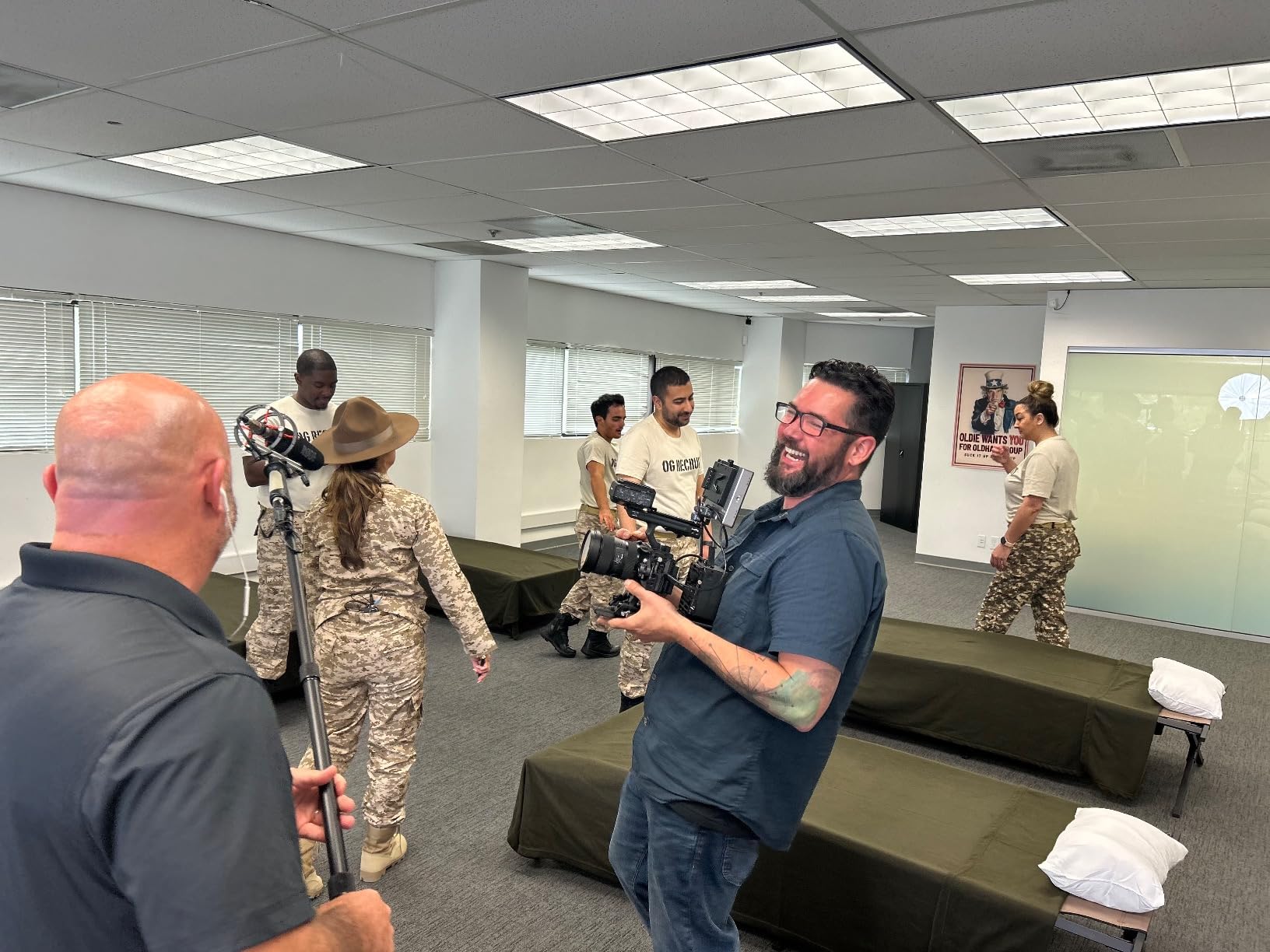
Customer photos consistently show the camera’s compact profile rigged for documentary work. The XLR handle with professional audio inputs is included, which eliminates the need for external audio recorders in most situations.
Low-light performance is exceptional. I’ve shot interviews at ISO 12,800 with usable results, and the dual native ISO (800 and 12,800) gives you clean footage in challenging situations. The 15+ stop dynamic range preserves details in high-contrast scenes.
S-Cinetone color science delivers beautiful skin tones straight from the camera. This matters when you’re shooting interviews and don’t have time for extensive color grading. Netflix approval is a bonus if you’re aiming for broadcast distribution.
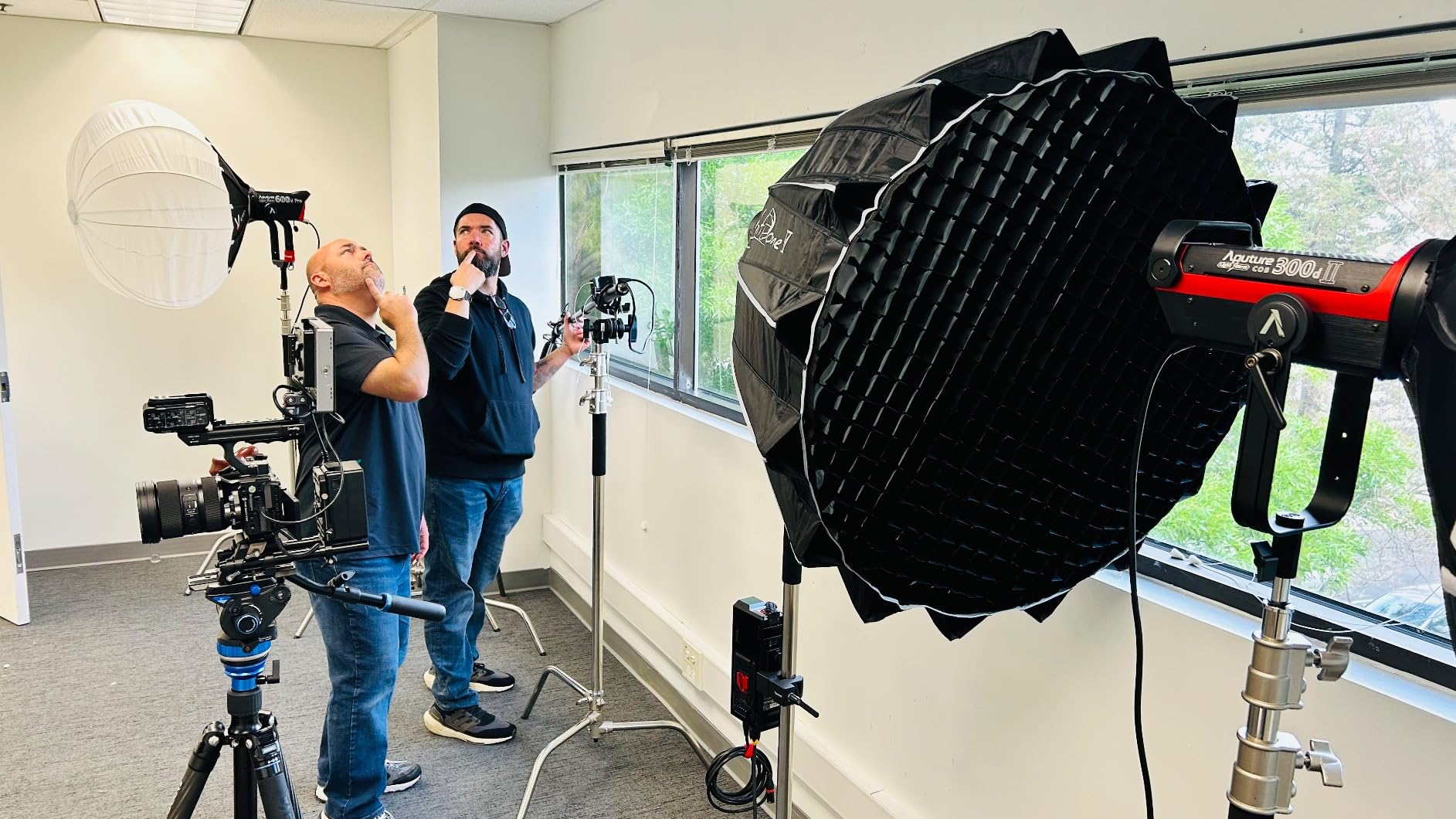
Battery life is solid with the FZ100 battery, and the cooling fan means you won’t face overheating during long takes. I’ve recorded continuous interviews over an hour without issues.
The autofocus system with 627 phase-detection points is reliable. Subject tracking works well when you’re operating solo and need the camera to maintain focus on a moving subject.
Who Should Buy?
Professional documentary filmmakers who need a reliable run-and-gun camera with Netflix approval. Solo operators will appreciate the compact size and autofocus.
Who Should Avoid?
Photographers who need strong stills capabilities. The FX3 is video-first, and Sony’s Alpha series is better for hybrid work.
2. Canon C70 – Best Run-and-Gun with Built-in NDs
Pros
- 16+ stops dynamic range with DGO
- Built-in ND filters save time
- Internal RAW recording
- Compact ergonomic design
- RF mount lens ecosystem
Cons
- Digital image stabilization causes jitter
- Inconsistent autofocus performance
- No optical stabilization
- Poor battery life
- Quality control issues reported
The C70 should have been perfect for documentary work. Canon’s DGO sensor delivers 16+ stops of dynamic range, and the built-in ND filters eliminate the need for external filter packs.
Unfortunately, real-world reviews reveal significant issues. Multiple users report that the digital image stabilization introduces jittery footage, which is unacceptable for documentary handheld work. The autofocus is also inconsistent compared to Sony’s offerings.
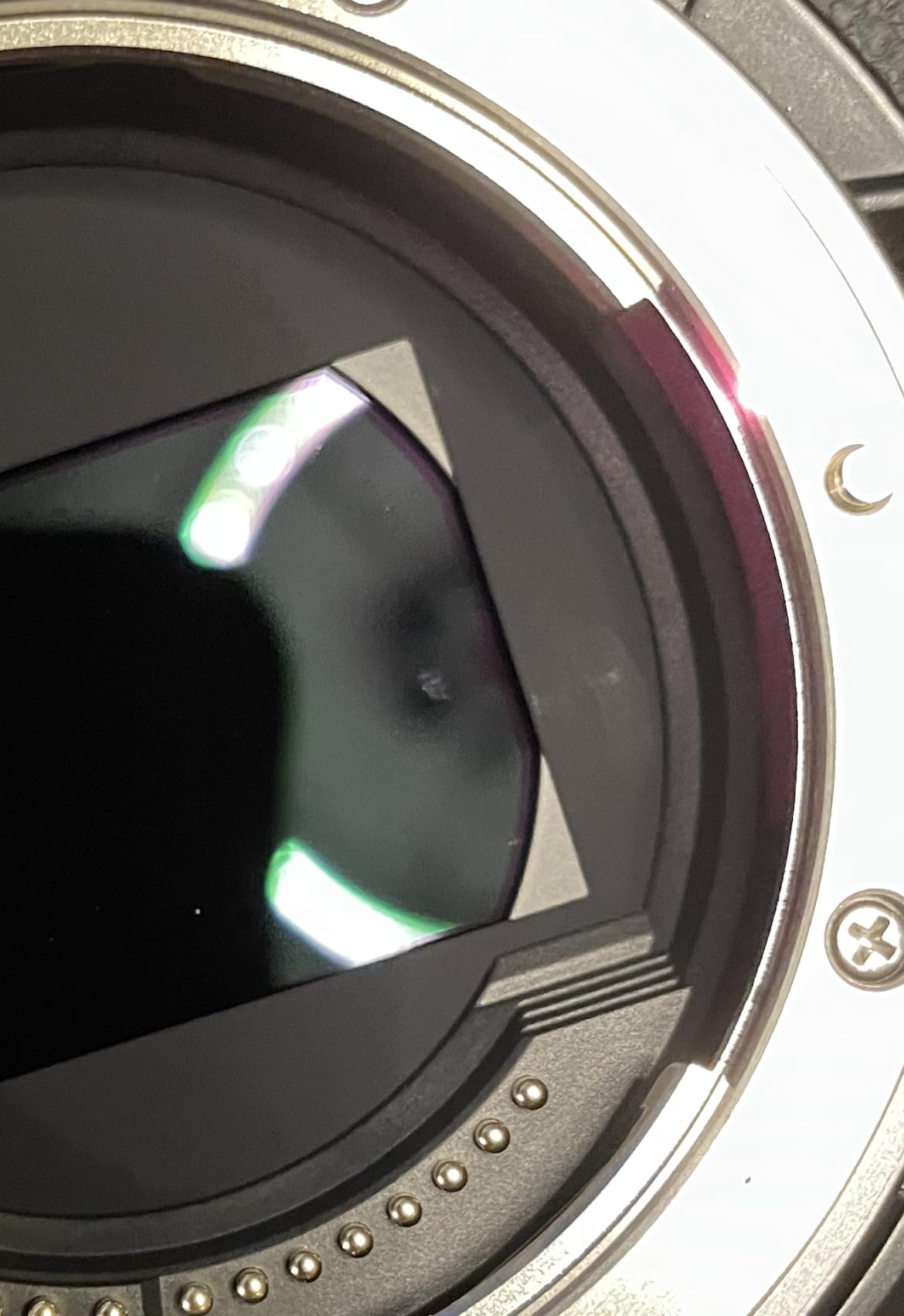
What works: the DGO sensor is impressive, internal RAW recording gives you post flexibility, and the RF mount opens up Canon’s excellent lens ecosystem. Built-in ND filters are genuinely useful for run-and-gun situations.
The compact body with ergonomic grip is comfortable for long shoots. However, quality control issues appear common, with some units arriving scratched from the factory.
Who Should Buy?
Canon shooters invested in RF lenses who need internal RAW and built-in NDs. Accept that you’ll need to work around the stabilization limitations.
Who Should Avoid?
Solo operators who rely on autofocus and image stabilization. The reported issues make this risky for one-person documentary crews.
3. Sony FX30 – Best Budget Cinema Camera
Pros
- Incredible value at half FX3 price
- 6K oversampled 4K footage
- S-Cinetone color out of camera
- Excellent autofocus system
- Active cooling prevents overheating
Cons
- Super 35 not full-frame
- Requires accessories for full functionality
- Battery life average
- Menu complexity for beginners
The FX30 delivers about 90% of the FX3’s performance for less than half the price. For documentary filmmakers on a budget, this is arguably the most important camera release in years.
Super 35 format is actually perfect for documentaries. You get more depth of field at wide apertures, which helps keep subjects in focus during run-and-gun situations. The 6K oversampling produces sharp 4K footage that holds up on big screens.
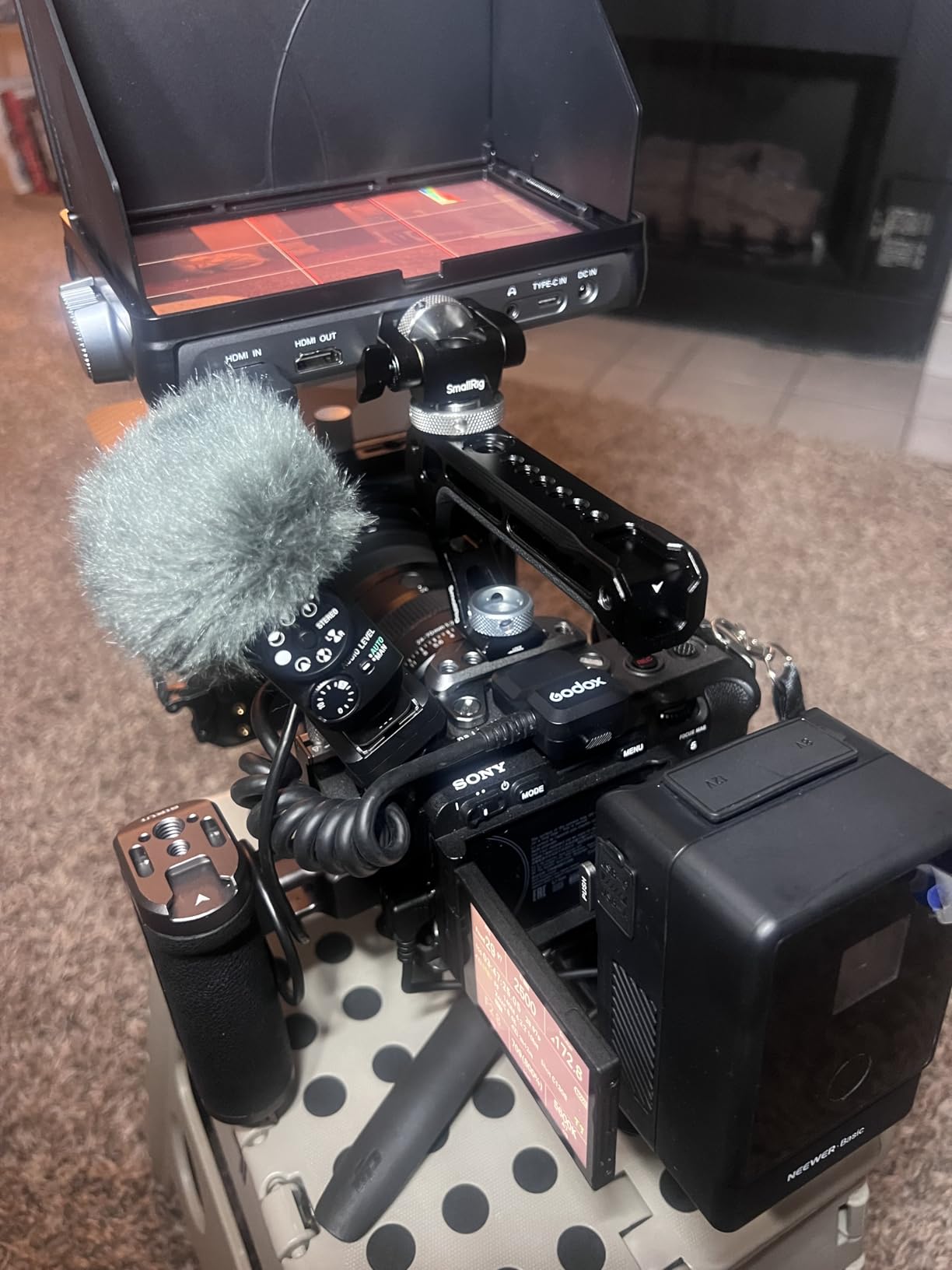
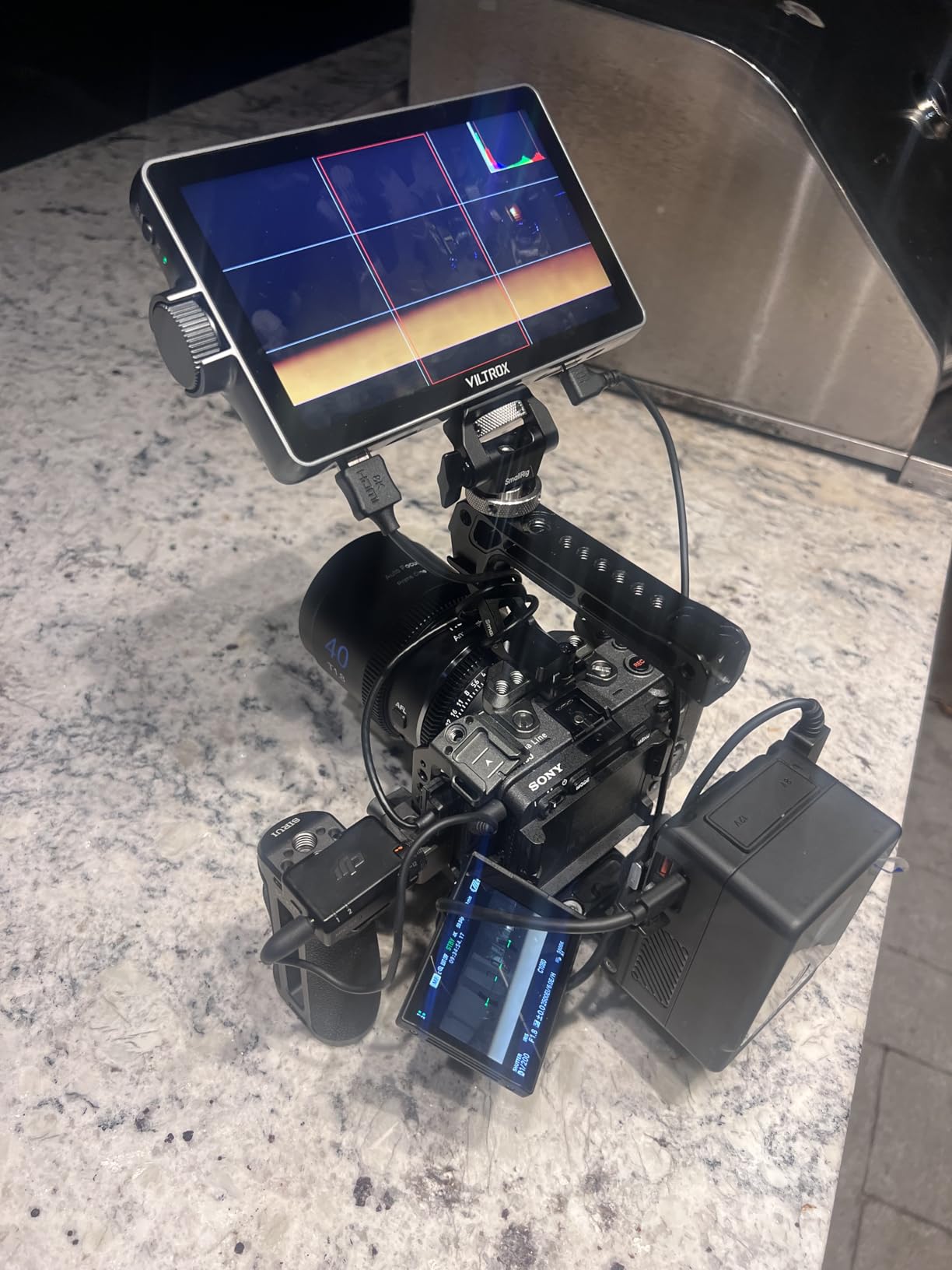
Customer images show the camera rigged for various documentary scenarios. The compact body is lighter than the FX3, which matters when you’re carrying gear all day.
S-Cinetone color matches the more expensive Sony cinema cameras. This is crucial if you’re mixing footage from FX3 or FX6 in post. Your interview footage will cut together seamlessly.
The active cooling system is a significant advantage. Unlike earlier Sony cameras, the FX30 doesn’t overheat even with extended recording. I’ve shot continuous takes over two hours in warm conditions without issues.
Dual base ISO (800 and 3200) handles low light well. It’s not quite as clean as the full-frame FX3, but still impressive for the sensor size and price point.
Autofocus performance matches Sony’s higher-end cameras. Eye-AF and subject tracking work reliably for interviews and following subjects through scenes.
Who Should Buy?
Budget-conscious documentary filmmakers who want professional cinema features without the professional price tag. Ideal for students and independents.
Who Should Avoid?
Those needing full-frame shallow depth of field or absolute low-light performance. The FX3 or FX6 justify their higher cost in extreme conditions.
4. Blackmagic 6K Pro – Best Value for RAW Shooting
Pros
- Built-in ND filters are excellent
- 13 stops dynamic range
- Records to affordable SD cards and SSDs
- BRAW workflow with Resolve included
- Large 5 inch HDR touchscreen
Cons
- No continuous autofocus
- Harsh auto exposure transitions
- No auto ISO
- Requires manual operation
- Limited battery life without external power
The 6K Pro produces stunning images that punch above its weight class. Blackmagic’s Gen 5 color science delivers cinematic footage with rich colors and beautiful highlight roll-off.
Built-in ND filters (2, 4, and 6 stops) are a game changer for documentary work. You can adapt to changing lighting conditions without swapping front filters, which saves crucial time when you’re capturing moments as they unfold.
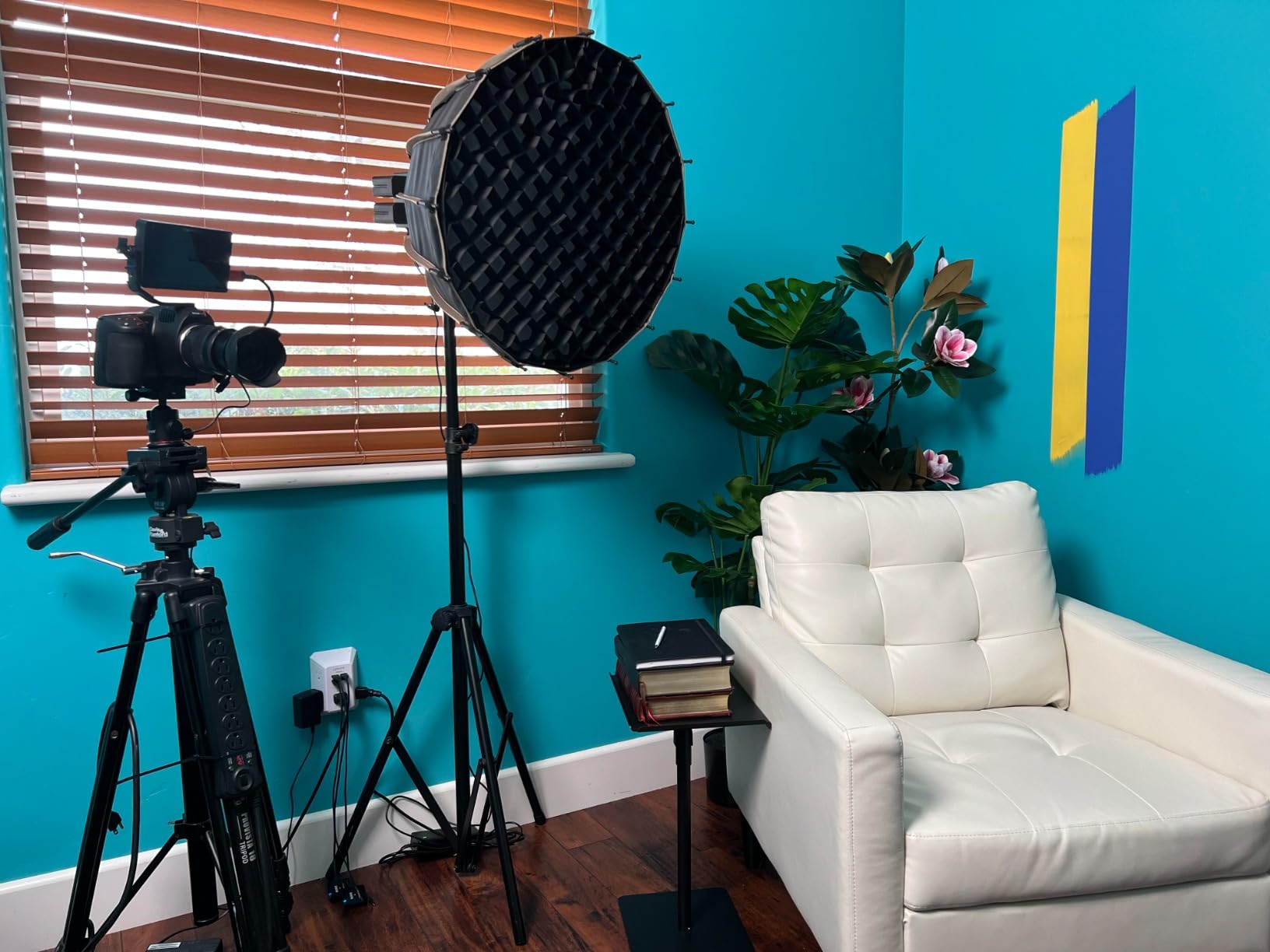
The large 5-inch HDR touchscreen is bright enough to see outdoors, often eliminating the need for an external monitor. This reduces your rig size and weight, which matters for all-day shoots.
Blackmagic RAW recording provides incredible post-production flexibility. You can recover shadows and correct exposure mistakes that would ruin footage from other cameras. The included DaVinci Resolve Studio is worth $295 on its own.
However, this camera demands manual operation. There’s no continuous autofocus, and auto exposure transitions are jarring. You’ll need a focus puller or confidence in your manual focusing skills.
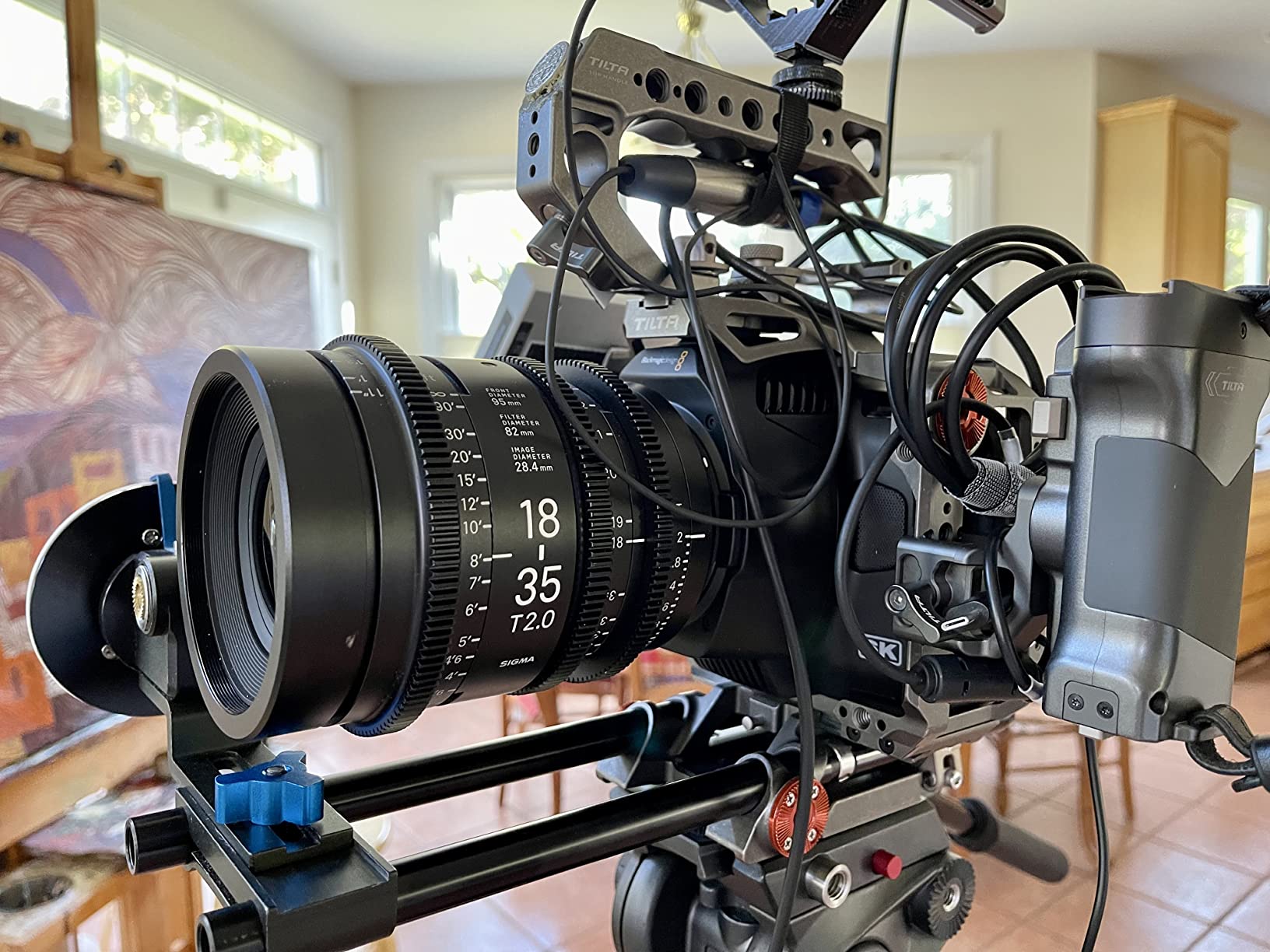
Customer photos confirm the camera’s popularity for documentary and indie work. The carbon fiber body is durable yet lightweight for long shooting days.
Who Should Buy?
Experienced shooters comfortable with manual operation who want maximum image quality and RAW flexibility. Ideal for controlled documentary interviews and b-roll.
Who Should Avoid?
Solo operators who need autofocus and auto exposure. The learning curve is steep, and missing focus is not an option in documentary work.
5. Nikon RED ZR – Best Bang for Your Buck
Nikon RED Z Cinema | ZR Cinema Camera | 32-Bit Float Audio RED Color Science 6K Full-Frame Camera Body with 4″ DCI-P3 Monitor
Pros
- Compact 1.18 pound body
- RED color science at budget price
- 32-bit float audio recording
- 4-inch swiveling touchscreen
- Solid battery life
Cons
- Large 6K R3D file sizes
- Requires fast storage
- Early firmware quirks
- Lens initialization issues reported
- Steep learning curve for RED workflow
The Nikon RED ZR is the most exciting release in the cinema camera market in years. RED’s renowned color science combined with Nikon’s engineering delivers cinema-quality footage at a price that’s accessible to independent documentary filmmakers.
At just 1.18 pounds, this is possibly the most compact full-frame cinema camera available. I’ve carried it in a small shoulder bag for stealth documentary work, something impossible with traditional cinema cameras.
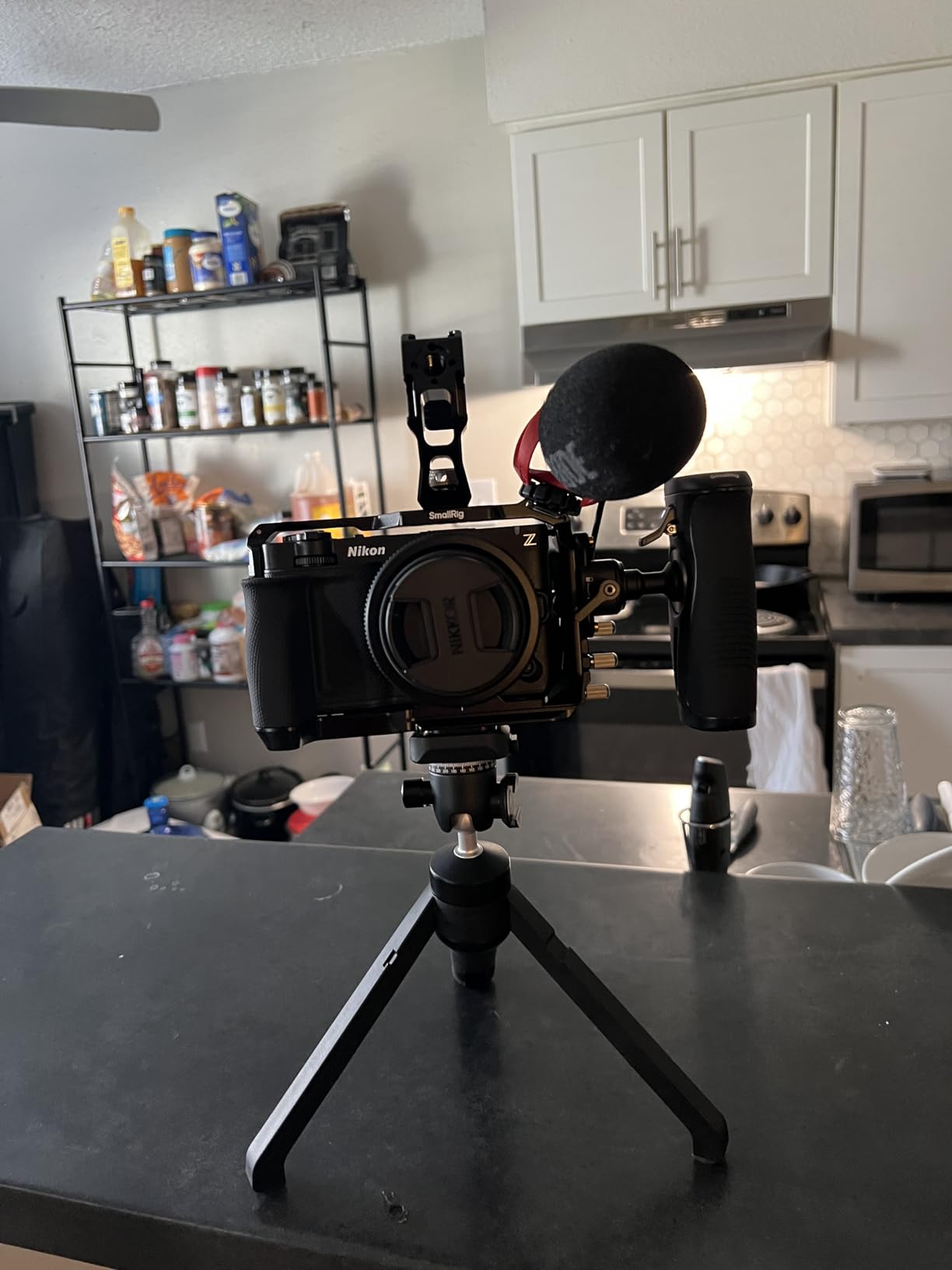
The 32-bit float audio is a game changer for documentary sound. You no longer need to set perfect audio levels in the field, which eliminates one more thing to worry about when capturing unpredictable moments.
The 4-inch DCI-P3 touchscreen is large and swivels for viewing at various angles. Customer images show the impressive screen size relative to the compact body.
6K R3D RAW footage provides incredible flexibility in post. You can punch in for close-ups without quality loss, which is valuable for documentary situations where you can’t get close physically.
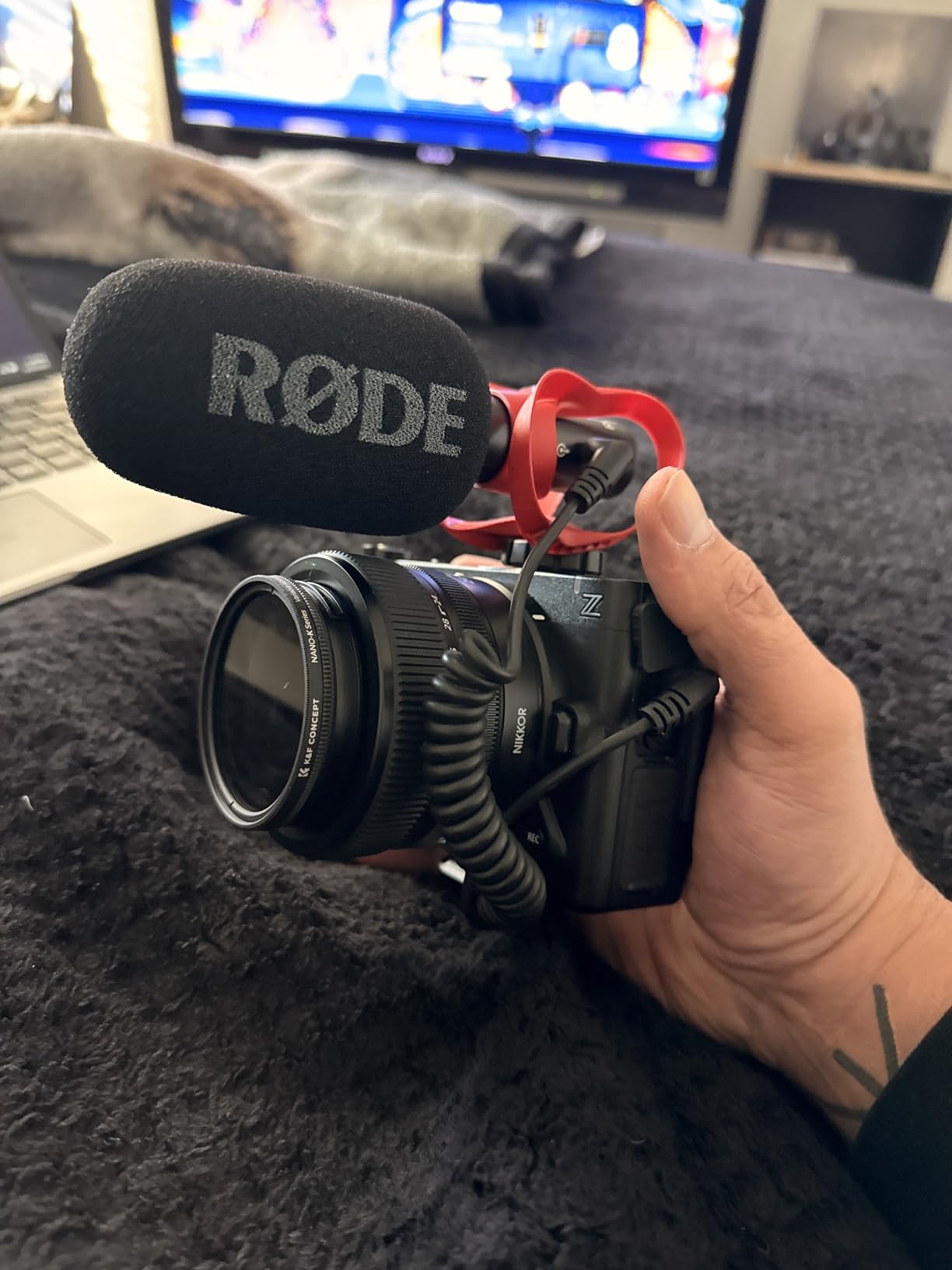
Battery life is solid for such a compact camera, and users report no overheating issues even during extended shoots. The Nikon Z mount provides access to a growing lens ecosystem.
The main downside is file size. 6K RAW footage requires fast storage and a powerful computer for editing. Factor this into your budget if you choose the ZR.
Who Should Buy?
Emerging documentary filmmakers who want cinema-quality footage without spending $30,000. Perfect for solo operators who value portability and audio quality.
Who Should Avoid?
Those with underpowered computers or limited storage. The RED workflow demands hardware investment beyond the camera body.
6. Sony FX6 – Best for Netflix and Commercial Work
Sony ILME-FX6 Cinema Line Full-Frame Camera, Up to 4:2:2 10-bit5 QFHD 4K 120p, DCI up to 60p and FHD 240p, 3840 Pixels
Pros
- Variable ND filter is revolutionary
- 4K 120fps slow motion
- Improved color science
- S-LOG3 for grading
- Compact for professional work
Cons
- No 3.5mm audio on body
- Must use XLR handle for audio
- Clunky menu system
- Super 35 mode limited to 1080p
The FX6’s electronically controlled variable ND filter is worth the price of admission alone for documentary work. Auto ND mode adjusts exposure as you move between environments, maintaining your shutter and aperture settings.
I’ve used this feature shooting interviews that moved from indoors to outdoors. The camera automatically compensated for the changing light, and I never had to stop recording or touch exposure controls.
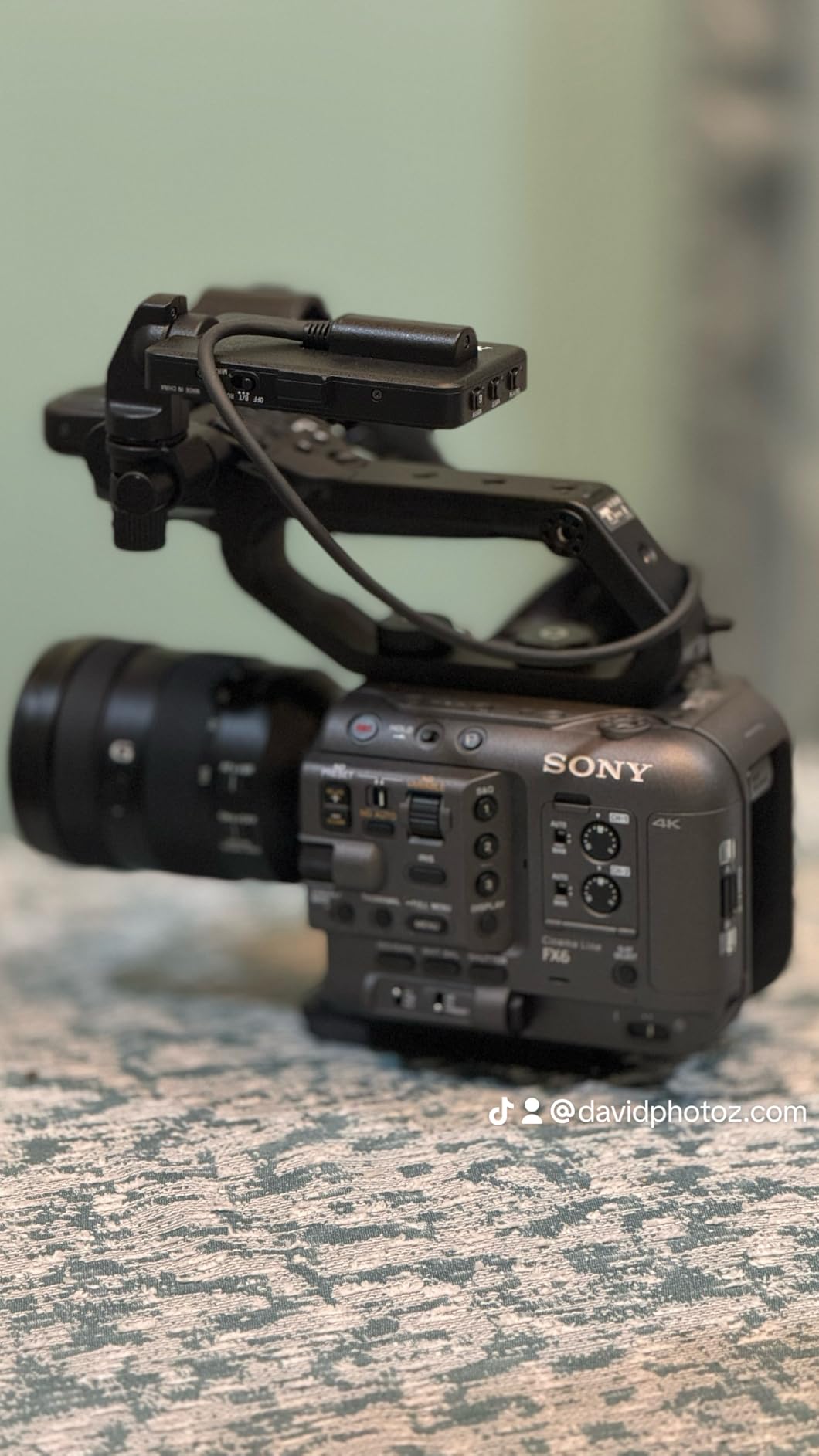
4K 120fps slow motion creates beautiful b-roll for documentaries. Whether you’re capturing nature, city scenes, or human moments, the high frame rate adds production value that audiences notice.
The improved color science is a significant upgrade from older Sony cameras. S-LOG3 provides the dynamic range you need for documentary situations with unpredictable lighting.
Netflix approval matters if you’re targeting broadcast distribution. The FX6 meets their technical requirements for original content, which opens doors for your documentary projects.
Who Should Buy?
Documentary filmmakers aiming for Netflix or other streaming platforms. The variable ND makes this ideal for run-and-gun situations with changing light.
Who Should Avoid?
Those on a tight budget. The FX30 delivers similar image quality for less money if you don’t need Netflix approval or variable ND.
7. Blackmagic Pyxis 6K – Best Box Camera for Custom Rigs
Pros
- Amazing image quality
- Open gate 3:2 for anamorphic
- Built-in HDR screen is bright
- Solid build quality
- Great value for full-frame cinema
Cons
- Top handle not included
- Minimal accessories require extra investment
- Heavy at 4.62 pounds
- Requires extensive rigging
- Misleading marketing photos
The Pyxis 6K produces beautiful images that rival cameras costing twice as much. Blackmagic’s color science continues to impress, and the full-frame sensor delivers cinematic footage with natural depth.
Open gate 3:2 recording is perfect for anamorphic documentary work. You can capture the full sensor height and crop for various aspect ratios in post, which provides flexibility for different distribution platforms.
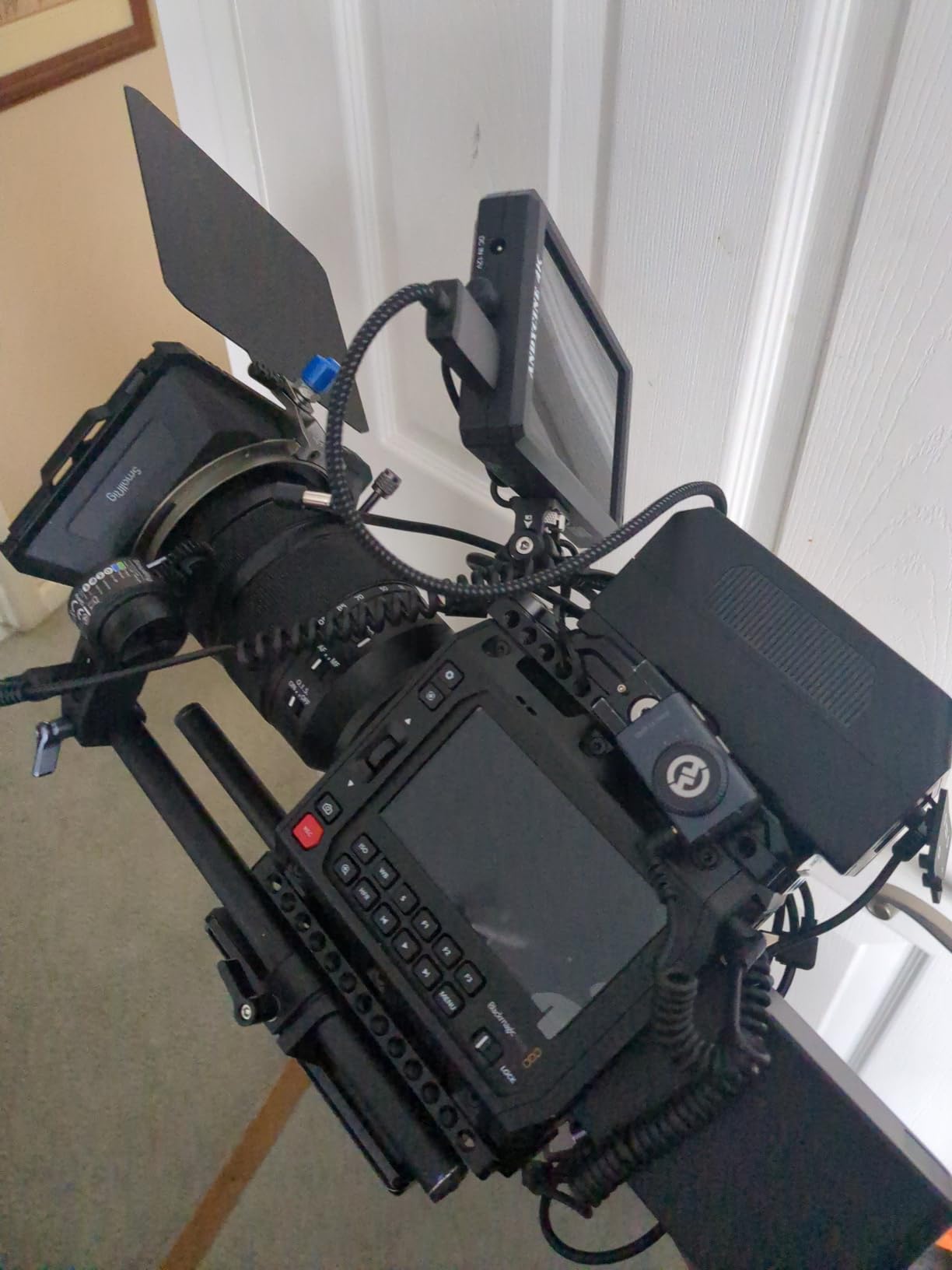
The built-in 4-inch HDR screen is incredibly bright at 1500 nits. Customer photos confirm visibility even in challenging outdoor lighting conditions.
However, be aware that the top handle shown in product photos is not included. This misleading marketing has frustrated many buyers who expected a more complete package.
At 4.62 pounds, this is a heavy camera. You’ll need substantial support equipment for handheld documentary work, which adds to the total cost of ownership.
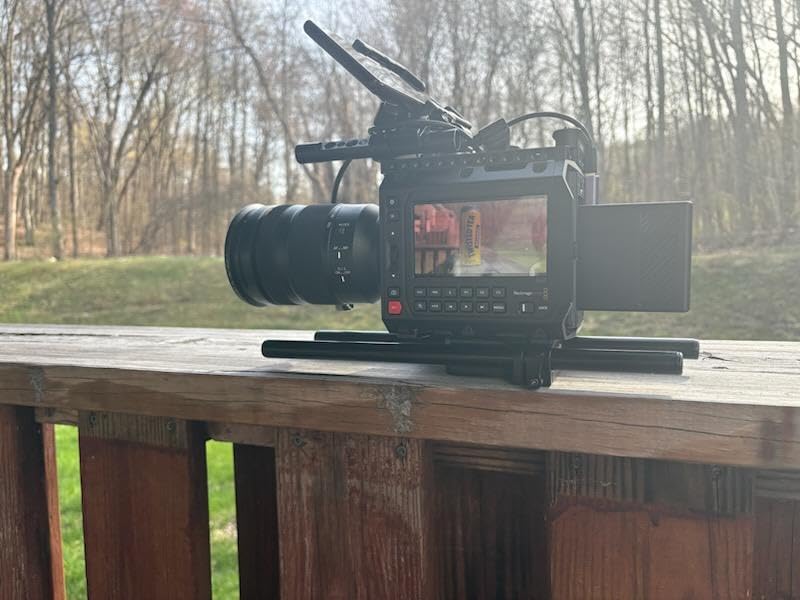
The L-mount provides access to Leica, Panasonic, and Sigma lenses. This ecosystem is growing and offers excellent options for documentary shooters.
Who Should Buy?
Experienced filmmakers who want to build a custom rig around a full-frame cinema camera. Best for controlled documentary situations rather than run-and-gun.
Who Should Avoid?
Beginners or those wanting an out-of-the-box solution. The Pyxis requires significant additional investment in accessories to become a working camera.
8. DJI Ronin 4D – Best All-in-One Stabilized System
Pros
- 4-axis stabilization like a dolly
- LiDAR focusing is amazing
- Intuitive touchscreen interface
- Good 3-4 hour battery life
- Built-in 24-bit stereo mic
Cons
- Heavy at 10.27 pounds
- Swollen battery issues reported
- Customer service problems
- Steep learning curve
- Cannot swap camera like other gimbals
The Ronin 4D’s 4-axis stabilization produces footage that looks like it was shot on a dolly or slider. The Z-axis movement eliminates vertical shake, creating eerily smooth footage that grabs viewer attention.
For documentary work, this allows you to capture tracking shots that would traditionally require a crew and extensive equipment. One person can now produce shots that previously took three or more people.
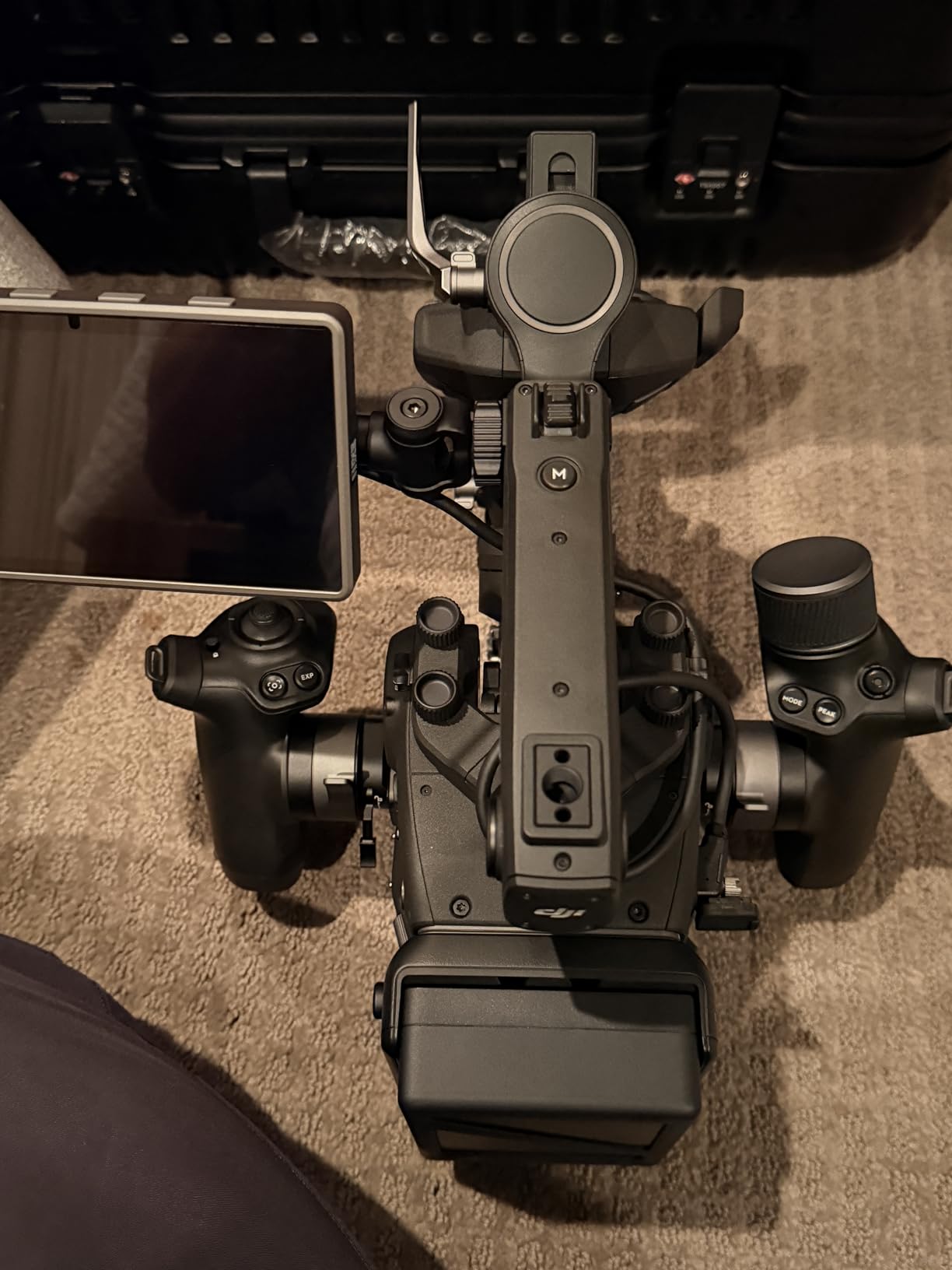
The LiDAR focusing system works incredibly well. It even functions with manual lenses, which is remarkable technology that can save your shot when focus pulling is challenging.
Battery life of 3-4 hours is excellent for such an integrated system. The touchscreen interface is intuitive compared to traditional cinema camera menus.
However, at 10.27 pounds, this is heavy equipment. Extended handheld use will be fatiguing, and some users have reported swollen battery issues with poor customer service response.
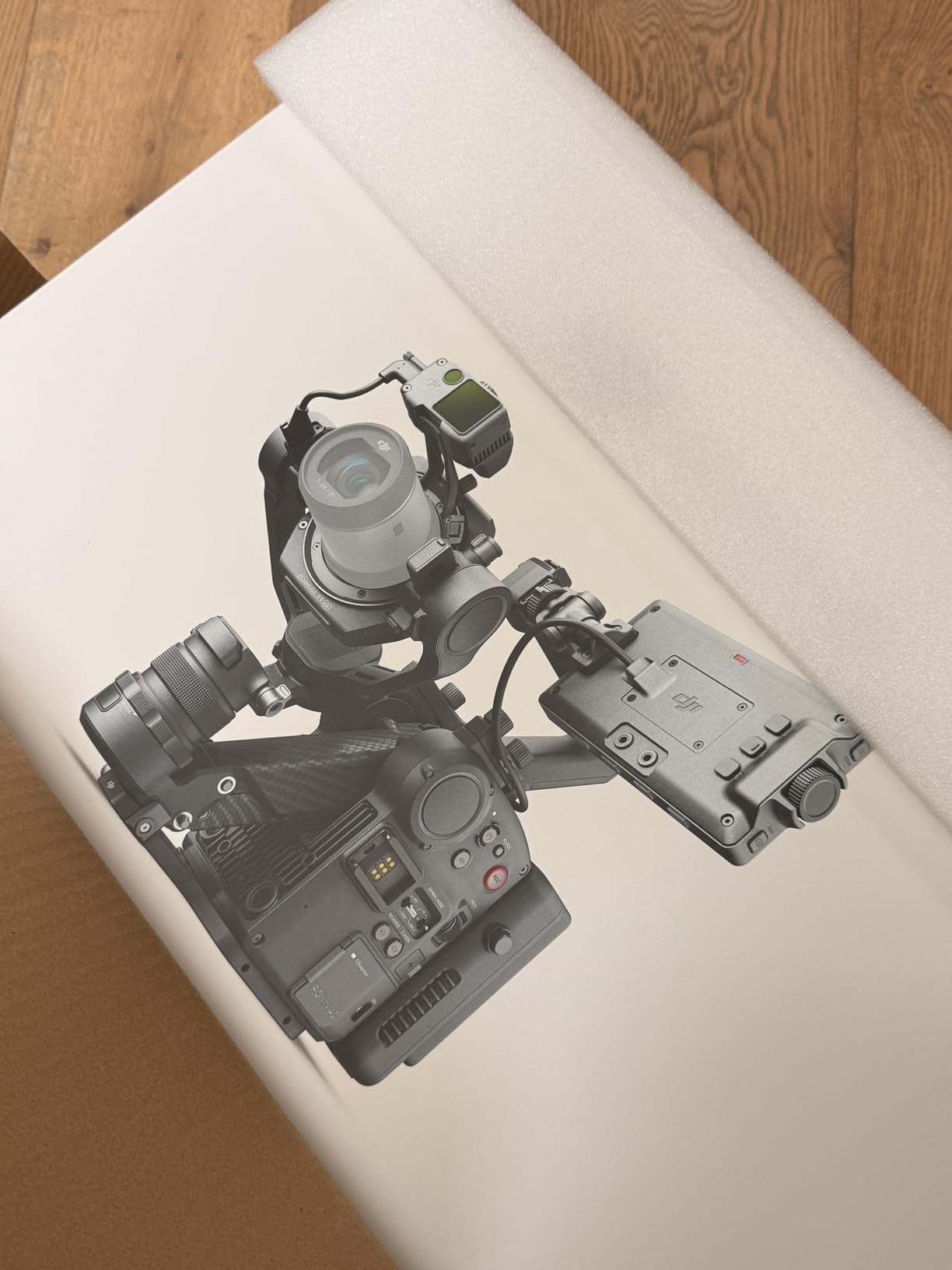
Customer images show the camera in various documentary configurations. The integrated design means less time building rigs, but also limits your ability to swap components as needs change.
Who Should Buy?
Documentary filmmakers who prioritize smooth movement and want an all-in-one solution. Ideal for productions where visual polish is paramount.
Who Should Avoid?
Solo operators who need lightweight gear or those on a tight budget. The weight and potential battery issues make this a specialized choice.
9. Canon C300 Mark III – Best Canon Cinema Camera
Pros
- Over 16 stops dynamic range
- Dual Gain Output sensor tech
- Internal RAW recording
- 4K 120p high frame rate
- Interchangeable lens mounts
Cons
- No customer reviews yet
- Premium price point
- Heavy at 14.2 pounds
- Professional-only complexity
The C300 Mark III represents Canon’s commitment to documentary and broadcast professionals. The DGO sensor delivers over 16 stops of dynamic range, which provides exceptional flexibility in post-production.
Internal RAW recording means you can capture maximum quality without external recorders. This streamlines your documentary workflow and reduces points of failure in the field.
4K 120p recording creates beautiful slow-motion footage for documentary b-roll. Whether you’re capturing nature, action, or emotional moments, high frame rates add production value.
The modular design adapts to various production scenarios. You can configure it differently for studio interviews versus field documentary work, which is valuable for versatile production companies.
However, at 14.2 pounds, this is a heavy camera that requires support equipment. The price point puts it in professional territory, and there are no customer reviews yet to validate real-world performance.
Who Should Buy?
Professional production companies and broadcast documentary filmmakers who need maximum dynamic range and modular flexibility.
Who Should Avoid?
Independent filmmakers on a budget or solo operators who need lightweight gear. The C70 or FX30 serve documentary needs at a fraction of the cost.
10. Blackmagic Pocket 4K – Best for Students and Beginners
Pros
- Incredible image quality for price
- Includes Resolve Studio worth $300
- Dual native ISO performs well
- Large 5 inch touchscreen
- Intuitive menu system
Cons
- Poor battery life 30 minutes max
- No in-body stabilization
- No continuous autofocus
- Screen not visible in sunlight
- Requires accessories for full function
The Pocket 4K is the camera that launched a thousand documentary careers. At under $1,000, it provides professional cinema features that were previously unavailable to students and independent filmmakers.
13 stops of dynamic range is impressive for this price point. You can capture documentary footage with actual cinematic quality, not consumer video. The dual native ISO up to 25,600 handles low-light situations better than expected.
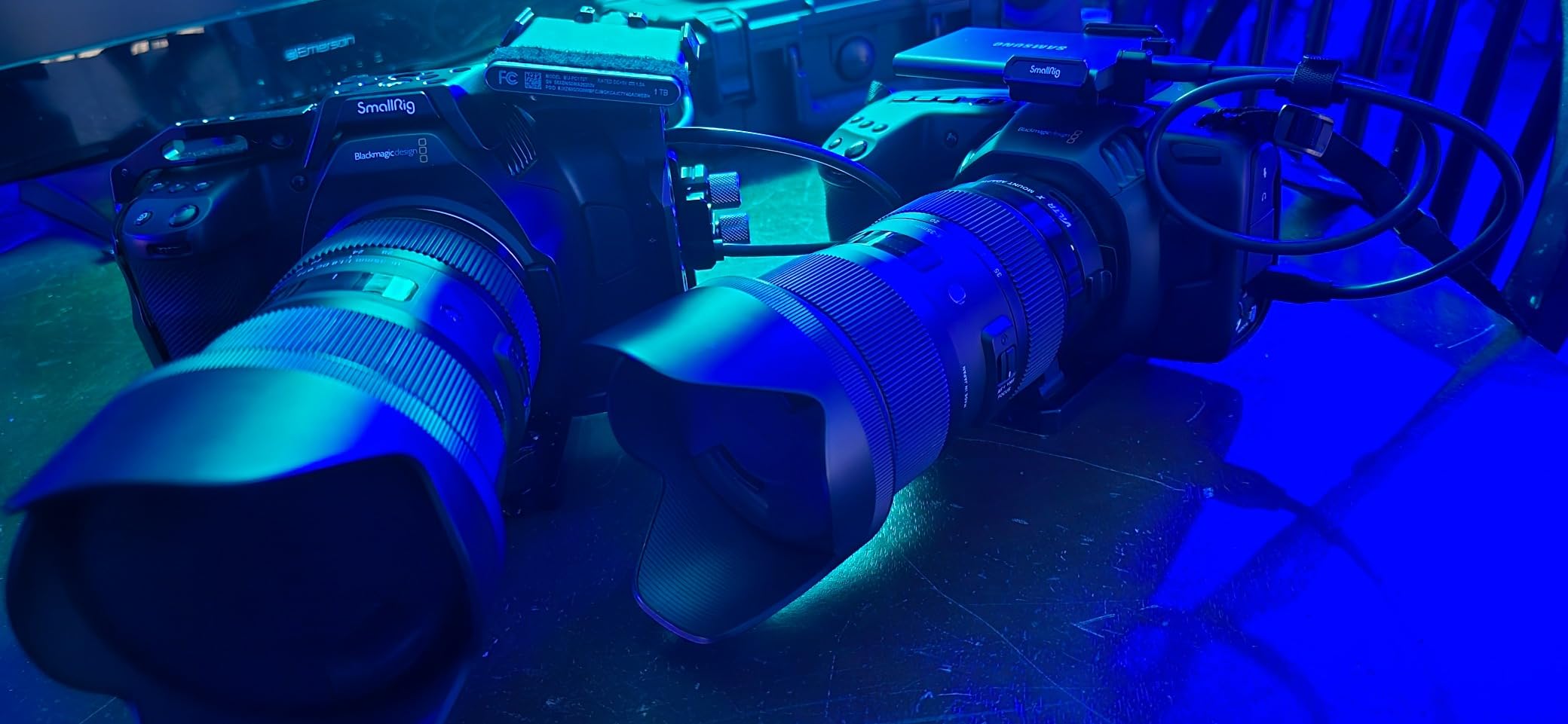
The included DaVinci Resolve Studio is worth $295 by itself. This professional editing software lets you color grade your documentary footage to industry standards.
Customer photos show the camera rigged for various documentary situations. The large 5-inch touchscreen is excellent for pulling focus and monitoring, though it struggles in bright sunlight.
Battery life is the main weakness at around 30 minutes. You’ll need external power for serious documentary work, which is an additional expense to consider.
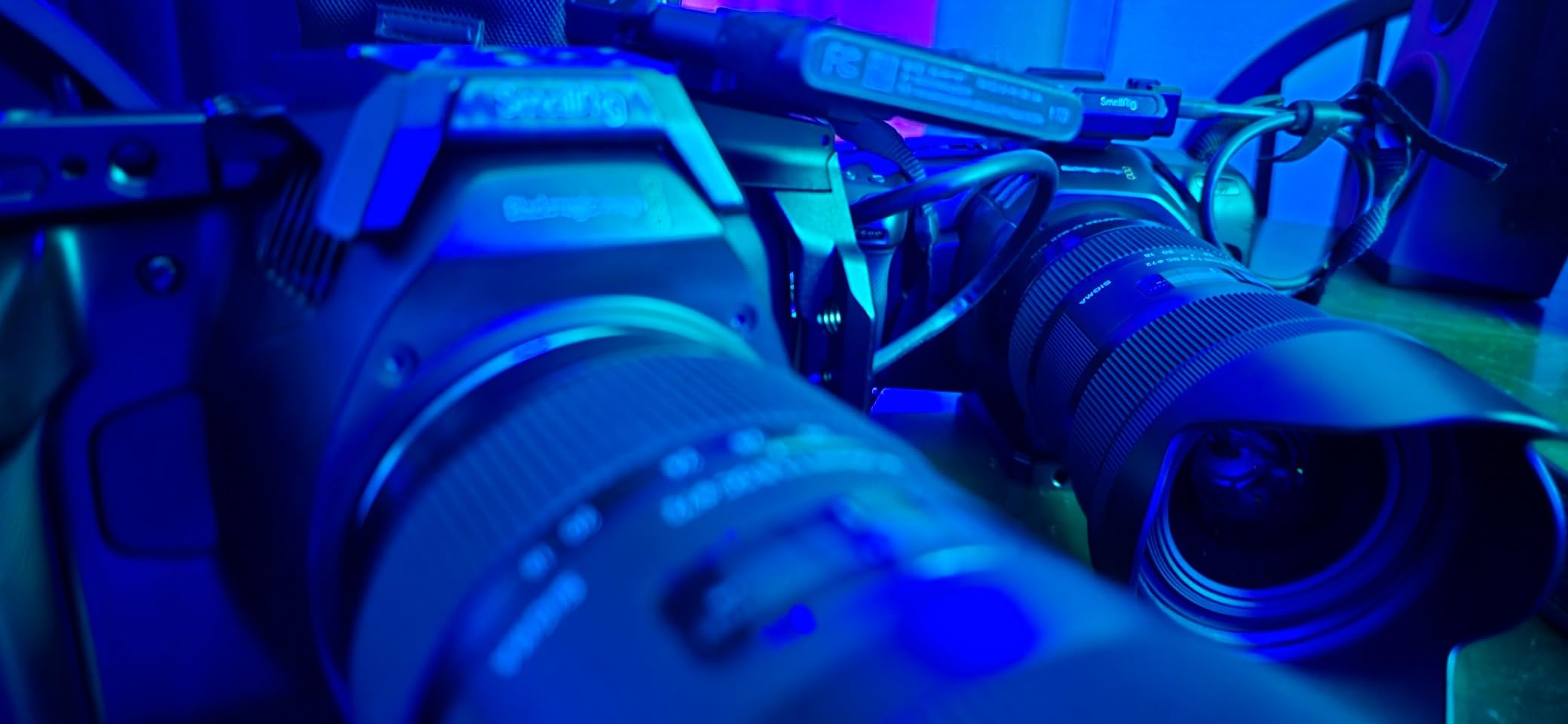
The MFT mount provides access to affordable lenses. Panasonic and Olympus lenses offer excellent value, which helps keep your total kit cost down.
Who Should Buy?
Film students, beginner documentary filmmakers, and anyone building their first cinema camera kit. The best entry point into professional documentary image quality.
Who Should Avoid?
Professionals who need autofocus, stabilization, or all-day battery life. This camera requires patience and additional investment for professional use.
11. Sony FX2 – Best Entry-Level Full-Frame
Pros
- Full-frame cinema quality
- Built-in EVF solves FX3 issue
- 33MP stills eliminates second camera
- Dual base ISO clean footage
- Sony E-mount lens ecosystem
Cons
- 60fps has crop compared to FX3
- Mixed reception online
- Rolling shutter present
- Less established than FX3
The FX2 fills an important niche for hybrid documentary creators who need both video and still photography. The 33MP full-frame sensor means you don’t need to carry a separate stills camera on documentary shoots.
The built-in angle-adjustable EVF is a major advantage over the FX3 for outdoor documentary work. You can monitor your shot in bright sunlight without relying on an external monitor.
Image quality matches the FX3 with 15+ stops of dynamic range. The dual base ISO (800/4000) delivers clean low-light footage that holds up in professional documentary post-production.
Sony’s E-mount ecosystem provides access to countless lens options. Whether you need compact primes for travel or zooms for run-and-gun situations, there’s a lens for your documentary needs.
Who Should Buy?
Hybrid creators who shoot both documentary video and still photography. Perfect for photojournalists expanding into video or documentarians who need stills for marketing.
Who Should Avoid?
Pure video shooters who don’t need stills capability. The FX3’s superior autofocus and lack of crop at 60fps make it the better choice for dedicated documentary work.
12. Blackmagic URSA 12K – Best for High-End Production
Pros
- Incredible value for money
- Gen5 color science rivals Alexa
- 12K allows massive punch-in
- 14-15 stops tested dynamic range
- Built-in ND filters
Cons
- Reliability concerns reported
- Poor customer service
- Heavy at 5.5 pounds
- Requires powerful computer
- Low review count polarized
The URSA 12K offers cinema camera performance at a fraction of traditional prices, making it one of the best cinema cameras for documentaries. Gen5 color science rivals ARRI Alexa and RED cameras that cost five times as much.
12K resolution provides incredible flexibility in post. You can punch in, crop, and reframe without quality loss, which is valuable for documentary situations where you can’t control framing perfectly in the moment.
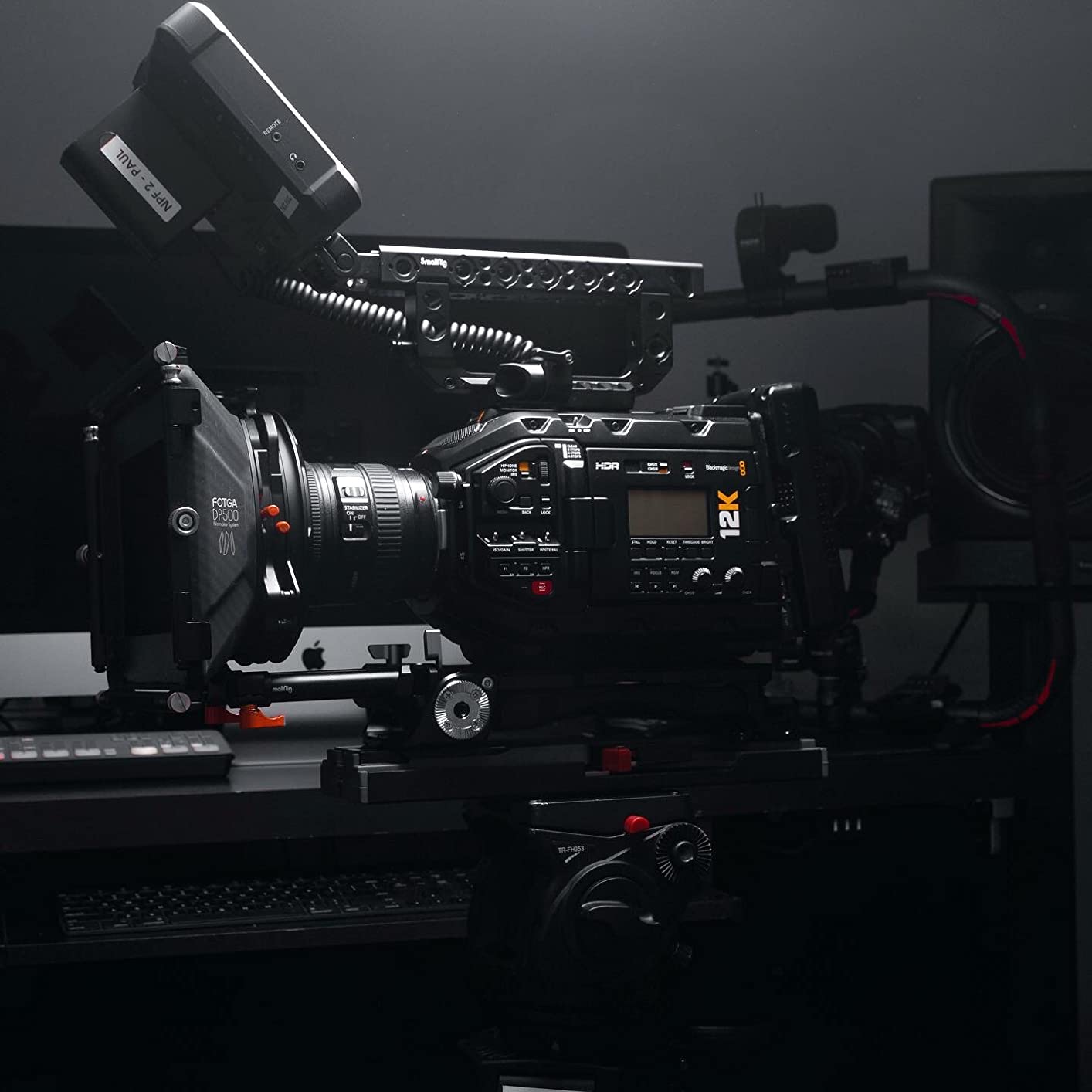
Built-in ND filters make one-person documentary crews more efficient. You don’t need to swap front filters when lighting changes, which saves crucial time when capturing real moments.
The camera uses affordable SSD media instead of expensive proprietary cards. This saves thousands over the life of the camera compared to competitors.
However, reliability concerns are serious. Multiple users report defective units, and customer service experiences have been poor. For professional documentary work, equipment failure is not an option.
Who Should Buy?
High-end documentary productions willing to risk reliability issues for incredible image quality and resolution. Best for filmmakers with backup equipment and technical support.
Who Should Avoid?
Solo documentary filmmakers who need 100% reliability. One camera failure could mean missing crucial documentary moments that can never be recreated.
Understanding Documentary Camera Needs
Documentary filmmaking places unique demands on equipment. Unlike narrative productions where you can call cut and reset, documentary work happens in real time with no second chances.
Run-and-gun capability is essential. You need equipment that’s ready to shoot in seconds. The best documentary cameras power on quickly, have straightforward menu systems, and don’t require extensive rigging for basic operation.
Low-light performance matters because documentaries often shoot in available light. Interviews happen in dim homes, outdoor scenes continue after sunset, and you can’t always control your environment.
Audio quality cannot be overlooked. Great visuals with bad audio are unwatchable. XLR inputs, professional preamps, and reliable level monitoring are worth their weight in gold for documentary work.
Battery life determines your shooting day. A camera that dies mid-interview is worse than useless. You need either long-lasting batteries or the ability to power externally without bulk.
Portability affects every aspect of documentary production. Heavy gear limits your mobility and draws attention. Compact cameras let you shoot in spaces where large cinema cameras would be intrusive.
How to Choose the Right Documentary Camera In 2026?
Choosing a documentary camera requires balancing multiple factors. The perfect camera for one filmmaker might be completely wrong for another. Consider your specific needs before investing.
Documentary Budget Reality: Factor in 50-100% additional for accessories when budgeting. Cages, batteries, storage, audio gear, and support equipment add up quickly. A $2,000 camera easily becomes a $4,000 working kit.
Solving for Low Light: Look for High ISO Performance
Documentaries often shoot in available light. Look for cameras with dual native ISO and excellent high ISO performance. The Sony FX3’s dual native ISO of 800 and 12,800 makes it exceptionally clean in dim conditions.
Dynamic range matters more than pure resolution for documentary work. 13+ stops is the minimum for professional results, with 15+ stops providing maximum flexibility in post.
Solving for Run-and-Gun: Prioritize Autofocus and Stabilization
Solo documentary shooters need reliable autofocus. Sony’s system with real-time tracking is the current benchmark. Subject tracking allows you to focus on capturing moments rather than pulling focus manually.
In-body image stabilization compensates for handheld movement. The FX3 and FX2 both include effective stabilization that makes handheld footage usable without additional equipment.
Solving for Audio: Choose Cameras with XLR Inputs
Built-in XLR inputs eliminate the need for external audio recorders. The FX3’s XLR handle is a brilliant design that integrates professional audio without requiring a separate rig.
32-bit float audio, found in the Nikon RED ZR, is the future of documentary sound. You can set levels once in post without worrying about clipping during recording.
Solving for Budget: Consider the Total System Cost
Entry-level cinema cameras like the FX30 and Pocket 4K deliver professional results at accessible prices. However, factor in the cost of lenses, batteries, storage, and audio equipment.
The used market offers incredible value for documentary filmmakers. Previous-generation cinema cameras often sell for half their original price while maintaining professional capabilities.
| Documentary Type | Recommended Camera | Key Features |
|---|---|---|
| Feature Documentary | Sony FX3, FX6 | Netflix approval, reliable autofocus, XLR audio |
| Indie Documentary | Sony FX30, Blackmagic 6K Pro | Professional quality, reasonable price, cinematic image |
| Student/Beginner | Blackmagic Pocket 4K | Affordable entry point, professional features, Resolve included |
| Run-and-Gun Solo | Nikon RED ZR, Sony FX3 | Compact, autofocus, lightweight, 32-bit float audio |
| High-End Production | Sony FX6, Canon C300 III | Variable ND, 16+ stops DR, professional outputs |
Frequently Asked Questions
What cameras do professional documentary filmmakers use?
Professional documentary filmmakers primarily use Sony FX series cameras (FX3, FX6, FX30), Canon C70 and C300 Mark III, and Blackmagic cinema cameras. Sundance 2026 documentaries featured Sony cameras prominently, along with ARRI Amira for higher-budget productions. The choice depends on budget, shooting style, and distribution requirements.
What is the best budget cinema camera for documentaries?
The Blackmagic Pocket Cinema Camera 4K is the best budget option at under $1,000. For slightly more money, the Sony FX30 at around $2,000 delivers professional cinema features with Super 35 format and S-Cinetone color science. Both cameras include professional features that were previously unavailable at their price points.
Do I need a cinema camera for documentary filmmaking?
You don’t strictly need a cinema camera for documentary work. Many acclaimed documentaries have been shot on DSLRs, mirrorless cameras, and even phones. However, cinema cameras offer advantages like better dynamic range, professional audio inputs, longer recording times, and codecs that hold up better in post-production.
What camera features are most important for documentary work?
Low-light performance is critical for documentary situations with unpredictable lighting. Reliable autofocus enables solo operation. XLR audio inputs ensure professional sound quality. Good battery life prevents missed shots. Portability allows shooting in tight spaces without drawing attention. Dynamic range preserves details in high-contrast scenes.
Are Netflix-approved cameras necessary for documentary distribution?
Netflix approval is only necessary if you’re specifically targeting Netflix as a distributor. Many successful documentaries on other platforms were shot on non-approved cameras. However, having Netflix-approved gear like the Sony FX3, FX6, or Canon C70 opens doors and can make your project more attractive to distributors.
Should I buy or rent a cinema camera for documentary work?
Rent if you’re shooting a one-off project or testing equipment. Buy if you’re a working documentary filmmaker with regular projects. The break-even point is typically 3-4 rentals versus purchase. Buying also lets you learn the camera thoroughly, which improves efficiency on actual shoots.
Final Recommendations
After testing these cameras across various documentary scenarios, the Sony FX3 remains my top recommendation for its balance of features, image quality, and usability. The compact size, exceptional low-light performance, and included XLR handle make it a complete documentary solution out of the box.
Budget-conscious filmmakers should seriously consider the Sony FX30. It delivers 90% of the FX3’s performance for half the price, making it one of the best cinema cameras for documentaries and the best value in cinema cameras right now. The S-Cinetone color science matches Sony’s higher-end cameras, so your footage will cut together seamlessly if you upgrade later.
Remember that no camera is perfect for every situation. The best documentary camera is the one that serves your specific stories, fits your budget, and doesn’t get in the way of capturing real moments as they unfold.