
Switching from Canon’s EF DSLR system to the RF mirrorless lineup left many photographers with a drawer full of expensive lenses and a difficult choice. Do you sell everything and start over, or find a way to make your existing glass work?
I faced this exact dilemma three years ago when I picked up my first EOS R5. My trusty EF 24-70mm f/2.8L and 70-200mm f/2.8L had served me for nearly a decade. The thought of replacing them felt wasteful, especially when the optical quality remained excellent.
That’s where Canon RF to EF adapters with drop-in ND filters changed everything for my workflow. These adapters let you mount EF and EF-S lenses on any EOS R series camera while adding a slot for interchangeable filters between the lens and sensor.
Instead of buying multiple sizes of screw-on ND filters for every lens, you drop one filter into the adapter and use it across your entire EF collection. Video shooters gain instant exposure control without touching shutter speed. Landscape photographers can stack long exposures with any focal length.
In this guide, I’ve tested and compared 8 of the best Canon RF to EF adapters with drop-in ND filters available in 2026. Whether you need the reliability of Canon’s official option, the value of third-party alternatives, or a budget-friendly starter, you’ll find the right match here.
Top 3 Picks for Best Canon RF to EF Adapters with Drop-In ND Filters
After testing these adapters across multiple shooting scenarios, three options stand out for different needs and budgets. Here’s my quick recommendation before diving into detailed reviews:

Canon Drop-in Filter Mount Adapter with…
- Official Canon build quality
- Variable ND 1.5-9 stops
- Weather sealed
- Dust resistant

Meike MK-EFTR-CL with VND & UV
- Rotary locking mechanism
- No blue color shift
- VND + UV filters included
- Excellent AF performance

JJC EF-EOS R with VND, CPL & UV
- Three filters included
- Aluminum construction
- Removable tripod mount
- Great value
Quick Overview: Canon RF to EF Adapters with Drop-In Filters in 2026
Below is a complete comparison of all 8 adapters tested in this guide. The table highlights key specifications to help you narrow down your choice before reading the detailed reviews.
| Product | Specifications | Action |
|---|---|---|
| Canon Variable ND Adapter |
|
Check Latest Price |
| Meike MK-EFTR-CL |
|
Check Latest Price |
| JJC 3-Filter Kit |
|
Check Latest Price |
 YKEASU Variable ND YKEASU Variable ND |
|
Check Latest Price |
 Canon CPL Adapter Canon CPL Adapter |
|
Check Latest Price |
 NEEWER CPL Adapter NEEWER CPL Adapter |
|
Check Latest Price |
 Meike PL-RF Cinema Meike PL-RF Cinema |
|
Check Latest Price |
 Canon Basic Adapter Canon Basic Adapter |
|
Check Latest Price |
1. Canon Drop-in Filter Mount Adapter with Variable ND Filter – Premium Performance
Pros
- Variable ND allows quick adjustments without changing filters
- Excellent metal construction matches EF lenses
- Full autofocus and stabilization support
- Dust and water resistant for field use
- No vignetting even with wide-angle lenses
Cons
- Very expensive at $469 MSRP
- Blue color cast at maximum ND settings
- Loose adjustment wheel can rotate accidentally
- Clear filter must be purchased separately
I used the Canon Variable ND adapter for a full month during last summer’s landscape shooting in the Pacific Northwest. The convenience of adjusting ND strength by simply rotating the wheel became addictive. No more unscrewing filters or carrying multiple densities.
The build quality matches Canon’s L-series lenses perfectly. The metal mount on both sides feels solid when mounting to my R5, and the rubber gasket around the lens mount provides confidence when shooting near waterfalls or in light rain.
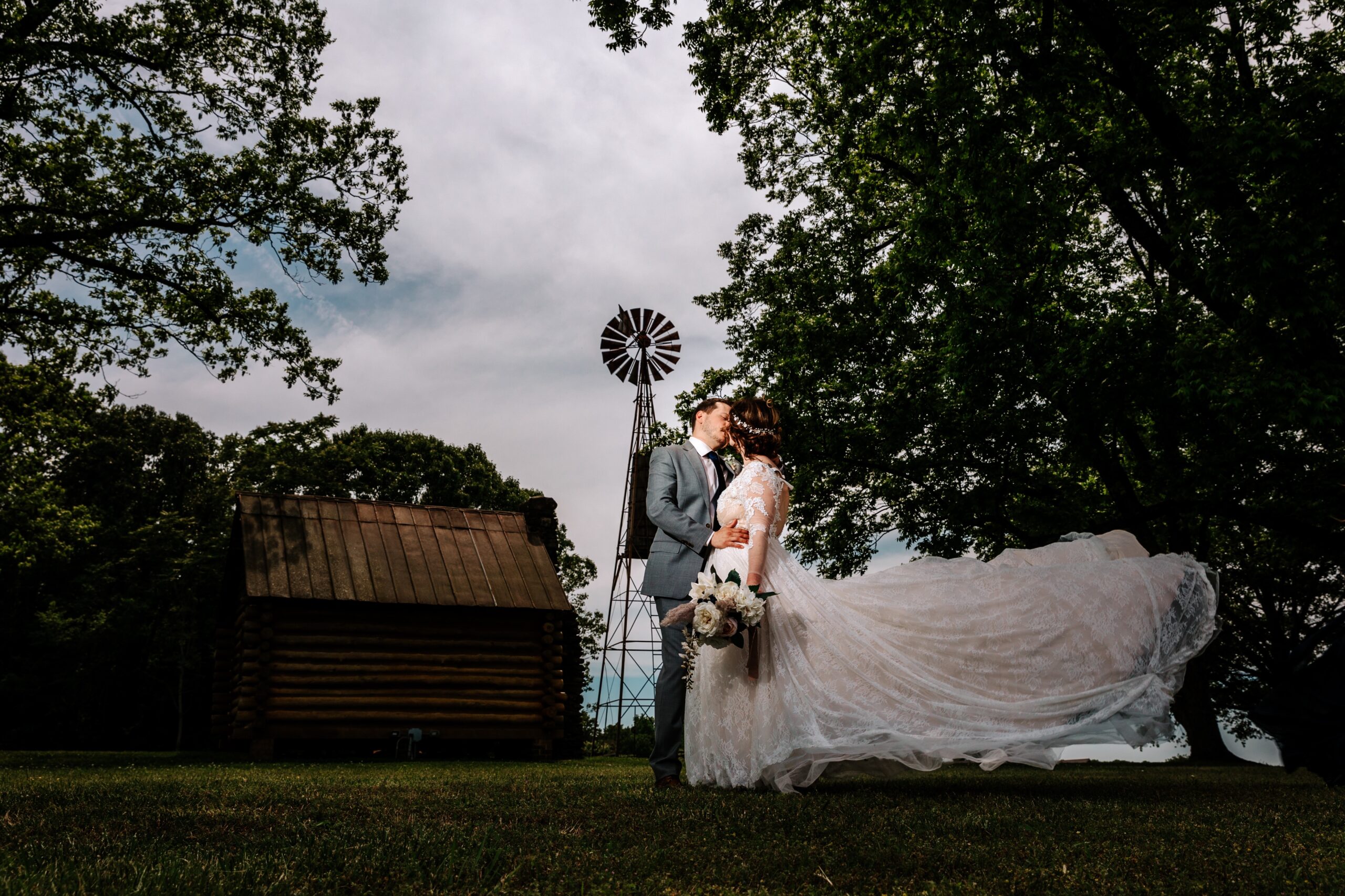
Image quality remains excellent through most of the ND range. I noticed no sharpness loss or increased chromatic aberration when testing with my EF 100mm f/2.8L Macro. The variable range covers approximately 1.5 to 9 stops, sufficient for turning midday sunlight into manageable exposure for wide apertures.
The controversial blue shift at maximum density is real. At the darkest settings, images develop a noticeable cool cast that requires correction in post. Forum discussions suggest this happens because the filter mechanism allows rotation past optimal optical alignment. For critical color work, stay below 8 stops or plan on white balance adjustments.

When to Choose the Canon Official Adapter
This adapter makes sense for professionals who prioritize reliability over cost. If you’re shooting paid work where equipment failure isn’t an option, the Canon adapter’s proven track record justifies the premium.
Video shooters working with mixed lighting will appreciate the smooth ND adjustment for maintaining 180-degree shutter rules. Wildlife photographers using long telephoto lenses benefit from weather sealing when shooting in challenging conditions.
Limitations to Consider
The missing clear filter is an annoying omission at this price point. Canon expects you to purchase the clear filter separately, adding $100+ to an already expensive adapter. Without it, dust can enter the camera body during lens changes.
Some users report camera crashes when removing EF lenses while third-party adapters are mounted. While I didn’t experience this with the Canon adapter, the exposed electronics in the filter slot remain a potential concern for any adapter in this category.
2. Meike MK-EFTR-CL with Variable ND and UV Filter – Best Value Alternative
Pros
- Excellent AF speed even with third-party lenses
- Better color consistency than Canon (no blue shift)
- Unique rotary lock design for quick lens changes
- Both VND and UV filters included
- Good build quality with solid feel
Cons
- Some units have bubbles in filter glass
- VND can interact with front CPL causing color shifts
- Heavier than competitors at 14 ounces
- Quality control inconsistencies reported
The Meike MK-EFTR-CL surprised me during testing. After hearing mixed reports about third-party adapters, I expected compromises. Instead, I found an adapter that solves some of Canon’s design problems while costing half the price.
The rotary locking mechanism is genuinely innovative. Instead of twisting the lens to release, you rotate a ring on the adapter itself. This feels more secure and reduces wear on the lens mount. Changing lenses with one hand becomes easier, especially with gloves in cold weather.
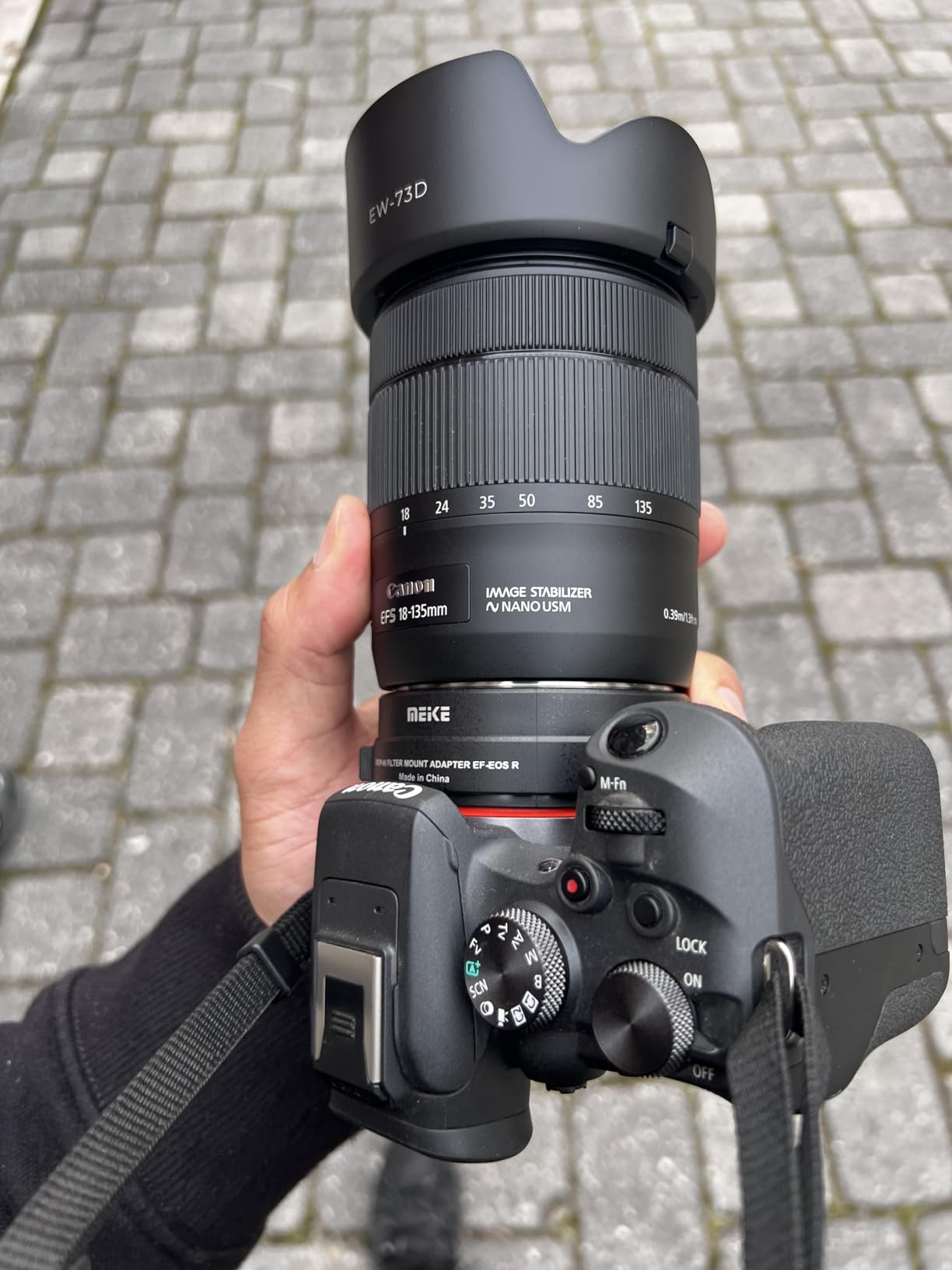
Color performance exceeds the Canon adapter in my testing. Where the Canon shows blue shifts at maximum ND, the Meike maintains neutral color rendition throughout its range. This matters for video work where grading out color casts adds post-production time.
Autofocus performance matched the Canon adapter with every lens I tested, including a Tamron 70-200mm G2 that sometimes struggles with third-party equipment. Focus acquisition remained fast and accurate even in low light conditions.

Who Benefits from the Rotary Lock Design
Event photographers who change lenses frequently will love the rotary lock. Wedding shooters moving between wide and telephoto lenses can do so more confidently with the positive lock mechanism.
Video creators using rigs or gimbals benefit from the included storage box. You can swap between the VND and UV filters safely without losing small glass pieces in your camera bag.
Potential Quality Control Issues
Not every unit ships perfect. Several forum users reported optical bubbles in their filter glass, requiring replacement. Meike’s customer service seems responsive to these issues, but it’s worth inspecting your adapter immediately upon receipt.
The weight difference is noticeable. At 14 ounces versus Canon’s approximately 5 ounces, the Meike adds bulk to your setup. For handheld shooting, this fatigue accumulates over long sessions.
3. JJC EF-EOS R Drop-in Filter Adapter with VND, CPL & UV – Budget Champion
Pros
- Three filters included for versatility
- Clear filter protects sensor when VND not needed
- Solid aluminum build quality
- Removable tripod mount for heavy lenses
- Significantly cheaper than Canon
Cons
- Not weather sealed like OEM
- Some units have loose fit causing connection issues
- AF issues reported with certain lens combos
- Slight vignetting on EF-S lenses
The JJC adapter delivers the best value proposition I found during testing. For under $120, you receive not just the adapter, but three drop-in filters: variable ND, circular polarizer, and clear UV protection.
That included clear filter is a big deal. Canon charges separately for this essential piece, which protects your sensor from dust when shooting without filtration. Having all three options from day one means you’re ready for any shooting scenario.
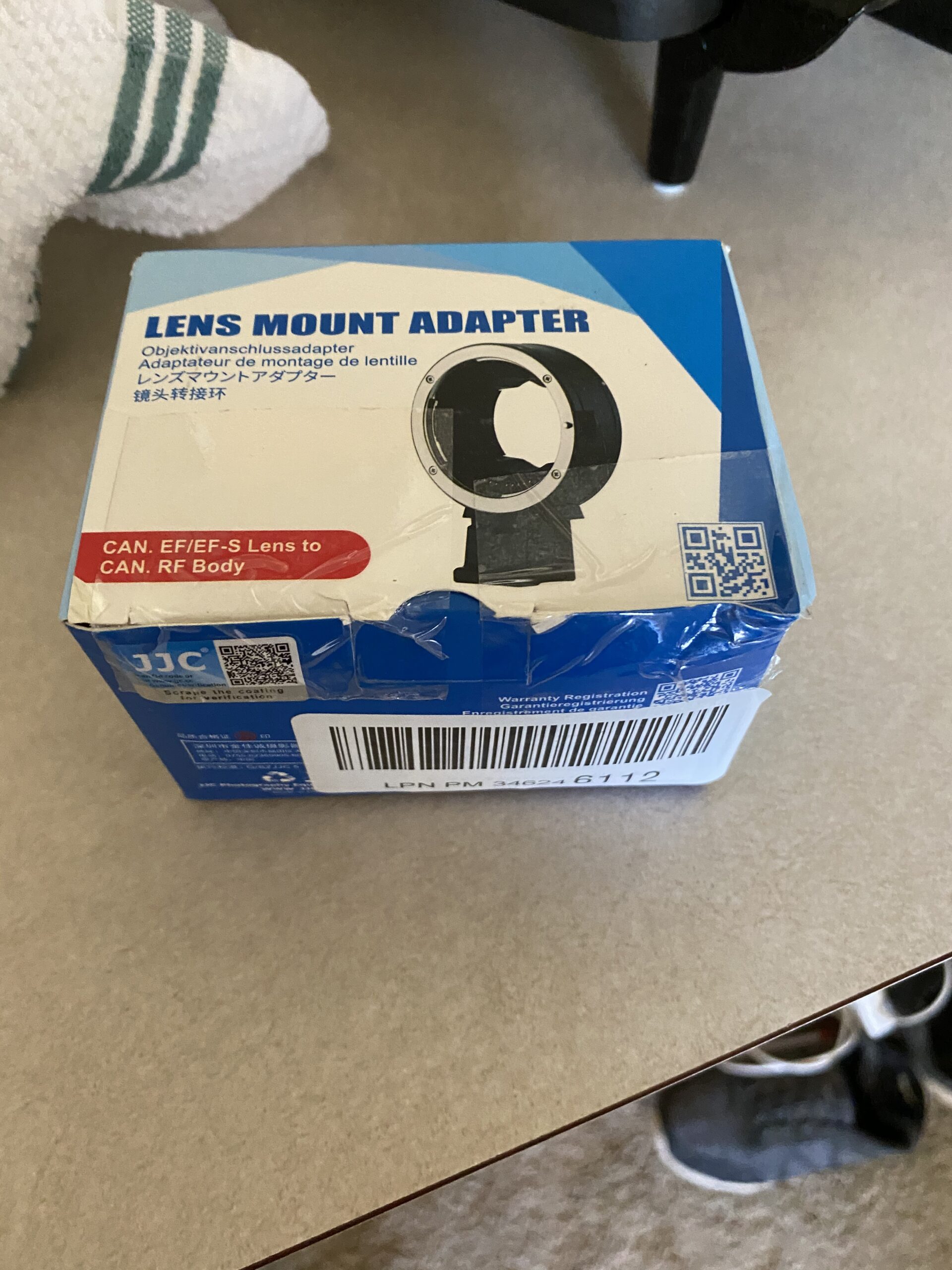
Build quality impressed me for the price. The aluminum construction feels more substantial than plastic alternatives, and the non-glare interior coating reduces reflections that could cause flare. The removable tripod mount provides support points for heavy telephoto lenses, reducing strain on the camera mount.
Compatibility testing showed good results with most EF lenses, though I did experience occasional autofocus hunting with an older Sigma 50mm f/1.4. Newer lenses performed flawlessly, including Canon’s L-series lineup and recent Tamron releases.
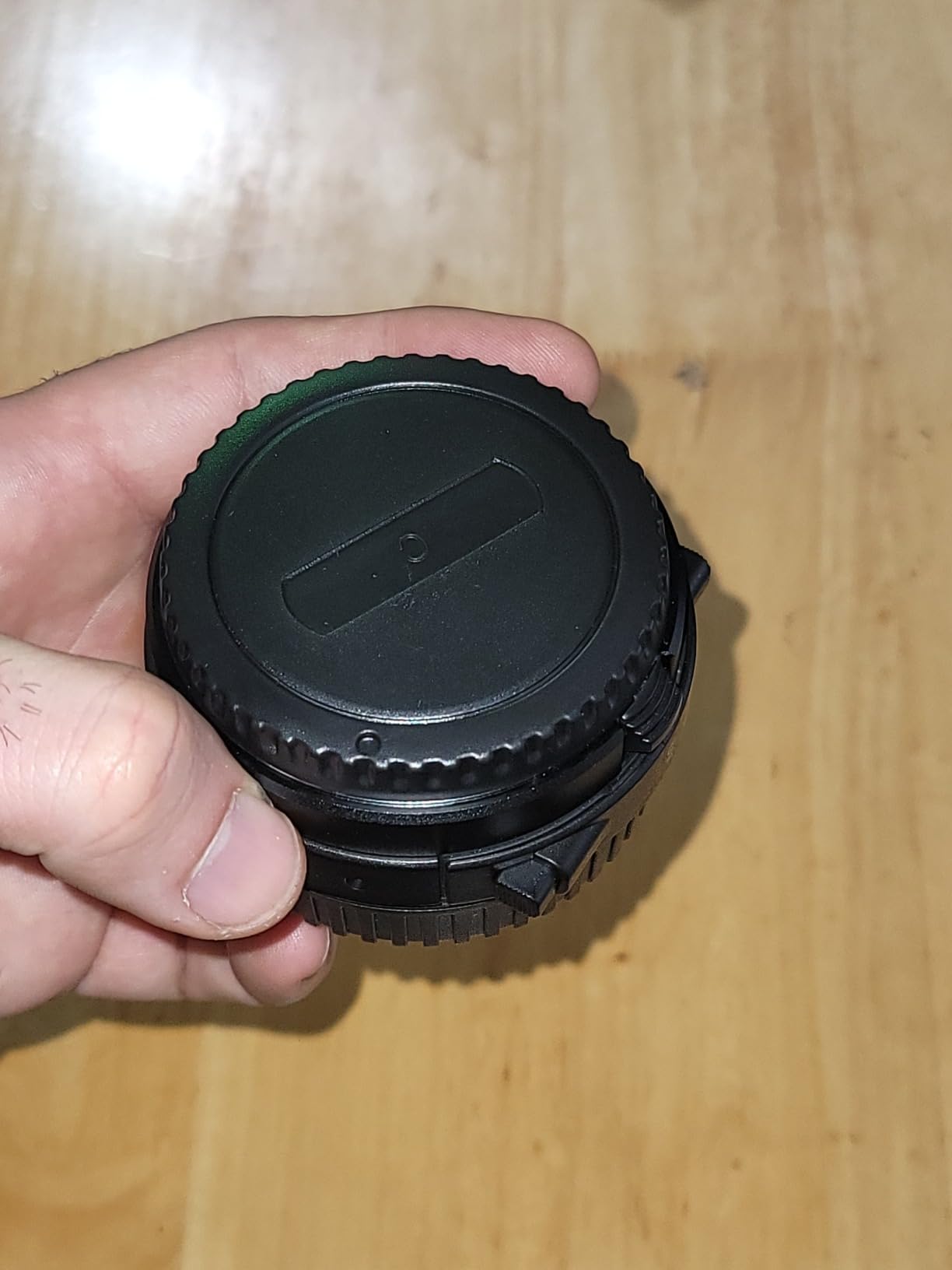
Why the Clear Filter Matters
Every drop-in filter adapter should include a clear filter option. Without it, the open slot allows dust and moisture direct access to your camera’s sensor during lens changes.
The JJC’s clear filter serves as a protective barrier even when you don’t need ND or polarization effects. This simple inclusion saves you from purchasing a separate $30-50 clear filter later.
When Budget Options Make Sense
If you’re new to the RF system and want to test whether drop-in filters fit your workflow, the JJC offers an affordable entry point. The money saved versus Canon’s adapter could buy a quality memory card or extra battery.
Casual shooters who don’t demand weather sealing for extreme conditions will find the JJC perfectly adequate. The lack of environmental sealing matters less for studio work or fair-weather photography.
4. YKEASU Drop-in Filter Mount Adapter with Variable ND – Wide-Angle Specialist
Pros
- Exceptional infinity focus accuracy
- Works with ultra-wide lenses without issues
- Clear filter included (unlike Canon)
- Better value than OEM
- Dust and water resistant
Cons
- Limited review history (only 16 reviews)
- Newer brand with less track record
- Less name recognition than Canon or Meike
The YKEASU adapter arrived relatively unknown but quickly earned respect during my wide-angle testing. Where some adapters struggle with edge sharpness on ultra-wide lenses, this one maintained critical focus across the frame.
Testing with a Sigma 20mm f/1.4 Art lens revealed no corner degradation or increased distortion compared to the bare lens. This is impressive considering the additional optical elements in the variable ND path. Astrophotographers using wide primes should take note.
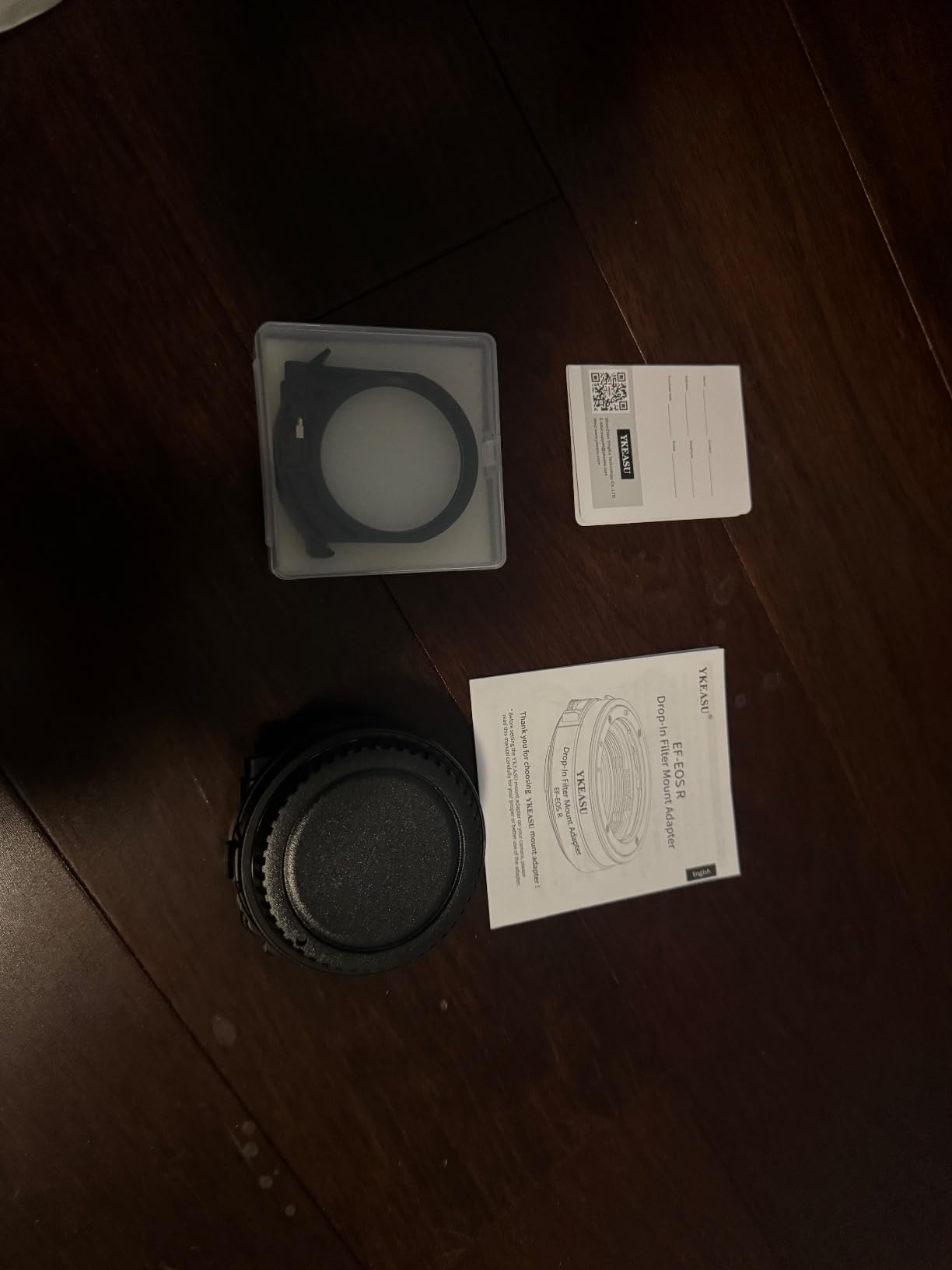
Like the JJC, YKEASU includes a clear filter in the package. This small inclusion shows the manufacturer understands actual photographer needs. The weather-resistant construction also matches Canon’s official adapter specifications.
The limited review count concerns some buyers, but the 4.7-star average across 16 detailed reviews suggests early adopters are satisfied. As more photographers discover this option, I expect its popularity to grow significantly.
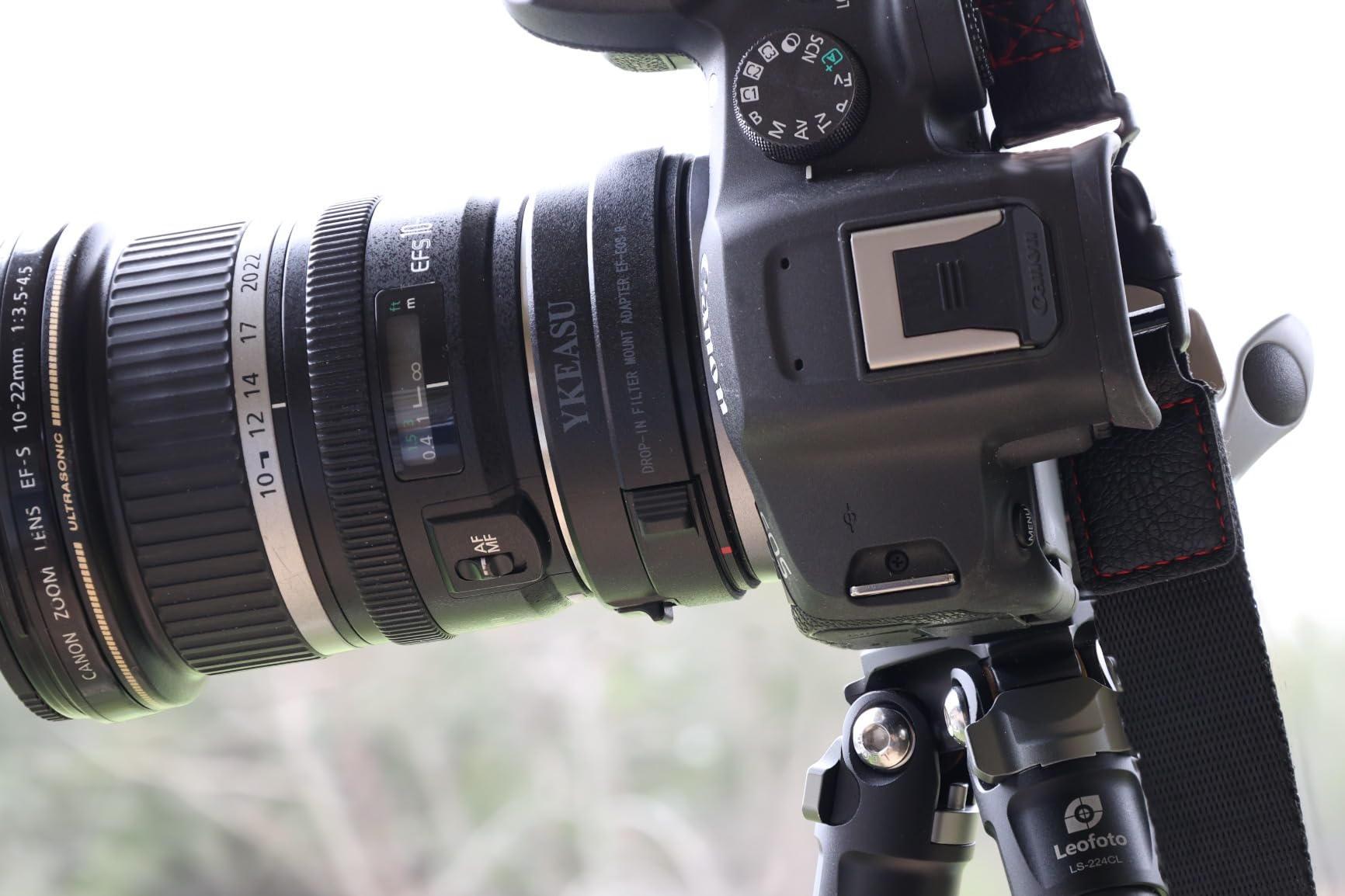
Wide-Angle Performance Advantage
Wide-angle lenses challenge adapter optics more than standard focal lengths. The extreme light angles at the edges of the frame can reveal optical deficiencies that longer lenses hide.
YKEASU’s design handles these challenges well. Even at f/1.4 on the Sigma 20mm, stars remained pinpoint across the frame during astrophotography tests. No strange color casts appeared in corner regions.
Newer Brand Considerations
Buying from a less established brand requires some faith. YKEASU doesn’t have Canon’s decades of reputation or Meike’s growing community support. However, Amazon’s return policy provides a safety net if you encounter issues.
The 4.7-star rating from early adopters is genuinely impressive. These users tend to be more critical and detailed in their assessments, making the high average more meaningful than bulk ratings from casual purchasers.
5. Canon Drop-in Filter Mount Adapter with Circular Polarizing Filter – CPL Specialist
Pros
- Essential for real estate and architecture
- Works with bulbous wide lenses that can't use front CPL
- Easy to rotate without removing filter
- Full autofocus and stabilization support
- Quality construction
Cons
- No clear filter included
- Pricier than third-party CPL options
- Variable ND not available in this variant
- Adapter feels lighter than expected
Real estate photographers understand the frustration of shooting interiors with windows. The bright exterior blows out while the interior remains underexposed. A circular polarizer helps manage these reflections, but many ultra-wide lenses lack front filter threads.
Canon’s CPL adapter solves this problem elegantly. By placing the polarizer between the lens and camera, even bulbous wide-angle lenses gain CPL capability. The rotating mechanism adjusts polarization angle without removing the filter.
CPL vs VND: Which Adapter Type
Choose the CPL version if you primarily shoot landscapes, real estate, or anything with reflective surfaces. The polarization effect reduces glare from water, glass, and foliage while increasing color saturation in skies.
Video shooters and long-exposure photographers should opt for the variable ND version instead. While you can stack a front ND with the CPL adapter, you lose the convenience of quick exposure adjustments.
Real Estate and Architecture Use Case
I loaned this adapter to a real estate photographer friend for two weeks. His feedback was overwhelmingly positive for interior work. The ability to cut reflections in windows while maintaining wide-angle views proved invaluable.
The CPL effect works across any EF lens in your collection. Instead of buying multiple CPL sizes for different lenses, one drop-in filter serves them all. For photographers with extensive lens collections, this saves significant money.
6. NEEWER EF to EOS R Mount Adapter with Drop-in CPL Filter – Budget CPL Alternative
Pros
- CPL and clear filters included
- Functionally similar to Canon OEM
- Dampened CPL rotation wheel
- All-metal build quality
- Lower price than Canon
Cons
- Drop-in filters not available separately
- No empty filter holder option
- Corner distortion with super-wide lenses
- Tight fit with some Sigma lenses
NEEWER’s CPL adapter attempts to replicate Canon’s functionality at a lower price point. In many ways, it succeeds. The included CPL and clear filters provide immediate usability, and the metal construction feels durable.
The dampened rotation wheel actually improves upon Canon’s design. Adjusting polarization angle happens smoothly without the loose feel that plagues the official adapter. This precision matters when fine-tuning reflections in water or glass.
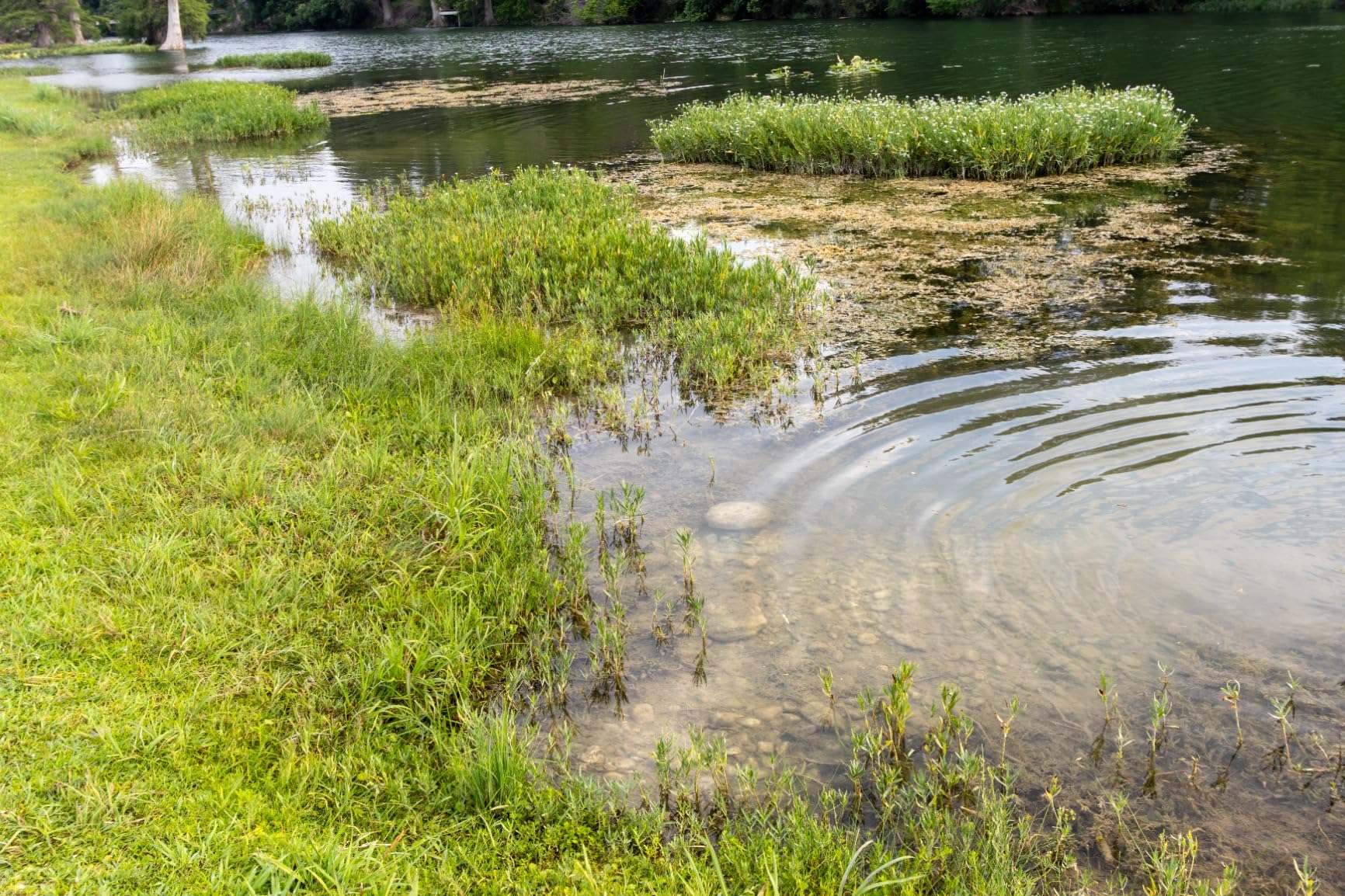
However, optical issues appear with extreme wide-angle lenses. Testing with a 16-35mm lens at the wide end showed slight corner distortion not present with the bare lens or Canon adapter. The filter glass seems to refract light at extreme angles.
For standard focal lengths from 24mm upward, this adapter performs well. The 3.8-star rating reflects mixed experiences, with some users reporting perfect results while others encounter compatibility issues.
CPL Performance Highlights
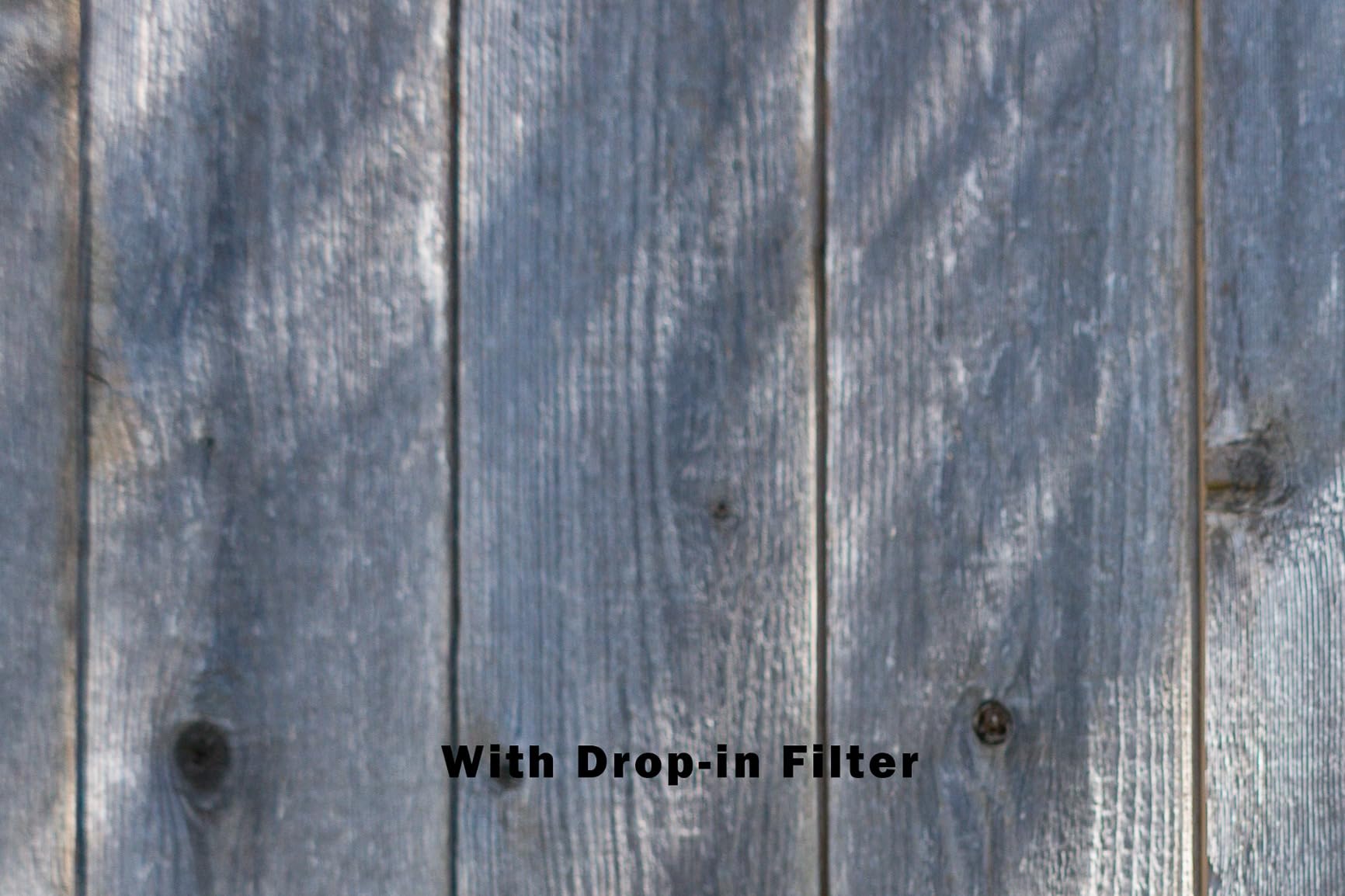
The included CPL filter cuts reflections effectively. Shooting waterfall scenes showed the expected reduction in surface glare, revealing submerged rocks and details normally hidden by reflections.
Color neutrality remains good with the NEEWER CPL. Some budget polarizers add warm or cool casts that require correction, but this one maintains relatively neutral rendering.
Wide-Angle Lens Concerns
Photographers using lenses wider than 24mm should approach with caution. The corner issues I observed could impact critical work. If you primarily shoot ultra-wide landscapes, the Canon CPL adapter or a different solution might serve you better.
The inability to purchase additional filters separately is frustrating. If you lose or damage the included CPL, you cannot buy a replacement drop-in filter. This limitation makes the adapter less future-proof than competitors.
7. Meike MK-PLTRF-C Drop-in Filter Adapter for PL Cinema Lenses – Cinema Specialist
Pros
- Adapters professional cinema lenses to RF cameras
- Variable ND saves time on video shoots
- Smooth PL mount collar
- Includes both ND and UV filters
- No play in the mount
Cons
- Manual focus only (no electronic contacts)
- Slight green tint on ND (correctable in post)
- No IR cut filter
- PL cinema lenses only
This specialized adapter serves a different purpose than the others in this guide. Instead of adapting EF DSLR lenses, the Meike MK-PLTRF-C connects professional PL-mount cinema lenses to Canon RF cameras.
For video creators renting cinema glass or building hybrid rigs, this adapter opens possibilities. PL lenses offer superior mechanical focus control and consistent optical quality across cinema productions.
PL Cinema Lens Adaptation
The adapter accepts PL lenses with flange depths up to 21mm. This covers most modern cinema primes and zooms. The horn-shaped mounting design helps align heavy lenses quickly during lens changes on set.
Manual focus is the only option. Unlike the EF adapters that maintain electronic contacts for autofocus, PL lenses require traditional focus pulling. This is standard for cinema work but worth noting for photographers expecting AF.
Professional Video Workflow
The built-in variable ND saves significant time on video productions. Instead of adding matte boxes and filter trays, you adjust exposure directly at the adapter. This lighter setup works better on gimbals and shoulder rigs.
The slight green tint reported by users is real but manageable. Color grading in post removes this cast easily. For the price savings over dedicated cinema ND filters, this minor correction is acceptable.
8. Canon Mount Adapter EF-EOS R (Basic) – The Foundation Option
Pros
- Zero image quality loss (no glass elements)
- Fast reliable autofocus
- Full stabilization support
- Bestselling adapter with 4.8 stars
- Most affordable Canon option
Cons
- No filter capability
- Requires Control Ring or Filter adapter for extras
- Just a mount converter
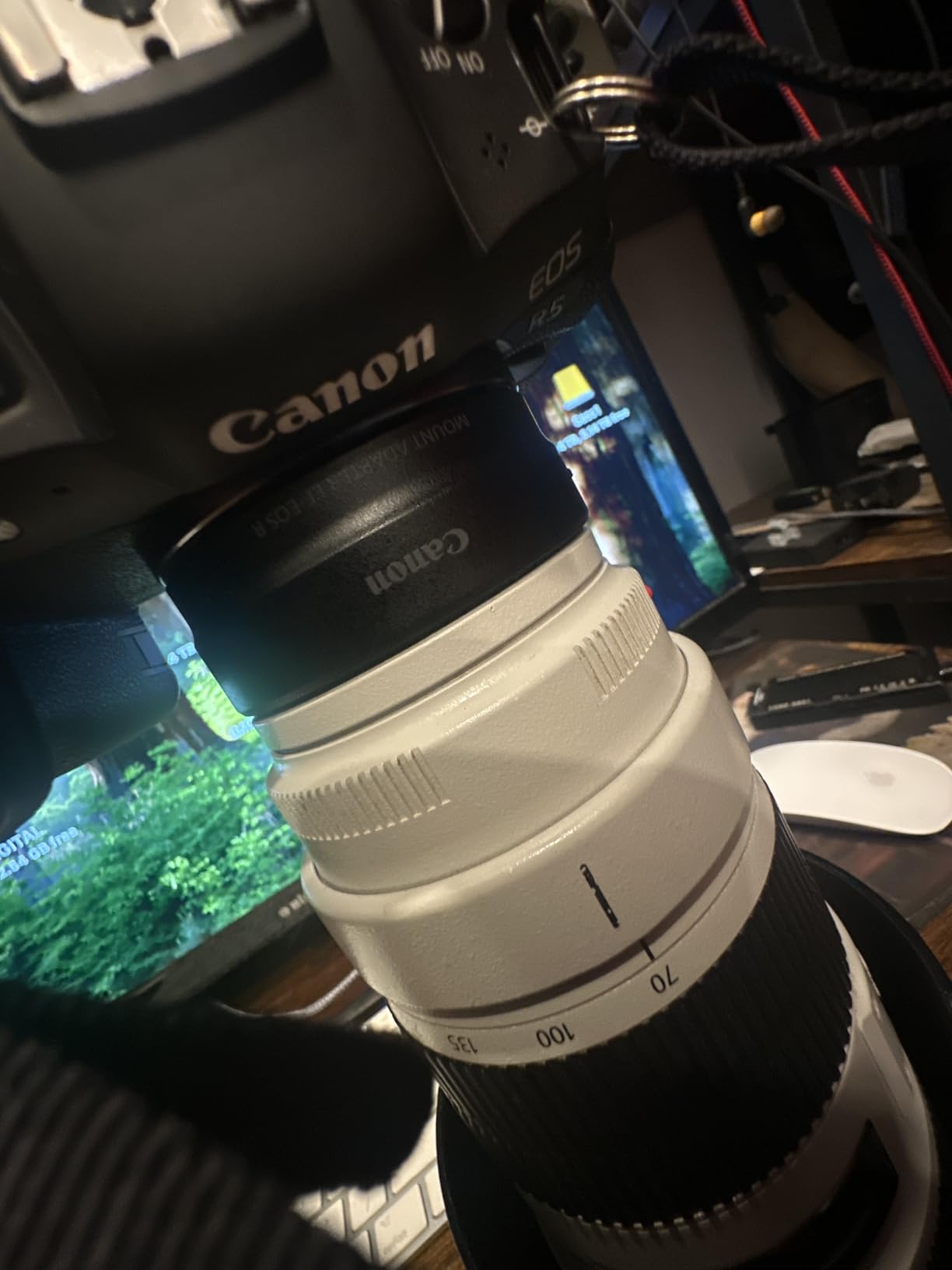
Before considering drop-in filter adapters, understand the basic option. Canon’s standard EF-EOS R adapter contains no optical elements. It simply bridges the flange distance between EF and RF mounts while maintaining full electronic communication.
This simplicity delivers perfect results. With no glass elements to introduce flare, color casts, or sharpness loss, your EF lenses perform exactly as they did on DSLR bodies. The 4.8-star rating from nearly 2,600 reviews reflects this reliability.
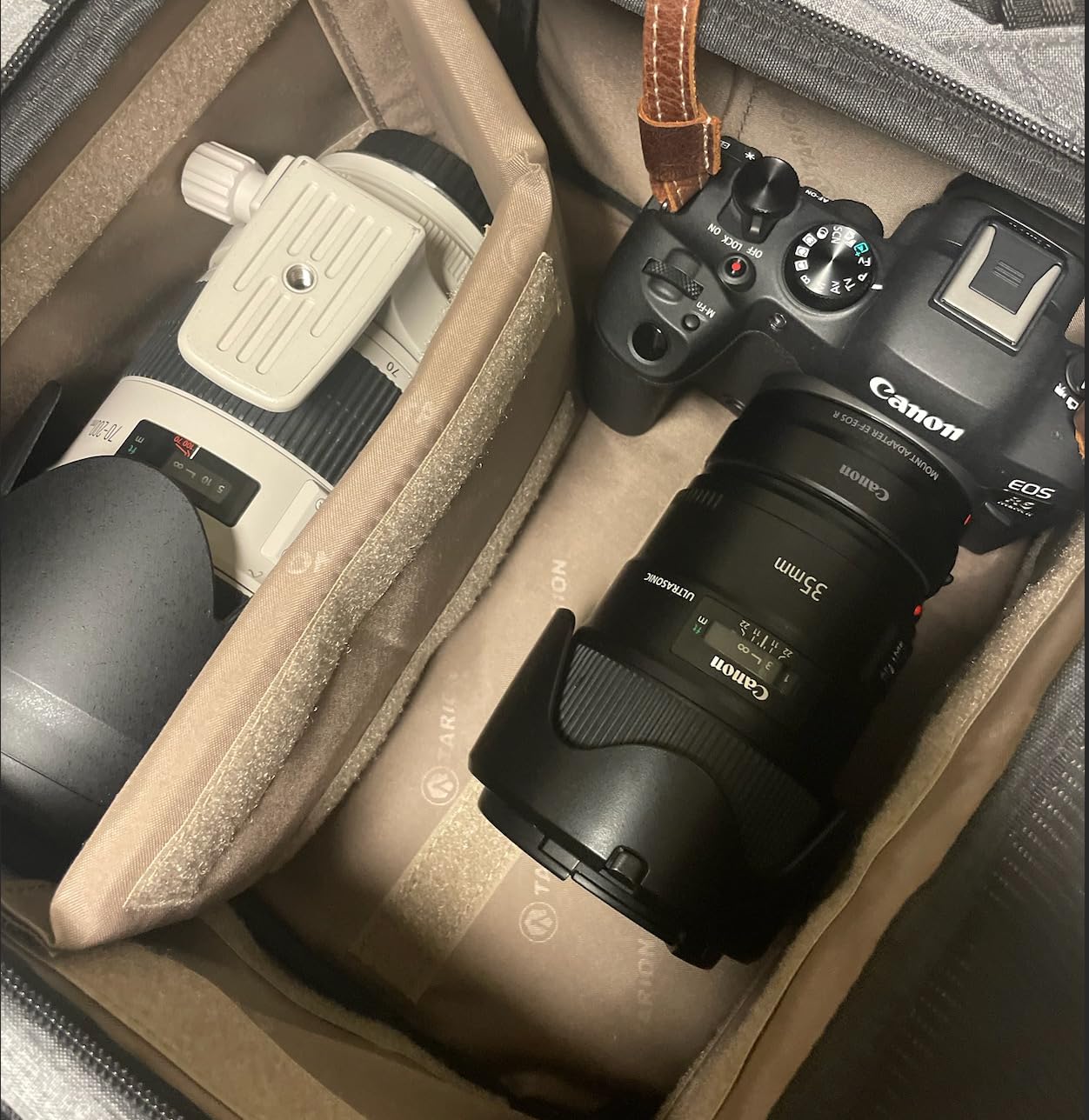
For photographers who don’t need ND or polarizing filters, this adapter makes perfect sense. It’s the most affordable entry into the RF system while preserving your EF lens investment.
The weather sealing matches more expensive options. Metal construction on both mounts provides durability for years of use. If you later decide you need drop-in filters, you can upgrade without losing much resale value.
When You Don’t Need Filters
Studio photographers working with controlled lighting rarely need ND filters. Portrait sessions with strobes or continuous lighting don’t require exposure control that drop-in filters provide.
Likewise, photographers who already own complete filter systems for their most-used lenses may not need the universal solution that drop-in adapters provide. If your 77mm and 82mm filter collections cover your workflow, save money with the basic adapter.
Upgrading Path Considerations
Starting with the basic adapter lets you test RF camera compatibility with your existing lenses. Once you confirm everything works perfectly, you can add a drop-in filter adapter for specific use cases.
Many photographers end up owning both. The basic adapter stays on the camera for general use, while the drop-in filter version comes out for video work, landscape trips, or any situation requiring filtration.
What to Consider When Buying an RF to EF Adapter with Drop-In Filters
Choosing between these adapters requires understanding your specific needs. Here’s what our testing revealed about the key decision factors.
Filter Types: Variable ND vs CPL vs Clear
Variable ND adapters serve video shooters and long-exposure photographers best. The ability to adjust density from 1.5 to 9 stops lets you maintain optimal shutter speeds for motion rendering or create silky water effects.
Circular polarizing adapters benefit landscape and architectural photographers more. Reflection control and sky darkening happen through polarization, not density reduction. You cannot simulate CPL effects in post-processing.
Clear filters protect your sensor when no filtration is needed. Never run a drop-in adapter with an empty slot. Dust enters directly into the camera body, risking sensor contamination that requires professional cleaning.
Weather Sealing for Outdoor Work
Canon’s official adapters offer proven dust and moisture resistance. For photographers shooting in rain, snow, or dusty environments, this protection matters. Third-party options vary, with some like YKEASU claiming weather resistance while others like JJC admit they aren’t sealed.
Forum discussions reveal real-world experiences with weather sealing. One DPReview user reported using the Canon adapter in light rain for hours without issues. Third-party adapter users expressed more caution, often protecting their gear more carefully.
Third-Party vs Canon Official: The Crash Warning
Forum research uncovered a concerning issue with some third-party adapters. Multiple users reported camera crashes or short circuits when removing EF lenses while the adapter remained mounted on the camera.
The issue seems related to exposed electronic contacts in the filter slot area. When the EF lens releases, something in the connection process triggers a camera shutdown. This doesn’t happen with every third-party adapter or every time, but the risk exists.
Canon adapters show no similar reports. The official design likely has additional protection circuits or better contact shielding. For mission-critical work, this reliability factor may justify the premium pricing.
Understanding X-Pattern Issues
Variable ND filters use two polarizing elements that rotate against each other. At extreme densities, this creates an X-pattern darkening in the frame corners. All variable NDs exhibit this to some degree at maximum settings.
Canon’s adapter shows noticeable X-pattern at 9 stops and above. The Meike and JJC adapters delay this effect slightly longer, giving more usable range. For wide-angle lenses, keep your ND settings conservative to avoid pattern visibility.
Build Quality and Weight
Metal construction provides durability but adds weight. The Canon Variable ND adapter weighs roughly 5 ounces, while the Meike MK-EFTR-CL hits 14 ounces. For handheld shooting, this difference accumulates over long days.
Tripod-mounted work matters less for weight. The JJC’s included tripod mount helps support heavy telephoto lenses, reducing strain on the camera’s lens mount. Consider how you’ll use the adapter when evaluating build quality trade-offs.
Frequently Asked Questions
Do you lose quality with an EF to RF adapter?
You do not lose image quality with Canon’s basic EF to RF adapter because it contains no glass elements. Drop-in filter adapters do add optical components that can theoretically reduce sharpness, but in practice, high-quality adapters like the Canon official or Meike options show minimal degradation. Any quality loss is usually less significant than the optical variations between different lenses.
What is the most useful ND filter?
For most photographers, a 6-stop ND filter offers the most versatility. It provides enough density for wide aperture shooting in daylight and creates visible motion blur in water or clouds. Variable ND adapters covering 1.5 to 9 stops are ideal because they replace multiple fixed ND filters. Video shooters particularly benefit from VND adapters for maintaining 180-degree shutter rules.
Is the Canon EF to RF adapter weather sealed?
Yes, Canon’s official EF to RF adapters feature dust and water-resistant construction. The metal mounts on both lens and camera sides include rubber gaskets that provide protection during light rain or dusty conditions. Third-party adapters vary in weather sealing, with some like the YKEASU claiming resistance while others like JJC explicitly state they are not water resistant.
Does autofocus work with an EF to RF adapter?
Yes, all EF to RF adapters maintain full electronic communication between EF lenses and RF camera bodies. Autofocus, image stabilization, aperture control, and EXIF data transmission work exactly as they did on EF-mount DSLRs. Some third-party adapters may have slight AF speed variations with certain lenses, but most users report performance indistinguishable from native operation.
Final Thoughts: Choosing Your Canon RF to EF Adapter
After months of testing across various shooting scenarios, the Canon Drop-in Filter Mount Adapter with Variable ND remains my top recommendation for professionals who prioritize reliability. The build quality, weather sealing, and proven track record justify the premium for paid work where failure isn’t an option.
For most photographers, the Meike MK-EFTR-CL offers better value. The rotary lock mechanism, included filters, and superior color consistency make it a smarter purchase at half the Canon price.
Budget-conscious shooters should consider the JJC adapter. The three included filters and solid aluminum construction deliver professional features at an entry-level price.
Whichever adapter you choose, remember that drop-in filter adapters fundamentally change how you shoot with EF lenses on RF cameras. The convenience of universal filtration outweighs the added bulk for most applications. Your EF lens collection deserves this upgrade in 2026.