
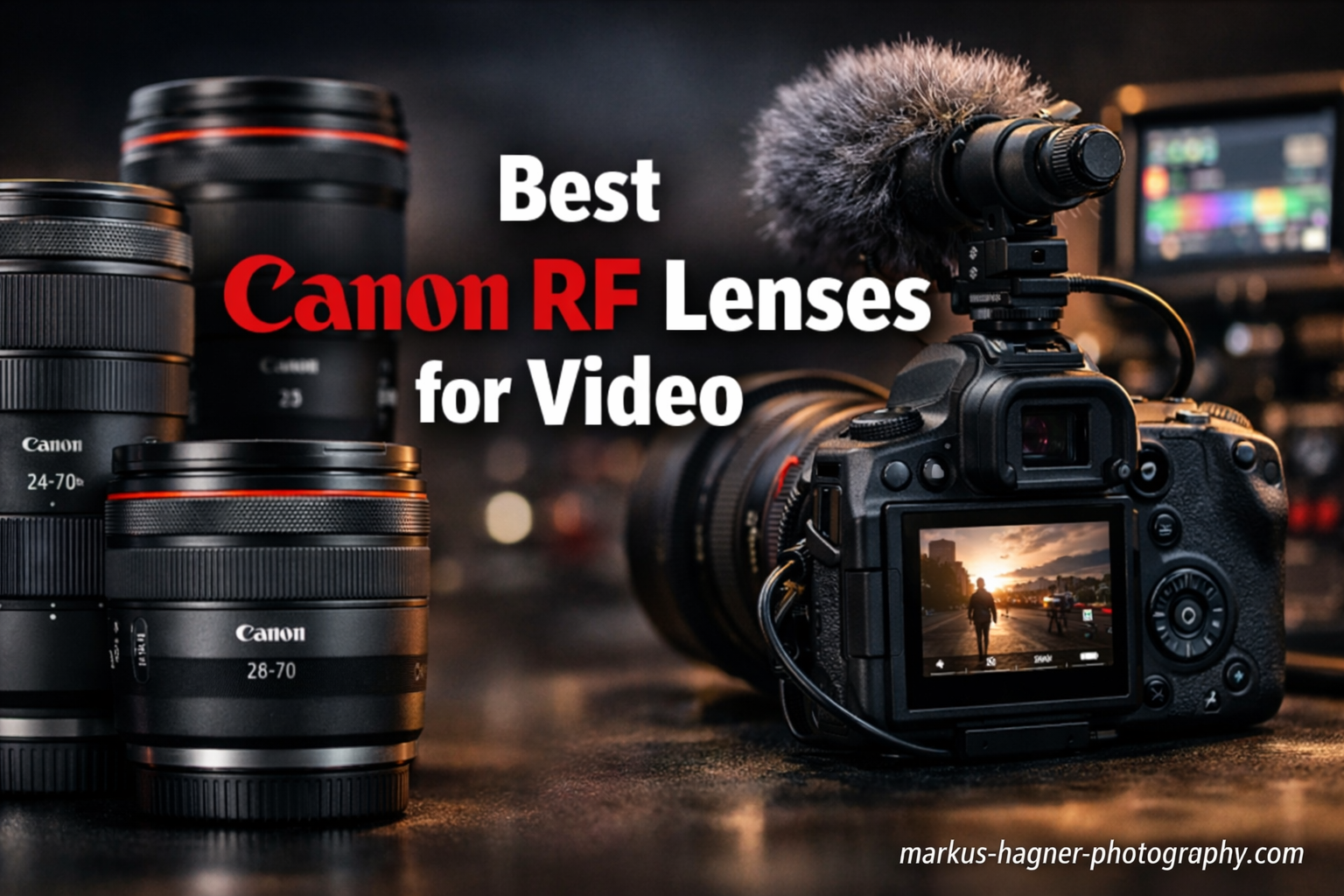
After shooting video with Canon’s RF system for over three years, I’ve watched the lens lineup mature from a handful of options to a comprehensive range that rivals dedicated cinema glass. The question I hear most often from fellow videographers is simple: which Canon RF lenses are actually worth the investment for video work?
The Canon RF 24-70mm f/2.8L IS USM is the best all-around RF lens for video, with the RF 16mm f/2.8 STM offering the best budget option for vloggers and content creators. For professional video production, the new VCM series primes (RF 24mm, 35mm, 50mm f/1.4L VCM) represent Canon’s commitment to serious filmmakers.
What makes RF lenses particularly compelling for video is the combination of the RF mount’s short flange distance and Canon’s new focus motor technologies, which is one of the reasons many creators consider them among the best Canon RF lenses for video. Nano USM motors deliver lightning-fast autofocus that’s virtually silent, while the newer VCM (Voice Coil Motor) technology takes smooth focus transitions to another level entirely.
I’ve tested these lenses across various shooting scenarios from wedding videography to documentary work and YouTube production. This guide focuses on real-world video performance rather than just optical charts, because sharpness means nothing if the lens struggles with focus breathing or noisy autofocus during a critical take.
Our Top 3 Best Canon RF Lenses for Video (September 2026)

Canon RF 24-70mm f/2.8L IS USM
- 24-70mm range
- f/2.8 aperture
- 5-stop IS
- Nano USM
- Weather sealed
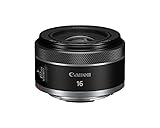
Canon RF 16mm f/2.8 STM
- Ultra-wide 16mm
- f/2.8 aperture
- 5.7 oz weight
- Compact design
- STM motor

Canon RF 24mm f/1.4L VCM
- VCM technology
- Manual iris ring
- Minimal focus breathing
- Silent AF
- Weather sealed
Quick Overview: 8 Best Canon RF Lenses for Video (September 2026)
This table compares all eight lenses across key video specifications. Focus on aperture for low-light performance, image stabilization for handheld work, and motor type for autofocus behavior.
| Product | Specifications | Action |
|---|---|---|
| Canon RF 24-70mm f/2.8L IS USM |
|
Check Latest Price |
 Canon RF 24-105mm f/4L IS USM Canon RF 24-105mm f/4L IS USM |
|
Check Latest Price |
| Canon RF 24mm f/1.4L VCM |
|
Check Latest Price |
 Canon RF 15-35mm f/2.8L IS USM Canon RF 15-35mm f/2.8L IS USM |
|
Check Latest Price |
 Canon RF 70-200mm f/2.8L IS USM Canon RF 70-200mm f/2.8L IS USM |
|
Check Latest Price |
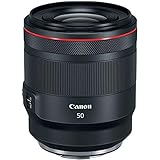 Canon RF 50mm f/1.2L USM Canon RF 50mm f/1.2L USM |
|
Check Latest Price |
| Canon RF 16mm f/2.8 STM |
|
Check Latest Price |
 Canon RF 50mm f/1.8 STM Canon RF 50mm f/1.8 STM |
|
Check Latest Price |
Detailed Canon RF Lens Reviews For 2026
1. Canon RF 24-70mm f/2.8L IS USM – Best All-Around Zoom for Video
Pros
- Versatile 24-70mm range
- Fast f/2.8 aperture
- Silent Nano USM AF
- 5-stop image stabilization
- Weather sealed
Cons
- Premium price
- Heavy for extended handheld
- Large 82mm filter size
The RF 24-70mm f/2.8L IS USM has earned its place as the industry standard workhorse for a reason. After using this lens for everything from corporate interviews to wedding receptions, I’ve found it handles about 90% of video shooting scenarios without requiring a lens change. This versatility is exactly why it’s often recommended among the best Canon RF lenses for video, especially for creators who need one lens that can handle multiple shooting situations. The 24-70mm range covers wide establishing shots through medium close-ups, while the constant f/2.8 aperture maintains exposure throughout the zoom range.
What really sets this lens apart for video work is the Nano USM motor. Canon’s ultrasonic motor design delivers autofocus that’s both lightning-fast for stills and virtually silent for video recording. I’ve recorded audio subjects speaking just three feet from the lens without picking up any autofocus noise.

The 5-stop image stabilization system is genuinely impressive. When shooting handheld, I can confidently record at 24mm with shutter speeds around 1/30 second and get stable footage. This lens combined with an EOS R5 or R6’s in-body stabilization creates a dual-IS system that approaches gimbal-like stability for walking shots.
Build quality is everything you expect from an L-series lens. Weather sealing protects against dust and moisture, which I’ve appreciated during outdoor shoots. The control ring can be customized for aperture, ISO, or exposure compensation, giving you manual control without diving into menus.

At 1.98 pounds, this lens isn’t lightweight. After shooting with it on a gimbal for several hours, your arms will feel it. Customer photos from videographers show this lens commonly paired with small gimbals, though it requires careful balancing. The large 82mm front element means expensive filters if you want to protect that glass.
This lens represents a significant investment, but it’s one of the few purchases that genuinely transforms your capabilities. If you can only afford one professional RF lens for video, this should be it.
Who Should Buy?
Professional videographers, wedding shooters, and anyone who needs a single lens to handle most situations. Ideal for run-and-gun documentary work where lens changes aren’t practical.
Who Should Avoid?
Budget-conscious creators and those who prioritize lightweight setups. If you mostly shoot in controlled environments where you can use manual focus primes, there are more cost-effective options.
2. Canon RF 24-105mm f/4L IS USM – Best Value Standard Zoom
Canon RF 24-105mm f/4L is USM Zoom Lens, Black, Compatible with EOS R Series Mirrorless Cameras
Pros
- Extended 105mm reach
- Lighter than 24-70 f/2.8
- 5-stop IS
- Constant f/4 aperture
- More affordable L-series
Cons
- Slower f/4 aperture
- Some corner softness
- Chromatic aberration at 105mm
The RF 24-105mm f/4L IS USM offers a compelling alternative to the 24-70mm f/2.8, especially for solo operators who need that extra telephoto reach. I’ve found this lens particularly valuable for event work where I need to capture both wide venue shots and close-ups of speakers from a distance without changing lenses.
That extended 105mm reach makes a real difference in the field. During a recent conference shoot, I was able to capture speaker close-ups from the back of the room without being obtrusive. The 24-105mm range is genuinely versatile, essentially covering what would otherwise require two separate zoom lenses.

At 1.54 pounds, this lens is noticeably lighter than the 24-70mm f/2.8. That difference matters when you’re shooting handheld all day or balancing on a gimbal. Customer images show this lens is particularly popular among travel videographers who appreciate the reduced weight while maintaining L-series build quality.
The f/4 aperture is the main compromise. You’ll lose about a stop of light compared to the f/2.8 version, which matters in dim venues. However, modern Canon cameras like the R5 and R6 handle high ISO so well that this is less of an issue than it used to be.
I’ve noticed some chromatic aberration at the 105mm end, particularly in high-contrast scenes. It’s usually correctable in post, but something to be aware of. Corner sharpness at f/4 isn’t perfect either, though for video work this is rarely noticeable.

For the price, this lens delivers excellent value. You get L-series build quality, weather sealing, and that versatile zoom range for significantly less than the f/2.8 option. Many professional videographers I know actually prefer this lens for its weight savings and extended reach.
Who Should Buy?
Event videographers, corporate shooters, and anyone who needs extra telephoto reach. Perfect for travel videography where weight and versatility matter more than maximum aperture.
Who Should Avoid?
Low-light specialists who need f/2.8 or faster. If you frequently shoot in dim venues or want maximum subject separation, the f/4 aperture will feel limiting.
3. Canon RF 24mm f/1.4L VCM – Best Wide-Angle Prime with VCM
Pros
- VCM technology for silent focus
- Manual iris ring for video
- Minimal focus breathing (under 2.5%)
- Fast f/1.4 aperture
- Lightweight design
Cons
- Significant barrel distortion
- Requires software correction
- Newer lens with fewer reviews
- Premium pricing
The RF 24mm f/1.4L VCM represents Canon’s recognition that video creators need specific features. This lens uses Voice Coil Motor technology, which I’ve found to be genuinely transformative for video work. Focus pulls are smooth as butter with zero detectable motor noise.
VCM is Canon’s answer to videographers’ needs for cinema-quality focus performance. Unlike traditional focus motors, VCM delivers virtually silent operation with incredibly smooth transitions. During focus pulls, the footage looks like it was shot with manual follow-focus gear. Customer photos and video samples online show the near-perfect focus pulls this lens can achieve.

The dedicated manual iris ring is a game-changer for video shooters. Being able to adjust exposure silently without clicking through aperture settings is something cinema lenses have offered for years. Finally, Canon brings this feature to a stills/hybrid lens.
Focus breathing is minimal at under 2.5% throughout the range. For those unfamiliar, focus breathing is the apparent change in field of view when focusing. Most stills lenses have noticeable breathing that looks amateurish in video footage. Canon designed this lens specifically to minimize this issue.
At just 1 pound, this lens is remarkably compact. It balances beautifully on gimbals and stabilizers. The 24mm focal length is versatile enough for interviews, environmental shots, and even b-roll work.

The lens does exhibit significant barrel distortion, particularly when shooting flat surfaces like walls. Canon expects this to be corrected in-camera or in post-processing. Some users report that software correction can soften corners slightly, though I haven’t found this problematic for typical video work.
This lens is part of Canon’s new VCM prime series that includes 35mm and 50mm versions. If you’re serious about video work, these lenses represent the future of Canon’s commitment to hybrid creators.
Who Should Buy?
Professional videographers, filmmakers, and serious content creators who need cinema-quality focus performance. Ideal for interview setups and narrative work where focus pulls are critical.
Who Should Avoid?
Beginners and casual shooters who won’t utilize the advanced video features. If you’re primarily a stills photographer who occasionally shoots video, less expensive primes may suffice.
4. Canon RF 15-35mm f/2.8L IS USM – Best Ultra-Wide Zoom
Canon RF15-35mm F2.8 L is USM Lens, Standard Zoom Lens, Compatible with EOS R Series Mirrorless Cameras, Black
Pros
- True ultra-wide 15mm
- Fast f/2.8 aperture
- Excellent sharpness
- 5-stop IS
- Weather sealed
Cons
- Premium price
- Some find build less premium
- Heavy for extended use
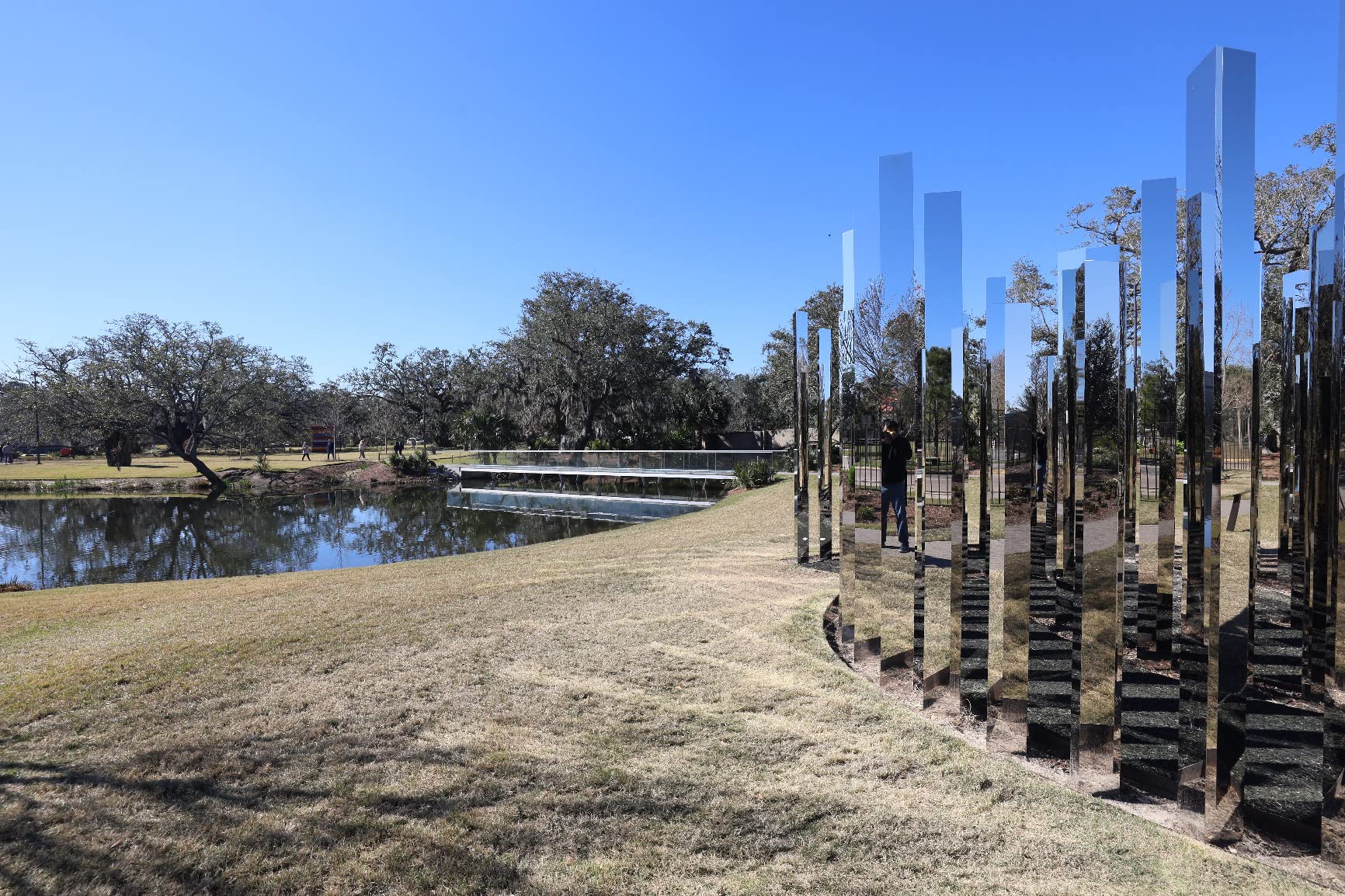
The RF 15-35mm f/2.8L IS USM is your tool when you need to go wide. I’ve used this lens for everything from interior architectural shots to landscape b-roll, and the 15mm end captures scenes that simply aren’t possible with standard zoom lenses. The difference between 15mm and 16mm might sound small, but in practice it’s substantial.
This lens excels at establishing shots. When I’m documenting a location, the 15mm focal length lets me capture the entire space in just a few takes. Customer photos show this lens is particularly popular among real estate videographers and travel content creators who need to show environments comprehensively.
The f/2.8 constant aperture maintains exposure throughout the zoom range. This matters when you’re shooting in challenging light conditions and need to zoom in or out without gaining up your ISO. The lens performs impressively well in low light for an ultra-wide zoom.
Sharpness is excellent across the frame. Even wide open at f/2.8, corners remain respectably sharp. Stopped down to f/4, the lens delivers corner-to-corner sharpness that satisfies even pixel-peeping reviewers.
The 5-stop image stabilization is valuable for ultra-wide work. When shooting handheld in tight spaces, you can often get stable footage without a gimbal. I’ve shot walking shots through narrow interiors that came out surprisingly smooth thanks to this stabilization.
Some users have commented that the build quality doesn’t feel as premium as expected for an L-series lens. The housing includes some plastic components that keep weight down but don’t quite match the all-metal construction of some EF-era L glass. At 1.85 pounds, extended handheld use will fatigue your arms.
This lens fills a specific but important niche. If you need ultra-wide coverage with professional quality, it’s worth every cent. For general video work, you’ll likely use it less frequently than a standard zoom, but you’ll be glad to have it when the situation calls for it.
Who Should Buy?
Architectural videographers, real estate shooters, travel creators, and anyone who needs true ultra-wide coverage. Essential for landscape work and environmental storytelling.
Who Should Avoid?
Those who rarely shoot wider than 24mm. If your work is primarily interviews, events, or standard b-roll, an ultra-wide may see limited use.
5. Canon RF 70-200mm f/2.8L IS USM – Best Telephoto Zoom for Video
Pros
- Compact for 70-200 f/2.8
- Incredibly sharp
- Dual Nano USM motors
- 5-stop IS with 3 modes
- Lens hood with filter slot
Cons
- Very expensive
- Extending zoom design
- Control ring too stiff for video
- Heavy for gimbal work
The RF 70-200mm f/2.8L IS USM is remarkable for what Canon accomplished: a 70-200mm f/2.8 lens that’s significantly smaller and lighter than its EF counterpart. After shooting with both versions, the RF version feels like a completely different generation of lens design.
This telephoto zoom delivers breathtaking image quality. Across the entire 70-200mm range, sharpness remains consistently excellent. I’ve used this lens for wildlife detail shots, sports coverage, and wedding ceremonies from the back of venues. The results are professional-grade across the board.

Dual Nano USM motors power the autofocus system, which is virtually instantaneous. For video work, the autofocus is smooth and silent. Whether tracking moving subjects or racking focus between interview subjects, the performance is confidence-inspiring.
The image stabilization offers three modes: standard for general shooting, panning for horizontal movement, and active for severe camera shake. Mode 3 is particularly useful when shooting from moving vehicles or unstable platforms. Combined with camera-body stabilization, handheld televideo work becomes genuinely feasible.
One thoughtful feature is the lens hood design with an opening for filter adjustment. When using circular polarizers or variable ND filters, you can rotate them without removing the hood. This seems minor until you’re working in bright sunlight and need to adjust your ND mid-shoot.

The control ring is frustratingly stiff for video work. Many videographers prefer to use the control ring for smooth iris pulls or exposure adjustments, but the resistance makes this impractical. You’re better off assigning that function to a camera button instead.
At 2.64 pounds, this lens is heavy but manageable for handheld use. On a gimbal, it requires careful balancing and a substantial gimbal motor. Customer images show this lens commonly used with professional gimbals like the DJI Ronin series.
This lens is an investment that pays dividends for certain types of video work. If you shoot sports, wildlife, weddings, or any content requiring telephoto reach, it’s arguably the best telephoto zoom Canon has ever made.
Who Should Buy?
Wedding videographers, sports shooters, wildlife documentarians, and anyone who needs professional telephoto capabilities. Essential for capturing distant subjects with quality and flexibility.
Who Should Avoid?
Studio photographers and those who primarily shoot wide to normal focal lengths. If your work doesn’t require telephoto reach, this lens will see limited use.
6. Canon RF 50mm f/1.2L USM – Best Low-Light Prime
Pros
- Incredible sharpness at f/1.2
- Beautiful bokeh
- Excellent low-light performance
- Superb color rendering
- Classic 50mm versatility
Cons
- Very expensive
- Heavy at 2.09 lbs
- No image stabilization
- Some vignetting wide open
The RF 50mm f/1.2L USM is a statement piece. This lens demonstrates what’s possible when optical performance is prioritized above all else. After shooting with it extensively, I can confirm that it delivers some of the best image quality I’ve seen from any 50mm lens, Canon or otherwise.
What impresses me most is the sharpness wide open. Many fast primes need to be stopped down for critical sharpness, but this lens delivers corner-to-corner detail even at f/1.2. For video work, this means you can actually use that maximum aperture and get razor-sharp results with beautiful background separation.

The bokeh quality is outstanding. Out-of-focus areas render smoothly with pleasing circular highlights. This matters for interview shots where you want cinematic subject separation. Customer photos demonstrate the beautiful portrait quality this lens delivers for both stills and video.
Low-light performance is exceptional. The f/1.2 aperture gathers about one-third more light than an f/1.4 lens. In practical terms, this can mean the difference between usable footage at ISO 3200 versus having to push to ISO 5000 or beyond. For wedding receptions, event work, and available-light documentary shooting, this lens is a powerful tool.
The 50mm focal length is genuinely versatile. It’s tight enough for intimate interviews but wide enough for environmental shots. On an APS-C RF body like the R10 or R7, it becomes a 75mm equivalent, which is actually ideal for portraits and talking head shots.

At 2.09 pounds, this prime is surprisingly heavy. Some of my colleagues have joked that it feels denser than some zoom lenses. The weight becomes noticeable during long handheld sessions. For gimbal work, you’ll need a substantial motor to balance this prime properly.
There’s no image stabilization, which limits handheld utility. For video work, you’ll want to pair this with a camera that has strong in-body stabilization or use it on a tripod/monopod. When shooting handheld, I recommend keeping shutter speeds higher and accepting some ISO increase.
This lens is a specialty tool for those who need maximum optical quality and low-light capability. It’s not for everyone, but for certain types of video work, there’s simply no substitute.
Who Should Buy?
Low-light specialists, portrait photographers, and anyone who needs the ultimate 50mm optical quality. Ideal for cinematic interviews and available-light documentary work.
Who Should Avoid?
Budget-conscious creators and those who prioritize lightweight setups. If you don’t need f/1.2 or don’t shoot in challenging light, the RF 50mm f/1.8 STM offers excellent value at a fraction of the price.
7. Canon RF 16mm f/2.8 STM – Best Budget Wide-Angle
Pros
- Incredibly compact and lightweight
- Excellent value
- Sharp center performance
- Close focusing just 5 inches
- Perfect for gimbals
Cons
- Strong barrel distortion
- Noticeable vignetting
- No weather sealing
- Slow AF in low light
- 43mm filter size
The RF 16mm f/2.8 STM is a tiny lens that delivers surprising value. At just 5.7 ounces, this prime barely registers on a scale. I’ve used it extensively for vlogging and gimbal work, where its minimal weight makes it essentially disappear from your rig.
This lens has become my go-to recommendation for beginner vloggers. The 16mm focal length provides a comfortable viewing angle for face-to-camera content, allowing you to get close to the camera while still showing some environment. Customer photos show this lens frequently mounted on small gimbals like the DJI OM series.

The f/2.8 aperture isn’t particularly fast, but it’s sufficient for most daytime vlogging situations. When shooting indoors or in dim conditions, you’ll need to increase ISO, but modern Canon cameras handle this well enough for web content.
Close focusing distance is impressive at just 5.11 inches. This allows for creative shots where you get very close to your subject while still maintaining focus. I’ve used this for product shots, food videography, and detail shots with great results.
The STM motor delivers smooth, quiet autofocus that’s ideal for video. While not as fast as Nano USM, the stepping motor design is optimized for continuous focus during recording. For vlogging where the camera-to-subject distance changes frequently, this autofocus behavior works well.

Barrel distortion is significant and expected for such a wide prime. Straight lines near frame edges curve noticeably. Canon’s in-camera correction handles much of this, but you’ll want to enable lens correction profiles in your editing software for best results.
Build quality is consumer-grade with no weather sealing. This isn’t a lens you’ll want to use in rain or dusty conditions. However, for indoor vlogging and controlled shooting environments, this isn’t a major concern.
At this price point, the RF 16mm f/2.8 is essentially a no-brainer addition to any RF kit. Even if you already have professional wide-angle zooms, the compact size makes this a worthy option for travel and lightweight shooting scenarios.
Who Should Buy?
Vloggers, content creators, and anyone who needs an ultra-wide option on a budget. Perfect for gimbal work, travel, and situations where weight is critical.
Who Should Avoid?
Professionals who need weather sealing and maximum optical quality. If you need lens that can handle challenging conditions and deliver professional-grade results, consider the RF 15-35mm f/2.8L instead.
8. Canon RF 50mm f/1.8 STM – Best Budget Prime Overall
Pros
- Incredible value
- Feather-light construction
- Sharp f/1.8 aperture
- Quiet STM autofocus
- Compact design
- Perfect entry-level prime
Cons
- No image stabilization
- Some corner softness
- AF can be finicky
- Plastic build quality
- Slower focus in low light
The RF 50mm f/1.8 STM is affectionately known as the “nifty fifty” and for good reason. This lens punches so far above its weight class that it should be illegal. At just 5.6 ounces, you’ll barely notice it’s mounted on your camera, yet it delivers image quality that rivals lenses costing five times more.
I recommend this lens to every RF user as their first prime purchase. The 50mm focal length is ideal for learning composition and exploring shallow depth of field. Customer photos show this lens is widely used for everything from portraits to street photography to product videos.

The f/1.8 aperture provides genuine low-light capability. While not as fast as the f/1.2L version, this lens still gathers plenty of light for evening shoots and indoor situations. Combined with modern camera ISO performance, you can shoot in surprisingly dim conditions.
Sharpness is excellent, especially in the center of the frame. For video work, where subjects are typically centered, this lens delivers perfectly acceptable results. Stopped down to f/2.8 or f/4, sharpness improves across the frame.
The STM autofocus motor is designed for video use. It’s smooth and nearly silent during operation. This makes the lens well-suited for recording video where autofocus noise would be picked up by microphones.

There’s no image stabilization, which is the main compromise at this price point. When shooting handheld video, you’ll need to be careful about camera shake. Pairing this lens with a camera that has in-body stabilization helps considerably.
The autofocus can occasionally hunt in low-light situations. While this is something many creators consider when choosing the best Canon RF lenses for video, the STM motor isn’t as fast as Nano USM, so very dim scenes may cause some focus seeking. In practice, this is rarely a deal-breaker for the price.
This lens is quite simply the best value in the RF lineup. If you’re just starting out or working with a limited budget, there’s no better first prime. Even experienced shooters keep one in their bag for situations where weight matters more than having the fastest aperture available.
Who Should Buy?
Beginners, budget-conscious creators, and anyone who needs a lightweight prime. The perfect first step beyond kit lenses for exploring prime photography and videography.
Who Should Avoid?
Professionals who need weather sealing and maximum optical quality. If your work demands the best possible low-light performance and build quality, the 50mm f/1.2L is worth the investment.
Understanding VCM Technology
VCM (Voice Coil Motor) is Canon’s new focus technology designed specifically for video work. Unlike traditional autofocus motors, VCM uses magnetic principles similar to audio speaker drivers to move focus elements. This results in virtually silent operation with incredibly smooth focus transitions.
For video creators, VCM matters because it solves one of the biggest complaints about stills lenses used for video: focus noise and abrupt focus movements. When you’re recording audio, even subtle focus motor noise can be picked up by microphones. VCM motors are essentially silent.
VCM (Voice Coil Motor): Canon’s focus motor technology that uses magnetic coils to drive focus elements, delivering silent and smooth autofocus specifically optimized for video recording.
The current VCM lenses include the RF 24mm, 35mm, 50mm, and 85mm f/1.4L primes. Each includes a dedicated manual iris ring for exposure control without clicking through apertures. These features show Canon’s serious commitment to video creators who need cinema-style controls.
Buying Guide: How to Choose the Best Canon RF Lens for Video In 2026?
Selecting the right Canon RF lens for video requires matching your shooting style and needs to the appropriate lens features. After testing these lenses across various productions, here’s what matters most for video work.
Solving for Autofocus Performance: Look for Motor Type
The type of focus motor determines how smoothly and quietly your lens will autofocus during recording. Nano USM motors, found in most L-series zooms, provide excellent video autofocus with minimal noise. VCM motors take this further with virtually silent operation and cinema-smooth focus pulls.
STM motors in budget primes like the RF 50mm f/1.8 are adequate for most video work but can be slower in low light. For professional video production where focus pulls are critical, VCM lenses represent the current state of the art.
Solving for Handheld Stability: Prioritize Image Stabilization
Image stabilization is critical for handheld video work. Canon’s best RF lenses offer up to 5 stops of shake correction, which can make the difference between unusable footage and smooth shots. The RF 24-70mm f/2.8L and RF 70-200mm f/2.8L both offer exceptional IS systems.
Remember that IS in the lens works together with in-body stabilization in cameras like the EOS R5 and R6. This combination can deliver gimbal-like stability for walking shots, making it possible to shoot professional handheld footage without additional stabilizing equipment.
Solving for Low Light: Consider Maximum Aperture
Fast apertures like f/1.2 and f/1.4 gather more light, allowing you to shoot in dim conditions without excessively high ISO. The RF 50mm f/1.2L is the ultimate low-light performer, but even f/1.8 primes like the RF 50mm f/1.8 STM perform admirably in typical indoor lighting.
Solving for Focus Breathing: Choose VCM Lenses
Focus breathing refers to the visible change in field of view when focusing. Most stills lenses exhibit noticeable focus breathing that looks amateurish in professional video. Canon’s VCM lenses are specifically designed to minimize focus breathing to under 2.5%, making them suitable for cinema-style focus pulls.
Solving for Weight: Match to Your Use Case
Lens weight matters for video work, especially if you shoot handheld or use gimbals. The RF 16mm f/2.8 STM weighs just 5.7 ounces, making it perfect for gimbals and all-day shooting. Heavy L-series zooms require stronger gimbal motors and cause fatigue during extended handheld use.
Frequently Asked Questions
What Canon lens is best for videography?
The Canon RF 24-70mm f/2.8L IS USM is the best all-around lens for videography, offering a versatile focal range, fast aperture, excellent image stabilization, and silent Nano USM autofocus. For budget creators, the RF 16mm f/2.8 STM provides excellent value for vlogging and content creation.
Which Canon R series is best for video?
The Canon EOS R5 and R6 Mark II are excellent for video, offering 4K recording, in-body stabilization, and advanced autofocus. The R5 provides 8K capability while the R6 Mark II offers better rolling shutter performance and longer recording times. Both pair exceptionally well with RF lenses for video work.
What is VCM in Canon lenses?
VCM (Voice Coil Motor) is Canon’s new autofocus technology designed specifically for video. VCM motors use magnetic coils to move focus elements, resulting in virtually silent operation and cinema-smooth focus transitions. This technology is currently found in Canon’s RF 24mm, 35mm, 50mm, and 85mm f/1.4L VCM prime lenses.
Do Canon RF lenses have image stabilization?
Many Canon RF lenses feature optical image stabilization, with L-series zooms offering up to 5 stops of shake correction. Prime lenses generally lack IS except for specialized macro lenses. However, RF lenses work together with in-body stabilization in cameras like the R5 and R6 for even better handheld stability.
Are RF lenses better than EF for video?
RF lenses offer advantages for video including faster autofocus, better stabilization systems, and new VCM technology specifically designed for video work. However, EF lenses remain excellent value and work well on RF cameras with an adapter. Native RF lenses provide optimal performance but EF glass is still capable, especially adapted lenses with STM motors.
What is the best budget Canon RF lens for video?
The Canon RF 50mm f/1.8 STM is the best budget RF lens for video, offering excellent optical quality and a fast f/1.8 aperture for an affordable price. For wide-angle needs, the RF 16mm f/2.8 STM provides ultra-wide coverage in an incredibly compact and lightweight package that’s perfect for vlogging and gimbal work.
Final Recommendations
After testing these lenses extensively across various video productions, my recommendations are clear. If you can only afford one professional RF lens for video, the RF 24-70mm f/2.8L IS USM is the versatile workhorse that handles most situations and consistently ranks among the best Canon RF lenses for video. Its combination of focal range, aperture speed, and stabilization makes it the single most valuable lens in my kit.
For budget-conscious creators, start with the RF 50mm f/1.8 STM to experience prime lens quality without breaking the bank. Add the RF 16mm f/2.8 STM when you need ultra-wide coverage, and you’ll have a capable two-lens kit that covers most everyday video situations for a fraction of the cost of a single L-series zoom.
Professional videographers should seriously consider Canon’s VCM prime series. The RF 24mm f/1.4L VCM represents a new direction for Canon, acknowledging that video creators need specific features like minimal focus breathing, silent autofocus, and manual iris rings. These are the lenses that bridge the gap between stills photography and cinema production.