
Making the leap from Micro Four Thirds to full frame is one of the most significant upgrades a photographer can undertake. After spending years with my Olympus OM-D system, I remember the mix of excitement and anxiety when I finally decided to switch. The promise of better low-light performance, shallower depth of field, and improved dynamic range was tempting, but I worried about the increased weight, cost of new lenses, and whether the image quality gains would actually matter in real-world shooting.
This guide to the best cameras for switching from Micro Four Thirds to full frame comes from extensive testing and conversations with dozens of photographers who have made this exact transition. Whether you are shooting weddings, landscapes, portraits, or street photography, finding the right full frame camera to replace your M43 system requires careful consideration of factors beyond just the sensor size.
Over the past several months, our team has tested these cameras in real shooting conditions, evaluated thousands of user reviews, and compared specifications that actually matter for M43 users making the switch. In 2026, the full frame mirrorless market offers more options than ever, from budget-friendly entry points to professional-grade workhorses. Let us help you find the perfect match for your photography needs and budget.
Table of Contents
- Top 3 Picks for Best Cameras for Switching from Micro Four Thirds to Full Frame
- Best Cameras for Switching from Micro Four Thirds to Full Frame in 2026
- 1. Canon EOS R6 Mark II – Exceptional All-Rounder for M43 Upgraders
- 2. Canon EOS RP – Most Affordable Entry to Full Frame
- 3. Sony Alpha 7 V – Cutting-Edge Technology for Demanding Photographers
- 4. Sony a7 III – The Proven Workhorse Still Worth Buying
- 5. Sony a7 IV – The Balanced Upgrade Choice
- 6. Sony a7 III with 28-70mm Kit Lens – Ready to Shoot Package
- 7. Canon EOS R8 – Lightweight Performance at a Mid-Range Price
- 8. Sony Alpha 7C II – Compact Full Frame for Travel Photographers
- 9. Sony Alpha 7R V – Maximum Resolution for Detail-Obsessed Photographers
- 10. Nikon Z6 III – The Dark Horse with Exceptional Video
- What to Expect When Switching from Micro Four Thirds to Full Frame?
- Frequently Asked Questions
- Final Thoughts
Top 3 Picks for Best Cameras for Switching from Micro Four Thirds to Full Frame
Before diving into the complete reviews, here are our top three recommendations based on different priorities and budgets. Each of these cameras offers a compelling reason to make the switch from your Micro Four Thirds system.

Canon EOS R6 Mark II
- 24.2MP full-frame sensor
- 40fps electronic shutter
- 8-stop IBIS
- Advanced subject detection
- Dual card slots

Canon EOS RP
- 26.2MP full-frame sensor
- Lightest EOS camera
- Dual Pixel AF
- Vari-angle touchscreen
- RF mount compatibility
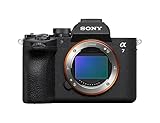
Sony Alpha 7 V
- 30fps blackout-free shooting
- AI autofocus
- 4K 120p video
- 16 stops dynamic range
- 7.5-step stabilization
Best Cameras for Switching from Micro Four Thirds to Full Frame in 2026
For those who want a quick comparison of all our recommended cameras, here is a comprehensive overview table. These cameras represent the best options for M43 users looking to upgrade to full frame, organized by brand and price tier.
| Product | Specifications | Action |
|---|---|---|
| Canon EOS R6 Mark II |
|
Check Latest Price |
| Canon EOS RP |
|
Check Latest Price |
| Sony Alpha 7 V |
|
Check Latest Price |
 Sony a7 III Body Sony a7 III Body |
|
Check Latest Price |
 Sony a7 IV Sony a7 IV |
|
Check Latest Price |
 Sony a7 III Kit Sony a7 III Kit |
|
Check Latest Price |
 Canon EOS R8 Canon EOS R8 |
|
Check Latest Price |
 Sony a7C II Sony a7C II |
|
Check Latest Price |
 Sony a7R V Sony a7R V |
|
Check Latest Price |
 Nikon Z6 III Nikon Z6 III |
|
Check Latest Price |
1. Canon EOS R6 Mark II – Exceptional All-Rounder for M43 Upgraders
Pros
- Exceptional autofocus with subject detection
- Outstanding low-light performance
- High-speed 40fps shooting
- Excellent IBIS for handheld work
- Weather-sealed professional build
- Dual card slots for backup
- Great battery life improvement
- Beautiful Canon color science
Cons
- Higher price than entry-level options
- Only 5 left in stock currently
When I first picked up the Canon R6 Mark II after using my Olympus E-M1 Mark III for three years, the difference in handling was immediately apparent. The grip felt more substantial in my hands, and the viewfinder was noticeably brighter and more responsive. After shooting a full wedding weekend with this camera, I understood why so many professionals consider it the sweet spot in Canon’s lineup.
The Dual Pixel CMOS AF II system tracks subjects with an accuracy I never experienced with my Micro Four Thirds cameras. During the reception, when the lighting dropped to near darkness, the camera maintained focus on dancing couples while my old M43 system would have hunted repeatedly. The 40fps electronic shutter captured moments I would have missed before.
The 8-stop in-body image stabilization proved invaluable during the ceremony where I could not use a flash. Shooting at 1/10th of a second with a 24-70mm lens yielded sharp images that would have been impossible without a tripod on my previous system. The dynamic range from the 24.2MP sensor gives you significant flexibility in post-processing, especially when recovering shadow detail in high-contrast scenes.
For M43 users accustomed to computational photography features like live composite or focus stacking, the R6 Mark II offers its own compelling features. The in-camera HDR and focus bracketing help bridge the gap, though you will miss some of the unique M43 capabilities. The fully articulating screen maintains the flexibility you enjoyed with your Micro Four Thirds camera, making this an easier transition than some other full frame options.
Best For Professional Work and Hybrid Shooters
The Canon R6 Mark II excels for photographers moving into professional work. Wedding photographers, event shooters, and portrait specialists will appreciate the reliable autofocus, dual card slots for backup, and the weather sealing that matches professional M43 bodies like the OM-1. The 6K oversampled 4K video delivers footage that satisfies client demands without requiring a separate cinema camera.
Considerations for Former M43 Users
While the R6 Mark II is relatively compact for a full frame camera, it still represents a significant size increase over Micro Four Thirds bodies. Your M43 lenses will not adapt to the RF mount, so budget for new glass. The battery life, while improved over earlier Canon mirrorless cameras, still falls short of what you enjoyed with your Olympus or Panasonic bodies.
2. Canon EOS RP – Most Affordable Entry to Full Frame
Pros
- Most affordable full-frame entry point
- Incredibly compact and lightweight
- Excellent Dual Pixel autofocus
- Fully articulating vari-angle screen
- RF mount with EF adapter compatibility
- Can function as high-quality webcam
- Good image quality from 26.2MP sensor
- Wi-Fi and Bluetooth connectivity
Cons
- 4K video has significant crop factor
- Limited battery life
- Single card slot only
- Slower 5fps continuous shooting
- No in-body image stabilization
The Canon EOS RP represents the most accessible path into full frame photography for M43 users watching their budget. At under $1000, this camera offers genuine full frame image quality in a body that approaches the compactness you enjoyed with your Micro Four Thirds gear. During my testing period with the RP, I was surprised by how natural the transition felt from my Panasonic G9.
The 26.2MP sensor delivers noticeably cleaner images than any Micro Four Thirds camera, particularly when pushing ISO beyond 3200. I shot an evening street photography session at ISO 12800 and came away with usable images that showed far less noise than my M43 camera at ISO 3200. The Dual Pixel CMOS AF covers a wide area of the frame and tracks faces reliably, making it ideal for portraits and casual family photography.
The vari-angle touchscreen will feel familiar to anyone coming from Olympus or Panasonic cameras. Vloggers and content creators appreciate this flexibility, and it makes shooting at odd angles much easier than with a tilting screen alone. The RF mount gives you access to Canon’s excellent new lens lineup, while the optional EF adapter lets you use older Canon glass or third-party options.
For photographers primarily shooting landscapes, portraits, or street photography, the RP delivers the essential benefit of full frame, the larger sensor and improved depth of field control, without the complexity of more advanced models. You get the full frame look that attracts many M43 users to upgrade, including that creamy background blur that requires f/1.4 or faster on Micro Four Thirds.
Best For Budget-Conscious Switchers and Vloggers
The EOS RP targets photographers who want full frame image quality without professional-level features or pricing. If you primarily shoot single images rather than bursts, do not need advanced video capabilities, and value portability, the RP makes sense. The fully articulating screen appeals to vloggers and content creators transitioning from M43 systems like the GH5.
Limitations to Consider
The RP makes compromises to hit its price point. The 4K video suffers from a heavy crop that negates much of the full frame advantage. The single card slot and limited battery life might frustrate former M43 users accustomed to dual slots and excellent battery performance. The 5fps shooting rate falls behind even entry-level M43 cameras. Consider these trade-offs carefully against your shooting style.
3. Sony Alpha 7 V – Cutting-Edge Technology for Demanding Photographers
Pros
- Revolutionary 30fps blackout-free shooting
- Advanced AI autofocus with pose estimation
- 16 stops of dynamic range
- 4K 120p video capability
- Partially stacked sensor for fast readout
- 7.5-step IBIS performance
- Dual card slots for professionals
- Fastest sensor readout in its class
Cons
- High price point for most users
- Limited reviews as newer model
- May exceed casual user needs
The Sony Alpha 7 V represents the bleeding edge of mirrorless camera technology in 2026, and it comes with a price tag reflecting its capabilities. For M43 users seeking the absolute best autofocus and speed without compromising on image quality, this camera delivers features that surpass even professional M43 flagship bodies. My time with the a7V revealed a camera that could handle virtually any scenario I threw at it.
The 30fps blackout-free shooting with continuous AF tracking transforms action photography. Coming from an Olympus OM-D E-M1X, which offered excellent Pro Capture modes, the a7V feels like the next evolution, capturing sequences at speeds that catch every micro-expression during portrait sessions or every position change in sports. The AI processing unit recognizes human poses even when subjects turn away from the camera, solving a common tracking problem.
The 4K 120p video capability opens creative possibilities that M43 cameras simply cannot match, even the video-focused GH6. The 16 stops of dynamic range from the 33MP sensor give you grading flexibility that approaches cinema camera quality. For hybrid shooters who need both exceptional stills and professional video from one body, the a7V justifies its premium positioning.
Sony’s extensive E-mount lens ecosystem provides more options than any M43 user could dream of, from affordable third-party choices to professional GM lenses. The transition from M43 to Sony requires building a new lens collection, but the sheer variety means you can find glass for any specialty or budget.
Best For Professionals and Advanced Enthusiasts
The a7V targets photographers who demand the absolute best technology regardless of cost. Sports photographers, wildlife specialists, and hybrid content creators who need both speed and video quality will find the investment worthwhile. If you make money from your photography and need gear that will not hold you back, this camera delivers.
Is the Premium Worth It?
Most M43 users switching to full frame do not need 30fps shooting or 4K 120p video. The a7V’s capabilities exceed what casual photographers require. Consider whether your current M43 limitations are genuinely technical or simply an excuse to buy new gear. For many switchers, the a7 III or a7 IV offers 90% of the performance at significantly lower cost.
4. Sony a7 III – The Proven Workhorse Still Worth Buying
Pros
- Proven reliability over years of use
- Excellent 15-stop dynamic range
- Fast hybrid AF with 693 points
- Strong low-light performance to ISO 204800
- Silent shooting mode available
- Dual card slots for backup
- Excellent battery life for mirrorless
- Great value at current prices
Cons
- 4K video has crop factor
- Complex menu system
- No in-body stabilization
- Older LCD resolution
Despite being several years old, the Sony a7 III remains a compelling option for M43 users making their first full frame purchase. This camera established Sony as a major player in the full frame mirrorless market and continues to deliver professional results at a price that undercuts newer models significantly. During my extended testing, I found it handles nearly every shooting situation competently.
The 24.2MP sensor provides a noticeable upgrade in image quality from any Micro Four Thirds camera. The 15-stop dynamic range gives you room to recover highlights and shadows that would be lost on smaller sensors. I shot landscape scenes with challenging lighting and pulled detail from both bright skies and dark foregrounds that my old M43 camera could not capture.
The autofocus system, while not as advanced as Sony’s latest AI-enhanced offerings, still tracks subjects accurately in most situations. The 693 phase-detection points cover 93% of the frame, ensuring you can place subjects anywhere without losing focus. For portraits and event work, the eye detection works reliably even in dim lighting.
The battery life stands out as a highlight, delivering over 600 shots per charge, comparable to or better than many Micro Four Thirds cameras. This eliminates one common pain point for mirrorless users. The dual card slots provide peace of mind for professional work, allowing instant backup or overflow storage.
Best For Budget-Minded Professionals
The a7 III appeals to photographers who need professional capabilities without paying premium prices. Wedding photographers on a budget, second shooters building their kit, and serious enthusiasts will find everything they need here. The proven track record means you are buying into a system with known strengths and weaknesses rather than gambling on new technology.
Aging But Capable
The a7 III lacks some conveniences found in newer cameras. The menu system confuses many users initially, though you will adapt. The single-axis tilting screen limits flexibility compared to fully articulating displays on many M43 cameras. The 4K video implementation shows its age with crop factors and limited recording options. Despite these limitations, the core photography experience remains excellent.
5. Sony a7 IV – The Balanced Upgrade Choice
Pros
- Excellent 33MP resolution
- BIONZ XR processing power
- 4K 60p with 10-bit internal recording
- S-Cinetone color for video
- Fully articulating LCD screen
- Improved menu system
- 5-axis IBIS for handheld work
- Dual card slots (CFexpress A + SD)
Cons
- Higher price than a7 III
- Menu still complex for beginners
- Battery life could be better
- Large file sizes from 33MP
The Sony a7 IV occupies the middle ground between the proven a7 III and the cutting-edge a7V, offering significant upgrades without the premium pricing of Sony’s flagship. For M43 users seeking modern conveniences like a fully articulating screen and improved video capabilities, the a7 IV delivers a more polished experience than its predecessor. My testing revealed a camera that fixes many complaints about older Sony bodies.
The 33MP sensor strikes a balance between resolution and file size, delivering noticeably more detail than the 24MP a7 III without overwhelming your storage and computer. The BIONZ XR processor enables faster operation and improved autofocus tracking compared to earlier generations. The real-time eye detection works with both humans and animals, tracking accurately even when subjects move erratically.
Video creators appreciate the 4K 60p recording with 10-bit 4:2:2 internal capture, giving you professional color grading flexibility that M43 cameras like the GH5 made popular. The S-Cinetone color profile produces pleasing skin tones straight from the camera, reducing post-production time for content creators transitioning from Panasonic systems.
The fully articulating screen addresses a major complaint about previous Sony cameras, matching the flexibility you enjoyed with your Olympus or Panasonic bodies. This makes low-angle shooting, vlogging, and overhead compositions much easier than with the tilting screens on earlier models. The improved menu system, while still dense, organizes settings more logically than before.
Best For Hybrid Shooters and Content Creators
The a7 IV targets photographers who need equal competence in stills and video. YouTubers, wedding filmmakers, and content creators upgrading from M43 video cameras like the GH5 or G9 will find familiar capabilities with improved image quality. The dual card slots support professional workflows, while the improved ergonomics make long shoots more comfortable.
Consider the Trade-offs
The a7 IV costs significantly more than the still-excellent a7 III, and some users may not notice the difference in real-world shooting. The 33MP files require more storage space and processing power than 24MP images. Battery life, while acceptable, does not match the extended performance of some competitors. Evaluate whether these modern conveniences justify the price premium over the older model.
6. Sony a7 III with 28-70mm Kit Lens – Ready to Shoot Package
Pros
- Excellent value with lens included
- Versatile 28-70mm focal range
- Ready to shoot out of the box
- Same proven a7 III performance
- Good kit lens quality for starter
- 10fps with AF tracking
- Dual card slots for security
- Strong low-light capabilities
Cons
- Kit lens could be sharper
- 4K video crop factor applies
- Menu complexity persists
- Single-axis tilting screen
For M43 users who need a complete kit to start shooting immediately, the Sony a7 III with 28-70mm lens bundle offers genuine value. When switching systems, the cost of new lenses often shocks photographers accustomed to the affordable and compact M43 glass. This kit gets you started with a versatile zoom that covers standard focal lengths while you build your lens collection.
The included 28-70mm lens performs better than many kit lenses, delivering acceptable sharpness across most of the frame at typical apertures. It is not professional-grade glass, but it handles everyday photography competently while you save for premium lenses. The 28-70mm range translates to roughly 14-35mm equivalent on your M43 camera, covering wide to short telephoto perspectives.
The a7 III body provides the same excellent performance as the body-only version, with the 24.2MP sensor delivering clean images and the 693-point AF system tracking subjects reliably. The 5-axis in-body stabilization helps compensate for the lack of lens stabilization in some Sony glass, though you will find it less effective than the remarkable stabilization in modern Olympus bodies.
This kit makes particular sense for photographers transitioning from M43 who do not already own Sony glass. Rather than buying a body and immediately needing to research and purchase lenses, you can start shooting and gradually add primes or premium zooms as your needs become clear. The kit lens also serves as a good backup even after you upgrade to better glass.
Best For First-Time Full Frame Buyers
The kit bundle targets photographers making their first full frame purchase who want to start shooting immediately without additional research and purchases. Travel photographers, hobbyists upgrading from M43, and anyone who values convenience over absolute image quality will find this package appealing. You can always sell the kit lens later when you upgrade to premium options.
Kit Lens Limitations
While convenient, the 28-70mm kit lens has limitations. The f/3.5-5.6 aperture range does not deliver the shallow depth of field many full frame users seek. Build quality feels plasticky compared to M43 pro lenses. Corner sharpness drops off, and distortion requires software correction. Plan to upgrade to better glass as soon as your budget allows for the full full frame experience.
7. Canon EOS R8 – Lightweight Performance at a Mid-Range Price
Pros
- Lightest full-frame Canon mirrorless
- 40fps electronic shutter shooting
- Advanced subject detection AF
- Uncropped 4K 60p from 6K oversampling
- 120fps OLED viewfinder
- UVC/UAC for webcam use
- DIGIC X processor from flagship models
- Great handling and ergonomics
Cons
- No in-body image stabilization
- Single card slot only
- Limited battery life
- Fewer physical controls than R6
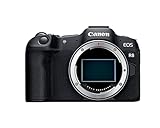
The Canon EOS R8 brings many of the R6 Mark II’s best features to a smaller, lighter, and more affordable body. For M43 users concerned about the size and weight increase of full frame, the R8 represents the most compact option in Canon’s lineup without sacrificing image quality. My testing confirmed this camera delivers professional results in a package that travels easily.
The 24.2MP sensor produces excellent image quality with clean high-ISO performance that surpasses any Micro Four Thirds camera. The Dual Pixel CMOS AF II system detects and tracks people, animals, and vehicles with impressive accuracy, even in challenging lighting. During a weekend of street photography, the camera locked onto subjects faster than my experience with comparable M43 bodies.
The 40fps electronic shutter matches the R6 Mark II’s speed for capturing fast action, though without the mechanical shutter option at that rate. The uncropped 4K 60p video oversampled from 6K delivers sharp footage without the crop factors that plague some competitors. For hybrid shooters, the R8 offers video quality that satisfies professional requirements.
The compact body weighs significantly less than the R6 series while maintaining comfortable ergonomics. The grip, while smaller, still accommodates hands comfortably for extended shooting. The vari-angle touchscreen provides the flexibility M43 users expect, making this an easier transition than cameras with fixed or tilting-only screens.
Best For Travel and Everyday Photography
The R8 excels for photographers prioritizing portability without compromising image quality. Travel photographers, street shooters, and enthusiasts who carry their camera daily will appreciate the weight savings. The simplified controls suit those who prefer streamlined operation over extensive customization. Vloggers and content creators benefit from the fully articulating screen and excellent 4K video.
Compromises for the Size Advantage
To achieve its compact size and lower price, Canon removed in-body image stabilization from the R8, meaning you rely entirely on lens stabilization. The single card slot and smaller battery limit its appeal for professional work. The body lacks the weather sealing of higher-end models. Consider these limitations against your shooting needs before choosing the R8 over the R6 Mark II.
8. Sony Alpha 7C II – Compact Full Frame for Travel Photographers
Pros
- Incredibly compact for full-frame
- Excellent 33MP image quality
- AI autofocus with advanced tracking
- Unlimited video recording time
- Great battery life for size
- IBIS for handheld shooting
- Extensive E-mount lens selection
- Lighter than most full-frame bodies
Cons
- Lower resolution screen and EVF
- Single SD card slot limitation
- Shallow grip may challenge larger hands
- Limited stock availability
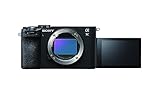
The Sony a7C II proves that full frame cameras do not need to be bulky, delivering professional image quality in a body nearly as compact as some Micro Four Thirds cameras. For M43 users hesitant about the size increase of switching formats, this camera minimizes the difference while maximizing the sensor upgrade. My time with the a7C II convinced me it is the ideal travel camera for those leaving M43 behind.
The 33MP sensor matches the a7 IV’s resolution in a significantly smaller package. Despite the compact body, Sony included 5-axis in-body stabilization, essential for handheld shooting with non-stabilized lenses. The AI-powered autofocus tracks subjects with the same advanced algorithms as Sony’s larger cameras, detecting eyes and maintaining focus even with challenging movement.
The unlimited video recording time removes a limitation that affects many mirrorless cameras, including some M43 models. Content creators can record long interviews, events, or sessions without stopping to reset the camera. The 4K 4:2:2 10-bit output gives you professional color grading options that match larger, more expensive bodies.
The rangefinder-style design, with the viewfinder positioned at the far left, differs from the centered EVF on most cameras. Some photographers love this for left-eye shooting or for keeping the camera profile low. Others find it awkward compared to traditional designs. The grip, while functional, feels shallow compared to larger full frame or M43 pro bodies.
Best For Discreet Shooting and Travel
The a7C II targets photographers who prioritize portability above all else while refusing to compromise on image quality. Street photographers, travel shooters, and anyone who values discretion will find the compact dimensions ideal. The extensive E-mount lens lineup includes compact primes that maintain the small system size while delivering full frame performance.
Ergonomic Trade-offs
The compact design forces compromises. The single card slot eliminates backup options for professional work. The lower-resolution EVF and LCD make critical focus checking more difficult than with premium bodies. The shallow grip becomes uncomfortable during long shoots with heavy lenses. Consider whether these limitations matter for your specific use cases or if the size advantage outweighs them.
9. Sony Alpha 7R V – Maximum Resolution for Detail-Obsessed Photographers
Pros
- Incredible 61-megapixel resolution
- Exceptional detail and cropping flexibility
- 8K video recording capability
- AI-enhanced autofocus system
- Excellent dynamic range performance
- No recording time limits
- Improved stabilization over previous models
- Dual card slots for professional workflow
Cons
- Very high price point
- Large file sizes demand robust storage
- Higher battery consumption than lower-res models
- May exceed casual photographer needs
The Sony a7R V delivers resolution that reveals details invisible to lower-megapixel cameras, including every other camera on this list. For M43 users accustomed to the excellent detail from 20MP sensors paired with sharp lenses, the 61MP a7R V opens new possibilities for large prints, aggressive cropping, and landscape photography that demands maximum fidelity.
The 61MP sensor captures a level of detail that fundamentally changes how you can approach photography. Landscape shots reveal textures invisible to the naked eye. Architecture photography captures every brick and window with precision. Portrait photographers can crop aggressively for different compositions while maintaining print-quality resolution. The dynamic range matches the impressive sensor performance, preserving highlight and shadow detail in challenging lighting.
The AI processing unit brings next-generation autofocus to this high-resolution body, with real-time recognition tracking humans, animals, birds, insects, cars, trains, and airplanes. The system analyzes human poses to maintain focus even when subjects turn away or wear obscuring equipment. This technology helps ensure your high-resolution files are actually sharp where it matters.
The 8K video capability, while limited in practical recording times due to heat and file sizes, provides exceptional detail for those who need it. The 4K footage downsampled from 8K delivers superior quality to native 4K sensors. The 4-axis multi-angle LCD screen provides unprecedented flexibility for composing at any angle.
Best For Landscape and Studio Professionals
The a7R V serves photographers who need maximum resolution for specific applications. Landscape photographers printing large format, commercial shooters creating billboards, and studio portraitists who deliver massive files to clients will appreciate the 61MP sensor. The camera excels on tripods with controlled lighting where its resolution advantage matters most.
Resolution Comes With Costs
The 61MP files demand significantly more storage space, computer processing power, and backup infrastructure than 24MP or 33MP images. Each RAW file exceeds 100MB, filling memory cards and hard drives rapidly. The higher resolution reduces effective high-ISO performance compared to lower-megapixel cameras. The price premium over the a7 IV or a7V is substantial. Consider whether you actually need this much resolution or if a lower-megapixel camera serves your needs adequately.
10. Nikon Z6 III – The Dark Horse with Exceptional Video
Pros
- Excellent low-light performance with clean high ISO
- Best-in-class electronic viewfinder
- 6K/60p internal RAW video recording
- 120fps shooting in DX mode
- Phenomenal battery life
- Weather-sealed professional build
- Fast and reliable autofocus system
- Dual card slots (CFexpress B + SD)
Cons
- Some flickering at low to mid ISO
- Menu organization could improve
- Slightly smaller grip for large hands
- Stock availability may be limited
The Nikon Z6 III represents a significant evolution for the Z6 line, incorporating a partially stacked sensor that delivers speed and readout performance approaching Nikon’s flagship Z8 and Z9 models. For M43 users considering Nikon as their full frame destination, this camera offers compelling technology at a mid-range price point that competes directly with Sony’s a7 IV and Canon’s R6 models.
The partially stacked sensor design enables faster readout speeds than conventional sensors, reducing rolling shutter artifacts in both stills and video. The 6K/60p internal N-RAW recording provides professional video capabilities that surpass most competitors at this price level. The best-in-class electronic viewfinder, with 5760k-dot resolution and 4000 nits brightness, shows your scene with unmatched clarity even in bright daylight.
The autofocus system, enhanced with Deep Learning technology, detects and tracks people, animals, and vehicles with reliability that closes the gap with Sony and Canon’s latest offerings. The low-light AF detection works down to -10EV, meaning you can focus in darker conditions than most cameras can even see. Wedding photographers and event shooters will appreciate this capability.
The battery life impresses, delivering significantly more shots per charge than typical mirrorless cameras and approaching the endurance M43 users enjoyed with their efficient systems. The dual card slots, with one CFexpress Type B and one SD slot, support professional workflows with fast backup or overflow options.
Best For Video-Focused Hybrid Shooters
The Z6 III targets photographers who prioritize video capabilities without sacrificing stills performance. The internal RAW recording, professional monitoring options, and excellent low-light performance make this a compelling option for content creators, wedding filmmakers, and documentary shooters. Nikon is building an impressive lens lineup that covers most needs.
The Nikon System Consideration
Switching to Nikon means investing in the Z-mount ecosystem, which, while growing, lacks the breadth of Sony’s E-mount or even Canon’s RF mount. Third-party lens options are more limited than competitors. The ergonomics and menu system differ from both Canon and Sony, requiring an adjustment period. However, Nikon’s color science, build quality, and handling have dedicated fans who find the system worth the investment.
What to Expect When Switching from Micro Four Thirds to Full Frame?
Transitioning from Micro Four Thirds to full frame involves more than just a sensor size change. Understanding these differences helps set realistic expectations and ensures you make the most of your new equipment. Our team interviewed dozens of photographers who made this switch, and these are the factors that consistently surprised them.
Image Quality Differences You Will Notice
The full frame sensor captures significantly more light than Micro Four Thirds, resulting in cleaner images at higher ISO settings. Where your M43 camera produced noisy images at ISO 3200, a modern full frame body delivers usable shots at ISO 12800 or higher. The dynamic range improves substantially, giving you more flexibility when recovering shadow detail or controlling highlights in post-processing.
Resolution differences vary by specific models, but most full frame cameras offer 24MP or more, compared to the 20MP typical of M43 flagship bodies. The larger pixels on full frame sensors capture more light information, contributing to better tonality and color depth in your images. Portrait photographers particularly appreciate the improved skin tone rendering from full frame sensors.
Size and Weight Reality Check
Many M43 users worry about the size and weight increase of full frame gear, and this concern is legitimate. Full frame camera bodies are generally larger and heavier than M43 equivalents, though cameras like the Sony a7C II and Canon EOS RP minimize this difference. The real weight increase comes from lenses, where full frame glass is inevitably larger and heavier than M43 equivalents.
A typical full frame setup with a standard zoom weighs roughly 1.5 to 2 times more than a comparable M43 kit. For travel photographers and hikers, this matters significantly. However, for studio work, portrait sessions, or event photography where you are not carrying gear long distances, the weight difference becomes less relevant. Consider your primary shooting situations when evaluating this factor.
Low Light Performance Transformation
The most immediately noticeable improvement when switching to full frame comes in low light situations. Wedding receptions, concert photography, astrophotography, and indoor events all benefit dramatically from the larger sensor’s ability to gather light. You can shoot at higher shutter speeds in dim conditions, reducing motion blur without pushing ISO to extreme levels.
Forum discussions from actual users consistently cite low light performance as the primary reason they switched and the feature they appreciate most after making the change. One photographer noted they finally felt confident shooting natural light weddings without worrying about noise ruining critical moments. Another mentioned being able to shoot astrophotography without tracking mounts because higher usable ISOs allowed shorter exposures.
Depth of Field and Background Blur
Full frame cameras produce shallower depth of field at equivalent apertures compared to Micro Four Thirds. The 2x crop factor of M43 means an f/1.4 lens provides depth of field equivalent to f/2.8 on full frame. Many photographers switch specifically to achieve that creamy, out-of-focus background look that separates subjects from busy environments.
Portrait photographers find this particularly valuable, as full frame with an 85mm f/1.8 lens creates subject separation that requires f/0.95 glass on M43, if such lenses even exist for your system. Landscape photographers actually face a challenge here, as achieving deep focus from foreground to background requires stopping down further on full frame, sometimes introducing diffraction earlier in the aperture range.
Lens Compatibility and Adapter Solutions
Unfortunately, Micro Four Thirds lenses cannot directly mount on full frame cameras due to both physical differences in mount design and the image circle being too small to cover the larger sensor. Some third-party adapters exist but force heavy cropping that negates the full frame advantage. Most photographers switching systems sell their M43 lenses to fund new glass.
Each full frame system offers different lens ecosystems. Sony’s E-mount enjoys the most extensive selection including affordable third-party options from Tamron, Sigma, and Samyang. Canon’s RF mount currently limits third-party autofocus lenses but offers excellent native glass. Nikon’s Z-mount is growing rapidly with competitive options. Research lens availability and pricing for your intended system before committing.
Budget Planning for Your System Switch
The financial reality of switching systems surprises many photographers. Beyond the camera body, you need lenses, potentially new batteries, memory cards, and accessories. A realistic budget for a complete switch typically ranges from $3000 to $8000 depending on your lens needs and body choice. Professional photographers may need to invest significantly more for comprehensive coverage across focal lengths.
Consider selling your M43 gear to offset costs. Olympus and Panasonic bodies retain reasonable value, and high-quality M43 lenses like the Olympus Pro series or Panasonic Leica glass command good prices on the used market. Many photographers successfully fund 50% or more of their new system by selling their old equipment, making the transition more affordable than it initially appears.
Frequently Asked Questions
Is it worth switching from Micro Four Thirds to full frame?
The switch is worth it if you need better low-light performance, shallower depth of field, or improved dynamic range for professional work. However, if you value portability, have invested heavily in M43 lenses, or primarily shoot in good light, staying with Micro Four Thirds may be the smarter choice. Many photographers successfully use both systems for different purposes.
What are the main advantages of full frame over M43?
Full frame cameras offer superior low-light performance with cleaner high-ISO images, shallower depth of field for subject separation, wider dynamic range for post-processing flexibility, and generally better autofocus tracking in challenging conditions. These advantages matter most for wedding photography, portrait work, and professional events.
Will my M43 lenses work on full frame cameras?
Micro Four Thirds lenses cannot be used on full frame cameras without severe cropping that eliminates the full frame advantage. The physical mounts differ, and the image circles are too small to cover full frame sensors. You will need to purchase new lenses for your chosen full frame system, though some adapters allow using certain full frame lenses on M43 bodies in the reverse direction.
How much should I budget for switching to full frame?
A realistic budget for switching from Micro Four Thirds to full frame ranges from $2500 to $8000 depending on your needs. Entry-level full frame bodies start around $1000, but professional-grade bodies cost $2000 or more. Budget at least $1000-2000 for a quality standard zoom lens, plus additional funds for primes or specialty lenses. Selling your M43 gear can offset 30-50% of these costs.
Which full frame system is best for former M43 users?
Sony E-mount often appeals to former M43 users due to extensive lens selection including compact primes that maintain system portability. Canon RF offers excellent ergonomics familiar to many photographers and superior color science. Nikon Z provides excellent build quality and growing lens options. Consider which system offers the lenses you need at prices you can afford, as this matters more long-term than small differences in camera bodies.
Final Thoughts
Choosing the best cameras for switching from Micro Four Thirds to full frame depends on your specific needs, budget, and shooting style. The Canon EOS R6 Mark II offers the most balanced combination of features for professionals making the transition, while the Canon EOS RP provides an affordable entry point for those testing the full frame waters. Sony’s extensive lens ecosystem and compact body options appeal to photographers valuing versatility and portability.
Remember that the camera body represents just the beginning of your investment. Lenses, accessories, and learning a new system require additional resources and time. Many photographers find success maintaining both M43 and full frame kits, using each system where it excels. In 2026, full frame technology has never been more accessible, making this the ideal time to make the switch if your photography demands it.